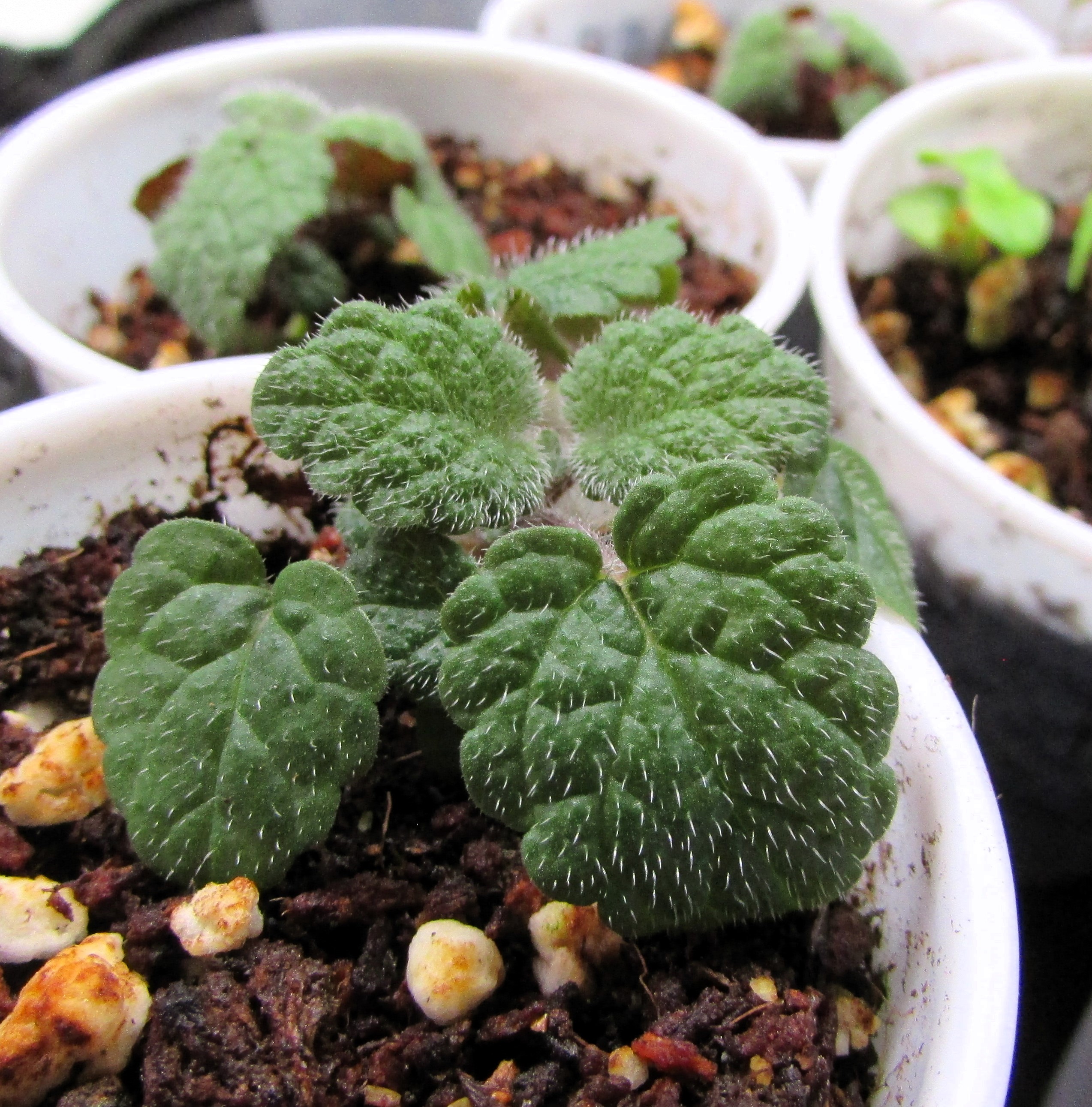
I love drinking teas concocted from my own fresh herbs. Lemon balm grows throughout my backyard garden, and it is one of my favorite herbs. The light, delicate taste of the tea reminds me of springtime. The leaves can be dried or frozen into cubes for winter use. Recently, I was excited to find another type of lemon balm called Mandarina. It is in the lemon balm family, but it has the scent/taste of Mandarin orange. The description in the Baker Creek Heirloom Seeds catalog said that it would add citrusy notes to tea. I was hooked by this description and haven’t been disappointed so far. The germination rate of the seeds was outstanding, and I have several small plants in Dixie cups growing on heat mats and under lights. I’m very excited about trying it. I haven’t pinched off a leaf yet to see if it has a mandarin orange scent, but they will soon be big enough to do just that. Within a month or two, I should be able to add the Mandarina leaves to my fresh teas.
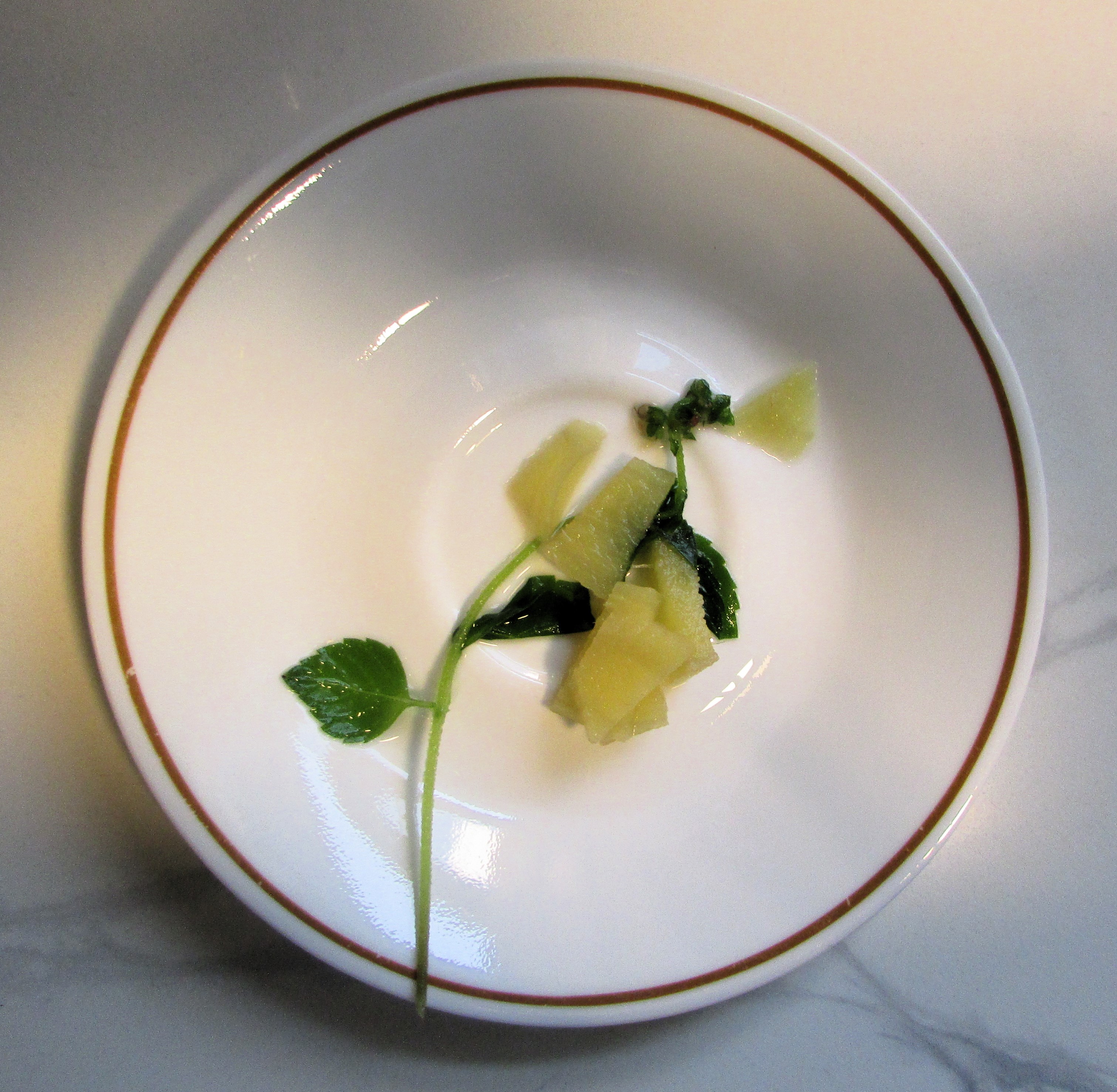
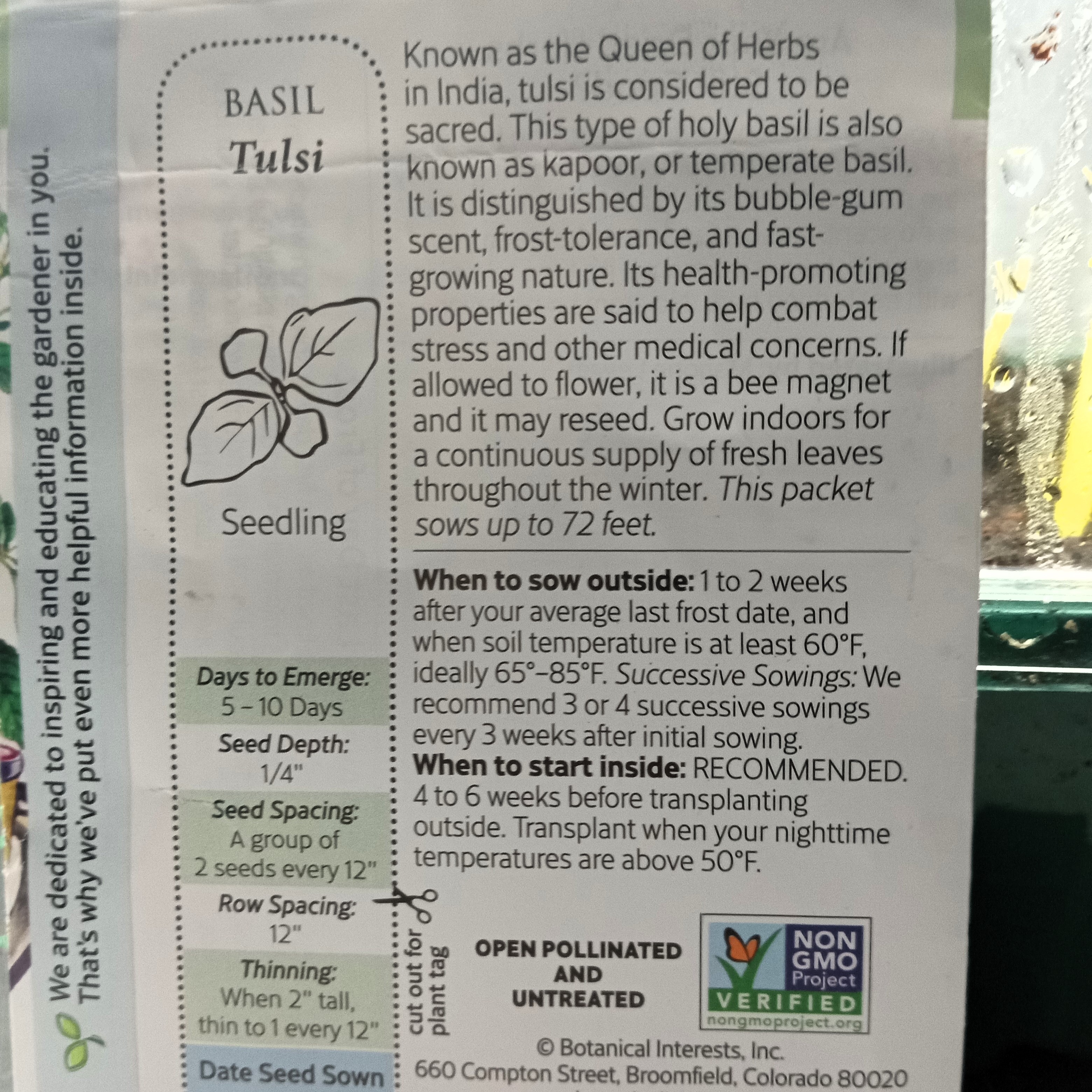
Another favorite tea combination I drink quite often is Tulsi (Holy Basil) with fresh-cut ginger root. This tea is uplifting and soothing to your spirit and digestive tract. I add a little honey to the bottom of the cup as it steeps, and the taste and brightness are delightful.
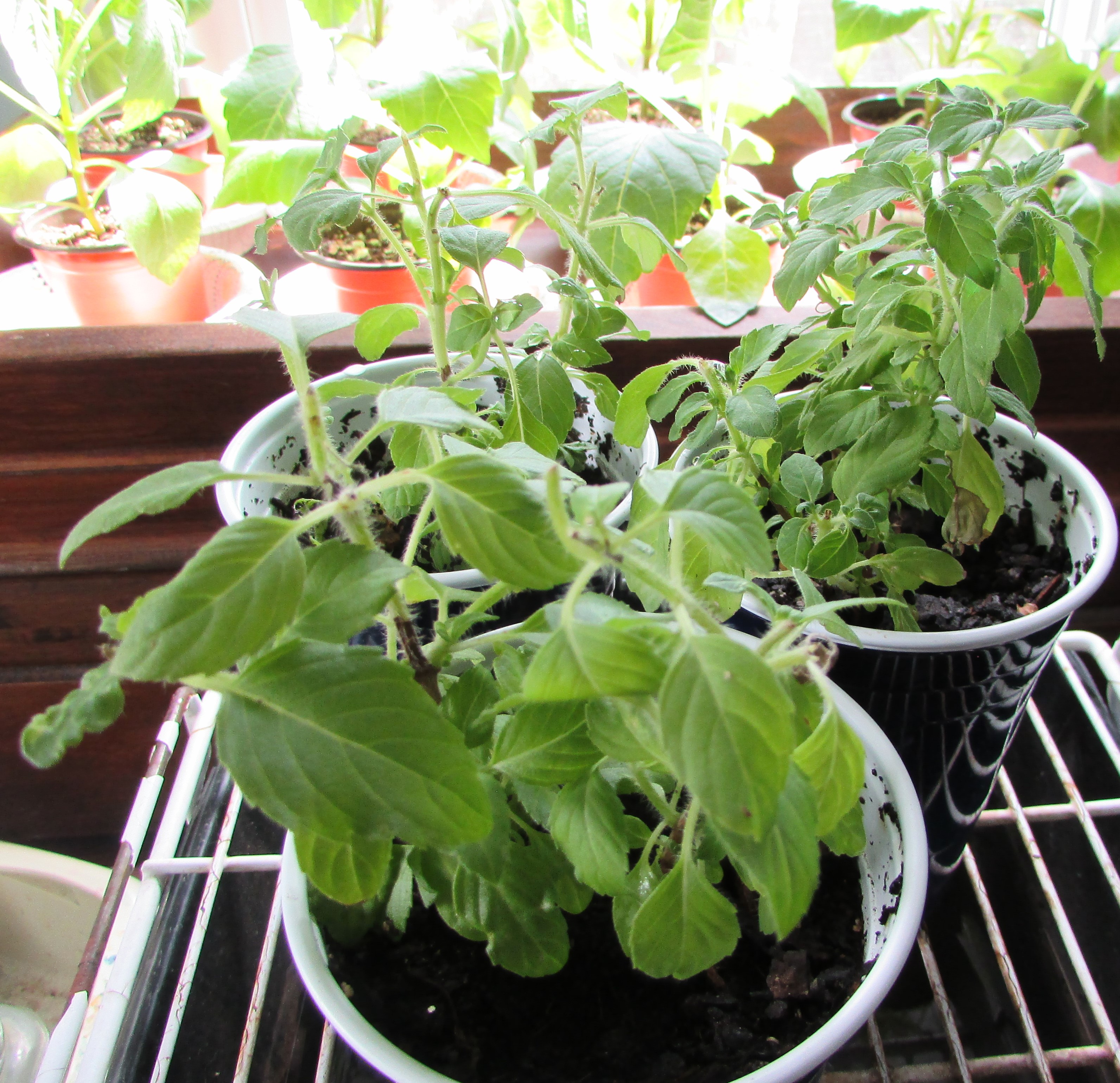
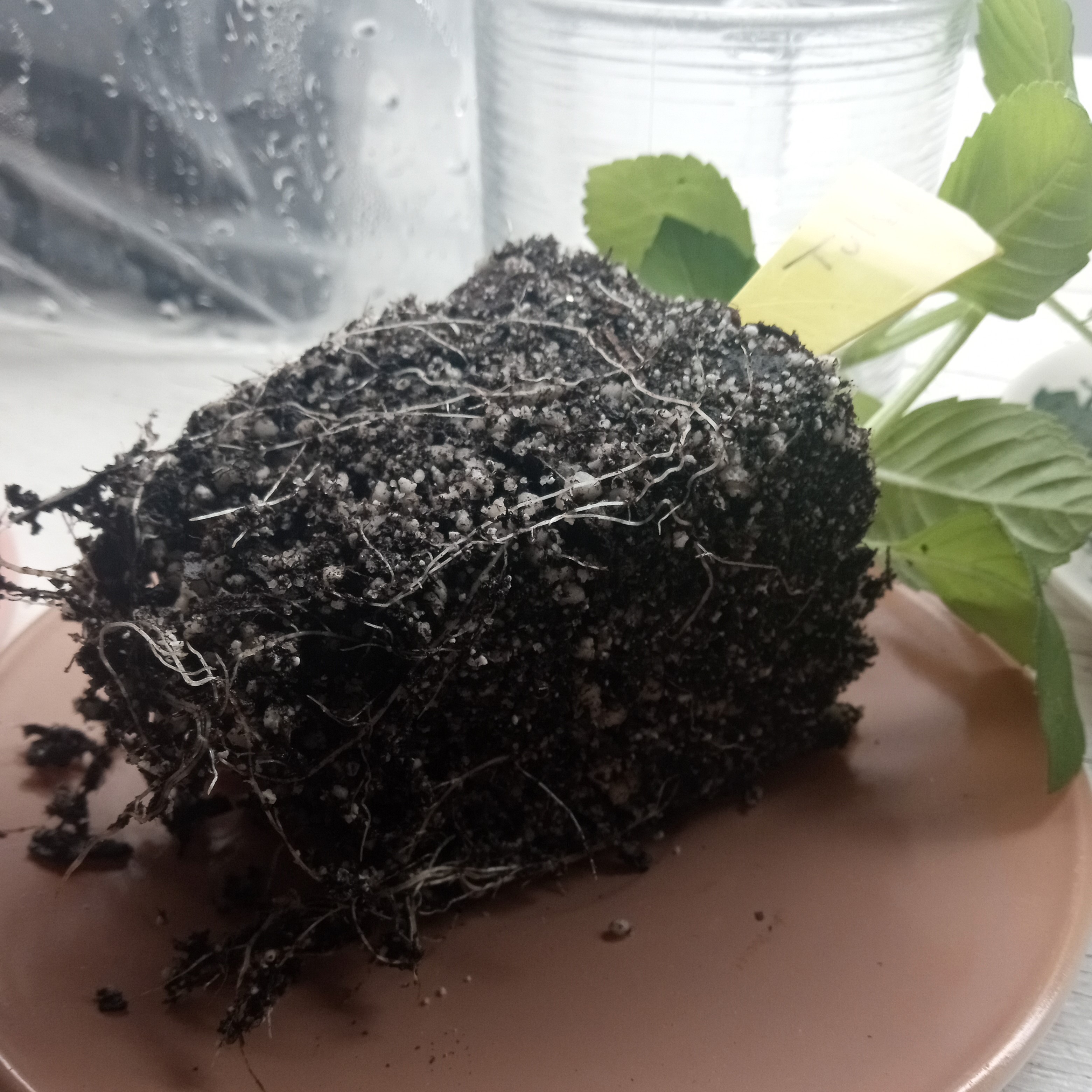
Tulsi is a wonderful plant, and it grows quite easily for me from seed. I have grown multiple plants in Dixie cups, the larger party size with drainage punched into the bottom, throughout the winter, and I pinch off a stem or a few leaves for my tea combined with fresh ginger. This plant grows well outdoors but blooms quickly. That isn’t a problem, though, because I also use the blooms and buds in my tea. Tulsi does have a few precautions to bear in mind if you take medications, so before you jump into growing and drinking it as a tea, double-check your medications against any cautions listed for Tulsi. I’ve included a great link with information on the health benefits and side effects of Tulsi.
Tulsi – Holy Basil – Benefits and Side Effects
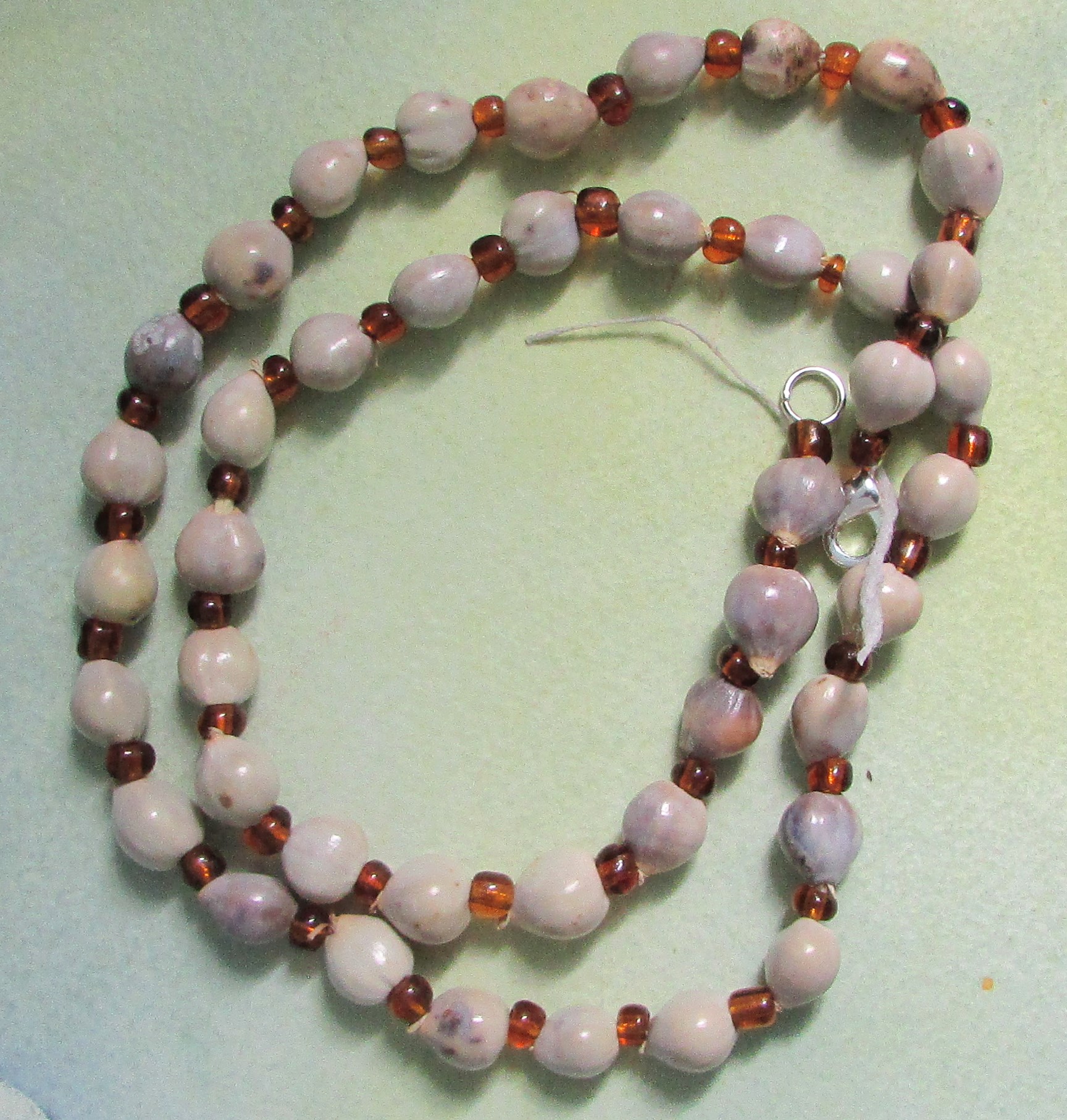
While searching through old project boxes, I found a necklace I started years ago but never finished. The necklace is made from the grain/seeds of a plant called Job’s Tears. This is a very unique plant and interesting to grow in the garden. I grew it in a pot, and it produced a good amount of seeds from just a few plants. I had enough to make the necklace and set aside some of the darker-colored pieces for other projects. I recently decided to try to finish the necklace. After all these years, I was still able to push through the top and inner grain with a very large sewing needle. I only stuck myself once, which amazed me. I used the hardness of my table to push the needle through the interior. Once it was lined up, it went through with no problem, and I was able to finish the necklace, well, almost finish the necklace, it is still waiting for a seashell, using a technique that several pieces of my Jamaica jewelry were created with. I’m hoping to update it later on in the year when I find a shell that I think will match the grains. Job’s Tears are still available from Baker Creek Heirloom Seeds, as I just ordered another packet for myself this year.
This grain was often used to make homemade rosaries.
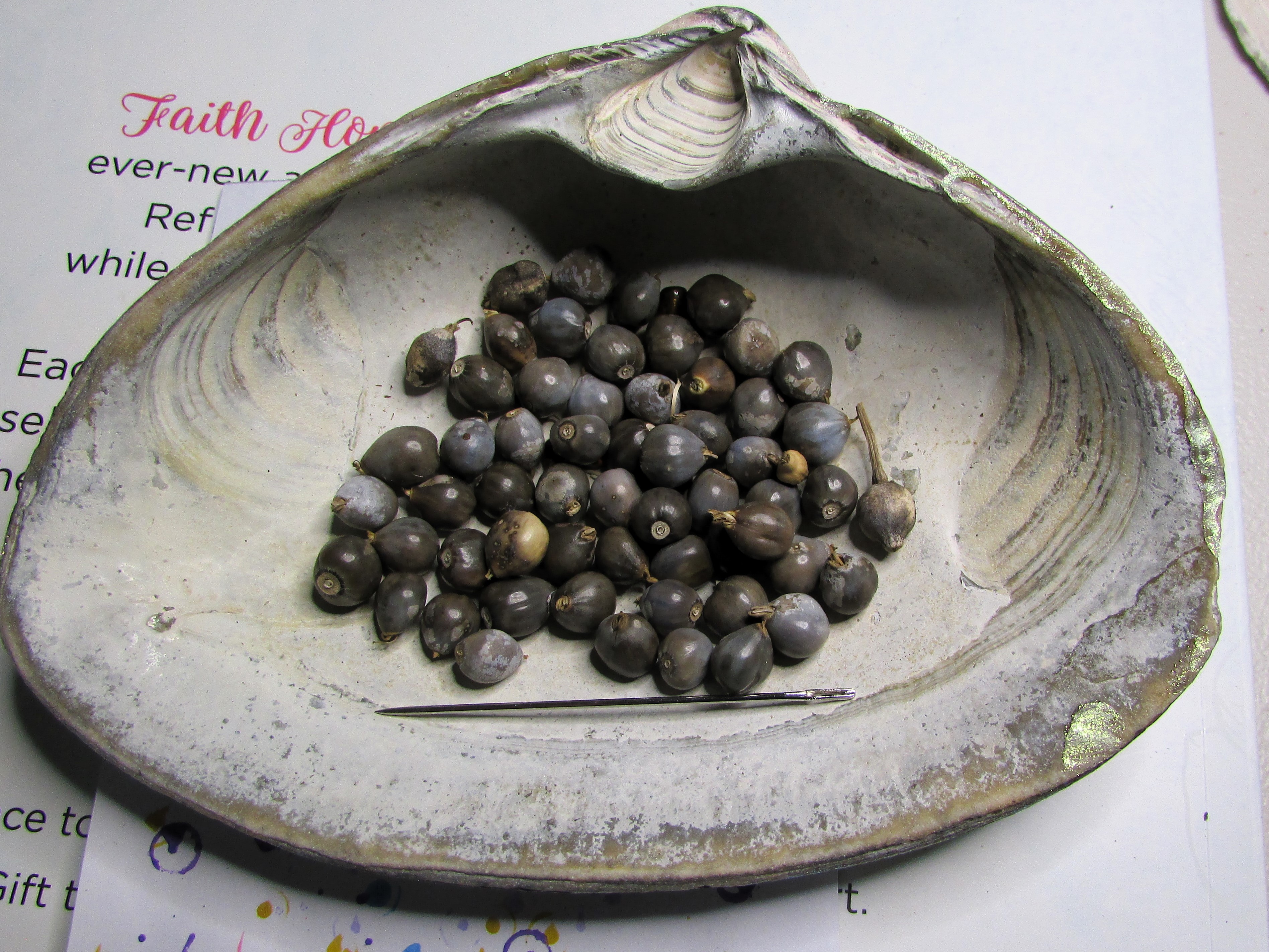
You can find my original post on growing Job’s Tears through this link. There is no limitation on the many projects you can make with this grain, and there is also the added benefit that it is edible.