Problem-Solving & Pests – That’s Ugly

I’m laughing as I read through this, remembering all I have posted on how to chase away garden pests without harming them: water balloons, rubber snakes, jingle bells, etc. Here’s a new idea…yes, you can laugh, I never win 100% with the rodents or the bugs.

In the 1960s, our family’s favorite visitor was my Mom’s cousin, Norma. Norma lived in California, which alone made her quite the novelty since we lived on the other side of the USA in New Jersey. She always visited, armed with plenty of stories to entertain us. On one visit, she brought a hysterical book called ‘That’s Ugly.‘ The witty prose and the illustrations captivated us.

I say all that to introduce my latest pest and squirrel/chipmunk deterrent. Now, don’t get me wrong–I adore my squirrels. I walk around with peanuts to toss out to the friendliest backyard inhabitants. I don’t want to harm anything by using non-organic means to deter them.
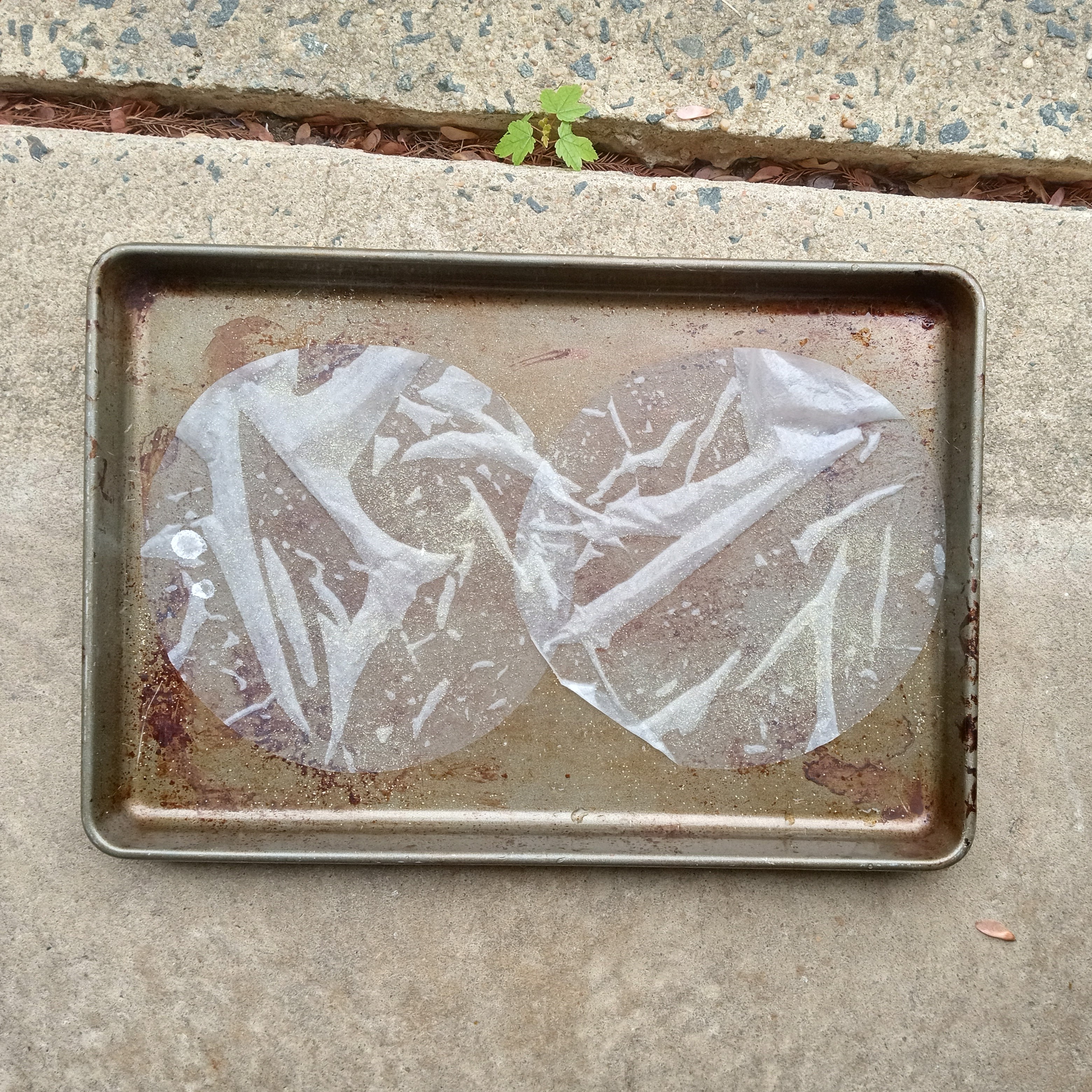
Quite by accident, I discovered a perfect deterrent while filtering powdered garlic through a coffee filter. The resulting garlic water, combined with a drop of dish detergent, 1 tsp of baking soda, and a touch of oil, makes the underside of my rose leaves inhospitable to the sawflies laying their eggs on said leaves. After spraying the roses, I noticed that the garlic powder had dried to the coffee filter as if glued and still retained its potent smell.

I was thrilled. I now have made up several of these stinky filters. I put them in pots of newly planted sprouts; I hang them on hooks and skewers near flowers I don’t want nibbled. It is working. The adorable squirrels still get peanuts, but don’t bury them in my garden pots now. The problem is, the sight of them would be a perfect addition to the book ‘That’s Ugly!’ Honestly, it looks like my garden pots have been toilet-papered on Mischief Night. I hope I can remove the filters in a week or two, and the plants will be left alone.

*One note, the garlic actually becomes glue. If I don’t remove the filters from the pan while still damp, they dry and stick to whatever surface I have laid the on.

Long post short: Give it a try. It seems to organically keep the sawflies and digging rodents at bay.

Phlowers & Problem-Solving – Calendula and Whitefly Deterrents

I love this shade of yellow and am pleased that many of the Calendula seeds I sowed in the Spring are growing in my garden. Calendula are easy to grow. You can sow them indoors for early bloom, they also do well direct-sown into the ground, and are often part of wildflower seed packets. There are many medicinal uses for Calendula, making them a powerhouse plant when you consider the beauty they add to the garden. I’ve planted Calendula in hanging baskets, in pots, and in the ground. Calendula also bloom in a lovely cantaloupe shade of orange.

Unfortunately, that lovely yellow color and bright green foliage makes the Calendula a prime target of whiteflies and aphids. Aphids are easy to control with a dousing of the hose or handpicking. Whiteflies are not as easy, and need a bit of baiting to be trapped. I used the same beautiful yellow color to lure them to their demise.

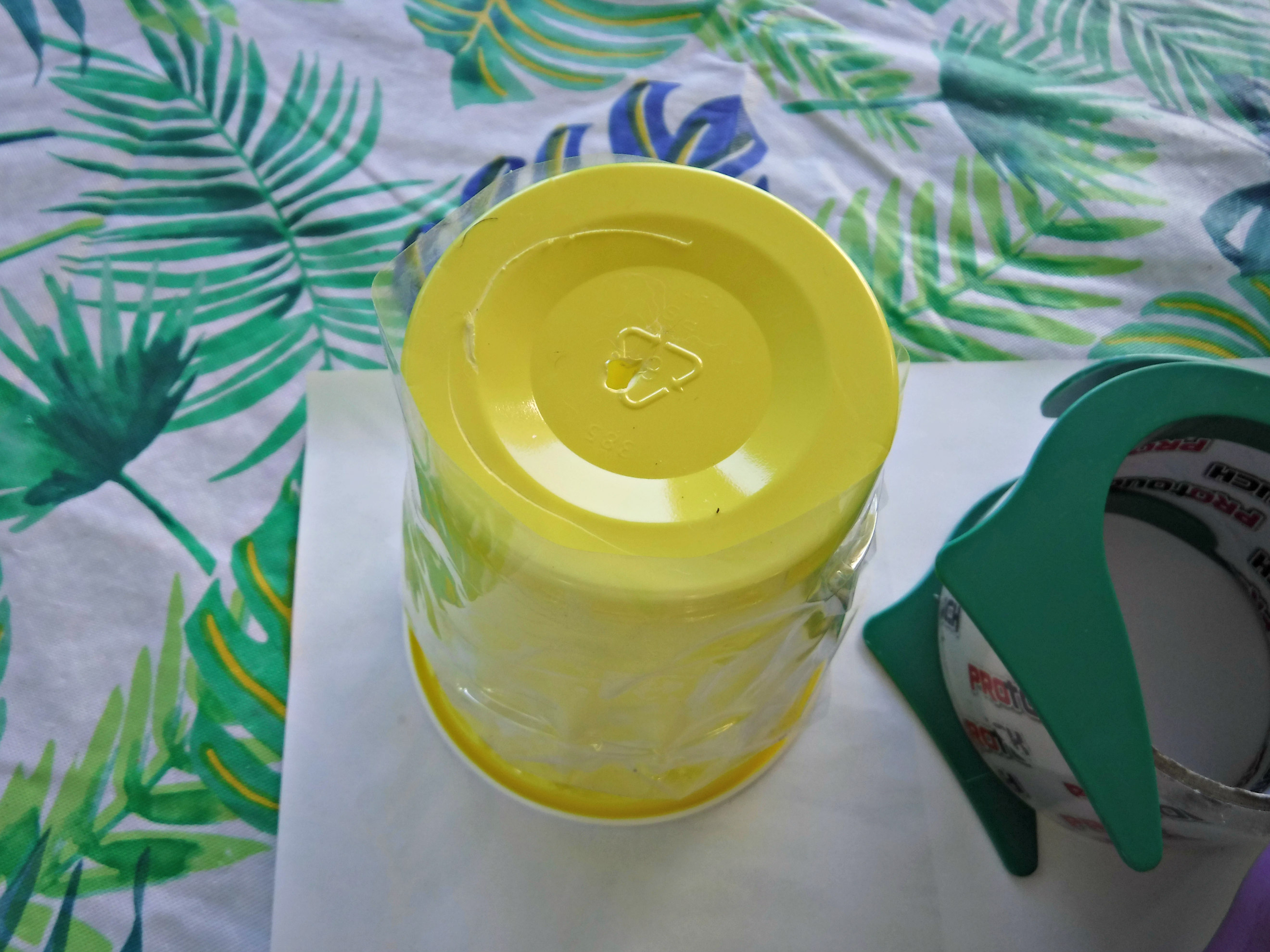
I gathered a few items together, a yellow plastic cup, clear packing tape, string, scissors, and a paper clip.

I punched a hole in the bottom of the cup with the scissors, and strung the string into it with the paperclip opened up to keep it in place. I wound the tape around the cup, sticky side out, covering all the sides.

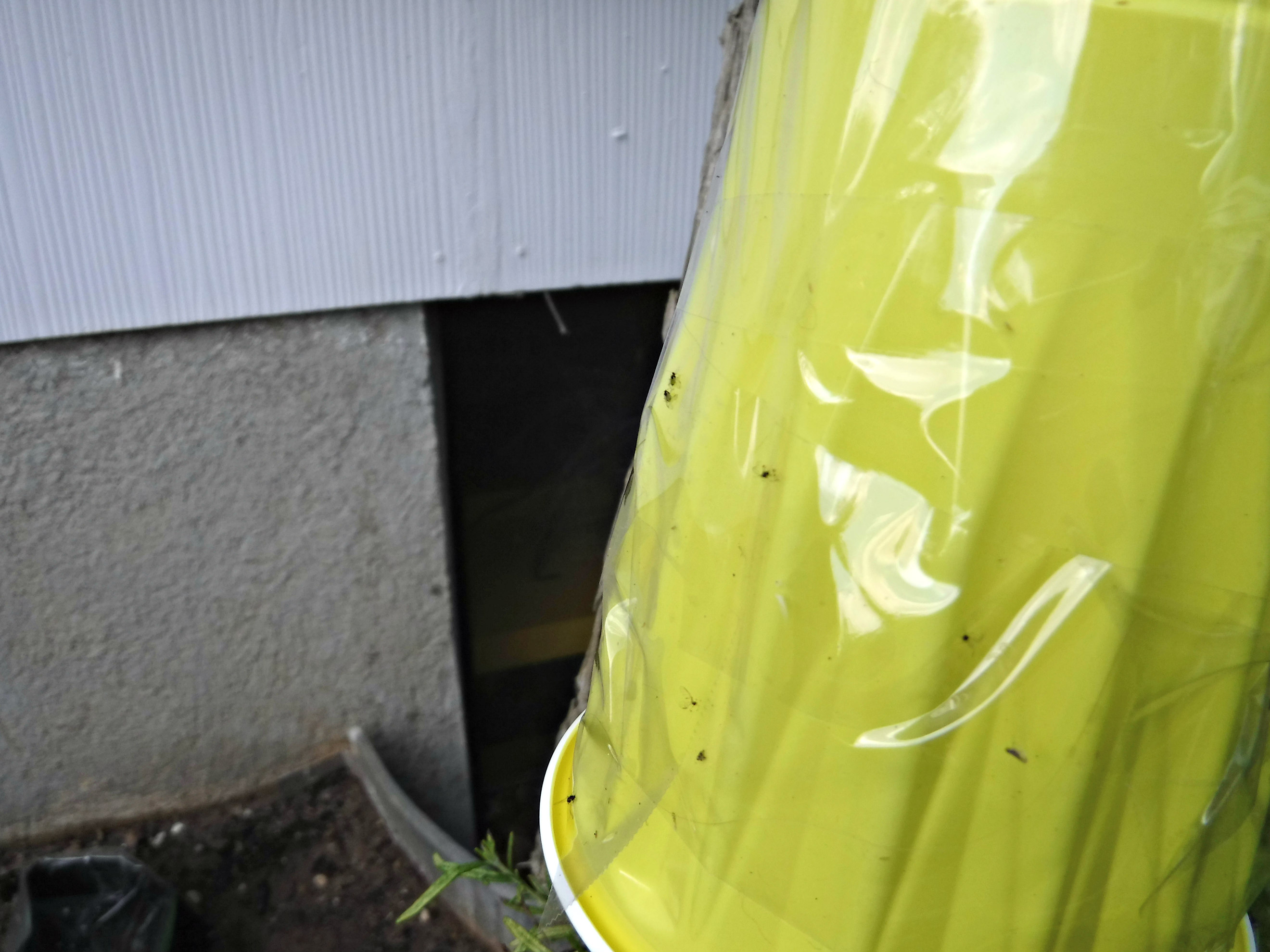
I hung this near the area of whitefly infestation.

Success! The whiteflies, attracted by the yellow, landed on the sticky tape and met their fate. It has rained, and the tape is a little less sticky now, but it’s easy to replace. This is a low-cost fix for pests with the plus of using no harsh chemicals. Brushing the plants near the trap several times a day causes the flies to swarm off the plants and helps the trap capture more of the pests.

This post is part of Cee’s Flower of the Day.

If you don’t want to make your own traps, whitefly sticky traps are also available in hardware stores and garden centers.

Problem-Solving – Conquering Houseplant Pests Part II- Spider Mites

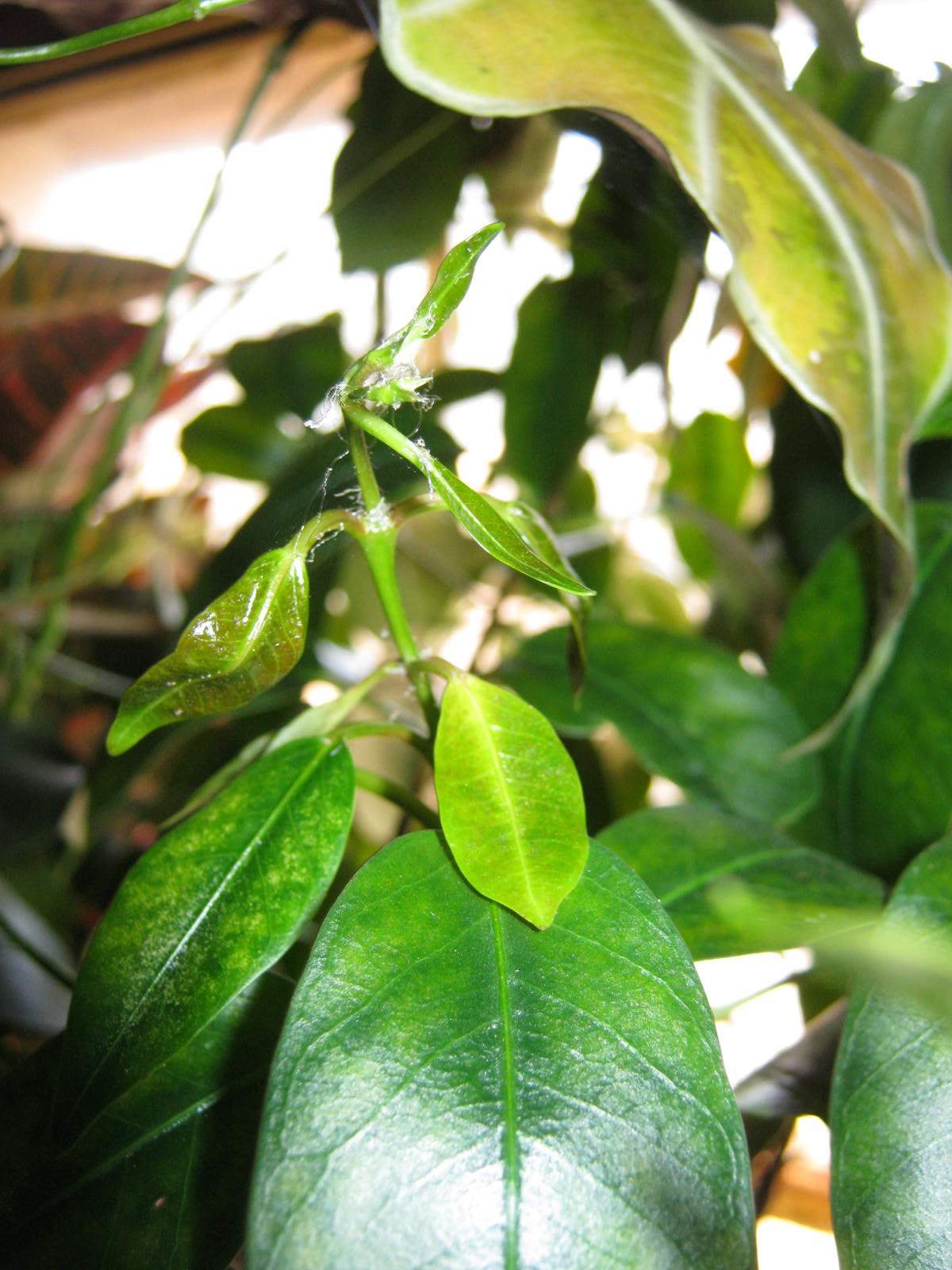
Spider Mites are a pest I hate to see indoors or out. They are microscopic in size, and usually, they have caused quite a bit of damage before you are even aware they are on your house or garden plants. Here is some good information on what a spider mite can do to your foliage. Spider Mites

IMG_0298

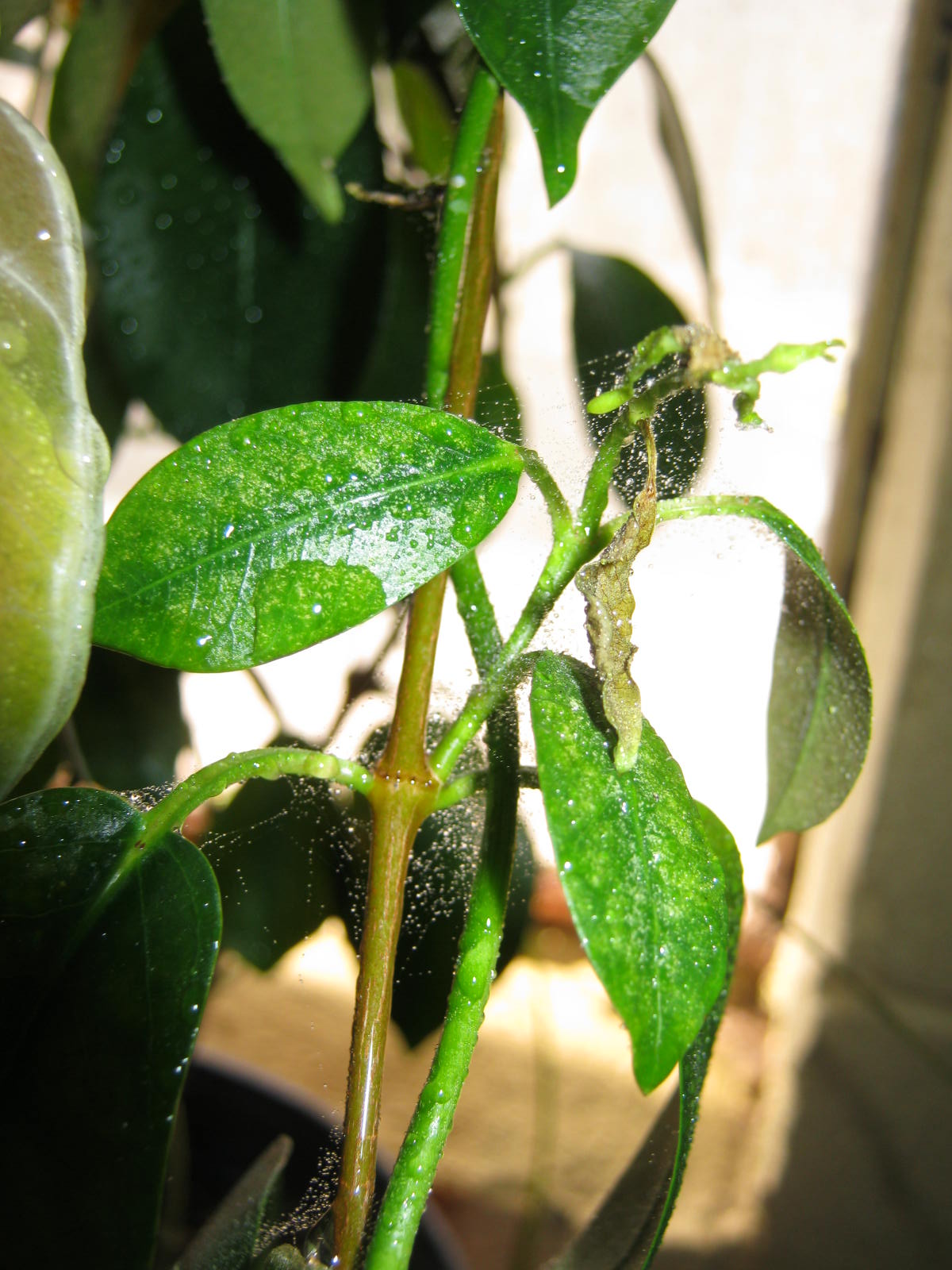
This week I noticed some yellowing leaves on my Mandevilla Vine. Because I have had problems with spider mites in this area of the basement in the past, they were tops on my list of possible pests. Instead of peering at each stem individually, I used my quick and easy solution. I sprayed the entire plant with a mister. Sure enough, the webbing the spider mites leave behind on the leaves caught the droplets of water and glowed in the sunlight. Since I want to keep all my pest control organic, I have found that the best approach to controlling spider mites is to spray the plant with water every day. This keeps the spider mites under control until it is warm enough for me to take the plant outside and really douse it with a hard spray of the hose. Daily sprays of the hose for a week or two will obliterate the spider mite colony. This technique also works on aphids. The only other solution is to spray with dangerous chemicals or toss the plant in the garbage heap.

IMG_0299

Spraying the infected plant with water will allow you to see how badly infested your plant has become. It is a good idea to spray all your houseplants to see if there are any errant mites on surrounding greenery.