Place – Sanibel Island, Florida

We recently spent five days on Sanibel Island, Florida. It was our fourth time down, and the devastation from Hurricane Ian is still visible. Yet, the islanders and businesses are booming back. There were still shuttered areas, but many businesses have reopened. We were saddened to see that the hotel we always stayed in, The West Wind, has been torn down, but we are hoping they will rebuild it. The place we chose to stay in, Periwinkle Cottages, was terrific and a perfect substitute for The West Wind.

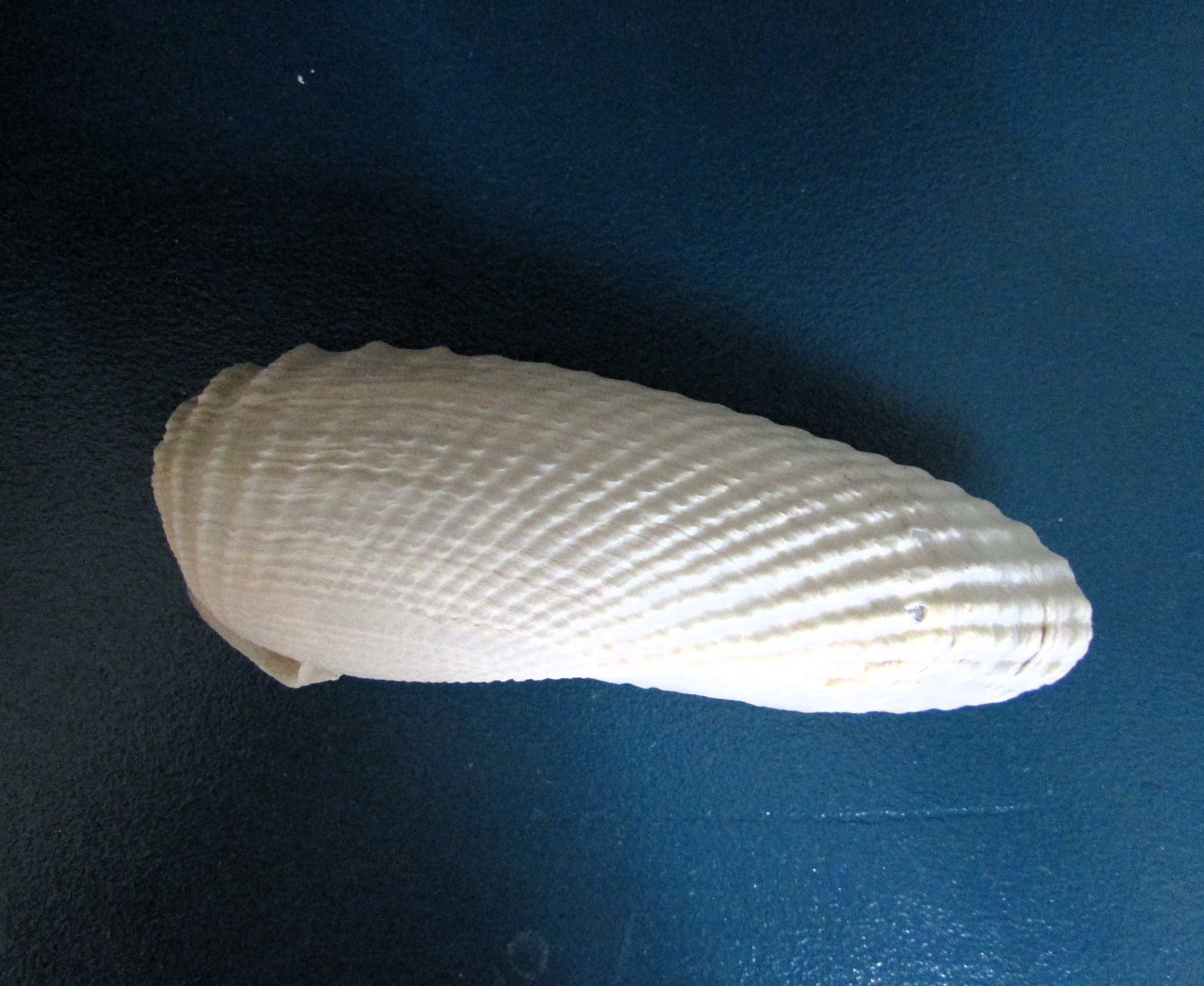
Sanibel is known for seashells, and the beach did not disappoint us. Fighting conchs, enormous cockleshells, and pristinely pink scallops, the photograph does not show the beauty of the shells. We also found a few olive shells, whelks, and many small shells with holes for stringing into projects or jewelry. I also found an intact angel wing seashell and managed to get it home in the same condition. If you have a chance to visit Sanibel Island, I can promise you will find shells.
I have to limit myself on how many I bring home before I even step on the airplane. I packed a large plastic container inside my suitcase to be filled with seashells. Doing so keeps me from bringing home too many. There were mountains of shells on the beach while we were there. I highly recommend wearing water shoes if you plan to go. Seashells are beautiful, but walking on them can feel like sharp gravel under your feet.

Plants – Sea Beans

Sea beans, the name is surprisingly unknown to most people. Are they edible? No. Where do they grow? They self-sow in most cases, and are responsible for diverse plants finding root in new places.

Nickernuts, dove gray in color, like the sky before a storm. The seed coat is near impenetrable, almost as hard as the glass marbles they resemble in size. I planted the seeds in soil to no avail. I soaked them for days without any water absorption occurring, my next attempt might be drilling them with my Dremel tool.

These sea beans are stored in a hidden area in my home. Several of them appear to be the seeds of the Castor Bean plant. This plant is extremely toxic. I haven’t planted any of these seeds; I don’t want a Castor Bean plant growing in my home or garden because of possible danger to pets and children.

I managed to grow a few of the sea beans we collected in October on Sanibel Island, Florida. After soaking in water, they sprouted and grew slowly, but have been great fun to watch. The advice I read that sea beans might take a year to sprout is correct. The tiny sprig on the left appeared months after sowing.

Wordnik has a good definition:

Any of a diverse variety of fruits, seeds or disseminules of land plants that find their way into the world’s oceans and ride currents for months or years before washing up on distant beaches and coastlines.

~Wordnik

Want to learn more about sea beans? Check out this site: What’s A Sea Bean?