Pleasures – Dragonfly

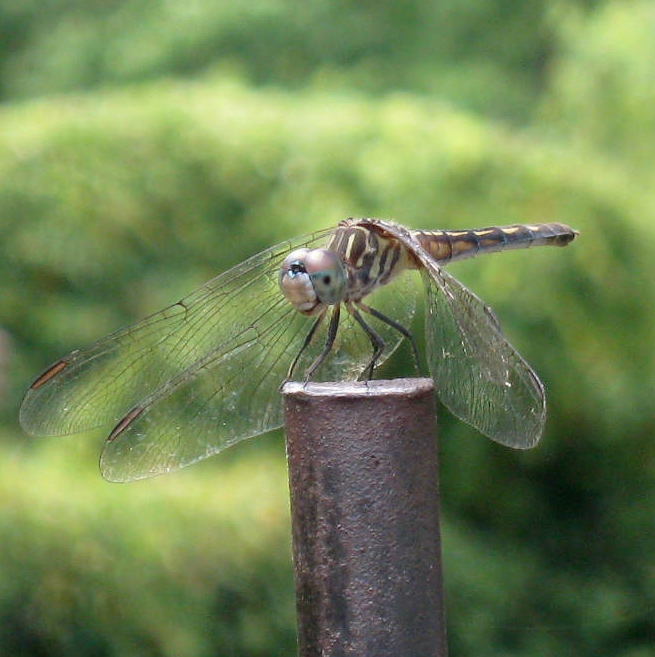
There were quite a few dragonflies in the yard yesterday. This fellow, or gal, seemed to like being in my proximity. I decided to try and put into practice my “Dragonfly Whisperer” abilities. Sure enough when I offered my index finger and slowly nudged his feet, he climbed aboard. Fun!!!

There is a good article here about Dragonfly Whispering: Dragonfly Whisperer

Pleasures – Mantis Spotting

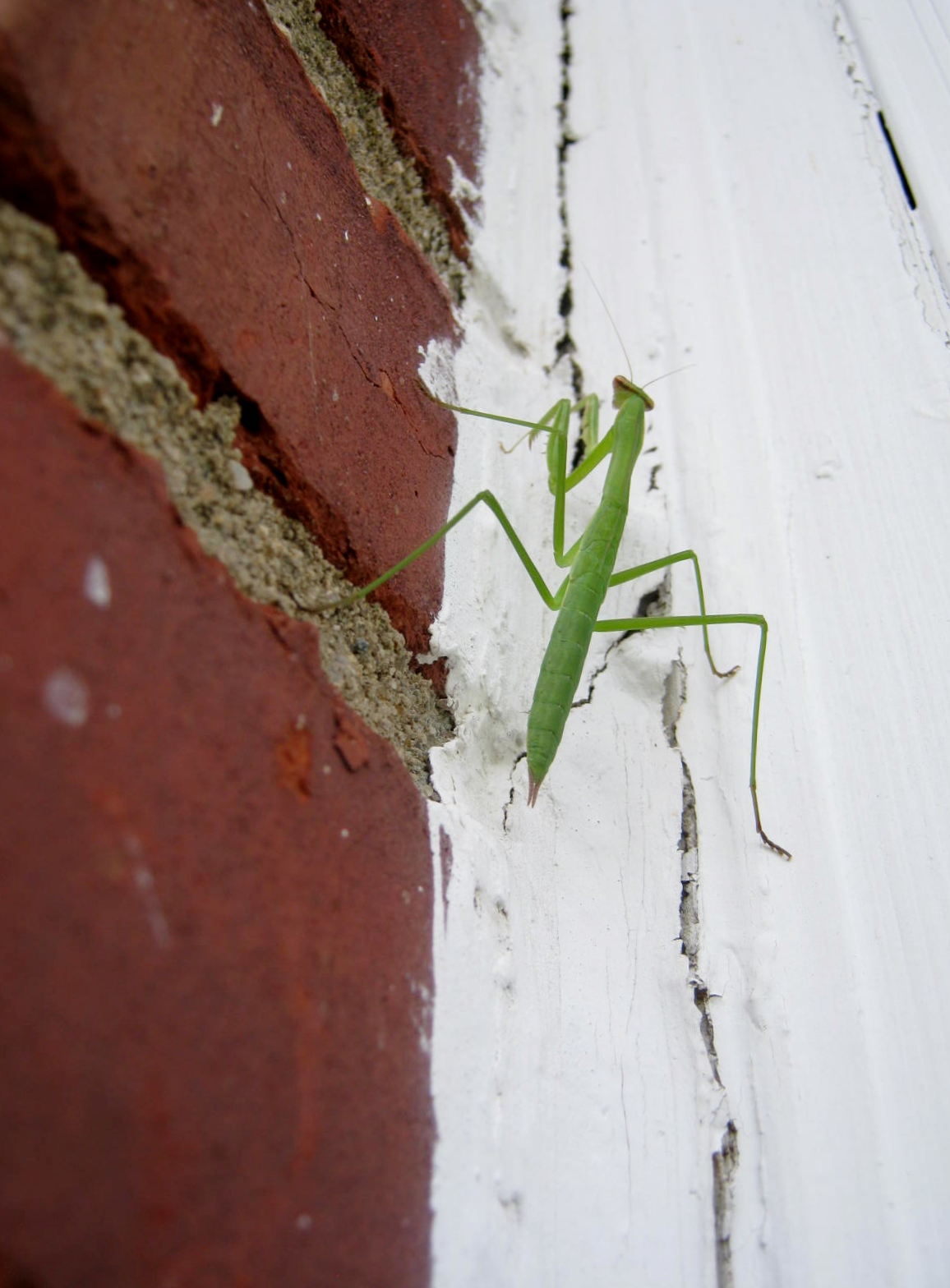
I spotted another one of my baby mantis today…perching, or should I say hunting, along the front brick of the house. He is about three inches long now, and getting close to his full-grown size and appearance.

Project – Square Foot Garden & Container Planting Summer Harvest

I am pleased with the start of my summer harvest. My Square Foot Gardens and container grown plants are producing the beginning of what I hope is a stellar season of produce. The tomatoes are just beginning to ripen, the spaghetti squash is huge and beginning to develop some color, the cucumbers are producing more than I can eat. The peppers and eggplants are still small, but for my husband and I, a smaller size is usually the perfect dinnertime serving.

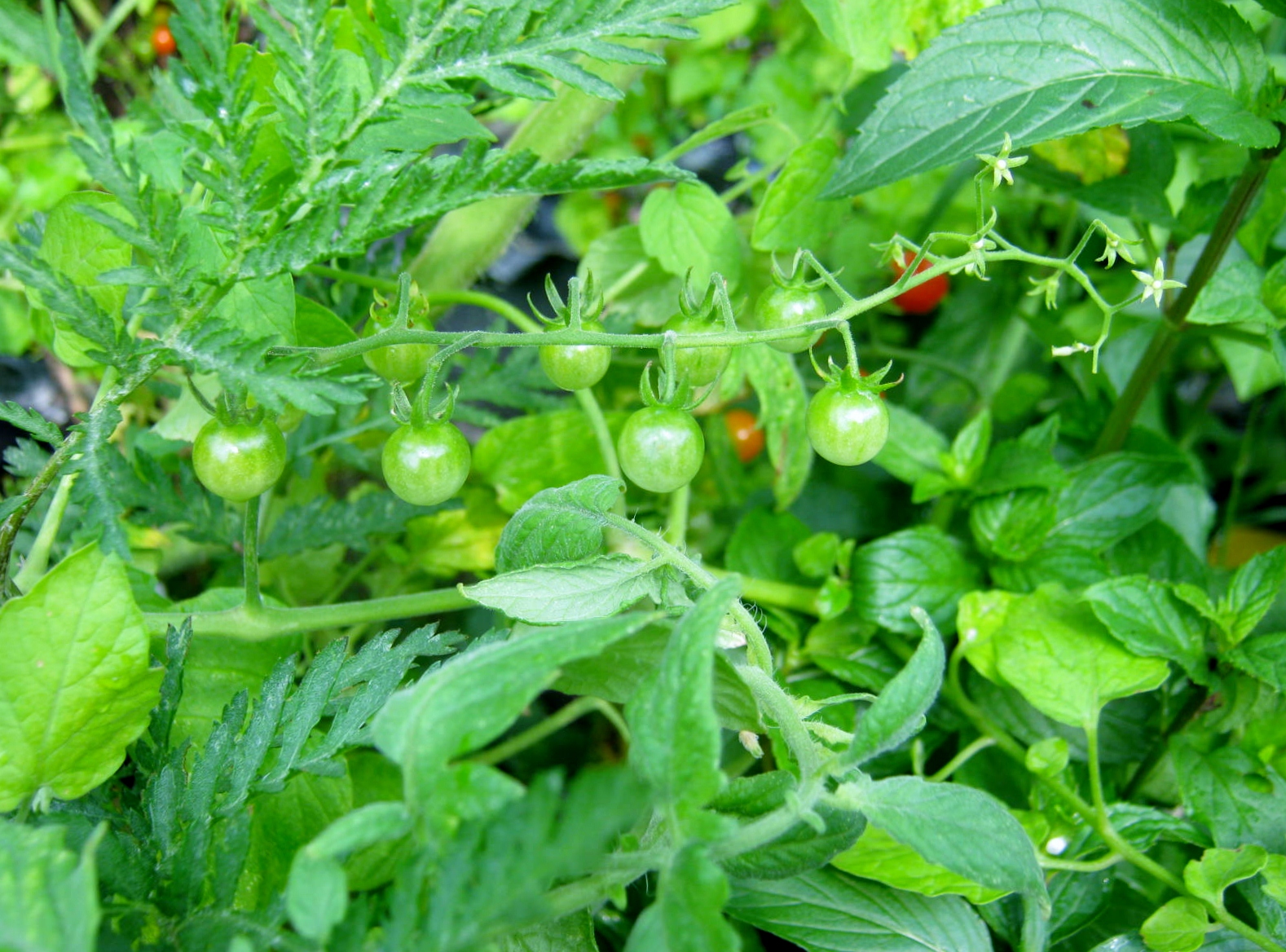
I am thrilled with these small tomatoes I grew from seed this year. I am not sure of the variety of the cherry tomato, in truth I think it came from a free packet of mixed tomatoes I received from Baker Creek Heirloom seeds. They are delicious. The biggest, or should I say smallest, and one of the best surprises, have been the super sweet and delectable “currant” tomatoes. I believe they are an heirloom purchased from The Sample Seed Shop. They are very small…check out the dime for scale. I can’t seem to wait to eat them in a salad, they are just so easy to pop into my mouth as I walk by.

Links for Seed Sources and Square Foot Gardens Official Website:

Baker Creek Heirloom Seeds
The Sample Seed Shop
Square Foot Gardening Official Website

Follow Me on Pinterest

Pressed Flowers – Using the Heat at Hand

We are having quite a heat wave here in the Mid-Atlantic states. I decided to take advantage of the heat at hand.

I picked quite a few of my hydrangea flowers last night. They are beginning to show streaks of contrasting colors as they mature. I have always had a hard time getting the hydrangea blossoms to dry without brown spots appearing. I have tried the traditional method of pressing in between pages of a book. I have experimented with the microwave. I have had no luck with either method. This time I am trying something new.

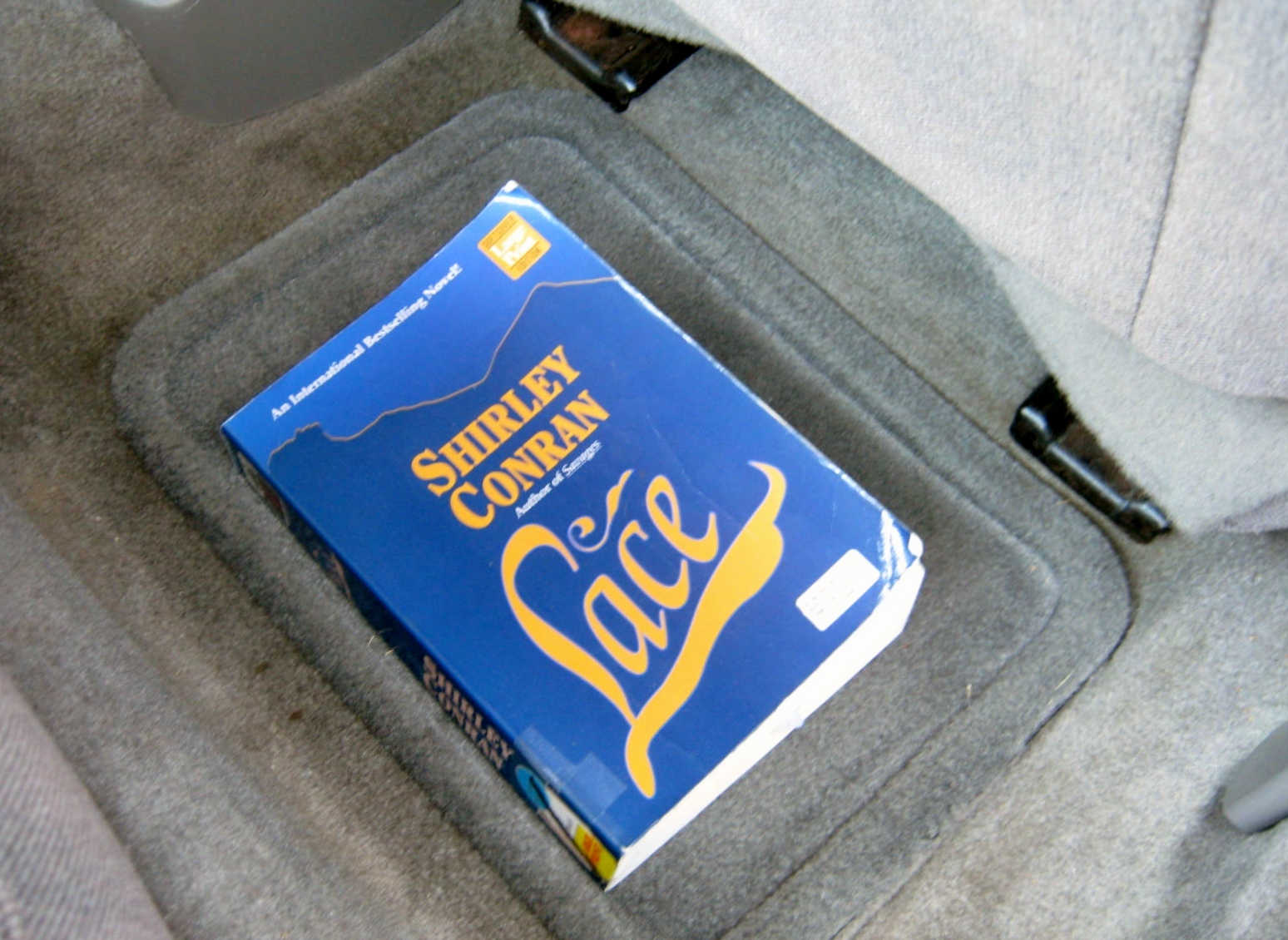
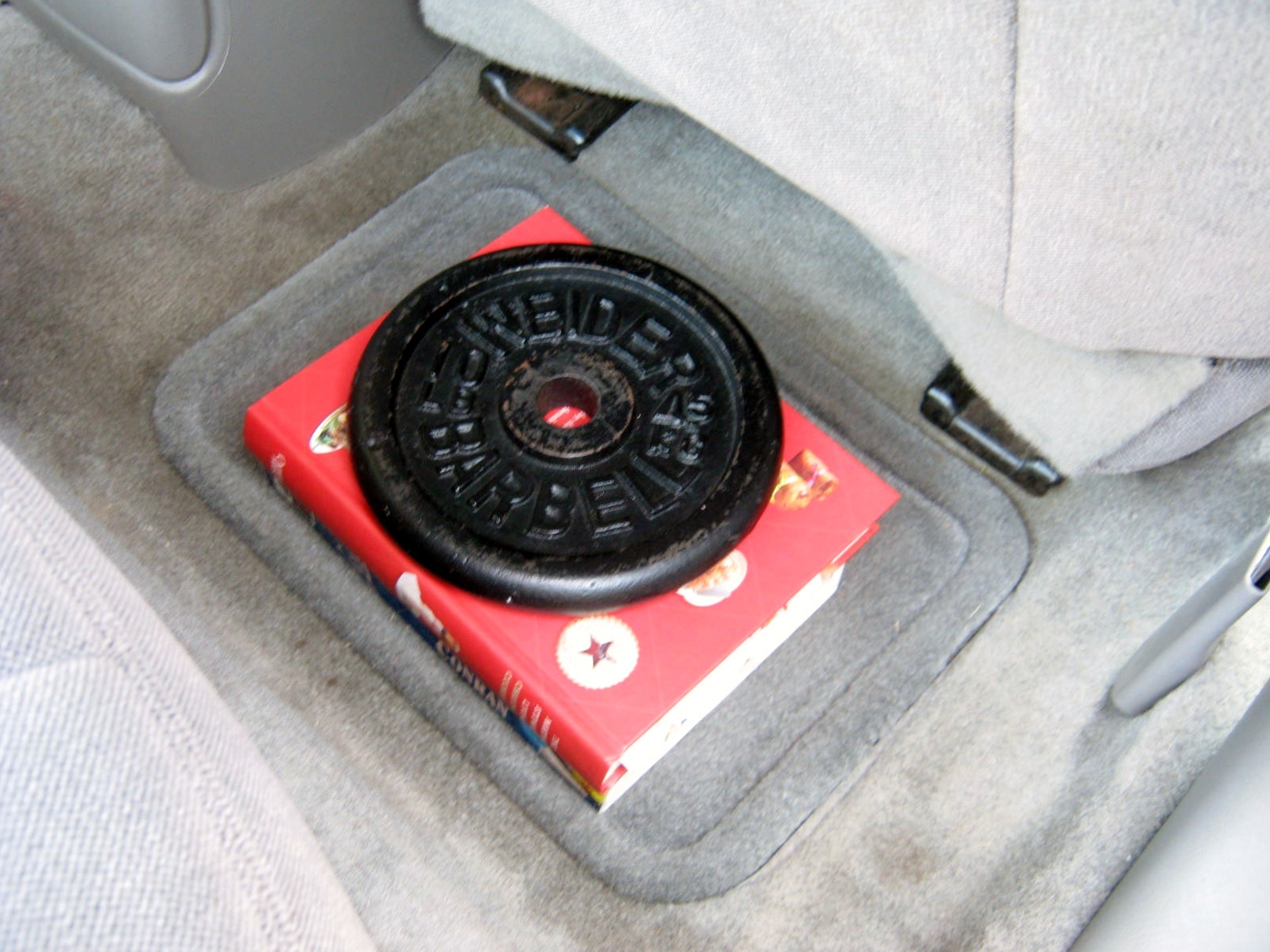
I pressed the hydrangea petals in between the pages of a book, and then I put that book in the back seat of my car, covered with another book and a weight, and backed up the car into the hottest part of the driveway. I’ll update the results in a day or two.

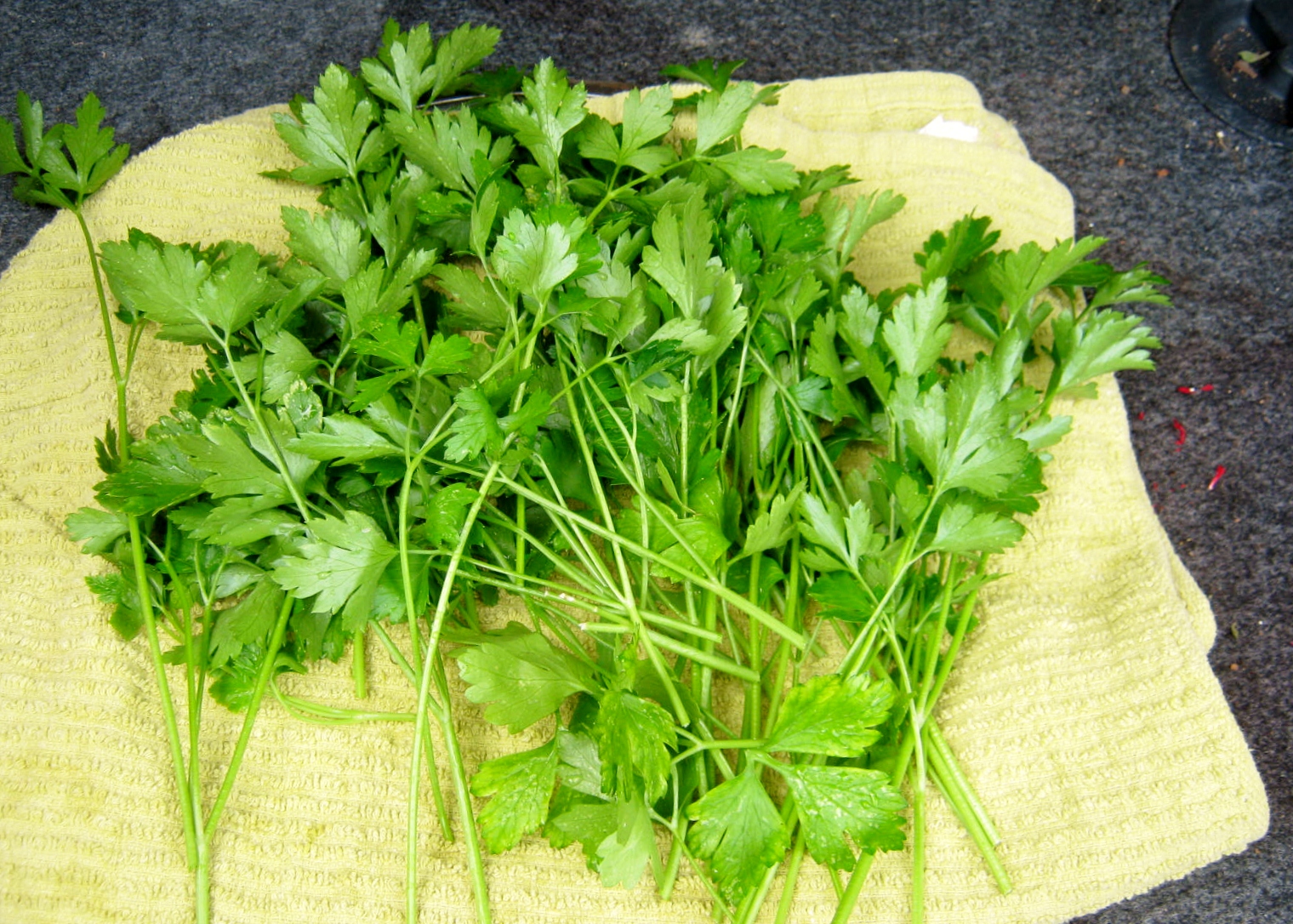
I also decided to use the heat to flash dry some parsley that is on the verge of going to seed. I lightly rinsed it and laid it upon a towel draped pizza sheet and put it in my trunk. The heat inside will quickly dry the herb, and the darkness will help retain the color…I hope.

I’ll update the progress in a day or two.

Follow Me on Pinterest

Peculiarities – Butterfly Salt Lick

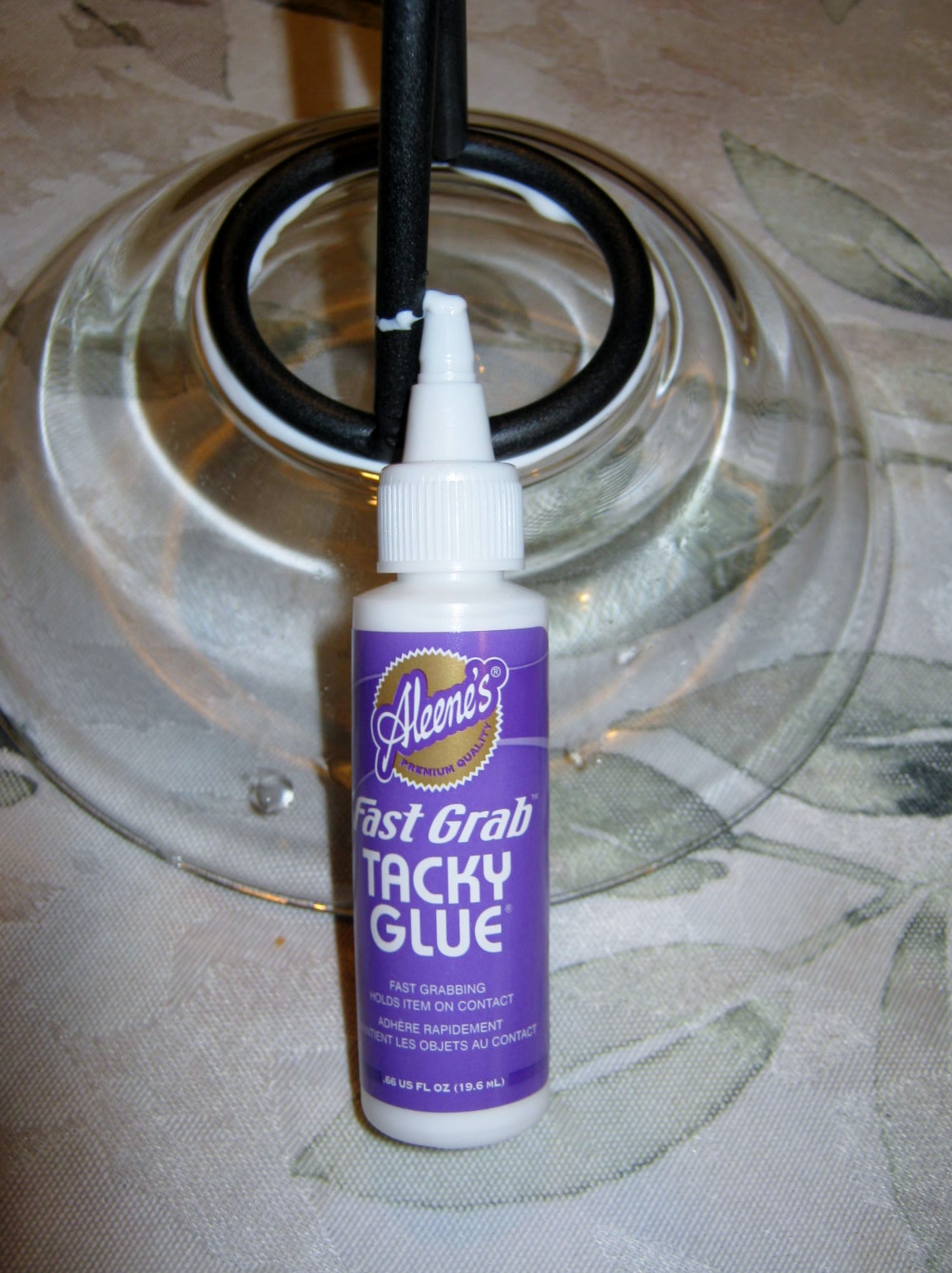
Butterflies are attracted to salt. For male butterflies especially, it is a vital nutrient. I decided to help them out and make a butterfly salt lick for my garden. I washed out a glass bowl, found an old discarded metal stand and glued them together.

I buried the legs of the stand into my garden soil near plants attractive to butterflies.

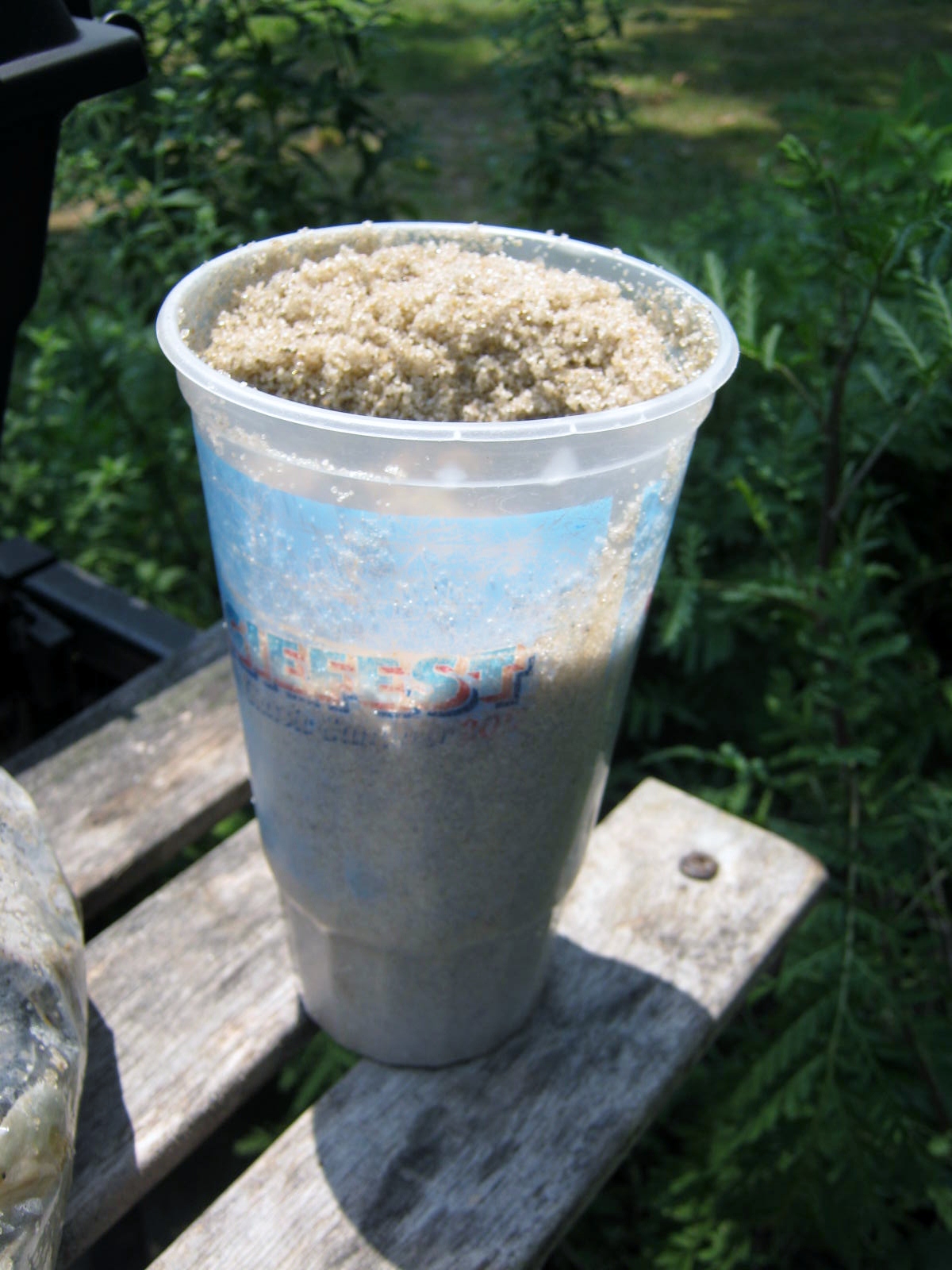
I brought home some of the Delaware Bay’s sandy beach.

I added a piece of driftwood, a few shells and sea glass shards as butterfly perches.

A bit of water to activate the salts and minerals in the sand was the last step. My project is finished. Hopefully, I will be able to capture a few photographs of butterflies drinking up the salt.

Click here to read why: Butterflies need salt?

Follow Me on Pinterest

Plants & Posies – Gladiolus Part 2/Making a Glamelia

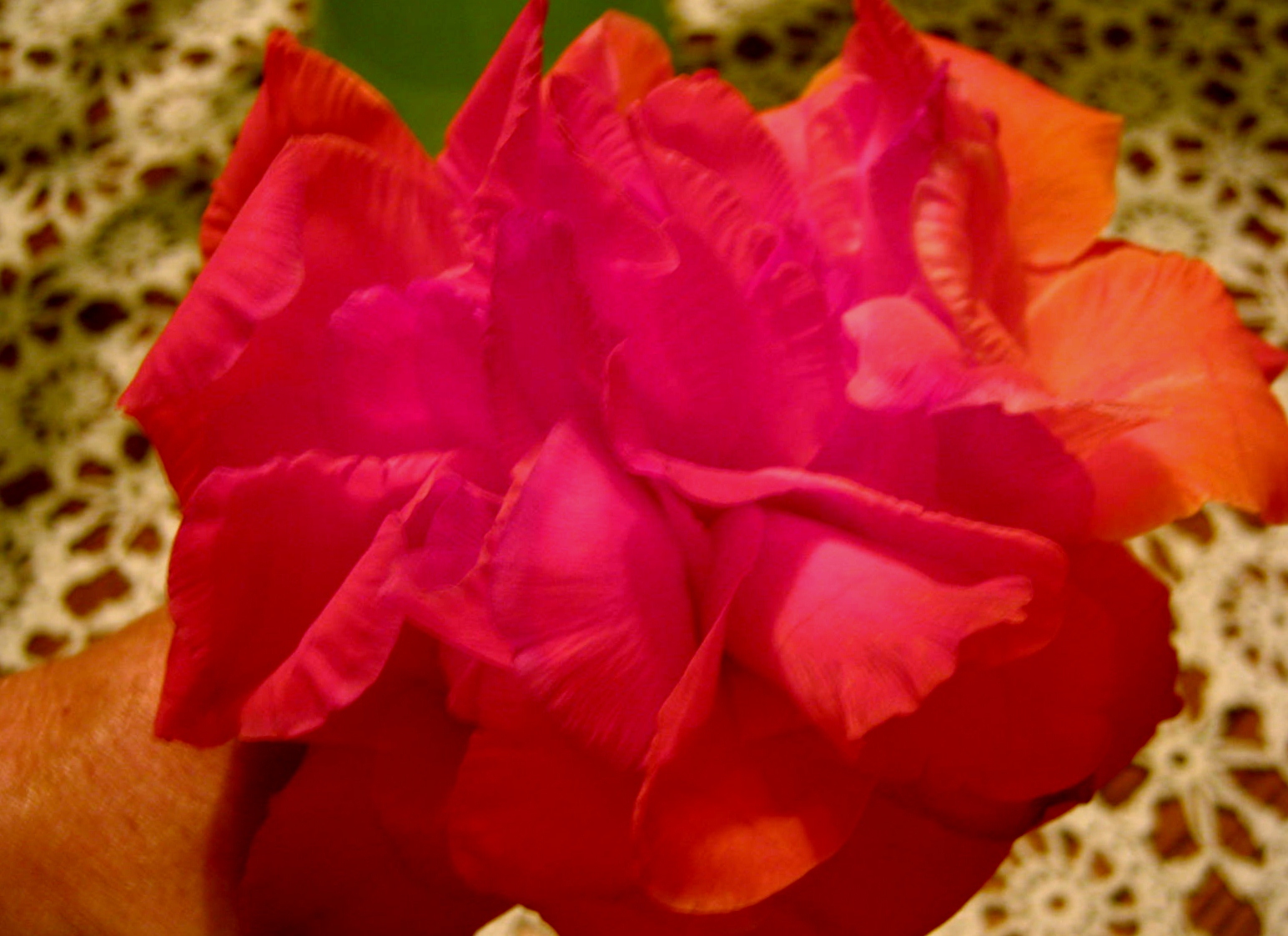
The picture above is a sample of an old-fashioned corsage technique called a glamelia. This type of corsage uses gladiolus petals, wired and bundled together to create a large flower that resembles a camellia or a peony. There are stunning examples of these bouquets on Pinterest: Click here to view Glamelia Wedding Bouquets.

Here is a link that will take you to excellent instructions on how to create a glamelia corsage or bouquet: How to make a Glamelia

Plants – Gladiolus Arrangement Part I

I love gladiolus stems. They are very economical at this time of year. My local supermarket sells bunches of ten for under $2.00. They are a great flower for a Fourth of July flower arrangement.

I also took several reference photographs for future close-focus paintings. I am certainly getting a lot of mileage out of the money I spent.

Floral Arrangement Tips for Gladiolus: Cut stems on an angle with floral snips. This enables more of the stem to soak up water. To force gladiolus florets to open quickly pinch off the top tips.

More tips can be found here: Gladiolus Tips for Floral Arrangements

Projects – Mom’s Fourth of July Hats

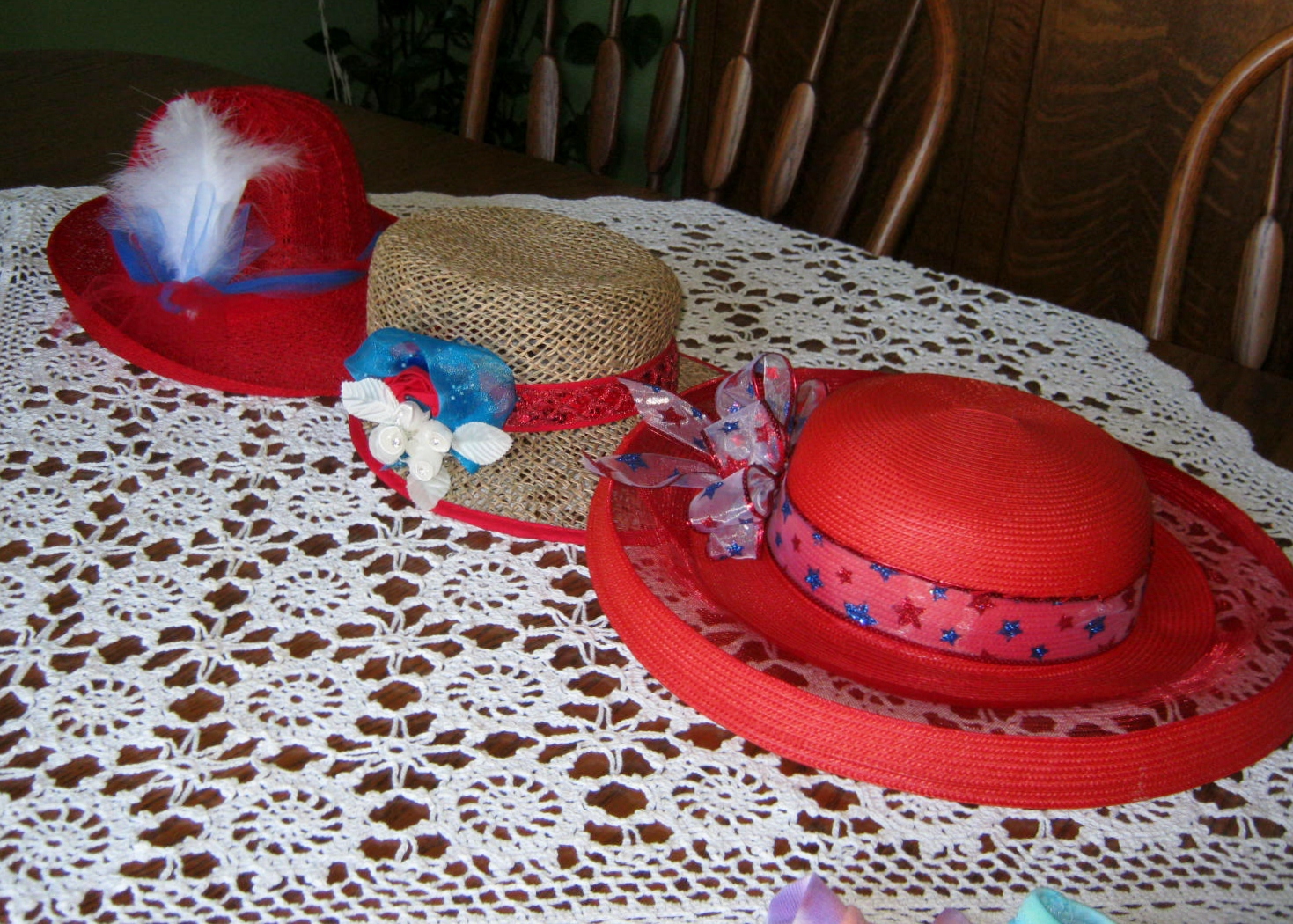
I decorated some hats for my Mother-In-Law and her friends to wear on the Fourth of July. She and my Father-In-Law are part of a handful of original members of their church congregation who are riding on a float in the local parade. One of the techniques I used was melting the edge of sheer polyester to prevent raveling and give the blue flower a decorative look. Below is a quick tutorial on how to do this with ease.


Plants – Bread Seed Poppies

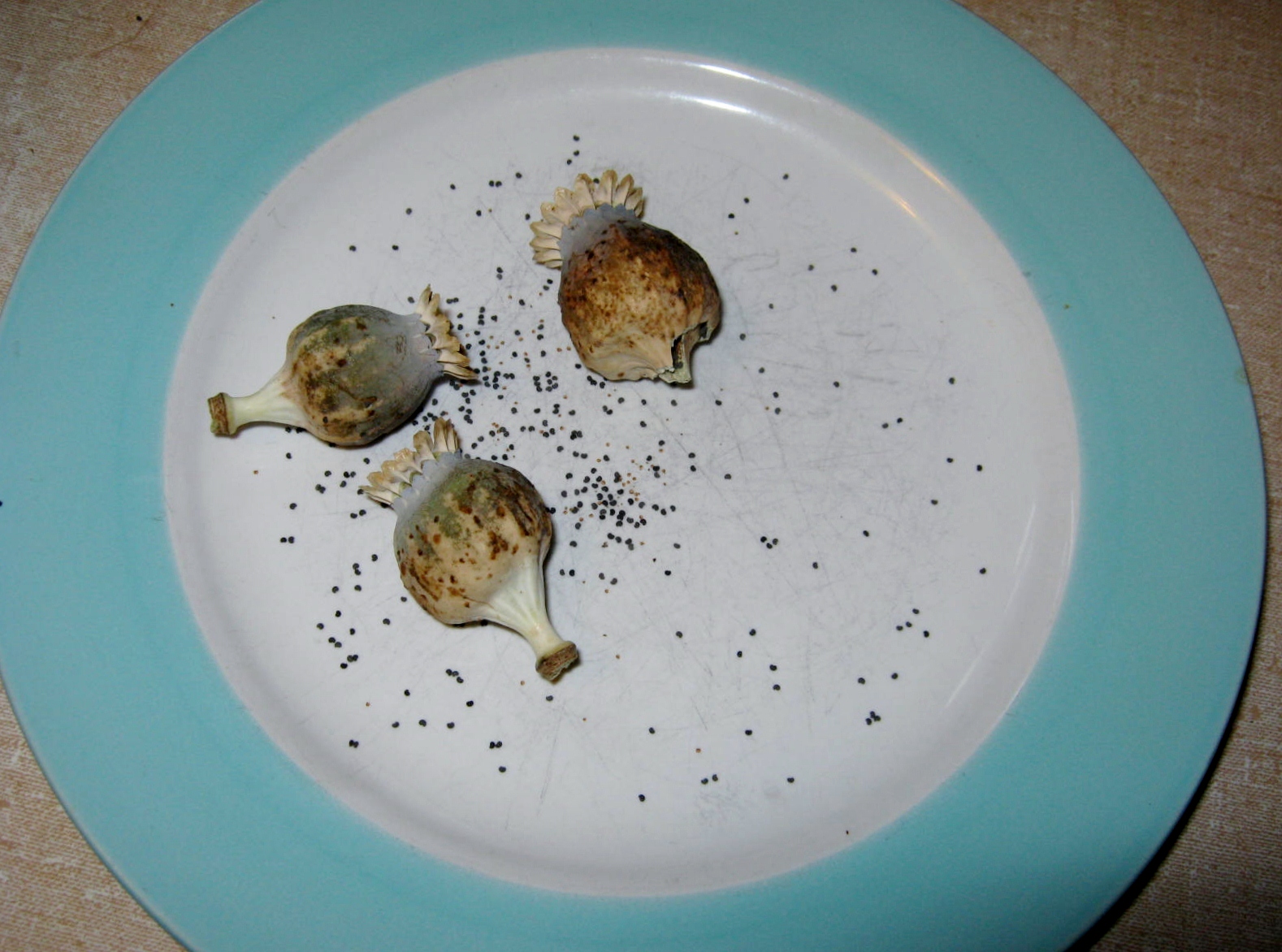
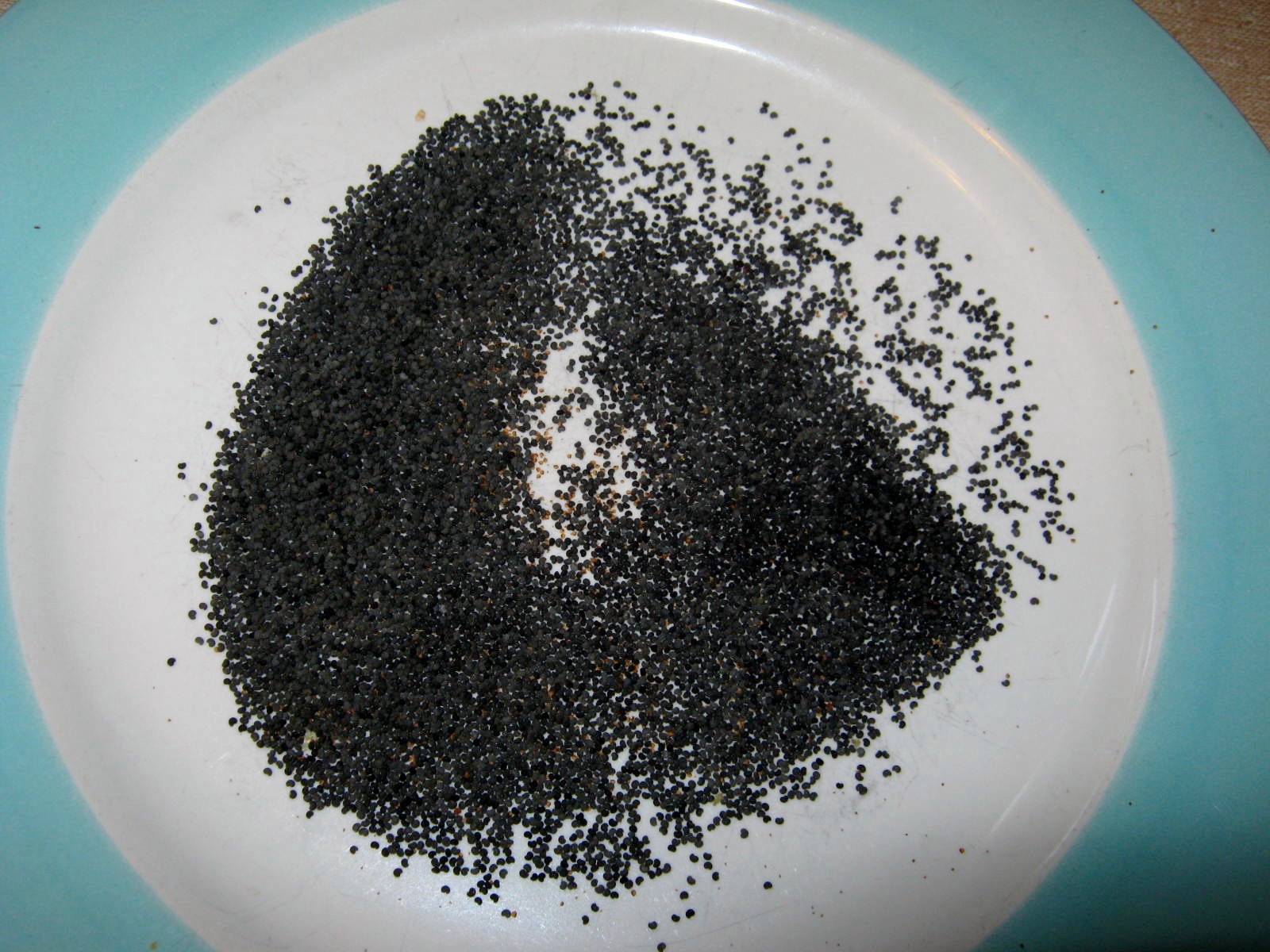
I have certainly had a lot of posts about poppies in the past week or two. I might as well add one more. My Bread Seed Poppy pods are beginning to dry out and I harvested a few of the seeds.

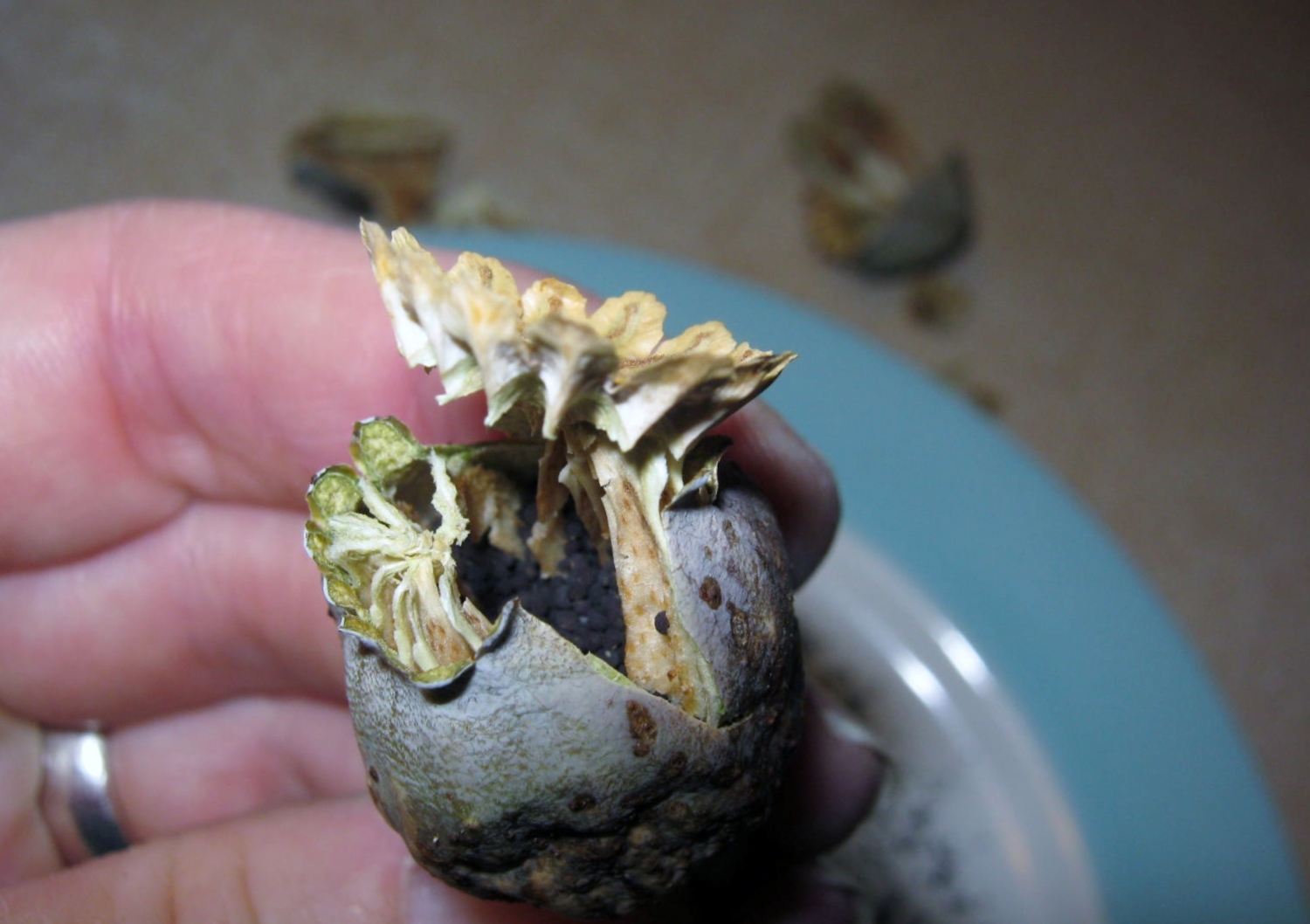
The pods are the perfect container for the hundreds, perhaps thousands of seeds they contain. To harvest the seeds, I lifted up the cap, gently peeled it back, and easily poured out the seeds onto the waiting plate.

I’m letting them dry out a day or two longer on top of the refrigerator, a warm place where they won’t be disturbed. My next task will be to begin making cookies, muffins, etc., with my harvest.

Painting – Red Poppies

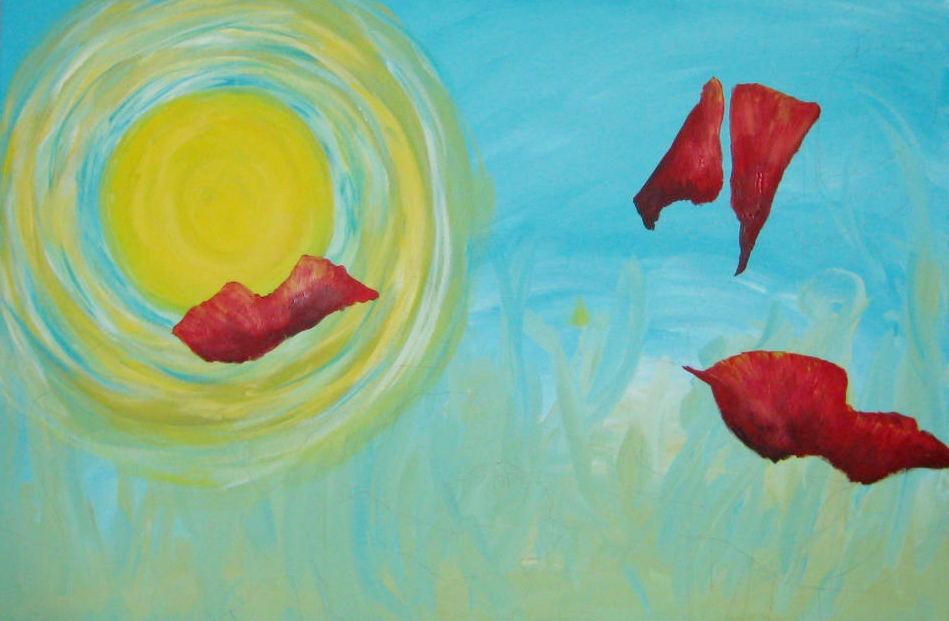
Here is the finished painting. I opted to change the color of my reference photographs into a brilliant red and black flower with a green-blue center. They are lightly shaded with no shadows. The flowers are a rendition of the Bread Seed Poppies growing in my Square Foot Gardens. Three artists inspired this work. Georgia O’Keeffe for her pure, oversized flower paintings. Vincent Van Gogh was definitely in my thoughts as I created the swirling movement around the sun. Paul Gauguin, Van Gogh, and O’Keeffe are all in my lack of dark shadows. I wanted color, color, color…not distracting blotches.

Kathy’s Poppies – June 2012 – 24 x 34 Acrylics on Stretched Canvas

Follow Me on Pinterest

Painting – Poppies/Update

I put in the sky with Aqua, a hint of foliage with Hauser Green and Warm White, and added some swirling brush strokes where I planned to put the sun.

Loved, loved, loved the look of the sun. I almost stopped and called the painting finished right here, but I wanted red poppies, so red poppies I must paint.

Here are the first strokes of red. I am not sure about all the shading I am trying to add. I have only dabbled around with acrylics in crafts and have never had any luck actually trying to paint a picture with them. This will be my first large painting. I am sure I have a lot to learn, but I am having FUN! Compared to watercolor painting it is like being on a roller coaster versus a merry-go-round. The pace is fast and furious and a bit breathless. I’ll post the finished painting tomorrow.

Perspective – Baby Bunny

There are so many rabbits in my neighborhood they run around in packs. I have about four or five who live in or near my yard. My gardens and many of my flowers are personally acquainted with the crunch of rabbit incisors. But…there has been the littlest, sweetest, most adorable baby bunny in my yard for a few weeks. He doesn’t eat my garden plants, at least not too much, he munches on the clover and other yard weeds instead. (This is one of the reasons why I put no fertilizer or weed preventative on the back yard grass) He also is quite friendly and doesn’t run as soon as I come out the back door. I can get quite close before he gets nervous and scampers away.

One day last week I heard a pathetic mewling cry in the back yard. I was sure something had snatched away the baby bunny, a wandering cat, a large hawk. Every time I went outdoors the baby bunny was nowhere to be seen. Oh the joy of it when a day later he once again was in the yard eating clover. I know he will grow up to be a big bothersome bunny who has lots of babies of his own, but for now, he is welcome in my yard.

Projects – Tie-Dye Shirts

Every summer our family gets together and creates beautiful tie-dye T-shirts. We have fun together and then have the extra bonus of keeping a shirt to wear all season long. Tie-dye kits are available at most craft stores. They are a bit pricey, but I keep watch for 50% off coupons and purchase the kit at that time. I have found that the boxes of dye, such as Rit, do not do as good a job.

Tie-Dye Tip: The kit I bought this year had a large assortment of colors to use. To make color choice easier I numbered the bottles with permanent black marker, did the same on an old T-shirt, and put a splotch of corresponding dye color on top of the marker number. It was a great guide to the color choices available. The color guide won’t be wasted. I’m going to keep it to wear when I paint with acylics.

Painting – Equipment for Acrylics

I have not painted extensively with acrylics, but I have enough experience with them to know that they will dry out and become unusable faster than you can brush them on a craft project or canvas. A good way to counteract this problem is to use a moisture retaining palette. These work great, but as with all art supplies, they can be expensive. The solution: They are very easy to make with inexpensive household and yard sale items.

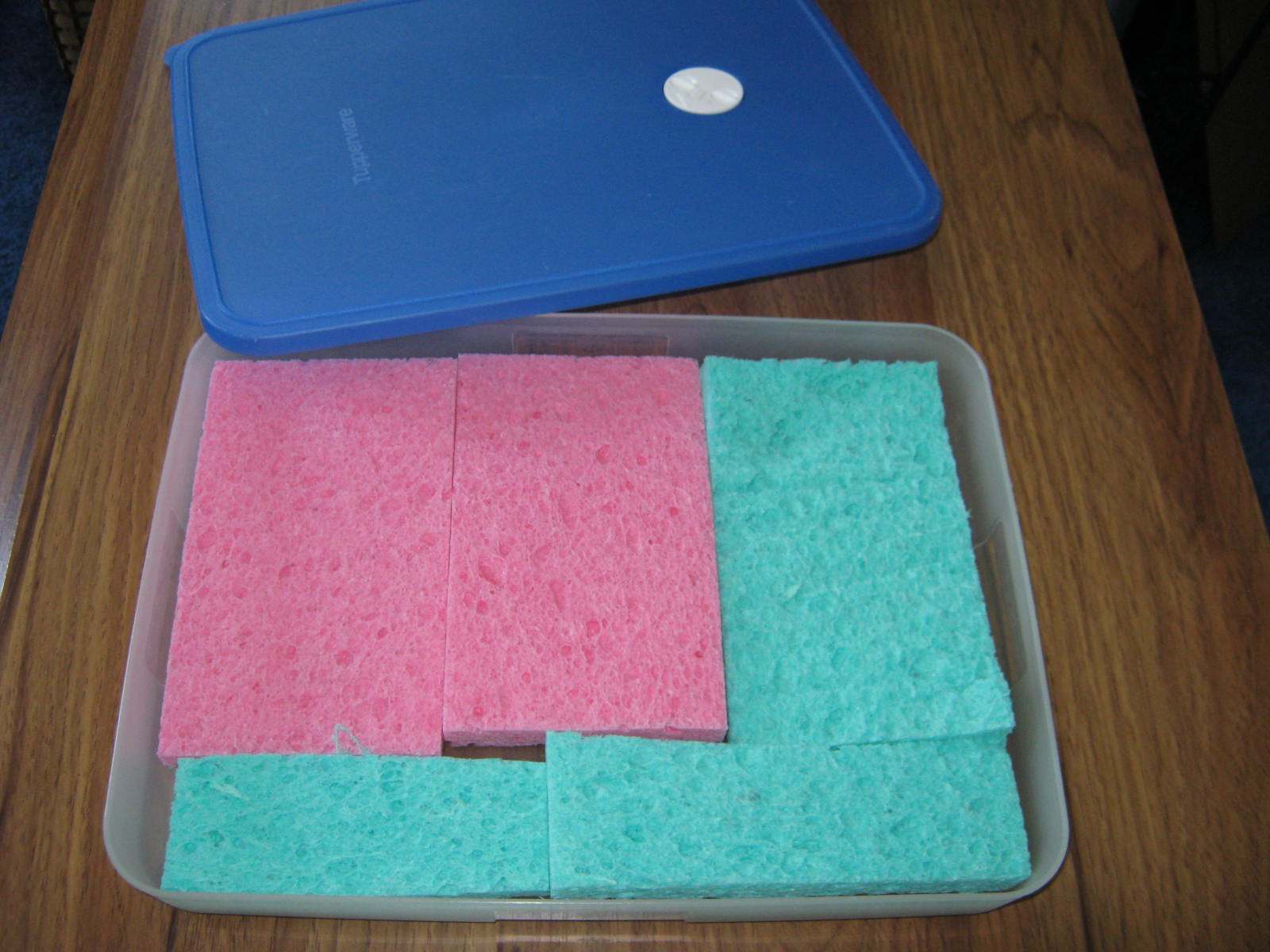
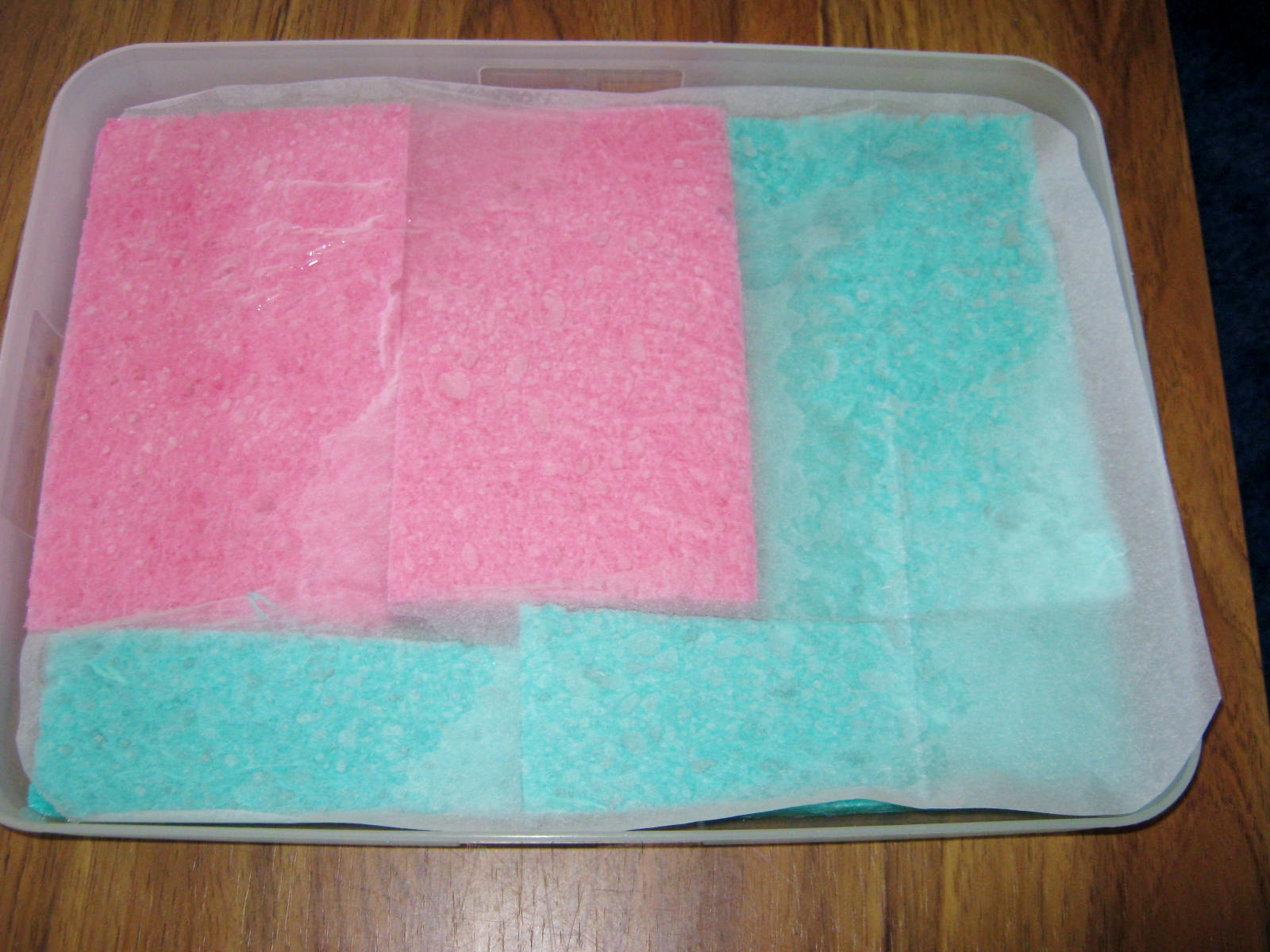
I found the above Tupperware lunch meat tray for twenty-five cents at a yard sale. I bought a packet of large-sized sponges at the supermarket. As soon as I opened them, and while they still retained their slight moistness, I cut them in half lengthwise, and then into smaller pieces and fitted them to the tray. (A serrated knife works best) I filled the bottom of the tray with a small amount of water and then cut pieces of tracing paper to size using the lid as a template. Along with tracing paper I have used wax paper. I have read other artists and crafters use freezer paper with good results
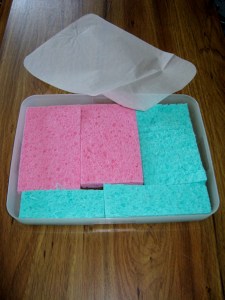
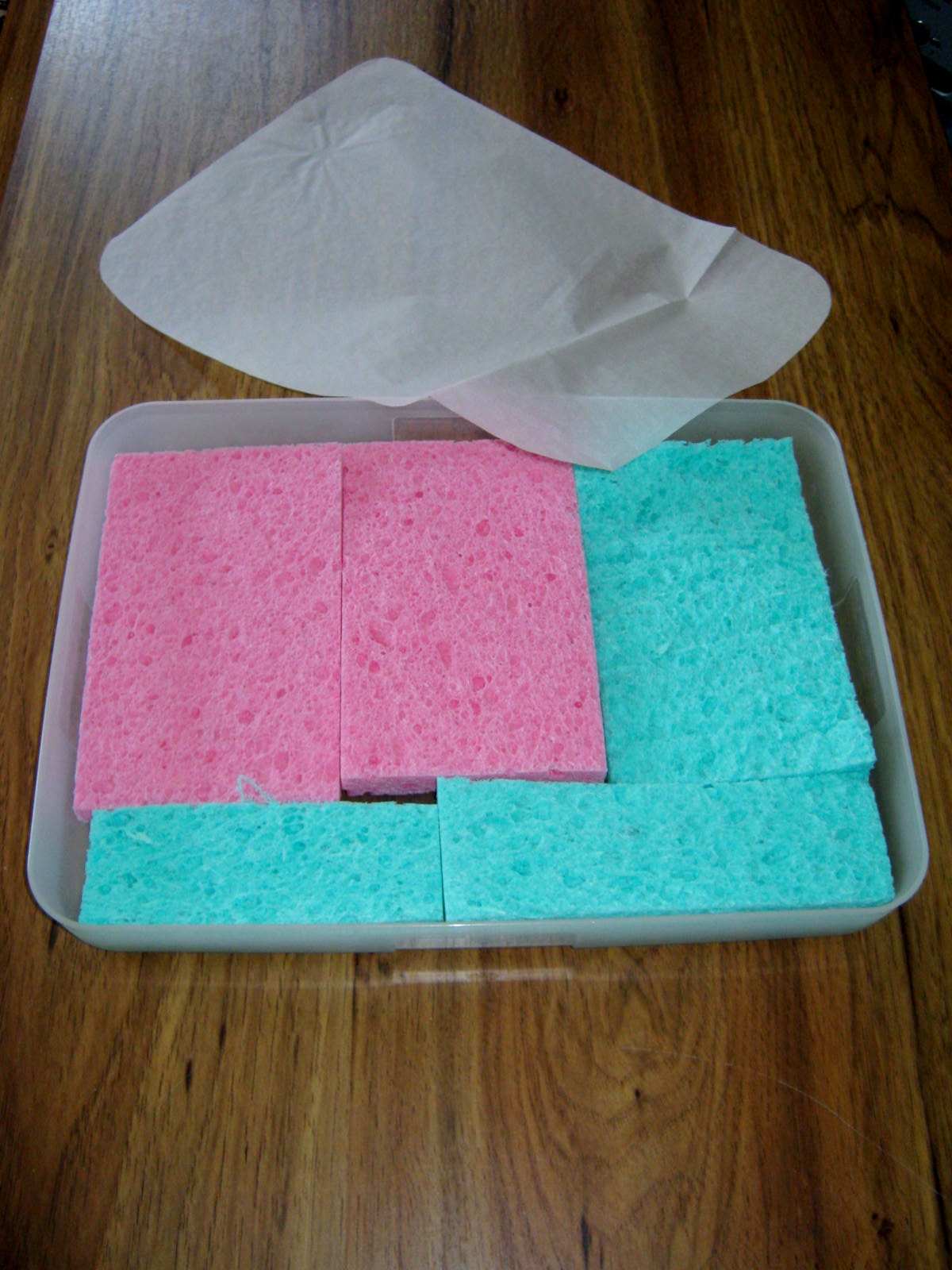
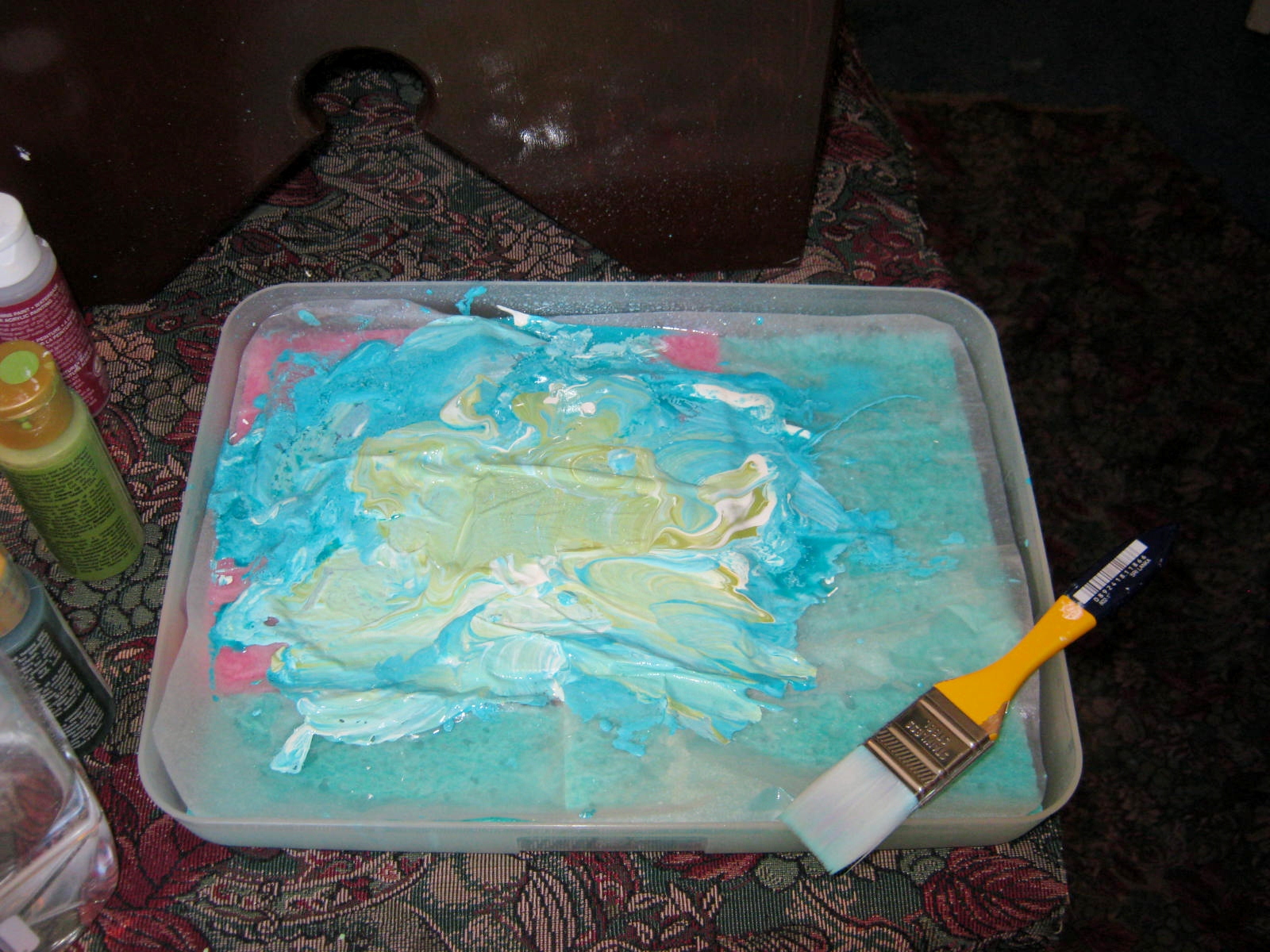
At this point I placed the tracing paper on top of the sponges and lightly sprayed it with a coating of water. The tracing paper, or other suitable papers, acts like a wick and keeps the acrylics moist. To give myself even more time to work I also added a touch of acrylic extender to the paint before I began to stroke it onto the canvas.
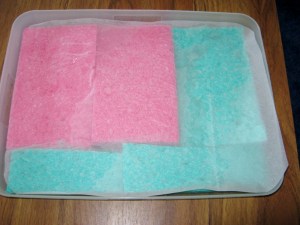
This technique worked perfectly for me. The paint stayed moist, and when I was finished, I placed the lid on tightly and the next morning the paint was ready to be used once again.
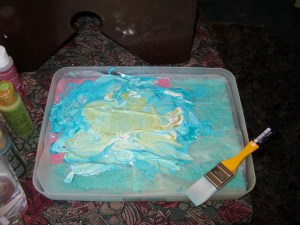
For more information on how to set up your own moisture retaining palette for painting and crafting click here:

 Moisture Retaining Palette
Painting – Poppies/Tweaking the Composition

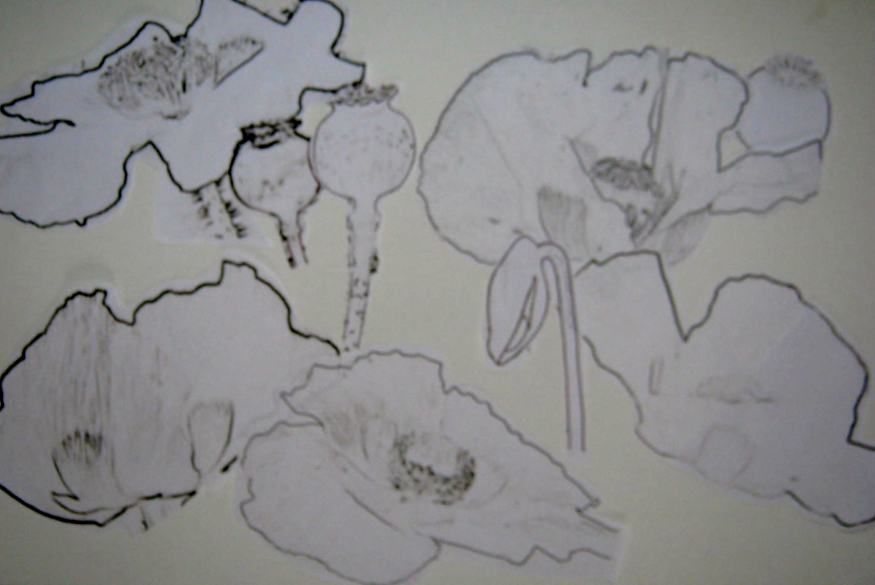
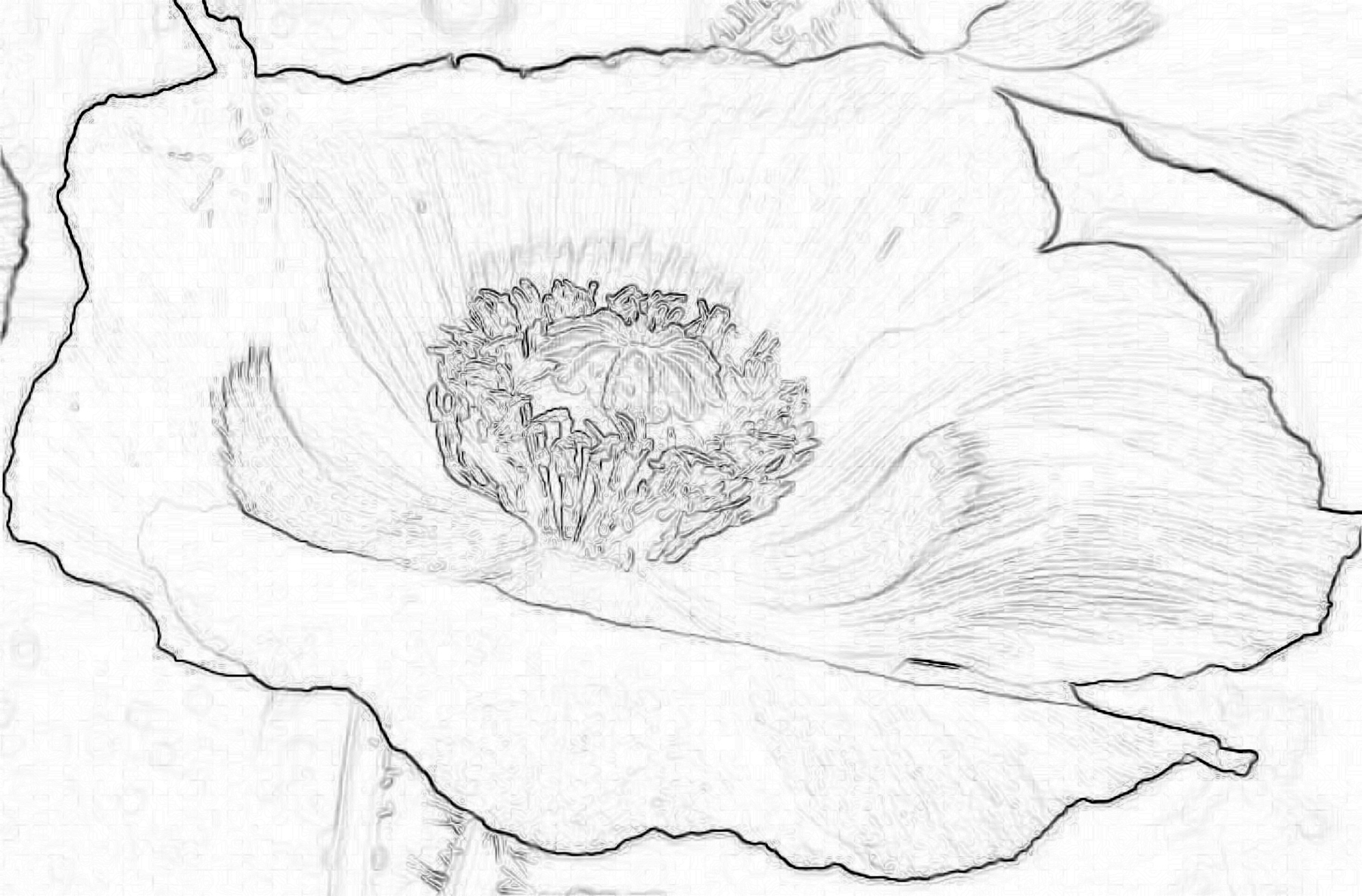
Using the same technique of copying reference photographs, converting color to black and white, and then using the edge filter, I enlarged five of the poppies once again to fourteen through sixteen inches. The pods were enlarged to about four inches across.

I was pleased with this composition, although I am thinking of removing the bud in the right center. My eye seems drawn to it, it is in the “golden ratio,” and I am not sure I want that to be the focal point. I might switch places with the pod in the upper right corner and let the bluish-green of the pod take center stage, but who knows…on second look, the perkiness of the bud ready to burst into bloom is beginning to intrigue me…hmmm…what to do. I’ll update as I progress on this project.
Paintings- The Beginning/Poppies

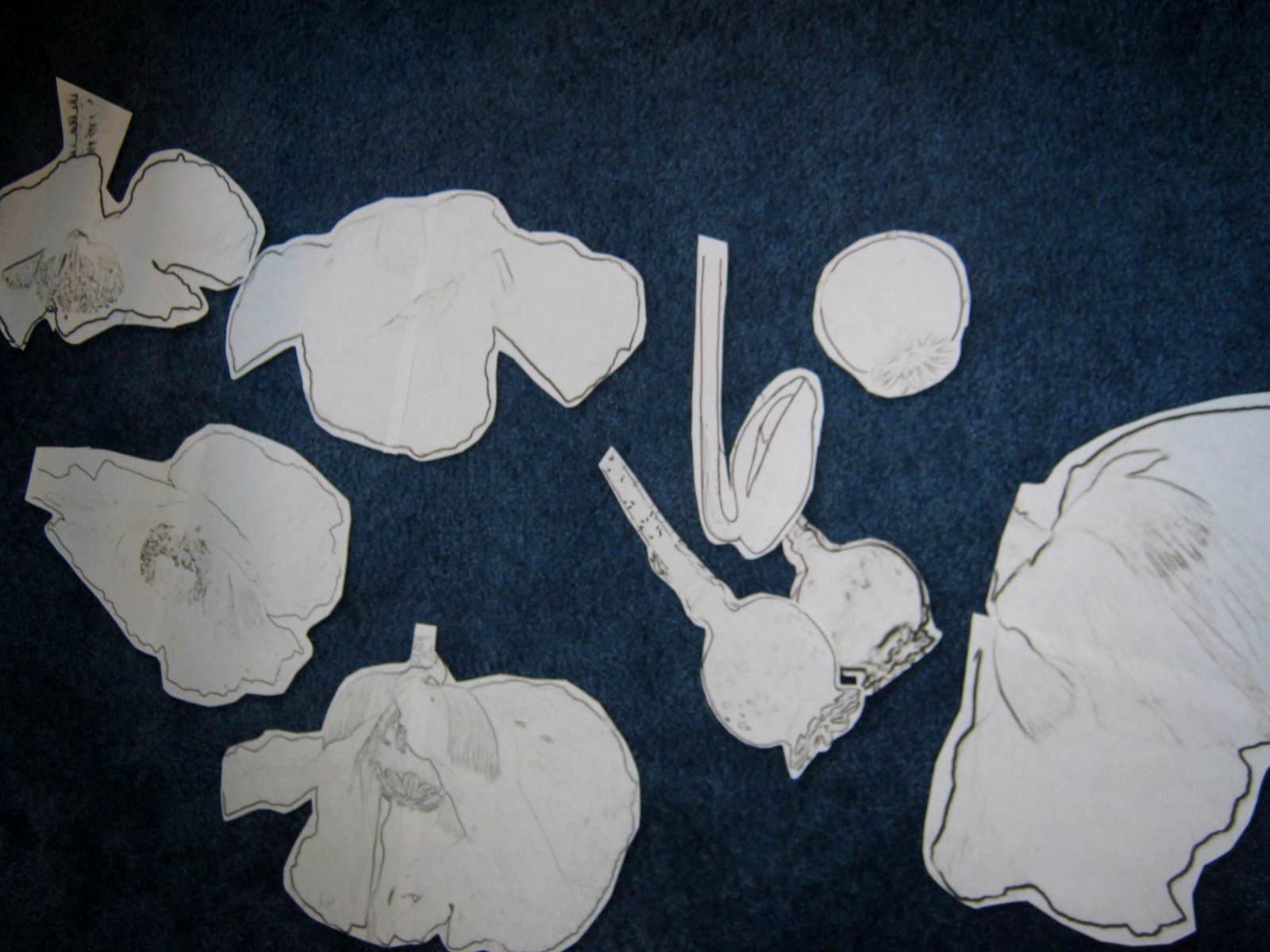
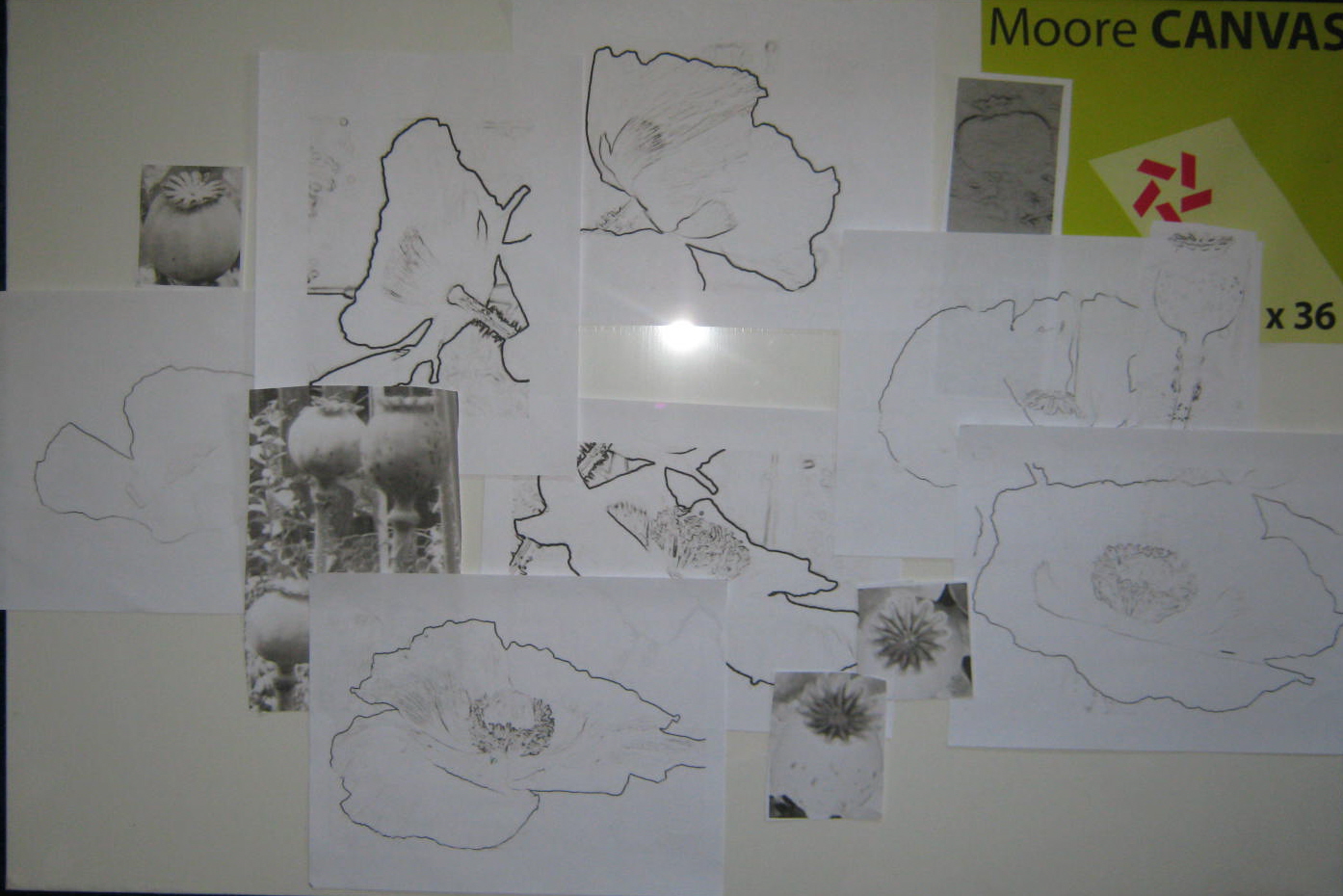
I am redoing my outdoor porch. I want to replace a tattered poster of Van Gogh’s Irises that graced the inside wall for years. I am hoping to paint a large acrylic canvas using my bread seed poppies as the inspiration. I have removed all the color from my reference photographs and used the “Find Edges” filter to show the outside lines. I have enlarged them to fit the copy paper.

I printed seven of these along with several pictures of pods to lay on the canvas in hopes of developing a perfect composition. The pod copies are large enough, but I think I have to make another attempt with the poppies. I want more of the canvas to be covered by the blooms and also have some overlap. I’ll update the progress.

Plants, Plant Tips and Perspective – Growing Poppies

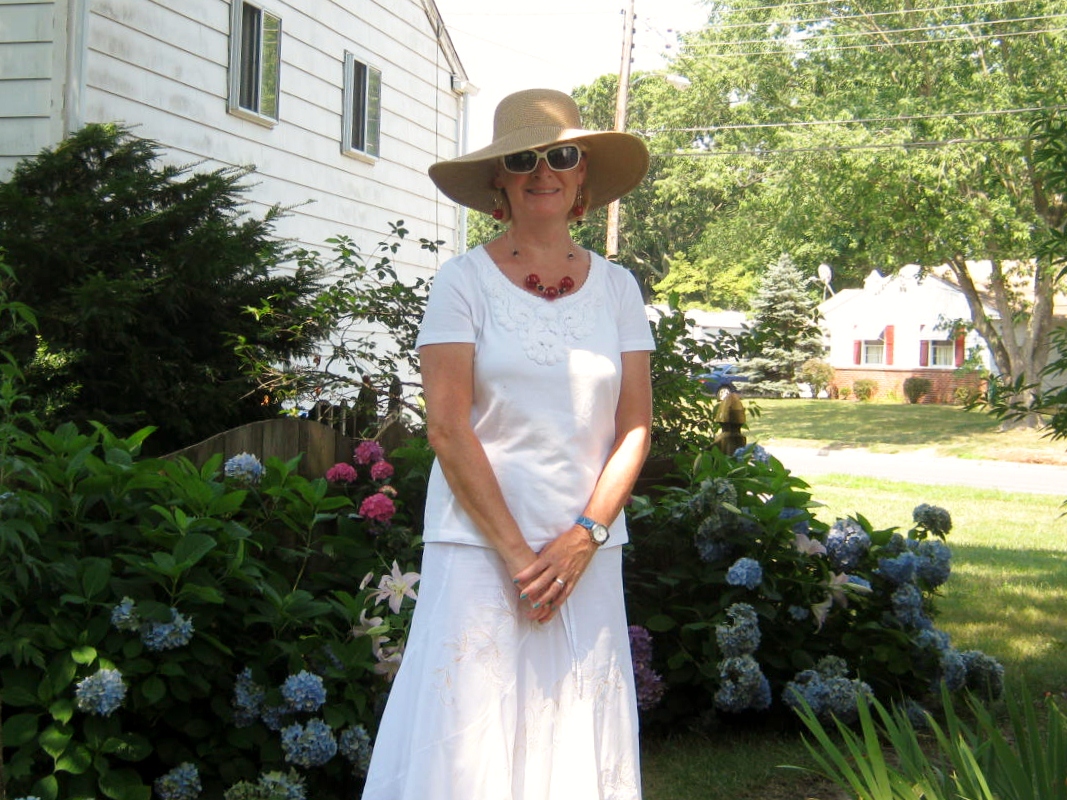
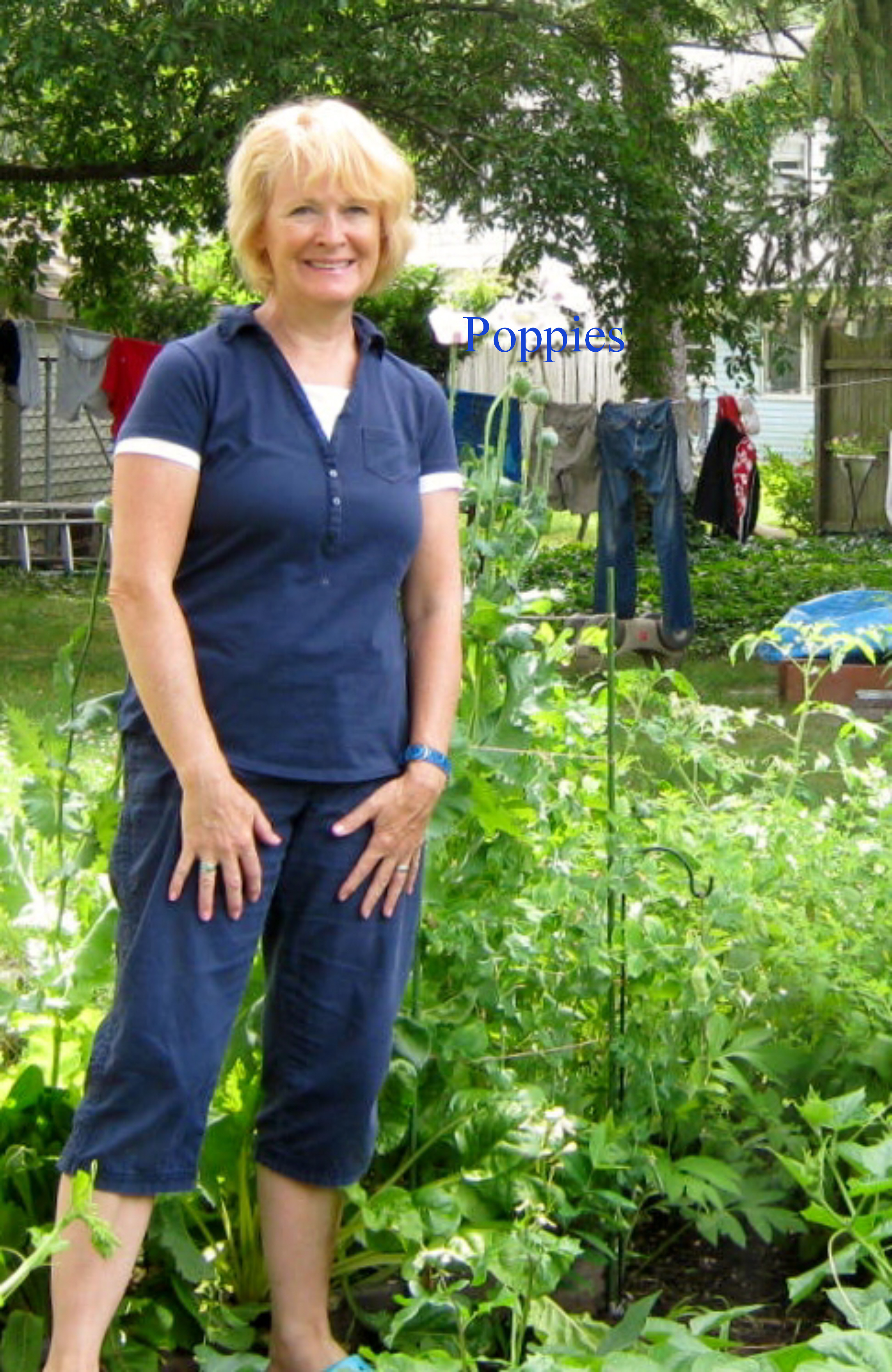
Here is a picture of me standing alongside one of my Square Foot Gardens admiring my Bread Seed Poppies. I stand about 5’4″ tall. The poppies are a bit hard to see, they are white and blending into the background. Here is a closer look.

I have written the word poppies in blue right under their petals.

The flowers are gorgeous, and the seedpods are pretty grand too.

I wonder how many hundreds of thousands of seeds I will reap when they are dry.

Plant Tip: Don’t let anyone tell you poppies don’t do well if they are started early and transplanted. I sowed these through the winter in milk jugs, a process known as Winter Sowing. The resulting poppy plants are over four and a half feet tall. I would say my transplanted poppies are thriving. These bread seed poppies are joined by other smaller varieties throughout my garden. All are doing well.

Double Petaled Poppy

Moral of the Story: There are some tried and true ways of doing things in the garden, but always be open to new ideas too.