Plants – Collecting and Keeping Moss Thriving

IMG_3504

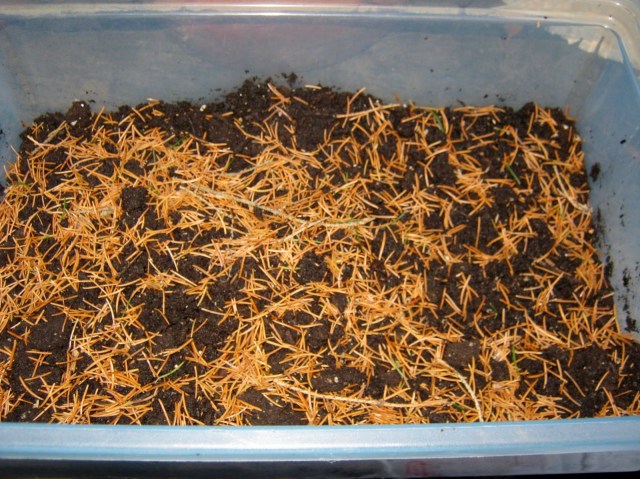
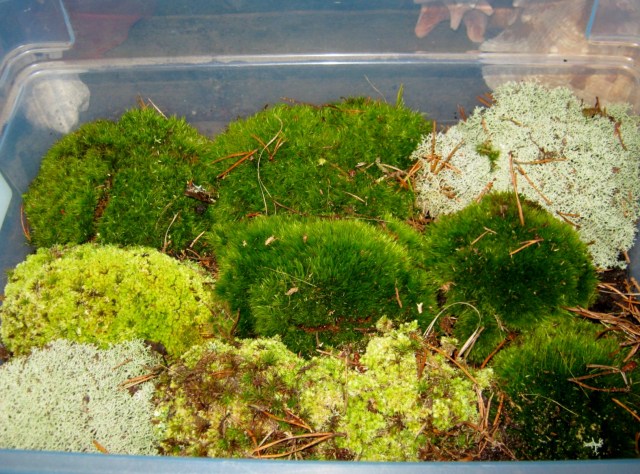
I recently collected some mosses on a warm day. To keep them thriving I have them in a low basin filled with about an inch and a half of moist soil. Topping the soil I have a layer of pine needles. I spray the moss with water daily, and so far, even the reindeer moss, which is really a lichen, is soft and green. I plan to create a naturescape with them and use them on my Christmas dinner tables as the centerpiece.

IMG_3503

I collect moss in areas where there is a chance it will destroyed by construction or gravel pits. I also like to save pieces in areas that are torn up by dirt bikers. If I take any from the nearby woods I do not collect near paths where people walk, instead I enter deeper into the woods to collect from areas only the squirrels can view.

pics 063

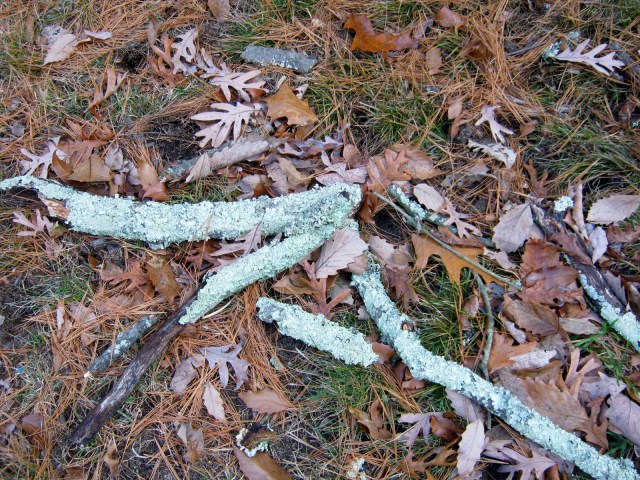
After a storm I often am able to collect scraps of lichen that fall with the dead branches brought down by heavy rains. These pieces of lichen laden bark look nice in terrariums or nature settings. I am hoping to make some fairy furniture in the winter and bring a little magic and light into the darker months of the year.

Plants – Herb Whisperer

And God said, “Behold, I have given you every herb bearing seed…” Genesis 1:29 (KJV)

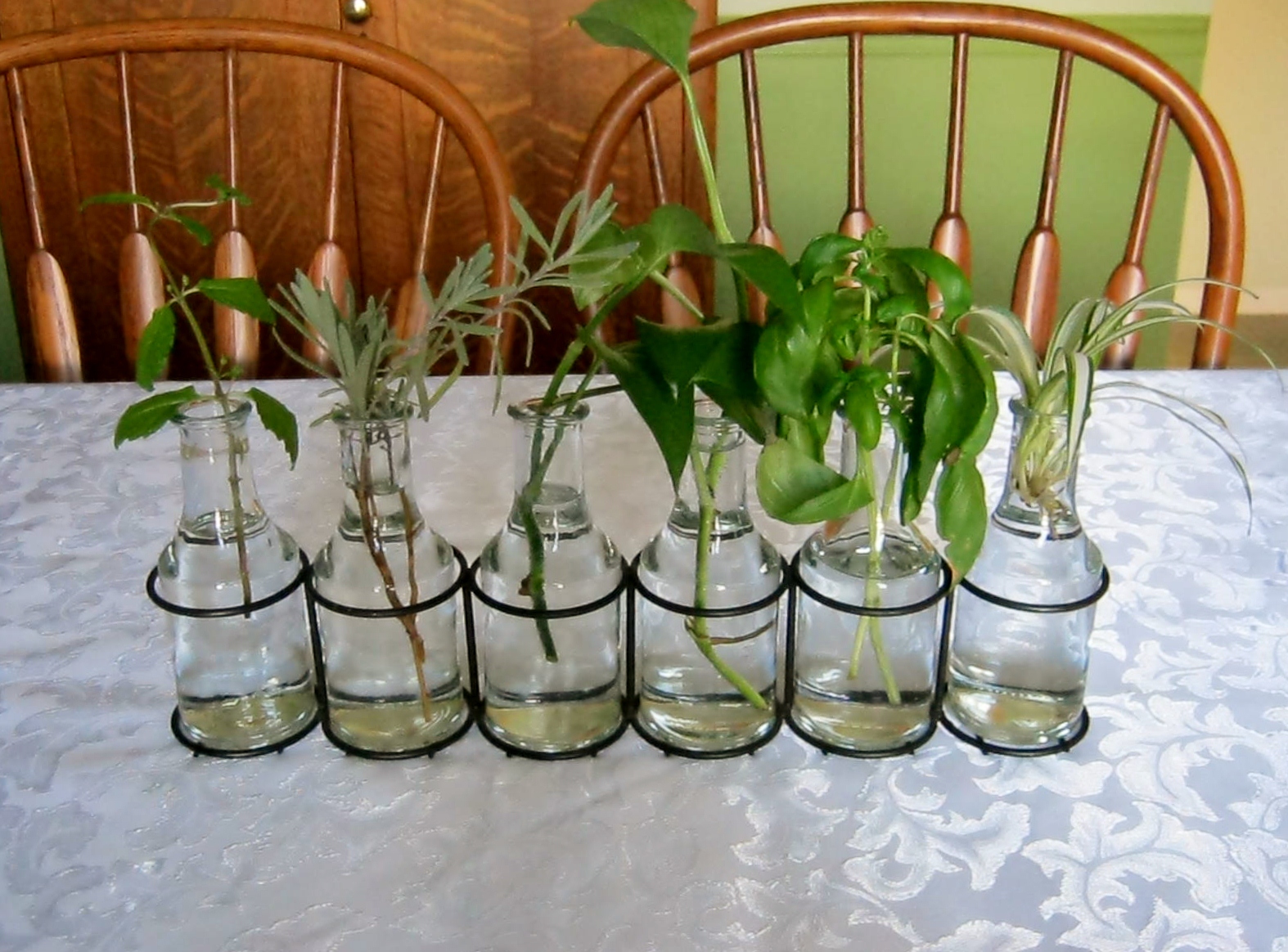
Years ago, my mother surprised me with this gift, a rack of bottles for floral arrangements, or as in my case, a place to root plant cuttings. From the day I received this gift, until now, my bottles have not been without sprigs of plants. Placed in a bright window, without strong direct sunlight, the cuttings thrive. My home is filled with plants I have rooted in these bottles.

Lavender

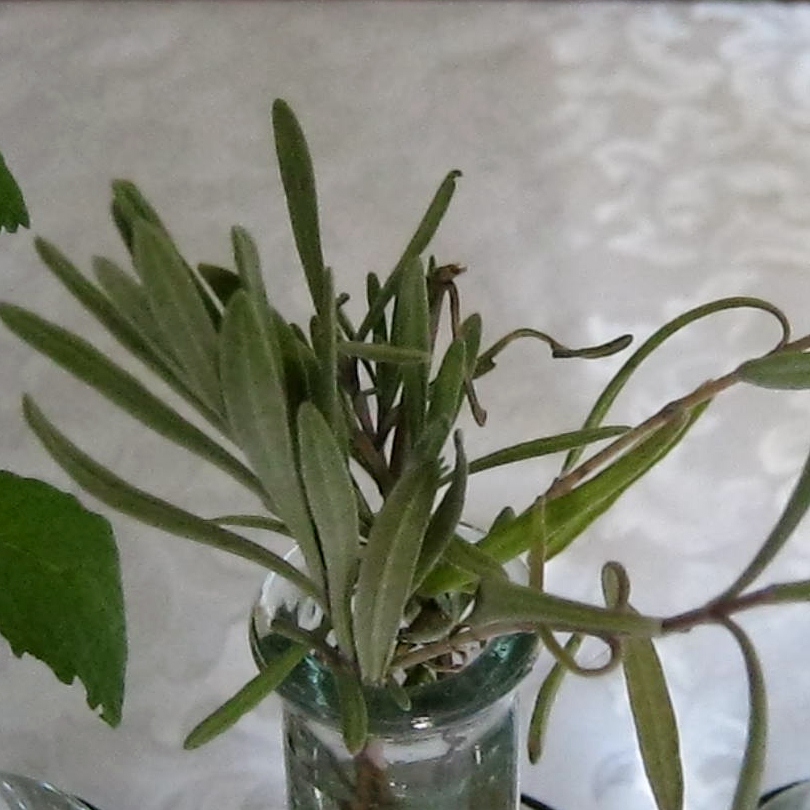
A week or two ago, I cut a piece of lavender from the garden with hopes of enjoying it through the winter. Lavender is a plant I find hard to start from seed or cutting, but it is not impossible. Even if this sprig doesn’t root for me, I will still enjoy its soft scent through the cold months. I consider myself a herb whisperer of sort. I can imagine you shaking your head, “A what?” you ask. Yes, a herb whisperer. I coax a whiff of beautiful fragrance from my herbs by gently running my hand over the leaves. I don’t need to press. I don’t need to rub. A soft brushing of my fingertips against the foliage releases the oils, and the scent reaches my nose, instantly elevating my mood and energy level.

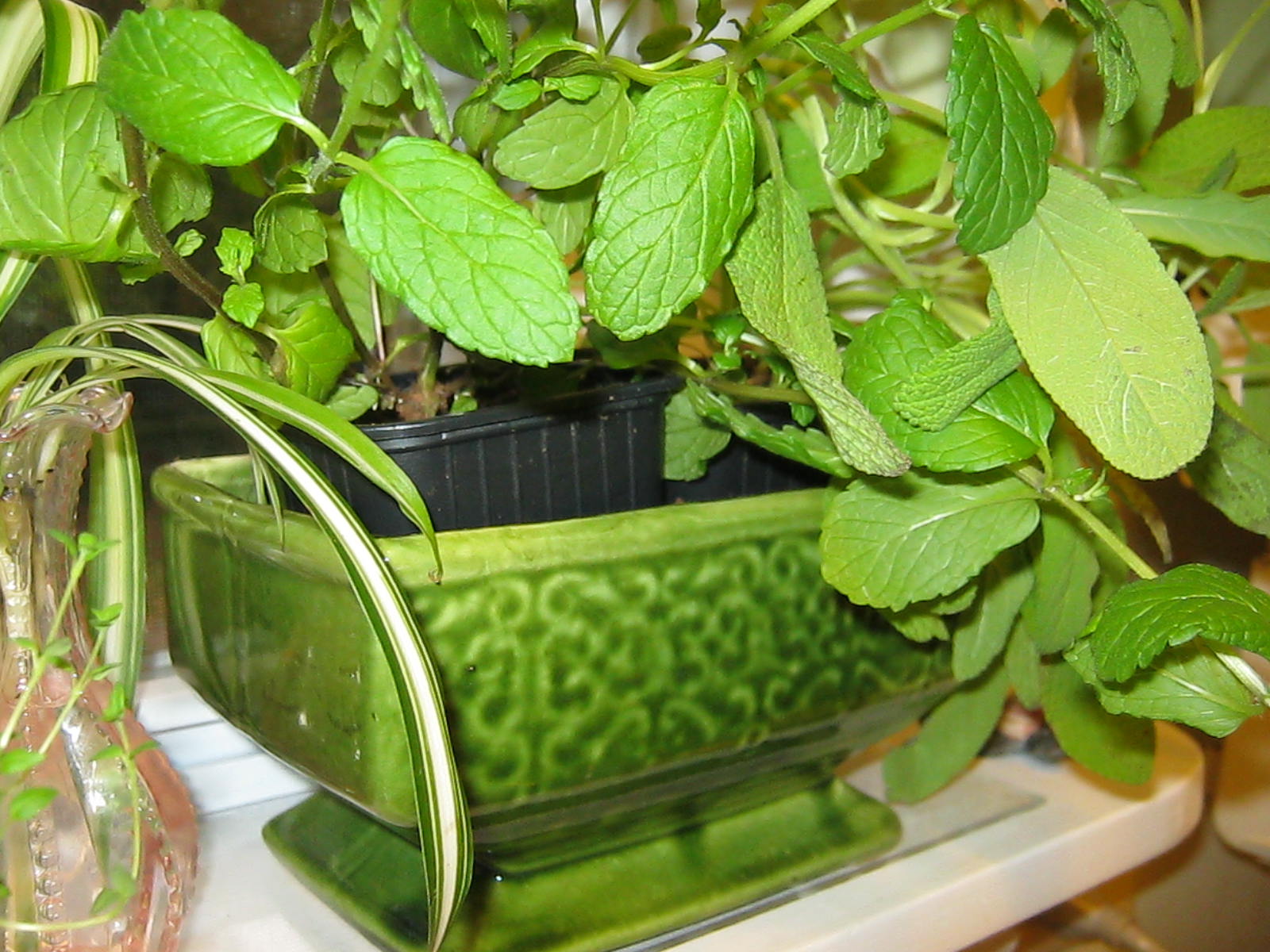
Peppermint

Whether it is the calming effect of my lavender, or the invigorating swoosh of peppermint, or the contentment found in the fragrance of rosemary, not many days go by without me calling up the herb whisperer within my character.

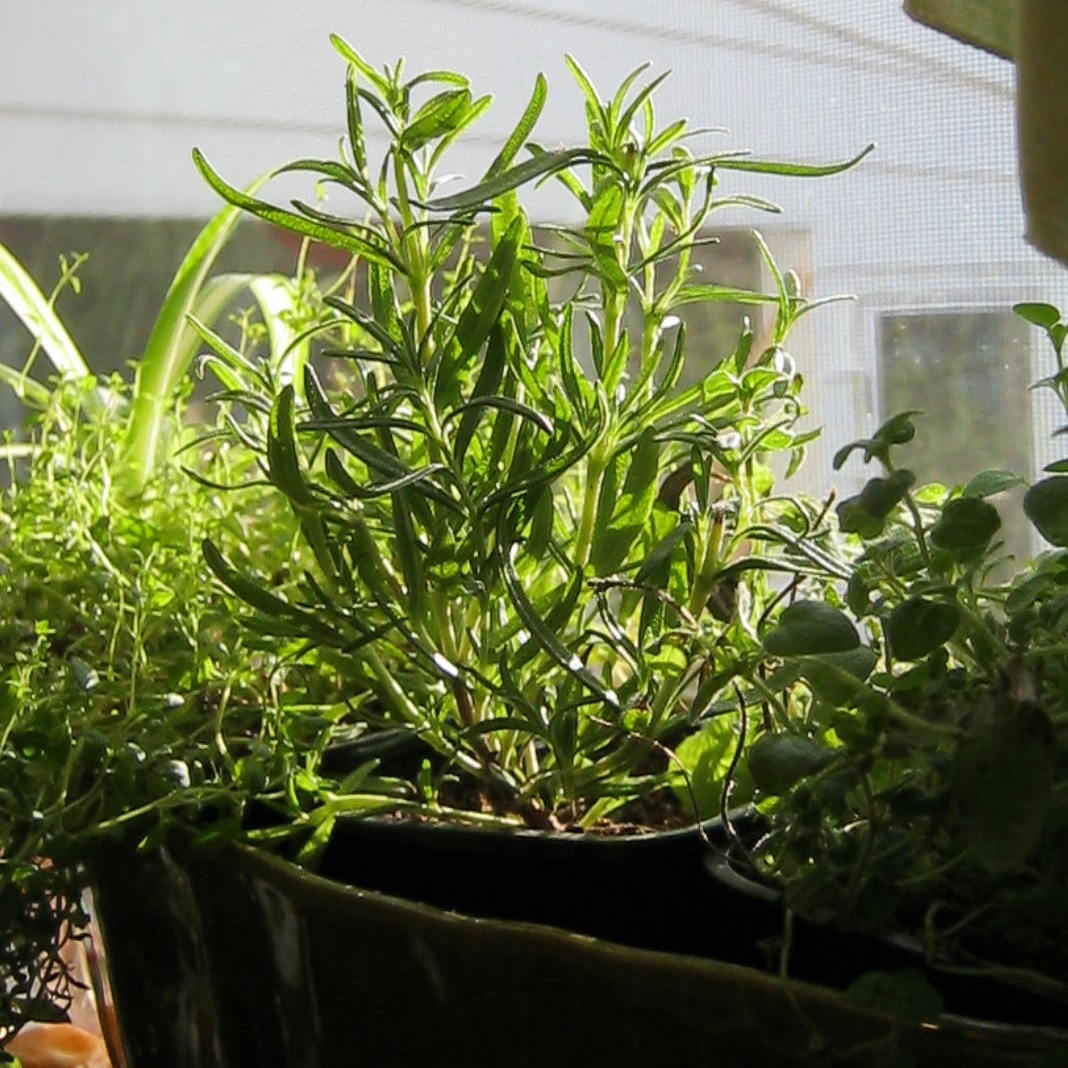
Rosemary

In winter two of these herbs are still easy to find, peppermint and rosemary are often sold in local supermarkets in the produce section. Lavender might be a bit more difficult to locate in the winter, but if you have a dormant plant in your garden or in a friends, cut a sprig and bring it inside, it will reward you with weeks and weeks of subtle fragrance.

Aromatherapy effects:

Lavender – calming, mood enhancing, cures insomnia and headaches. Read more here: Benefits of Lavender

Peppermint – anti-inflammatory, kills viral infections, clears lung congestion. Read more here: Benefits of Peppermint

Rosemary – aids in digestion, eases stomach cramps, relieves headaches. Read more here: Benefits of Rosemary

More on the care and culture of these three herb plants can be found in the links below:

Lavender
Peppermint
Rosemary

Plant & Project – Sweet Potato Vine Update

It’s time to begin a few indoor gardening projects. At the top of my list is growing a sweet potato plant with my grandchildren.

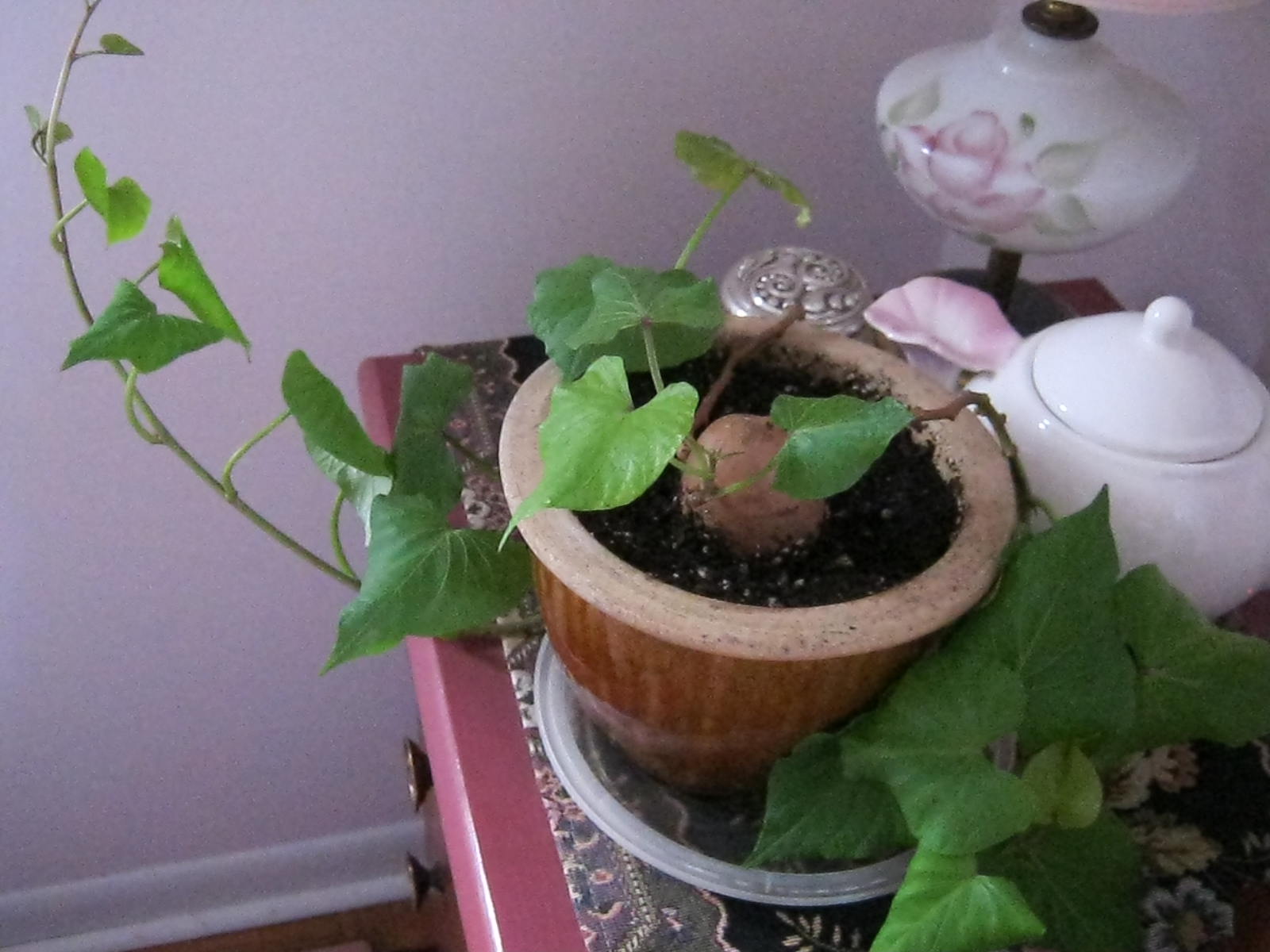
Growing a sweet potato is easy. Buy a good-sized sweet potato or yam from a farm or organic market; they are less likely to be treated with chemicals to prevent sprouting. Insert three or four toothpicks around the widest circumference and place the bottom in water. A flower vase with a slender neck is the perfect container to choose.

The tuber grows quickly and develops a large root system. In just over a month it will be ready for planting in a pot of soil.

I left a portion of the tuber above the soil line. I think it adds a bit of interest to the look of the plant. I also like the way the tuber mirrors the golden-orange brown of the pot’s ceramic finish.

Growing a sweet potato is a fun and easy project for Autumn or Winter.

Plant, Pressed Flowers and Preparedness – Wild Cress

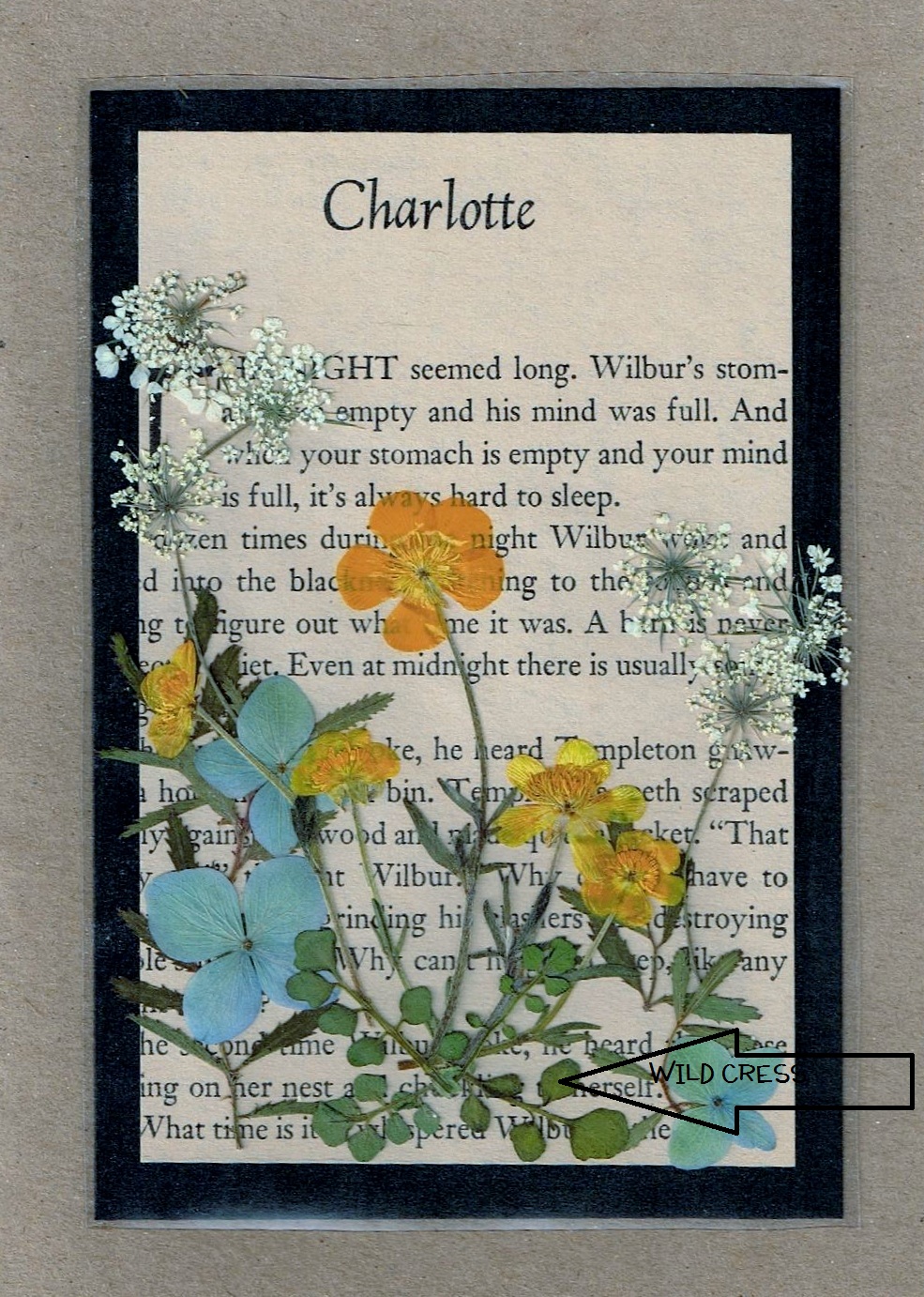
I have pressed flowers for years. I usually begin pressing in late winter or very early spring. One of the first pieces of foliage I press is a feathery little weed, which for years I have called, “My favorite weed.” Imagine my surprise and delight when it suddenly began to grow in the terrarium I created months ago. Recently my happiness was doubled when I found “my favorite weed” on a preparedness site and learned its proper name, Wild Cress. It turns out this little gem of a plant is not only perfect for pressing, but also is a wild edible, full of vitamins and nutrients.

Here are a few examples of my pressed flower cards using “My favorite weed,” Wild Cress

Wild Cress was eaten by early settlers to ward off scurvy in the winter. It has a peppery taste and makes a great salad green.

Wild Cress is a natural home remedy for many ailments. You can read more about it’s medicinal properties here: Wild Cress in Home Remedies

Wild Cress gone to seed will pop into your eye. I’ve pulled it out of my flower beds and closed my eyes while I’ve done so many a time. Read about this fact along with how to feed wild cress to rabbits here: Wild Cress/Popping Seeds

Wild Cress is easy to identify and is one of the most edible weeds. I doubt I would ever mistake anything else for Wild Cress after handling it for over twenty years. Great caution must be taken when eating anything growing wild. Some wild plants are deadly poison. Don’t eat anything wild unless you are absolutely sure  it is edible. Here are a few other edible weeds: Edible Weeds

Plants and Pleasures – Scarbourough Fair Part II

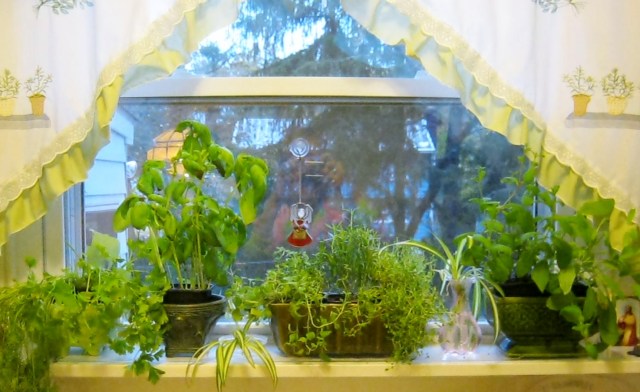
Culinary Herbs grow well on a kitchen windowsill. I like to use antique planters as étagères for my herbs. The steam that rises from my water faucet helps keep their environment humid. The herbs grow well in their small pots. I have found I need to water them in five-day intervals.

I use my fresh herbs to whip together a delicious and healthy salad dressing.  The bright green color reminds me of Springtime, and somehow the light taste captures a bit of sunshine too.

Spring Salad Dressing

4 tbs of olive oil

1 tbs vinegar

Dash of Dijon Mustard

1/2 tsp Adobo Seasoning

Varying amounts of oregano, dill, thyme, parsley and basil.

Whip until combined with fork or whisk, or even better, use food processor to combine ingredients. Refrigerate. Use within a week.

The salad dressing thickens in the fridge, but when spooned onto salad greens immediately liquifies once more.

Plants and Pleasures – Scarbourough Fair Part I

I love fresh herbs. They grow very well on my kitchen windowsill. I feel blessed to have them. They infuse health into many of the foods I serve my family. My local supermarket offers these herbs, organically grown, at a reasonable price. They cost less than buying a bottle of dried herbs.

Pictured from left to right: dill, parsley, basil, oregano, thyme, mint and sage. I call this my Scarborough Fair windowsill. When I gaze upon this lush display of plants the Simon and Garfunkel song, “Scarborough Fair,” plays in my mind.

The original ballad is probably over a 1000 years old. I’ve included the full set of lyrics at the end of this post. More information can be found at these two sites:

Scarborough Fair
and
Scarborough Fair Songfacts

Scarborough Faire

Are you going to Scarborough Faire?
Parsley, sage, rosemary and thyme.
Remember me to one who lived there.
She once was a true love of mine.

Have her make me a cambric shirt
Parsley, sage, rosemary and thyme.
Without no seams, nor fine needle work.
Then she’ll be a true love of mine.

Tell her to weave it in a sycamore wood lane.
Parsley, sage, rosemary and thyme
Gather it up in a basket of flowers
Then she’ll be a true love of mine

Have her wash it in yonder dry well
Parsley, sage, rosemary and thyme
Where water ne’er sprung, nor drop of rain fell.
Then she’ll be a true love of mine

Tell her to to find me an acre of land.
Parsley, sage, rosemary and thyme
Between the sea foam and over the sand.
Then she’ll be a true love of mine

Plow the land with the horn of a lamb.
Parsley, sage, rosemary and thyme
Then sow some seeds from north of the dam.
Then she’ll be a true love of mine

Have her reap it with a sickle of leather.
Parsley, sage, rosemary and thyme
Gather it up in a bunch of heather.
Then she’ll be a true love of mine

If she tells me she can’t, then I’ll reply.
Parsley, sage, rosemary and thyme
Let me know, that at least she will try.
Then she’ll be a true love of mine

Love imposes impossible tasks
Parsley, sage, rosemary and thyme
Though not more than any heart asks.
And I must know she’s true love of mine

When thou has finished thy task.
Parsley, sage, rosemary and thyme
Come to me my hand for to ask.
For then you’ll be a true love of mine

Additional verses:

Tell her to dry it on yonder thorn,
Parsley, sage, rosemary, and thyme,
Which never bore blossom since Adam was born,
And then she’ll be a true love of mine.

Ask her to do me this courtesy,
Parsely, sage, rosemary, and thyme,
And ask for a like favor from me,
And then she’ll be a true love of mine.

Have you been to Scarborough Fair?
Parsley, sage, rosemary, and thyme,
Remember me from one who lives there,
For he once was a true love of mine.

When he has done and finished his work,
Parsley, sage, rosemary, and thyme,
Ask him to come for his cambric shirt,
For then he’ll be a true love of mine.
Plants – Pineapple Sage

I planted Pineapple Sage in my herb garden this past Spring.  I expected it to bloom earlier in the year and draw butterflies and hummingbirds, but it chose to bloom now…late October and early November in my Middle-Atlantic state of New Jersey. I am on the border line for this half-hardy perennial to survive the low temperatures of winter. Perhaps if I cover it with three to four inches of protective mulch, it might make it through the cold season.

My Pineapple Sage grew from a sprout of six inches into a gangly bushy plant of about three feet. The leaves have a delicious fragrance and the flowers are lovely. I need to cut a few sprigs to enjoy before cold weather sends it into dormancy. The leaves are a gorgeous lime green color. I’m a bit disappointed that the attractive scarlet flowers waited until late Autumn to appear, but they do look pretty against the brown of the fallen leaves. I will definitely try to save this lovely bush. If I lose it, I will plant the cuttings that have rooted in my basement. Perhaps they will have a head start and bloom just a little earlier in my late-summer garden.

Here is a great article on Pineapple Sage: Pineapple Sage

Pineapple Sage sprigs create a perfect Autumn Bouquet…Lovely! As an added bonus, the cuttings might root and I’ll have even more plants for next Spring.

Plant – Sunflower Sunday

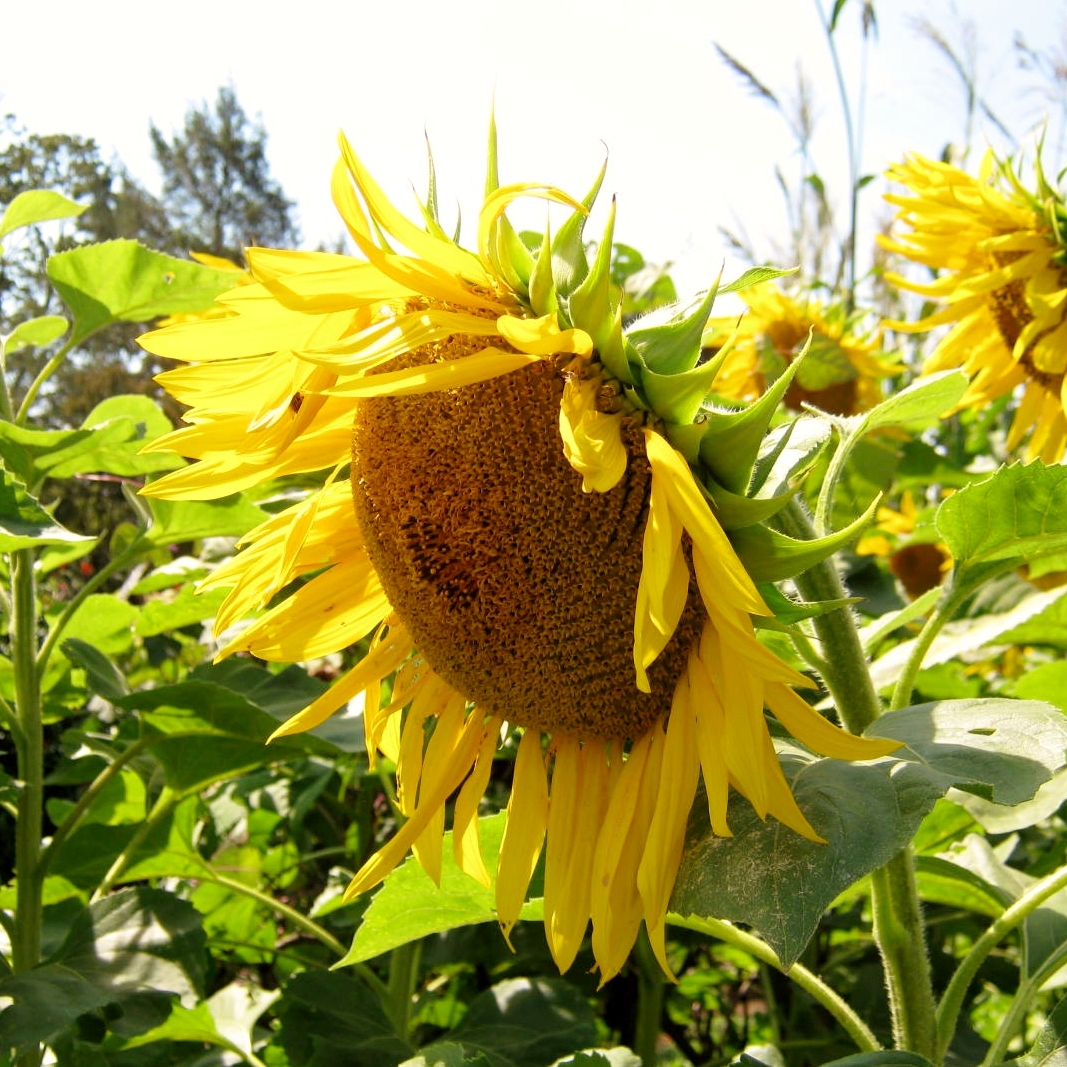
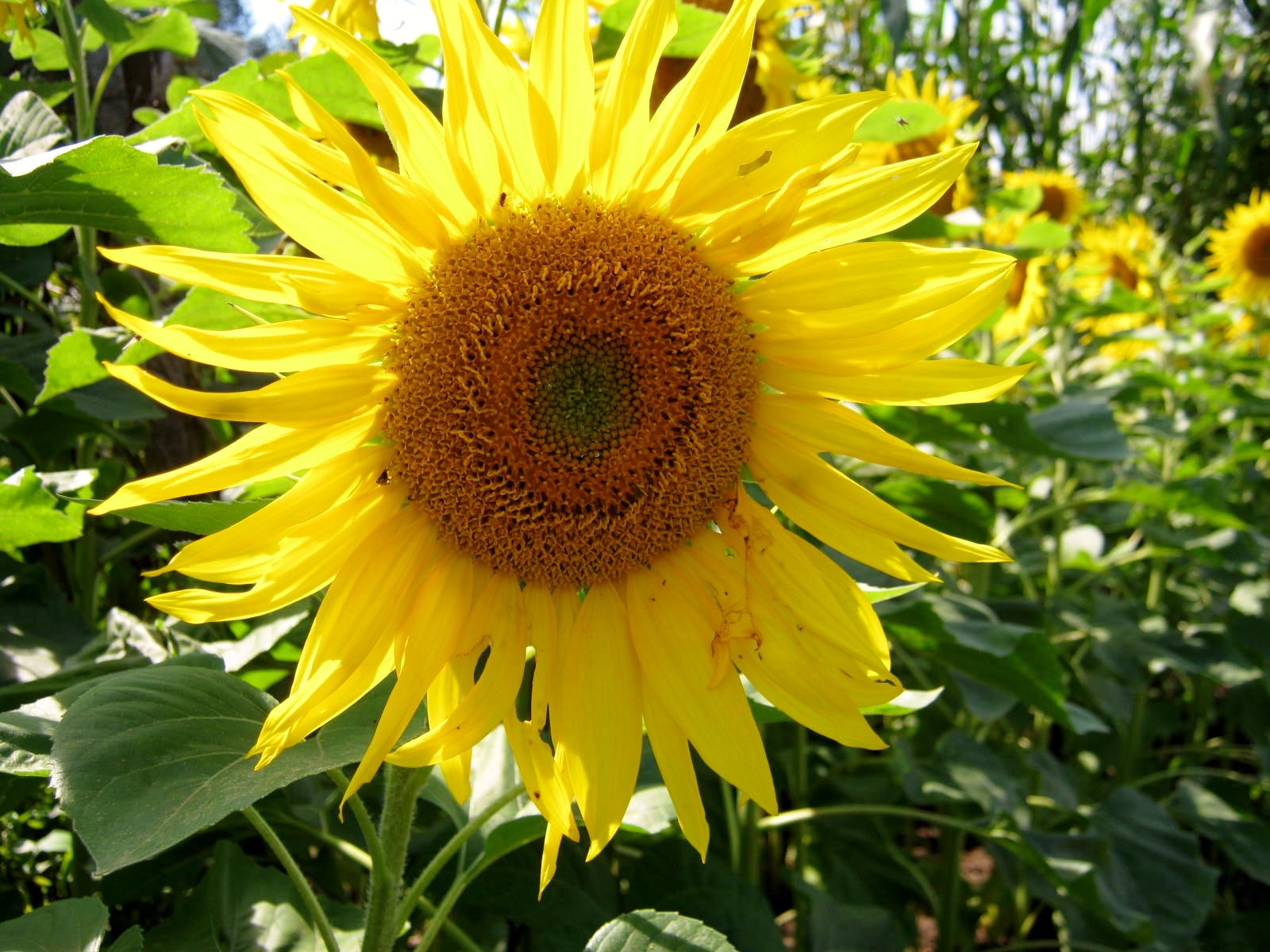
Longwood Gardens was ablaze with the glory of sunflowers this week. A friend and I visited and strolled through the idea garden where these beauties are growing. To my fellow artists and crafters: Please feel free to use these photographs as a reference for your paintings or projects. Happy painting and crafting.

Follow Me on Pinterest

Problem-Solving, Plant and Pressed Flowers – Jewelweed

While on a recent bike ride, I spotted the trumpet-like orange flowers of Jewelweed. This wildflower grows in moist, wet places and blooms later in the summertime. For those of you who react to the urishol oil in poison ivy, crushed jewelweed foliage applied to your exposed skin can save you from breaking out in a rash.
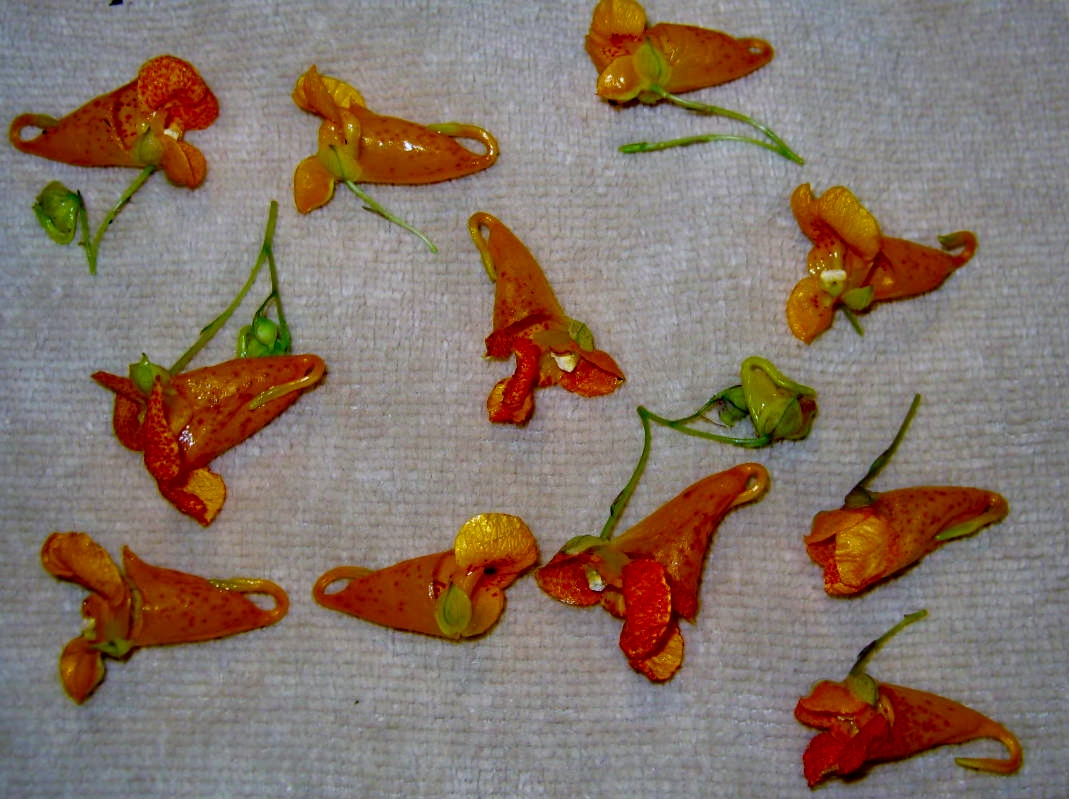
For a look at the foliage of this plant and more information take a look at this link: Jewelweed

Jewelweed also makes a decent pressed flower, but it needs a bit of drying out before it can be used. I usually lay the blossoms on a towel and press them flat with my fingers. This removes a bit of inner liquid in the flower. Because of their moist nature, not every jewelweed flower will retain it’s color. I will keep trying though, it’s unique shape, intense color and plentiful growth along streams makes it a good candidate for pressing.

Plant – Coleus Seed Saving and Volunteers

Since they have been planted in the spring, I have regularly been pinching off the tops of my coleus plants to keep them from blooming and to force them to branch out. I have some really pretty plants this year. I have stopped my pinching now. It’s time to let the spiky blooms emerge, mature and form new seed for next year’s coleus.

A week or two ago I noticed this amazing patch of small sprouts growing alongside the brick in the front garden. A patch of volunteer coleus had emerged, some with really interesting colors and patterns. I thought at first they might have sprung from old flower spikes I threw in the back of the garden last year, but on taking a second look decided I must have thrown a few leftover seeds in the back as an experiment. This week I’m going to dig them up with the shovel and pick several to pot up and grow in the house through winter.

Plants – Mushroom Monday

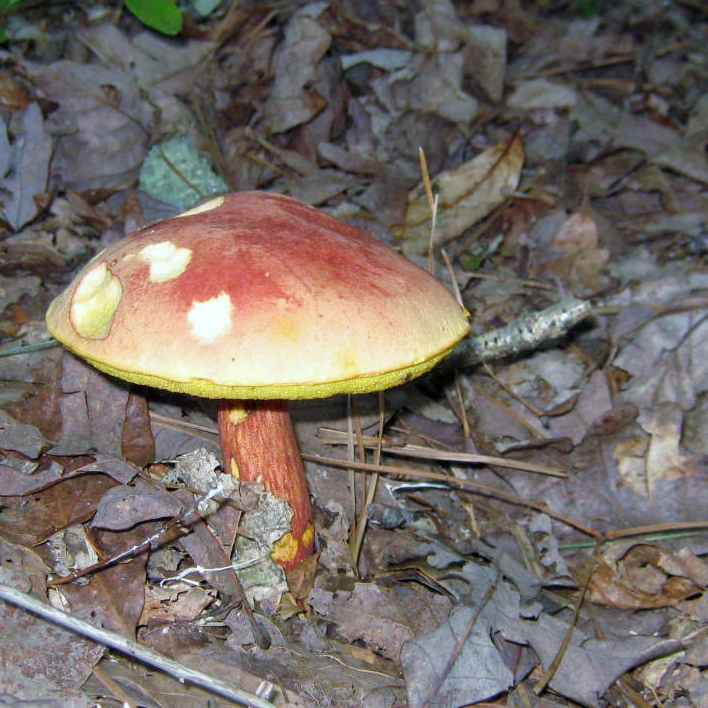
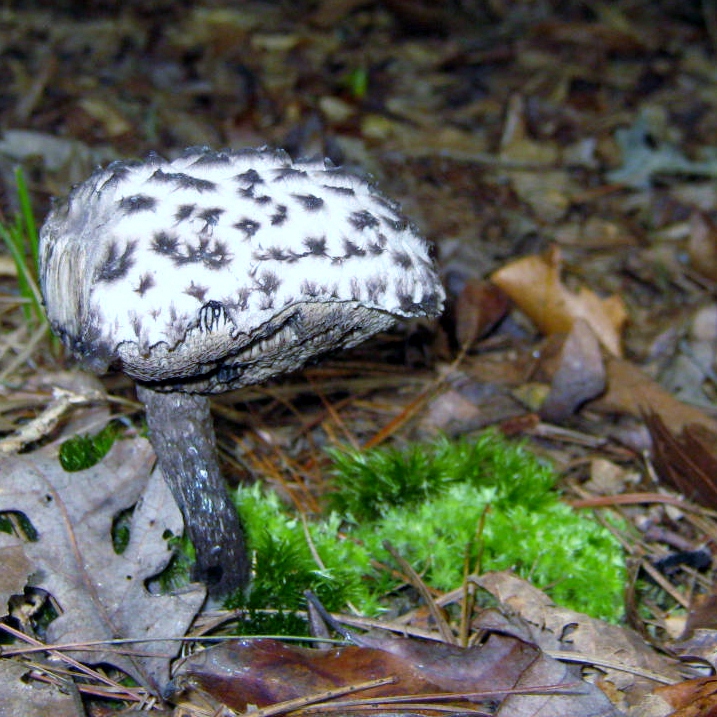
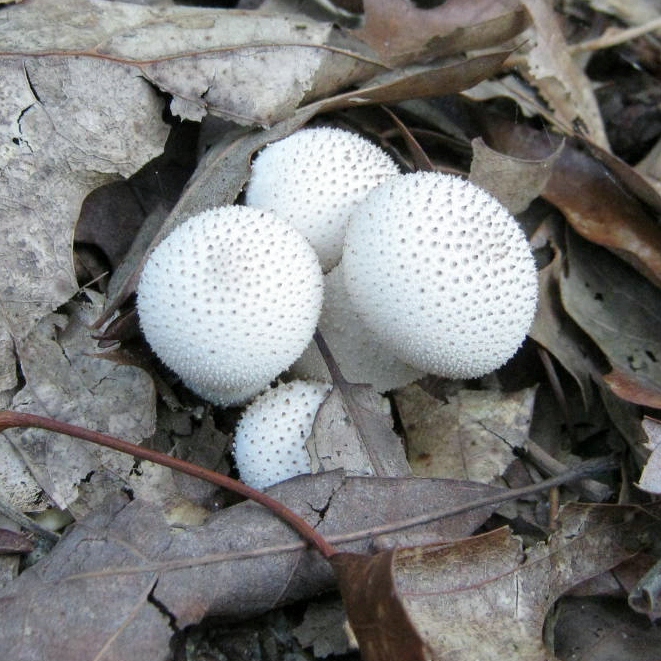
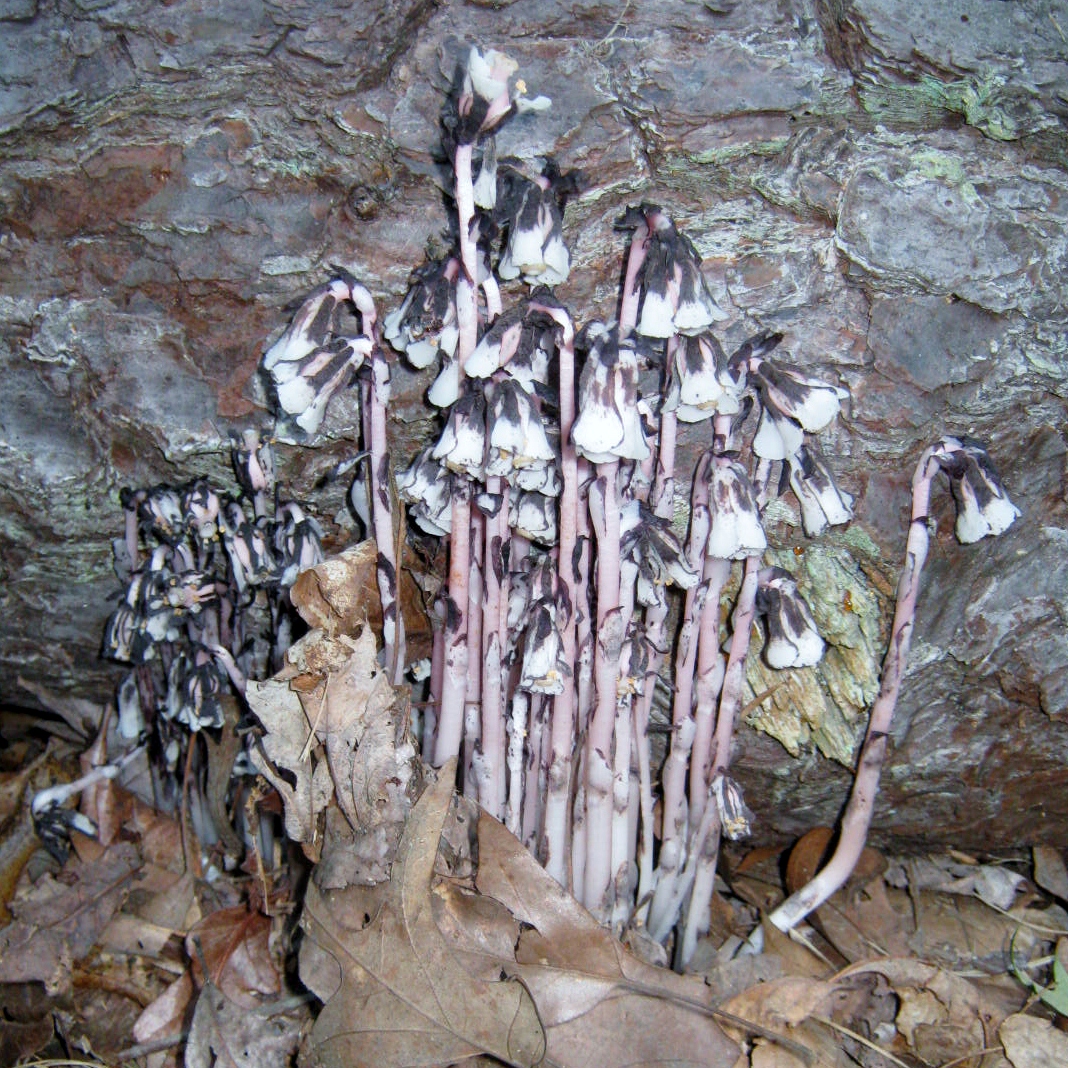
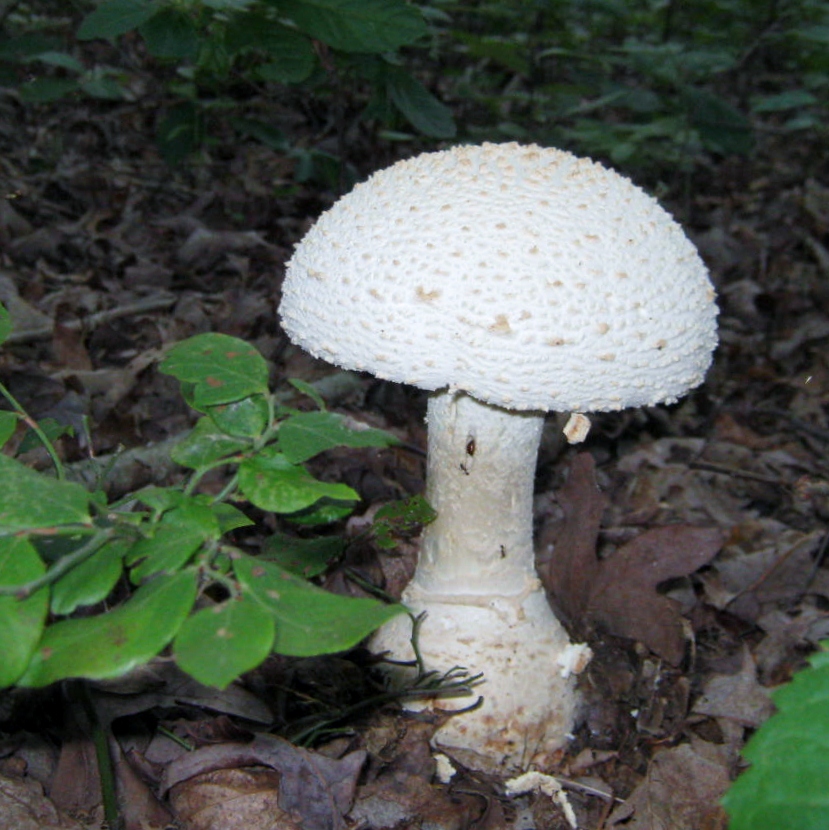
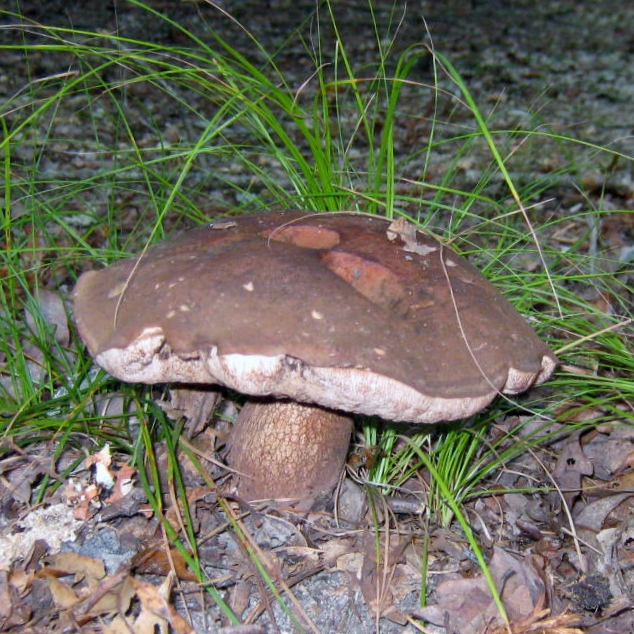
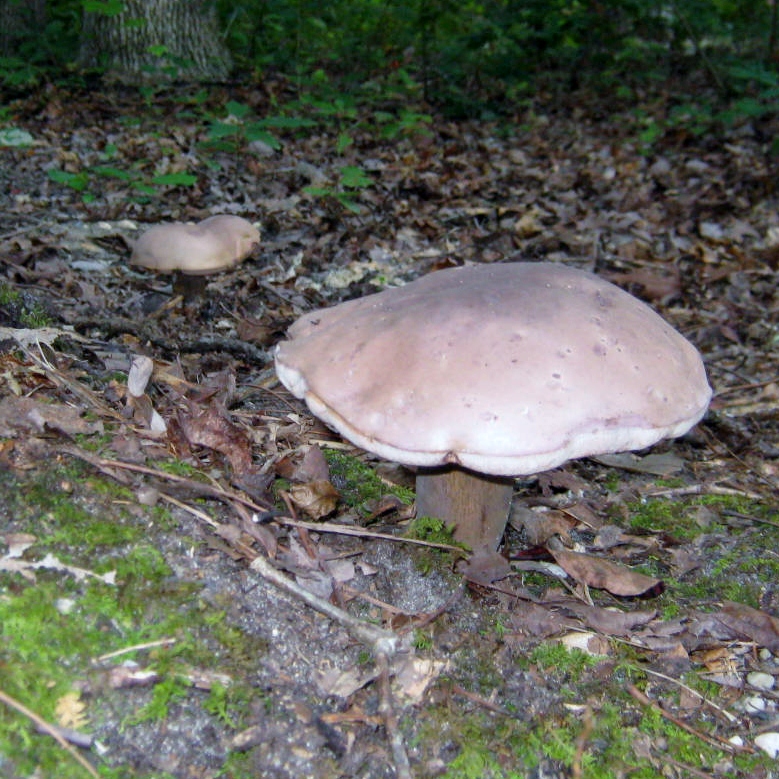
We camped in Belleplain State Forest over a portion of the Labor Day weekend. It’s been humid and moist in the past few weeks and the mushrooms are peaking. Here’s a sample of New Jersey Pineland’s mushrooms and linchen.


Plant – Crape Myrtle

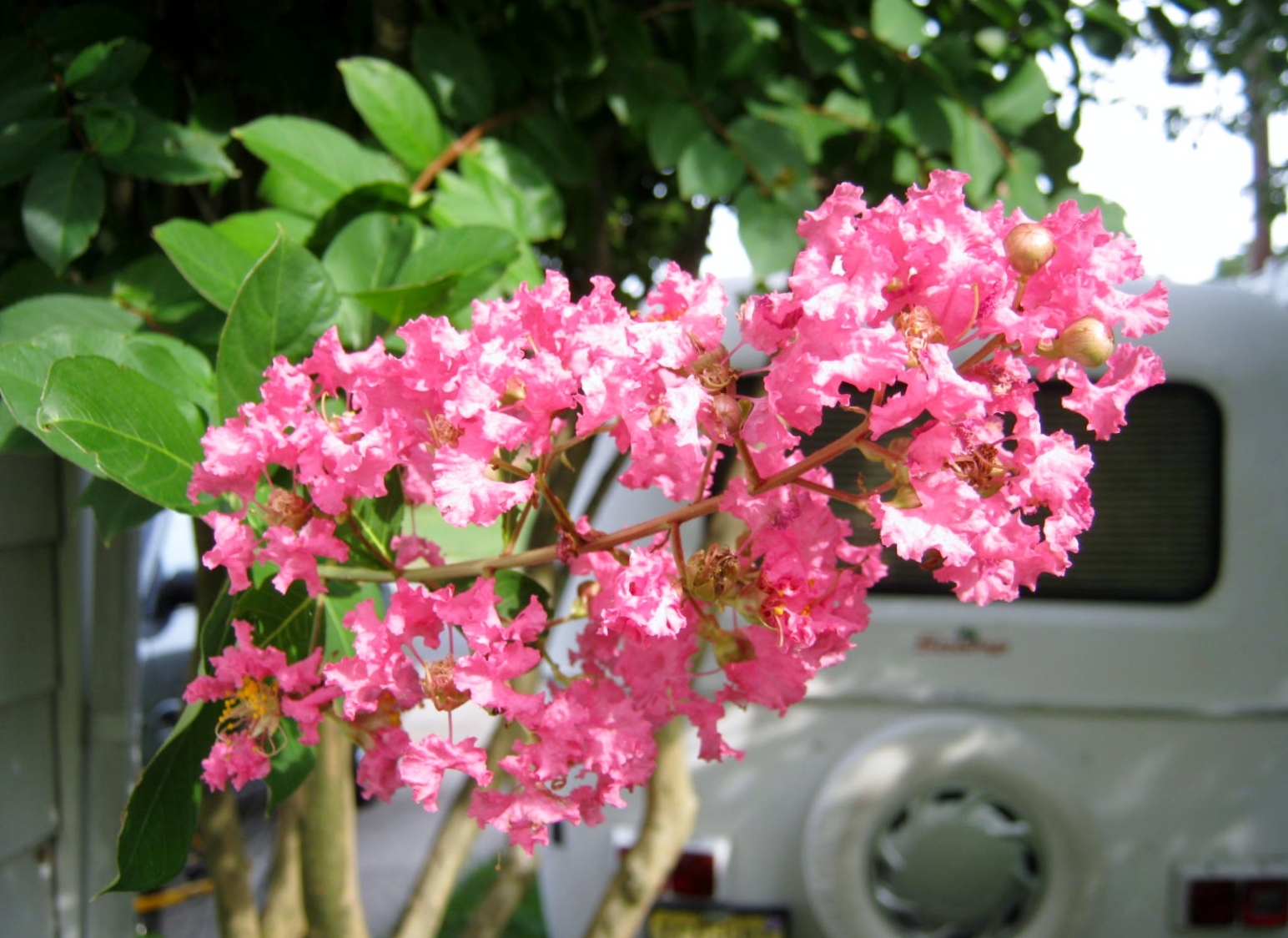
When I was a child the first place I noticed Crape Myrtle trees growing was in the front yard of my grandparent’s home in Hampton, Virginia. At that time, several decades ago, there weren’t too many of these plants in the north. Times have sure changed, and now Crape Myrtle trees are everywhere…at least in New Jersey.

I love the beautiful pink blossoms, but even more than the flowers, I think it is the bark of a Crape Myrtle that is the tree’s most fascinating feature.

There is something almost magical in the way the bark peels away, leaving some areas a mottled green-grey and others a smooth and silken tan. I hope to always have a Crape Myrtle tree in my garden.

Plants – Flower Garden Update/August 2012


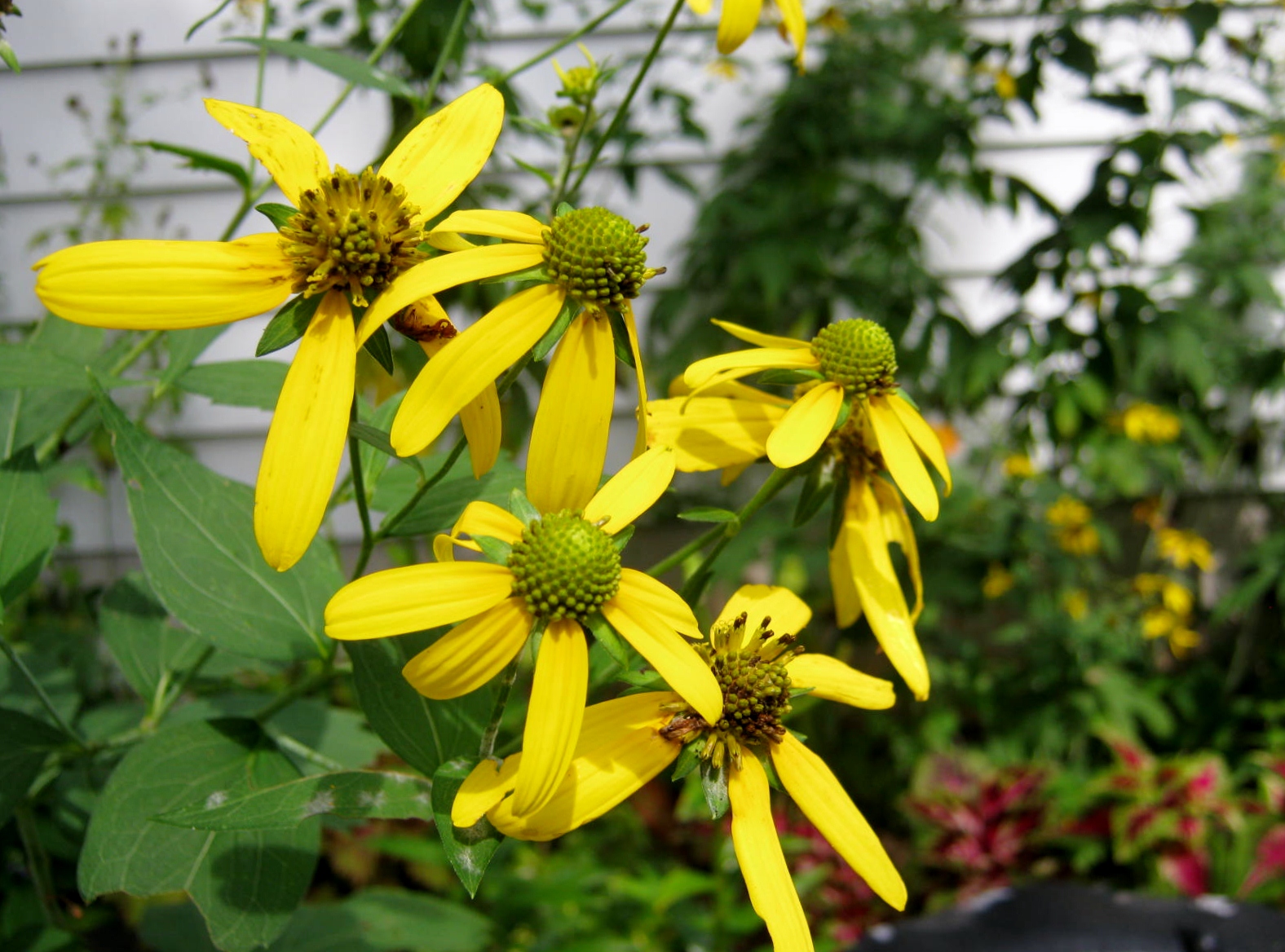
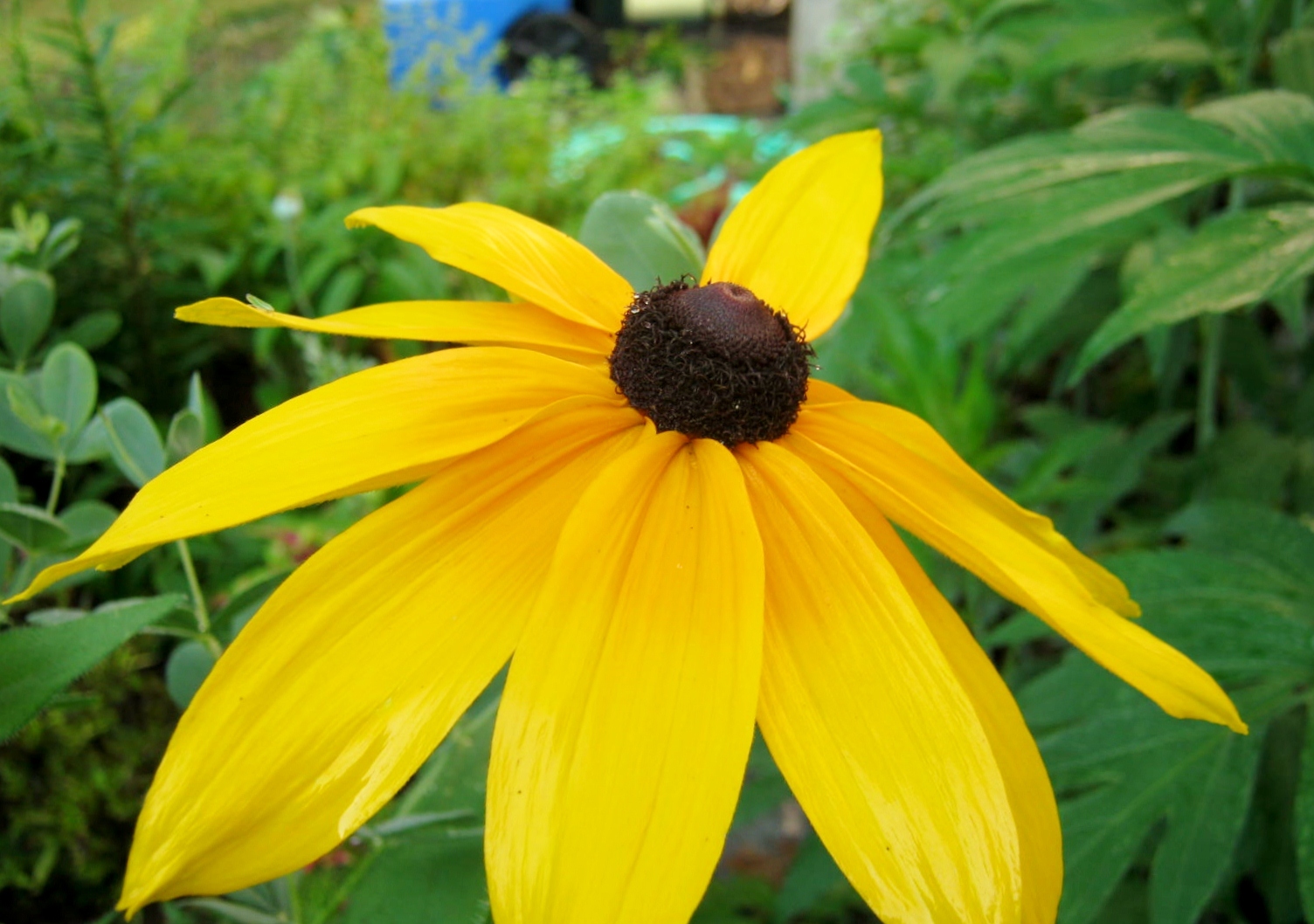
My late-summer flower garden is thriving. The Rudbeckia is full of blossoms. I don’t deadhead these flowers. They do not produce more blooms if I do so, and then I would deprive the finches of their treat. These flowers produce hundreds of seeds and are a favorite of the goldfinches. I often see the small birds hanging upside down on the seed heads, feasting on the bounty.

The Coral Nymph Salvia is a beautiful plant. It almost becomes shrub-like as the season progresses. I do deadhead the spent flower stalks of this plant, and it keeps producing until cold weather. It is a favorite of hummingbirds.

This Salvia self-seeded last summer, grew in a crack between the sidewalk and front porch steps, and is thriving. I will save seeds from this plant this fall. It has a resilience and determination I admire.

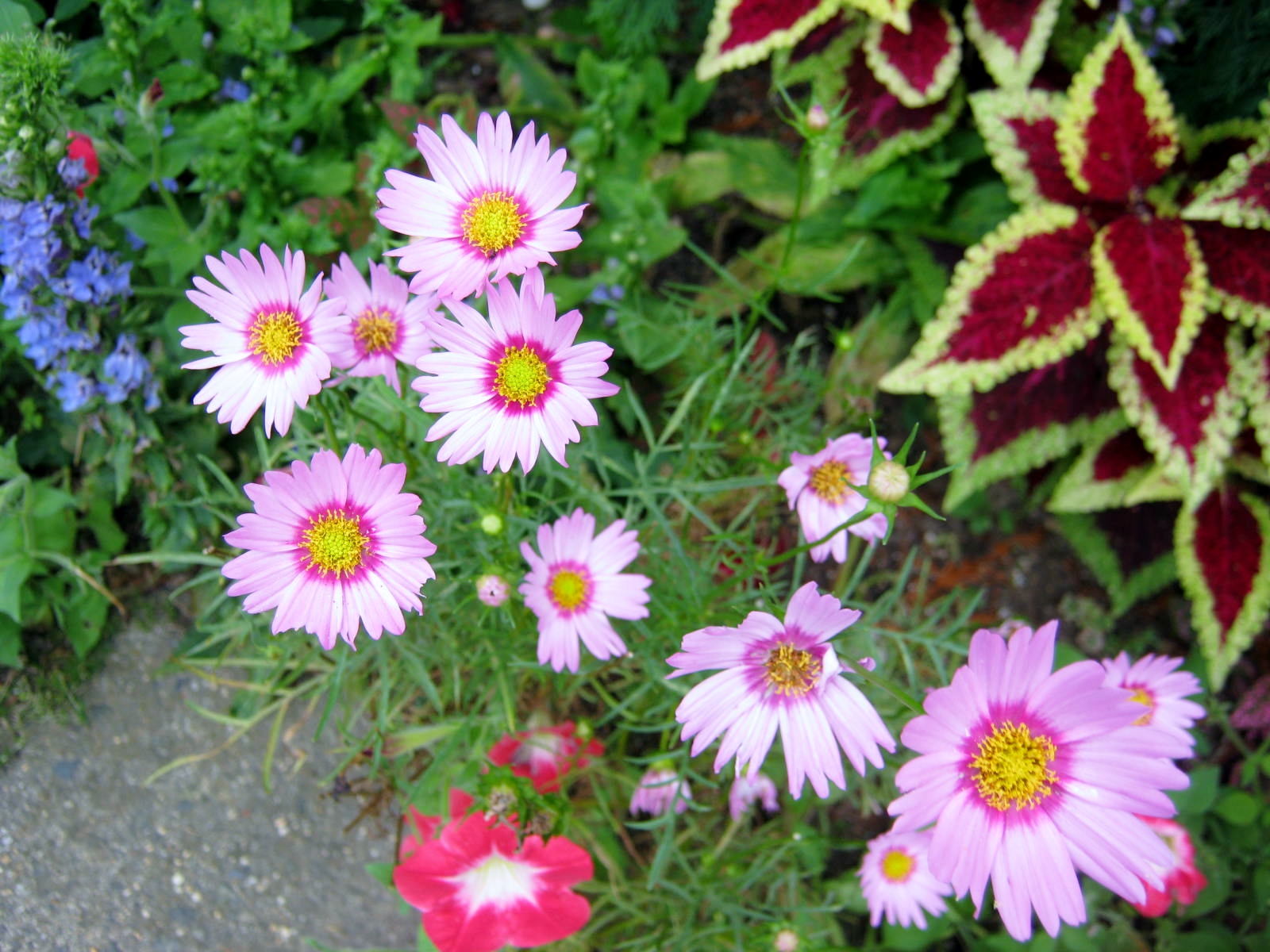
The Popsock Cosmos I grew this year is a bit taller than I had thought it would be, but is still a welcome addition to the front garden.

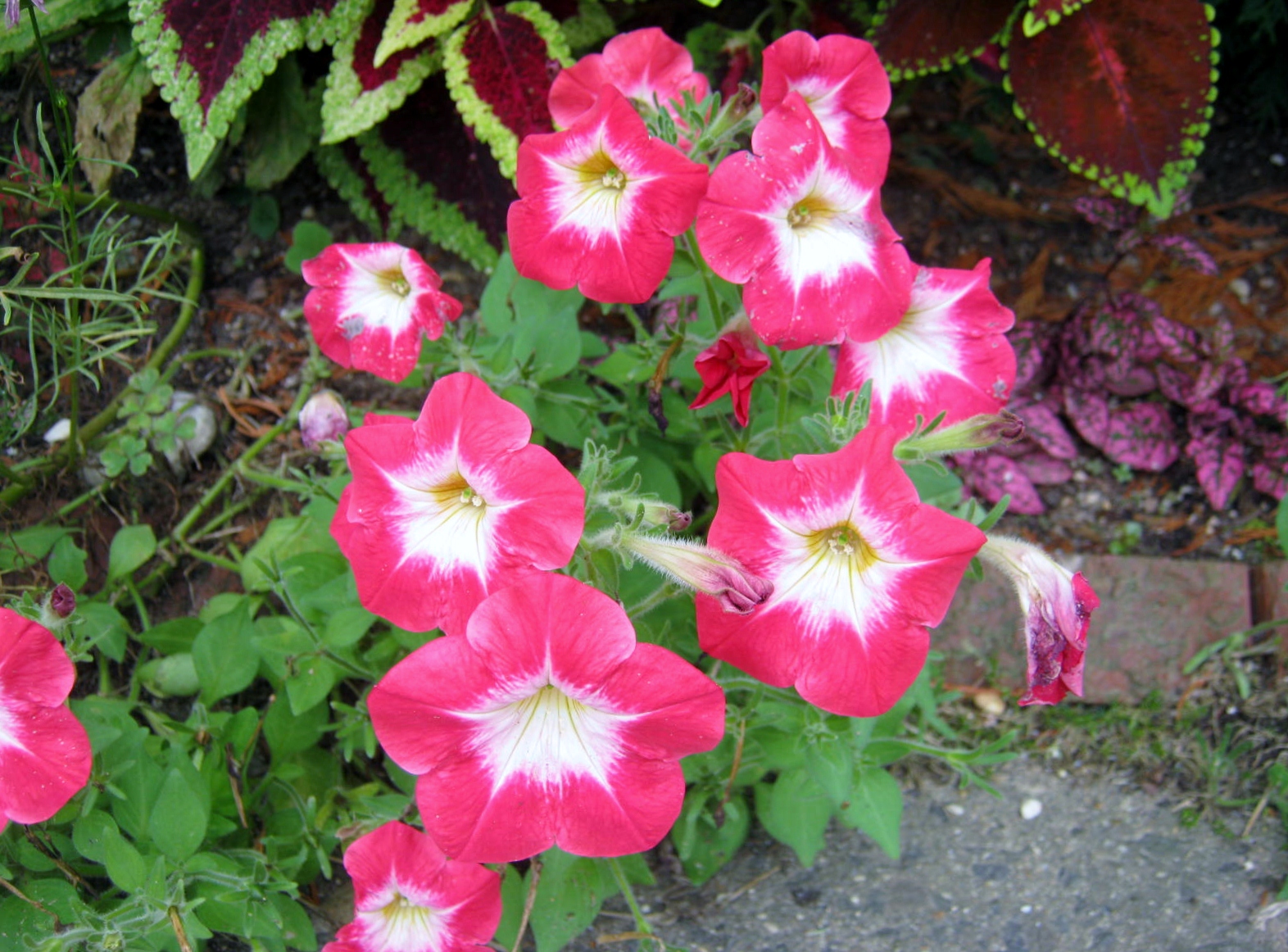
These cheerful petunias I bought on a whim this spring have been fantastic. I love the bright color and the abundance of blooms they have given me.

The coleus plants in the front garden are outstanding. I will soon let them begin to flower for next year’s seed harvest.

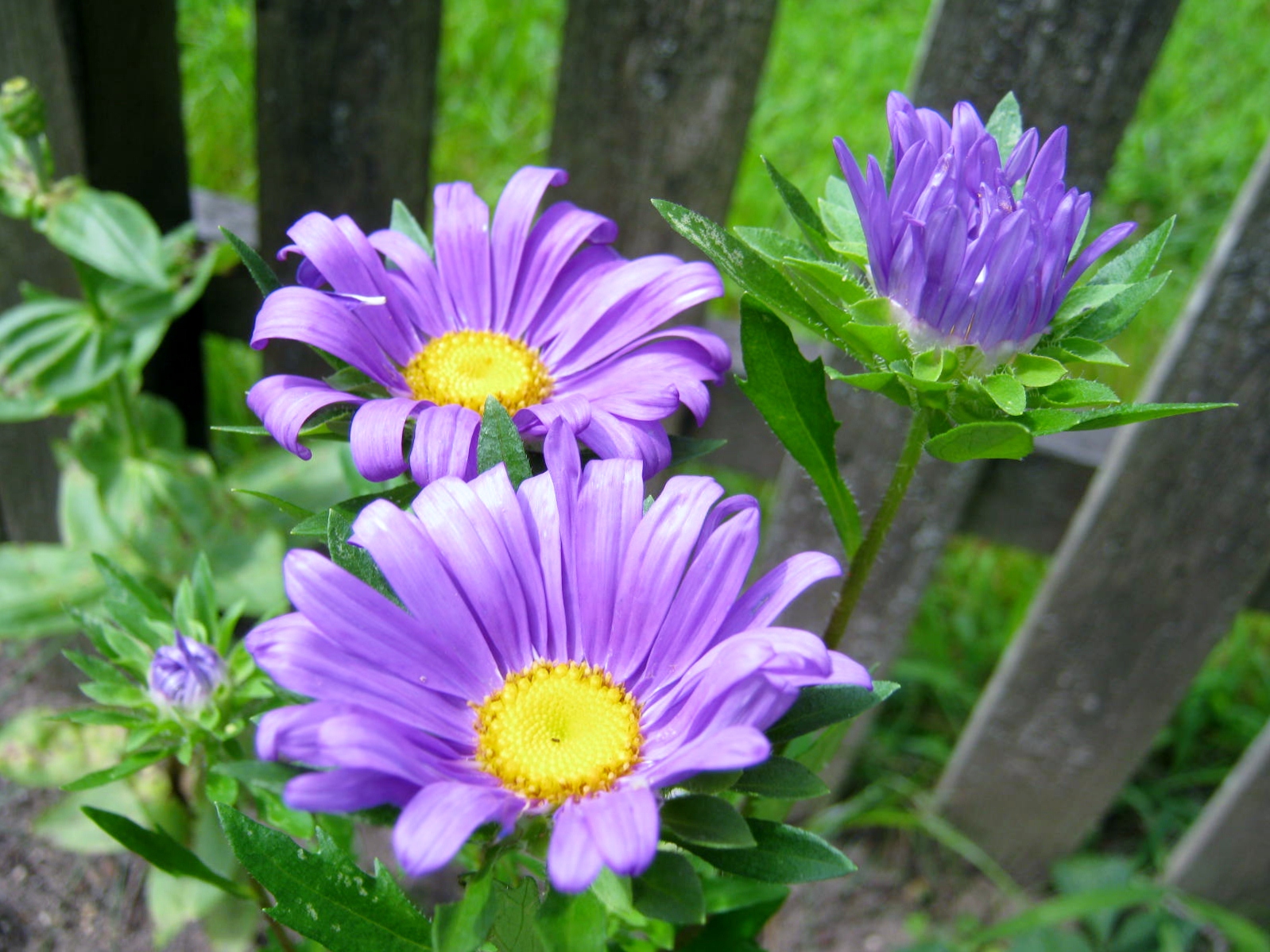
The asters I grew by winter-sowing are beautiful. They come in a variety of purple, lavender and pink shades. I am really pleased with this plant.

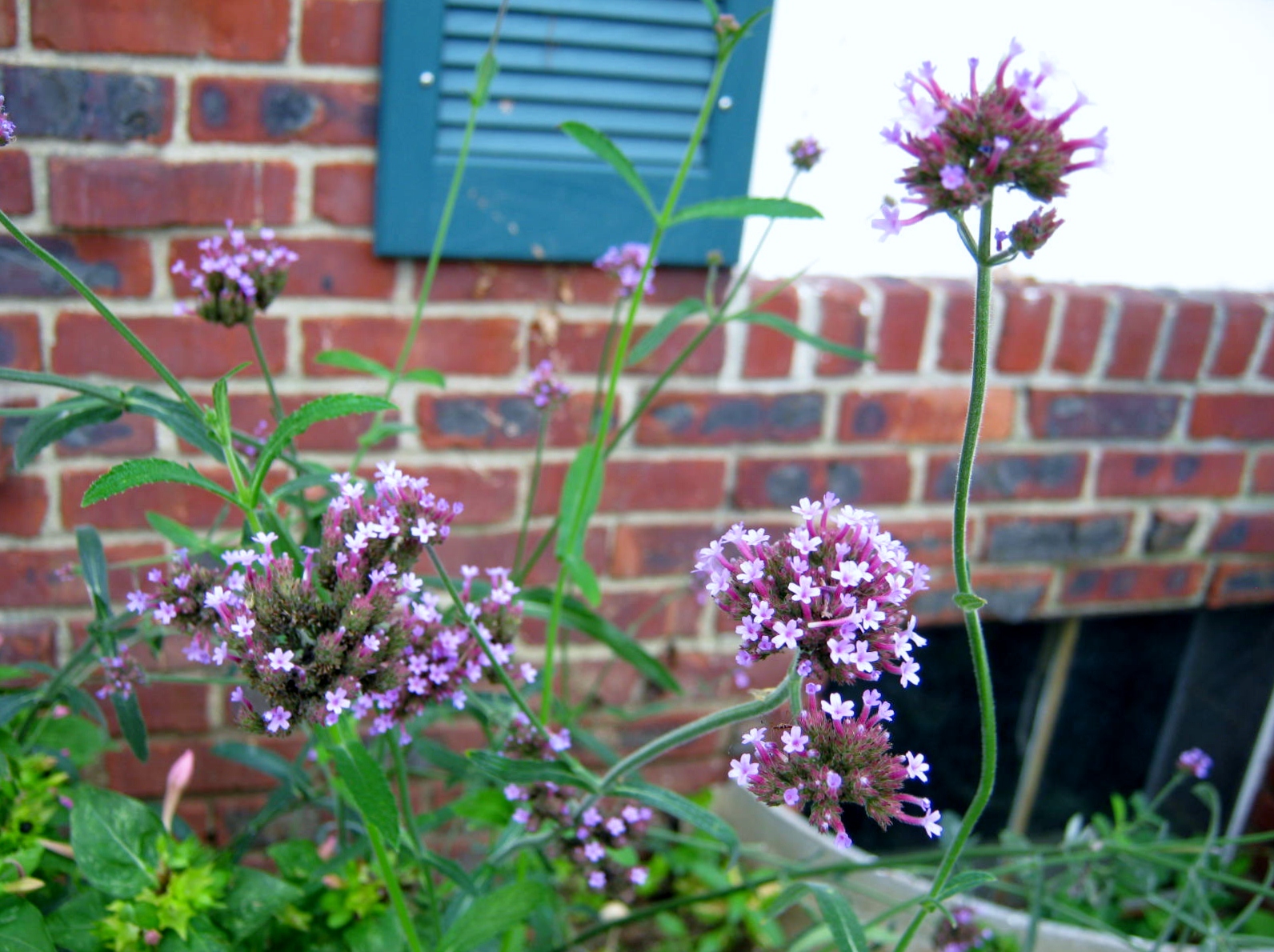
The Bonariensis Verbena is often perennial. This patch grew tall and broad this year and is constantly attracting butterflies. Last year it also self-seeded, and I have several new patches of this great plant.

Dahlias grown from seed and sun-loving impatiens (a Mother’s Day gift) are all doing well.

Here is one of my mistakes, although I love the lilypad-like foliage. I planted nasturtium in fertilized soil, and the foliage is abundant, but the flowers non-existent. They prefer to grow in poor soil.

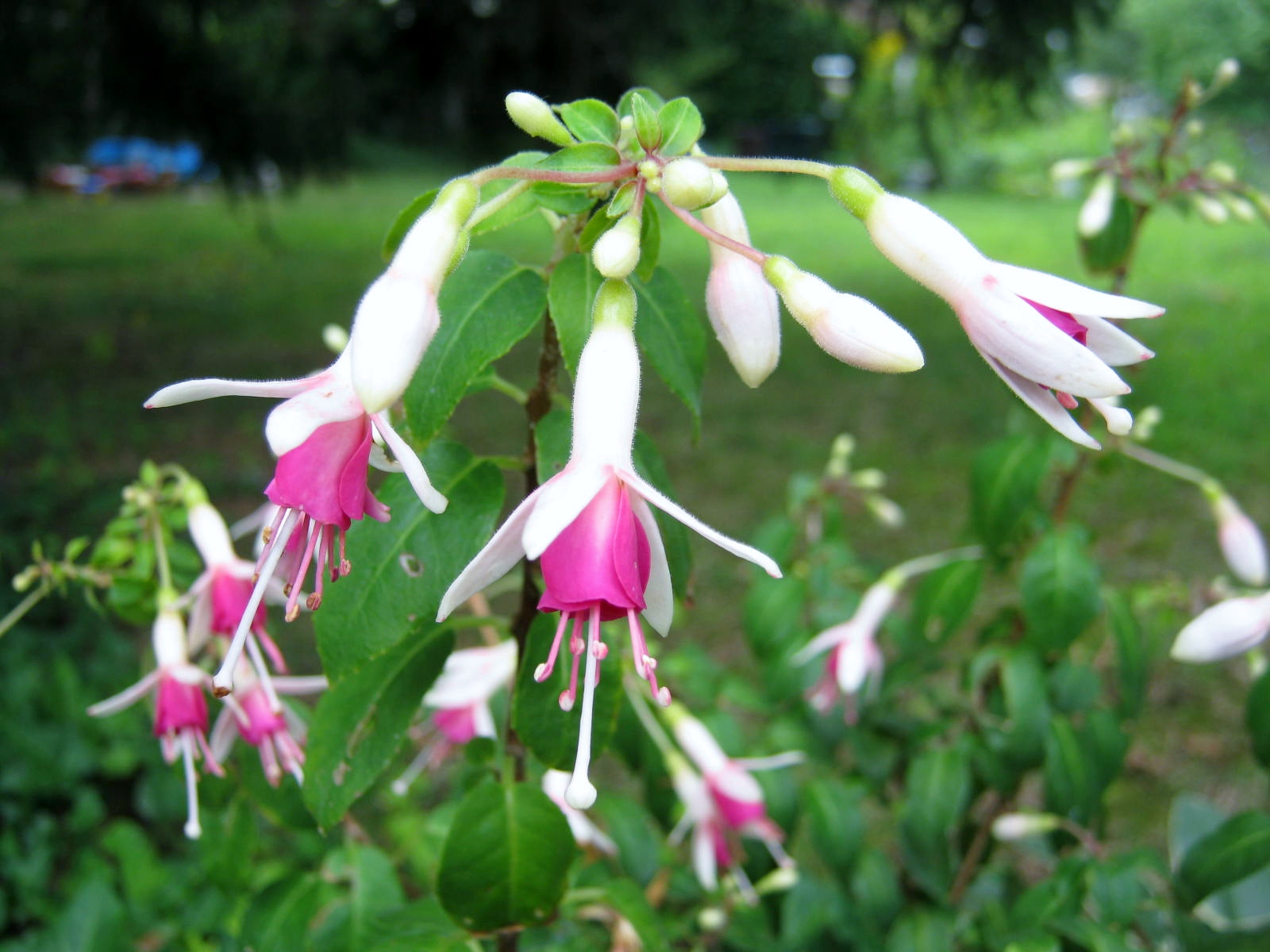
Both varieties of Fuschia are doing well, as are both varieties of the Dragon-wing Begonias.


Last but not least is my Lady In Red Salvia, a great hummingbird flower. I love the little hover-fly sipping nectar that I captured in the photograph below.

Plants – Mid-August Update/Square Foot Garden

Eggplant

My Square Foot Garden is still going strong. I have never grown so many delicious and beautiful varieties of vegetables.

Eggplant

Tuscan Kale (has grown since spring…still delicious)

Pickling cucumbers

Late summer sowing of black beans

Late summer sowing of pickling cucumbers…not sure if these have enough time to fruit.

Golden Mohawk peppers and eggplant…Gorgeous!

Plants and Pleasures – Harvesting and Storing “Tea” Herbs

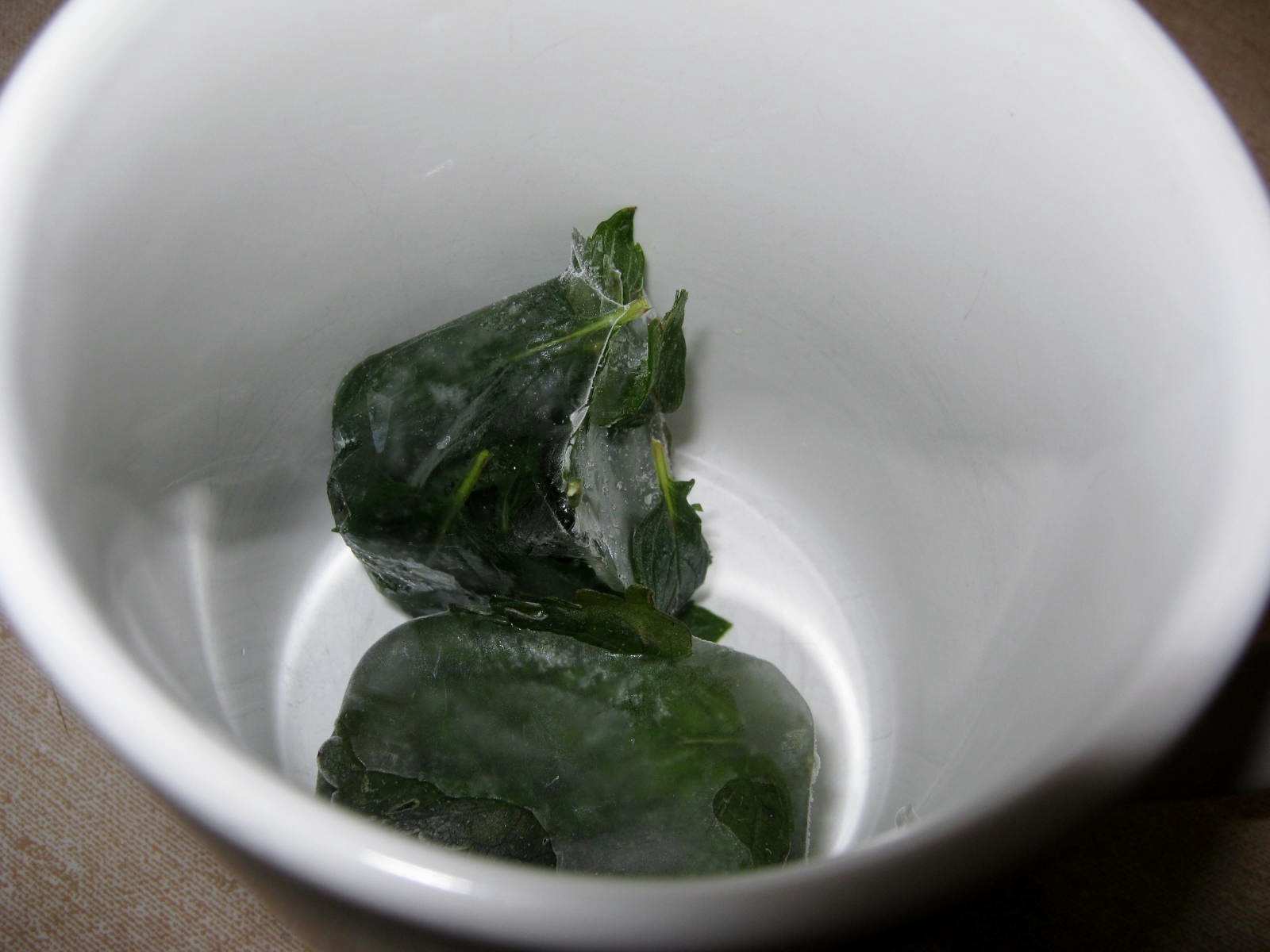
Hopefully, this will be the start of a daily cup of tea this winter. I’ve been picking my spearmint and lemon balm and freezing it in ice-cube trays. I had a test run last week, and found that if I left the herbal ice cubes in a cup for an hour or two they thawed out. I then strained away the water, fired up the tea kettle, and within ten minutes was drinking a cup of spearmint/lemon balm tea that tasted as if it was picked fresh out of the garden. I’m thrilled to know I’ll be able to continue drinking the tea throughout the winter.

Plants & Posies – Gladiolus Part 2/Making a Glamelia

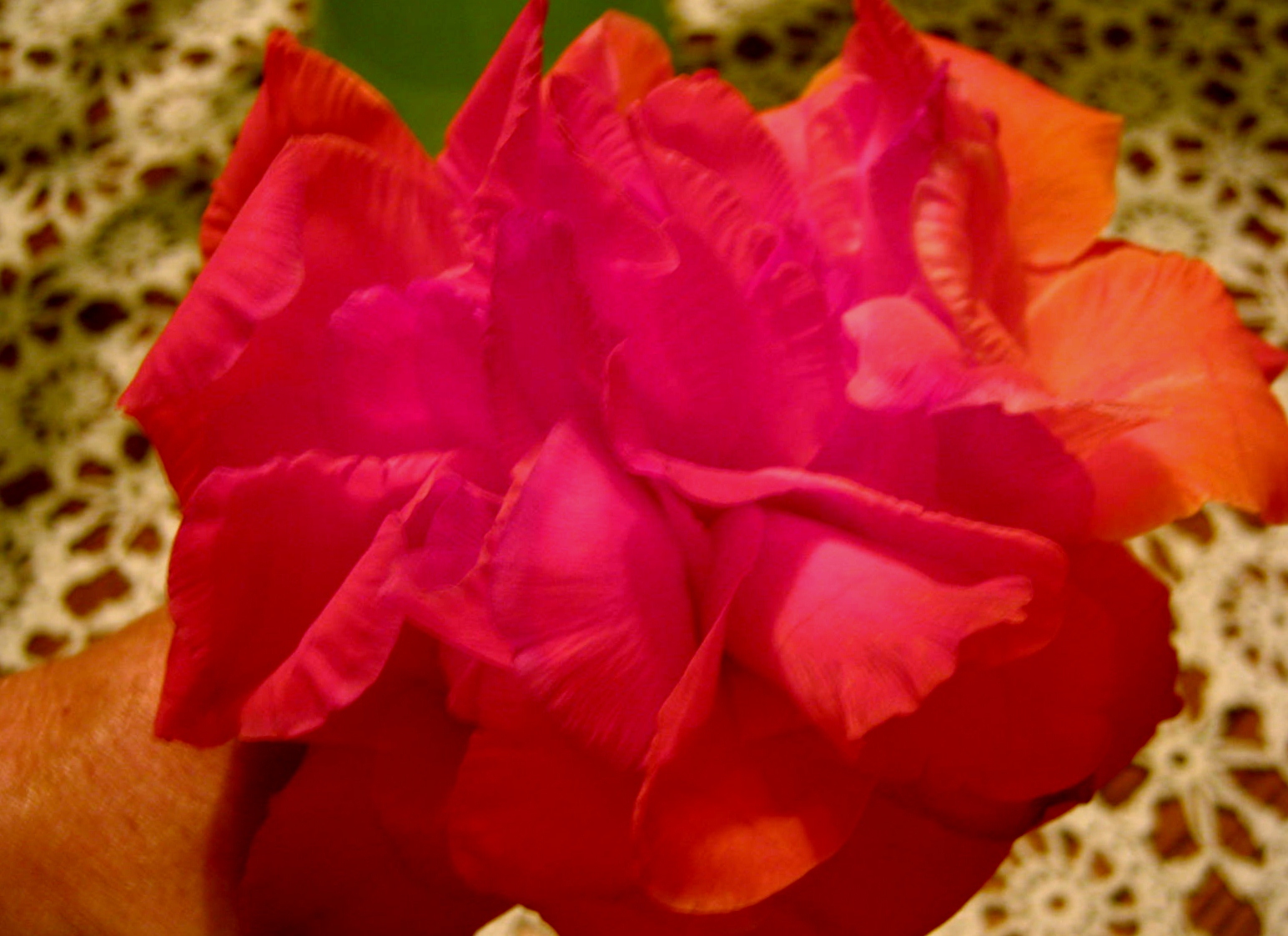
The picture above is a sample of an old-fashioned corsage technique called a glamelia. This type of corsage uses gladiolus petals, wired and bundled together to create a large flower that resembles a camellia or a peony. There are stunning examples of these bouquets on Pinterest: Click here to view Glamelia Wedding Bouquets.

Here is a link that will take you to excellent instructions on how to create a glamelia corsage or bouquet: How to make a Glamelia