Photo Challenges – The Crayola Box of 8 – Green

I’m taking part again in the CFFC (Cee’s Fun Foto Challenge) hosted by Dan at No Facilities. My greens were all photographed this week during a visit to the Delaware Bay town of Fortescue, New Jersey.

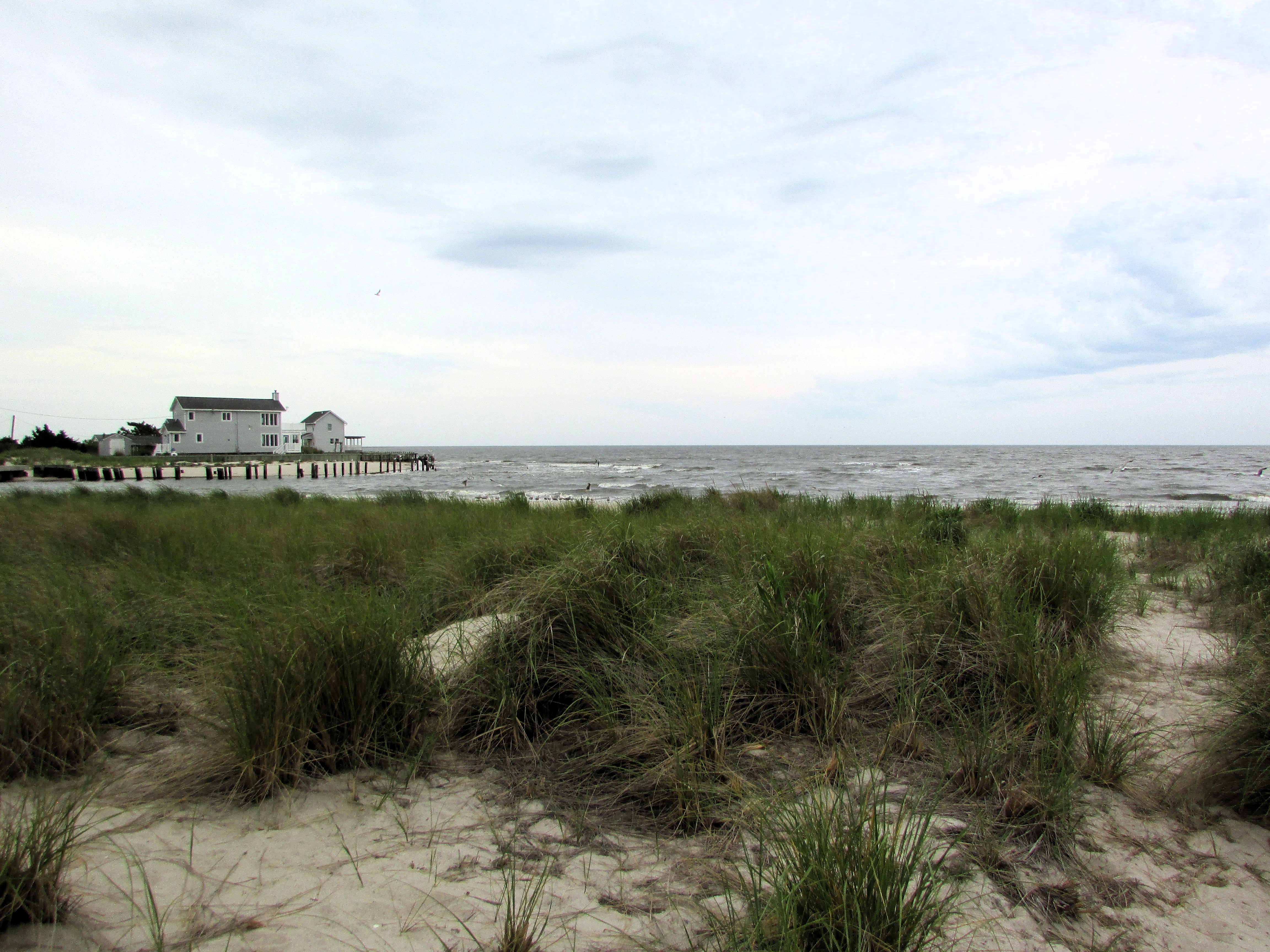
Green is the prominent landscape color around the bay towns. The foliage is important in keeping the barrier dunes intact during the Nor’easters and hurricanes that whip up the coastline.
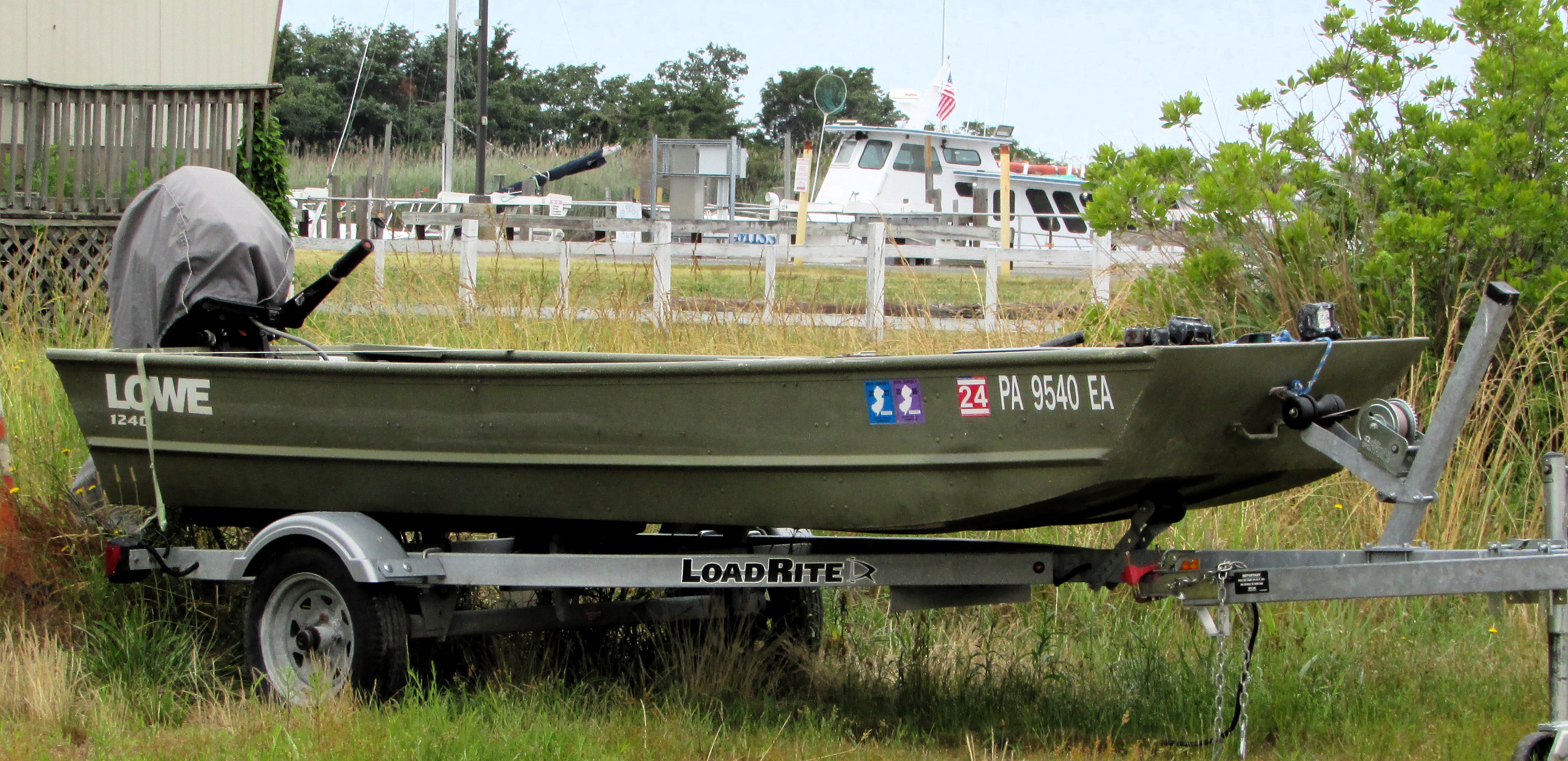
This green boat seemed to fit in perfectly with the Crayola Box of 8 theme.
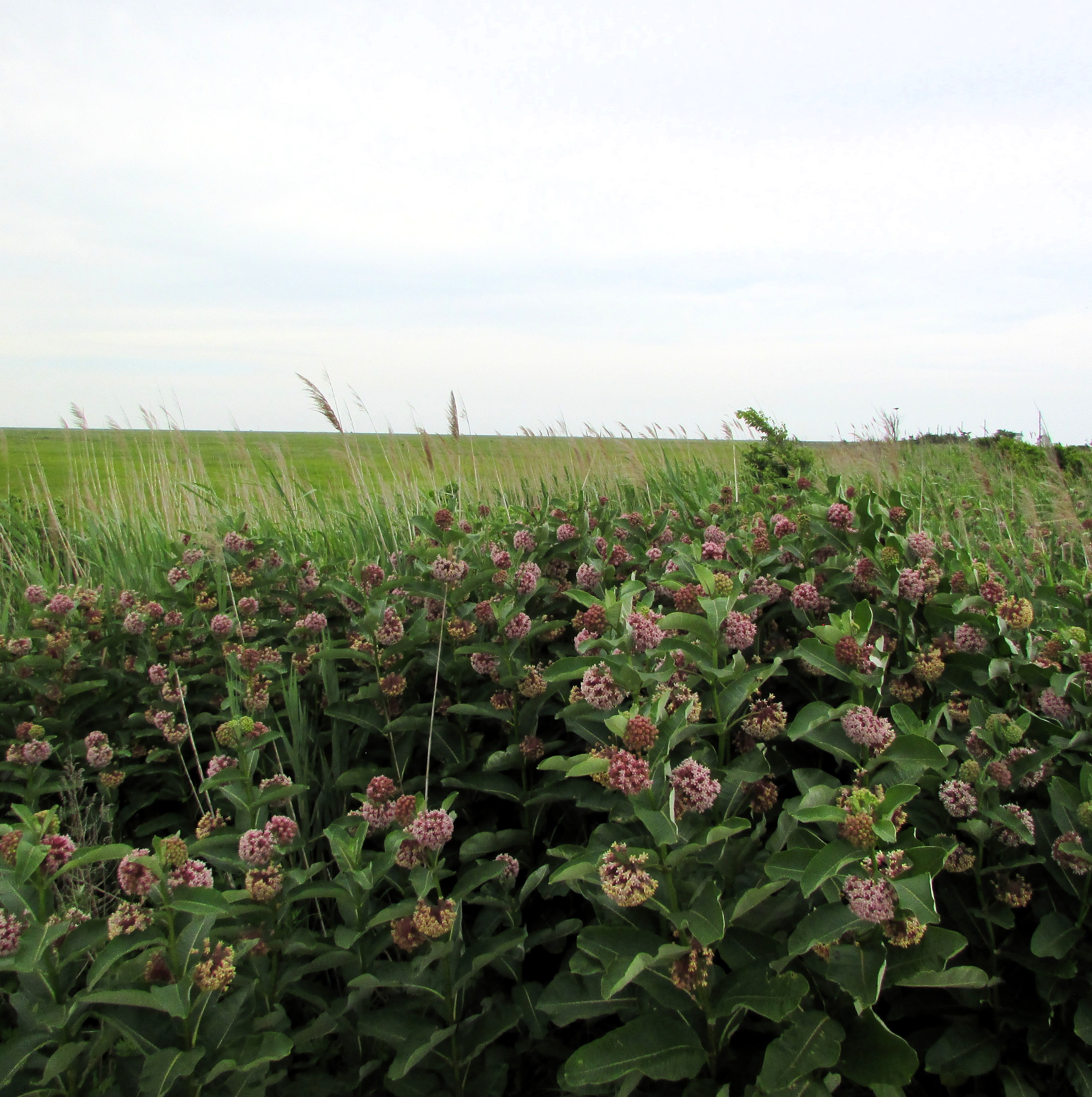
Milkweed grows in abundance along the salt marshes surrounding the bay. During the summer we see many Monarch Butterflies visiting the area. Milkweed is a host plant for Monarch caterpillars.
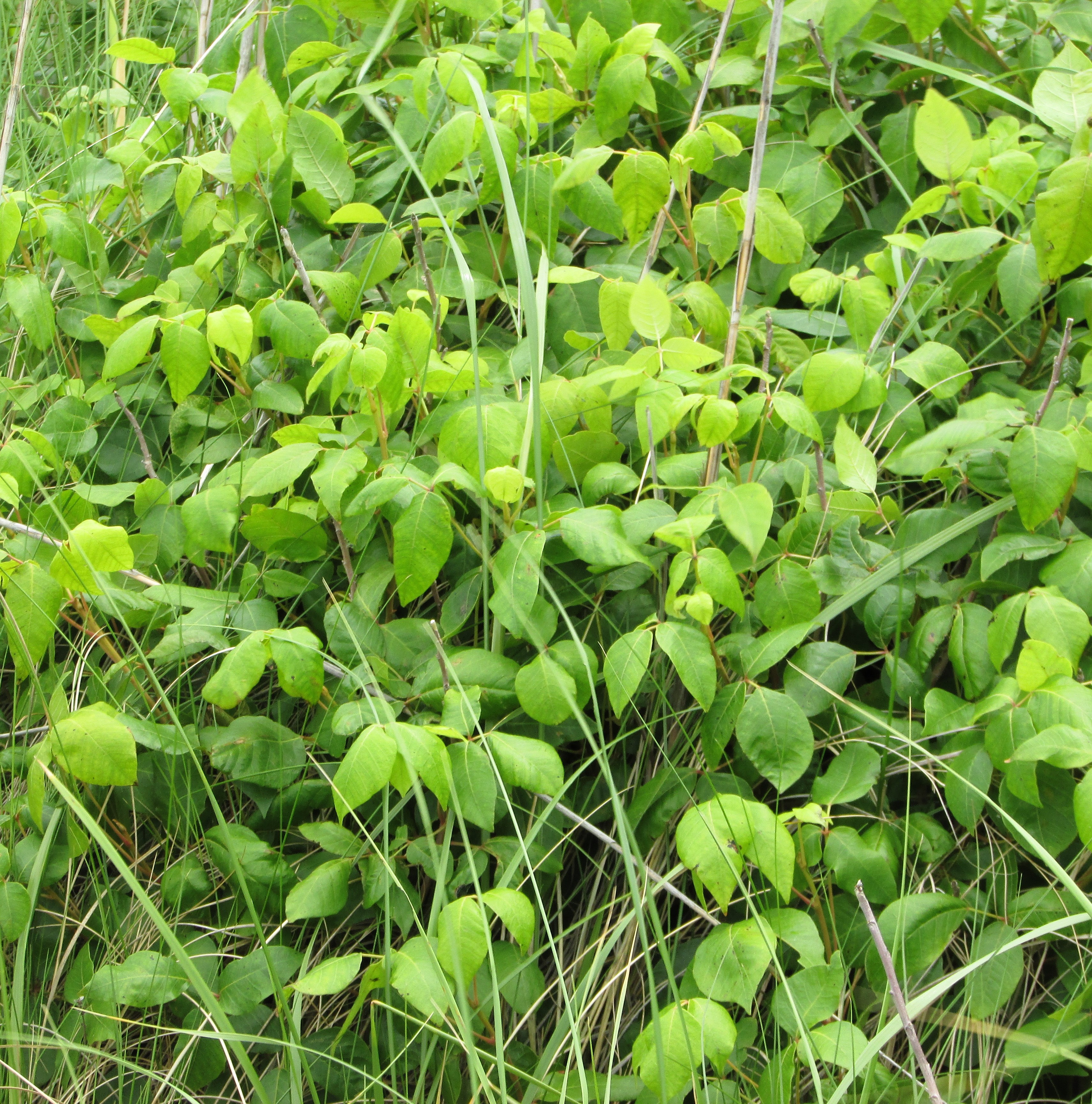
Unfortunately, where milkweed grows in massive displays, so does poison ivy. Many who visit shore towns and bays don’t realize that poison ivy grows well in sandy soil, as well as woodlands and hedgerows.
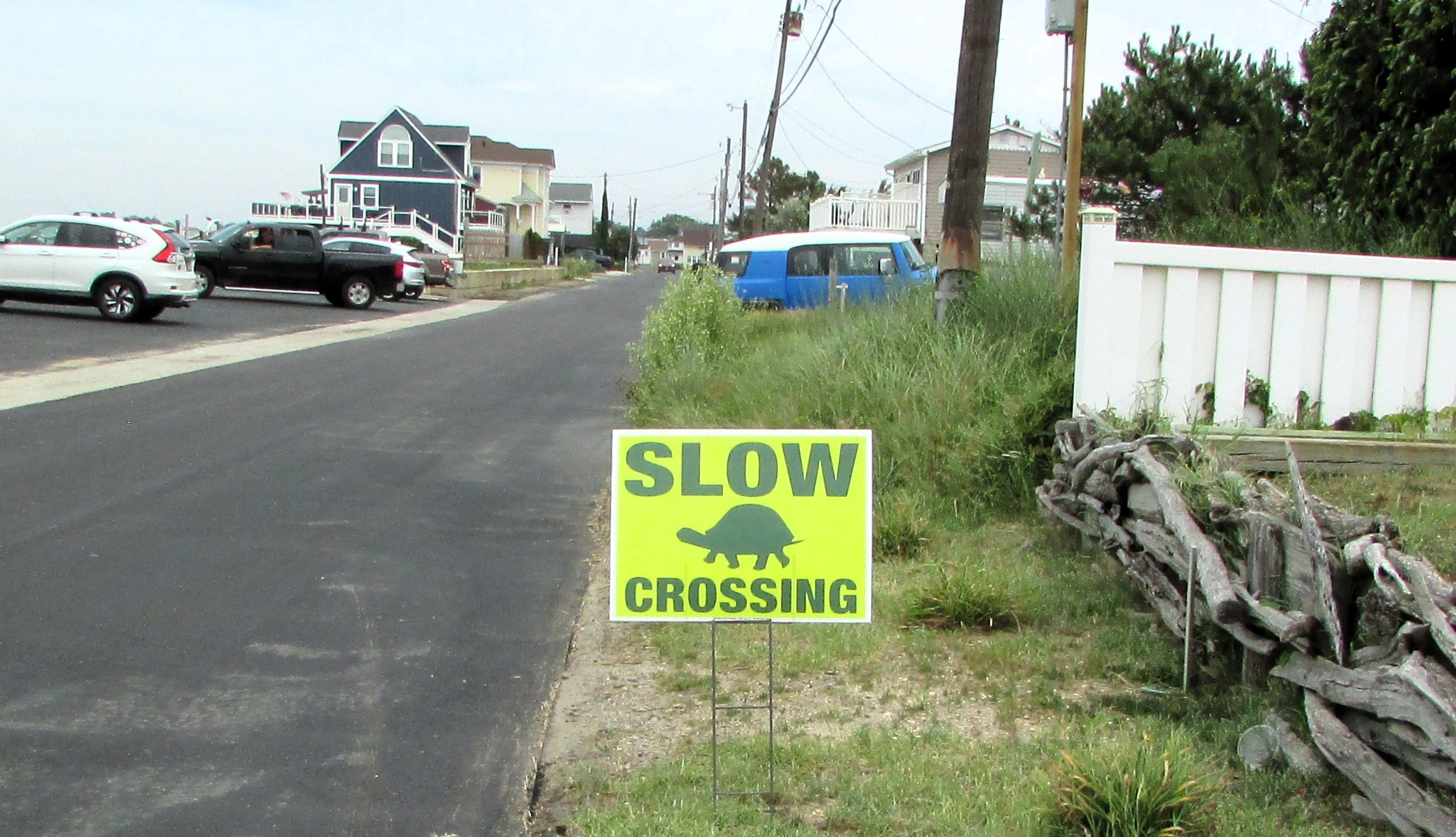
Chartreuse signs with green letters and illustrations were on many lawns, warning of turtle crossings. Luckily, we were aware, and on the way home, swerved quickly to avoid a turtle crossing to the other side of the road.
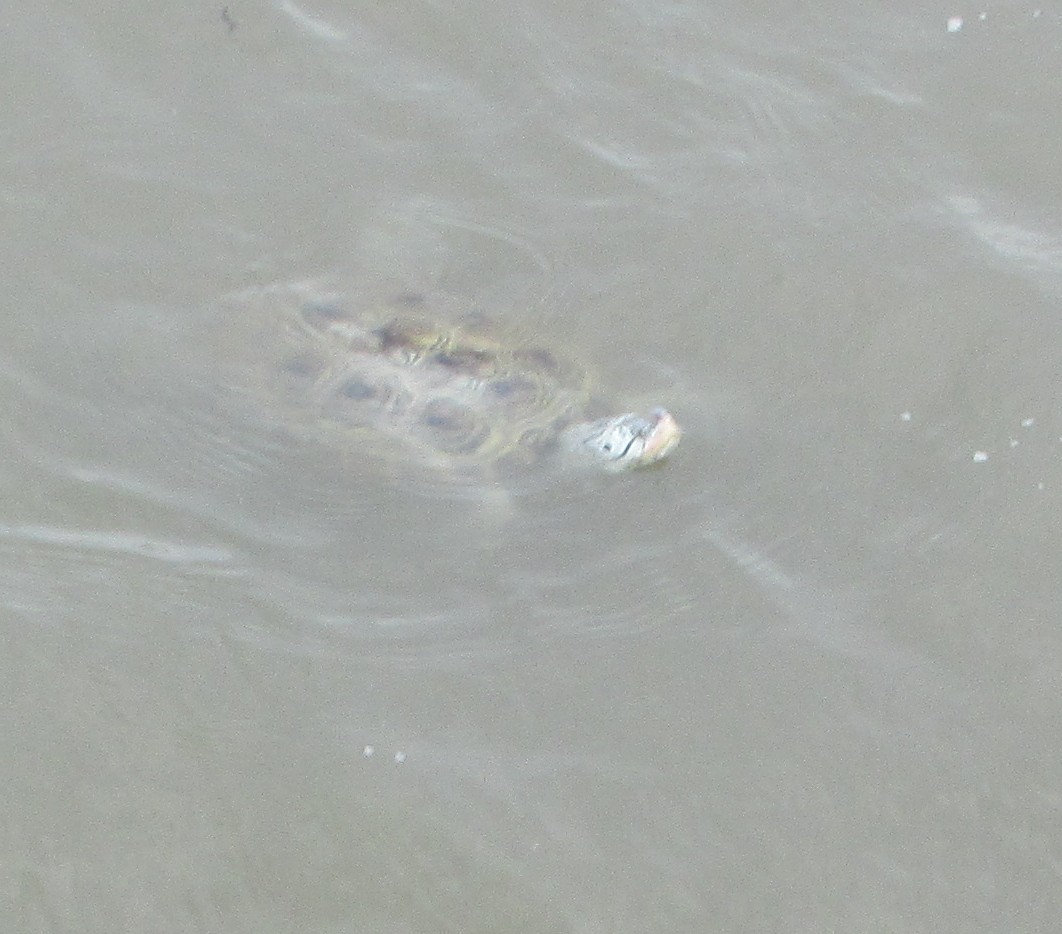
This image of a turtle is not the best quality, but the turtle was swimming quickly, and the current it was in was moving even quicker. Two types of turtles swam from the bay into the creek as the tide rushed in. We stood on a bridge and watched them swim beneath us, almost as if they were on a conveyor belt. We have never, in all of our lives, seen so many turtles. Four types of turtles can be found in this area: a mix of sea, freshwater, and brackish-water species. All appear green, from light to dark, with many shapes and markings on their shells.
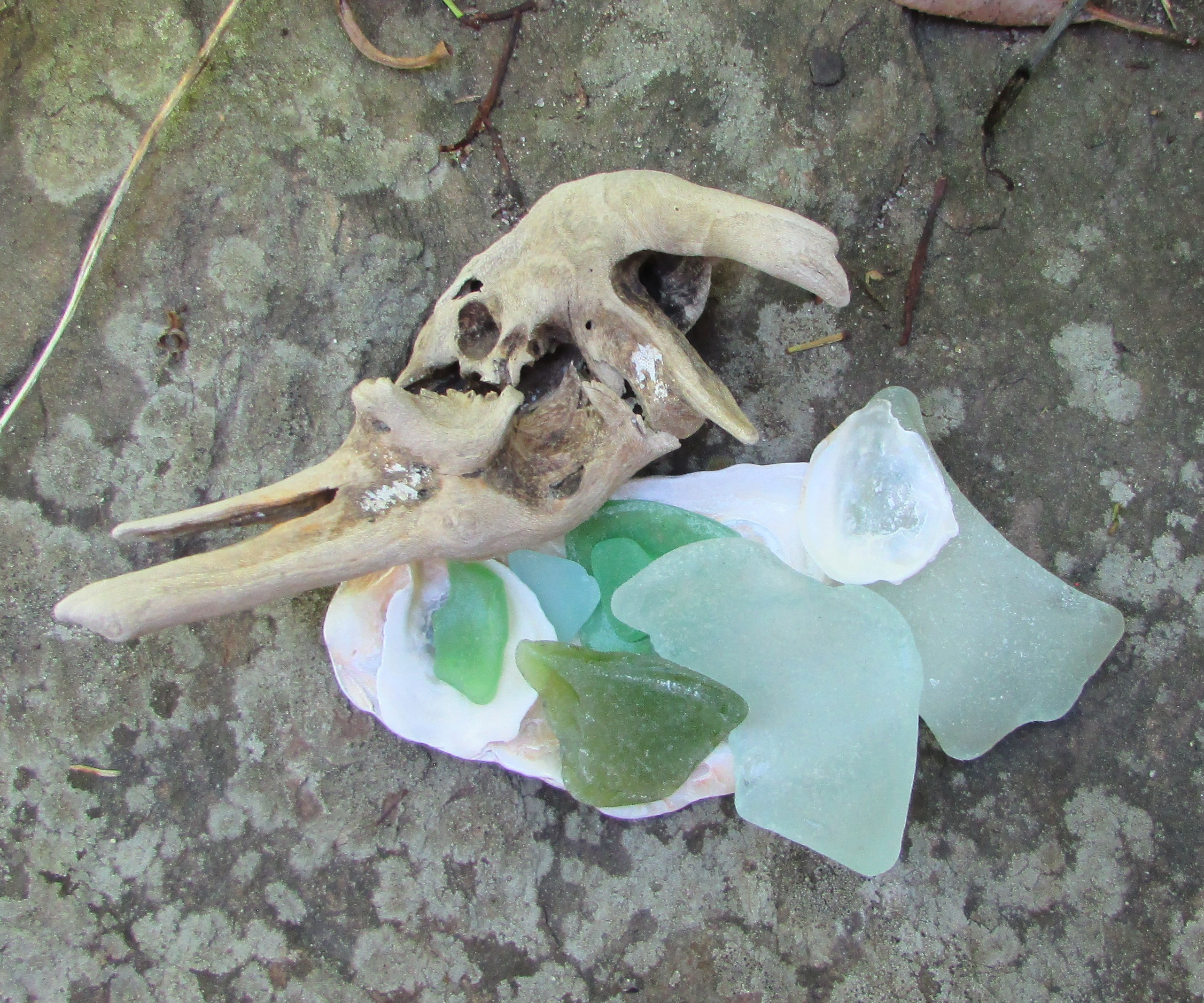
I filled an empty coffee cup with some shells and other beach detritus. The driftwood piece was a find, as it resembles a bird’s head from both sides. I’ll have to save it for a special project or gift it to someone who collects beachy items. I was happy to find a few green pieces of sea glass. We find most of the sea glass we collect on the beaches of bays rather than on our New Jersey ocean beaches. We also have had good luck finding sea glass along the beaches of the Chesapeake Bay.

Phlashback Thursday – Microgreens

This Phlashback Thursday is a consolidation of three posts from January 2012. Microgreens are still a popular food item on the menus of small cafes and upscale luncheonettes. I have some seeds purchased within the last year. When I am finished posting, I will pull them out and plant a few. It’s fun to reset some old habits, but also a good idea to retain a few of my old goals too.

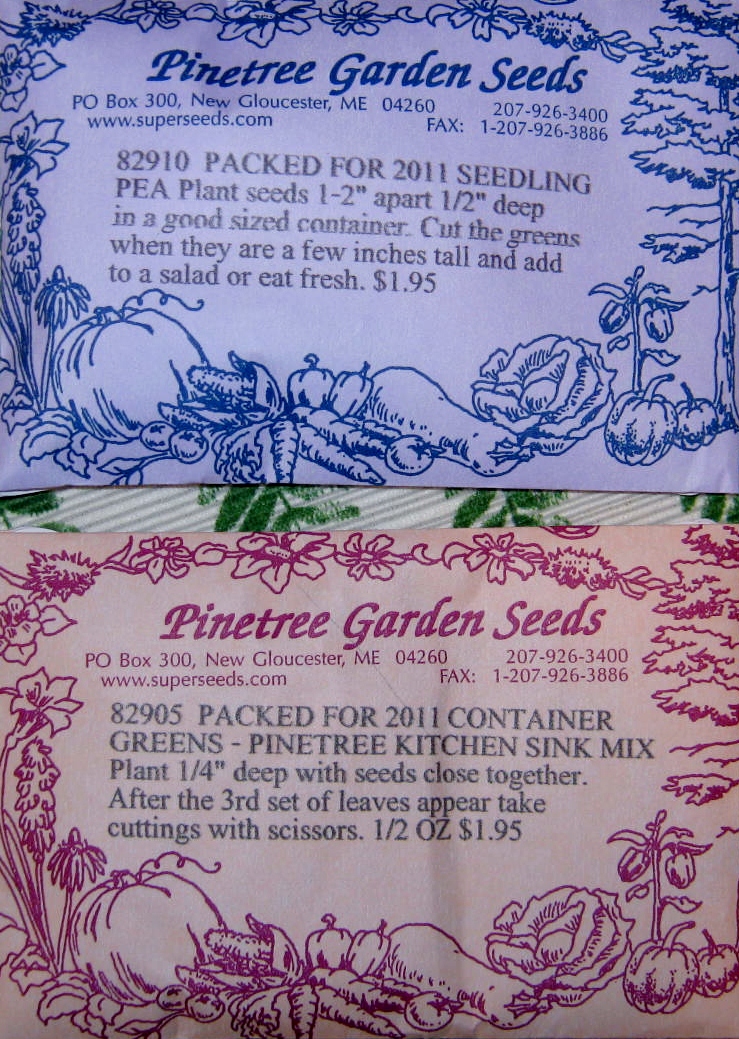
Sowing seeds and indoor gardening seem to be dominating my winter blog posts. I am starved right now for green, tired of the bare branches of trees silhouetted against the sky. I have been sowing seeds in hopes of harvesting Microgreens. Microgreens are harvested from seeds sprouted through the early leafing-out stage. I am using seeds from Pinetree Garden Seeds. This is my first attempt at this type of gardening.

I am growing the Microgreens on my windowsill in plastic throwaway containers from cookies and other snacks. To see how I went about the process, check out the photos below.

I gathered my supplies: antique pots to look pretty, throwaway plastic from cookie containers, corn holder for poking holes in the plastic.

I made sure the containers would fit inside my chosen pots before I added the dirt.

I poked holes for drainage in the plastic with the corn holder.

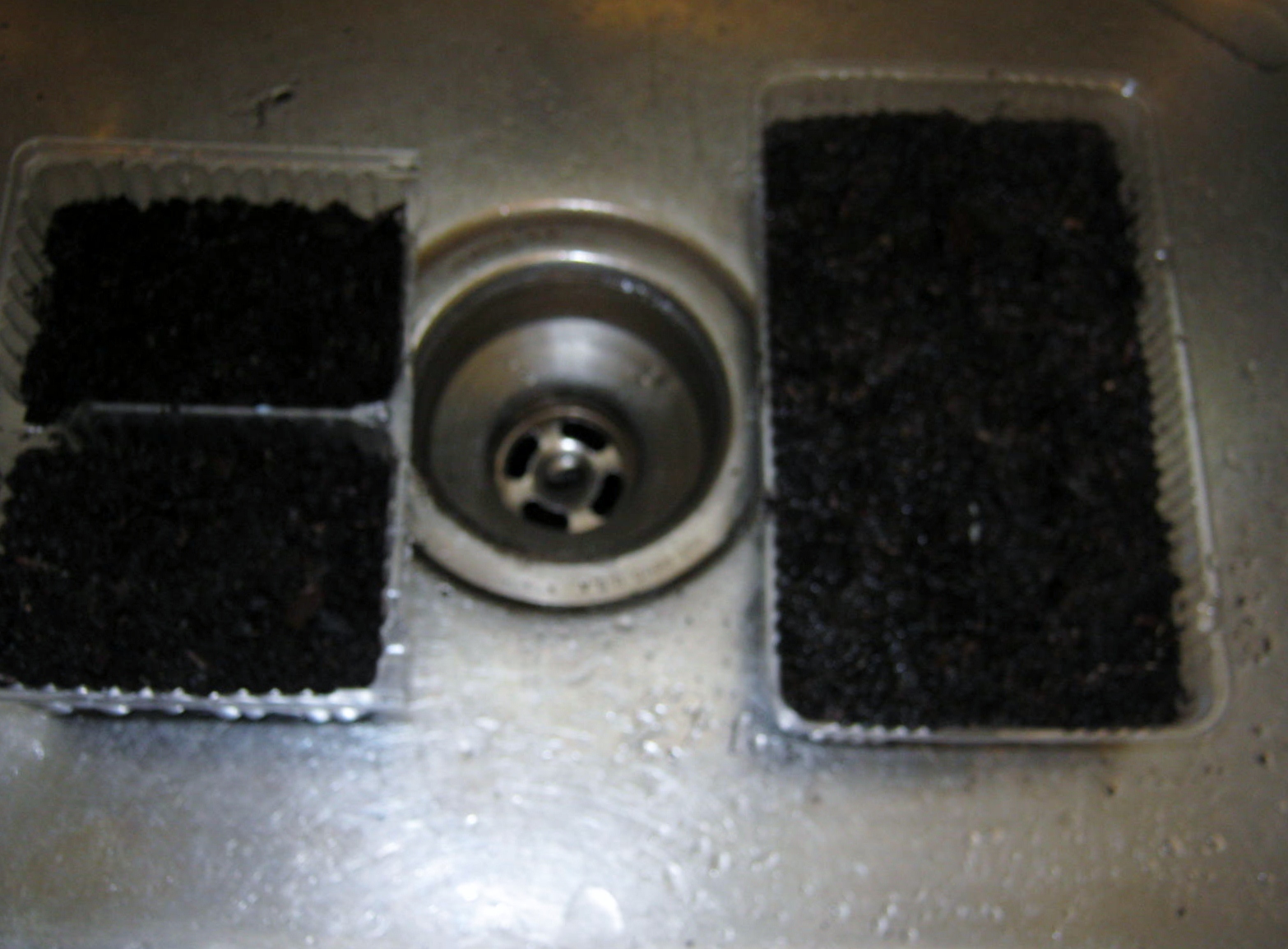
I filled the containers with organic soil.

I watered containers of soil and let them drain.

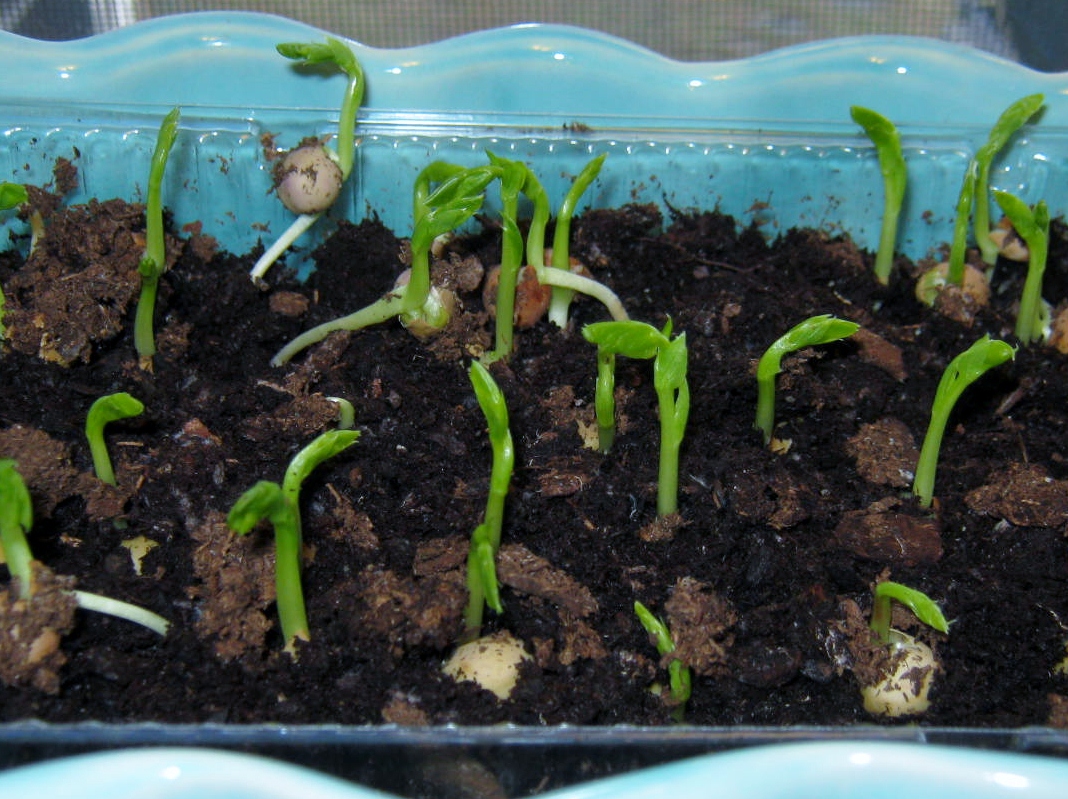
I spaced the pea seeds out in rows.

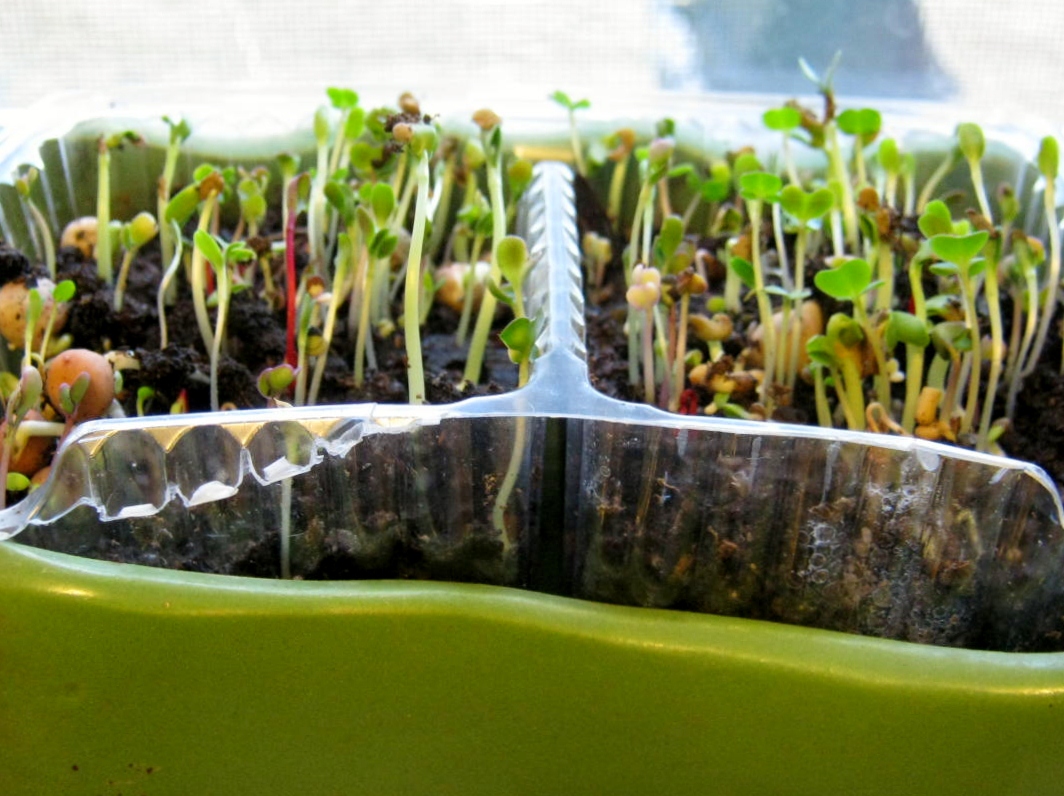
I sowed the Kitchen Sink Mix en masse.

I covered with one of my favorite kitchen tools, Glad’s Press ‘n Seal.

The seeds are already up…they sprouted in less than two days.

My Microgreens are up and growing fast. I can’t wait to try them in a salad.

A few weeks later: Oh My! The Microgreens are a bit ragged in appearance…what happened to my lush crop? I’m afraid to say I have already eaten most of the young greens. I pop the tops off the pea sprouts and eat them like candy. This is reminiscent of the peas I grow outdoors in the Spring. They never seem to arrive on my kitchen table as a side dish. Warm afternoons usually find me standing in the midst of the pea patch eating the fresh peas out of the pods. Yum! In truth, the microgreens are a complete success. I enjoy growing them, and most of all eating them. The best use so far was garnishing my turkey and swiss cheese sandwich with a row of them. Oh Happy Day!

The kitchen sink variety is also thriving and perhaps today I will start grazing on them too. Moo!

Project – Buttercup Lucine and Driftwood Wind Chime

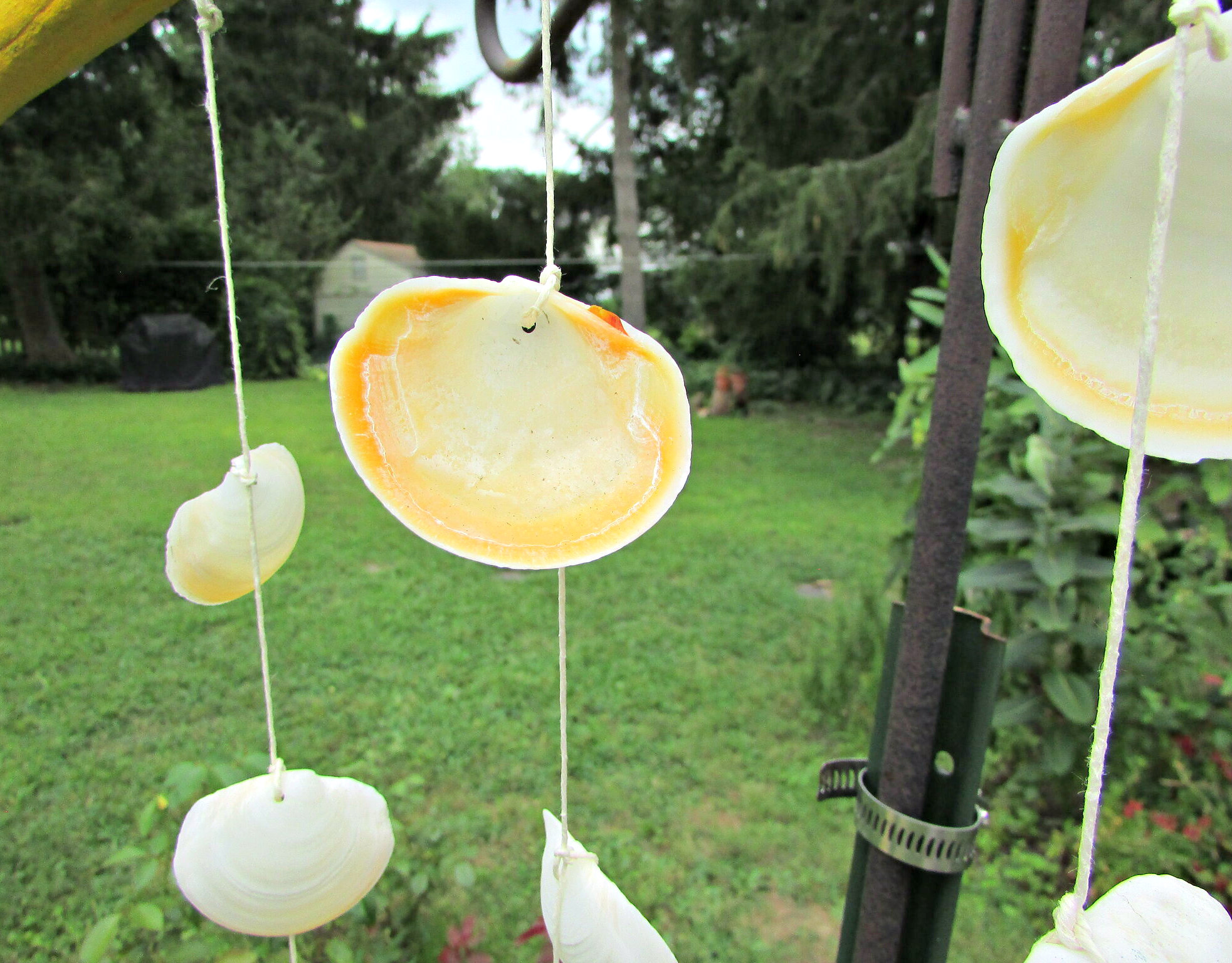
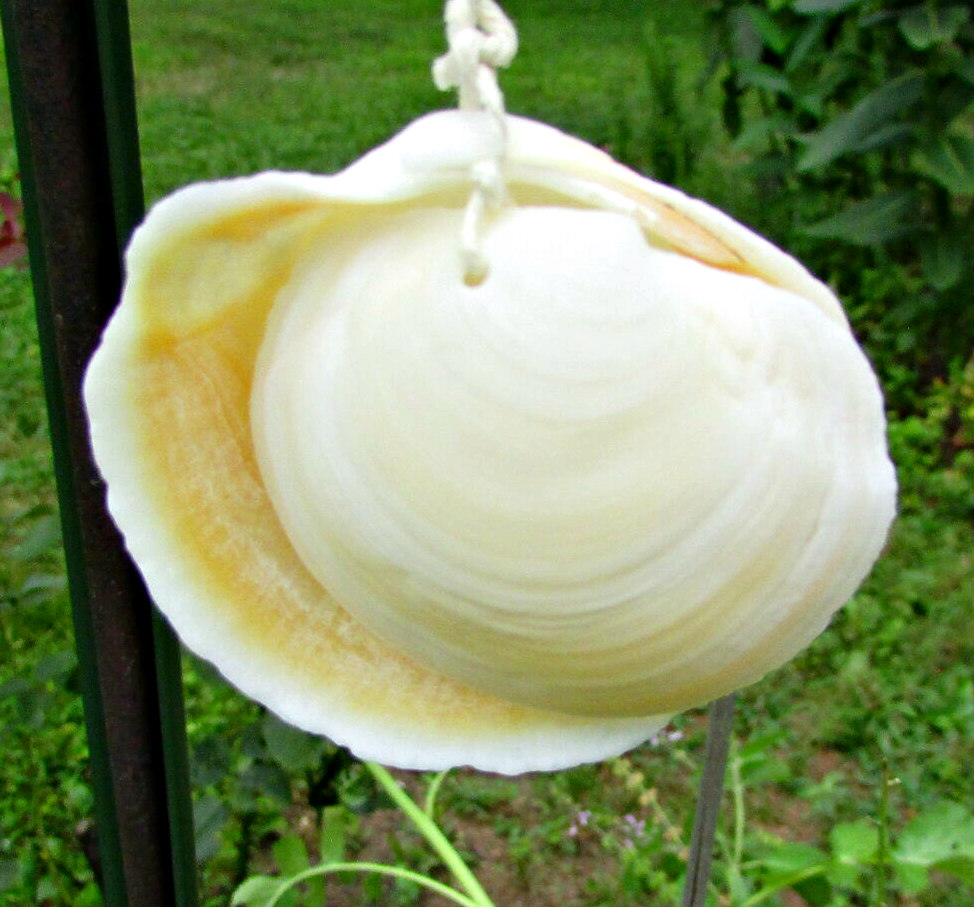
We visited Sanibel Island in June, and I brought home quite a few seashells. One of the more common varieties was a clam called a Buttercup Lucine (Anodontia alba). I love the color yellow, so the gold edging on the interior appealed to me, and I collected about three to four dozen of these clams in different sizes. Happily, they were easy to transport back home as they stack together nicely for traveling.

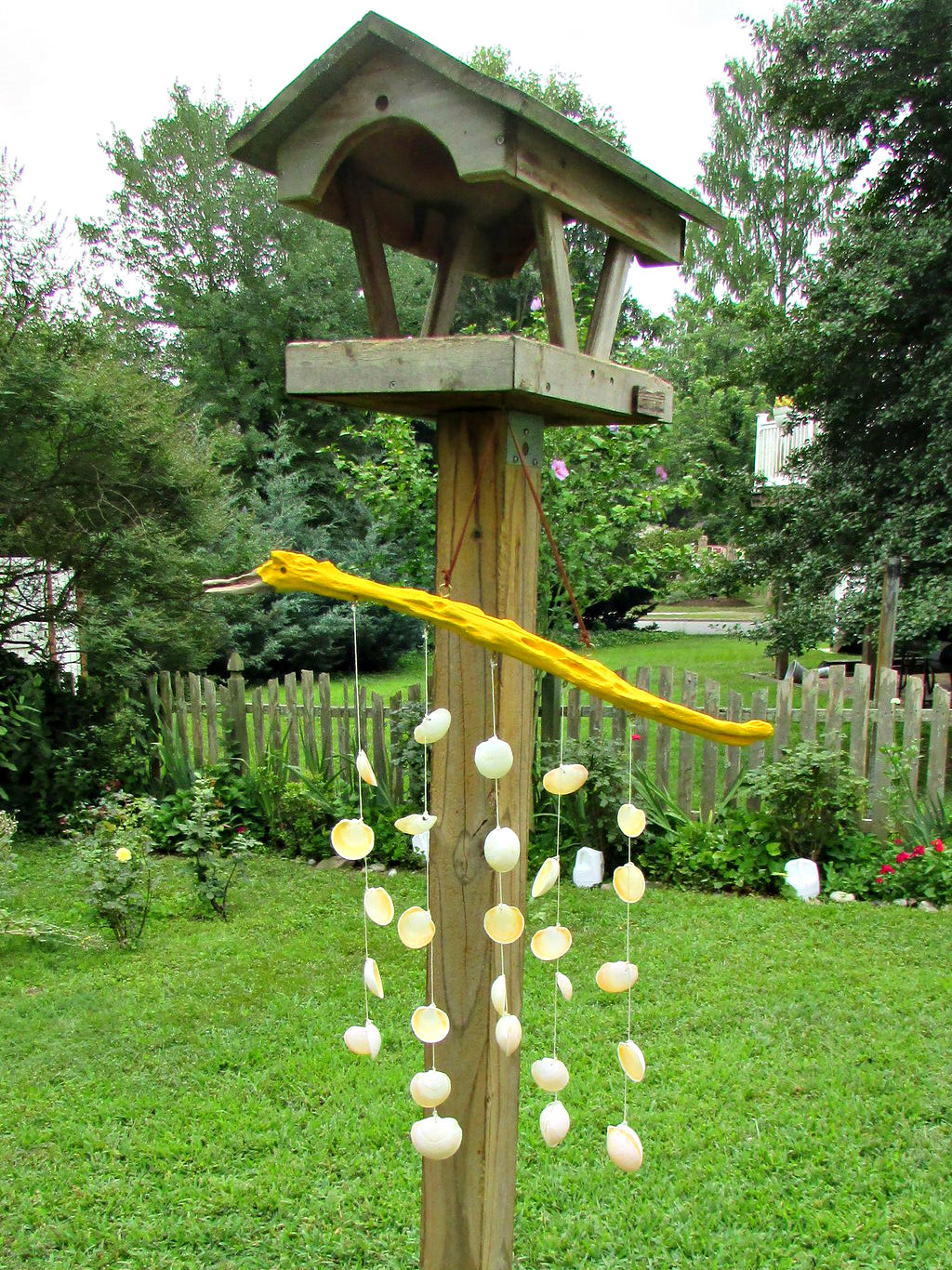
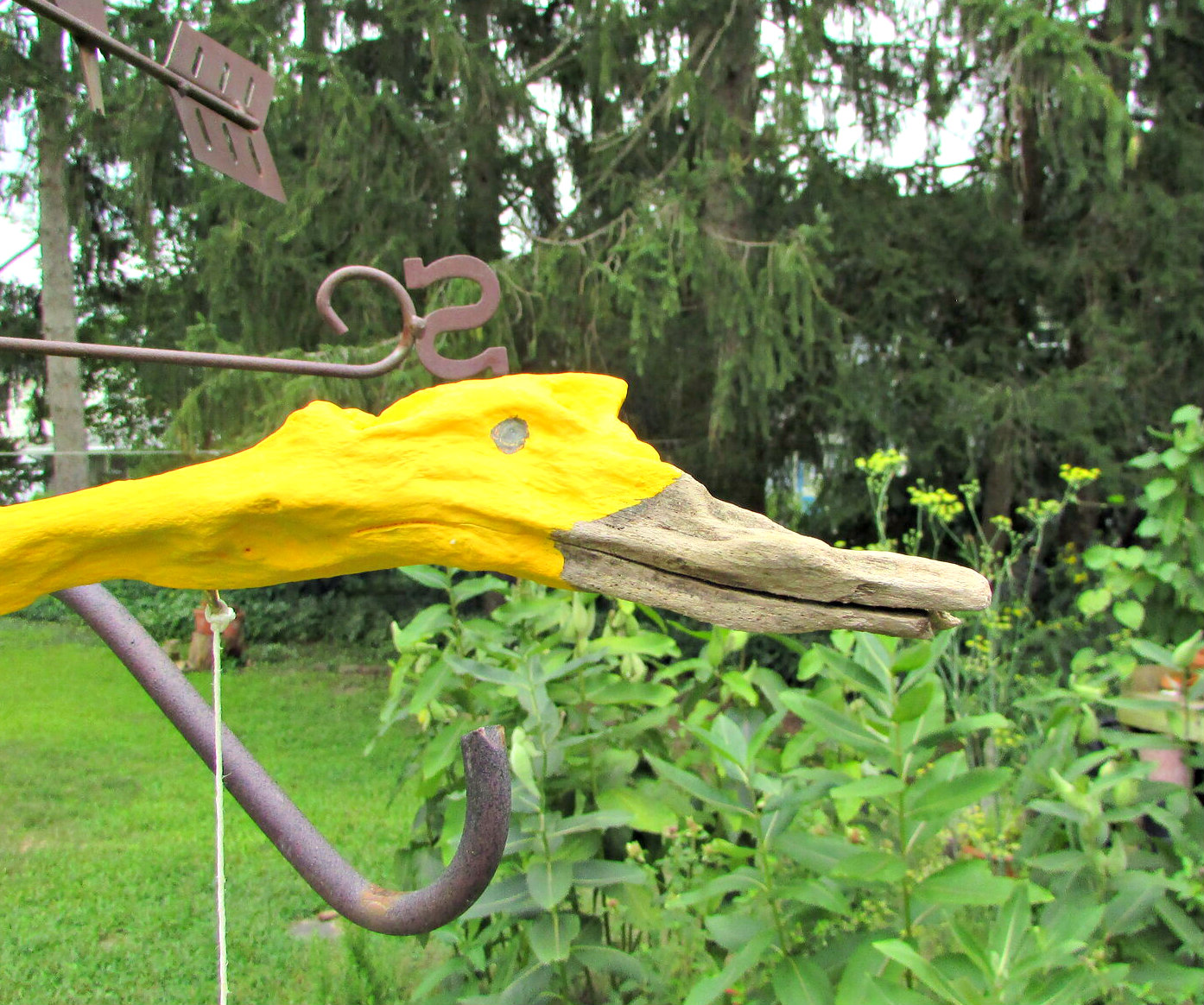
I probably wouldn’t have brought so many back home if I didn’t have a specific project in mind, a wind chime. We found a piece of driftwood on the banks of the Delaware River that resembled a bird’s beak and head. It was just the right size to create a mobile with the Buttercup Lucines.

I was glad I had extra shells because one out of every three cracked when I drilled it with the Dremel tool. I had success with many and had enough to create the chime.

I left the beak a natural color for contrast and added a graphite and colored pencil eye. I painted the rest of the bird-shaped driftwood a golden yellow to match the inner colors of the shell.

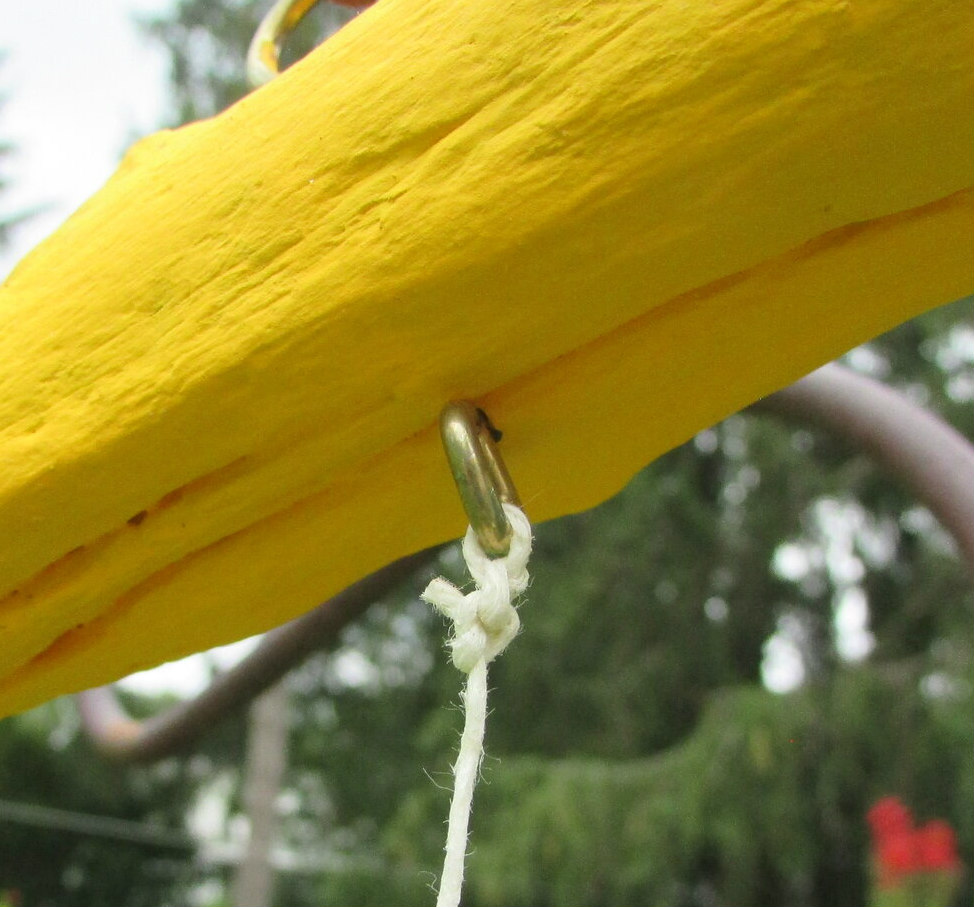
As far as ease of making this project, I’d give it a five out of 1-10. The painting and the stringing into screw eyes were fairly easy. The hardest part of the project was drilling the seashells. Whenever I look at my project, I remember the joy of collecting shells on Sanibel Island.

I used waxed hemp thread/cord for the stringing material. It is sturdy and very easy to knot and tie off.

PS My husband made a keen observation that I had to agree with: the chime is more of a clacker than a chime, but hey, it sings the song of the sea, and that is definitely music to me.

Photo Challenges – Lens-Artists Challenge – Five Elements

Now and then, I am quick enough to prepare a post for the Lens-Artists Challenge. This week, the challenge is to use photographs that portray five elements that make up the world around us. The elements are fire, water, wood, earth, and metal.

My first photo portrays fire. The fire of the sun is an element in all of my photos. The view is what I see as I stand in my front yard and attempt to watch the setting sun through the trees.

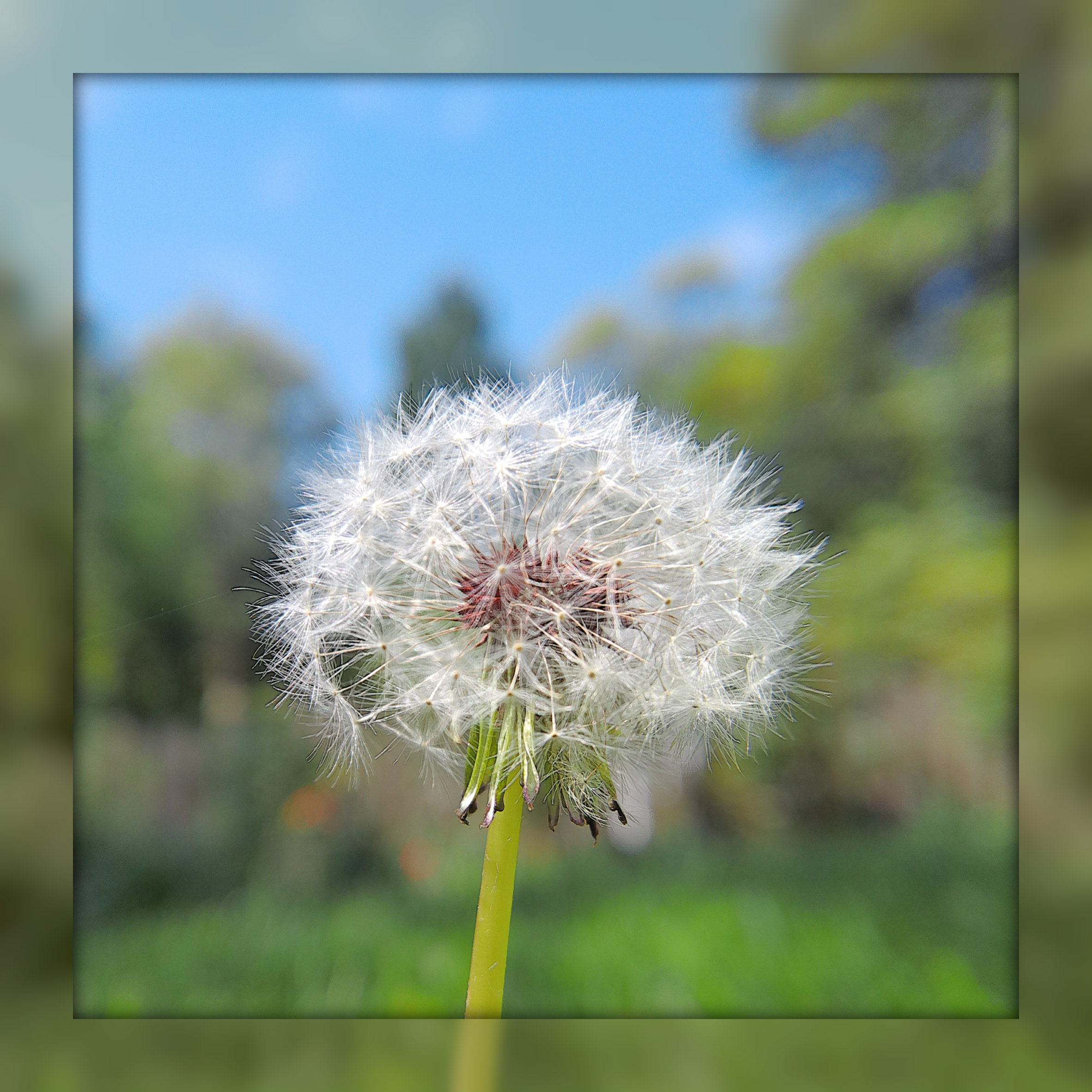
Dandelions conquer whatever earth their seeds land upon. I love the way the clocks of the plant let loose their seeds in puffs of wind or are blown into the breezes by a wish-filled child. If I look closely at a dandelion in the fire of the sun’s rays, each small piece of fluff seems to mirror the sun’s light.

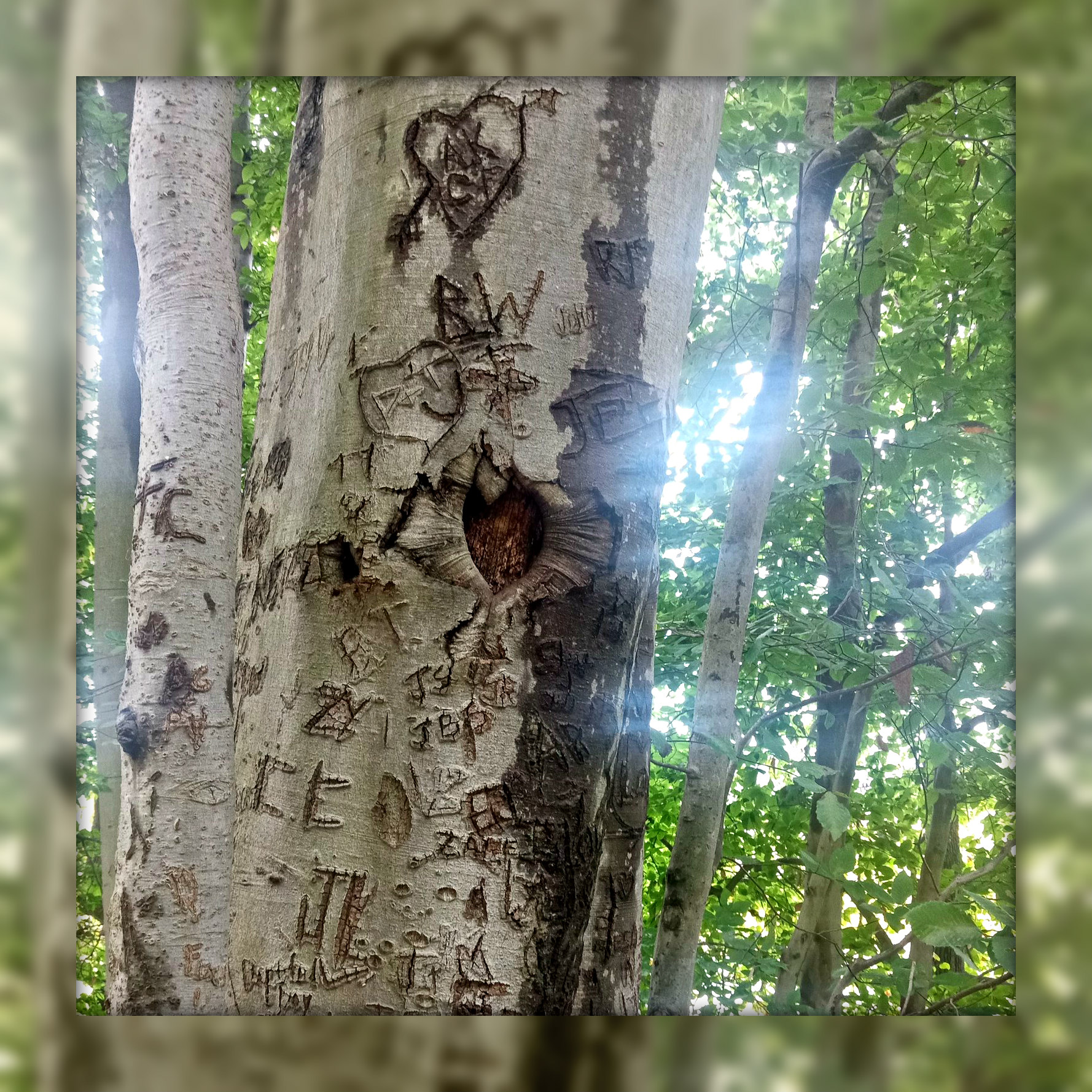
The sun’s rays seemed to deepen the shadows of the heart carved into the tree’s wood.

The last photograph combines the elements of water and metal. It is a bit blurry, but it was taken with my phone through a plate glass window as we finished Thanksgiving dinner in a favorite restaurant. The ship is sailing down the Delaware River near Philadelphia, and we are on the other side of the river in New Jersey. The light illuminated the metal ship with fire and reflected in the water.

Thanks to the hosts of the Lens-Artist Challenge.