Phlowers – Patriotic Mix – IAVOM

My choices for IAVOM (In A Vase on Monday) are definitely along the patriotic lines and use red, white and blue flower choices.

Along with Blue Salvia, White Balsam and Alyssum, I used one of my favorites, Red Monarda/Bee Balm. This beauty seems to bloom every year just in time for the Fourth of July. In my eyes, it is quite the appropriate flower for July; it resembles bursting fireworks. The Bee Balm is a quick bloomer, and only thrives briefly in my garden beds. Already, it is showing signs of the fungus that plagues it every year. Somehow, it survives the blight and returns for me every year.

Monarda/Bee Balm is my choice for Cee’s Flower of the Day challenge.

Photo Challenges – FOTD Salvias/Six on Saturday

Salvias, sometimes referred to as sage, are the champions of my Autumnal garden beds.

In truth, all SAGES are SALVIAS. Over time, though, the term sage has been closely aligned with cooking or medicinal use and the term salvia has been given to the more ornamental members of this genus. Nevertheless, Salvia is the Latin name, or Genus, given to all these plants. ~Mountain Valley Growers

The colors of my salvias have stayed vibrant through several frosty mornings.

Pineapple Sage, Salvia elegans, is my Flower of the Day, part of Cee’s Flower of the Day Challenge

The flowers of Mexican Sage are fuzzy and remind me of purple bumblebees and velvet.

The salvias are so blossom-loaded; I felt the hummingbirds stayed too long this year, sipping their nectar through early October. I hope they have made their journey now to warmer climates.

I held a piece of this salvia up against the bluest of Autumn skies; the camera captured the velvet texture of the blossoms and the detail of the leaves. What I didn’t see when I took the photo was the small flying insect resting beneath one of the buds. This photo is part of Friday Skywatch.

Six on Saturday Collage

Phlowers & Pheathers – April 30th, Growing in the Garden/The Hummingbirds Return

We have been seeing a small ruby-throated hummingbird for two weeks. It has been visiting the feeder of nectar I have outside the kitchen window. Every other day, I bring the feeder in, soak it in hot, sudsy water, and refill with newly boiled sugar water. (2 Cups water, 1/2 Cup sugar) Hummingbird feeders can spread disease or become contaminated with mold. A great article on feeding hummingbirds can be found at EcoSystem Gardening.

NOTE: Thanks to a reader for the great comment about cleaning with vinegar. I did a bit of research on it and this is a good choice for cleaning the feeder. Also, another good idea is to use a brush to thoroughly clean all the nooks around the feeder openings. Here’s a link to more ideas for cleaning a hummingbird feeder. How to Clean a Hummingbird Feeder.

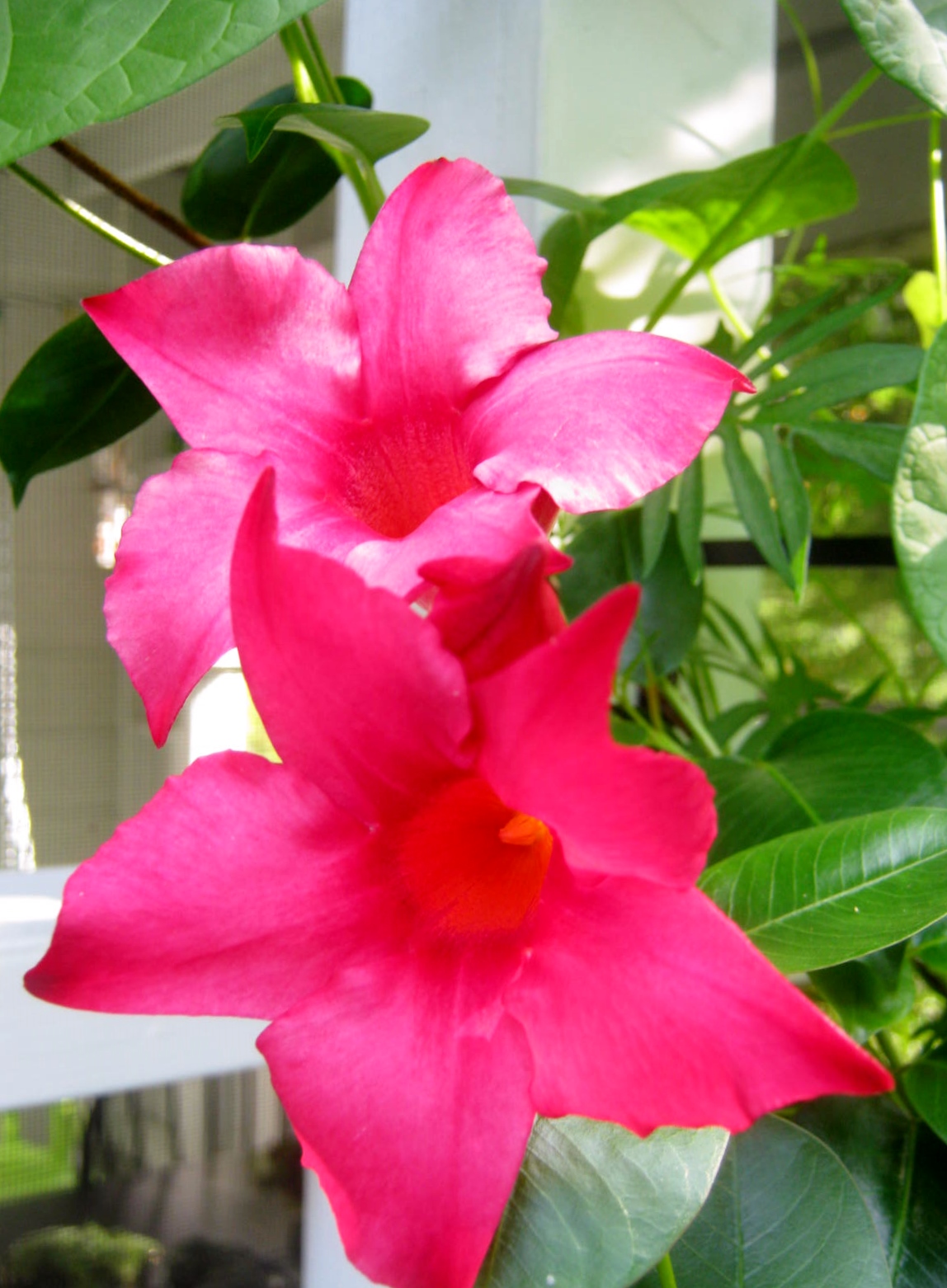
Mandevilla Vines come in a variety of colors. I chose to grow the pink flowers this year. These vines are beloved by hummingbirds. The vines bloom from Spring until Autumn, they do well in full sun, but also need to be shaded from the hottest late afternoon rays. I am growing the Mandevilla in a pot so that when summer is over I can bring it indoors for the colder months.

My mandevilla flowers are part of Cee’s Flower of the Day and also an entry in this week’s Skywatch Friday.

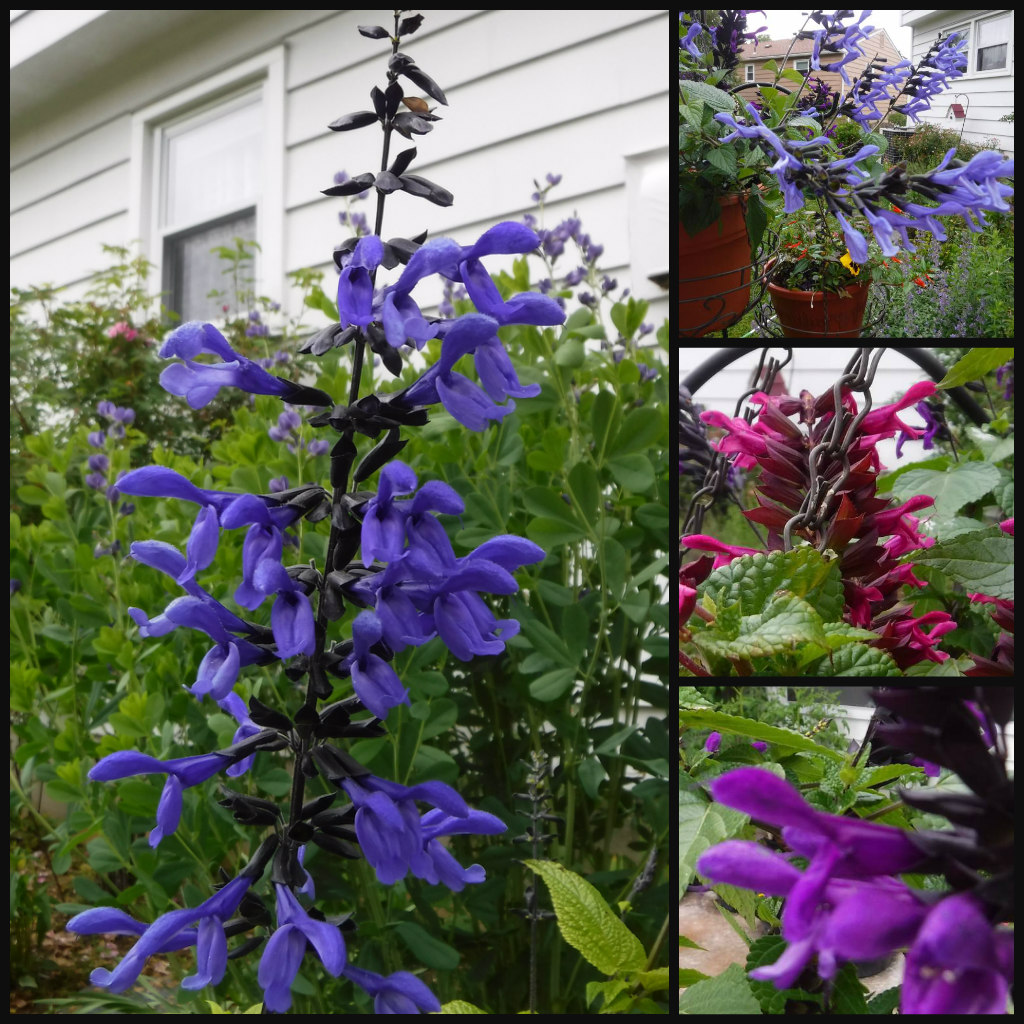
I have three hanging baskets a yard or two away from the hummingbird feeder. These are filled with plants I know hummingbirds adore. Blue Suede Salvia and Vista Red Salvia, also called sages, have the trumpet-shaped flowers that perfectly fit a hummingbird’s beak and tongue. These plants do great in full sun, but also can take a bit of shade too.

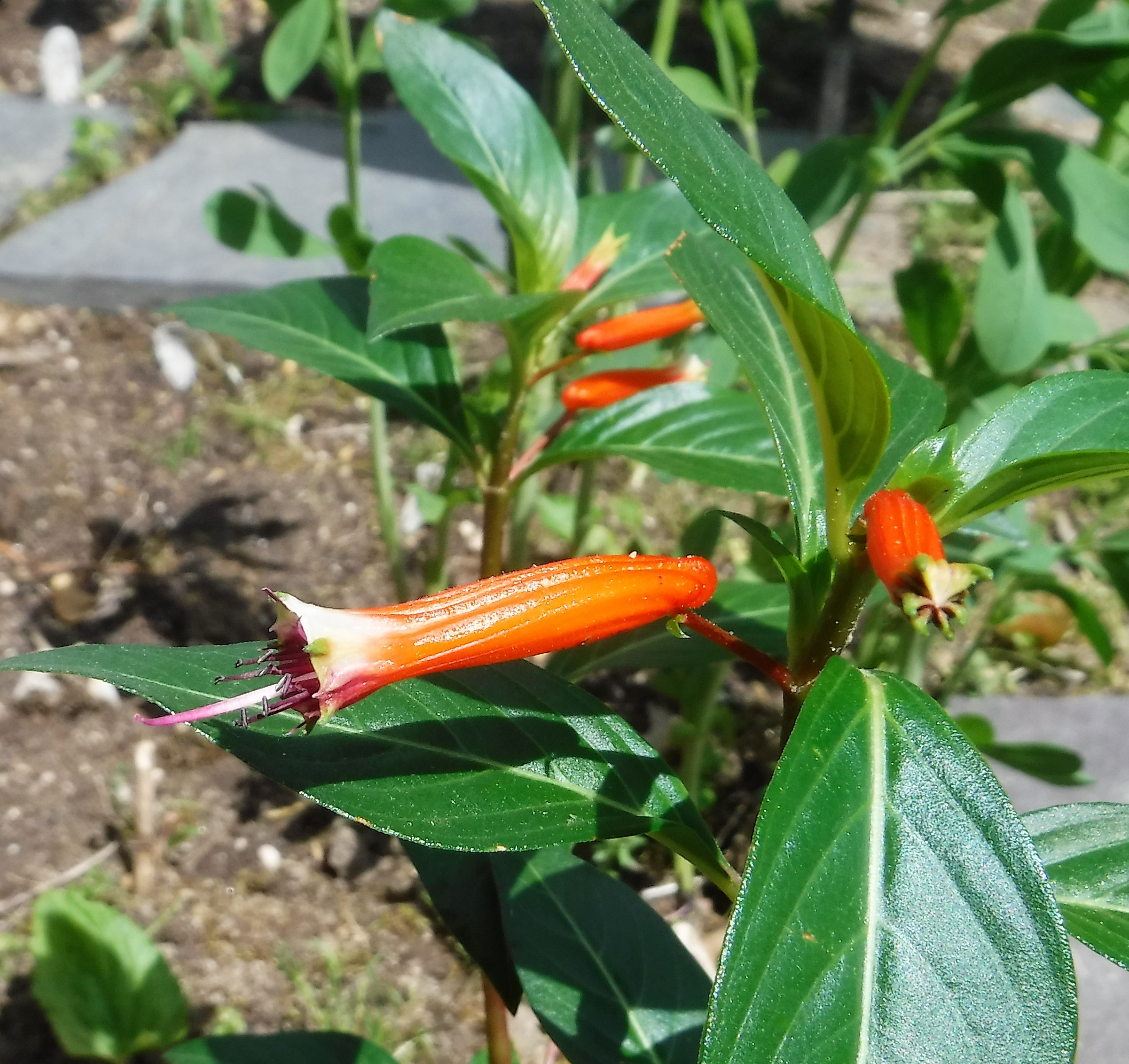
My beautiful Vermillion Cuphea, also known as Firecracker plants, are always a favorite with the hummingbirds. I grow them in the ground and also planted in pots. Last Autumn, the Firecracker plant I grew in a pot easily transferred to the house. It grew well all winter, and this week I placed it outdoors on the patio again. It is doing well, although some of the uppermost leaves, after growing in the lower light of the house, promptly became sunburned. Since I pinched the tops of these stems, new branching will soon leaf out and cover up the scorched top leaves.

Cuphea plants in a row will make a nice seasonal hedge. This plant is perennial in warmer climates.

Phlowers – Salvia Flowers and Hummingbirds

Salvias, sometimes referred to as Sage, are one of my favorite garden plants. I grow both types, perennial and annual, and find the flowers and plants rarely disappoint.

Salvias grow best in full sun, and draw hummingbirds, butterflies and many types of pollinating insects to my gardens. I have planted several in hanging baskets this year to keep them high and in full view of my kitchen window. Dinner preparations often become prime time for watching hummingbirds as they visit these plants.

A great article on various kinds of salvias can be found on the Spruce. Common types of Salvia Flowers.

This post is part of Cee’s Flower of the Day.

Phlowers – The Garden Blues with Purple

IMG_2641

Salvia – Wildflower garden – type unknown

IMG_2647

Unknown Bush/Perennial – Anyone with an idea of what this beautiful blossom might be??? Let me know in comment section. I “should-a, would-a, could-a” written it down, but didn’t, and have since forgotten what this plant is named. 😦

IMG_2642

Blue salvia

IMG_2645

Achimenes

IMG_2653

Persian Shield – true name/Strobilanthes

IMG_2648

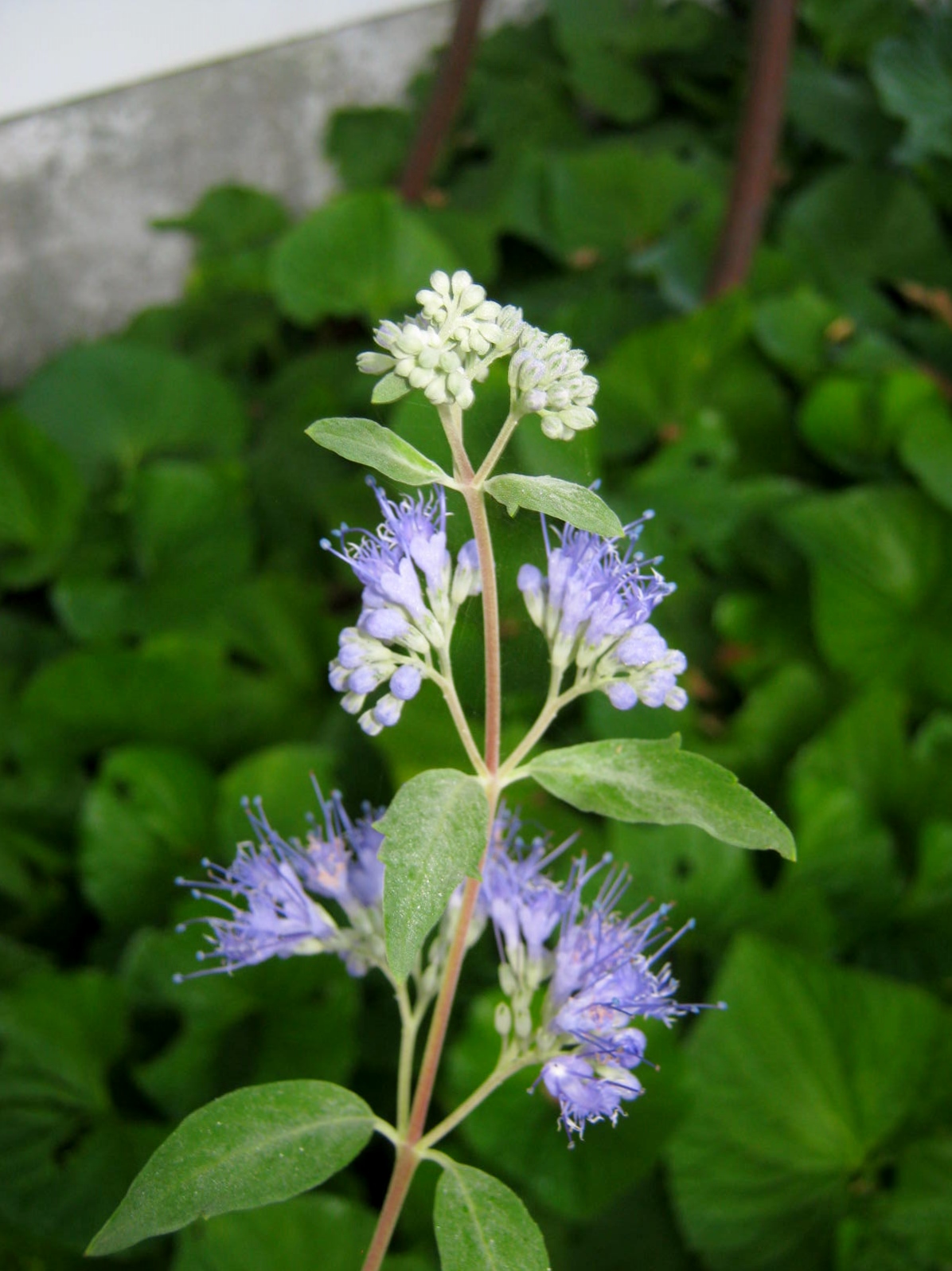
Vitex Bush – Also known as Chasteberry

IMG_2638

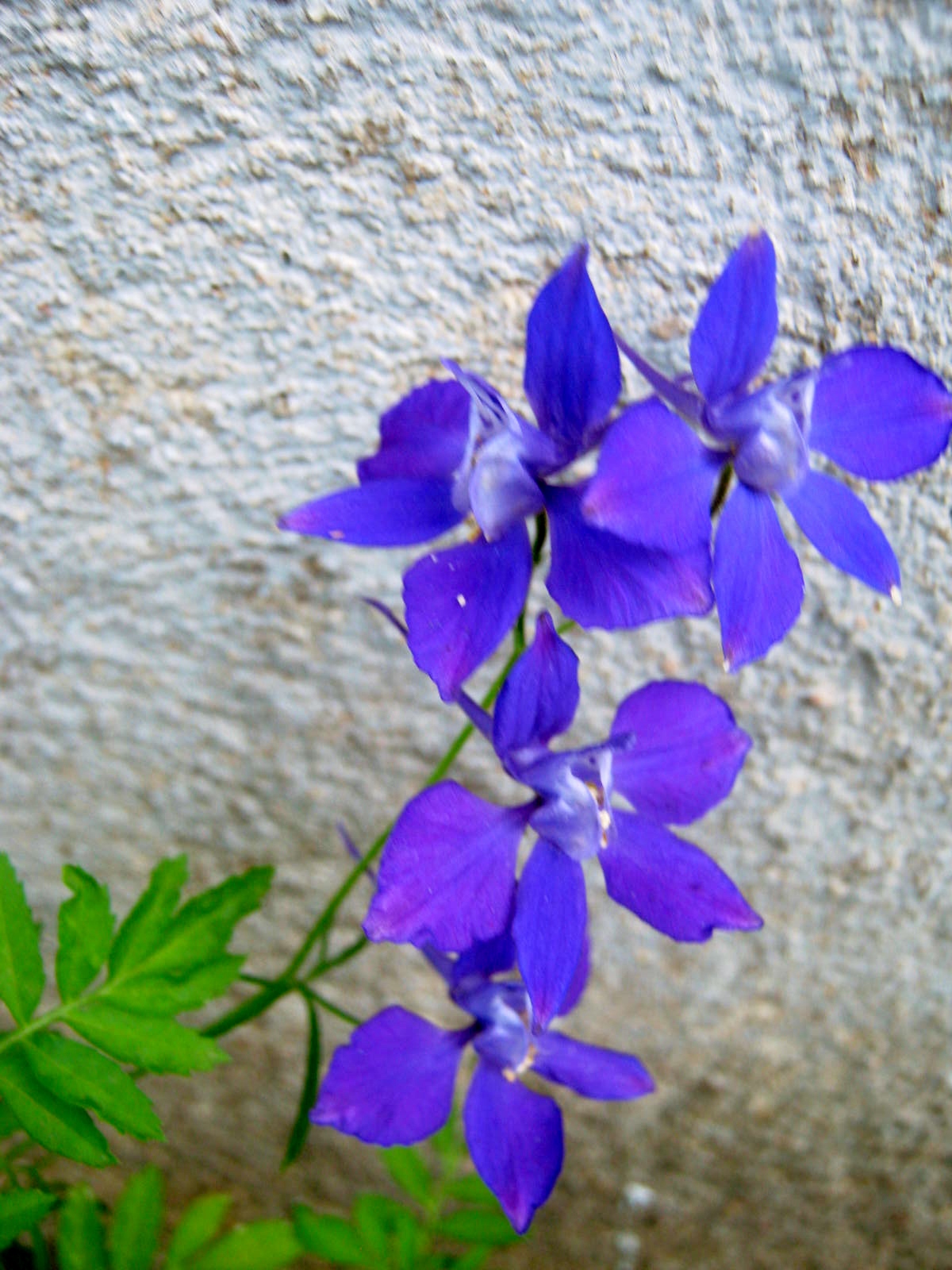
Larkspur – Wildflower Garden

IMG_2637

Verbena bonariensis

IMG_2632

Hyacinth Bean Vine

IMG_2630

Morning Glory Vine

IMG_2629

Petunia

IMG_2598

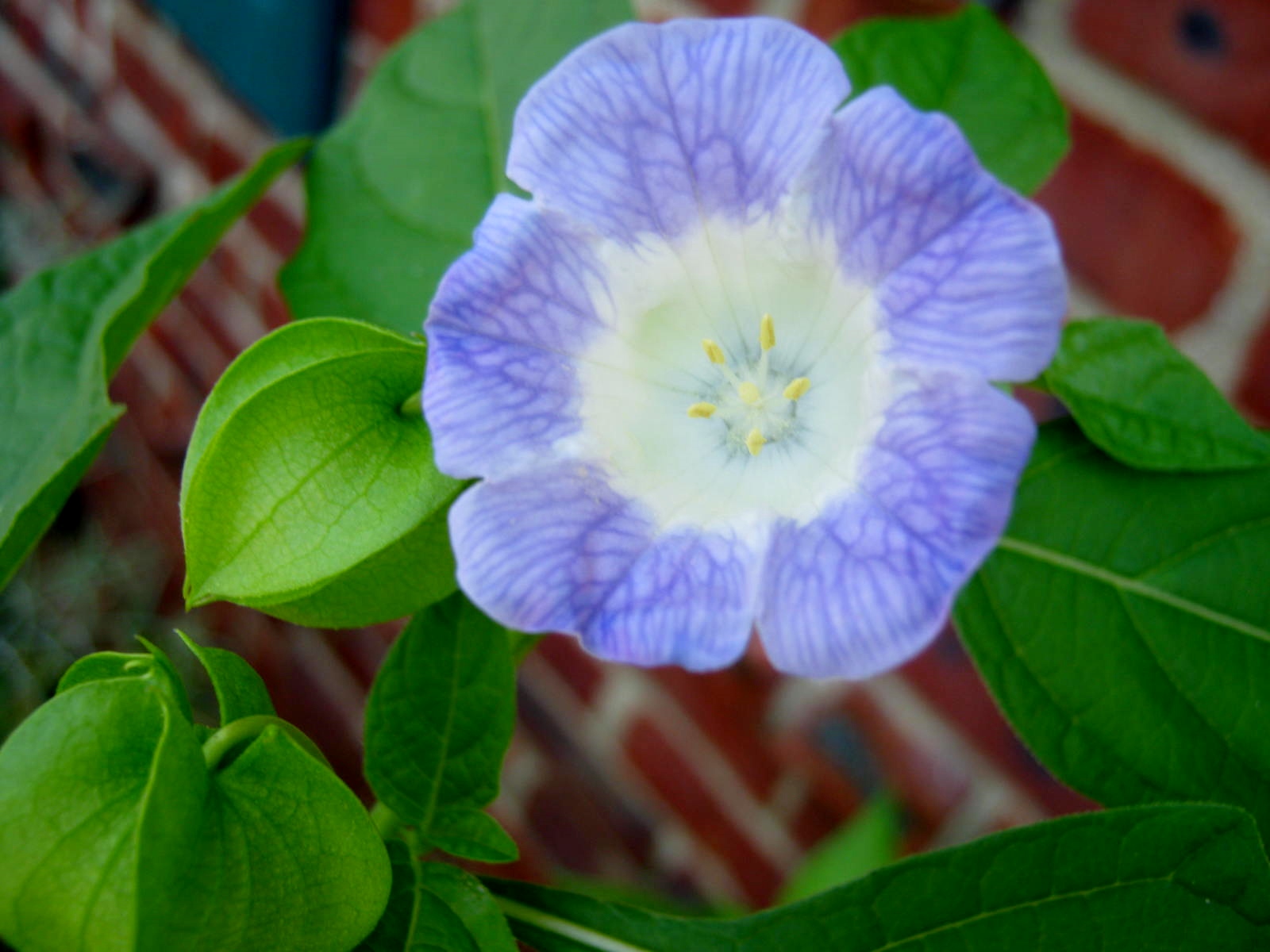
Nicandra – Shoo-fly Plant (This is an odd plant with interesting pods after the bloom period. I will posting more information about  this flower/bush tomorrow.) Change that…researched the plant a bit and it is the nightshade family, in short, it is probably full of toxins and quite poisonous. I’m glad it is growing out front where the children can’t get to it. Even though I consider the flower pretty…I probably won’t grow again until everyone is much older.

Photographs – Summer Sizzlers in the Garden

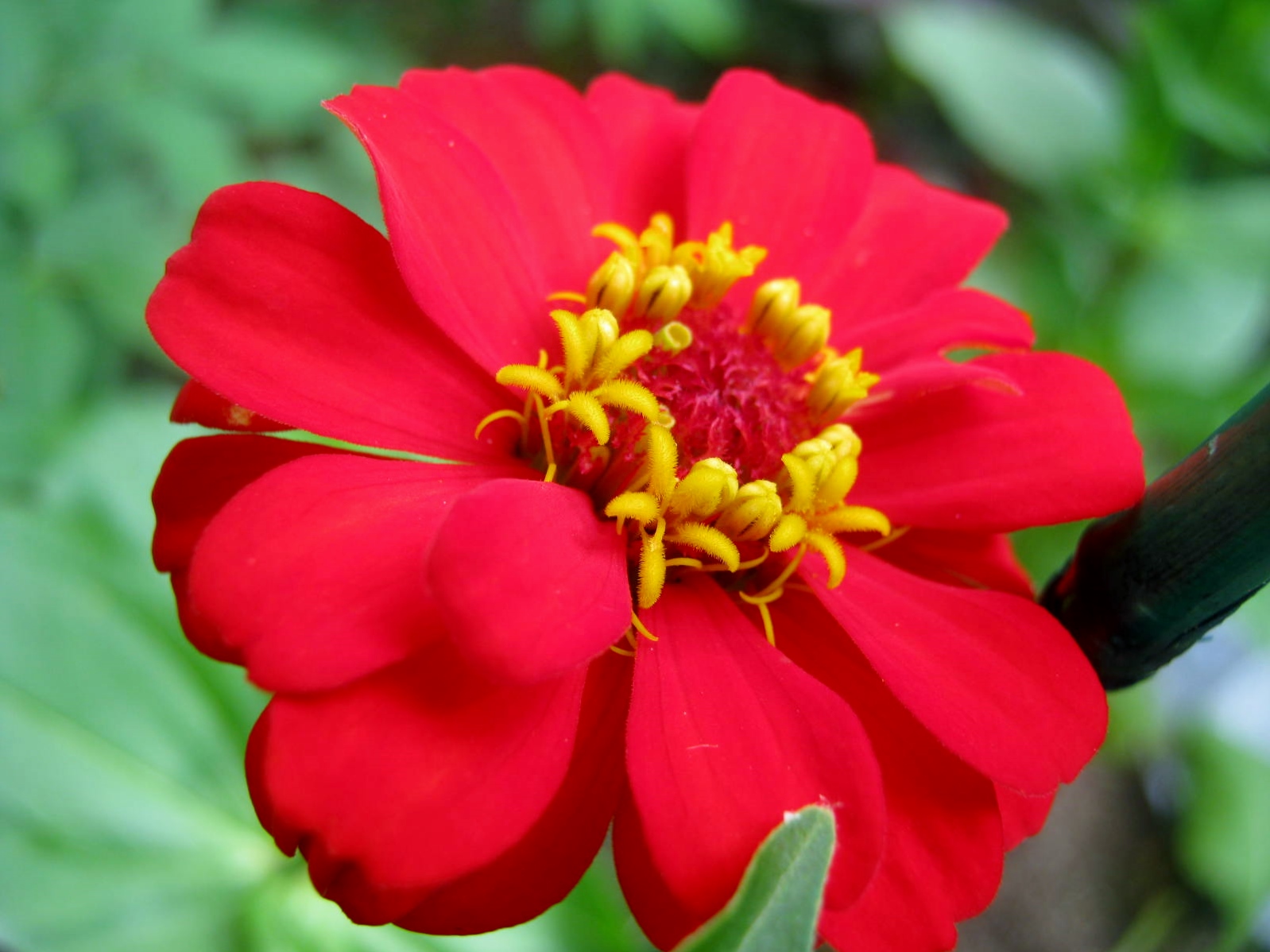
Zinnia

National Park 111

These flowers are sizzling hot in the garden right now. Gorgeous!

National Park 113

Climbing Rose

National Park 107

Bee Balm

National Park 103

Mandevilla

National Park 100

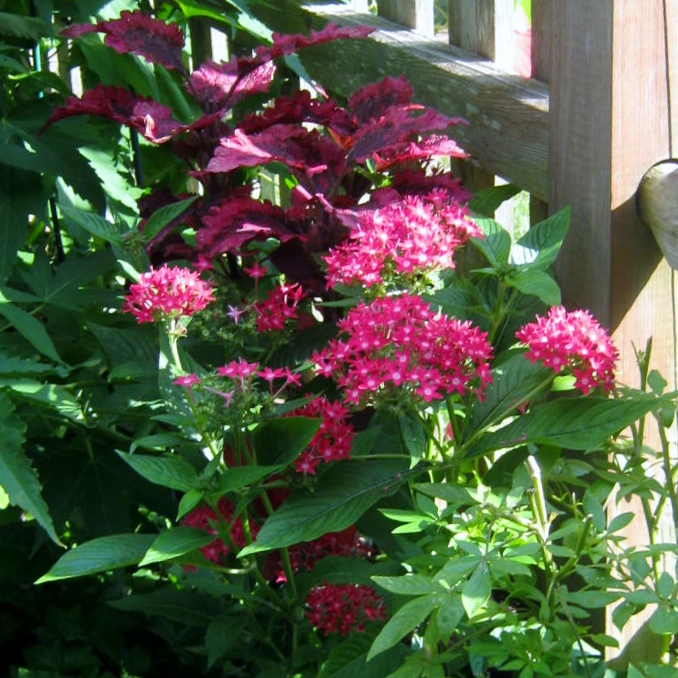
Coleus and Pentis

National Park 101

Salvia

National Park 097

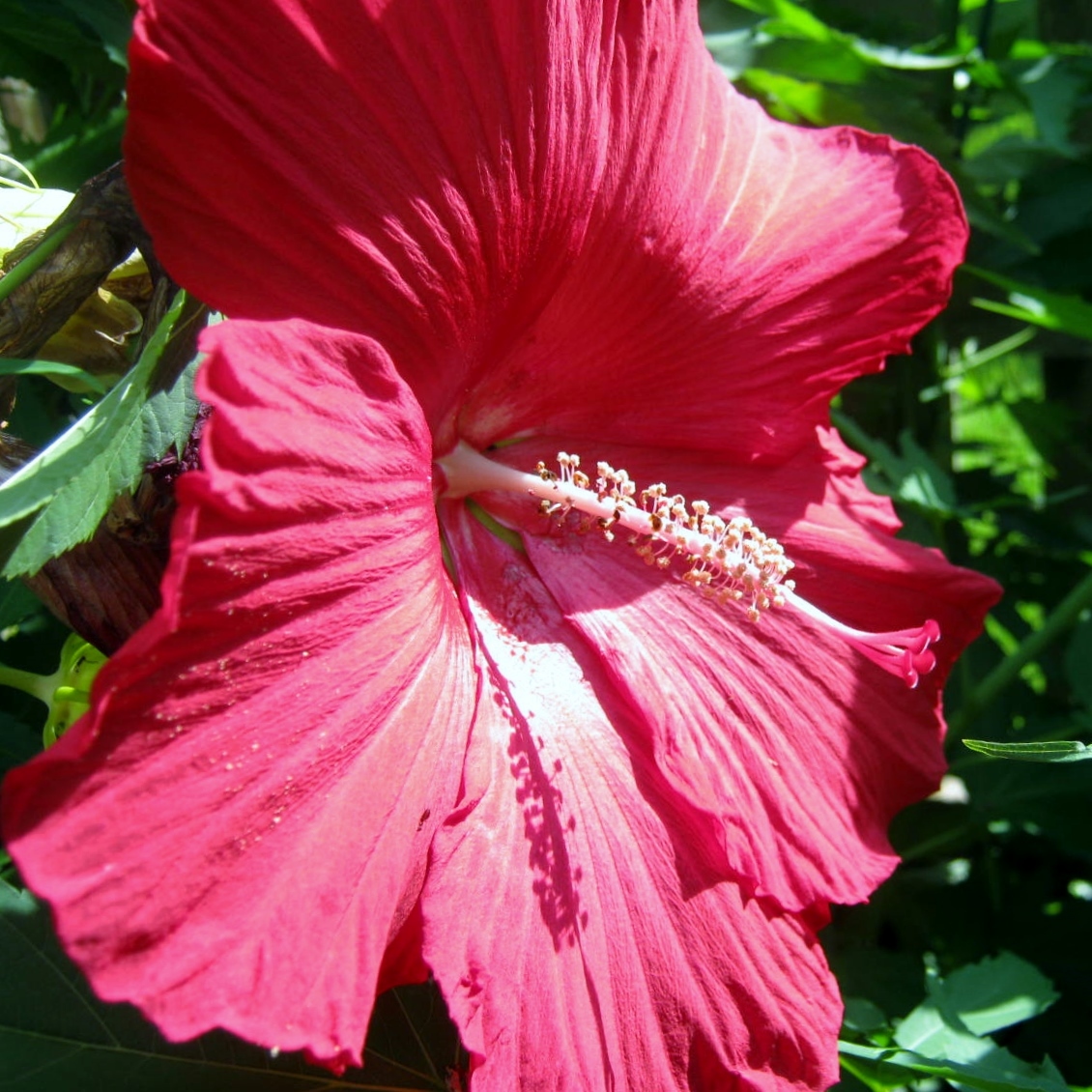
Hibiscus


National Park 098

Geranium

Plants – Flower Garden Update/August 2012


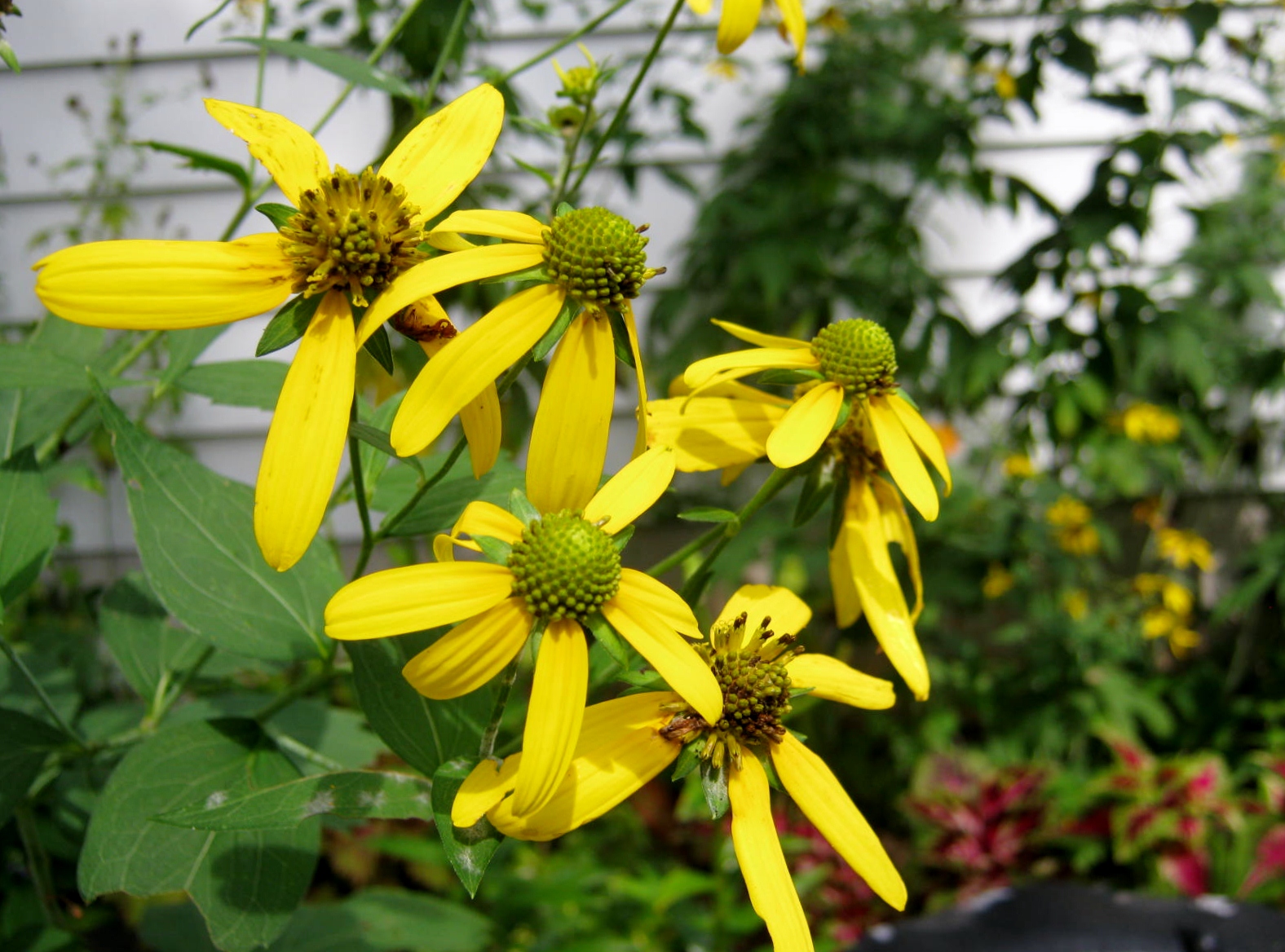
My late-summer flower garden is thriving. The Rudbeckia is full of blossoms. I don’t deadhead these flowers. They do not produce more blooms if I do so, and then I would deprive the finches of their treat. These flowers produce hundreds of seeds and are a favorite of the goldfinches. I often see the small birds hanging upside down on the seed heads, feasting on the bounty.

The Coral Nymph Salvia is a beautiful plant. It almost becomes shrub-like as the season progresses. I do deadhead the spent flower stalks of this plant, and it keeps producing until cold weather. It is a favorite of hummingbirds.

This Salvia self-seeded last summer, grew in a crack between the sidewalk and front porch steps, and is thriving. I will save seeds from this plant this fall. It has a resilience and determination I admire.

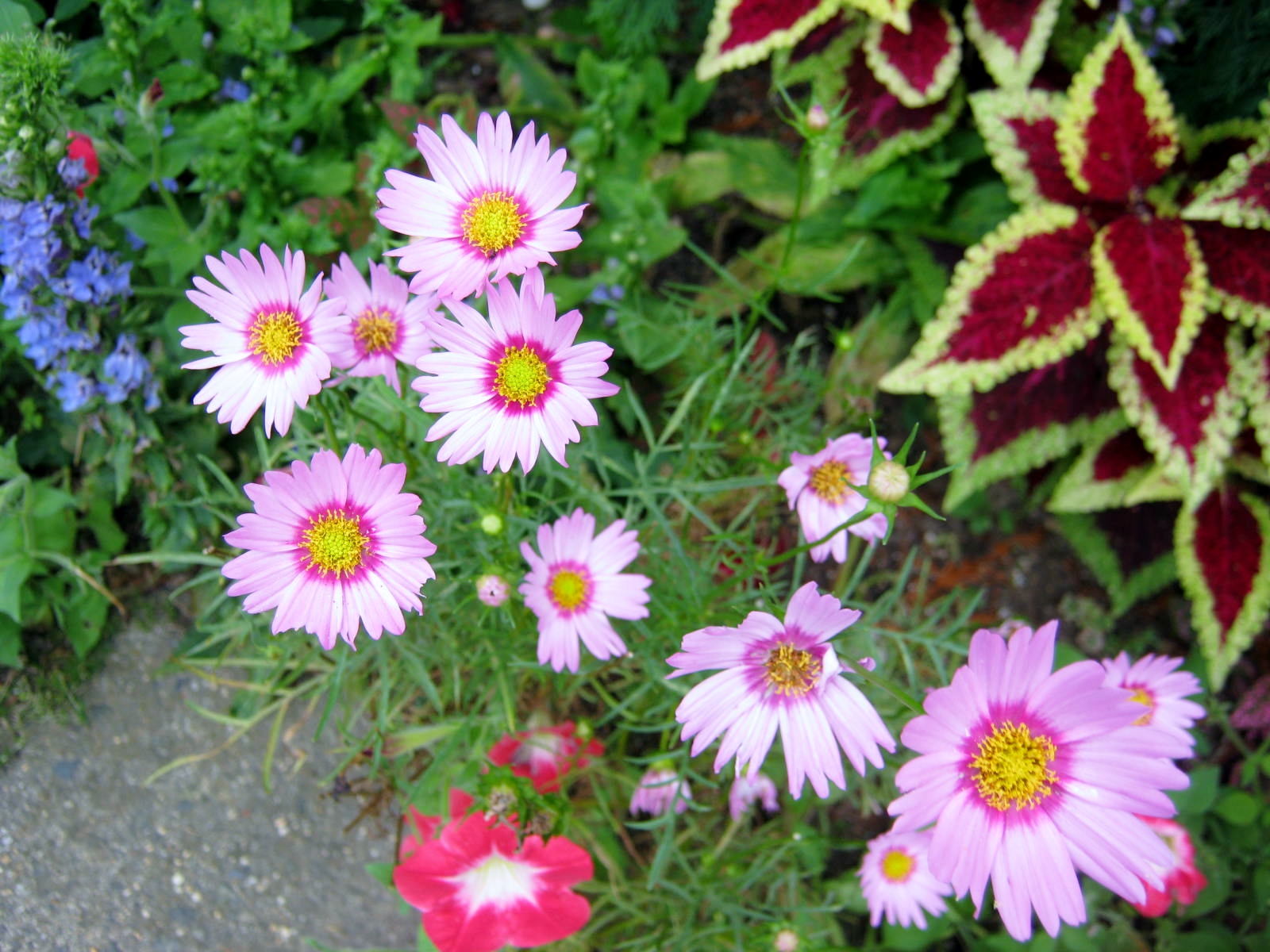
The Popsock Cosmos I grew this year is a bit taller than I had thought it would be, but is still a welcome addition to the front garden.

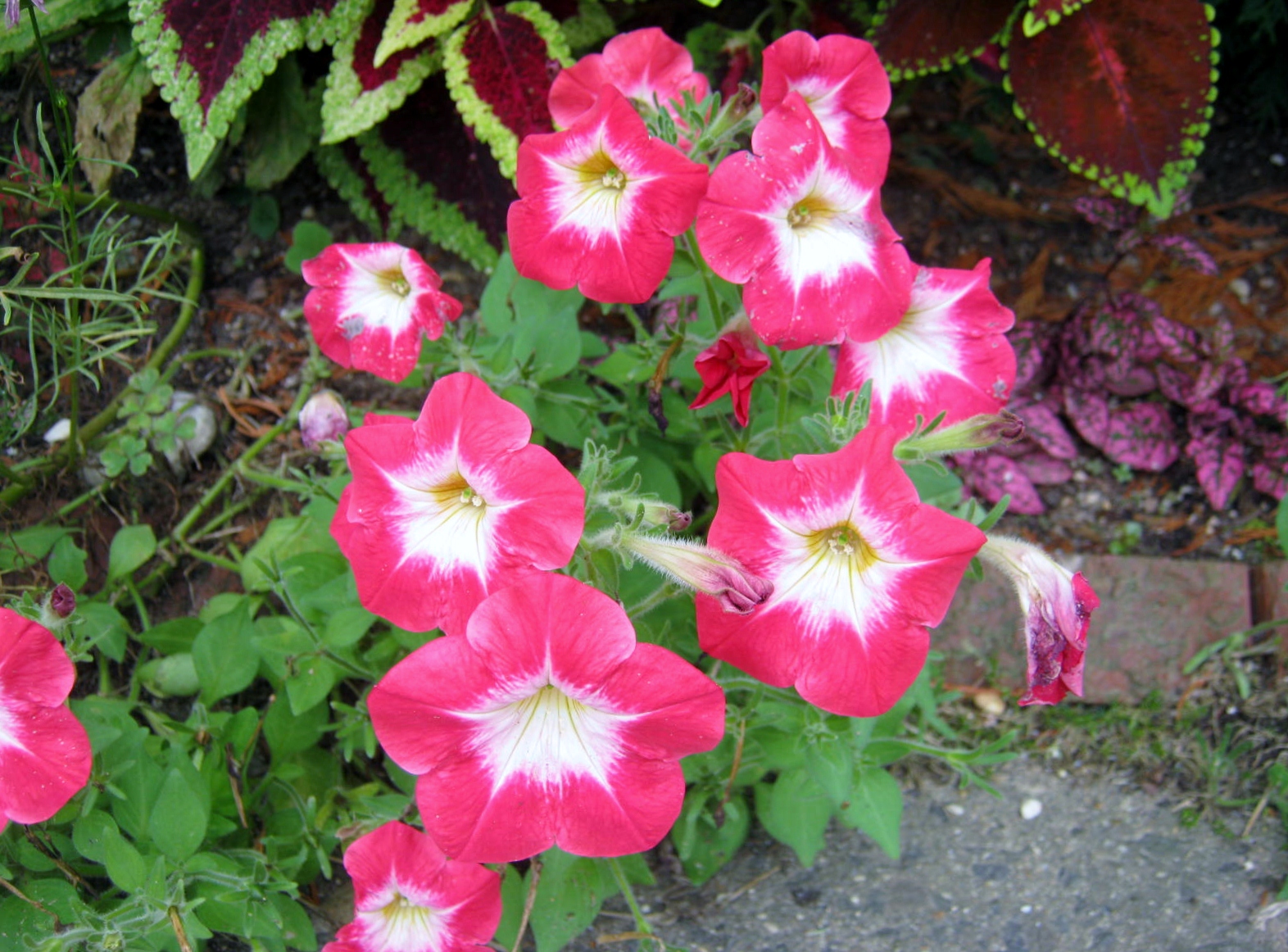
These cheerful petunias I bought on a whim this spring have been fantastic. I love the bright color and the abundance of blooms they have given me.

The coleus plants in the front garden are outstanding. I will soon let them begin to flower for next year’s seed harvest.
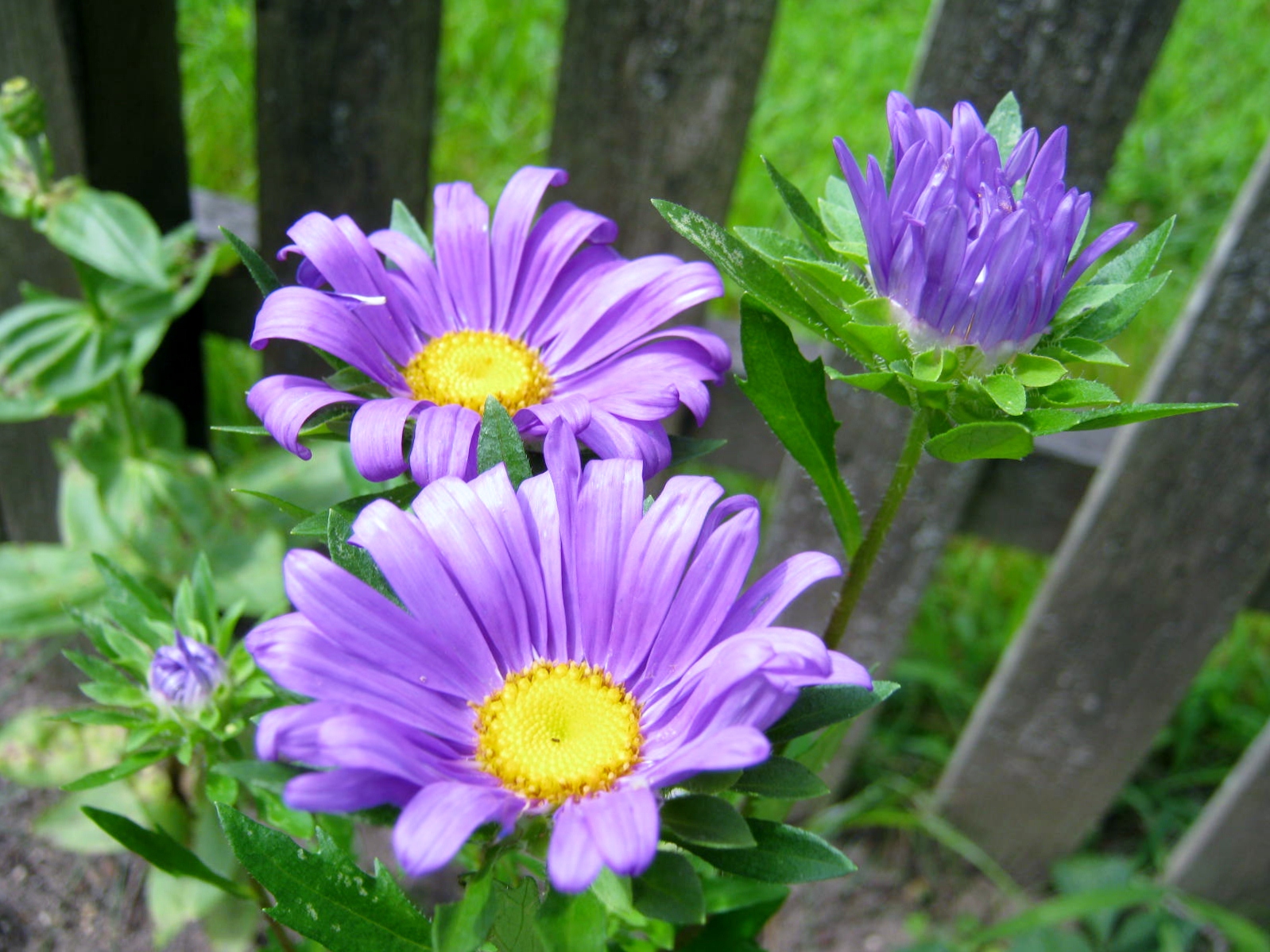
The asters I grew by winter-sowing are beautiful. They come in a variety of purple, lavender and pink shades. I am really pleased with this plant.

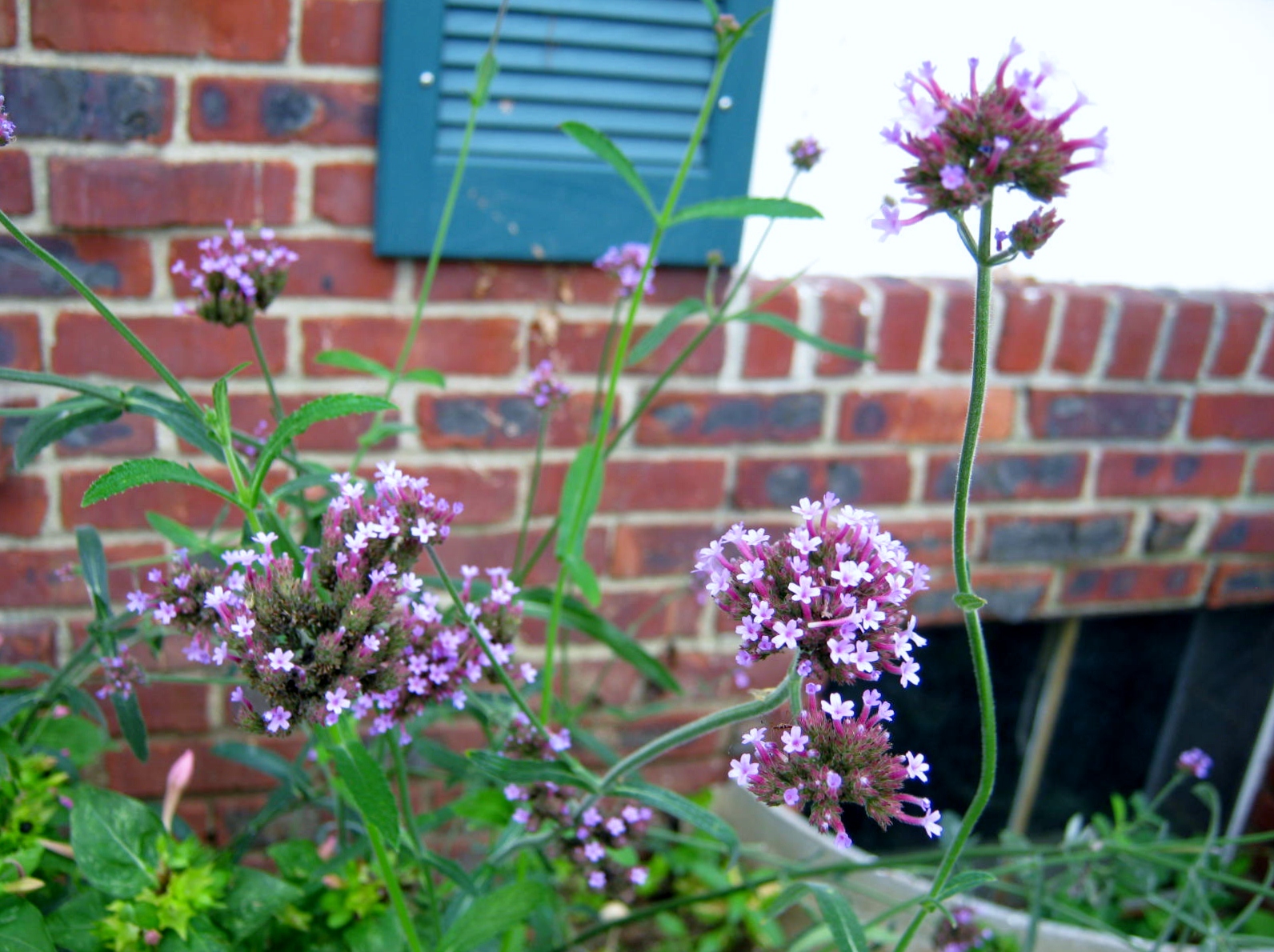
The Bonariensis Verbena is often perennial. This patch grew tall and broad this year and is constantly attracting butterflies. Last year it also self-seeded, and I have several new patches of this great plant.

Dahlias grown from seed and sun-loving impatiens (a Mother’s Day gift) are all doing well.

Here is one of my mistakes, although I love the lilypad-like foliage. I planted nasturtium in fertilized soil, and the foliage is abundant, but the flowers non-existent. They prefer to grow in poor soil.
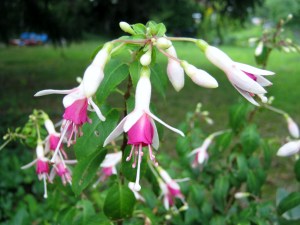
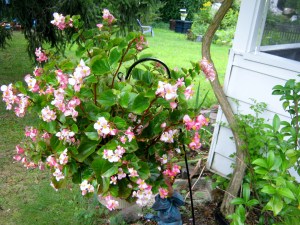
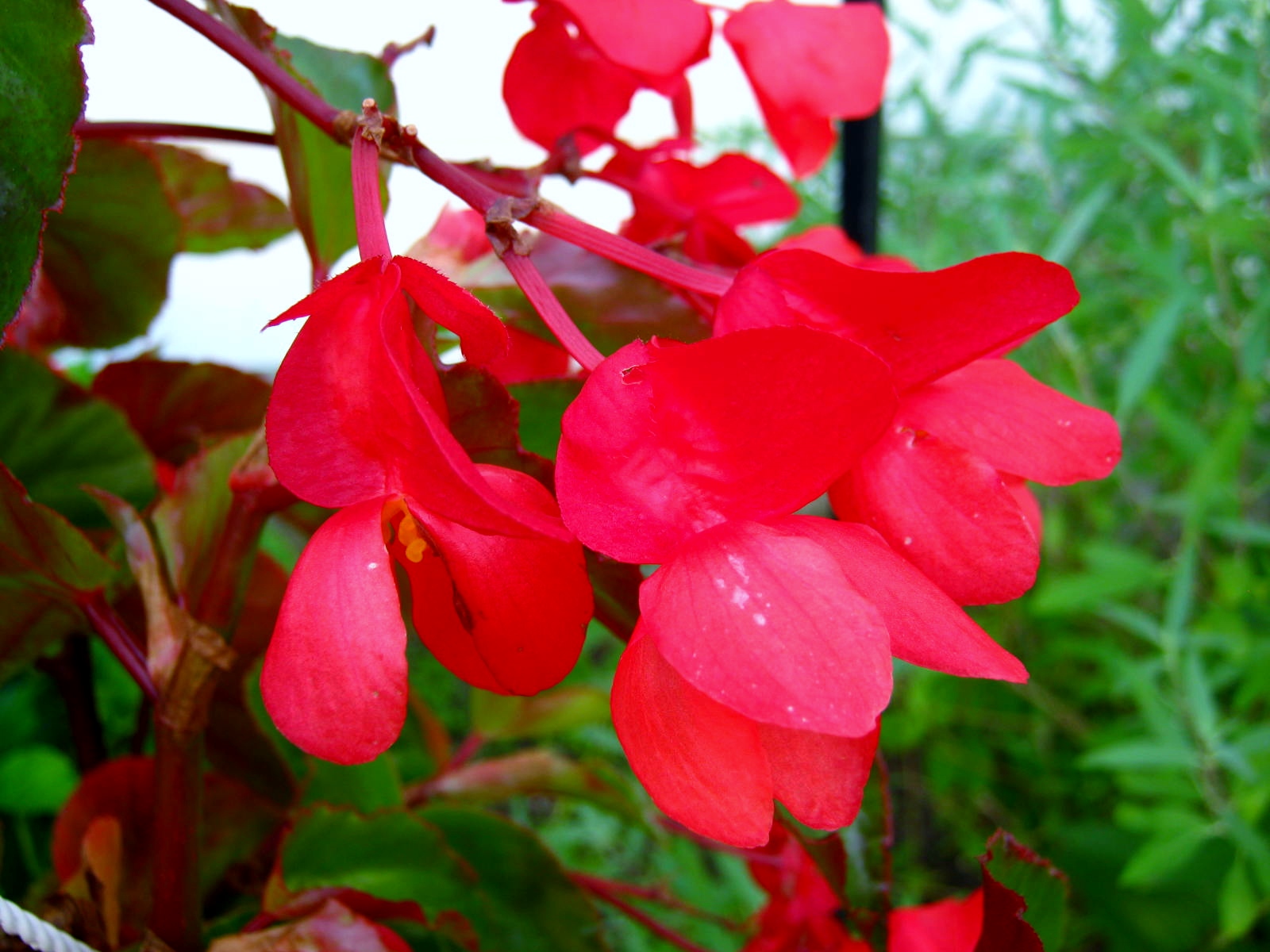
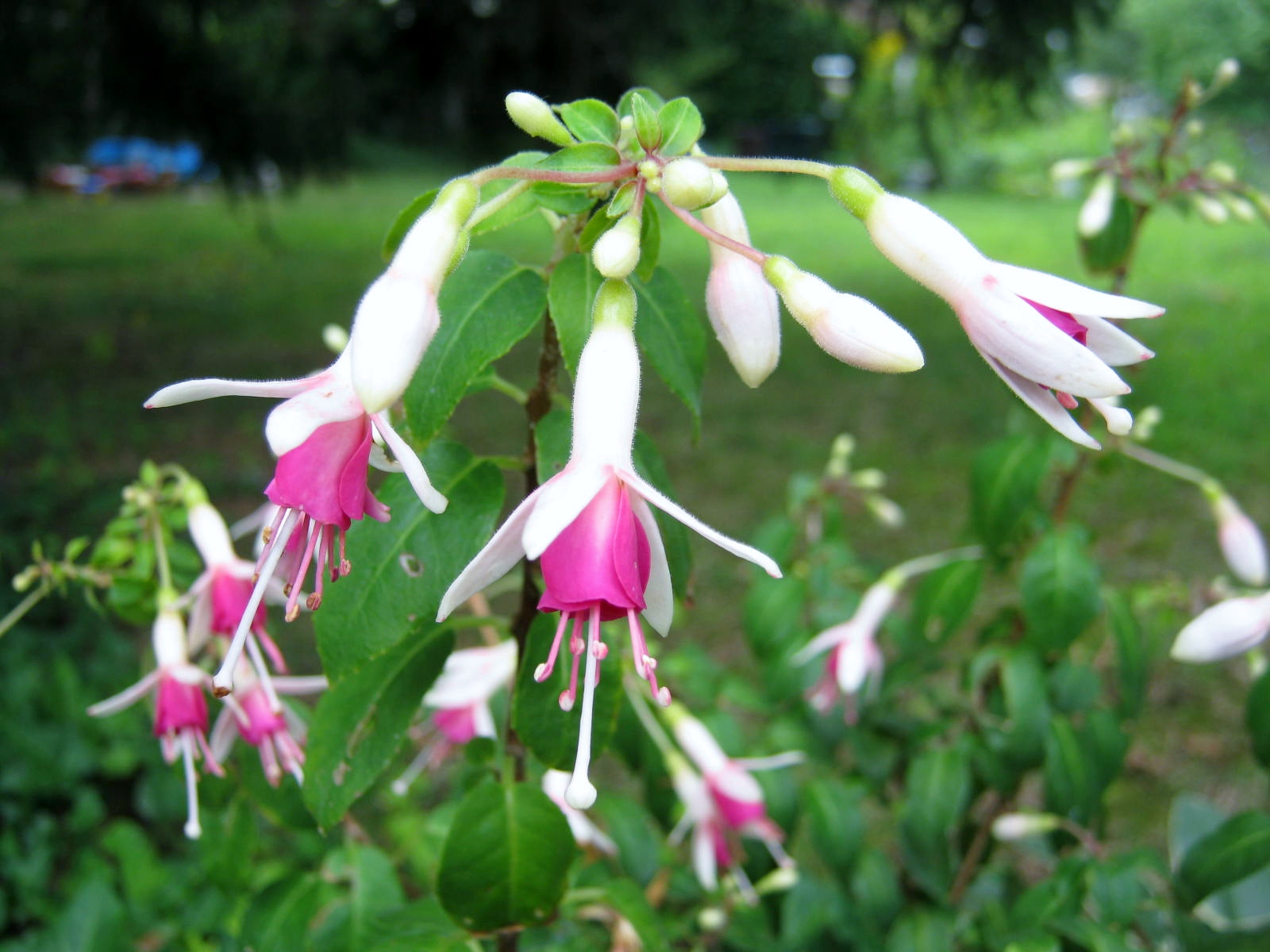
Both varieties of Fuschia are doing well, as are both varieties of the Dragon-wing Begonias.


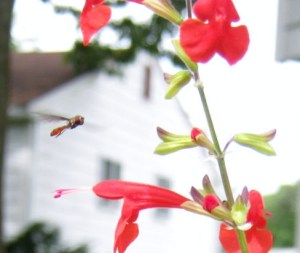
Last but not least is my Lady In Red Salvia, a great hummingbird flower. I love the little hover-fly sipping nectar that I captured in the photograph below.