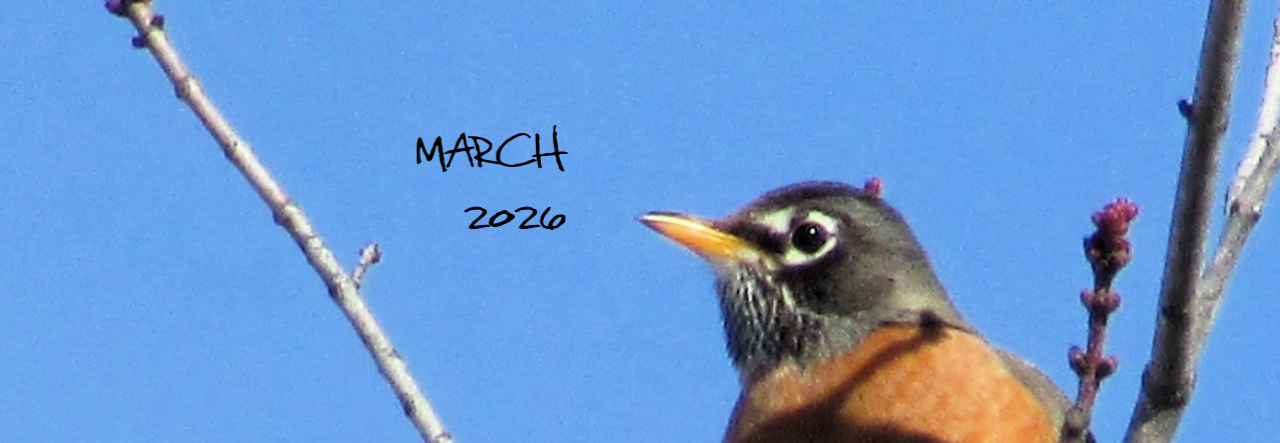
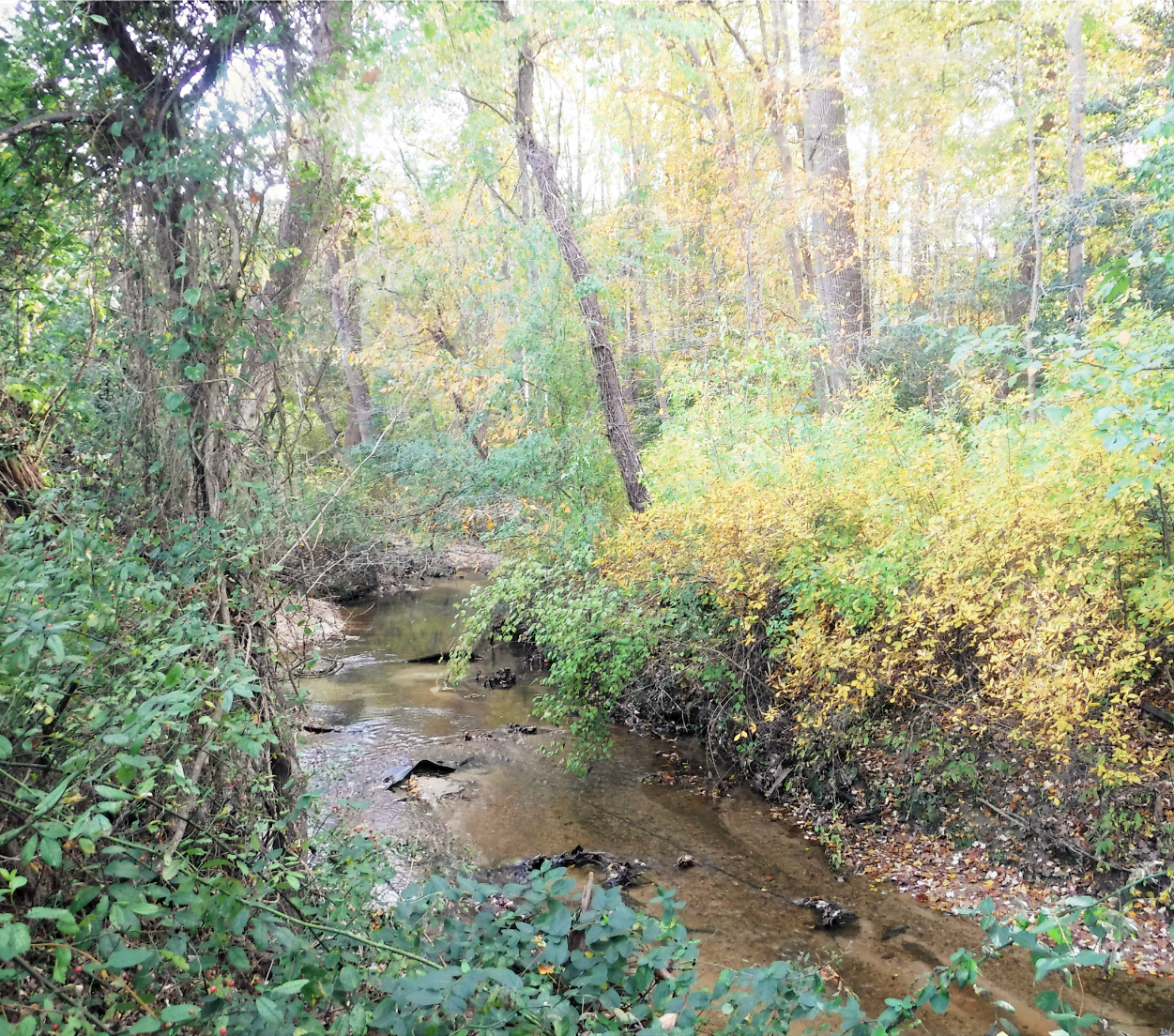
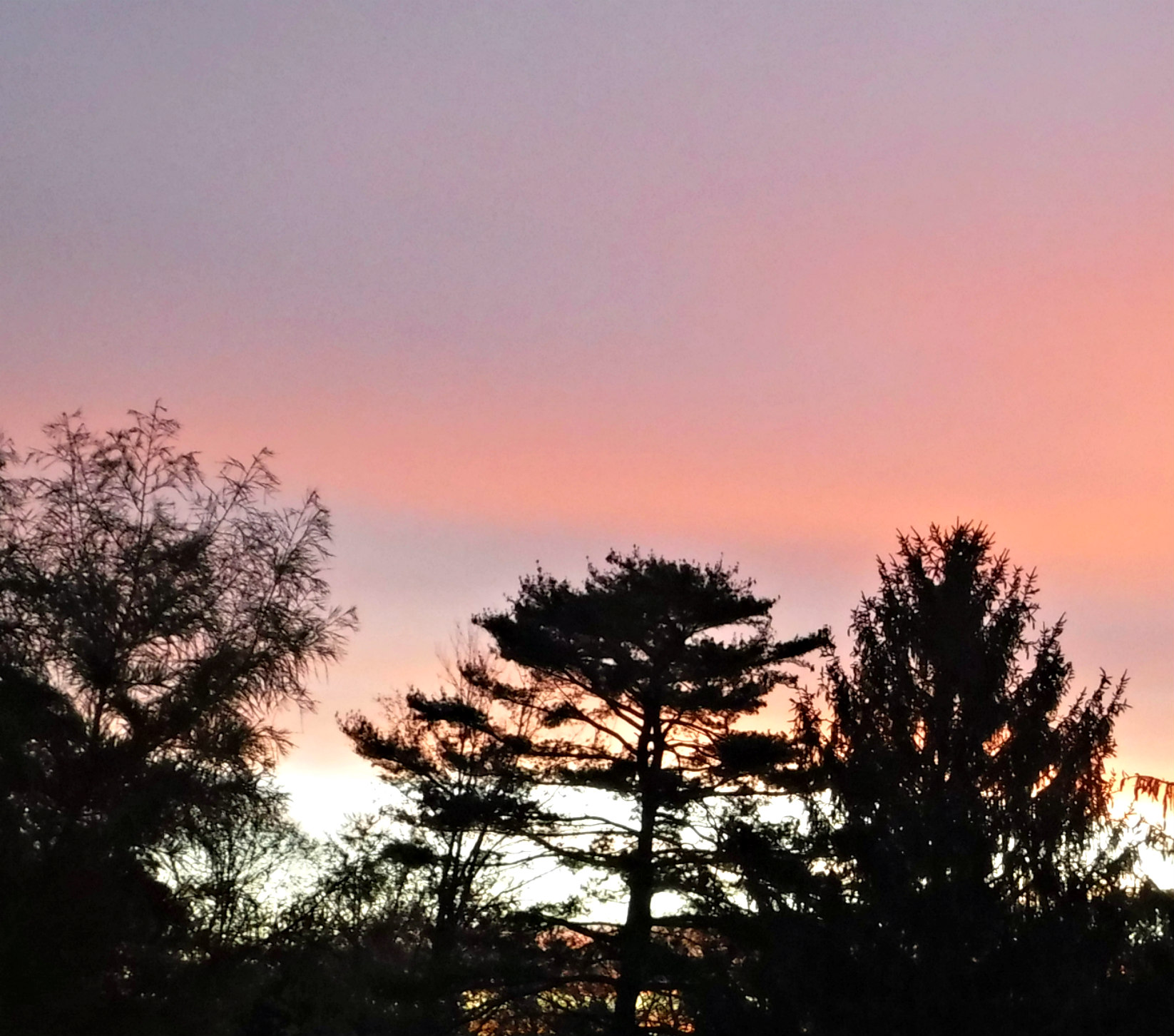
Over the past decade, I’ve dabbled in a variety of WordPress photo challenges, each offering a unique perspective. In this post, I’m excited to share my experiences from three such challenges.
You may notice a red spot on the seagull in the photograph I chose for the birdwatching challenge hosted by Don’t Hold Your Breath. The Audubon Society explains this in a great article. In short, the red spot is a visual clue to help baby chicks peck the parent bird’s bill to be fed.
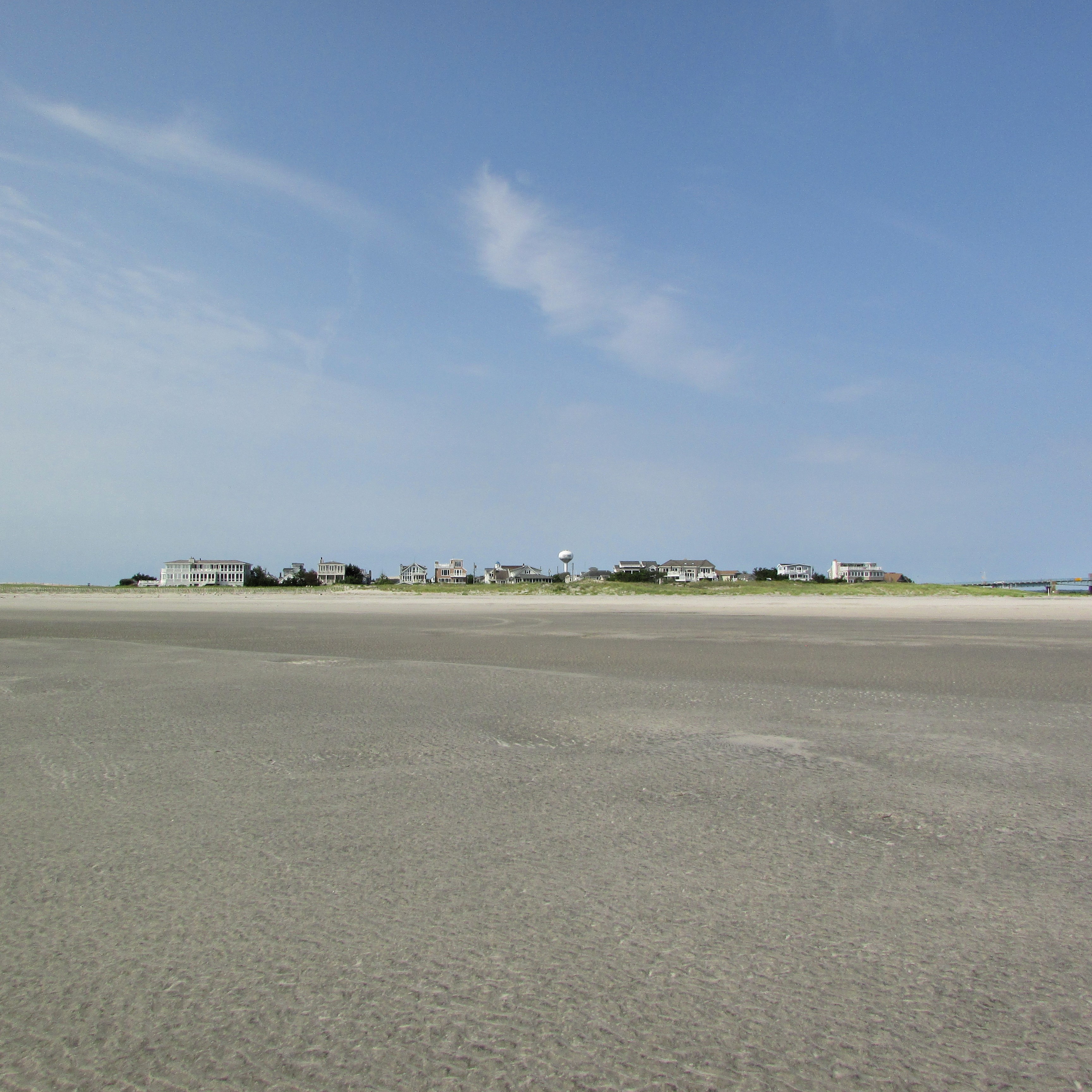
One of my longtime favorite challenges is Friday Skywatch. Although I am a day late, they accept entries throughout the week. My photos show the wide beach at the point of Strathmere, NJ. We love Strathmere beach and appreciate the fact that it is one of the few southern New Jersey beach towns that don’t require beach tags. (Wildwood, North Wildwood, and Wildwood Crest are also free beaches.)
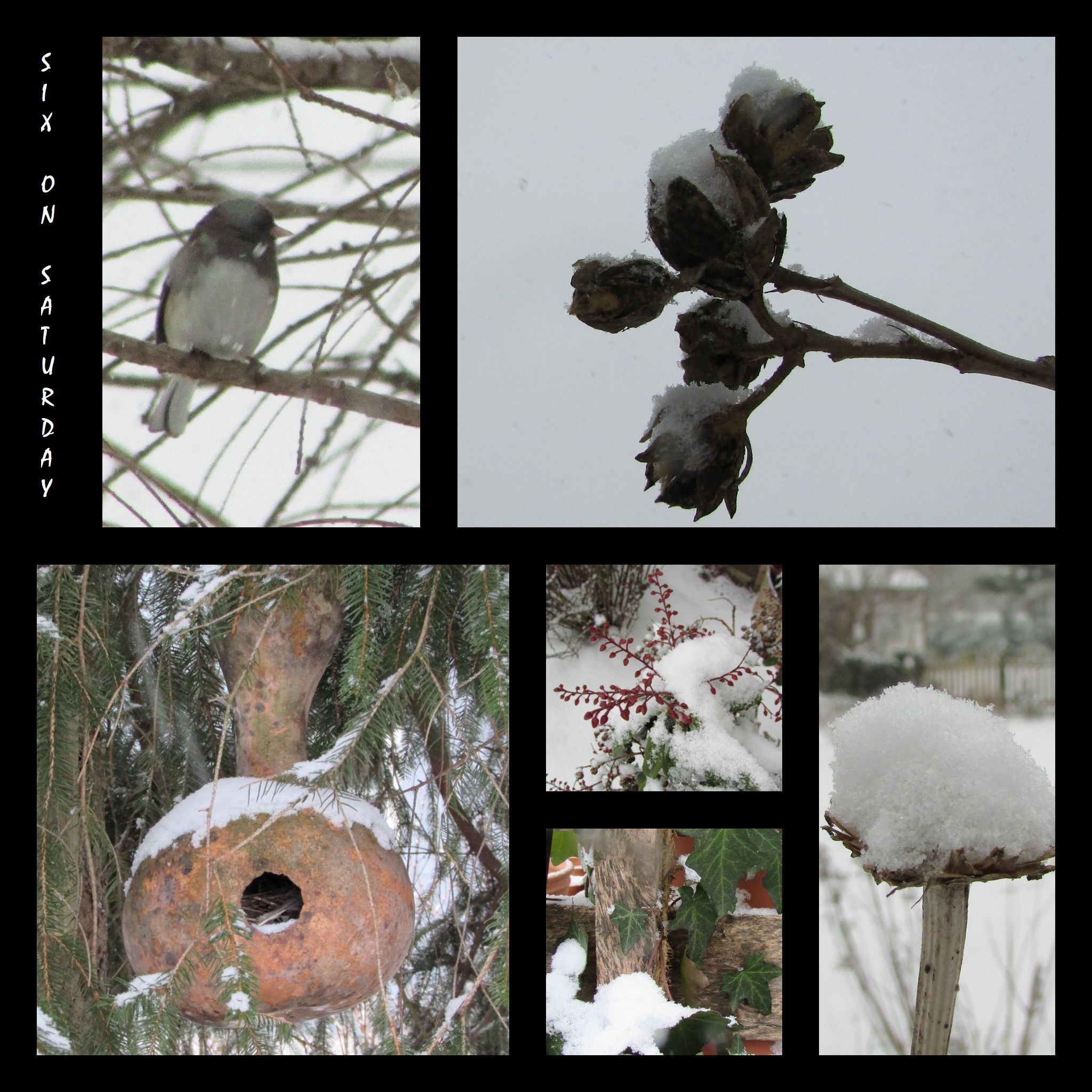
The last photograph I include is Six on Saturday hosted by Garden Ruminations. My theme is a few of the Sea Birds from the Jersey Shore. These photos were taken during weekend visits to Strathmere and Wildwood, New Jersey.
My area of Southern New Jersey went over 700 days without accumulating snowfall. Yesterday, we had a beautiful snowstorm throughout the day. What a lovely sense of peace the quiet flakes instill into the atmosphere. Early in the morning, I couldn’t resist grabbing my camera and taking photos as I fed the birds.
A Junco, one of a large flock that visits my yard, seemed to wait patiently for me to scatter birdseed.
The Rose of Sharon pods were the perfect resting place for snowflakes. Looking closely, you can see a few of the sharp points of individual flakes.
The gourd birdhouse, crafted several years ago, looked lovely with a coating of snow.
The Japonica, colorful with new growth, wore a blanket of snowflakes.
English Ivy, indestructible, seemed impervious to the cold.
A stem of a zinnia, left in place as cover for birds, held a mound of crystal snowflakes…beautiful.
The flying pig who holds court over the sideyard couldn’t escape the snowfall. A natural monochromatic setting with the grey sky behind him and the bird bath pedestal beneath him seems a good choice for Skywatch Friday.
I love this quote from my Farmer’s Almanac Daily Calendar:
When oak trees bend with snow in January, good crops may be expected.
Salvias, sometimes referred to as sage, are the champions of my Autumnal garden beds.
In truth, all SAGES are SALVIAS. Over time, though, the term sage has been closely aligned with cooking or medicinal use and the term salvia has been given to the more ornamental members of this genus. Nevertheless, Salvia is the Latin name, or Genus, given to all these plants. ~Mountain Valley Growers
The colors of my salvias have stayed vibrant through several frosty mornings.
The flowers of Mexican Sage are fuzzy and remind me of purple bumblebees and velvet.
The salvias are so blossom-loaded; I felt the hummingbirds stayed too long this year, sipping their nectar through early October. I hope they have made their journey now to warmer climates.
I held a piece of this salvia up against the bluest of Autumn skies; the camera captured the velvet texture of the blossoms and the detail of the leaves. What I didn’t see when I took the photo was the small flying insect resting beneath one of the buds. This photo is part of Friday Skywatch.
Twenty-five years ago, on hot summer days, I took my pre-teen sons to a beautiful swimming pond called Washington Lake. The place closed, was vacant for years, but recently was repurposed into a walking park. The day was warm, but there was plenty of ice on the water to remind us it was still February. It was a perfect opportunity to visit a beloved place I hadn’t seen in decades.
The beach, once dotted with lawn chairs and umbrellas, is still wide and inviting. New docks now stand where once my boys jumped from diving boards and slid down slides.
The water is so clear it reminded us of the Caribbean. It is pristine, almost like looking through glass.
We walked all the way around, something you couldn’t do years ago, now the walking trails give you a 360 degree view.
This little knoll seemed a perfect place to picnic.
The white pine in the surrounding woodland is beautiful. I saw a lot of milkweed pods too, a good place for monarch butterflies to thrive. In about six weeks or so the trees might begin to bud. We will try to visit often in the next few months.
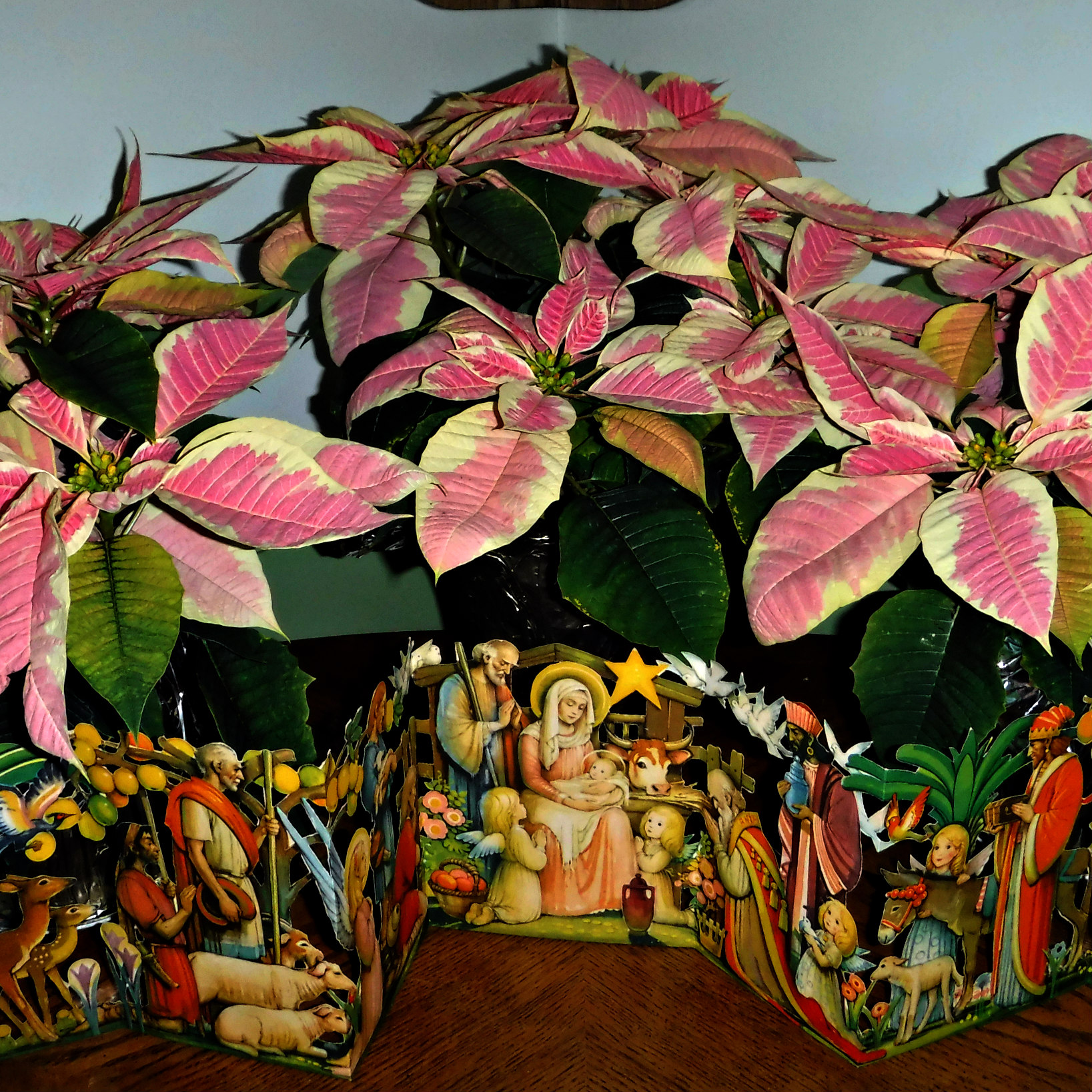
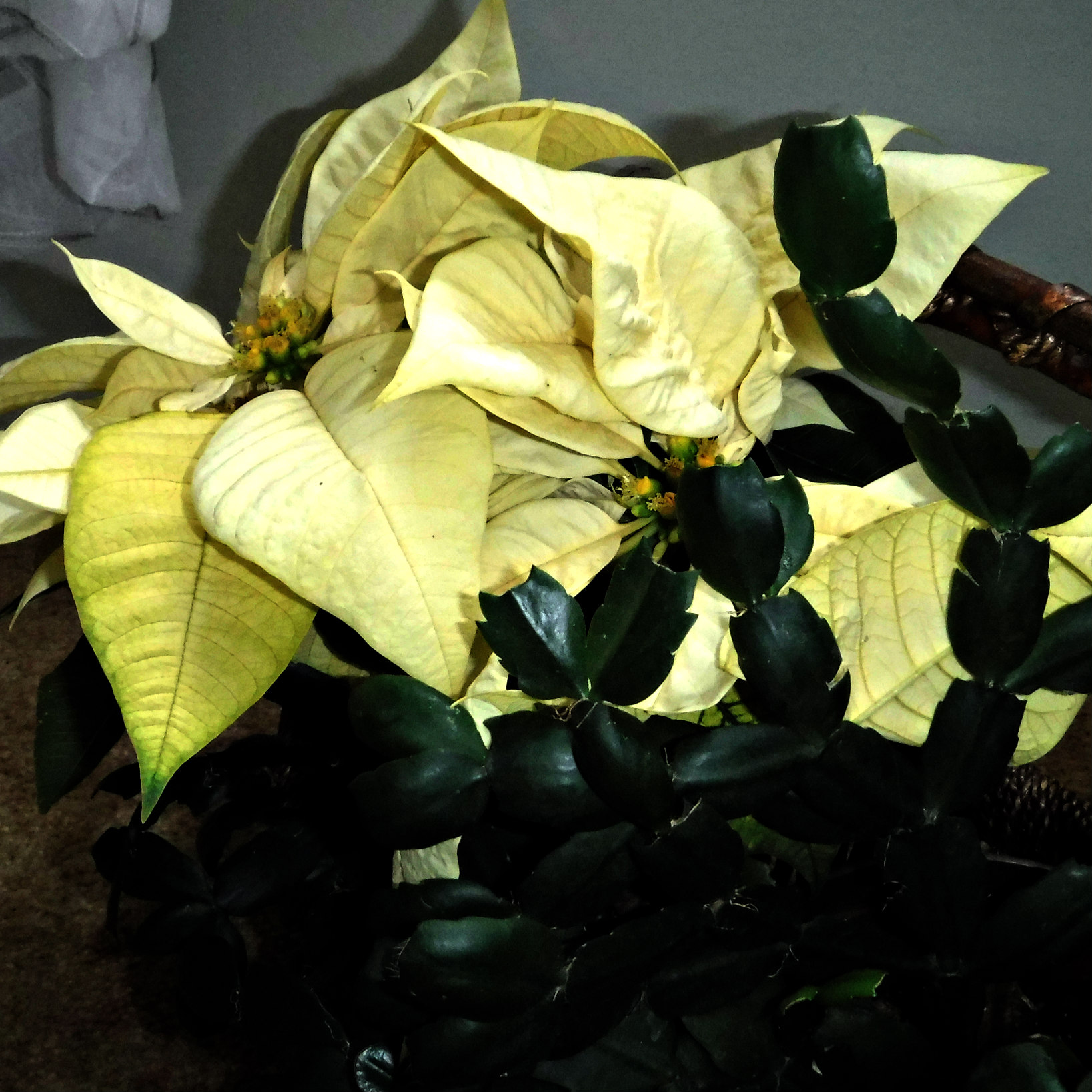
Poinsettias—I bought several this year to brighten up the house for Christmas. The variety of colors and easy availability of these holiday plants causes me to pause when passing a pallet of the bright flowers. I usually give into temptation and bring one, or more, home.
The ‘Six on Saturday’ Challenge was a perfect foil for my lack of willpower, and I have four types of poinsettias to display as part of my six, with an additional two as a Quick Christmas Tip. The flowers are also a good choice for Cee’s Flower of the Day Challenge.
A common problem I encounter with Poinsettias, no matter how carefully packed inside their cellophane sleeves, is the broken stems from overcrowded displays, a rough ride down the cashier’s conveyor belt, or a bumpy trip home. Taken out of their protective plastic it is almost inevitable one or two stems will be cracked or broken, revealing a dying flower.
Years ago I read a blog post on using these broken stems in vases. It seemed a hopeless experiment, but I gave it a try. Oh my, success was achieved within an hour. The broken stems filled with water, the limp bracts spread out and were almost more beautiful than the stems still in the pot.
If you don’t find a broken stem you can always harvest one from the back of your plant for a vased arrangement. My Poinsettia cuttings are over a week old, and I am hoping they will eventually develop roots. Oh the JOY, another experiment to try. Keeps me going. Merry Christmas to you.
Although I read you need to singe the ends of poinsettias to use them in arrangements, I did nothing but cut and pop my broken stems in water. Perhaps singeing the stems is needed only if you use them in floral foam.
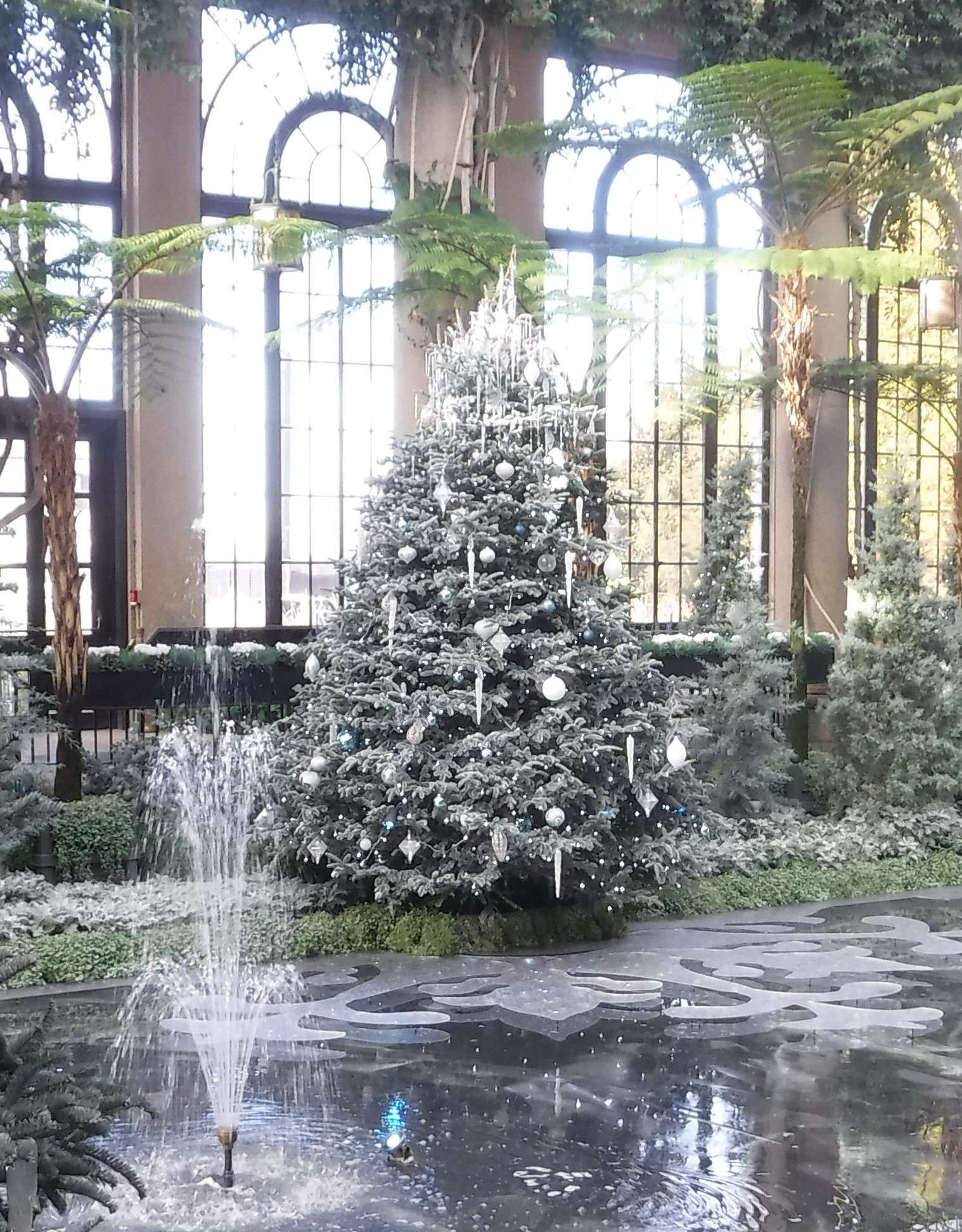
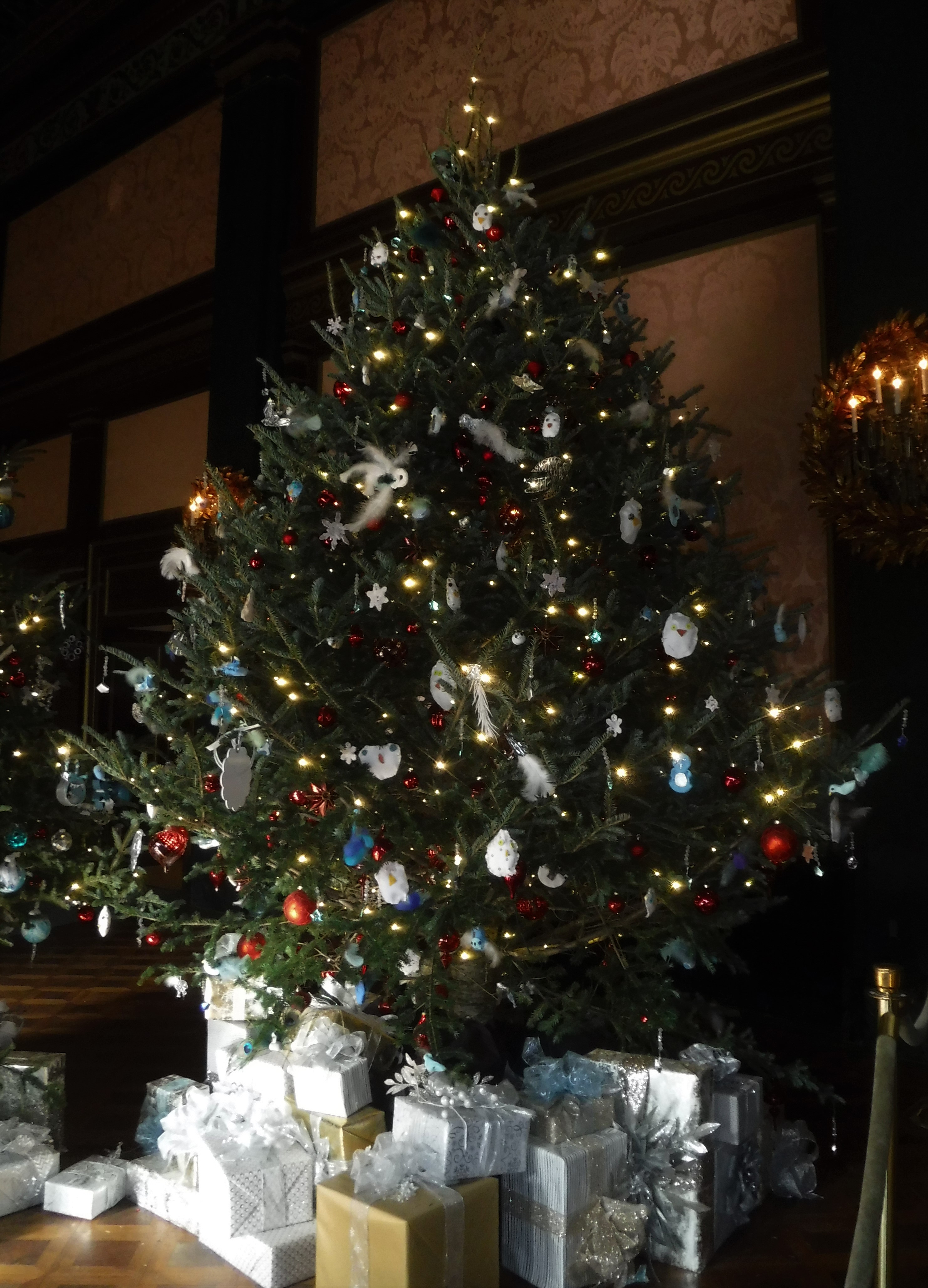
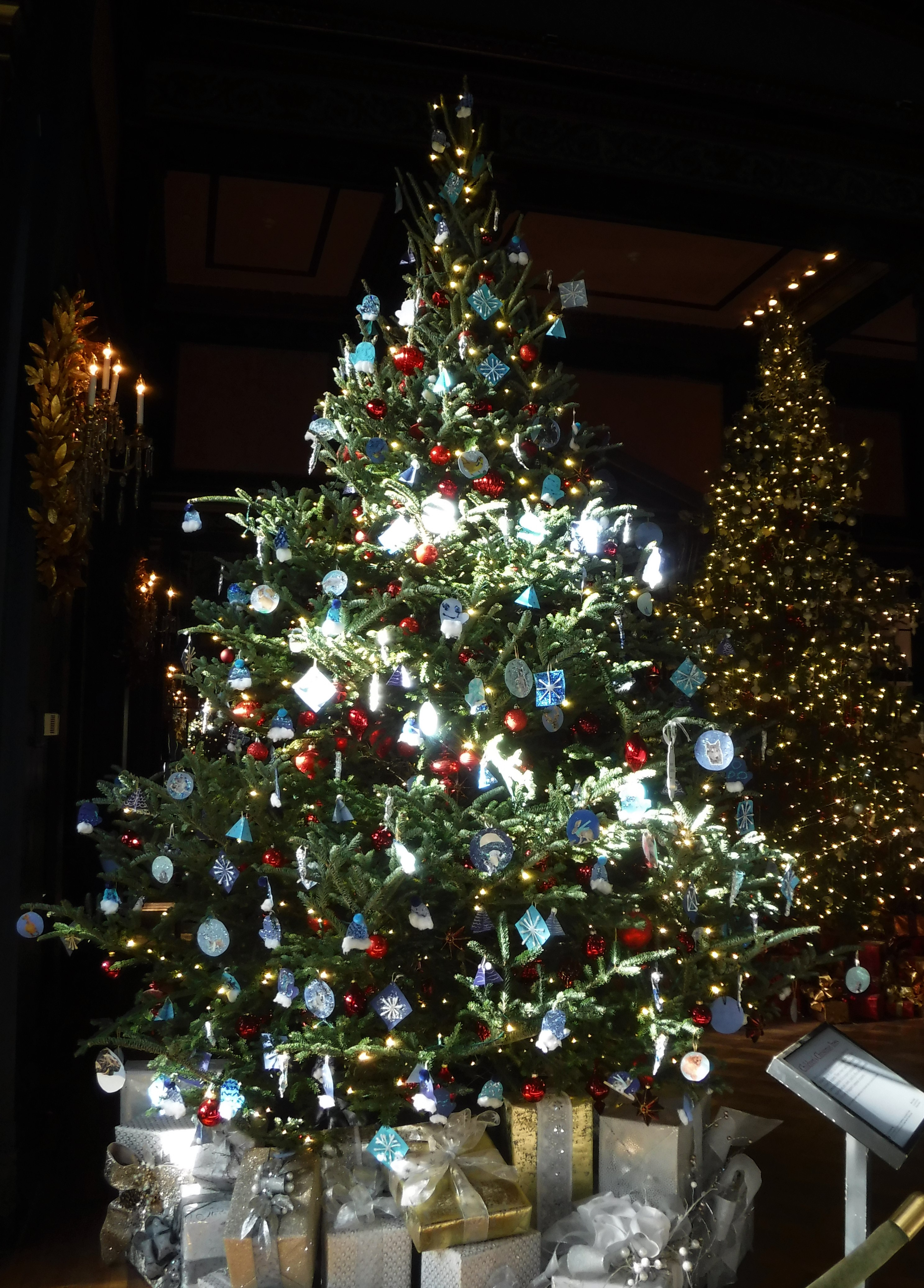
We visited Longwood Gardens this week. The conservatory was filled with Christmas trees, some elegant and designed by floral experts, a few covered with decorations created by children. All the trees were beautiful, but my favorites were in the Exhibition Hall, atop the sunken marble floor, with faux ice above the water.
GOD’S DIAMONDS – An overnight rain left our pine trees covered in a million sparkles in the morning sunlight. I feel blessed when I am able to see such a beautiful work of art at the beginning of the day. LIGHT REFLECTED ON RIPPLING STREAM – Slanting Autumn sunlight mirrors the colors of stained glass onto the brook. END OF THE ROAD GOLD – A final glory, the best is at the last…golden leaves beside the creek. STAINED GLASS COLEUS – Did the first stained glass craftsmen use nature as inspiration? (This beautiful pot of coleus are growing in my home. They self-seeded in the front garden in an odd and unusual manner. More on this in a later post.)MORNING-BORN GRATITUDE – I don’t need rose-colored glasses to feel blessed when a day starts in living color. GOD’S DIAMONDS PART II – I am bookending my Six on Saturday with more morning sunshine diamonds in the pines.