Preparedness and Peace – Psalm 46

The earth is in upheaval: strange weather, earthquakes of large magnitude, tornadoes, hurricanes, massive hail storms, volcanic eruptions, flooding, drought. All these things have been experienced throughout history, yet it seems the frequency and the damaging effects of natural disasters is escalating. It’s easy to feel like this tree that grows alongside the Elk Neck River in Maryland’s Elk Neck State Forest.

When I go through the storms of life. I want to be like this tree and hold fast to the rock of my foundation, my Lord and Savior, Jesus Christ. Psalm 46 sums up so perfectly how I feel.

Psalm 46

    For the director of music. Of the Sons of Korah. According to alamoth.

A song.

1 God is our refuge and strength, an ever-present help in trouble. 2 Therefore we will not fear, though the earth give way and the mountains fall into the heart of the sea, 3 though its waters roar and foam and the mountains quake with their surging.

4 There is a river whose streams make glad the city of God, the holy place where the Most High dwells. 5 God is within her, she will not fall; God will help her at break of day. 6Nations are in uproar, kingdoms fall; he lifts his voice, the earth melts.

7The LORD Almighty is with us; the God of Jacob is our fortress.

8 Come and see what the LORD has done, the desolations he has brought on the earth. 9 He makes wars cease to the ends of the earth. He breaks the bow and shatters the spear; he burns the shields[d] with fire. 10He says, “Be still, and know that I am God;    I will be exalted among the nations, I will be exalted in the earth.”

11 The LORD Almighty is with us; the God of Jacob is our fortress

Product – House and Garden Sprayer

I’ve used a smaller version of this for years. The Ace House and Garden Sprayer was the perfect solution to spraying and defeating the mildew on my porch ceiling. It will also come in handy when it’s time to spray my organic pest deterrents on the gardens. It’s easy to use, but I did need to read the directions thoroughly before I started. It took a little bit of strength to lock the handle in place after pumping, but once I became adept at knowing whether to turn clock-wise or counter clock-wise I had no problems at all.

Plants – Purple Iris

The purple Iris plants growing in my garden are another one of my “Old Reliables.” Every year, whether wet or dry, cold or unseasonably hot, they bloom without fail. When the sun shines through their thin, but durable petals, they glow with regal grace. The “Culture of Iris” is easy, plant the rhizomes in early summer and the following spring you will reap the rewards.

This year I am determined to watercolor a painting of my gorgeous iris plants.

Pressed Flowers – The Flower Farm

I love my gardens, and I love pressing flowers, within that statement lies my dilemma. If I pick from my gardens too extensively, I lose the appeal of their mass of colors. I’ve learned over the years to grow the flowers I press in separate containers in an out-of-the-way place. When I grow my pressed flowers this way I can lift the containers onto my potting bench for easy picking, and my gardens don’t begin to look like lush foliage without bloom. The flowers planted in containers also gather less soil on their petals in rainstorms or heavy winds.  I buy most of my containers at the dollar store and fill them with inexpensive soil. They do great and having them all in one area saves time too.

Plants – Tulips

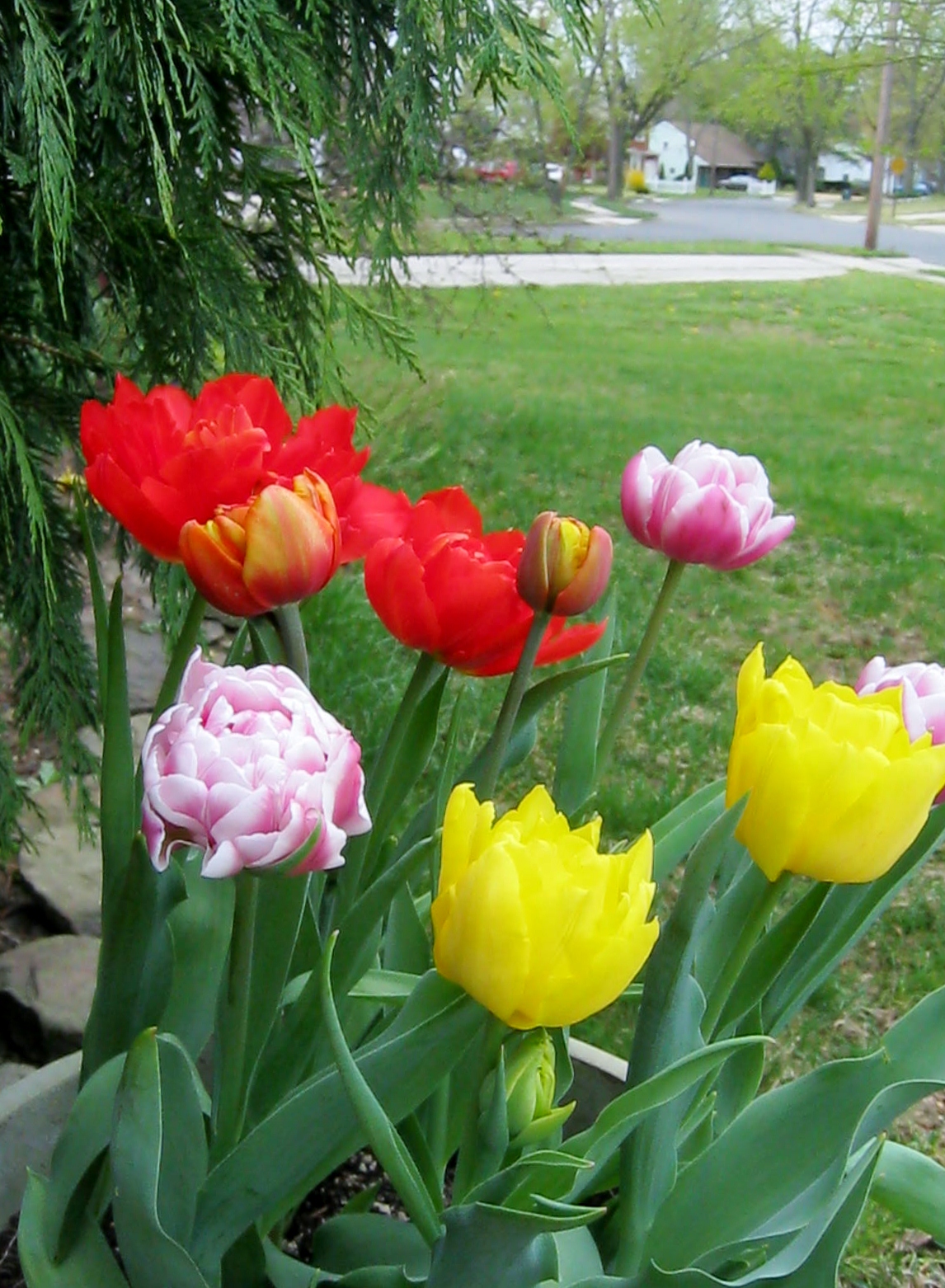
The tulips I planted in the Fall are blooming. Planting them late in the season did not affect their size or the brightness of their petals. They were quite the bargain at 75% percent off. Waiting until late in the season was certainly good for my pocketbook, especially since tulip bulbs are not long-lasting, and usually bloom reliably for only a year or two.
Place – Longwood Gardens Easter Weekend 2012

 Chimes Tower at Longwood Gardens

We spent a few amazing hours at Longwood on Saturday. I hadn’t walked to the Chime tower for a while and was happy to see it surrounded by the tender greens, pinks and apricots of trees leafing out and blooming.

I enjoyed the sky blue of the Agapanthus near one of the entrances.

 Legend of the Easter Lily

Easter Lilies were on glorious display throughout the conservatory.  Legend tells that Easter Lilies sprang up in the Garden of Gethsamane where Jesus’ tears of blood hit the ground.

“Consider how the lilies grow. They do not labor or spin. Yet I tell you, not even Solomon in all his splendor was dressed like one of these.” Luke 12:27

Joe thought it appropriate when I posed on the “Queen Bee” throne in the Children’s Garden. As always Longwood Gardens did not disappoint.

Pinterest Project – Egg Garden

I know I have said it in several posts, but I can’t get enough of Pinterest. I like to blog about the projects I have completed as a direct result of inspiration from Pinterest and the blogs I find through the site. This project was originally from the blog of Lilliedale. Click on the link: Lilliedale to go to directions for this sweet little Spring decoration. It was easy to do, but if you create this craft with children I think it is a project for five plus years. The eggshells are delicate and easily broken and toddler fingers would have a hard time putting the entire project together.

I used brown eggs and a cardboard egg container with foam on the bottom to protect the carton from water. The banner is made out of scraps of things I had around the house: plastic drinking straws, garden string and paper scraps.  I planted cat grass and it grows very quickly. I mow it quite frequently with a pair of scissors.   I water the small garden every other day a tablespoon at a time.

This craft cost almost nothing. You can use any type of seed you have on hand, or you can even gather some moss from your yard and plant that in the eggshells.

Place – Easter, Hart’s United Methodist Church, Northeast, Maryland

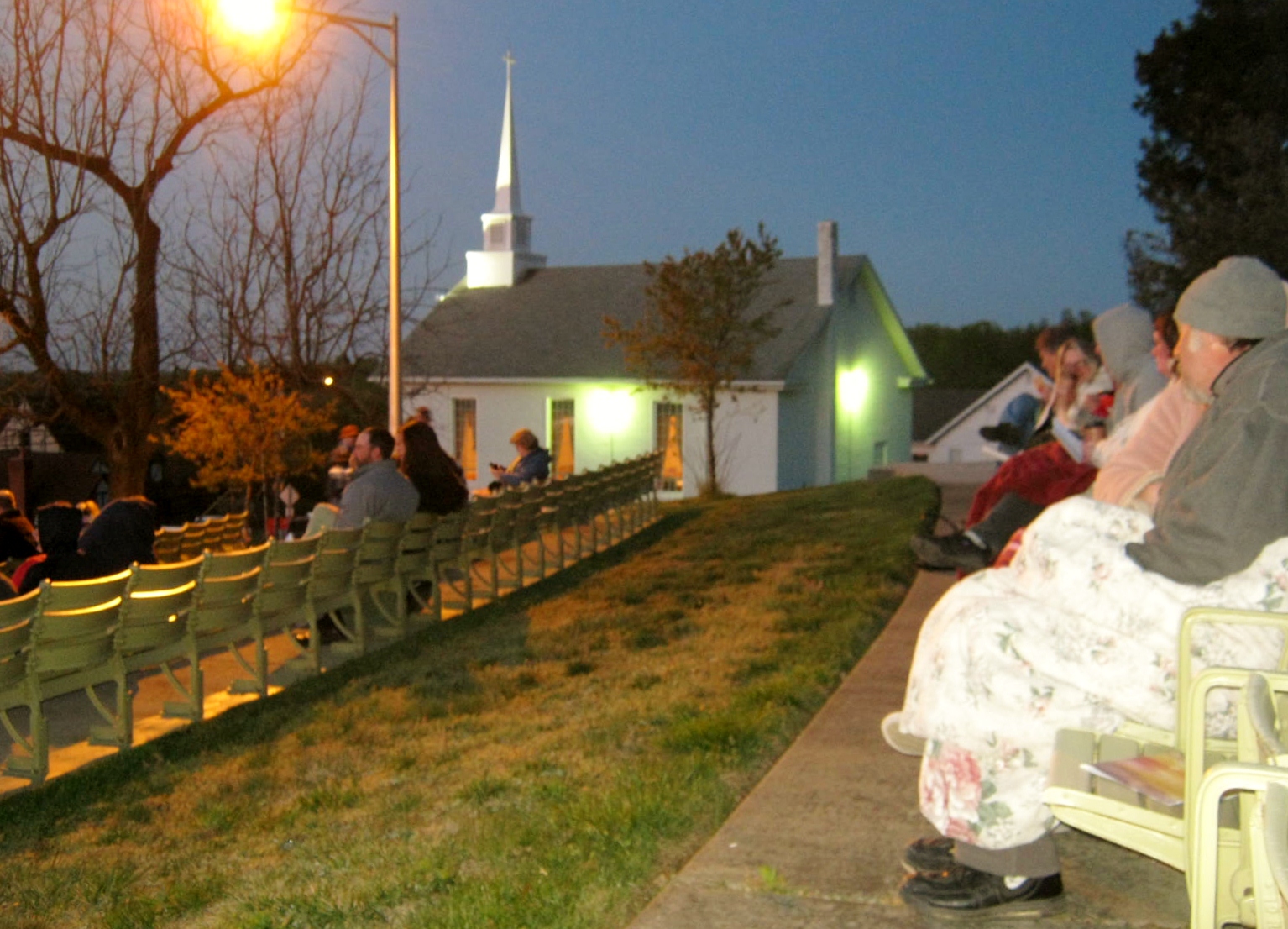
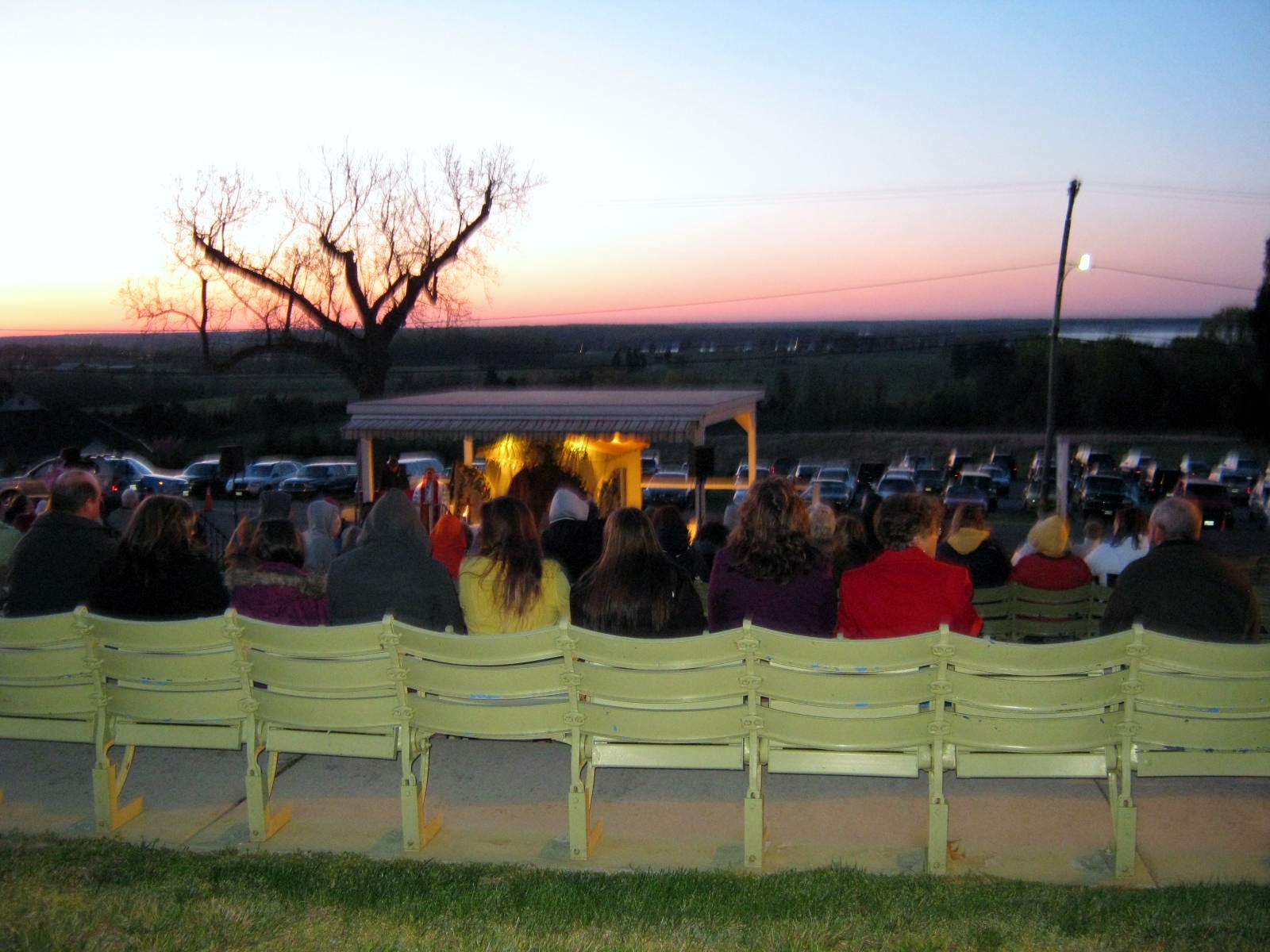
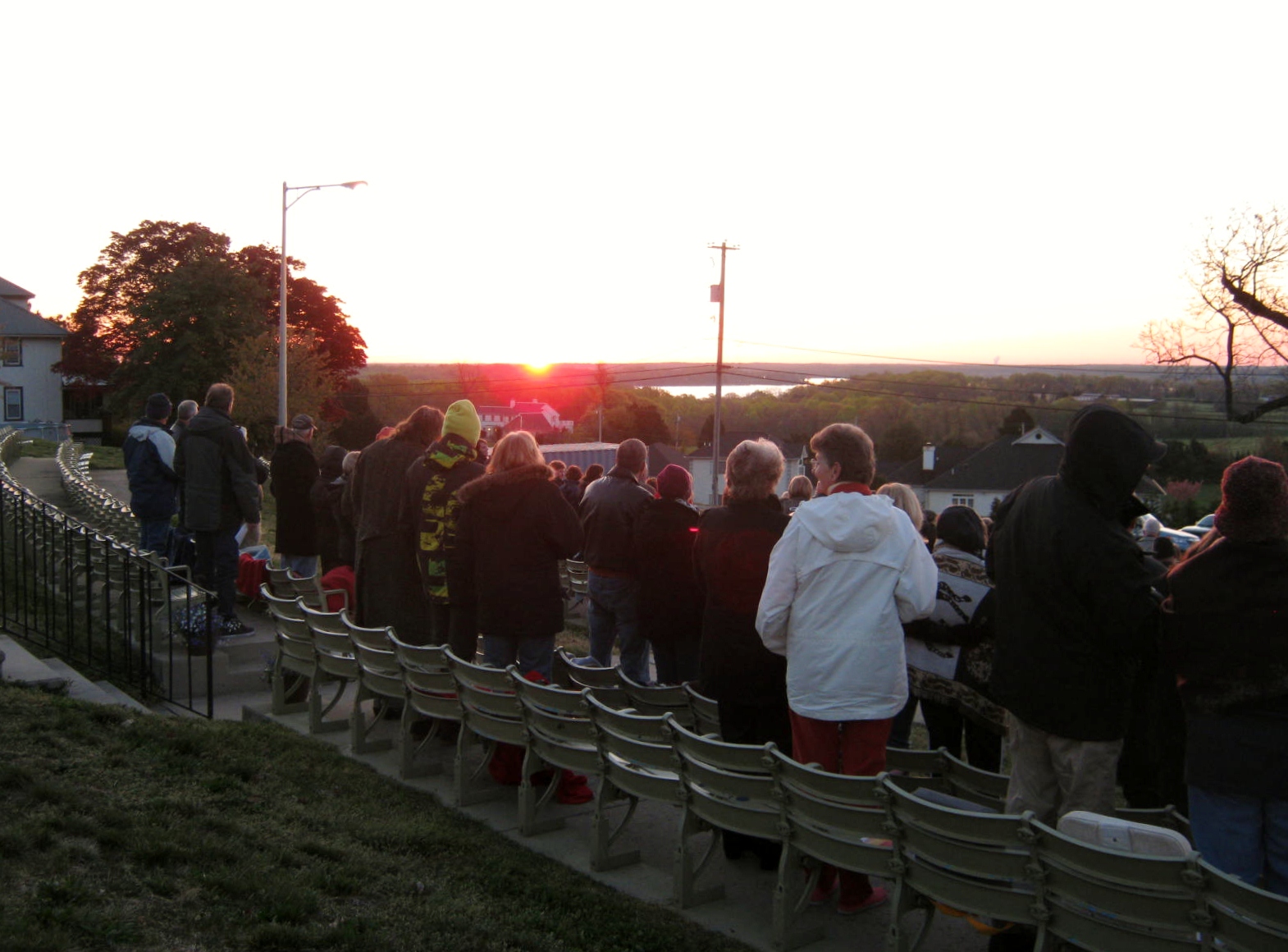
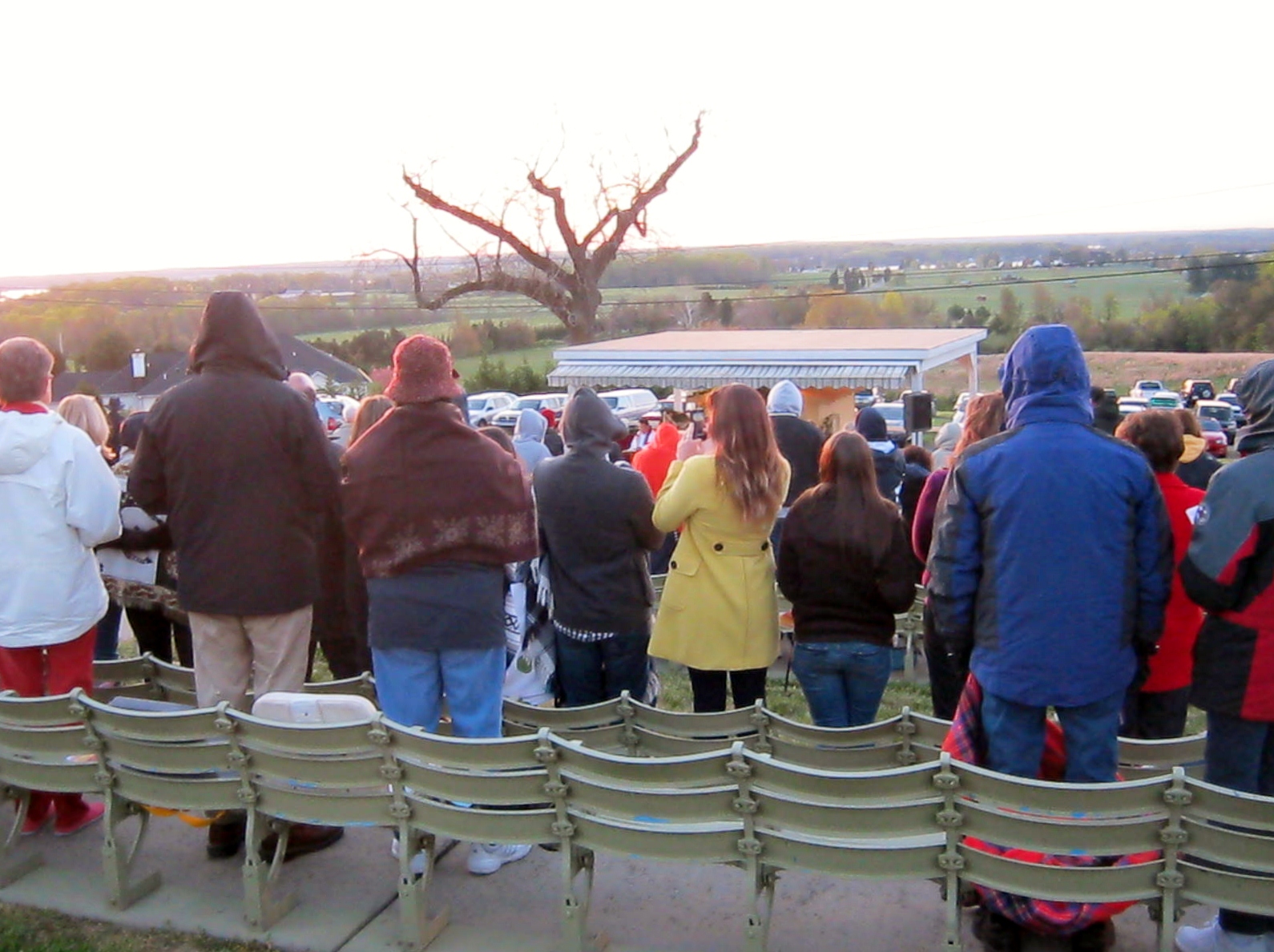
We have camped at Elk Neck State Park for years. As we drive from the town of Northeast, Maryland, toward the state park, we pass a small church on a hillside by the name of Hart’s United Methodist Church. We have taken pictures of the sweet church and its view, and we even stopped once for a yard sale. We always hope that one year when we camp in summer we will be able to attend a service in their Amphitheater set into the hillside. It has never worked out in the past, but this year Joe had off, and I mentioned to him, “Why don’t we camp and go to the Easter “Sonrise” Service at Hart’s Methodist Church. Everything worked out as we planned, and today, at 5:30 AM, our alarm went off, we drank a quick cup of coffee, and drove to the church. All my high expectations were met and then exceeded. The service was heartwarming, even though the seat was cool. The crowd was big. The pastors, Rev. Mary Browne and Rev. K.C. Lee, did an outstanding job of leading the hearts of all attending into true worship. The scripture reading was perfect, the sermon an invitation to bring Easter into our hearts yet a second time when we say to Jesus, “Master, Teacher…Lord.” The song, “He’s Alive,” sung by Jack Foreaker, also reminded us of the sacrifice and the promise of Christ’s death and resurrection. I feel blessed, and I am sure the blessing of the place will dwell in my memory for all my life. Thank you Hart’s Methodist congregation for sharing your place of worship with me today.

Hart’s United Methodist Church Amphitheater History

Pressed Flowers – Tips for Pressed Flower Success Part III

Pressed Flower Tip #9 Wonder Under (fusible web) works great to cut out shapes from pressed autumn leaves and other flowers and foliage. Draw your shape, remember it will reverse itself after ironing, iron the Wonder Under onto the leaf and then cut out along your drawing lines. The fusible web gives stability to the brittle leaf allowing you to cut it without it crumbling. After cutting the shape out, pull off the backing paper leaving the webbing intact on your leaf or flower. You can now iron the shape to your card or project, or as I prefer to do, glue the piece to your composition. (Ironing can sometimes cause wrinkles and discoloration on your pressed flowers and leaves)

Pressed Flower Tip #10 Before working with pressed flowers be sure your hands are completely free of any cream or oils. Excess oil and handcreams will mar the delicate petals.

Pressed Flower Tip #11 A small round paintbrush works great for moving flowers from storage to project. Tweezers are another good option. To remove pressed flowers that are stuck fast to blotting paper or the page of a book, use a flat brush and gently tease the petal edges away from the page.

Pressed Flower Tip #12 Some flowers brown or lose their vivid color when pressed in the traditional way. In that case, I press my foliage and flowers between the pages of old books and microwave. Make sure the book you choose has no gold edges or gold leafing on the title imprint or spine. Rubber band the book and microwave between 15 to 45 seconds. Let the book sit overnight, or better yet 24-48 hours. Check the flowers. If they feel reasonably dry transfer them to a storage book between pieces of acid free paper. If you leave the flowers in the heating book too long they will bind to the pages.

Pressed Flowers – Pressed Flower Tips Part II

In my twenty-plus years of pressing flowers I’ve gathered some good techniques and tips. Here is Part II of my list.

Pressed Flower Tip #5 Pressed Flowers are a natural product and will fade in the sunshine. Keep your displays and supplies out of direct sunlight unless enhanced with UV resistant spray or paint.

Pressed Flower Tip #6 For glueless work, create a composition, then reverse order and drop the pressed flowers and foliage backwards onto the tacky side of contact paper. Work front to back. It’s difficult, and easy to make a mistake, but it is great not to have to use glue.

Pressed Flower Tip #7 Some flowers can take a spray of clear acrylic protection, but very thin petals will disappear into nothingness, so save the acrylic sprays for thicker bodied flowers.

Pressed Flower Tip #8 Lace, tulle, and natural papers mix well with pressed flower compositions.

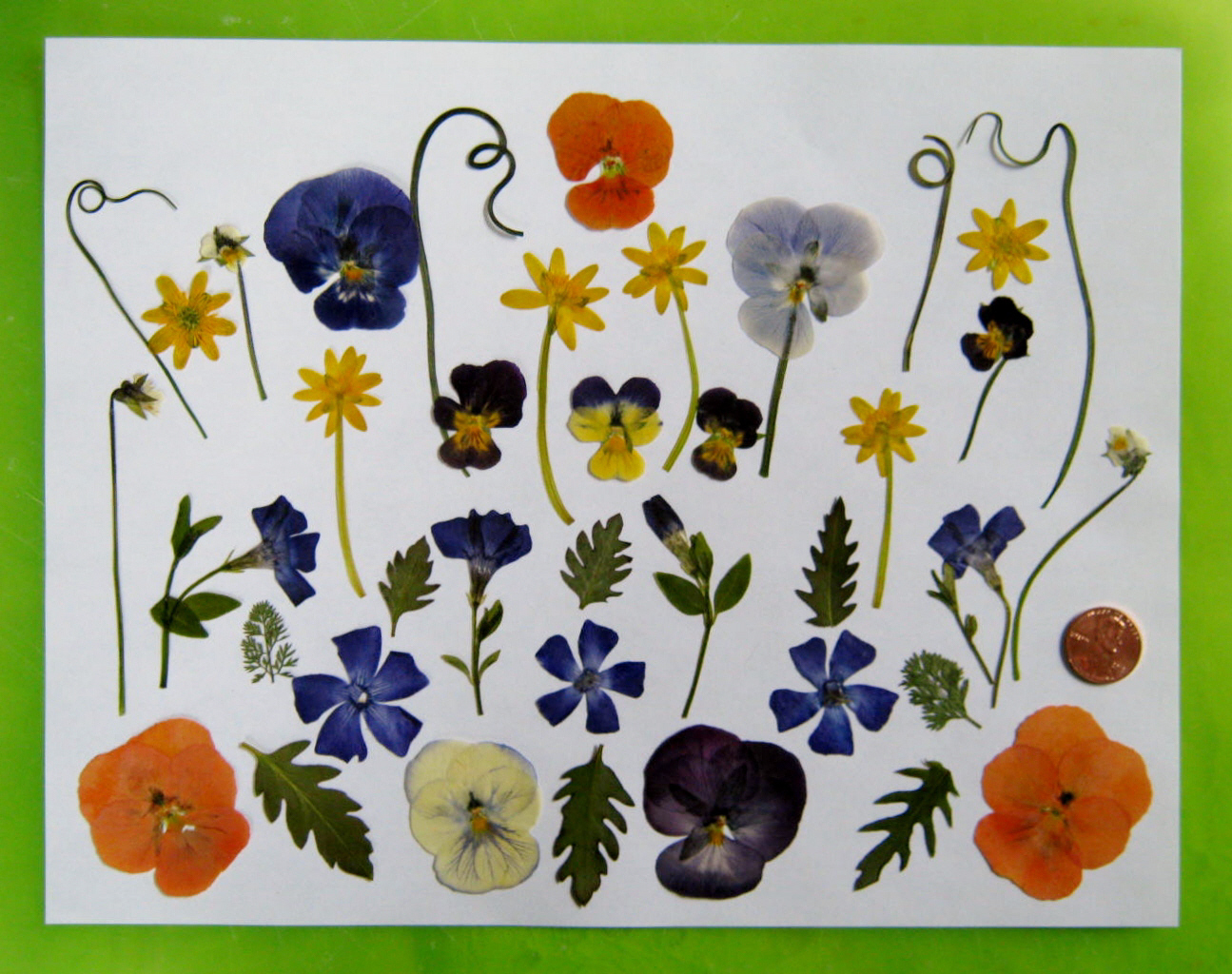
Pressed Johnny-Jump Ups

Pressed Flowers – Tips for Pressing and Using Pressed Flowers, Part I

I’ve been pressing flowers almost every day. Spring is prime time to collect smaller leaves and flowers. I will be sharing a few of my pressed flower tips in my blog over the next few days. Here are my first four tips:

Pressed Flower Tip #1 – Make sure all your plant material is completely dry before pressing. Arrange flowers and foliage between pages of blotting paper and place inside a large book. Weigh the book down with something heavy. Use acid free paper if possible. Wait 1 – 3 weeks and your flowers and foliage will be ready to use.

Pressed Flower Tip #2: Use your pressed flowers to create:

Greeting Cards

Scrapbooking Pages

Bookmarks

Decoupage

Stationery

Candles

Magnets

Jewelry

Resin Paperweights

Windchimes

Pressed Flower Tip #3 Gluing your pressed flowers can be a bit tedious. It pays to start with a reliable glue. These are a few I have found to work well. Rubber cement – This is one of my personal favorites but the fumes can be irritating. If you go beyond the edges sometimes the glue will show in your finished composition. Egg white – Whip it up a bit until frothy and use a thin paintbrush to brush on the glue. White glue – Not one of my favorites, but it does work.

Pressed Flower Tip #4 Sometimes after you glue your project down you will find some of the ends of overlapping petals are still not completely flat. These edges need to be glued down.  To apply a small dab of glue beneath the errant petals I use a long floral corsage pin with a drop of glue on the end. The pearl bead on the end makes the pin easy to handle. To find ends of petals that need a dab of glue, lightly blow on the composition and the ends that need a bit of glue will raise up just a fraction, this alerts you to where you need a bit more adhesive.

Plants and Pleasures – It’s Tulip Time

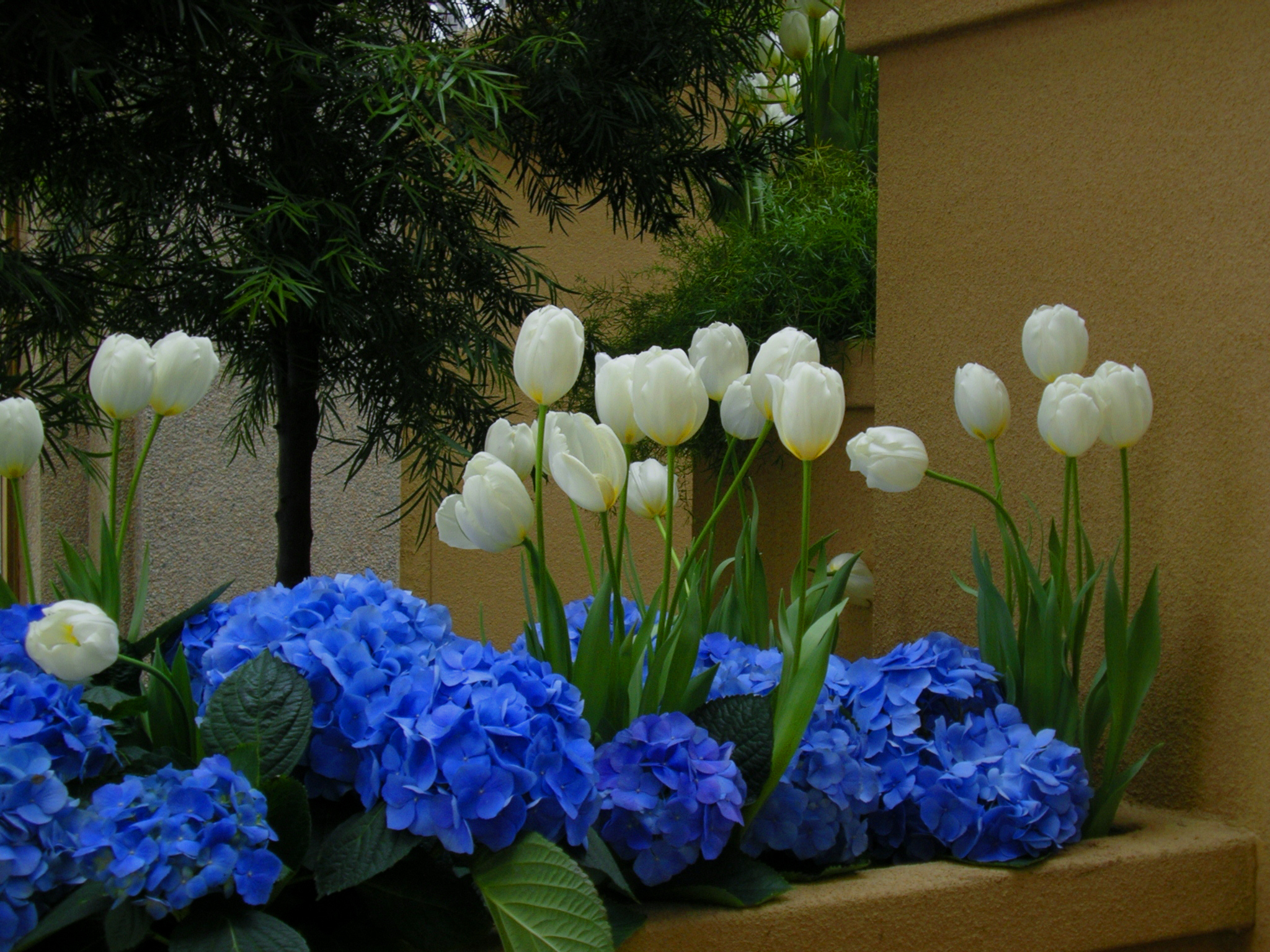
It’s Tulip Time. These beauties, along with blue hydrangeas, were photographed in the Longwood Garden’s Conservatory in Kennett Square, Pennsylvania. Longwood is a great Easter Weekend destination for families and flower lovers of all types.

I also like the color combination in the photograph…periwinkle blue and white against beige.

Pleasures and Plants – First Square Foot Garden Harvest

This gorgeous array of salad greens and herbs is a sample of my first Square Foot Garden harvest. The Black-Seeded Simpson and Flame Lettuce leaves were winter sown and grew quickly after they were transplanted into their garden square. The arugula, also winter sown, was planted out yesterday, and had already grown large enough in its milk carton mini-greenhouse to harvest a few of its leaves. The chives have grown in my garden for years, and yesterday I transplanted the clump to a new herb garden, gathering a few spears along the way for my dinner salad. The deep green leaves on the side of the plate are lemon balm. I combine these with slices of ginger root for a delicious and healthy tea. Lemon Balm is said to increase longevity and alleviate anxiety. Ginger is an anti-inflammatory and stomach soother.

To read more about my adventures in Winter Sowing check out this post: Winter Sowing

Promise – Palm Sunday

Then Jesus said to His disciples, “If anyone wishes to come after me, let him deny himself, and take up his cross, and follow me. For whoever wishes to save his life shall lose it; but whoever loses his life for my sake shall find it.”  Matthew 16:24-25

Problem Solving – Critter Wars Part III

First of all, there was not supposed to be a “Part III” in my Critter Wars post. Sadly, I found more critters, not the outdoor type this time, these are indoor pests.

I have had really good luck growing herbs from seed indoors under lights in my basement. I have been pleased with the success for many reasons, I know they are organically grown, I can grow hundreds for the price of just one in the grocery store, and I can grow a large variety to use in my cooking and crafts.

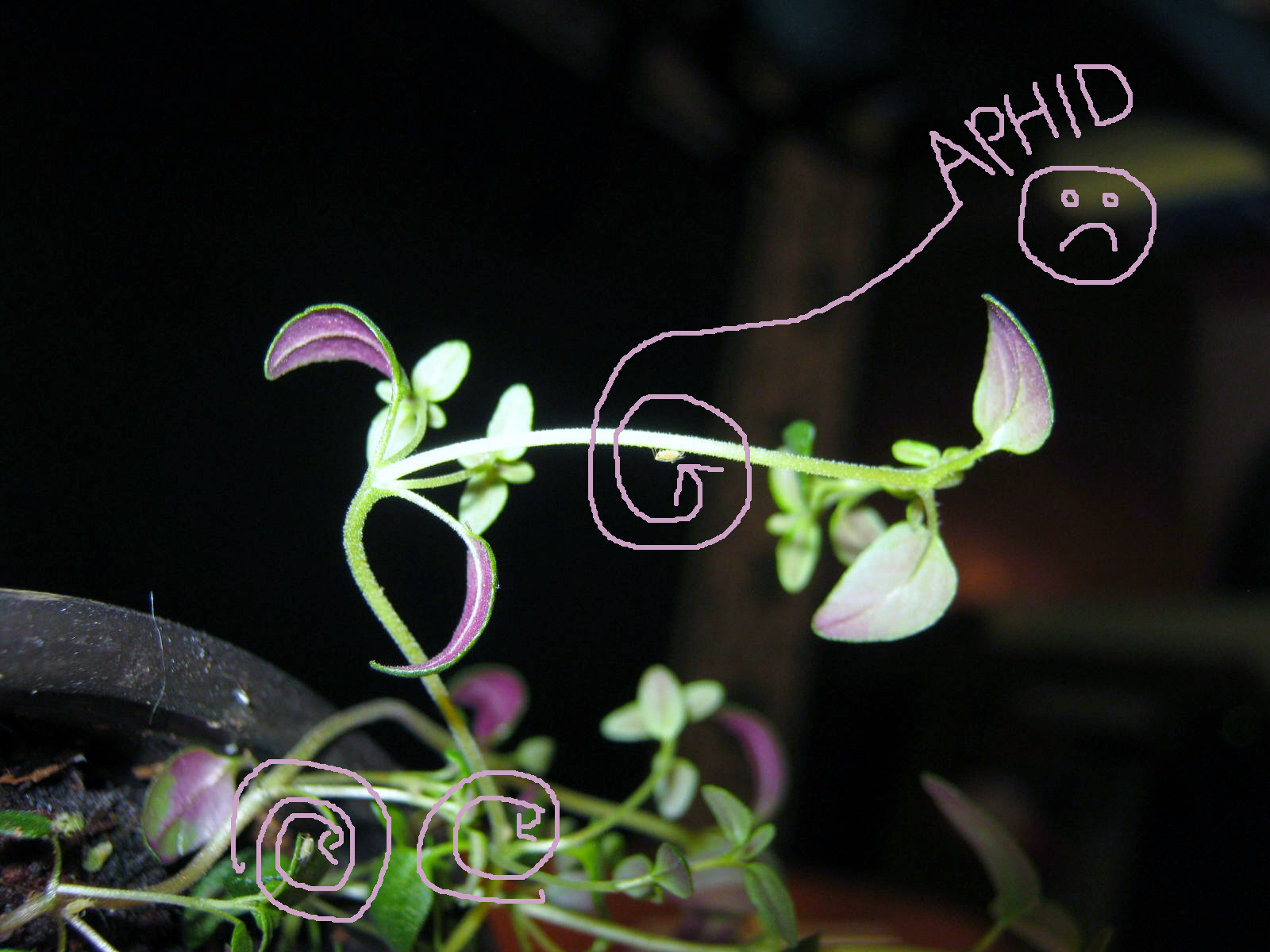
After the last few days of warring with the outdoor insects and animals, the last thing I wanted to find was a colony of Aphids on my indoor plants.

I found a few Remedies for Aphids on the Internet and followed the directions for the first line of attack: heavy sprays of water. This worked on a few, took them down into the soil and drowned them. In a few hours though, a few hearty pests climbed the stems again and began to set up new colonies. My next attack was with my Homemade Organic Pest Control. This seemed to take out the more determined bugs. A few are still lodged in hiding places in the stems and leaves though, so my next option is to dab with an alcohol soaked Q-tip. If all these remedies fail I will toss the plants in the garbage and begin again. GRRRRR…

Problem-Solving – This is War Part I

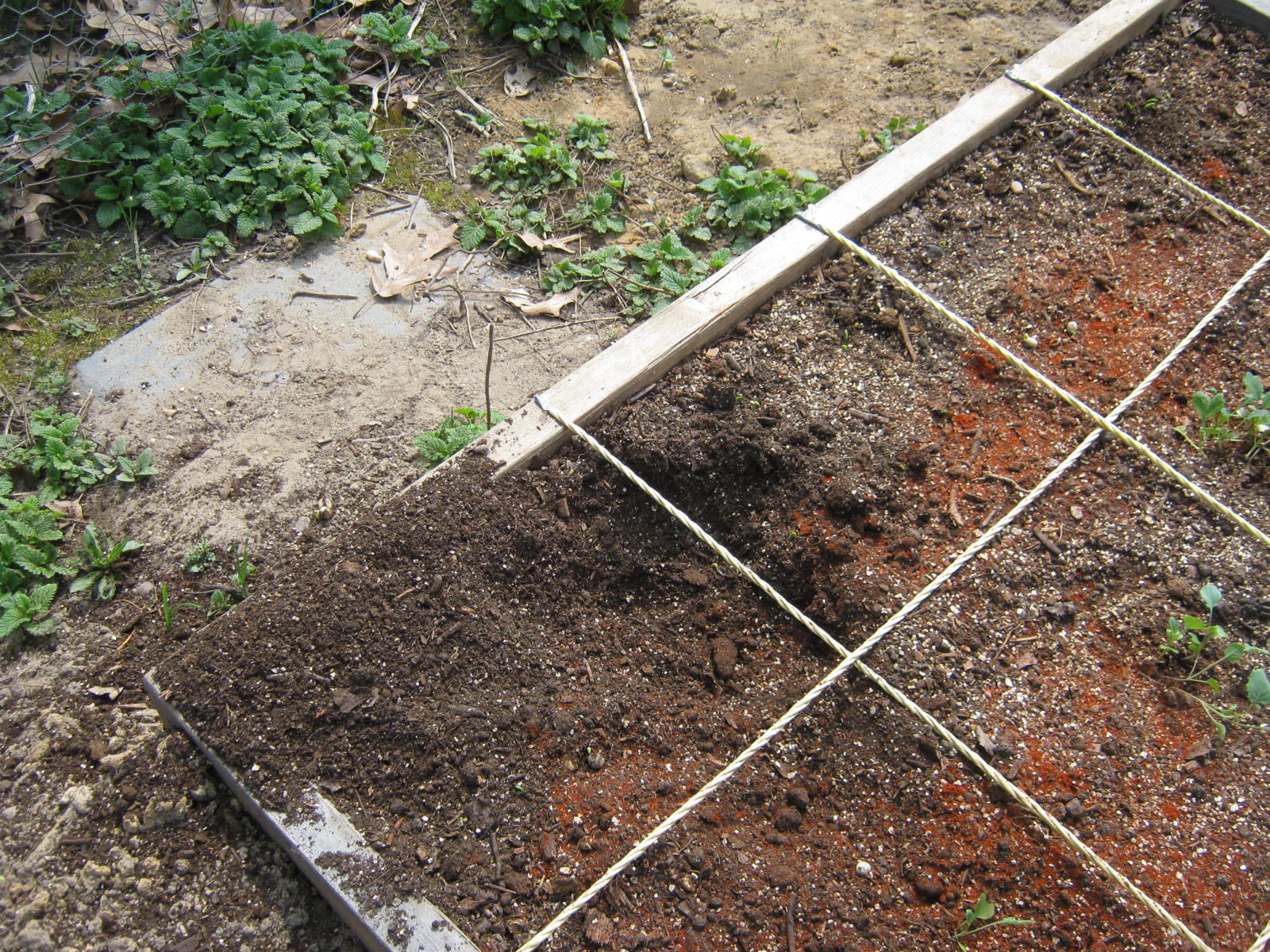
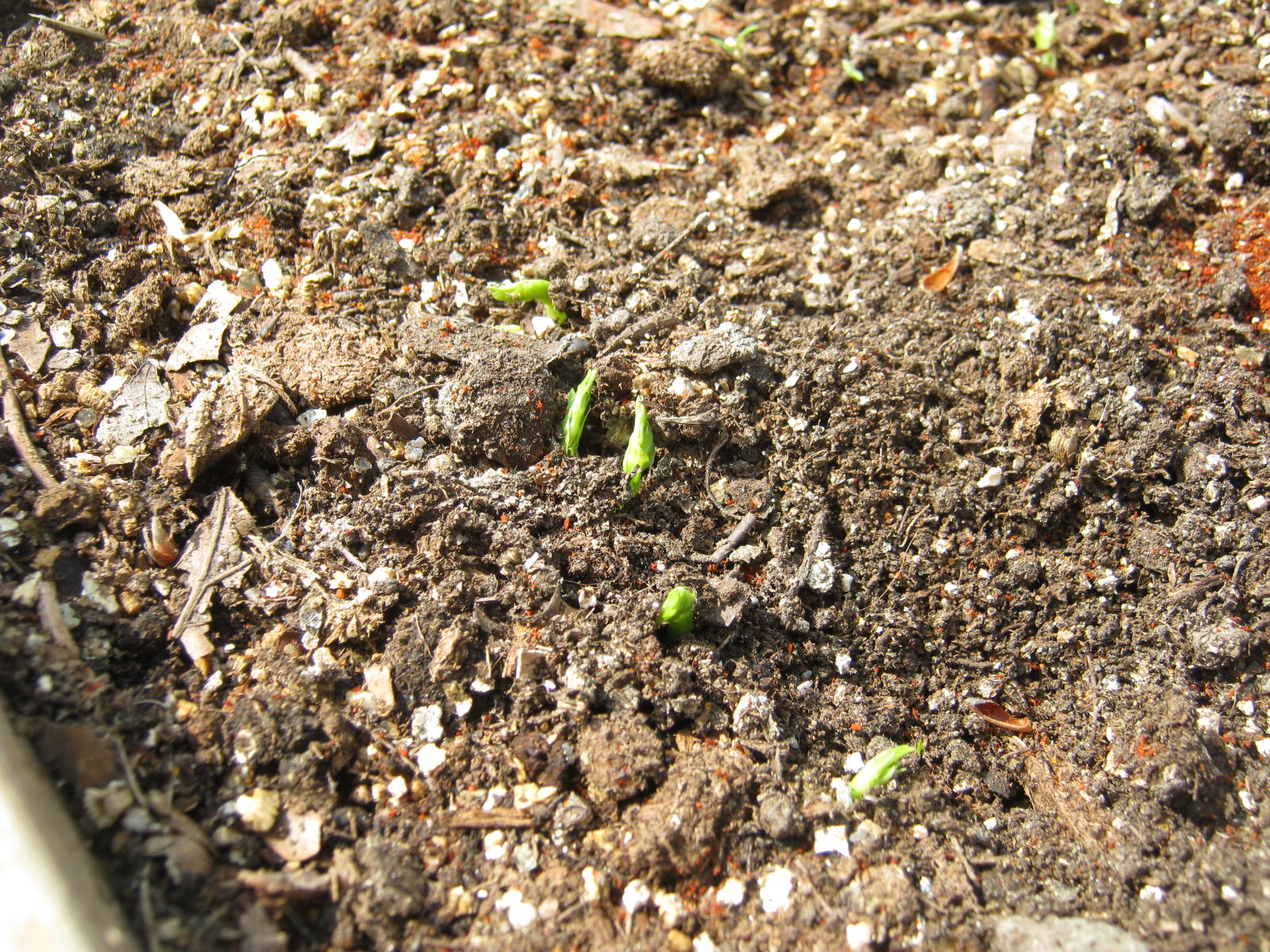
I hope the photograph shows the deep hole in my Square Foot Garden. My peas were just beginning to sprout when some type of marauding critter decided to make them a meal.

Something large and furry had to be the culprit, or could it have been something large and feathery? My first impulse was to blame the squirrels, but they have been in the yard with my Square Foot Garden for several weeks and have not ventured past the chicken wire enclosing it. The same day I saw the devastation in the garden, I spotted a large chipmunk running around the yard. I know they are cute, but chipmunks are tops on my problem wildlife list. They are voracious and destructive and actually can be dangerous. My neighbor broke her wrist a summer or two ago by catching her foot in a chipmunk burrow and falling. One summer our yard became so overrun the chipmunks scavenged relentlessly even when we were only a few feet away. Wild turkeys have visited my yard too, but thankfully, only once. Yesterday I saw the mallard ducks. They are back. Every spring they return to my yard. Why? To eat beneath the birdfeeder, and then for dessert feast on every fish they can scoop up in my pond. The ducks have become a pest too and are able to easily fly over the chicken wire and gobble up my sprouting peas and greens.

So the big question is what to do to fight them. I have had mixed results in past years. The bug spray I made a few days ago might repel the animals, but the ducks don’t have a sense of smell and will not be stopped by a repellent scent. I also must reapply every time it rains, and if I don’t get out there and re-spray within five minutes of rain stopping, the hungry pests might get there first.

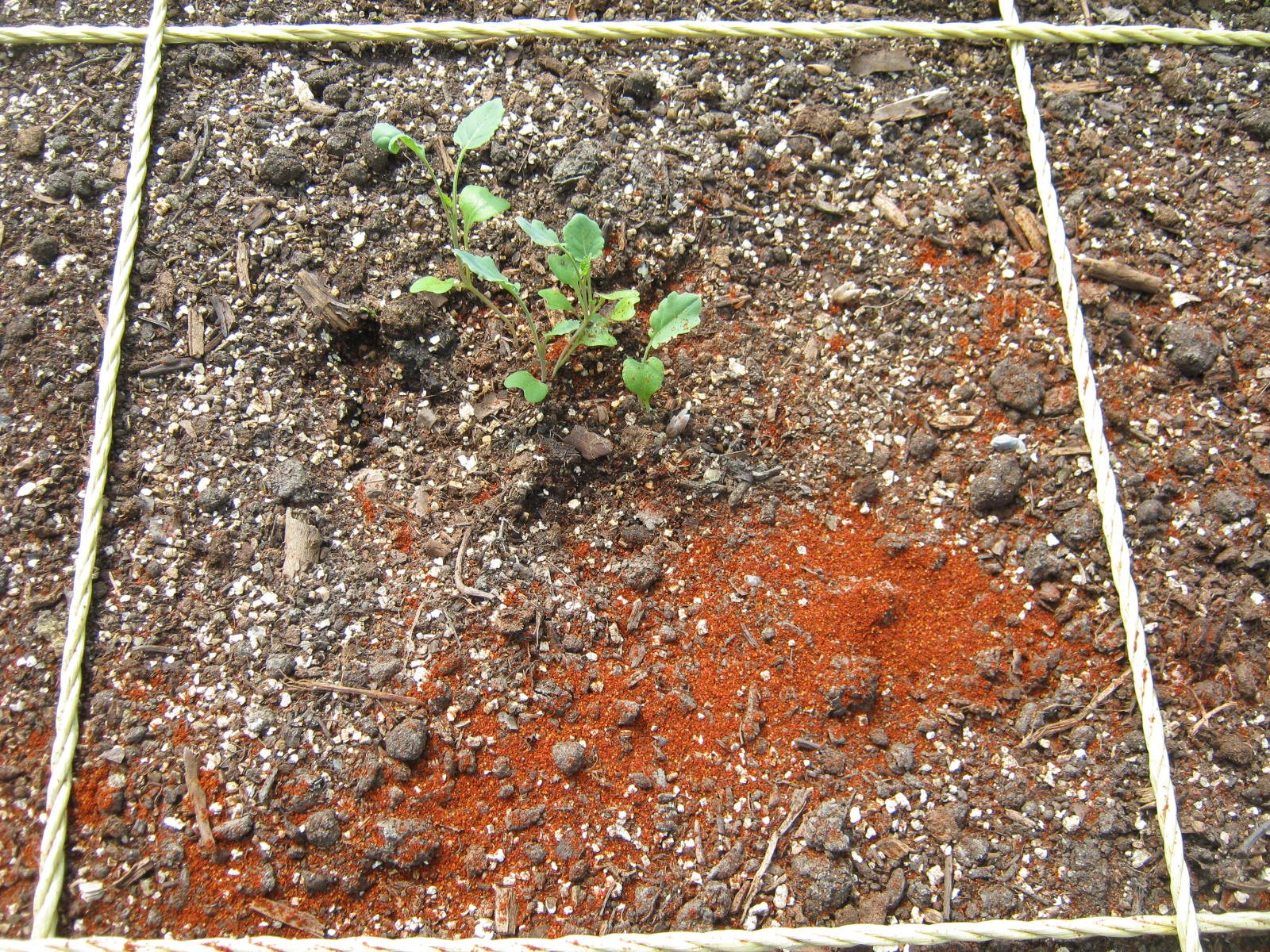
My first weapon was applied immediately, chile powder straight out of the bottle. I have some dried chiles still on hand, and I will blend those and keep at the ready to spread around. So far this has repelled whatever it was that dug up the peas.

I am also a firm believer in scare tactics. Anyone who has lived beside me might know that when I see something near sprouting plants I might run outside roaring like a lion in attempts to scare them away. It works. It also sends my heart rate pounding. I don’t know how wise it is to sprint and roar like this, but hey, it works. I also came up with a few temporary and permanent solutions. Tomorrow I’ll post the permanent solution, but for today, the temporary solution is the focus.

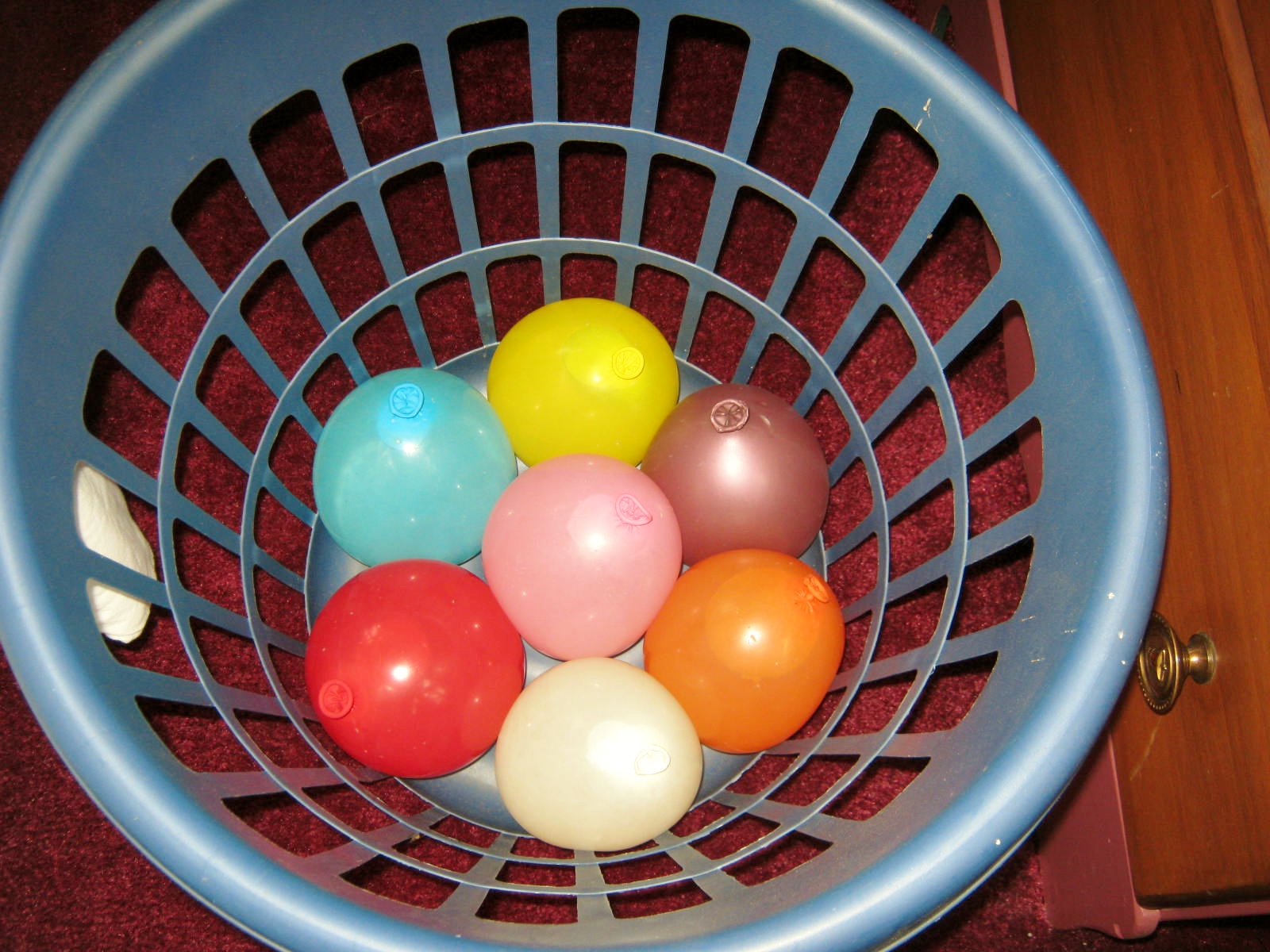
Water balloons. They are at the ready in a basket, filled with water and bit of garlic powder for a little added punch. If I see one of the culprits in or near my garden, they are in for a surprise. Tee-hee! I just hope tomorrow’s newspaper headlines don’t read: “Grandmother falls out second story window lobbing water balloons at wildlife.”

IMPORTANT CAUTION: Balloons can be lethal to small children because they are a choking hazard. Make sure to remove all shreds of balloons out of your yard.

Follow Me on Pinterest

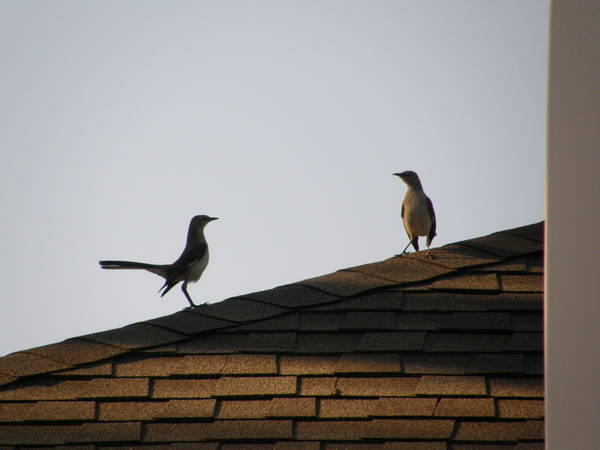
Pleasure and Promise – Mockingbirds

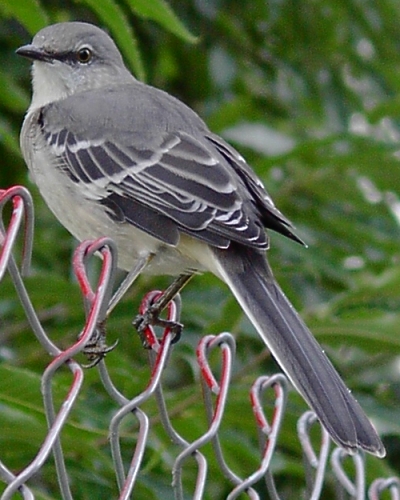
(Photo courtesy of Wet Canvas Reference Library )

Mockingbirds are one of my favorite songbirds. I love their beautiful melodies. I feel blessed when I am the recipient of their gift of song.

Song of the Northern Mockingbird

I love to hang clothes outdoors on the line, but one day this week this joy became just one more job on a seemingly endless list of “must-do” chores. Instead of enjoying the beginning of Spring I began to feel frazzled in my busy frame of mind. Suddenly a blessing descended and I was reminded of a favorite verse of mine.

He says, “Be still, and know that I am God; I will be exalted among the nations, I will be exalted in the earth.” Psalm 46:10

I stopped my pinning, stopped dwelling on everything I had to do, and just stood still beneath the budding trees, the blue sky, and listened. Ah…there was the song I failed to hear, a mockingbird on a nearby roof chimney going through his melodious repetoire.

Some folks don’t like Mockingbirds. They can be a bit feisty. I like to think of them as bold and confident instead.

I enjoy spotting Mockingbirds as I walk around my neighborhood. I have noticed these birds perch on the highest elevations when they sing their best songs.

Quirkiness – Tree Brooches

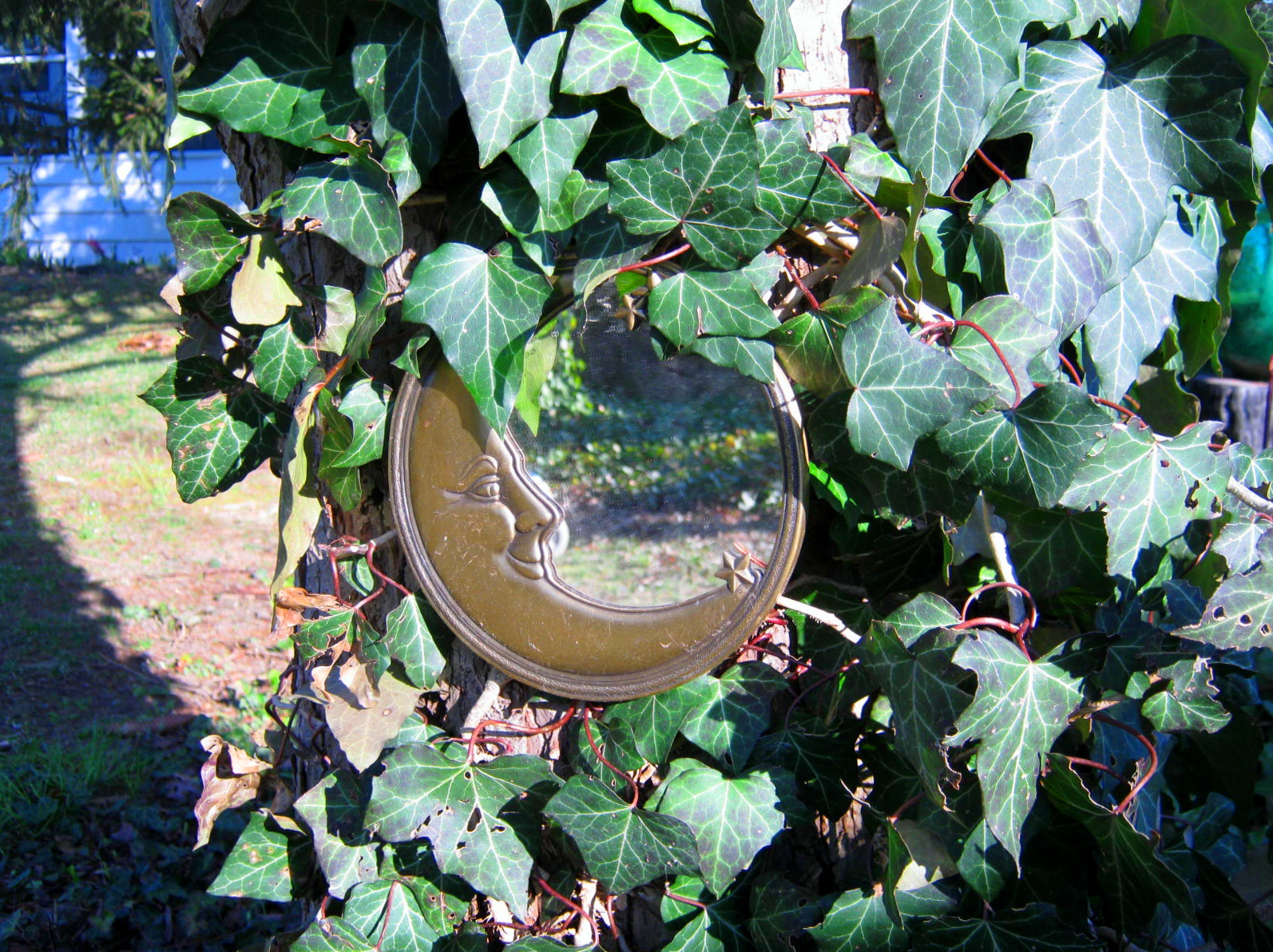
Sometimes it’s impossible to keep my quirkiness in check. In those moments my backyard often becomes the recipient of my unique ideas. I’ve been “pinning” my trees as if they are fraternity pledges…adding little ornaments to the ivy that climbs their rugged trunks. Brass mirrors attached to the trees at my grandson’s eye level add a sweet touch of whimsy and magic to the yard.

Plants and Poetry – Daffodils

My Daffodils are blooming, enlivening the barren earth of my garden beds with exuberant yellows, creams and oranges. I love this time of year and the beginning of Spring’s blossoms. The daffodils are among the earliest of the season’s bloomers. Along with hyacinths and crocus, they provide a cheerful burst of color and promise warmer weather is on the way.

Daffodil Culture is fairly easy: Purchase the bulbs in the Autumn, plant about six inches deep, and reap the reward of blossoms in the Spring. The aftercare is a bit trickier. Long after the flowers have come and gone, the foliage remains, often becoming a bit ragged in appearance. My first instinct is to cut it off, but there lies the problem, the plant receives nourishment for next year’s blooms through the foliage. I usually let the long strap-like leaves grow until they begin to yellow and flop over. At this point I bundle them, double them down, and rubber band them into a neat clump. Some horticulturists and master gardeners say this is not a good idea, but I contain the foliage this way every year, and my daffodils seem to thrive.

William Wordsworth, an English Romantic Poet, wrote a poem about daffodils that became one of his best known works. I think he captured exactly how I feel when I look at a flowerbed or field full of daffodils. When the sun warms the earth, and she responds with new life, I want to dance with the daffodils too.

DAFFODILS

I wandered lonely as a cloud
That floats on high o’er vales and hills,
When all at once I saw a crowd,
A host, of golden daffodils;
Beside the lake, beneath the trees,
Fluttering and dancing in the breeze.

Continuous as the stars that shine
And twinkle on the milky way,
They stretched in never-ending line
Along the margin of a bay:
Ten thousand saw I at a glance,
Tossing their heads in sprightly dance.

The waves beside them danced;
but they Out-did the sparkling waves in glee:
A poet could not but be gay,
In such a jocund company:
I gazed–and gazed–but little thought
What wealth the show to me had brought:

For oft, when on my couch I lie
In vacant or in pensive mood,
They flash upon that inward eye
Which is the bliss of solitude;
And then my heart with pleasure fills,
And dances with the daffodils.

William Wordsworth (1770-1850)

Projects – Square Foot Gardening Update

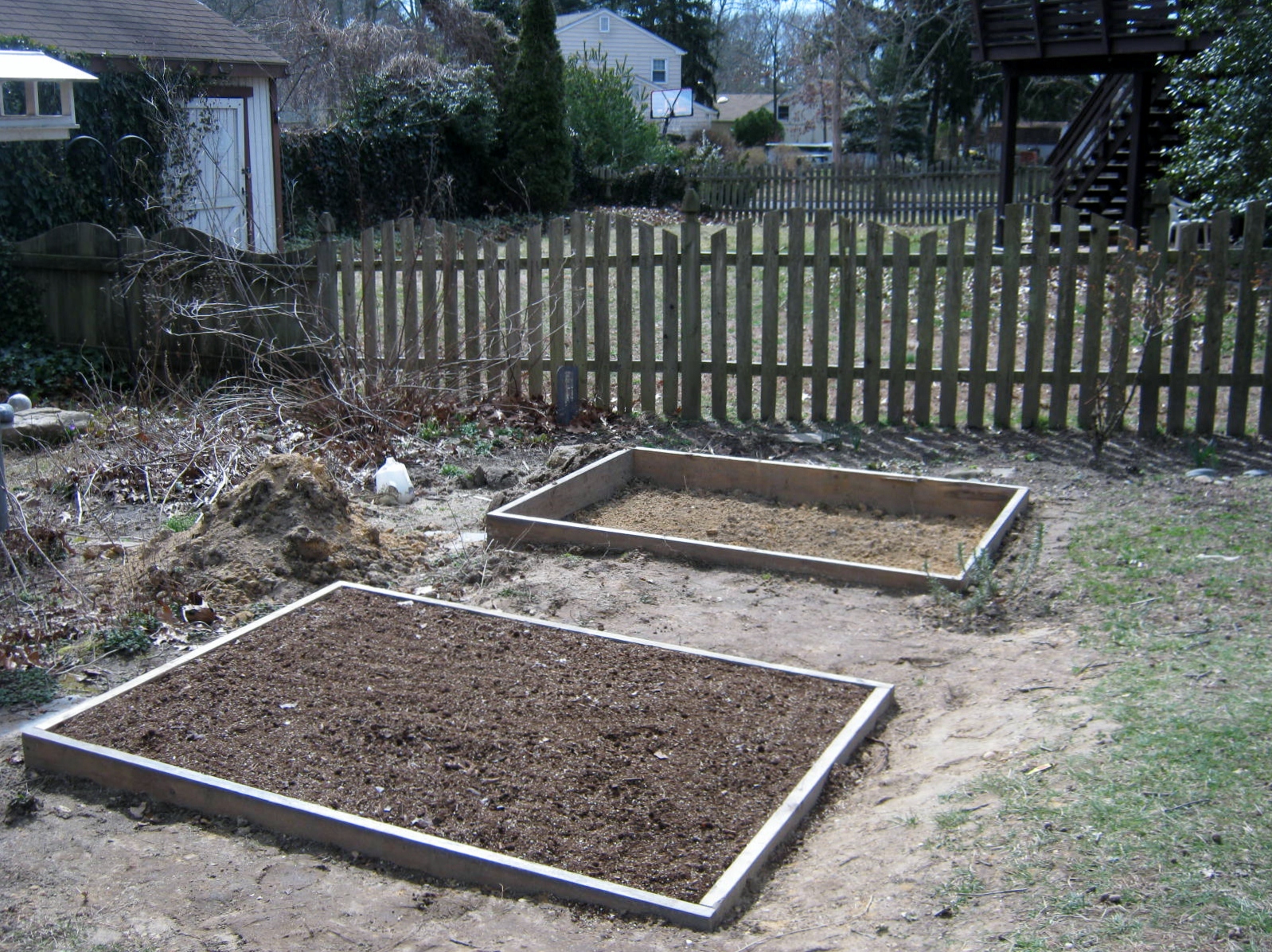
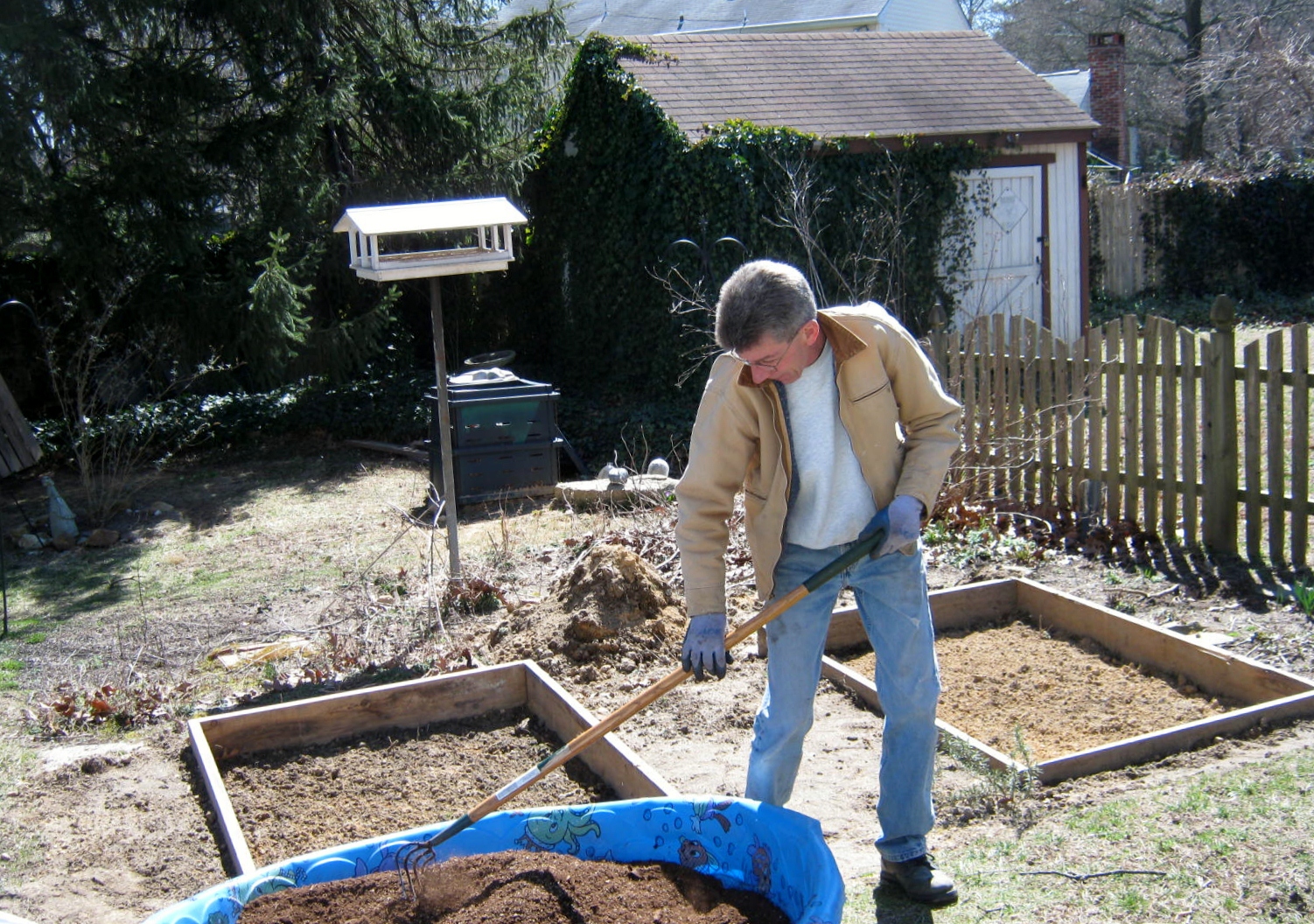
Yesterday, after visiting Roork’s in Elmer, New Jersey, we began mixing the growing medium for our first square foot garden. Setting these gardens up is a bit pricey. For one 4 x 6 raised bed we spent about 75.00. The good news is that this expense is a one-time occurrence. In coming years we will only need to add a bit of our own compost to the bed. These raised beds need no fertilizer or additional amendments.

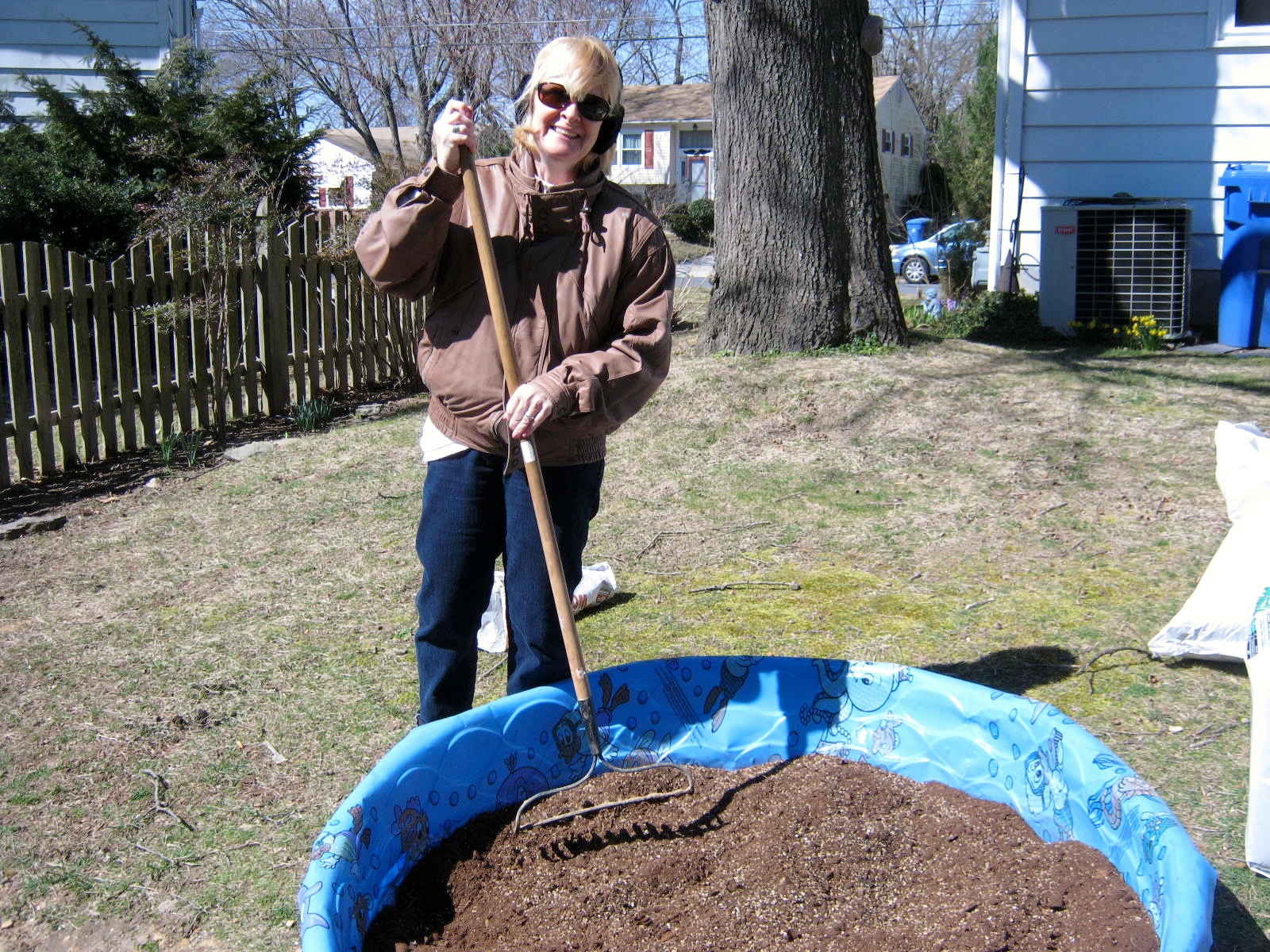
Mixing was easy in an old children’s swimming pool. We mixed half the product at a time. Joe did the mixing, I did the clump-busting with a metal garden rake.

We used four different types of humus, the book recommends five, but we decided four was enough, two types of manure, one mushroom soil, and bucketfuls of our own compost from the bin.

We used a whole bale of peat moss as the book, Square Foot Gardening, recommends.

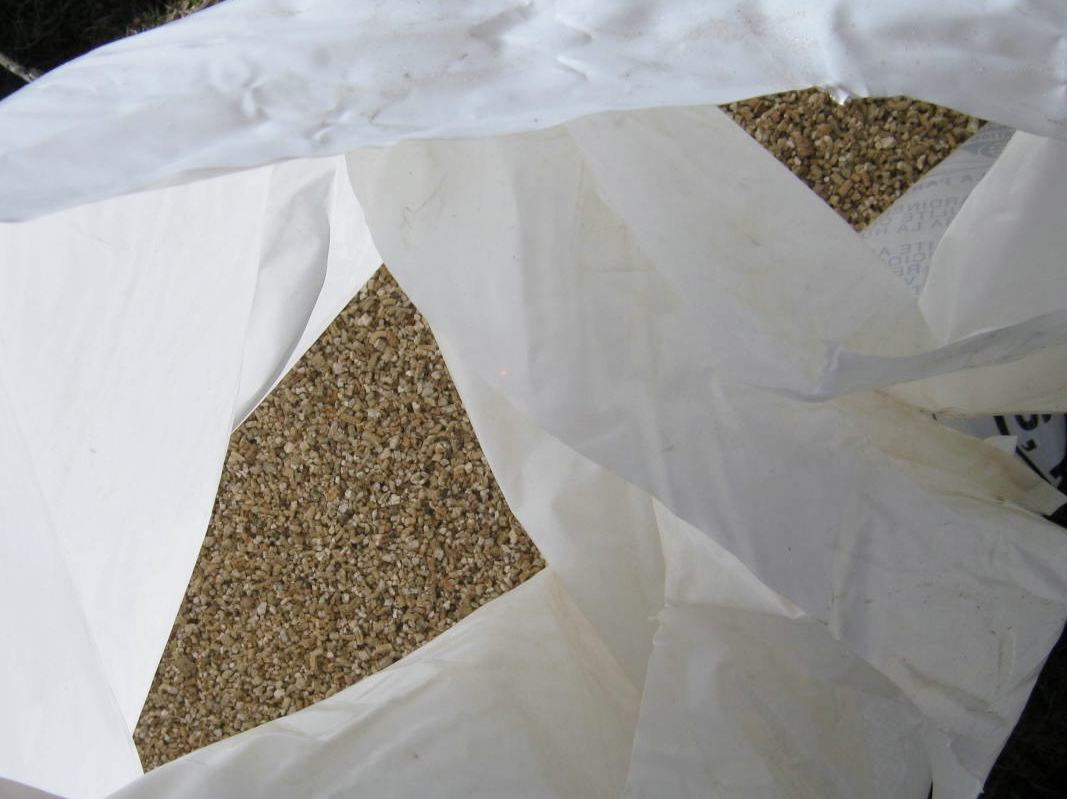
A bale of vermiculite was next. This was the most expensive item. It does look much more natural than perlite though, so in the long run we know it will be more aesthetically appealing.

All we need now is a bit of fencing to keep the rascally rabbits, the curious cats, and the mischevious chipmunks and squirrels out of the bed. Today I might work on making some scary looking owl replicas out of old CD’s. Fun.