Problem-Solving & Pests – That’s Ugly

I’m laughing as I read through this, remembering all I have posted on how to chase away garden pests without harming them: water balloons, rubber snakes, jingle bells, etc. Here’s a new idea…yes, you can laugh, I never win 100% with the rodents or the bugs.

In the 1960s, our family’s favorite visitor was my Mom’s cousin, Norma. Norma lived in California, which alone made her quite the novelty since we lived on the other side of the USA in New Jersey. She always visited, armed with plenty of stories to entertain us. On one visit, she brought a hysterical book called ‘That’s Ugly.‘ The witty prose and the illustrations captivated us.

I say all that to introduce my latest pest and squirrel/chipmunk deterrent. Now, don’t get me wrong–I adore my squirrels. I walk around with peanuts to toss out to the friendliest backyard inhabitants. I don’t want to harm anything by using non-organic means to deter them.
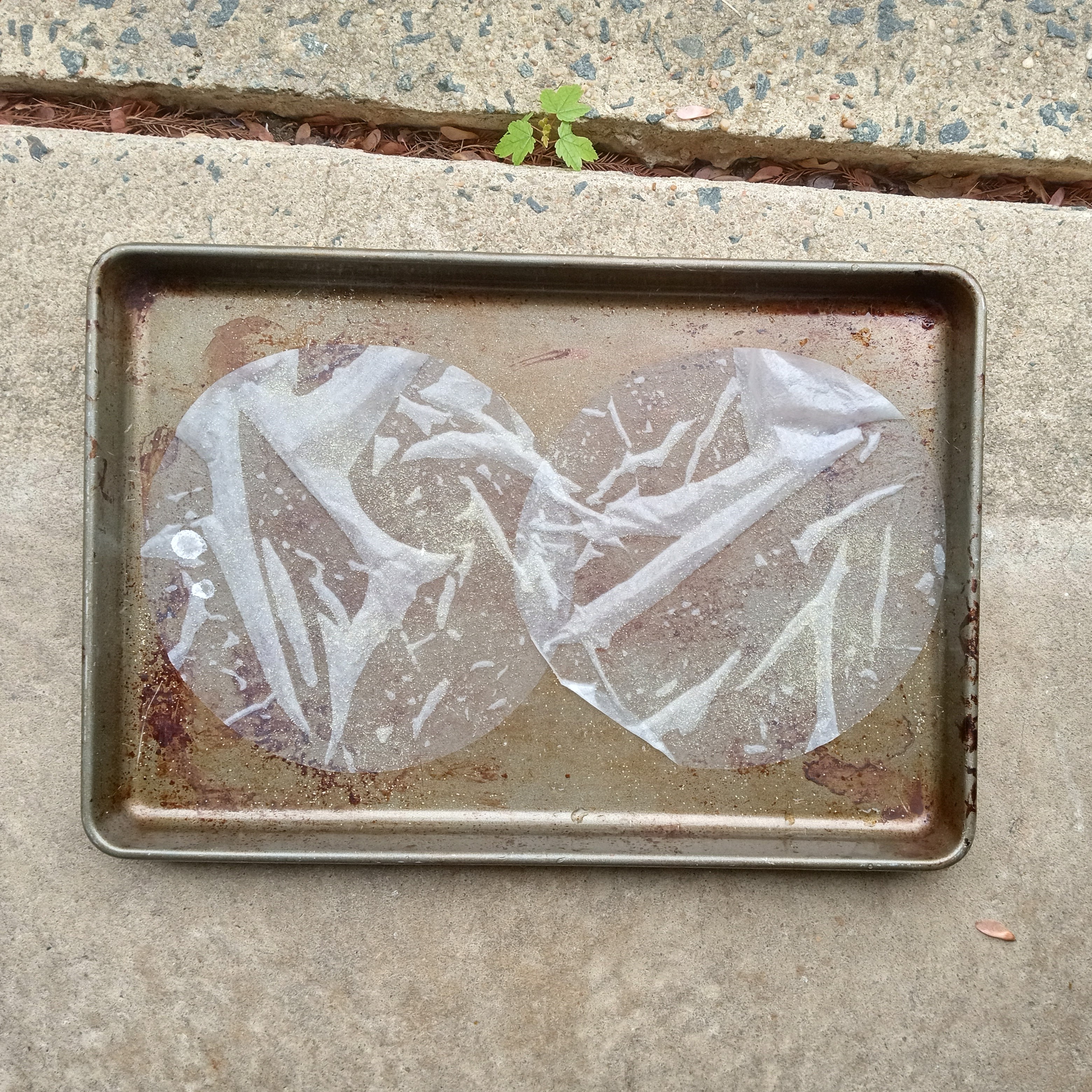
Quite by accident, I discovered a perfect deterrent while filtering powdered garlic through a coffee filter. The resulting garlic water, combined with a drop of dish detergent, 1 tsp of baking soda, and a touch of oil, makes the underside of my rose leaves inhospitable to the sawflies laying their eggs on said leaves. After spraying the roses, I noticed that the garlic powder had dried to the coffee filter as if glued and still retained its potent smell.

I was thrilled. I now have made up several of these stinky filters. I put them in pots of newly planted sprouts; I hang them on hooks and skewers near flowers I don’t want nibbled. It is working. The adorable squirrels still get peanuts, but don’t bury them in my garden pots now. The problem is, the sight of them would be a perfect addition to the book ‘That’s Ugly!’ Honestly, it looks like my garden pots have been toilet-papered on Mischief Night. I hope I can remove the filters in a week or two, and the plants will be left alone.

*One note, the garlic actually becomes glue. If I don’t remove the filters from the pan while still damp, they dry and stick to whatever surface I have laid the on.

Long post short: Give it a try. It seems to organically keep the sawflies and digging rodents at bay.

Quick Tip & Pests – Oh No….Spider Mites


I have some lavender plants on a windowsill near my desk. I love to stop what I am doing and brush them with my hands. The lovely, fresh scent of lavender fills the air and gives me a boost of energy amid mid-winter doldrums. 

You can imagine my outcry when, out of the corner of my eye, I  spotted movement on my lavender—spider mites. The tiny pests were fearless and having a marvelous time, creating webbing, feasting on the juices, and multiplying by the minute. 

Running the plant under a heavy stream of water is always my first course of action. The spider mites are small and are quickly swept away by the deluge. So far, my initial treatment is working, and I’ve only seen one or two stray mites.

One of the problems with diagnosing spider mites on a houseplant is their size. The webbing and drying leaves are a clue to an infestation. Sometimes, as in my case, you can see them moving along their webs. To be sure I was aware of all the infested spots, I sprayed the lavender with water before washing the mites away. The side-by-side photo shows how much easier it is to see an infestation after spraying.

Unfortunately, I must be realistic; removing every spider mite from the lavender will most likely take several sessions under the faucet. This pest spreads quickly in the dry air of a heated house. I will check all my houseplants for infestation with water sprays throughout the week. 

Prevention & Pests – Praying Mantis Pods – Again

What a beauty! My husband and I went on a meadow/woodland walk over the weekend, on an intense search for praying mantis pods. We found three.

Over the course of the past two years, I stopped putting the mantis pods about the gardens because the hatched mantises might eat what I loved: butterflies, ladybugs, and hummingbirds. In fact, in my error, I think I even carried away from the yard a mantis pod or two. Big mistake!

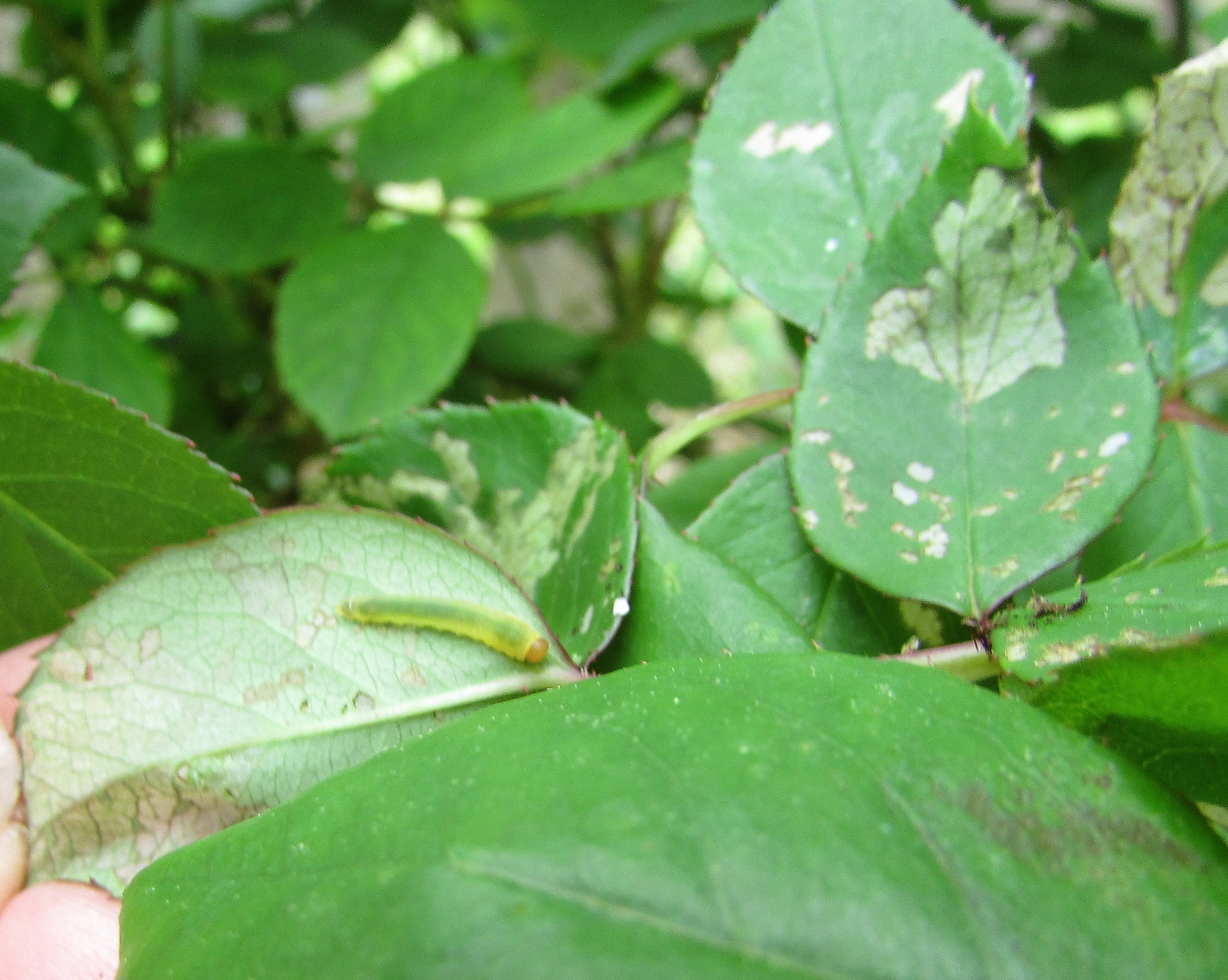
When did I realize I had made the bad judgement call? A week or two ago, trying to get a jump on eradicating insect pests without using chemicals, I gave earnest thought to why my plant foliage had suffered constant assault during the past two summers. In short, sawflies, and other insects who devour foliage, have bamboozled me! The sawflies have been the bane of enjoying the garden beds. The hibiscus, and especially my roses, become the victims of their larvae stage munching. The rose leaves begin to resemble stained glass as the insects eat and grow larger. I have tried to handpick the pests off, but with dozens of rose bushes, it is impractical. I wondered anew why the problem has been impossible to control and realized the infestations coincided with me banning mantis pods from my gardens. We went on the mantis pod hunt a few days after this light bulb moment.

Within twenty minutes, half a mile from my home, we found three pods in the weeds bordering a dirt road. We knew there were probably hundreds more we didn’t see as they are well camouflaged among the beige and brown grasses. I don’t feel bad about moving them. The border grasses and wildflowers edging the road are considered disposable and are frequently mowed. We probably saved the pods from the whirling destruction of mower blades.

Praying Mantises are often themselves the victim of predators. Several on the predator list live in my yard or frequently visit: spiders, bearded dragons, lizards, chickens, snakes, hawks, owls, cardinals, scorpions. I would add large toads to the list and other insect-eating birds.

Pests – Sawfly

Sawflies are turning some of my rose leaves into skeletons by eating the flesh away. The nasty little creatures have attacked every rose bush to some degree. I try to grow organically so I just pick them off and drop them in a can of water. The sawflies are extremely small and it takes a bit of up-close searching to find them; they blend in perfectly with the green of the leaves. Gardens Alive has a good tip on their answer page concerning sawflies.

“On roses and similar plants, handpick the pests, spray them off with sharp streams of water early in the morning (knock them down and they can’t get back up), or spray neem or one of the new spinosad products.” Gardens Alive

When I notice a skeletonized leaf I check the rose all over and pick off the sawflies. So far I don’t have anything near an infestation, but I’m keeping my fingers crossed that I can keep them under control. The roses are beautiful in May and June as they come into bloom. I don’t want their appearance marred by ruined foliage.