Plants and Poetry – Daffodils

My Daffodils are blooming, enlivening the barren earth of my garden beds with exuberant yellows, creams and oranges. I love this time of year and the beginning of Spring’s blossoms. The daffodils are among the earliest of the season’s bloomers. Along with hyacinths and crocus, they provide a cheerful burst of color and promise warmer weather is on the way.

Daffodil Culture is fairly easy: Purchase the bulbs in the Autumn, plant about six inches deep, and reap the reward of blossoms in the Spring. The aftercare is a bit trickier. Long after the flowers have come and gone, the foliage remains, often becoming a bit ragged in appearance. My first instinct is to cut it off, but there lies the problem, the plant receives nourishment for next year’s blooms through the foliage. I usually let the long strap-like leaves grow until they begin to yellow and flop over. At this point I bundle them, double them down, and rubber band them into a neat clump. Some horticulturists and master gardeners say this is not a good idea, but I contain the foliage this way every year, and my daffodils seem to thrive.

William Wordsworth, an English Romantic Poet, wrote a poem about daffodils that became one of his best known works. I think he captured exactly how I feel when I look at a flowerbed or field full of daffodils. When the sun warms the earth, and she responds with new life, I want to dance with the daffodils too.

DAFFODILS

I wandered lonely as a cloud
That floats on high o’er vales and hills,
When all at once I saw a crowd,
A host, of golden daffodils;
Beside the lake, beneath the trees,
Fluttering and dancing in the breeze.

Continuous as the stars that shine
And twinkle on the milky way,
They stretched in never-ending line
Along the margin of a bay:
Ten thousand saw I at a glance,
Tossing their heads in sprightly dance.

The waves beside them danced;
but they Out-did the sparkling waves in glee:
A poet could not but be gay,
In such a jocund company:
I gazed–and gazed–but little thought
What wealth the show to me had brought:

For oft, when on my couch I lie
In vacant or in pensive mood,
They flash upon that inward eye
Which is the bliss of solitude;
And then my heart with pleasure fills,
And dances with the daffodils.

William Wordsworth (1770-1850)

Projects & Plants – Rooting Cuttings with Honey

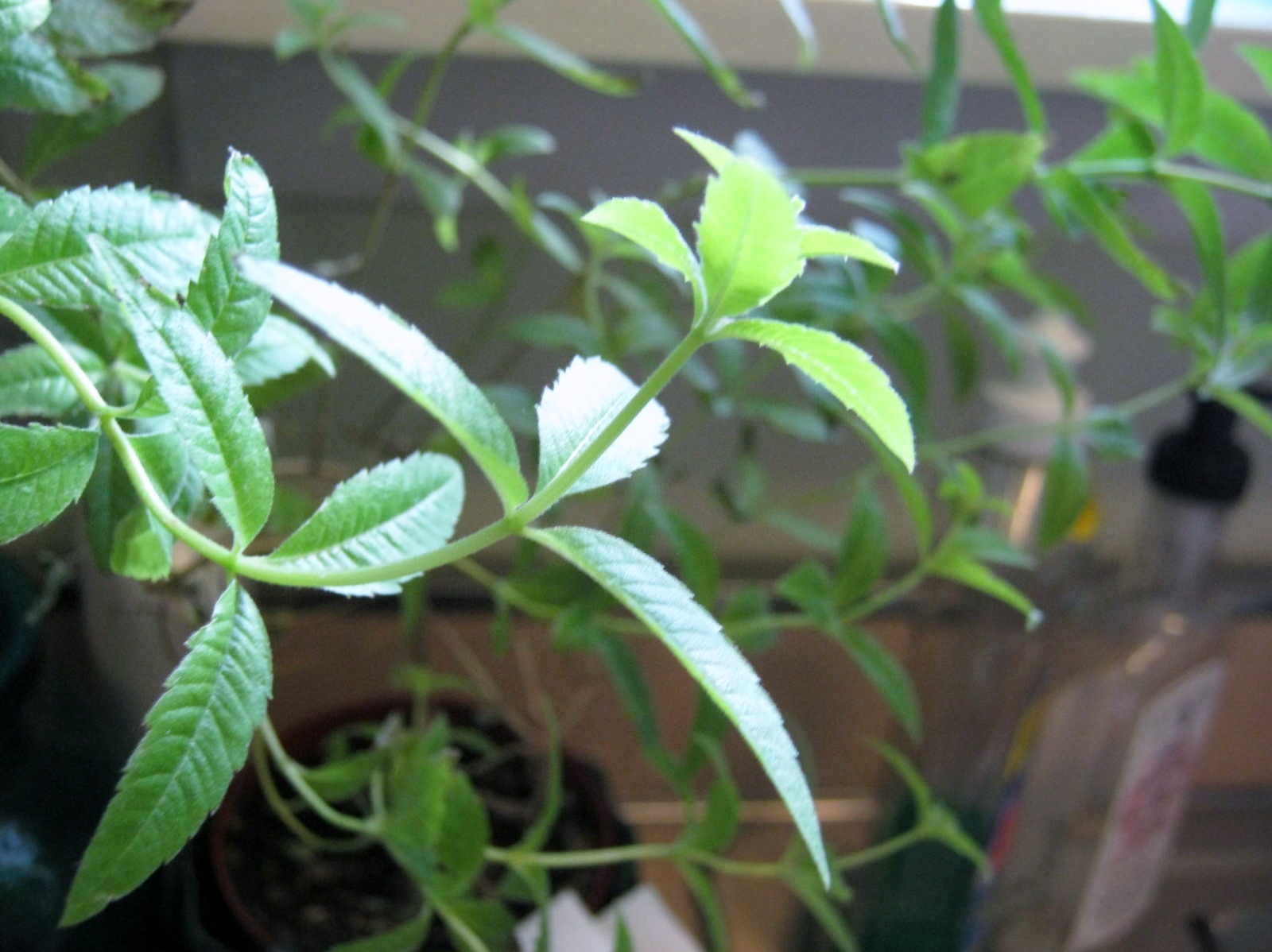
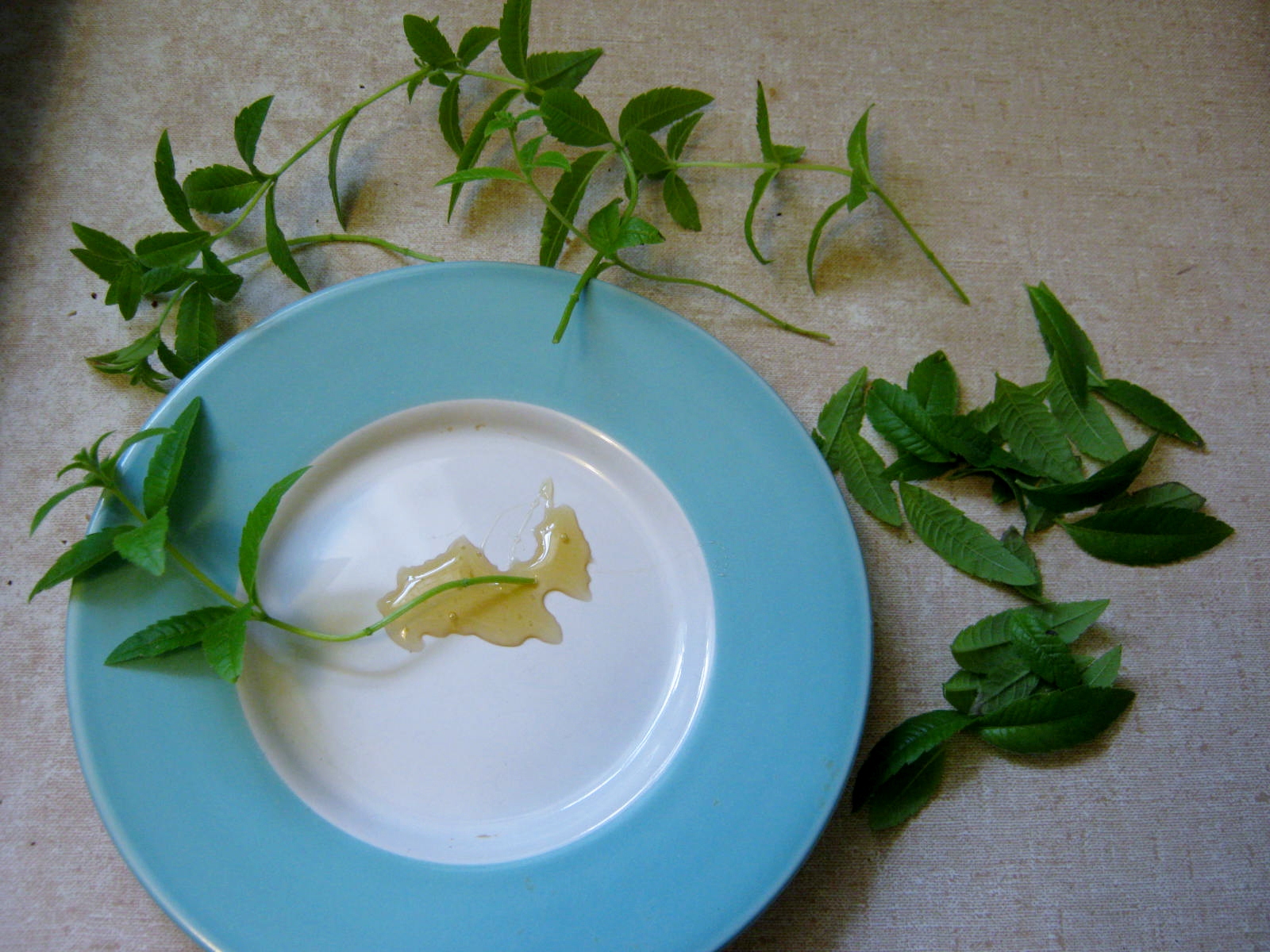
My Lemon Verbena plant is thriving, but it is in definite need of a trim. I want to grow several lemon verbena plants in my herb garden this year so today was the perfect day to take cuttings. In the past I have used rooting hormone on the stem ends of the cuttings, but this year I am aiming to go as natural and organic as possible. I have heard in the past that Honey is a natural rooting compound. I always have honey in my pantry so I pulled it out and gave it a try.

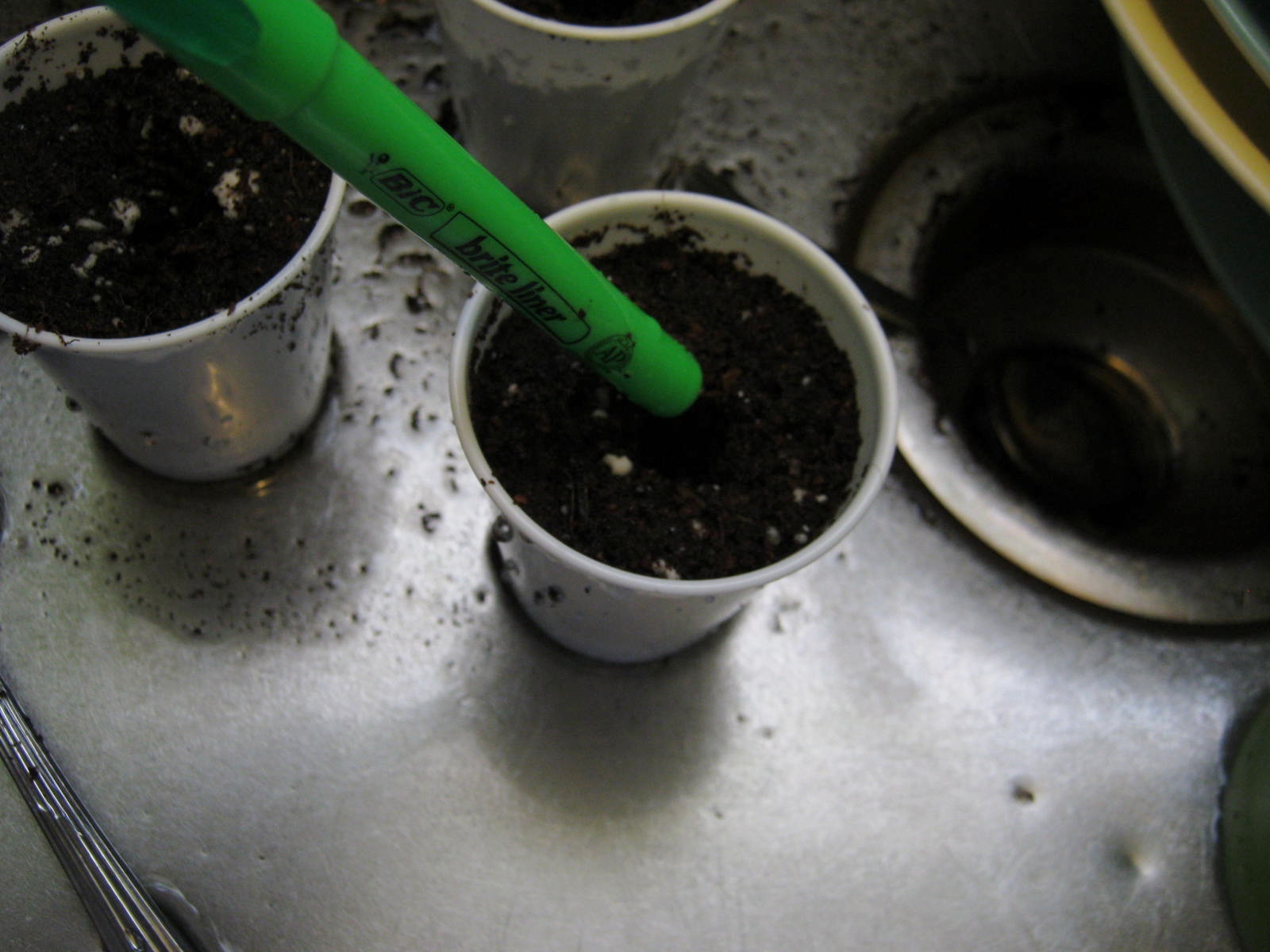
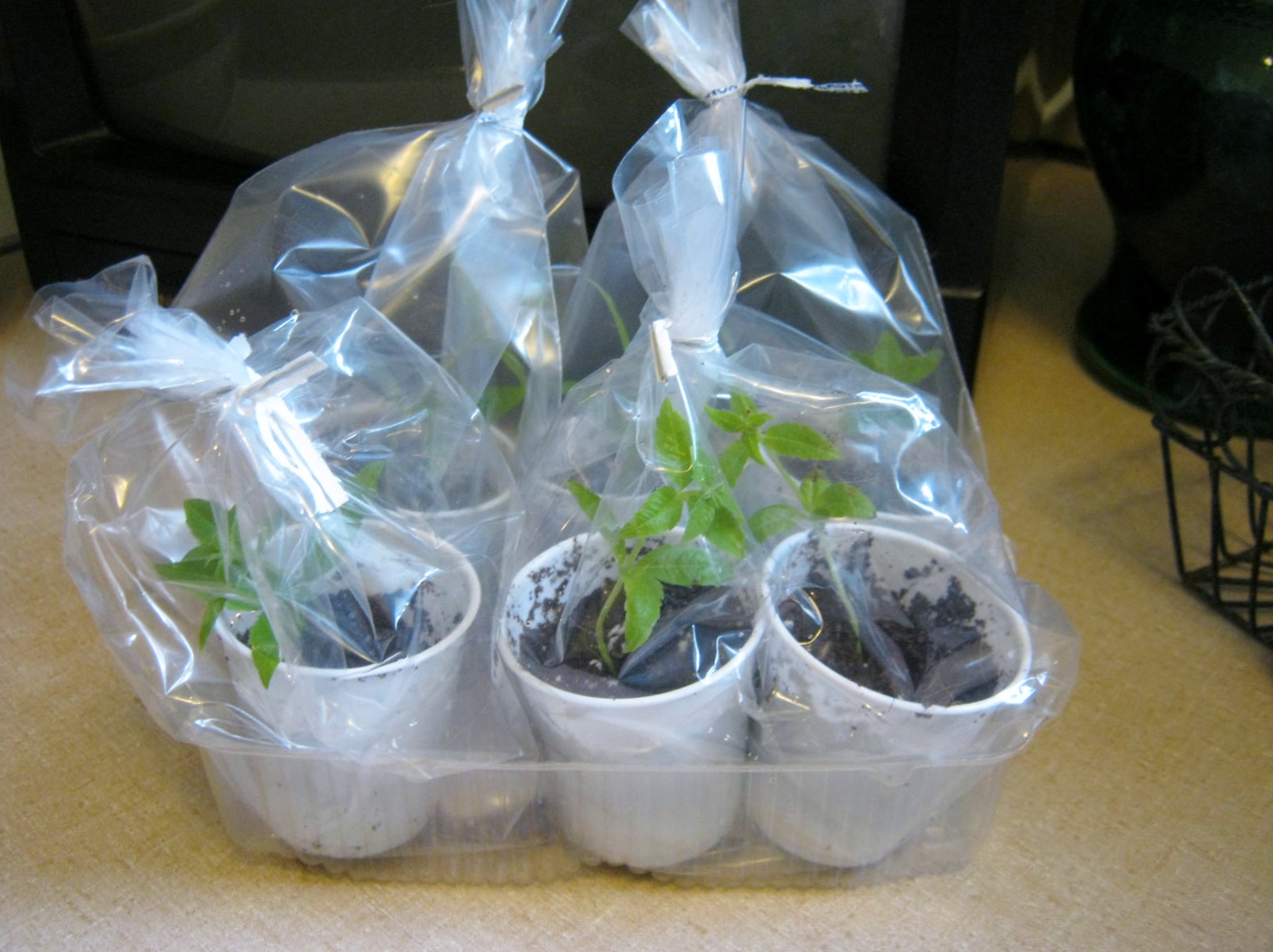
I followed the same protocol I use with rooting hormone. I punched out a drainage hole in 3 oz plastic cups and filled these with sterile soil. I watered the potting medium and created a hole with a plastic highlighter.

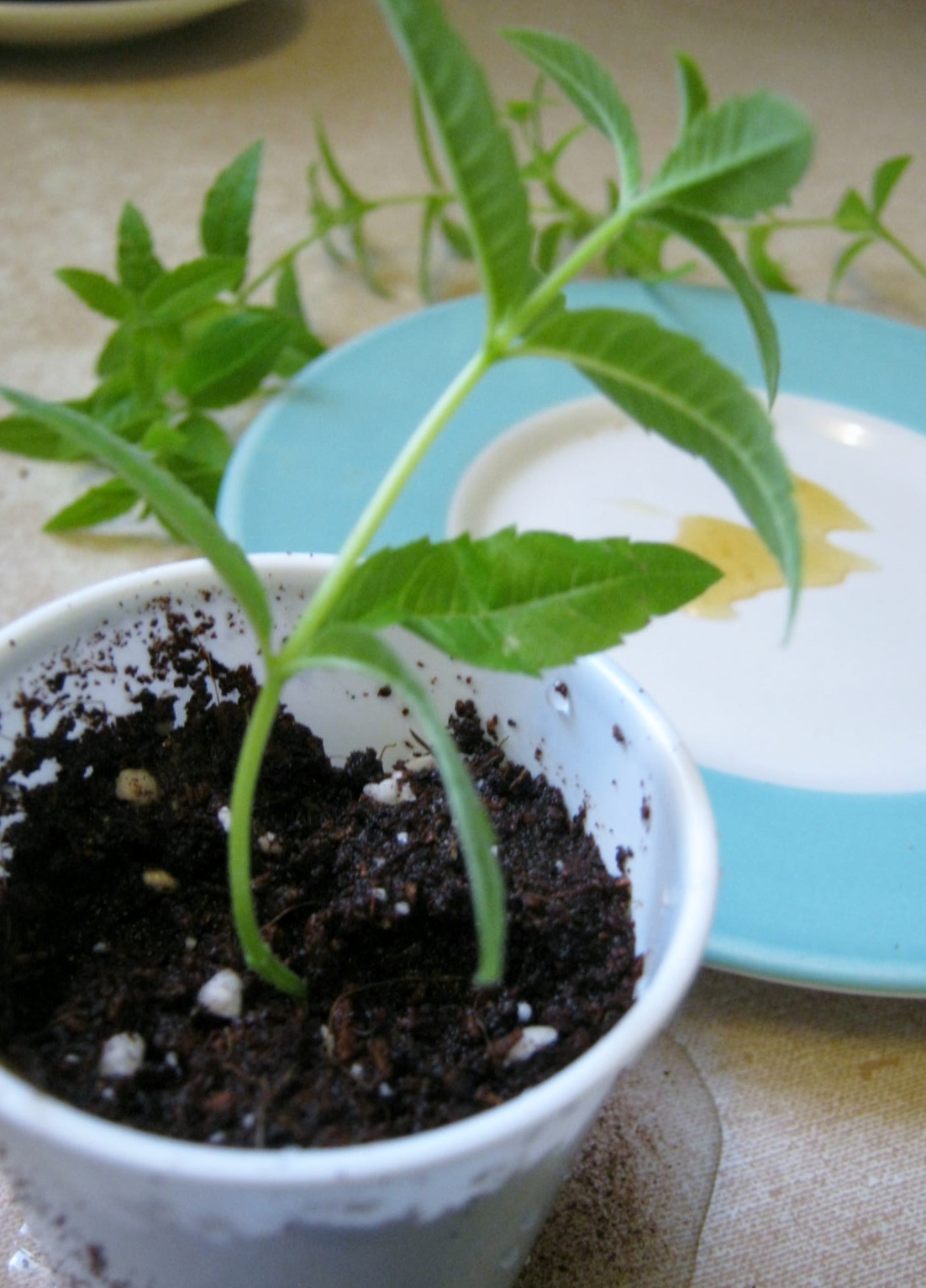
I dipped the lower inch and a half of the verbena cuttings into the honey and inserted them into the soil. I avoided brushing the sides of the planting hole to keep the honey intact on the stem end.

I gently firmed up the soil around the stem and then inserted the cup in a plastic bag and sealed it. The honey is anti-fungal and will create a seal on the cut end of the cutting and help retain moisture.

When I was finished I had six small pots. I used a recycled cookie tray to hold the six cuttings steady, and placed them under lights in my basement.

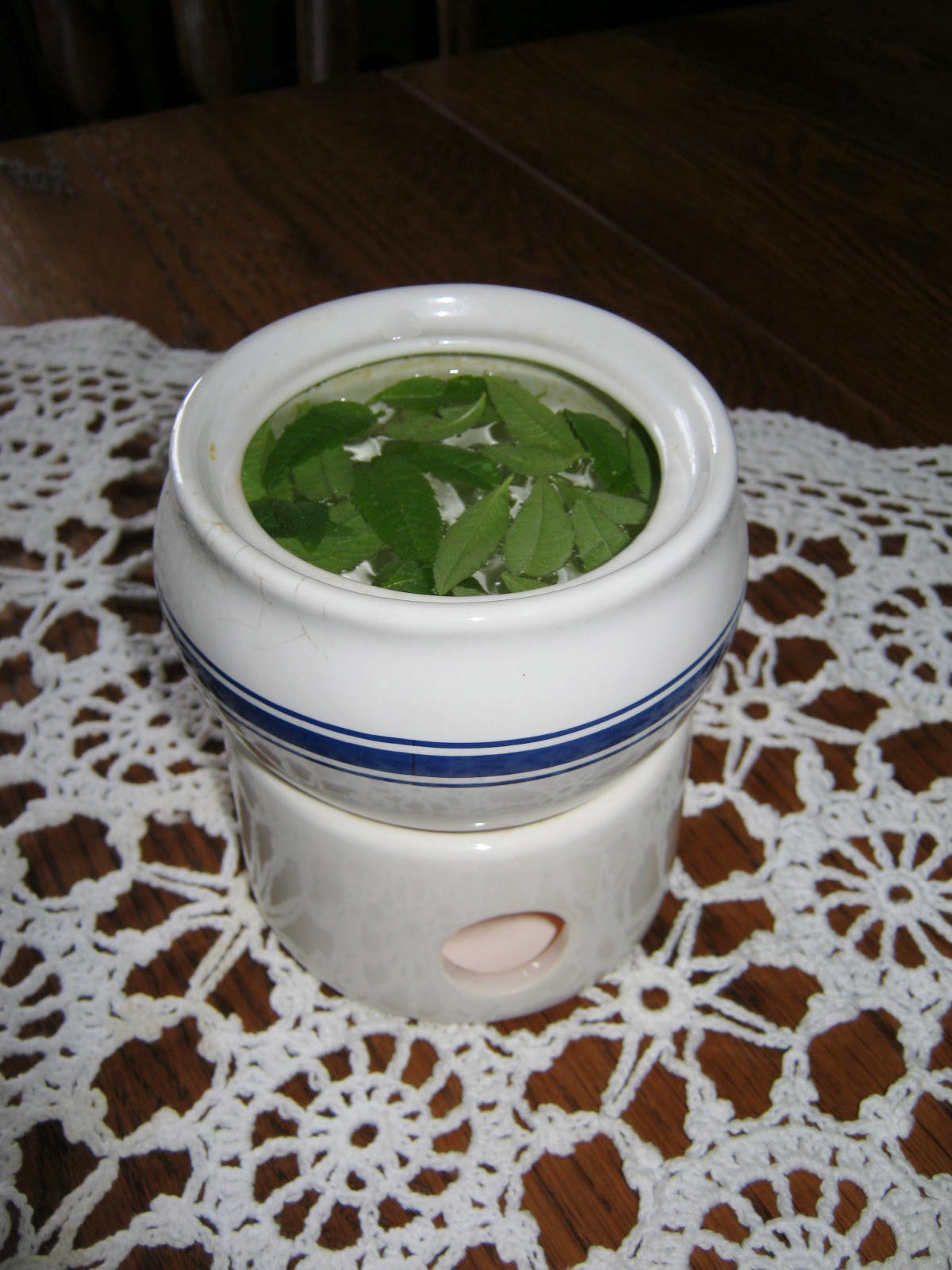
The lovely smelling leaves I stripped away were also put to good  use. I simmered them in a pot of water and freshened up the house with a little extra moisture and lemon scent in the air.

Peculiarities and Plants – Romaine Lettuce

Follow Me on Pinterest

Romaine Lettuce is a favorite of mine in salads. I’ve also read it makes an Incredible and Delicious Smoothie.

The best and most amazing thing about lettuce, besides eating the tender green leaves, is the amazing fact that if the bottom of the stump is saved and placed in water, regeneration and new growth will occur. Above is a photograph of three romaine ‘stumps’ in various levels of regrowth. All I did to achieve this miracle was place each piece in a half inch of water, check the water level daily, and marvel as the stump began to grow anew.

I am growing romaine in a basement window well, which explains the VERY dirty window in the photo as it is below ground level. The setting for the lettuce doesn’t look nice, but it creates the perfect environment for regrowing leafy greens…cool and bright all day. Experiment with this method the next time you have a head of lettuce with the stem still intact. You have nothing to lose and a free harvest of lettuce to grow.

Important Tip: Romaine Lettuce is one type of produce easy to find in organic form. Often packaged as three hearts of romaine, spend a dollar or two more and you have salad free from any unnecessary pesticides.

Plants and Plans – Bargain Bulbs

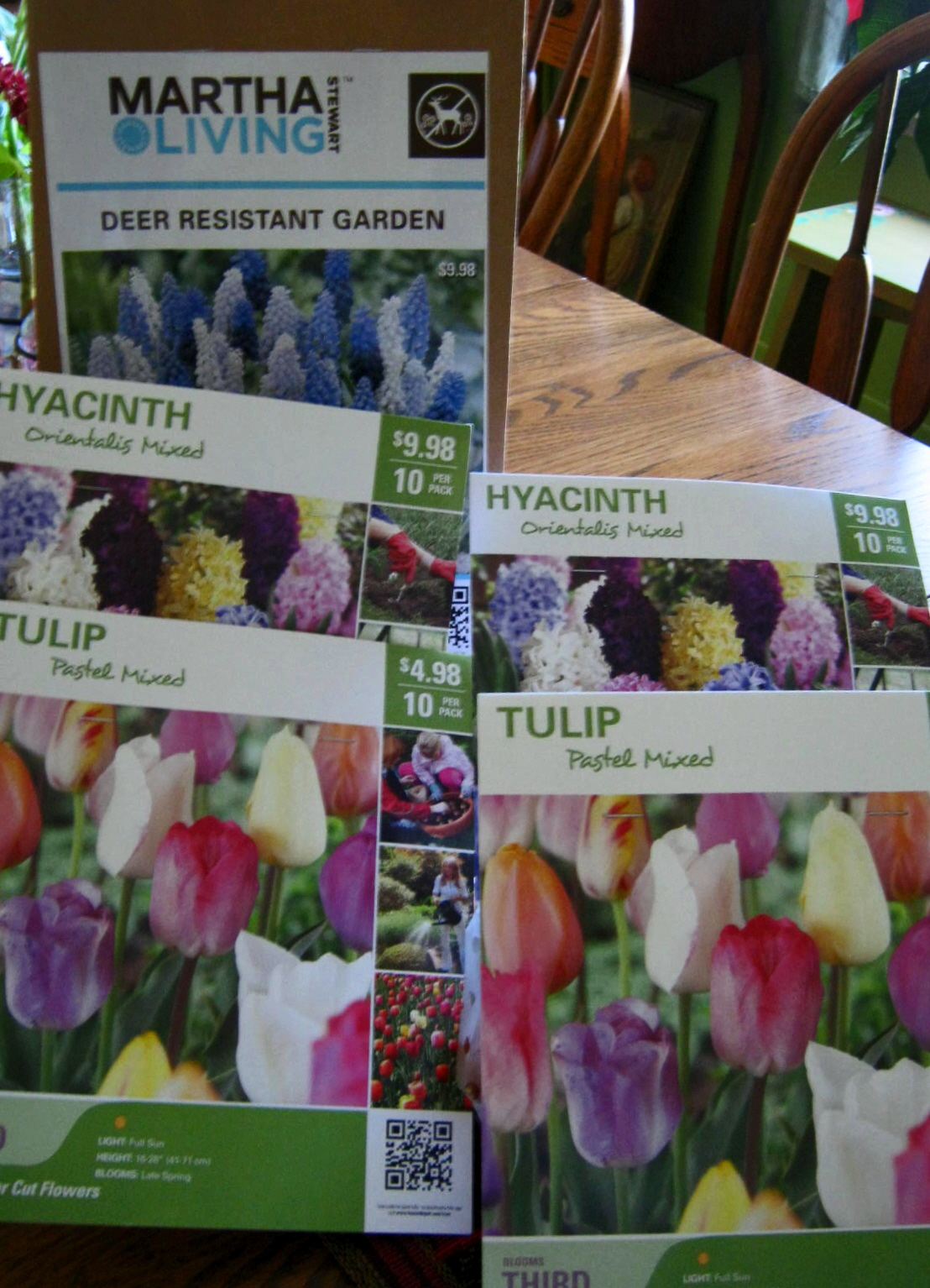
This has been my week for bargains. I stopped in a local box store Friday and found bins of bulbs that had not sold. They were almost giving them away at 75 percent off. I bought several packs to force in the Spring.

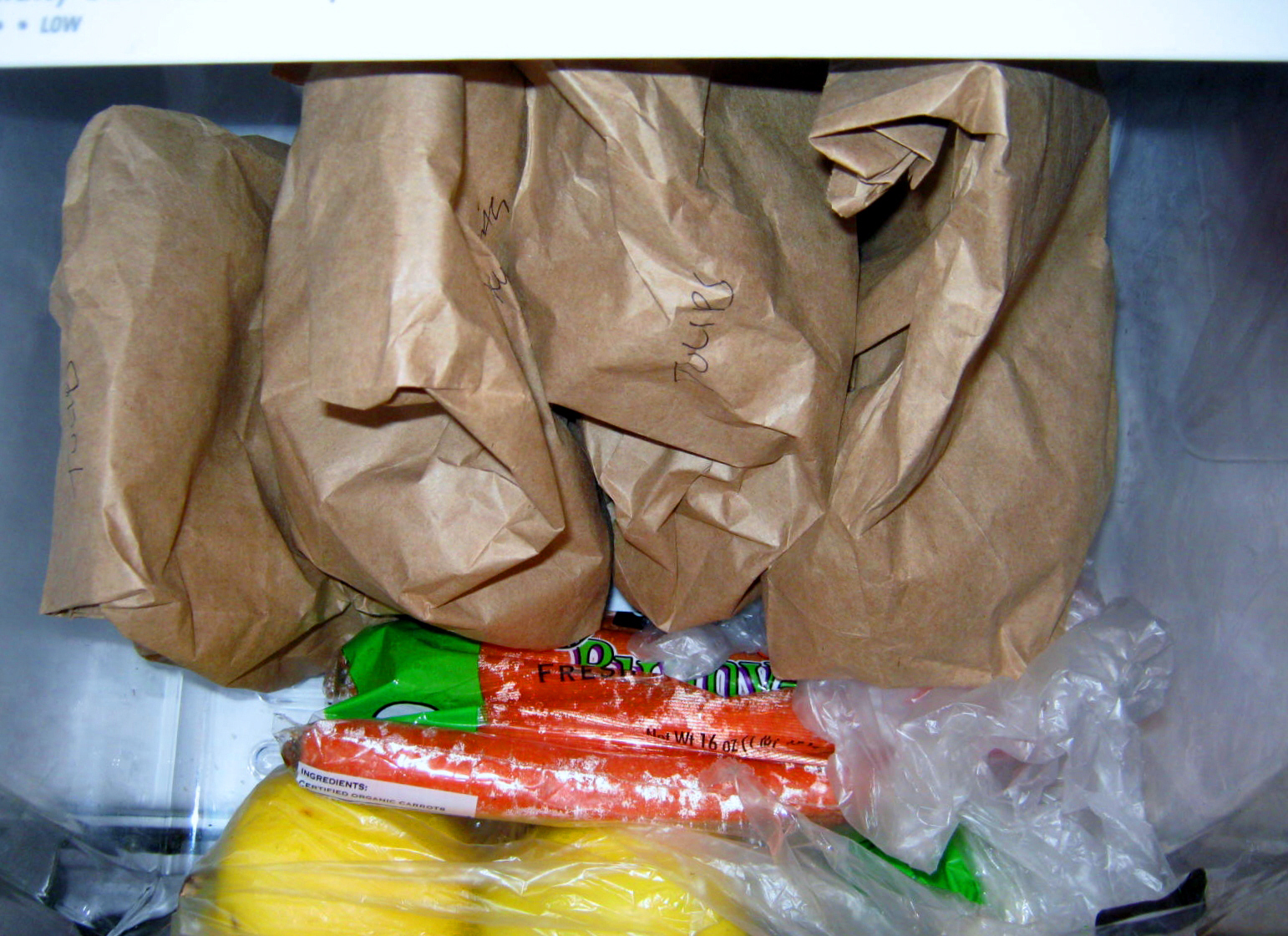
FORCING THE BULBS is not difficult. There are several ways to do this. The bulbs can be shallowly planted and kept outdoors in a cold frame. Another way is to plant and keep the bulbs in the back of the fridge. I have had success with this in the past. This year I am hoping to force some of the tulips in this way.

FORCING BULBS IN WATER is another way to bring them into bloom. I have success with this technique using hyacinth bulbs. I have never tried with tulips, but this year will give it a go. I’ll update this post in the Spring.

My bulbs in brown lunch bags getting a shot of cold air in the crisper bin of my refridgerator.

Plants – Fittonia “Red Anne”

Today I bought our Christmas Tree for this year, a Norfolk Island Pine. Only about three feet tall, with an extra foot of height provided by the pot, this is the third year we have done without a large tree and decorated a small, live tree instead. The last pine was growing strong on the patio until a mischevious cat got into it, decided it made a great litter box, and that was the end of that tree. This year, I will keep the surface covered and also sprinkle with a bit of pepper for extra precaution. Achoo.

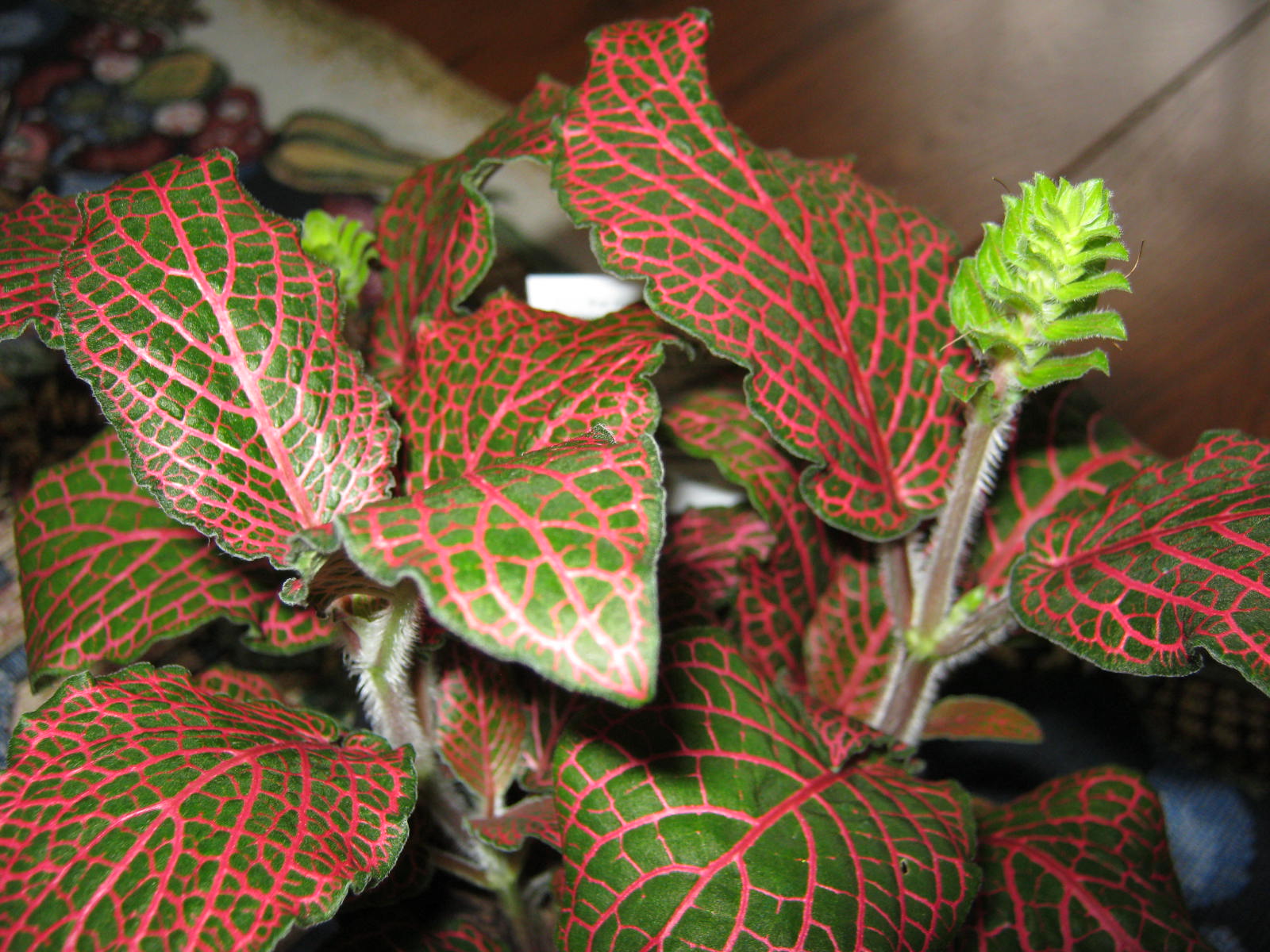
While I was picking out the tree, I also noticed this very pretty fittonia called Fittonia Red Anna. The colors looked Christmas-like so I put that in the cart too.