Parsley is still growing in my square foot gardens. Today I went outside and pinched away a few sprigs of the new growth to stir into the ricotta for my lasagna. Parsley is one of my favorite herbs. I will soon sow seed in my winter sowing containers and start new plants for the coming year. Parsley is also available in freshly cut bunches, or sometimes as a potted plant in most large supermarkets.
Category: Plants
Plants – Arugula
Another rerun post, but worth blogging and reading again. Arugula is very easy to sprout. Seed packets usually contain hundreds, if not thousands, of seeds. Arugula will grow in a sunny windowsill or under lights.
Arugula is one of my favorite salad greens. It is also very easy to grow from seed. Sow close to the surface of your seed starting medium, water, cover with plastic, and in a few short days you will have arugula seedlings. When you thin overcrowded sprouts, the plantlets you clip away can be used in a salad or atop a sandwich as microgreens.
Arugula has very few calories and is full of good vitamins and minerals, being especially high in vitamin A and C. I harvested the arugula seen in the above photo yesterday. It has grown very productively under lights, and the small leaves made a great addition to my tuna fish sandwich. The peppery blast of the arugula added just the right touch of spice to the bland tuna.
Arugula also grows well in outdoor gardens during the cooler spring and autumn months. This terrific and healthy salad green is widely available in almost all supermarket produce sections. Enjoy.
Plants – Himalayan Blue Poppy
Every year, usually during the first week of March, Longwood Gardens in Kennett Square, Pennsylvania, displays collections of Himalayan Blue Poppies. (Meconopsis betonicifolia ) These poppies are difficult to grow, but some instructions can be found here: How to grow Himalayan Blue Poppy . I love these flowers. They are truly sky blue with delicate and fragile petals. If you see them once they will be forever in your heart.
Plant – Verbena bonariensis

Last year I wrote about a plant I loved by the name of Verbena bonariensis. Well, this year I love the plant and its flowers even more! The plant self-seeded and now I have dozens of this tall and beautiful perennial adorning my mid-summer garden. The flowers draw honeybees, bumblebees and butterflies.
I get a lift each time I walk by and see the blossoms swaying in the breeze or playing host to a hungry bee or butterfly.
Some great information about verbena bonariensis can be found here: Verbena bonariensis
Plant – Moonflower Vine
I have mixed feelings about Moonflowers. They are devilishly hard to grow…at least this is true in my case. Every year I am lured by the packages of seeds with the big white bloom on the front. I am also tantalized by the thought of inhaling their fragrance once again. Last year, the one Moonflower vine I grew under lights was killed by an unseasonable frost. This year, I started my seeds even earlier and had three out of a dozen or so seeds sprout and grow. Two of the vines were piddling, but one was a winner. This vine grew and twined itself around all the other small sprouts on my grow table. I was entranced, then disaster struck, the dreaded spider mite. I would not give up on the plant and discard it as I knew I should. Instead I diligently sprayed the plant with a mister several times a day. In fact, I sprayed all my sprouts as a precaution in combating the spider mites. Mites hate moisture, the best way to kill them is to drown them.
Long story a bit shorter…here’s a photograph of my best Moonflower vine ever. The early start, the constant misting, produced a plant that is already blooming for me. It’s been blooming for about two weeks here in Southern New Jersey. This afternoon I spotted a beautiful bud and thought the flower was ready to unfurl it’s petals. Tonight I checked the plant, and yes, a gorgeous bloom had opened and was filling the air with its lovely, ethereal fragrance. How could anyone not love a Moonflower?
My best advice for growing Moonflowers…start much earlier than the package of seeds recommends. When the seeds first appear in nurseries buy a packet and plant them that same week. I soak the seeds for about 24 hours, I sometimes nick the outer shell, but this year did not take the time to do this. Plant the seeds about half an inch down in seed starter. I cover the pot with plastic wrap and place the container near a heat vent. Check for sprouting every day. If the seeds do not emerge within four weeks throw them out and try again. Many times the seeds I plant rot in the soil. I don’t know why, but they do…persevere and plant again.
Plants – Red, White and Blue in the Garden
Let’s keep our patriotism going all year long! 🙂
I am thrilled with the red mandevilla plants I planted this year. I am growing them in hanging baskets near my porch. They are beginning to send out climbing tendrils. So far, they haven’t succumbed to the very wet weather we have had in the Mid-Atlantic states this summer.
I love the tall, beautiful shasta daisies that grow in my gardens. They are a very reliable perennial. Every year they come back a little taller and a little broader. Who could ask for anything more?
Blue Salvia is a favorite of mine and also a favorite of the hummingbirds. I purchased this beauty shown above, but I was also able to grow quite a few blue salvia plants from seed by winter-sowing.
Plant Tips – Nasturiums/Salad Flower
My nasturiums are coming into bloom this week. I have these beauties planted in my Square Foot Garden. You might wonder why these flowers are planted in a vegetable garden. The answer is that all parts of the plant are edible. Here is a good link on how to use nasturium flowers, leaves and seeds in your salads and other dishes. Happy Dining!
Plants & Pressed Flowers – Angelonia
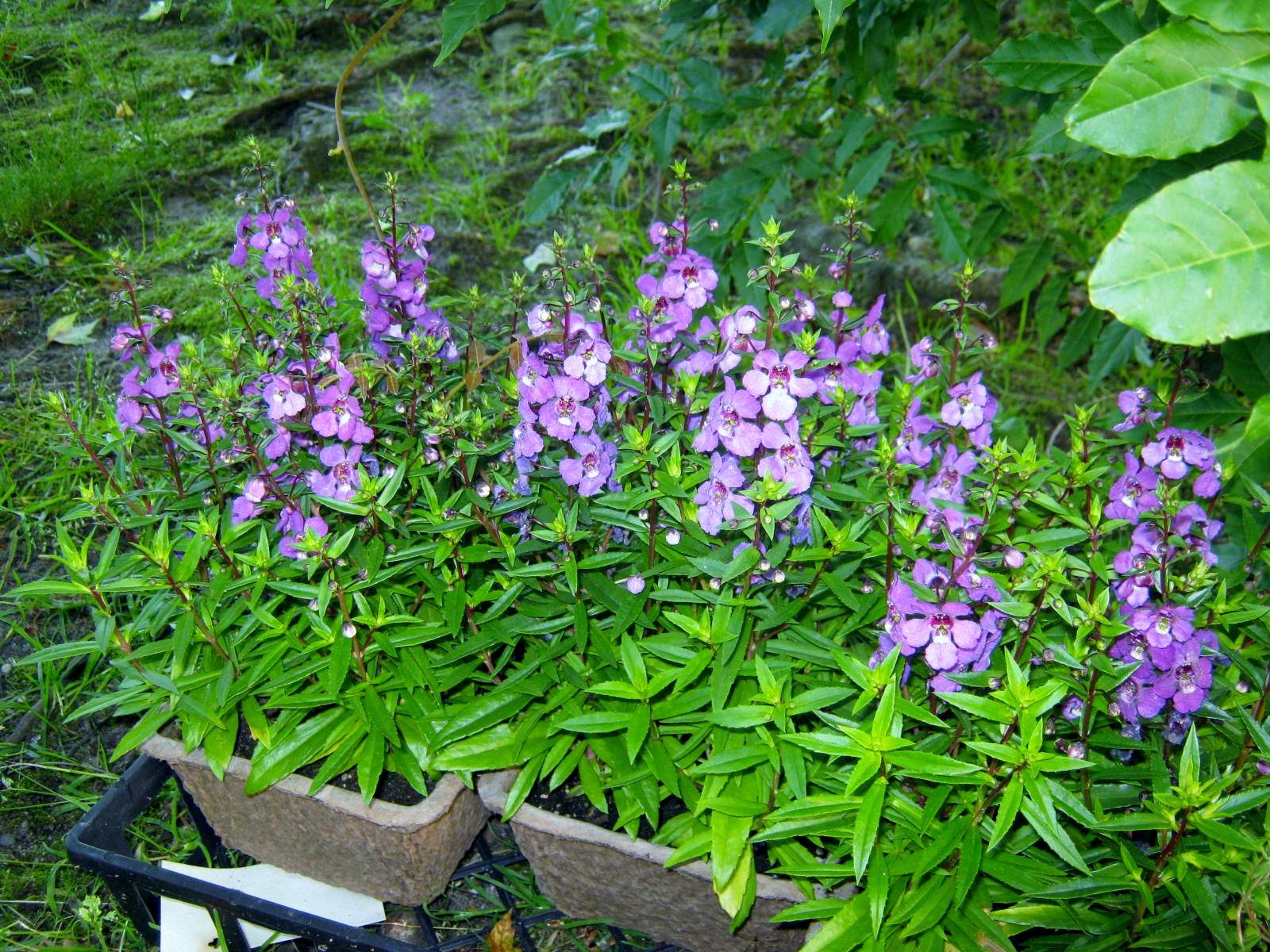
A few years ago I bought my first Angelonia plant at a local nursery. It was expensive, a Proven Winner, but I was quite taken with it’s shape, the array of colors, and hoped it would also do double duty as a pressed flower. I wasn’t disappointed. The angelonia plant thrived and did press well for me.
Every year since my first purchase I have grown at least one angelonia plant. I was excited this year when I found angelonias being sold in peat packs. Now instead of just one plant, I have several lining my front walkway. O Happy Day!
You can read more about angelonias here: Angelonia
Pressed flower tip: Press double or triple the amount of angelonia blossoms you intend to use. Some of the edges will brown. Also, the pressed flower is very fragile and thin and easily tears. The flower is still well worth taking the time to press since it is quite unique and interesting in appearance in pressed flower art.
Plants – Begonia
I love this new begonia I recently purchased. The leaves remind me of angel wings, and I am quite taken with the delicate pink of its flower. I took cuttings of the stems as soon as I brought the begonia home from the nursery. Taking the cutting didn’t harm the plant in any way, in fact, it did it good, it is already sending out new shoots from the hard pruning. O Happy Day!
Plants – The Great Iris Hunt
He loves righteousness and justice; the earth is full of the steadfast love of the Lord. Psalm 33:5
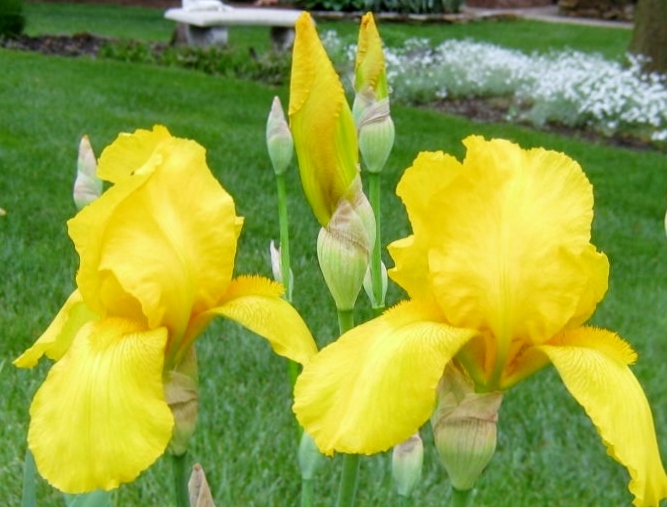
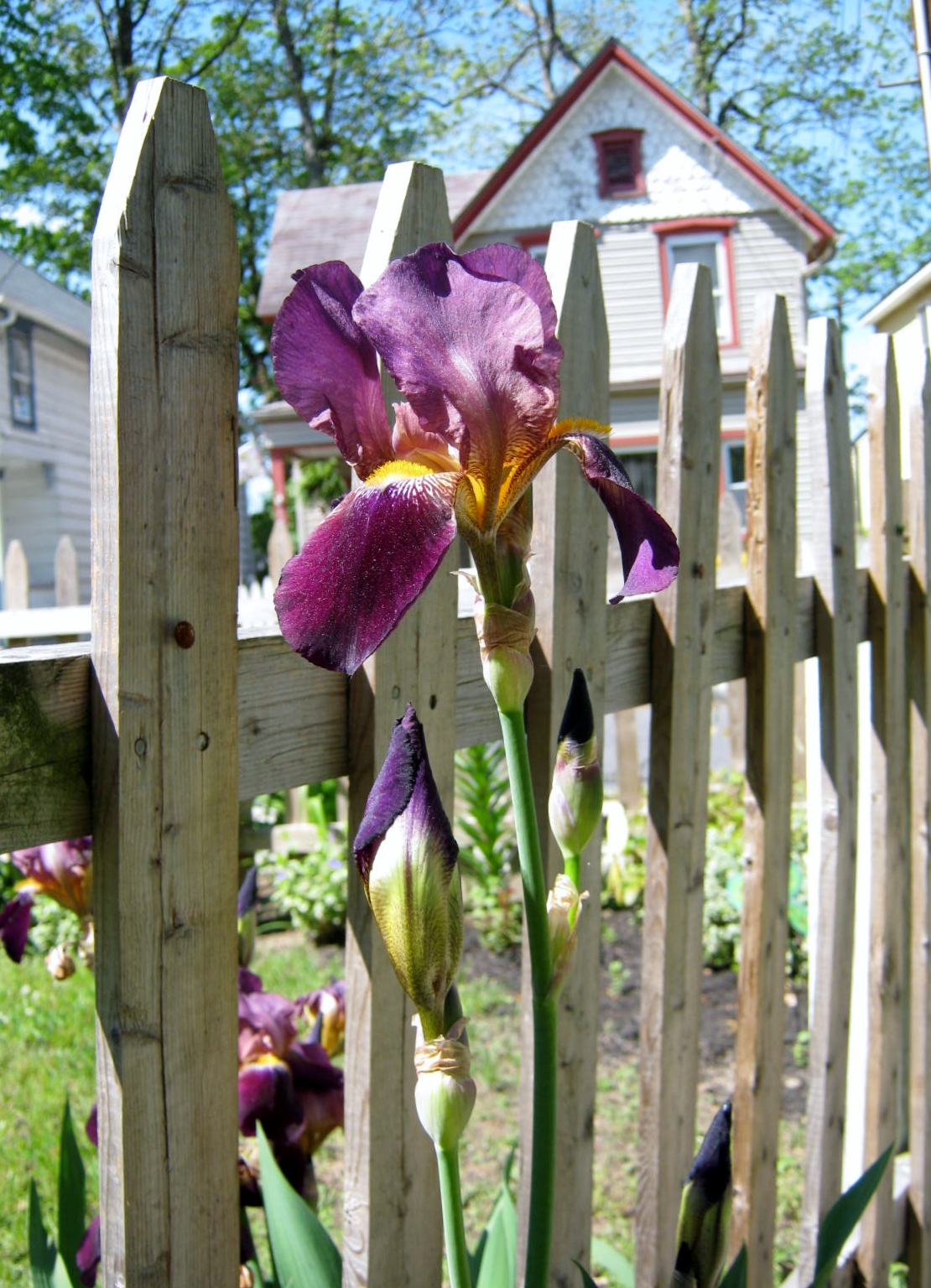
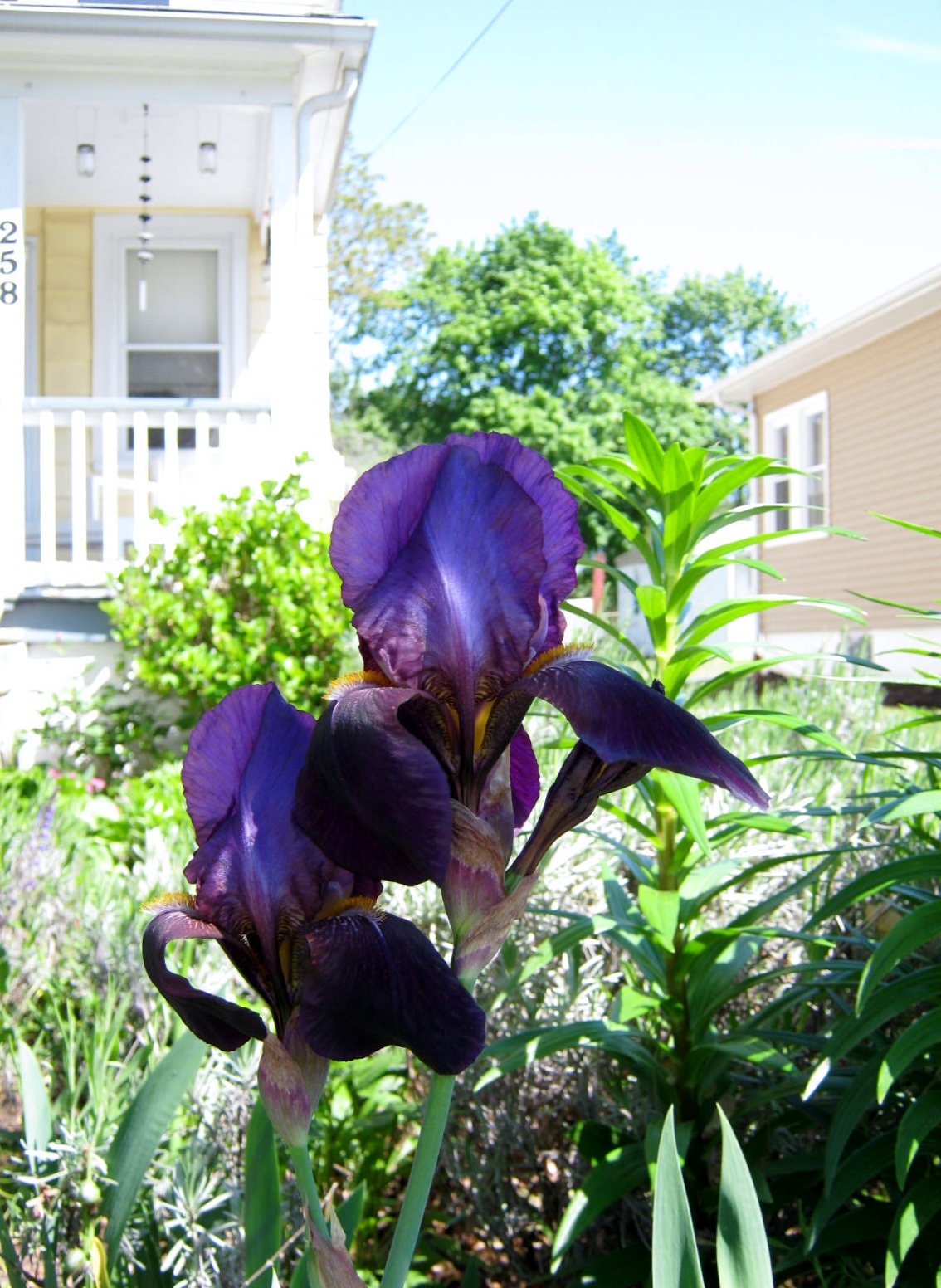
In the past few weeks I have enjoyed hunting down and photographing some of the beautiful Iris plants in my area. When I gaze at the beauty of the petals of an iris I am reminded of the one who created all things.
To all artists and craftspersons, please feel free to use any of the iris photographs below for your art or projects. A Blessed Sabbath Day to you.
Phavorites & Plants – Zinnias
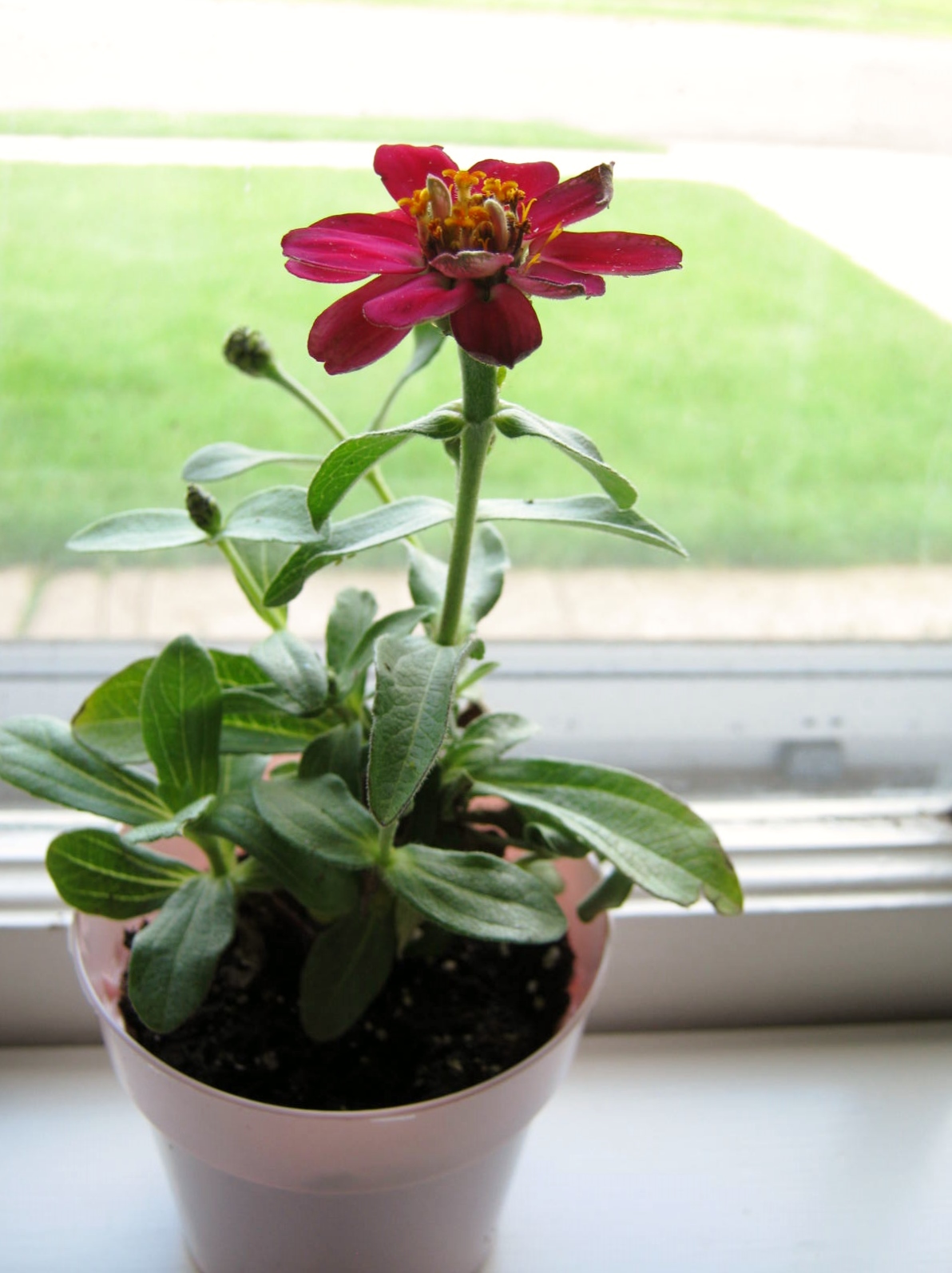
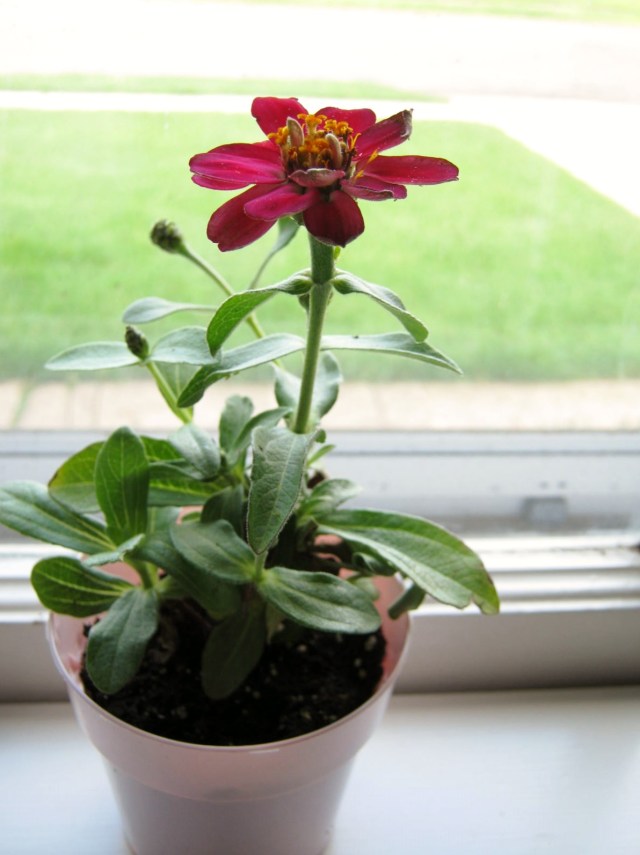
Last Saturday night my husband went to the races. In honor of Mother’s Day the racetrack, and a local garden center, provided a zinnia plant for the mothers present at the race, and for those who stayed home. I was delighted when I found this extra small flower pot on my kitchen table.
I adore zinnias. I think it is genetic. My maternal great-grandmother grew a large bed of zinnias in the summertime. I am named for her, so perhaps, a little extra of who she was lives on in me.
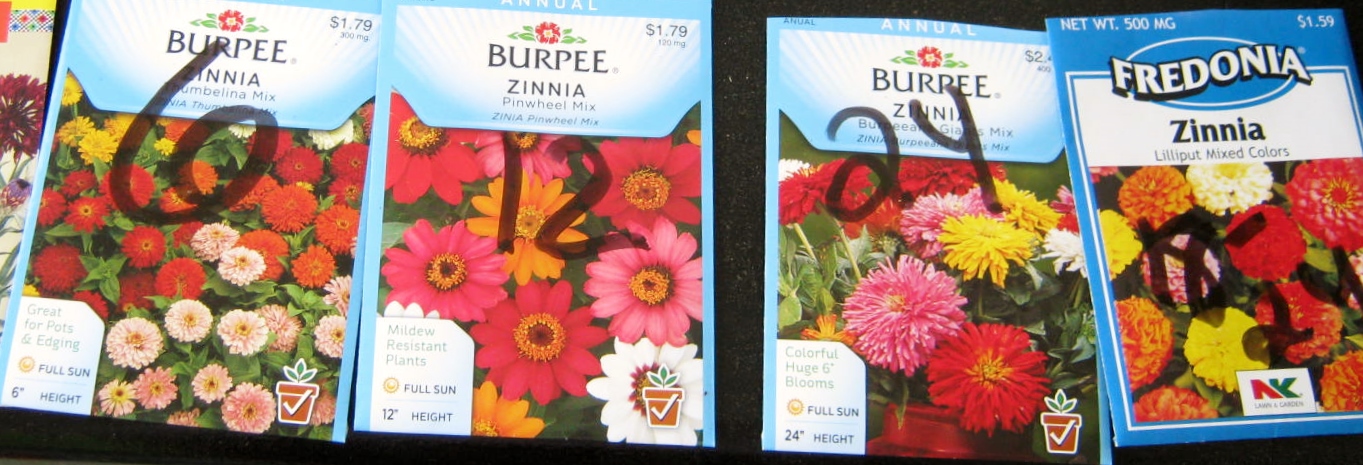
I recently found quite a few zinnia seed packets on sale. I had already planted the larger varieties, 36 inches and taller, throughout my garden. Still, I could not resist the smaller sizes. I bought four packets, and I am full of purpose to place a few in every bare spot I might find in my garden. I am also planning on growing a dozen or so in pots so that when I have the invariable bedding plant catastrophe, I will have a few replacement plants on hand.
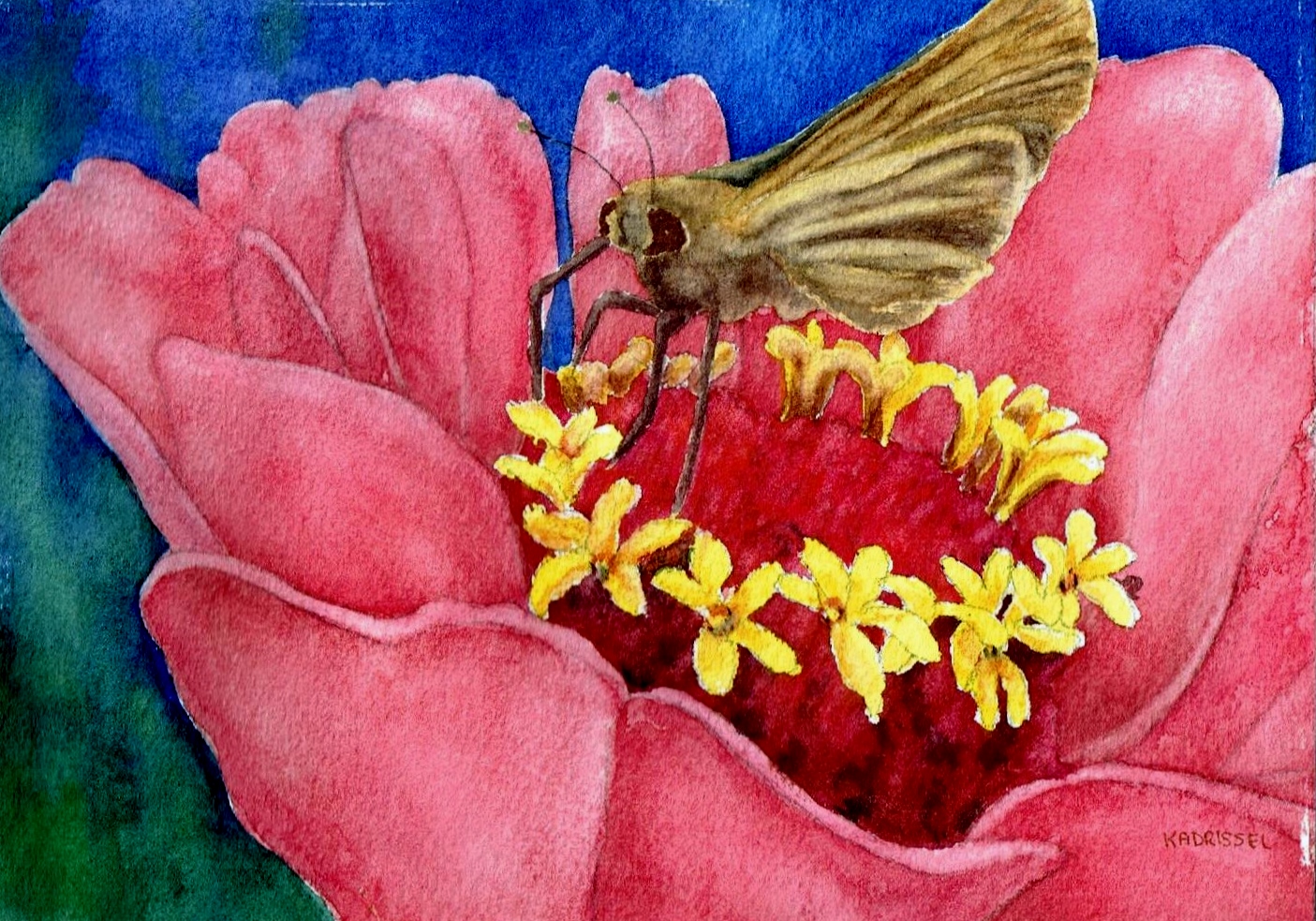
Zinnias are a favorite of mine to watercolor.
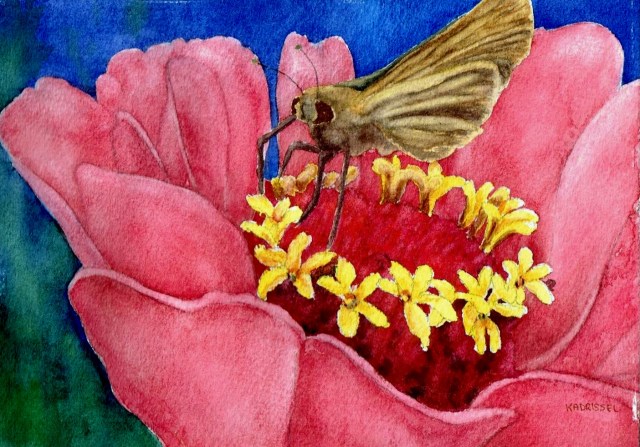
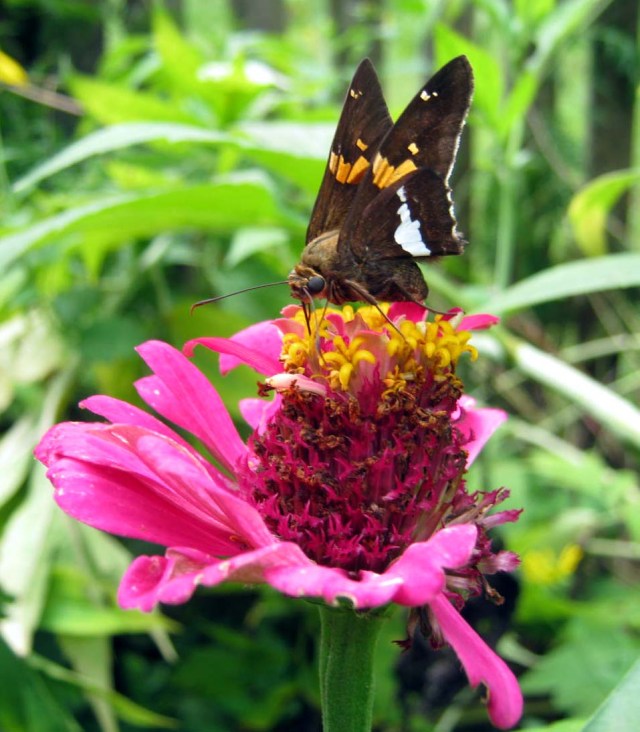
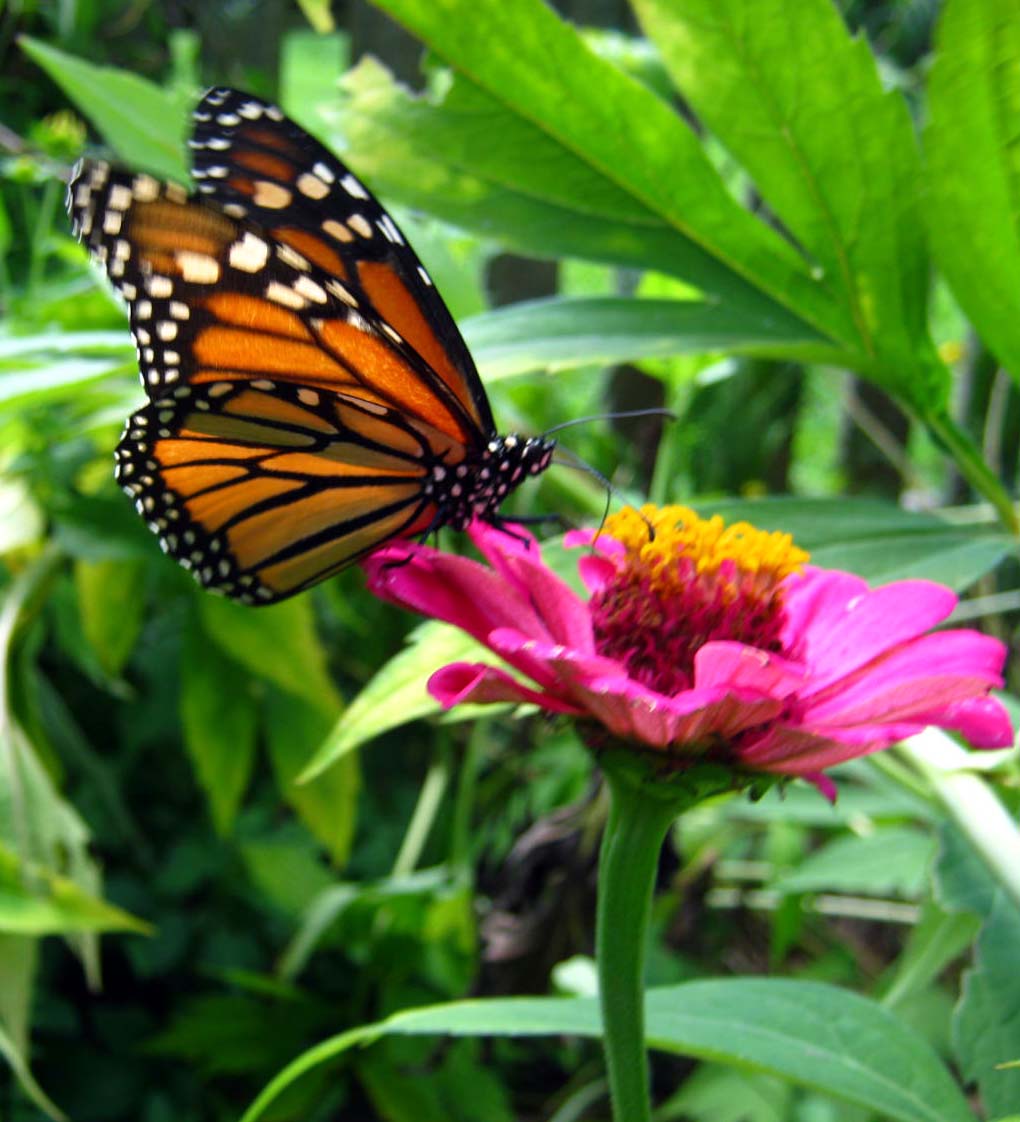
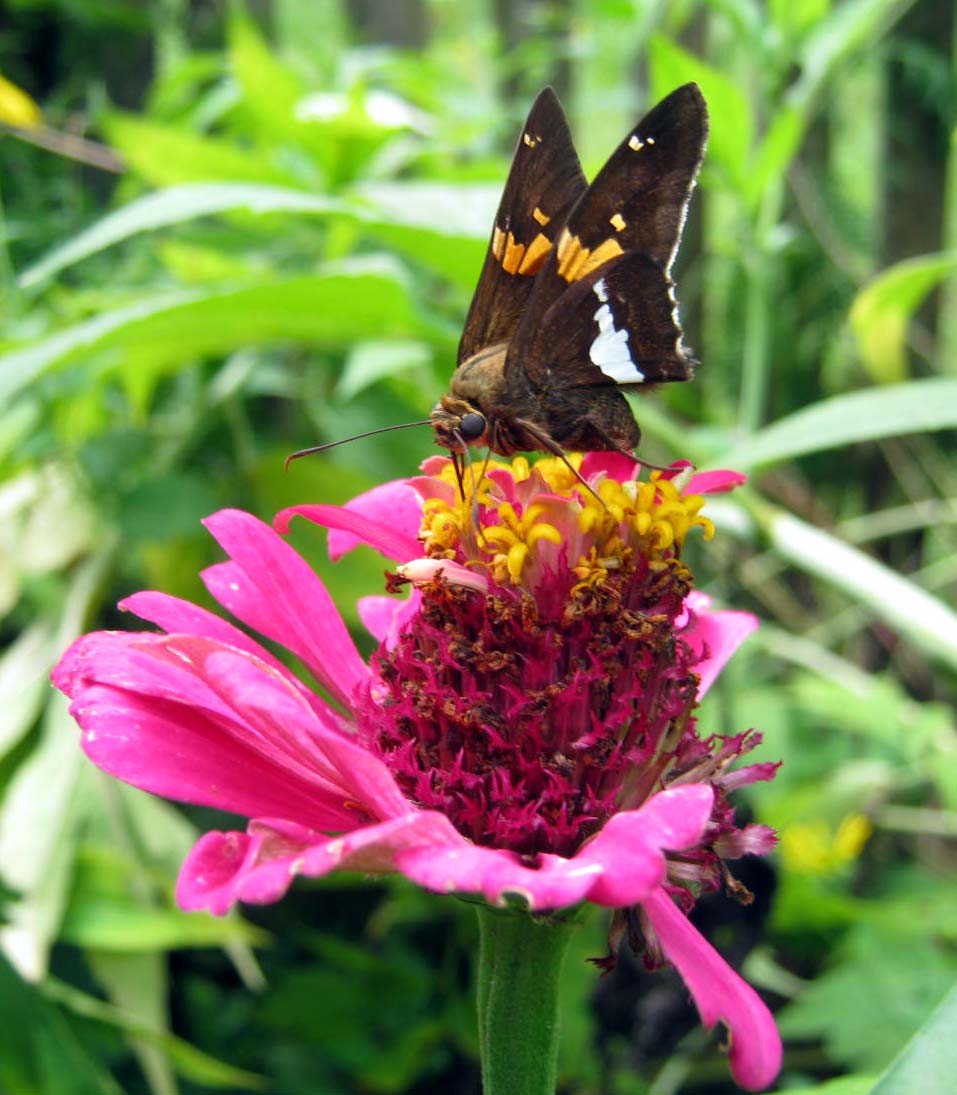
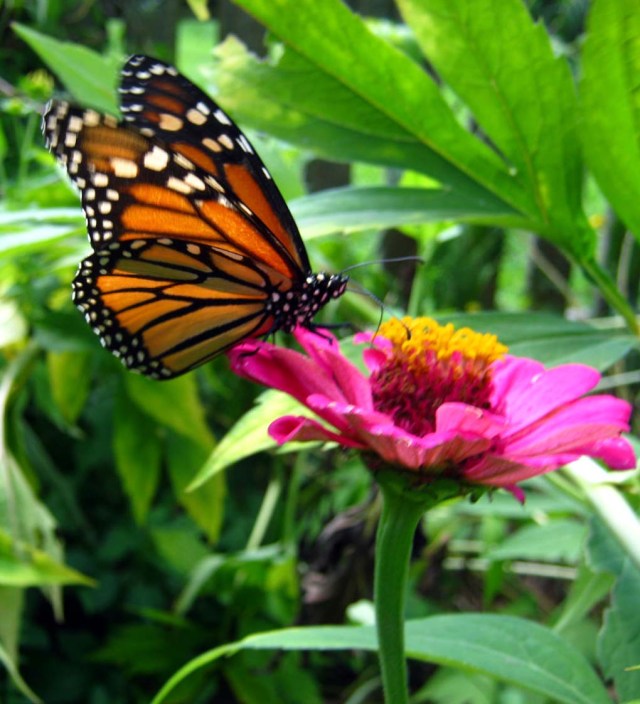
I love the second ring of yellow flowers lying deep within the larger petals. These small yellow flowers are where the nectar hides. Hummingbirds and butterflies will visit your yard daily, more than once, to sup on this treat. Here are a few of my zinnia reference photographs with some of their visitors. All artists and crafters are welcome to use any of my reference photographs for inspiration. Happy Painting!
Plant – Overwintered Parsley
This amazing patch of parsley has grown throughout the winter in my Square Foot Garden. It sulked a bit in the freezing temperatures of the winter months, but always maintained a green appearance. Although it did not grow much during the cold weather, it endured, and once the warmth of the sun intensified it began to exuberantly leaf out again.
I must harvest the parsley before it sends up a seed stalk and turns bitter. A good article can be found here about why lettuce and herbs bolt: Why plants bolt
One of the ways I am going to preserve the parsley is by freezing it in ice cube trays. The resulting herbal ice will be perfect for adding to soups and stews and crockpot recipes.
Another way I preserve herbs is to hang them upside down in a dark closet. In a week or two, the leaves will be ready to crumple and store in jars or ziplock sandwich bags. I use parsley processed this way in lasagna and other dishes that call for dried or fresh herbs.
I will also try to quickly dehydrate the parsley in my turkey roaster. This is my least reliable way of drying the herb. With this amount of parsley available, it is the right time to give the roaster another try.
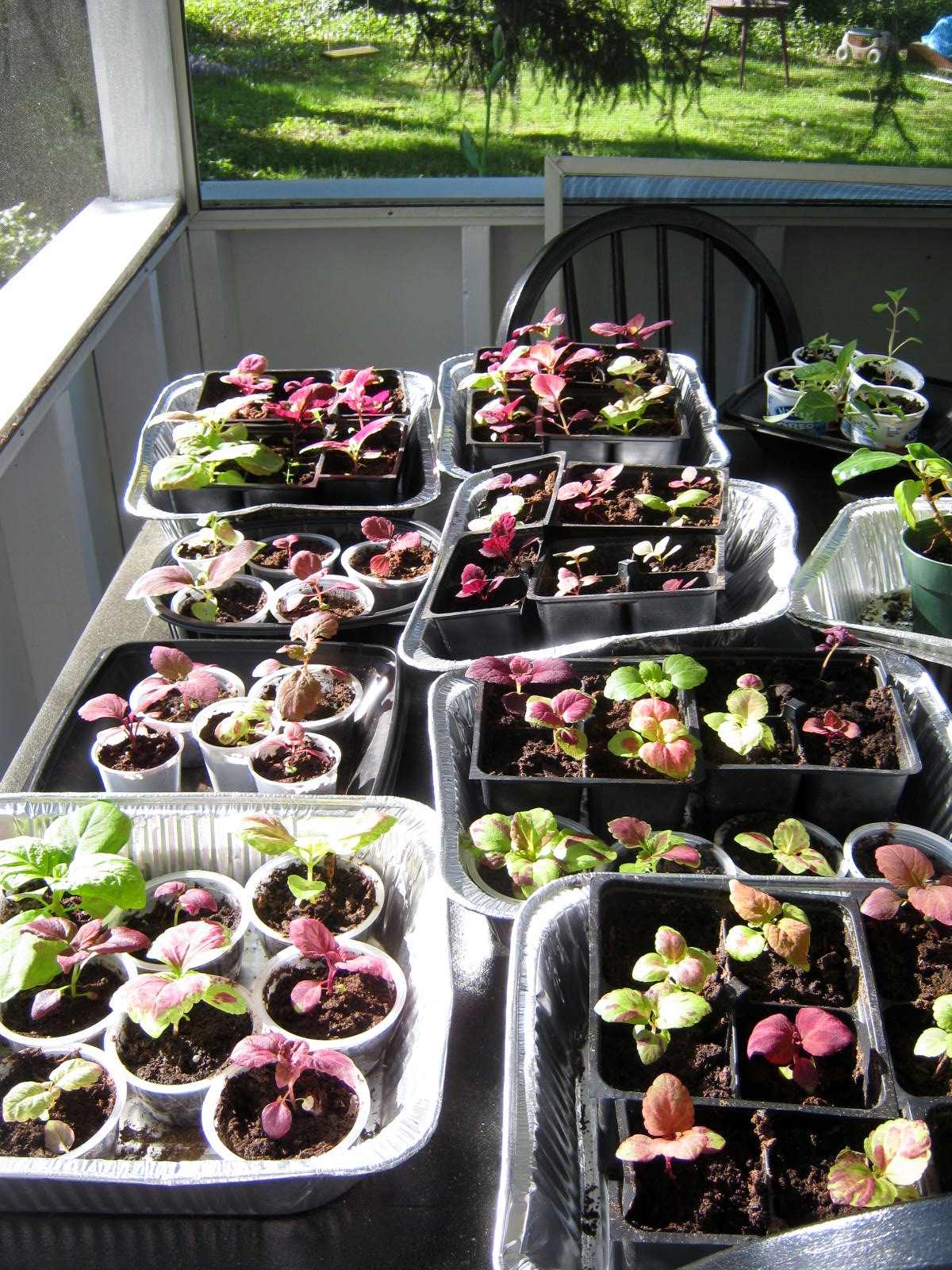
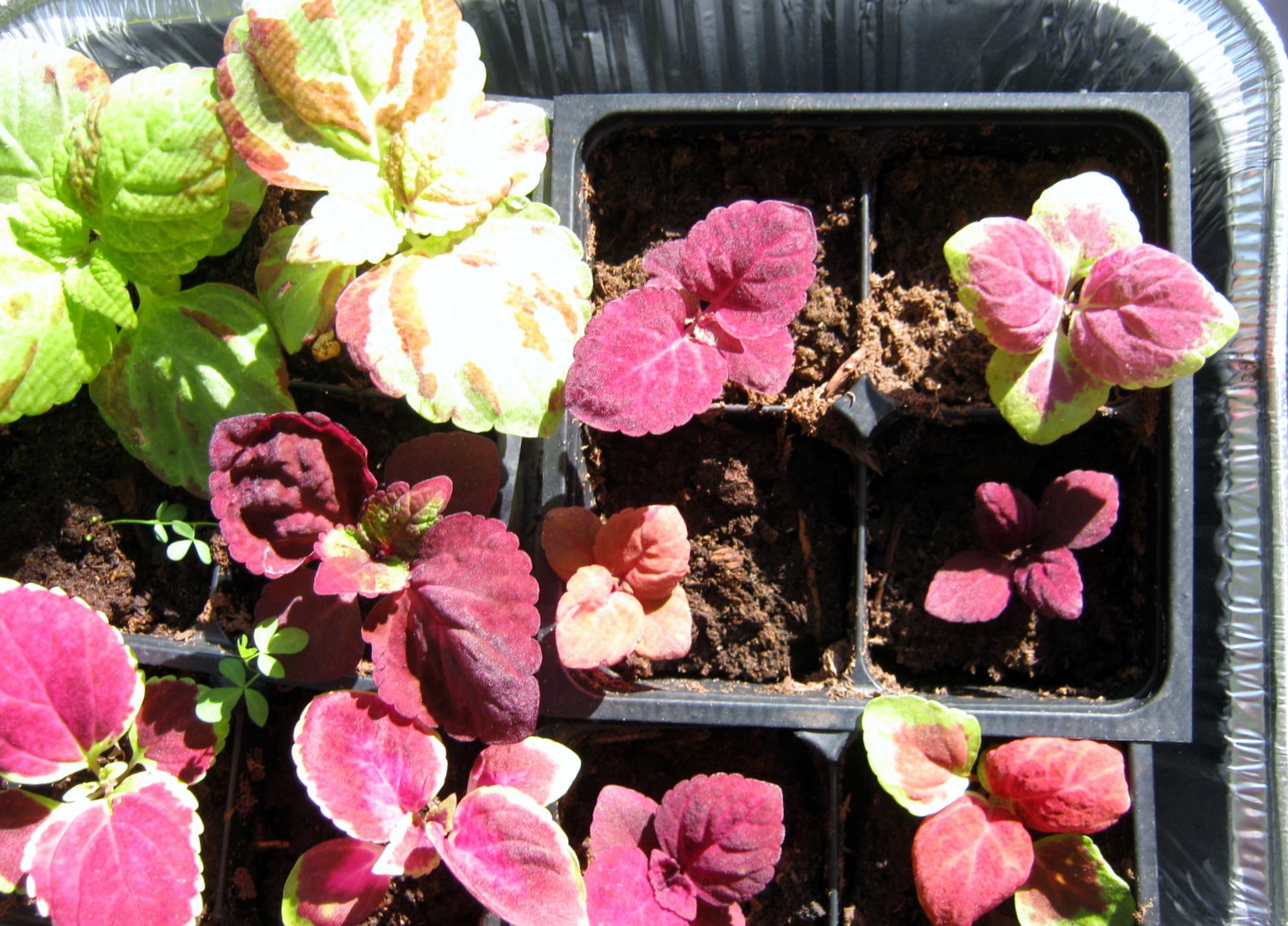
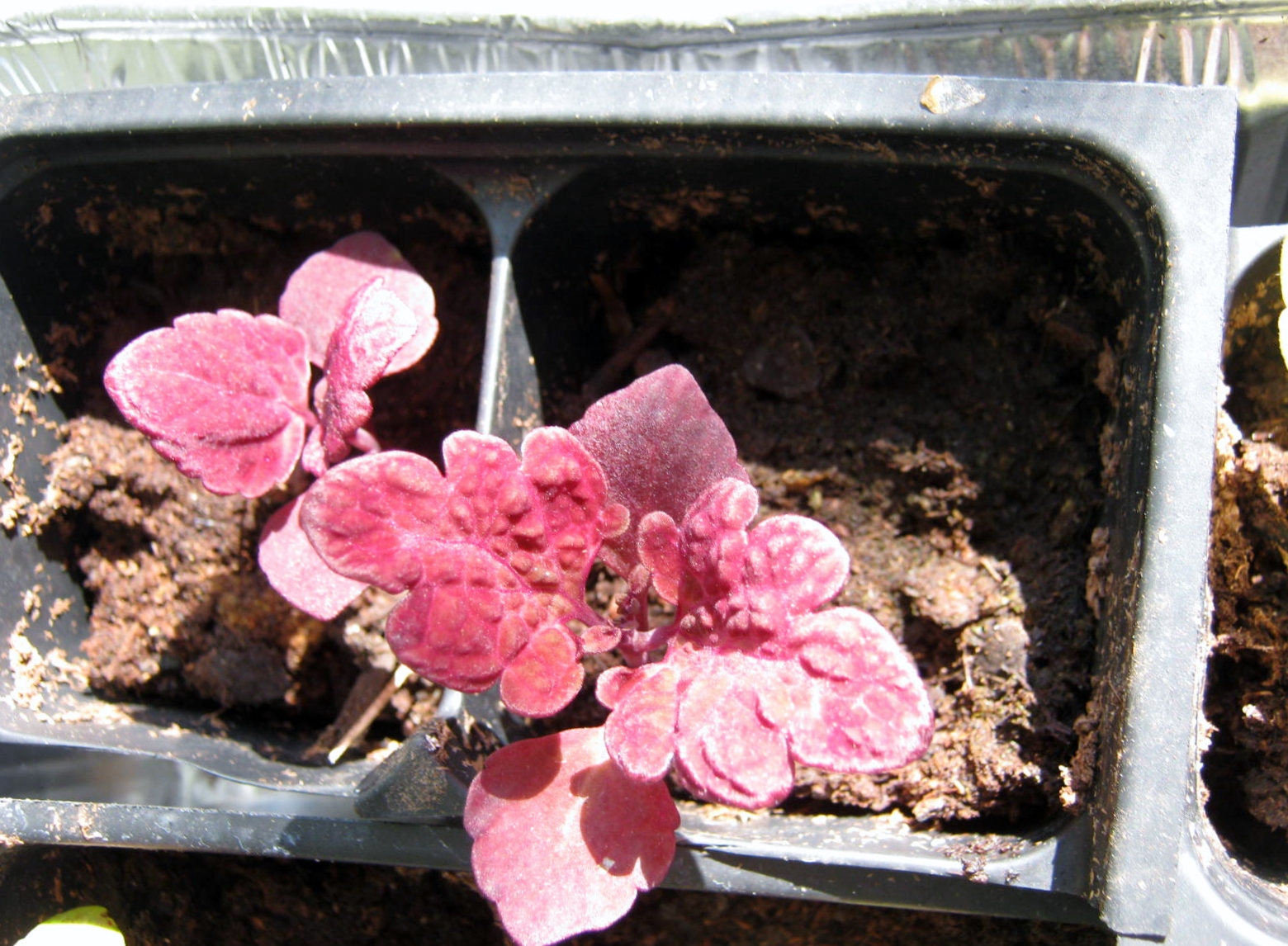
Plants – Coleus Seedlings Update
Yesterday, I moved my coleus plantlets out onto the back porch to begin acclimating them to the cooler night temperatures. I will probably plant them this weekend, even though the nights are still unseasonably cool. I am hoping a few days and nights on the porch will sufficiently harden them off. They are still very small. They have been grown in a cool basement under lights, and although this keeps them from becoming too leggy, it does not promote quick growth.
It’s fun to see what new patterns and scalloped edges the new season will bring. This year, as always, I have one or two favorites. My dilemma will be the decision of whether to plant them outdoors where they will face elements and insects, or coddle them on the porch for a few months. Maybe I will do a little bit of both.
Growing coleus from my own seeds is one of summer’s happiest pleasures.
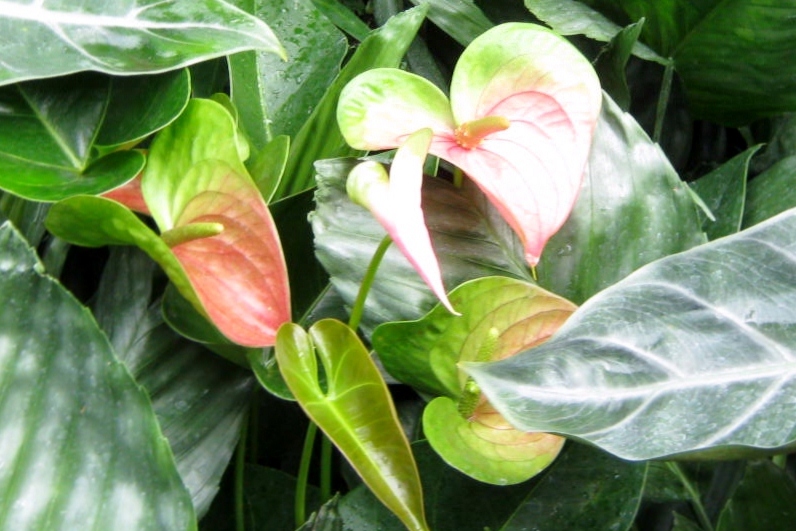
Plants – Anthurium
A few months ago, on the supermarkets “salvage” plant stand, I found an Anthurium plant. It didn’t have a bloom, but the leaves alone were beautiful, apple green with pink tinging the veins. I was thrilled to find it.
Through the winter the plant grew steadily, and this past week a beautiful bloom unfurled.
Here is a bit of history of Anthurium plants, and a how-to article on how to grow them.
This year Longwood Gardens had a lovely display of Anthuriums. I am hoping to one day locate one of these pink beauties to grow in my own home.
Plants – Petunia 4-pack
I’ve grown so many of my plants from seed this year, I really have no inclination or need to purchase anything at all. That was my mindset until I saw these brilliant pink petunias at a local farm market I visit weekly. Oh my! How could I resist. To justify my purchase I decided they must be a table arrangement for at least a week or two. The four pack they are planted in fits perfectly into a ceramic pot I love.
I think the petunias look very happy filling in as a flower arrangement on the table. When the danger of frost is past I’ve decided they will be perfect inside a hanging basket.