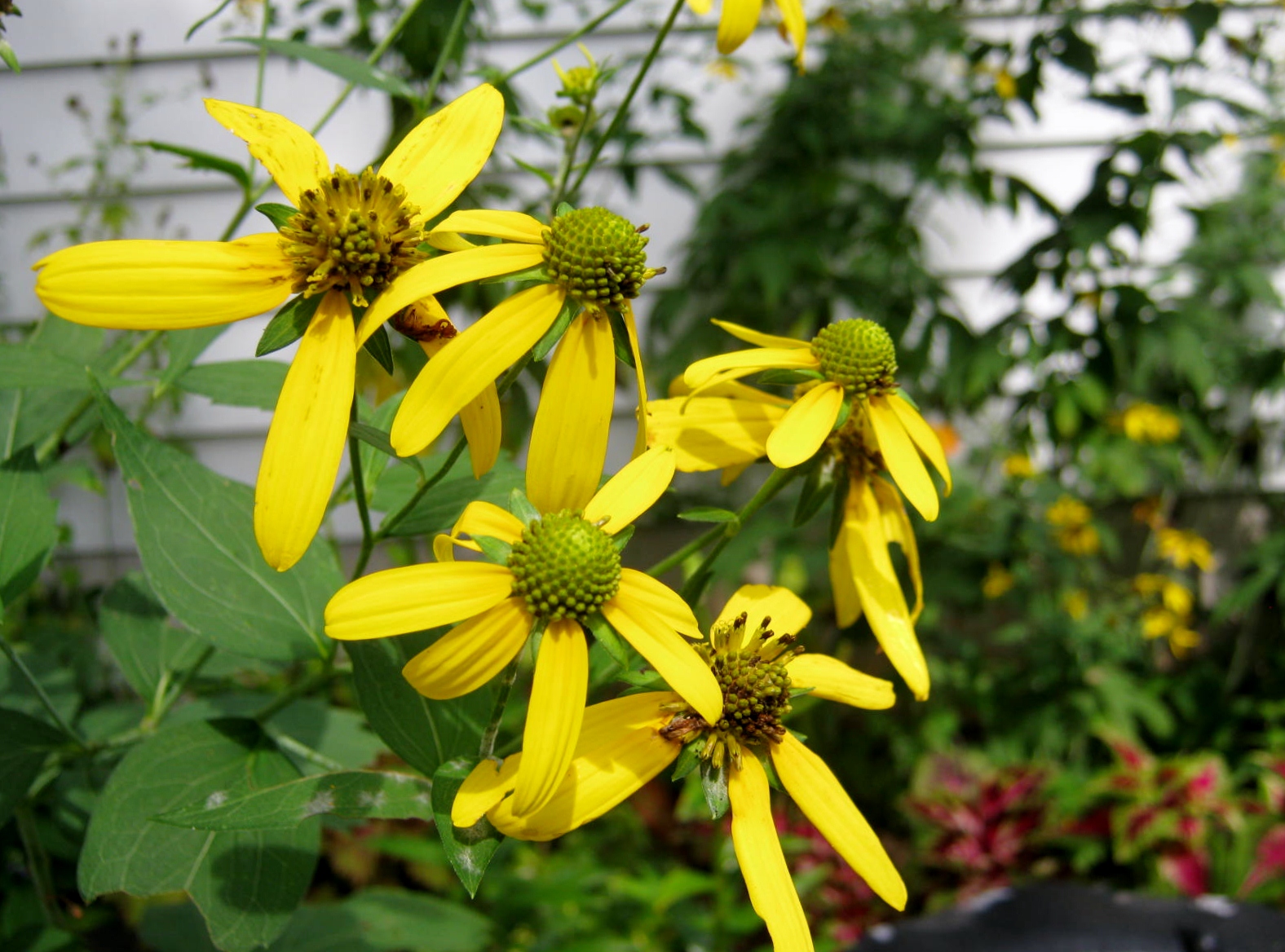
My late-summer flower garden is thriving. The Rudbeckia is full of blossoms. I don’t deadhead these flowers. They do not produce more blooms if I do so, and then I would deprive the finches of their treat. These flowers produce hundreds of seeds and are a favorite of the goldfinches. I often see the small birds hanging upside down on the seed heads, feasting on the bounty.

The Coral Nymph Salvia is a beautiful plant. It almost becomes shrub-like as the season progresses. I do deadhead the spent flower stalks of this plant, and it keeps producing until cold weather. It is a favorite of hummingbirds.

This Salvia self-seeded last summer, grew in a crack between the sidewalk and front porch steps, and is thriving. I will save seeds from this plant this fall. It has a resilience and determination I admire.
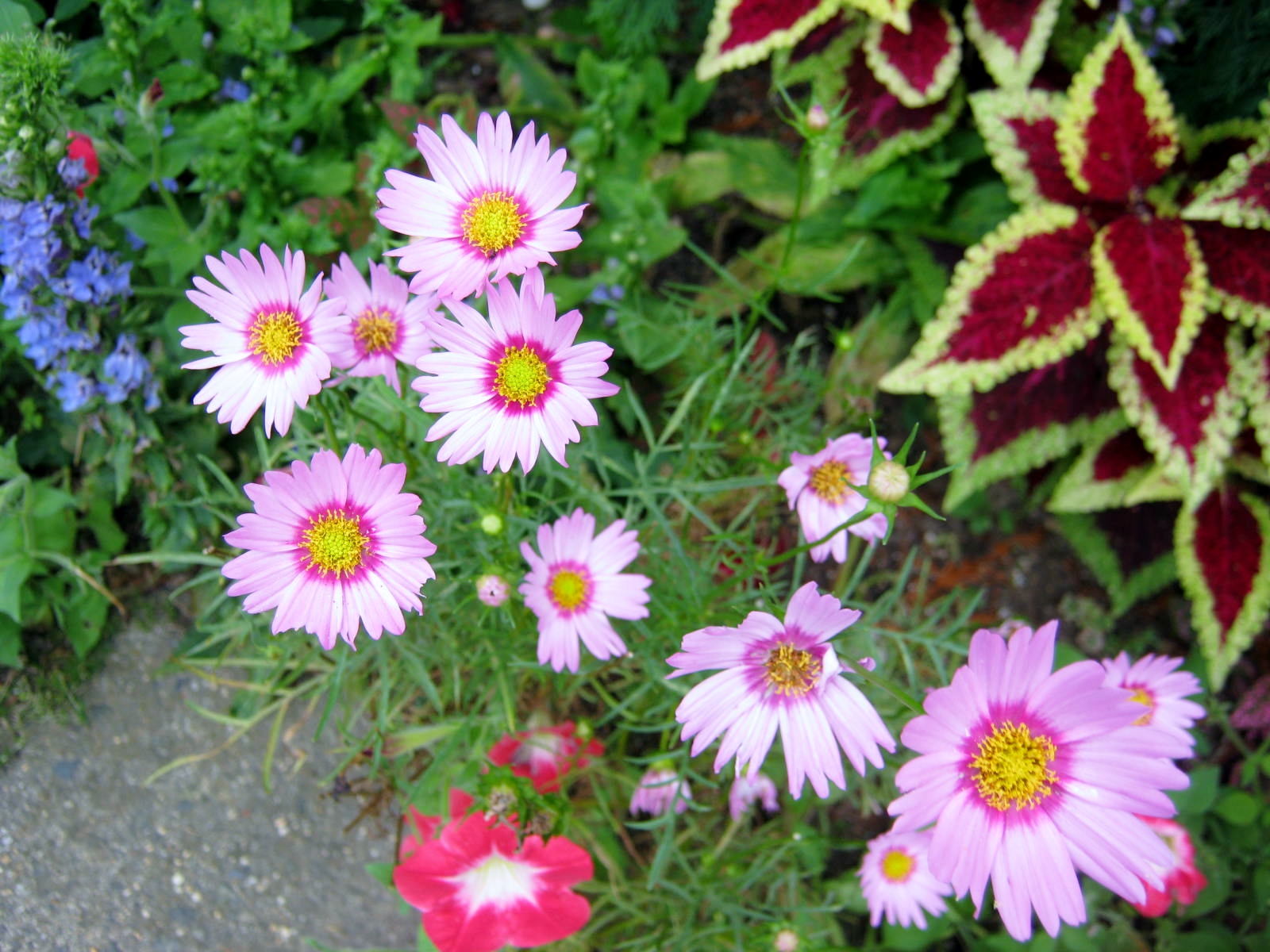
The Popsock Cosmos I grew this year is a bit taller than I had thought it would be, but is still a welcome addition to the front garden.
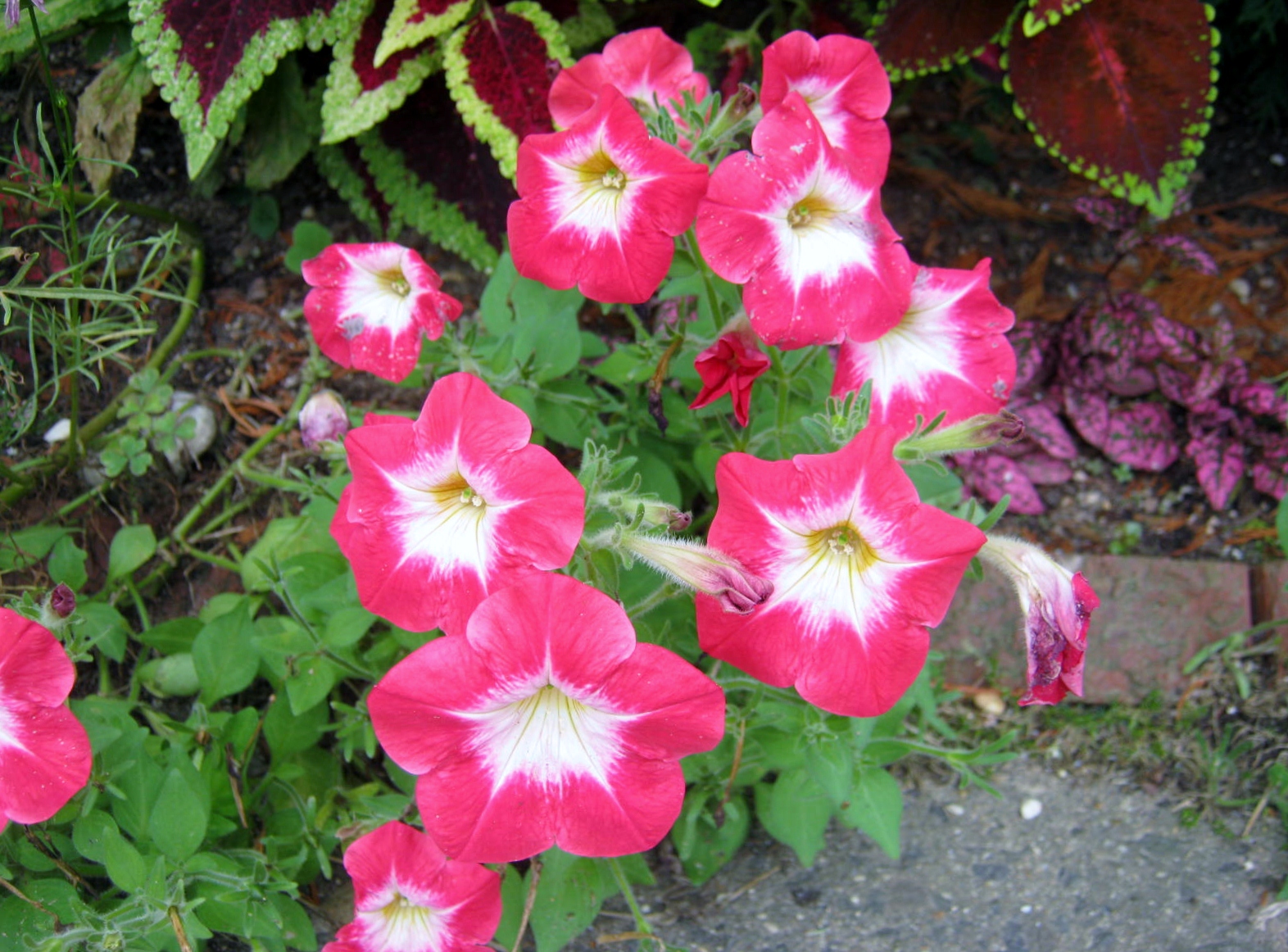
These cheerful petunias I bought on a whim this spring have been fantastic. I love the bright color and the abundance of blooms they have given me.


The coleus plants in the front garden are outstanding. I will soon let them begin to flower for next year’s seed harvest.
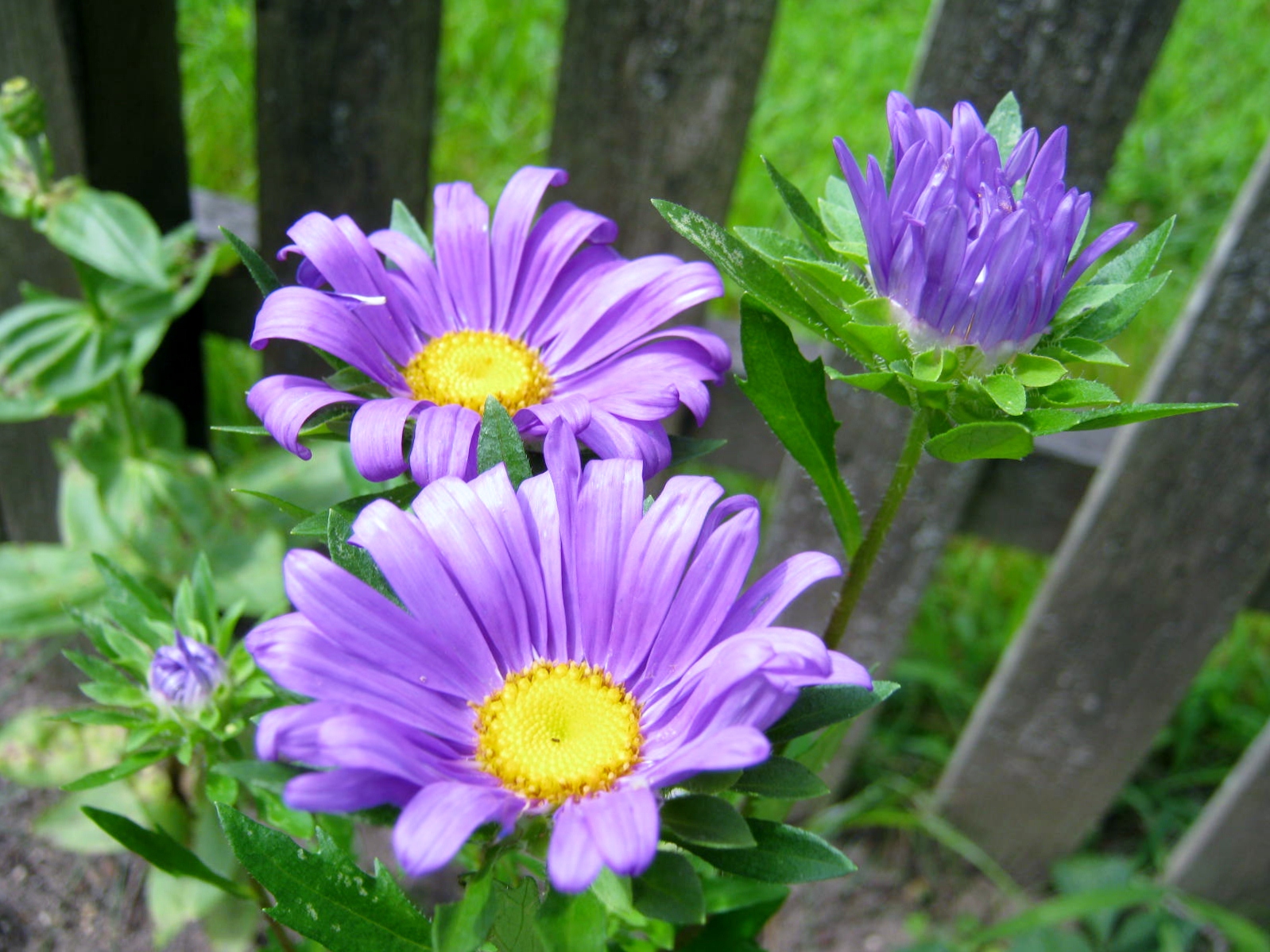
The asters I grew by winter-sowing are beautiful. They come in a variety of purple, lavender and pink shades. I am really pleased with this plant.
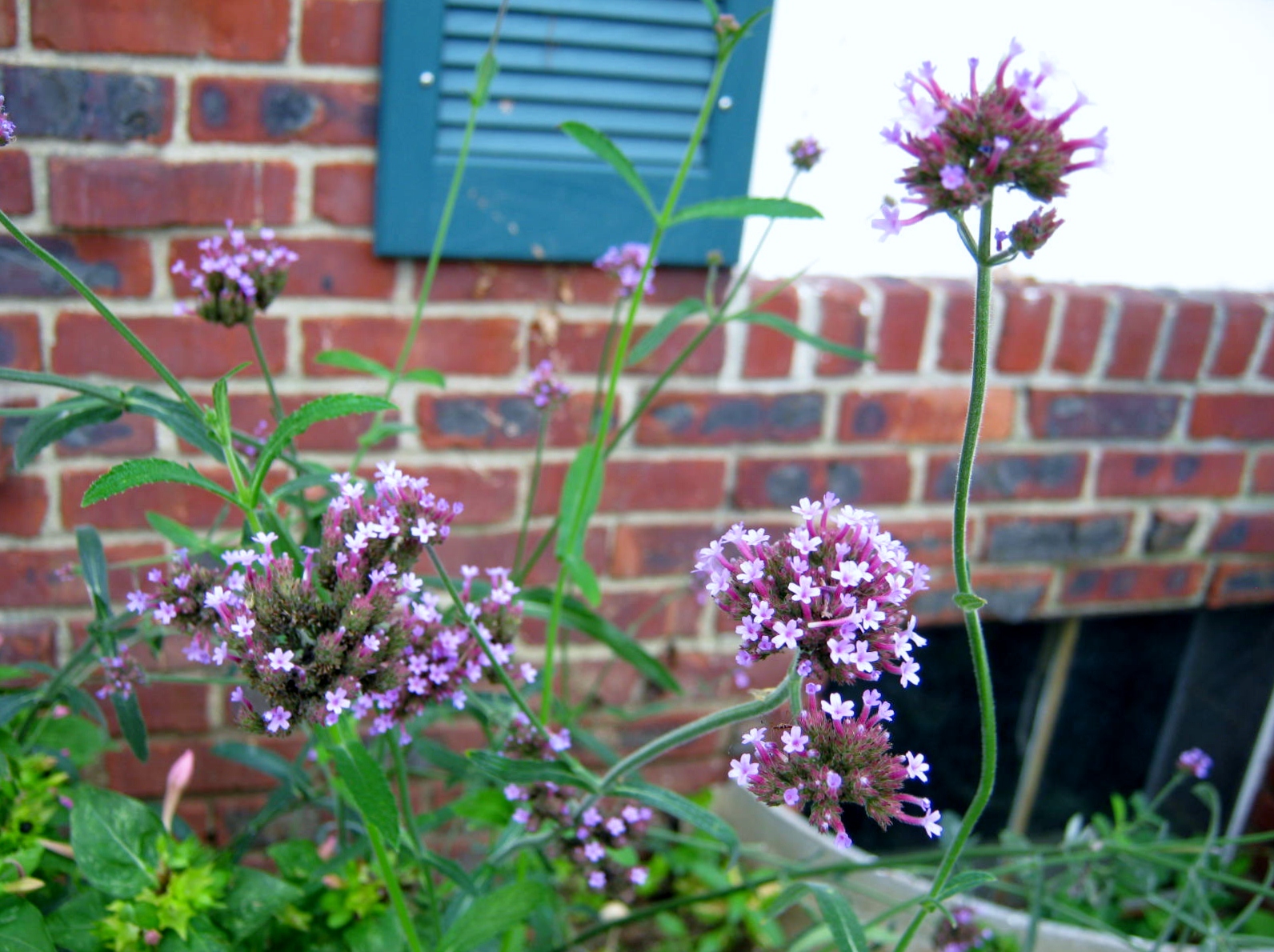
The Bonariensis Verbena is often perennial. This patch grew tall and broad this year and is constantly attracting butterflies. Last year it also self-seeded, and I have several new patches of this great plant.

Dahlias grown from seed and sun-loving impatiens (a Mother’s Day gift) are all doing well.

Here is one of my mistakes, although I love the lilypad-like foliage. I planted nasturtium in fertilized soil, and the foliage is abundant, but the flowers non-existent. They prefer to grow in poor soil.
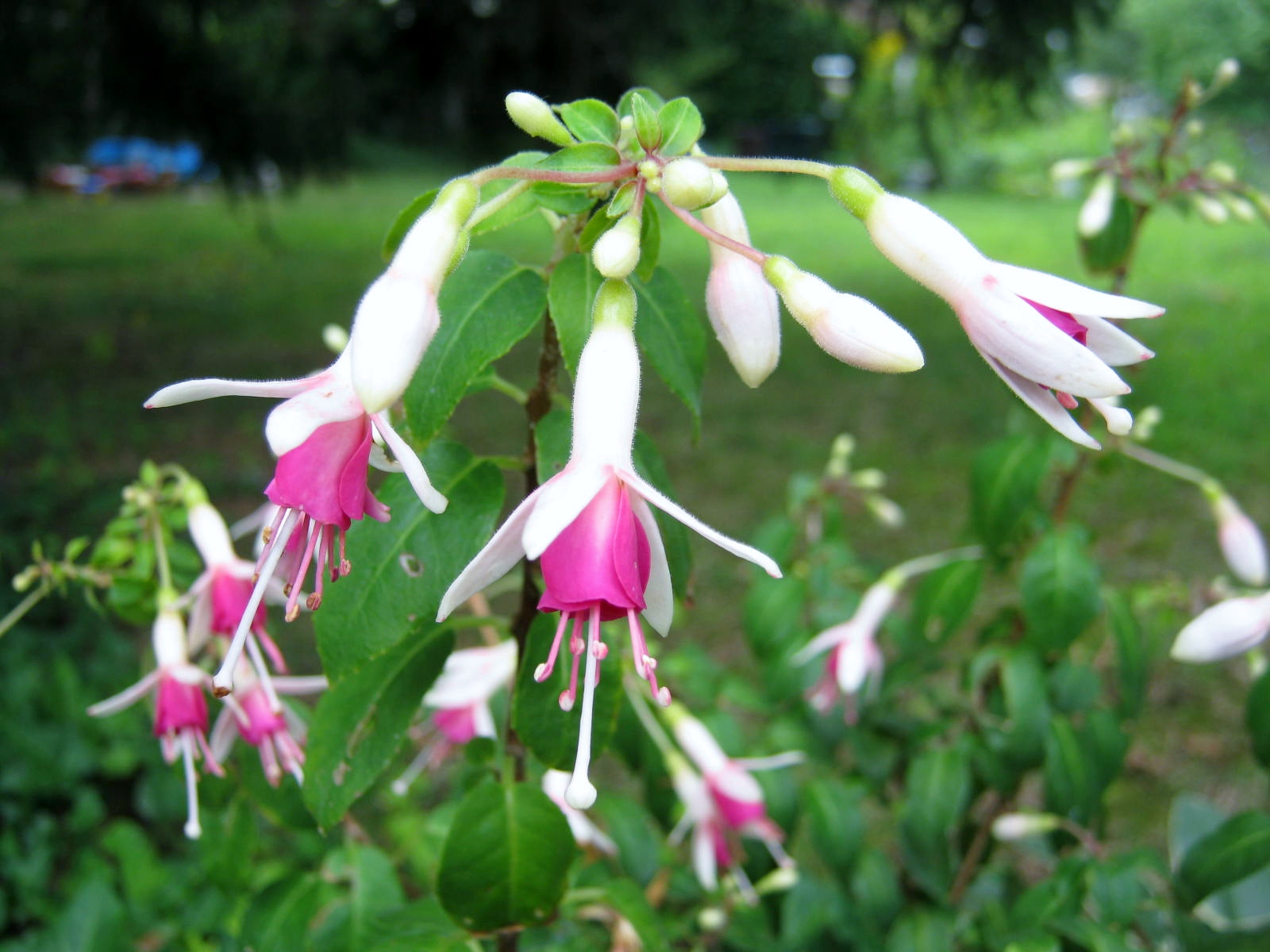


Both varieties of Fuschia are doing well, as are both varieties of the Dragon-wing Begonias.

Last but not least is my Lady In Red Salvia, a great hummingbird flower. I love the little hover-fly sipping nectar that I captured in the photograph below.