Phlash of News – September ’26

At the bottom of my ‘retirement from blogging’ post, I recently added this P.S.: “Over the summer, I thought of a few things I would like to share. Just as my husband retired from a full-time retail job and then stepped back into a part-time job driving a hayride tractor in the Autumn, I will try to step back into blogging at least once each season with interesting news, finds, and projects. Stay tuned!”

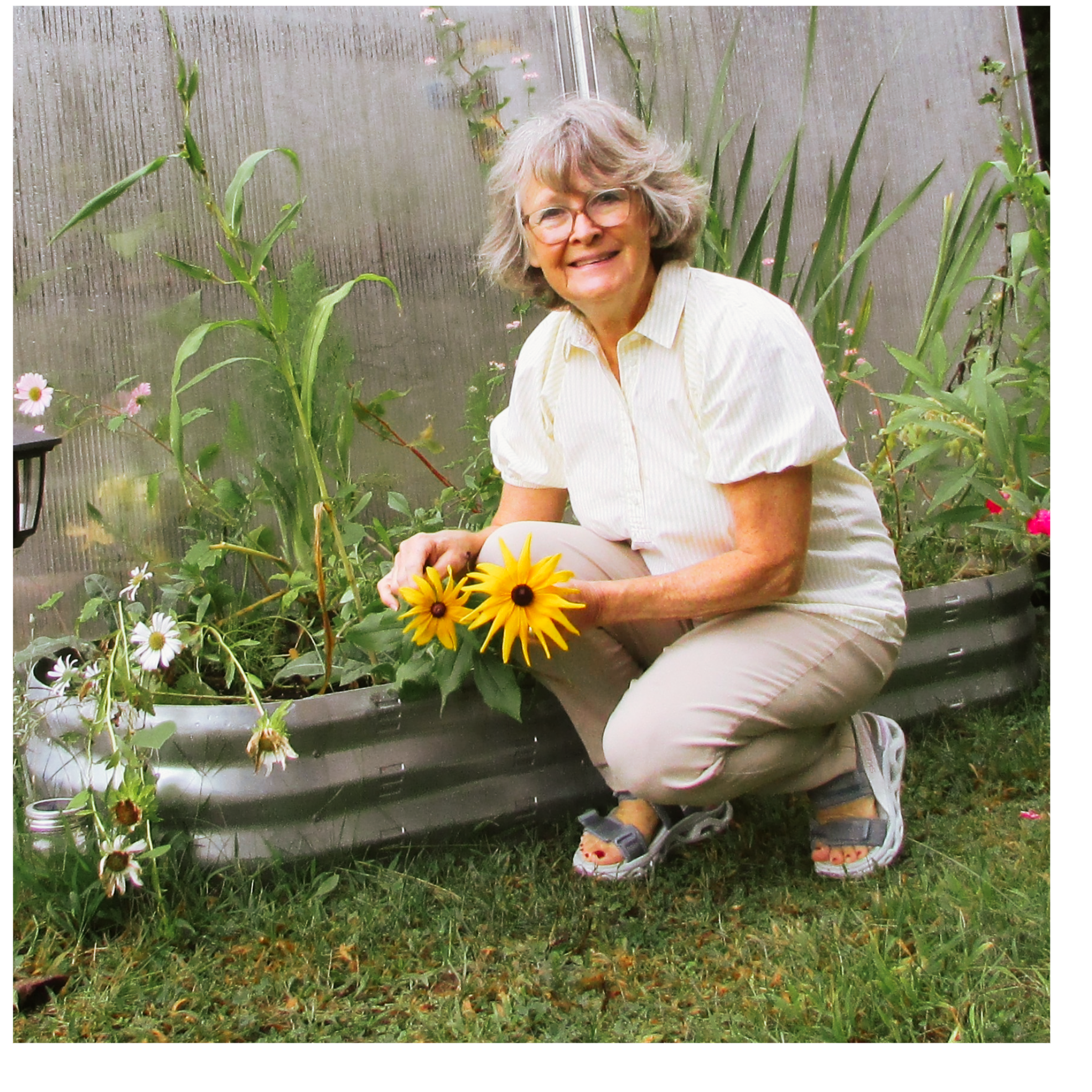
The very large and gorgeous Black-Eyed Susan grew from a packet of wildflowers I sprinkled into the planter box shown behind me. In late Spring and early Summer, I was discouraged by the squirrels treating the garden boxes as their personal playground. Half of the gladiolus bulbs I planted in the back were dug up and destroyed. I distributed the seeds heavily enough, though, that after the squirrels lost interest, many of them did sprout.

PRODUCT: Here’s a thumbs-up for these planter boxes, they were easy to put together, take up little room, and grow many plants because of the looseness of the soil. Next year I might add some nylon guard netting underneath the top layer of dirt to protect the seeds. I would definitely buy them again. They are on sale now at Amazon for a great price. I purchased two more for next year. Gadi Raised Bed Planter Box.

PAGES: I was honored when Yvette Prior of Priorhouse Blog approached me earlier this year to submit a chapter for her new anthology, This is How We Create. The book was published this month, and I ordered and received a copy through Amazon. I have been enjoying reading a chapter a day instead of rushing through it to finish. I’ve enjoyed every writer’s perspective so far.

In the back of the book is a section about each author, often with a link or the name of a blog or website connected to them. Going through each chapter and visiting blogs and websites has made reading the book even better. Of course, me being me, I first flipped through to the end and read Chapter 24, written by Yvette. Her kind words about my submission, along with the insights she included about each author and their work, were heartfelt and positive. Being a part of this book has been a wonderful experience. Chapter 8 is my contribution and is titled ‘Crafty Scavenging.’
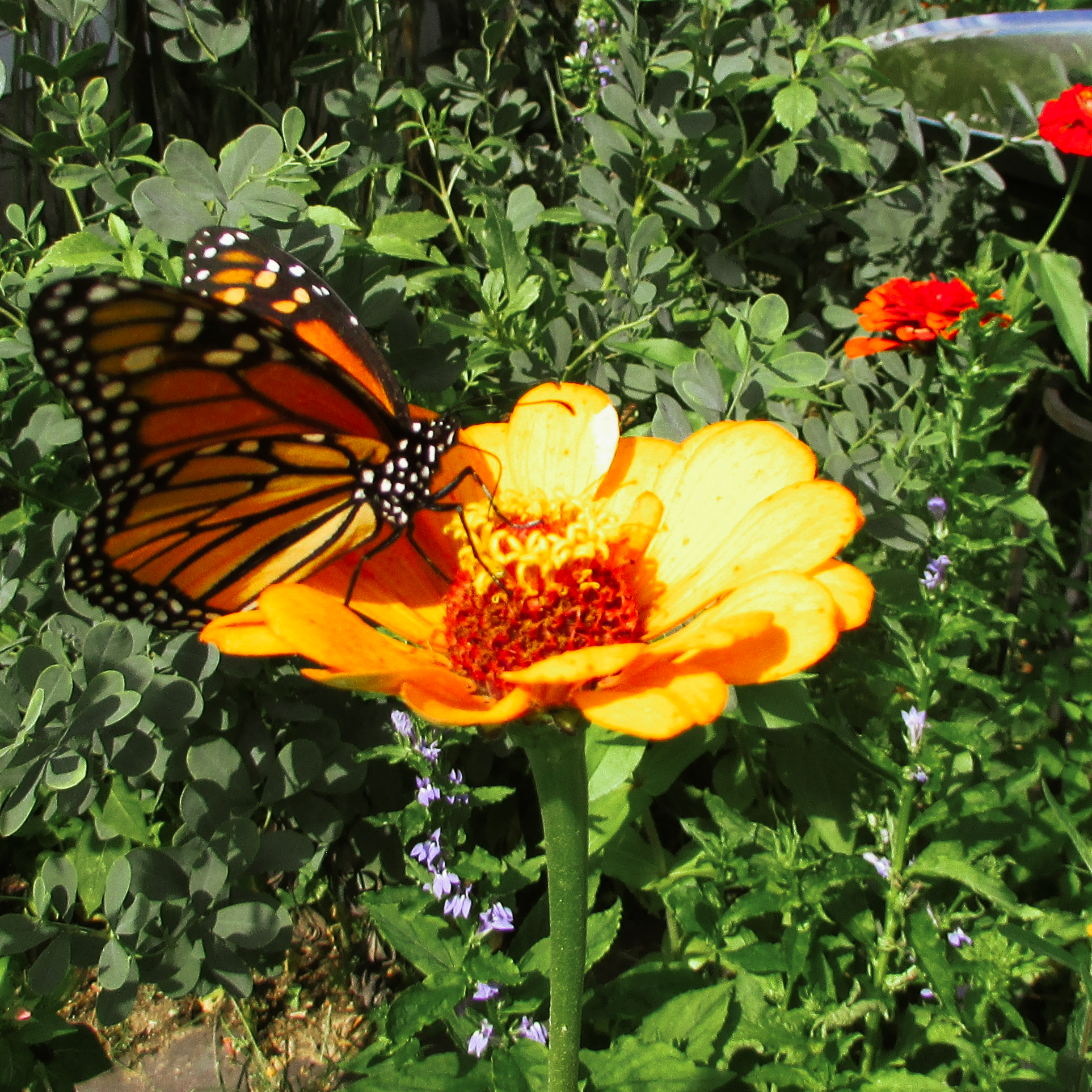
PHLUTTERS: I raised butterflies again this year, but not quite as many as last year. The large butterflies arrived later than usual. I had a few batches of Black Swallowtail and Monarch caterpillars thrive and eclose on my back porch. Right now, about a dozen Black Swallowtail butterflies are in their chrysalis’ in the greenhouse, and they will not emerge until Spring. Four Monarchs emerged in the last two weeks, and they were large, brilliant, and flew away with vigor.

PHILM & PAGES: Project Hail Mary. I loved the Amazon Prime movie so much that I’ve watched it twice, and it is two hours and thirty-six minutes long. I am also reading the book of the same name, written by Andy Weir. This story is apocalyptic, but also sweet, scary in the control nations have over citizens if things go wrong, and beautiful in a unique friendship. My grandchildren loved this. Good for all ages except very young children. Even if you don’t like Science Fiction, this space fairytale will still capture your heart. If you do like movies like Passengers, The Martian, ET, and Interstellar, you will love it. It even includes a brief, witty shout-out to the music of Close Encounters of the Third Kind.
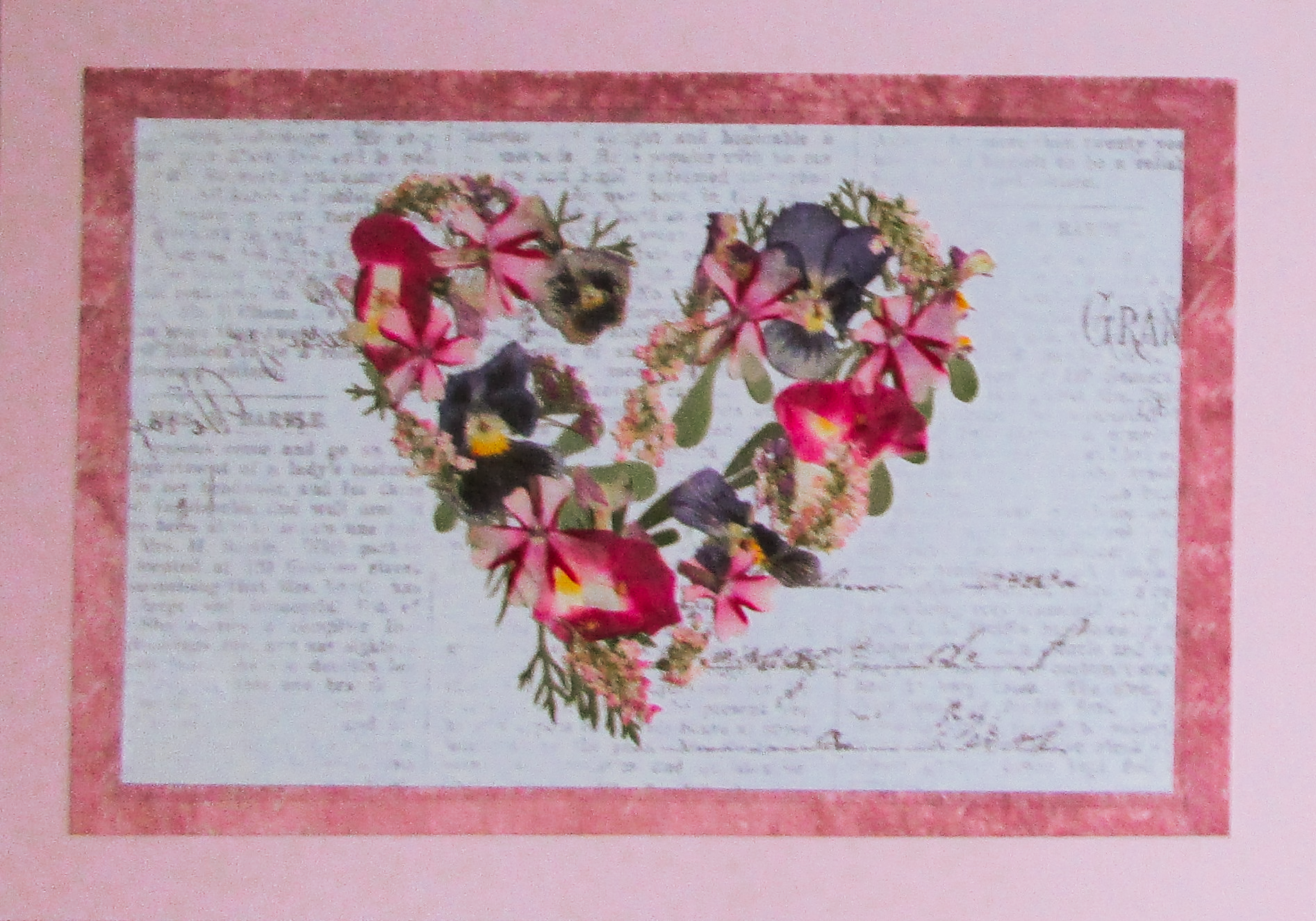
PRESSED FLOWERS & PLANTS: I enjoyed pressing flowers again this summer. I found a new small variety for tiny hearts and other small imaginings. Buckwheat is not a pretty plant, but it blooms in sprays of bright pink flowers. Although, they are a bit thick, they press well in a pourous paged book with a weight on top and here is the secret, pressed in a hot car. I have never found a better and quicker way to press flowers than in a book, in a car, in summer, with the windows up. Almost perfect every time, with little fading.
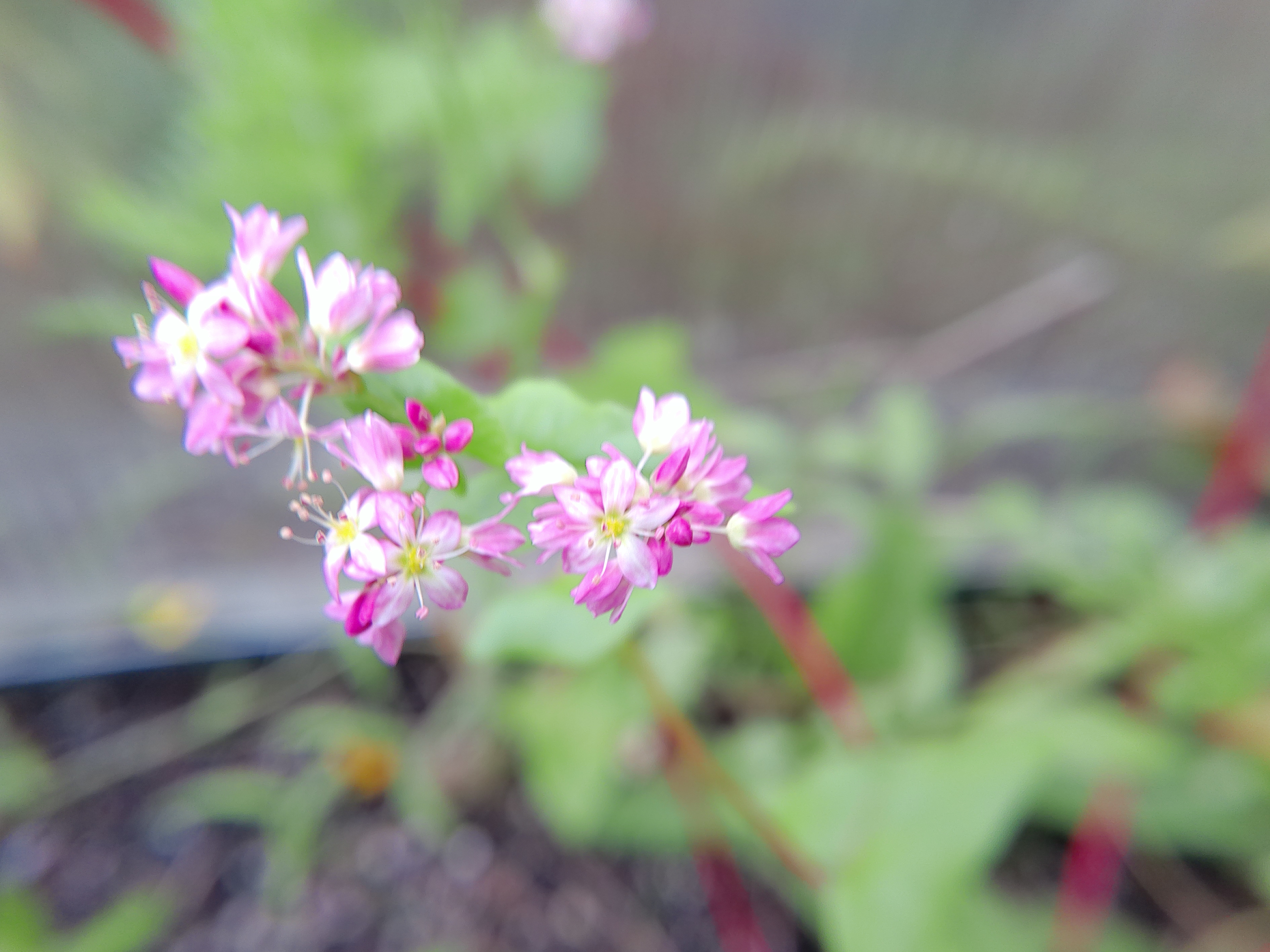
Buckwheat seeds are available through Baker Creek Heirloom Seeds. The photo in the catalog shows magenta; mine were more of a light pink.

PERSPECTIVE: Summer was lovely, with many trips to the beach, Wildwood, Wildwood Crest, Strathmere, and Ocean City, New Jersey. We ride bikes every day without rain; although I have finally begun to wear a helmet even in the neighborhood, it only takes one fall without injury to make a person say to themself, ‘What if I had hit my head on the curb?’ It’s best to be safe as you near seventy.

Because I am not blogging as much, I had a bit more free time to watercolor, rejoin the Art League, paint seashells, and be introduced to Zentangles at an Art League class. The garden always takes about an hour each day, but it is a joy.

We lost one of my family’s closest friends. One afternoon, as I thought about this lovely, too-young-to-go, beautiful lady, I looked out my window. I saw three birds in the distance sitting on the bare branches of a tall tree. They suddenly flew out of the windowpane frame of my vision, and immediately my spirit was uplifted as I realized that, just like those birds, this dear lady has only flown out of our view. Just because we can’t see her doesn’t mean she is gone. I believe with all of my heart that our spirits are eternal. I believe that, because she believed in salvation and witnessed to others the love of God in so many ways, she is in Paradise with Jesus right now. Do you know this Jesus? If not, here is an Invitation.

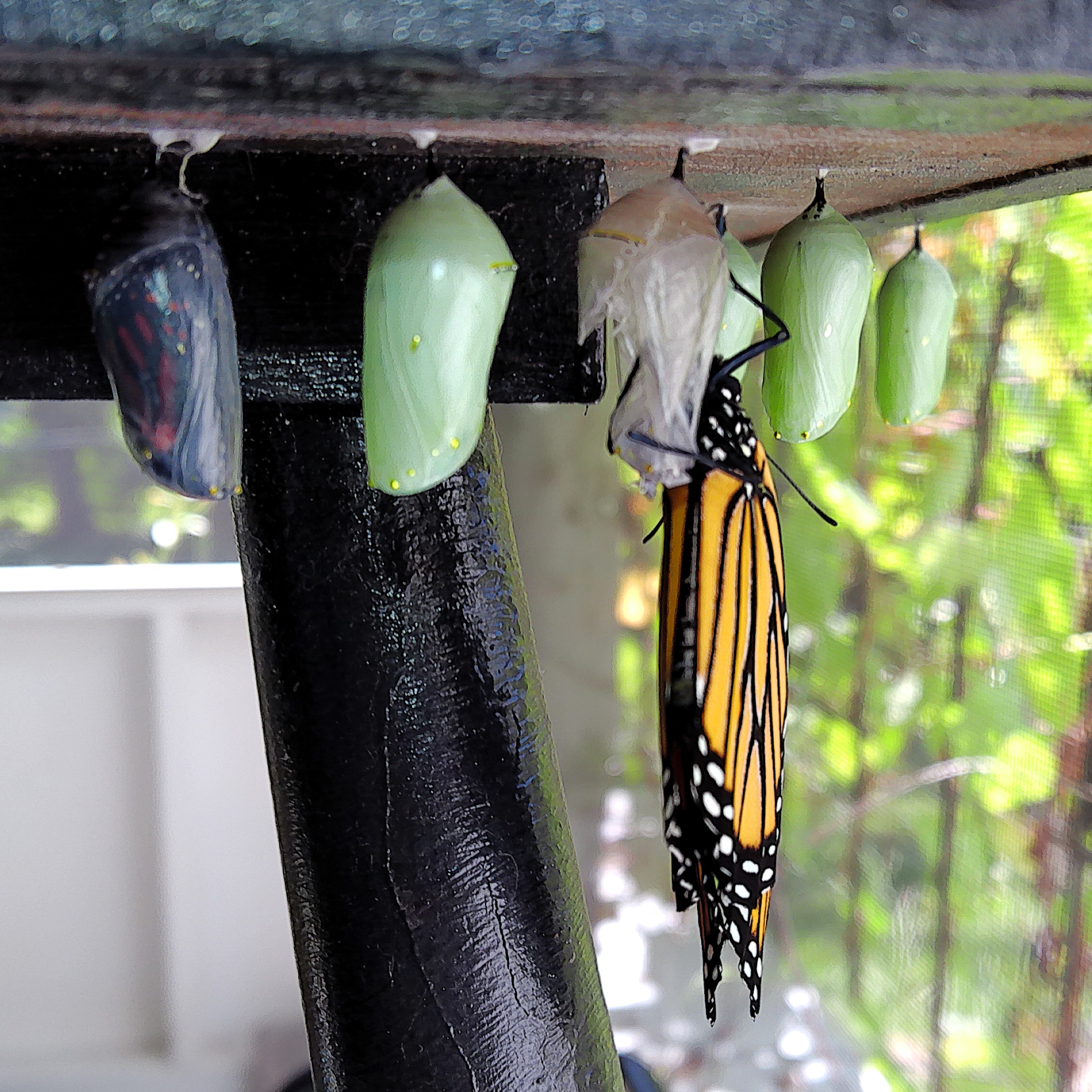
Phlutters – Monarchs

Photographed today, Monarch Butterflies in different stages of development. The one who eclosed today is ready to begin its adventure of flying to Mexico for overwintering. Later in the morning, the one on the left also emerged.

I nurtured the caterpillars on my screened porch rather than leaving them outdoors because they fall victim to predatory bugs that are not affected by their poison. Many created their chrysalis beneath the coffee table that held the milkweed they fed upon.

Phlutters – Problem Solving in Raising Butterflies

Cannibalism fix – When I found two newly hatched caterpillars on the same leaf, I knew I could not let the pair continue sharing the space. The dilemma: how to move one to another leaf without causing injury by touching it? I prepared another leaf by making two small cuts in the flesh. I then cut away one of the caterpillars with the leaf intact and inserted the ends of this piece into the cuts on the other. I’m sure my explanation sounds a bit convoluted, so I’m glad to have a photograph too. Success! You can see the caterpillar adjusted and moved on to the surface of the new leaf.

Another problem is how to clean the butterfly house. The bottom becomes discolored due to water spills and caterpillar frass (waste). I purchased another house to have a switch-out option. After all the caterpillars/butterflies completed their cycles, I washed the dirty house with a heavy stream of water from the hose and then hung it on the clothesline to be sanitized by bright sunshine. I didn’t use any type of soap or cleaner, only fresh water; butterfly feet are ultra-sensitive and chemicals of any kind can be detrimental to their thriving.

At some point milkweed leaves will begin to dry up when separated from the main plant. When this begins to happen I place a fresh leaf beside the one beginning to dry and the caterpillars move to the fresher food source.

To thwart the flies that prey on caterpillars I concocted these fly traps. Many recipes can be found on the Internet. I used water, with a bit of vinegar, sugar and soap. My solution did work. Unfortunately, foliage beneath it died when it overturned. I have some bare spots on my grass where I set the traps. I think an animal knocked them over. Parasitic wasps prey on caterpillars too, but since I bring them in before they are big enough to be of interest to the wasps, so far at least, I haven’t had a caterpillar in the butterfly house afflicted by wasp eggs.

Phlutters – Butterfly Update

The large butterflies are finally showing up in my backyard. We’ve also seen many Yellow Swallowtails on daytrips as we drive toward the ocean shoreline. I am relieved. They are late, but they are here. Today I saw two Yellow Swallowtails, the largest butterfly in this area, on my butterfly bush at the same time.

Late last week, a bronze Monarch laid eggs on the underside of Milkweed leaves as I watched. Today, I went in search of the small dome-like eggs and marked each leaf with a string when I found one. I know the small caterpillars are poisonous, but that does not stop other insects from eating them. Ants, mantids, wasps, spiders are a few of the insects that will eat Monarch caterpillars. You can find solutions for combatting this problem on the Monarch Butterfly Garden site.

This caterpillar decided to form its chrysalis almost on top of another chrysalis. This is a view of the top corner of the smaller butterfly house.

I’m encouraged that the big butterflies are returning. I am peering out the windows constantly, camera ready, prepared to instantly run out in the yard to record their arrival and feeding.

Phlutters – Small Miracles Part II

Part II of my small miracles day doesn’t have the beauty of the newly hatched Swallowtail butterfly, but it will help facilitate more miracles. I grow dill and other host plants for Swallowtail butterflies each year. This season I was determined to also grow plants for Monarchs.

I have managed to sprout some milkweed seeds by the winter-sowing method. Because I know the milkweed has a tap-root I chose to sow the seeds in peat pots and enclosed them in a recycled food container during the winter months. They have sprouted. I will get them in the ground as soon as possible so that the tap-root will not be disturbed and the plants will have a better chance at survival.

Asclepias syriaca: Common milkweed is the host plant for Monarch butterflies.

“Monarchs cannot survive without milkweed; their caterpillars only eat milkweed plants (Asclepias spp.), and monarch butterflies need milkweed to lay their eggs. With shifting land management practices, we have lost much milkweed from the landscape.” ~ Monarch Joint Venture

I know the assessment of Monarch Joint Venture is true. I can name three parcels of land within a mile or two of my home where I once saw milkweed. All three have been built upon, weed whacked, or decimated by the relentless need to clear land for business purposes. I’m sure this same problem is rampant across the country.

Due to the loss of habitat for monarchs, this year I collected a bit of seed from a milkweed patch to grow in my gardens. I’ll be planting the sprouts soon so that the long root can develop unhindered. I also have several milkweed seeds in my freezer. I’ll plant a few in my garden beds and also find some areas near me where they might have a chance to grow. If you want to participate in helping Monarch butterflies survive and thrive you can find some good tips here: Monarch Butterfly Garden.

Projects – Saving Seeds

Vinca Seedpod and Seeds

I have seedpods and seeds strewn all over my house. It’s time to get serious about letting a few plants go to seed so that I will not have to buy the same seed packets again next year.

I’ve even collected a few wildflower pods. Milkweed attracts monarch butterflies so I collected a pod from a roadside plant.

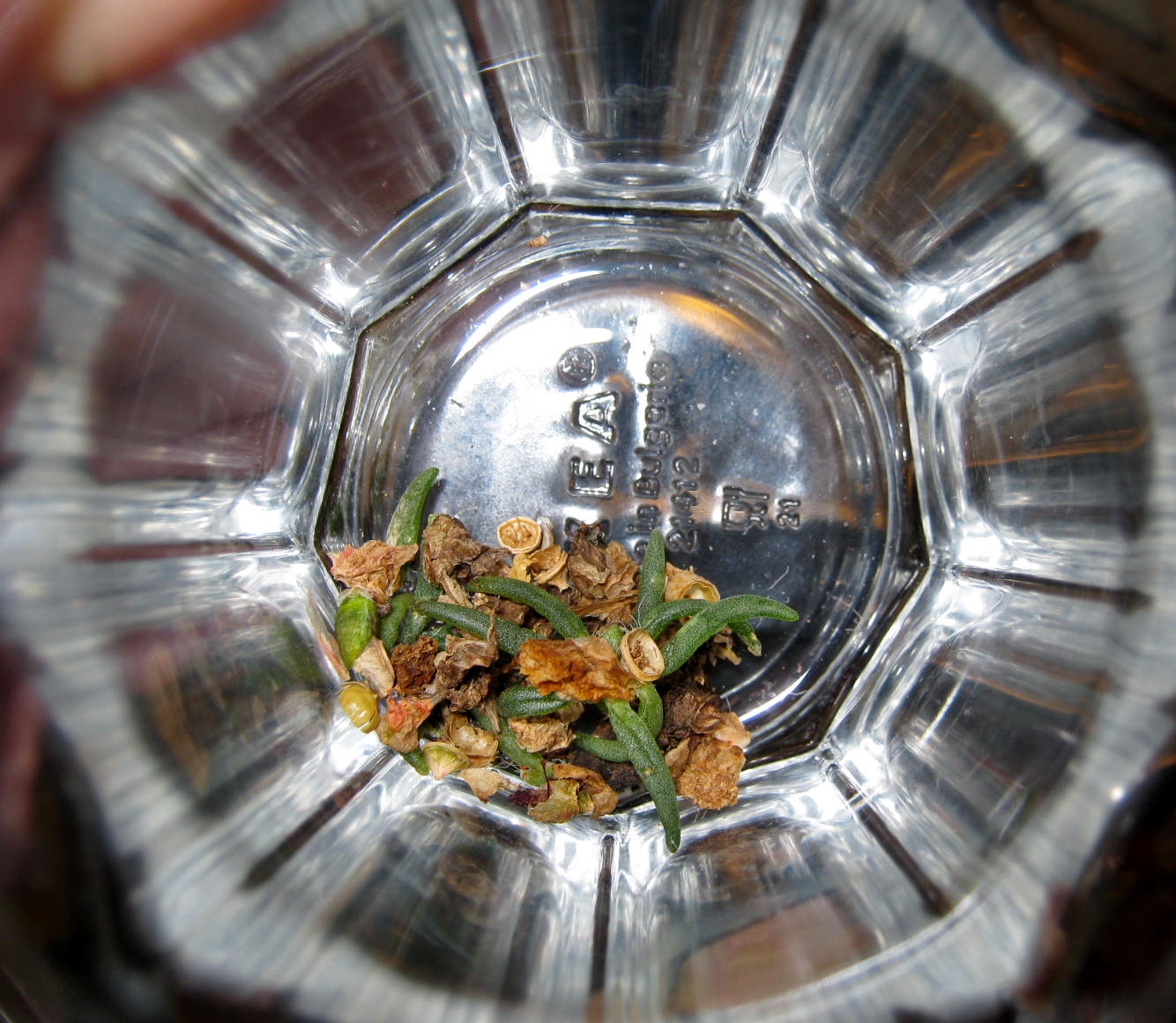
I let my collected seeds dry out for several days, either on the windowsill, or inside a glass.

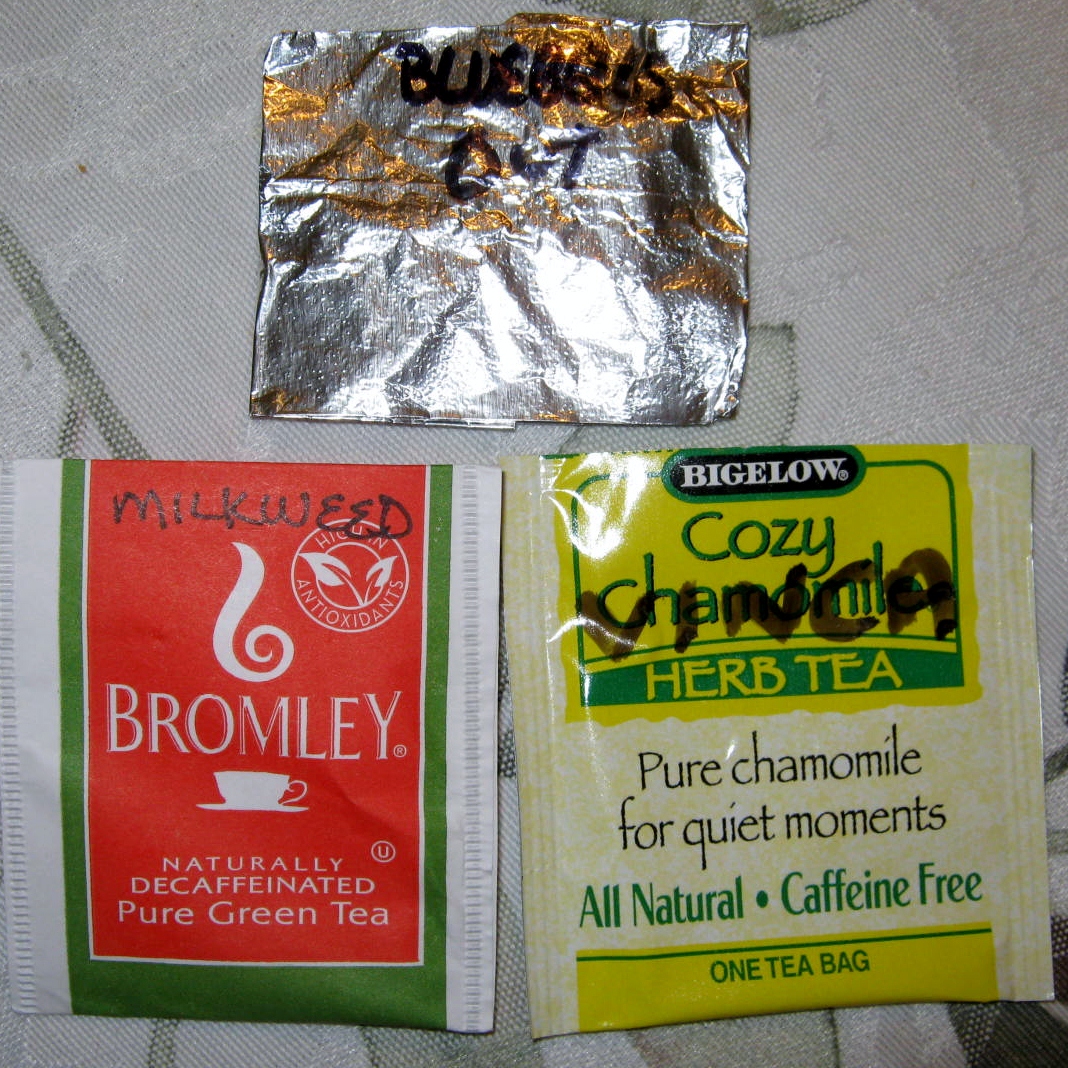
I then enclose the seeds in aluminum foil and store this packet inside a recycled tea bag wrapper.

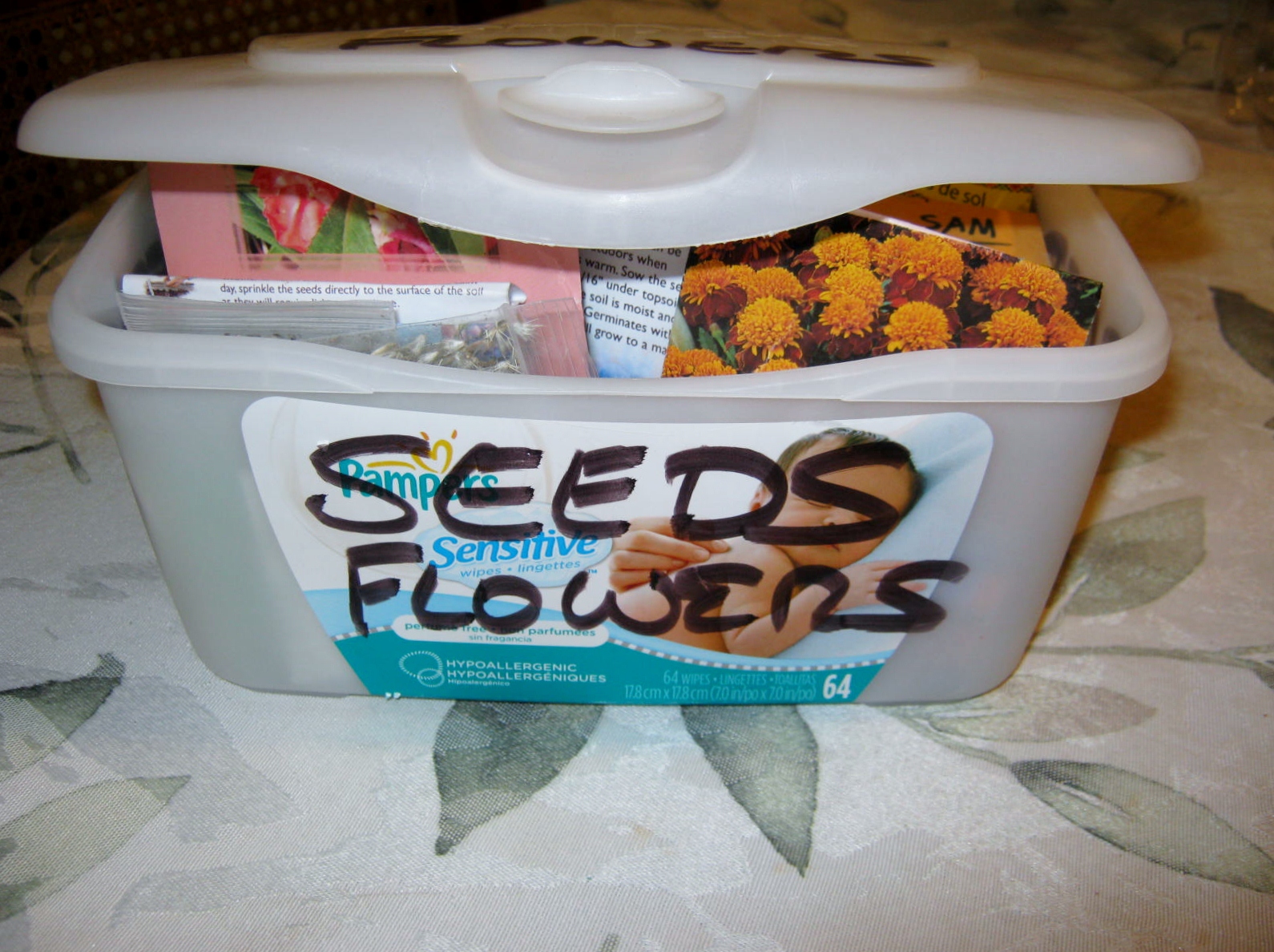
Finally, I file these seed packets, and any leftover seeds from spring, inside a recycled plastic container. In the picture below I’ve used a baby wipes container. These are kept in my refrigerator until I begin to plant once again.