Plants – Autumn Volunteers

IMG_8445

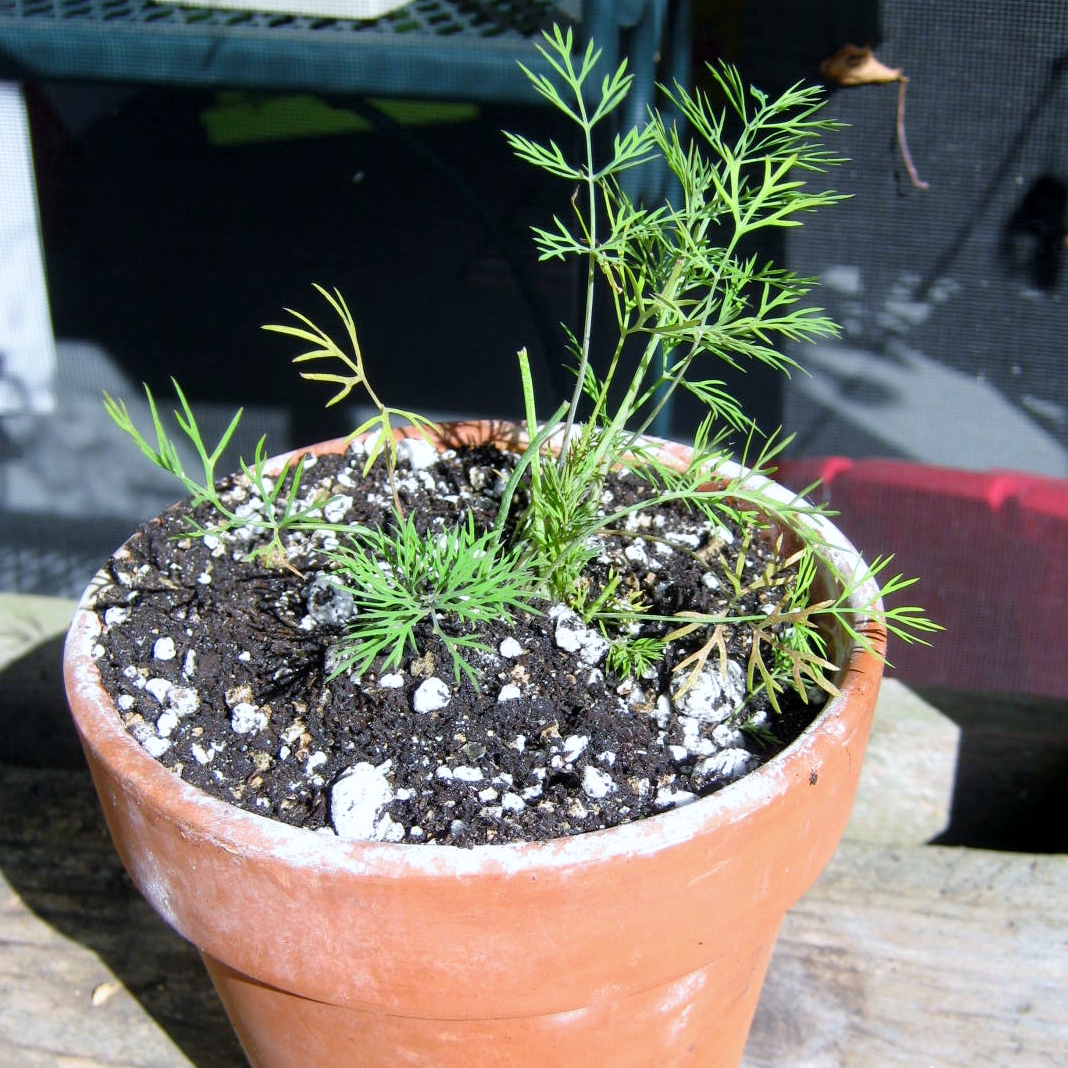
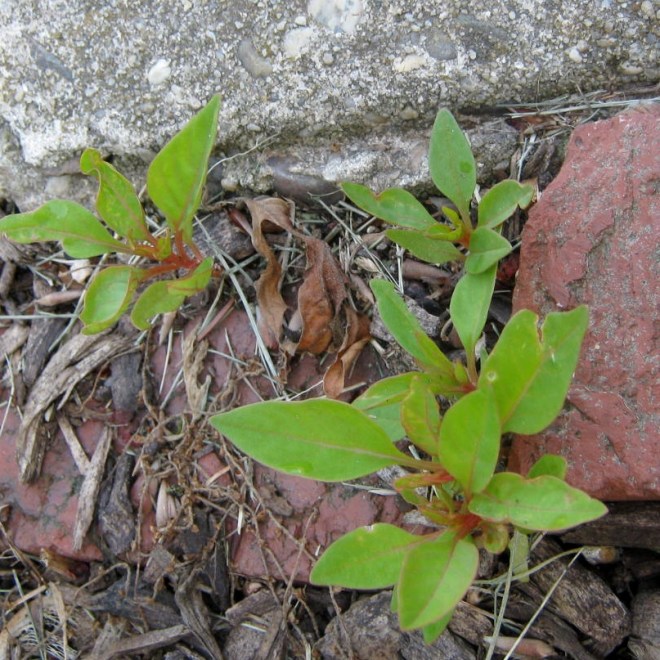
While cleaning out garden beds today I noticed some volunteer dill seedlings. When I harvested the dill seed this summer some must have fallen to the ground and sprouted. I love volunteer plants.

IMG_8449

I placed a few of the sprouts in a pot, watered them, and in a day or two will bring them in to grow through the winter on my kitchen windowsill. Check your garden beds to see which of your plants might have a squadron of volunteers growing there.

Quick Tip – Removing and Using Volunteers

IMG_6352

Over the years of blog posting, I’ve written many times of “volunteer” seedlings, small plants that spring up in early summer, self-sown by the previous year’s garden vegetables or flowers.

“Produce from volunteer plants is often bigger and tastier than are intentionally cultivated crops. After all, the plants have sprouted where they want to grow, as opposed to where you want them to. Like wildflowers, unbidden edibles usually appear wherever they’ll have the best chance to survive and reproduce . . . that is, where the soil has the necessary nutrients, the proper pH balance, and just the right amount of drainage to satisfy the needs of the plant in question.”
~ Mother Earth News
IMG_6355

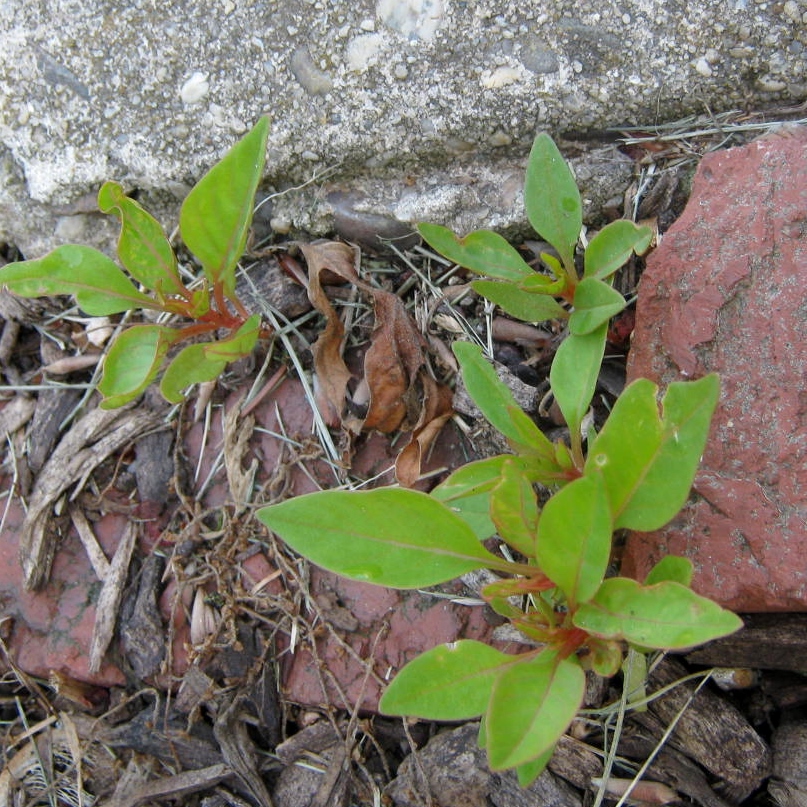
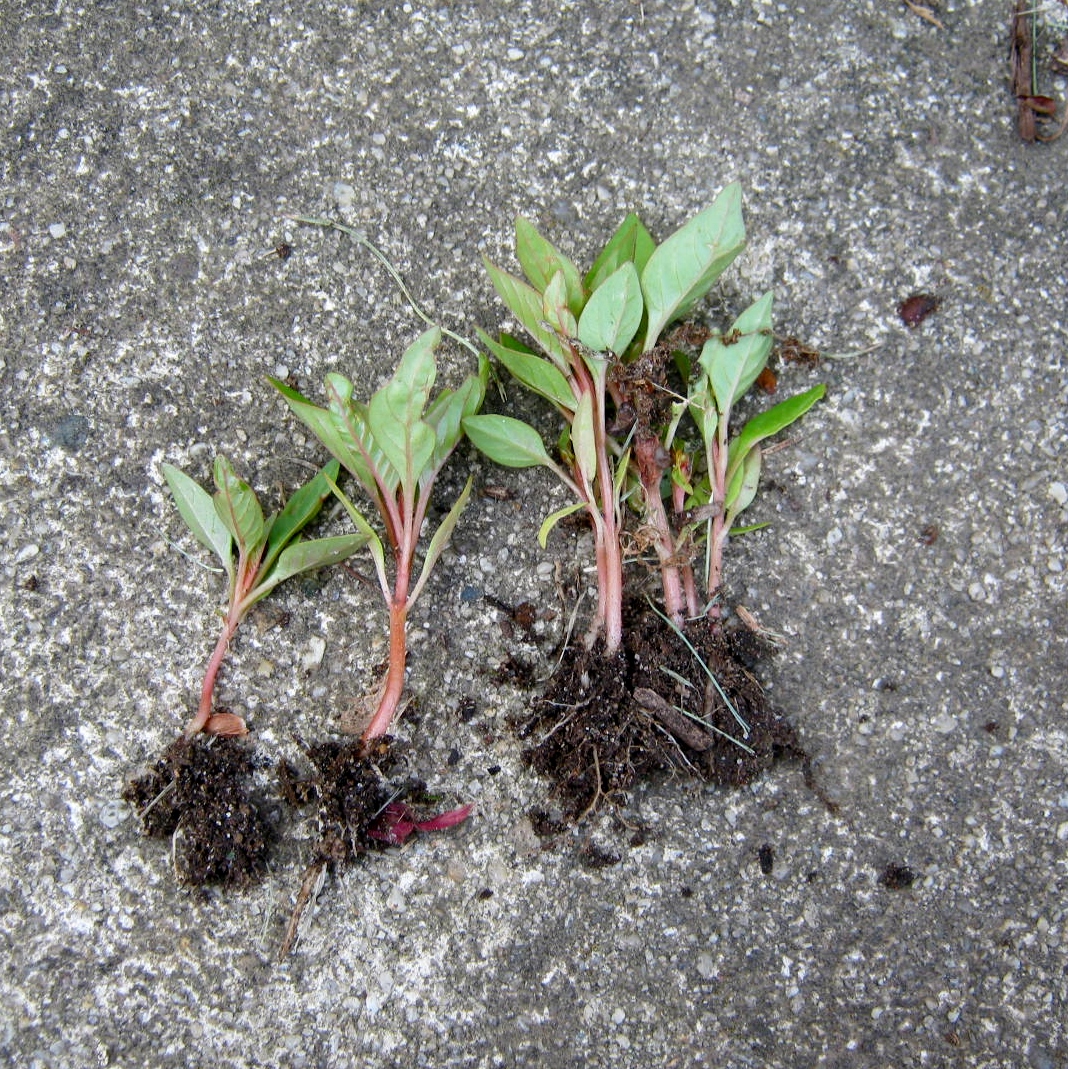
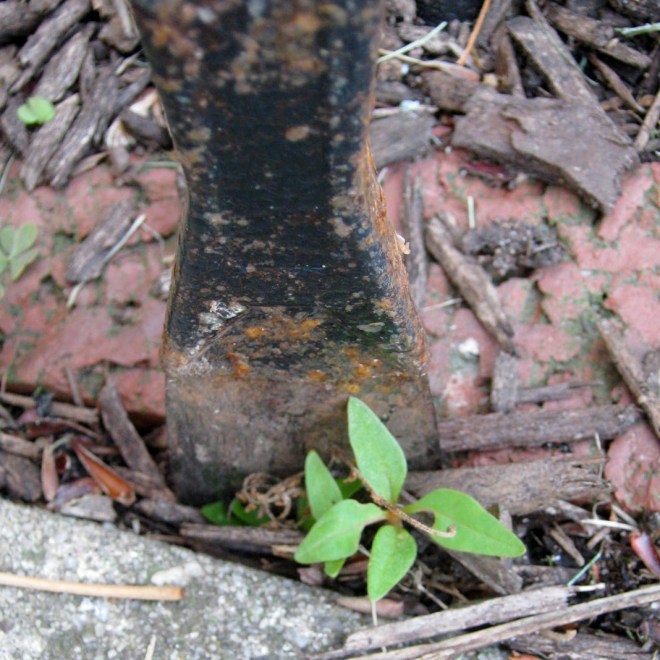
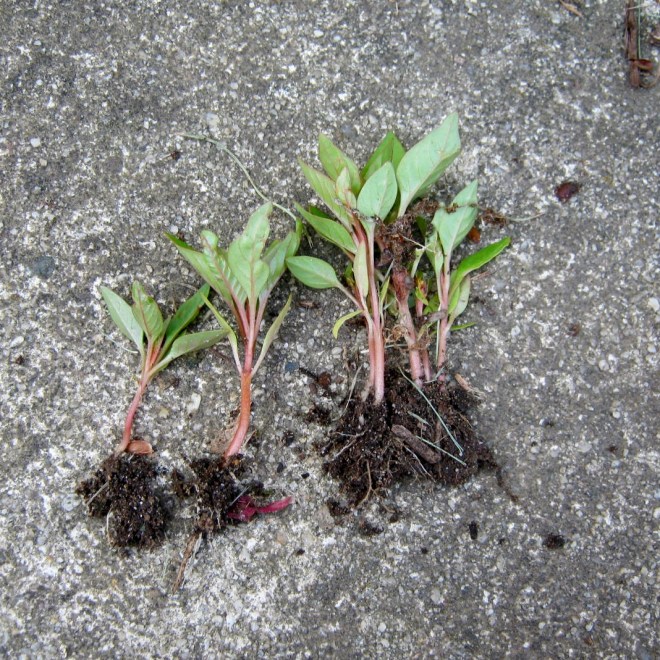
The warm temperatures of June have been a blessing, and volunteer seedlings are sprouting. Many are a perfect solution for the empty spaces in my flower beds. Unfortunately, the best sprouts seem to grow between the bricks and walkways, nurtured by the heat generated in the cement. I have found a way to get these small plantlets out and grow them on into full-sized plants. Pulling them, even very gently, never works; the roots will break away. Instead I slip a putty knife (or any type of slim metal) into the soil alongside the plant, keeping the blade pressed firmly against the cement. I do this on each side then carefully pull the plant out of its nesting spot. In most cases this technique works and the sprout can be removed with root and dirt intact.
IMG_6353

I immediately place the sprouts in garden beds or holding pots and drench them with water. Over the course of a week or more I will water these new plants every day. Look carefully amongst the weeds in your garden beds before you begin pulling them out. You might have a treasure lurking there that will grow into a beautiful plant before summer’s end..
Pleasures – Volunteers

003

I’ve been wandering the yard with trowel in hand looking for late season volunteers. These are plants that have self-seeded and are sprouting in the damp and hot weather we are having at the present time. I don’t mulch my flower beds and the volunteers are the reason why. I always have a few bare spots in my gardens left by plants that bloom quickly and die back just as fast; the small volunteers are perfect for filling in the bare spaces. Removing them from between the sidewalk cracks is a little dicey, but I know if I don’t they won’t thrive for very long. Onward Volunteers!

003a

Plants and Pleasures – Volunteers

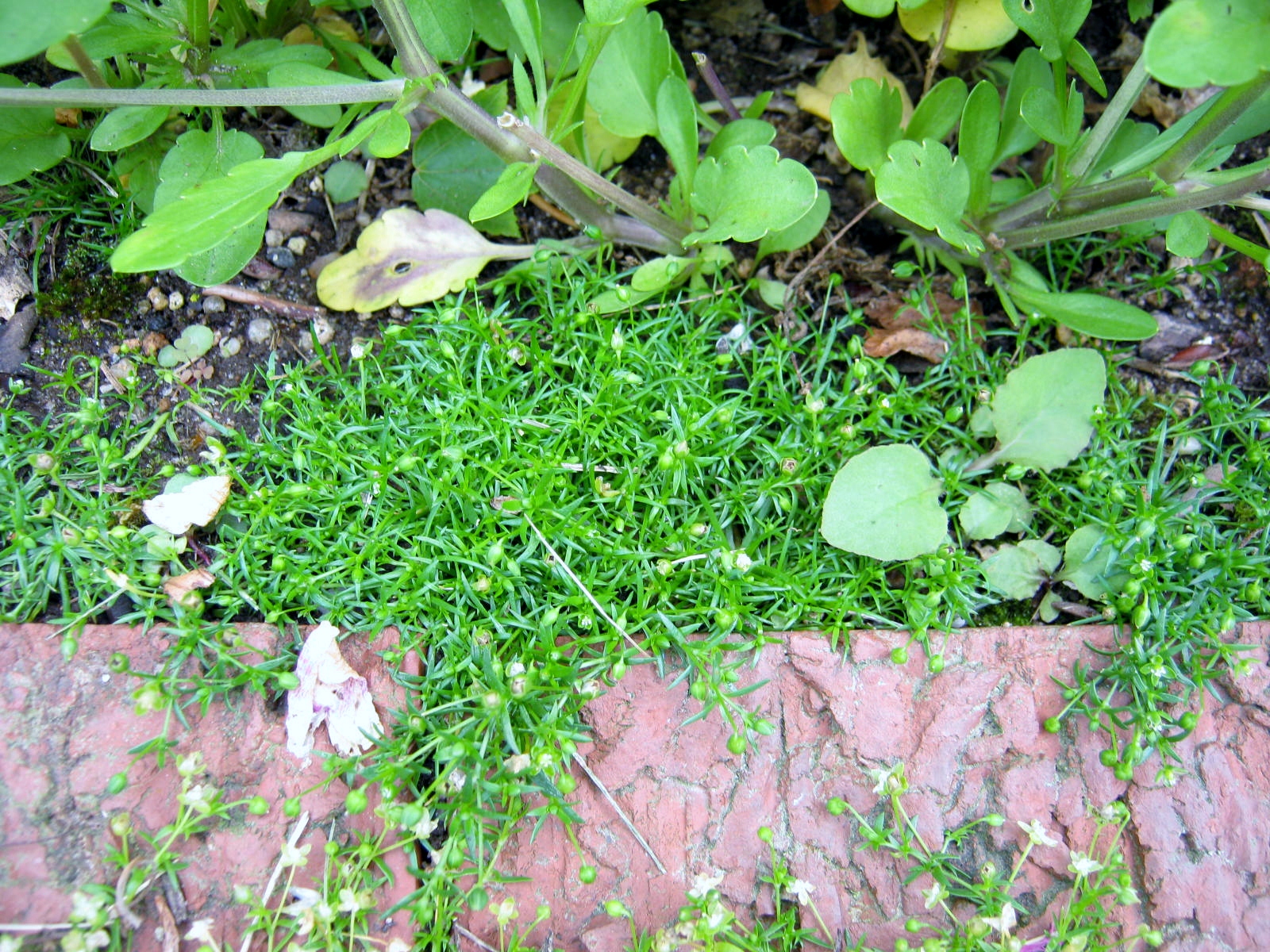
Ground Moss

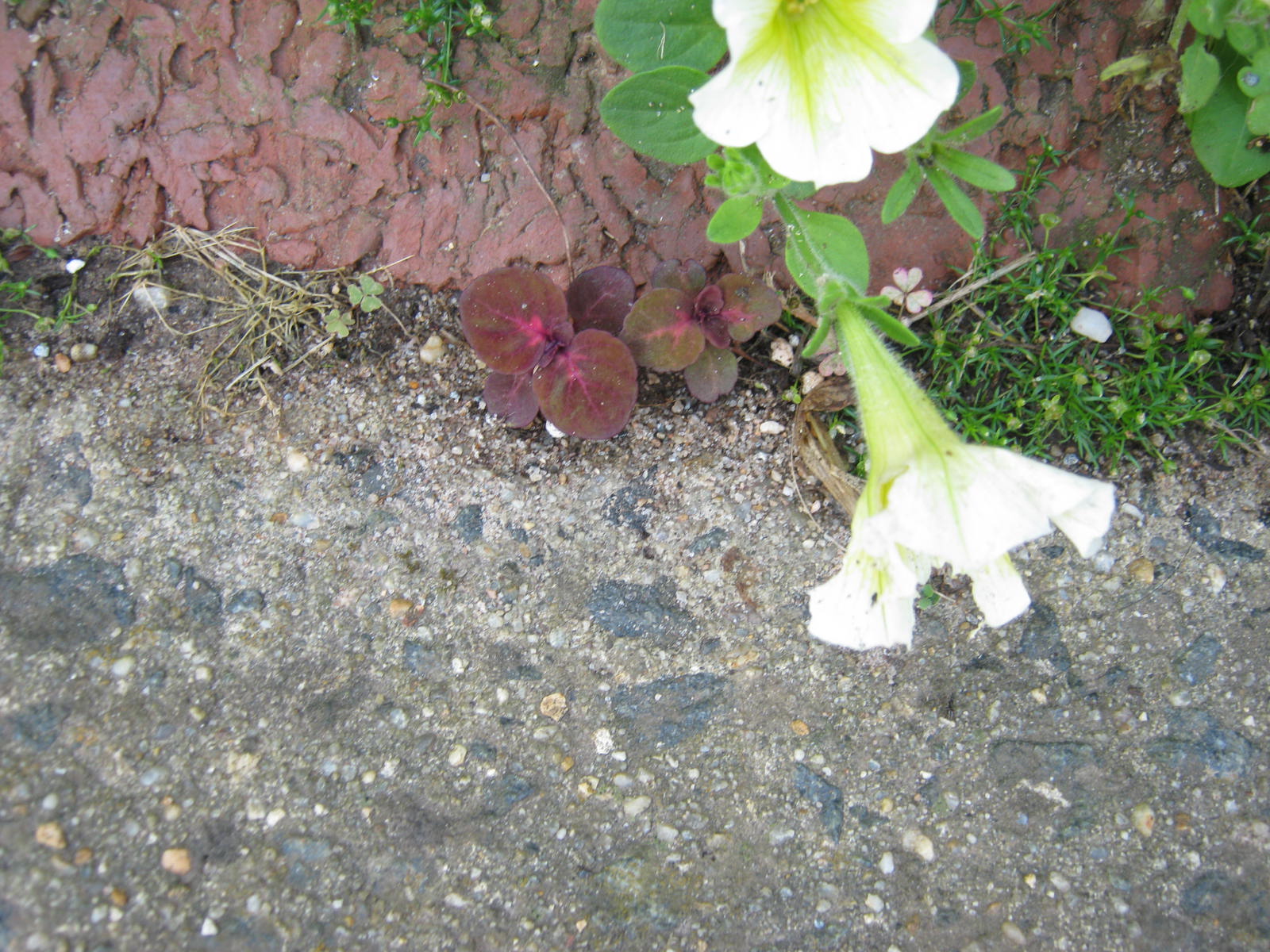
 I am not a gardener who uses much mulch. In fact, this summer the only mulch I have is around the beds of my Square Foot Gardens to keep the weeds away. I like the way dark mulch sets off the colors of my flowers, but I love the way the absence of the mulch allows many “volunteers” to sprout in the hot month of June. I have ground moss, spilanthes  (toothache plant), coleus, perennial blue lobelia and many other little sprouts showing amid the weeds that need to be pulled out. Before I put my gloves on and pull out the pesky weeds, I will first gently remove these small plantlets with my trowel and place them in bare spots in my garden beds. I love volunteers.

Coleus sprout in between sidewalk squares.

Another coleus hiding among the leaves.

Coral Nymph Salvia sprouting in a between porch steps and sidewalk.