Problem-Solving, Plant and Pressed Flowers – Jewelweed

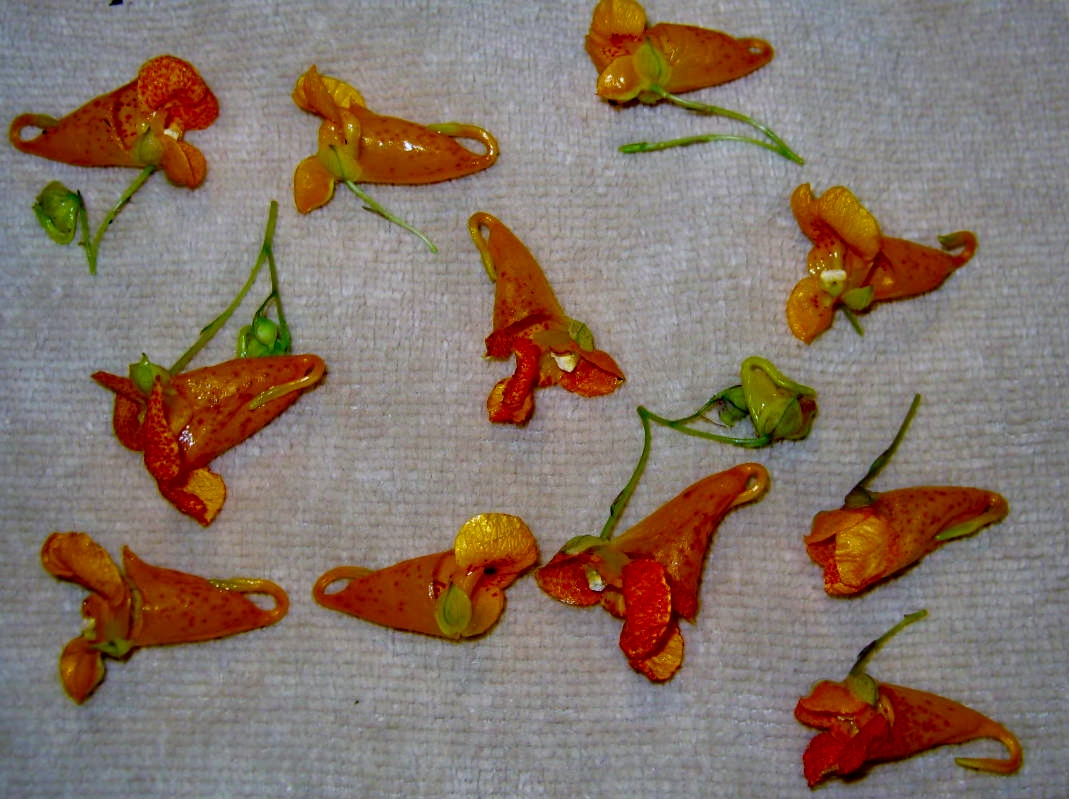
While on a recent bike ride, I spotted the trumpet-like orange flowers of Jewelweed. This wildflower grows in moist, wet places and blooms later in the summertime. For those of you who react to the urishol oil in poison ivy, crushed jewelweed foliage applied to your exposed skin can save you from breaking out in a rash.

For a look at the foliage of this plant and more information take a look at this link: Jewelweed

Jewelweed also makes a decent pressed flower, but it needs a bit of drying out before it can be used. I usually lay the blossoms on a towel and press them flat with my fingers. This removes a bit of inner liquid in the flower. Because of their moist nature, not every jewelweed flower will retain it’s color. I will keep trying though, it’s unique shape, intense color and plentiful growth along streams makes it a good candidate for pressing.

Pressed Flowers – Cutting Autumn Leaves

Autumn leaves are one of the easiest pieces of foliage to press. Collect them when dry, put each between the pages of a book, and usually in less than a week they are ready to use. The colors dull and fade a bit, but they still retain their resiliency and good looks. I use quite a few Autumn leaves in my pressed flower compositions. They are great for cutting into different shapes. I create many things with the pressed leaves: birdhouses, wagons, baskets, flowerpots and even small houses.

One problem that arises when cutting the leaves is their brittle nature when dried and pressed. To cut without treating them in some way usually results in shattered pieces or raggedy edges. I’ve found a few fixes for combating this problem by stabilizing the leaves with an added layer. Today I’ll share Fix #1.

Fix #1 – Mod Podge the back side of the leaves

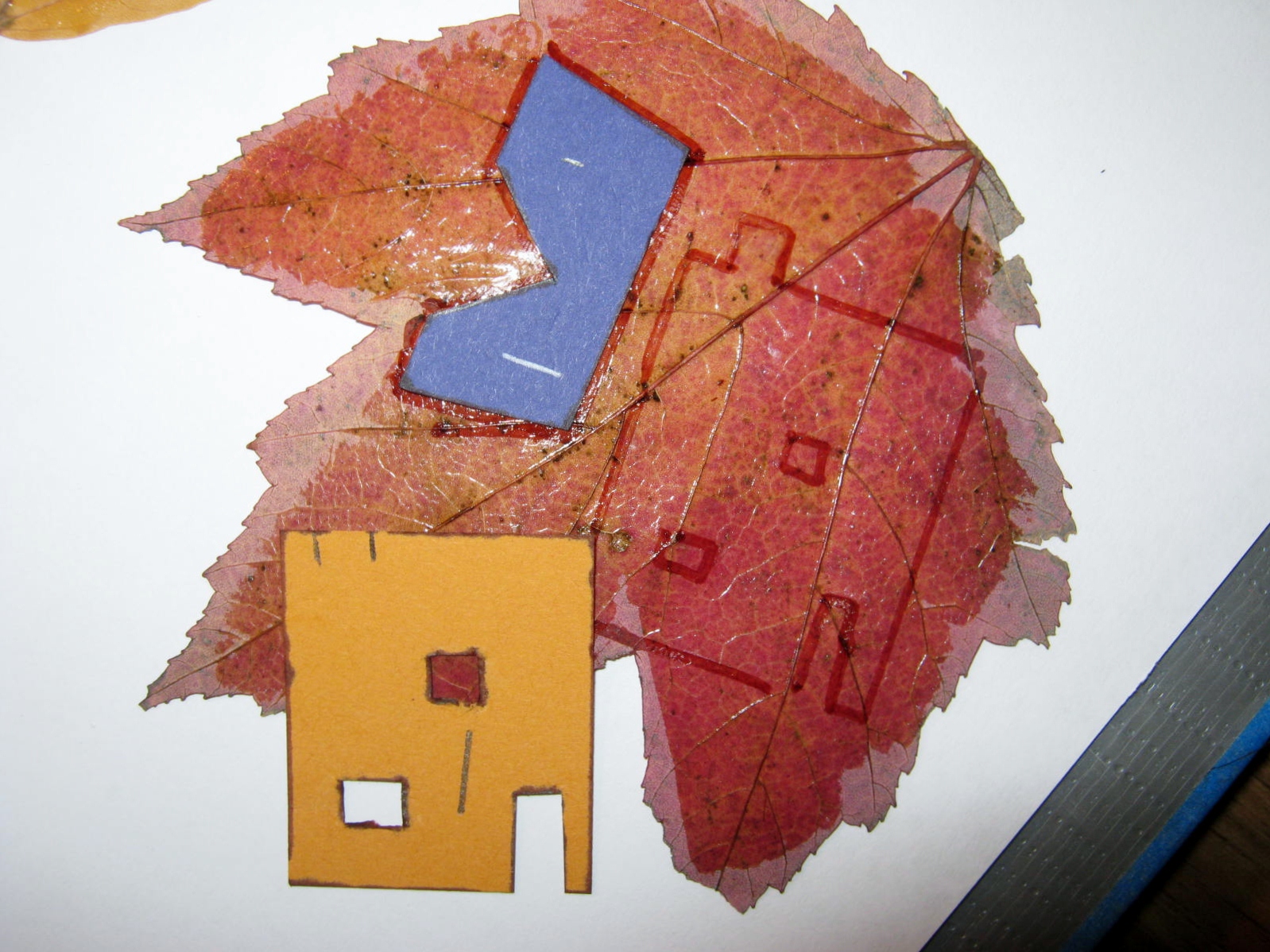
Brush the Mod Podge on the back of the leaves with a soft brush. Let it dry completely. While it dries create a pattern out of cardboard for the shape you want to use. In my case it was a tiny house greeting card I call “Home Sweet Home.”
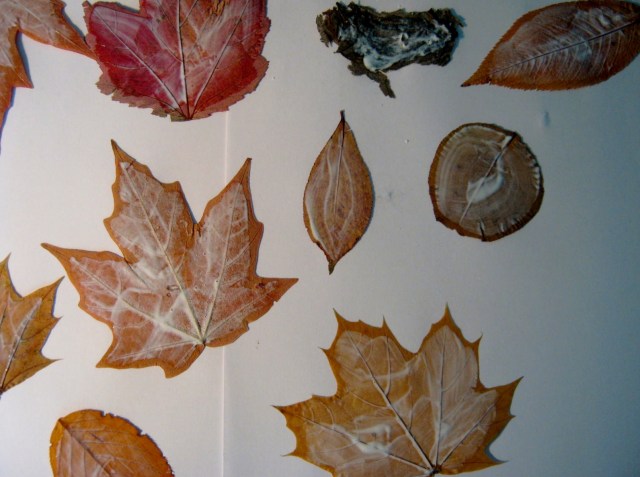
When the Mod-Podge is completely dry, I use a Sharpie marker to trace the house pattern onto the mod-podged side of the leaves. Use a marker that is as close to the color of the leaf as possible or it might show through to the front side. Make sure you remember that when you cut out the traced pattern it will reverse itself. For instance, in the finished card, if I use side one of my pattern to trace, on the finished house the door will be on the left of the house, not on the right.
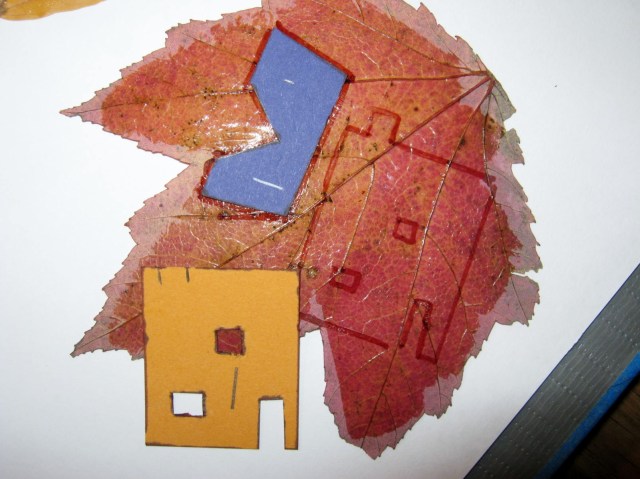
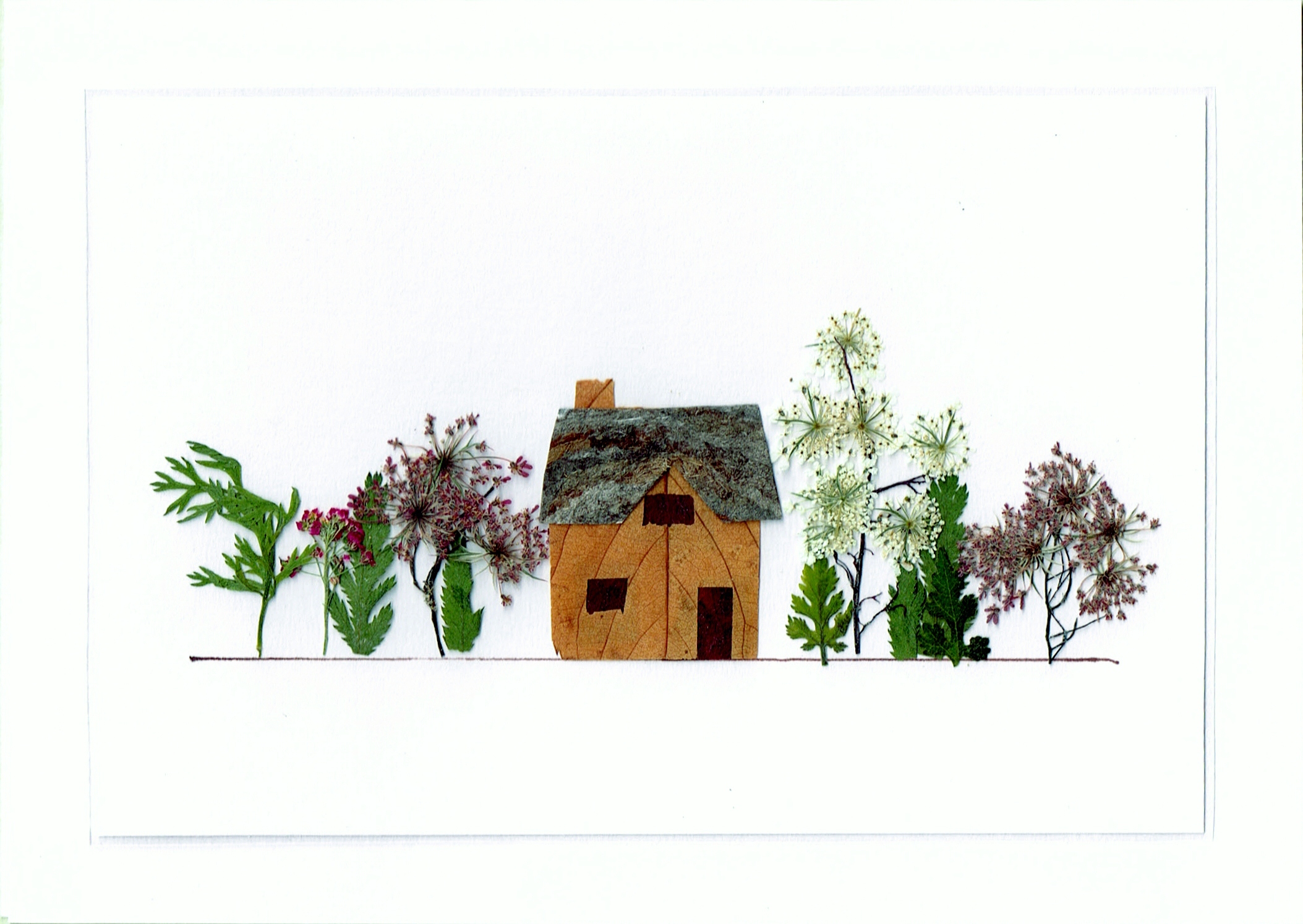
To finish this card I choose small pieces of foliage and very tiny flower bunches to create the trees. I set these aside at the ready.

For everyone who wondered why I press seaweed….here is the answer: Pressed seaweed is perfect to make small trees. When dried and pressed the thick fronds of this type of seaweed shrink to delicate branches.

Small ferns, leaves and pieces of Queen Anne’s lace foliage, all look like small trees.

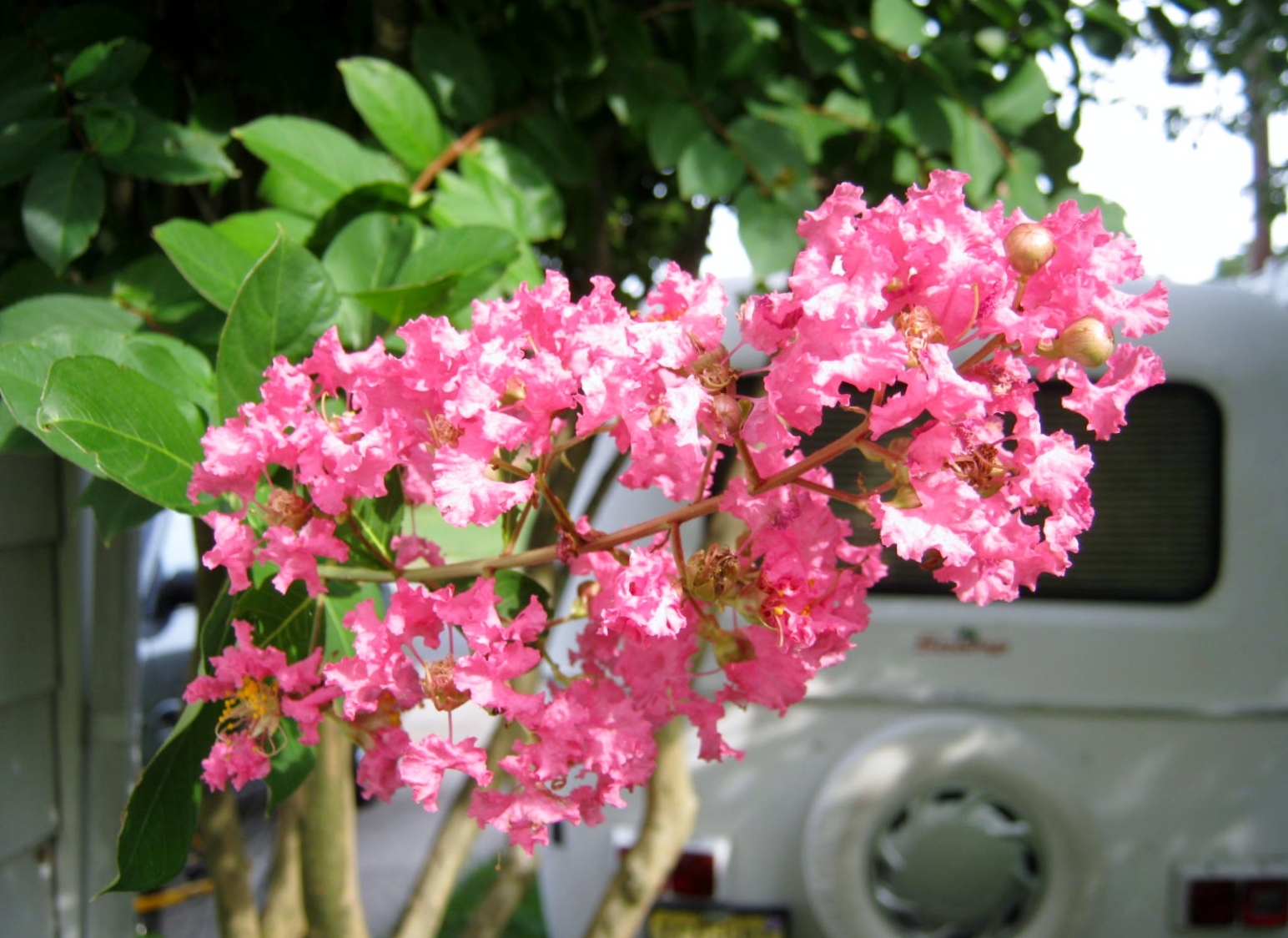
Small florets of flowers look like Crape Myrtle trees in bloom.

Here are a few of the finished cards. Four seasons of pressed flower houses.

SPRING

For those who wondered why in the world I would press pieces of an abandoned hornet’s nest, the answer is above: hornet’s nest paper, pressed and mod-podged, is easy to cut into shapes for unique additions to my pressed flower creations.
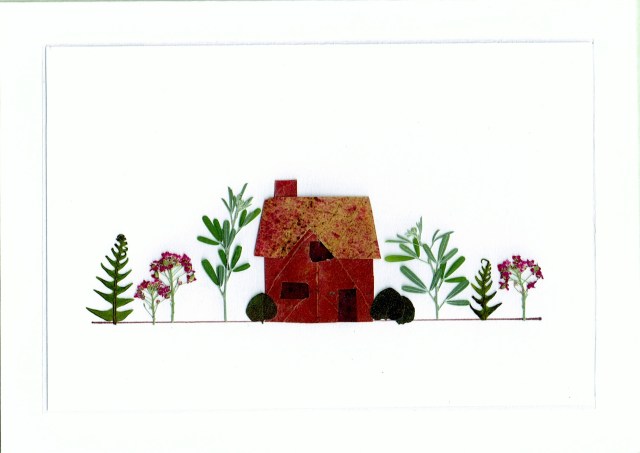
SUMMER
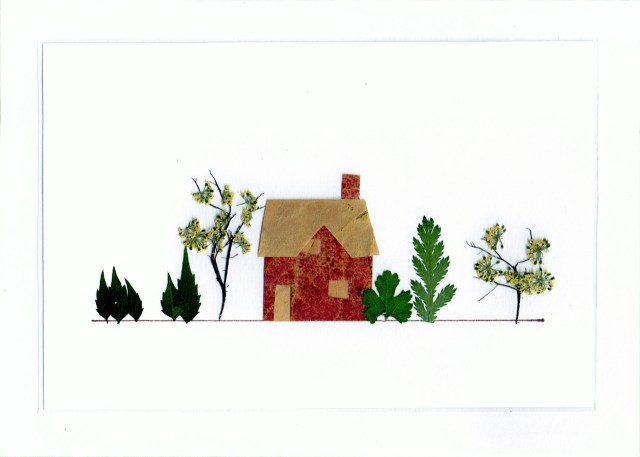
AUTUMN
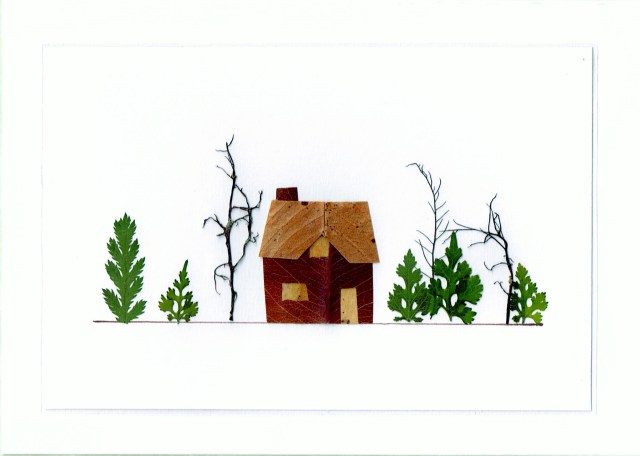
WINTER
Plant – Coleus Seed Saving and Volunteers

Since they have been planted in the spring, I have regularly been pinching off the tops of my coleus plants to keep them from blooming and to force them to branch out. I have some really pretty plants this year. I have stopped my pinching now. It’s time to let the spiky blooms emerge, mature and form new seed for next year’s coleus.

A week or two ago I noticed this amazing patch of small sprouts growing alongside the brick in the front garden. A patch of volunteer coleus had emerged, some with really interesting colors and patterns. I thought at first they might have sprung from old flower spikes I threw in the back of the garden last year, but on taking a second look decided I must have thrown a few leftover seeds in the back as an experiment. This week I’m going to dig them up with the shovel and pick several to pot up and grow in the house through winter.

Problem-Solving – Unwanted Pest

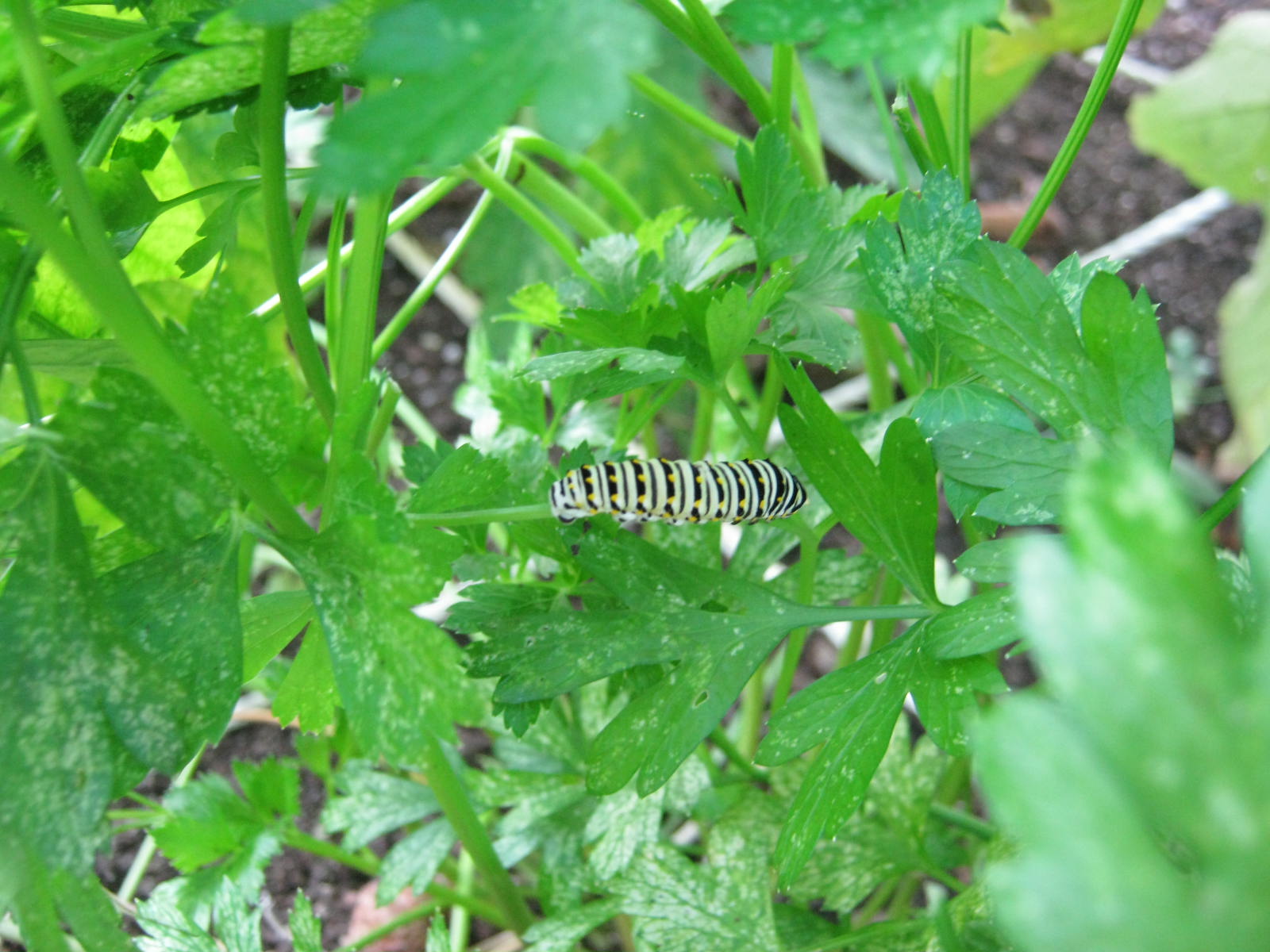
I am never sorry to lose a few parsley or dill leaves to the black swallowtail caterpillar (see photograph above.) There are never too many of them; the most I have ever seen on any plant has been about six. I would never consider them a pest. On the other hand, although I think the fluttery cabbage white butterflies are pretty, I don’t like their egg-laying abilities. A few cabbage white butterflies hovering over any plant in the cabbage family means big trouble, as in the recently shredded leaves of my prized Tuscan Kale.

In the past few days I have hand-picked dozens of caterpillars off of this plant. I think I have caught up at the moment and the plant is free of pests. Where are all my praying mantis predator bugs? I was going to plant a few broccoli plants this week, but now I am rethinking it since they are members of the cabbage family too.

Here is good link to a post about this pest: Cabbage White Butterfly Caterpillar

Problem – Don’t Let a Watermelon Sit Too Long

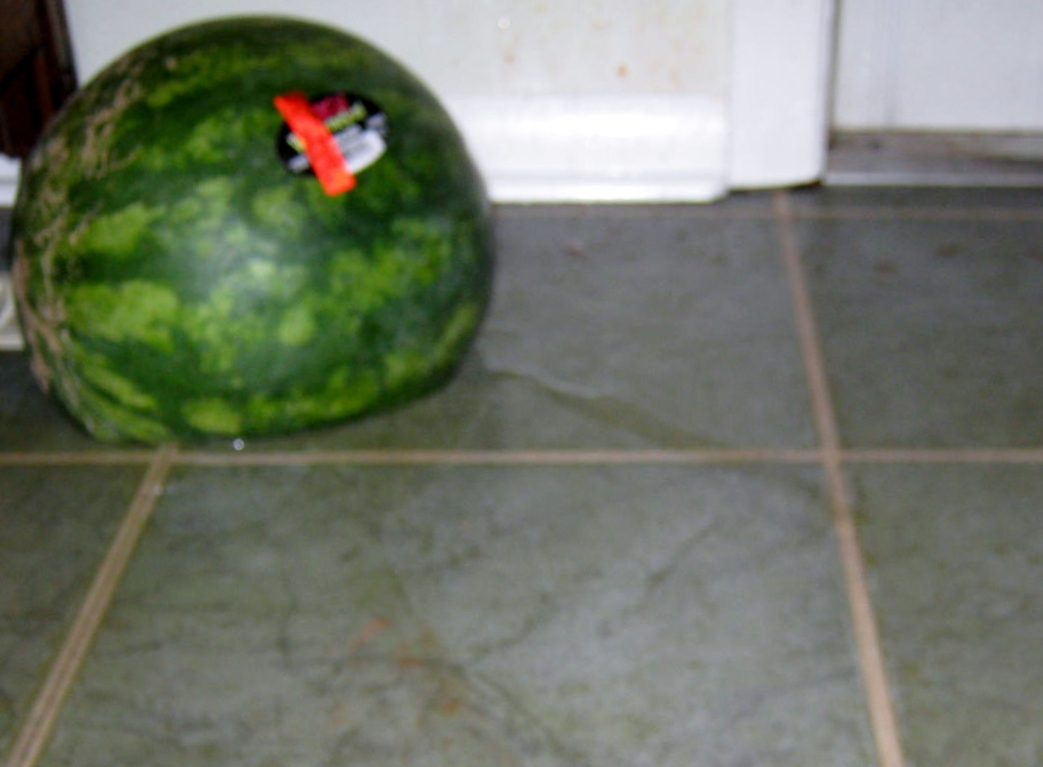
This picture is blurry…that I took a picture at all is only because I am committed to blogging daily.

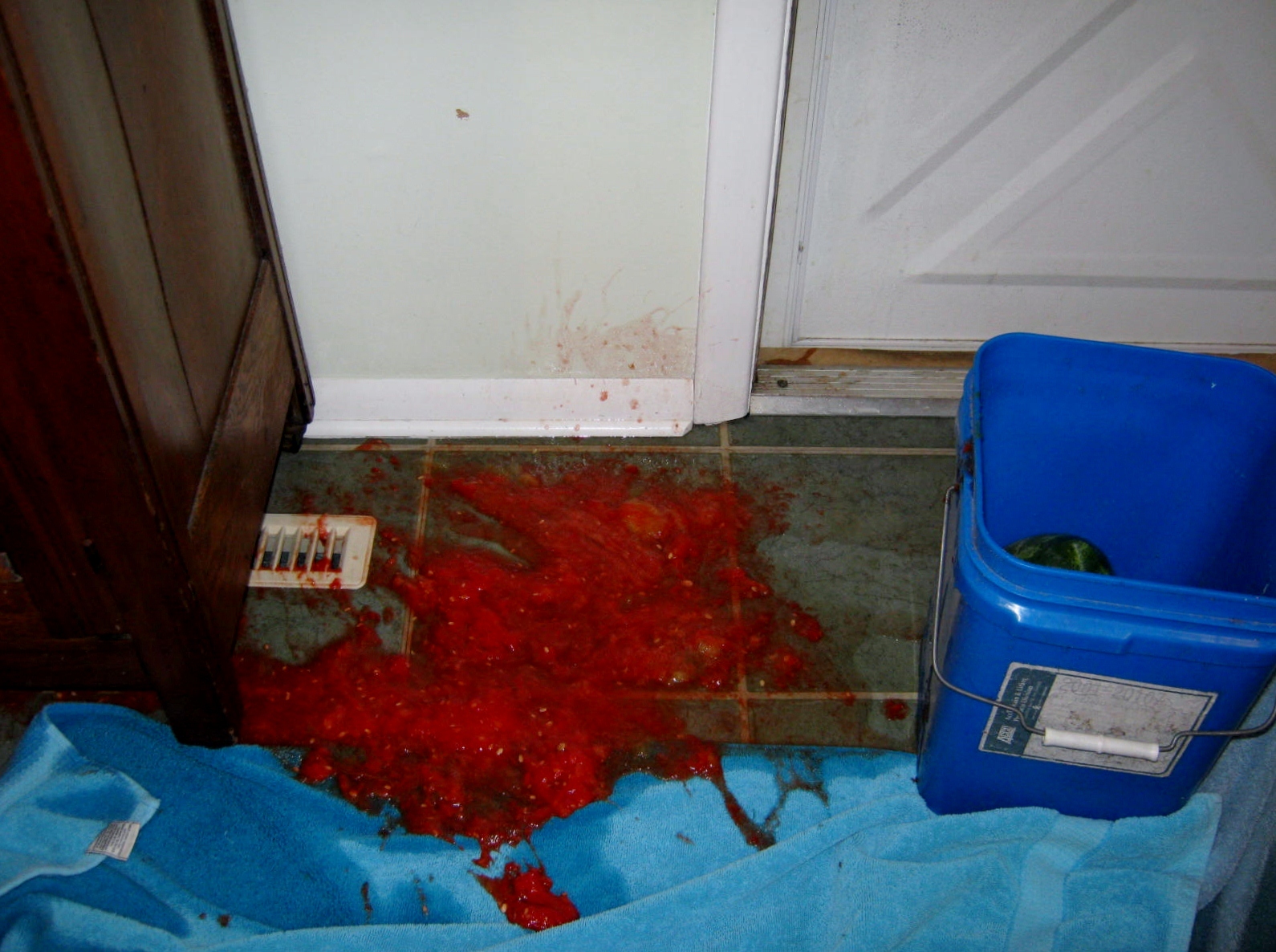
This is a watermelon…a watermelon left out of the fridge too long. I meant to put it in, but I was short on space, and since I only bought it on a Monday, and it was Friday, thought everything was hunky-dory. Not….

Do you see how flattened out on the bottom it is, and the stream of viscous fluid on the floor? Actually, I didn’t notice anything amiss in the look of it, I noticed a smell of something decaying.

I stood looking down on it for a moment trying to decide what to do, but then noticed the fluid was near the heating vent right behind the collapsed melon.

I grabbed a bucket for disposal and picked the melon up…BIG MISTAKE…

Yes, I really hate to admit I was that unwise. The entire contents of the inner melon were liquified. I should have tried to scoop it up onto a snow shovel. And yes…the awful smelling mess did go down the vent.

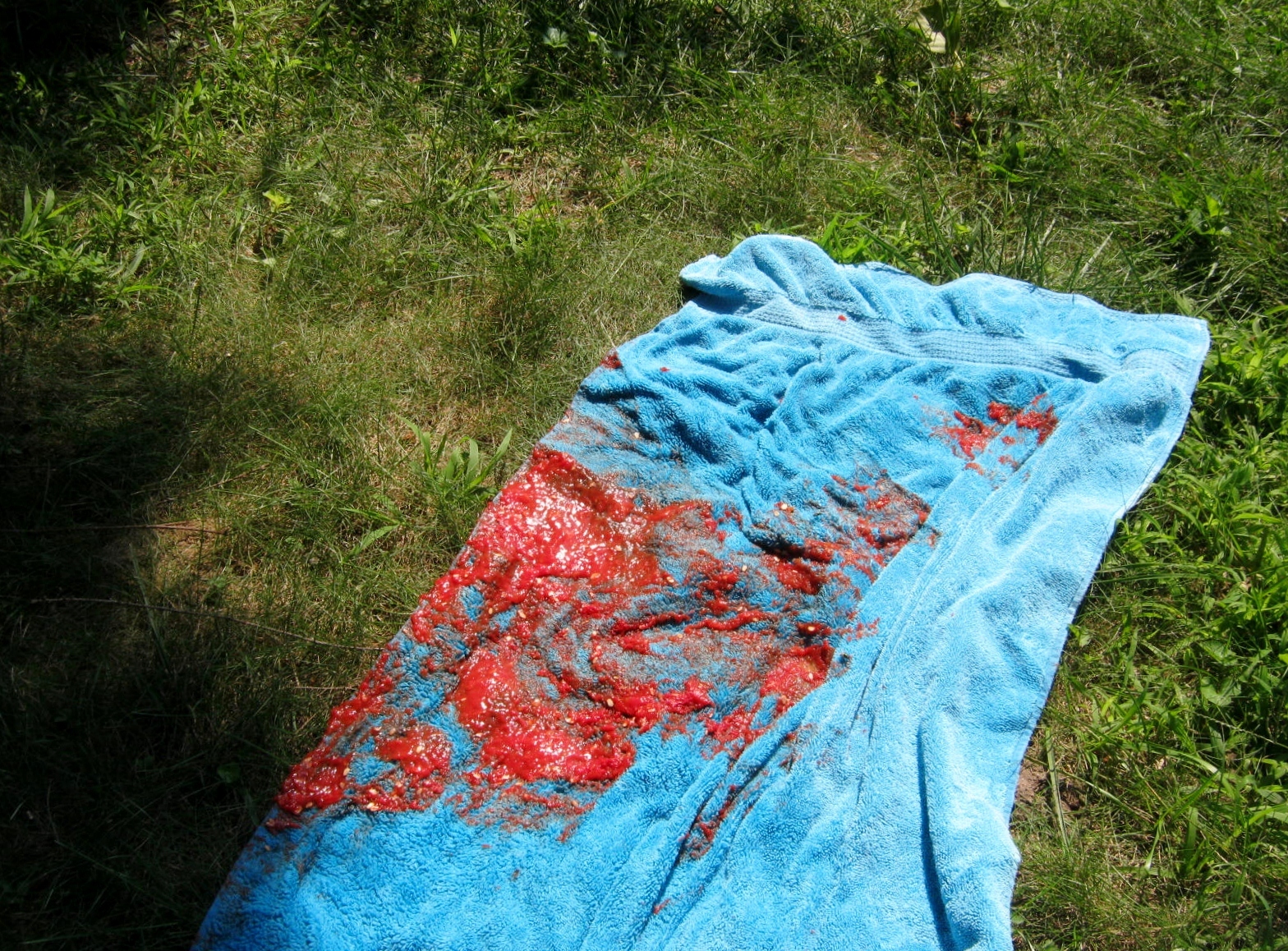
Unfortunately, in my agitation (panic) I didn’t think and grabbed a few of the biggest towels I could find…yes, our bath towels. It took several launderings to get the smell out.

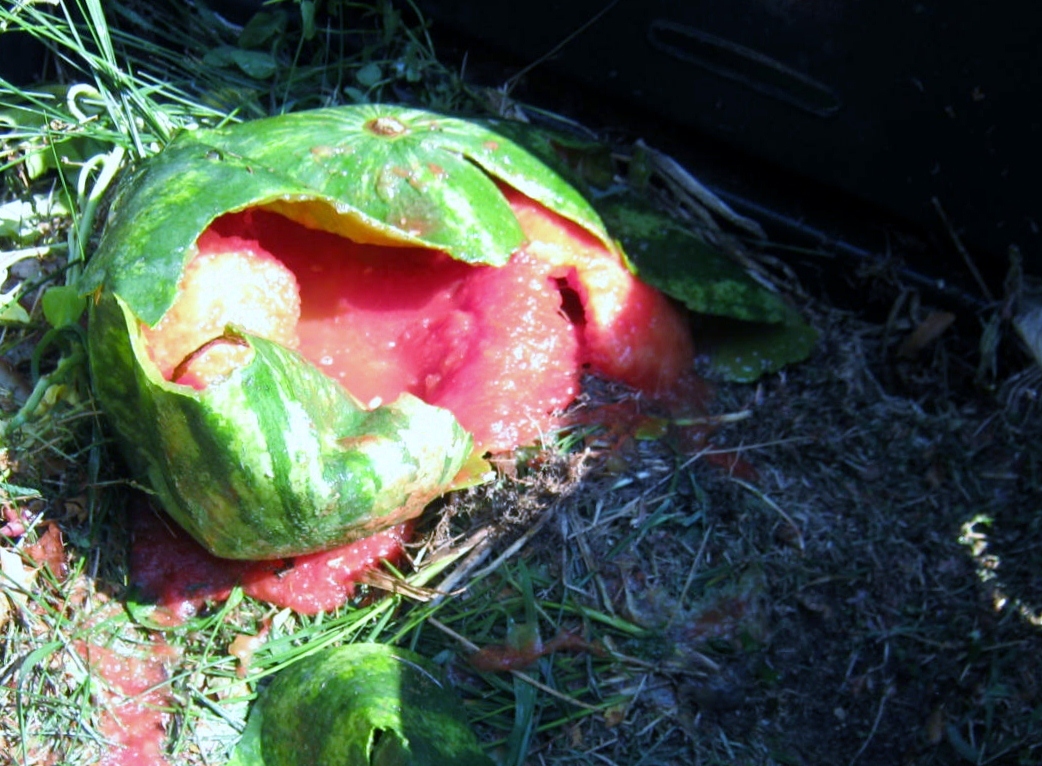
I put the rotten melon in the compost bin where it belonged.

Of course, cleaning up the floor, and even worse the vent, was a terrible job. And…I almost got my arm stuck at the elbow joint in the vent. We’ll see what remains of the smell when the heat comes on. Hopefully, by then it will be dried up and nothing but a distant blog post.

Power and Proverbs – Isaiah 40:26 – 31

Tuesday was an off again/on again stormy day here in the Northeast. Near dusk I went outside. The sky glowed with newly washed light, a promise of another day. Most nights, in my busyness, I miss the sunset sky. Luckily, on this day I found the right moment to go outdoors and worship God beneath His glorious sky of grey, blue and gold.

Today, searching for something beautiful to read aloud from the Bible, I came to this passage. The beauty of the passage is a perfect complement to the glorious sky.

Isaiah 40:26-31

New Living Translation (NLT)

Look up into the heavens.
Who created all the stars?
He brings them out like an army, one after another,
calling each by its name.
Because of his great power and incomparable strength,
not a single one is missing.
O Jacob, how can you say the Lord does not see your troubles?
O Israel, how can you say God ignores your rights?
Have you never heard?
Have you never understood?
The Lord is the everlasting God,
the Creator of all the earth.
He never grows weak or weary.
No one can measure the depths of his understanding.
He gives power to the weak
and strength to the powerless.
Even youths will become weak and tired,
and young men will fall in exhaustion.
But those who trust in the Lord will find new strength.
They will soar high on wings like eagles.
They will run and not grow weary.
They will walk and not faint.

Project and Pleasure – Sunflowers or Defeating the Critters

Finally, I seem to have hit upon a way to grow sunflowers. My big problem…relentless foraging by chipmunks and squirrels. They dig the seed out of the ground, or if they somehow miss a seed or two, they nip off the top of the newly sprouted plant. Another trick that worked for me has been planting later in the season when other food is more abundant.

I planted the sunflower seeds in my Square Foot Garden. This area is enclosed by chicken wire. For some reason the squirrels stay out of this…perhaps it is the CD’s I have hanging from hooks that swing in the breeze and maybe scare them away.

My best deterrent has been to plant the seeds and then enclose the area in a gallon size ziplock bag. To do this, I cut the bottom of the bag away, then tape bamboo skewers inside the bag with duct tape. I make sure the sharp end of the skewers extends beyond the bottom of the bag about an inch or two. One problem with this method…the skewers are very sharp, even on the blunt top end. To remedy this I stick a clove of garlic on each top. I am pretty sure this also helped repel those bad chipmunks and squirrels.

I’m not sure if I planted early enough to enjoy blooms this year, but the plant is beginning to bud so I have high hopes.

Plants – Mushroom Monday

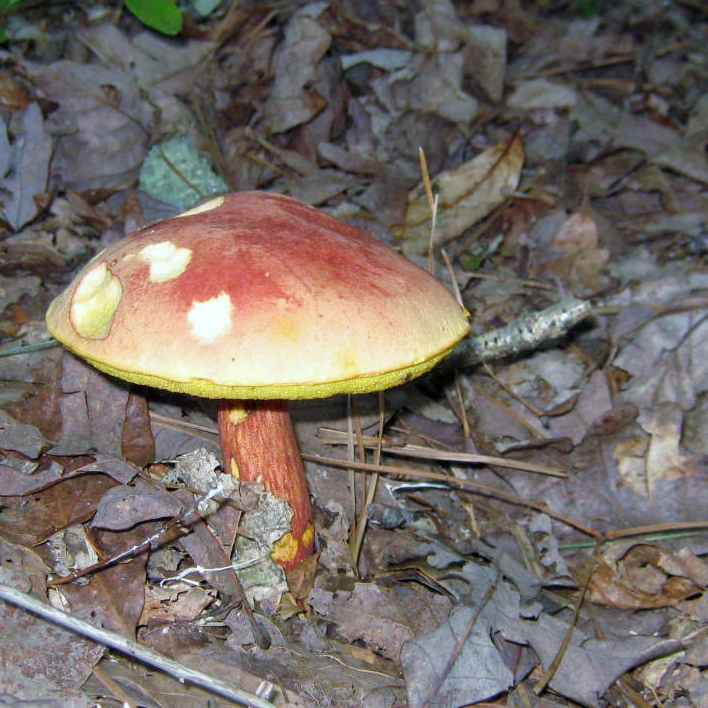
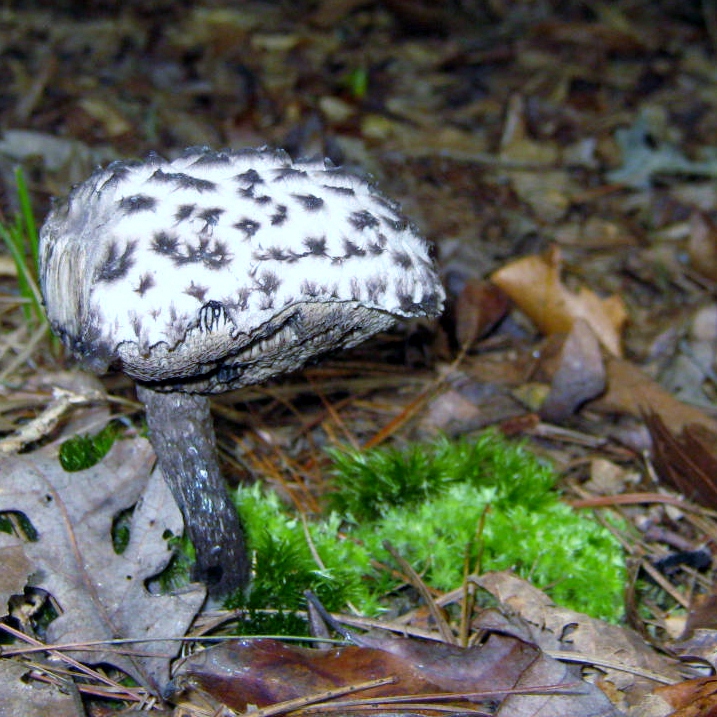
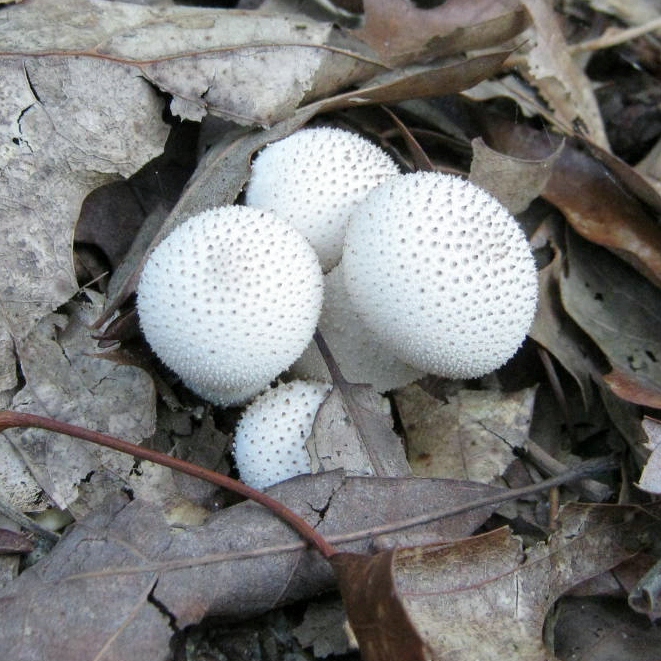
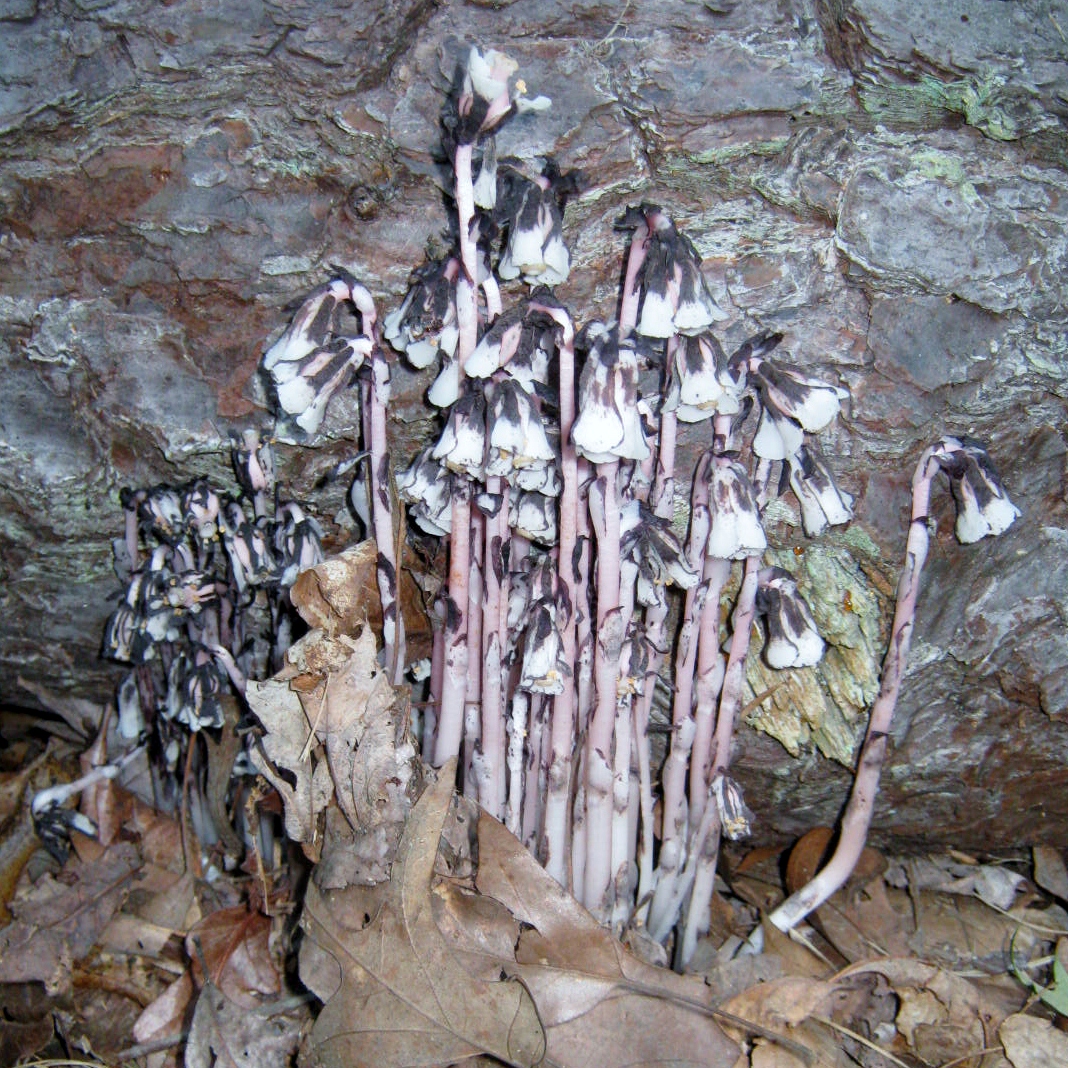
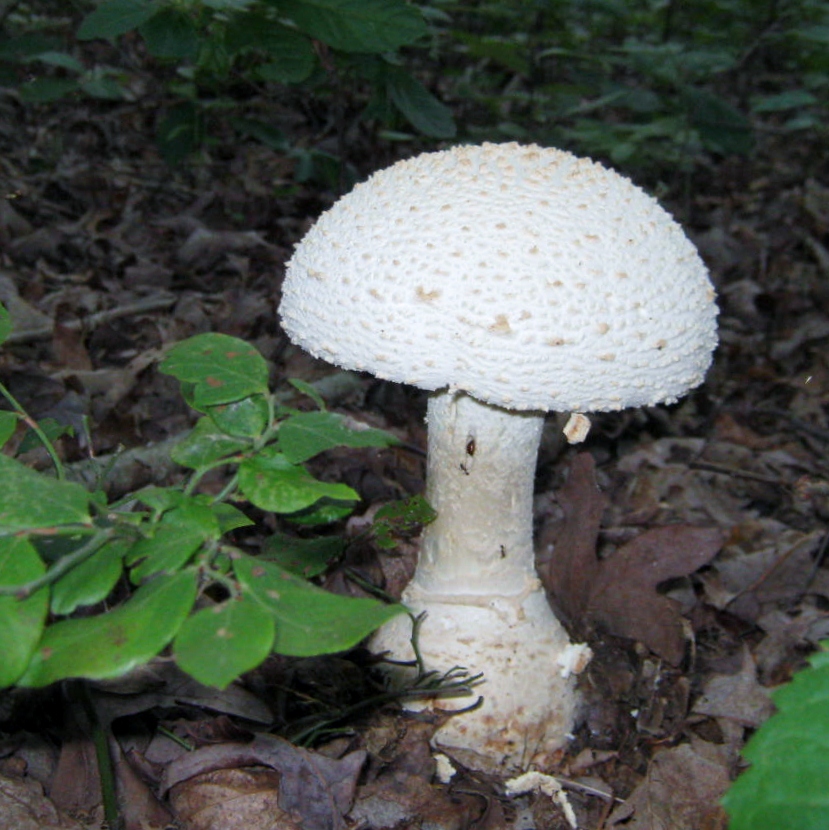
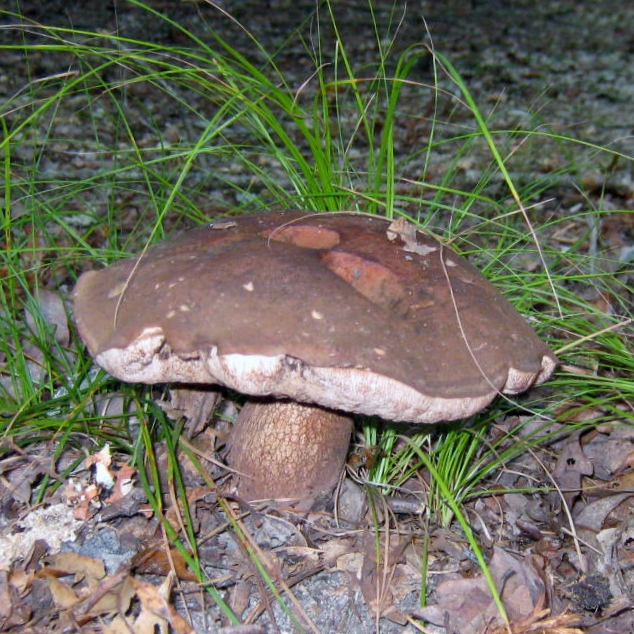
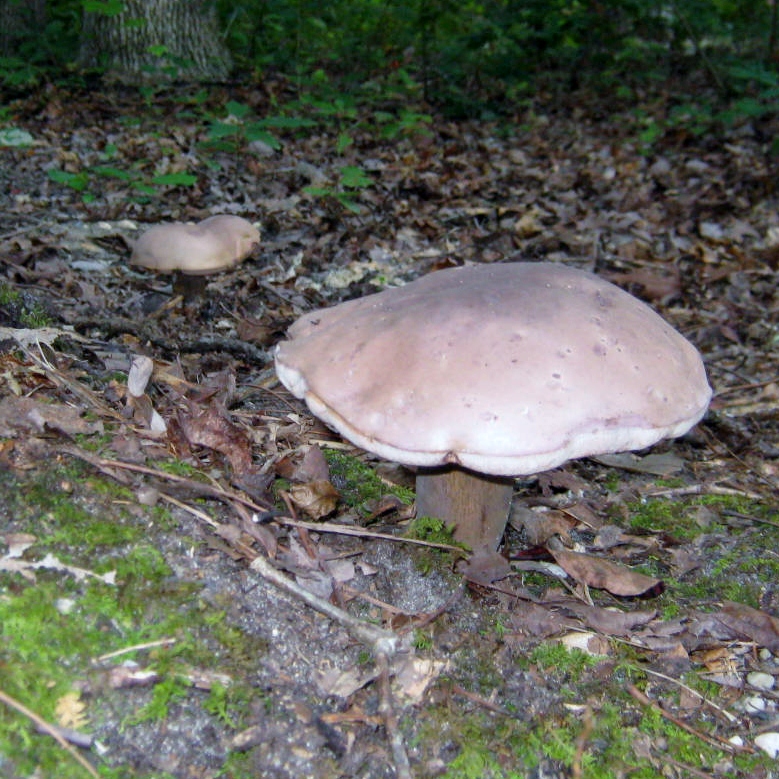
We camped in Belleplain State Forest over a portion of the Labor Day weekend. It’s been humid and moist in the past few weeks and the mushrooms are peaking. Here’s a sample of New Jersey Pineland’s mushrooms and linchen.


Pleasure – Big Miracle

I loved this sweet and true story about whales trapped under ice in Alaska. The story is true. Watch the ending credits to see pictures and clips of the “real” stars of the show.

Plant – Crape Myrtle

When I was a child the first place I noticed Crape Myrtle trees growing was in the front yard of my grandparent’s home in Hampton, Virginia. At that time, several decades ago, there weren’t too many of these plants in the north. Times have sure changed, and now Crape Myrtle trees are everywhere…at least in New Jersey.

I love the beautiful pink blossoms, but even more than the flowers, I think it is the bark of a Crape Myrtle that is the tree’s most fascinating feature.

There is something almost magical in the way the bark peels away, leaving some areas a mottled green-grey and others a smooth and silken tan. I hope to always have a Crape Myrtle tree in my garden.

Preparedness – Labeling and Unique Storage

A pantry full of extra food and sundries is always a good idea. Stocking up on items when they are on sale makes sense in these harder economic times.

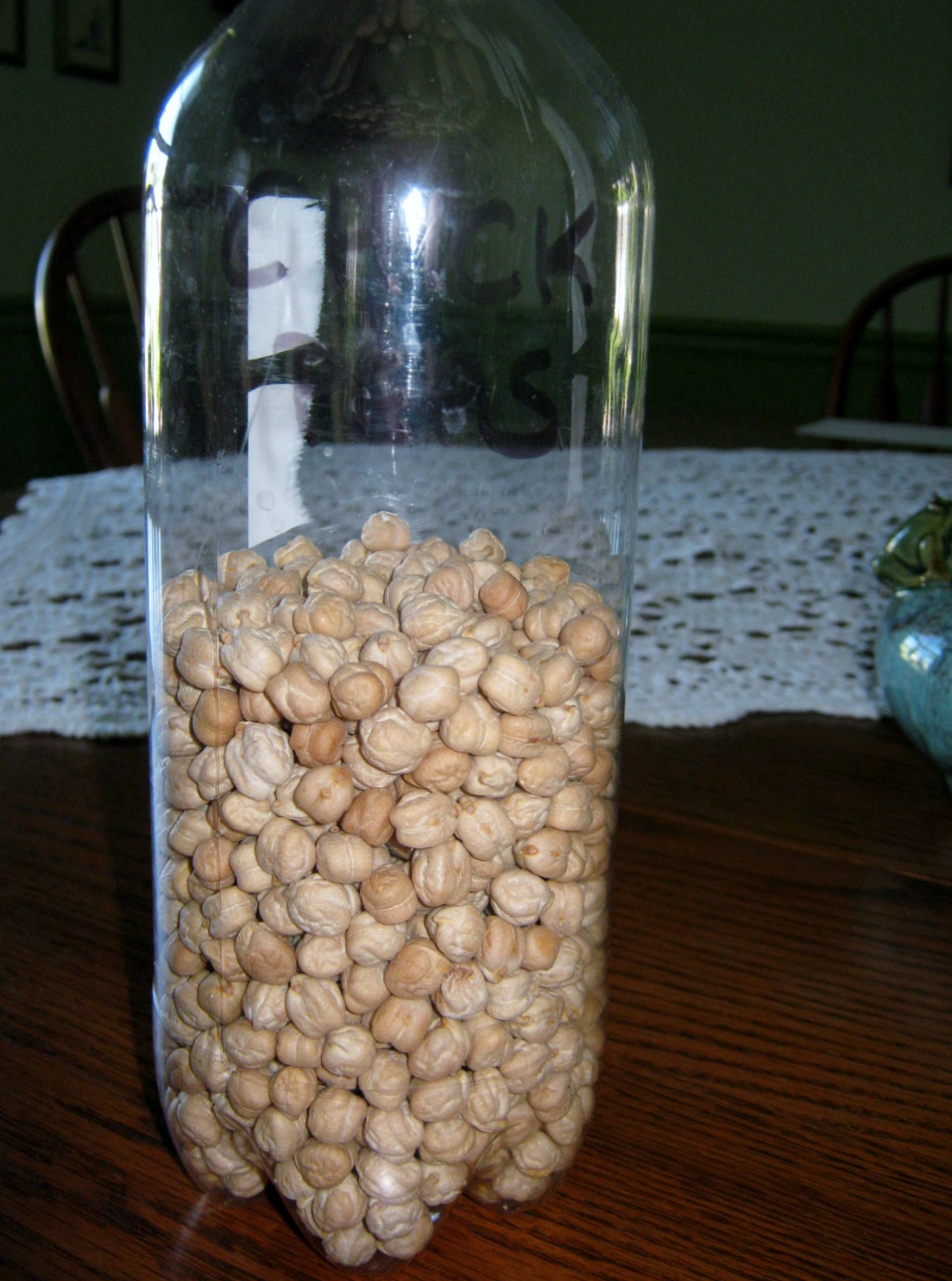
A good way to store dried beans is remove them from their plastic bag and store in plastic bottles.

Another good tip I’ve recently run across is to make sure you label the bottoms of all your cans with permanent marker. Many people store their pantry items in the basement, and if water levels become high the paper labels might wash away. If you have the cans labeled with permanent marker you will still know what’s inside.

Pleasure and Product – Pap-Pap’s Sugar

My sister Susan’s honeybees often visit my yard. Bees can fly up to four miles from their hives to collect pollen, and I live only a mile away from my sister’s home and hives.

The honeybees love my spearmint, which happily is grown organically, as are all of my sister’s vegetables and flowers.

Here’s a jar of Susan’s honey. She calls it “Pap-pap’s Sugar” in honor of our grandfather who also loved bees and had many hives during his lifetime. The honey is so beautiful. I love the way the sunshine illuminates it’s golden and pure goodness. My favorite way to use it is in tea…a bit of heaven in a cup.

Place and Person – Pitman Grove and Camp Meeting and C. Austin Miles

The first meeting in the tabernacle in Pitman, New Jersey, was held in 1871. A history of the town and the camp meeting can be found here: History of Pitman, New Jersey. The tabernacle is at the center of twelve paths, or spokes, reminiscent of the twelve apostles.

C. Austin Miles, a prolific songwriter, wrote the hymn, “In the Garden,” while staying in the grove area. He said of himself, “It is as a writ­er of gos­pel songs I am proud to be known, for in that way I may be of the most use to my Mas­ter, whom I serve will­ing­ly al­though not as ef­fi­cient­ly as is my de­sire.”

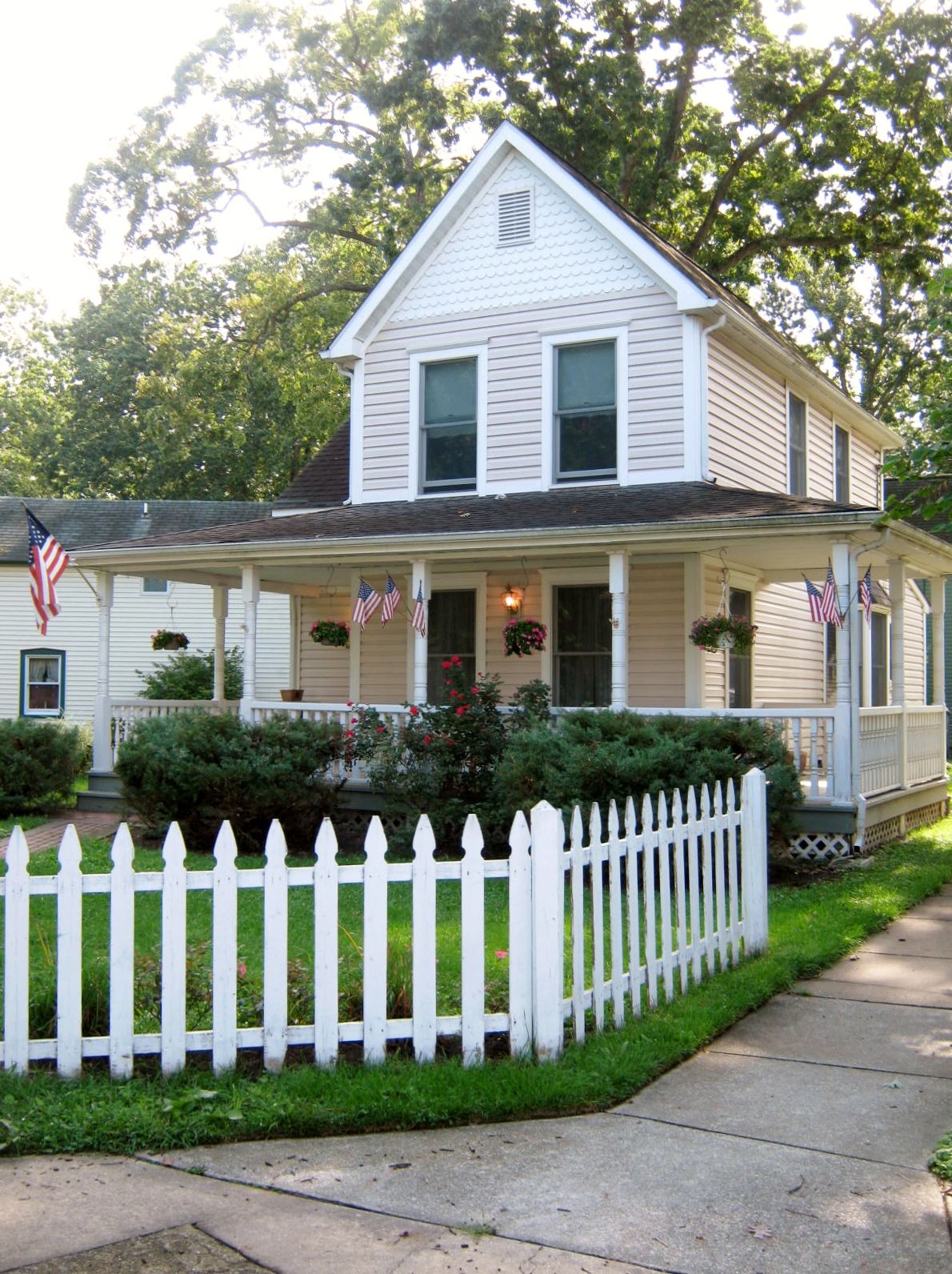
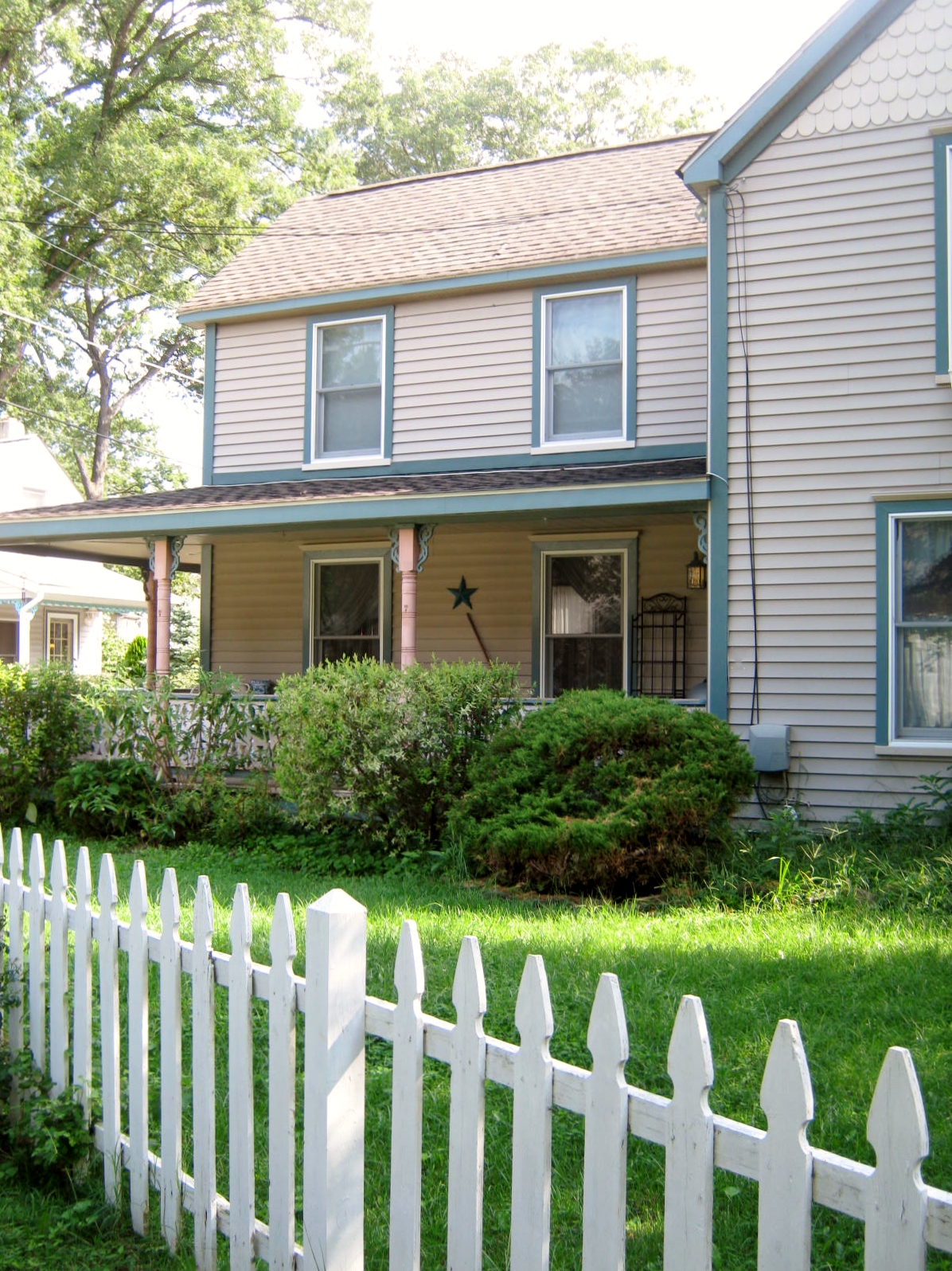
Here are a few pictures I took Sunday at about 10:00 in the morning.


These small cottages are just a sampling of the dozens and dozens that surround the tabernacle.

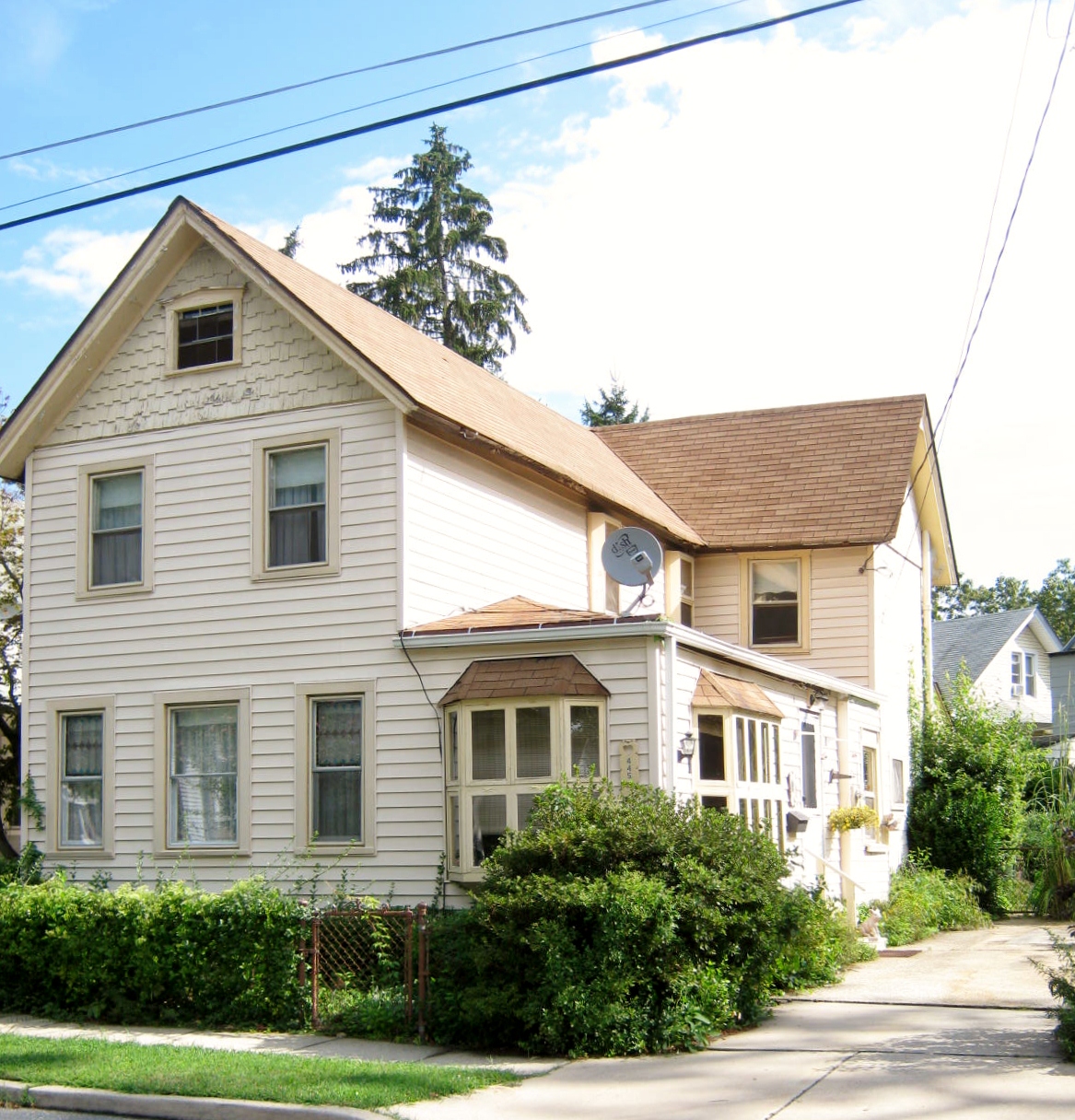
Many years ago when I first moved to the area with my parents, I called this cottage on the fringes of the tabernacle wheel my home. What I remember most about it was the amazing attic it had. When I lived there it had a long front porch which has since been enclosed.

Pots and Pans & Product

My Nero d’ Toscana kale is still doing great in my Square Foot Garden . When I read the description of this plant in a review this past winter, I was very intrigued by the fact that the reviewer thought it resembled a tree from a Dr. Suess book, and after growing it I agree. Even better is the fact that this plant has grown and produced since Spring. It is still growing strong, and now with cooler weather on the way, the kale should be even more delicious. I am wondering how long it will continue to grow after reading the reviews I found here: Nero di Toscano Kale.

The kale is not only an attractive and productive plant, it also cooks up into a delicious meal or side dish. Here is a lunch I had the pleasure of eating this past week. It was simple and delicious. I didn’t use a recipe. I boiled some water, and had angel hair pasta at the ready to pop in for about four minutes. During the time I waited on the water I sautéed the kale in a bit of Smart Balance spread (watching the cholesterol now) or butter if you prefer, added a touch of salt and a lot of one of my favorite new finds…

McCormick Italian Herb Seasoning

I tossed a few of my home-grown cherry tomatoes in the pan in the last few minutes, then sprinkled with my favorite shredded cheese mix – Four Cheese Pizza Cheese. It was so delicious, if my mouth hadn’t been full, I would have sung a song of joy.

Visit Mel Barthlomew’s Square Foot Gardening Website. Growing a vegetable garden by this method this summer has been a real joy to me and quite a success:  Square Foot Garden

Product – Etsy and the Teeny-Tiny Fairy

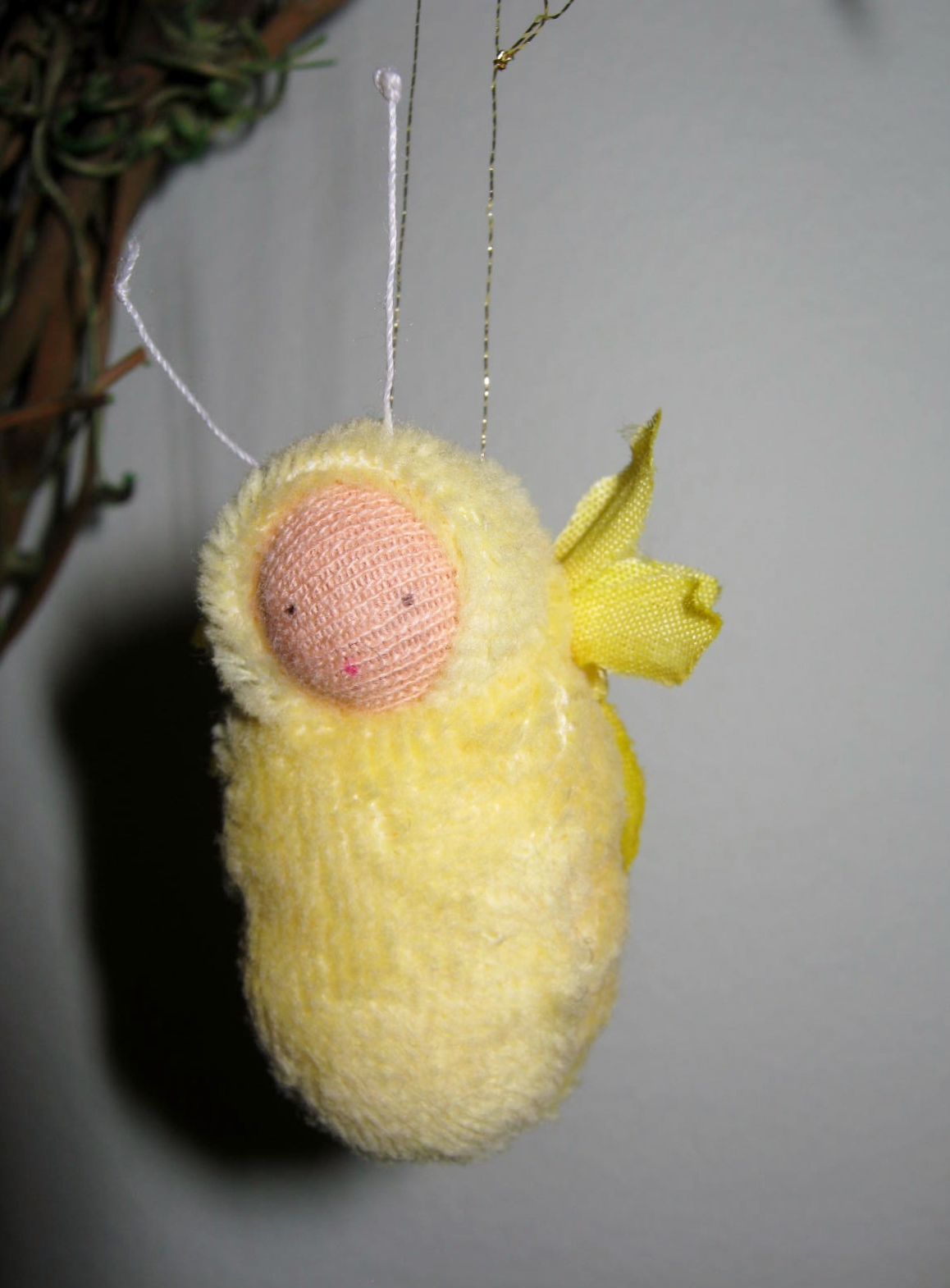
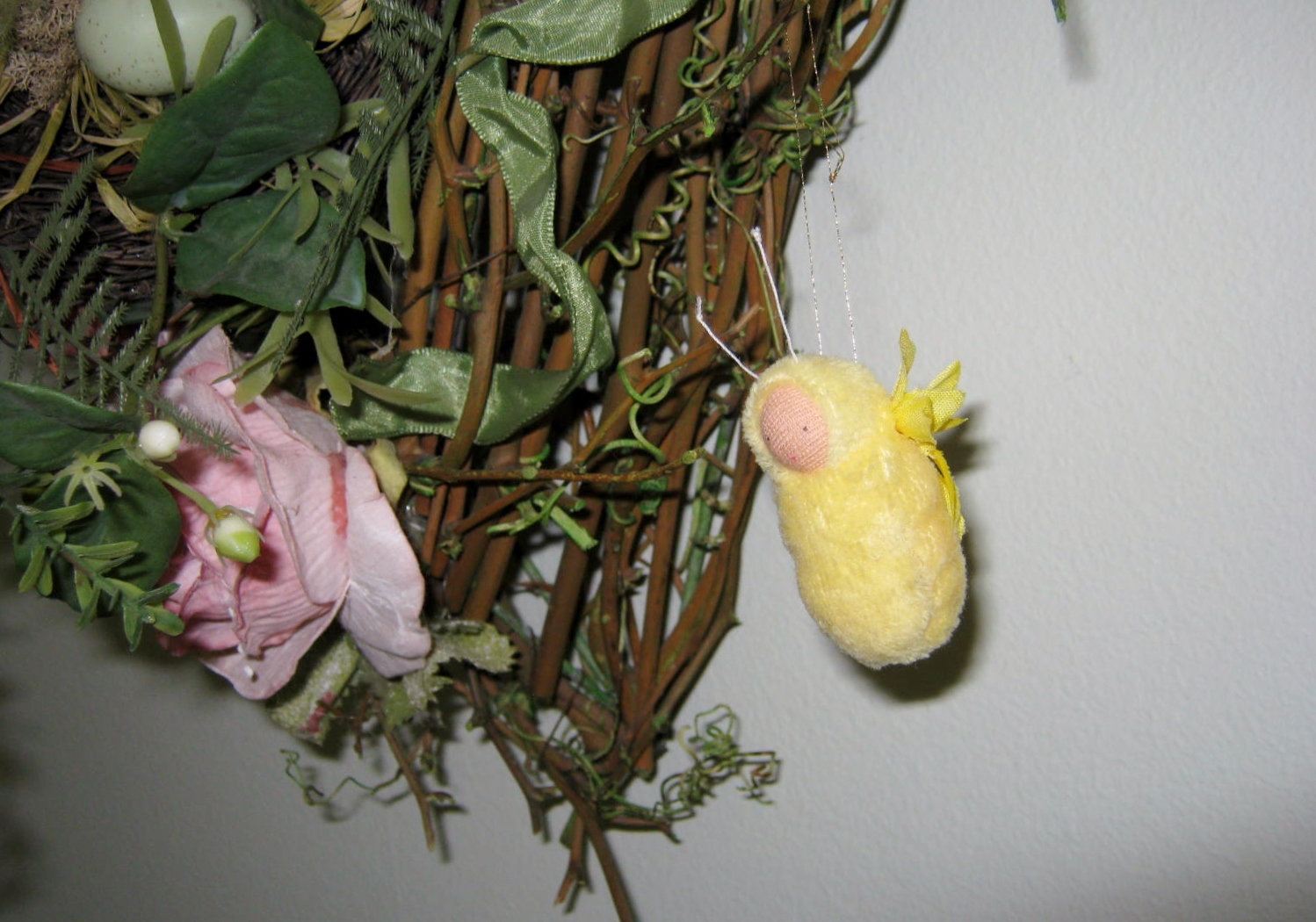
I love handcrafted items. I sell a few of my pressed flower cards on Etsy, and sometimes buy from the other artists and craftspeople who sell their wares on the site. I loved this teeny-tiny baby fairy I came upon. Here she is hanging on a wreath in my home.

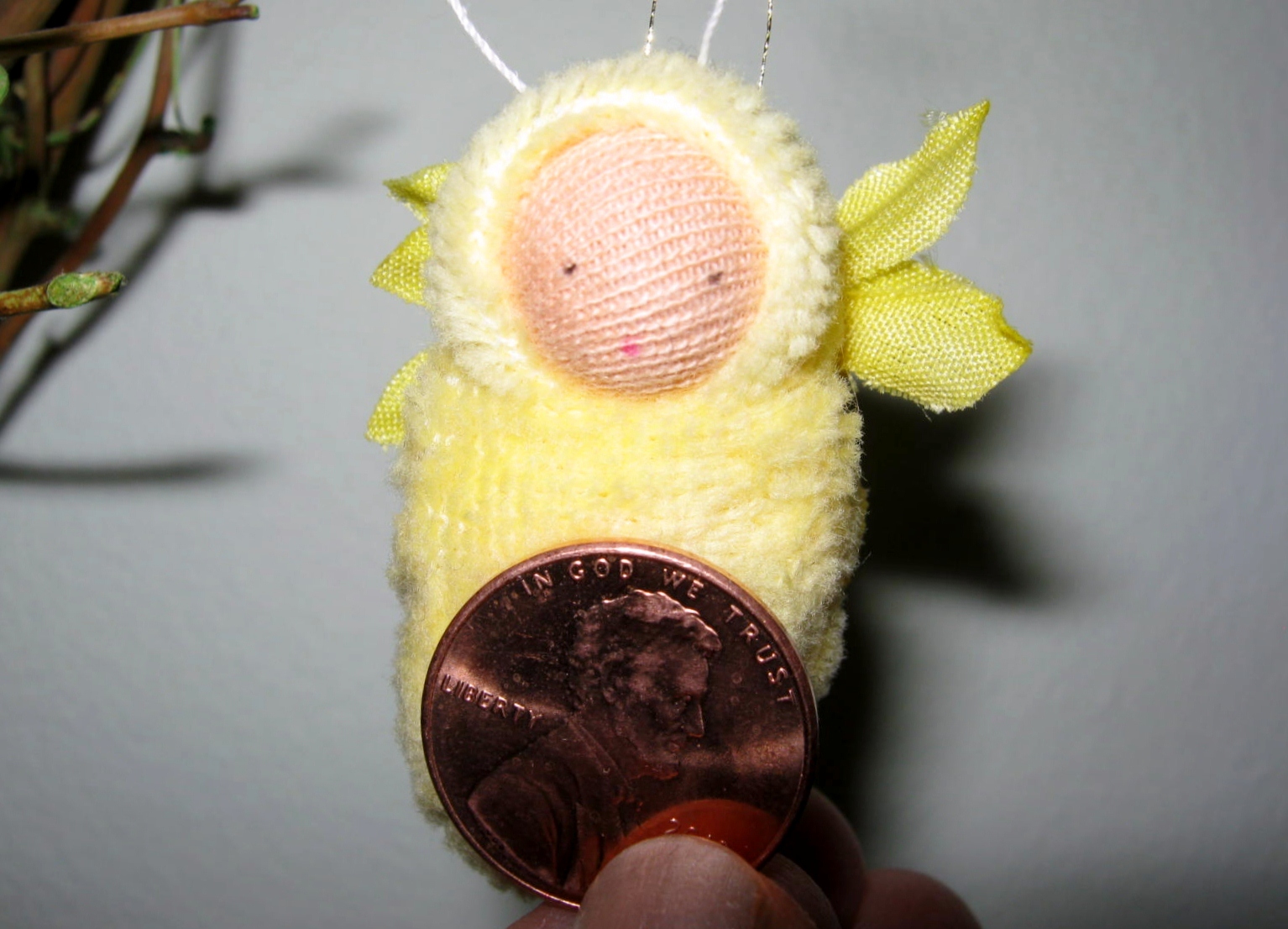
Here she is with a penny to show how very small she really is.

She is going to become part of an ongoing game with my grandsons. Each time they come I’m going to hide/hang her in a different room. It will be fun to see who can spot her first.

Another thing I love about Etsy is the personal touch and interaction I have with the other artists who sell on the site. It’s so nice getting a genuine “Thank you,” rather than the usual “Here you go…” response I receive so often as I am handed my bag in a big store or grocery. Thanks Tania. To visit Tania’s Etsy shop click on this link: FAIRY SHADOW SHOP.

To visit all of Etsy click on this link: ETSY