Potions & Problem-solving – Soap Scum Remover

I am re-blogging this terrific household hint because it WORKS! I had always been wary of the way shower scum remover made my lungs feel. This homemade solution works and does not cause terrible fumes. (Unless of course you dislike the smell of vinegar.)
I have found another great potion from the Pinterest site. It led me to this blog entry: Tub and Shower Magic by Bobbin.

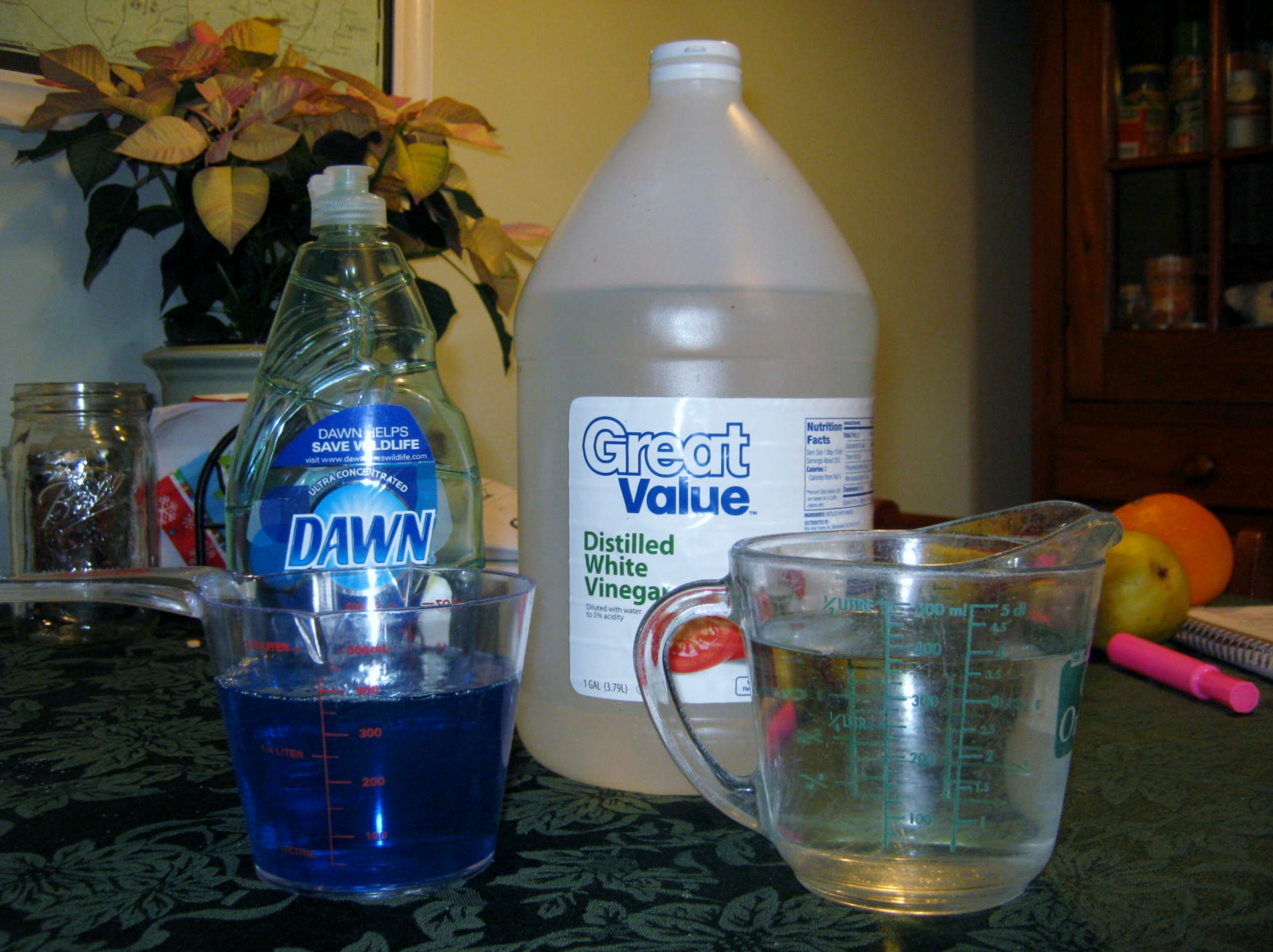
Gather together the articles in the picture: Dawn Dishwashing Detergent (original formula), Distilled White Vinegar, Measuring Cup or Cups, Spray Bottle & Funnel.

Heat Vinegar in Microwave or Stovetop.

Mix 12 ounces of Dawn and 12 ounces of hot white vinegar.

One tip I will add to the directions is to use a funnel if you have one. I am not good at pouring into a small opening and instantly spilled about an ounce of the Dawn down the side of the recycled spray bottle.

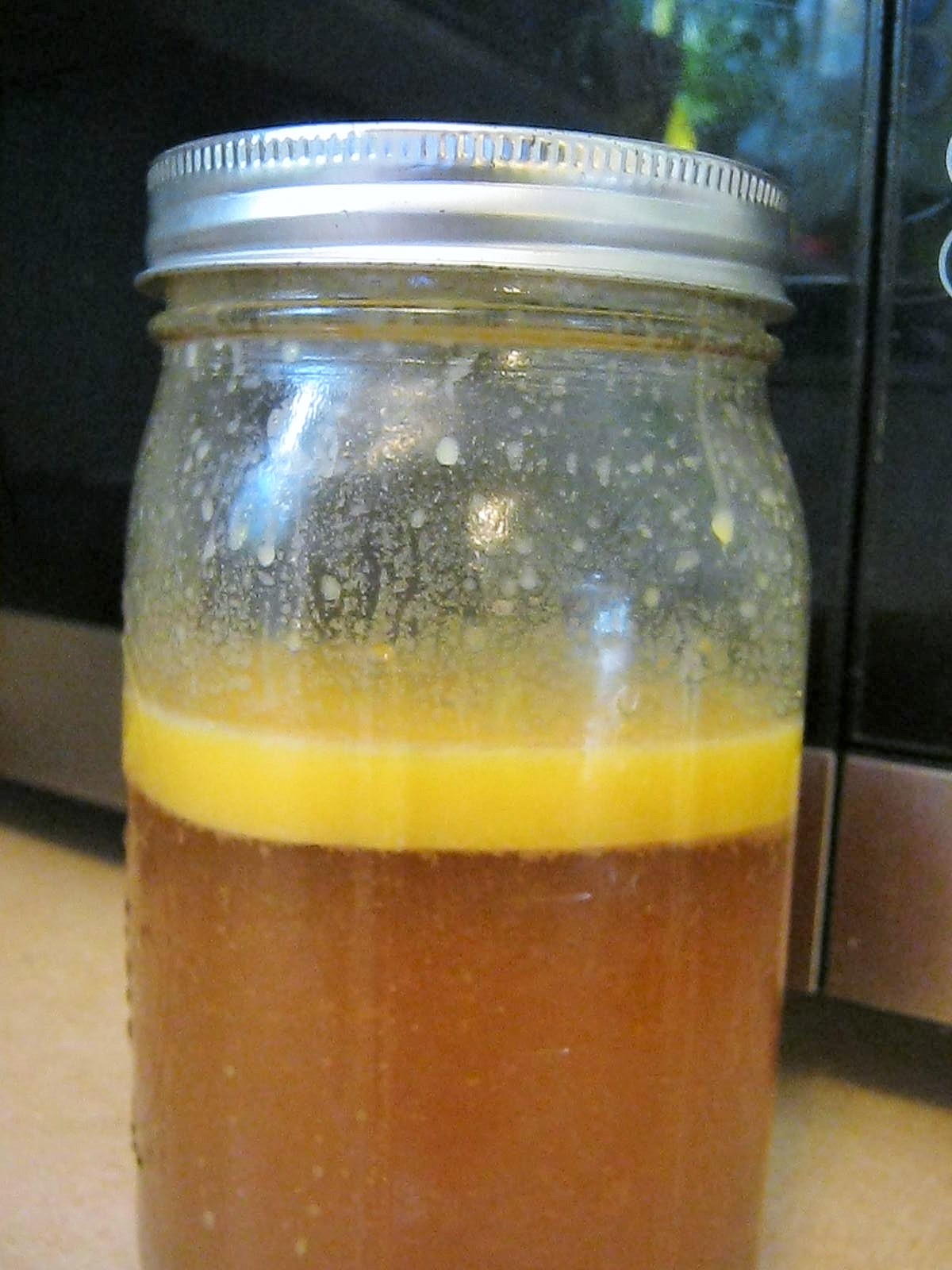
Shake until combined. They separate much like oil and vinegar. Spray on shower stall or anywhere with soap scum. The blue color makes it easy to coat every inch. Let sit for about five minutes. Wipe down with rag or sponge and rinse. Voila! Sparkling tile or doors.
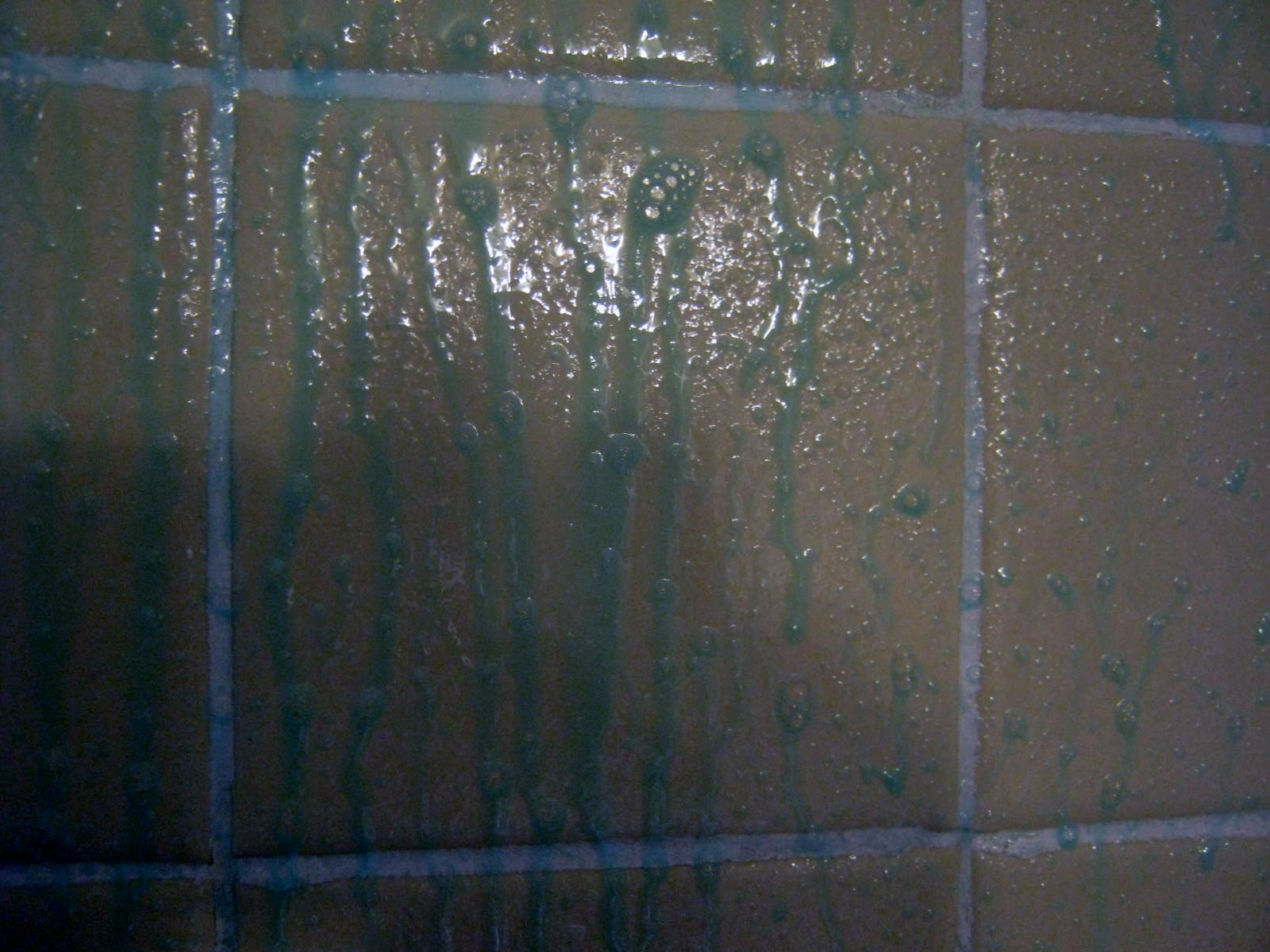
The pluses of this potion:

No harsh chemical smell in my lungs, it is not expensive to make, and all the items used in this project were easily obtained.

“Voila”

Problem-Solving – Poison Ivy in Winter or Beware Vines Without Leaves

It might seem funny to blog about poison ivy at this time of year, but I am doing so because a sister-in-law of mine once developed a nasty case of poison ivy pulling a stray, leafless vine out of her Christmas tree.

Even poison ivy puts on a coat of many colors in the cool of Autumn, but BEWARE…it still has the urishol oil and can give you a nasty rash. In our area, some poison ivy is so established, it almost mimics the look of the host tree it climbs on and seems to develop a bark.

I am one of those who does not develop a rash from the oil. But…I’ve also read that this tendency can change overnight, so I avoid all contact with the vines. Fels Naptha soap is one of the best remedies for removing the urishol oil from your skin.

I love Fels Naptha soap. I use it as a stain treatment too. I spray the spot with clear water, and then rub the Fels Naptha soap into the stain. Almost every spot comes out when treated this way. I also appreciate the fact that I am not inhaling caustic chemicals when I avoid the typical spray stain removers.

Fels Naptha can be difficult to find, but I was lucky enough to find it in my grocery store. If it is not available in your area you can order it from the internet. Check out the link below:

Fels Naptha Soap Distributor

Pot and Pans & Problem-Solving – Avoiding the Fat

IMG_8962

This jar contains broth/pan drippings I gathered from the last roast chicken I baked. Many people use these drippings for gravy. To do so while they are still hot makes it impossible to remove the fat that you can see gathered at the top of the jar. To save my family’s health, I always use the previous chicken/turkey’s broth and pan drippings in my cooking, enabling me to remove most of the dangerous fat. Refrigeration causes the broth and fat to separate making it very easy to lift the hardened fat away from the broth.

Today, knowing that the Thanksgiving turkey is going to need a lot of gravy, I purchased three turkey legs. Tomorrow I will cook these down in the crockpot with several cups of water. I’ll add celery, onions and garlic for richer flavor, and have a luscious broth to use for a healthy gravy on Thanksgiving Day. I’ll refrigerate the broth after it cooks down, skim off the hardened fat, and freeze the broth for a couple of days. I’ll leave myself a big note on the chalkboard on Wednesday, reminding myself to take it out of the freezer for the big turkey day. It’s good to think ahead when it comes to sauces and gravies and take a few moments to create a healthier alternative to using the fatty and heart clogging drippings straight out of the pan.

Perspective & Problem-Solving – Rivers of Difficulty

“When you go through rivers of difficulty, you will not drown” Isaiah 43:2

blog 015

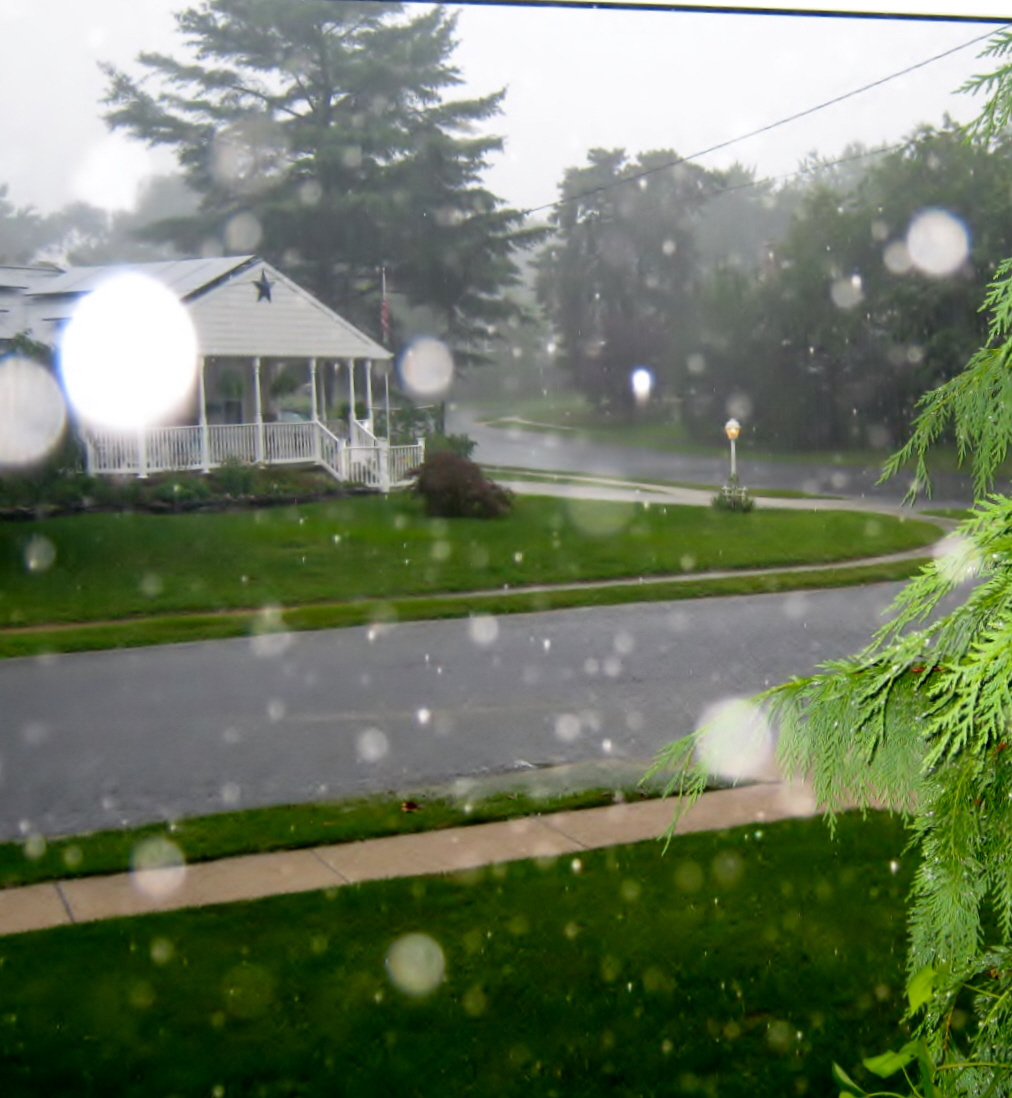
I didn’t plan on this post in advance, heavy storms arrived, and the problems they caused seemed like a good subject to blog about today. In some areas of Maryland this morning the rain was falling at a rate of near 12 inches an hour. This type of rainfall can create the danger of flash flooding. Here in South Jersey the heavy rains happened early in the day before people left for work, and although many are now stuck in standstill traffic due to rain-drenched and flooded roads, many more opted to go into work a bit later today.

blog 023

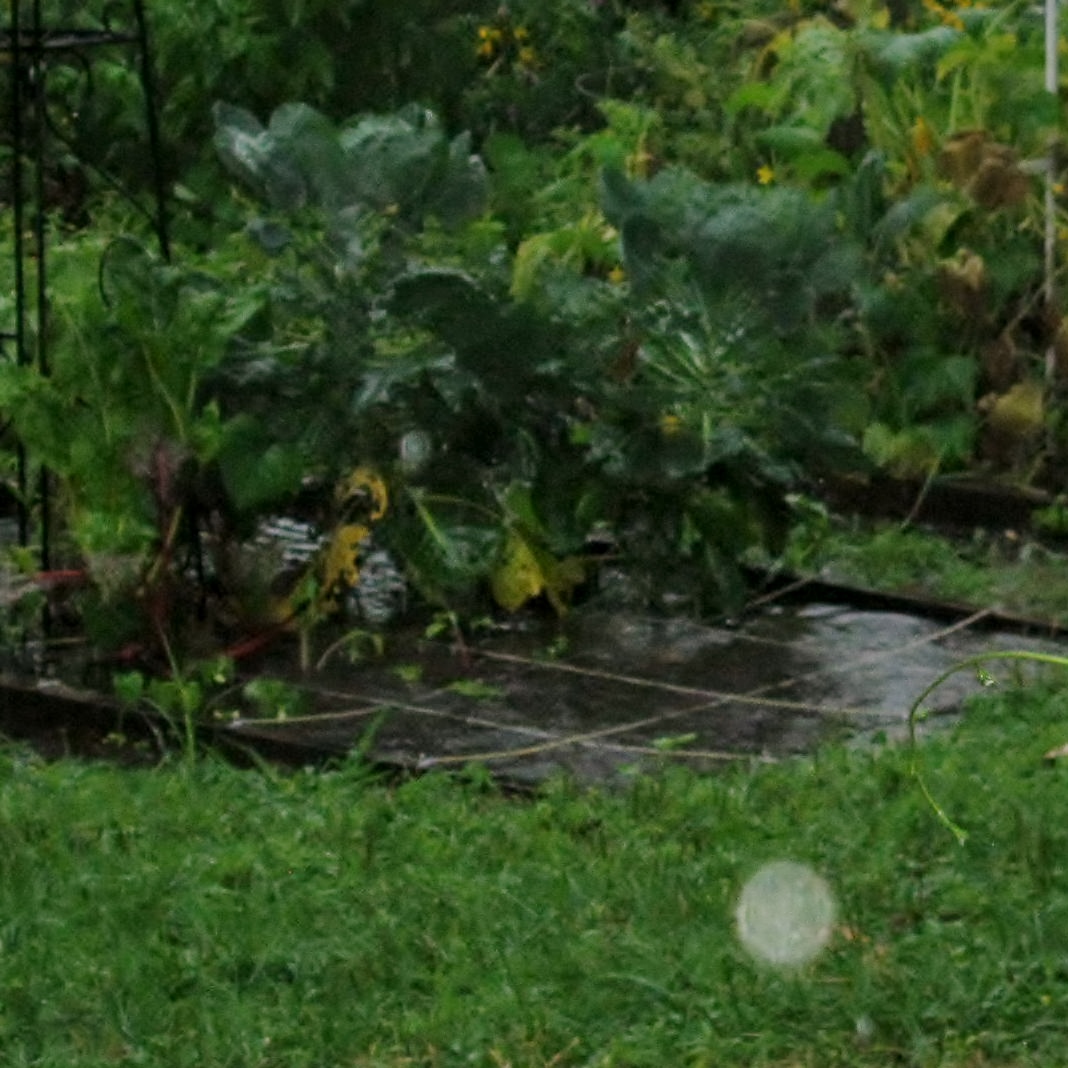
My Square Foot Gardens are now Square Foot pools of water. I’m thankful all the new seeds I planted last week already sprouted, and hopefully are rooted deep enough to withstand the heavy downpours.

blog 019

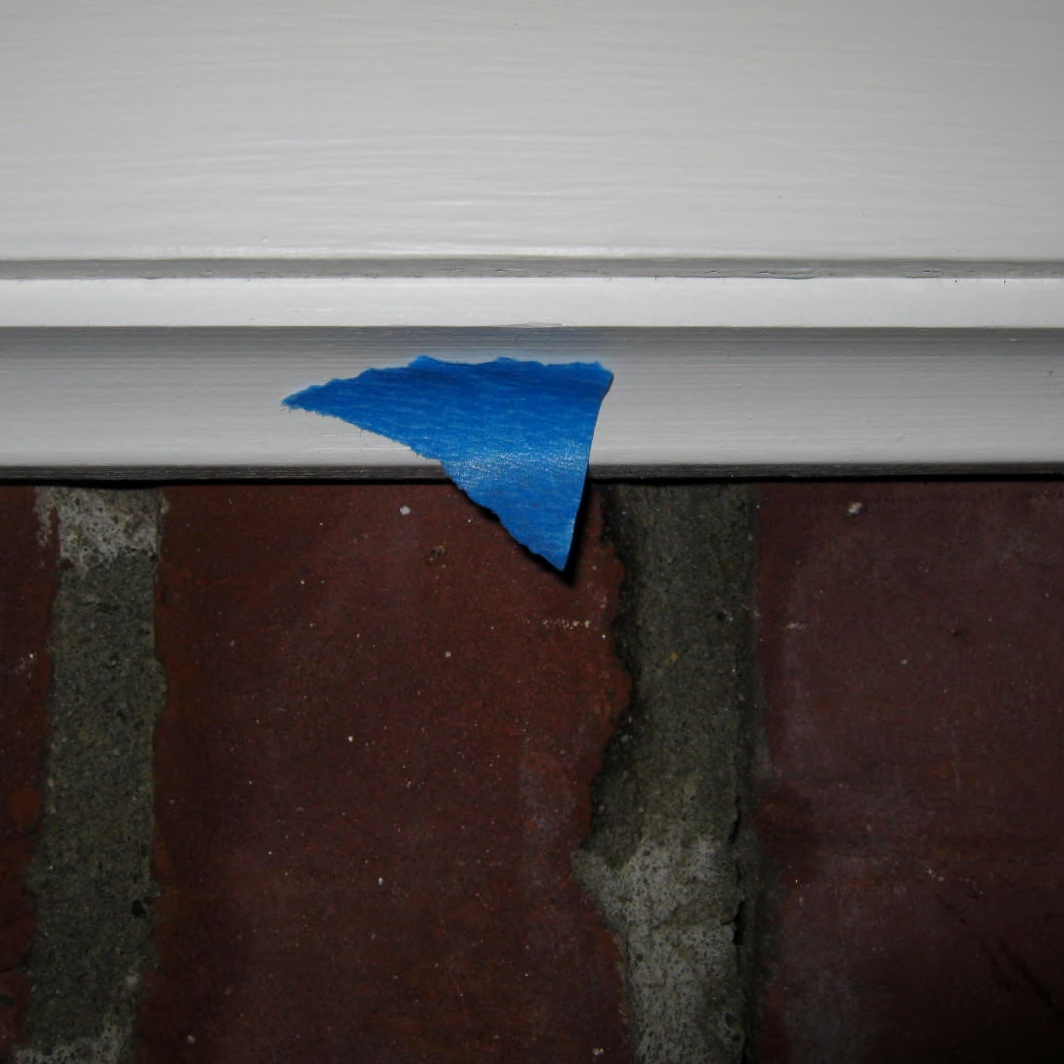
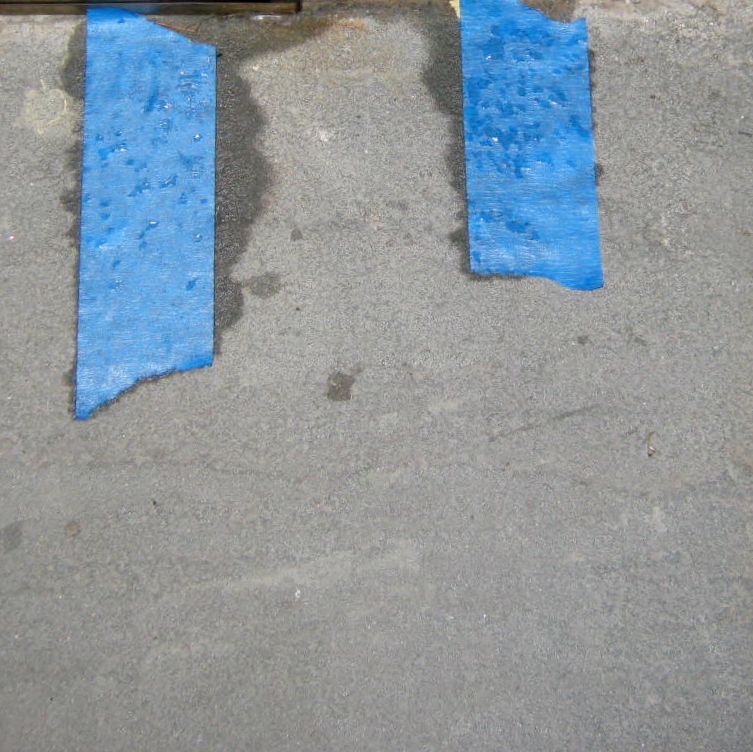
Horrors! As I was sitting in the living room, sipping coffee and watching the rain pour down, I became aware of a drip, drip, drip. NO!!!!!!!! Oh yes, the rain fell so fast and blew so hard it somehow managed to get into my house around the fireplace brick and mantel. A good tip to remember when this happens is to mark the area with tape. I positioned a piece in exactly the spot the drip was occurring and also marked where the drip hit the ground, or hearth in this case.

blog 020

Stay safe, and stay dry everyone! Happy Tuesday!

Problem Solving – Over the Top Success/Worm Farm/Final Chapter

fairy house 039

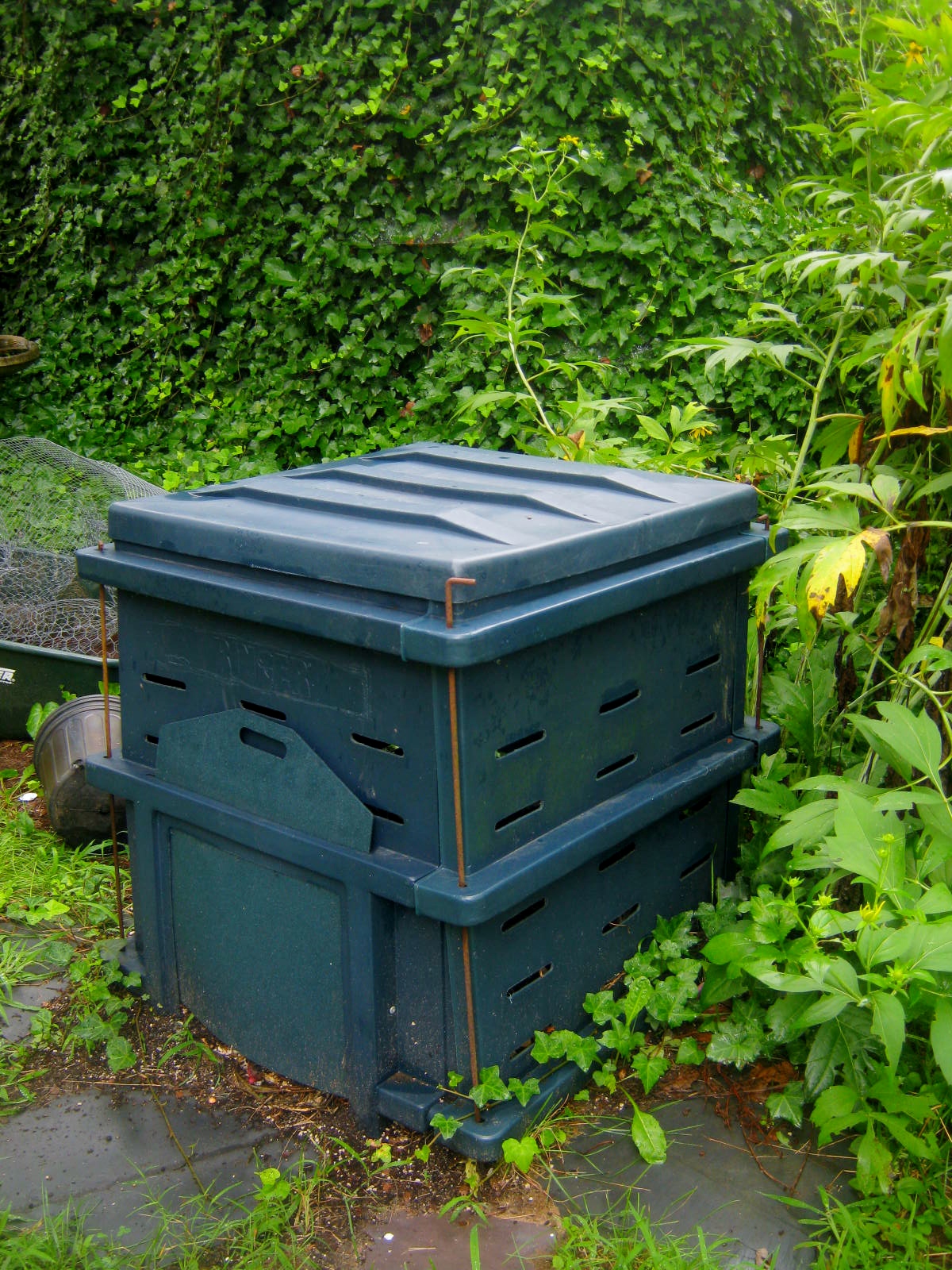
This is the new home of my red wiggler worms. No, my worm farm didn’t fail. The reality is it was too successful. Suddenly, there was a population explosion in the worm bin. This meant more feedings, more liquid to drain off, in short more maintenance, and in one heartbeat I decided I had had enough of the worm bin. Thankfully, I have a compost bin outdoors and it was easy to act on my impulse and carry the whole bucket outside and dump it. I have not regretted it for a moment. The worm bin was a fun experiment, but I will stick to the outdoor composter now. Moral of the tale: Try new things, but when you have had enough…get rid of it! 🙂

Problem-Solving – Preventing Rust on Wire Ornamentals

011

I love wire fixtures and knick-knacks in my house. The above photograph shows one of my favorites. Since this wire fixture holds bottles that are filled with water, it was inevitable it would begin to rust.

012

A little rust is not a big deal, but it is growing, and beginning to transfer itself to the windowsill it sits on. (This was removed with a Mr. Clean Eraser)

015

Break out some of your clear nail polish for a quick, easy and economical solution.

017

Dab a bit of the clear polish on the bottom of the wire, make sure to cover all parts of the wire that will come in contact with a surface.

019

As you can see from the photograph you want to be careful to paint the protection only on areas that won’t be seen. The polish dries with a shine. To solve this problem you can purchase a matte sealer, but then the entire objective of quick, easy and inexpensive is defeated.

Problem-Solving – Update/Sunflower Towers

blog 034

I don’t always have success with my critter-war weapons, but I did this year with my sunflower towers. Well, strike that, I had success with half of my sunflower towers. They worked perfectly for keeping the critters away from the sprouts and seeds. What I hadn’t counted on was our wet and cold spring…a few of the plants succumbed to soggy feet. I thought about cutting the chicken wire away from the sunflowers, but I decided against it since they are Mammoth sunflower seeds and will only have one bloom. I have grown Mammoth sunflower in years past and the buds have been nipped off pre-bloom by hungry squirrels. I think I will leave the towers in place for a little bit longer. You can read the initial post on my sunflower towers here: Sunflower Tower/The Beginning

Problem-Solving – Critter Wars Part ???

blog 002

Anyone who gardens knows that at some point pests find your beloved plants. What’s a gardener to do? I have had plenty of wars with the local critters, and have found a few ways to scare them off. I’ve used water balloons, created scarecrows, spread around offensive odors with garlic, soap, dirty diapers, etc. All my weapons have worked to some degree, some better than others. My most recent attempt, the Rasta Raga Girl Scarecrow worked pretty well until the wind and rain blew her in half. 😦

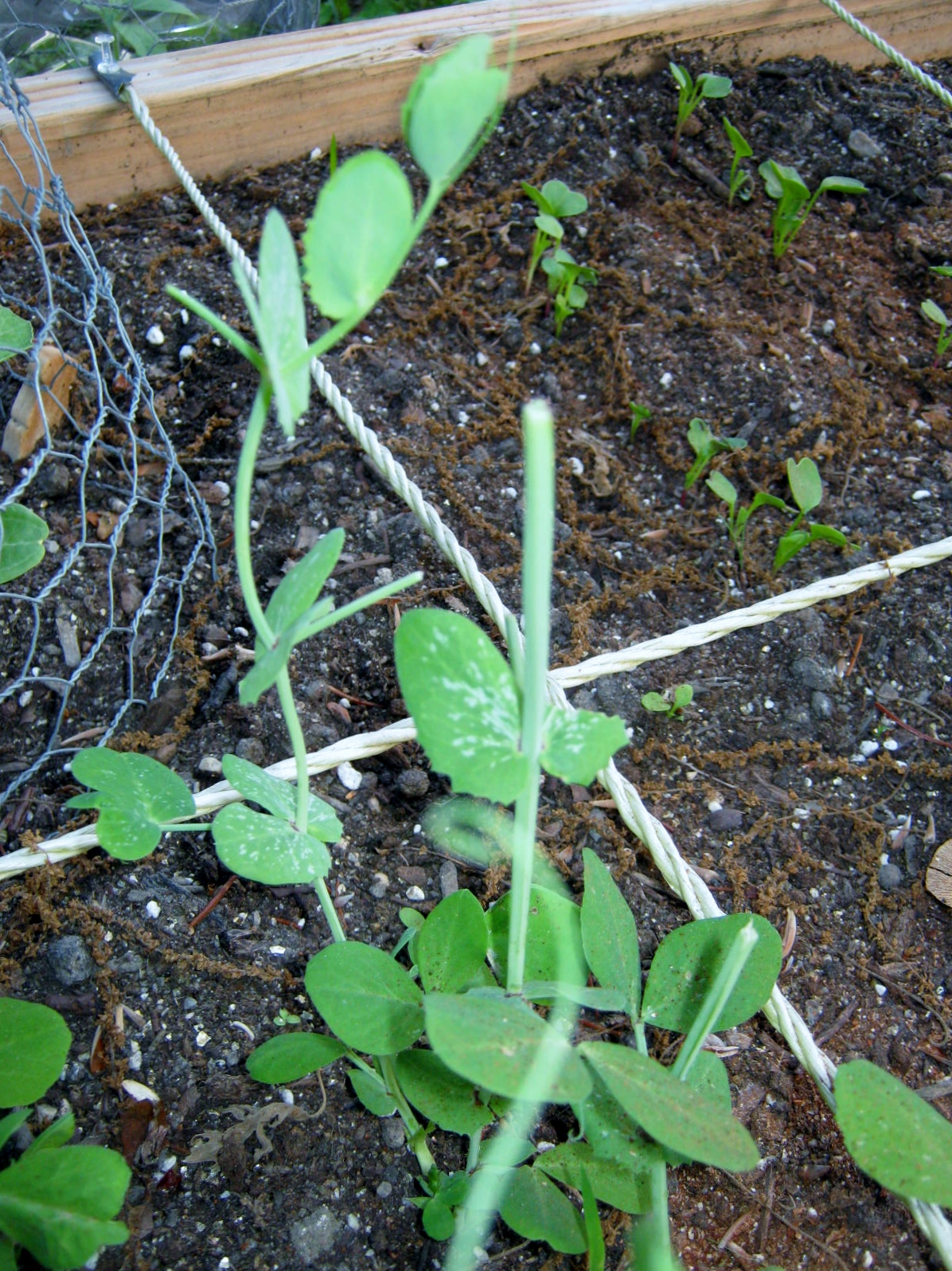
Last week, once again, I went out to check my garden and found the tops of several pea vines bitten off. Because the level of the bite was rather high, and because I saw one of the rascals sitting in the middle of my raised bed, I knew it must be rabbits. A well-aimed dust brush scared the varmint off for a while, but I knew he would be back as quick as the sun would set.

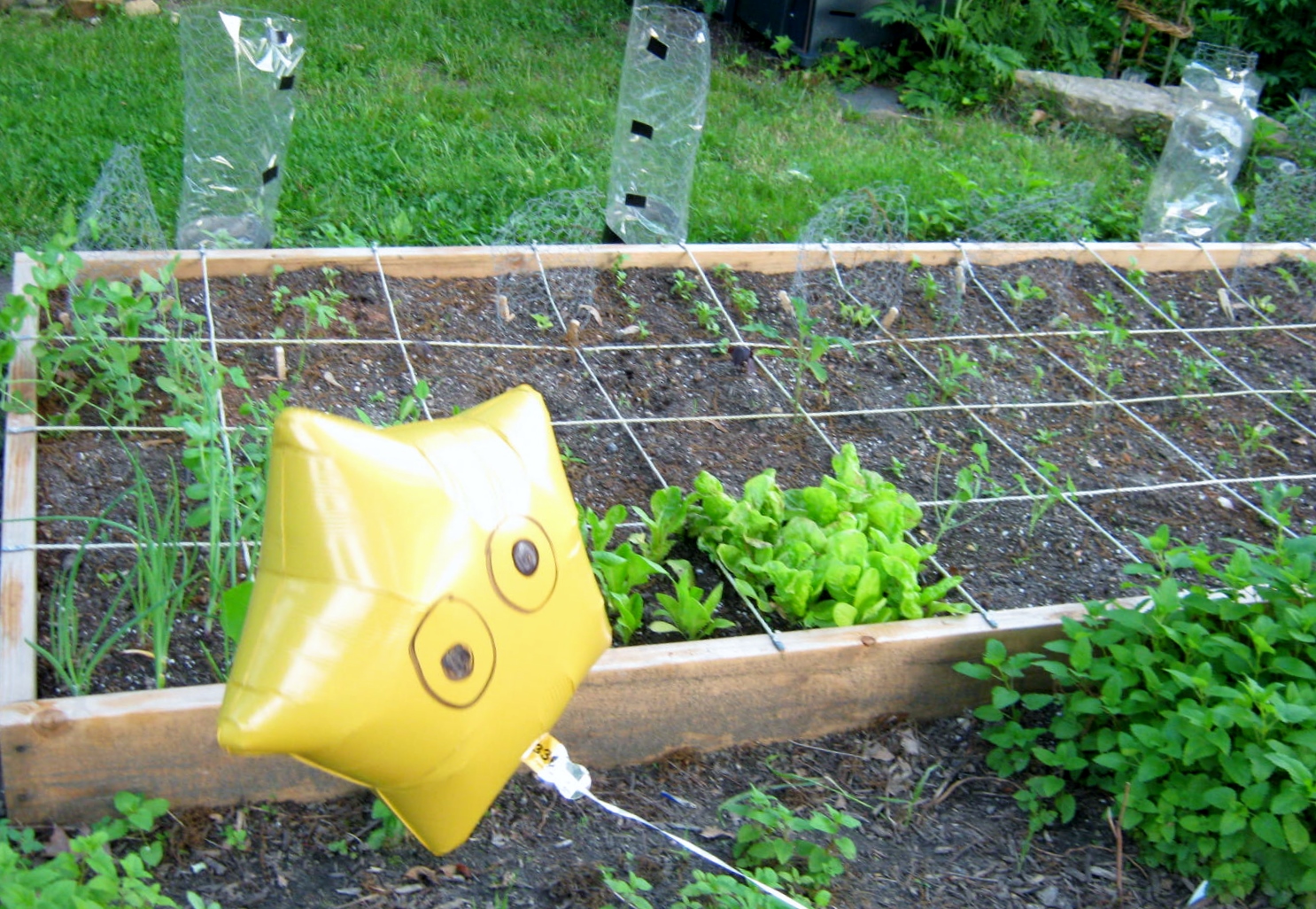
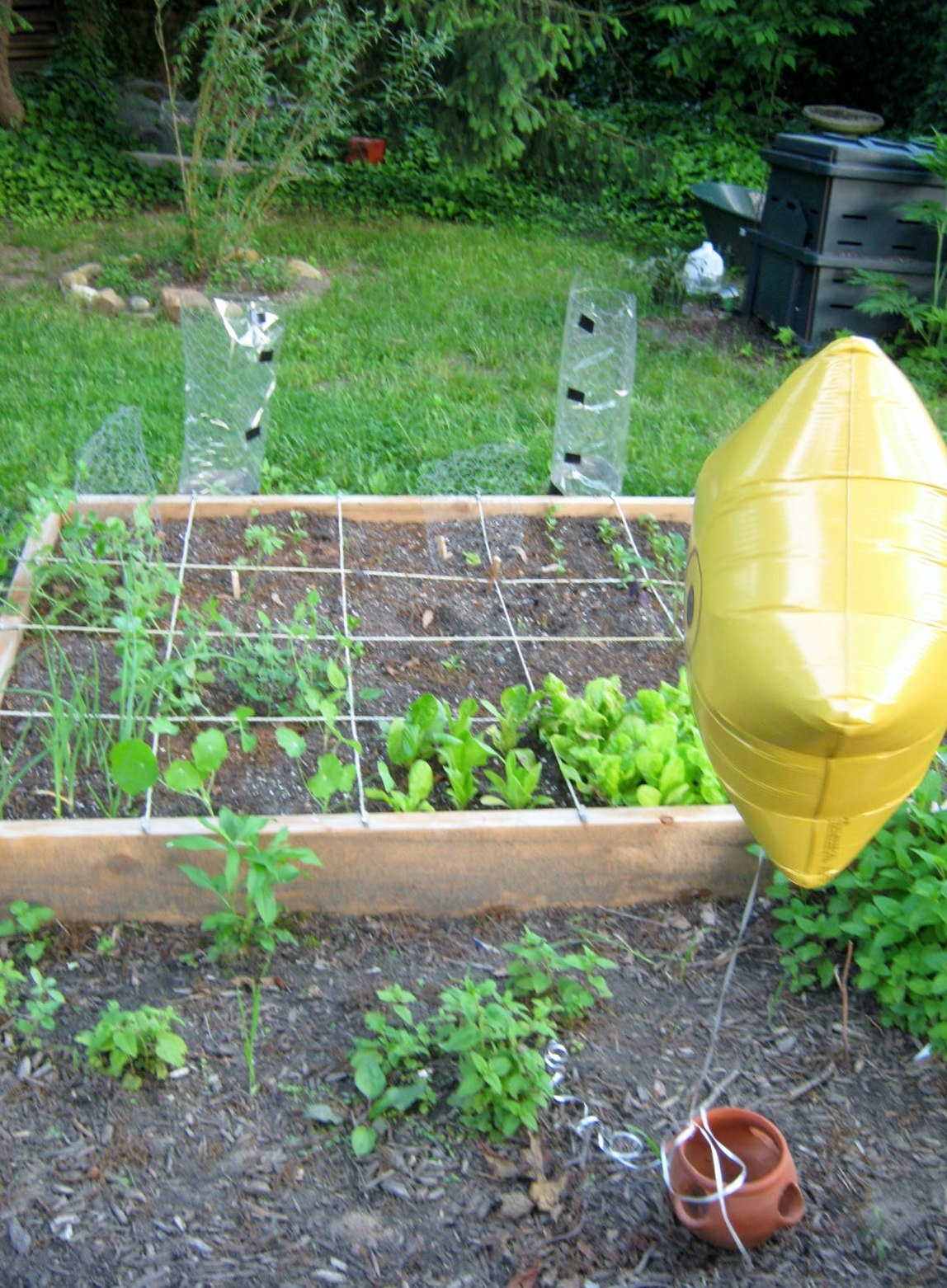
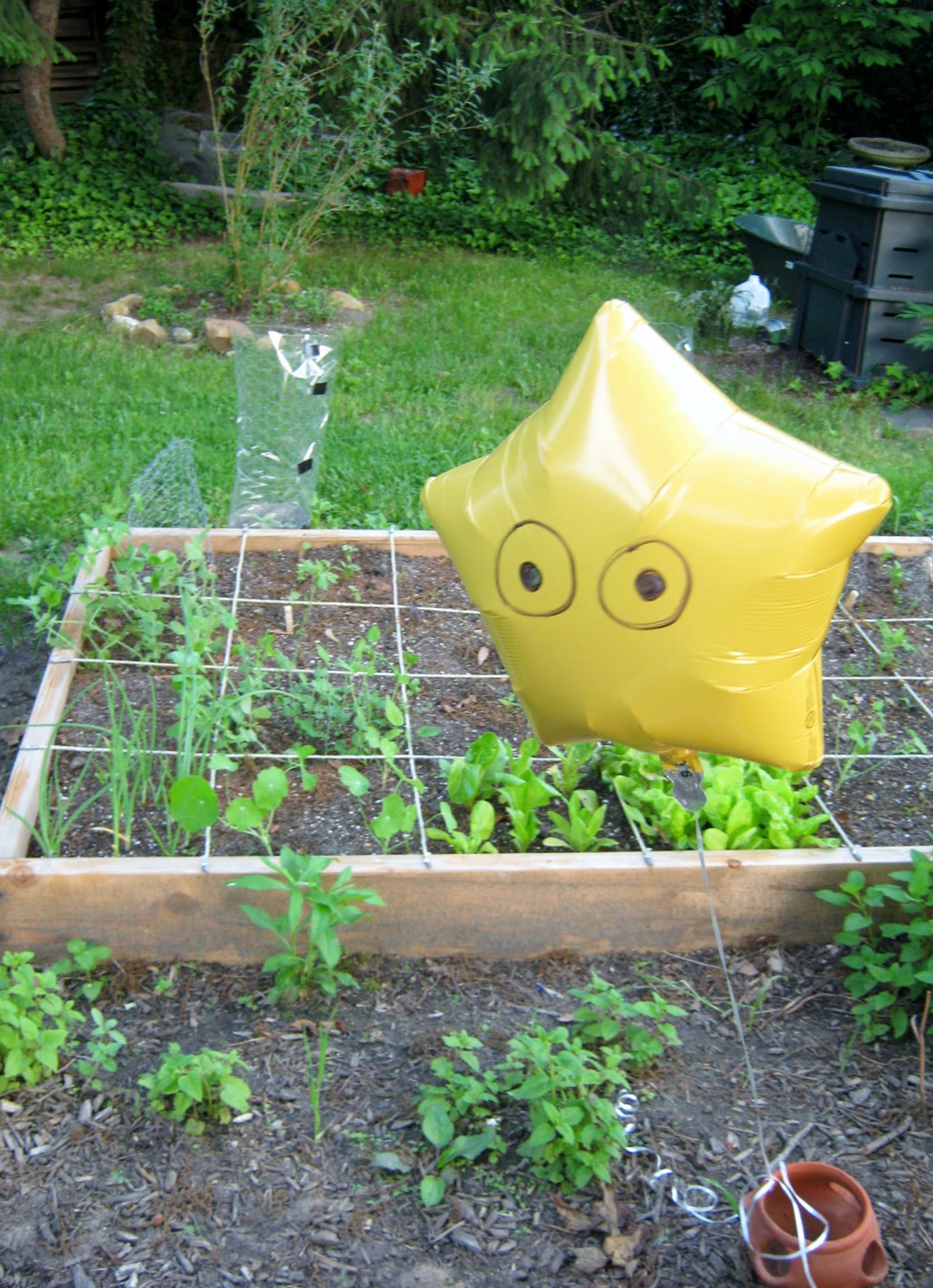
As I pondered a new preventative tactic, I remembered the strange round globes with eyes I had recently spotted in a local farmer’s field.  Maybe a helium balloon with permanent marker eyes might work. Oh my! It works like a dream come true.  As long as the balloon holds onto its helium I think it will keep scaring away the rabbits and rodents.

As you can see from the succession of photographs, tied to a terracotta pot, the balloon sways from side to side at the slightest touch of a breeze. The preventative measure is working well, and best of all, cost only a dollar. I know it will last only a few days, but if I vary my arsenal of  “scary” weapons, perhaps I can keep those pesky critters at bay.

blog 005

blog 006

blog 007

Follow Me on Pinterest

Problem-Solving – Saving the Paste

birthday boy 006

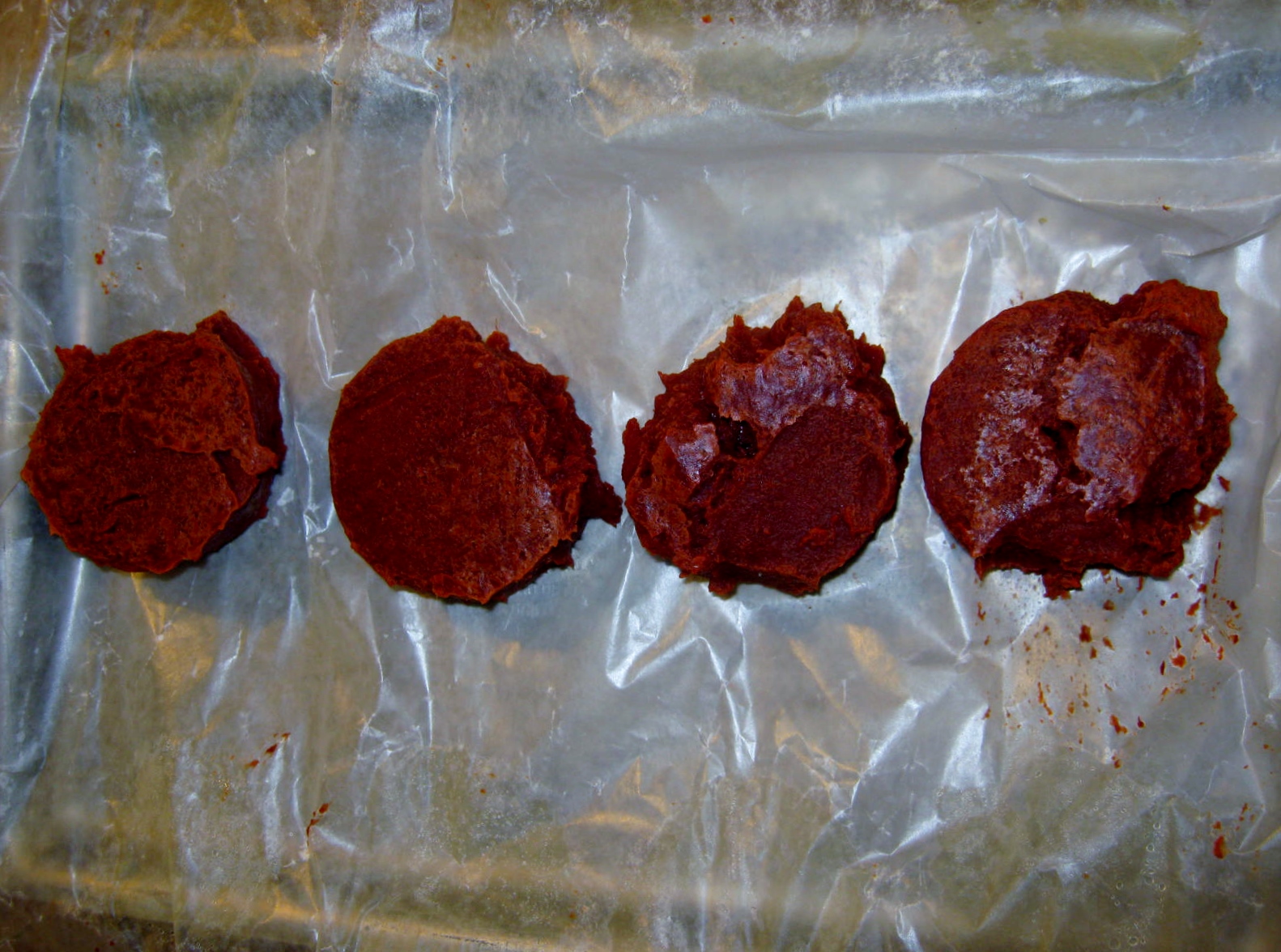
Here is a household tip for anyone who cooks with tomato paste. I often find that a recipe calls for just one tablespoon of tomato paste. More often than not, unless I have another recipe that calls for the same, I end up wasting the extra paste. A good way to use all the paste is to freeze the can for several hours, open both ends, and push the frozen paste out. Slice into four to six patties and store in a freezer-proof container. The patties will thaw and be ready to use in under an hour. Happy cooking!

Follow Me on Pinterest

Problem-Solving – Critter Wars/Chicken Wire, Wet Diapers and Used Kitty Litter

blog 002

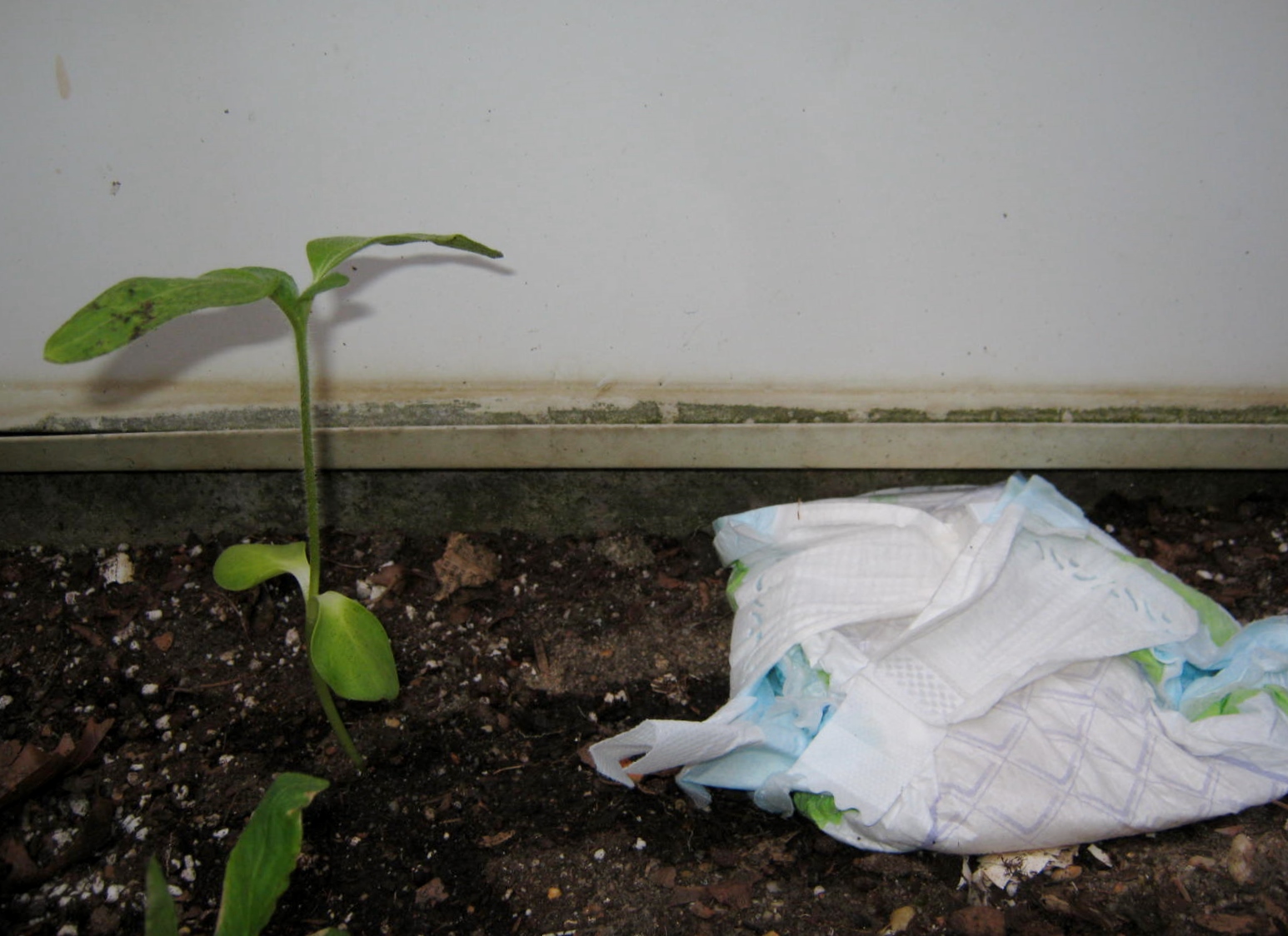
So far this year very few sprouts or transplants have been bitten off by bunnies, squirrels or chipmunks.  Since warmer weather is on the way, there is still potential for the tender greens to be nipped away by a hungry rodent. I need to take preventative action before I lose any of my beautiful Mammoth Sunflowers. In the photograph above you can see a sunflower sprout, hopefully protected by the smell of a freshly wet baby diaper.

blog 003

A bag of cleaned out kitty litter also has a bit of an odor even when closed, hopefully it will frighten away any hungry rodents.

blog 005

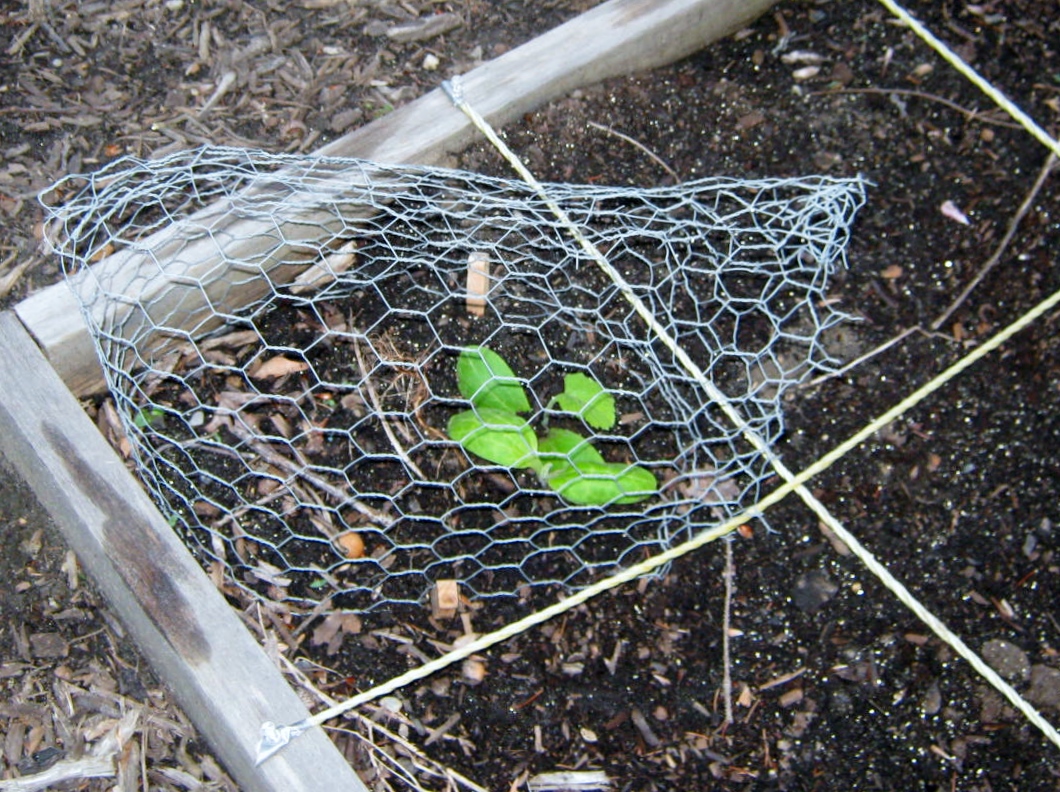
I made small cages with chicken wire, open on the bottom, closed at tops and sides, and covered tender transplants such as zucchini and melons. Any transplant that grows from a nut-like seed seems to be a favorite of hungry animals and even birds.

blog 007

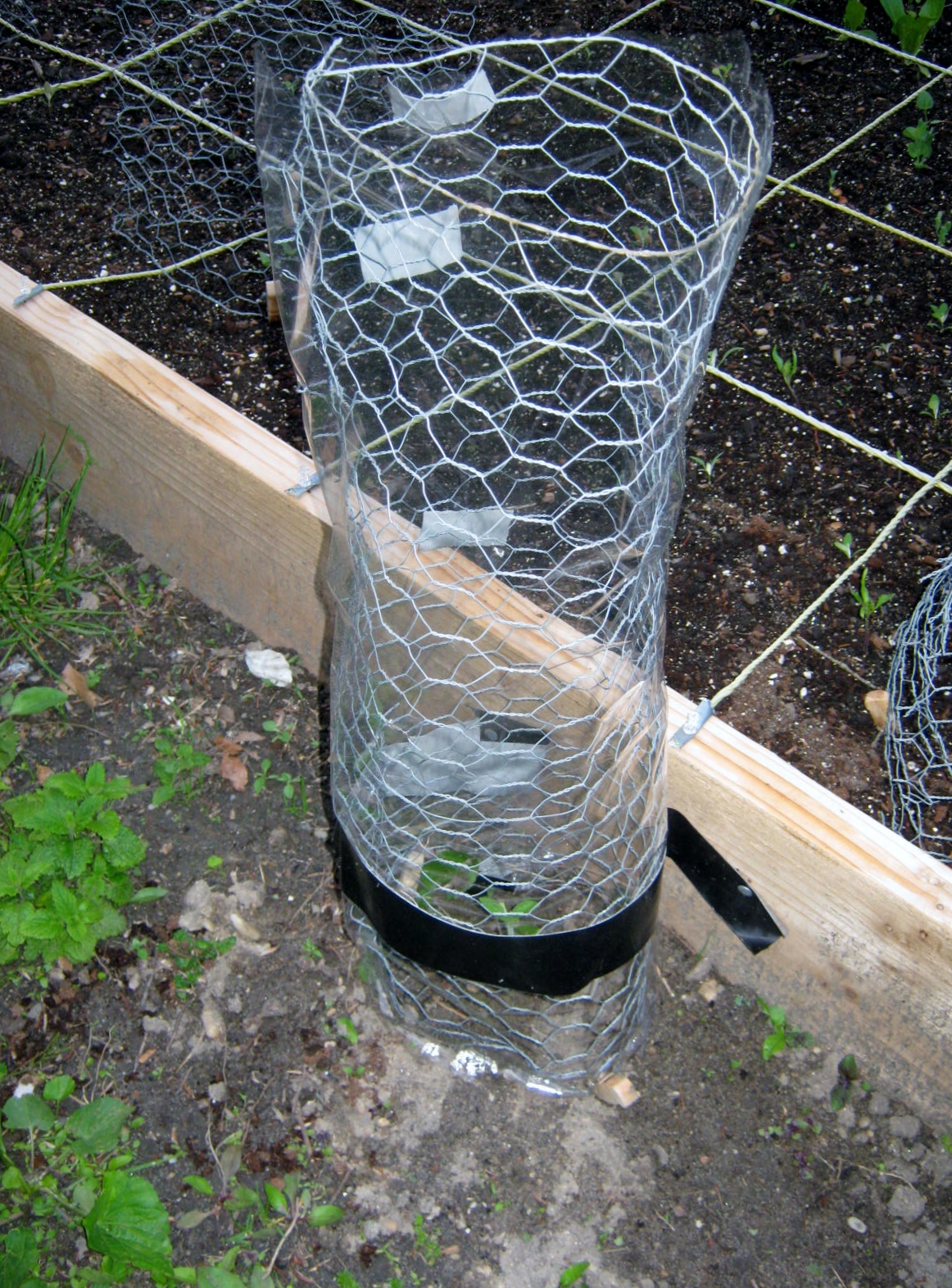
Four of my sunflowers are encased within a tall chicken wire tube. Be very careful working with chicken wire, the jagged edges bounced up several times near my eyes. It has quite a lot of spring and is unruly and hard to control. The tubes were not difficult at all to make. Bend the long cut edge together until it stays closed, cover with clear cellophane (a dollar store item) and tape with duct tape or gorilla duct tape.

blog 009

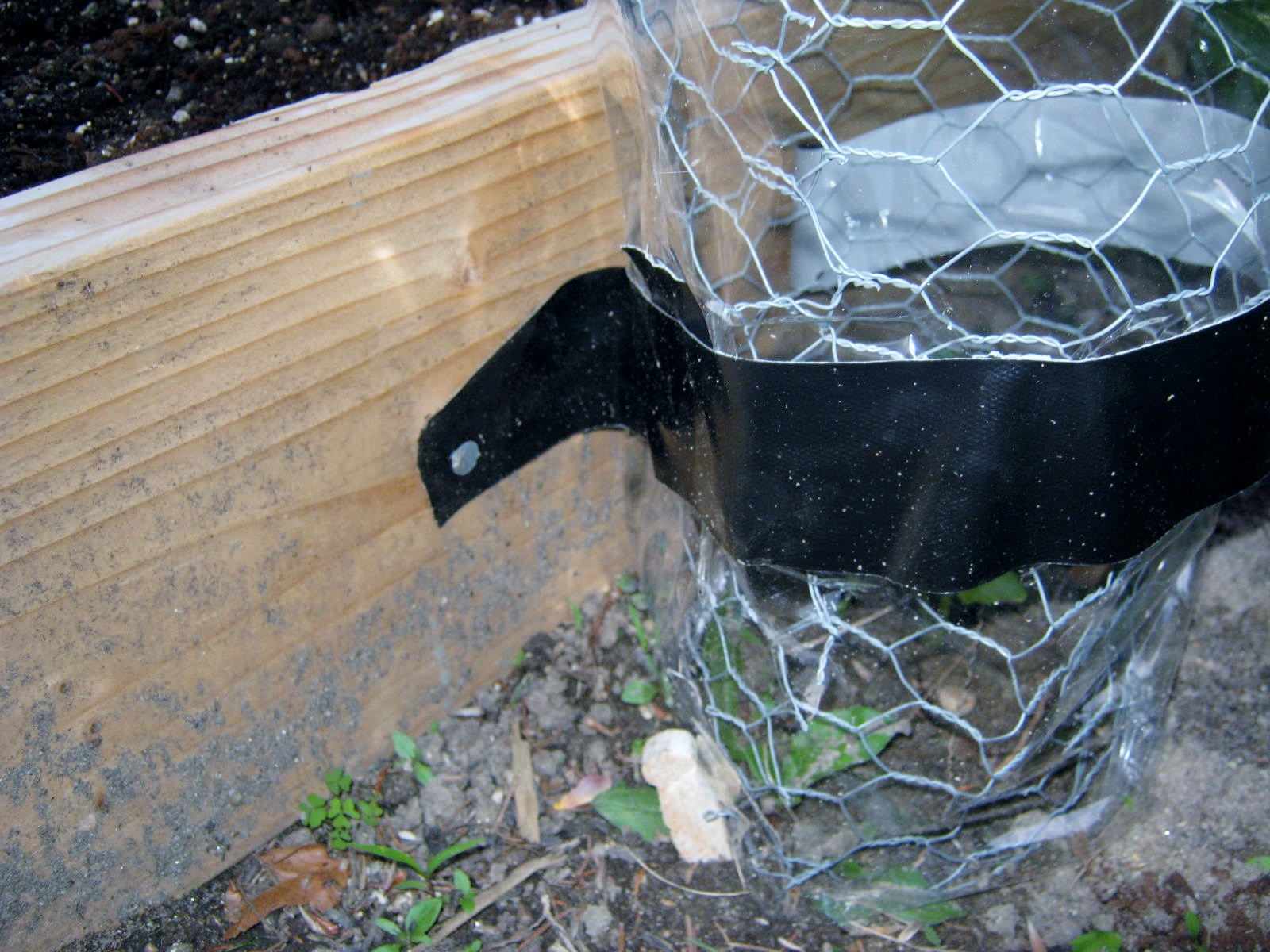
Because the tube is tall it will catch the wind. You need to anchor it to something. I used another long piece of duct tape and nailed it into the wood of my square foot garden.

blog 010

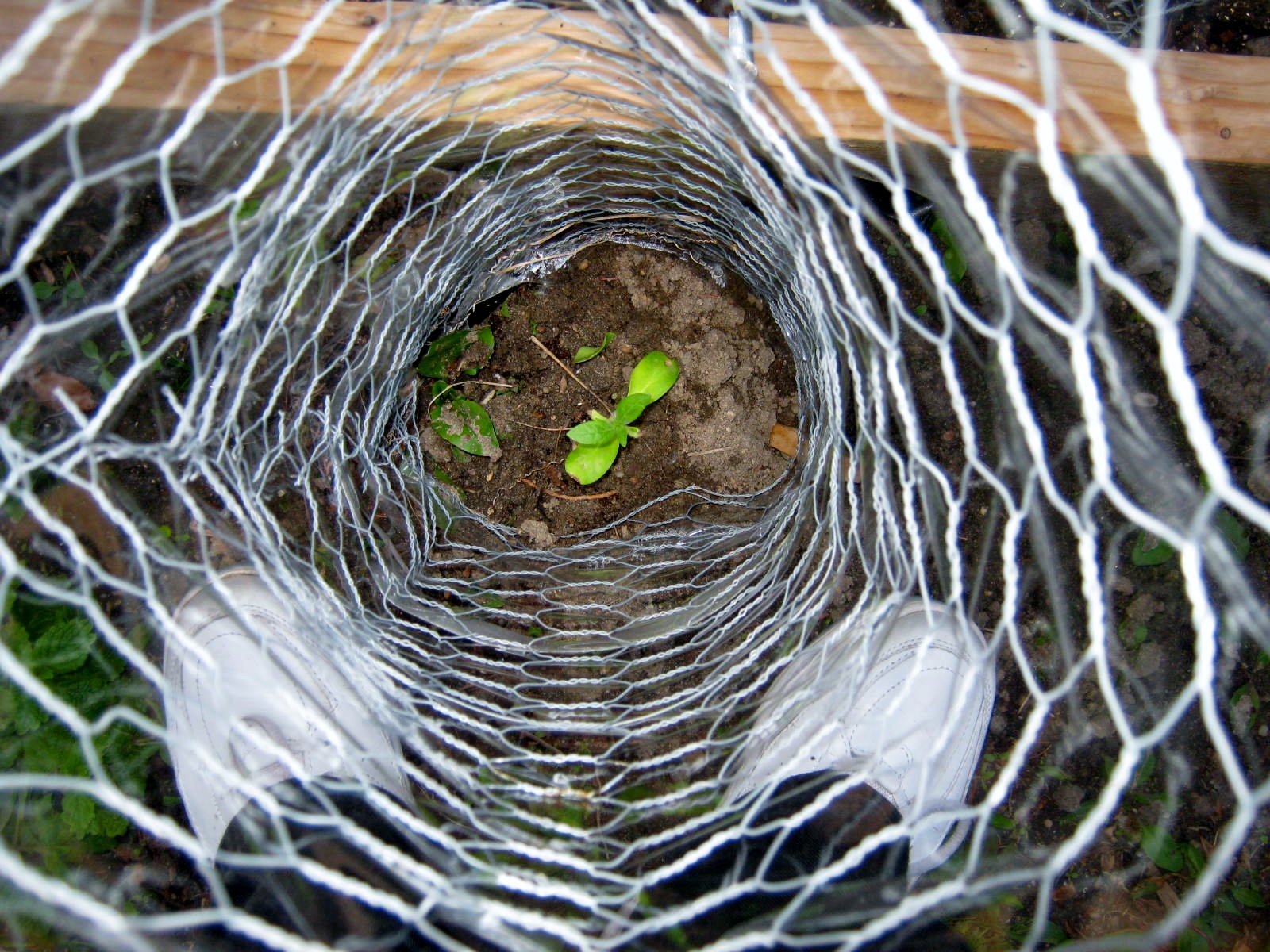
The long view from above. I have high hopes for my sunflower towers.

Problem-Solving – Tame an Unruly Electrical Cord

blog 001

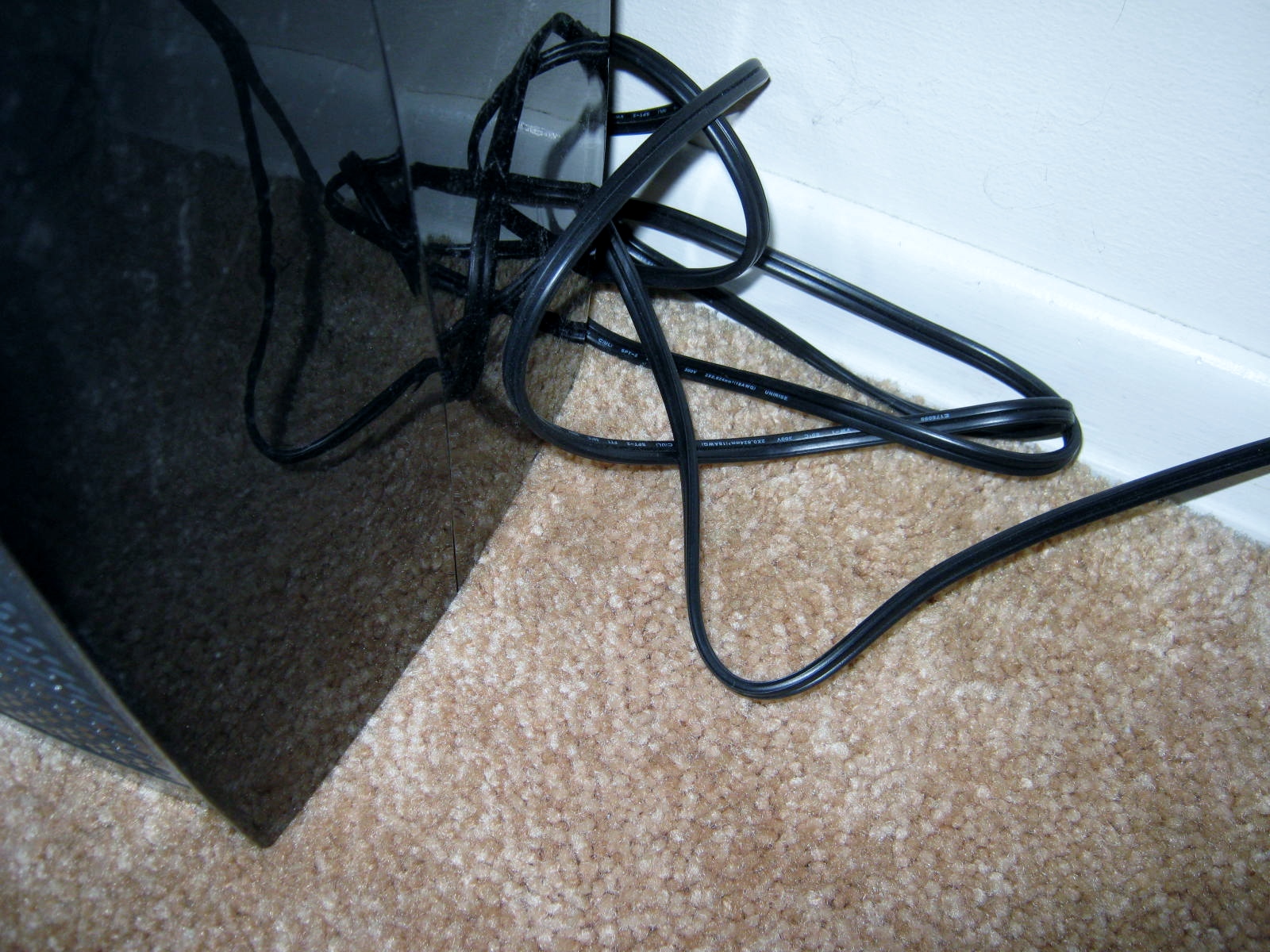
A common problem in almost every home is finding a way to tame an unruly electrical cord.

blog 002

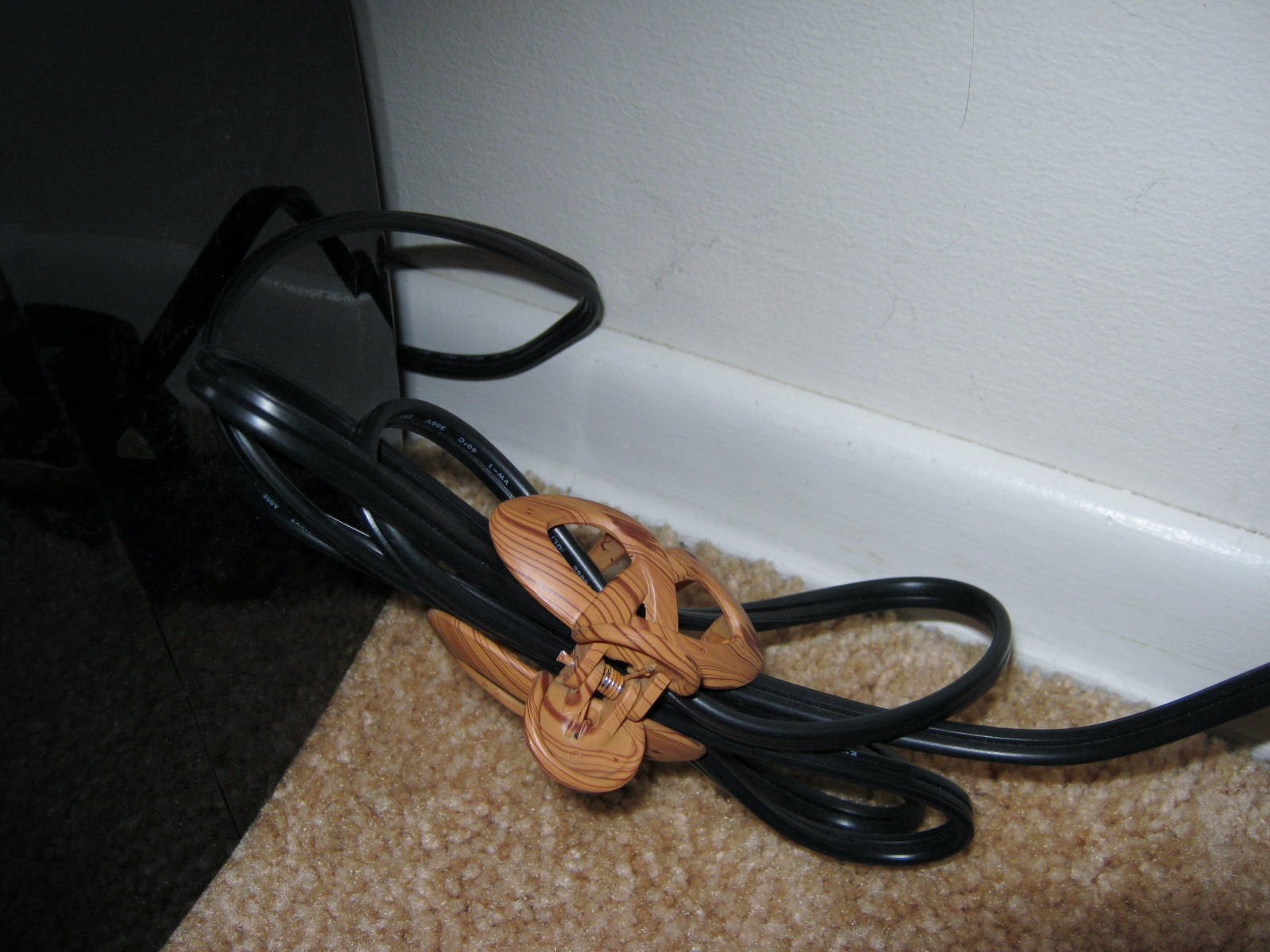
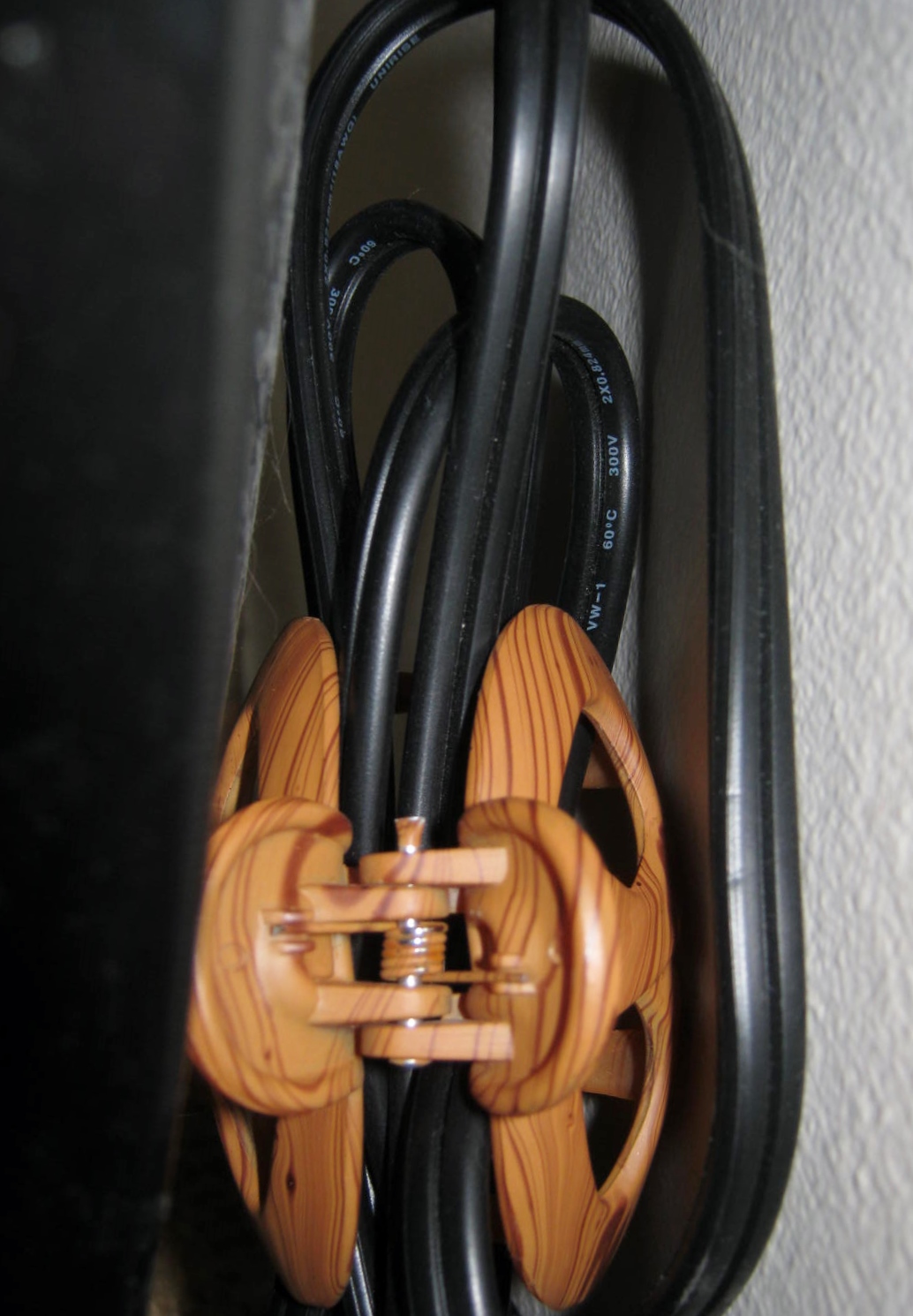
An inexpensive hair clip will hold a wrapped cord in a neat bundle. They also come in many colors and styles.

blog 004

When the cord is tamed and clipped it’s easy to hide it behind the appliance.

Problem-Solving – Saving Outdoor Seedlings

pictures test 004

At first glance this photograph resembles goldfish swimming in a large school. In reality what you are seeing is a layer of hot peppers, covered with oil, simmering OUTSIDE ON THE PORCH in a crockpot. Only adults wearing protection on their hands, and possibly a mask over their mouth and nose, should concoct this brew. After a few hours simmering, I strain out the peppers and keep the resulting oil in a jar. The oil itself did not cause me any distress when I gingerly sniffed it, but when I cleaned the crockpot in water, the steam from the hot water rinse made me gasp a bit as it was loaded with hot pepper particles.

I have been using this on the edges of pots of sunflowers that I am growing outdoors until time to plant in the ground. Every year most of my sunflowers and many other seedlings are nipped off by squirrels, rabbits and chipmunks. To combat this in the past I have tried chili powder sprinkled around my plants, but as soon as rain or heavy dew falls, “Nip, Nibble, Nip,” and all my careful plantings are ruined. There is no cruelty to the animals in using this oil. Their noses are so ultra-sensitive they should be able to smell the heat at least a yard away. I do have to make sure I explain to my grandsons why they must not touch or even walk near the pots. The smallest drop on a fingertip could seriously irritate their eyes.

This method of pest control is organic. Take precautions in using and it should help in repelling rodent and other pests.

Follow Me on Pinterest

Problem-Solving – Removing the Odor of Cat Urine

hans 004

This is a photo of one very scared and confused kitty-cat hiding in my basement. Hans belongs to my grandsons, but he can’t live at their home anymore. One of the boys developed an allergic reaction to cat dander. They love their cat, and didn’t want to give him up completely, so now he lives at Nanny and Papa’s house.

Through all the confusion of the move, and after Hans hid under a guest room bed for over fourteen hours, the call of nature could not be denied and an accident happened on the good rug. Oh my! The smell of cat urine filled the room. Thankfully, I caught it right away and blotted it up. I immediately cleaned the carpet with rug shampoo, but the smell lingered.

I found a remedy on the Internet. Today I followed the directions. What an amazing solution. As soon as I poured on the peroxide and dish detergent over the baking soda, the smell completely disappeared. I also added a few drops of lavender essential oil I had in the house. Now the room smells fresh once more. This recipe really worked!

Click here for cat urine odor neutralizer: Recipe for removing the smell of cat urine from a carpet.

I am hoping that Hans will soon realize there is nothing to be afraid of at our house, and the next time you see a picture of him, he will be napping on a cushion or watching birds from inside the screened in porch.

hans 002

He’s coming around a bit. Here he is sitting on the top of the basement stairs. I think soon he will begin to feel at home. I hope so!

Problem-Solving and Project – Removing Labels and Discovery Bottles

bottles 002

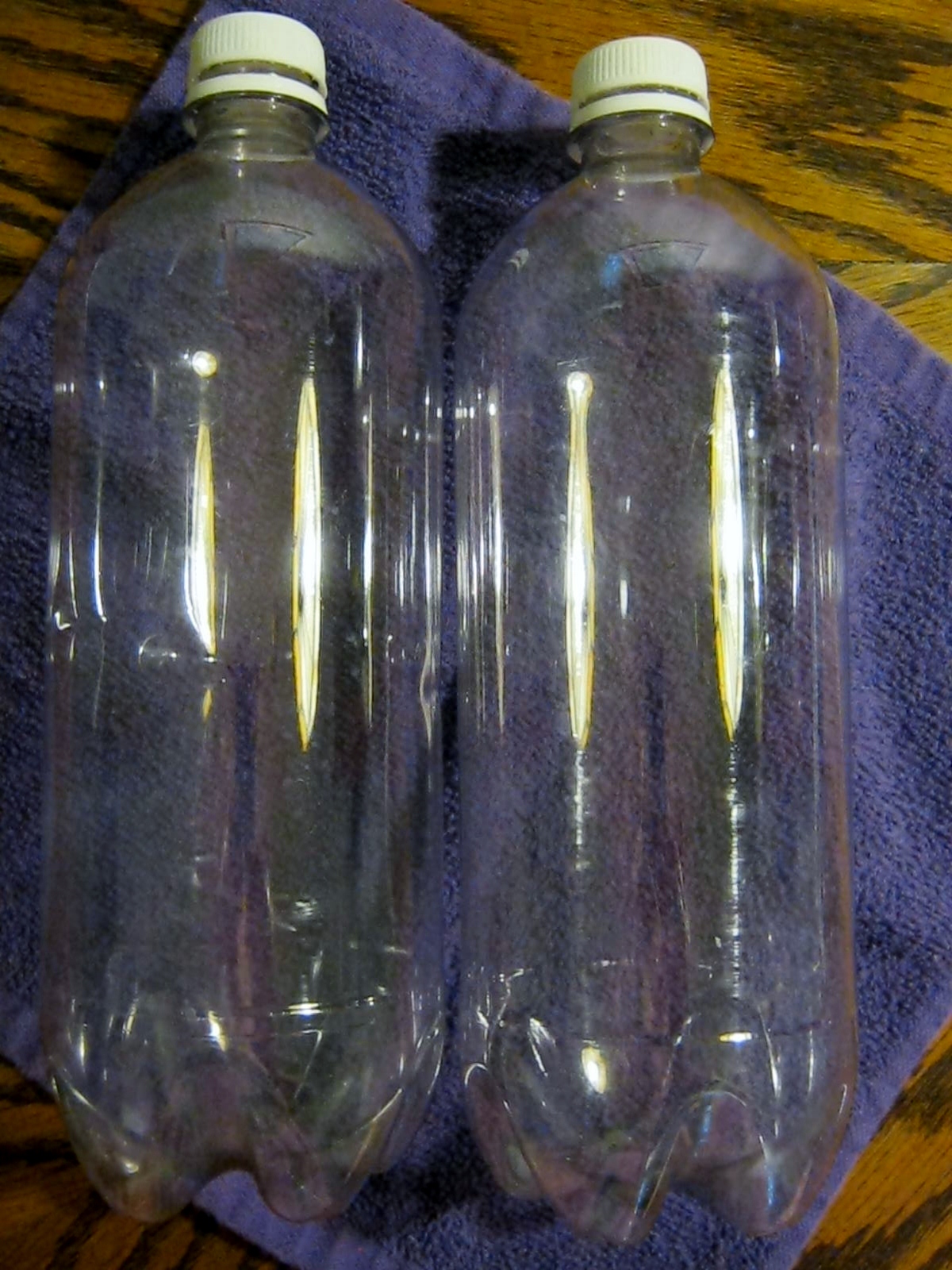
Most of us at one time or another have crafted a project that uses an up-cycled bottle or jar. We all know how difficult the labels and glue can be to remove without marring the surface. Recently, I wanted to create a Discovery bottle with my grandsons. Since the project needed a clean plastic bottle, I began to remove the label ahead of time. The glue and paper were very stubborn. I cut and peeled away the label, soaked the bottle in water, but was still left with unsightly glue and scraps of paper on the surface.

bottles 015

I searched the Internet for a solution and found the tip of using ordinary mayonnaise to remove labels. I gently scraped away anything I could with the top of a butter knife, applied the mayo and then scraped again in about an hour. There was still residue. I reapplied and waited another hour. I removed a bit more label, reapplied again and tried once more. Hooray! The mayonnaise worked. If you use this tip for removing labels you will be pleased that it is chemical free and very gentle. The downside is it takes a few hours. Use this tip only on surfaces that are hard as you will need to wash afterwards with warm soapy water to remove the oily residue of the mayo.

bottles 003

A wintry afternoon was the perfect time to begin making “Discovery Bottles.”

Click here for more information on Discovery Bottles: Discovery Bottles

bottles 005

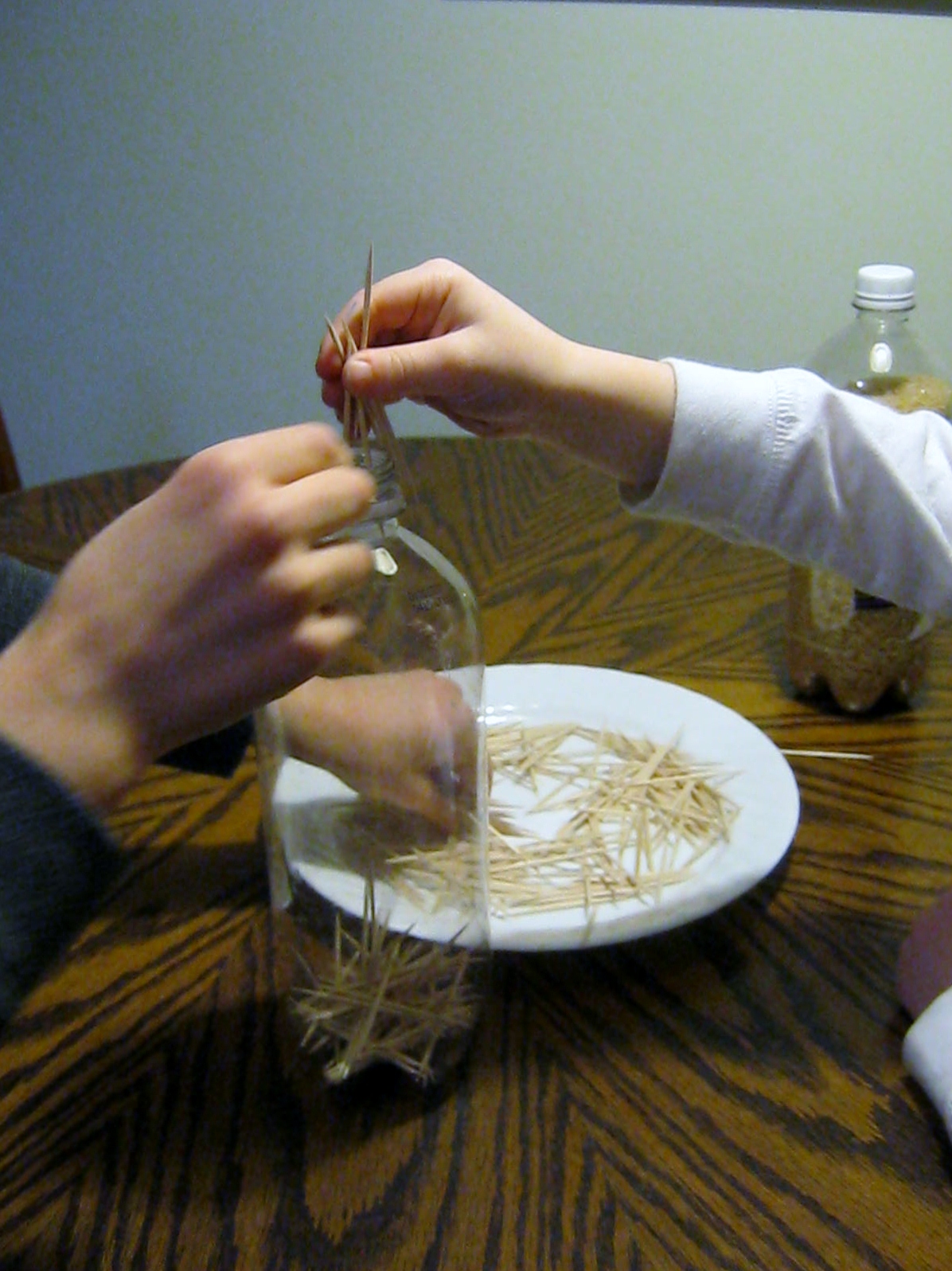
We decided to make a rain bottle first. Fill the bottle with toothpicks, add some dried rice, when you turn the bottle upside down the toothpicks and grains of rice sliding down the plastic sounds like rain on a roof. The boys really enjoyed filling the bottle, and after I glued the cap on with hot glue, they had fun turning it up and down to hear the soothing sound of the “rain.”

If you are creating Discovery Bottles for toddlers please take care to use a plastic bottle with a very wide cap/lid. A small water bottle cap is not appropriate because of choking issues. Gatorade bottles and other juice containers often have a wide lid. Remember the elbow rule, nothing smaller for a baby or toddler than your elbow.

Always use a permanent glue when closing the bottles. I used hot glue for the rain bottle, but if I was using liquid in the bottle I would use a double dose of glue: a waterproof sealant and then a layer of hot glue for extra strength.


Follow Me on Pinterest

Problem Solving – Suede Cleaner

gabriela 015

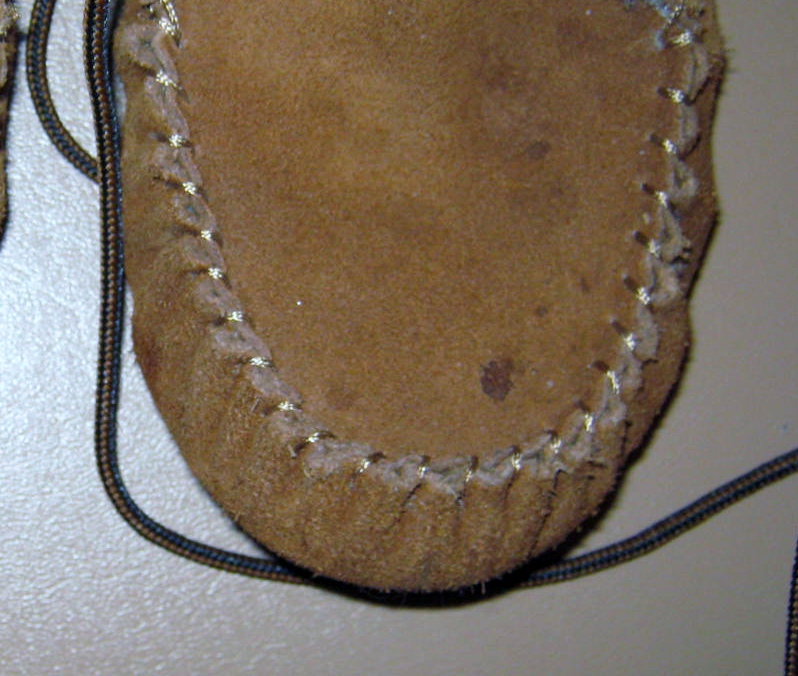
I received a pair of suede moccasin shoes/slippers for Christmas. They are super comfortable and I wear them all the time in the house. I knew that sooner or later they would be on the receiving end of a kitchen drip, and sure enough, in under two weeks they had a few oily spots marring them. I wanted to get rid of the annoying spots, but didn’t want to purchase overpriced suede cleaner. I’ve bought similar products in the past, and have found they haven’t been worth pennies, much less the near four dollars they cost now.

Luckily for me I had recently read that plain shaving cream, not the gel type, would remove spots from a rug. I decided to try it out and sprayed a blob of shaving cream on the carpet, rubbed it in, let it sit for several minutes, then wiped it up with a damp cloth. The spot was gone. I wondered if it would work on my slippers too.

gabriela 016

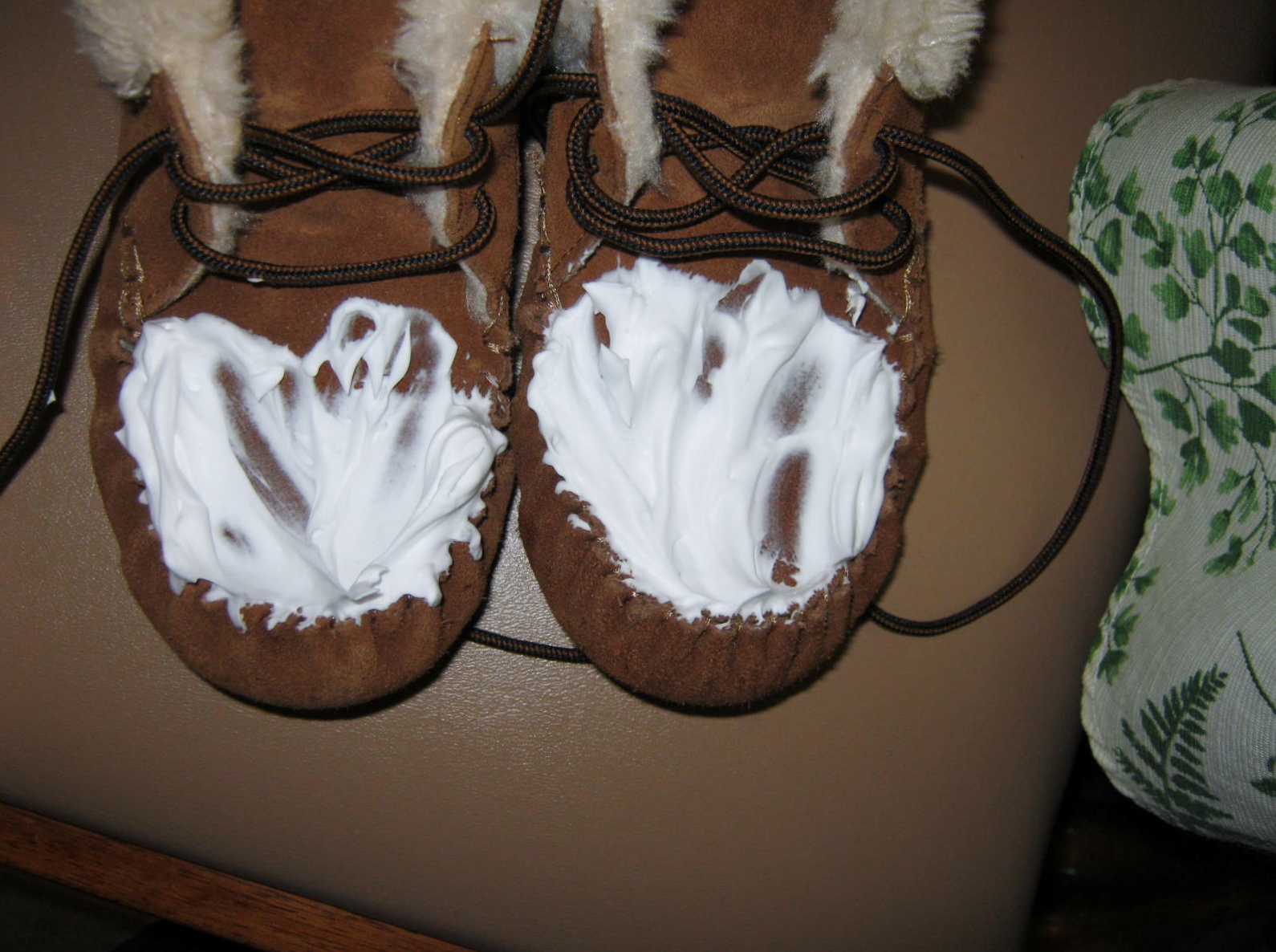
I covered the soiled areas on both slippers with a layer of shaving cream and let it sit for a few minutes. I then rubbed it in with a damp washcloth and let it sit a bit longer. In about a half hour I cleaned off any leftover residue and let the slippers dry.

gabriela 019

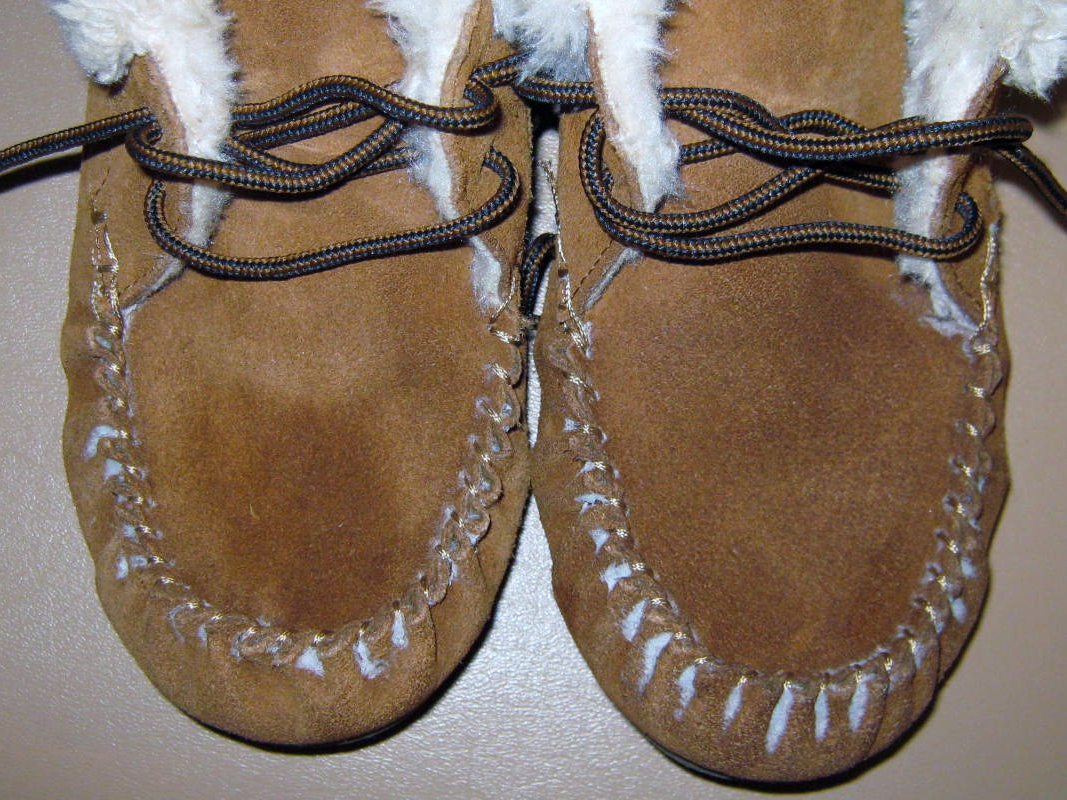
The large spots are gone, and once I brush the nap a bit, the slippers should look brand new. I think this is a sensational tip. I have also read you can use shaving cream to remove spots on your upholstery. I’m going to wander around the house, shaving cream in hand, and see what kind of grime and old ground in dirt I can remove.

Problem-Solving – Bleach Spots

blog 008

A big problem in the laundry room can be bleach spots.  Yes, I am sure you know the scenario if you’ve ever used beach, I am talking about the despicable and horrifying spot of bleached out color you often find on a pant leg or sleeve after using this super whitening agent. The cause is usually a bead of bleach running down the side of the bottle after pouring. This small droplet is usually not noticed by the person using the bleach. The run-off is then accidentally brushed by the cuff of a sleeve, or drips off the bottom and mars the leg of your pants.

I have found a solution. I cover-up with an old, scruffy bathrobe that I no longer wear at night.  I have the robe in the laundry room, always at the ready to throw over my clothing when I add bleach to anything. Whether I am using bleach for normal laundry days, or spraying it on mildewed shower walls, a bottle of opened bleach finds me wearing my big, all encompassing lavender robe. I might look a little funny, but I haven’t ruined any of my clothing for a long, long time.

blog 010

A solution for covering up white spots caused by bleach or normal wear and tear is Sharpie markers. The permanent ink, available in many colors, easily covers up white spots.

Problem-Solving, Plant and Pressed Flowers – Jewelweed

While on a recent bike ride, I spotted the trumpet-like orange flowers of Jewelweed. This wildflower grows in moist, wet places and blooms later in the summertime. For those of you who react to the urishol oil in poison ivy, crushed jewelweed foliage applied to your exposed skin can save you from breaking out in a rash.

For a look at the foliage of this plant and more information take a look at this link: Jewelweed

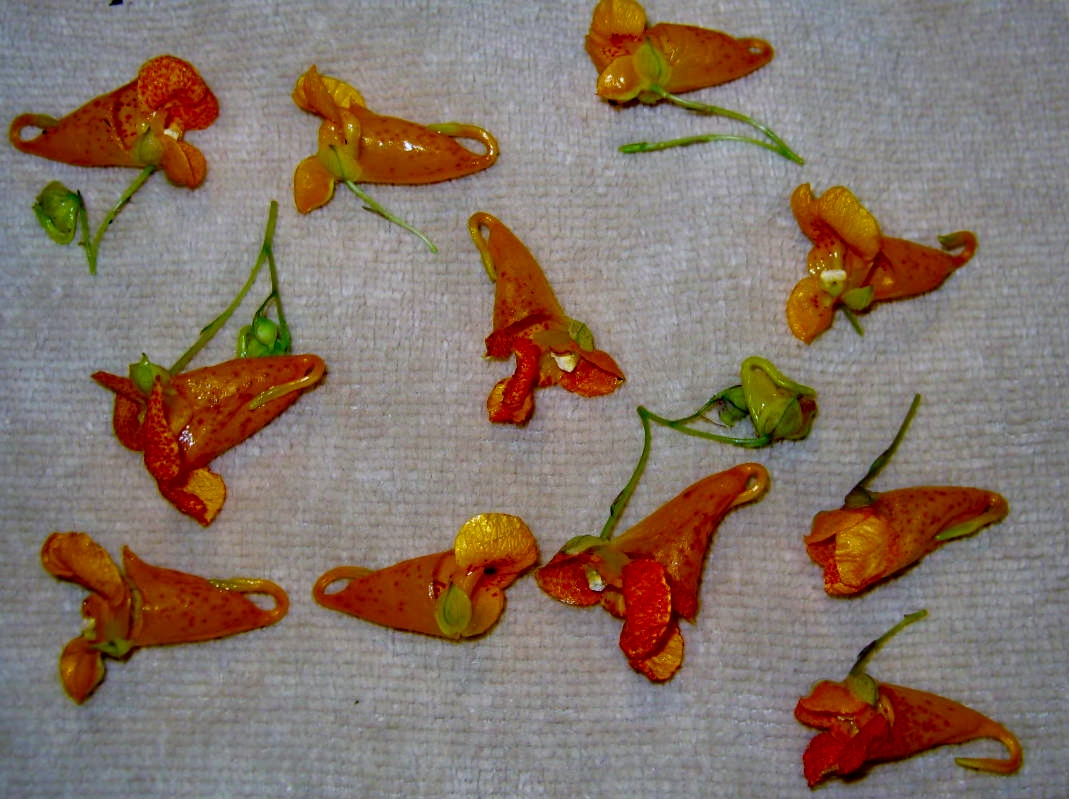
Jewelweed also makes a decent pressed flower, but it needs a bit of drying out before it can be used. I usually lay the blossoms on a towel and press them flat with my fingers. This removes a bit of inner liquid in the flower. Because of their moist nature, not every jewelweed flower will retain it’s color. I will keep trying though, it’s unique shape, intense color and plentiful growth along streams makes it a good candidate for pressing.

Problem-Solving – Unwanted Pest

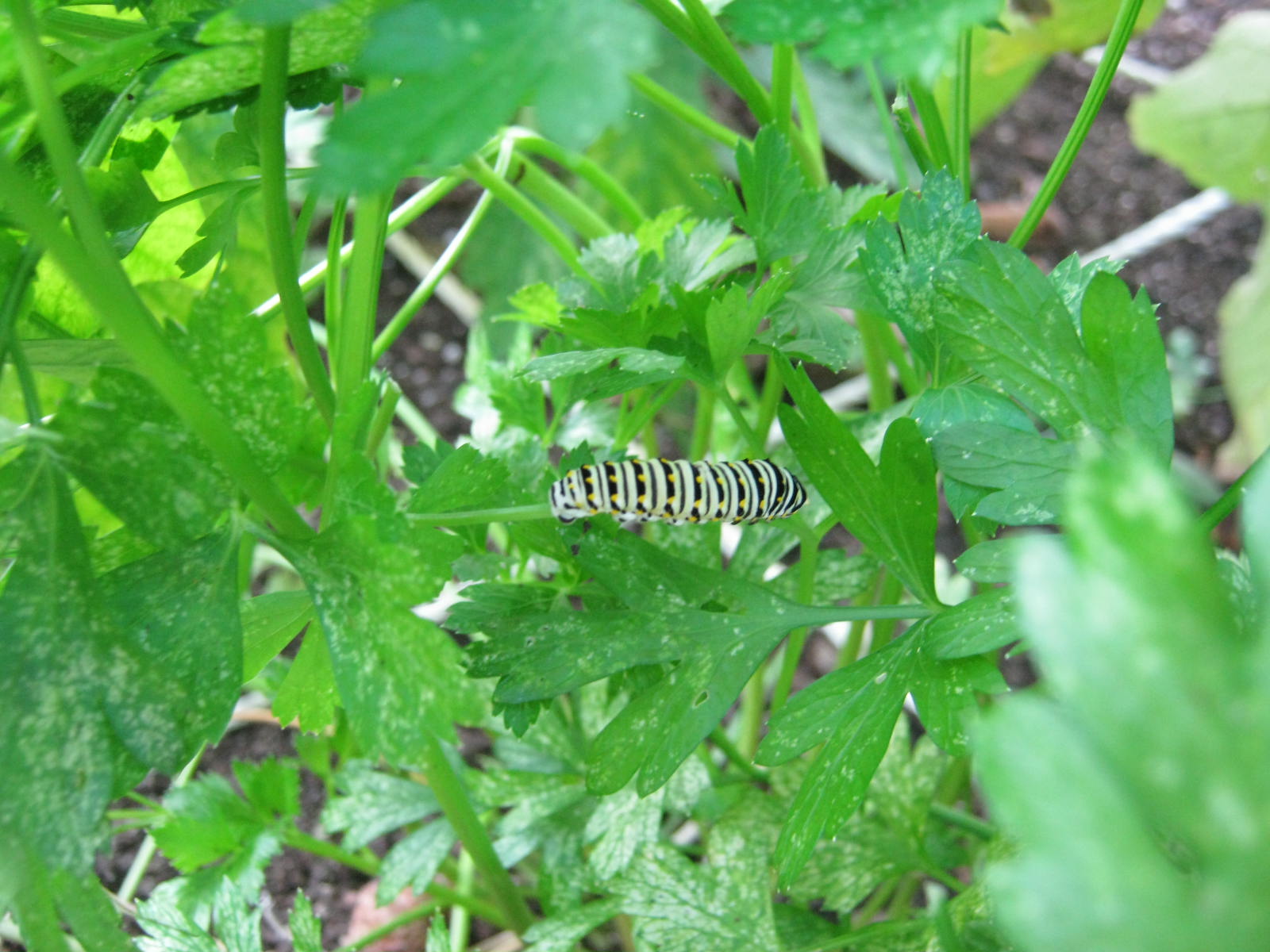
I am never sorry to lose a few parsley or dill leaves to the black swallowtail caterpillar (see photograph above.) There are never too many of them; the most I have ever seen on any plant has been about six. I would never consider them a pest. On the other hand, although I think the fluttery cabbage white butterflies are pretty, I don’t like their egg-laying abilities. A few cabbage white butterflies hovering over any plant in the cabbage family means big trouble, as in the recently shredded leaves of my prized Tuscan Kale.

In the past few days I have hand-picked dozens of caterpillars off of this plant. I think I have caught up at the moment and the plant is free of pests. Where are all my praying mantis predator bugs? I was going to plant a few broccoli plants this week, but now I am rethinking it since they are members of the cabbage family too.

Here is good link to a post about this pest: Cabbage White Butterfly Caterpillar

Problem – Don’t Let a Watermelon Sit Too Long

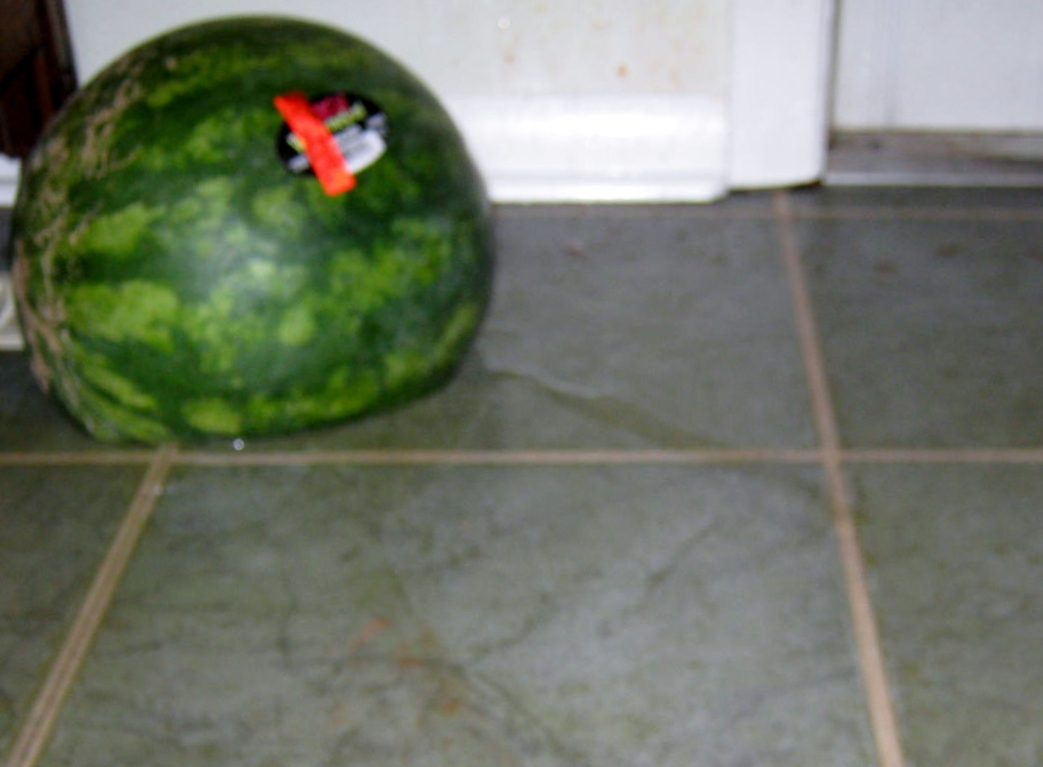
This picture is blurry…that I took a picture at all is only because I am committed to blogging daily.

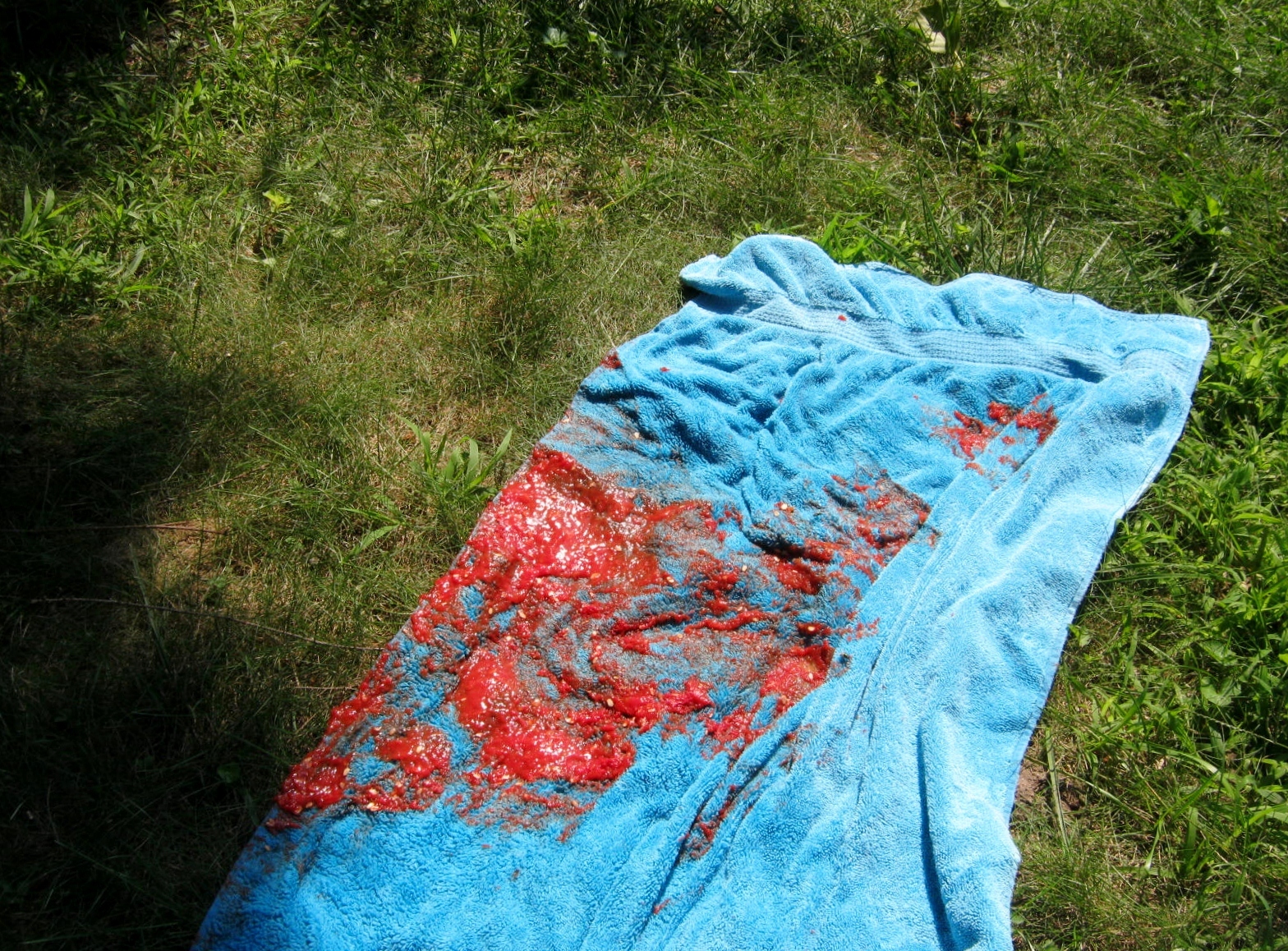
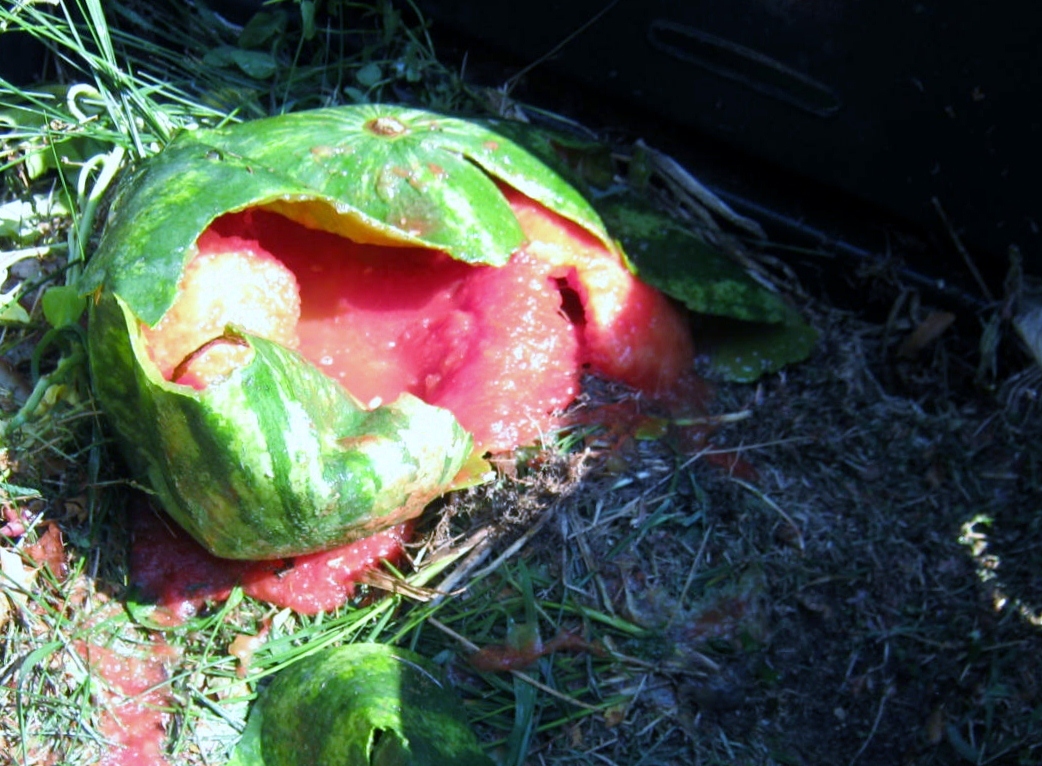
This is a watermelon…a watermelon left out of the fridge too long. I meant to put it in, but I was short on space, and since I only bought it on a Monday, and it was Friday, thought everything was hunky-dory. Not….

Do you see how flattened out on the bottom it is, and the stream of viscous fluid on the floor? Actually, I didn’t notice anything amiss in the look of it, I noticed a smell of something decaying.

I stood looking down on it for a moment trying to decide what to do, but then noticed the fluid was near the heating vent right behind the collapsed melon.

I grabbed a bucket for disposal and picked the melon up…BIG MISTAKE…

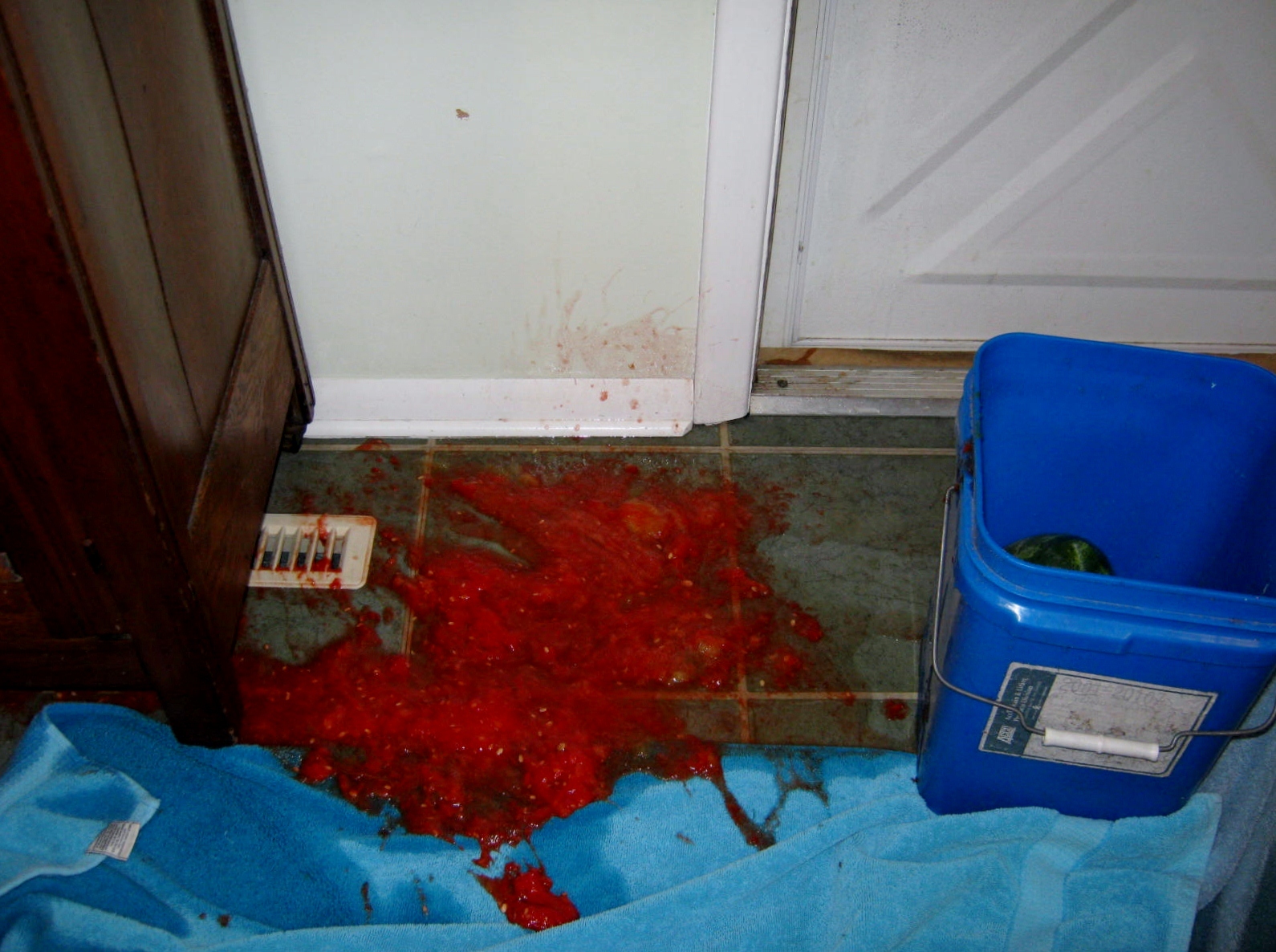
Yes, I really hate to admit I was that unwise. The entire contents of the inner melon were liquified. I should have tried to scoop it up onto a snow shovel. And yes…the awful smelling mess did go down the vent.

Unfortunately, in my agitation (panic) I didn’t think and grabbed a few of the biggest towels I could find…yes, our bath towels. It took several launderings to get the smell out.

I put the rotten melon in the compost bin where it belonged.

Of course, cleaning up the floor, and even worse the vent, was a terrible job. And…I almost got my arm stuck at the elbow joint in the vent. We’ll see what remains of the smell when the heat comes on. Hopefully, by then it will be dried up and nothing but a distant blog post.

Problem-Solving and Posies – Too Much of a Good Thing

I had a second crop of lilies bloom in the last few weeks. They are very long-stemmed, some nearing almost four feet in height. We’ve been having some violent and windy storms so I cut most of the stems and brought them indoors to enjoy.  When I came downstairs the morning after bringing the flowers in the fragrance had become so strong I almost couldn’t breathe. It filled each room with a scent that was good, but almost wasn’t…does that make any sense? If you have ever smelled Stargazer Lilies it will make perfect sense to you.  The fragrance was sweet, but was also over the top, and suddenly began to smell like a room filled with stinky gym socks. My solution was to place the vase of lilies on the porch where they could emit their fragrance without overpowering my sense of smell. The solution was perfect. I could still enjoy and smell the lilies without feeling overpowered.

Floral Arranging Tip: The anthers of lilies are notorious for staining clothing.  Most floral arrangers remove the anthers. Conservatories such as Longwood Gardens also remove the anthers to keep the orangish-brown pollen from staining the clothes of visitors. If all these precautions fail and you do get anther pollen on your clothing, instead of rubbing it, which will only set the stain deep into the fabric, use a pipe cleaner bent like a paper clip and gently tease the excess pollen onto the chenille of the pipe cleaner. It won’t remove all the pollen, but it will save the stain from being as noticeable.