Pleasure & Purpose – Joy

My heart swells every time I see this note posted on my refrigerator. I hope I remember to tell my friends, family and most of all my Father in Heaven, “I love you SO MUCH!” Amen.
Jesus replied: “Love the Lord your God with all your heart and with all your soul and with all your mind.”  Matthew 22:37


Plants – Pineapple Sage

I planted Pineapple Sage in my herb garden this past Spring.  I expected it to bloom earlier in the year and draw butterflies and hummingbirds, but it chose to bloom now…late October and early November in my Middle-Atlantic state of New Jersey. I am on the border line for this half-hardy perennial to survive the low temperatures of winter. Perhaps if I cover it with three to four inches of protective mulch, it might make it through the cold season.

My Pineapple Sage grew from a sprout of six inches into a gangly bushy plant of about three feet. The leaves have a delicious fragrance and the flowers are lovely. I need to cut a few sprigs to enjoy before cold weather sends it into dormancy. The leaves are a gorgeous lime green color. I’m a bit disappointed that the attractive scarlet flowers waited until late Autumn to appear, but they do look pretty against the brown of the fallen leaves. I will definitely try to save this lovely bush. If I lose it, I will plant the cuttings that have rooted in my basement. Perhaps they will have a head start and bloom just a little earlier in my late-summer garden.

Here is a great article on Pineapple Sage: Pineapple Sage

Pineapple Sage sprigs create a perfect Autumn Bouquet…Lovely! As an added bonus, the cuttings might root and I’ll have even more plants for next Spring.

Preparedness and Pinterest – Gathering Knowledge

I’m using a cropped section of the sky before Hurricane Sandy struck to remind everyone to take stock of what you have and what you would do in the event of a crisis. On my Pinterest site I have gathered together quite a few good information sites. Click on the link below to be taken to this section of my Pinterest boards. To use the site, click on an block of interest. This will take you to another block, click on this block too. You should be taken to a blog or Internet site with the information you are seeking.

Preparedness on Pinterest

Follow Me on Pinterest

Painting – Mixing Tip for Soft-Bodied Acrylics

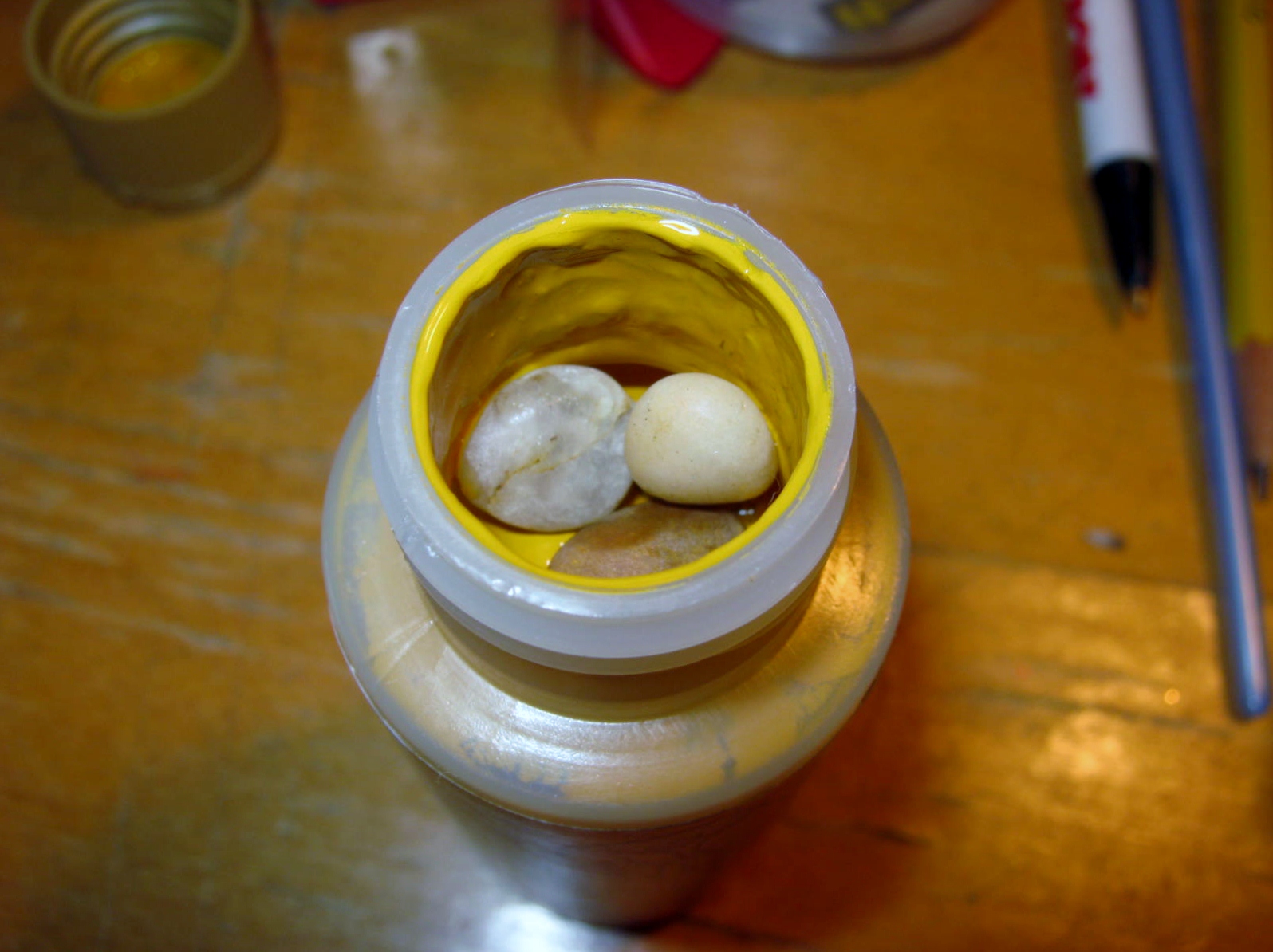
I am using soft-bodied acrylic paints at the present time. I have noticed they tend to separate leaving an oily layer on top. Shaking them will eventually incorporate them once again, but an even quicker way to blend them together is to drop a few tiny pebbles into the bottle before shaking. The pebbles rock and roll inside the paint container as you shake, mixing the paint together much quicker.

So far it has worked very well for me, and I haven’t had the bottle become clogged with the pebbles…at least not yet.

Planting and Projects – Upcycled Mini-Greenhouse

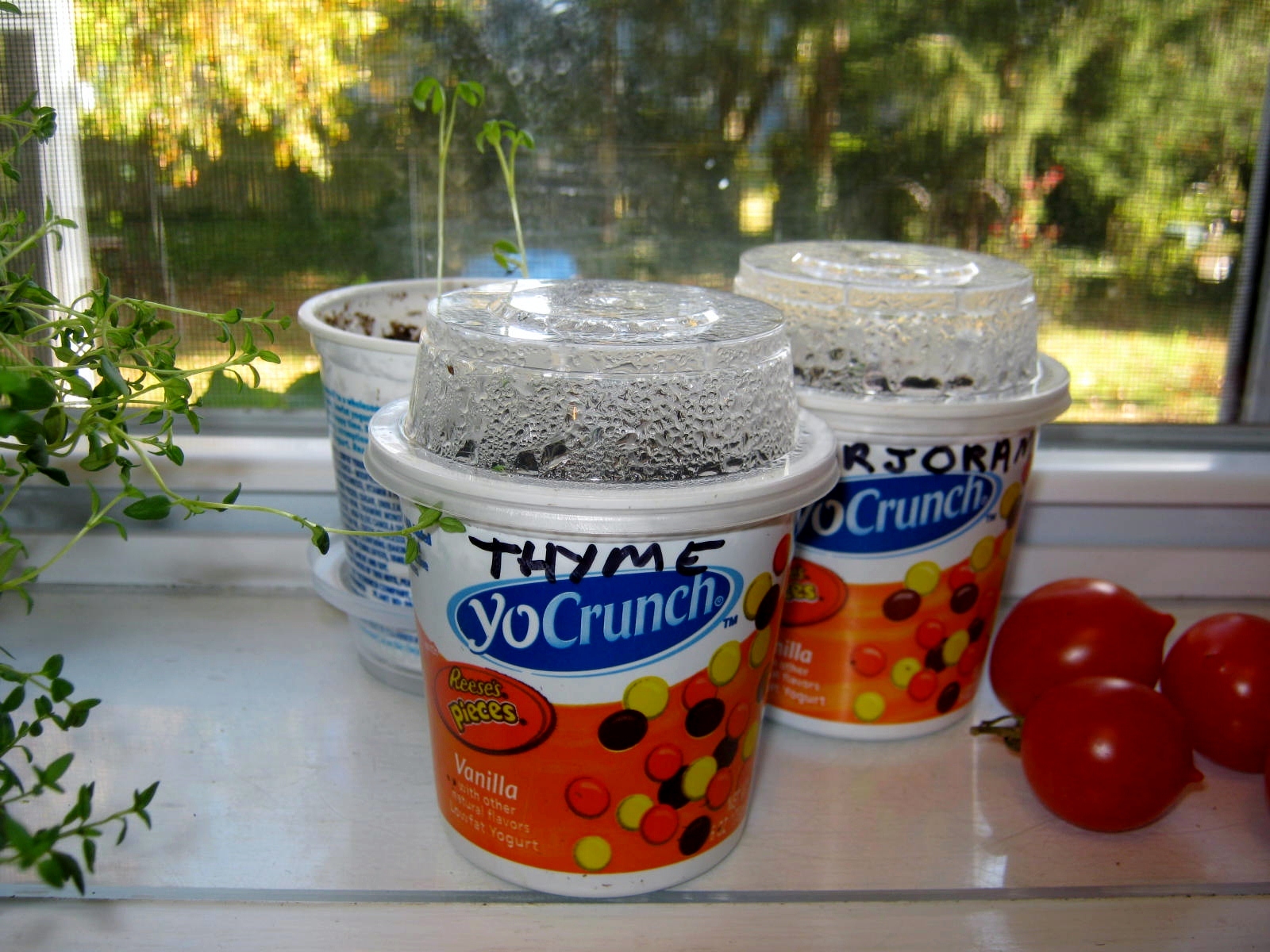
A month or two ago my son brought me several empty yogurt containers and clear lids. I was touched that he thought of me and took the time to clean each one. (Thanks to his sweet wife too, who probably cleaned quite a few too.) He correctly guessed that they would make a perfect nursery for sprouting seeds. I planted six varieties of herbs in them. Five of them have sprouted within a week: cress, thyme, cilantro, basil, marjoram…I’m only waiting on the parsley to sprout now. Upcycling trash into treasure is one of my favorite pastimes.

Project – Birthday Terrarium in Five Steps

1. Select Container/Add a layer of pebbles.

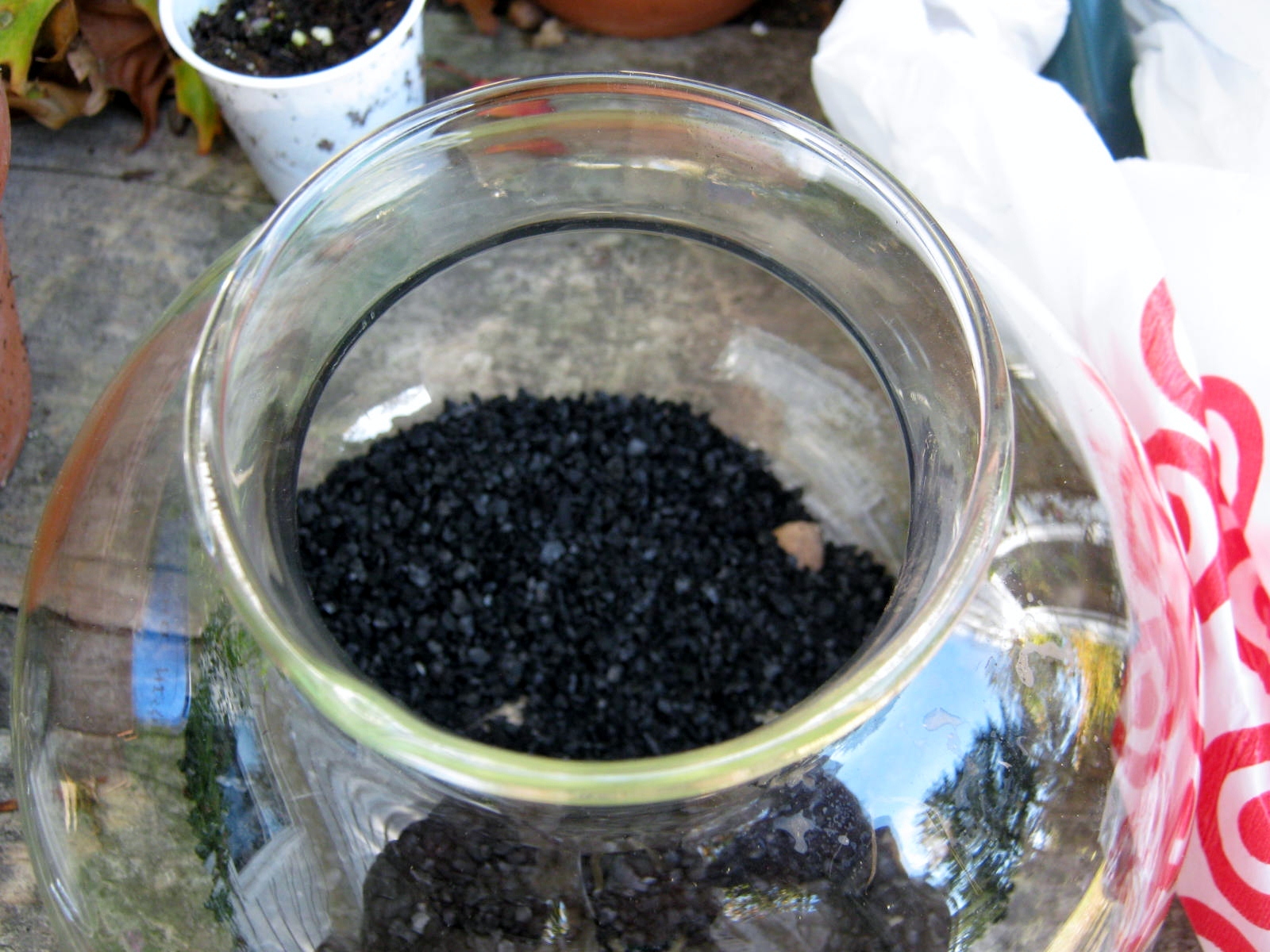
2. Add a layer of charcoal.

3. Add a layer of humus/soil.

4. Add plants and mosses.

5. Add lichens, rocks, and small statues. (Mine are elephants from Red Rose Teabag boxes) Water sparingly, rinse excess dirt off of sides. Cover with lid of some type. Enjoy your beautiful terrarium.
Care of terrariums: Mosses like gentle sun, morning light exposure is best for a terrarium. Try to lift lid each day to give terrarium fresh air. Your terrarium will self-water, if it develops a look of dryness water sparingly once again.

Photograph – Wisdom on Wednesday/The Son and the Sun

Hebrews 1:1-4 (NIV)

God’s Final Word: His Son

In the past God spoke to our ancestors through the prophets at many times and in various ways, but in these last days he has spoken to us by his Son, whom he appointed heir of all things, and through whom also he made the universe. The Son is the radiance of God’s glory and the exact representation of his being, sustaining all things by his powerful word. After he had provided purification for sins, he sat down at the right hand of the Majesty in heaven. So he became as much superior to the angels as the name he has inherited is superior to theirs.

Photograph – Cannon Beach Oregon

“In the beginning God created the heavens and the earth.” Genesis 1:1 (NIV)

“I am the Alpha and the Omega, the First and the Last, the Beginning and the End.” Revelation 22:13 (Niv)

Thank you to Aunt Myrna and Kelly for permission to use their stunning photograph on my blog today…Thanks!

Projects – Jack O’ Lantern Tree/Part II

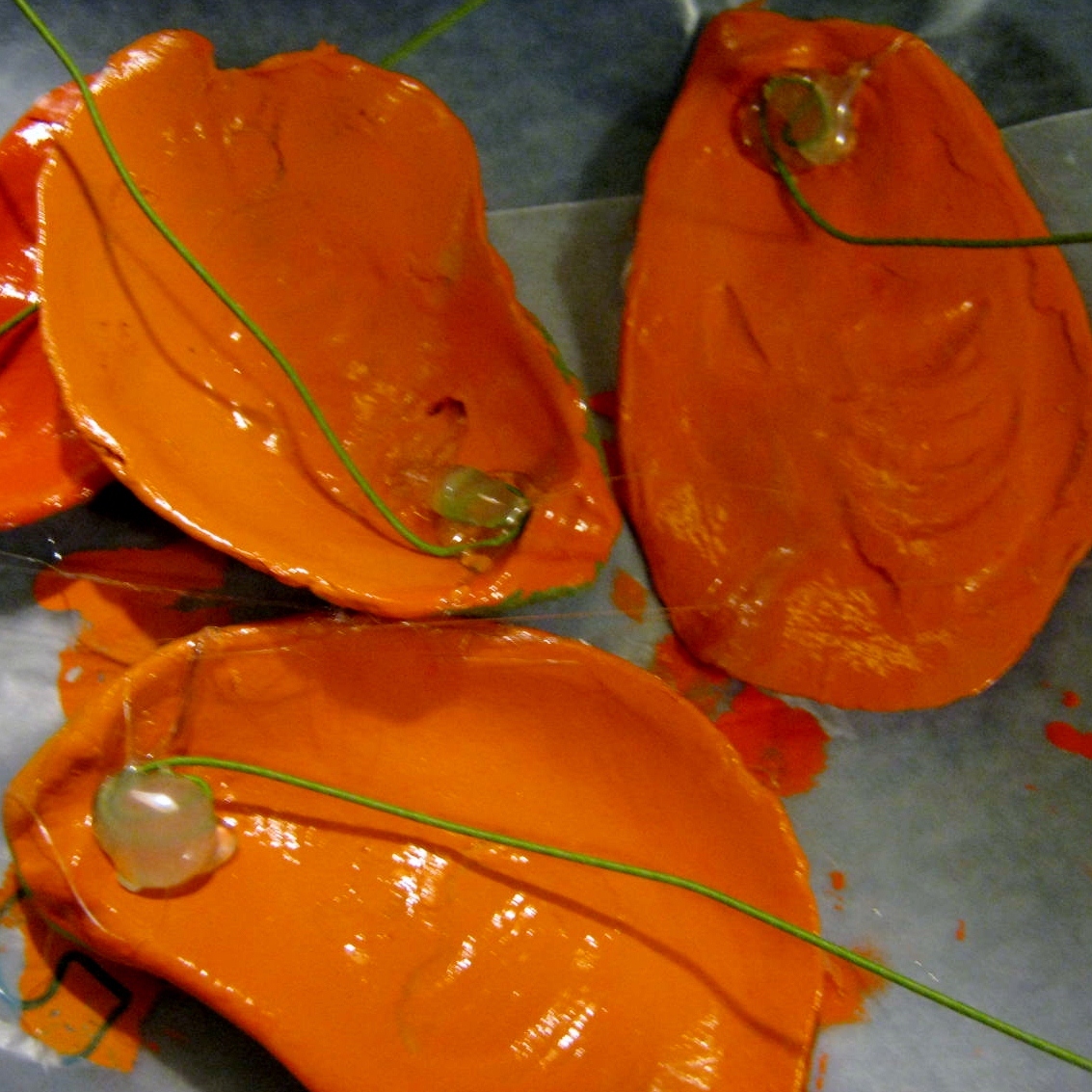
The next step in the project is to attach a green floral wire to the back of each Jack O’ Lantern with a glue gun or other strong-bodied glue. First, I twirled the wire into a tight circle to give it more gripping area for gluing. Wire has more stability than string, and you can twist and manipulate the object you are hanging into the perfect position. I think I am going to cut away all the strings from my Christmas ornaments this year and replace them with green wire.

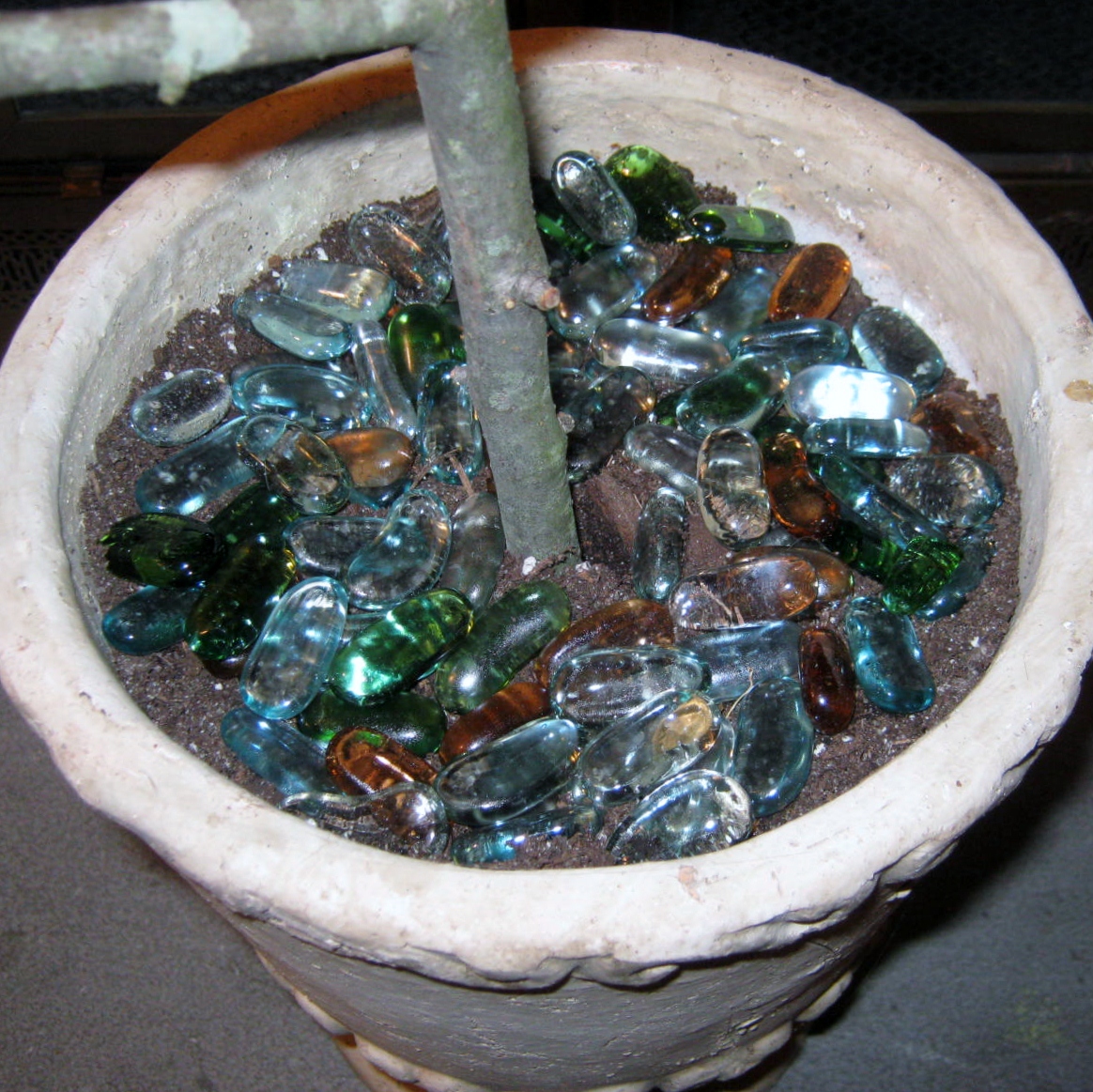
At this point I went outside and chose a nice branch from my crabapple tree. Any tree branch will do, but I especially liked the crabapple twig. It is sturdy, yet it has many little outcroppings of branchlets to hang the ornaments upon. A decorative, neutral colored urn was my container of choice.  Any medium-sized pot will work, a large coffee can, a beach bucket, etc. I filled the urn with potting soil, inserted my branch, firmed up the soil around it, and added a few decorative glass pebbles from the dollar store just for aesthetic appeal.

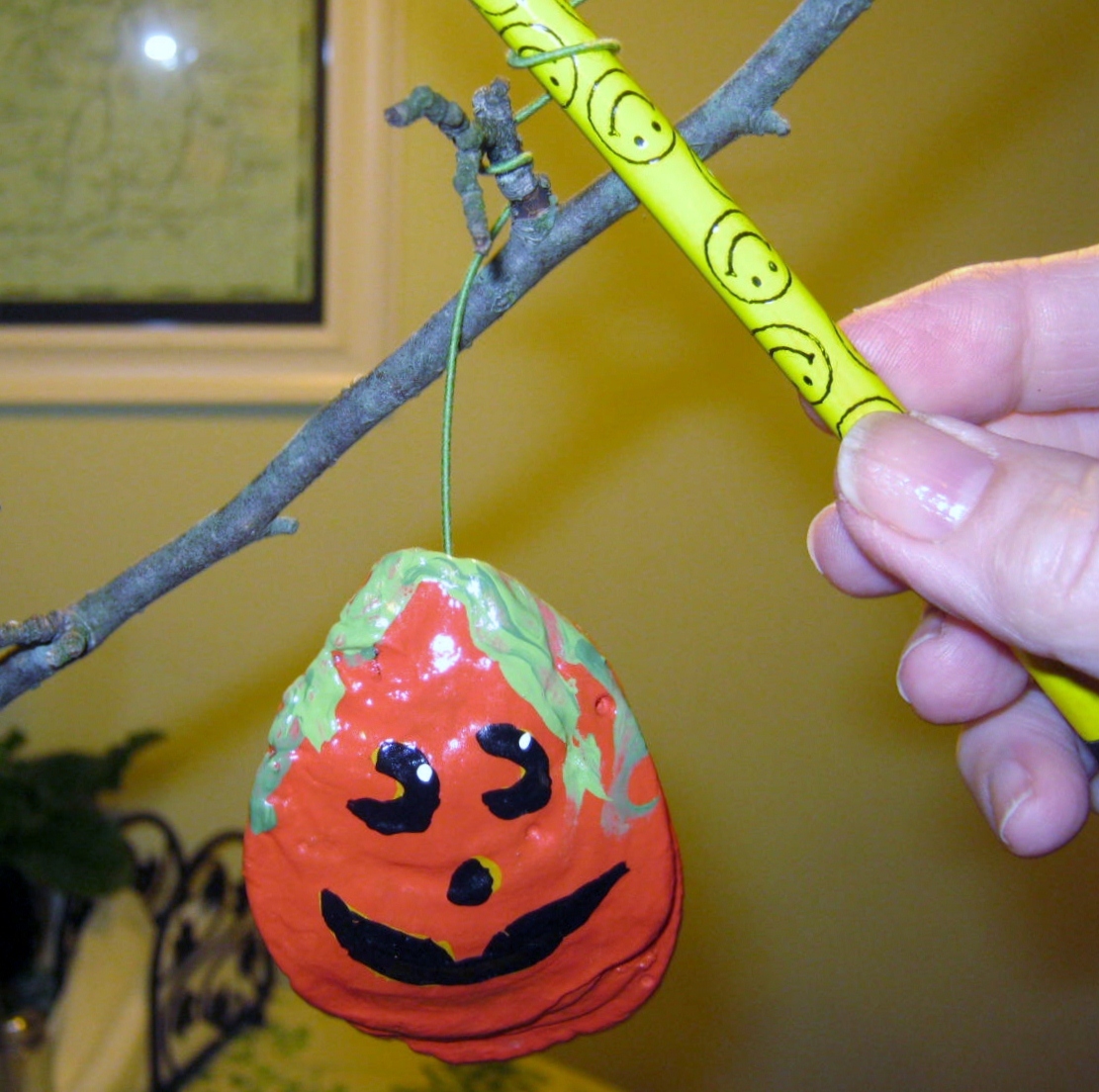
Now comes the fun part! I twisted each Jack O’ Lantern’s wire around a branch, and twirled the excess around a pencil to give it the look of a vining tendril.

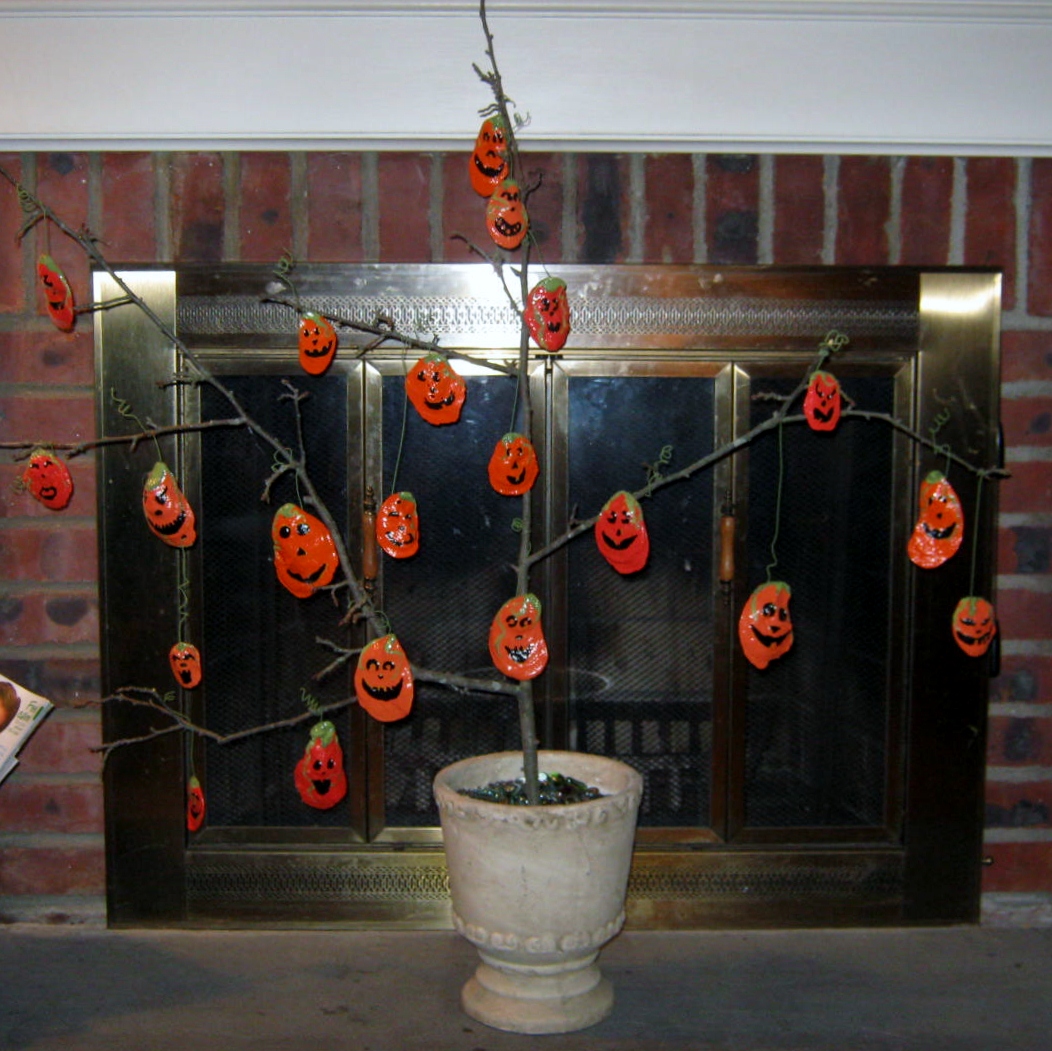
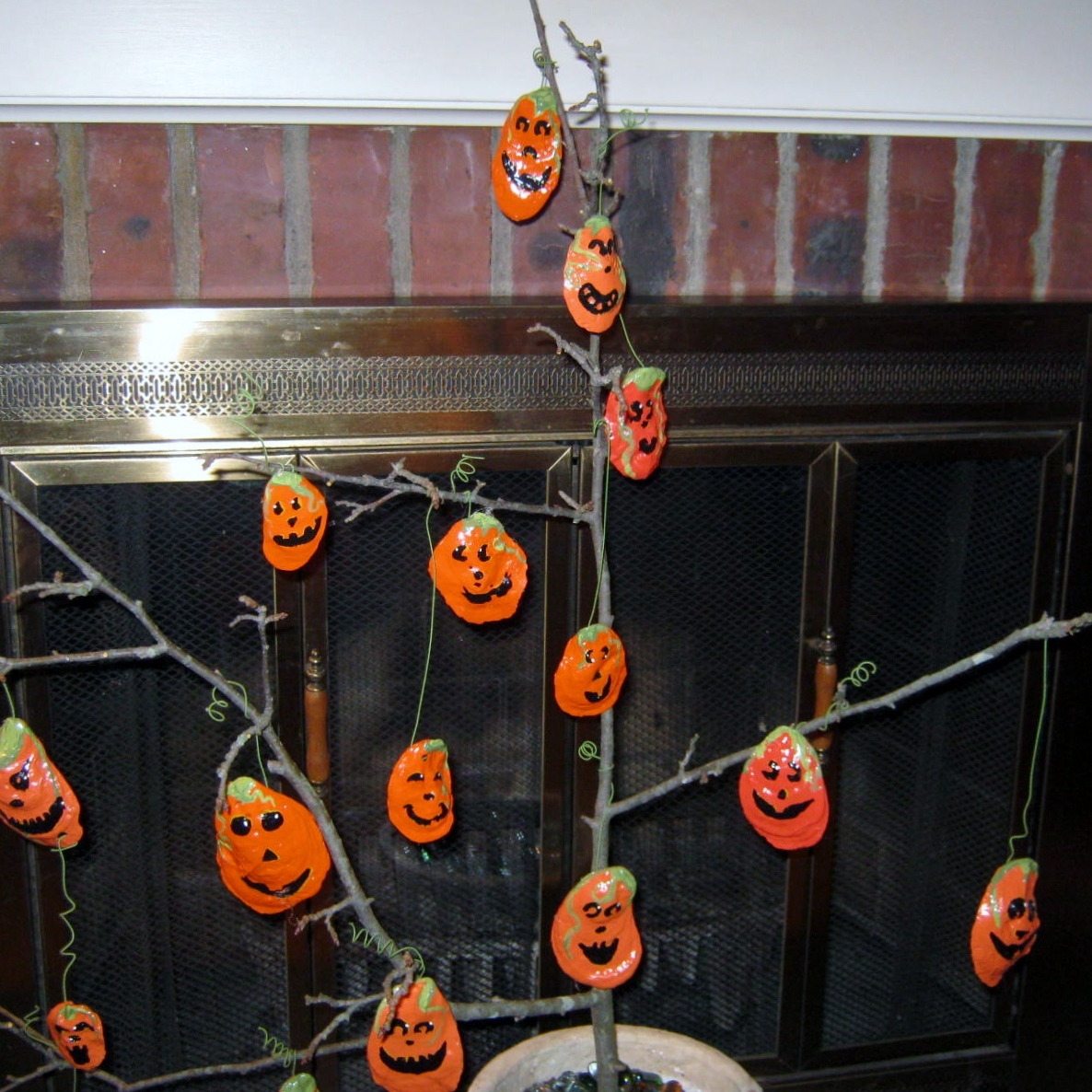
I think the oyster shells look very happy in their new role of Jack O’ Lanterns.

Ta-da! My Jack O’ Lantern Halloween tree is finished. I can’t wait for my grandsons to see it today. One word of caution, find a place for the tree where it won’t jab or catch on someone’s clothing as they pass by…be especially careful not to put the tree at eye level when it is near a walkway. The only surprise in the project-making was the time involved. It took much longer to paint the oysters than I had estimated at the start of the project. Part I of this project can be found by clicking this link: Jack O’ Lantern Oysters/Part I

Happy October to you and yours!

Follow Me on Pinterest

Projects – Jack O’ Lantern Tree/Part I

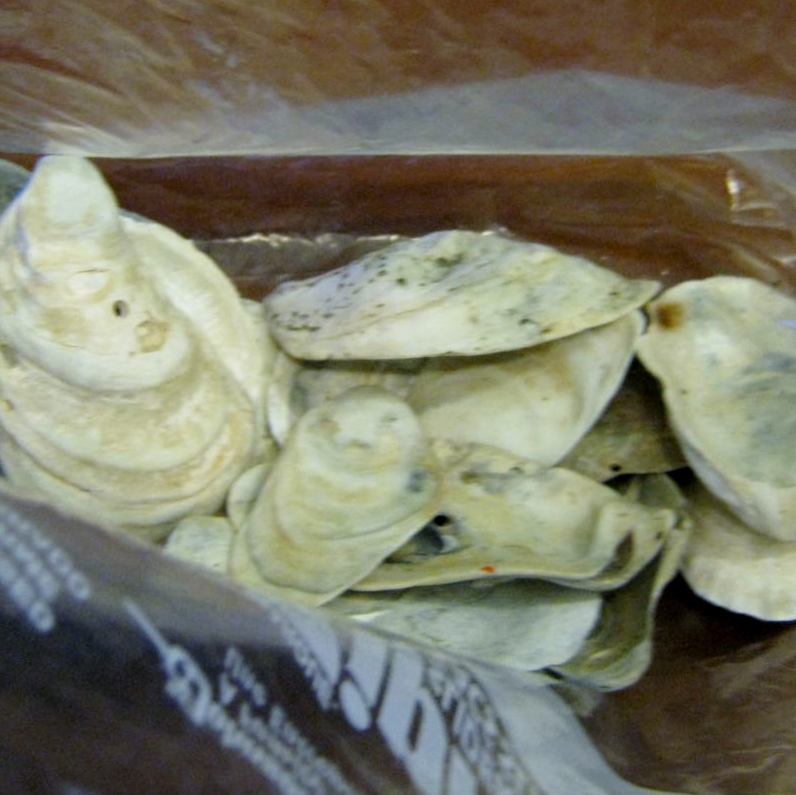
I’ve mentioned in previous posts that I am an incurable beachcomber. Recently, part of my shell collection has become a project for Halloween. I’ve seen oyster shells fashioned into Santa Claus ornaments with a bit of paint, and I imagined turning my shells into Jack O’ Lanterns. The shells are oblong and oval, much like a real pumpkin. They have a bumpy, lumpy, wavy surface, another commonality with a pumpkin.

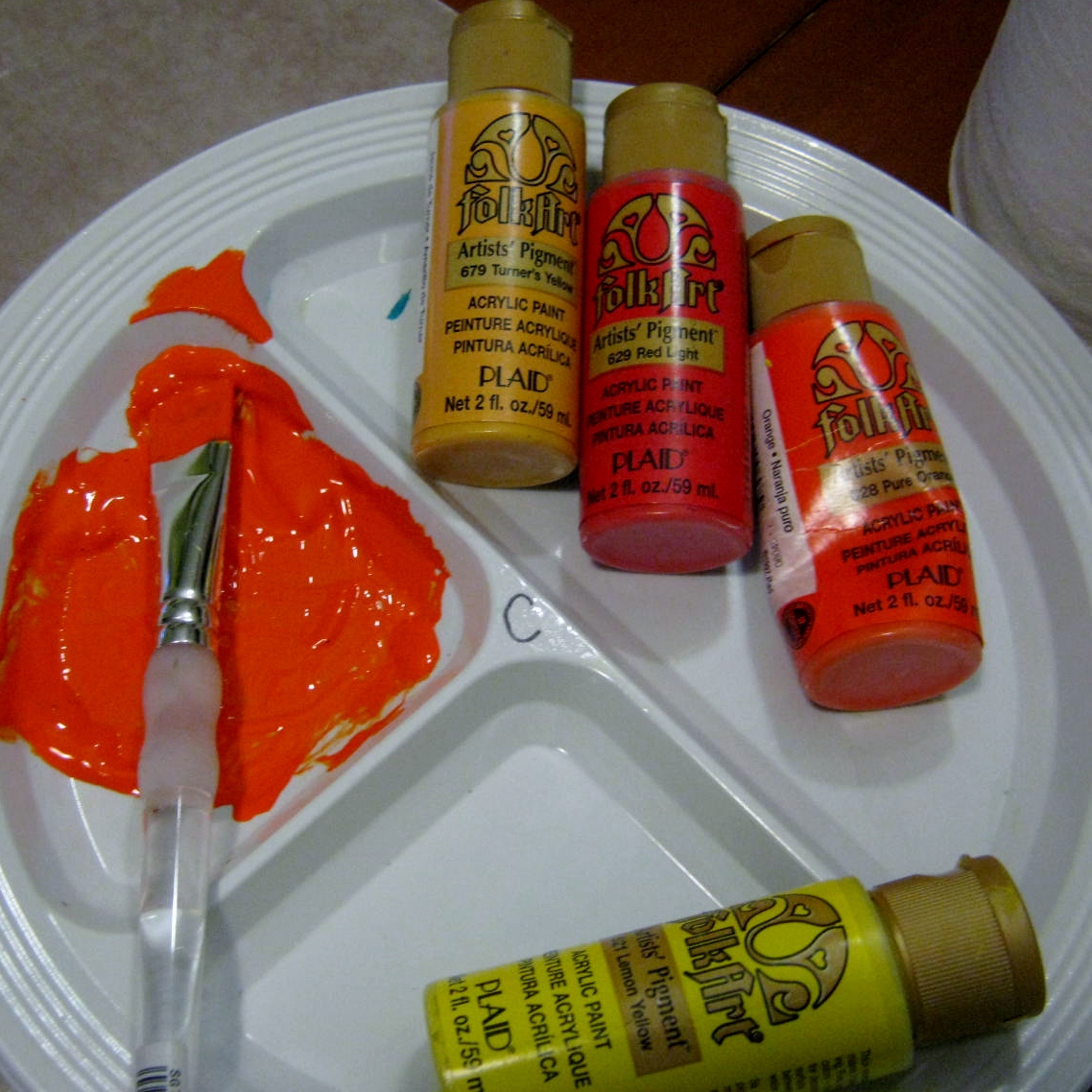
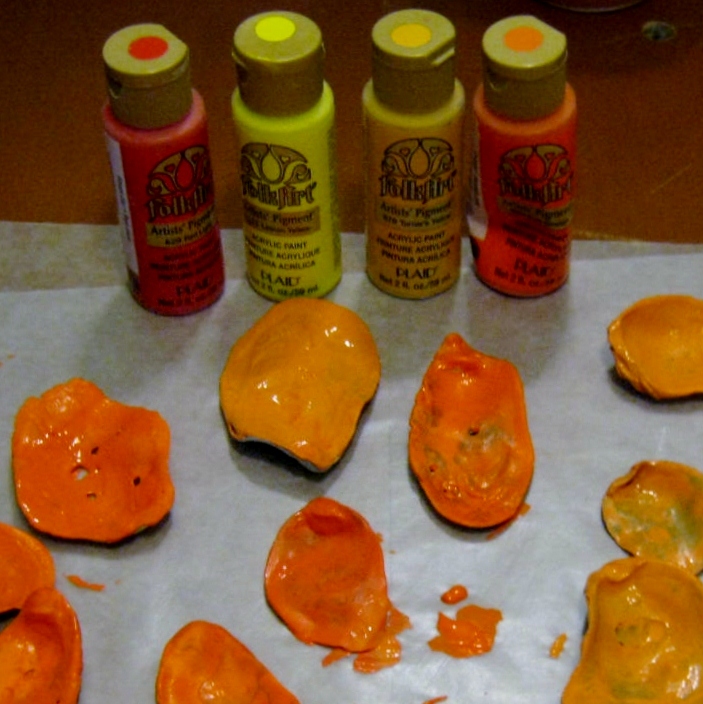
I broke out my Folkart acrylic paints and a brush and began to paint my shells.

I  needed two coats of the paint, front and back.

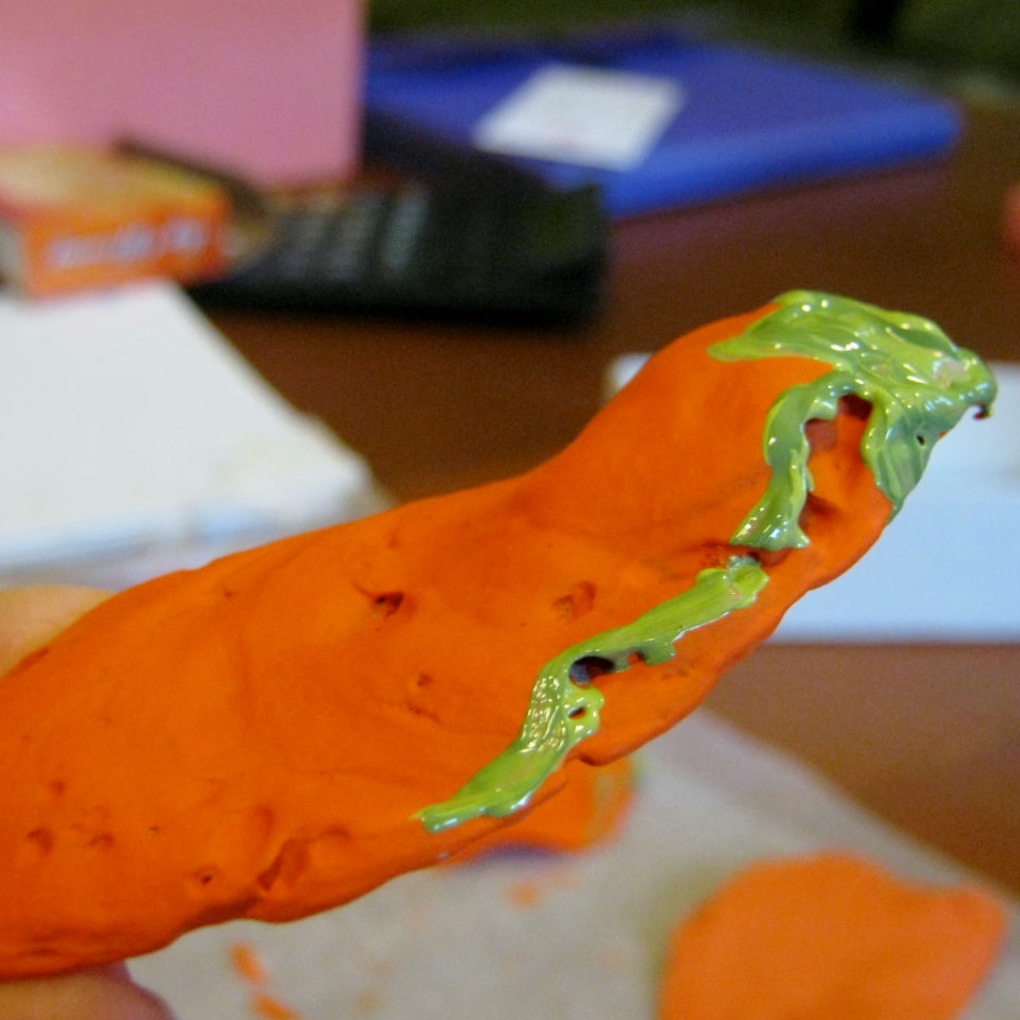
After the orange paints were completely dry, I mixed two greens together on the same brush and painted a stem and some twirly vines down the side. I followed the curves and indentations in the shell to give the oyster Jack O’ Lantern a more natural look.

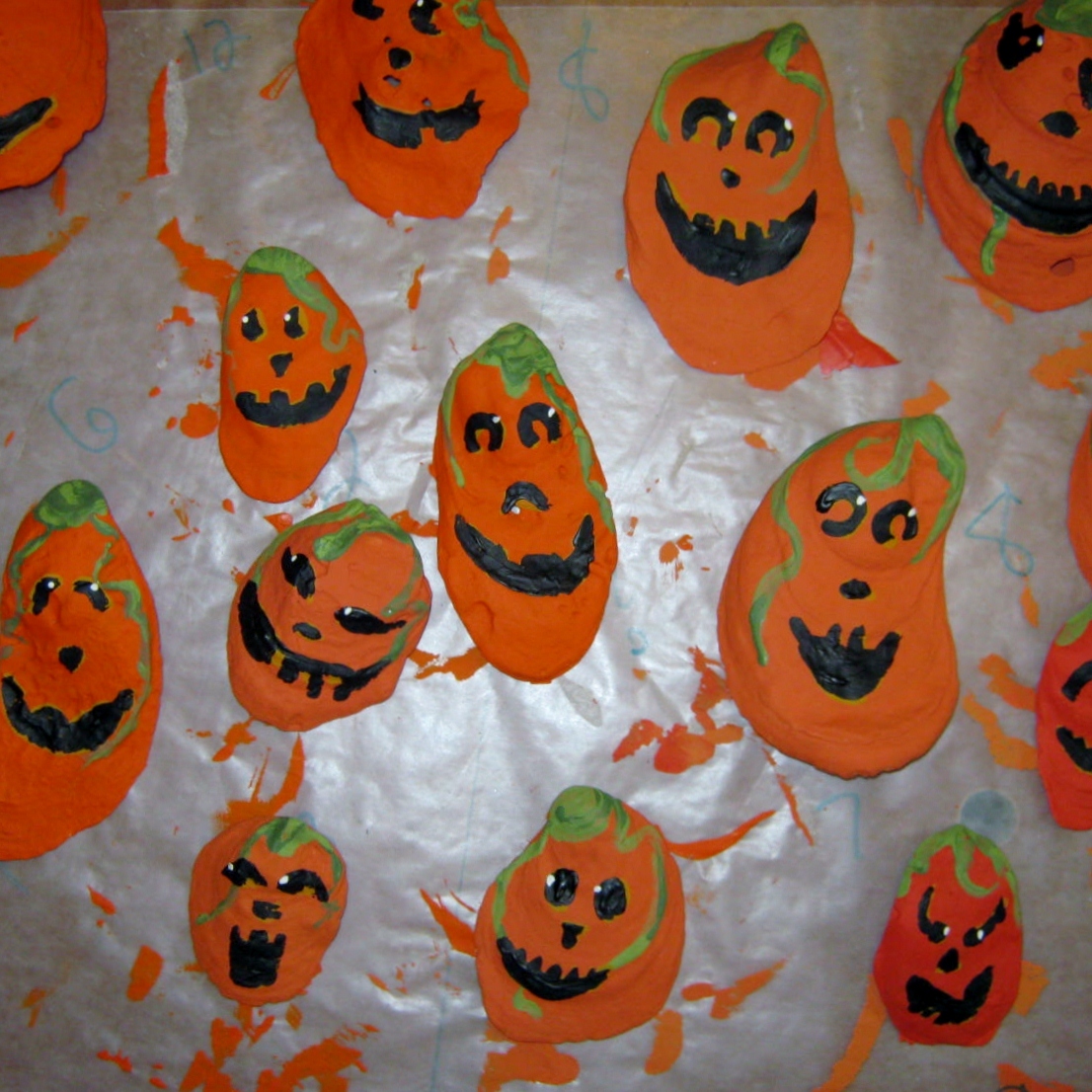
Here’s a photograph showing several of the pumpkins with stems and vines painted on.

I painted black eyes on one, and realized they looked flat and had no depth. To give the illusion of carving, I painted a raw sienna paint in the face pattern first. This gave an illusion of the inner color of the pumpkins. I wanted to have happy faces, rather than scary or spooky.

I found some happy faced pumpkin patterns to use as inspiration at this site. Happy-faced Jack O’ Lanterns

I added the black paint, being very careful to leave a bit of the raw sienna showing for the depth I wanted. The last touch was a white highlight on each Jack or Jill’s eyes.

The next step was a coat of glossy mod podge. Part II will be tomorrow’s post. Check back for the finished Jack O’ Lantern Halloween tree.

Follow Me on Pinterest

Peculiarities – Update/Growing Romaine from Stump

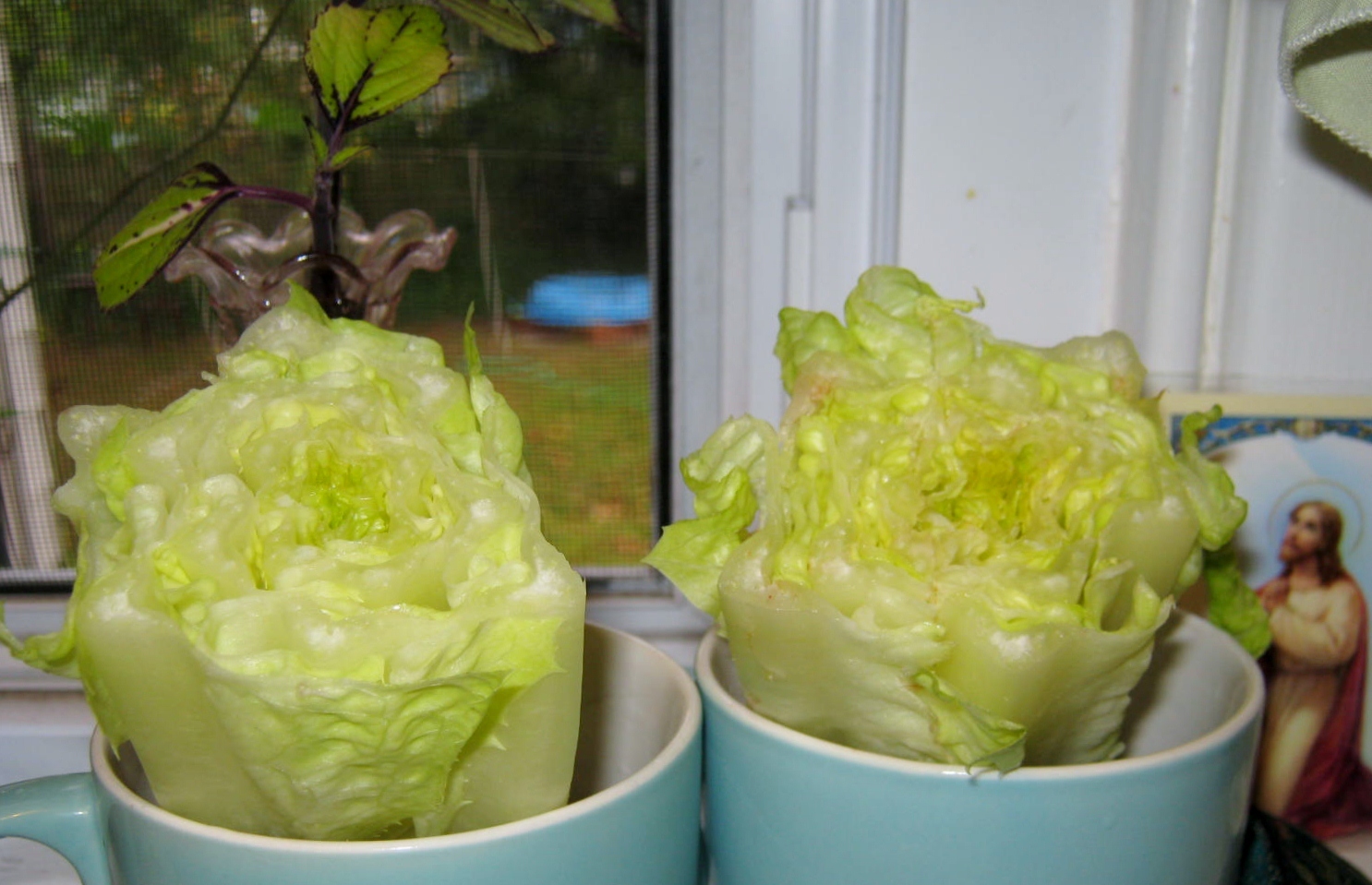
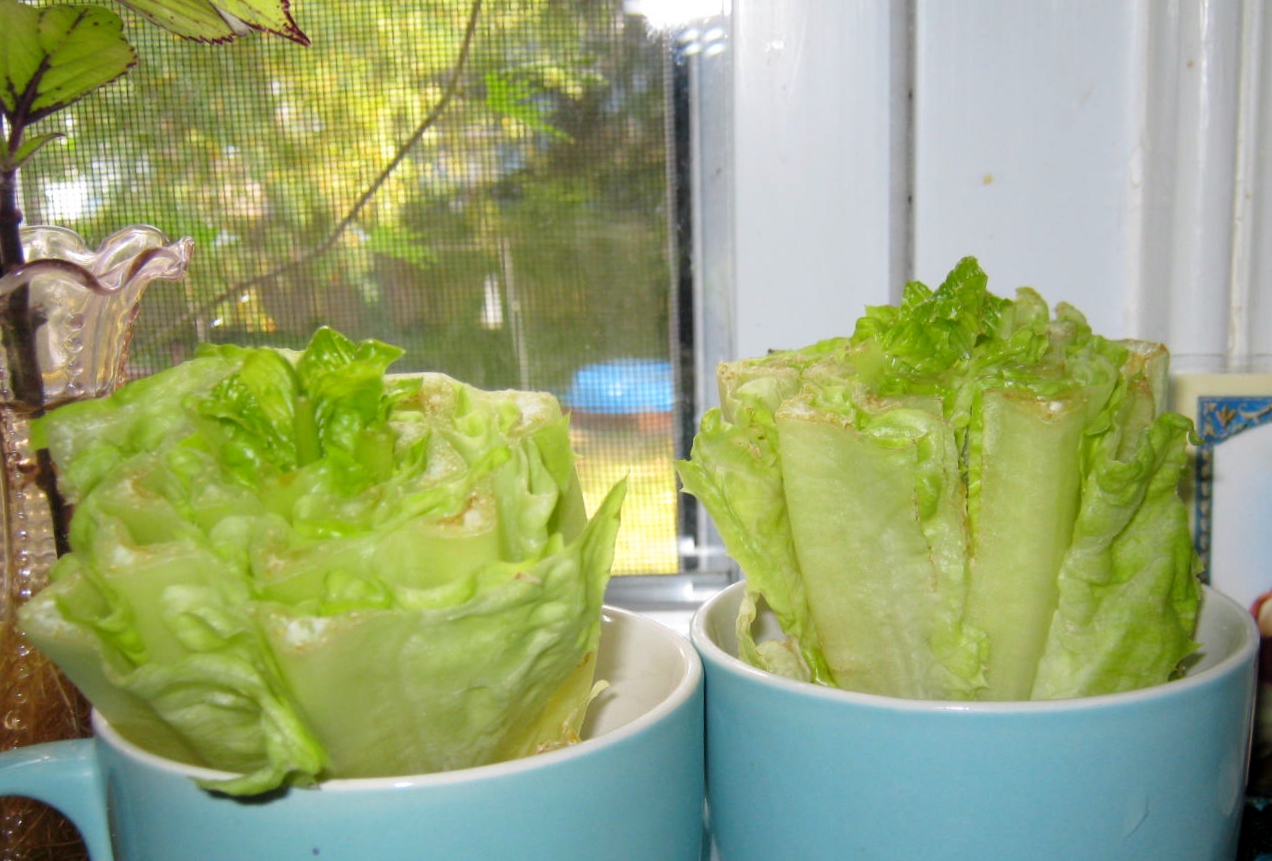
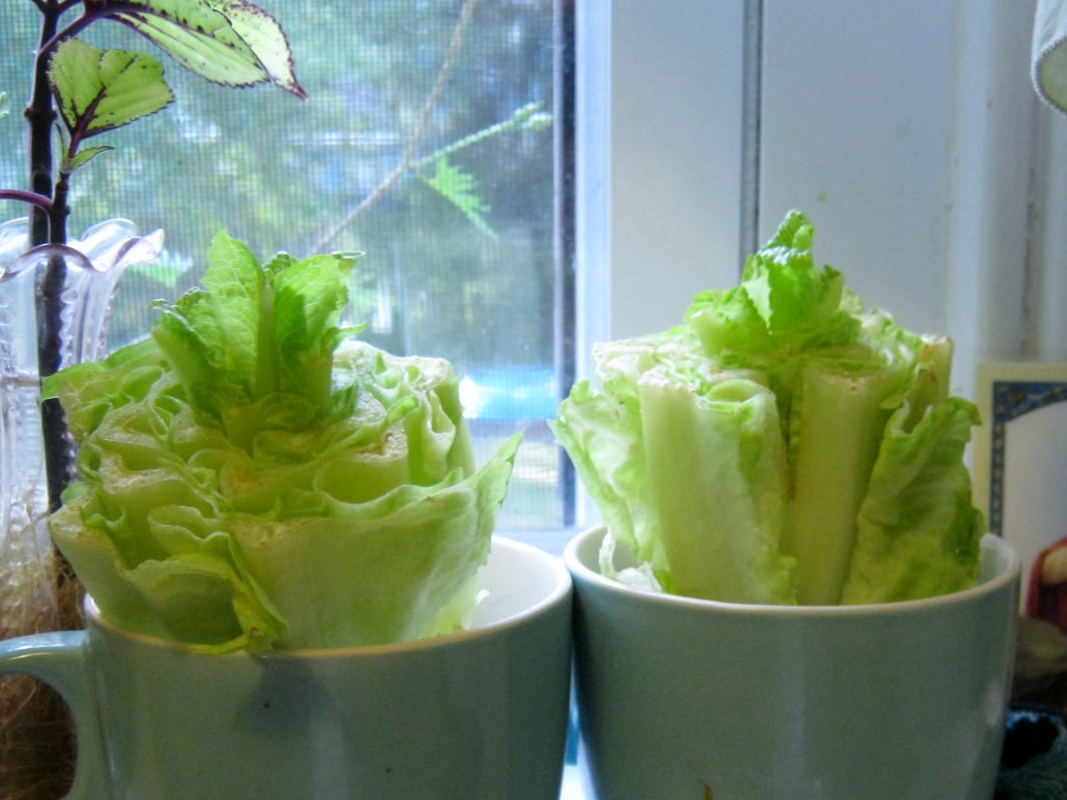
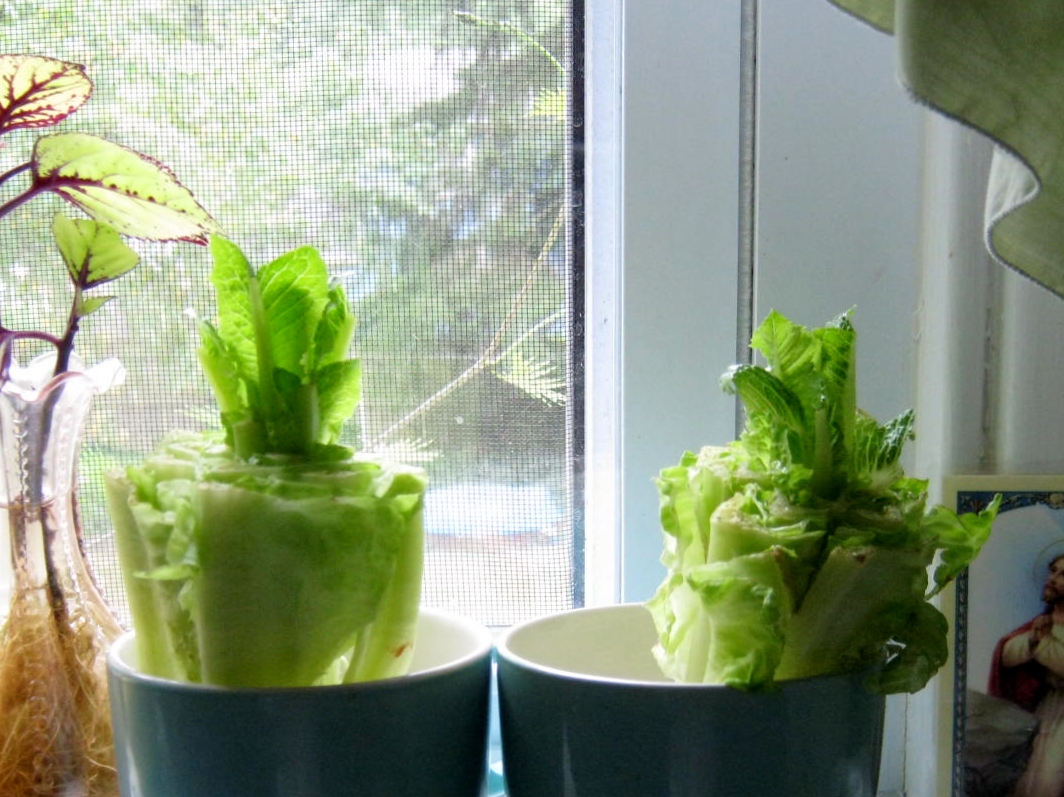
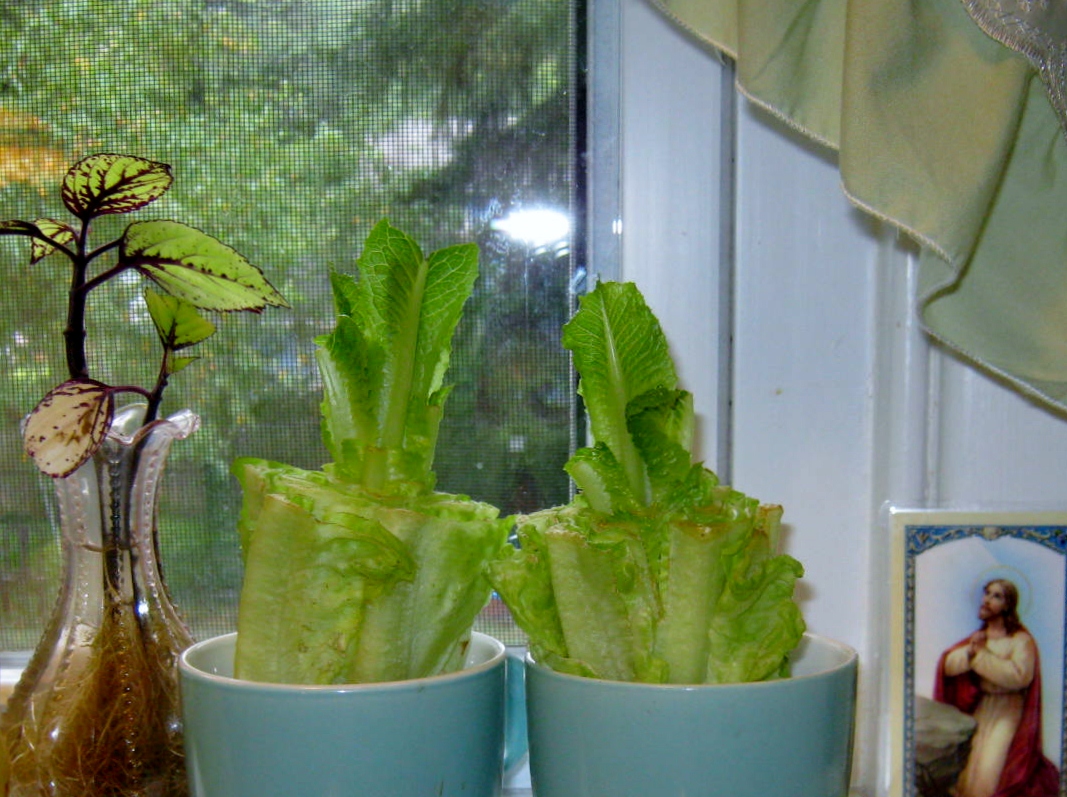
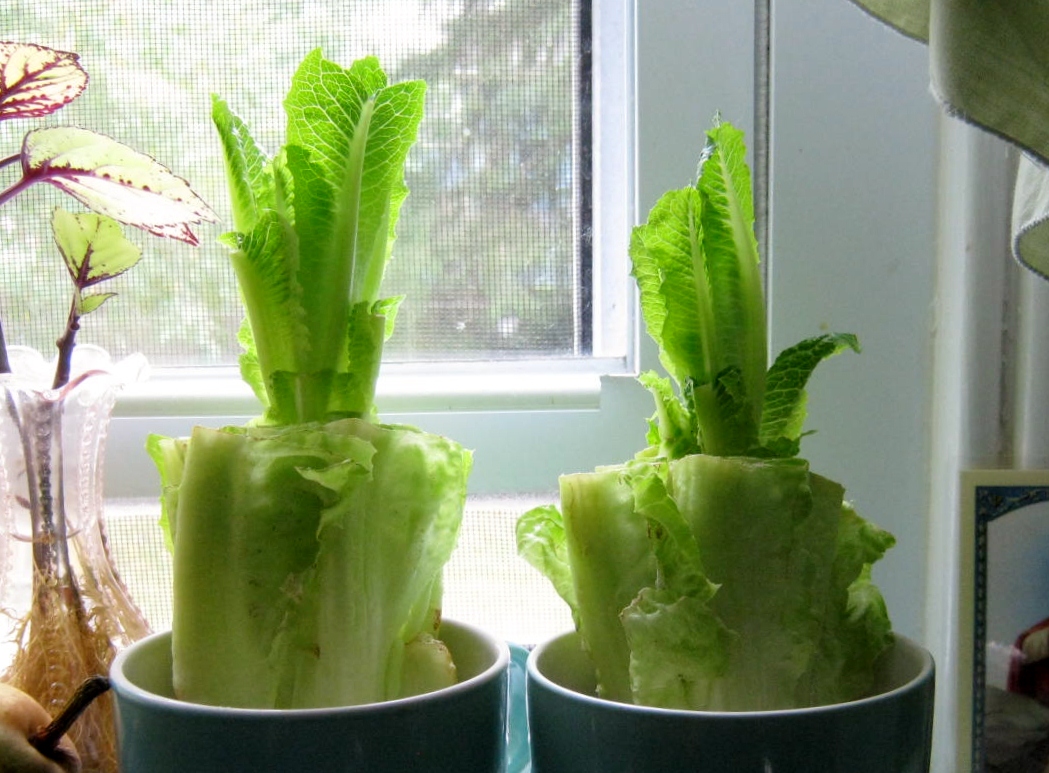
A quick update to last year’s post on growing romaine from the cut stump. This has been a very popular post. Take a moment to visit the link below or the one listed at the bottom of the page. Many new ideas and comments of those who have tried the technique are in the comment section.  I’ve included six shots of my newest batch of regenerating romaine stumps. By the seventh day the sprouting leaves are ready to eat out of hand or in a salad. They have a mildly bitter taste, but this pairs well with sandwiches and sweet lettuces. Enjoy!

Regrowing Romaine Lettuce 2011

Day One

Day Two

Day Three

Day Four

Day Five

Day Six

Within a week I found the sprouting romaine leaves large enough to eat. To read the original article please click on this link: Original Post on Re-growing Romaine Lettuce

Plant Tips – September Cuttings

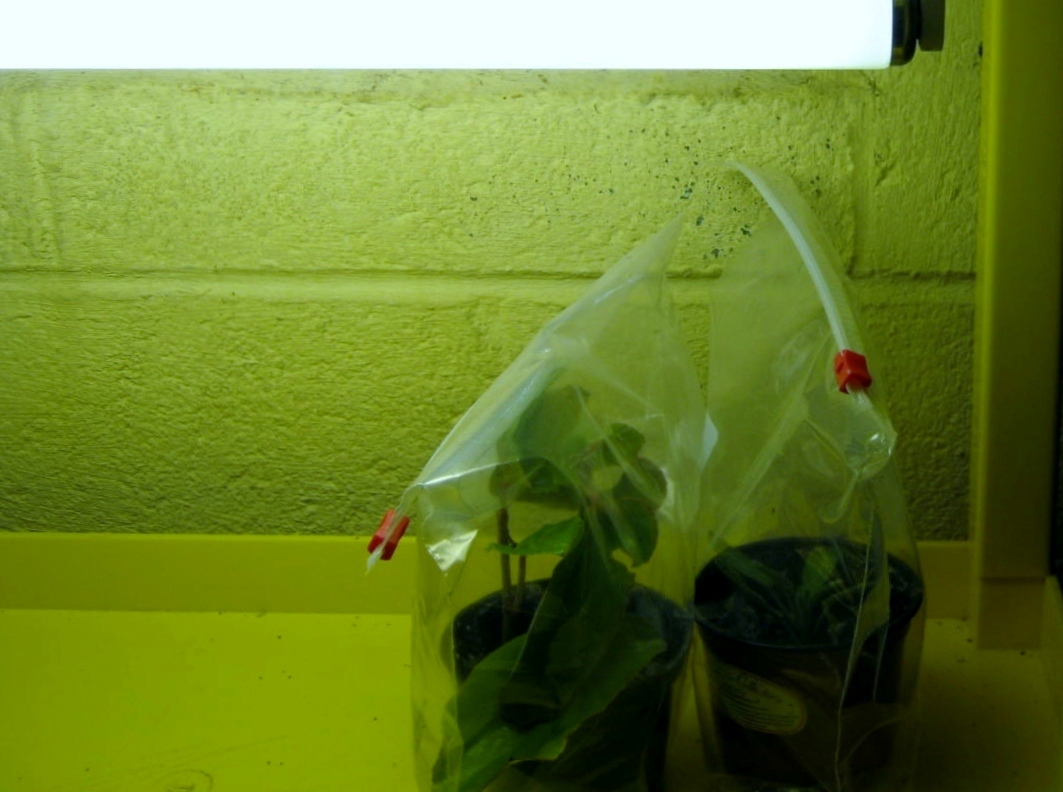
It seems I am just a bit late with almost everything this season, but Autumn is coming on like gangbusters, and the cooler temperatures seem to be earlier than usual too. This week our nighttime temperatures will dip into the forties. I’ve been taking cuttings of plants I want to save. The plants in the photograph above are: fuchsias and two types of dragon-wing begonias. I used honey as a rooting boost. You can read how to do this at my earlier post: How-to Root Plants with Honey.

The cuttings have been in a lightweight potting soil for a few days now, and they all seem to be thriving under the lights in my basement. Today, I will take a snip or two of anything left in the gardens that I have yet to save.

Painting – Making Color Charts

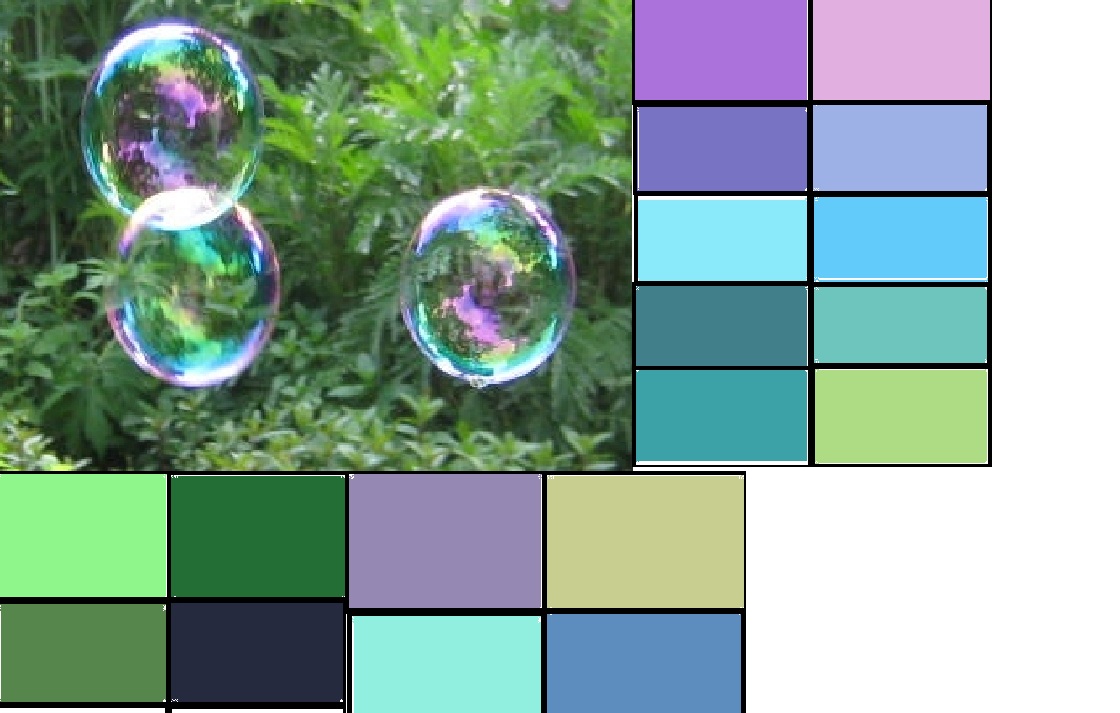
I love the look of bubbles, and I want to paint a portrait of my two older grandsons blowing bubbles in my backyard. Where to begin when painting bubbles is the question. There are so many colors within the translucent and delicate orbs. I decided to isolate the colors in the “PAINT” program on my computer. I pasted the bubble picture onto a new document and, using the eye-dropper tool, experimented with a few of the colors. Oh my! Countless shades and colors make up a bubble. It will be quite a challenge to paint them, but I would like to give it a try. Here are the sample color charts I made up using my paint program.

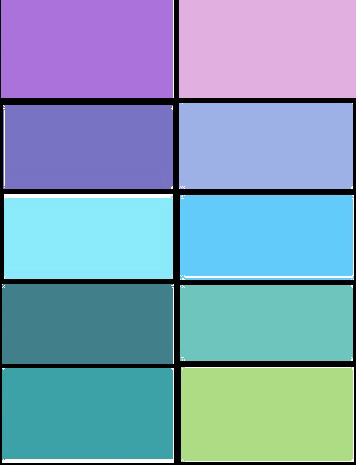
Here’s a closer look at the color charts.

Wish me luck! I’ll be trying to do this in acrylics. I have painted with watercolor for years, but I’m suddenly tired of the time it takes to complete a good watercolor painting, and I am tired of fiddling around with them, trying to get everything perfect. Acrylics are more forgiving of mistakes—time to stop all my chart-making and planning and actually begin painting a picture. SMILE!

Pots and Pans – Chicken Broccomuffin

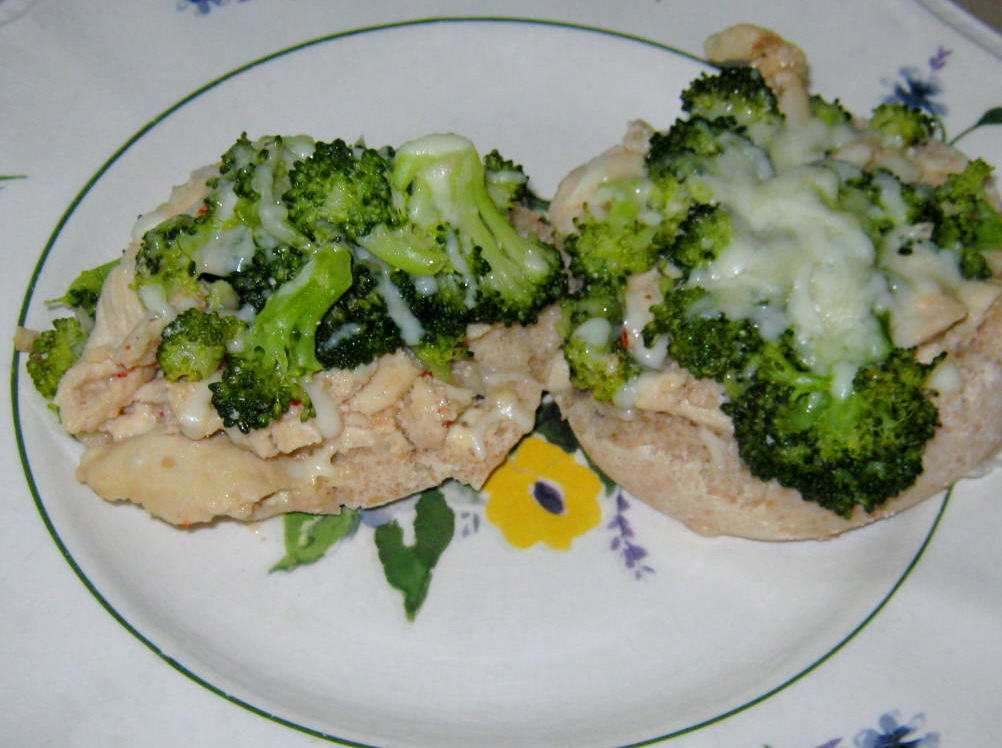
This is a scrumptious and easy meal. It’s also very healthy and well-balanced. I added a side dish of leftover spaghetti on the night I served it. The two items paired perfectly for a delicious Saturday night dinner.

Chicken Broccomuffin

1 package extra thin chicken (steak sandwich thin)

1 bunch broccoli florets

Good Seasons Italian Dressing

Shredded Cheese (I like 4 Cheese Pizza Cheese already shredded)

3 – 4 Thomas’s English Muffins

Mayo mix (my own)

Marinate the chicken steak for 6 -8 hours just covered in Good Seasons Italian Dressing. Before cooking drain chicken in colander to remove excess dressing.

Make up your mayo mix. I use a low-fat variety with a touch of Dijon mustard and horseradish. Mix at least a fourth of a cup or more of mayonnaise mixture.

Cut florets away from broccoli stems. Steam until just able to pierce with fork. Turn off heat and leave in steamer to retain warmth.

Lightly toast English muffins on toaster oven tray. Do not allow to brown. You just want a slight crispness on the tops. Take tray out of toaster oven and set aside while you cook the chicken.

Cook drained chicken in a pan. Use knives or sharp spatulas to shred chicken into smaller pieces as it cooks. You don’t need any oil or butter in the pan, the dressing has oil and keeps the chicken from sticking. Cook chicken all the way through.

Put a dollop of mayo mix on muffin, spread it out, heap chicken on muffin, cover chicken with broccoli florets, and sprinkle liberally with cheese. Toast until cheese is melted. This is so easy and so delicious. Any leftovers heat up easily in the microwave the next day.

Follow Me on Pinterest

Plant – Sunflower Sunday

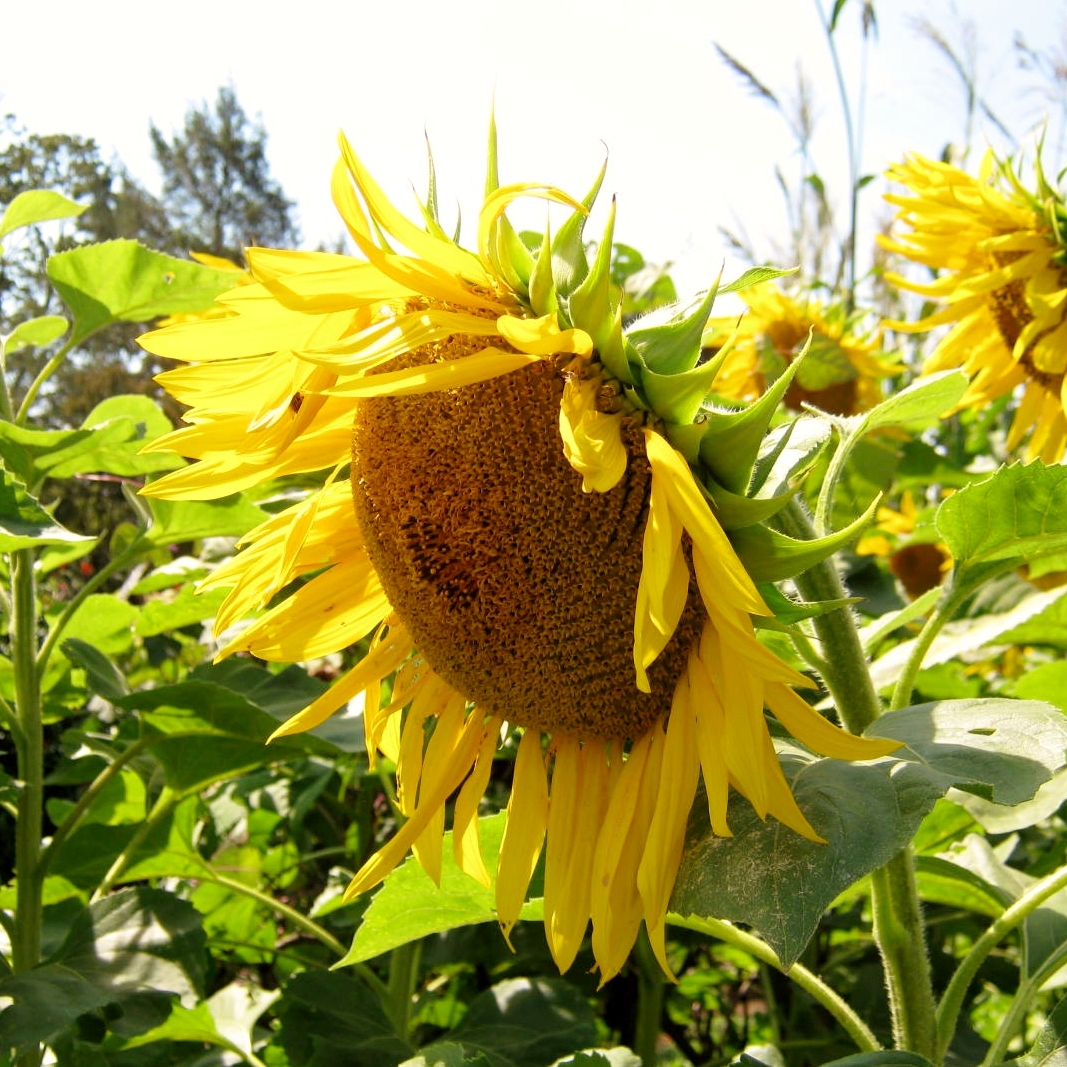
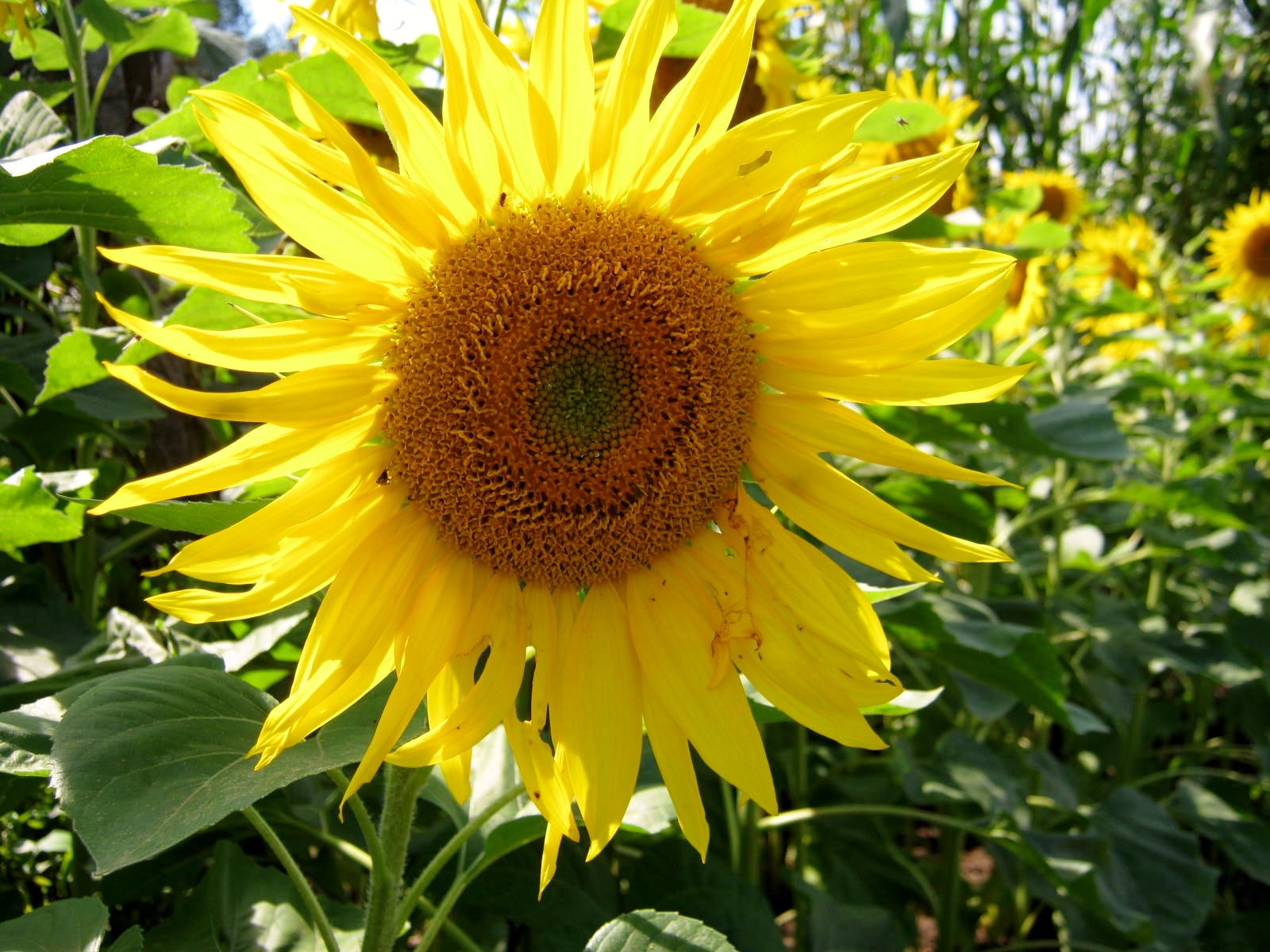
Longwood Gardens was ablaze with the glory of sunflowers this week. A friend and I visited and strolled through the idea garden where these beauties are growing. To my fellow artists and crafters: Please feel free to use these photographs as a reference for your paintings or projects. Happy painting and crafting.

Follow Me on Pinterest

Pots and Pans – Caramel Apples the Easy Way


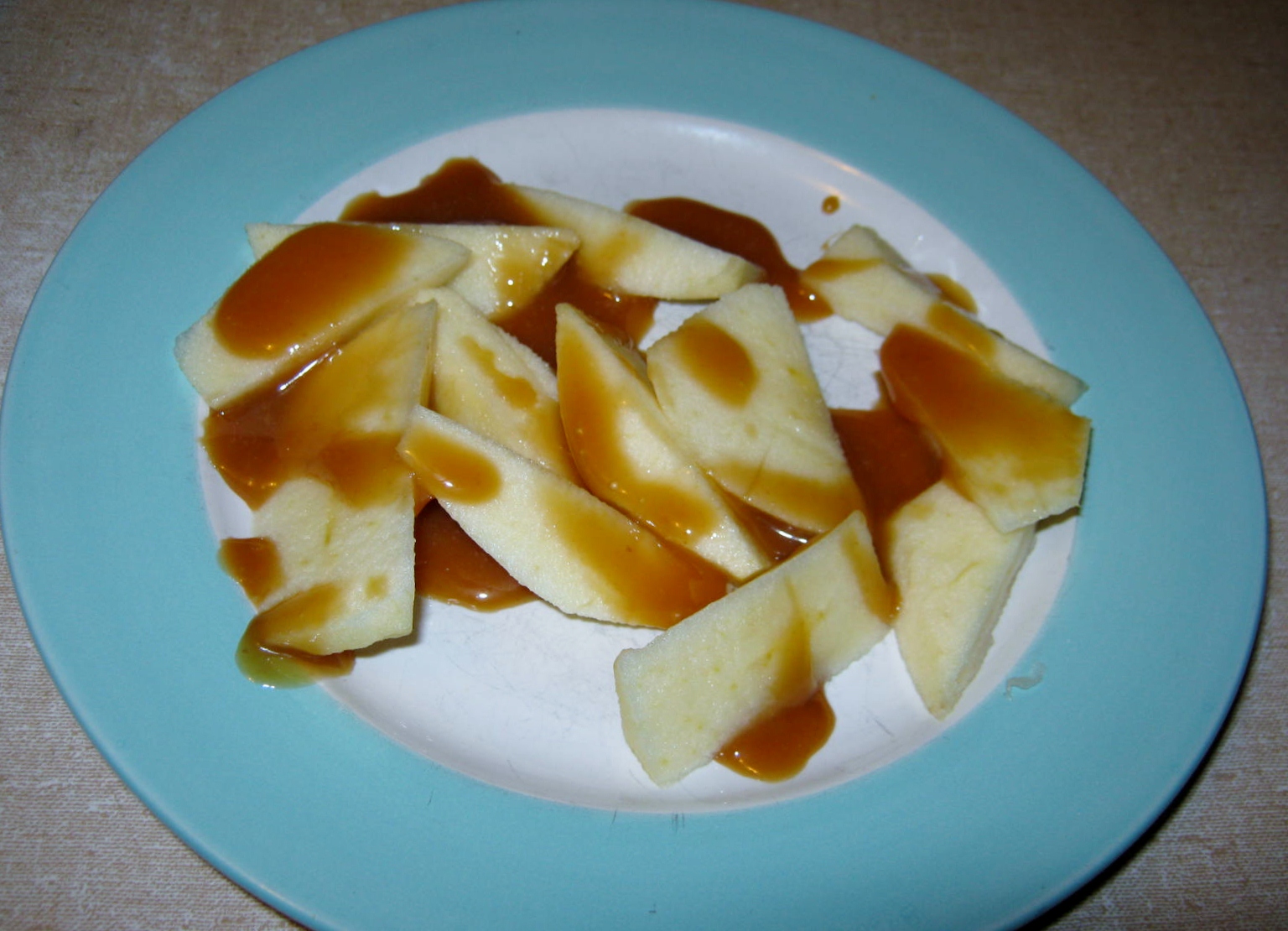
I love caramel apples, but they can be time-consuming to make. I also find them difficult to eat. They are hard to bite into without smearing the caramel all over my face. I was glad to find this easy way to make and eat them.

I peeled my apples and cut them into slices. (Peeling is optional; you can just as easily leave the peel on.) Since I was eating them right away, I didn’t bother sprinkling them with lemon juice. They disappeared quicker than the flesh could discolor.

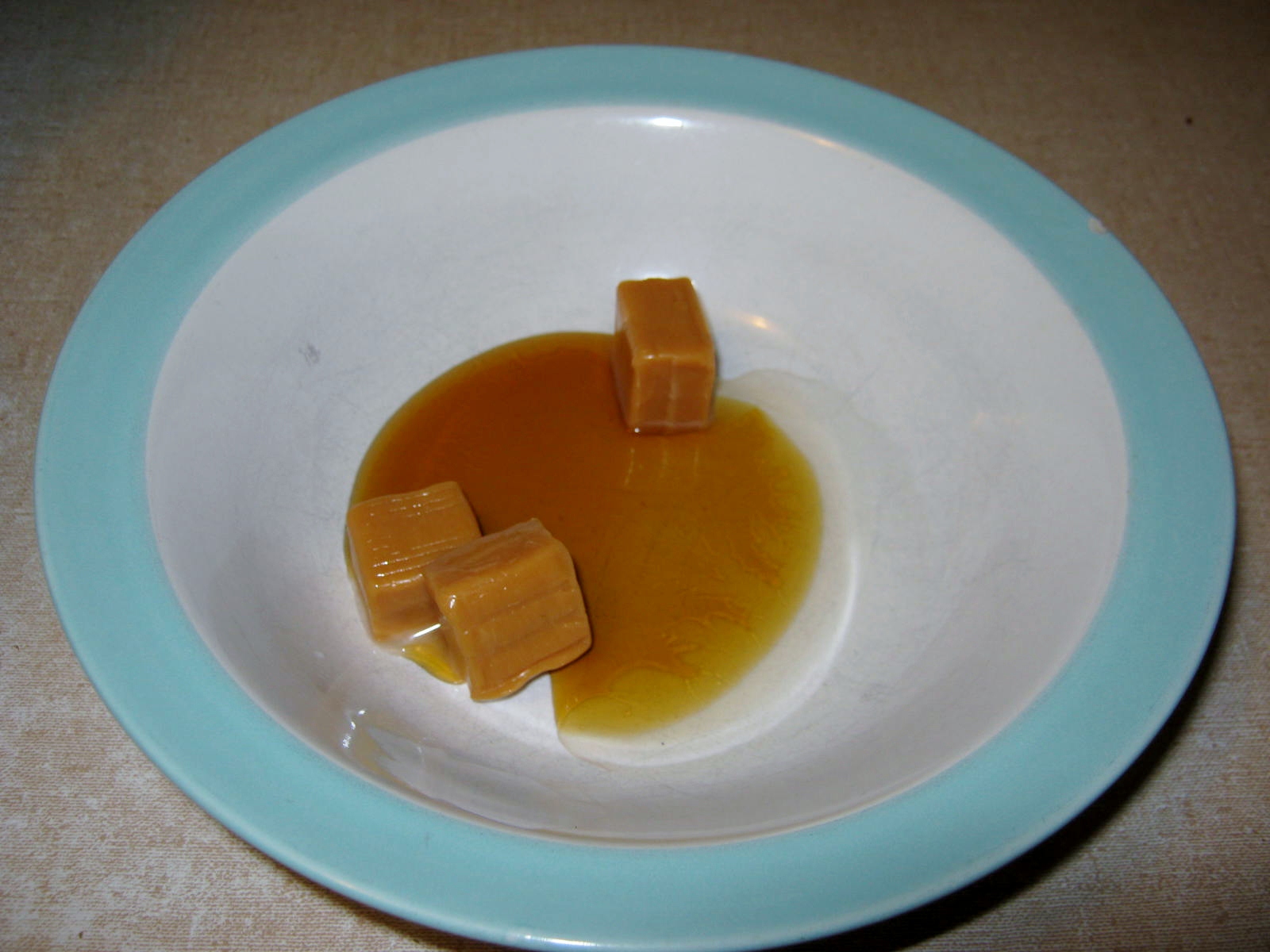
Unwrap three caramels. Place in a microwave-safe bowl. Add 1 tablespoon of dark corn syrup and 1 teaspoon of water. Microwave for twenty seconds. Stir with a fork. Microwave for twenty seconds more. Stir until all the ingredients are combined and form a syrup. Pour over the apple slices and enjoy. Ahhhhhh….Scrumptious! And so very EASY.

Problem-Solving, Plant and Pressed Flowers – Jewelweed

While on a recent bike ride, I spotted the trumpet-like orange flowers of Jewelweed. This wildflower grows in moist, wet places and blooms later in the summertime. For those of you who react to the urishol oil in poison ivy, crushed jewelweed foliage applied to your exposed skin can save you from breaking out in a rash.

For a look at the foliage of this plant and more information take a look at this link: Jewelweed

Jewelweed also makes a decent pressed flower, but it needs a bit of drying out before it can be used. I usually lay the blossoms on a towel and press them flat with my fingers. This removes a bit of inner liquid in the flower. Because of their moist nature, not every jewelweed flower will retain it’s color. I will keep trying though, it’s unique shape, intense color and plentiful growth along streams makes it a good candidate for pressing.

Pressed Flowers – Cutting Autumn Leaves

Autumn leaves are one of the easiest pieces of foliage to press. Collect them when dry, put each between the pages of a book, and usually in less than a week they are ready to use. The colors dull and fade a bit, but they still retain their resiliency and good looks. I use quite a few Autumn leaves in my pressed flower compositions. They are great for cutting into different shapes. I create many things with the pressed leaves: birdhouses, wagons, baskets, flowerpots and even small houses.

One problem that arises when cutting the leaves is their brittle nature when dried and pressed. To cut without treating them in some way usually results in shattered pieces or raggedy edges. I’ve found a few fixes for combating this problem by stabilizing the leaves with an added layer. Today I’ll share Fix #1.

Fix #1 – Mod Podge the back side of the leaves

Brush the Mod Podge on the back of the leaves with a soft brush. Let it dry completely. While it dries create a pattern out of cardboard for the shape you want to use. In my case it was a tiny house greeting card I call “Home Sweet Home.”

When the Mod-Podge is completely dry, I use a Sharpie marker to trace the house pattern onto the mod-podged side of the leaves. Use a marker that is as close to the color of the leaf as possible or it might show through to the front side. Make sure you remember that when you cut out the traced pattern it will reverse itself. For instance, in the finished card, if I use side one of my pattern to trace, on the finished house the door will be on the left of the house, not on the right.

To finish this card I choose small pieces of foliage and very tiny flower bunches to create the trees. I set these aside at the ready.

For everyone who wondered why I press seaweed….here is the answer: Pressed seaweed is perfect to make small trees. When dried and pressed the thick fronds of this type of seaweed shrink to delicate branches.

Small ferns, leaves and pieces of Queen Anne’s lace foliage, all look like small trees.

Small florets of flowers look like Crape Myrtle trees in bloom.

Here are a few of the finished cards. Four seasons of pressed flower houses.

SPRING

For those who wondered why in the world I would press pieces of an abandoned hornet’s nest, the answer is above: hornet’s nest paper, pressed and mod-podged, is easy to cut into shapes for unique additions to my pressed flower creations.

SUMMER

AUTUMN

WINTER

Plant – Coleus Seed Saving and Volunteers

Since they have been planted in the spring, I have regularly been pinching off the tops of my coleus plants to keep them from blooming and to force them to branch out. I have some really pretty plants this year. I have stopped my pinching now. It’s time to let the spiky blooms emerge, mature and form new seed for next year’s coleus.

A week or two ago I noticed this amazing patch of small sprouts growing alongside the brick in the front garden. A patch of volunteer coleus had emerged, some with really interesting colors and patterns. I thought at first they might have sprung from old flower spikes I threw in the back of the garden last year, but on taking a second look decided I must have thrown a few leftover seeds in the back as an experiment. This week I’m going to dig them up with the shovel and pick several to pot up and grow in the house through winter.