Phlowers/Plant – Milkweed

Asclepias syriaca, common milkweed, is now firmly established in my butterfly garden. Started from a seed, the plant piddled around for a year or two before growing tall last summer. It has naturalized during the time in between then and now, and there are several large clumps of it throughout the bed.

Don’t hesitate to try some common milkweed in your garden if you want to help Monarch butterflies thrive. Milkweed is also a great flower/plant to grow for pollinators too. The bumblebees were enraptured by the bloom, and I was pleasantly surprised by the fragrance of the flowers.

The pollinators did a good job and a few of the flowers have become small pods.

You can see how conditions have been almost perfect this year for growing milkweed. That’s me, standing beside the milkweed about a week ago. Since the photo was taken, the milkweed has grown at least another six inches. My husband estimates it is near seven feet tall.

Grow milkweed in full sun if possible. My garden bed gets a bit of morning shade, but in the afternoon the area is sunny. If you grow from a seed as I did, be patient, it takes a year or two for the plant to become established.

My milkweed blossoms are part of Cee’s Flower of the Day.

Photo Challenge – Lily Love

I was inspired by Cee’s lovely lily for Flower of the Day. I took a photo of one of mine to add to the challenge. This lily is a shorter variety, but the bloom is nearly eight inches across. The heaviness of the flower causes the blossom to face the ground. The posture doesn’t inhibit the release of fragrance. The air all around this area is heavy with the scent of lily – a bit of heaven on earth if you ask me. Thanks to Cee for all the years she has offered inspiring challenges.

Phloral Arrangement – IAVOM – Freesias

Today’s vased arrangement consists of Freesias and is part of In A Vase On Monday.

The freesia blossoms are part of Cee’s Flower of the Day.
I planted some freesia bulbs this Spring. I am like the person who should never go grocery shopping when they are hungry. In the Spring, my gardening appetite is voracious, and any display of bulbs or seeds, draws me in like a magnet. I bought a bag of 30 Freesias in Lidl. The bulbs looked really good through the mesh of the bag, and when I emptied them out, not many needed to be discarded.

They’ve been planted in terracotta pots for months, growing in the basement’s sunniest window. They looked good for a while, and then became gangly and overgrown. I almost threw them out, but convinced myself they might bloom outdoors. I put them in an out of sight area behind the bird bath. I’m glad I kept them. They have begun to bloom. Although I only detect a slight fragrance, the beauty of the bloom is pleasing. There are more buds to open, I wonder what colors I will gather for vases next.

The Spruce has a good article with interesting information on Freesias.

Plant – False Indigo (Baptisia australis)

False Indigo (Baptisia australis)

I have had a False Indigo plant in my garden for over a decade. I don’t remember when I first purchased it, but it reappears every year without fail, no matter the condition of the winter it weathered.


A year or two ago it became a bit overgrown, and I roughly divided it, thinking the cut away portion would probably not survive. It not only survived, but both plants thrived.

The flowers don’t last long, but they leave behind large pods that rattle fabulously when they dry, adding a castanet accompaniment to the song of the wind as it blows.

This perennial is very tall and should be planted at the edge of the border. The dark blue flowers are spiky and don’t last very long, but they do leave behind the wonderful pods. Beyond enjoying False Indigo in the garden, I must sing its praises as a cut foliage plant. I have a piece in a vase now that has been going strong for ten days and still shows no signs of wilting. I arrange flowers for church now and then and enjoy using the long stems in the arrangement. The soft bluish green color is a great neutral background-for all flowers.


False Indigo does well in my Southern NJ garden in full, hot sun. It seems to accept wet or dry conditions. False Indigo is part of Cee’s Flower of the Day Challenge.

The Spruce has a great article on the care of False Indigo.

Phavorite & Phlowers – Bougainvillea with Fledgling Bird

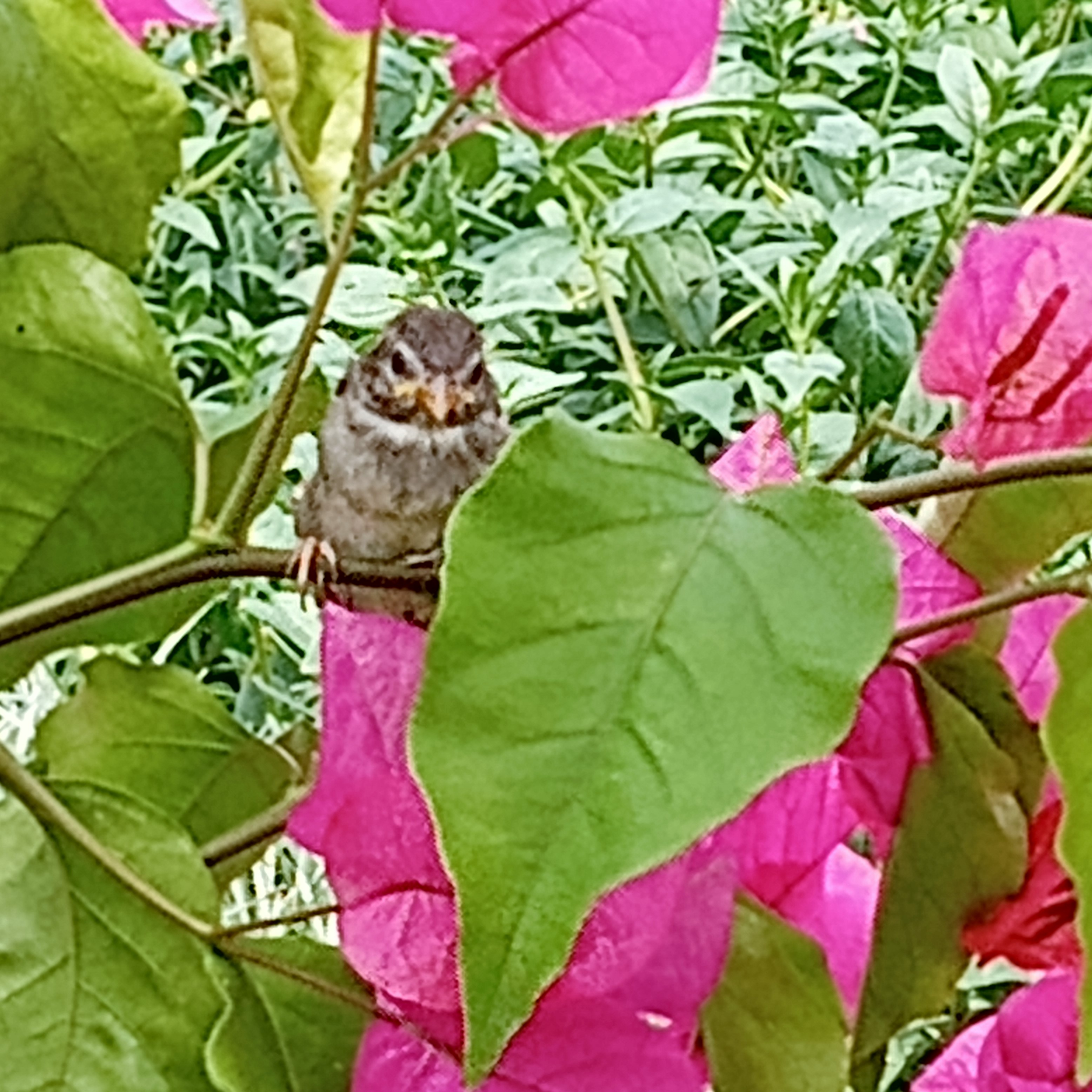
Eyes were upon me, I felt something watching as I browsed through a greenhouse in search of bedding plants this year. It was a small fledgling sparrow, its feet wrapped around a twig of a bougainvillea plant in a hanging basket. I was in love with his sweet expression, but then wondered if it was sweet, or maybe a bit annoyed at me for disturbing his space. I bought another bougainvillea hanging near the one he perched in to remind me of the moment. Sweet. I think this is one of my favorite photographs taken in May.

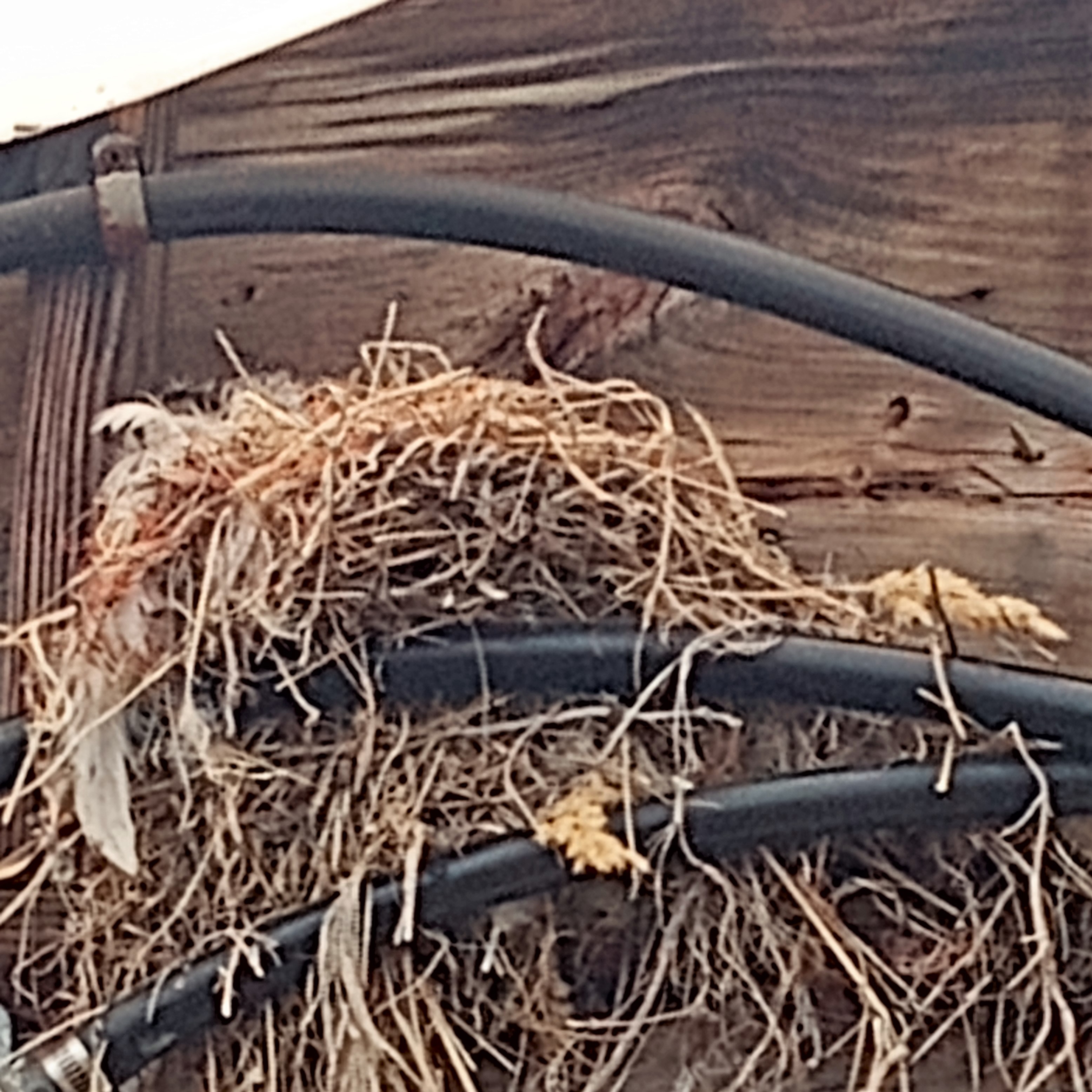
As I left the greenhouse, I noticed the nest he occupied as he grew above the door. The bougainvillea flower is part of Cee’s Flower of the Day.

Phlowers – In a Vase on Monday (IAVOM)

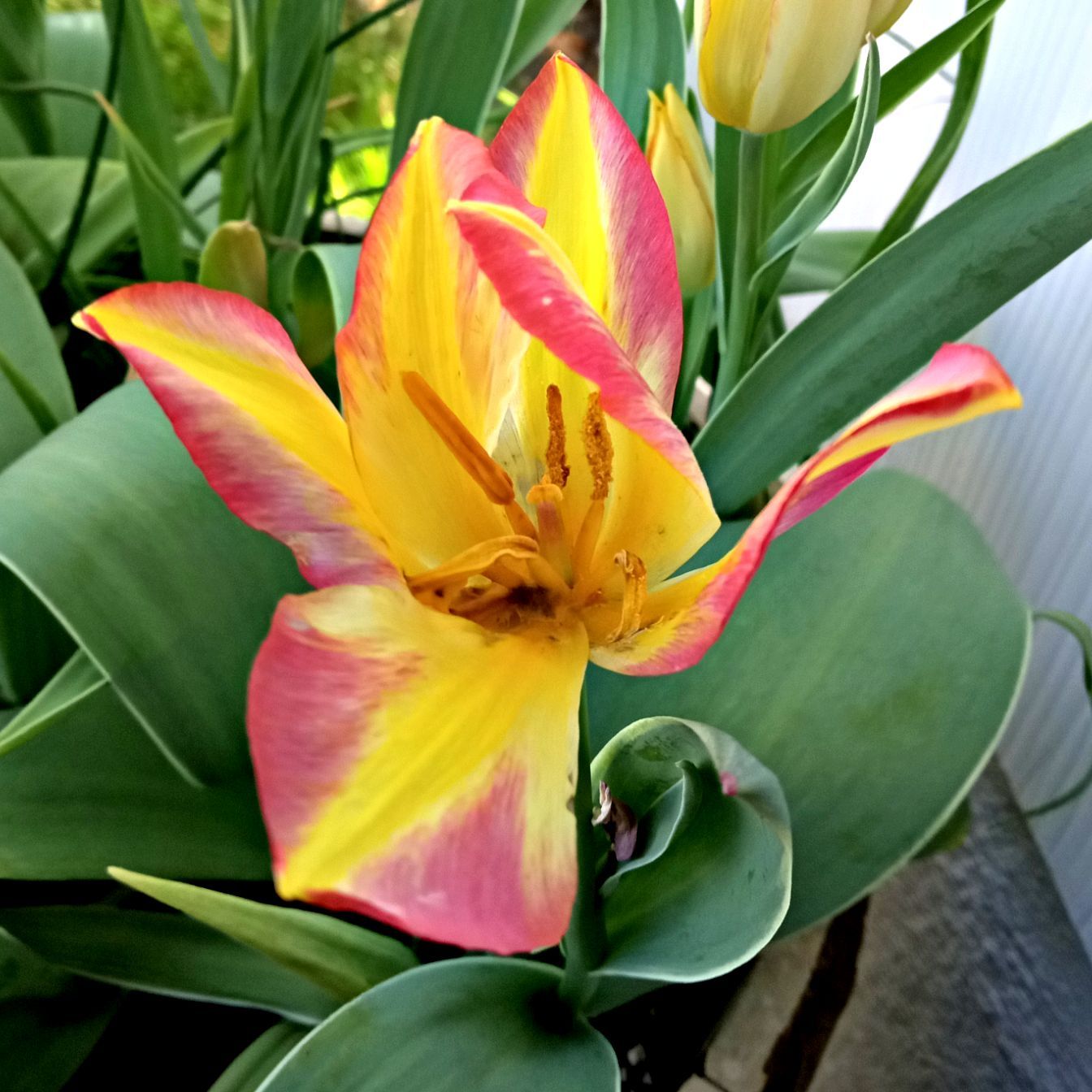
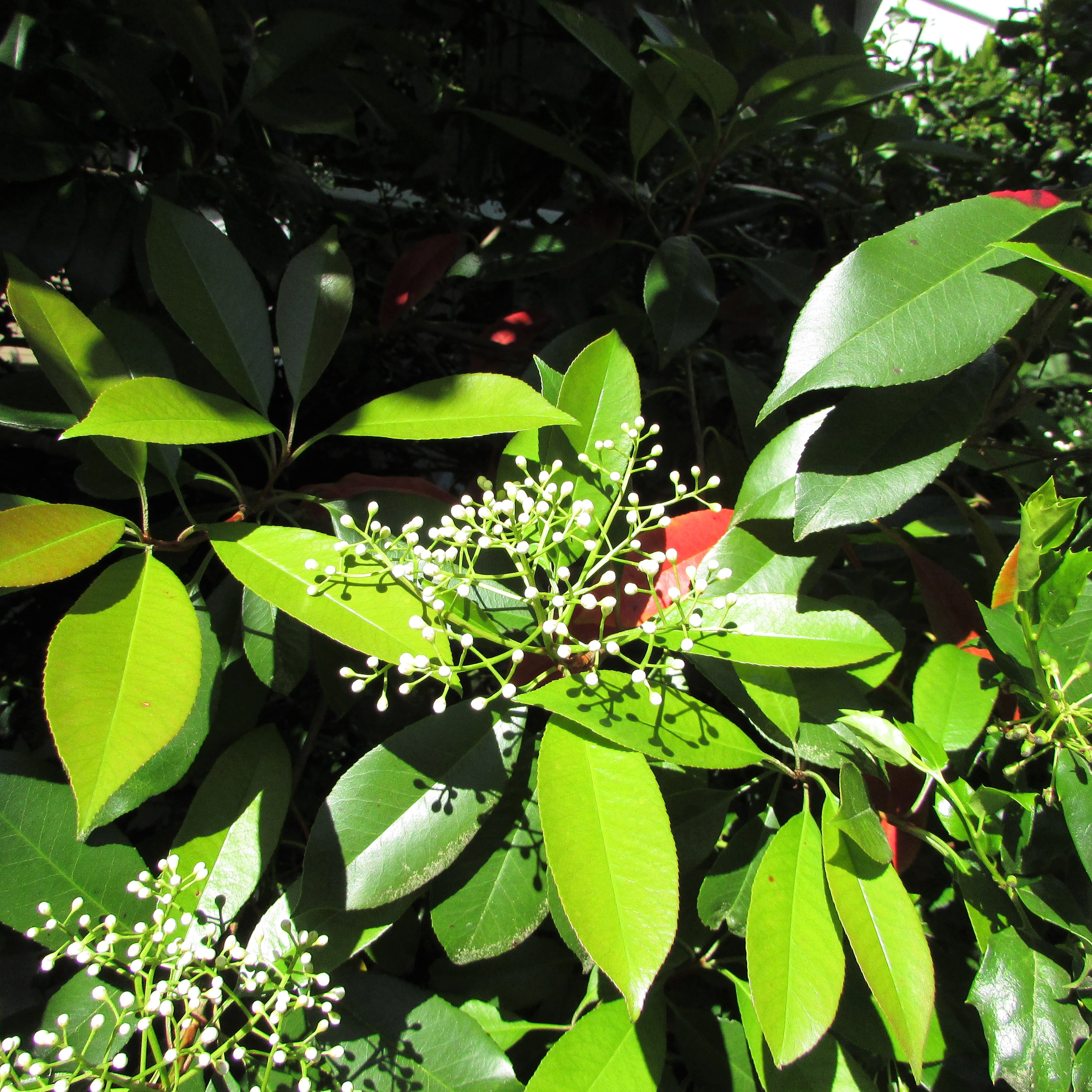
Such a busy time of year. I’ve been lax with blogging, but I so love taking part in the IAVOM challenge, I scurried around the yard cutting stems today before I began planting out seedlings. The little goldfinch is a reminder of my first glimpse of brilliant yellow goldfinches this past week. I’m so happy to see them in their summer colors. The bouquet is created with Japanese Photinia, yellow tulips edged in pinks, and a stem of comfrey.

As it matured, the colors of this yellow tulip became even brighter. Lovely! I think this tulip is worthy to be a part of Cee’s Flower of the Day.

The comfrey blooms once a year. I am going to save seeds to send to my sister who has begun a Flower Farm in North Carolina.

Not only is it an evergreen through the winter, it blooms in the spring. The new leaves are a gorgeous shade of blush pink/red. Japanese Photinia is a perfect choice for a garden tree/bush.

Phloral – IAVOM – Daffodils in Victorian Vase

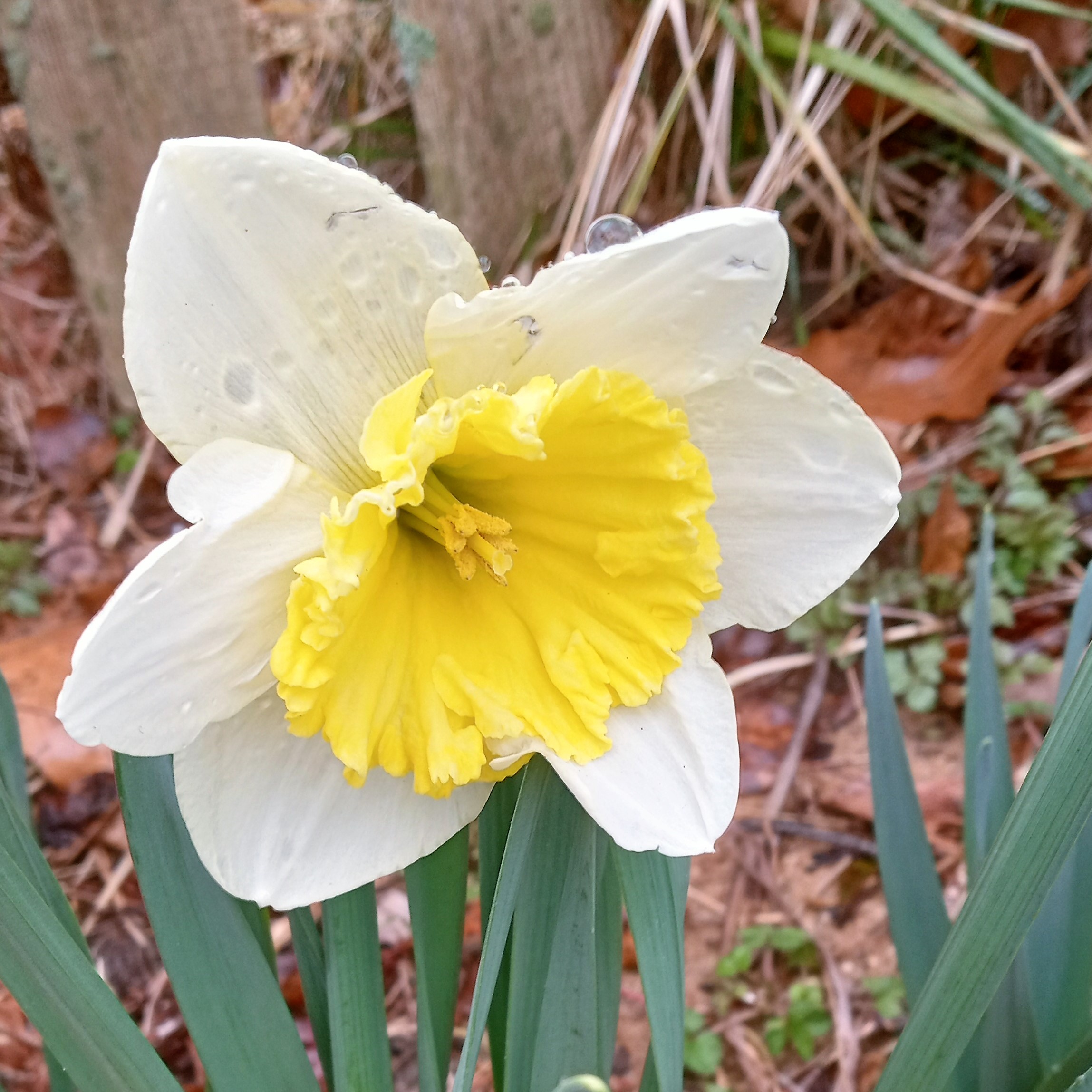
Daffodils are my entry for the In A Vase On Monday Challenge, hosted by Ramblings in the Garden. The yellow and orange variety is displayed within a Victorian Milk Glass Hand Posy Vase. A sprig of evergreen Japanese Photinia helps to keep the stems in place. My outdoor gardens are coming back to life with Spring bulbs appearing in every bed, making it easier to once again take part in this challenge.

I drape beaded garlands from small hooks beneath the mantel and hang simple cardstock Easter bunnies on the length. A cottonball is glued on for the fluffy tail. I keep Christmas tree hooks at the ready all year long. They come in handy for projects and decorations; I even use them in the gardens.

These perky daffodils are part of Cee’s Flower of the Day.

Phlowers – Yellow Tulips

I could interpret last week’s sixty-degree temperatures as a sign Spring is on the way, but I have lived through many seasonal changeovers, and I know that even though twilight is coming later every day, the hope of Spring arriving early is just folly and there are still weeks of Winter to live through.

Tulips are my Flower of the Day, part of Cee’s Daily Flower Challenge.

I have grown the yellow tulips from bulbs I purchased in Autumn. Past attempts at forcing them have been mixed. I have kept them bare and in a cold place, forcing them in water. This year I planted thickly in terracotta pots, about six bulbs per pot, and left them outdoors on the porch for several months. I wasn’t sure when I should bring them in, but the tulips themselves told me by thrusting leaves above the surface. I bring one in each week, and this pot is my first success. It is a bit leggy, but grand just the same. I support the overgrown stems with small twigs in the soil. I like the seasonal look they give, and even though thin, they support the leaves and stems perfectly well.

Photograph – Oh Bee-aby!

There are loves throughout my life that have been questionable: people, habits, places, some friends. But my love of nature and the pollen-gathering creatures God has made is not a choice I feel will diminish or ever be deemed debatable. I don’t remember the exact moment in time I took this photo, but when I came across it today, it immediately brought back the spring/summer rush I feel when I grab my camera and run straight for the garden bed and insects gathered there.

The hum of bees is the voice of the garden.
Elizabeth Lawrence

There is nothing motley about the pollen sprinkled across the bumblebees, in fact it seems ethereal, dusting the bumblebee’s fur/pile with magic.

Bumblebees have round bodies covered in soft hair called ‘pile’, making them appear and feel fuzzy.

Nature – Check out this article for amazing facts about bumblebees!

The sweet bumbler hangs on and collects pollen from lavender bee balm (Monarda fistulosa), a dependable perennial in my summer garden. Bee Balm blossoms are my Flower of the Day.

Phlowers – Longwood Conservatory Winter/Part 2

The Longwood Gardens Conservatory boasts a gorgeous display of orchids. Not only can you view hundreds of varieties, you can also gaze out upon the ongoing construction of Longwood Reimagined in the Orchid room. There are many signs on the grounds, and articles available on the web, that apprise visitors of the future gardens and buildings. It’s quite exciting to imagine myself walking in these structures in the future.

The orchids in today’s post are part of Cee’s Flower of the Day.

While the sun glare, magnified through the window, can make it difficult to take a larger photo, a close-up of these beautiful blooms in the orchid room is enhanced by the back-lighting.

There is no one dominant species of orchid in the display, but I am always drawn to the faces of the Paphiopedilums. Just like pansy blossoms, they seem to have a perky personality.

This lovely orchid almost seems artificial. The inner recesses of the labellum are sunrose yellow, the January 30th color for City Sonnet’s January Colors and Letters.

Phlowers – Six on Saturday/Longwood Conservatory Winter

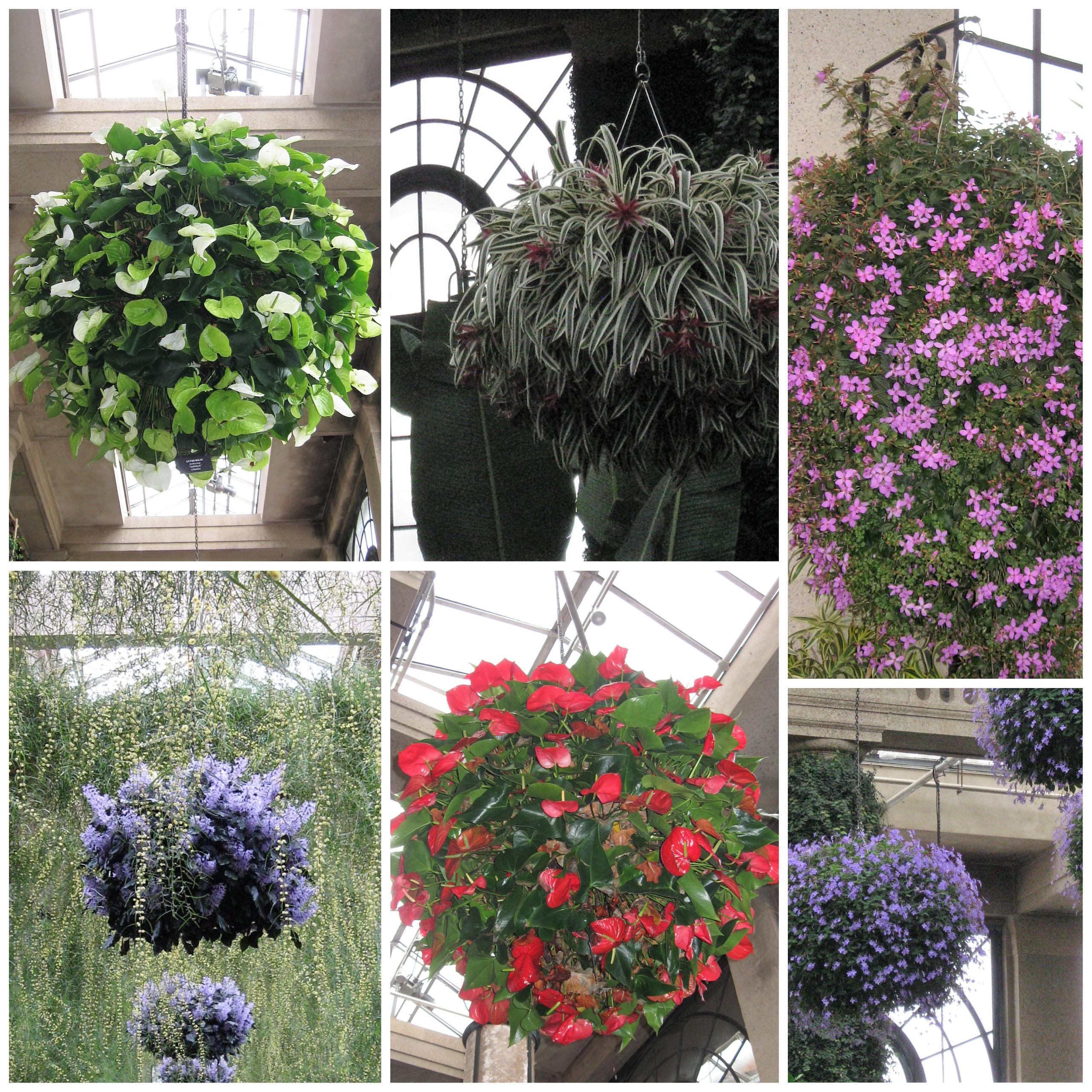
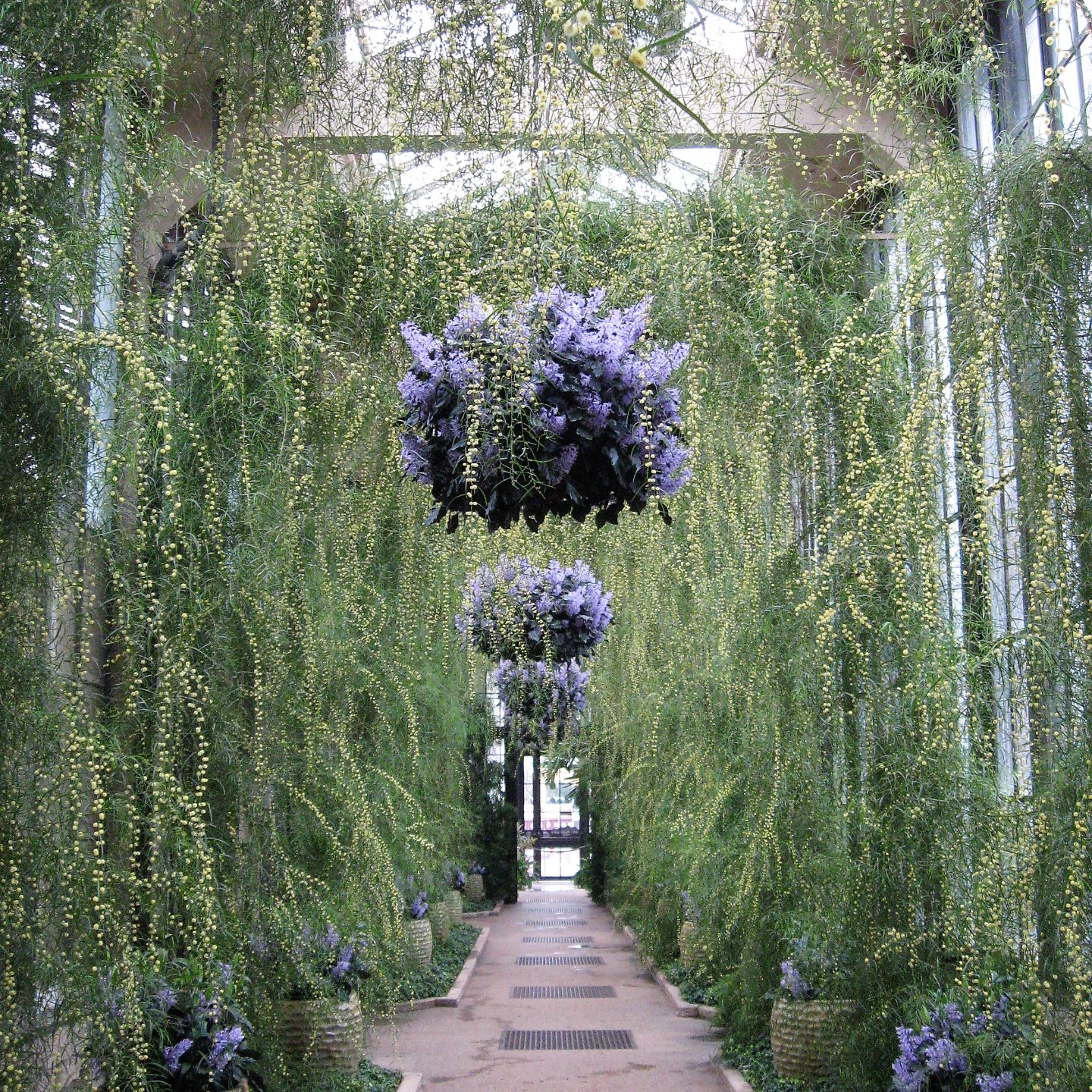
Here’s a sampling of the hanging baskets in the Longwood Gardens Conservatory yesterday. It’s hard to capture the size/scale of the flower baskets. To say they are large is an understatement.

Some of the plants are: Cape-primrose (Streptocarpus), Anthuriums, Cinnamon-Wattle Acacia, Bromeliads.

My favorite walk was along the acacia passage. The Cinnamon-Wattle acacias were in bloom. The fragrance was incredible. There was definitely a feeling of enchantment present as we gazed down the corridor. Periwinkle is one of my favorite colors, and the combination of the streptocarpus with the soft yellow of the acacia was stunning. The streptocarpus are part of Cee’s Flower of the Day.

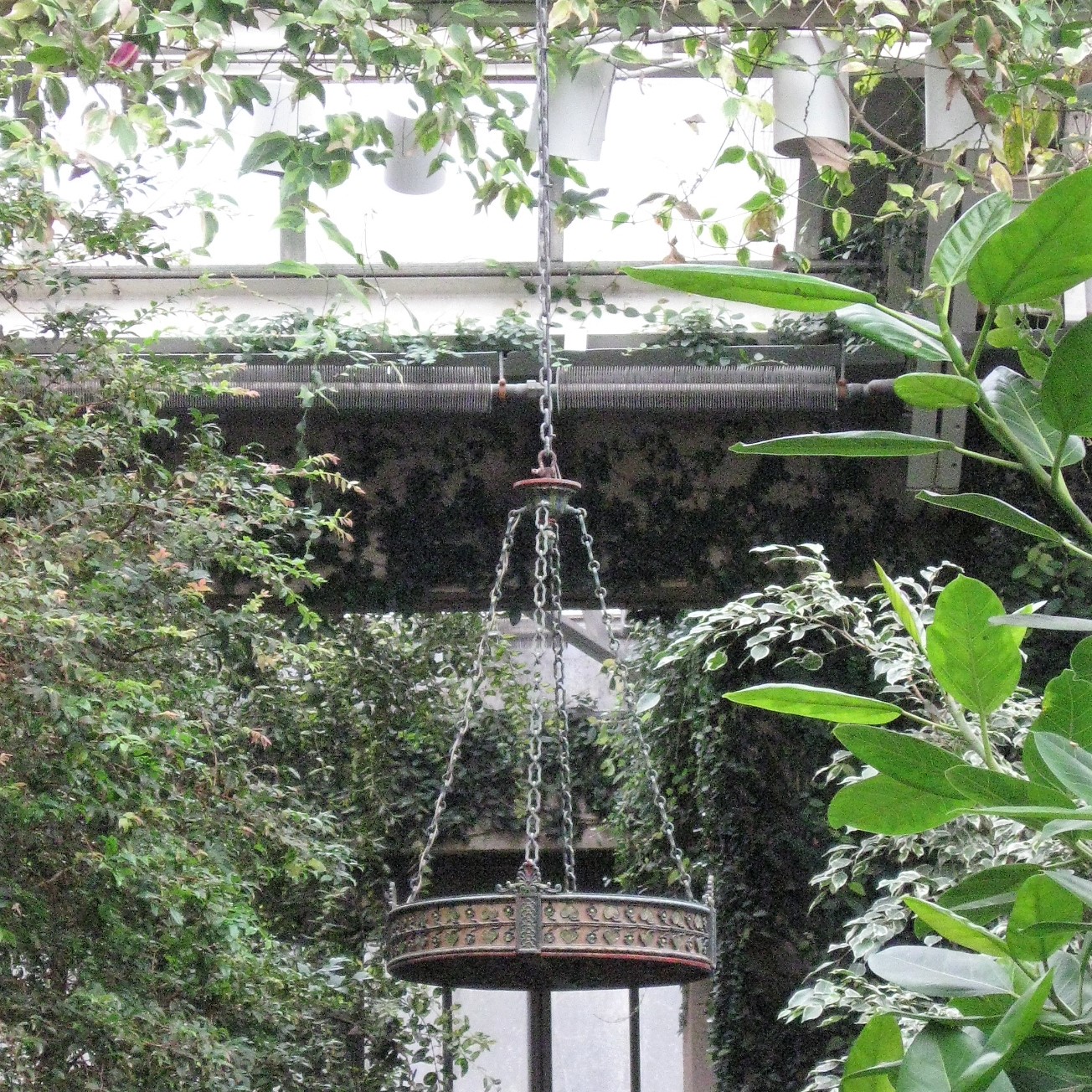
I also had some moments of inspiration. I don’t know if this is a hanging basket of some type for displaying flowers, a light fixture, or something totally unique to my imagination. I am determined to create better hanging basket arrangements this year for the porch and outdoors and this will be my artistic muse for the project.

As we walked within the walls the soft winter sun outdoors illuminated everything inside with a glow of Royal Silver. I wish I could somehow capture and copy the indescribable atmosphere in a watercolor painting.

Here’s a silly self-portrait of us in the conservatory; a visual description of our joy. It’s a little distorted, the mirror had a funhouse quality, but it still captured our happiness in being in a place filled with flowers and fragrance.

Phlower – Crown of Thorns

I love the soft pink of these dime-sized blooms on my Crown of Thorns, the color almost a copy of cotton candy. The plant lives outdoors on the screened-in porch for five months of the year. Through the Autumn and Winter it delights me with flowers when everything outdoors is dormant. No coddling needed, the plant is easy to grow and maintain. This beautiful flower is part of Cee’s Flower of the Day.

Phloral Arrangements – In a Vase on Monday – Fairy Roses with Friends

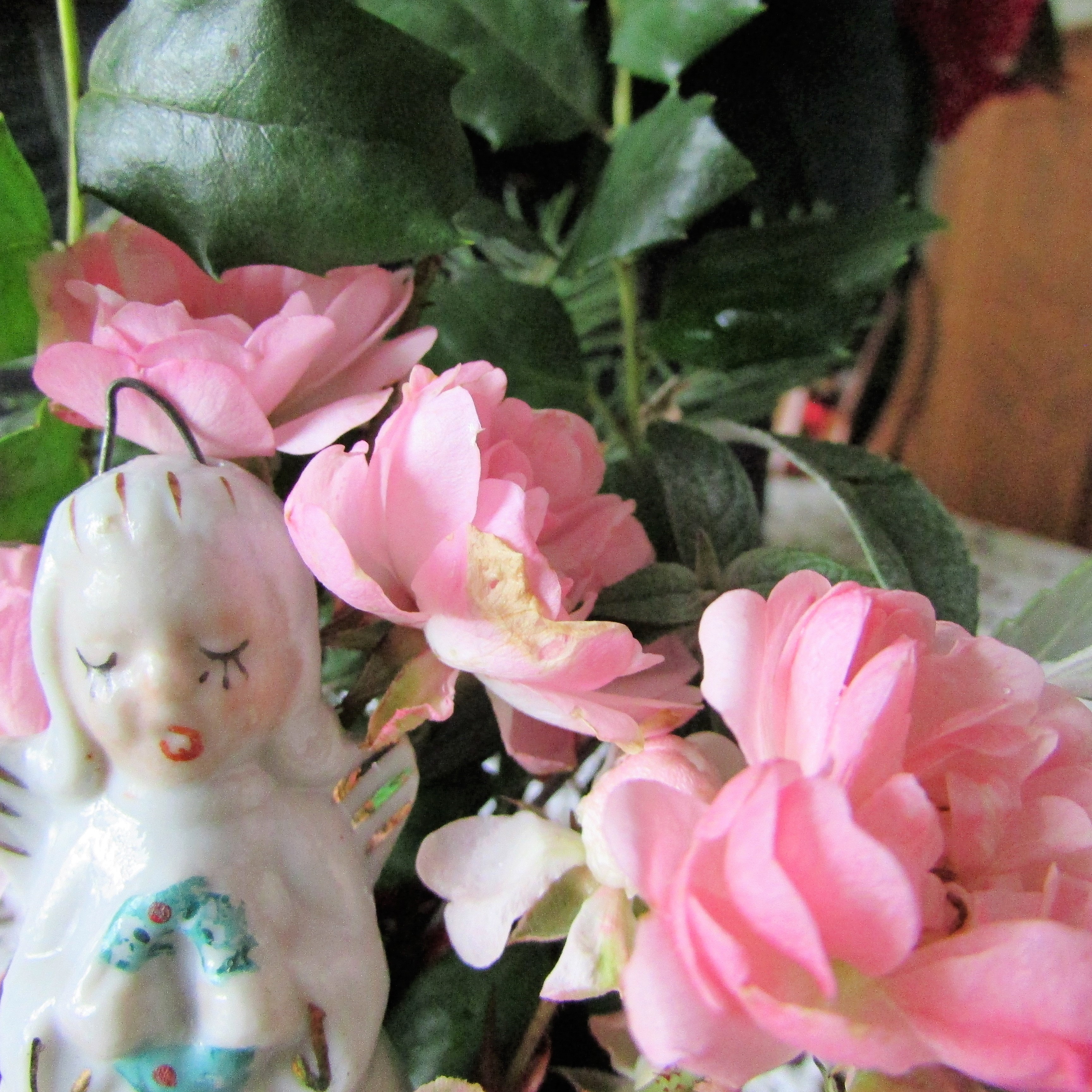
In A Vase on Monday – Fairy Roses with Evergreen, Holly, and Friends.

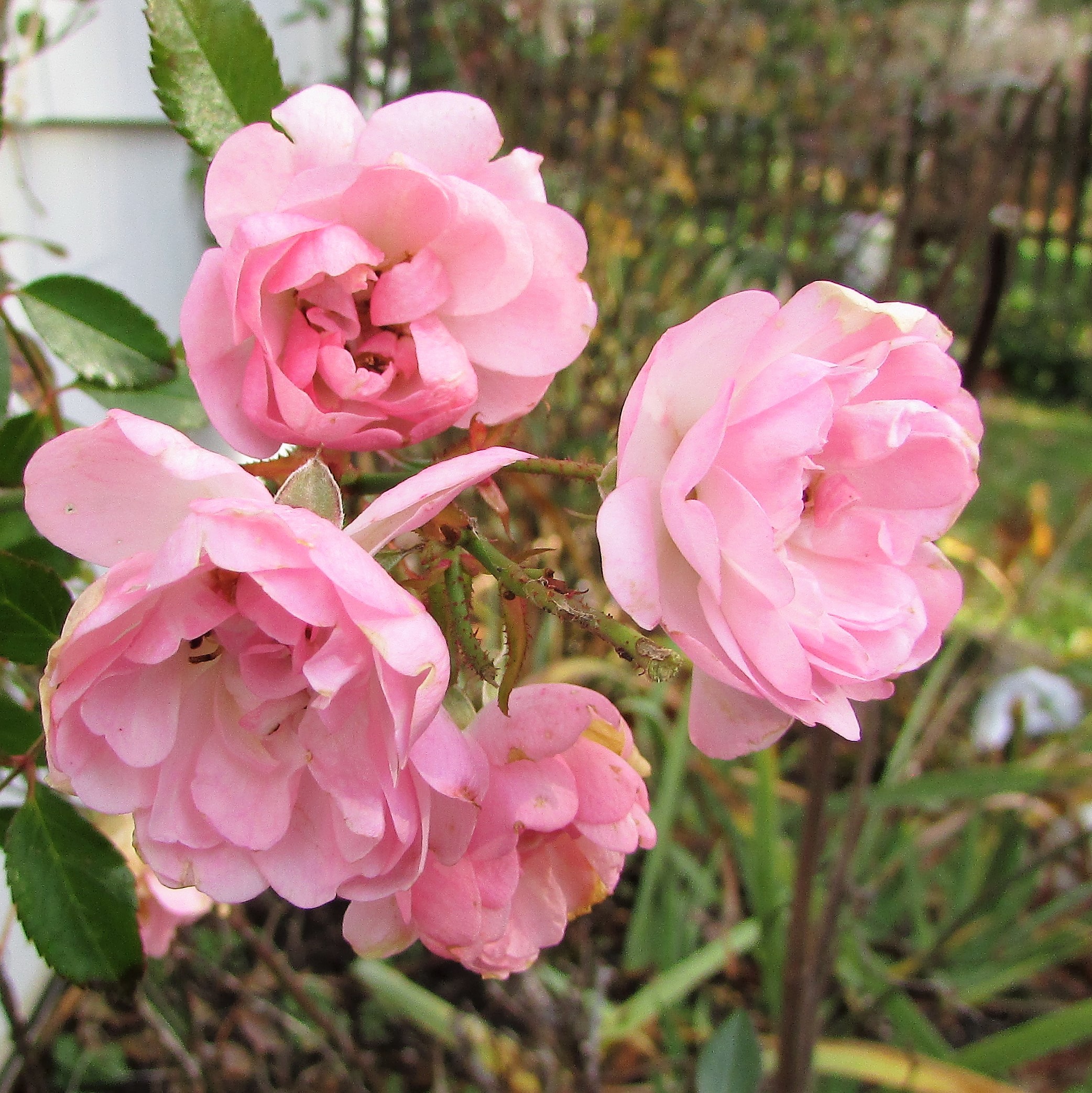
These are the last of my 2022 garden blooms. They are among the most delicate in appearance, but oh my, though small, they are still blooming in bunches. They are a bit worn and damaged by the cold, but they are still showing new buds along the stems.

This small miniature rose is called ‘Fairy,’ and the name belies its resiliency. Fairy Rose is part of Cee’s Flower of the Day.

“The Fairy is a polyantha rose. Polyantha roses produce their flowers in sprays or bunches rather than as single flowers. Unlike a lot of heirloom roses that only bloom once a year in the spring, The Fairy blooms continuously from spring until fall.” Dengarden

The small angel was given to me when I was a baby. I don’t remember who, but I am so grateful to have this vintage remembrance of a time long past.

Another of my Christmas favorites showed up in my photo. Christmas is wonderful: Angels, Scrooge, The Grinch, Frosty, Rudolph, the list can go on and on. Of course, my favorite is the reason for this season, THE CHRIST CHILD. This is a good time to leave a link and reminder to watch THE NATIVITY during this special season. I am always thrilled to my core when the child is born and wish I could have been there to be in his presence. God is so good to us.

Phlower & Quotes & Pages – Mr. Lincoln Roses

These gorgeous Mr Lincoln roses were blooming in the mid-November sun this Sunday morning. Somehow, their petals stayed intact through rather heavy rain Friday and overnight. They began to emit their compelling fragrance as they warmed up in the house. Not many roses can surpass Mr Lincoln blooms for scent and beauty.

I usually don’t expect such a perfect rose in November. These blooms are part of Cee’s Flower of the Day.

The small hymnal in the first photo, The Gospel Hymn Book, is signed and dated 1890. Surprisingly, I found it in a local library, shelved in the Books for Sale section, available for purchase for only fifty cents. Oh my! I am blessed to have it. It is very fragile, dog-eared and spotted, bound with aged string, but the wisdom within is full of strength, power, and timeless. Under a title of Sweetness of Prayer is printed the following verse:

Come, Holy Comforter, Presence Divine,

Now in our longing hearts graciously shine;

O for Thy mighty power,

O for a blessed shower,

Filling this hallowed hour with joy divine.

Here from the World We Turn

Words: Frances Jane Crosby

Music: Tryst | William Howard Doane

Phlowers – Autumn Rose

“Do not watch the petals fall from the rose with sadness, know that, like life, things sometimes must fade, before they can bloom again.” – Anonymous

The best rose of the year is blooming today in my Autumn garden. Winter Sun was a great performer all summer, covered in flowers, abundant leaves, and strong canes. Blossoms at this time of year are scarce, but this beauty is perfect and as large as the span of my hand. Winter Sun is my Flower of the Day?

Photo Challenges – FOTD Salvias/Six on Saturday

Salvias, sometimes referred to as sage, are the champions of my Autumnal garden beds.

In truth, all SAGES are SALVIAS. Over time, though, the term sage has been closely aligned with cooking or medicinal use and the term salvia has been given to the more ornamental members of this genus. Nevertheless, Salvia is the Latin name, or Genus, given to all these plants. ~Mountain Valley Growers

The colors of my salvias have stayed vibrant through several frosty mornings.

Pineapple Sage, Salvia elegans, is my Flower of the Day, part of Cee’s Flower of the Day Challenge

The flowers of Mexican Sage are fuzzy and remind me of purple bumblebees and velvet.

The salvias are so blossom-loaded; I felt the hummingbirds stayed too long this year, sipping their nectar through early October. I hope they have made their journey now to warmer climates.

I held a piece of this salvia up against the bluest of Autumn skies; the camera captured the velvet texture of the blossoms and the detail of the leaves. What I didn’t see when I took the photo was the small flying insect resting beneath one of the buds. This photo is part of Friday Skywatch.

Six on Saturday Collage

Phloral Arrangements – Lilies Extraordinaire

I think the ‘extraordinaire’ in my title fits this lovely vase of lilies. The bouquet is still going strong 10 days after the purchase of the flower stems. Most of the buds were closed when I brought them home, but a diagonal cut along the bottom, a bit of flower food in warmish water, and several lilies unfurled within 24 hours. Arranging each stem opposite another, giving the vase a turn before continuing on, creates an intricate design aspect through the glass vase rather than a bunched-up mass. Today, I cut away the first of the faded blossoms. There are still many flowers left in bloom, and a couple of promising buds still ready to burst. The fragrance is strong and distinctive of lilies.

You might be wondering why the open blossom is missing the dark anthers that are within the bud beside it. I learned this tip while taking classes on floral design: lily anthers are staining. If the pollen dust on them touches clothing, table coverings, or upholstery, the stain is usually impossible to remove. As the lilies open, I remove the anthers and dispose of them. I love the way they look, but I know from experience, remove them.

If you like the ‘freckled’ appearance the pollen gives the petals, gently tap the anthers over the petals before removing. Be aware though, even this small amount of pollen can cause a big stain.

My vase of lilies is part of Cees Flower of the Day Challenge.

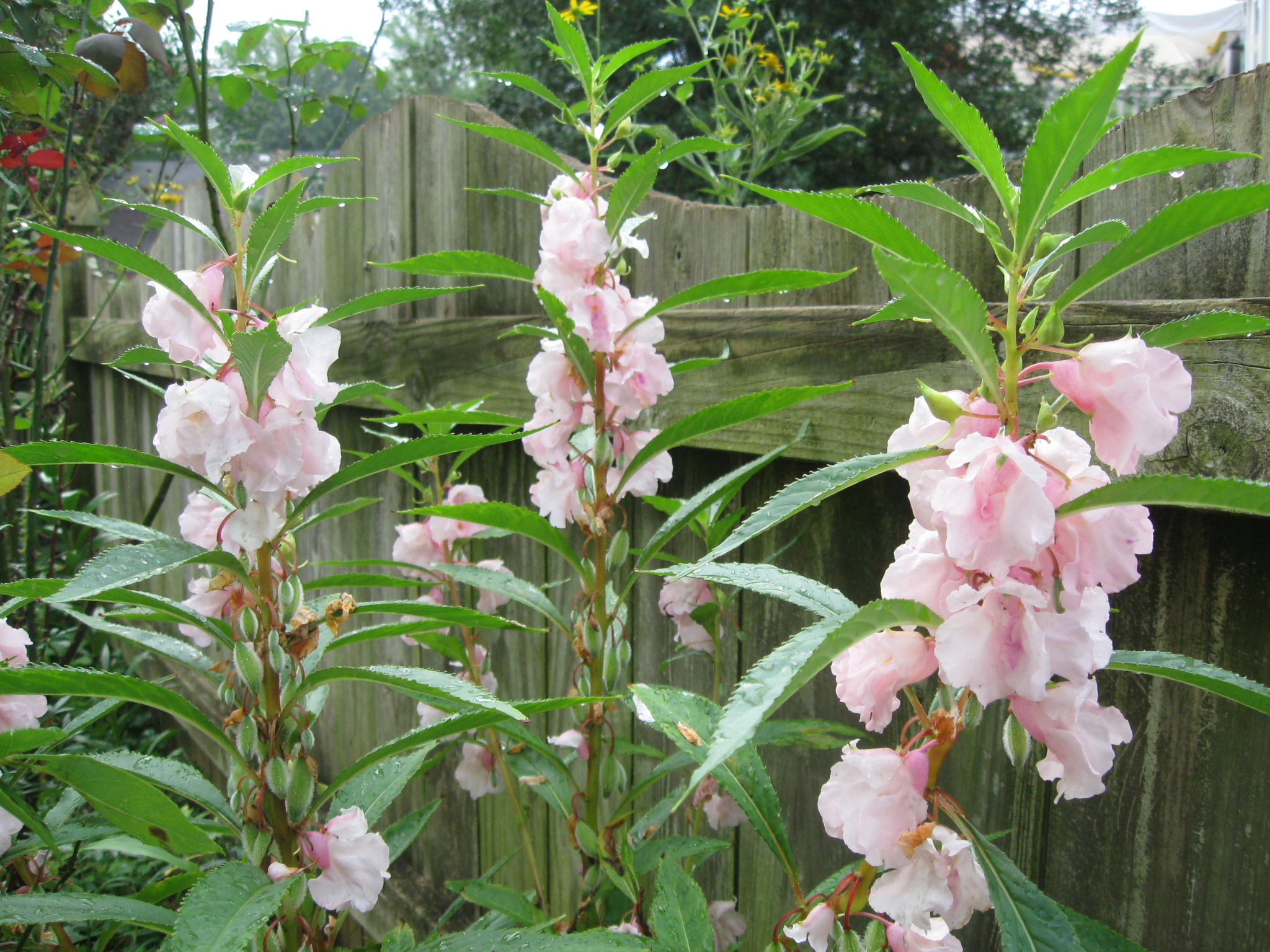
Phlower – Pink Balsam

September brings an end to many of my garden flowers. If they have not gone to seed, they are falling victim to browning blossoms and leaves. I still have an outlet of admiration blooming in a side garden, a lovely pink Balsam I have named Leona’s Pink. My grandmother loved this shade, and so the name is perfect; she cultivated gentle colors in the garden, nothing brash was allowed in her flower beds.

The lovely flowers leave behind large seedpods. I’m hoping to collect many seeds in the next few days to plant next year. The seeds are large, easy to harvest and store for next year’s garden beds. The seedpods are self-scattering, and if care is not taken, can become invasive. Since the small plants have shallow roots and are easily removed, this has never been much of a problem for me. I often transplant the volunteers to new locations in early Spring.

Pink Balsam is posted in Cee’s Flower of the Day Challenge.

Plants – Brazilian Plume Flower

I wonder how I have never before noticed this beautiful plant in my local nursery. Perhaps this is the first year they have offered it, or maybe the quantities are limited and they are quickly bought by those who, like me, adore finding a unique specimen. I know I would have walked right by it if it had no bloom. The leaves are typical of so many common flowering plants, and on their own not that attractive.
I potted the plant instead of planting in a garden bed. I want to bring it indoors and keep it growing through the winter months. One annoying problem is the plant came with a load of mealy bugs. Yikes. I have been painting them with rubbing alcohol, but they are still winning the battle. I might have to resort to systemic insectide, always a last choice for me. I don’t want to lose this beautiful flowering plant.

Brazilian Plume Flower is posted as part of Cee’s Flower of the Day Challenge.

Instructions for growing this plant can be found at The Garden Helper.

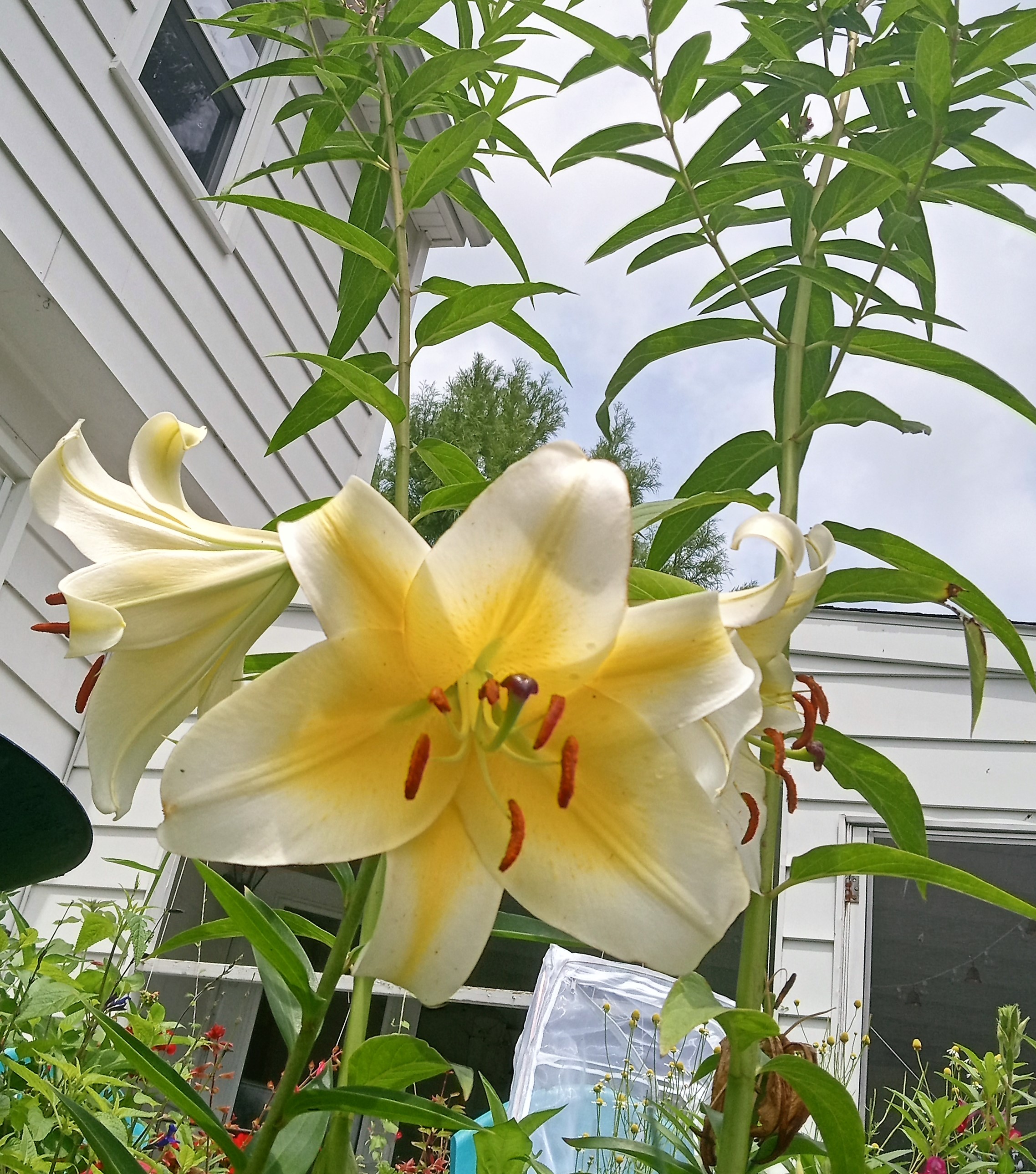
Plant – Colossal Lily

Lilies, yes, they are colossal. A perfect fit for the Monday Ragtag Community Challenge. The flowers are eye level to me, and I am of average height. The petals are a blazing yellow-gold with beautiful rust speckles and pretty anthers. They seemed perfect for Cee’s Flower of the Day challenge. My lilies also fit right in with City Sonnet’s Colors and Letters challenge for June 20th, which is the letter L.

I love taking part in challenges, though at times, try as I might I come up dry. Today the creative juices were flowing and the challenges fit what is blooming in my garden. A big thank you to the Ragtag Community, Cee, and CitySonnet for their daily challenges.