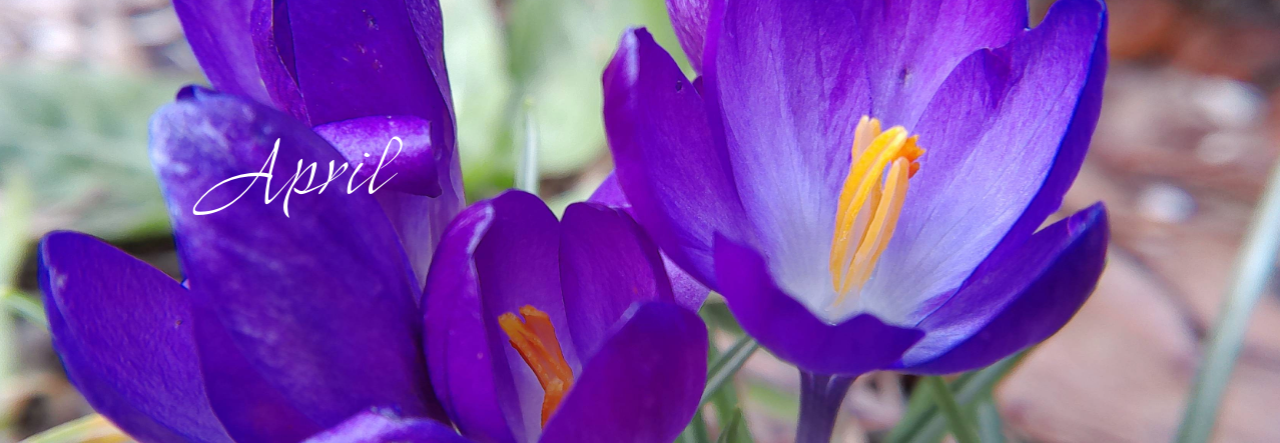
Project – Weekend Project/Flower Pounding

A way to preserve flowers is to pound their essence and color into a sheet of paper. I had some handmade paper, measuring 6×4, with deckled edges. I found it the perfect background for pounding some of my garden flowers.
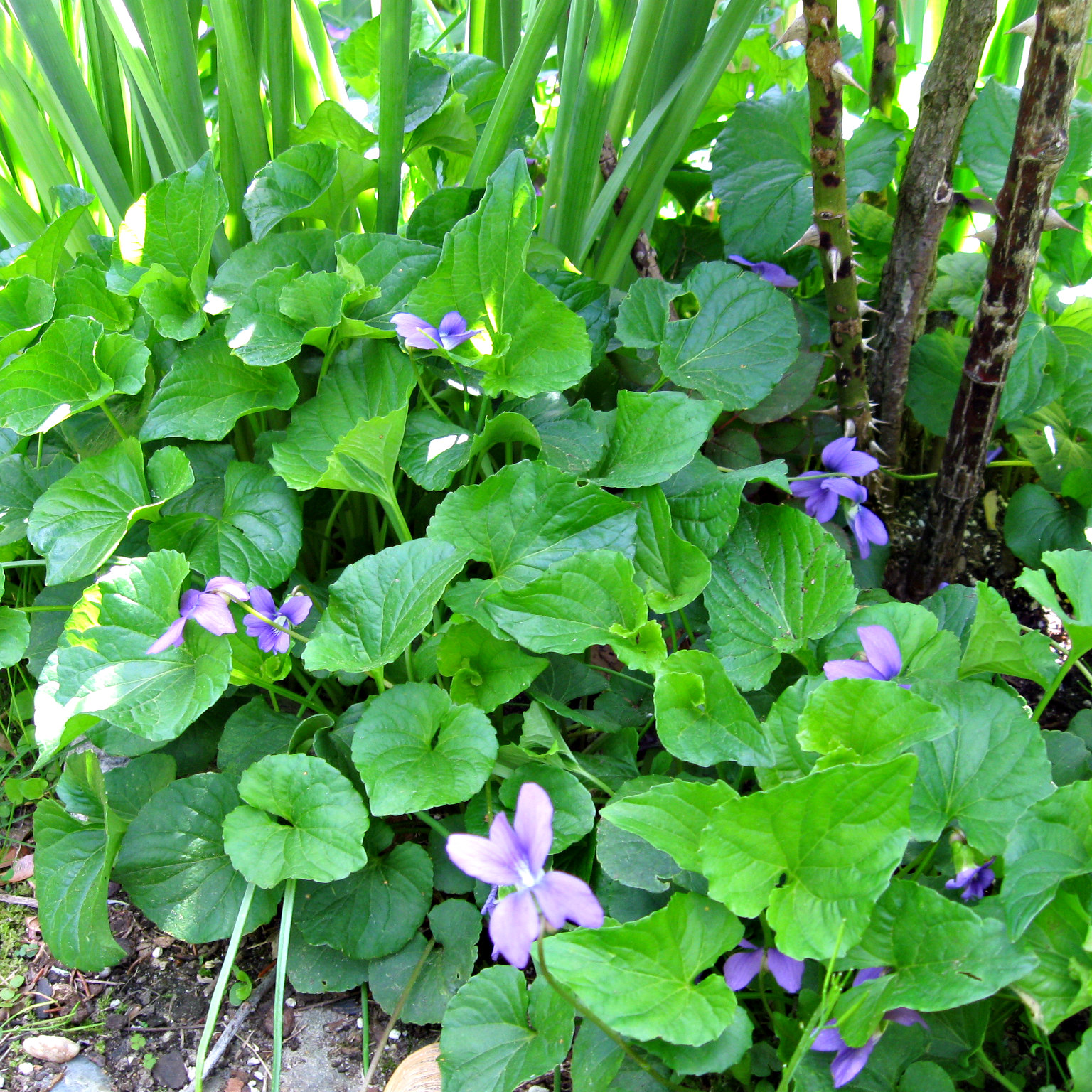
I started my flower pounding with violets. Years ago, I transferred some from the woods into my garden beds. I have hundreds of violets in my grass and flower beds in early spring. I don’t mind them at all. I pull them out if they overwhelm my perennials or annuals. Because they sow seed, there will be many more to take their place next year. They are also a great ground cover for areas I don’t want to weed weekly. The leaves are a host for the fritillary butterfly. 
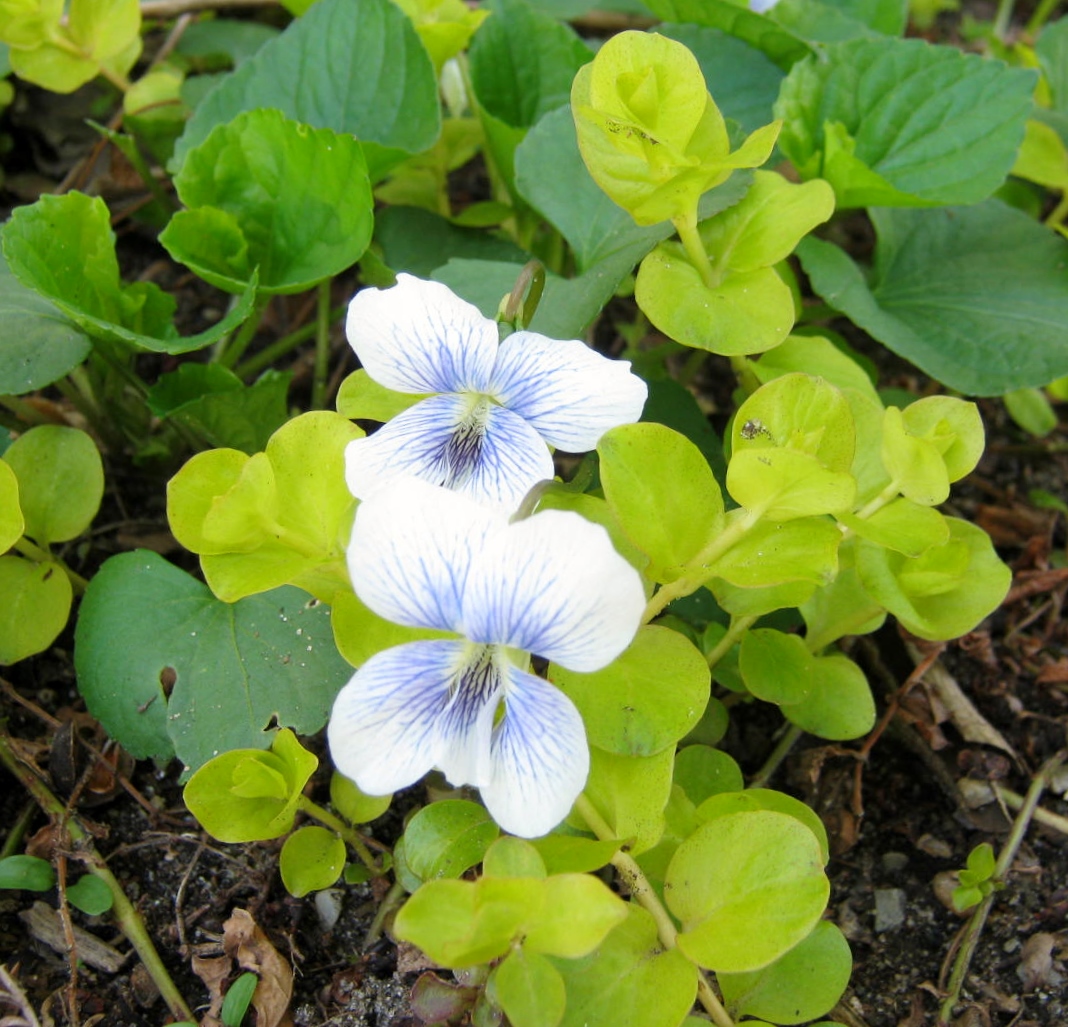
The beautiful violet color is easy to transfer. I place the flowers and leaves on the handmade paper, then, using a piece of tracing paper to see what I’m doing, I place this over the flowers and pound them flat with a small hammer. It is easy to work in a corrugated box based on the floor rather than on the floor itself. Some flowers stick to the handmade paper. I let these sit for a few minutes, and then gently remove them. Voilà, there is an impressionistic-type print of the flowers.

After drying the paper out for about two weeks, I used a 005 permanent marker to create a few lines, using the photos I took before I pounded the flowers as a reference.

I love the way the finished product turned out. I will continue pounding flowers all summer, labeling each pounded flower print with where it was taken from in my garden or other places. At the end of the summer, I intend to make a handmade book containing all the prints.

Phloral Arrangement – IAVOM/Dried Hydrangeas

The hydrangeas I displayed as my IAVOM two weeks ago, have dried beautifully. The colors have deepened into a beautiful purple and sage green. They rustle when I lightly brush them, and the sound reminds me of old book pages. I was so happy with the shade of their flowers that I used them as the inspiration for the Autumn mantel and strayed away from my usual golds, burgundy, and rust.

The hydrangeas are in a vase that, while a bit minty, can almost pass for sage green. I frequently use this McCoy Swan vase for arrangements. Surrounding the vase are gourds we bought in farm markets and garden centers this past weekend. A wise owl looks on the display; his heart-shaped face expresses fond approval of my choices. A wooden mushroom, last year’s birthday present from a sister, seems to fit in with the theme. I love to strew beads and garlands of bells over the mantel in a haphazard way. It adds a bit of interest.

What you can’t see are the old books and other Autumn decorations to the left, all in the same shades. Thanks for visiting and thank you to Rambling in the Garden, the host of IAVOM.

Phlutters – Butterfly House/Red Bank Avenue

Today, I had strange companions along for the ride as I drove to Red Bank Battlefield. Ten caterpillars, mid-sized in their cycle, rode along to become residents of the Butterfly House. The fennel plants collapsed a bit in the heat, but the caterpillars did well.

The house has many butterflies, chrysalis, and caterpillars. The interior is filled with dozens of nectar and host plants.

The volunteers (Butterfly Whisperers) were pleased to welcome and make room for the new residents. The jar holding the fennel sprigs they were feasting on was placed beside a beautiful fennel plant growing in the house.

It gives me great joy to think of all the visitors receiving a bit of pleasure as they watch the butterflies throughout their life cycle.

The Revolutionary War Battlefield, now a historic park, is located on the banks of the Delaware River. Philadelphia’s skyline is in view to the right of the park.

Passages & Pathways Part 2- A Week of Paths/BI and Longwood…Again

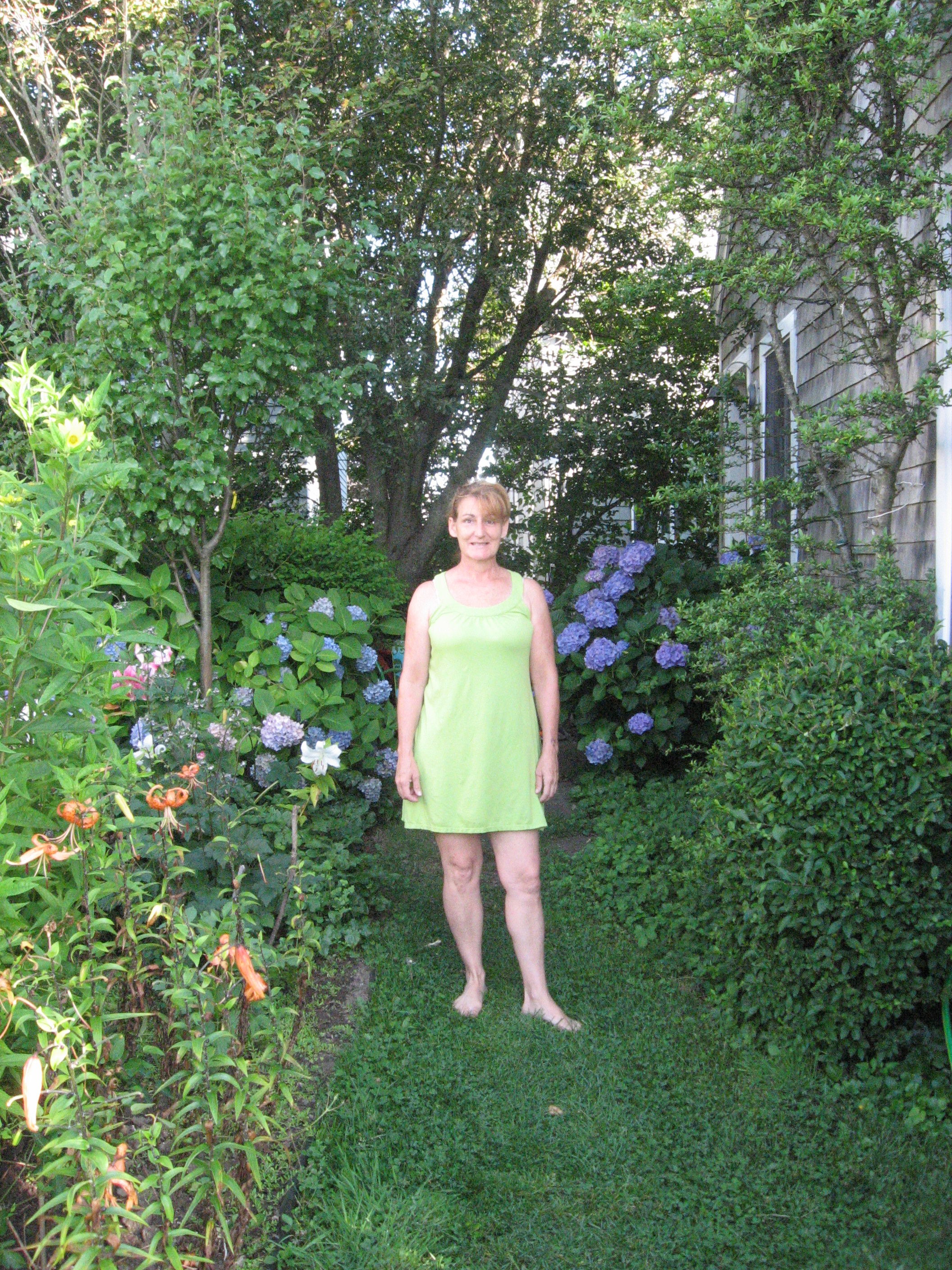
It’s day two of the Pathways and Passages challenge, and I’m still walking the paths of Block Island and Longwood Gardens in my imagination. We often stayed in a Block Island Bed and Breakfast called the Sea Breeze Inn. It’s been well over a decade since we spent a week on the island, but we still remember one of the biggest draws of the place, its beautiful location, and the innkeeper, Gabby. 

In the photograph, Gabby is standing on the path that leads to the room we always booked for our week’s stay. I wish we had kept in touch and could still withdraw to the wondrous room with its high ceilings and comfortable furniture. Every morning, Gabby brought us a basket filled to the brim with a pot of coffee, muffins, Danish pastries, fruit, and many delicacies to start the day. I often wonder where life has taken her, if she still lives on the island, or if she has moved to the mainland. 

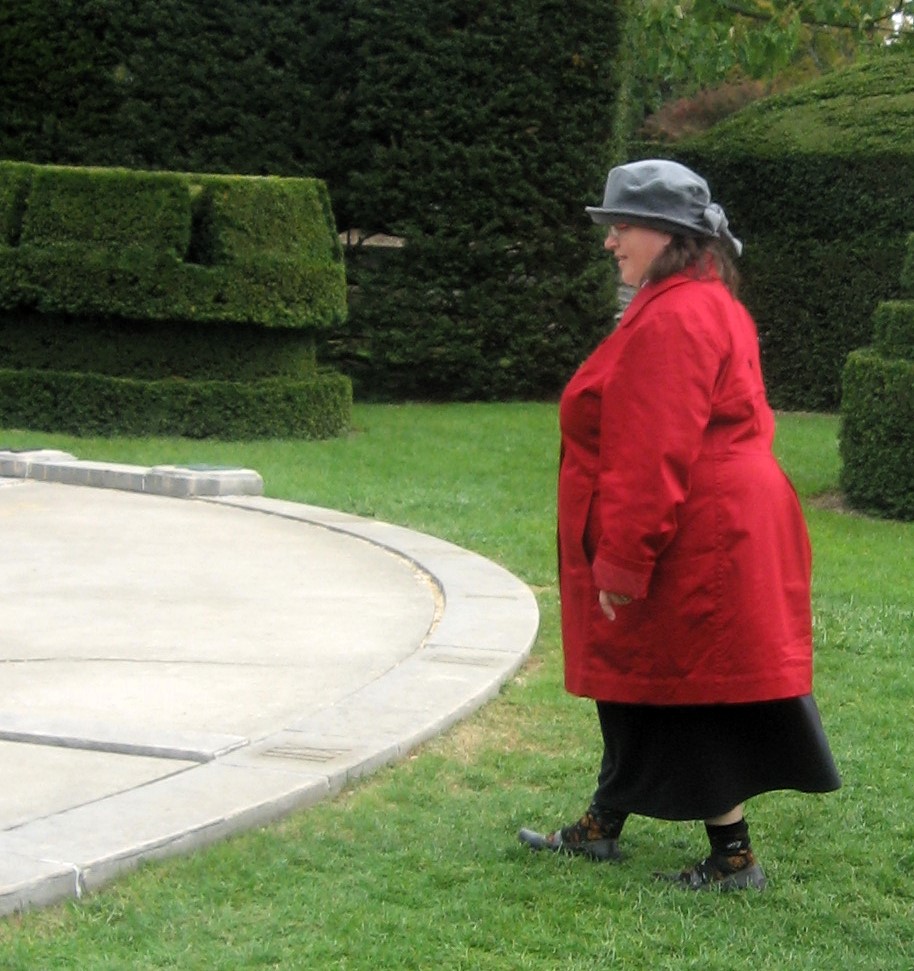
This well-dressed lady piqued my fancy one October day while visiting Longwood Gardens. I didn’t know her, and perhaps it is not polite to take a photo of someone just because you admire their outfit, but I loved her hat with its sassy bow, the red coat, and the posh bag she carried. Her long skirt was the perfect complement to the coat. So cute! In hindsight, I wish I had told her how beautiful her outfit appeared as she walked the pathways in the gardens. The photograph was taken in 2009. One of these days, I will attempt to create a watercolor of her. Fifteen years later, there is a lot of time between my first inspiration and getting around to it. 

Phlutters & Phloral – IAVOM/Queen Anne’s Lace

In my part of Southern New Jersey, the temperature is in the 90s. AccuWeather says the real-feel temperature is around 104°. The hot weather is helping the caterpillars thrive. I have an abundance of them in the Butterfly House and each is born with a ravenous appetite.

Inside the houses, I have Rue, a host plant, and a few sprigs of parsley. The dill in the garden is still only in the small sprout stage since I planted it late. The fennel is suffering a bit in the heat, and since that is where most of the eggs for the Black Swallowtail Butterflies are laid, I don’t want to use it all. My goal is to concoct the perfect caterpillar feast for strong butterflies.

Queen Anne’s Lace, a host plant, is in bloom now, and the tall umbrella spires grow in hedgerows near my home. I took a walk with my cutting sheers in the hottest part of the day in hopes of collecting the wildflowers.

Unfortunately, the Queen Anne’s lace was not where I expected it to be. The sprigs I had seen a week or two earlier had bloomed and gone, and my walk became longer than I had planned. I did find more growing along the edge of the woods and cut several stems. By the time I got home, they were significantly wilted, and I wondered if I could use them as I had planned for the IAVOM challenge and afterward as food for the caterpillars. The Queen Anne’s Lace stems drew up water and eventually recovered. I used a Coca-Cola bottle as a vase.

Butterfly tip: The Queen Anne’s Lace, though the blossoms become frail, has stems that stay firm even after drying out. They are perfect for a caterpillar to use to form its chrysalis.

Phlutters & Photo Challenges – Cosmic Photo Challenge/Contrasts

Yes, you are correct if you think this blog becomes inundated with butterflies at this time of year.

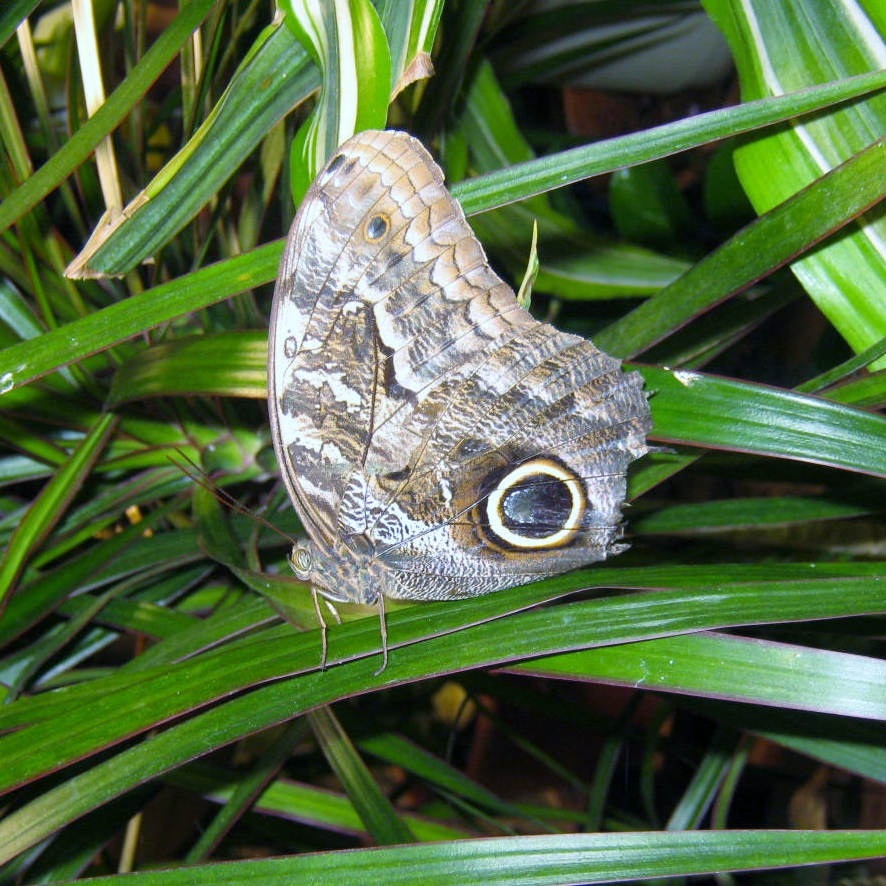
Today’s photographs are part of the Cosmic Photo Challenge, Contrast. The markings on the butterfly are an excellent example of contrasting colors. The butterfly contrasts nicely with the garden plants he rests upon as he finishes drying off his wings.

Another good contrast is the natural support of the butterfly chrysalis on the left compared to the one on the right. I save so many caterpillars; they sometimes bump finished chrysalises right off their mooring of spun web. I found the chrysalis in the papoose-like sling of string lying on the floor of the butterfly house. I am hoping it will develop properly and emerge perfectly.

  • When I use string to repair a chrysalis resting place, I separate garden twine into single pieces. This is as close as I can come to mimicking the web they spin. It doesn’t harm the developing butterfly. I’ve had two emerge and fly off into the wide world after being put back into place with garden string.

Phlutters – A Tragic Tale/Butterflies Part I

I had a rude awakening to one of the perils butterflies and caterpillars face. In mid-spring, expecting the butterfly chrysalis to hatch at some point, I brought the butterfly houses out to the porch and hung them from the ceiling. One day, checking them, I saw a delicate wasp of some sort had gotten inside the house and was trapped. Being a bit of a bleeding heart, I shooed the wasp out and felt I had done my good deed for the day. Wrong.

Two more wasps, surprisingly to me, also found a way into the house. I let these out also. Afterwards, I looked at the seven chrysalis on the sides. What! There was some type of hole in the sides of a few. I knew some parasite had attacked them.

When another wasp suddenly appeared in the house, I knew that it would not appeal to my softheartedness; I squashed it.

Trogus Pennator Wasps eat the swallowtail caterpillars from the inside out and emerge from the chrysalis. I can attest to the truth of this remark. Three overwintered chrysalis have opened in the past week or two, and beautiful Black Swallowtails have taken wing after the long wait. I have seen them fluttering over the fennel plants, and sure enough, I found several of the tiny eggs on inspection.

This weekend, small caterpillars appeared. I have twelve safely in one of two, new butterfly houses. I have also kept the older one from last year. Now that I have seen one of the parasitical threats they face firsthand, I will redouble my efforts and save as many as I can manage.

I will be keeping a 2024 Butterfly Diary. The link is here: Butterfly Diary 2024. It can also be found at the top of the blog page in the bar beneath the title. I will try to create a sidebar link too. Thanks so much for following the butterflies with me.

Plant & Perspective – Milkweed Fluff & My Year of the Dandelion

One of my first memories of outdoor fun is chasing fairy wishes. I associate my parents and Mom’s cousin, whom I called Aunt Norma, with my first recollection of fairy wishes. The premise behind catching one was the fulfillment of a wish. Upon capturing the wish in your hand, you whispered your hope or dream, and then, and this was important, you had to let it go again.

The beautiful fairy wishes in the photograph were captured as they unfurled from a milkweed pod in my back garden. Anyone, who has read my blog for any length of time, knows I am a bit obsessed with helping butterflies thrive in my garden. I grow common milkweed as a host plant for Monarchs, fennel, dill, parsley, and rue for Black Swallowtails.

My prayer is that God helps me ride the winds of the written word, just like a milkweed wish, to spread the Good News of Salvation and His Love far and wide.

Jesus said to him, “I am the way, the truth, and the life. No one comes to the Father except through Me.

John 14:6

Plants and Photo Challenge – Cosmic Photo Challenge/What’s Flowering

The beautiful moss spores are my choice for The Cosmic Photo Challenge/What’s Flowering Where You Are? Before the recent snowstorm, I grabbed my camera and took a woodland walk. I was amazed at the vivid green of the mosses and lichens. In places where the sun shone through the branches, I noticed some of the mosses had already sent up spore capsules. I’m going to stretch and say these are a type of bloom.

If I had to rate these moss spores for beauty between 1-10, they would receive a 10+ from me.

Skunk cabbage has also emerged in the dead of winter. Here are some of the ‘knobs’ before the snow covered them. I read an amazing fact on the PFEIFFER NATURE CENTER site: some skunk cabbage plants can be over 100 years old. Wow, I will feel a bit more awe over them when I take my next woods walk.

Next time when I become a bit winter-worn and weary over the cold weather, I’ll remind myself of those skunk cabbages never giving up.

As always, lichen on fallen branches are a welcome touch of green.

Whatsoever is Lovely? Definitely the small and delicate bits of green I found in the woods. I wish I could have a large garden plot filled with mosses and lichens in the winter.

Quick Tip – Jasmine Vine Support

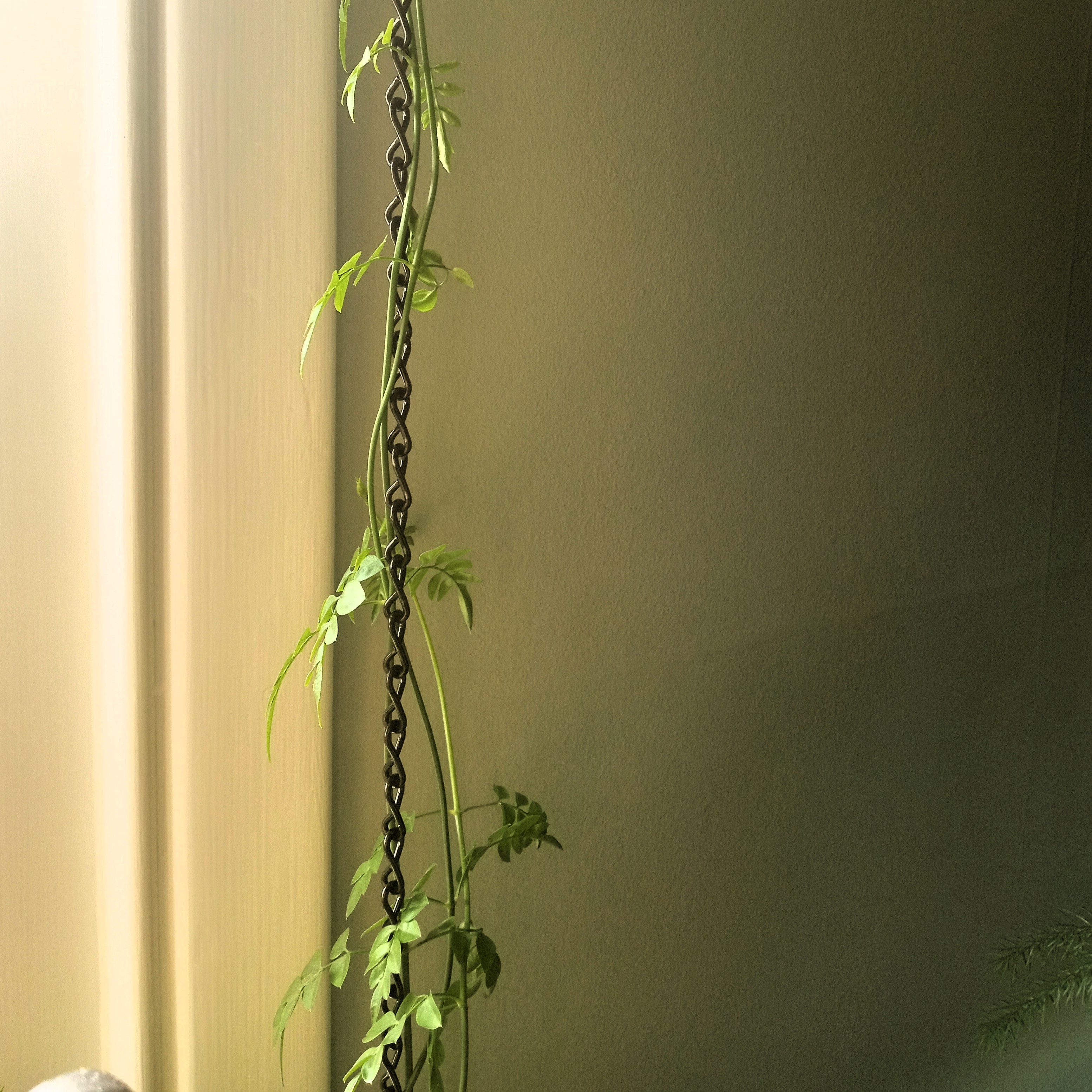
The smell of Jasmine is terrific. I love growing the plant indoors in the winter and outdoors on the porch in the summertime. I found a vining variety a few months ago, and it quickly thrived and outgrew its pot. After transplanting, the vines took off, sometimes appearing to grow an inch or two a day. I am hoping for a lot of bloom in the Spring, so I didn’t want to cut it back, but I needed portable support.

What I chose as support was inexpensive and light, and it works great with a shower curtain hook. A length of delicate chain cut the height of the window frame and attached with any hook allows the Jasmine vines to twine and grow upward. It hangs loose; attaching it to the pot or plant is unnecessary. Thigmotropism is the growth process that causes the Jasmine to twine and climb.

In plant biology, thigmotropism is a directional growth movement which occurs as a mechanosensory response to a touch stimulus. Thigmotropism is typically found in twining plants and tendrils

Wikipedia

The Jasmine is behaving perfectly. I will unhook the chain in late spring and carry plant and vines onto the porch.

Phlowers & Perspective & Project – The Year of the Dandelion


I enjoyed a quick walk on this second morning in January. The air, crisp with cold, was stimulating, waking me up and opening my eyes to the beauty in the winter landscape. The limbs and twigs of the trees against the chilly sky are God’s sculptures raising their arms toward the heavens. I could almost imagine them beginning to sing.

I searched for dandelion cones with fluff emerging from their tips. I am partial to dandelions; in fact, I have named 2024 my year of the dandelion. I want to be as productive and as resilient as this beautiful plant.

What do I love about dandelions? Perhaps it’s the color and shape. The flower reflects the Sun. I admire the resilience of dandelions. They will bloom wherever they can and grow lushly, even within the cracks of the street and sidewalks. Just today, I photographed this determined plant thriving in the smallest of spaces between the curb and the blacktop. I have read recently that one dandelion plant can produce up to 2,000 seeds. I hope to be as productive as the dandelion and spread as much GOOD NEWS as possible.

Here’s a fun project to do with children. You can string the unopened pods of dandelion seeds onto a piece of thread, and within 24 hours, they change and open up into perfect spheres. It’s so easy, and if you choose the right place, they will reflect the sunshine and glow and bring a touch of magic into the room. The photos below show the process. So much fun!

The candy is light enough not to break the string but heavy enough to give it a bit of weight. I love bringing a touch of whimsy to winter days.

Photo Challenges – Nature with a touch of Man

“Make the best use of what is in your power, and take the rest as it happens.” ~Epictetus

On our recent winter nature walk we came upon this arch crafted by some creative tree trimmers. I love the way they fashioned the arch to fit back into the surface of the smooth tree trunk.

“Start where you are. Use what you have. Do what you can.” ~Arthur Ashe

Promise and Purpose – Walkabout

Walkabout 1

When I need rest for my soul I often expend physical energy in walking. An unhurried stroll along a forest path, beside a bubbling stream, or on a sandy beach always gives me a mental boost. I look down at the treasures of nature at my feet, I look up at the beauty of the skies, I feel the breeze, wherever my senses alight there seems to be a sense of peace waiting for me. The Sabbath is a good day for a long, uplifting walk. Blessings to you on this day.

Walkaabout 2

Place – Butterfly Room @ Academy of Natural Sciences Part I

academy of natural science 013

The Academy of Natural Sciences in Philadelphia is a nice outing for all ages. My favorite exhibit is the Butterfly Room. You can find more information here: Butterfly Room at Academy of Natural Sciences

academy of natural science 006

I was fascinated by the cocoon hatching area.

academy of natural science 019

The butterflies are attracted to the yellow walls of the room.

academy of natural science 008

Maybe the butterfly in me is why I am attracted to yellow walls. SMILE!

Phavorite – Coleus Plants in my Garden

blog 072

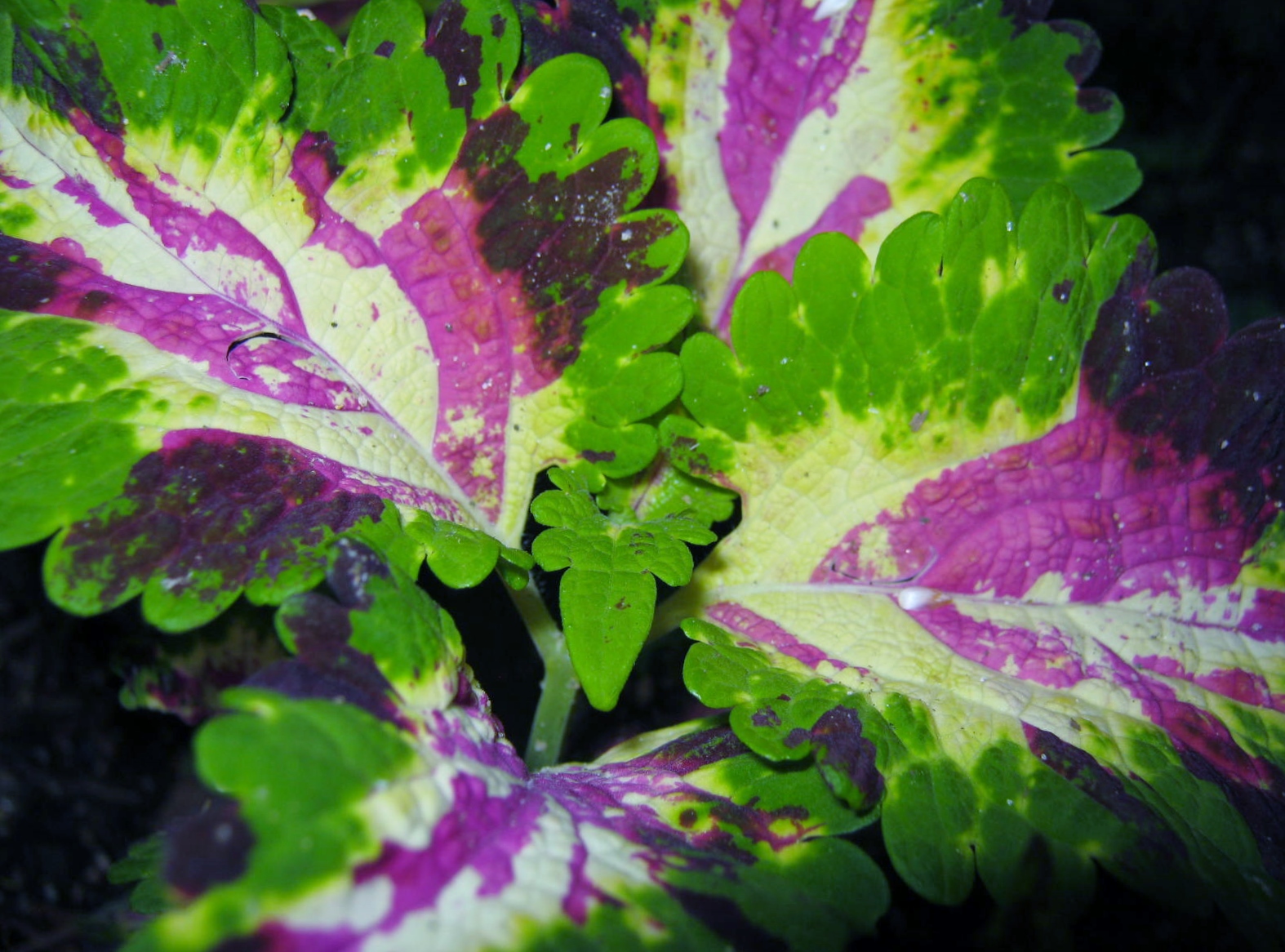
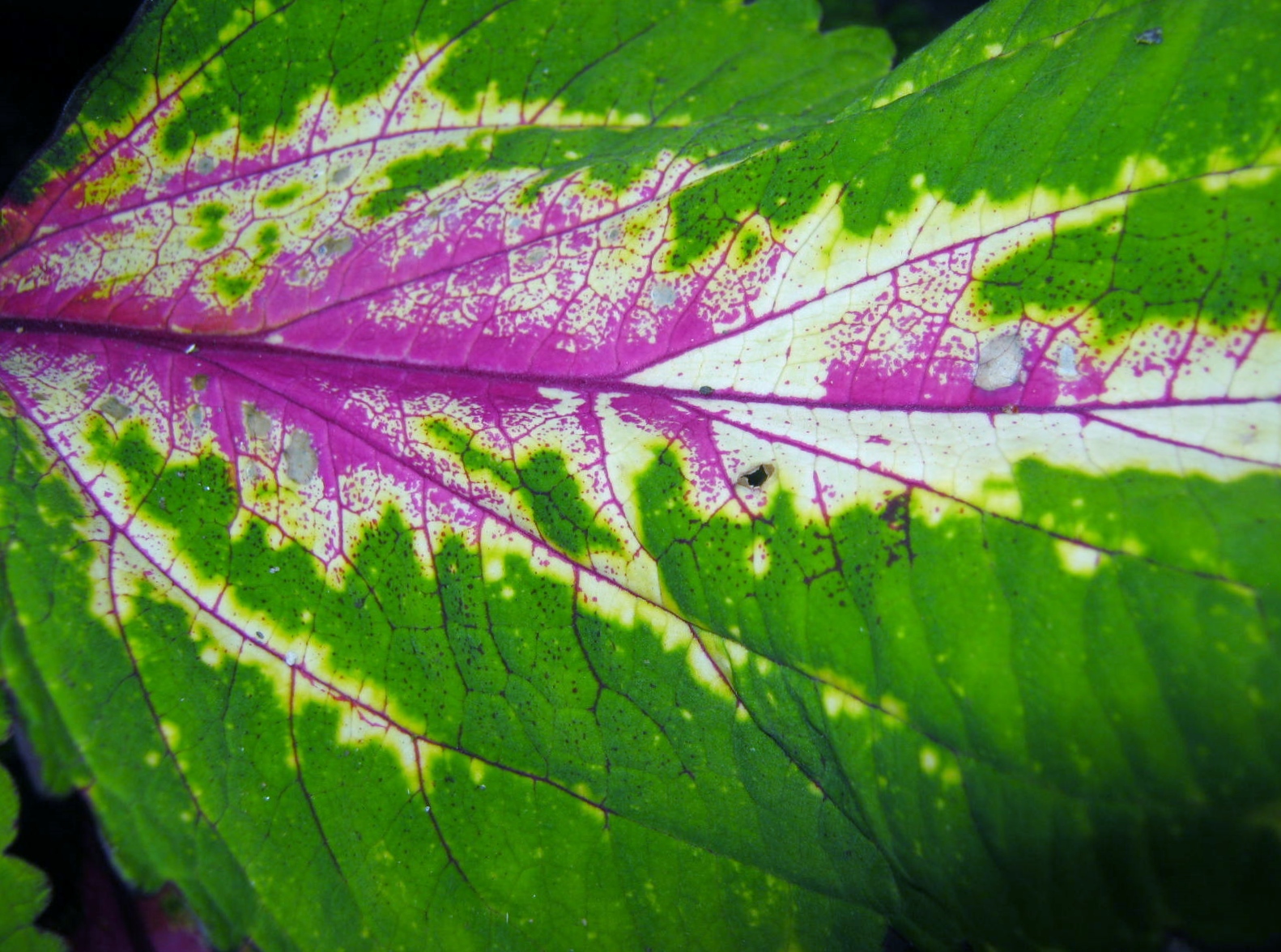
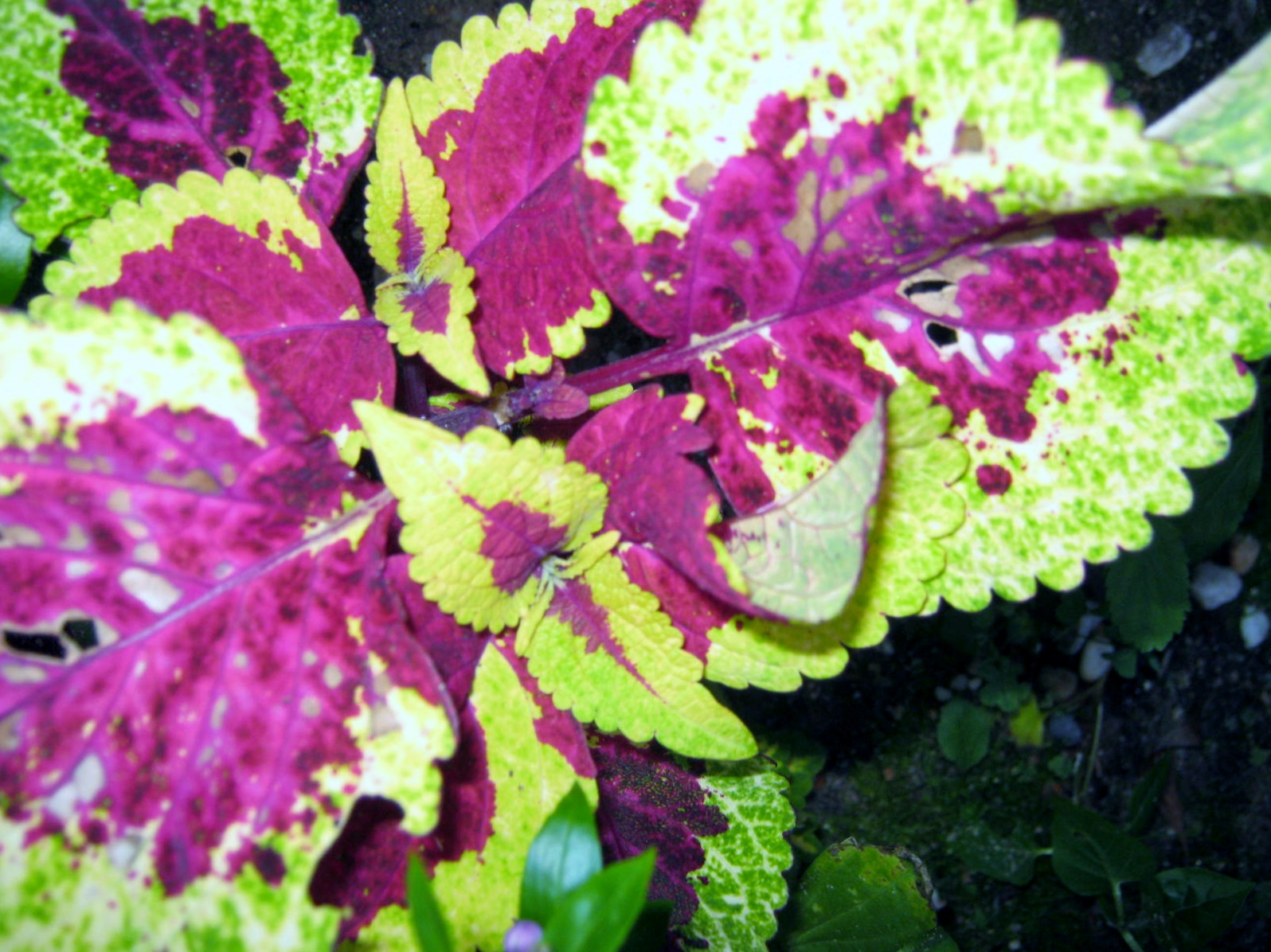
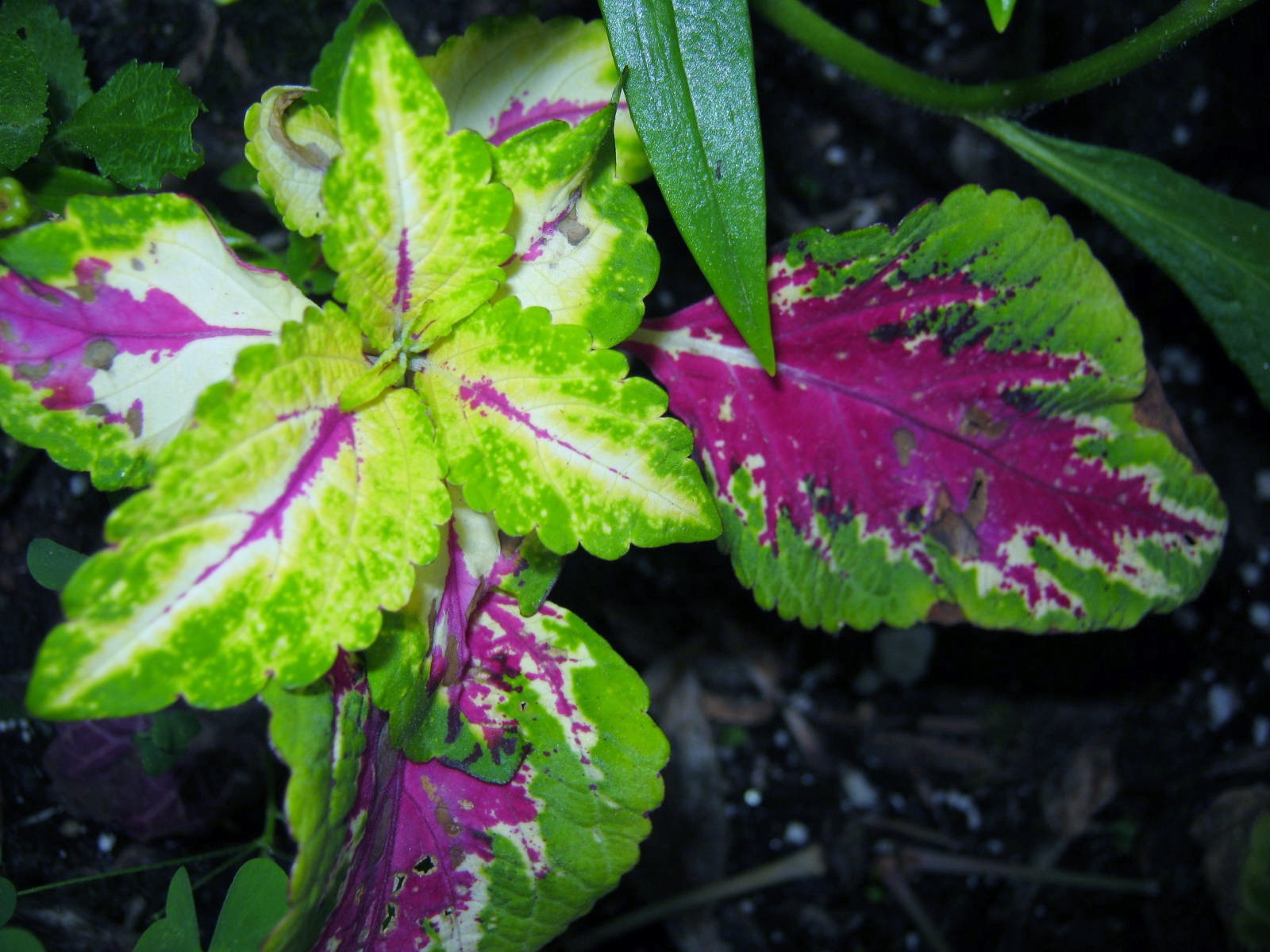
Here are a few samples of my “phavorite” coleus leaves and plants this season.

blog 073

blog 074

blog 078

blog 081

blog 084

blog 085

blog 086

blog 087

blog 088

Peace – The Cardinal

cardinal 001

On a gorgeous sunny morning last week I noticed there was a nest in my vitex tree. Can you see the lady cardinal incubating her eggs? What is it about a nest that fills our hearts with joy? Perhaps it is the promise of new life waiting to burst out into the world.  For me, it is also a reminder of how very much the Lord God loves us all.

“Therefore I tell you, do not be anxious about your life, what you will eat or what you will drink, nor about your body, what you will put on. Is not life more than food, and the body more than clothing? Look at the birds of the air: they neither sow nor reap nor gather into barns, and yet your heavenly Father feeds them. Are you not of more value than they? And which of you by being anxious can add a single hour to his span of life? And why are you anxious about clothing? Consider the lilies of the field, how they grow: they neither toil nor spin, yet I tell you, even Solomon in all his glory was not arrayed like one of these.” Matthew 6:25-34

I’ve included a link to information on Cardinal egg incubation. I think I can expect to hear the peeping of babies next week. Cardinal Incubation Period and Hatching

Cardinal 007