Plant & Problem-Solving – Campanula punctata

IMG_1453

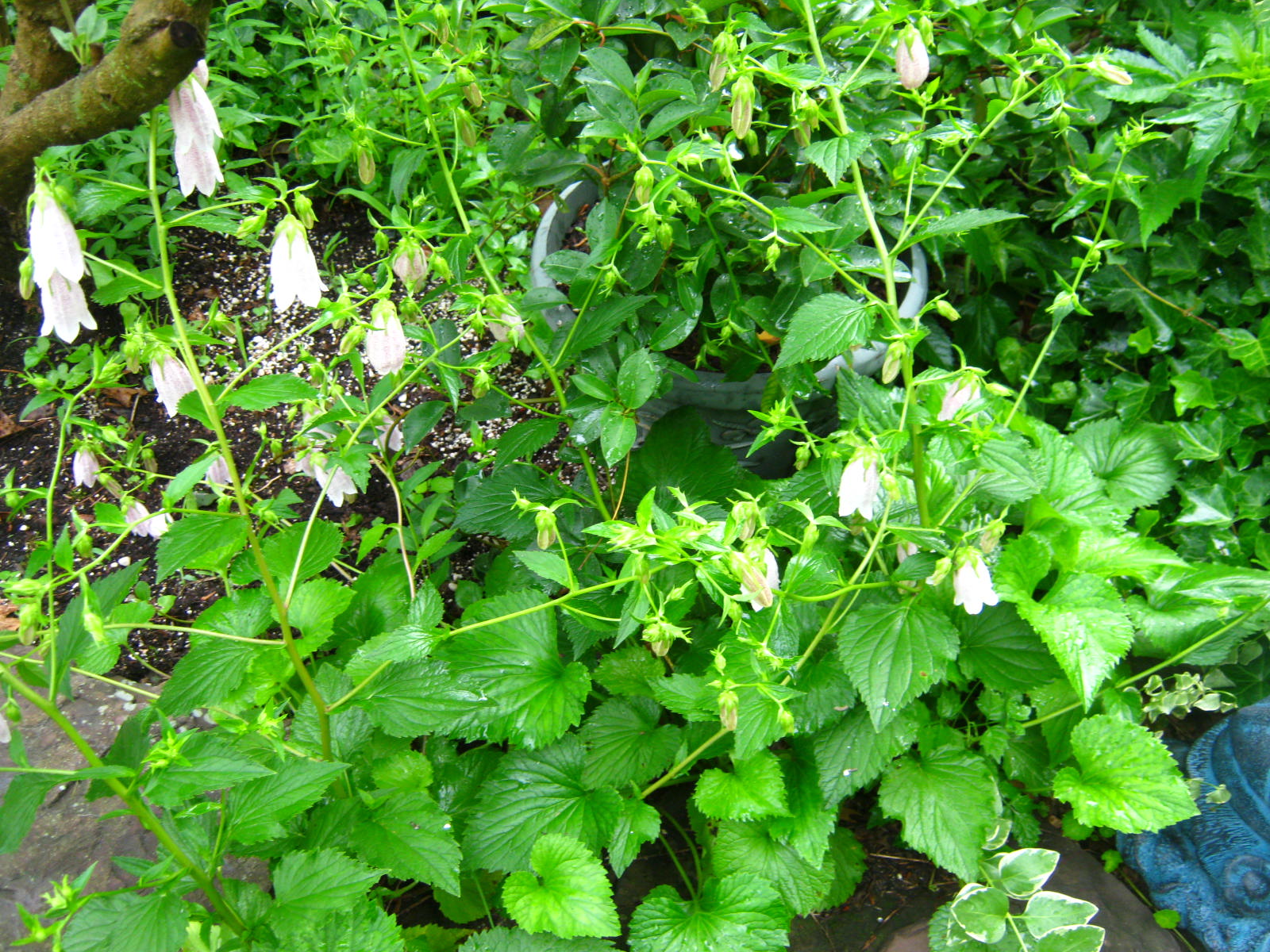
I’m a little embarrassed to admit an error I have made for several years. My mistake? Cutting down and actually trying to root out the beautiful plant in the photograph above. The reason: I forgot I planted it, and the look of the foliage reminded me of a rampant weed that invades my garden. So of course, I worked hard each Spring to eradicate the intruder from my flower bed.
IMG_1455

This year the foliage returned, lusher and more determined than in past years. Because the extra-snowy winter we experienced had killed off many of my bushes and perennials, I decided the glowing foliage really wasn’t bad in appearance, and perhaps the green would be a good foil for the mandevilla plant I was growing in a pot nearby. Imagine my surprise when small buds began to form. I decided they were going to open into the insignificant flowers of a weed. Within a few days the buds became more interesting, opening a week or two ago into beautiful purple-flecked bells.

Oh my, I’m in love with this plant. I researched the flower image on the Internet and identified it as Campanula punctata, commonly known as a bellflower. Campanula punctata can be a bit invasive, but is also graceful, beautiful, and as my cutting revealed…very persistent in growth. Once again, I’m reminded to write every plant name and location down, and keep a permanent record of all my garden plantings.

IMG_1452

Here’s a bit more information on this lovely plant: Campanula Punctata

Pleasures & Plants – Volunteers 2014

In blog posts of past years you will find me praising the season’s “volunteer” plants. Volunteer plants are those whose seeds have slumbered in the earth through the winter. These seeds spring to life when the temperatures become warm. Volunteer plants are one of the top reasons I don’t mulch my flower beds. Besides being filled with unwanted chemicals and dyes, a heavy layer of mulch smothers any hope of volunteer sprouts seeing the sun.
IMG_1439

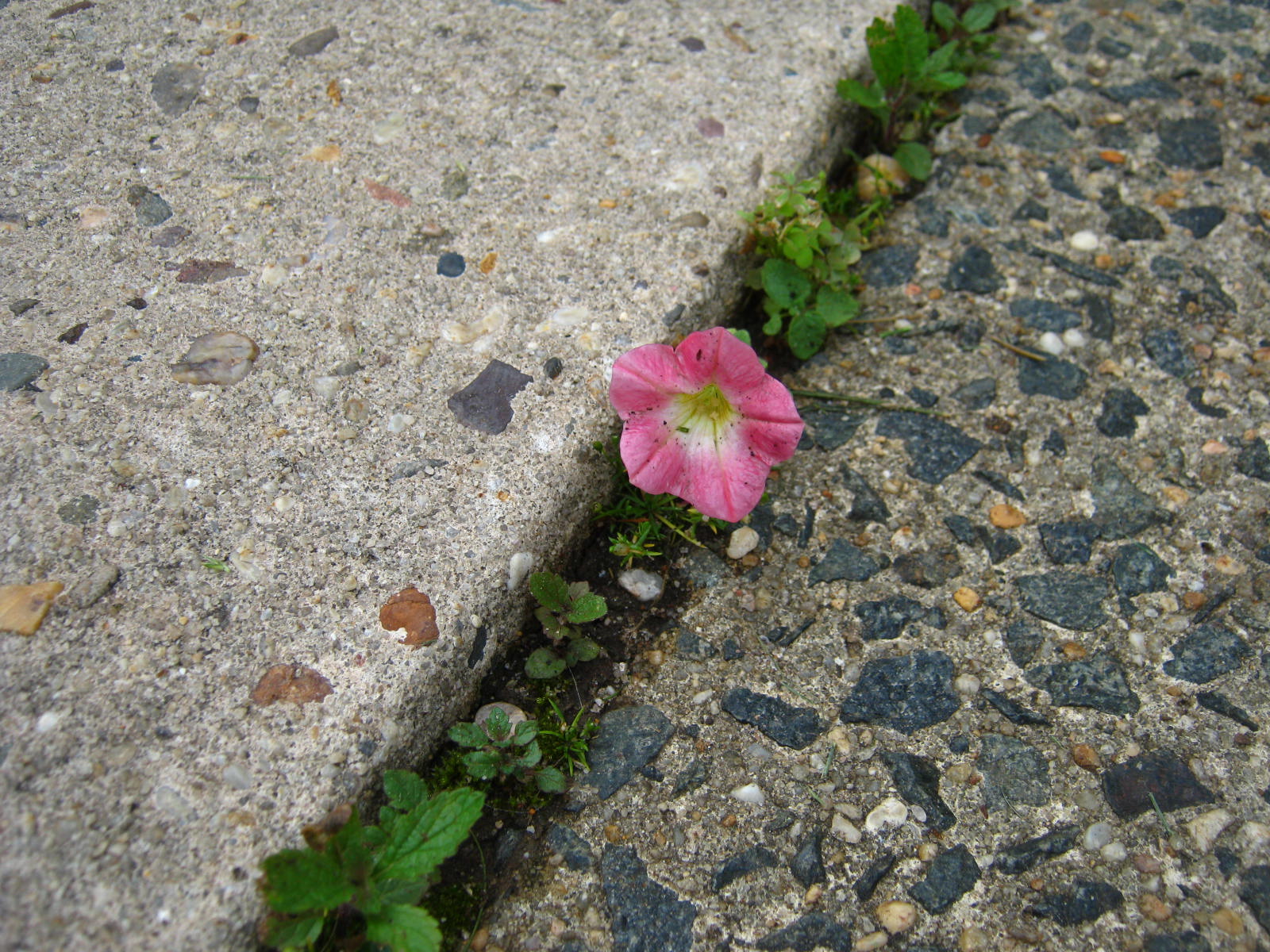
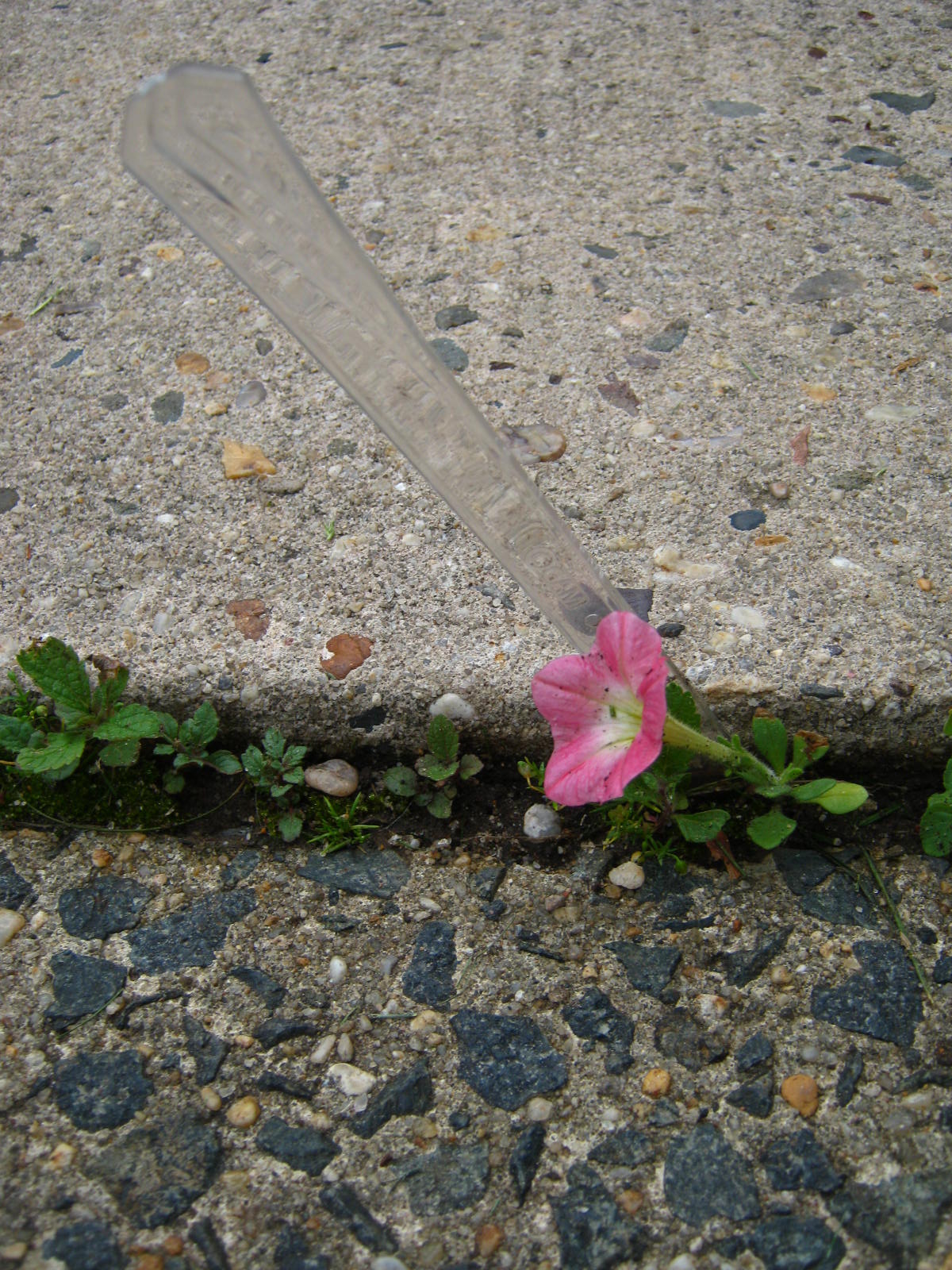
When I spotted the pink trumpet of this petunia growing in the crack of my front sidewalk I was astounded. How had the small plantlet survived the tromping feet of my grandchildren, the mailman, myself and my husband, and other visitors who come to my front door? I knew I had to try and save the petunia. It was definitely living on “borrowed time.” Sooner or later the sole of a shoe would smash it’s tender blossoms and leaves into the unyielding surface of the concrete.

I knew that pulling the petunia from the scant dirt between the sidewalk blocks would be doom. The roots that it had so steadfastly sent into the soil would be torn away and the plant would wilt and die within an hour. What was the solution? Perhaps I could loosen it a bit with a plastic knife, and then gently tug until I could pull it away from the confines of the concrete.

IMG_1440

IMG_1441

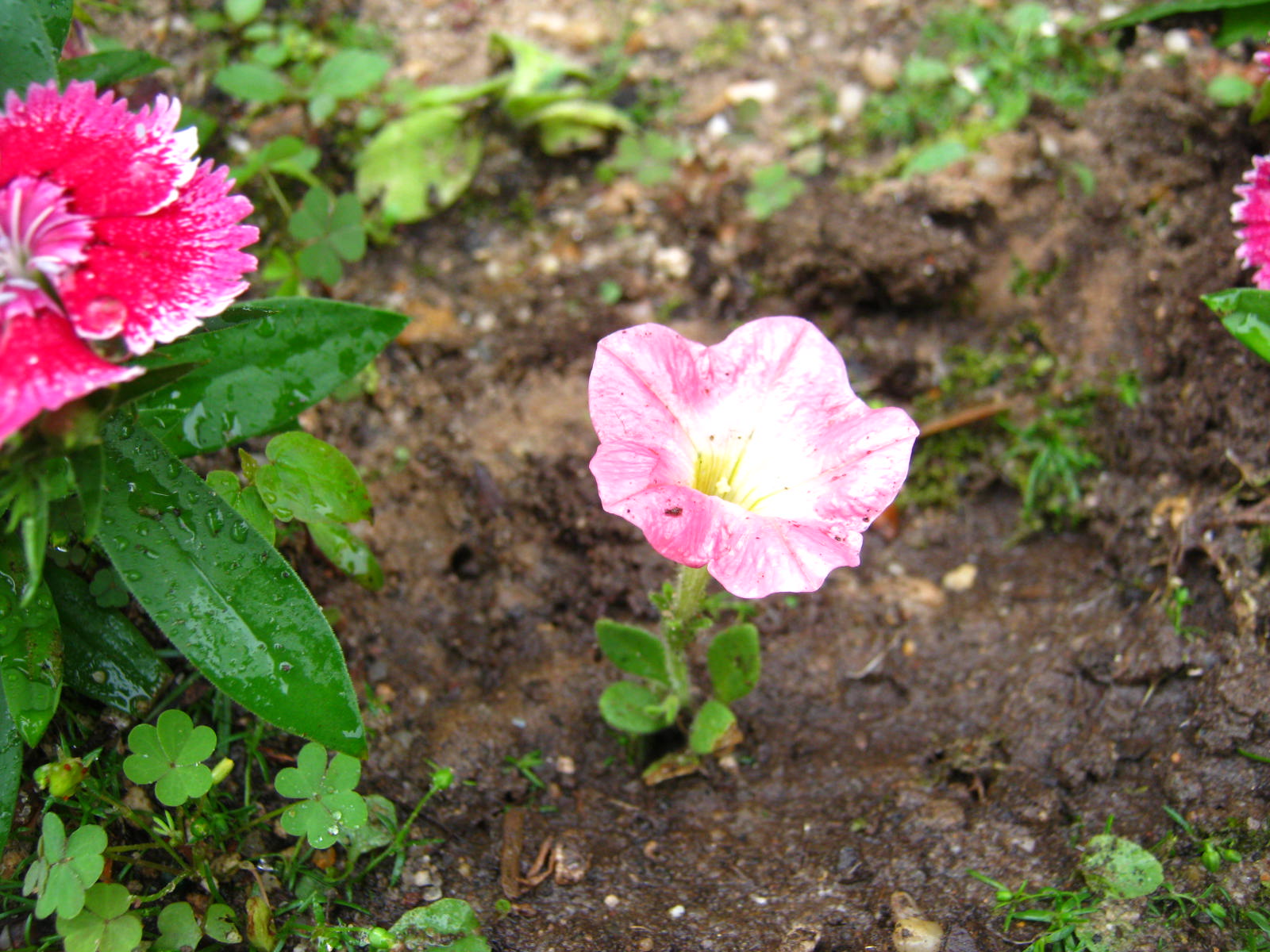
Happily, for both of us, the knife worked. The plant loosened its grip, I tugged, it left its first home. The small petunia is now planted in a bare spot in my front garden. After the passing of several days, it is still alive and thriving in the hot summer sun of June.

IMG_1444

I have dozens of volunteer plants springing up in my gardens. At times I let them grow where they have begun, but often I dig the sprouts up and move them to bare spots. Happy Gardening!

IMG_1450

IMG_1447

IMG_1460

Check out this terrific article on the Mother Earth News Website: Volunteer Plants: A Garden Bonus

Pots & Pans & Plants – Crockpots and the Joy of an Herb Garden

IMG_1433

Over the years I have grown herbs, both culinary and medicinal. I use my fresh herbs constantly. During the last few winters I have been able to purchase organic herb plants in the produce section of my local grocery store. I now use fresh herbs year-round.

In the summer I am often busy and need to make a quick meal that will not heat up the house. To cook a delicious and super-easy dinner, I place four turkey legs and a dozen small red potatoes into my crockpot. I add about a cup of water to these ingredients. As the turkey cooks juices will mix with the water and create a delicious broth for gravy. Salt, pepper, a touch of garlic powder, and some wedges of onion complete the meal. Cook on low for 7-8 hours, or at high for 5-6 hours. The house will smell like Thanksgiving even if it’s summertime. An added bonus for me is heaping the top of my food with freshly-picked herbs. The herbs in this photo are: chervil, oregano and thyme. (Sage & parsley are great additions too.) The smell is intoxicating. Happy Cooking!

⭐ This crockpot meal will feed four adults. It is easily halved for two people. The amount of water added should stay the same.

Follow Me on Pinterest

Plants – Bougainvillea

IMG_0584

I love Jamaica and the beautiful tropical plants and bushes that grace the landscapes and beach areas. One of my favorites is the bougainvillea. Last year I was able to purchase plug/starter sprouts of bougainvillea. Each plantlet was about twelve inches with a spray of flowers on the end. I planted them in a garden bed where they did fairly well. When the weather turned cold I brought them indoors. The bougainvillea are planted in pots this year, happily growing on my back porch.  New growth is beginning to form on the ends of their branches.

IMG_1330
My garden bougainvillea

Bougainvillea grow outside year round in some of the sub-tropical regions of the US. Here is a website with terrific facts and tips on how to grow this beautiful plant. How to grow Bougainvillea

Jamaican Bougainvillea plants

IMG_0788

IMG_0789

IMG_0787

The plants can also be found in some nurseries and garden centers. If you are lucky enough to run across one of these plants give growing one a try.


Plants – African Violet/Stunted Growth Part II

The stunted violet in yesterday’s post will never become an attractive plant again. What to do? Toss it and buy another, or attempt to start a new plant from a few of the healthier leaves. Since it is summertime, most of my houseplants are having a vacation on the outdoor porch. I have plenty of room on my indoor plant table so this is a perfect time to root some cuttings inside.

IMG_1244

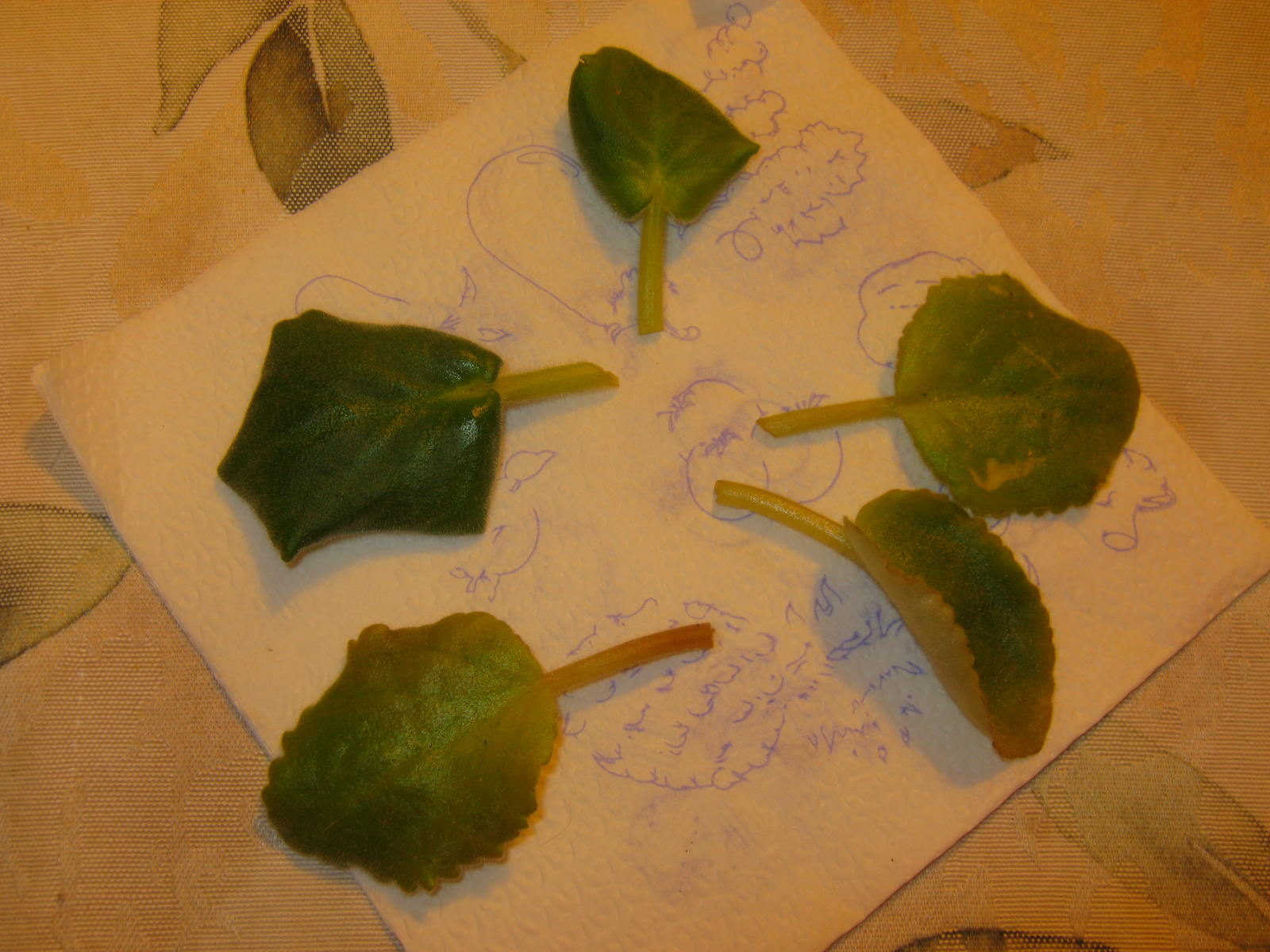
First I will take a cutting with an inch or two of stem. While searching the Internet for good information on taking cuttings I came across a new garden site I hadn’t seen in the past. Take a look at this informative page: The Garden Helper/Cuttings

IMG_1245

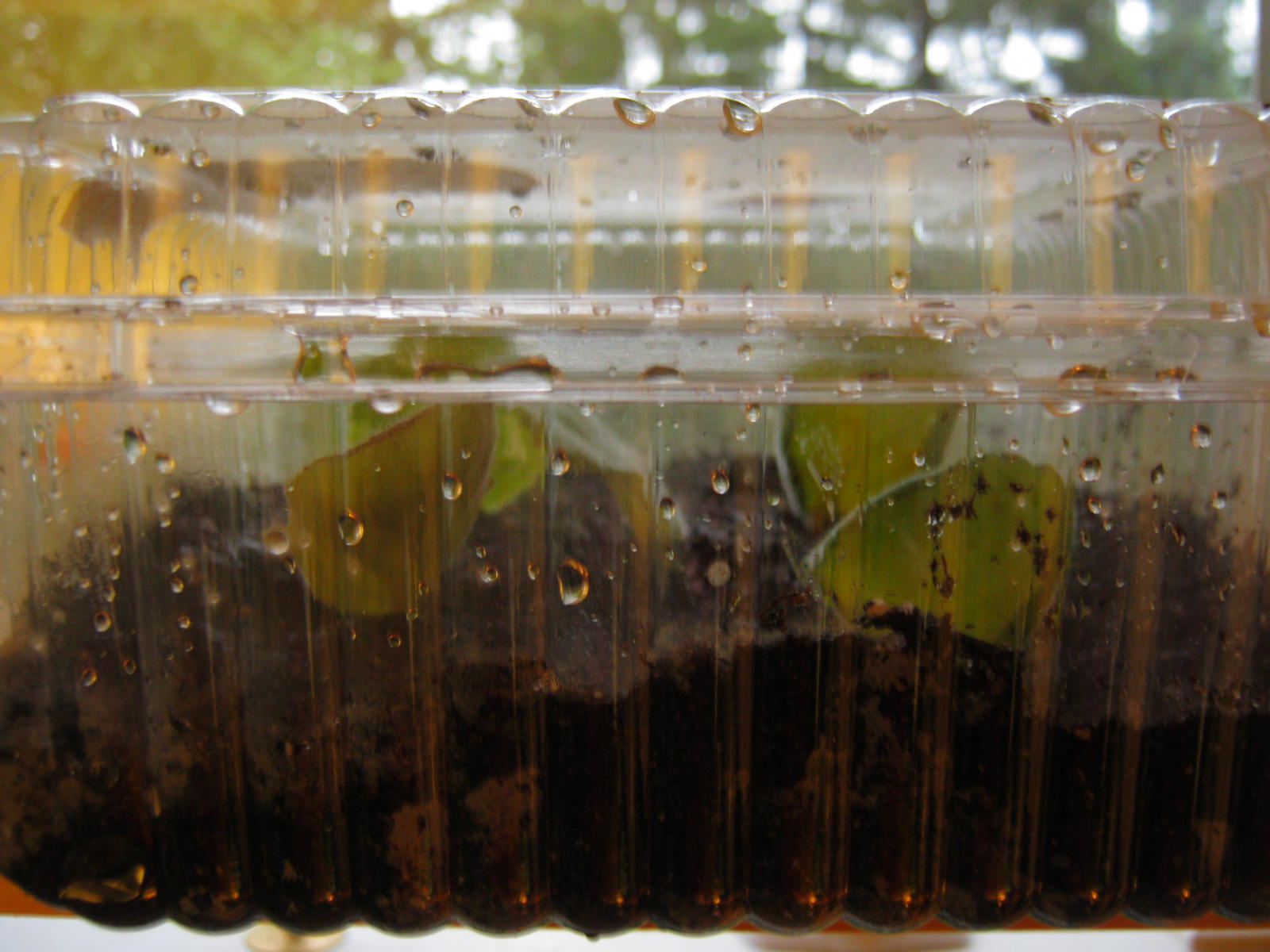
I’ll let the leaf-cutting dry for a few hours to harden the end of the stem a bit. I’ll prepare a container of sand and loose potting soil, and make a hole with the end of a pencil. After dipping the cutting in honey I will place it in the dirt, firm the soil around the stem, and close the top to keep in the humidity. In about six weeks I should be able to see small leaflets forming at the base of the stem. I’ll update the progress in a month or two.

Plants – African Violet/Stunted Growth Part I

IMG_1172

Two of my African Violets have stunted, misshapen leaves in the middle of the rosette. I have encountered the problem in the past, and often, I give up and throw the plant away. This time, I decided to start new plants from leaf cuttings, but first, I wanted assurance the leaves were not diseased or infested.

Plants with this type of stunted growth can be infested with spider mites. Oh my! I have battled these little pests on other plants. I inspected the violet in question with a magnifying glass but didn’t find any spider mites.

A few other possible causes:

Cool temperatures – Yes, we keep our house cool in the winter.

Too little light – Yes, I did move them to a window with very little afternoon sunshine.

Too much fertilizer – A possibility, but the problem would be caused by pre-fertilized African violet soil, not from anything I added. From now on, I’ll try to water from the top with a squirt bottle. Using this technique, I will avoid getting the leaves or crown of the violet wet, and salts and other toxins in the soil will be washed out of the bottom.

A normal violet below:
IMG_1173

Phlowers & Plants – May Garden

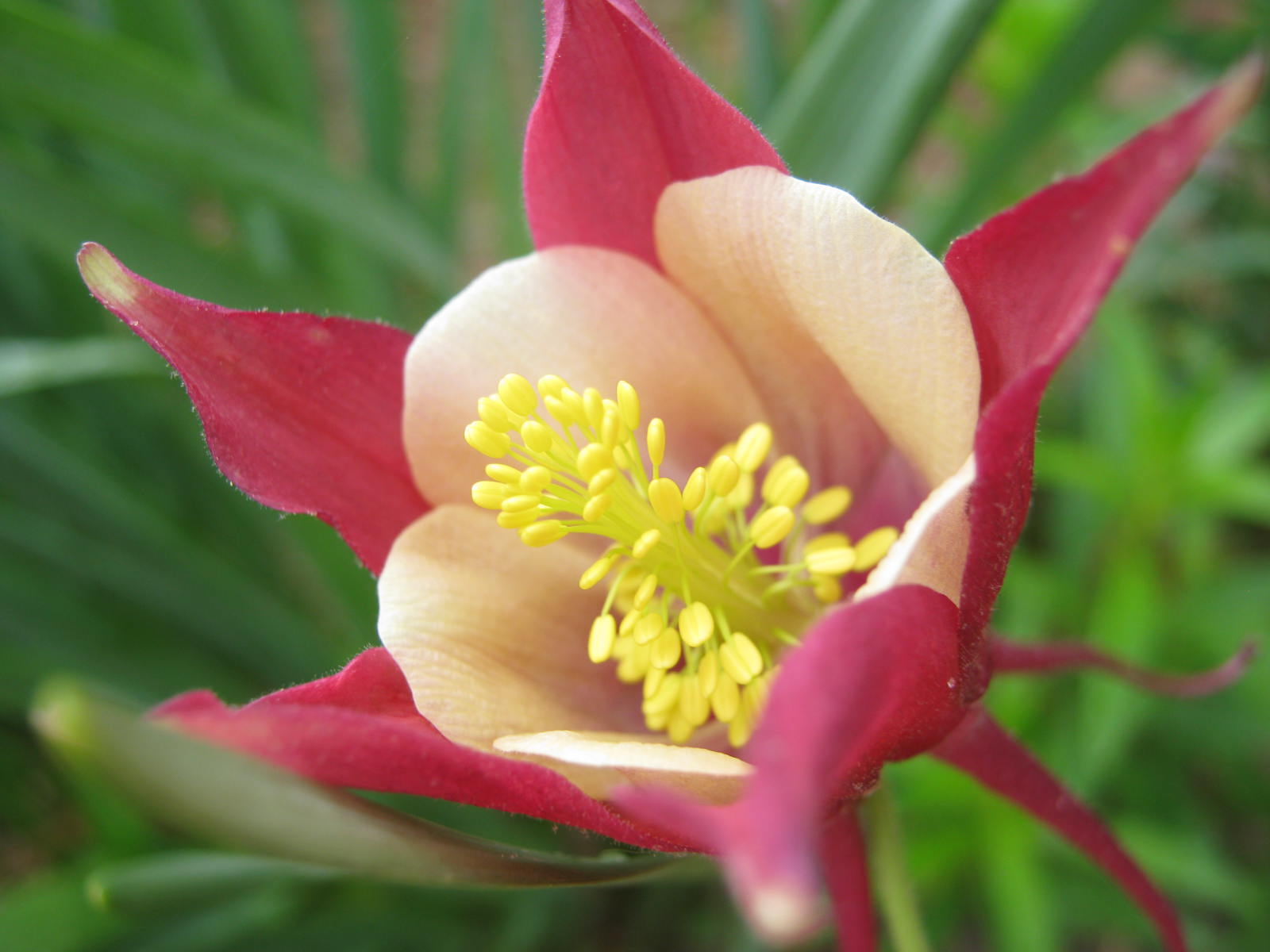
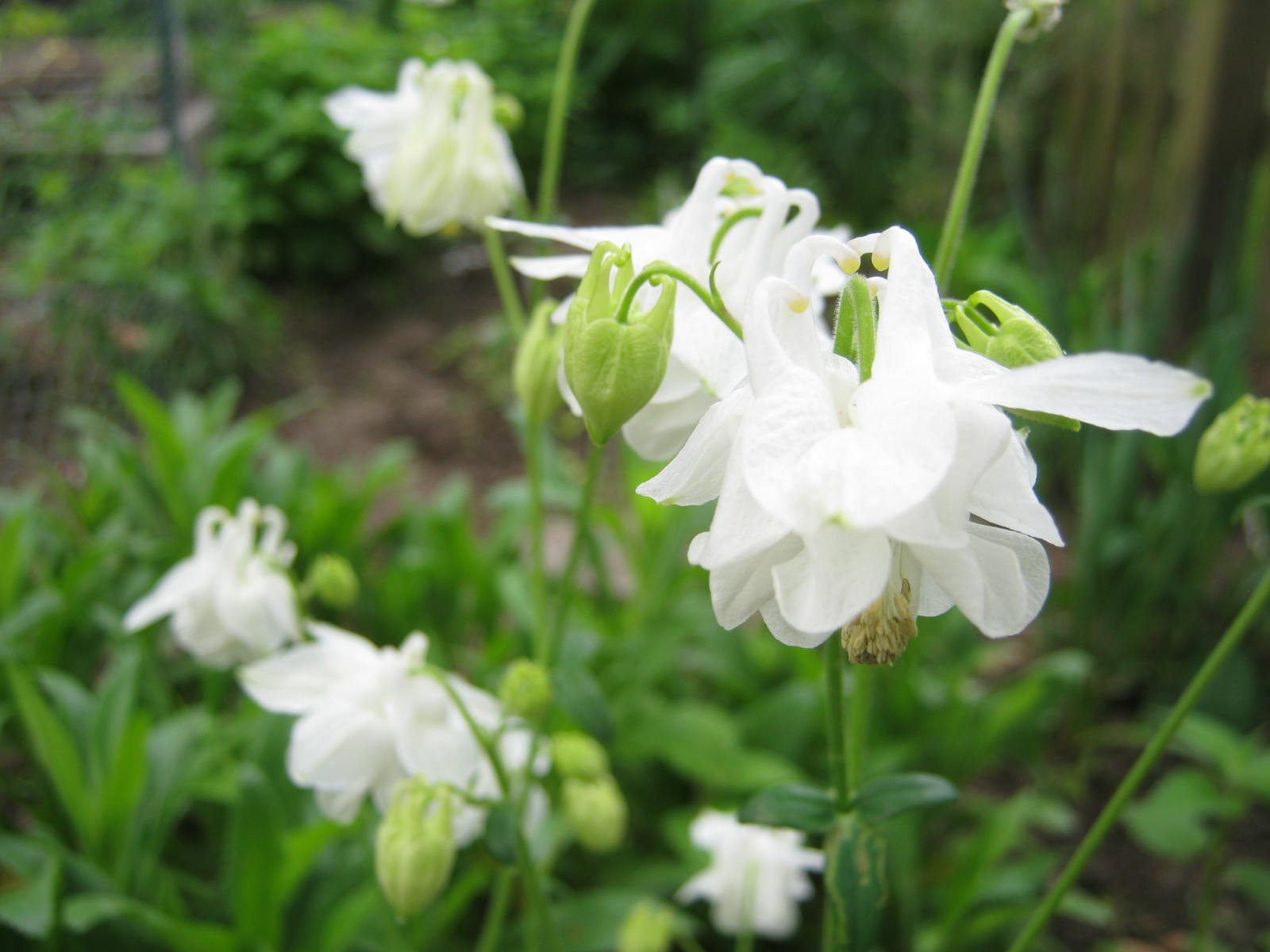
Growing in my garden this week: Columbine aquilegia – These are from packets that I purchased in Gettysburg in the spring. They are blooming, but I was hoping for more blooms and a larger diameter. I guess I will have to wait for next year.

IMG_1083

Prairie Bonnet Columbine – Unique version of columbines. These are much hardier than the aquilegia version of columbine.

IMG_1090

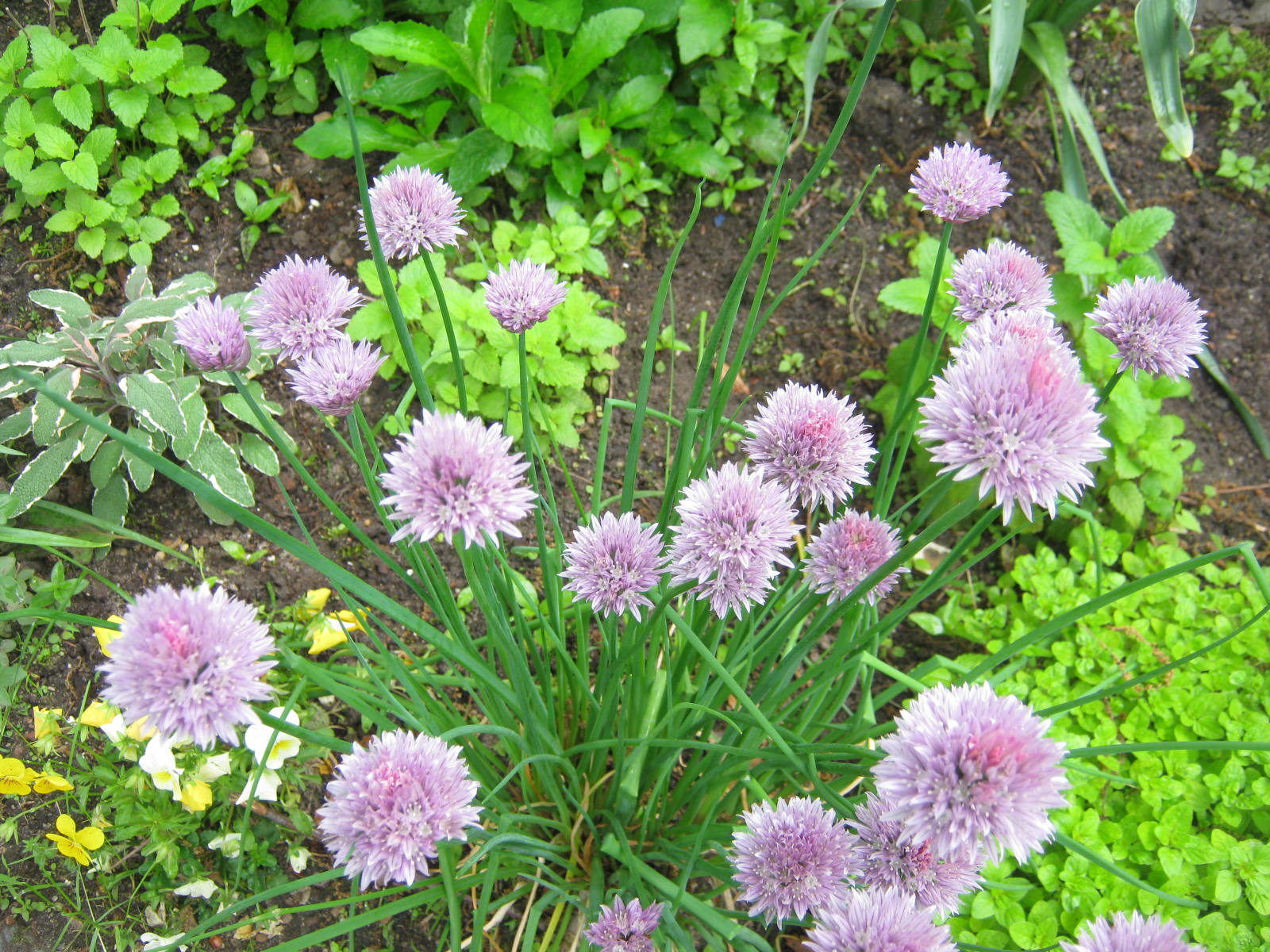
Chives – These blossoms are really giving my herb garden some pizazz right now. They are very reliable and return every year with wider girth and more flowers. Chives are a terrific garnish and also add a light onion taste to food.

IMG_1089

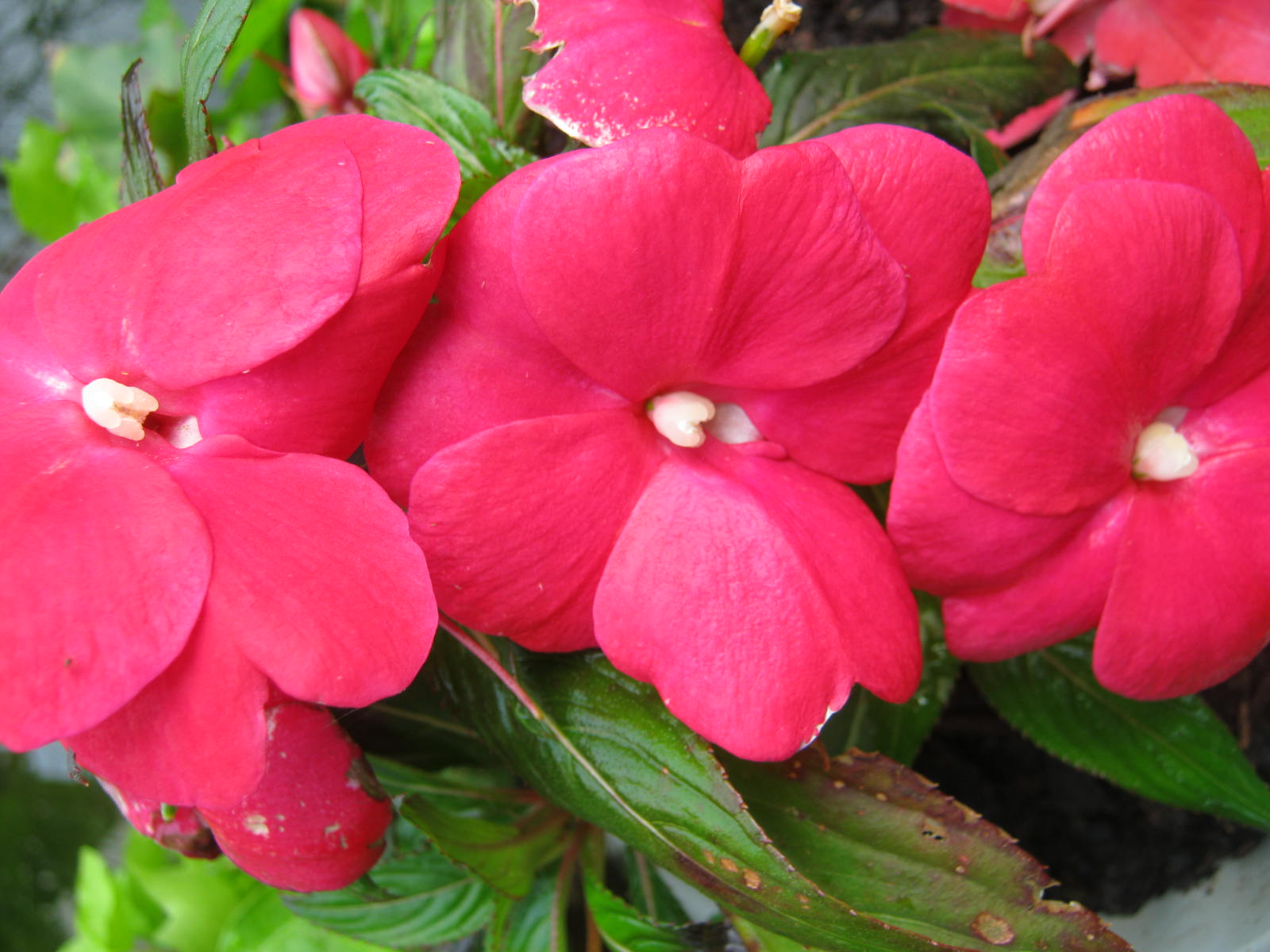
New Guinea Impatiens – These grow well in sun or shade…I love the color

. IMG_1075

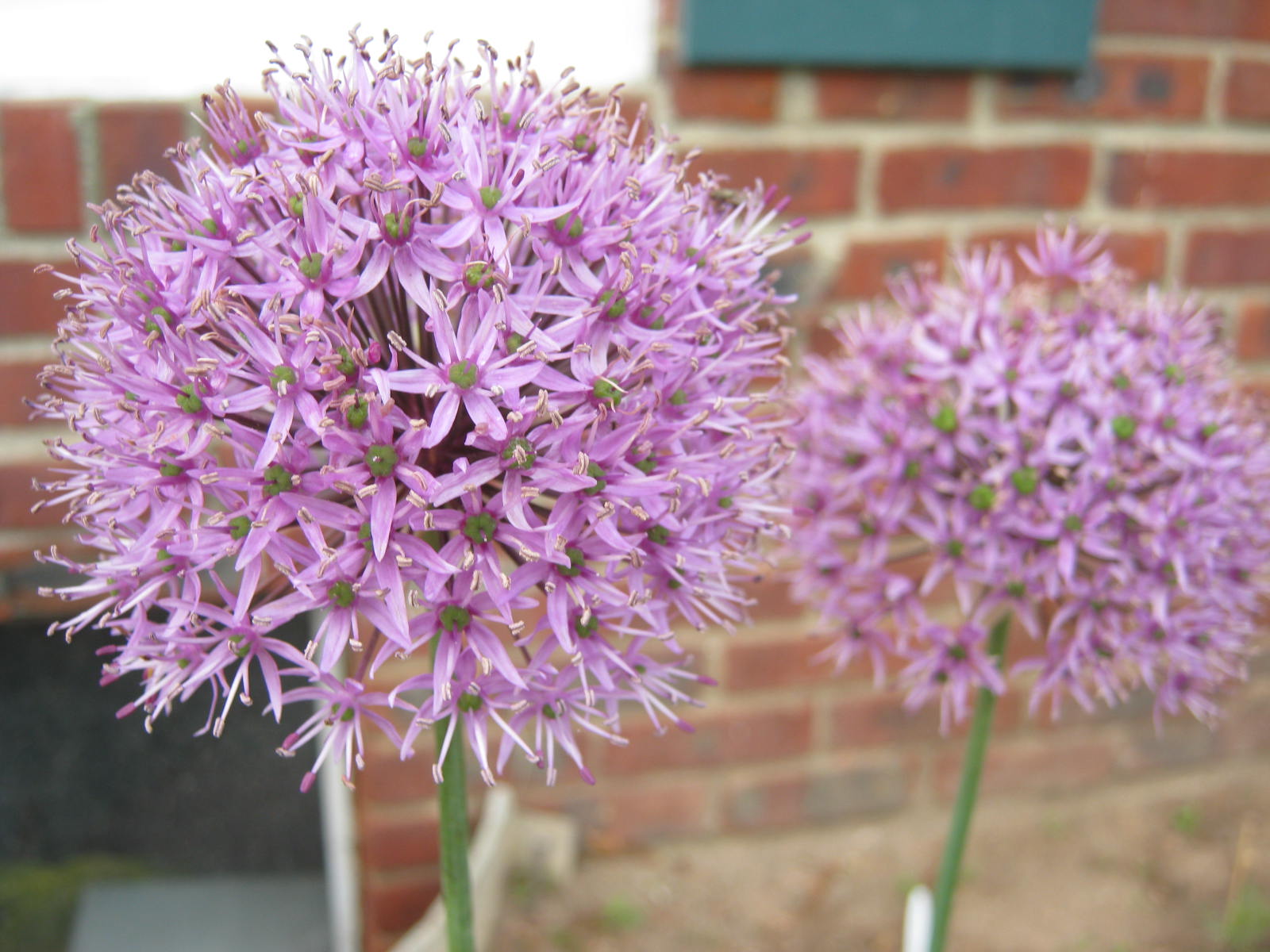
Allium – These are very reliable bulb plants and come back every year. As of now, they haven’t done any spreading or multiplying

. IMG_1081

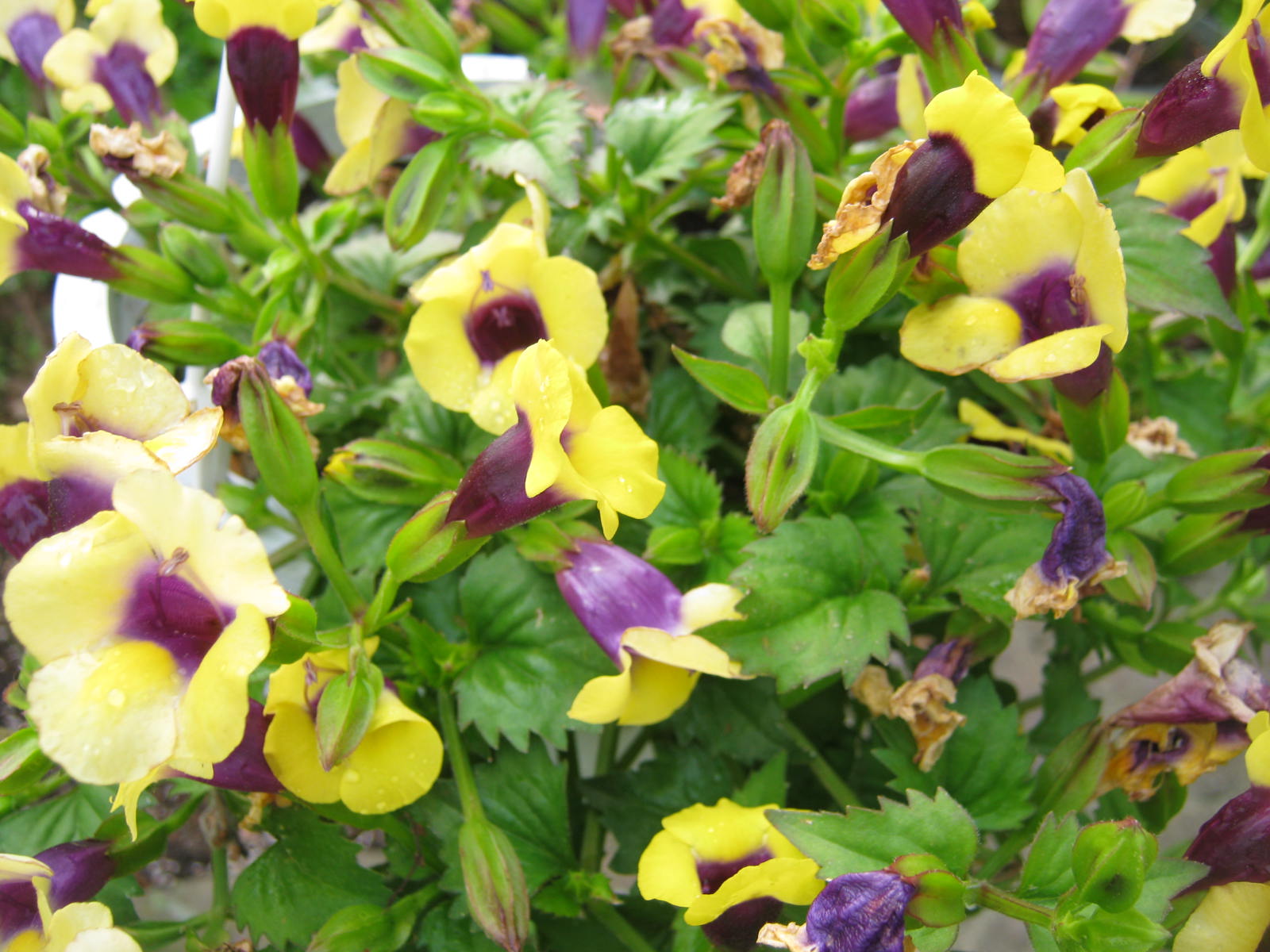
Torenia (Yellow Moon) – A Terrific plant that will bloom all summer for me. It can be grown in shade, but I have best luck in half sun/half shade

. IMG_1077

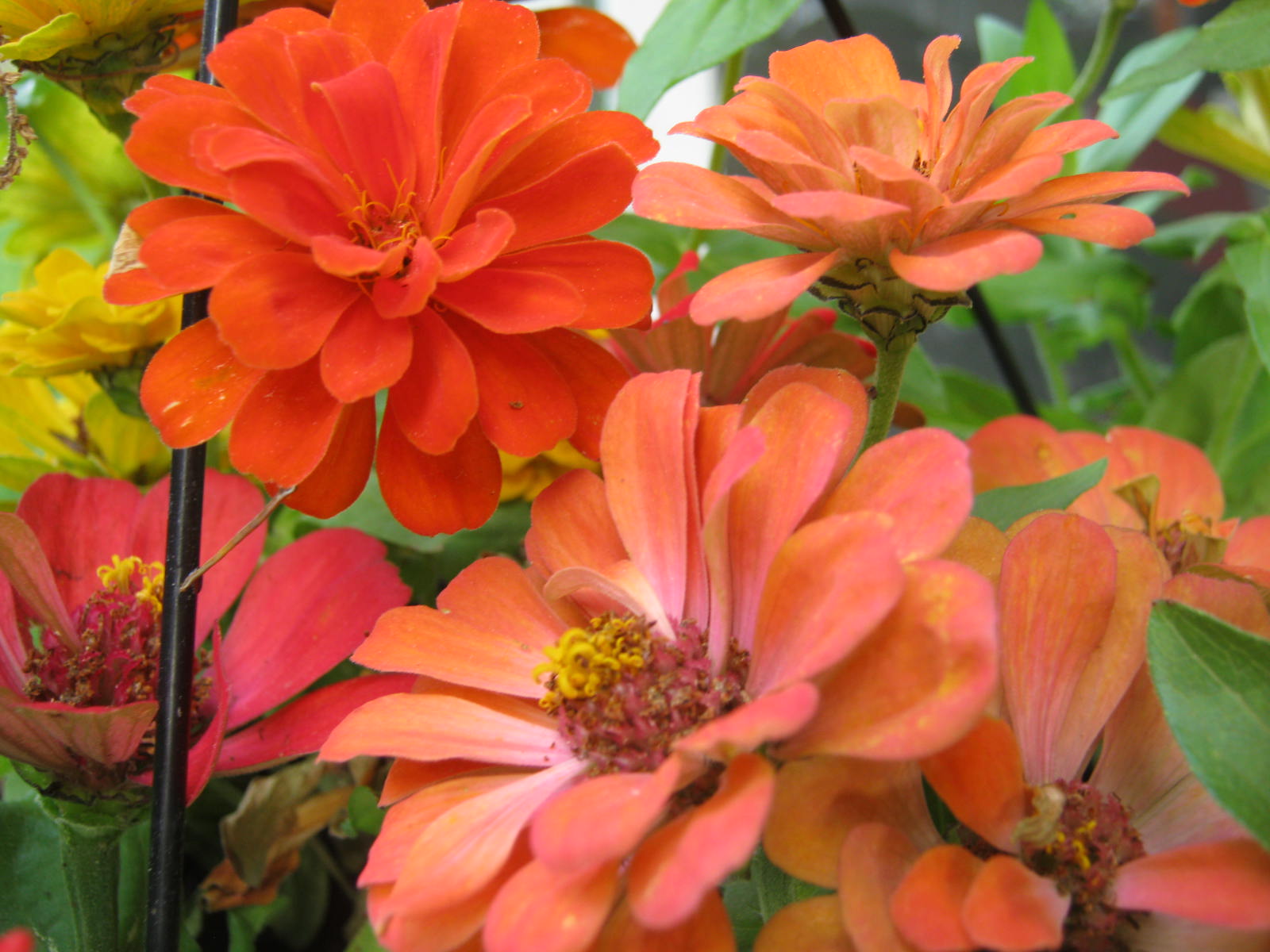
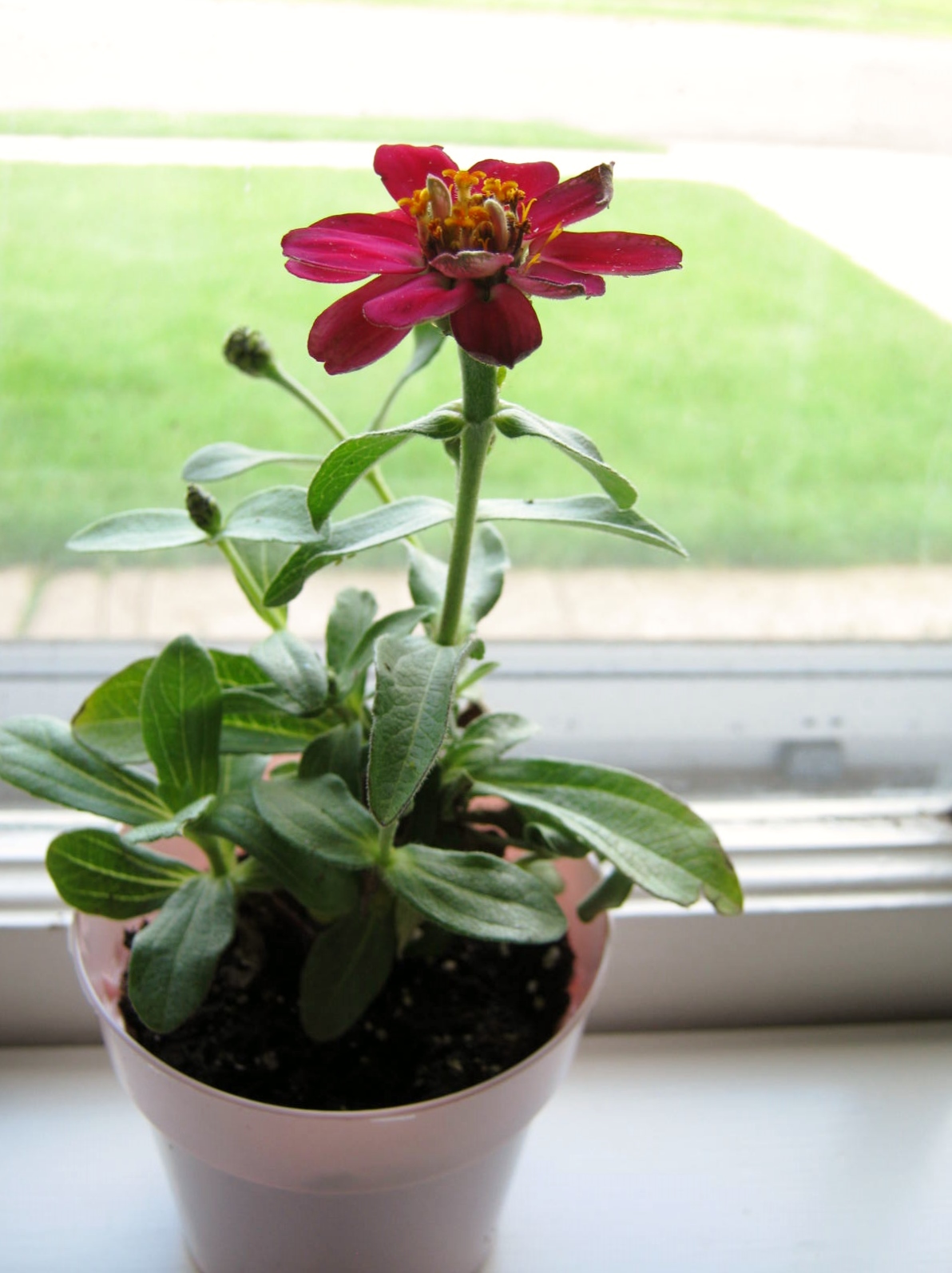
Zinnias (dwarf) in hanging basket to lure hummingbirds

IMG_1073

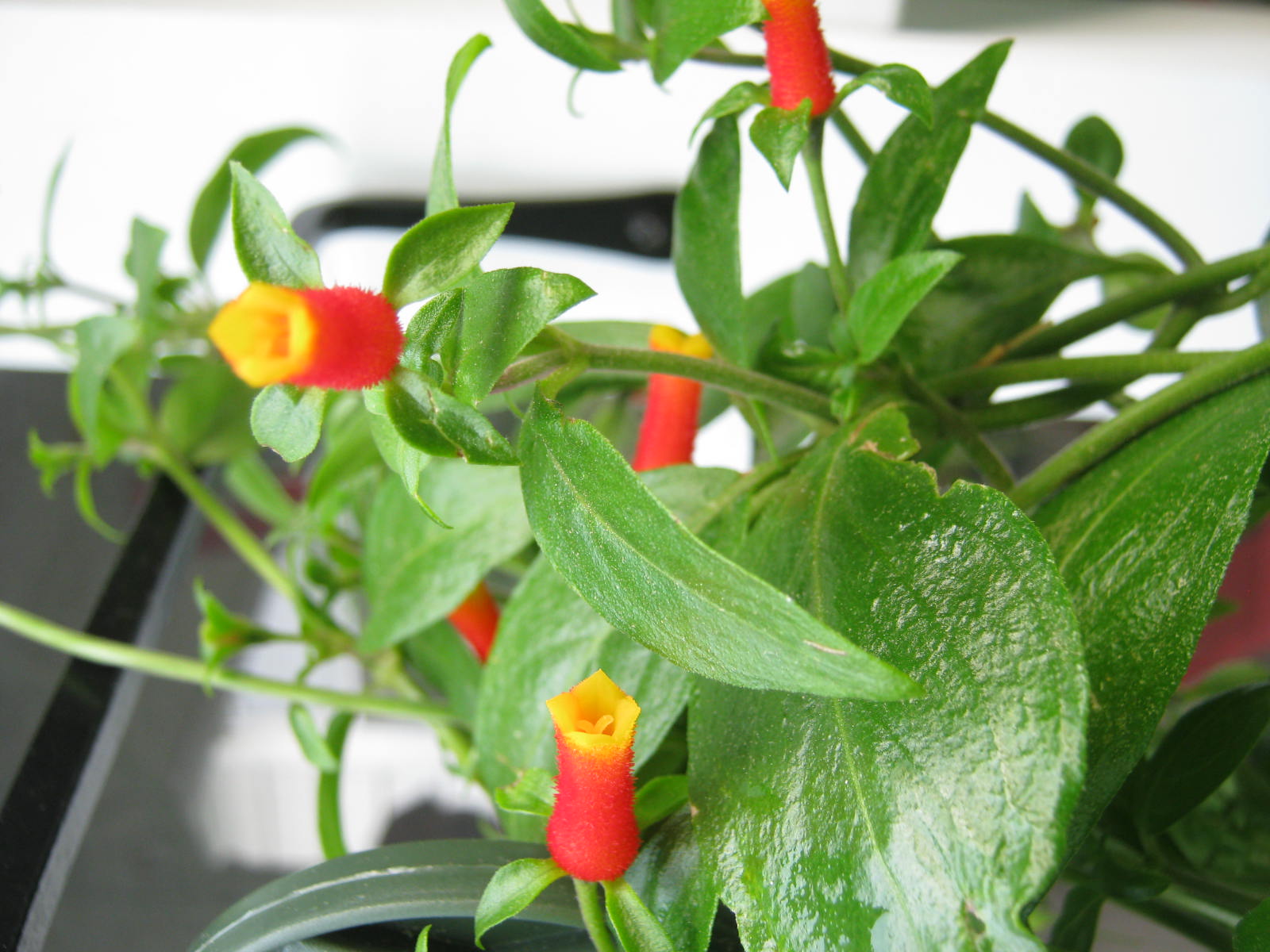
Candy Corn Plant (Manettia luteorubra) – This is in a hanging basket and since I have brought it home from the nursery the tendrils have been twirling and twining all over the place. It seems very happy in sun with late afternoon shade. I’m plan to bring it inside in the Autumn and overwinter indoors. I’m hoping this plant will draw hummingbirds and butterflies. This is the first time I have found this plant in a hanging basket for outdoor growing conditions. This plant is also known as the Firecracker Plant.

IMG_1069

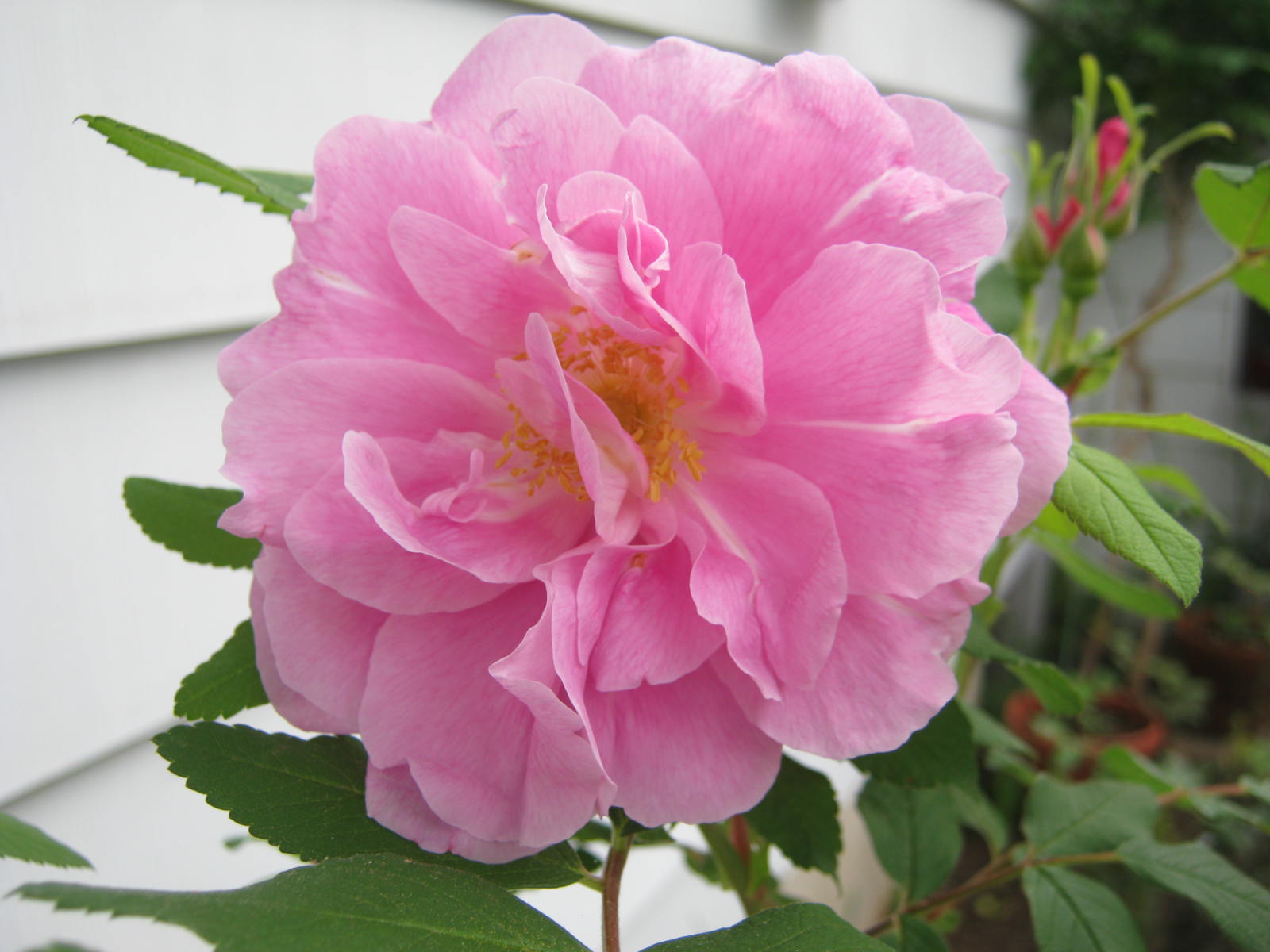
Blue Lagoon Rose Bush – Well, it does not quite appear to be blue or even lavender, but it is very, very pretty, so I guess it can stay in my garden. I love the name of the rose…a favorite movie of mine.

IMG_1087

There are many more plants and seeds sprouting, but they have not yet reached camera-worthy presentation. Thanks for looking at my garden with me today.

Plants – Potted Combinations

IMG_0997

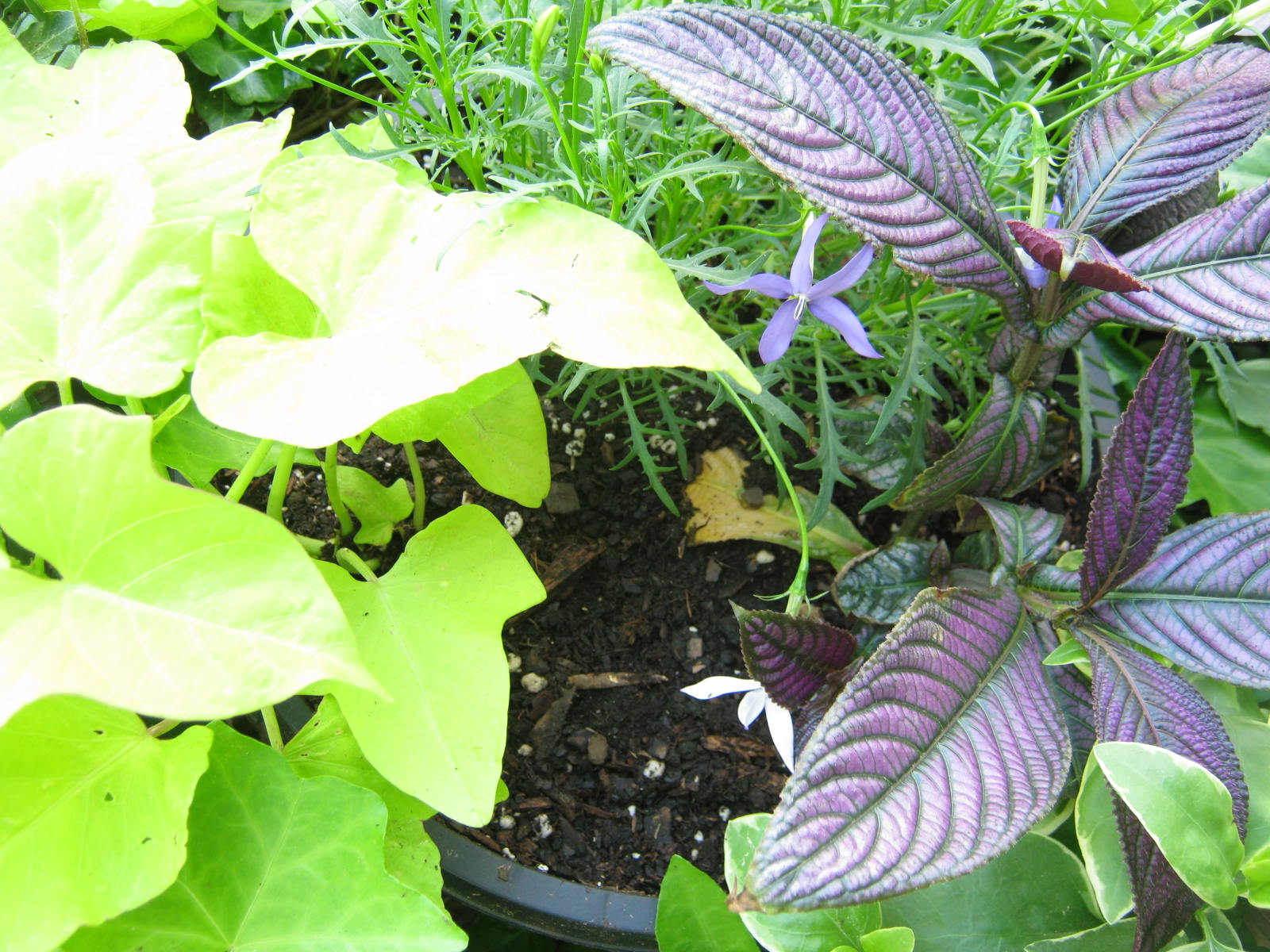
This is a newly planted combination of plants that I have chosen by browsing on Pinterest and other idea boards and sites. I love the look of the Persian Shield, Star Flowers and Sweet Potato Vines. As they grow they will be even lovelier.

Plants – Zinnias

Recharging…Resting…Rejuvenating… In the meantime, I’m re-blogging some of my best garden posts. Happy Spring!

002

Last Saturday night my husband went to the races. In honor of Mother’s Day the racetrack, and a local garden center, provided a zinnia plant for the mothers present at the race, and for those who stayed home. I was delighted when I found this extra small flower pot on my kitchen table.

I adore zinnias. I think it is genetic. My maternal great-grandmother grew a large bed of zinnias in the summertime. I am named for her, so perhaps, a little extra of who she was lives on in me.

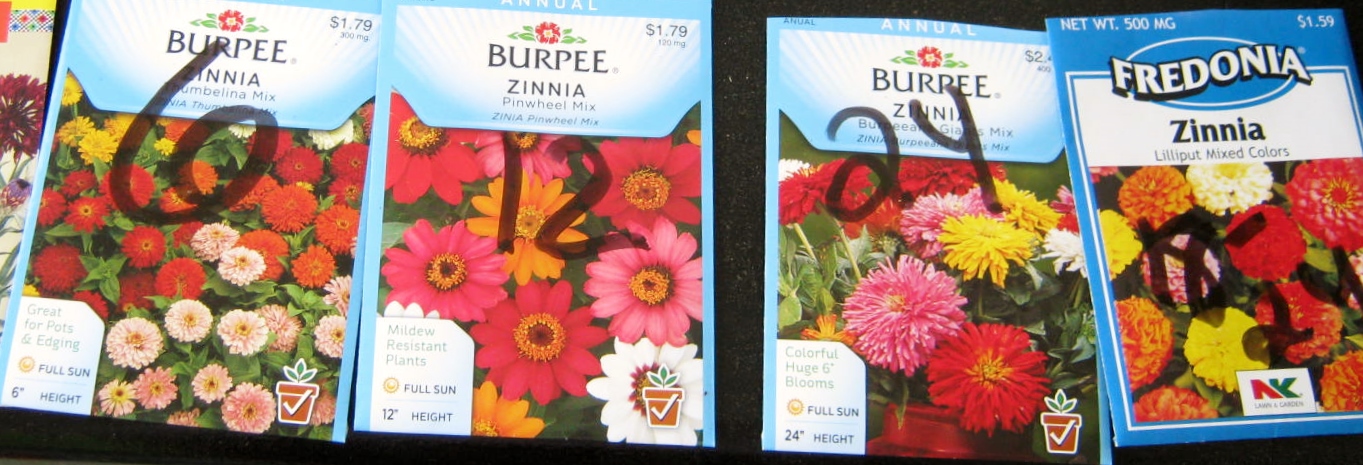
I recently found quite a few zinnia seed packets on sale. I had already planted the larger varieties, 36 inches and taller, throughout my garden. Still, I could not resist the smaller sizes. I bought four packets, and I am full of purpose to place a few in every bare spot I might find in my garden. I am also planning on growing a dozen or so in pots so that when I have the invariable bedding plant catastrophe, I will have a few replacement plants on hand.

001

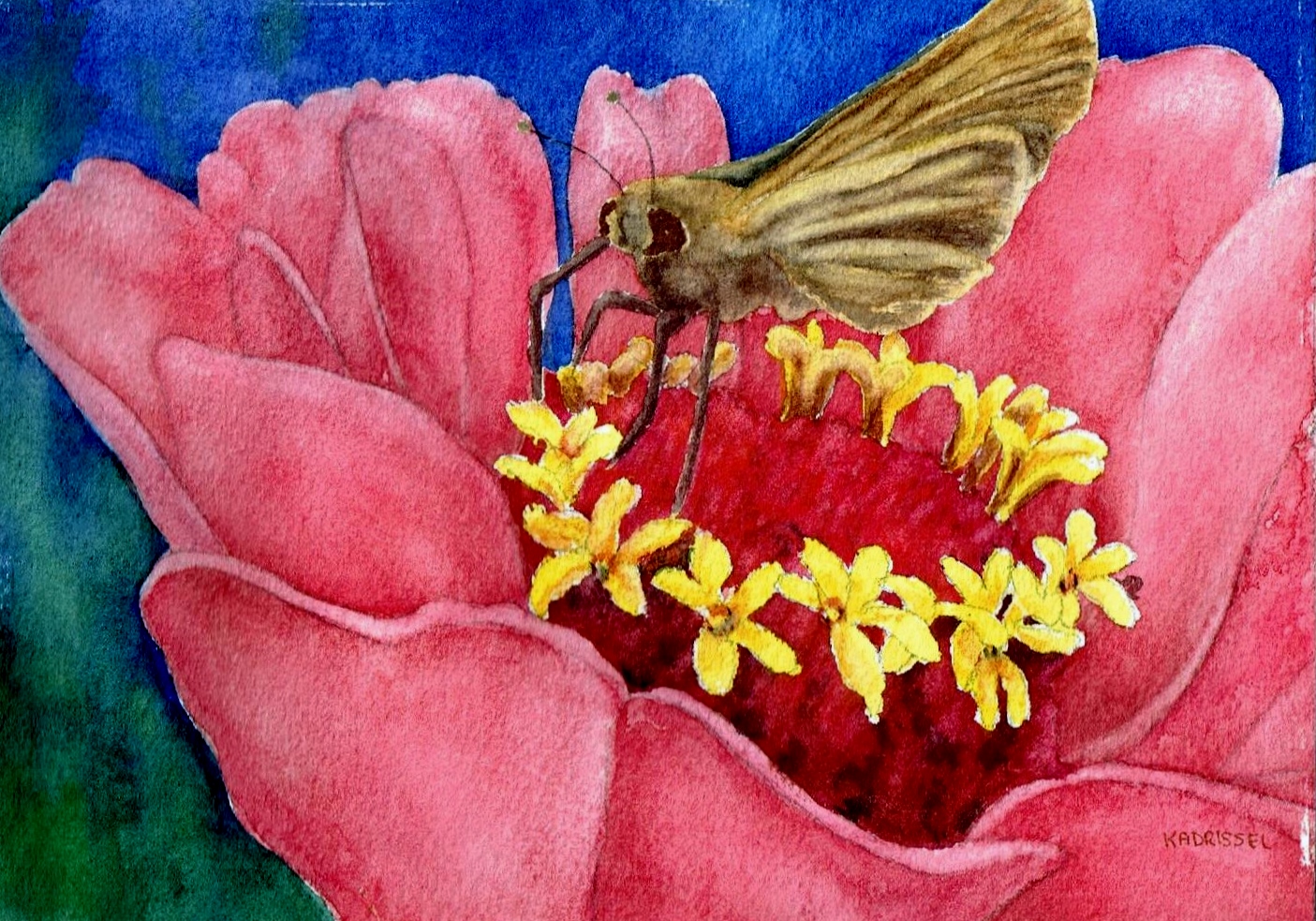
Zinnias are a favorite of mine to watercolor.

Image (17)

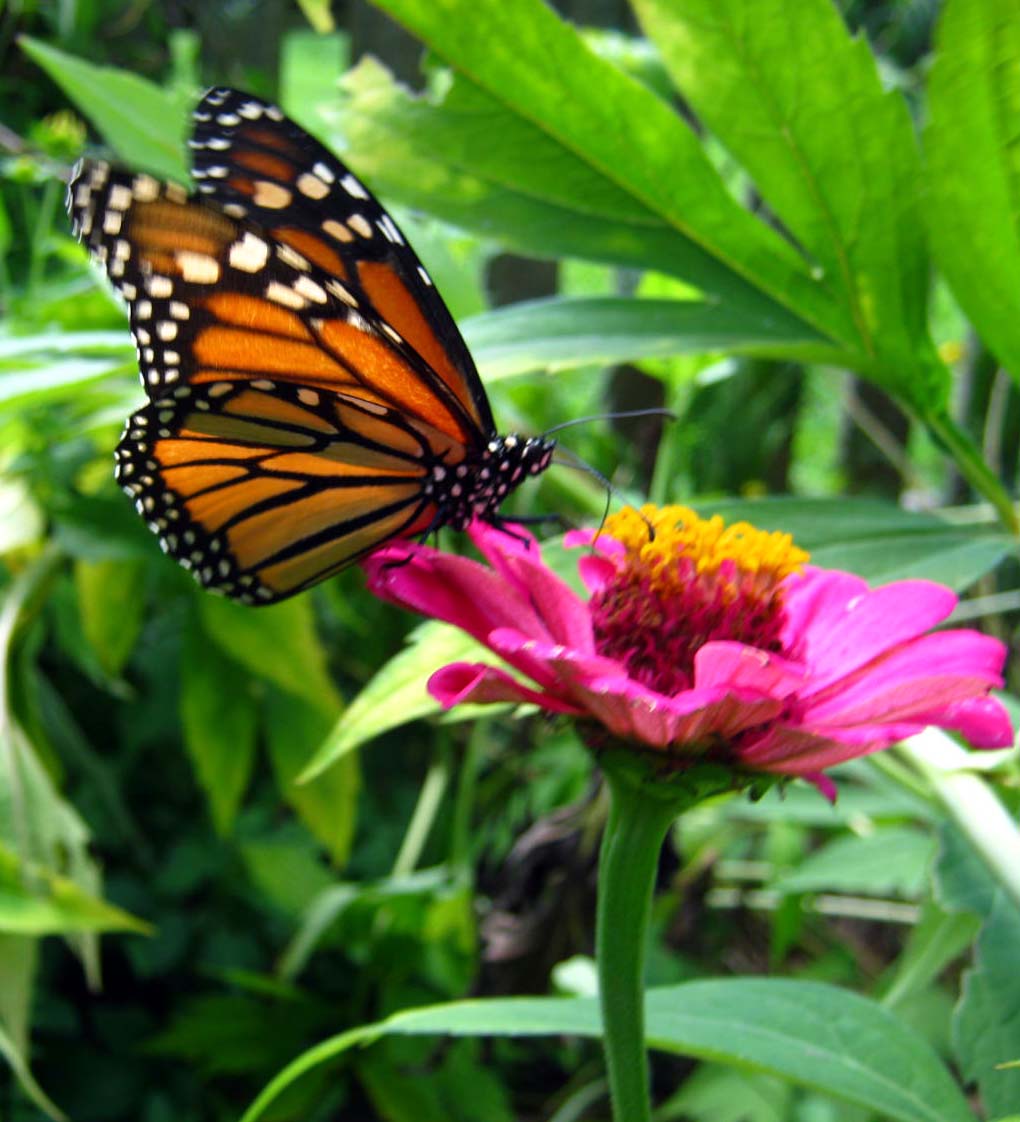
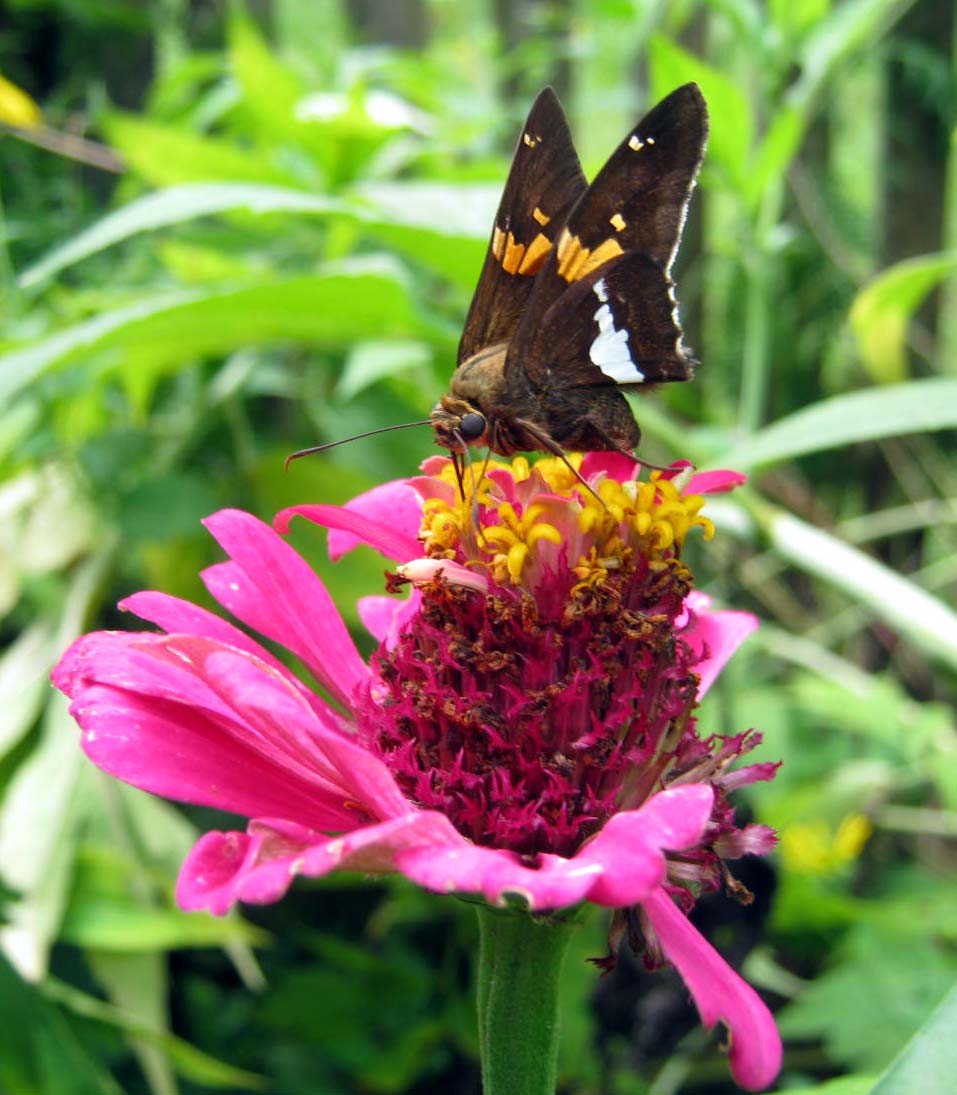
I love the second ring of yellow flowers lying deep within the larger petals. These small yellow flowers are where the nectar hides. Hummingbirds and butterflies will visit your yard daily, more than once, to sup on this treat. Here are a few of my zinnia reference photographs with some of their visitors. All artists and crafters are welcome to use any of my reference photographs for inspiration. Happy Painting!

August 11 002

August 19, 2011 038

August 19, 2011 059

Copy of Picture 133

Plants – Nasturium

Recharging…Resting…Rejuvenating… In the meantime, I’m re-blogging some of my best garden posts. Happy Spring!

It’s time to plant these versatile flowers…

cardinal 011

My nasturiums are coming into bloom this week. I have these beauties planted in my Square Foot Garden. You might wonder why these flowers are planted in a vegetable garden. The answer is that all parts of the plant are edible. Here is a good link on how to use nasturium flowers, leaves and seeds in your salads and other dishes. Happy Dining!

Wikihow’s Tips On Using Nasturiums In A Salad

Follow Me on Pinterest

Plants – Crocus

IMG_0361

Crocus are still blooming in my gardens. This larger variety blooms later in the season, but is well worth the wait. I love the way the blooms glow when the sunlight touches the petals.

IMG_0366

Plant – Cucumber

IMG_0230

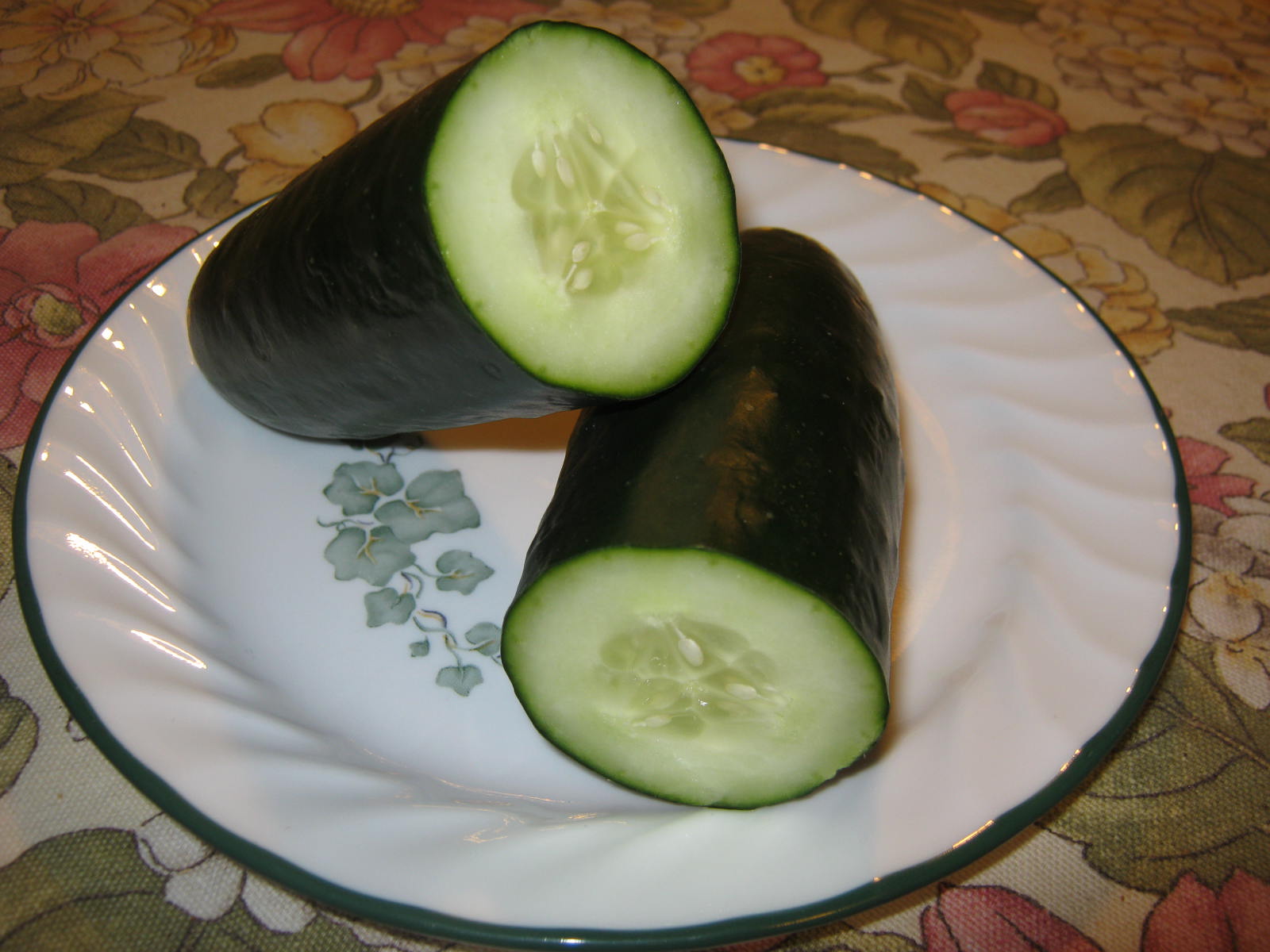
“Cucumber (Cucumis sativus) is a widely cultivated plant in the gourd family Cucurbitaceae. It is a creeping vine that bears cylindrical fruits that are used as culinary vegetables. There are three main varieties of cucumber: slicing, pickling, and burpless.” Wikipedia

The humble cucumber is available throughout the year at most grocery stores or fruit stands. Inexpensive, they are a perfect addition to a salad, or can stand on their own with only a sprinkling of salt and pepper. My favorites are the pickling variety.

A few facts I recently ran across regarding cucumbers suprised me. I knew they would remove puffiness around the eyes and were low in calories, but I did not know that they have many health benefits. A few of these are: good for the kidneys, regular consumption can dissolve kidney stones over time. Cucumbers are one of the best sources of potassium. Cucumbers help the pancreas create insulin. Cucumbers reduce the risk of certain types of cancers.

There are many other benefits of cucumbers. I’ve included a link to a great article that lists many of advantages of eating or using cucumbers for skin, hair and oral health. Cucumber Benefits

Cucumbers are easy to grow in the garden. I have started them in two ways, in pots a few weeks before the last frost date, and right in the ground. Some varieties grow on bushes, others are vines and need trellis support. In my Square Foot Garden I grow two to a square.

As always, the Pinterest site is loaded with hundreds of terrific pins concerning cucumbers. Take a look: Cucumbers on Pinterest

Phavorites and Plants – St. Patrick’s Day Greens /Philodendrons & Pothos

Happy St. Patrick’s Day! A terrific day to celebrate, even more so because there is little responsibility connected to it. No presents to buy, no major re-decorating plans are needed, a person can even skip the wearing of the green and not be considered a social pariah.

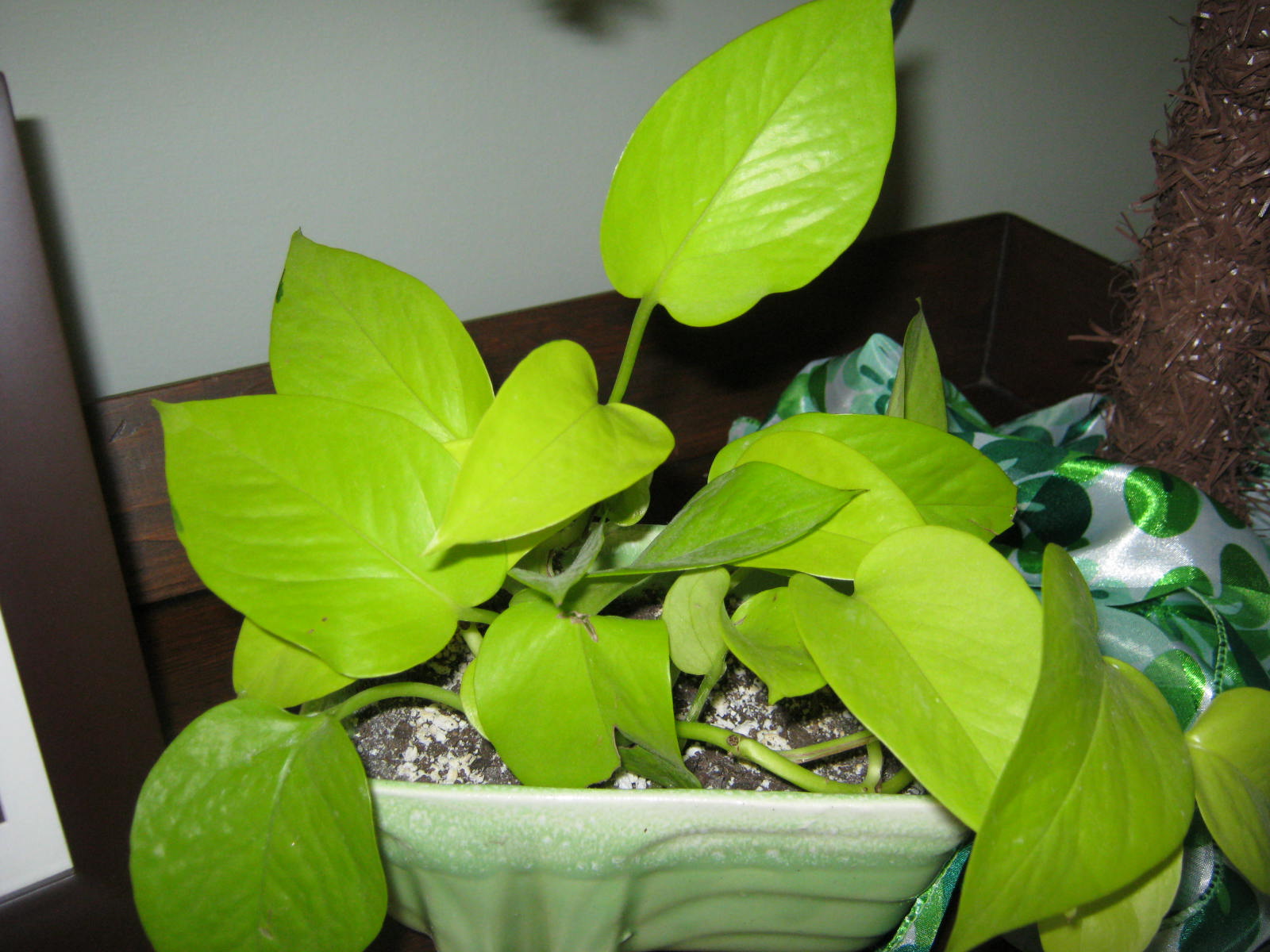
IMG_0160

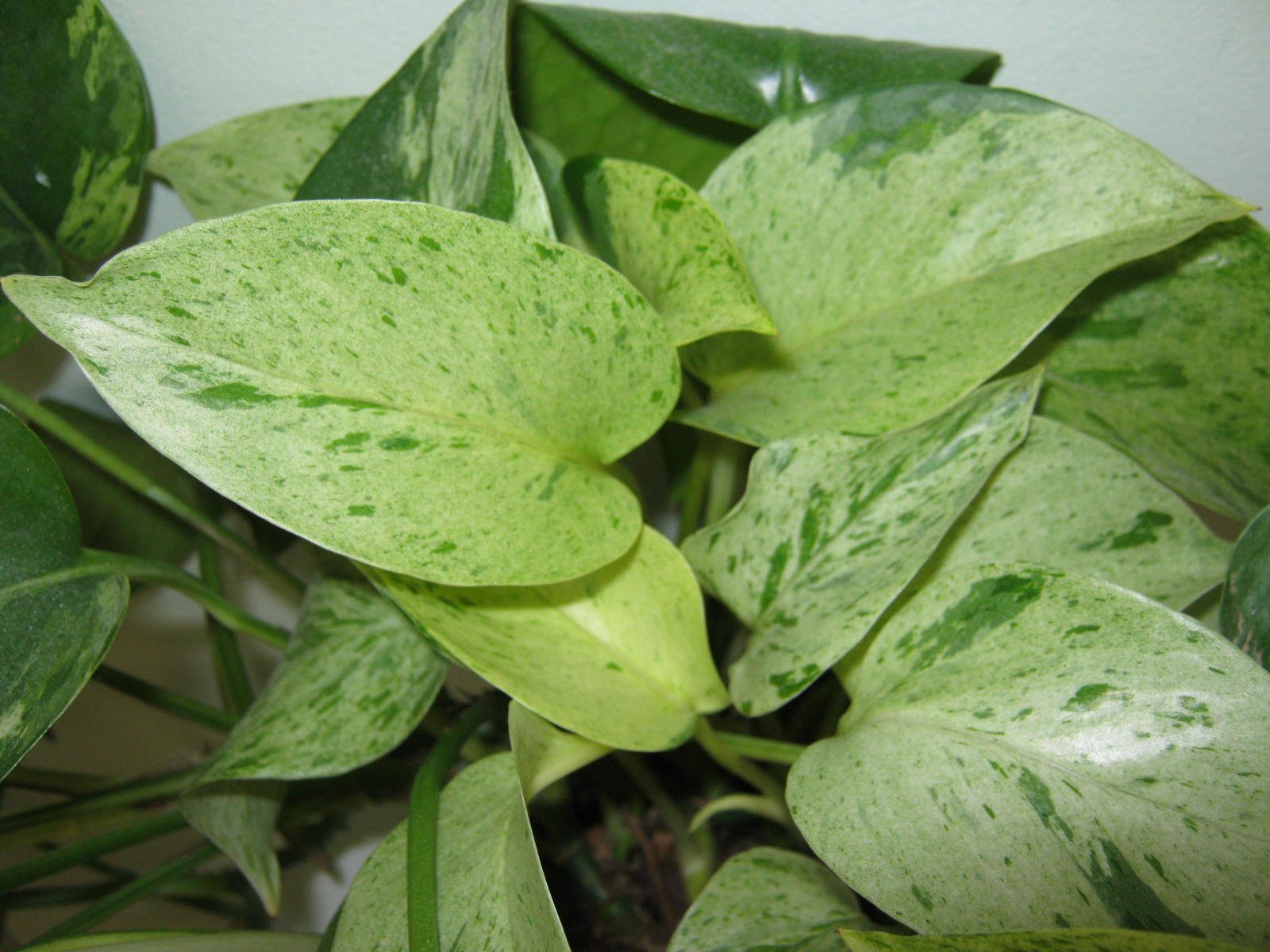
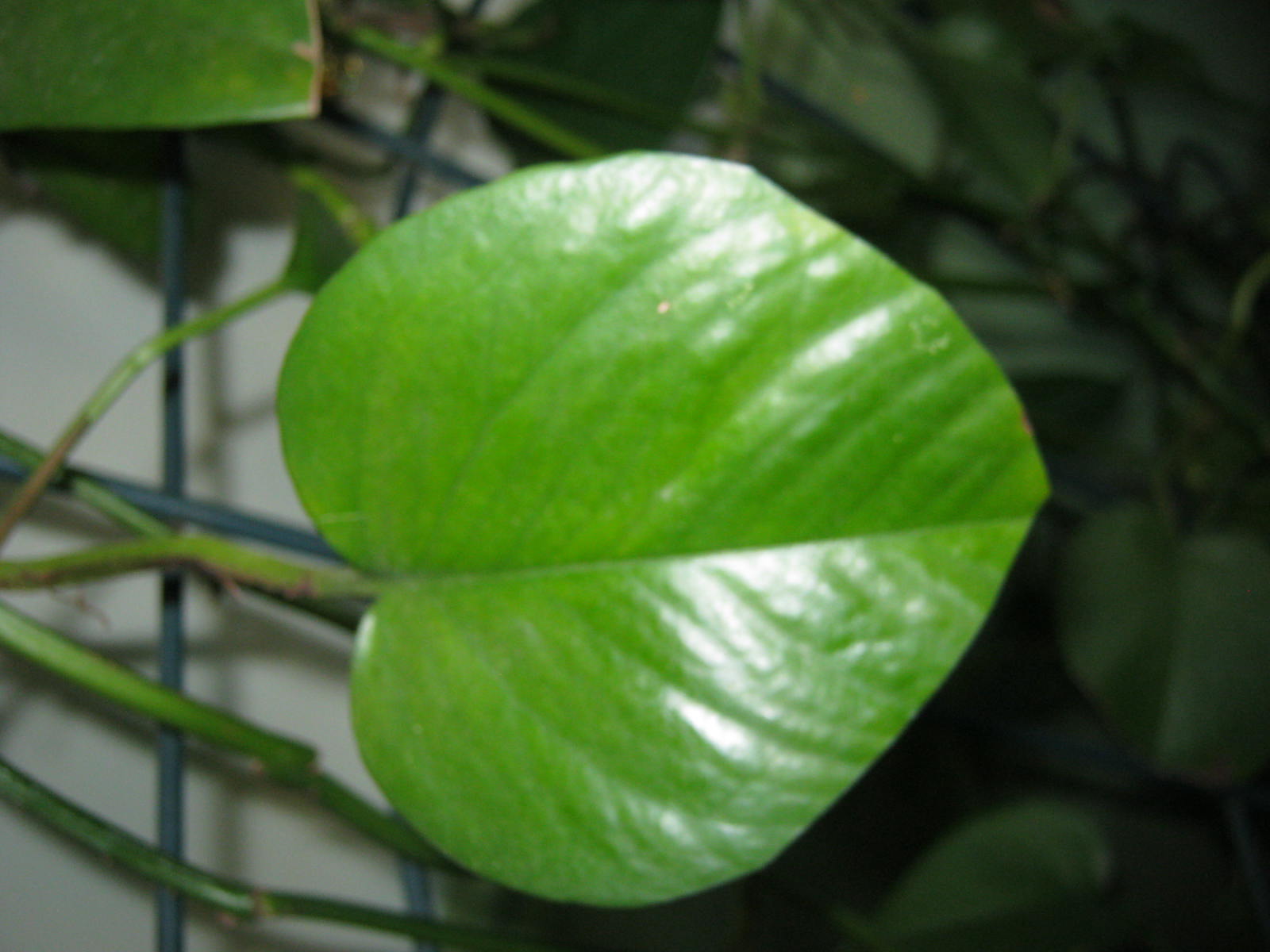
My home is filled with green plants. Philodendrons & Pothos are tops of my lists of “phavorites.” They are not fussy, they come in brilliant lime through dark green. The plants are also widely available in many beautiful variegated shades.

IMG_0162

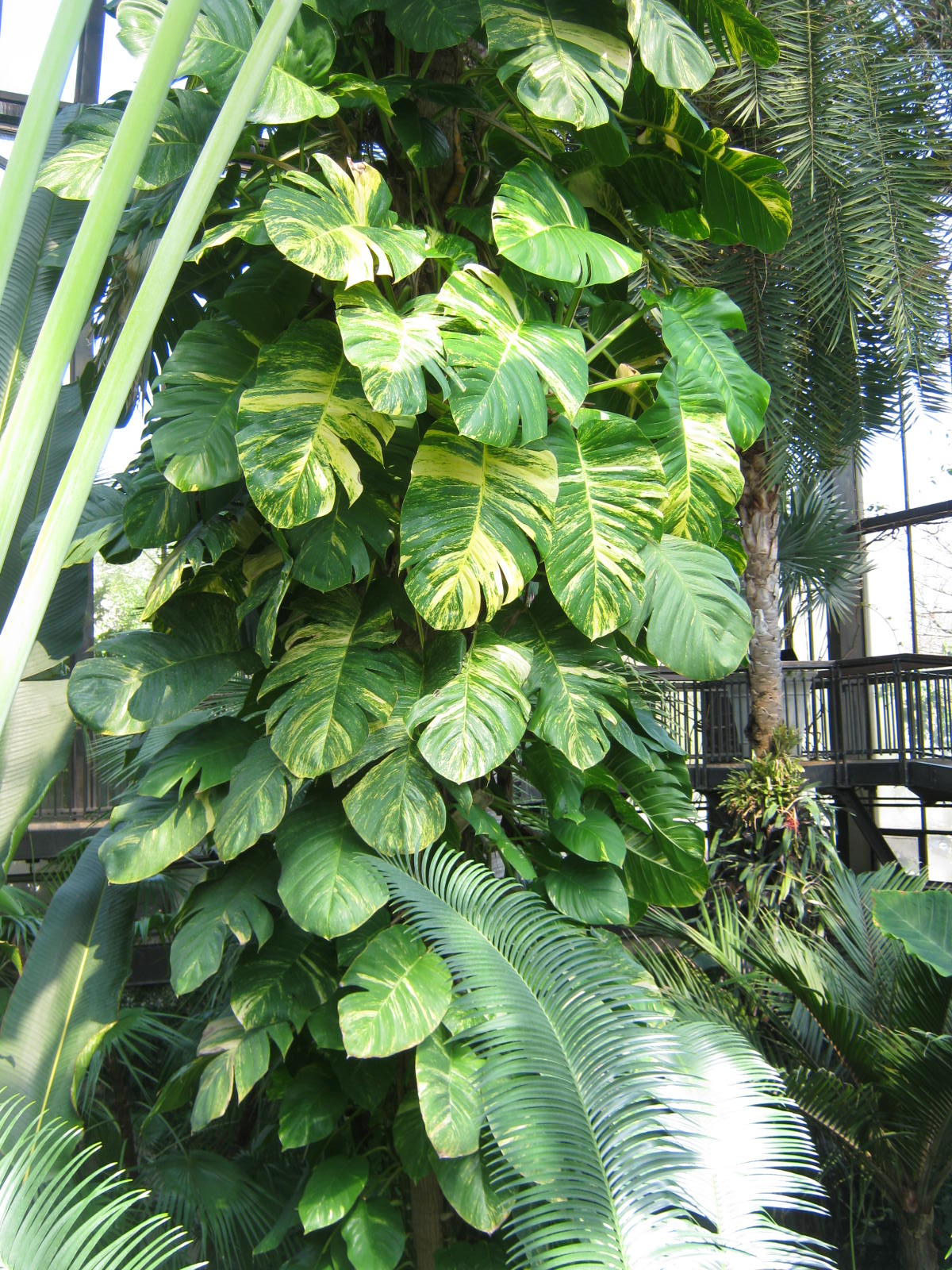
I recently visited Longwood Gardens and took a photo of this large specimen of a philodendron in the tropicals room.

IMG_0066

Another astounding characteristic of philodendrons is their ability to root and actually live and thrive in plain tap water. I will admit my home is filled with pots of philodendron planted after rooting in water. It may seem like a contradiction, but after I pot up the rooted philodendrons, I keep their soil on the drier side. I often plant them in antique pots that have no drainage. If I water sparingly to avoid soggy “feet” in the bottom of the pot, the philodendrons will live for years and produce many more stems for cutting and rooting.

If you have small children and pets be aware that philodendrons are poisonous. A good article and chart on houseplant toxicity can be found here: Toxic Plants It’s best to keep all plants out of reach of small children and pets.

A benefit of philodendrons is their terrific ability to filter toxins out of your indoor air. Air Filtering Plants

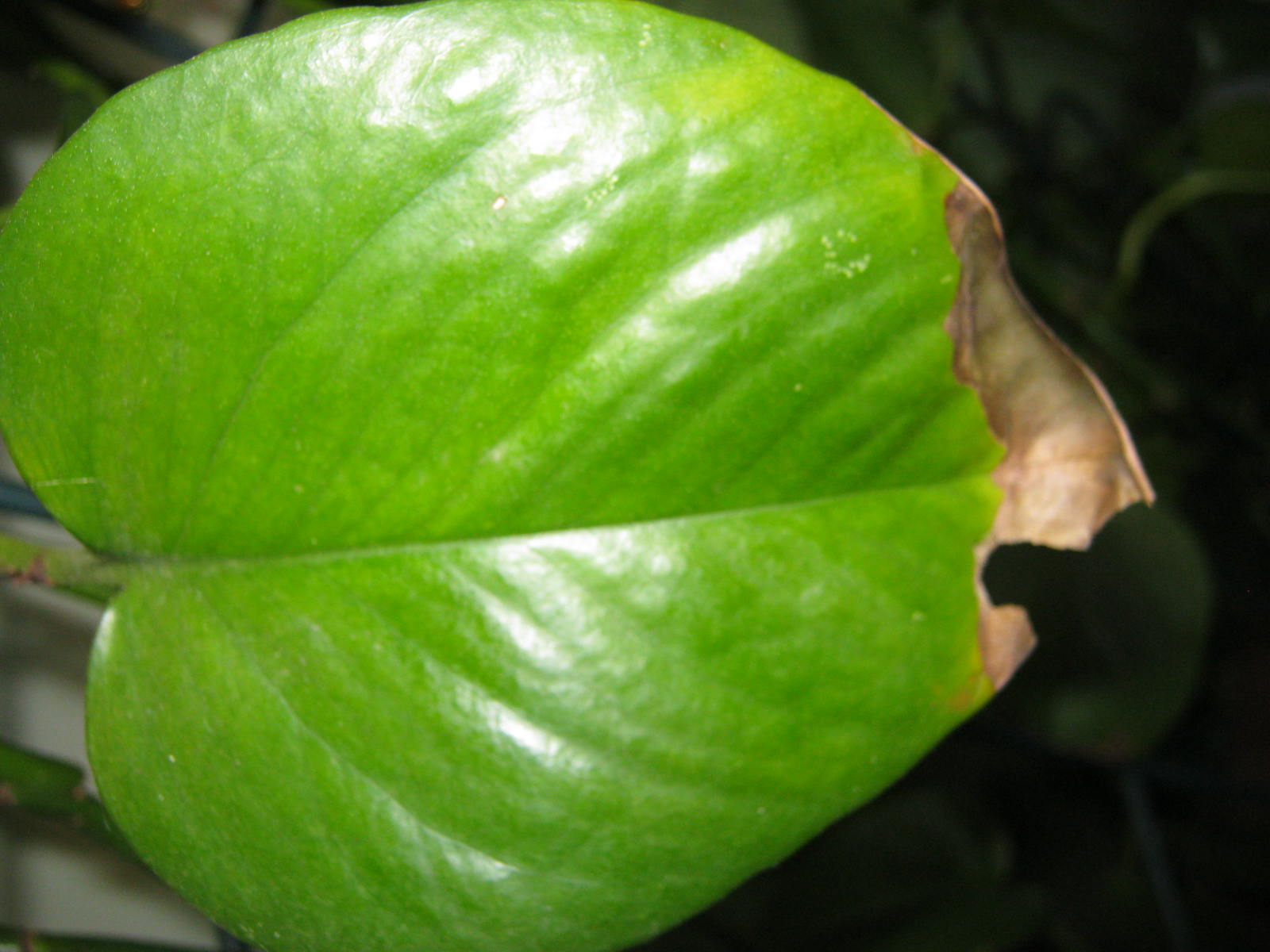
I have encountered two problems in growing philodendron plants. The first is browning edges. This could be caused by lack of humidity in the house during the winter, misting will help in this case. The crisp edges can also be caused by too much fertilizer.

IMG_0164

I will usually cut away the unsightly brown edges with a pair of scissors. This works for a time, but I have found that once a leaf begins to brown, it usually will continue to die back whether I trim the damaged section or not. It’s the way it is in the plant world, new leaves will grow, old leaves will eventually shrivel and die.

IMG_0165

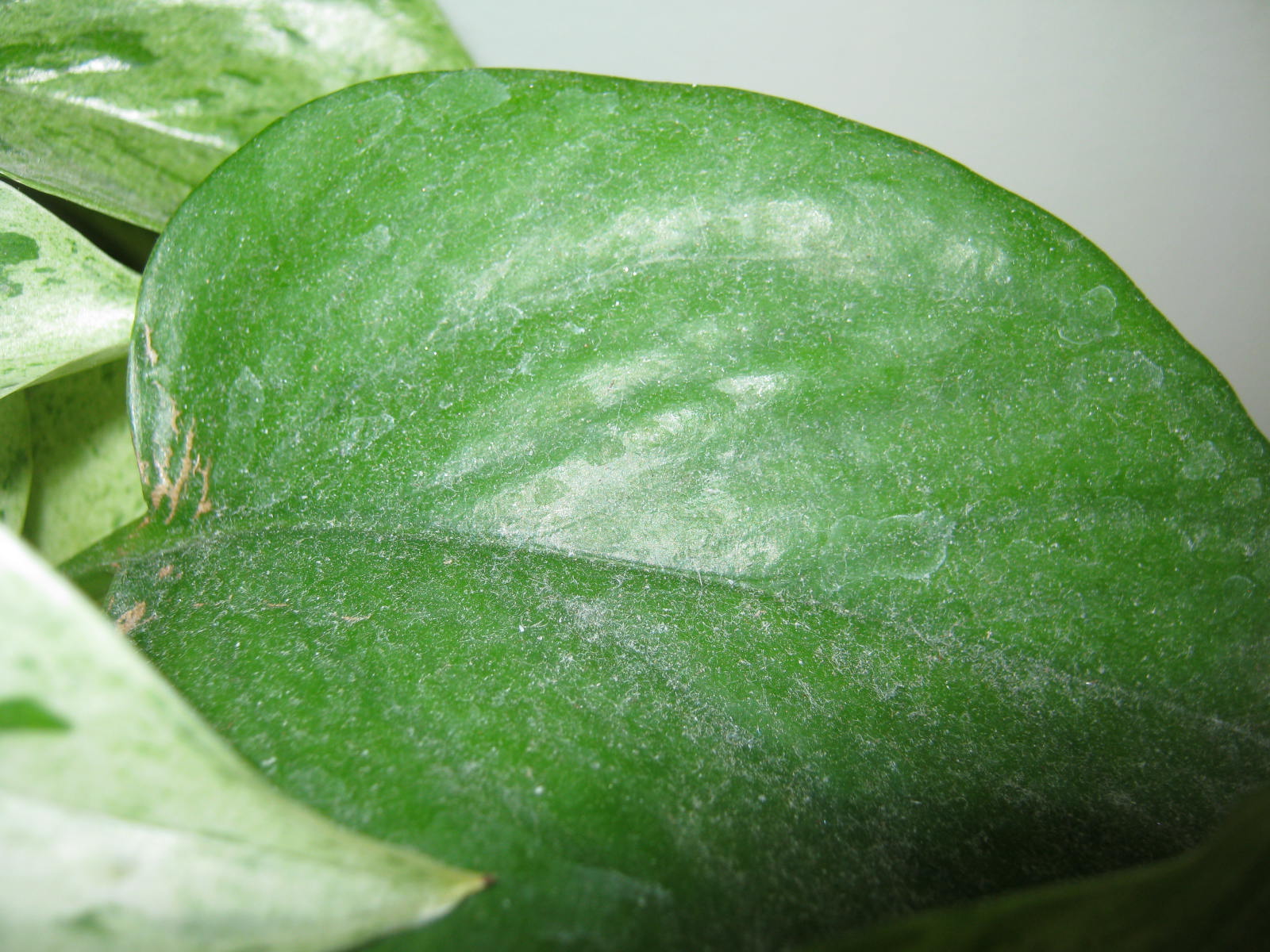
A housekeeping issue also needs to be addressed where houseplants are concerned…the coating of dust that eventually accumulates.

IMG_0163

For pots with drainage, I usually wait until warmer temperatures prevail and take them outdoors to hose off. I can’t do that for the philodendrons. The water I use to rinse them would end up accumulating in the bottom of the pot and drown their roots. Instead I tilt them on an angle, and quickly wash the dust away with tepid water under the kitchen faucet. A bit of potting soil will sometimes spill into the sink, but it is easy to replace.

Follow Me on Pinterest

Plant – Primrose Part I/Care and Sowing Seed

IMG_9830

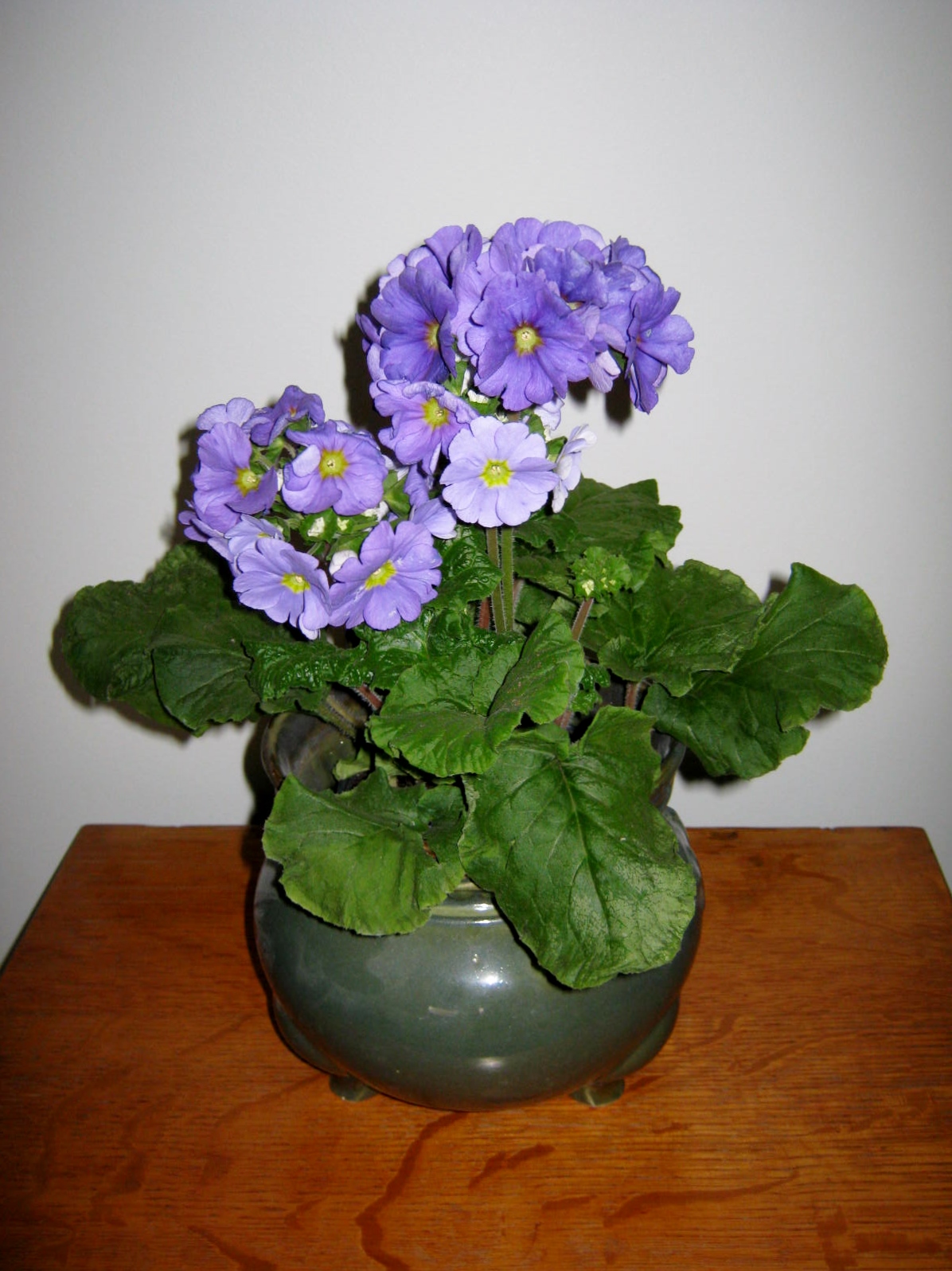
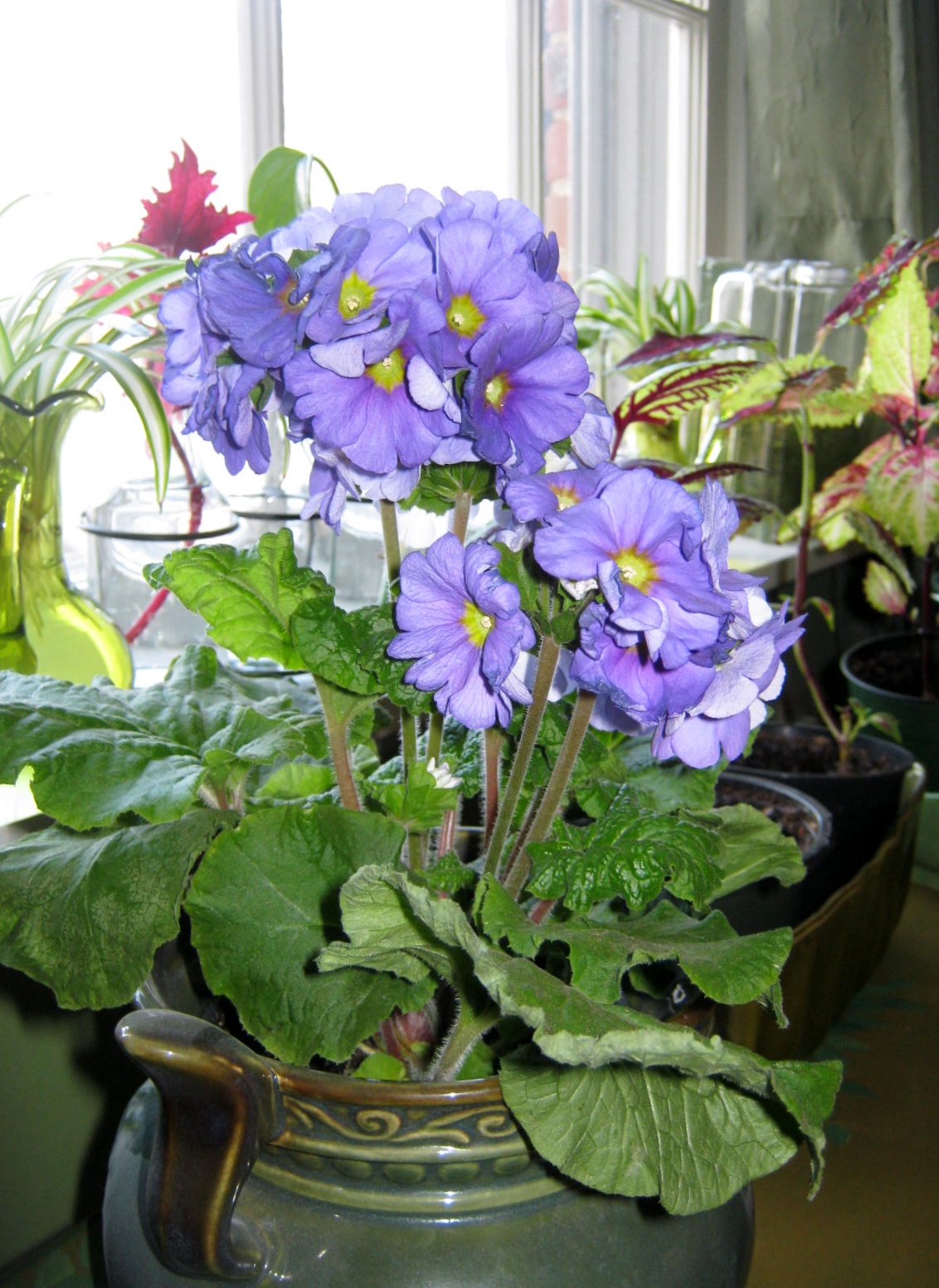
Last week I was thrilled to find this gorgeous primrose on sale at my local supermarket. The beautiful flowers rival those I see planted in my favorite conservatory at Longwood Gardens. This is the season of primrose and other cold hardy seasonal plants.

You can find an informative article on how to grow primroses here: Dave’s Garden – Primroses

IMG_9845

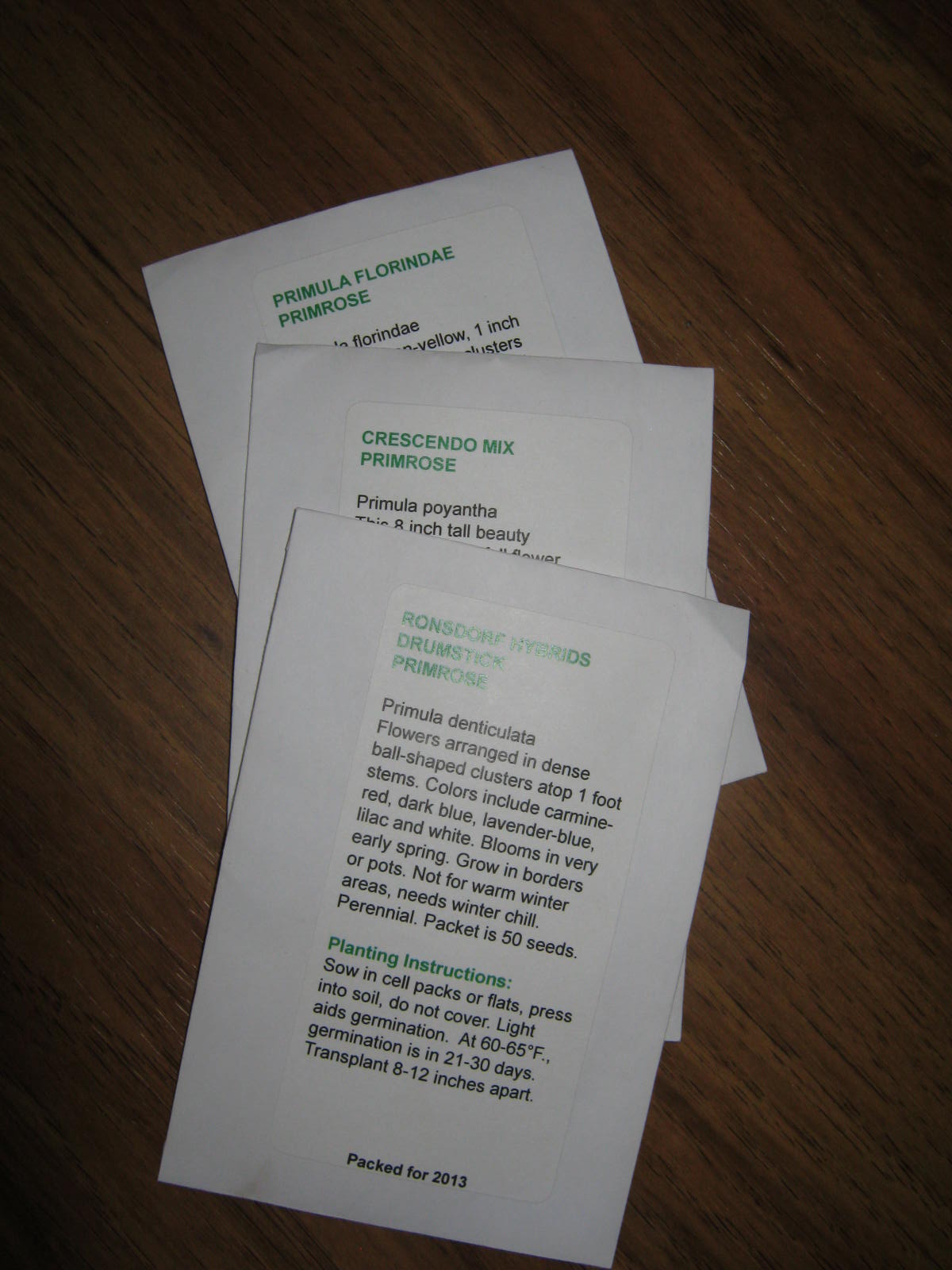
I have three packets of primrose (primula) seeds I purchased last year from Swallowtail Garden Seeds. A link to their online seed catalog can be found here: Swallowtail Garden Seeds

Two of the varieties I purchased will grow indoors or out, one type with flowers held atop a three foot stem is better suited to grow outdoors. All need cool temperatures and moist soil to thrive. My past experience with primrose plants has shown them to be akin to pansies and other cold weather annuals and perennials, they die back when temperatures become too warm.

Here is a terrific article on how to grow primrose from seed: Growing Primrose From Seed

Because the primrose seed are very small, and hard to sow evenly by broadcasting on top of the seed starting medium, I will use my method of sowing small seeds to avoid the possibility of fungal diseases taking hold of the small seedlings. Here is a link to a post on how to sow small seeds: Sowing Small Seeds

IMG_9835

Follow Me on Pinterest

Plants – Cyclamen

IMG_9818

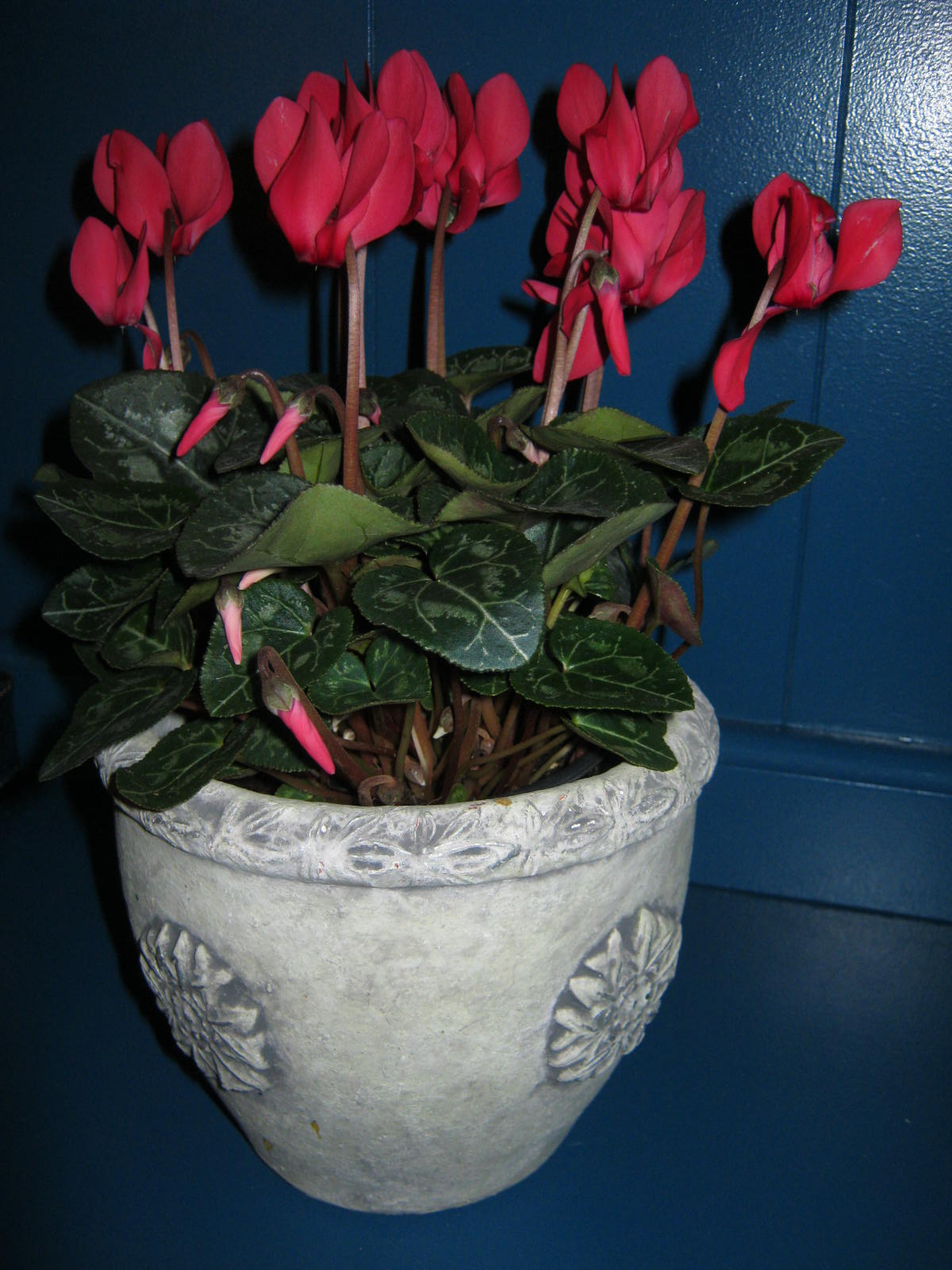
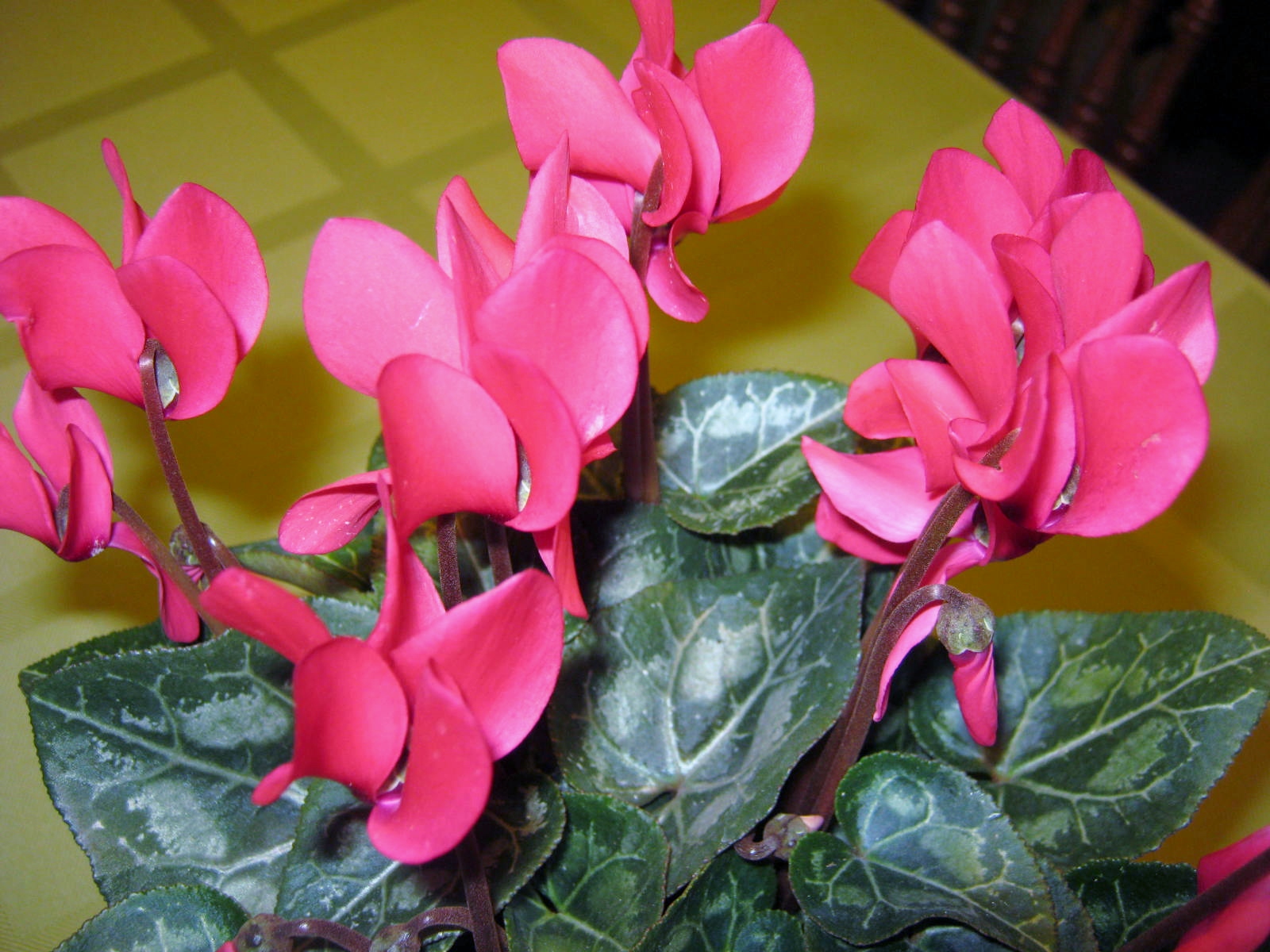
Cyclamen are one of my favorite houseplants. Arriving when I am flower-starved, near Christmas through Springtime, the blossoms give the appearance of butterflies hovering over the white-splotched foliage.

IMG_9819

The flowers come in many colors, pinks, reds, crimsons and purples are a few of the choices. When I purchased the plant in the photographs I had a hard time deciding between the bright red and a white with a pink edge. The vivid hue won out this time.

IMG_9822

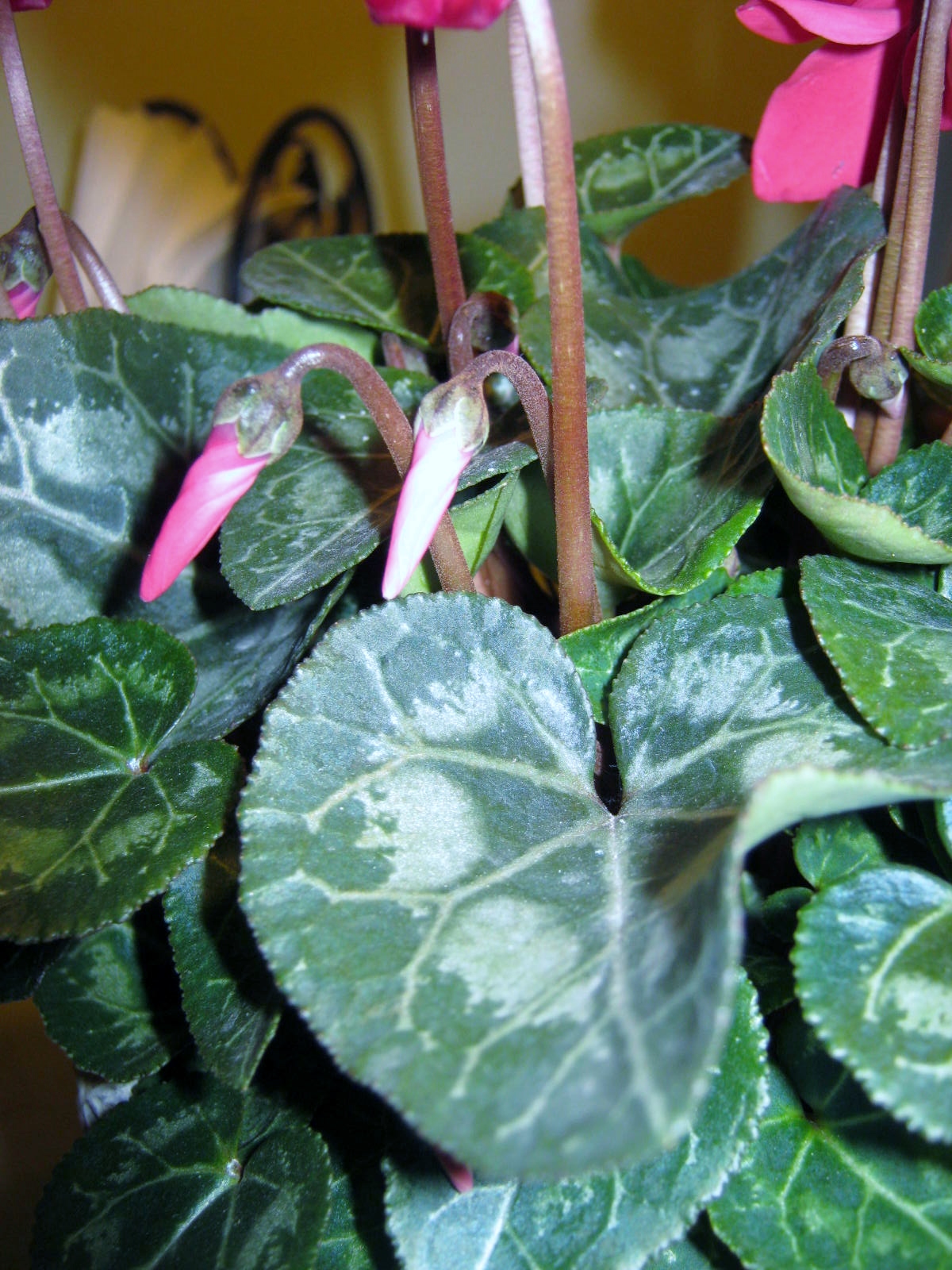
When I choose a cyclamen I always look within the swirl of leaves to see if there are several new buds showing. This will ensure I have cyclamen blossoms for several weeks.

Cyclamens are seasonal plants that grow from a corm. They can be brought back into bloom from their dormancy period, but I usually discard the plant when the blossoms are gone and the leaves become straggly in appearance. Perhaps this is the year I will coax one back into bloom…we’ll see.

Read more on how to grow a cyclamen plant here: The Cyclamen Society FAQ’s

Plants – Forcing Hyacinth Bulbs

IMG_9767

Forcing bulbs: “Forcing is a technique that imitates the environmental conditions that bulbs encounter outdoors, thereby tricking them into flowering earlier.” Beginner’s Guide to Forcing Bulbs

Another way to enjoy Spring bulbs is to force Hyacinths. The same protocol applies to these bulbs, place them in a cold place for at least twelve weeks before forcing. I bring my Hyacinth bulbs into bloom by using a special vase, named quite appropriately, a Hyacinth Vase.

IMG_9614

In my experience, the plant usually becomes top-heavy if I allow it to continue growing in water. When the beautiful blooms open their bulk causes the bulb to topple out of the vase. To counteract this problem I have begun planting the bulb in dirt when it nears bloom time. This has worked very well for me. Happy Gardening!

In-depth directions on forcing bulbs can be found here: Forcing Spring Bulbs

Follow Me on Pinterest

Plants and Problem-Solving – Eradicating Scale on Houseplants

scale 1

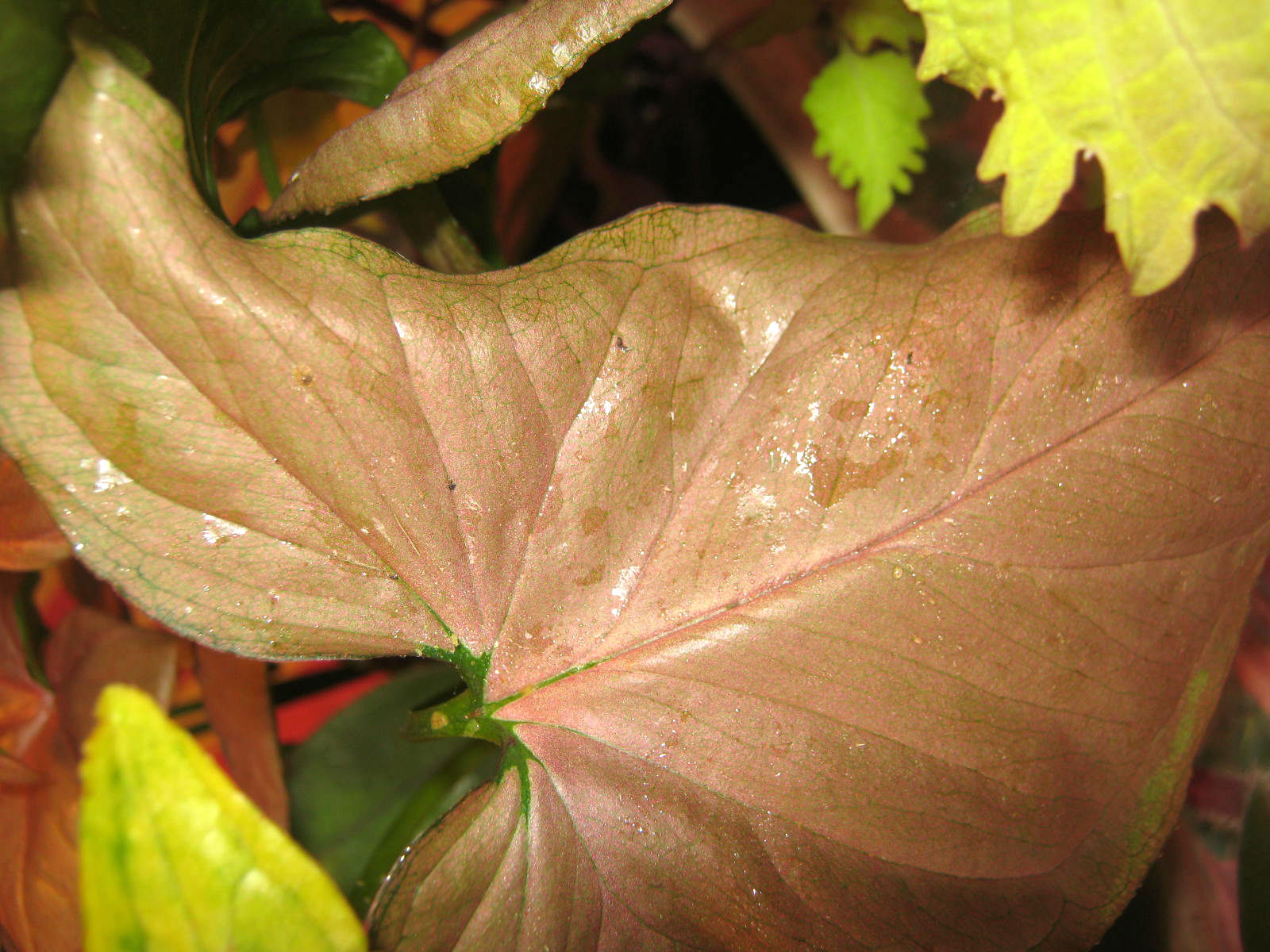
I don’t know how I missed it for so long. By the time I saw the shiny residue on the arrowhead plant, scale insects had already infested at least half the leaves and stems.

scale 2

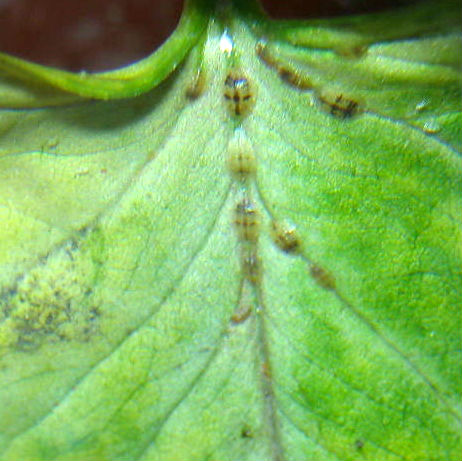
I took a closer look on the underside of a leaf to be sure…yup…scale. Yuck! For more information on scale insects check out this site: Scale Insect Pests

scale 3

I don’t like to use harsh chemicals on my plants. I have grandchildren and two cats. I also attempt to keep products I use as organic as possible. I decided to try rubbing alcohol to treat the scale, a good treatment I have used in the past on mealy bugs and other insect pests.

scale 4

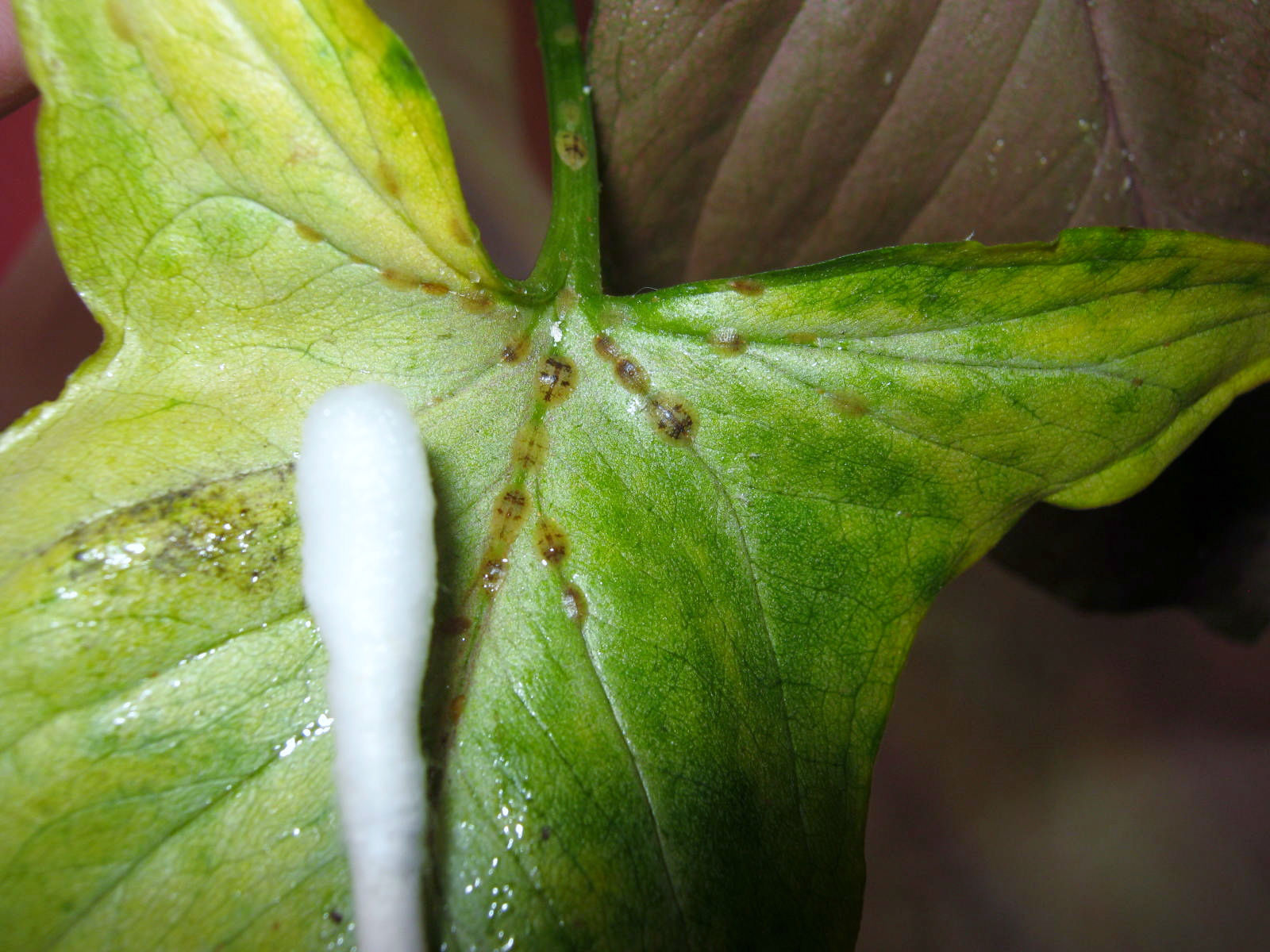
Using a cotton swab, I dipped in alcohol and swiped the legions of scale off the plant. I checked every leaf and stem. When I was finished I removed any leaves yellowed by the insects. I also dipped the plant beneath tepid running water from the faucet. The alcohol kills the insect pests on contact. If you leave it on the plant too long it could cause damage, especially to tender new growth.

I will keep a close watch on the plant. It is also a good idea to remove it from close contact with other plants, and to disinfect the surface it stood upon, and any drip saucers beneath its pot.

Follow Me on Pinterest

Plants – Wardian Case

IMG_9518

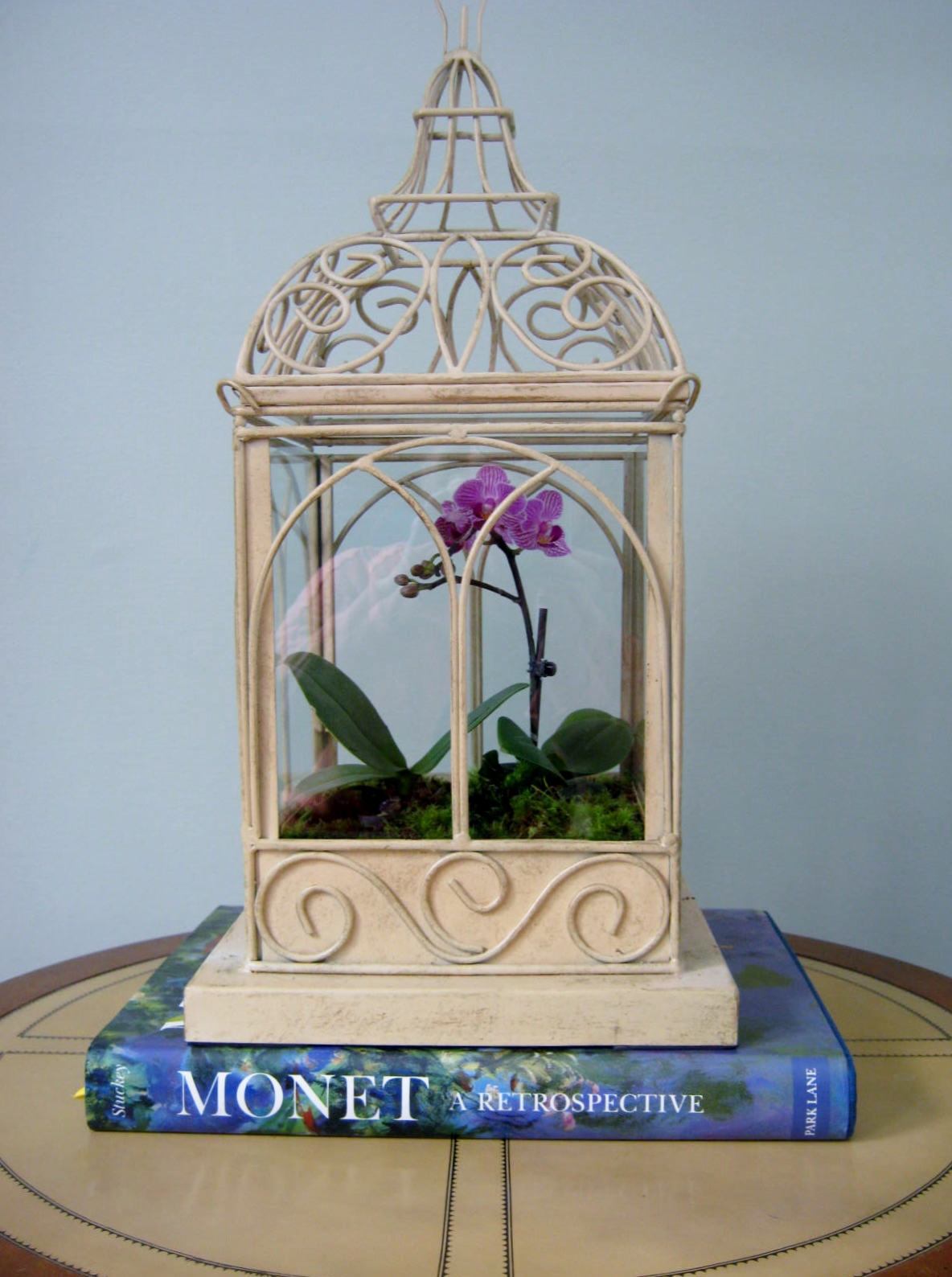
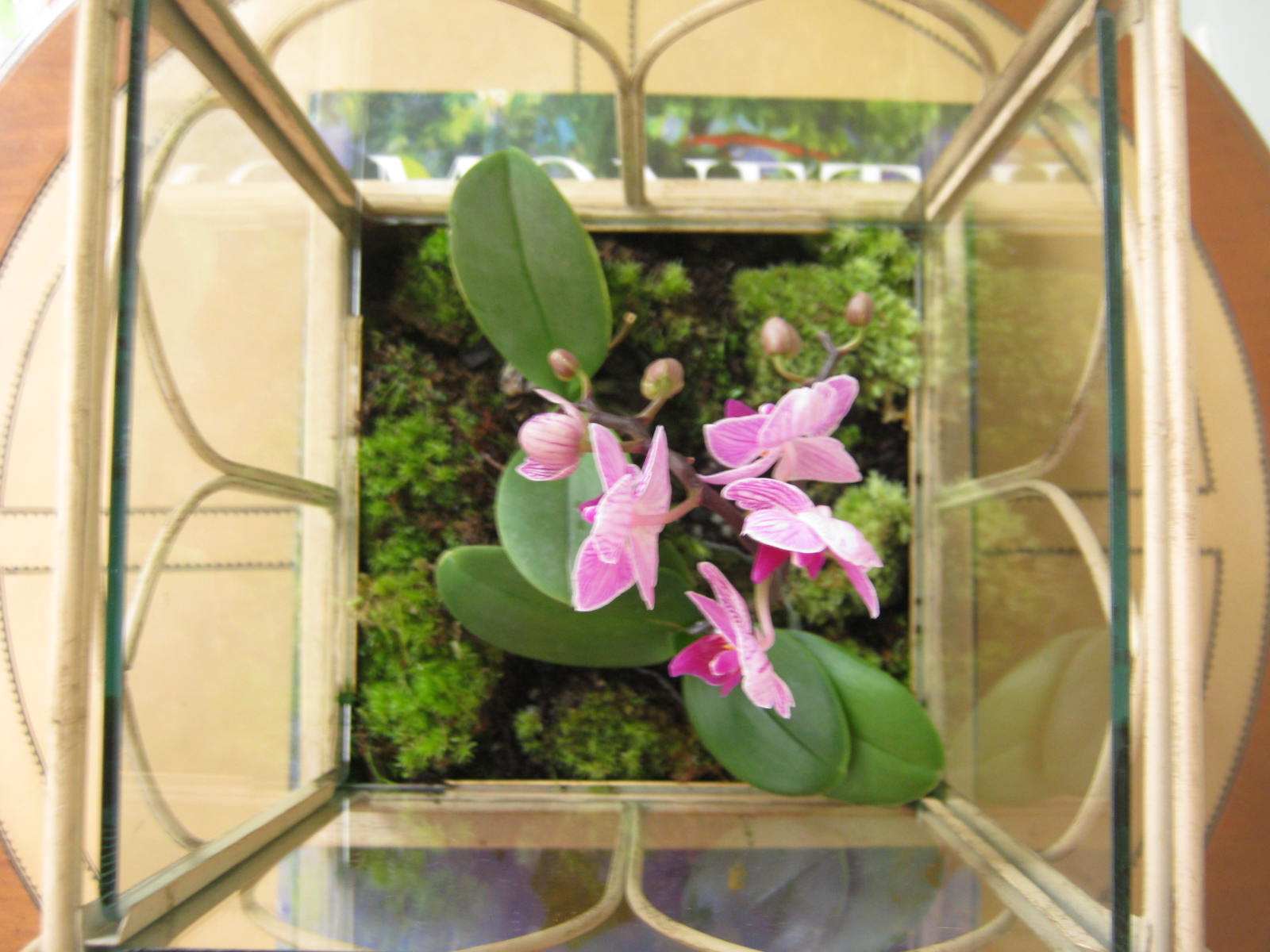
Wardian Case Recipe

Smidgen of Gravel
3 Cups of Potting Soil
Handful of Moss
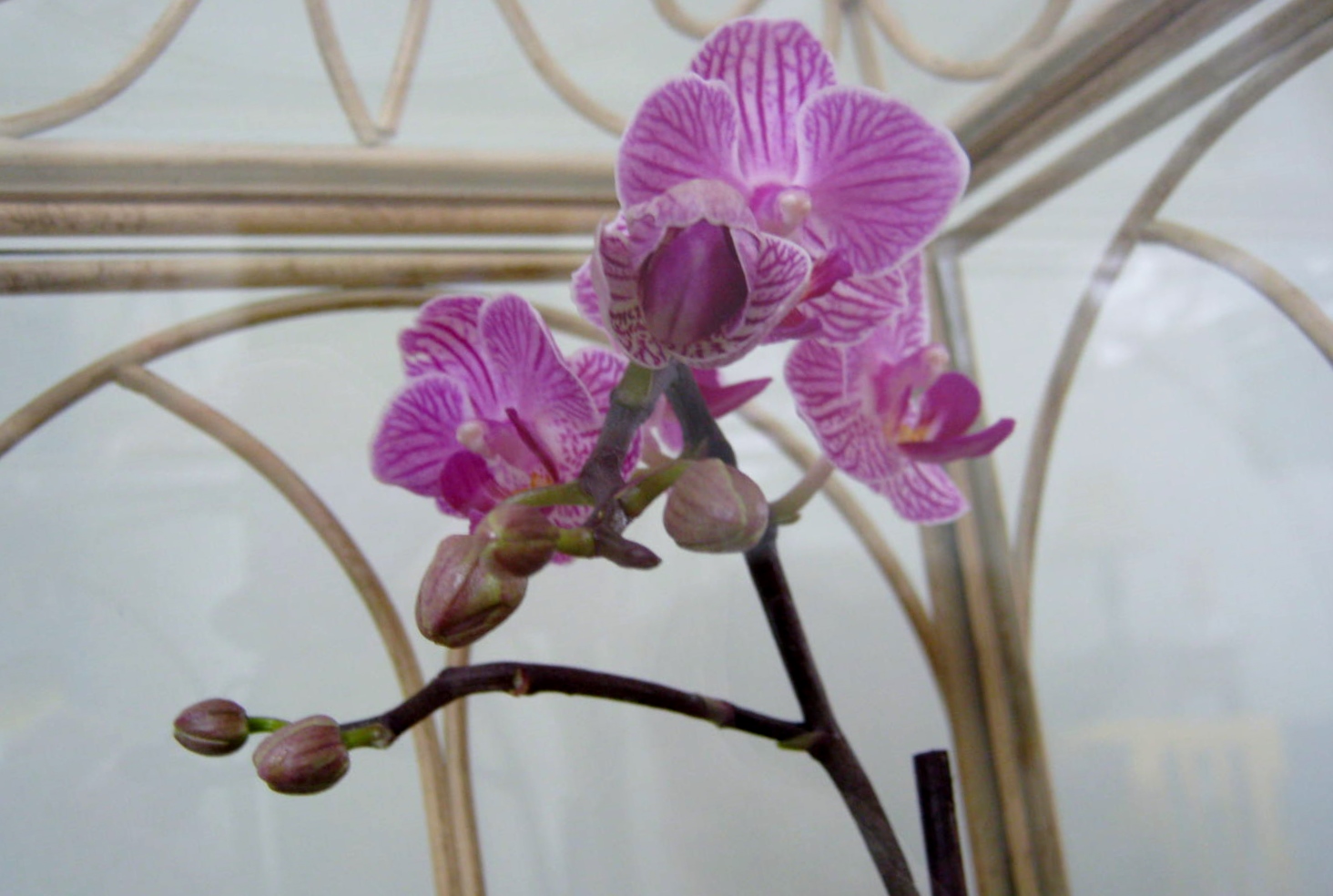
2 Miniature Phaleonopsis Orchids

Add gravel to soil, spread in bottom of case, place moss on top, dig two holes for small pots, place orchids in soil, smooth soil and moss around edges of pots. Put lid on case. Enjoy!

IMG_9517

Follow Me on Pinterest

IMG_9513

Plants – Garden Diary 2014/Potting Up

IMG_9379

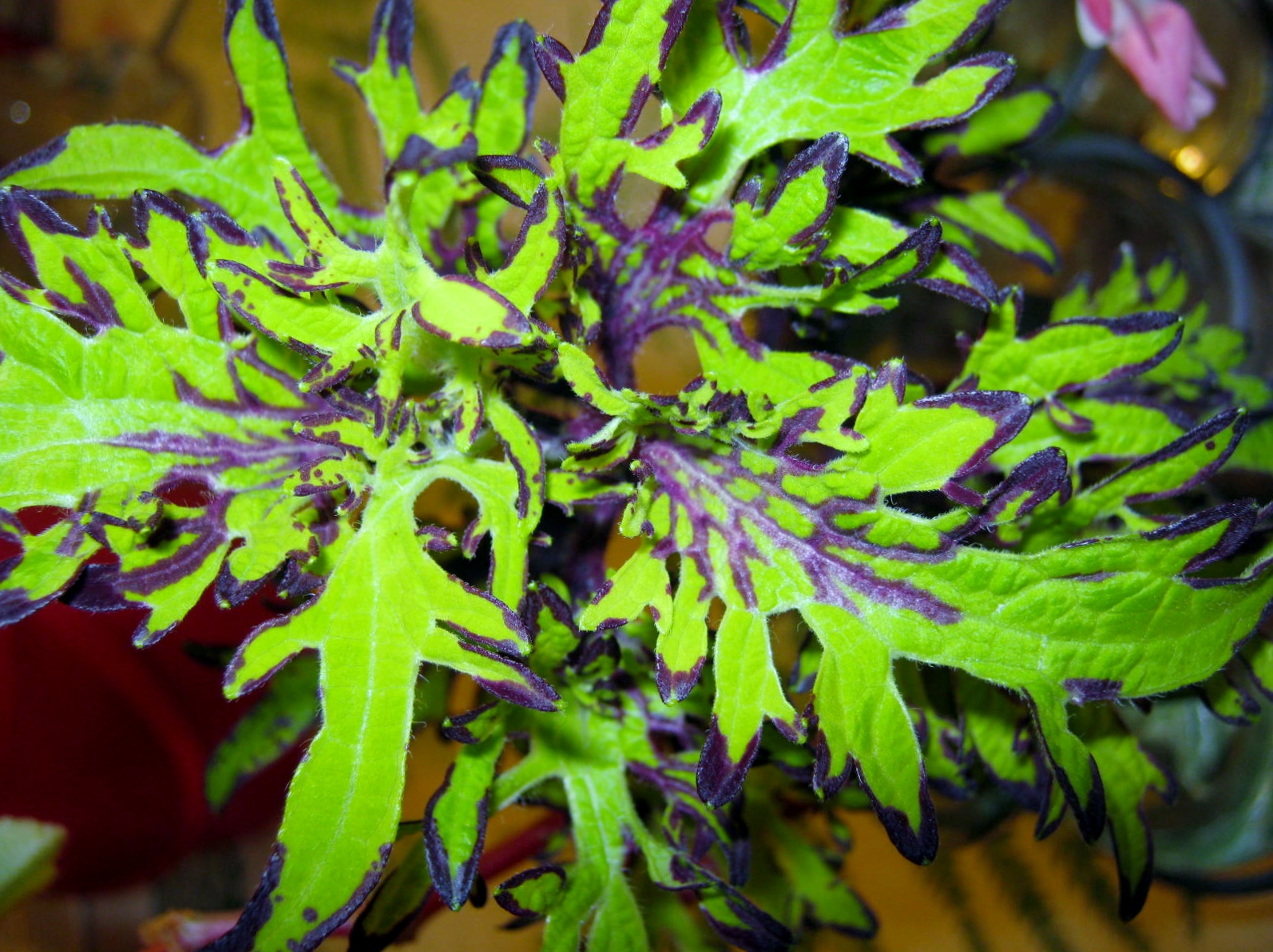
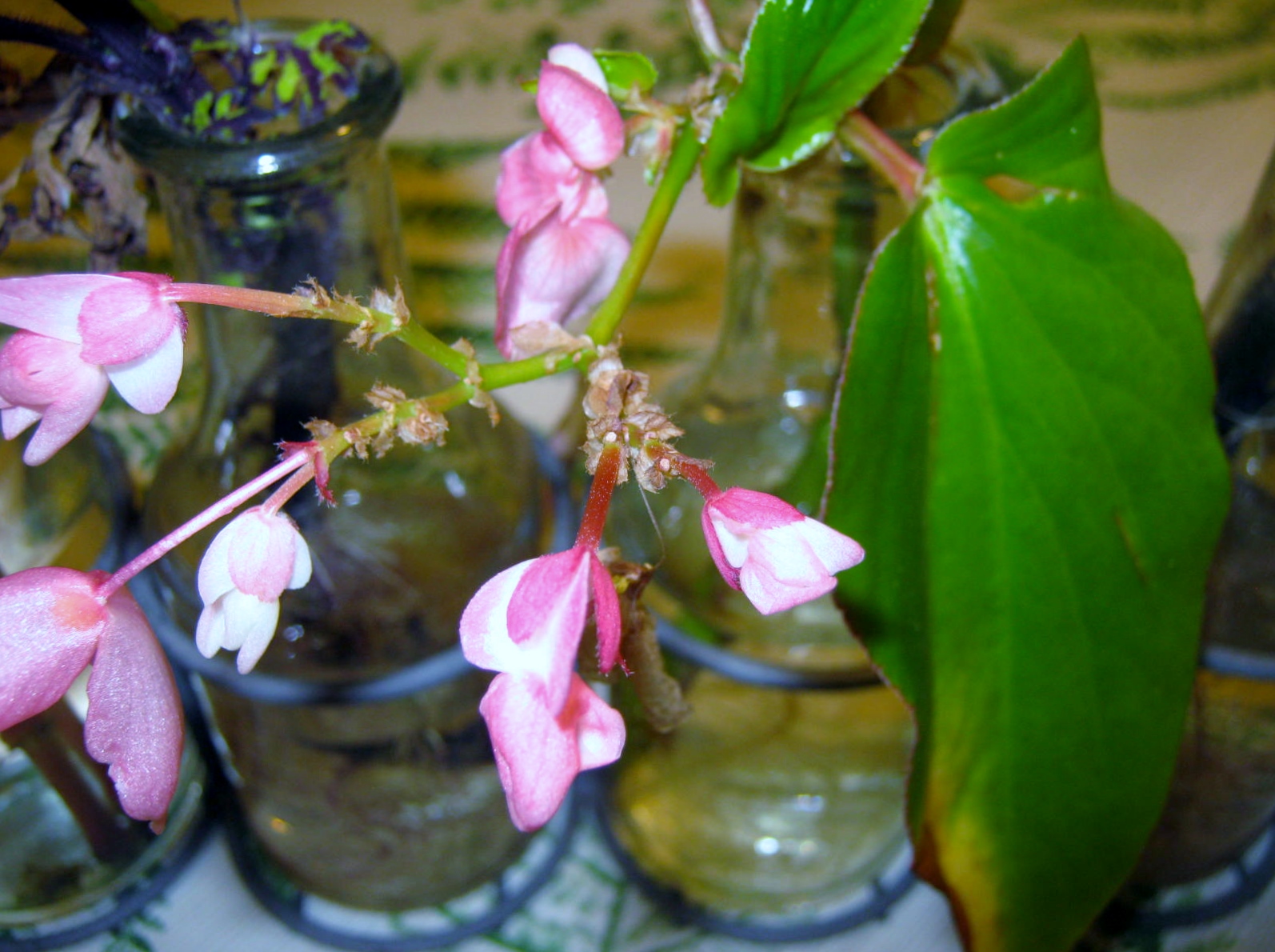
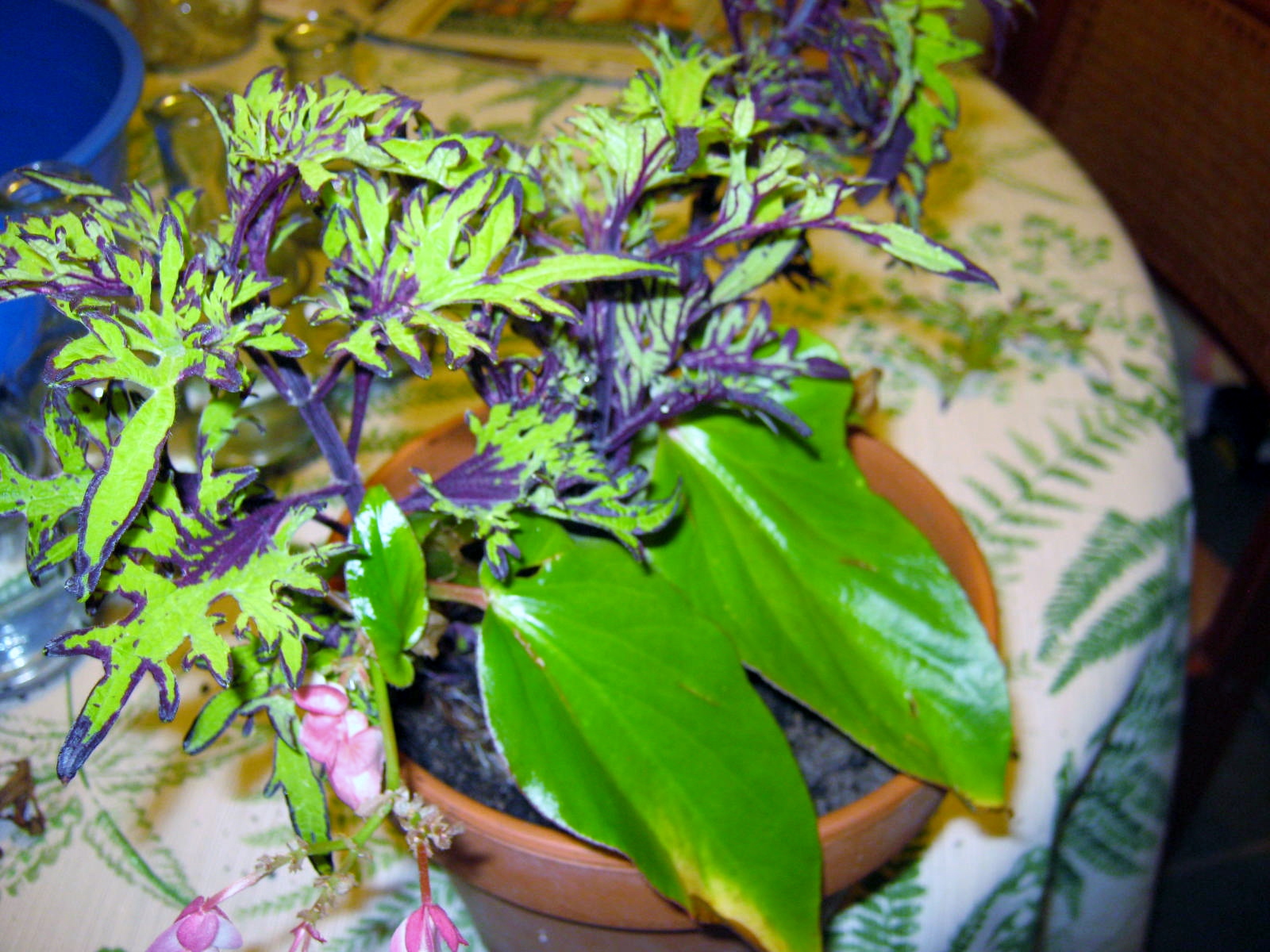
I’ve begun potting up plants for my 2014 garden. These plantlets, Witch Doctor Coleus and Dragon Wing Begonia will grow together and fill out over the next few months.

IMG_9380

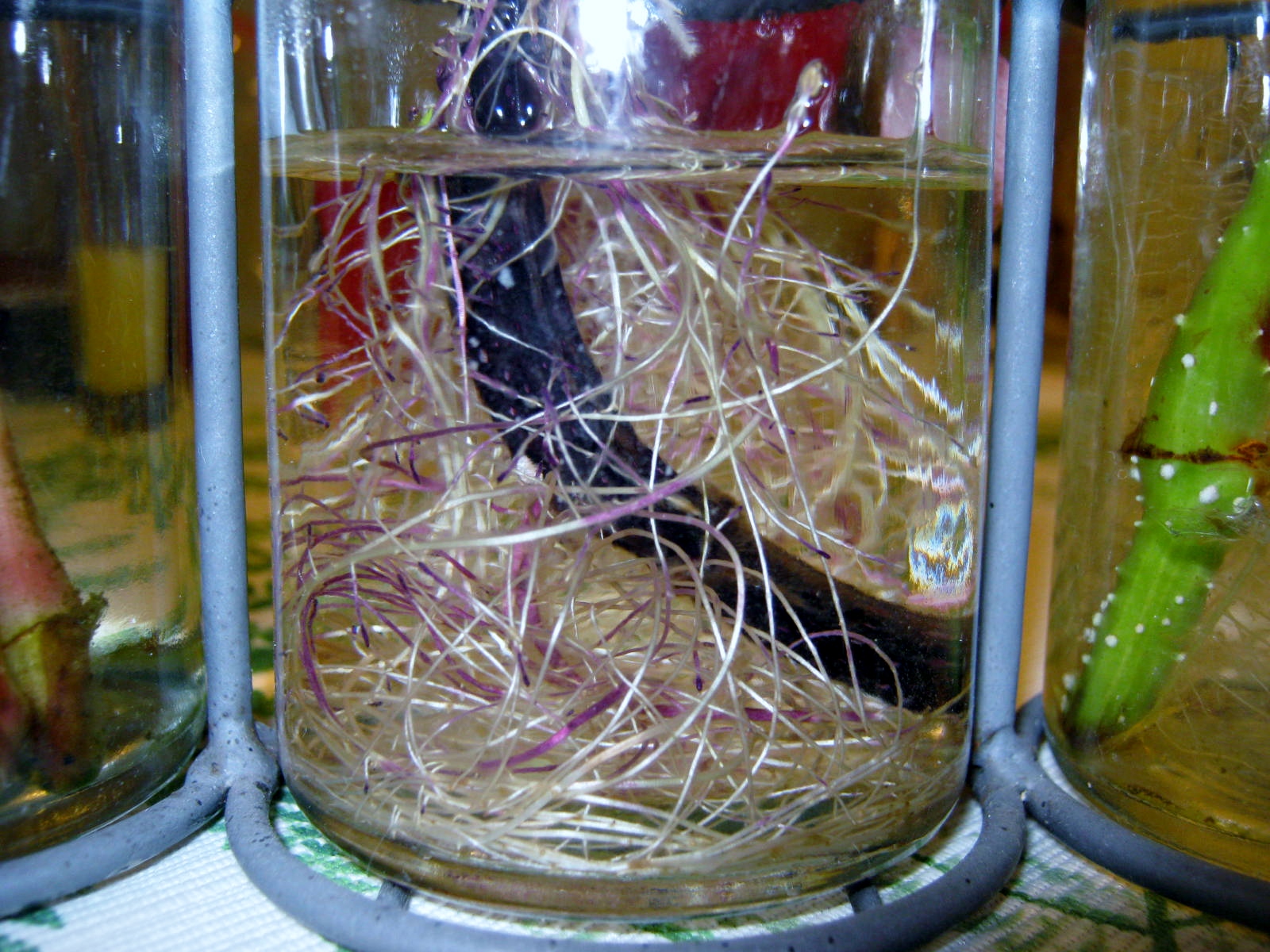
The coleus has an excellent root system and should have no problem adapting to the soil. The begonia is a little fussier about rooting in water, hopefully, it also will feel more at home in the soil.

IMG_9381

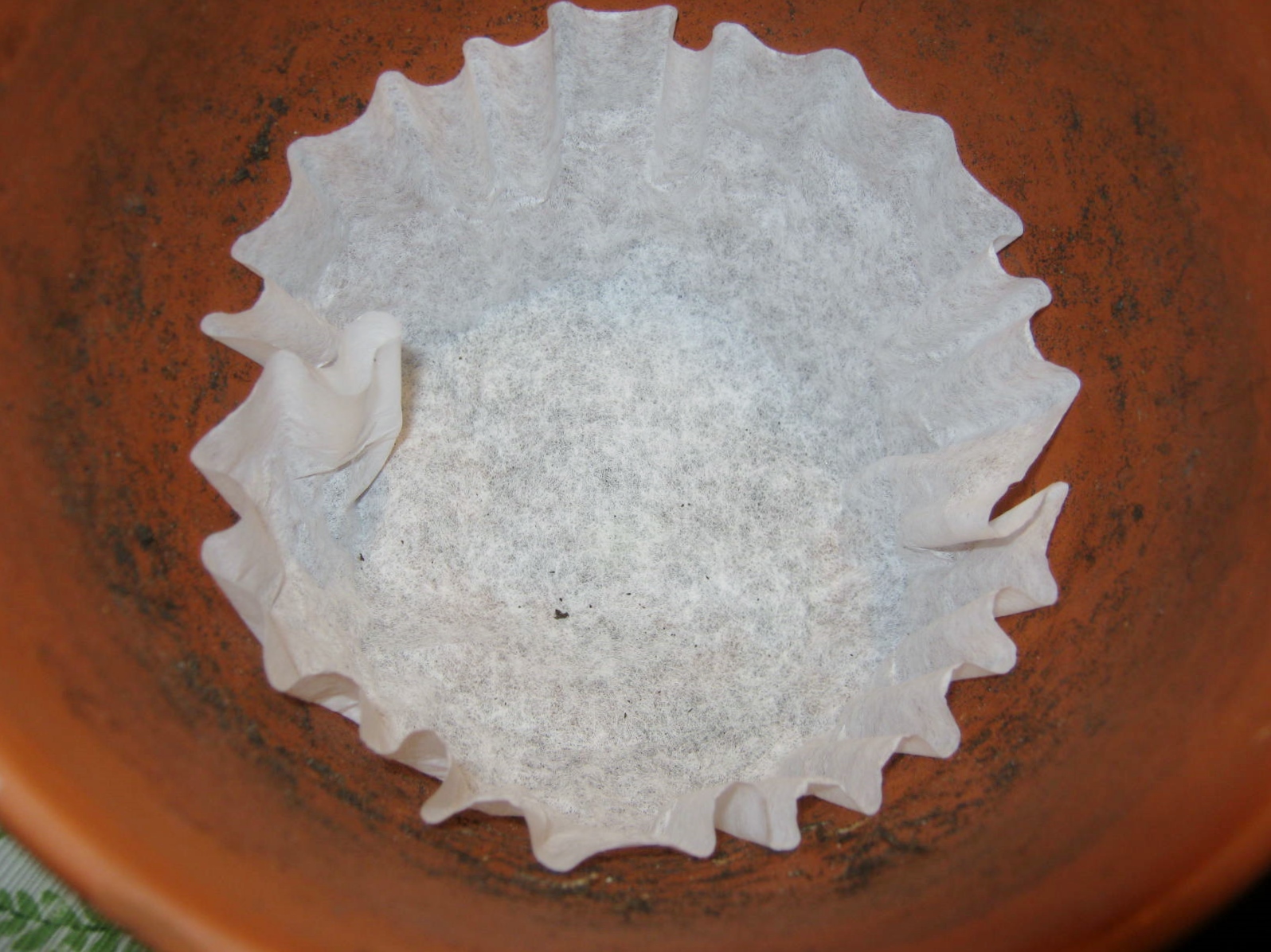
My first step was to cover the bottom of the pot with a coffee filter. This keeps dirt from spilling out but allows water to run through the drainage hole.

IMG_9382

The plants look terrific together. The chartreuse and maroon coloring of the coleus will enhance the pink of the dragon wing begonia. The coleus will grow upright and the dragon wing begonia will spill over the sides of the front porch flowerpot.

IMG_9385

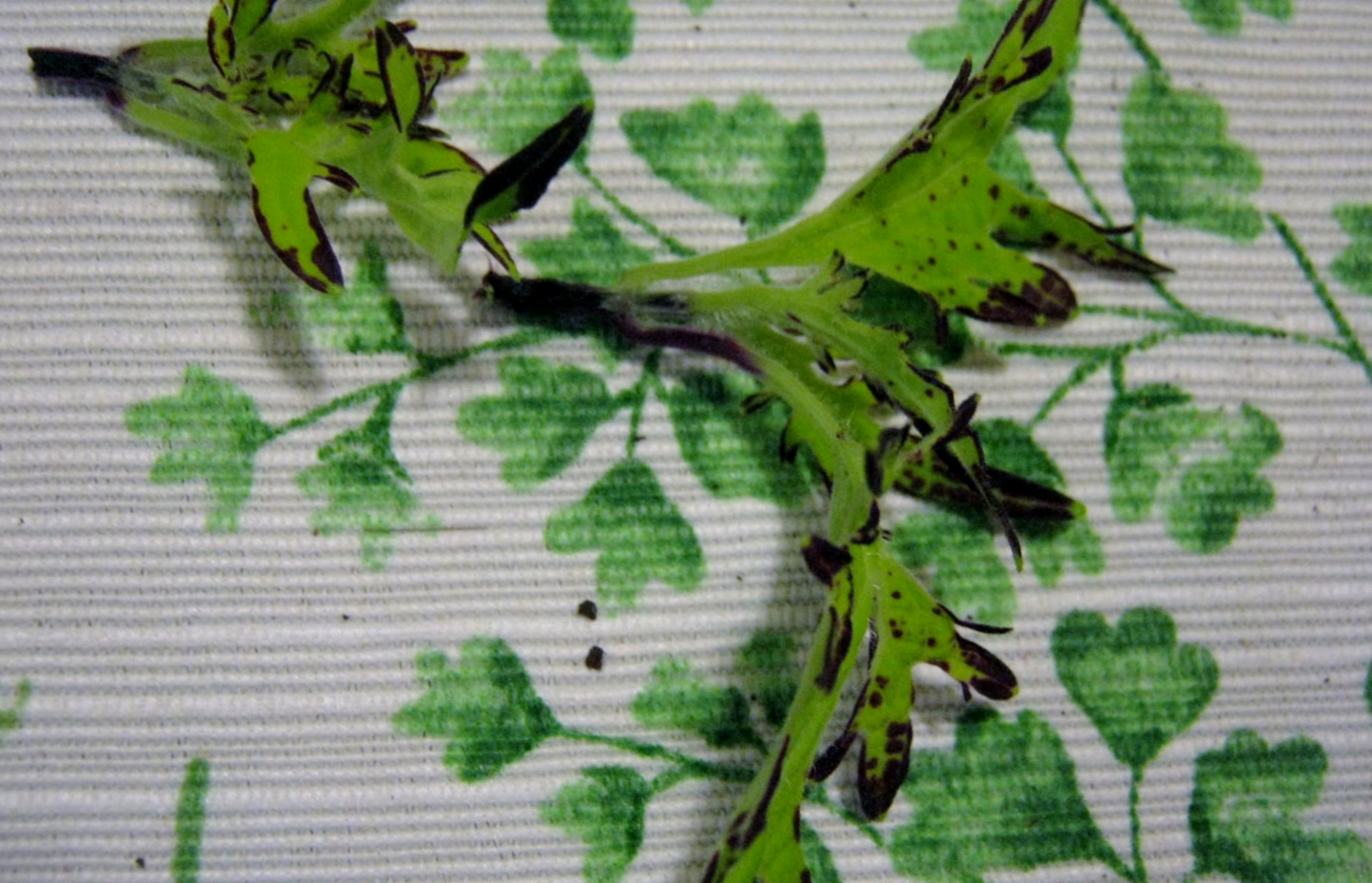
The last step, before watering and placing the pot in a location that receives bright morning sun, was to pinch out the growing tips of the coleus. This will cause the plant to send out more side shoots and give me a bushier and heartier plant in the Spring.

IMG_9383

Plants – Achimenes

IMG_9322

Today started out terrific! My achimenes bloomed.

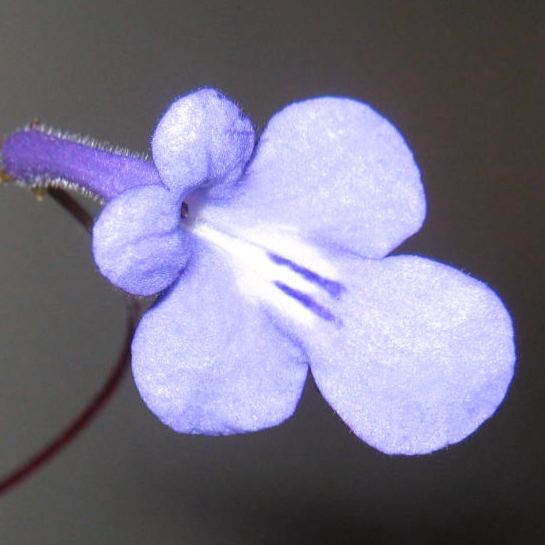
I took several cuttings of favorite plants in the waning days of summer. One of those was from my achimenes plant. The small blooms are gorgeous, and miniature, reaching the size of a nickel in diameter. They make up for their diminutive proportions by abundance, covering the fuzzy green foliage with dozens of small flowers. The blossoms dance on the end of their springy long stem, exuberantly waving in the softest touch of a breeze. The lavender color of my variety is especially pleasing, and a very popular summertime plant. You can find this same plant in a variety of containers and hanging baskets.

Culture of Achimenes

IMG_9318