Project – Dollar Store Kid’s Craft – $3.00

IMG_4277

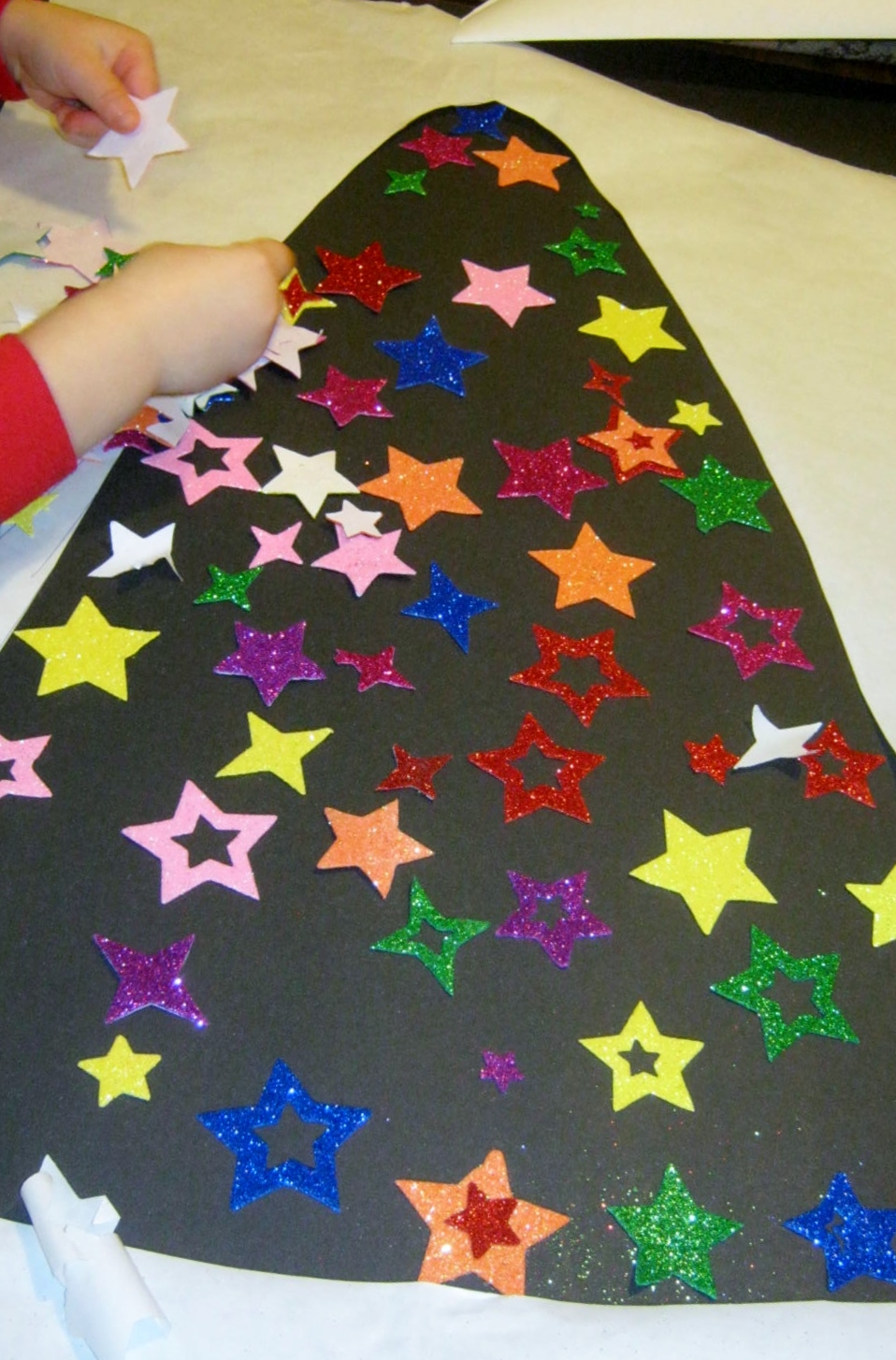
This beautiful Christmas tree was easy and inexpensive to create. All three of my grandsons loved putting it together. The only supplies we needed were bought at the dollar store. We purchased one piece of black foamboard and two packets of glittery stars. We had freezer paper on hand for the template, but old newspaper would work just as well.

IMG_4278

First we scattered the stickers and took a good look at them. We noticed the stars could be used as they were, or to double the amount we had to use, the insides could be punched out and used as separate stickers. Whoo-Hoo…fun…let’s begin!

Before the boys were ready to start I cut a piece of freezer paper into a tree shape by folding it in half and cutting away half a tree. When opened, the sides matched and when placed on the foamboard waxy side down, the paper clung to the  surface just a bit. To help keep the freezer paper from shifting we weighted the corners down with what was handy…salt and pepper shakers. The littlest grandson thought the salt was part of the project and promptly salted the foamboard.
IMG_4274

All three of the boys ages 2 1/2 through 8 years enjoyed the project. It was completed within fifteen minutes and was instantly gorgeous and bright. The only problem we had was some of the paper backing on the stickers stuck a bit for the younger boys.

When the tree was complete and we had oooh’d and aaah’d over how beautiful it was, I used my glue gun to place a string for hanging about a third of the way down from the top. The foamboard is very light and will hang on even the smallest nail.

Happy Christmas Crafting to You!

Project – Dollar Store Kid’s Craft Salt Dough Snowman $4.00

IMG_4284

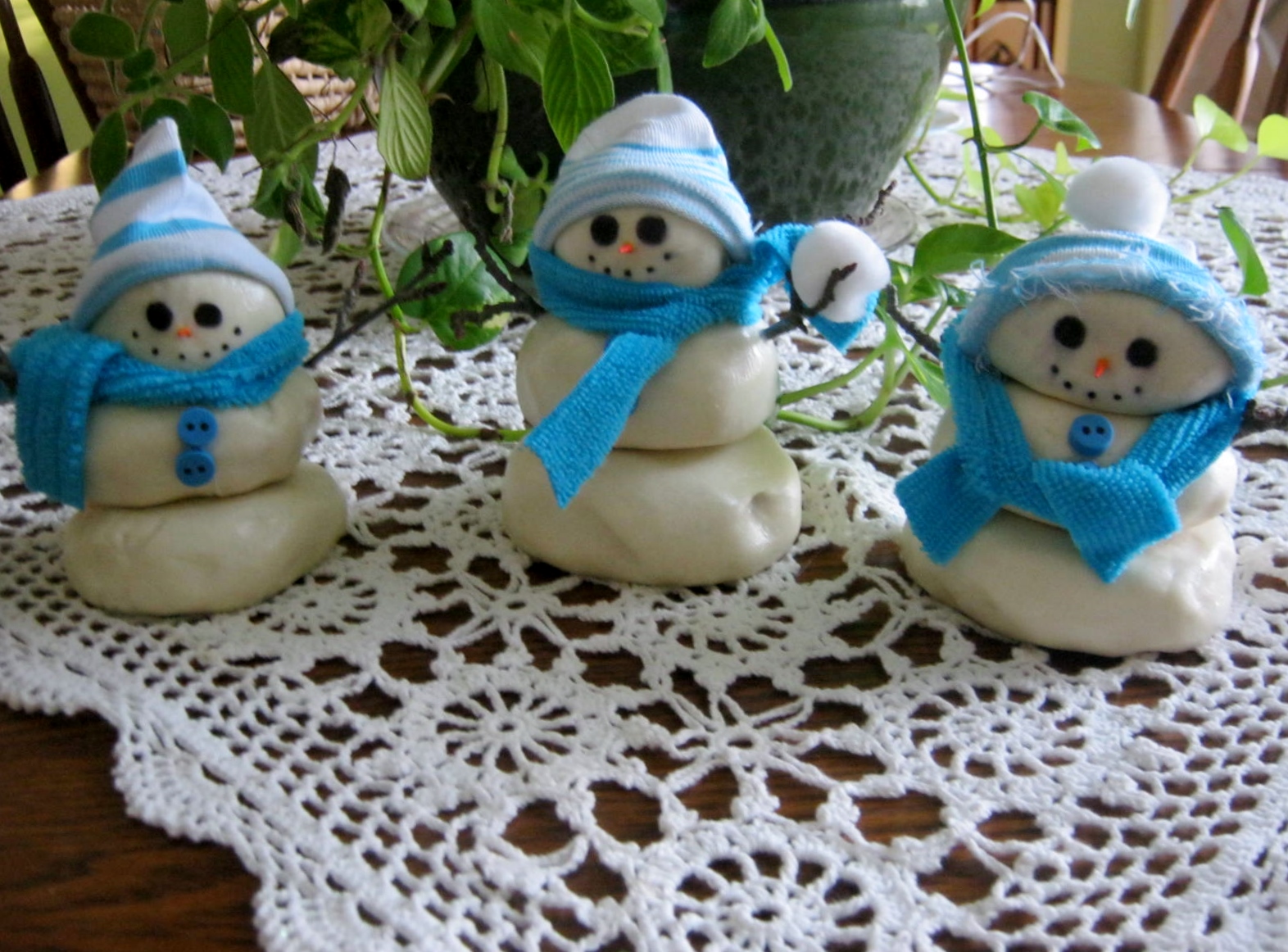
Salt Dough Snowmen are easy to craft. We spent two dollars at the dollar store and purchased a three pair pack of colorful girl’s socks and a microfiber towel that matched the color of the socks. The materials we used at home probably added up to about another two dollars.

The salt dough is so easy to mix up…knead it in a ziptop bag and slowly dry in a low temperature oven. The salt-dough can be used to make Christmas ornaments and other holiday gifts too.

IMG_4265

SALT DOUGH CLAY
2 cups all-purpose flour
1 cup salt
3/4 cup water
2 tablespoons vegetable oil

Mix all ingredients in a large bowl. Place the dough in ziplock bag and knead until smooth. Could also be kneaded on a board or countertop with no problem. A ziplock bag is recommended because it keeps the dough, counter and your hands very clean.
(We doubled the recipe to make three good-sized snowmen)

IMG_4266

IMG_4267

After the dough is kneaded, take out of the ziplock bag and form into three smooth balls. They should be graduated in size, just like a snowman made out of snow.

IMG_4268

Have a plate handy to set them upon as they are formed.

IMG_4270

Place them together in a snowman shape to make sure they sit well. Cover a cookie sheet or flat pan with parchment paper or foil. Take the snowmen apart once more and bake them in a 180 degree oven until they are hard. Ours took about three hours. I checked them constantly for browning. You don’t want any browning to mar the off white color. I also turned them several times as they dried out.

IMG_4272

When they are hard to the touch let them cool. Glue the pieces together. We used a glue gun which did not hold after a few hours. Tacky glue is a better choice.

I made a mistake at this point and added the features with permanent felt-tipped pen before brushing on Mod-podge. (Mod-Podge is the name of a waterproofing glaze, we used the glossy variety.) The foam brush I used smeared a bit of the ink, even though it is supposed to be permanent. I reapplied the eyes after the Mod-Podge dried. I had no problem adding it at this point. Much better to draw the features on after the glaze is applied. (Glaze is a good protection, not sure how well the snowmen would hold up without it.) You also could use acrylic paint to create features. This would add at least a half hour to completion time for drying.

IMG_4280

The salt dough is still a bit pliable at this point. We were able to push small branches into their torsos to create arms. Small buttons were added and a toothpick was colored orange and pushed into the face as a nose.

IMG_4291

We cut the top of the socks off, rolled up a brim, and placed them on the heads of the snowmen as hats. We added pompoms to the top of one. The hats were a little ornery to get on…they kept popping off until somehow they gripped and stayed in place. We cut the microfiber towel into long strands and used these as scarves. We were so very happy with the way our sweet snowmen turned out.

IMG_4288

The boys were able to form the snowmen, but an adult or older child might need to draw the features as was the case with ours.

Projects – Sources for Beautiful Background Images

Image (6)shella

I want to let you in on the secret of how I created the colorful background shown above. I used this image as the background for yesterday’s quote poster. The background is a scan of the inner recesses of a small shell (less the diameter of a quarter )I found on a beach in Jamaica.

Image (6)shell

How to do it: I scanned the inside of the shell, cropped it down, saturated the colors and cropped again to a standard size. I added the lettering in my “Paint” application, and then went to PicMonkey to frame it. I chose the Drop Shadow frame for this quote poster.

CS Lewis Quote.jpg

Create a few posters with your own favorite quotes as desktop wallpaper, or as a note of encouragement for a friend or loved one through email or Facebook. Quote posters are also great to insert in a blog sidebar.  There are countless ways to use them. Happy quoting and creating!

Projects – Deckled Edges

What is a Deckled Edge – The ragged or feathered edge of the paper as it comes from the papermaking machine is the deckled edge. Deckled edges look terrific on journal pages and paintings that will not be framed. If your paper does not have a deckled-edge it is very easy to create this look by folding and tearing. Heavier, layered papers work best with this technique. Thin paper will not show as much “feathering.”

(2 x normal speed)

Photograph – Peas and Arugula…Oh MY!

IMG_4136

There’s some excitement afoot in the Square Foot Gardens; the seeds have sprouted underneath the newly built Hoop House. The peas and arugula are doing best, the lettuces (Mesclun varieties) are sprouting too, but at a slower rate. Hooray!

The Daily Post for this week is: Achievement.

“Have you just run 26.2 miles, finished a long-term project, or met a personal goal? This week, show us an achievement.”

IMG_4137

Growing cold-season vegetables is not new, but it is a first for me. My new Hoop House is everything I had hoped. Yes, I consider my vegetables sprouting in mid-November’s very cold temperatures quite an “Achievement.”

Projects – Hoop House

IMG_4029

In hopes of extending the growing season, my husband and I constructed an easy to build hoop house. I have a raised border around my Square Foot Garden and this made anchoring the hoop house down fairly easy. Any sized hoop house can be built atop a raised bed. I am not including any written directions; we didn’t have any to follow, but I am including a list of the materials we used, and a step-by-step photo diary of the construction.

We built the hoop house with ease in lifting a priority; the top will open up and lay on its side much like a door opening. This solves the problem of creating an opening in the side of the hoop house and also give me easy access for planting, maintaining and harvesting. I’m hoping to grow salad greens through the colder months of the year.

IMG_4031

Our hoop house covers a 4 x 6 garden plot. Happy Hooping!

Materials
7 Lengths 1/2″ PVC Pipe
4 PVC elbows (size to fit pipe lengths)
10 PVC tees (size to fit pipe lengths)
3 conduit hangers (I think we might end up using more of these around bottom edge)
10′ x 20′ roll of 3 or 4 mil. plastic sheeting
Roll of packaging tape

IMG_4024

IMG_4023

IMG_4026

IMG_4027

IMG_4028

IMG_4034

IMG_4032

IMG_4030

IMG_4033

Projects & Quick Tip – Making Martha/Halloween Sunglasses

IMG_3984

What a clever idea! Why haven’t I ever thought of it?

Decorate a dollar store pair of sunglasses for Halloween.

I don’t dress up, but I decided it would be fun to try a few of the cute ideas in the October issue of Martha Stewart Living magazine. The Trick-or-Treaters might enjoy the look…or…maybe they will be SPOOKED!

It certainly wasn’t costly to create these glasses, and while they will probably only last a night; I sure had a good time creating them.

IMG_3963

You can find more ideas here: Martha Stewart’s Sunglasses for Trick or Treating

If I have time I might glue a silk flower or two to an extra pair of sunglasses I found lying in a drawer.

Project – Two on Tuesday/Autumn Rocks


Here’s a way to use the pretty beach and river rocks you picked up on your summer outings this year. I sprayed the rocks with glossy clear acrylic and twisted a twelve to fifteen inch piece of copper wire around the bottom. Twirl the remaining wire around a pencil and squeeze together the final two swirls and lift this piece upwards. These wired rocks can be used to display photos, seasonal letters or cards. I’m thinking of using a few to display my antique holiday postcards too.

Project – Tutorial Trio/Snowflakes & Floral Bows

It’s the time of year to begin gathering ideas for the upcoming Autumn and Winter seasons. I’ve posted all three of these tutorials in the past, but decided to resurrect them for the coming holiday seasons. I will be starting to cut snowflakes for December decorating any day now. I like to have eight in each window. When you add it up, that’s a lot of snowflakes to cut. If I cut one or two per day I have more than I need by December 1st.

The first video in my trio explains how to create paper snowflakes.

The second snowflake video shows you how to coat the paper with wax so that moisture from the winter windows does not ruin all your work.

The third video demonstrates how to make a large-sized oblong bow for wreaths or packages.

It’s a good idea to get a jumpstart on plans and crafts for the upcoming holiday seasons of the Autumn and Winter. A little bit done each week equals less stress as the holidays draw near.

Projects & Phlowers – Pounding Phlowers (Flowers)

IMG_2670

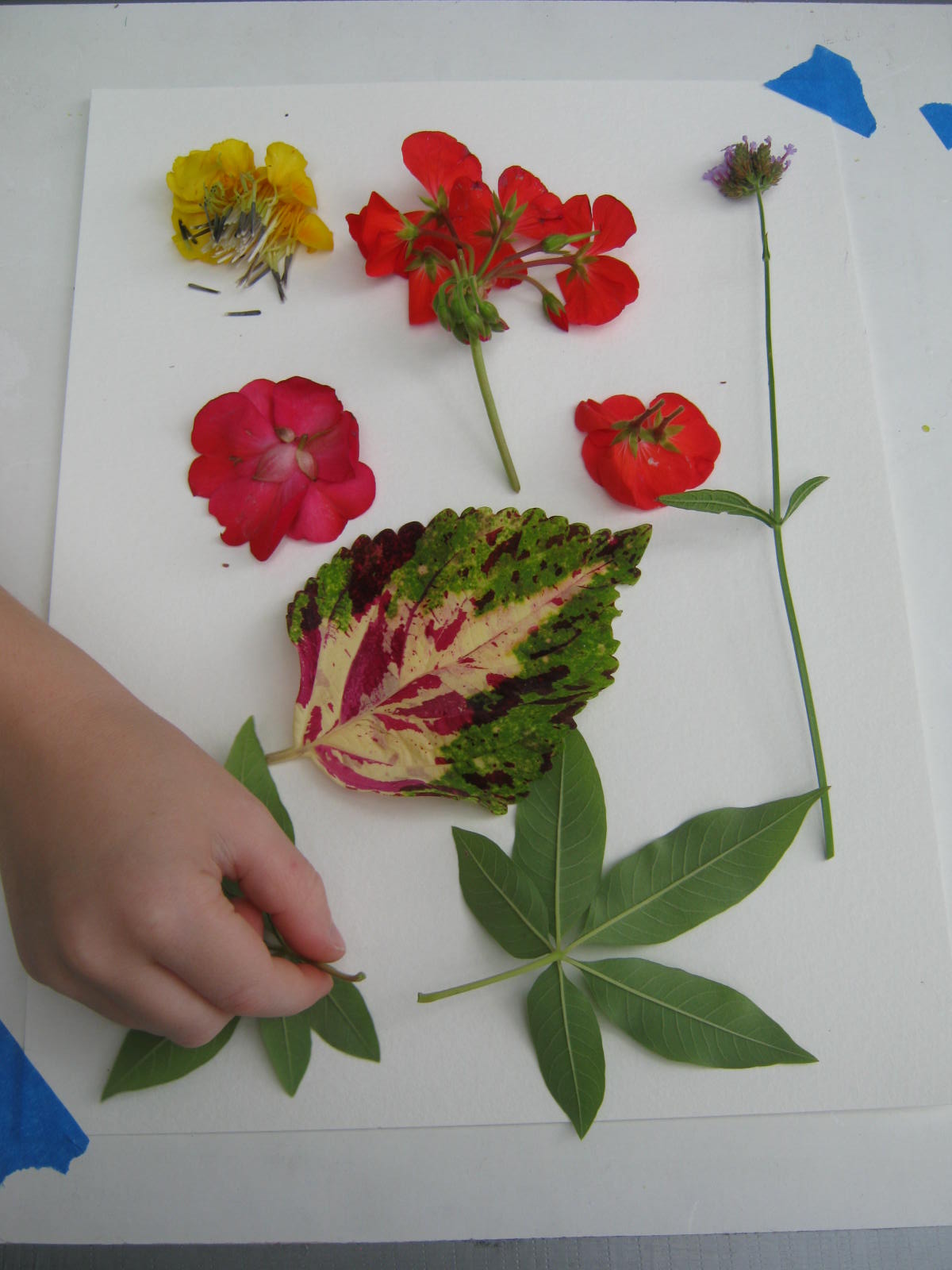
What am I planning to do with this beautiful pile of flowers and foliage…why pound them of course!

I don’t know when or where or how I first heard about the technique, I only know I first pounded flowers with my sons when they were both children. Since they are both in their thirties now, that must be near twenty years ago. Yikes!

I love to bring things full circle…this week I pounded flowers with my grandsons.

Start with a pile of beautiful flowers. Choose bright colors and those that are full of moisture. Dried out flowers will not work as well. You will need foliage also…all the different greens you can find. CAUTION: Do not use flowers or foliage that is poisonous. Pounding will release oils and the essence of the flower into the air and possibly onto your skin. Be smart…research any flower you are not sure of as to the degree of toxicity it might contain. Don’t pound any flowers or leaves you are not certain are safe to use.

After I checked what I had in the pile, I removed the trumpet vine foliage and flowers. They can cause contact dermatitis. I also removed my morning glory flower. A good way to choose which  flowers and foliage to use is to check out this list of edible flowers:
Edible Flowers

IMG_2671

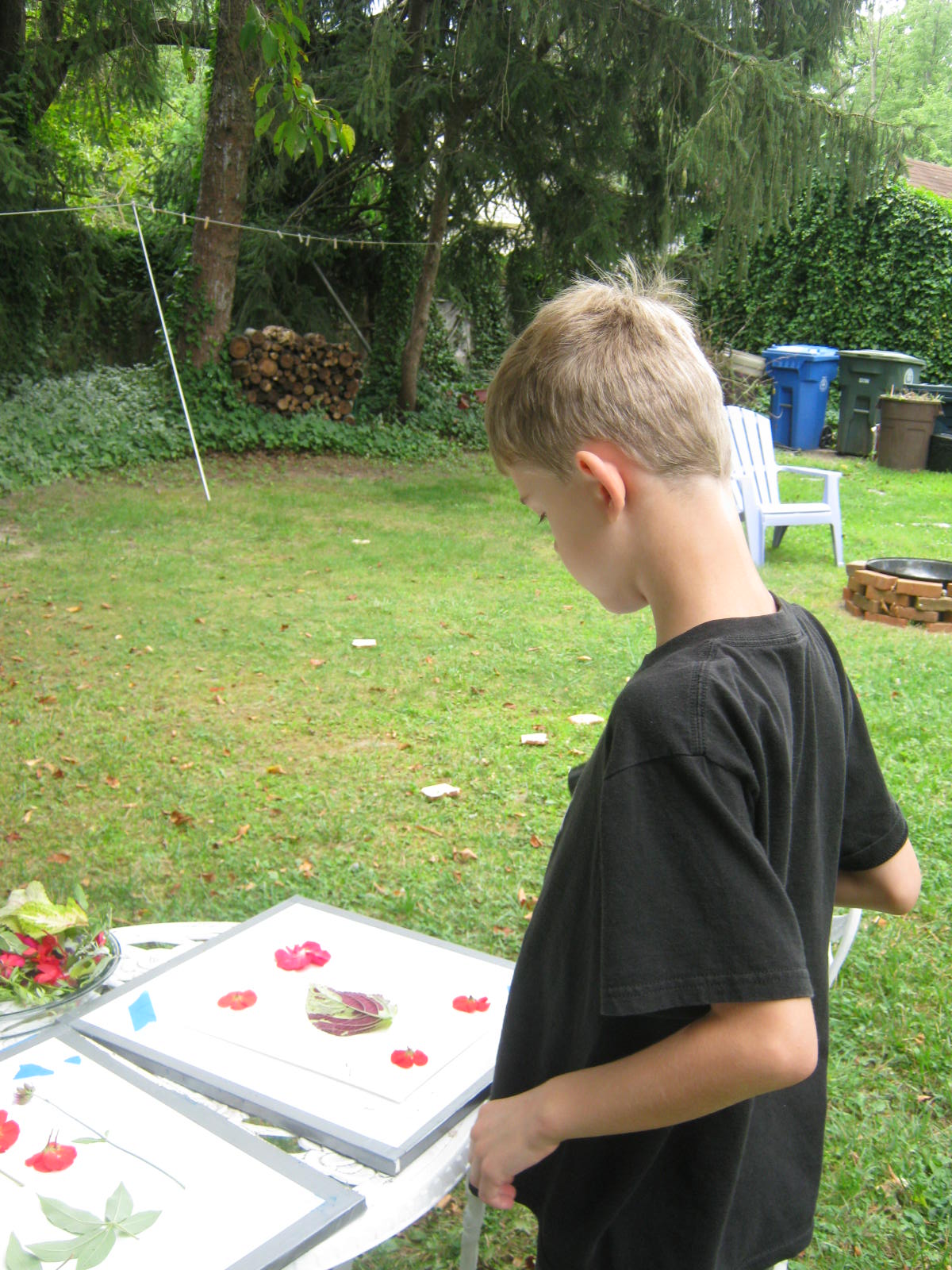
First step – Tape heavy paper to some kind of stabilizing surface. We used old watercolor boards I had on hand.

IMG_2672

IMG_2674

Then move on to the fun part – place the flowers in a design, cover with paper, pound with a rubber mallet or an actual hammer. (Strike gently with this one.)

IMG_2676

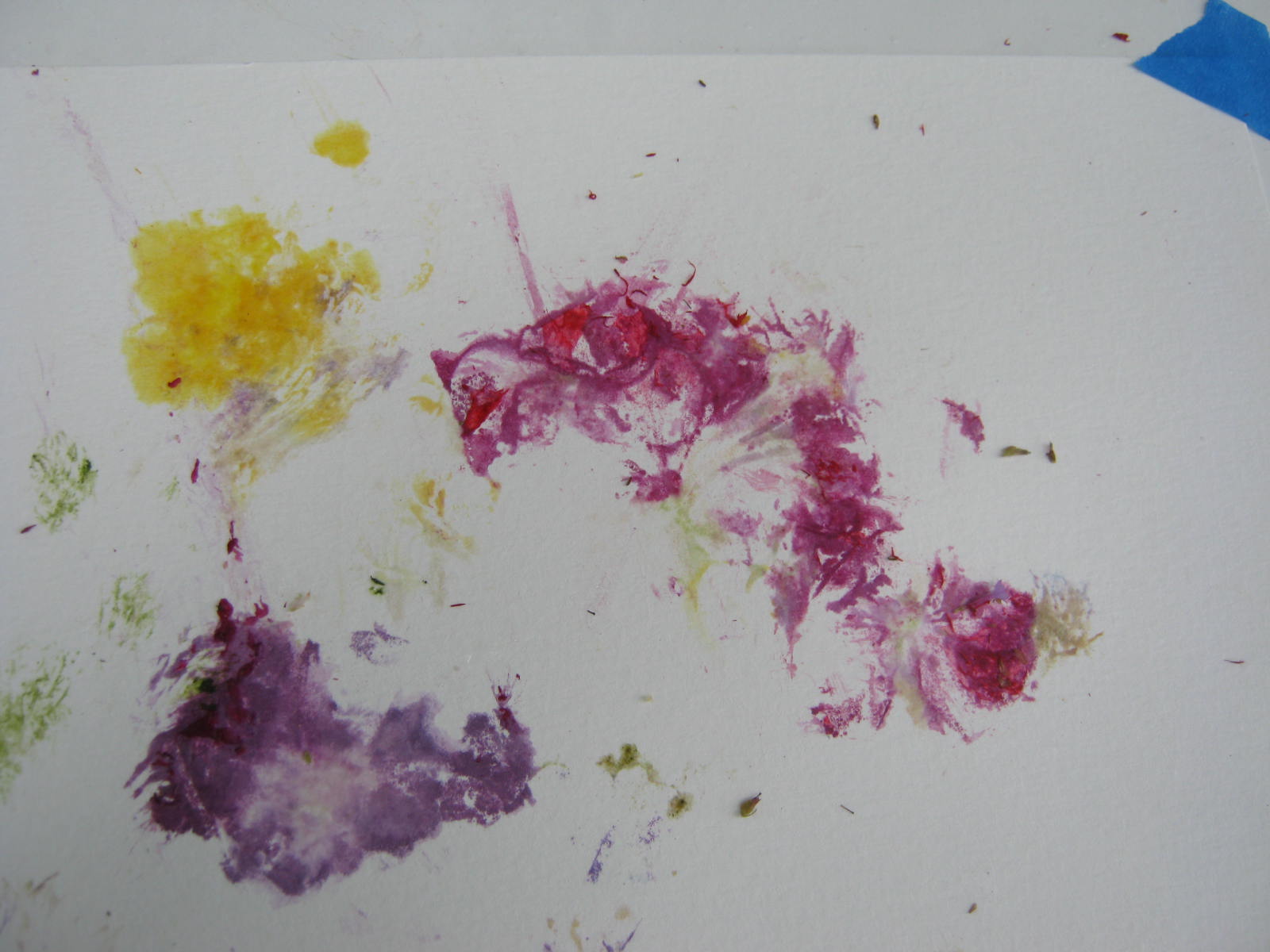
When you remove the cover sheet of paper you will notice some of the petals will stick to the paper. In hindsight I wish we had left all of the petals alone until the flowers were a bit dryer.  When we tried to brush them away they smeared color across the paper. Another way to remove the flowers would be to coax a paintbrush under the pounded petals and gently tease away from the paper.

IMG_2677

The flower pounding was much more successful than the foliage pounding. We found that fleshy, juicy flowers worked best. The prettiest color and most consistent performer was the magenta New Guinea Impatien.

IMG_2680

Marigold petals also left beautiful color on the paper.

We set the pounded flower paper aside when we were finished. After it dries we will come up with a project to use it in. In the meantime the flowers will fade, and eventually turn a duller shade. This sounds disappointing, but combined with the perfect materials, could  mean an outstanding and crafty creation. Happy Pounding! 🙂

Follow Me on Pinterest

Project – Fourth of July Windsock for Kids

Fourth 2

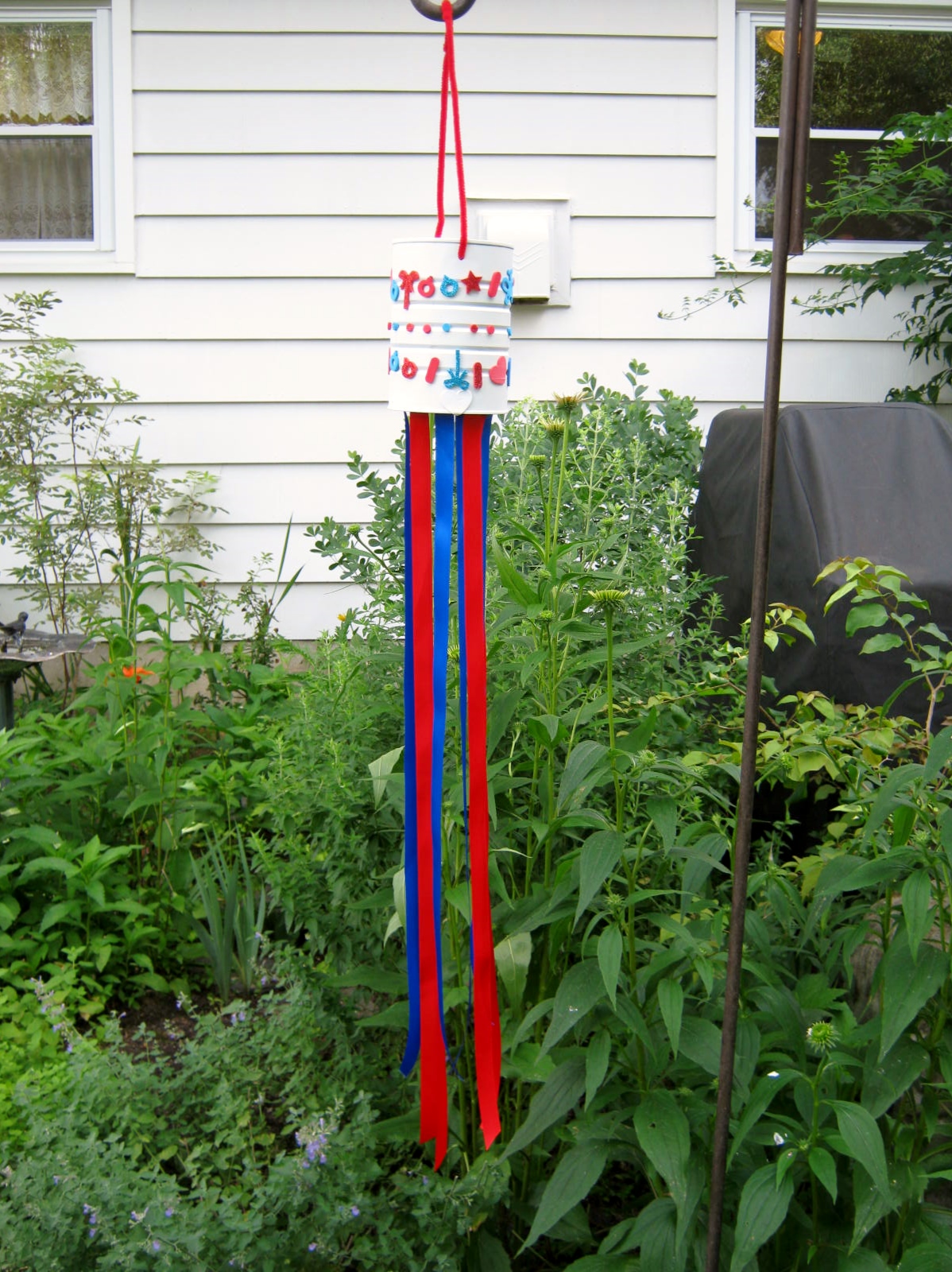
The Fourth of July is a week away. Today is the perfect opportunity to create a patriotic windsock.

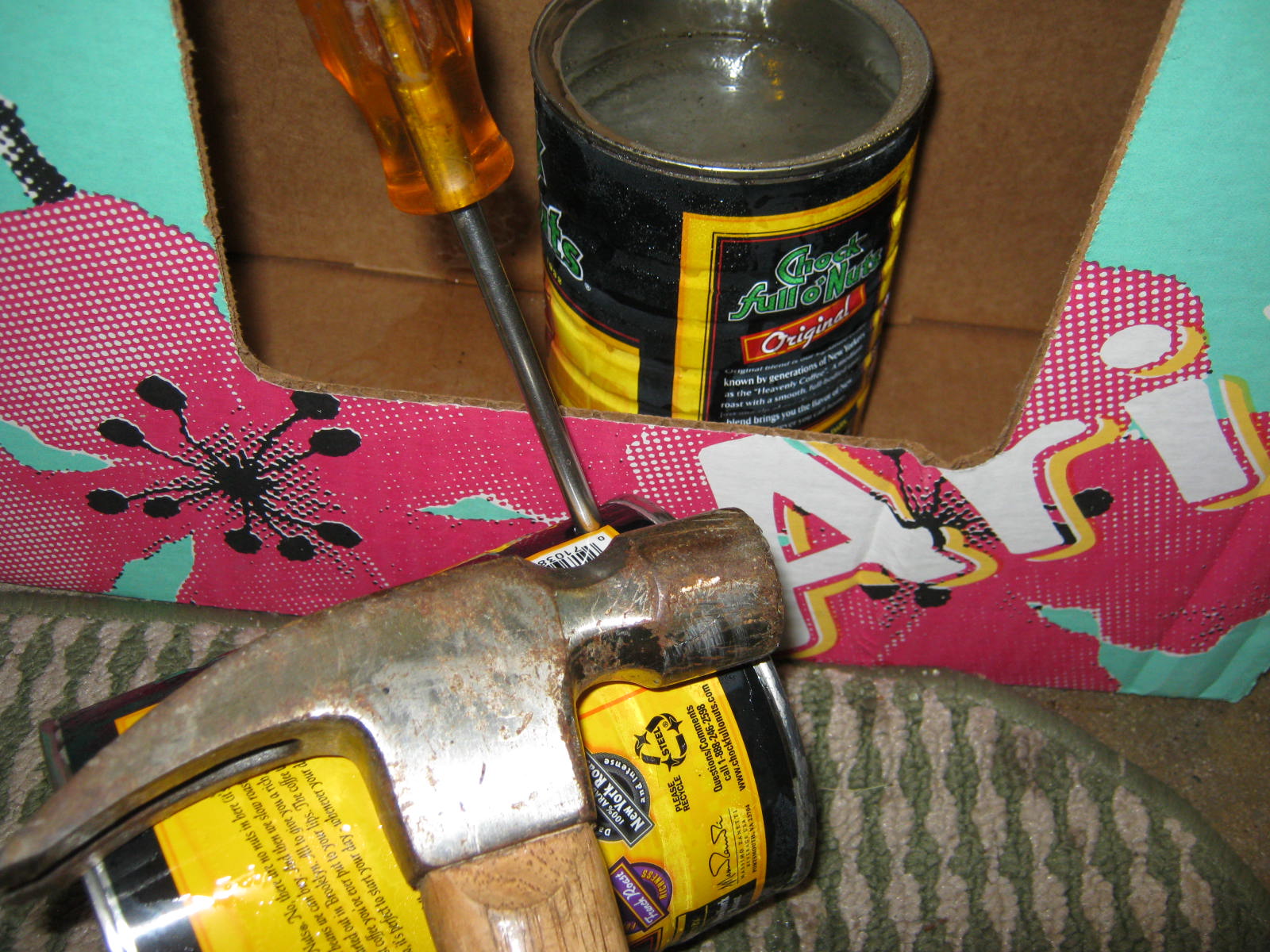
Start with a coffee can, or substitute any other round and sturdy structure that can be spray-painted and decorated. Tear away any paper or outside covering. You need to add two holes on either side of the bottom about 3/4 of an inch down. This is not easy, and is definitely a job for the adult supervising the project. I tried punching a hole with a screwdriver first, and found it hard to break through the sides. The hole it created was also too big. A sharp, large-sized nail worked much better for me. A few taps and it punctured the side of the can and left a nice-sized hole. I placed the coffee can on a rug while I hammered to keep it from sliding around.

IMG_1572

CRAFT TIP

IMG_1571

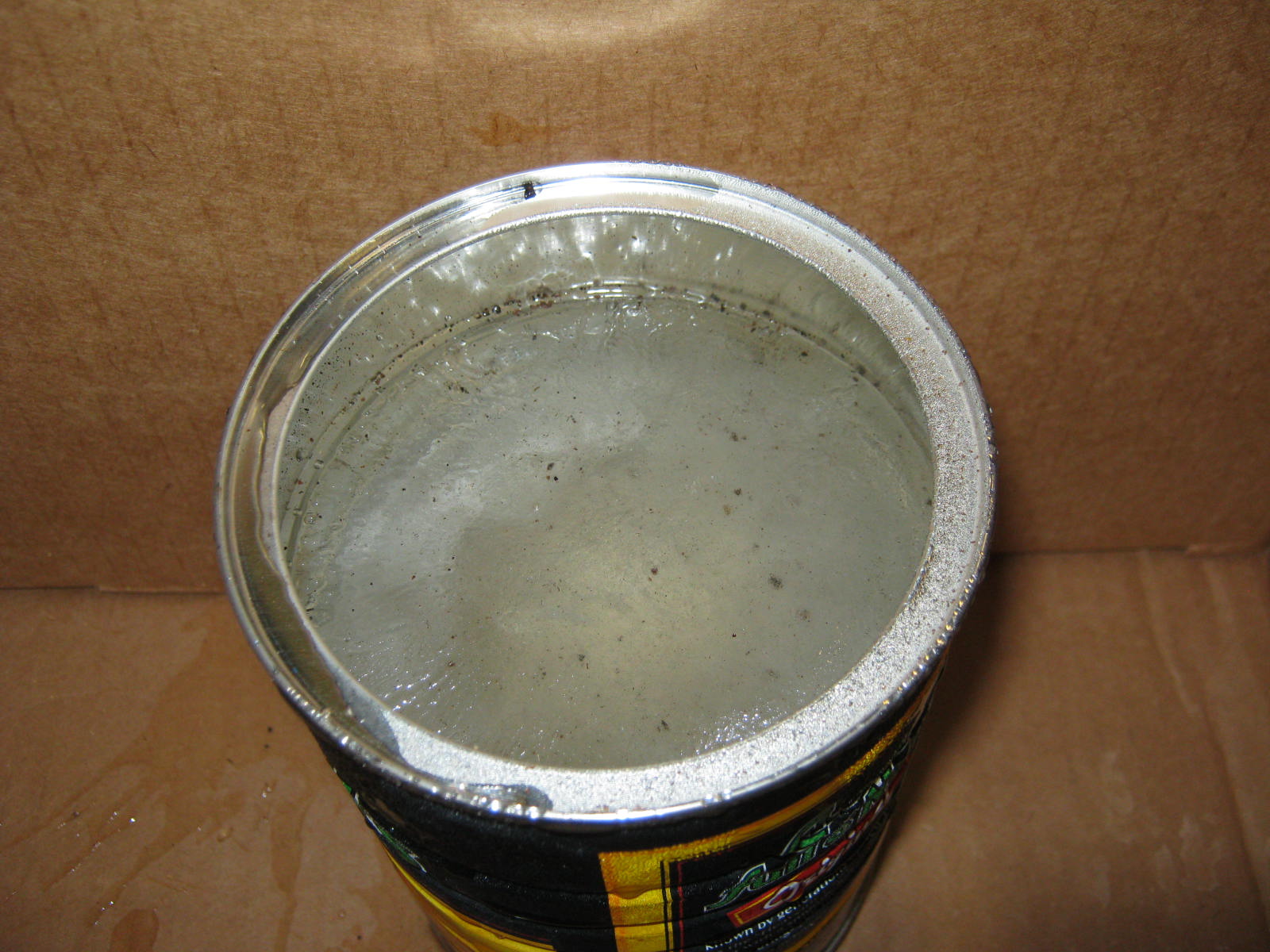
To give a tin can more substance when punching holes with a nail or other sharp object, fill can with water and freeze. The frozen water gives the can solidity and keep the sides from collapsing. One note, the freezing water will also cause the bottom of the can to rise up a bit. This can easily be flattened out with a hammer.

Fourth 4

The can needs to be painted before you begin the decorating. We used spray paint…quick, easy, and when done outdoors there is very little to clean up. The sides and top needed two coats of paint. We did not paint the inside of the can. Acrylics, brushed on with a foam brush, will work also, but since they take longer to dry the can should be painted the day before the decorative touches are added. Another idea to try if you have plenty of time is to decoupage paper onto the sides with ModPodge.

IMG_1666

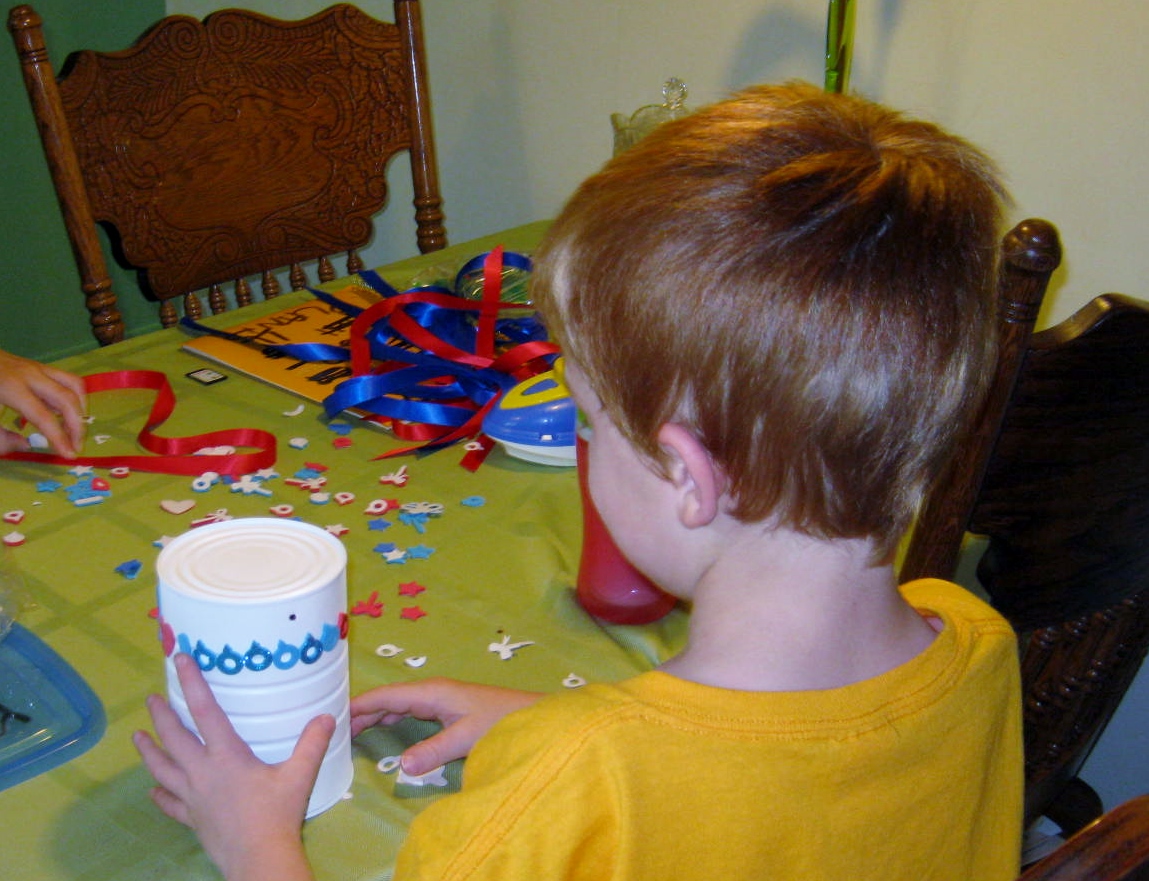
We used red, white and blue foam stickers. All the boys needed to do was peel the backing off and place them against the can. It was fun watching them work at creating a masterpiece.

Dollar store satin ribbon was the perfect choice for the long strips that hang from the bottom of the can. You could also use strips of fabric, yarn or string, anything that is light enough to blow in the breeze without tangling. A quick grab glue would work well, or a thick tacky glue. We didn’t have a lot of time, so we used a glue gun for speed. Since my glue gun is the “hot” type I glued the strips inside the can.

Fourth 3

We found gluing the ribbons into the can opposite each other helped us correctly space out the pattern. When the glue was set we wound two red pipe cleaners together, threaded them through the holes and hung the windsock on an outdoor hook. FUN!

Fourth one

Follow Me on Pinterest

Projects – Making it your own/Collaged Notebook

mary e 2 I enjoy making ordinary items my own by adding embellishments, or in the case of paper products, creating a collage. This project was constructed on an ordinary notebook with pictures from an out-of-date Mary Engelbreit calendar. To create a personal notebook you will need: paper images, a glue stick, scissors and a background to use for making the collage. The project, start to finish, only took fifteen minutes. Cut out images, place on surface, move images around until you are pleased with the arrangement, apply glue stick, put into pre-determined place. Finished!

Happy gluing!

Project – Greeting Cards/Black and White Photo with Glitter

IMG_9803

I enjoy taking photographs to use as greeting cards. In the Autumn I was able to capture this photograph of a dandelion. I was so pleased when I downloaded it onto my computer and saw that I had also captured rays of light. I loved the photo and decided to have it developed in many ways, full color, black and white, sepia tones, etc. Each one turned out well.

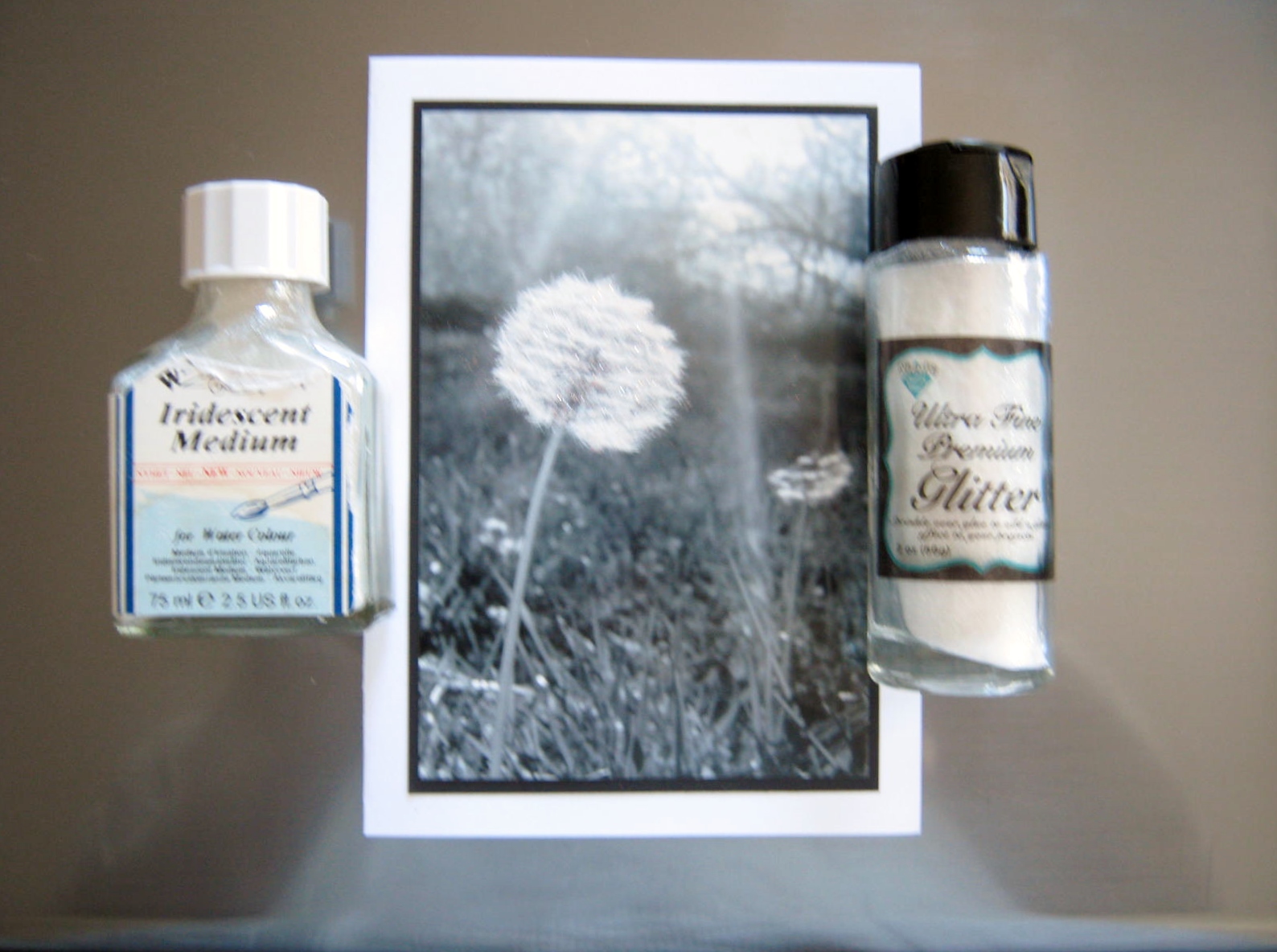
I had a birthday gift to give last week and wanted to enclose it in a photo card. The recipient loves pink, so I glammed up the plain photo with a little bit of glitz. Glitter doesn’t photograph well, but you can see a bit of the sparkle I achieved in the photo above.

IMG_9807

I brushed a bit of iridescent medium on the photograph. The iridescence did not show up as much as I had hoped. Since the medium, when it dries, will also glue anything on it in place, I also added some ultra-fine glitter. It did the trick. The dandelion glimmered. Double-mounted on plain white and black card stock, the card had a bit of pizazz. I plan to try adding a bit of glimmer to more of my photographic cards. Happy Glimmering!

*Note: You don’t have to exclusively use acrylic medium. Try watered down white glue, mod podge, or anything else that will dry crystal clear. I also need to add that the medium you use as a “glue” might not cover well. Mine wafted about and made little rivulets, but in my opinion, this tendency to separate created a better, more ethereal look on the card front.

Project – Tissue Paper Pots

spring pots 5

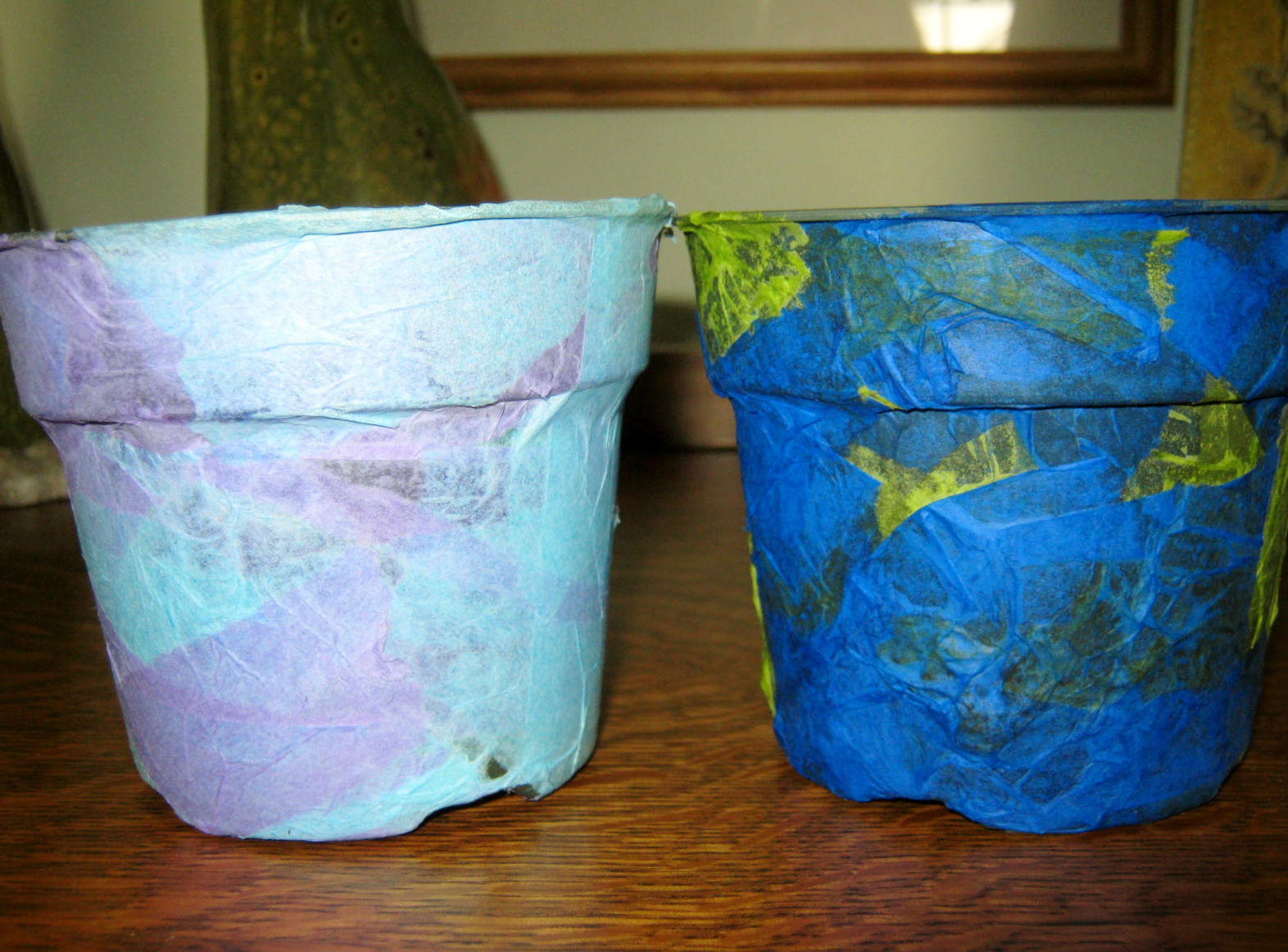
My grandsons created beautiful flowerpots with just a few inexpensive items:

Plastic flowerpot

Elmer’s Glue

Tissue Paper

Paintbrush

Disposable container for glue mixture

*Cover work surface before you begin. Artists smocks or aprons are a good idea too! 🙂

spring pots 3

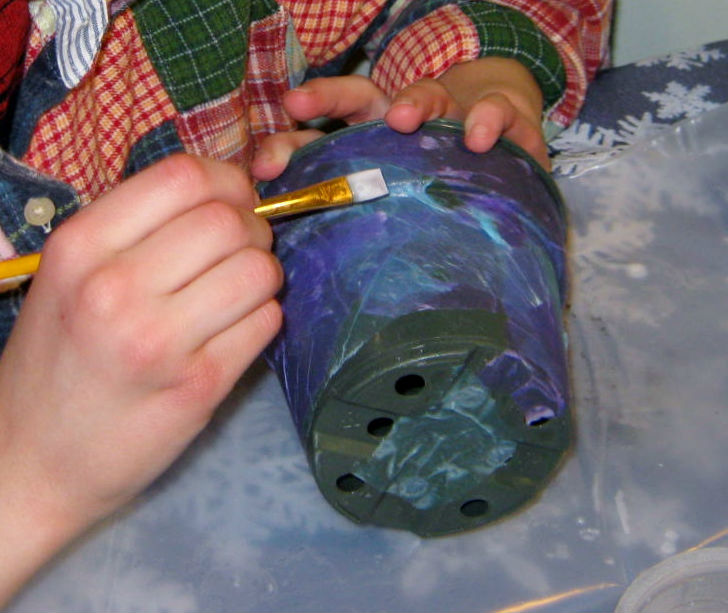
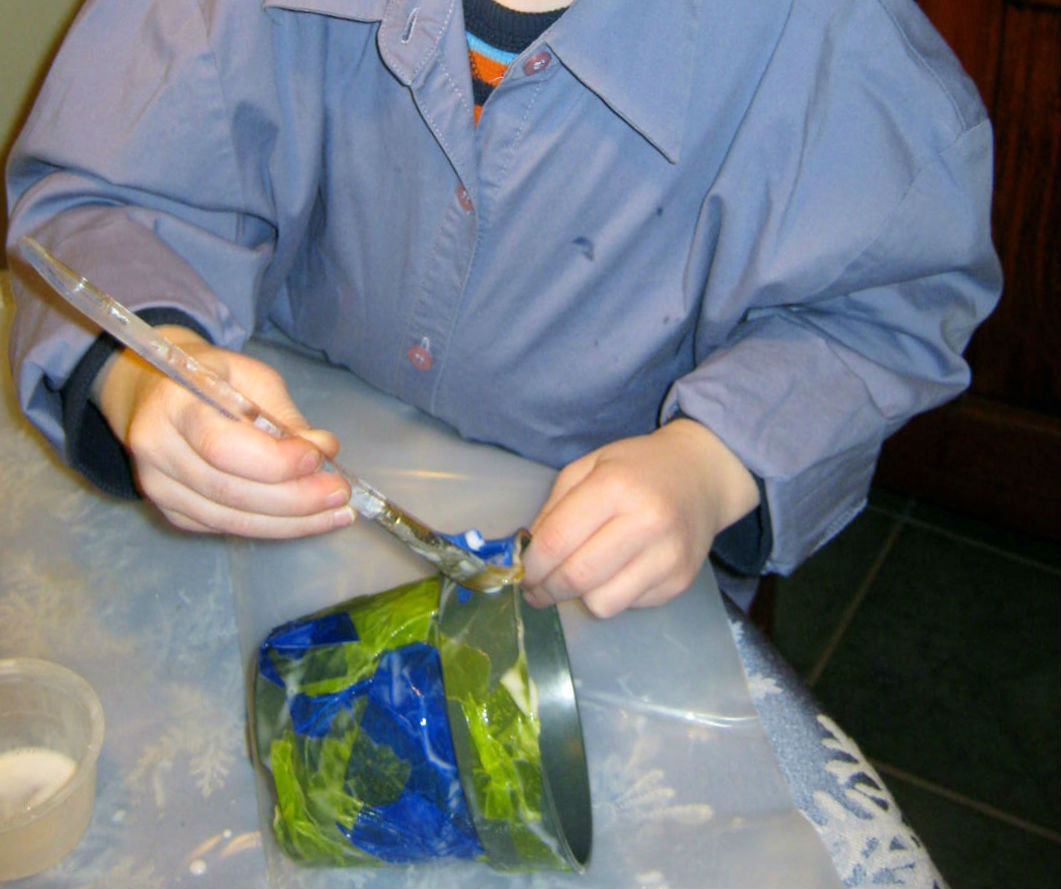
We tore the tissue paper into small squares. To apply the tissue we used a solution of 1 part Elmer’s Glue to 1 part water. We dabbed a bit of this well-stirred mix onto the pot, topped it with a tissue square, and covered the whole pot in this fashion.

*Keep in mind that it is best to use colors that will blend with each other well. Red and green together might form a brown tone. Use a monochromatic scheme or primary colors that will blend to create a new secondary color.

spring pots 2

When we were near finished we dabbed down any edges that were not adhering to the pot. Drying time was about 24 hours.

spring pots 1

This project was enjoyed by my grandsons ages seven and four. I think with supervision and help, an even younger child could attempt the project. The pots looked sensational slipped over pots of daffodil bulbs we had forced in the cold garage and fridge.

Project – Children’s Valentine Ornament

Valentine 3

I keep a small four foot pine tree on a washstand throughout the year. I call it my “Round the Year Tree.” This past week my grandsons had a good time creating decorations for February to place on the tree.

Most of our materials were purchased at the dollar store. The wire I had on hand from other projects.

Materials:

1 package foam Valentine heart stickers

1 package small Valentine Stickers

Several strands of wrapped floral wire cut in four inch pieces (pipe cleaners, string or yarn, opened paper clips, or other types wire can also be used.


Directions: You will need two matching foam hearts for each ornament. Leave the backing on the foam hearts. Apply small stickers to the front of the foam hearts. Remove backing paper on one foam heart. Place a piece of wire in center of heart with about three inches extending from the top. Remove the backing paper from the second heart and apply sticky side to sticky side on wire topped heart. Match edges as closely as possible. Bend top of wire into a hook shape. These Valentine Ornaments are light and will hang on just about anything. Fun, inexpensive and easy to craft with primary-aged children.


Project – PomPom Garland

IMG_9341

I’ve been having “phun” creating a pompom garland.

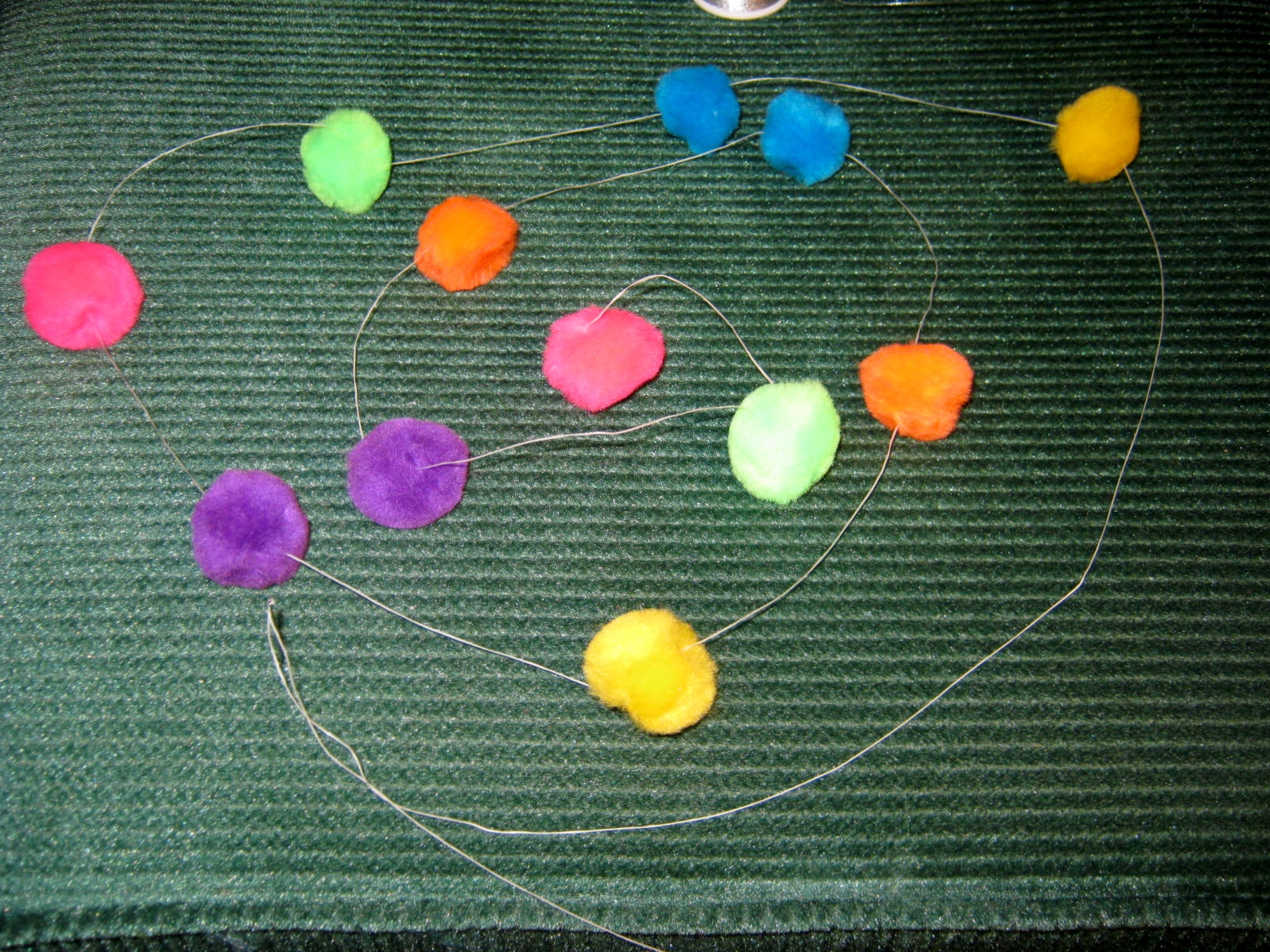
Materials: 1 inch pompoms (other sizes work too) waxed dental floss, large needle, scissors.

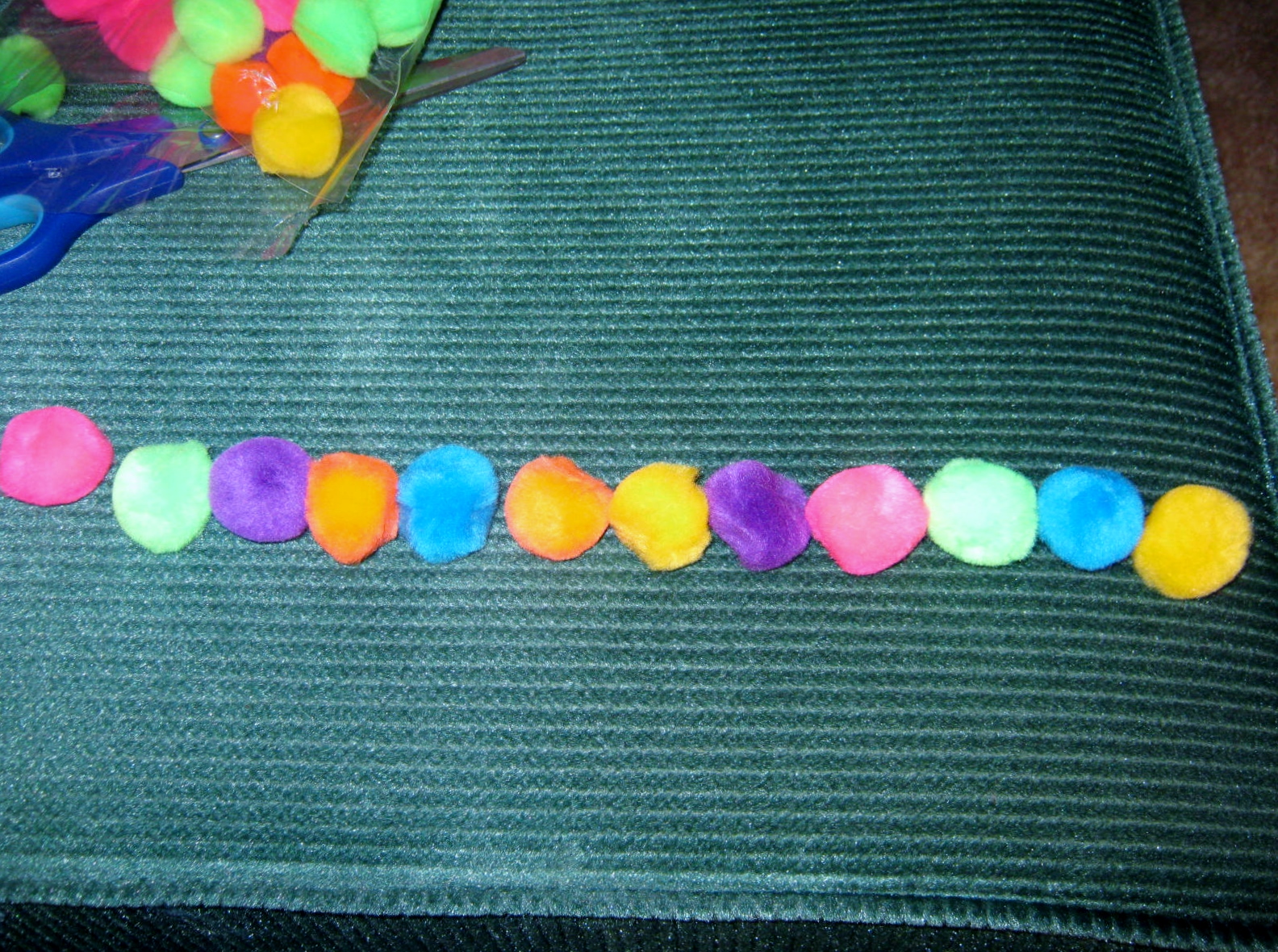
I laid out the pompoms in the order to be strung. I wanted to be sure I didn’t fall into a patterned look.

IMG_9239

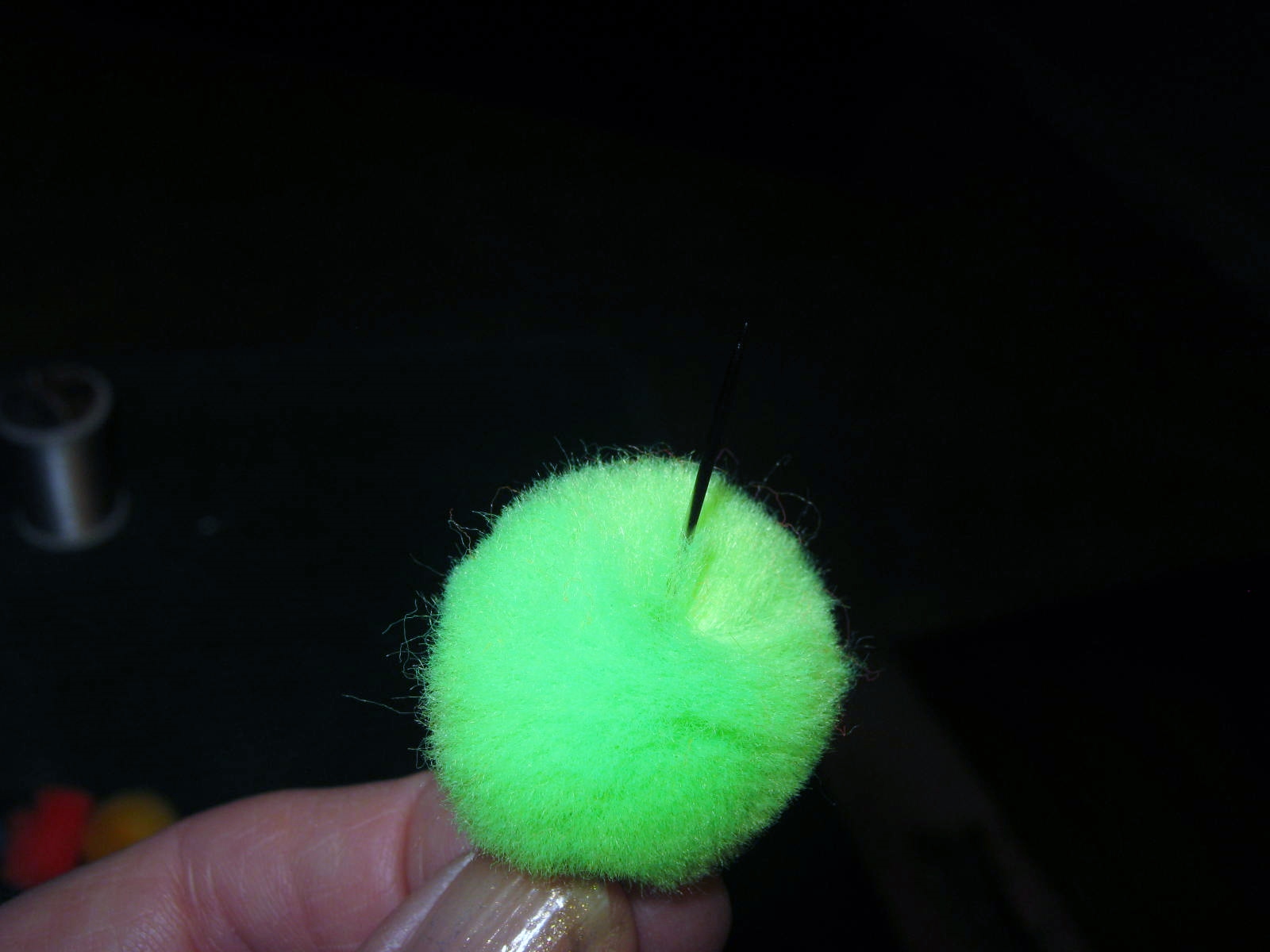
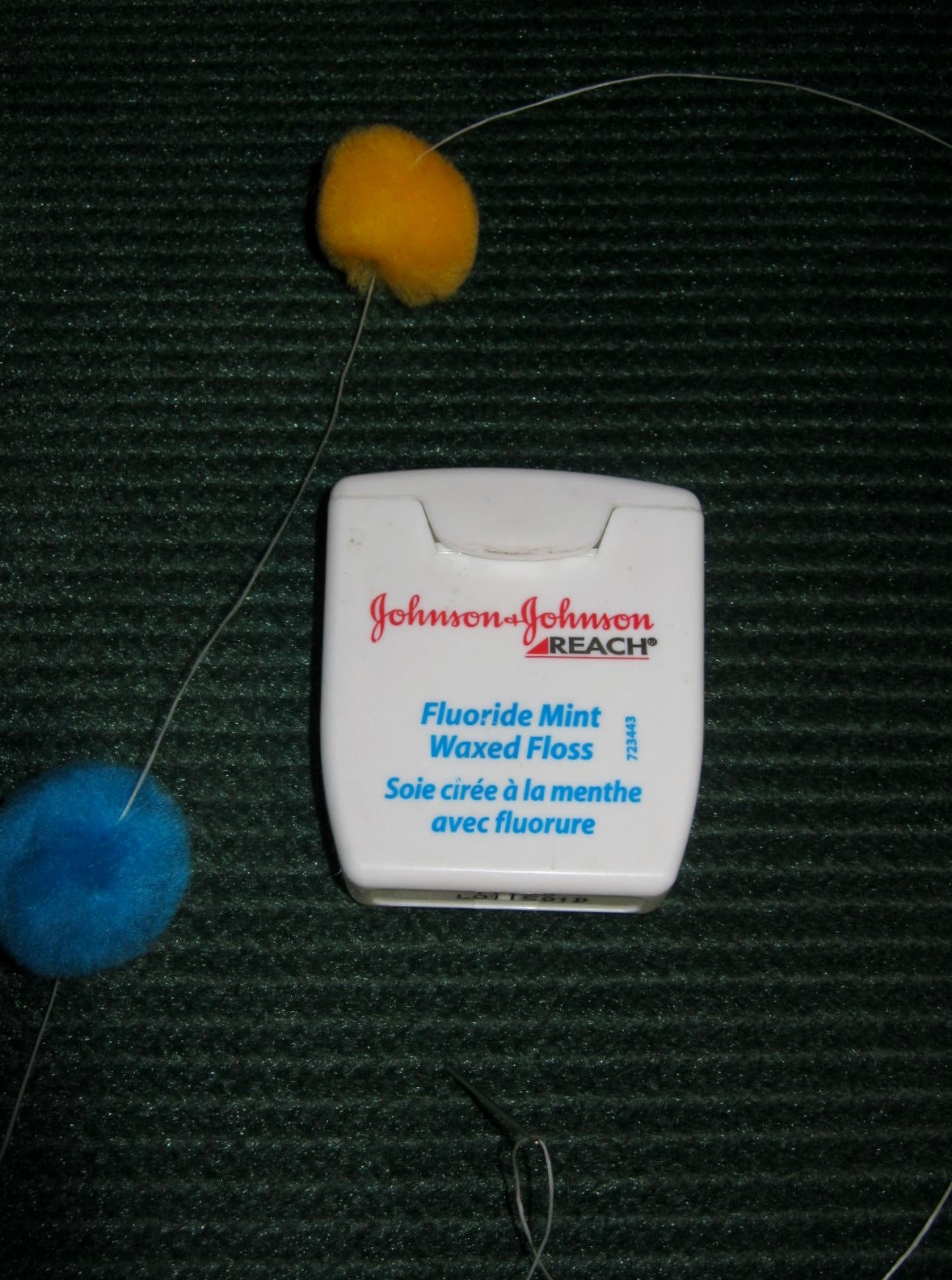
I threaded a large needle with waxed dental floss. The waxed varity helps the floss to slide easily through the center of the pompom.

IMG_9244

Pushing the needle through the center is a bit tricky, but after you thread a few pompoms you will have a good feel for the pressure needed to press the needle through. To keep each pompom stationary I went through, then up and down again. All in all, I took three passes through the center to make sure the pompom was anchored and would not slide out of place.

IMG_9240

I was pleased with the finished product and plan on stringing all 100 pompoms onto three foot strands of garland. Anything longer would tend to become easily tangled.

IMG_9241

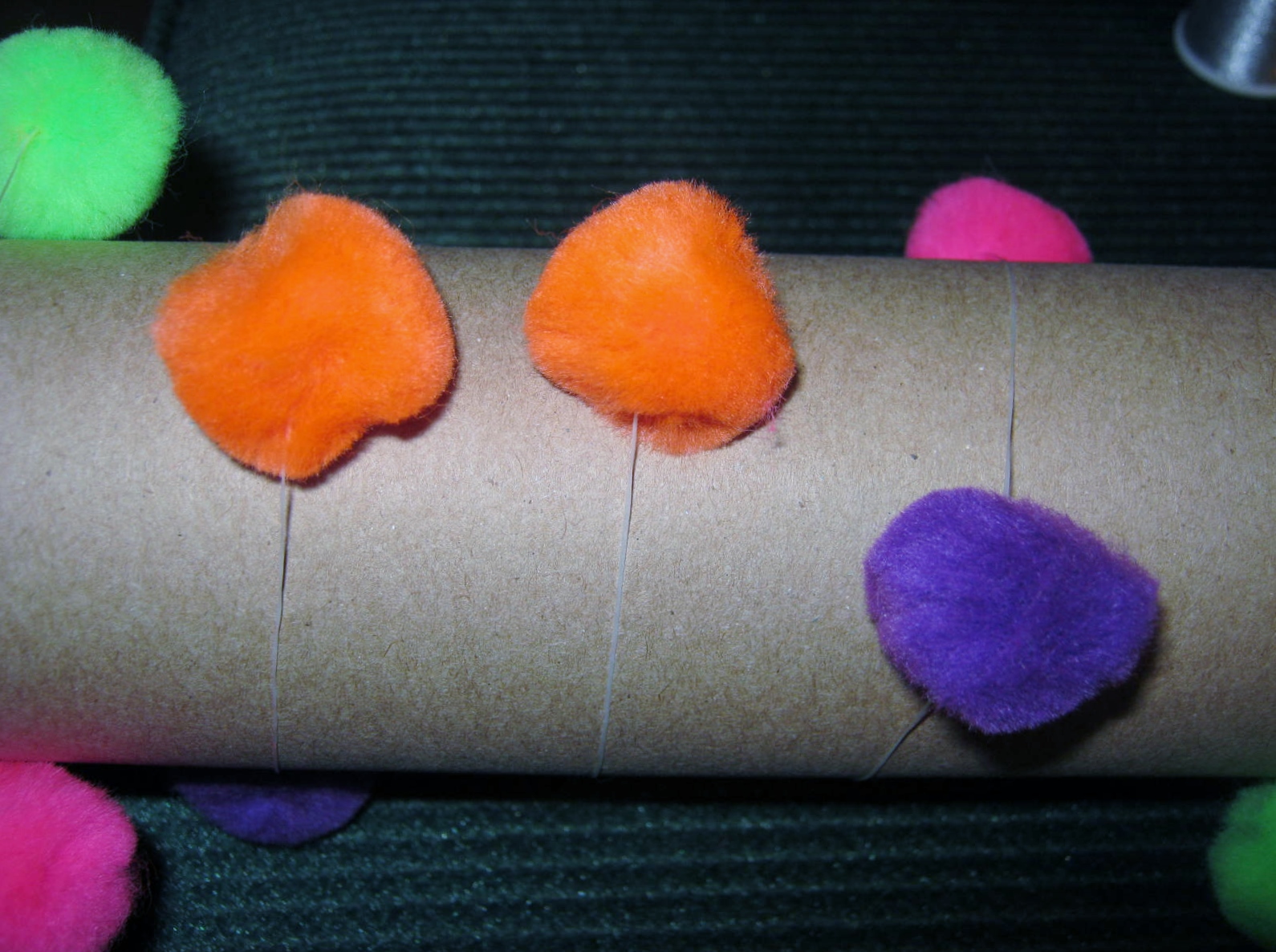
To guard against tangling I wrapped the garland around an empty gift paper tube. This is also a smart way to store the garland.

IMG_9242

Happy Pomming!

Follow Me On Pinterest

Pleasures & Projects – Beautiful Ribbons

IMG_9250

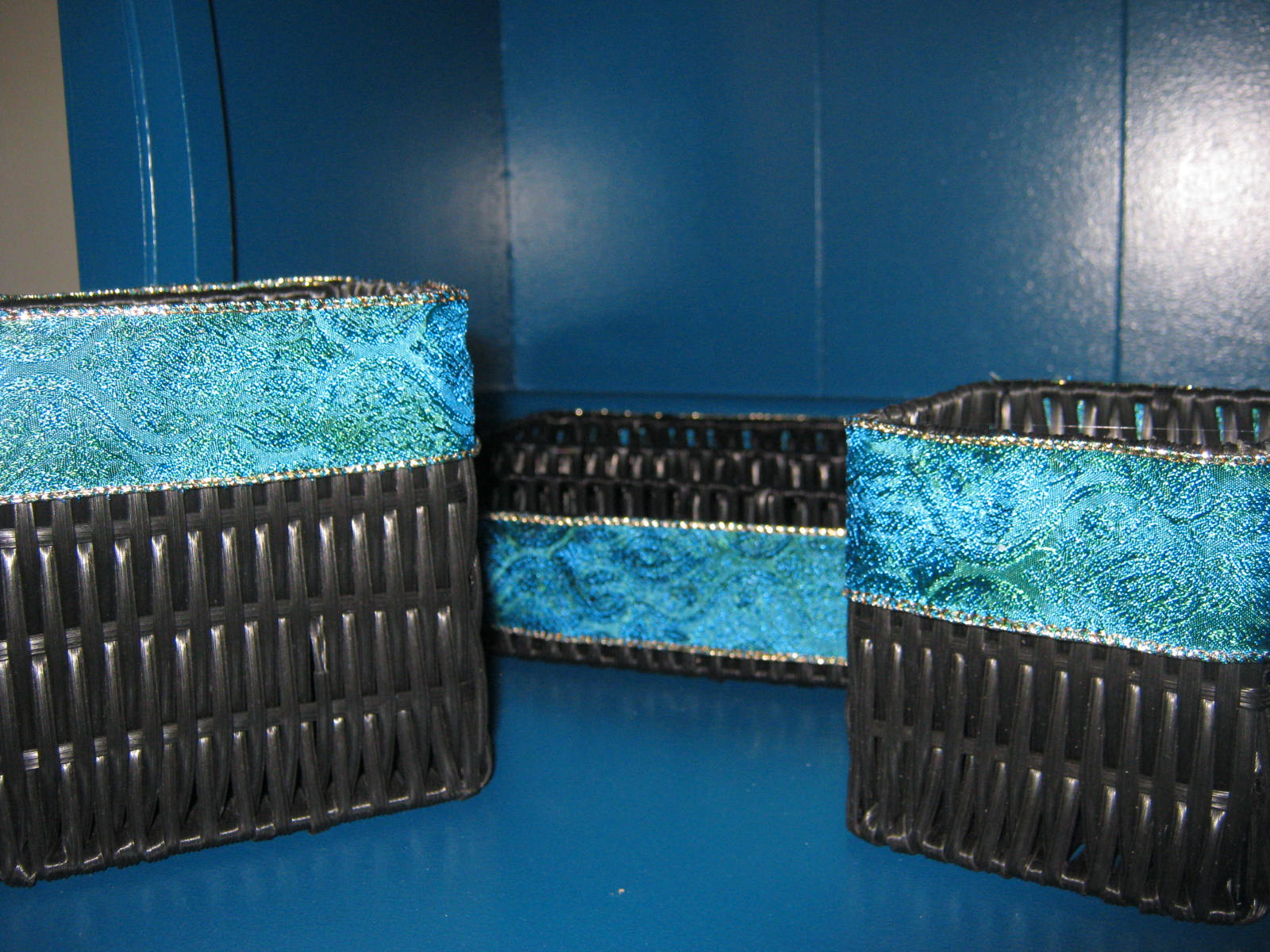
Beautiful Christmas ribbon is on sale in stores at this time. The prices are slashed to almost nothing. I was able to purchase this beautiful blue-green ribbon for pennies. I don’t think it looks exclusively like Christmas, so I decided to use it to decorate some new desk accessories I recently purchased.

IMG_9247

A glue gun was the perfect choice for attaching the ribbon. Since the ribbon is virtually weightless, the smallest dabs of glue were all that was needed to hold it in place. Another advantage of using a glue gun is that it is easy to remove. If I choose to change the colors on the desk it will be easy to pull the ribbon away and attach something new.

IMG_9252

Happy Crafting!

IMG_9270

Projects – Transferring Artwork with Acrylic Gel Medium

IMG_9100

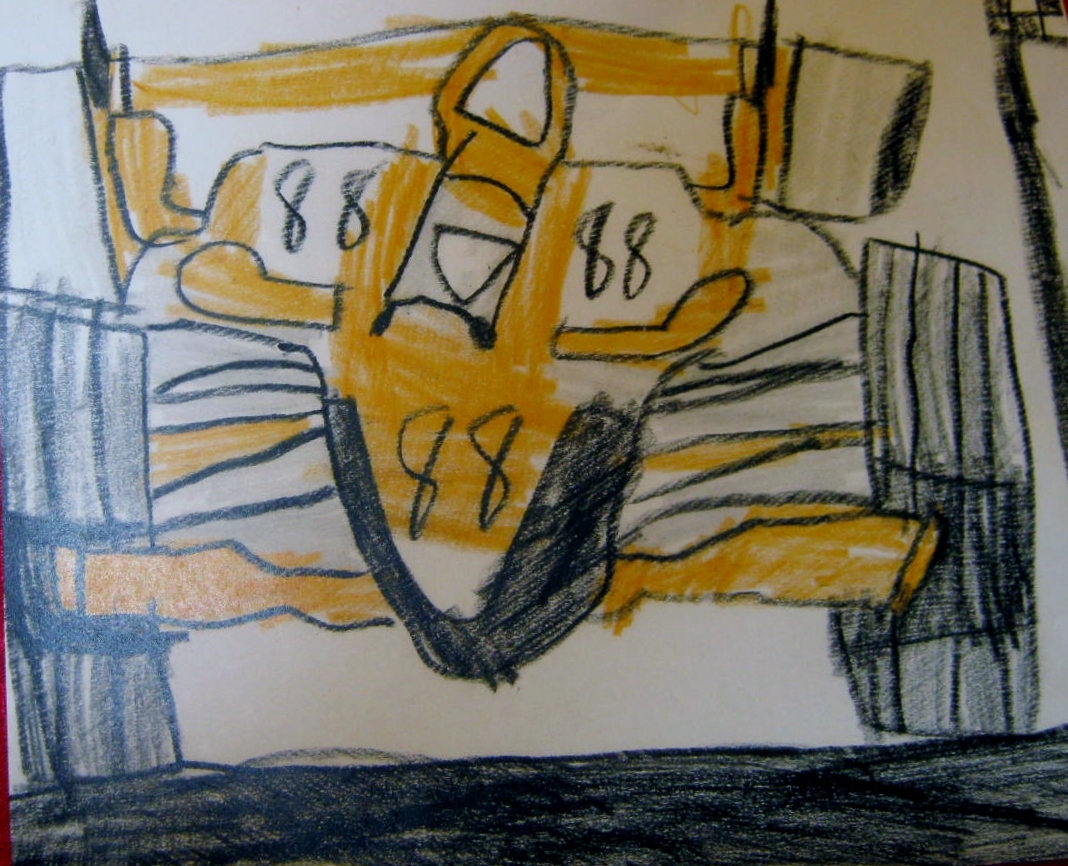
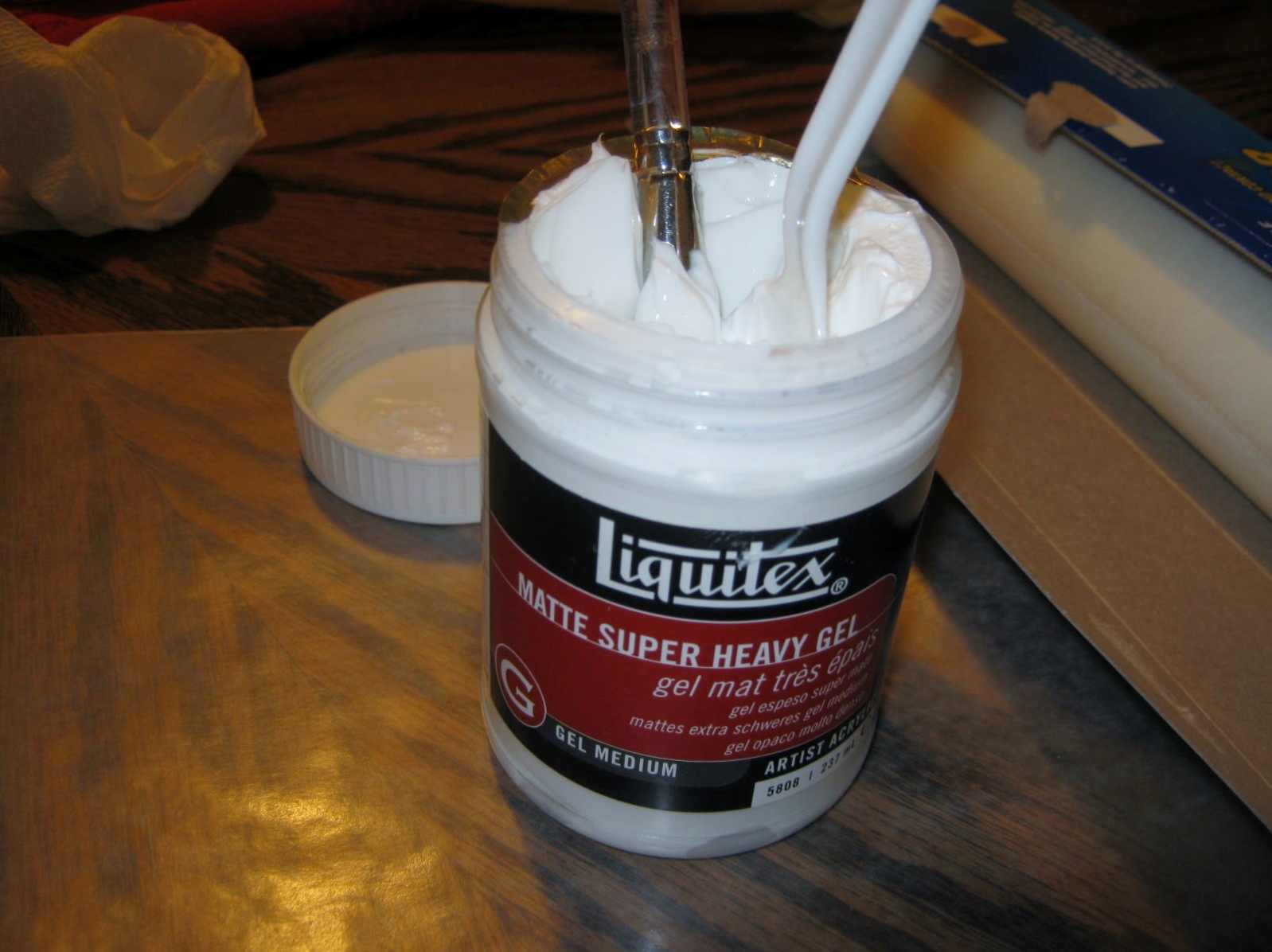
My grandson recently drew this amazing race car for my fridge. I loved his art so much I decided when we had a sleepover we might be able to try a technique I had read about and always wanted to try – transferring drawings to t-shirts or other items using Acrylic Gel Medium.

IMG_9107

We purchased t-shirts and washed them before we started the project to remove any finish on the fabric that might interfere with the transfer. We took the drawings we planned on using to the office supply store and had them color copied and reduced 25% in size.

IMG_9104

Before we began we covered a plastic cutting board with wax paper to put between the front and back of the shirt. This step can’t be skipped, to do so would mean the shirt layers would stick together causing the project to fail. Make sure to place this protection inside the shirt area you will be decorating before you begin.

IMG_9106

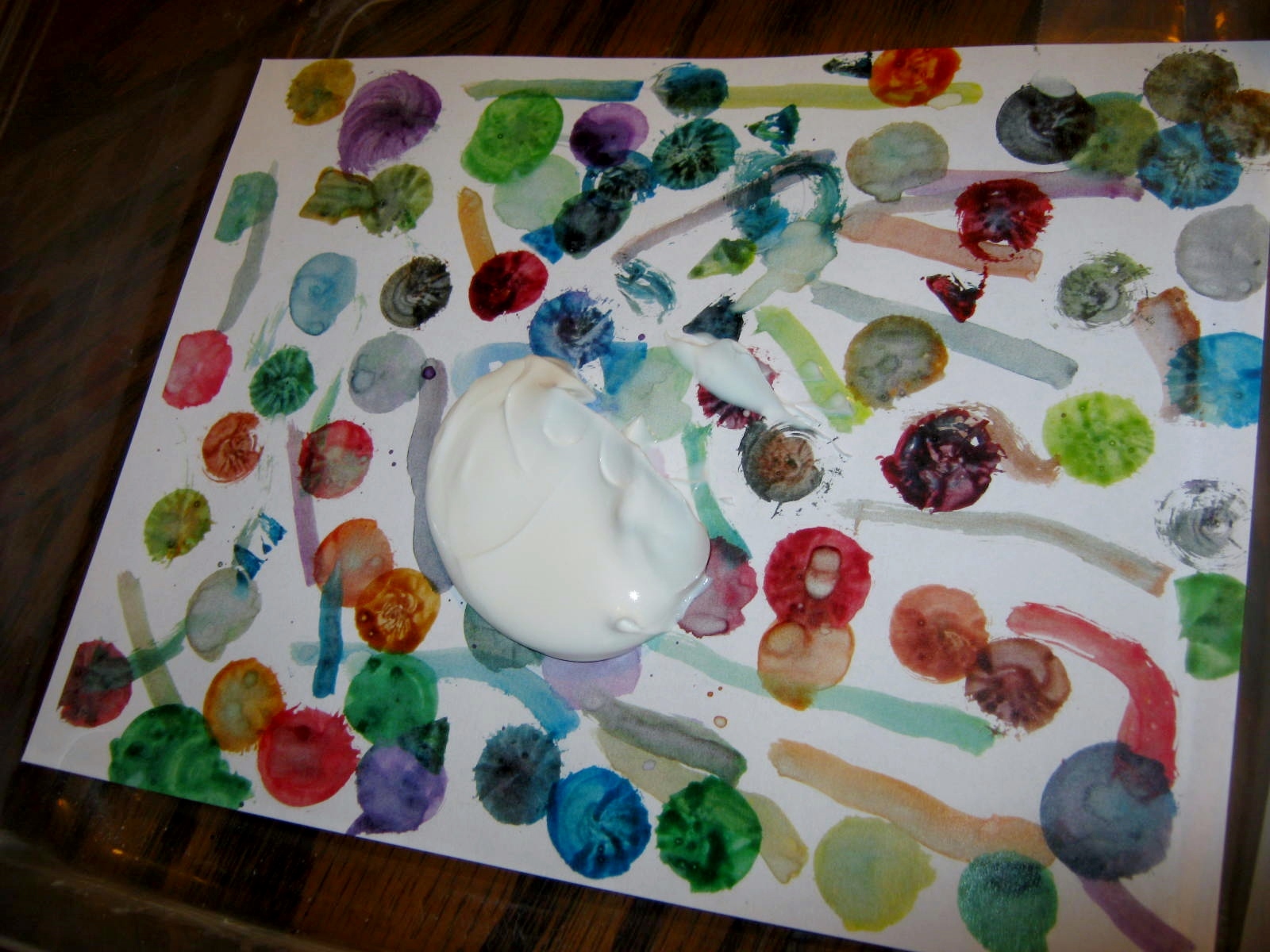
Lay the color copy right side up. Dollop a good-sized amount of acrylic gel medium on top and spread it to the edges of the paper with a large paint brush. Keep the coat of gel on the thick side, areas with too thin a layer will tend to pull away from the fabric.  When you are finished clean brushes and any drips immediately. The gel is permanent when dry. I recommend wearing old clothing and working on a protected surface.

IMG_9110

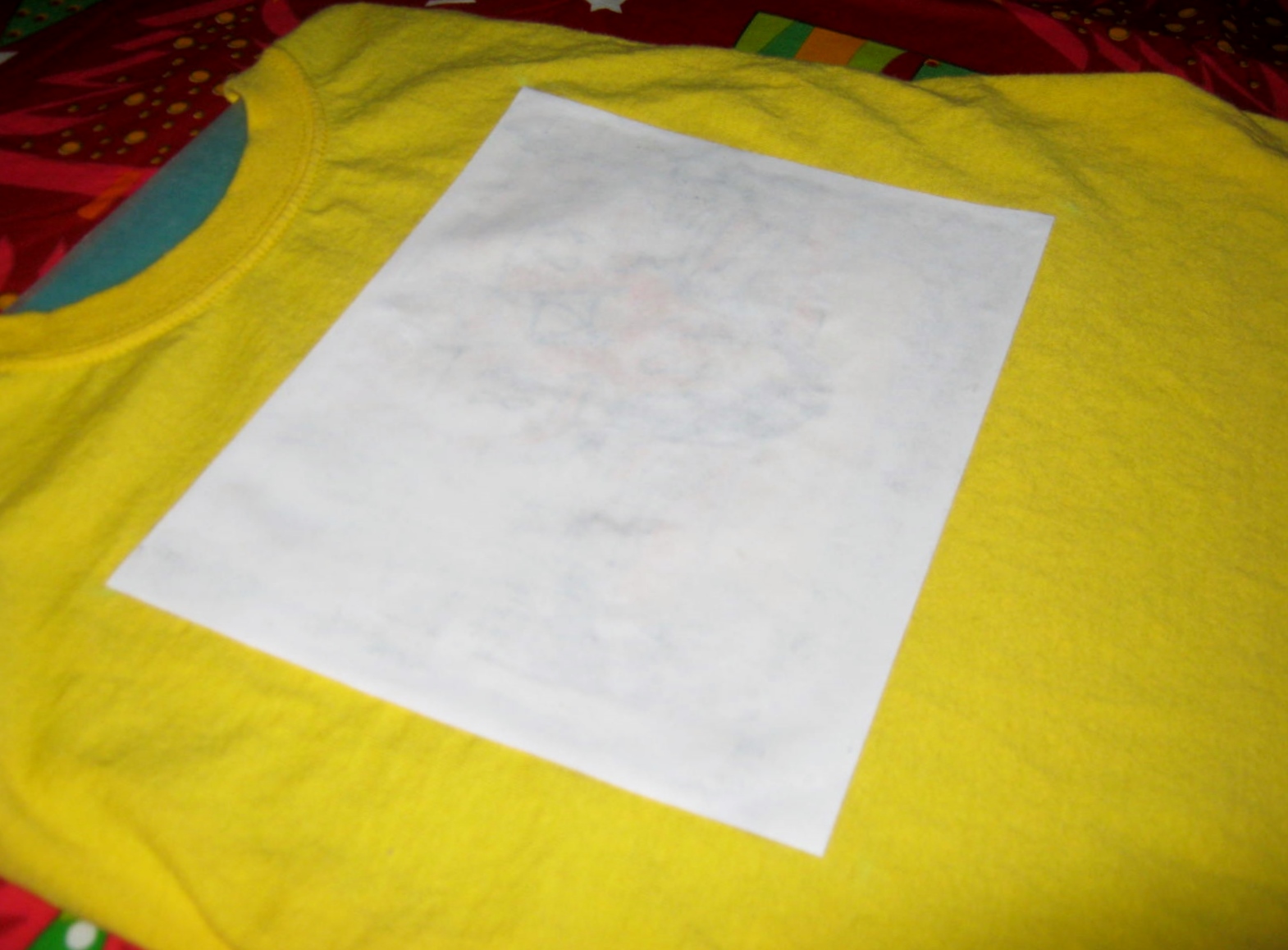
After the color copy is covered with a layer of the gel very carefully turn the copy over onto the shirt. Remember that any lettering or numbers will now be backwards. We were lucky-my grandson had used a number 88 on his car so we had no problem with backwards words or letters. Let the shirt sit and dry overnight in a place where it won’t be disturbed.

IMG_9111

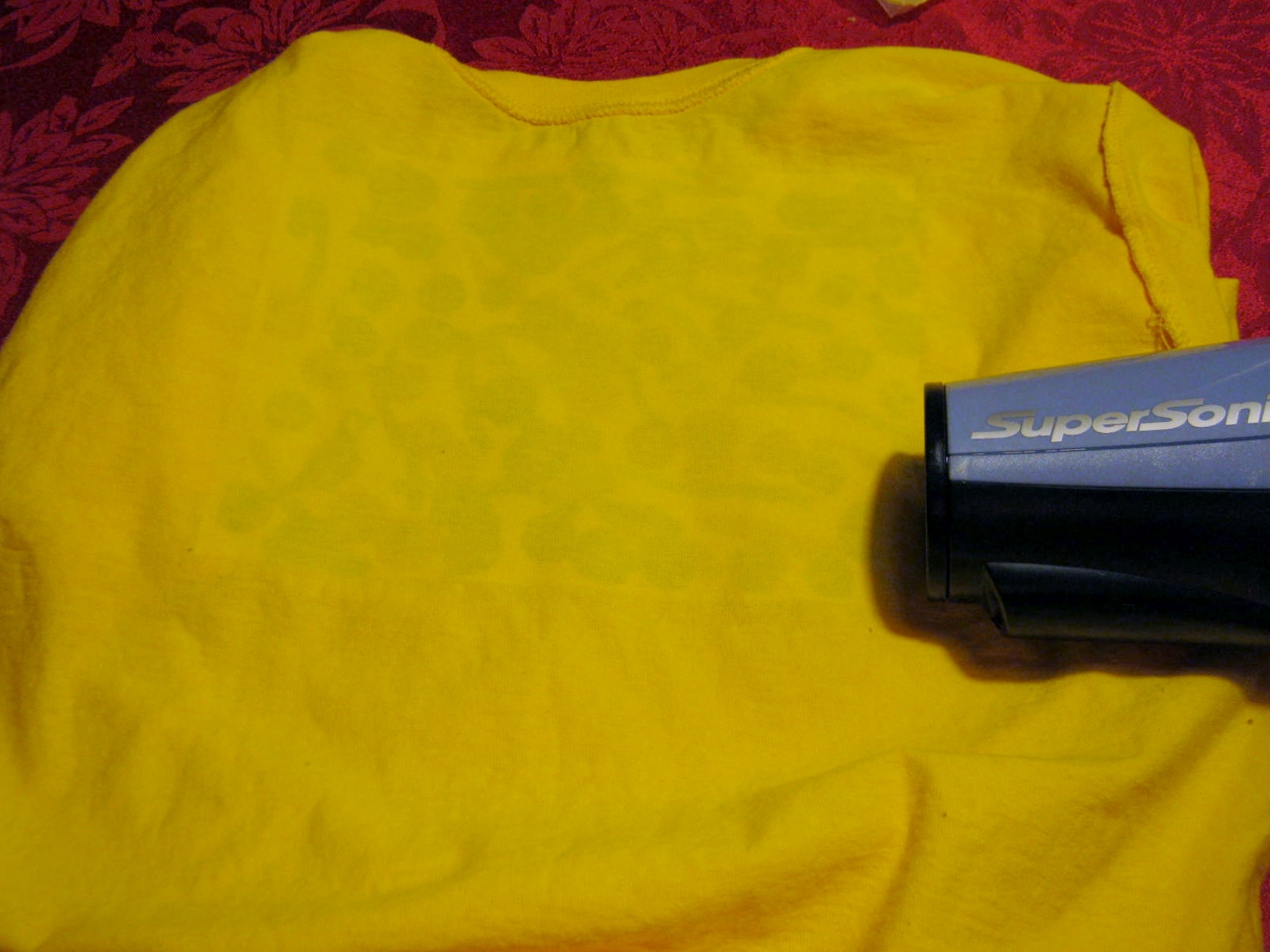
The next morning, if the paper backing feels completely dry, turn the shirt inside out and give the back of the transferred area a bit of hot air from a hair dryer.

IMG_9117

Turn the shirt right side out again and spray the backing with warm water. Let it soak in a few minutes and then begin rubbing away with your finger. I wondered if this part might be difficult, but it came up fairly easily. In spots where we had applied the gel too thin parts of the picture rubbed away. The edges also were a bit raggedy, but compared to the area where the edges were straight, we decided the raggedy edge gave the picture a much more “artistic” appeal and looked more natural.

Small, lint-like pieces of the backing paper stuck to the fabric of the shirt when were finished. I found I needed to once again carefully immerse the shirts in water and rinse away the residue of the backing. This did not disturb the transfer at all. To excess water after the rinsing I rolled the shirt gently in a towel and hung to dry.

IMG_9122

My grandson was very happy with his project and his little brother was very surprised and pleased by the shirt we made for him. I would recommend this for ages 6 and up and only if helped by an adult. Laundering must be done by hand washing. Be prepared for the transparency of the design to whiten up again wet. When it dries again it will be transparent again.

We created two shirts for about 20.00. There is plenty of gel medium left for several more projects.

Painting and Projects – Big Huge Labs Color Generator

This is a great site and worth re-blogging for those who might not have seen what Big Huge Labs Color Generator can do for you.

This amazing photograph was taken by my nephew. What a great eye he has for color and composition. I hope to paint this one day. When I do I will use the newest tool I have found to come up with the proper colors to use in my artwork. Big Huge Labs Color Generator is a free site well worth joining. Creating a free account allows you to download photographs, push their easy to read “create” button, and immediately see a detailed color chart with html symbols included too. This is an invaluable tool for painters and crafters alike. Listed below are the names and html symbols for all the colors in the photograph above. What I couldn’t show is the color chart that was also included. Take a look. I’m sure you will enjoy experimenting with your own photographs.

These are the html colors Big Huge Labs gave me for the photograph above: #351b32 plum, #63825f axolotl, #8b8c9b amethyst smoke, #493145 loulou, #2c1229 blackcurrant, #3e6525 green house, #a0a8a8 hit grey, #91a595 pewter, #9dab9e robins egg blue, #506933 green leaf, #c8d2c5 sea mist, #627c58 axolotl, #625776 comet, #c2d0be paris white, #5e7c34 dingley

This is also a perfect site to use to compare the colors of an online purchase with what you already have in your house or closet.

Click here to visit the Big Huge Labs Color Generator.

Projects and Planting – Rooting Plant Cuttings With Honey

This really works! I have TOO MANY plants in every nook and cranny because of it. Happy Rooting! A repost of one of my most popular posts on Pinterest.

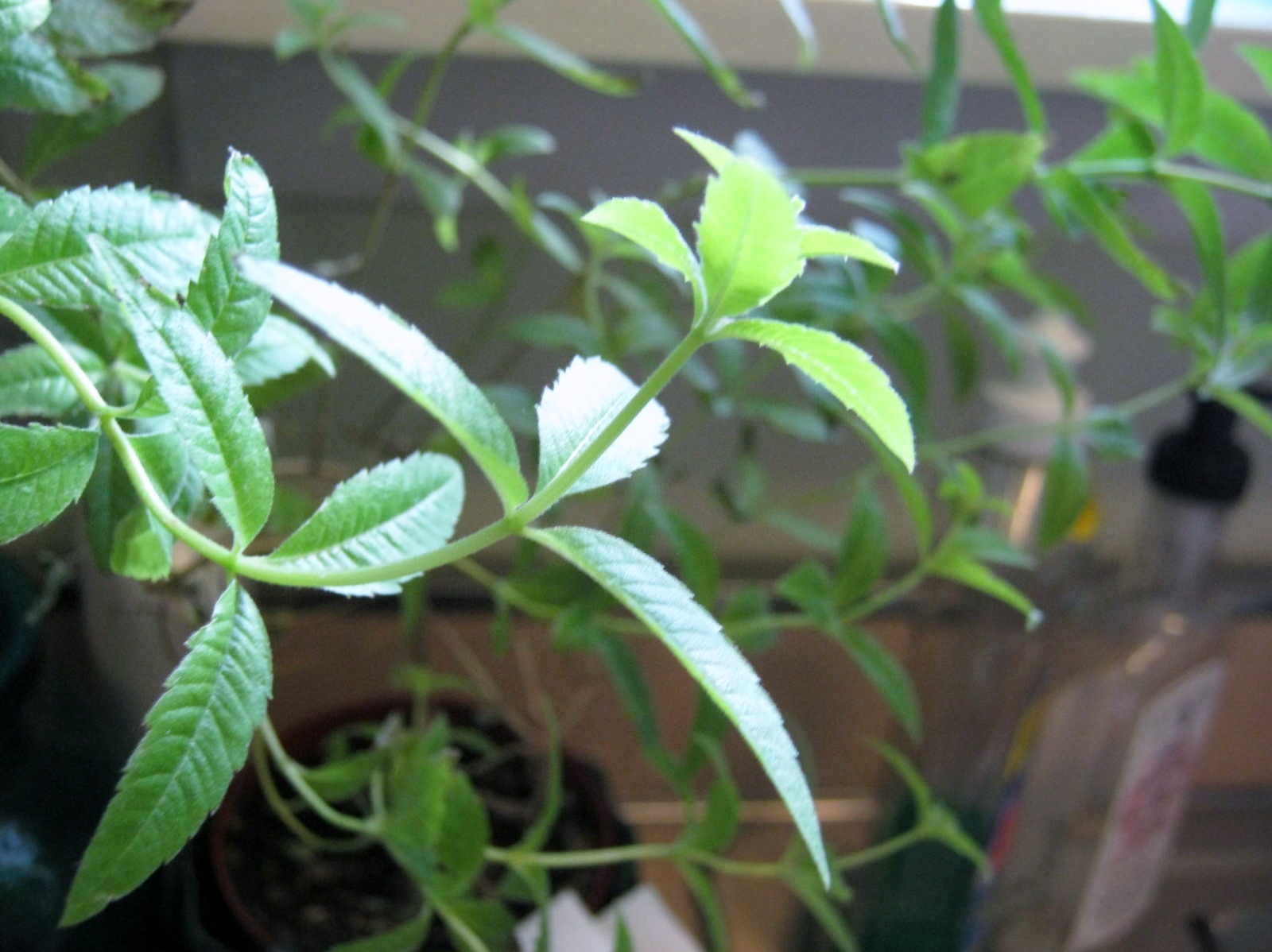
My Lemon Verbena plant is thriving, but it is in definite need of a trim. I want to grow several lemon verbena plants in my herb garden this year so today was the perfect day to take cuttings. In the past I have used rooting hormone on the stem ends of the cuttings, but this year I am aiming to go as natural and organic as possible. I have heard in the past that Honey is a natural rooting compound. I always have honey in my pantry so I pulled it out and gave it a try.

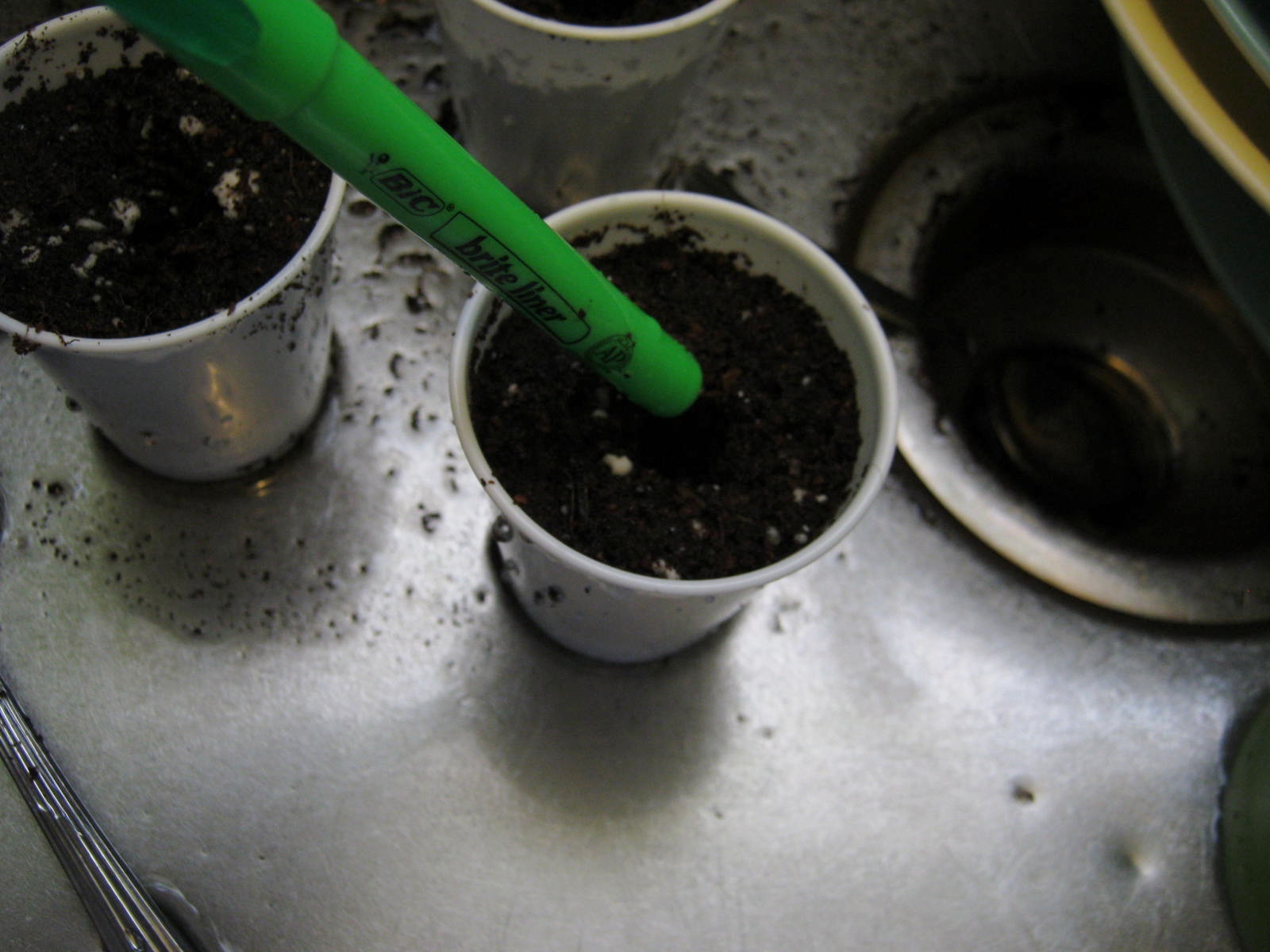
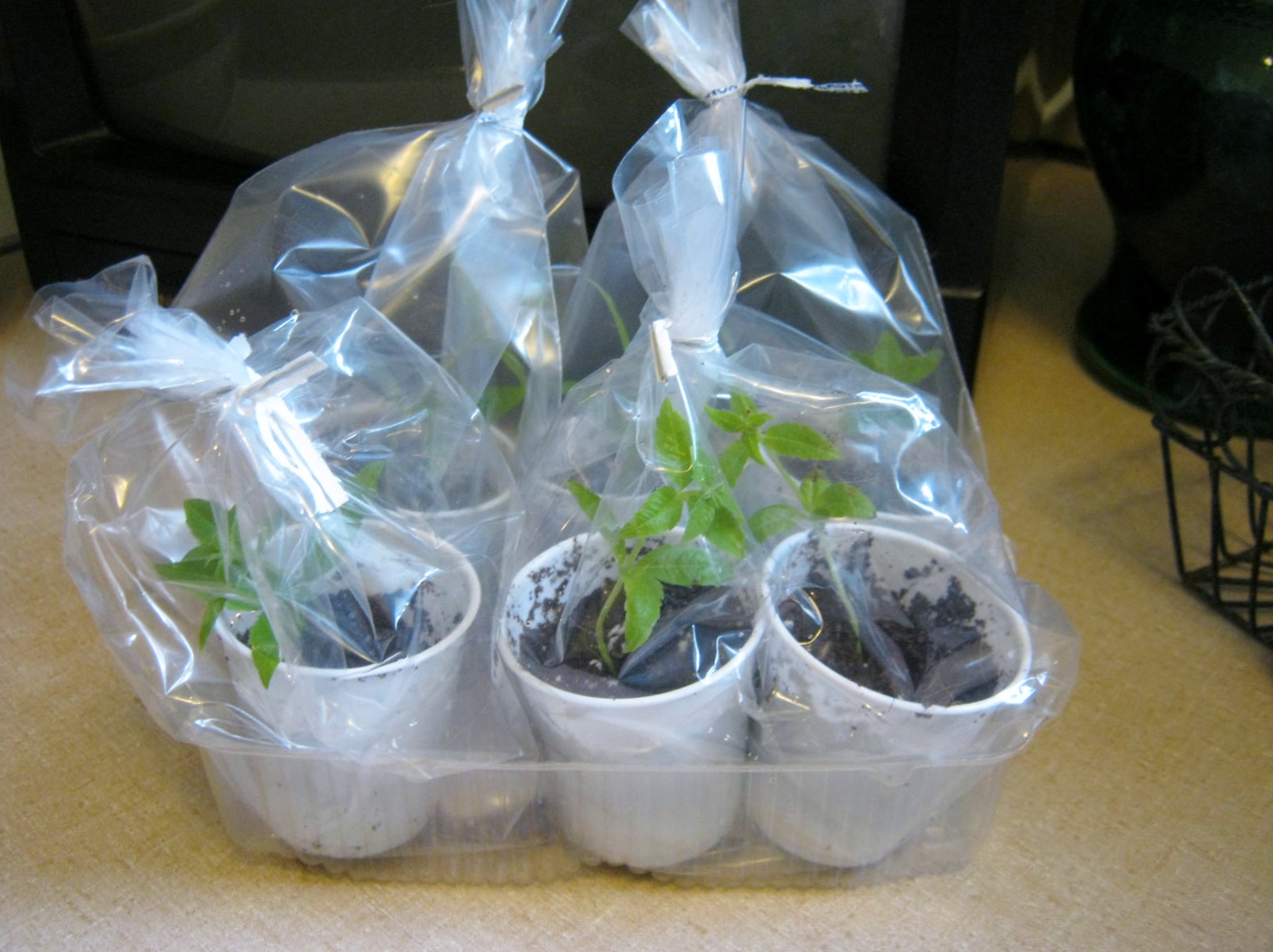
I followed the same protocol I use with rooting hormone. I punched out a drainage hole in 3 oz plastic cups and filled these with sterile soil. I watered the potting medium and created a hole with a plastic highlighter.

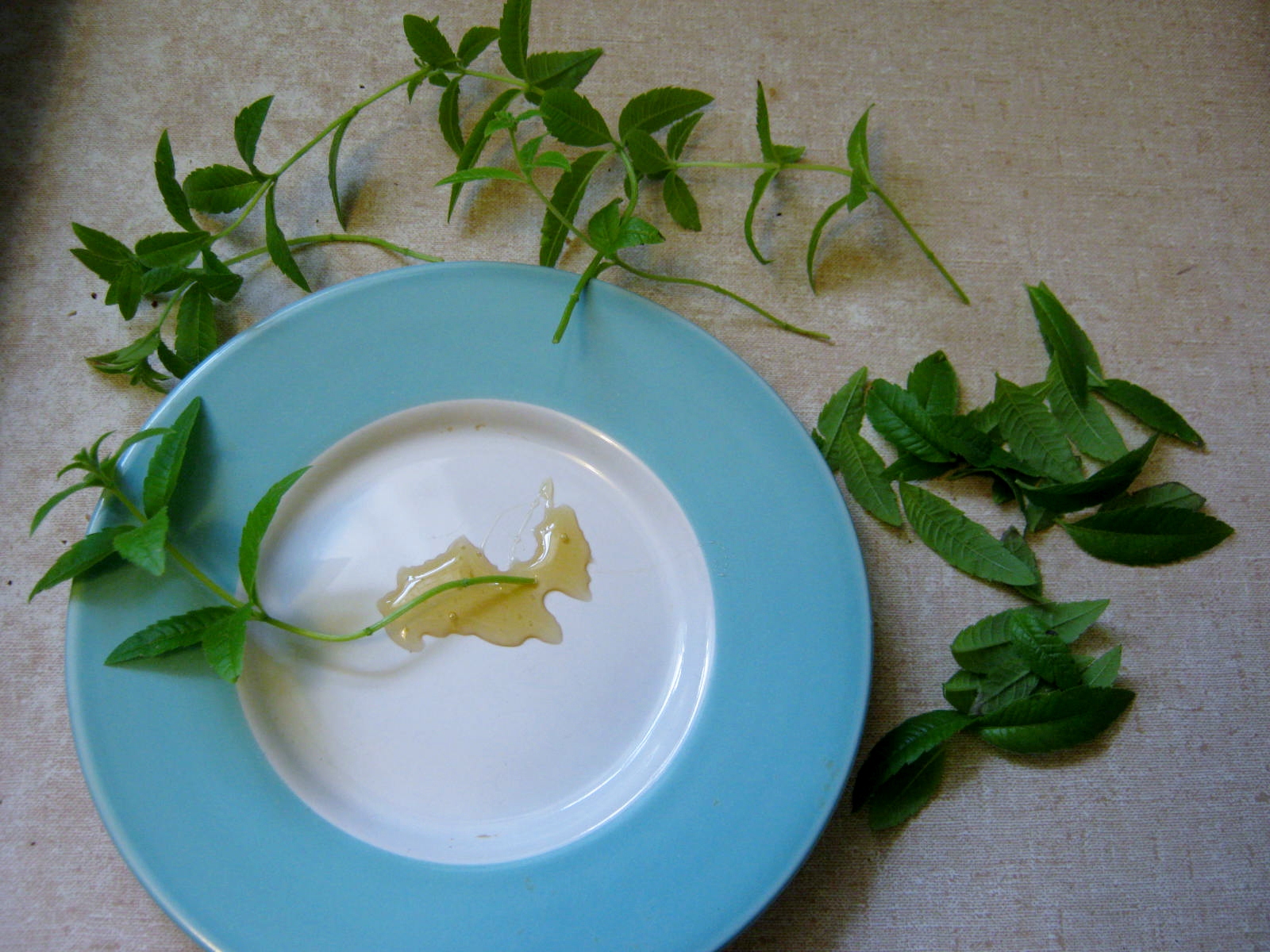
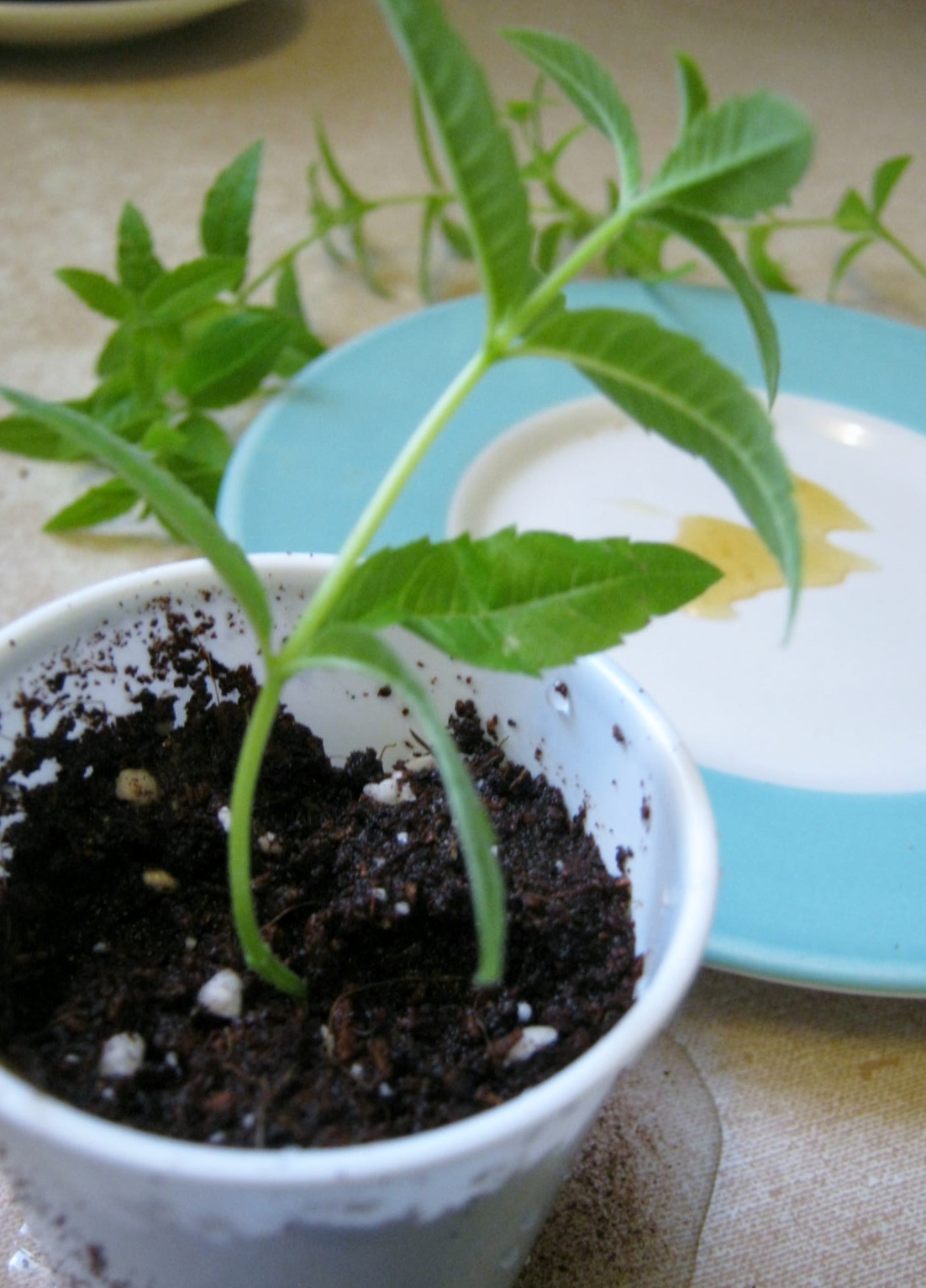
I dipped the lower inch and a half of the verbena cuttings into the honey and inserted them into the soil. I avoided brushing the sides of the planting hole to keep the honey intact on the stem end.

I gently firmed up the soil around the stem and then inserted the cup in a plastic bag and sealed it. The honey is anti-fungal and will create a seal on the cut end of the cutting and help retain moisture.

When I was finished I had six small pots. I used a recycled cookie tray to hold the six cuttings steady, and placed them under lights in my basement.

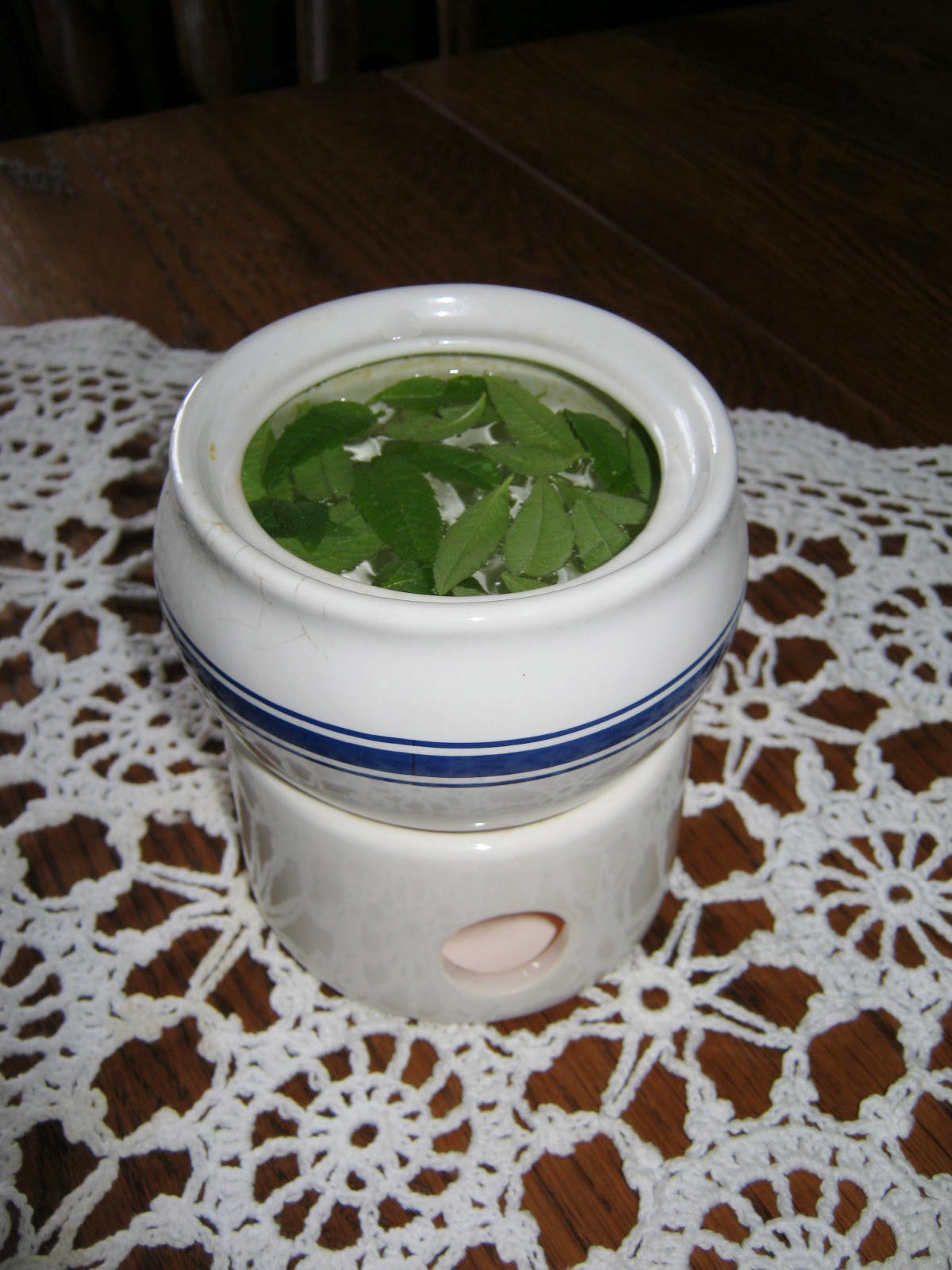
The lovely smelling leaves I stripped away were also put to good use. I simmered them in a pot of water and freshened up the house with a little extra moisture and lemon scent in the air.

Follow Me on Pinterest