Phloral Arrangement – IAVOM Last bouquets & FOTD

I still have a few plants blooming despite cooler temperatures. Gone is the cumbersome task of daily weeding, and left to me is a rebirth of the hardier blooms to cut and arrange. Here is a sampling of a few blossoms I thought were a good representation of Autumn colors. They are perfect for the In A Vase on Monday challenge.

My hyacinth bulb vase holds some coleus leaves, Knockout rosebuds in Coral, and sprigs of Agastache Poquito Orange. (After checking 2023 seed orders, I realized this plant is not Poquito Orange, but a apricot variety from the Fragrant Delight Mix of Agastache Seeds available from Baker Creek Heirloom Seeds.)

I love the Agastache I grew from seeds, sown indoors in late Winter. They are a beautiful shade; the blossoms are the size of a dime. Even the buds are attractive as they elongate and open. The flowers, growing in pots, never stopped their showy display from late Spring through Autumn. The photograph of my Agastache was taken yesterday. 

The plants thrived in medium-sized pots in combination with other hummingbird plants. There is evidence of a few small nibbles of insects, but the plant is basically ignored by most pests. Perhaps it is not any wisdom or luck on my part they are uninfested, but due to the fact that they are in potting soil instead of the garden beds. They are small, about 10 inches tops, and they have a graceful drape to their stems, making them perfect to place around the edges of planters and hanging baskets. Will I grow these again? Oh yes! 

I’m not ready to vegetate yet where the garden or Word Press challenges are concerned. I enjoyed including several challenges in today’s post. Thanks to all the hosts of these wonderful prompts to help me keep thinking and looking ahead. The Agastache flowers are part of Cee’s Flower of the Day and all my beautiful blooms are an entry in City Sonnet’s Colors and Letters Challenge – Letter F = Flowers.


Phlutters – The Magnificent Seven

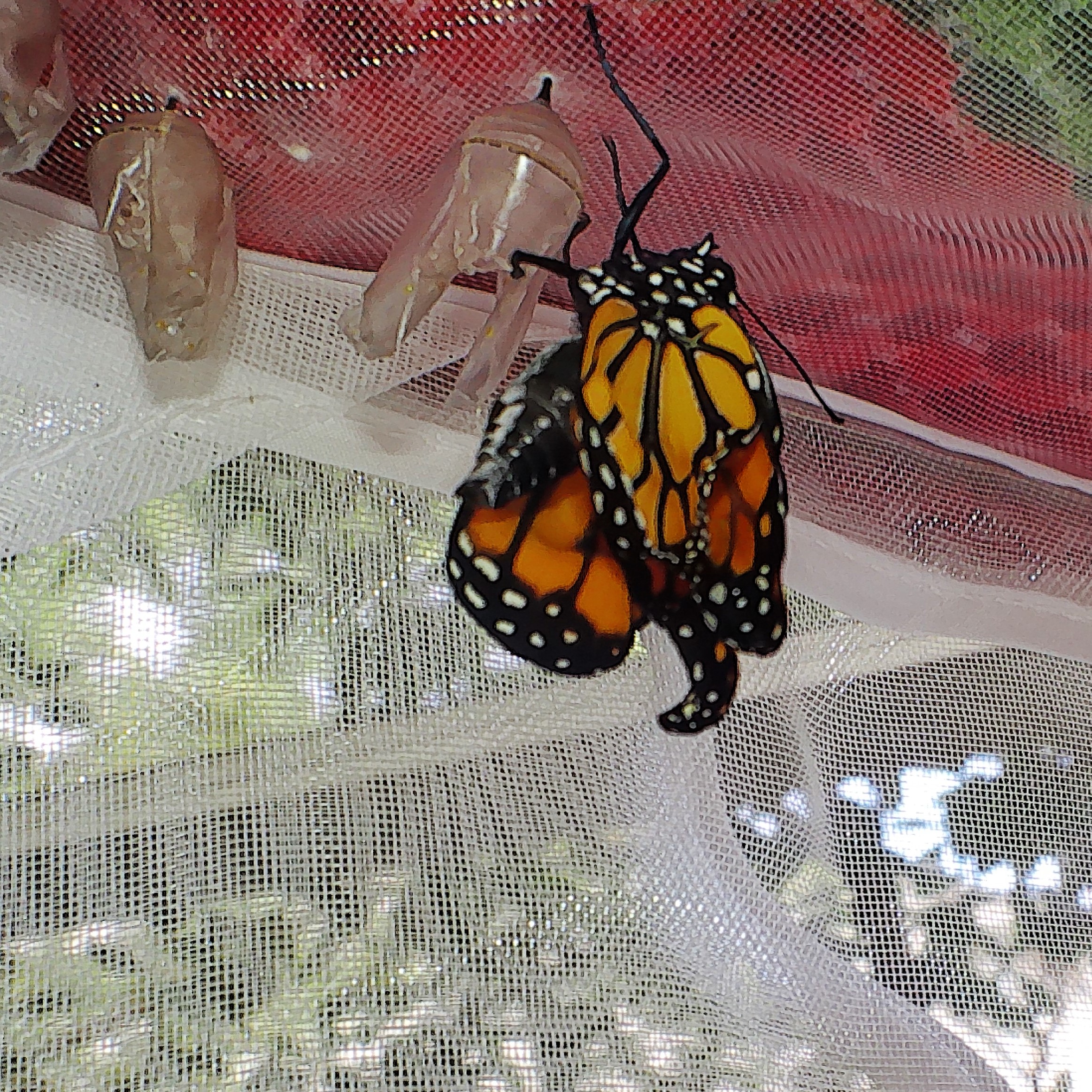
The ‘phlutters’ on my porch have been magnificent. While I write this post, I am thinking of eleven empty and transparent chrysalides. Each is the evidence left behind of a successful eclose of the Monarch butterfly that developed inside. The brief sojourn of the caterpillar becoming a butterfly is complete. Below is a description with photos of how the day of “The Magnificent Seven” evolved.

Raindrops started falling early but then tapered off; the weather became a concern since seven chrysalides turned black and were ready to emerge over the span of twenty -four hours. Morning light revealed the markings of each butterfly through the walls of its chrysalis. After a few hours of daylight, they began to eclose.

First to break free was the only Monarch who formed its chrysalis on a milkweed stem.

The remaining chrysalides clustered along the top edges and corners of the butterfly house. Throughout late morning/early afternoon all seven eclosed at varying times. All emerged perfect, no malformation or problems breaking free from the chrysalis. 

Two to four hours after eclose the butterflies began to flutter within the confines of the butterfly house, I gently coaxed them onto my fingers and carried them to the open door. Several took to the air and flew out of sight over the rooftops, others seemed tentative, and these I rested upon a hanging basket. Later in the day, when I returned, they too had taken wing. 

A sense of elation filled me when I realized a lucky seven eclosed in one day. This brings the successful ecloses to a total of eleven. 

Today, as I post this, six newly hatched, ultra-small Monarch caterpillars are starting the cycle all over again. Will I ever grow weary of this miracle? Never.

This post is part of Skywatch Friday.

Phlutters – Butterfly Update

The large butterflies are finally showing up in my backyard. We’ve also seen many Yellow Swallowtails on daytrips as we drive toward the ocean shoreline. I am relieved. They are late, but they are here. Today I saw two Yellow Swallowtails, the largest butterfly in this area, on my butterfly bush at the same time.

Late last week, a bronze Monarch laid eggs on the underside of Milkweed leaves as I watched. Today, I went in search of the small dome-like eggs and marked each leaf with a string when I found one. I know the small caterpillars are poisonous, but that does not stop other insects from eating them. Ants, mantids, wasps, spiders are a few of the insects that will eat Monarch caterpillars. You can find solutions for combatting this problem on the Monarch Butterfly Garden site.

This caterpillar decided to form its chrysalis almost on top of another chrysalis. This is a view of the top corner of the smaller butterfly house.

I’m encouraged that the big butterflies are returning. I am peering out the windows constantly, camera ready, prepared to instantly run out in the yard to record their arrival and feeding.

Phlowers – Six on Saturday/Longwood Conservatory Winter

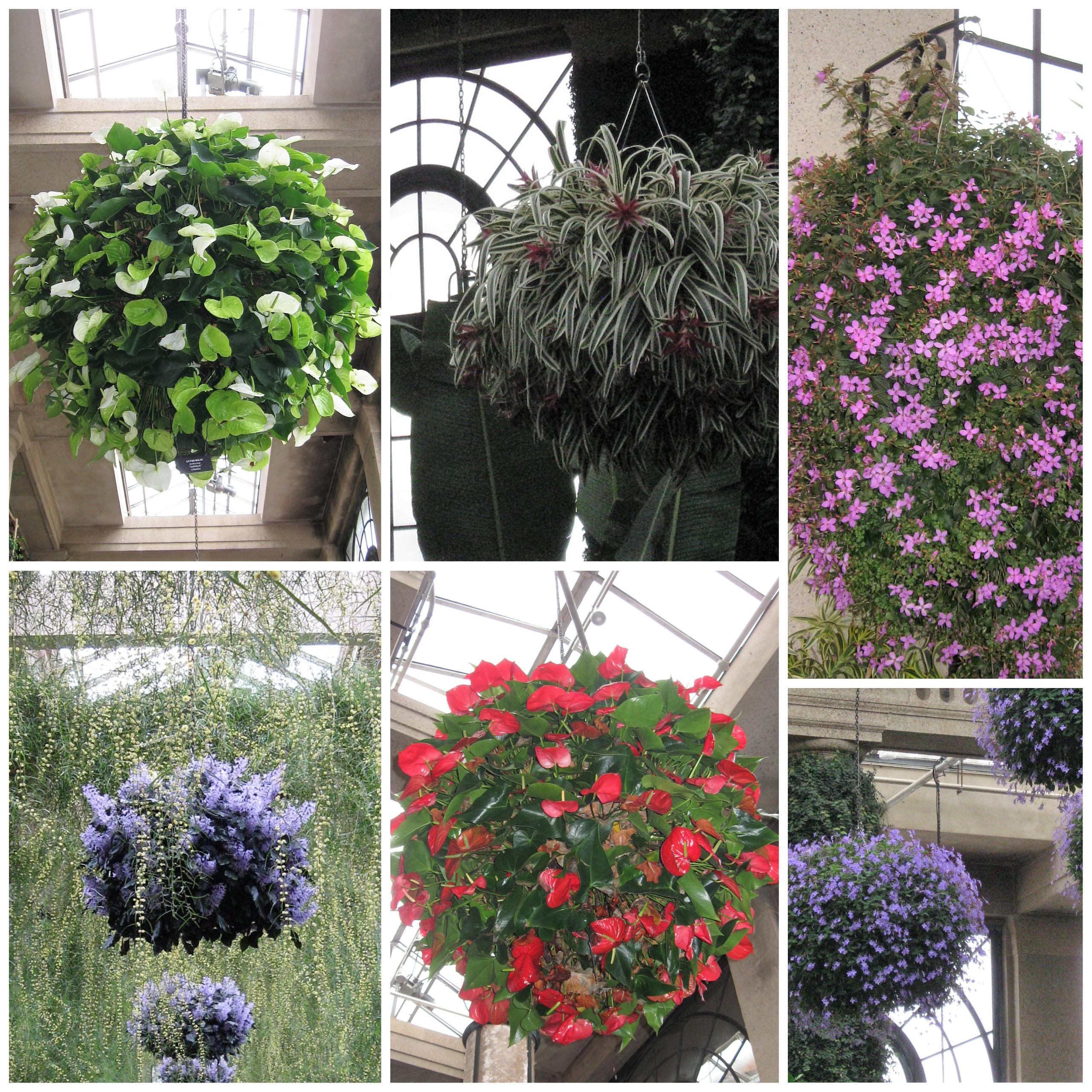
Here’s a sampling of the hanging baskets in the Longwood Gardens Conservatory yesterday. It’s hard to capture the size/scale of the flower baskets. To say they are large is an understatement.

Some of the plants are: Cape-primrose (Streptocarpus), Anthuriums, Cinnamon-Wattle Acacia, Bromeliads.

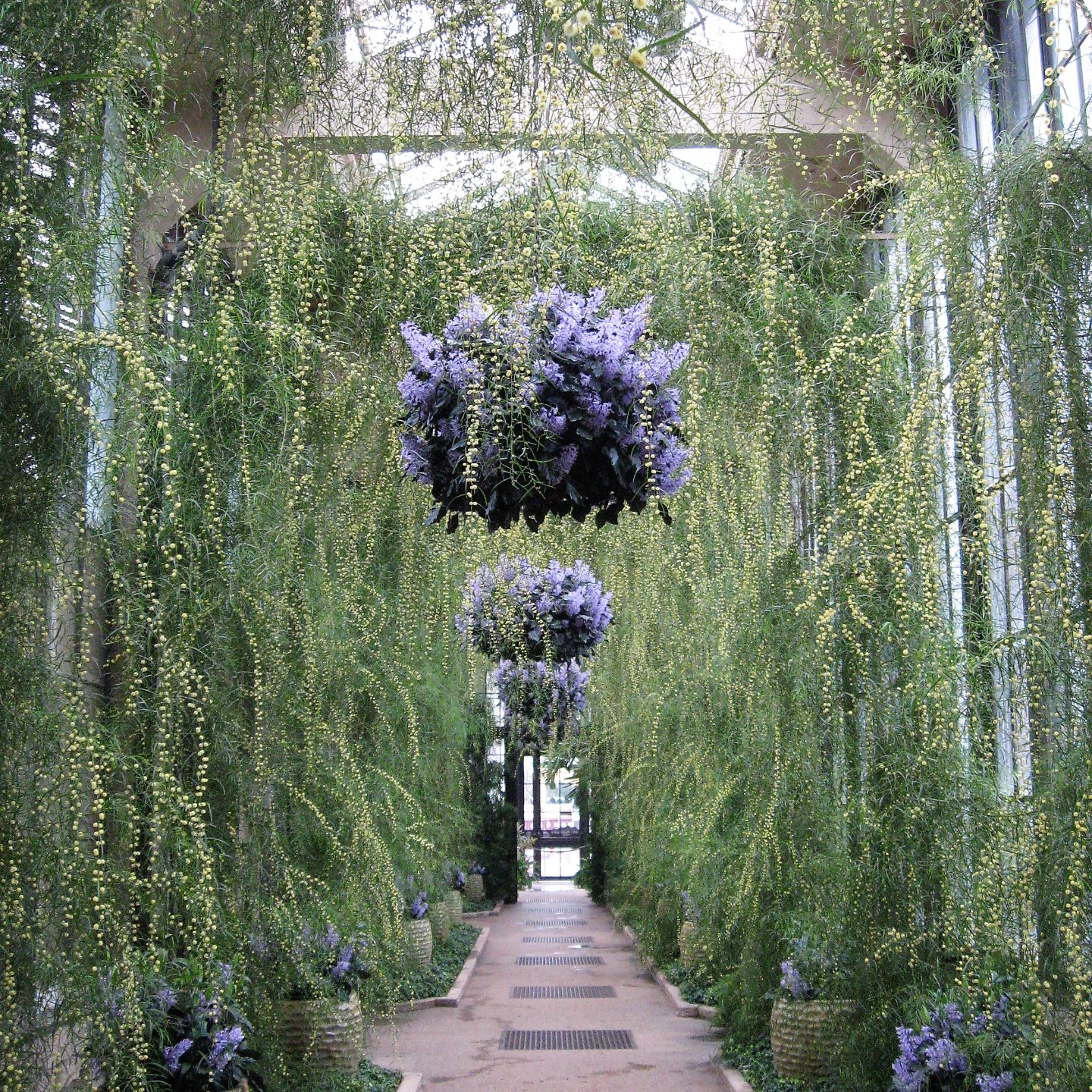
My favorite walk was along the acacia passage. The Cinnamon-Wattle acacias were in bloom. The fragrance was incredible. There was definitely a feeling of enchantment present as we gazed down the corridor. Periwinkle is one of my favorite colors, and the combination of the streptocarpus with the soft yellow of the acacia was stunning. The streptocarpus are part of Cee’s Flower of the Day.

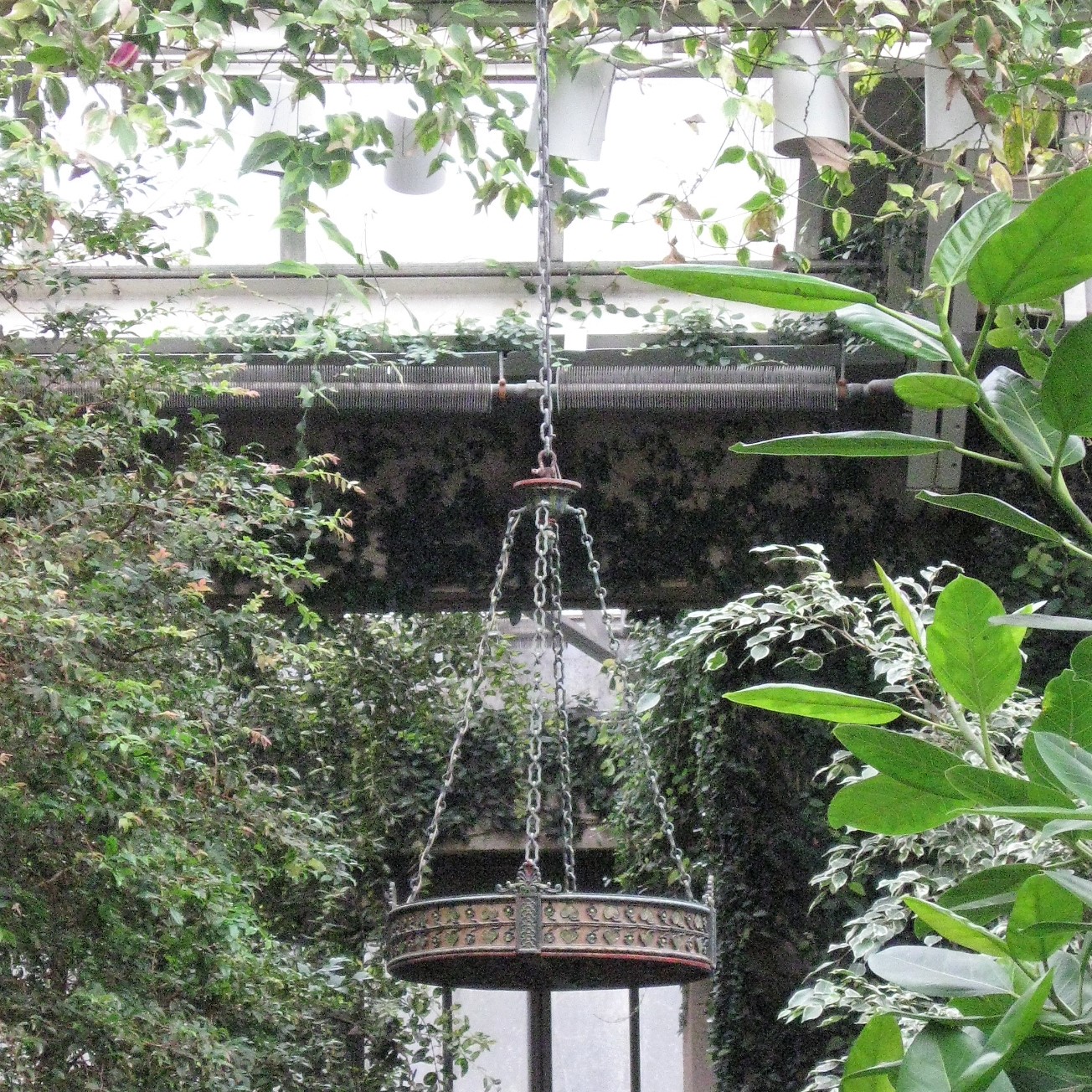
I also had some moments of inspiration. I don’t know if this is a hanging basket of some type for displaying flowers, a light fixture, or something totally unique to my imagination. I am determined to create better hanging basket arrangements this year for the porch and outdoors and this will be my artistic muse for the project.

As we walked within the walls the soft winter sun outdoors illuminated everything inside with a glow of Royal Silver. I wish I could somehow capture and copy the indescribable atmosphere in a watercolor painting.

Here’s a silly self-portrait of us in the conservatory; a visual description of our joy. It’s a little distorted, the mirror had a funhouse quality, but it still captured our happiness in being in a place filled with flowers and fragrance.

Phloral Arrangements – In a Vase on Monday – Fairy Roses with Friends

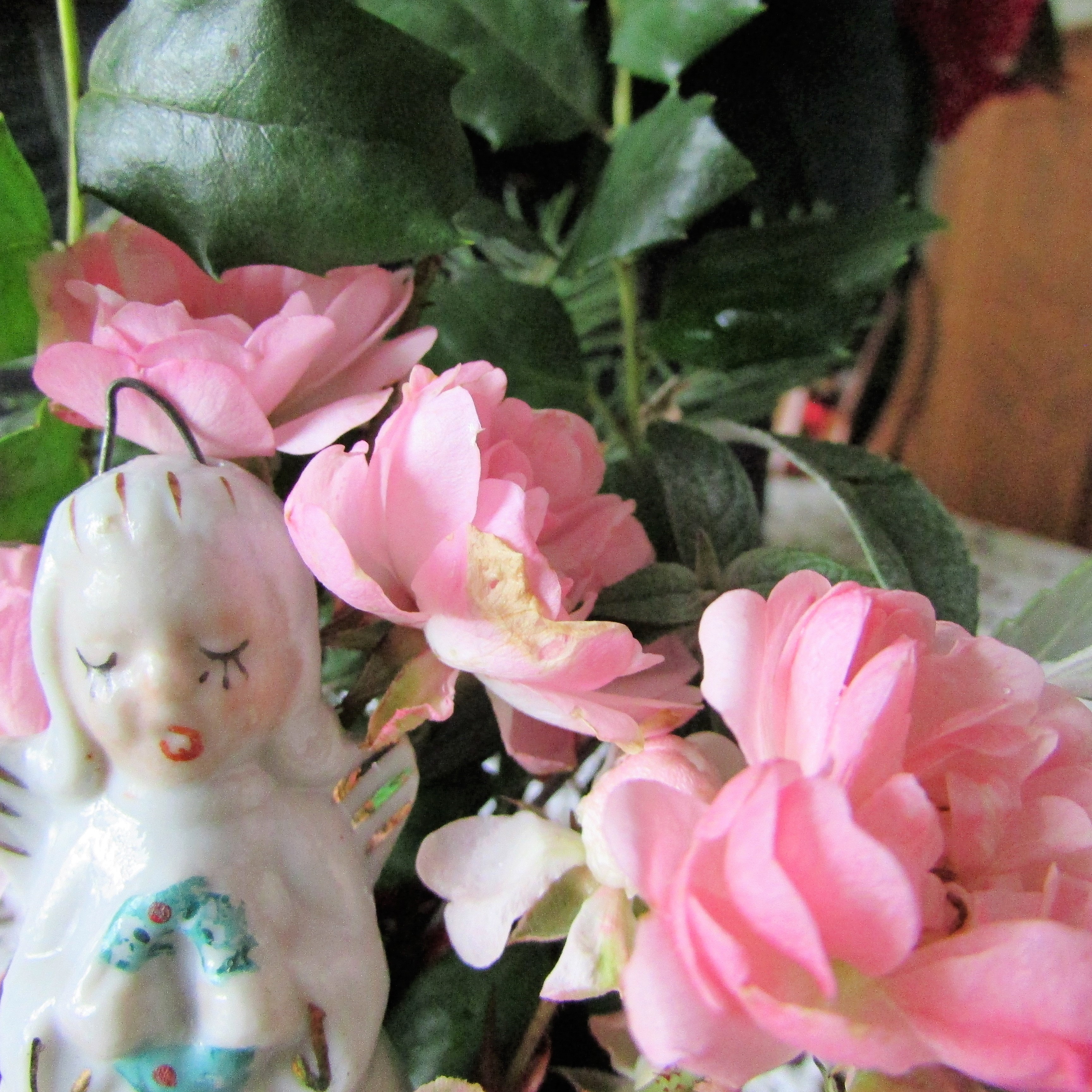
In A Vase on Monday – Fairy Roses with Evergreen, Holly, and Friends.

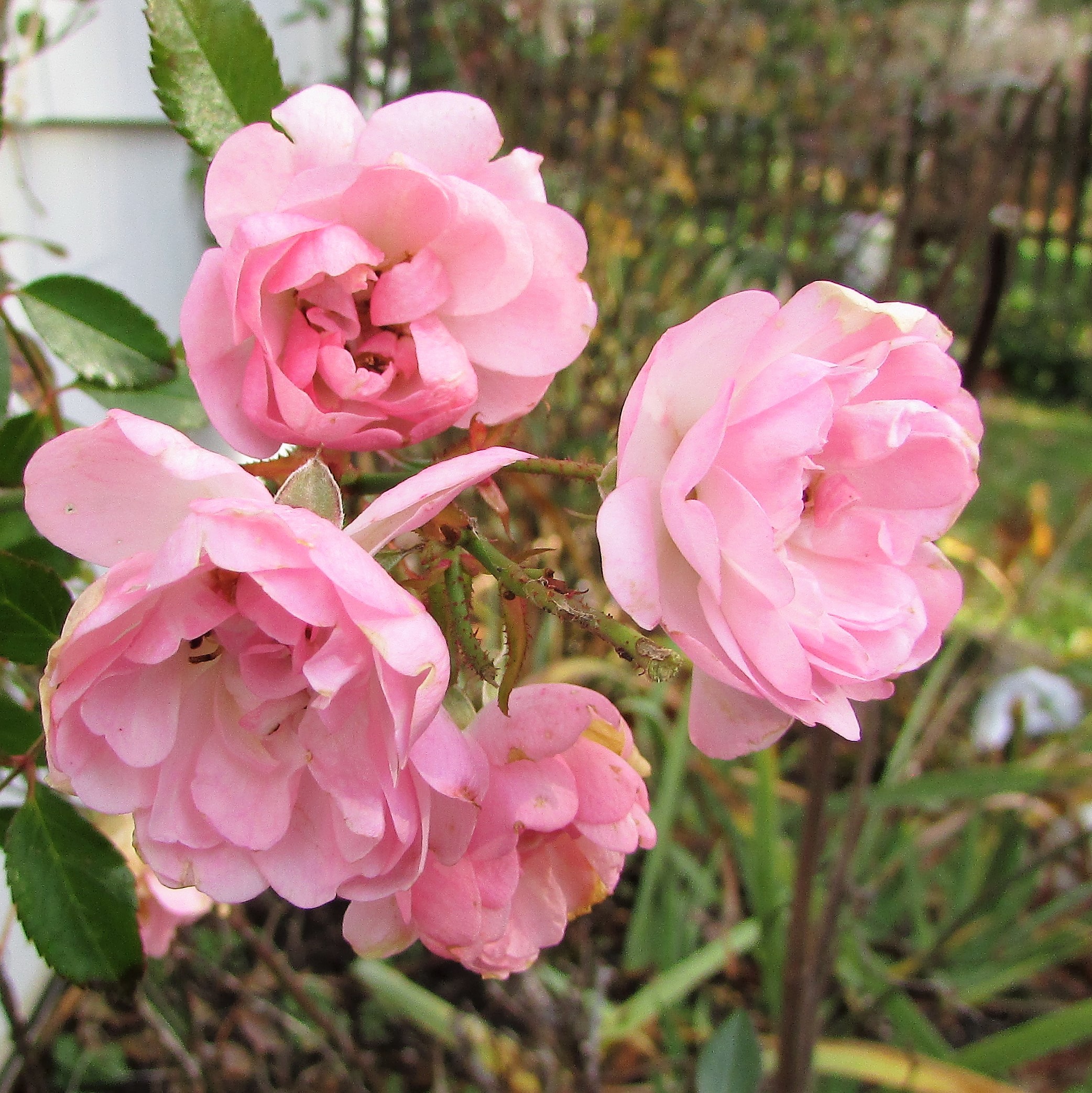
These are the last of my 2022 garden blooms. They are among the most delicate in appearance, but oh my, though small, they are still blooming in bunches. They are a bit worn and damaged by the cold, but they are still showing new buds along the stems.

This small miniature rose is called ‘Fairy,’ and the name belies its resiliency. Fairy Rose is part of Cee’s Flower of the Day.

“The Fairy is a polyantha rose. Polyantha roses produce their flowers in sprays or bunches rather than as single flowers. Unlike a lot of heirloom roses that only bloom once a year in the spring, The Fairy blooms continuously from spring until fall.” Dengarden

The small angel was given to me when I was a baby. I don’t remember who, but I am so grateful to have this vintage remembrance of a time long past.

Another of my Christmas favorites showed up in my photo. Christmas is wonderful: Angels, Scrooge, The Grinch, Frosty, Rudolph, the list can go on and on. Of course, my favorite is the reason for this season, THE CHRIST CHILD. This is a good time to leave a link and reminder to watch THE NATIVITY during this special season. I am always thrilled to my core when the child is born and wish I could have been there to be in his presence. God is so good to us.

Product and Pheathers – Birdfeeder

I love birdwatching of all types, seabirds, raptors, backyard birds, all fascinate me. We live in an area where I can seek out all three. Years ago, I had a secondhand platform feeder I enjoyed filling and watching. This year, my husband bought me a new one for my birthday. I love this view of the inner roof with the Sapphire blue sky above it. Somehow, it reminds me of the ceiling in my grandmother’s church, the memory is decades old, but still so sweet. I hope the birds feel a sense of ‘sanctuary’ here too.

It took a day or two, but the birds have found the feeder. Typical of brash birdy personalities, the first to hover and land were the blue jays. Yesterday, I saw a couple small birds, a redpoll finch, and a junco. The same afternoon, a curious squirrel dug beneath the feeder, but thankfully didn’t climb up.

We are so pleased with this beautiful hand-crafted birdfeeder. You can read the link on the tag if you want to visit the builder: great product, prompt delivery, wrapped/shipped safely.

This post is part of Skywatch.

Phlutters – Backyard Butterflies Part II


“O LORD, what a variety of things you have made! In wisdom you have made them all. The earth is full of your creatures.” ~ Psalm 104:24, NLT

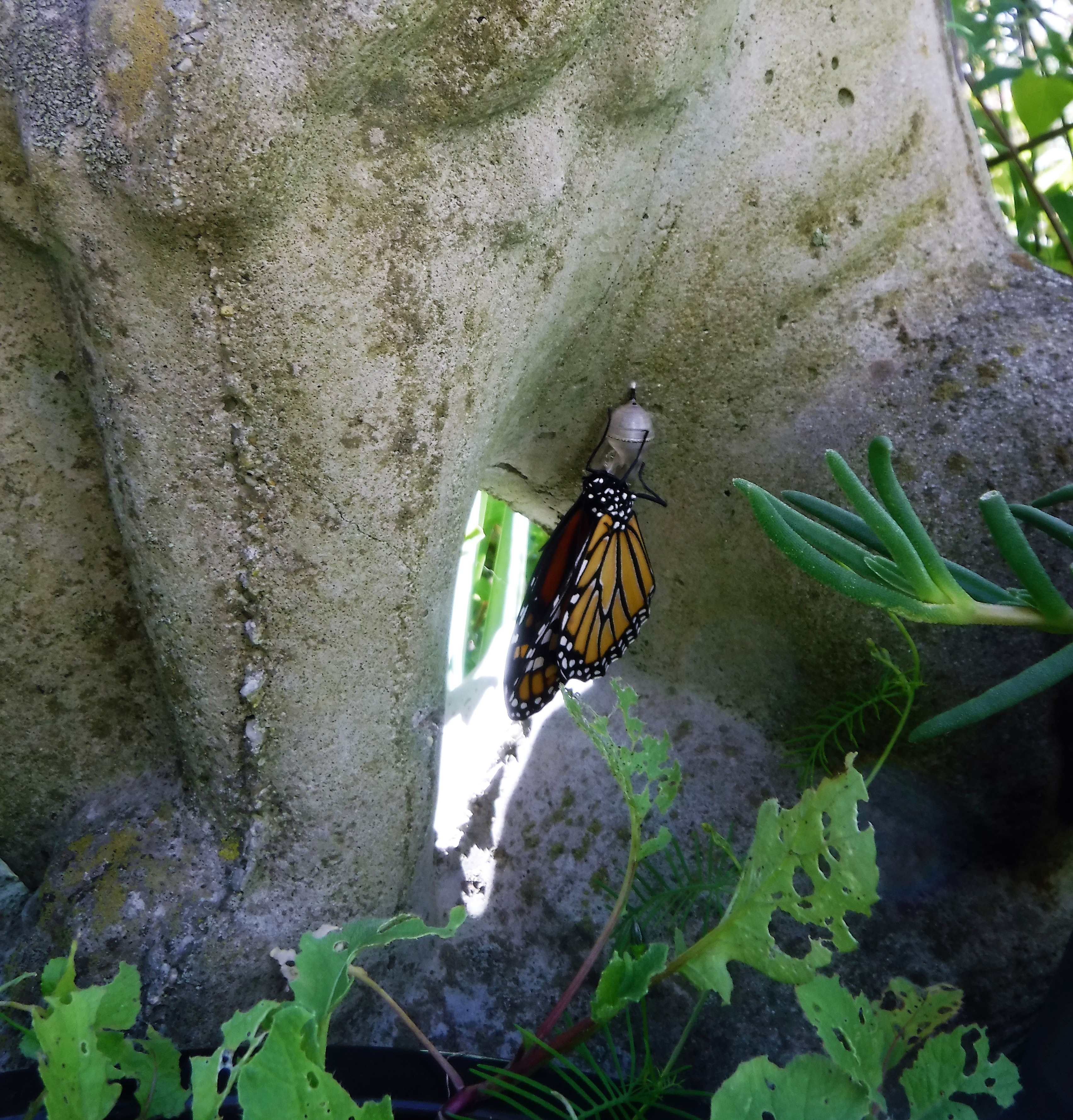
I ended Part I of ‘Backyard Butterflies’ with a photo of this Monarch Chrysalis. Since that post, the butterfly has gone through its metamorphosis and emerged.

I didn’t see the butterfly break out of its yellow-green chrysalis, but I did notice it soon after.

After it dried off a bit, the butterfly began to explore the nearby garden. I watched throughout the day as the Monarch became acquainted with the sweet nectar in my garden.

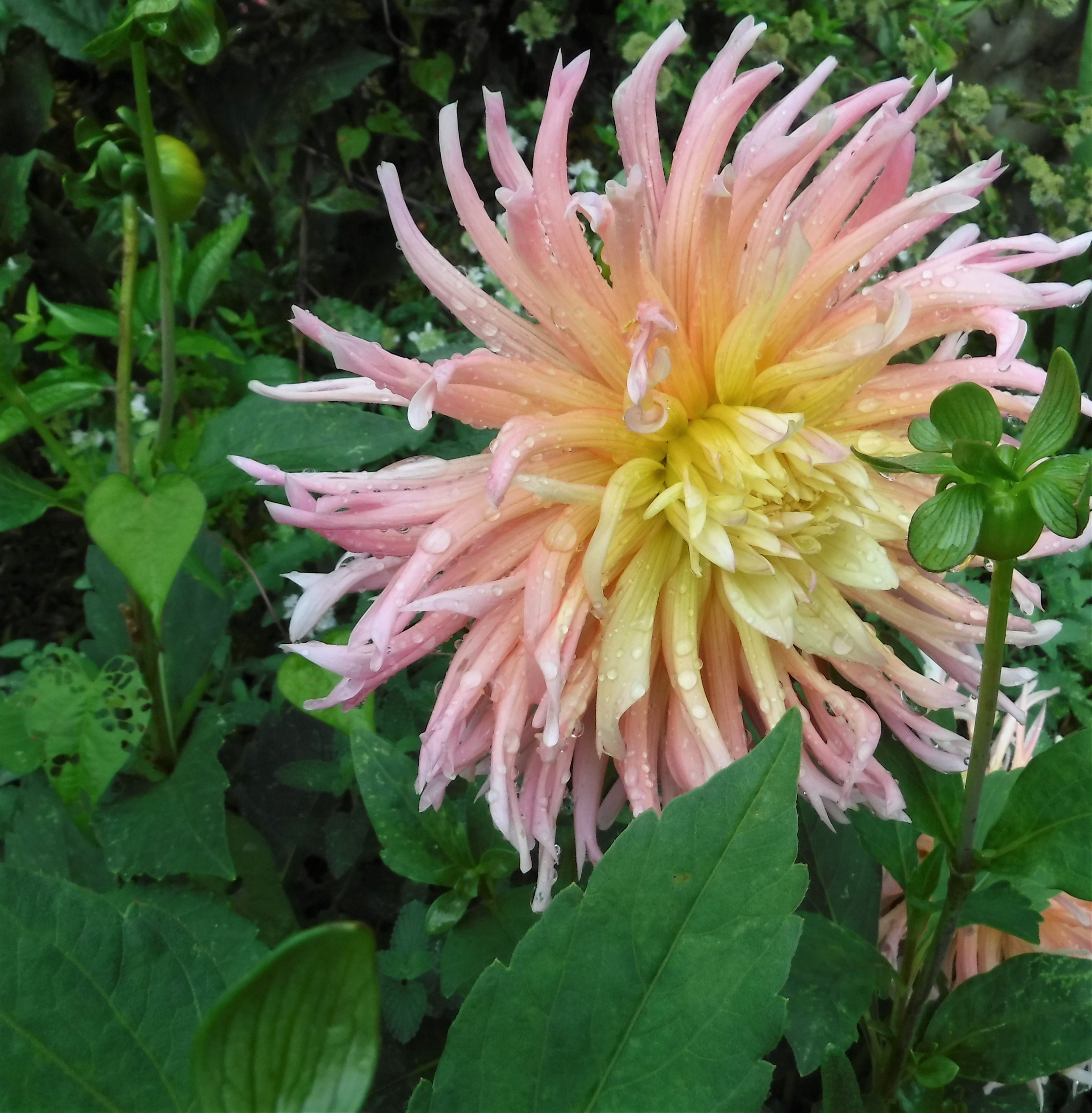
The dahlia is part of Cee’s Flower of the Day.

Planting – Clearance Aisle Update/Forcing Tulips

In November I posted on clearance aisle tulip bulbs stored in my refrigerator drawer among the carrots and other vegetables. This weekend, to break up another monotonous winter day with hopes of Spring, my youngest grandson helped me begin to force the bulbs. The tulips are in a mixed-colors package. Although we might speculate about which dreamy colors will unfurl, it’s totally a matter of chance as to color combination.

Forcing Tulip Bulbs for Spring

The health of a few of the bulbs was in question when we saw some greenish mold around the sprouting end. If the bulb also had a spongy feel I tossed it out. We were left with over two dozen to plant. Most of the bulbs already had about a half inch of stem growth. We planted some in soil in deep terracotta pots and others in shallow ceramics.

We covered plastic pots with moss to disguise their unnatural appearance and planted in those. My favorite display is the tall vase with black river rock on the bottom, filled with water to just over the top of the rocks, the tulip bulbs can be watched from start to finish as they develop. Since we did find a bit of mold we removed the brown covering of the bulbs that show through the glass. I learned something today, the outer layer of paper-like husk on a bulb is called a tunic.

“Tunicate bulbs, like tulips, daffodils, hyacinths and ornamental alliums, have a paper-like covering called a tunic that protects the fleshy scales from drying out. “~ Delaware Online

While researching the properties of a tulip bulb I discovered a week-long Tulip Celebration in Lewes, Delaware, April 5th – 14th. Lewes is about a three hour drive from our home. It is also accessible from the Cape May/Lewes Ferry. If you love tulips and are near Delaware at this time, perhaps you’ll find time to celebrate in Lewes and welcome Spring.

Pleasures – Warm Day Walkabout/Emerging Spring

We’ve had an up and down week, snow one day, gorgeous sunshine and a taste of springtime the next. A midday walkabout was just what I needed.

A glance upward revealed a blush of Venetian red maple buds against the blue sky.

In my yard I noticed the wisteria pods have been scavenged for food. Spring can’t come quick enough for the hungry animals.

The daffodils are pushing upward. I love the smooth texture of the spring green in contrast to the brown leaves, mosses, and dried grass textures of winter.

I checked on my winter sown containers. Nothing is sprouting as of yet. It’s time for me to take my permanent marker outdoors again and reinforce the labeling of the contents. I don’t want to try and guess what’s growing inside when it’s time to plant.

As always, the first bloom in my garden is this tiny yellow crocus. Every year, it’s a reliable forerunner of all the glorious flowers to come. Am I excited about this taste of spring? Oh Yes!