People – There’s not a Friend…

A friend of the family gave my husband this small picture of Jesus. It is smaller than a baseball card, and easily sets upon my kitchen windowsill where I am able to see it daily. I have always loved the image of Jesus holding a lamb. It is representative of his care, compassion and love for all of us. Today the old hymn, “There’s Not A Friend Like The Lowly Jesus,” sprang into my head. It was written in 1890, but has endured for over a century, as so many gospel hymns have done. I love the message in the song, a good song to sing to remind me of the Lord, my greatest friend and Savior, and I think I need to say to that, “Amen.”

There’s not a friend like the lowly Jesus No, not one! No, not one! None else could heal all our souls diseases No, not one! No, not one!
Chorus: Jesus knows all about our struggles He will guide till the day is done There’s not a friend like the lowly Jesus No, not one! No, not one!
No friend like Him is so high and holy No, not one! No, not one! And yet no friend is so meek and lowly No, not one! No, not one!
Repeat Chorus
There’s not an hour that He is not near us No, not one! No, not one! No night so dark but His love can cheer us No, not one! No, not one!
Repeat Chorus

Prose – House of Cash – Johnny Cash Biography

I’m enjoying this biography of Johnny Cash written by his son, John Carter Cash. Inside are memories and insights into the life of one of my all-time favorite singers and a true Man of God. I am entranced by the reproductions of Johnny’s actual notes on life and valentines to his wife June Carter Cash.

A perfect video for a Sunday, Johnny Cash singing, “Sunday Morning Coming Down.”

Problem-solving – Mealy Bug Infestation

While watering my succulents I noticed the dreaded white fluff of a Mealy Bug. Oh no. I have had experience with these pests in the past and know they can become a full-blown infestation. I wasted no time in treating the infested plant.

I like to use organic products and things I already have around the house. For Organic Mealy Bug Treatment Isopropyl Rubbing Alcohol is a good choice. Using a Q-tip I touched the saturated tip to the back of the mealy bug. As I checked the plant I saw a few more of his family residing along the stems and treated them too. Further down there were more, oh no, it was beginning to look like an infestation, time for more drastic measures. I filled an atomizer with some of the alcohol and sprayed the entire plant. I left it on for a few moments and then washed all the foliage in tepid water. Most organic pest control sites recommend watering the alcohol down first, but for a hardy succulent, straight out the bottle did no harm. If I was treating one of my african violets I would definitely water the solution down before using.

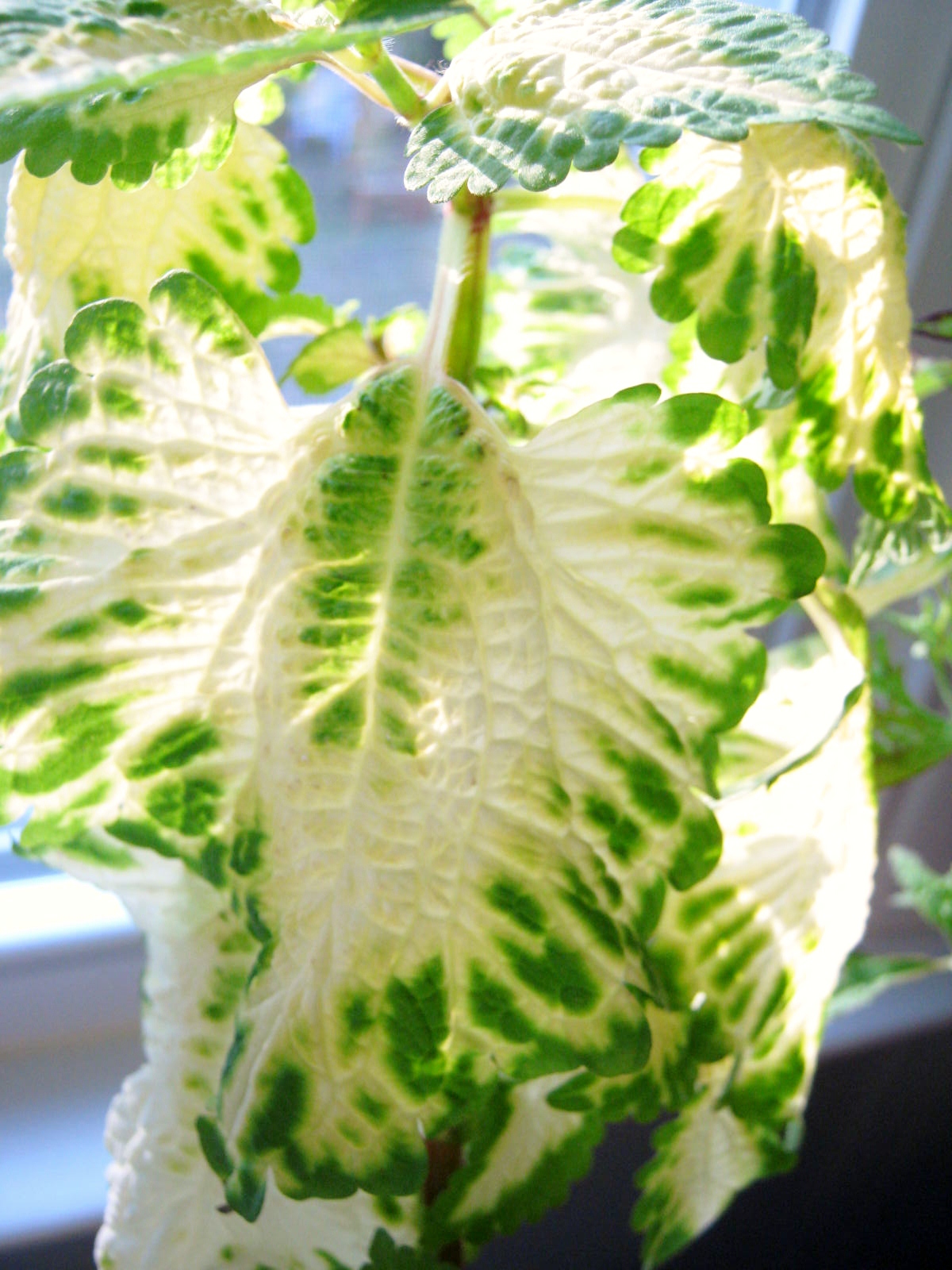
I knew I had to check all the plants that were in the same room with the infested succulent, and sure enough, on one coleus I found the beginnings of more mealy bugs. Hopefully the intervention with rubbing alcohol has eradicated the problem.

Pressed Flowers – Pressing With Heated Books

In the northeast we have had a very mild winter. Many of the area wildflowers are beginning to bloom. In my pile of foliage and flowers are blossoms of Birds-eye Speedwell, Vinca, and Celandine. It’s time to begin restocking my pressed flower supply. I love using wildflowers, they are often small and airy, perfect for pressed flower compositions. One caution though when using wildflowers, be sure that you are not using a plant that is protected as threatened and endangered in your state. To see a listing of your State’s Protected Wildflowers check out this site: US Government list of Threatened and Endangered Plants.

I have found that the best way to retain the colors of most flowers and foliage is to flash press them in a microwave. I don’t use the expensive microwave presses; I have found the best way is to use an old book. The book must have very porous paper, it must not have gold or silver leafing on the spine or page edges, and a smaller book works better. Most of the books I use are from the 1930’s and 1940’s. You can find books of this age at yard sales and thrift stores. They are usually very inexpensive.

1. Separate your flowers into thinner petaled flowers and foliage, and thicker varieties.

3. Lay the blossoms and foliage on the page. These vincas have a thick stem that will not press well behind the open faced blooms. After I lay them out on the page I cut off that stem. For the side pressed blossoms, I leave the stem intact. I also include several buds of the flower.

4. Shut the book and rubber band the edges. For thin varieties of flowers and foliage I microwave between 15 and 30 seconds. This provides the heat that speeds up the drying process. The book should not be hot, only gently warm to the touch. For thicker varieties of flowers and foliage I heat for 30 – 60 seconds. As with anything microwave temperatures vary, you will have to experiment to see what works best for you. After pressing, clean out any residue left behind in your microwave by heating a cup of water with lemon or citrus peel, and then wiping away the moisture from the sides.

5. Don’t open the book, leave the rubber bands in place and put your book under a heavy weight.

6. Your flowers should be dried and ready to use within 3 – 7 days. To remove them from the pages of the book, gently slide a soft paint brush beneath the edges.

I use large books to store my pressed flowers. I place them on acid free paper and label the sides, leaving the edges hanging over the book pages about 1/2 inch. This helps me find exactly the type of flower I want when I am composing a picture.

The flowers and foliage are ready to use. In coming days and weeks I’ll give more tips on how I compose, glue and use my pressed flower projects.

Projects & Plants – Rooting Cuttings with Honey

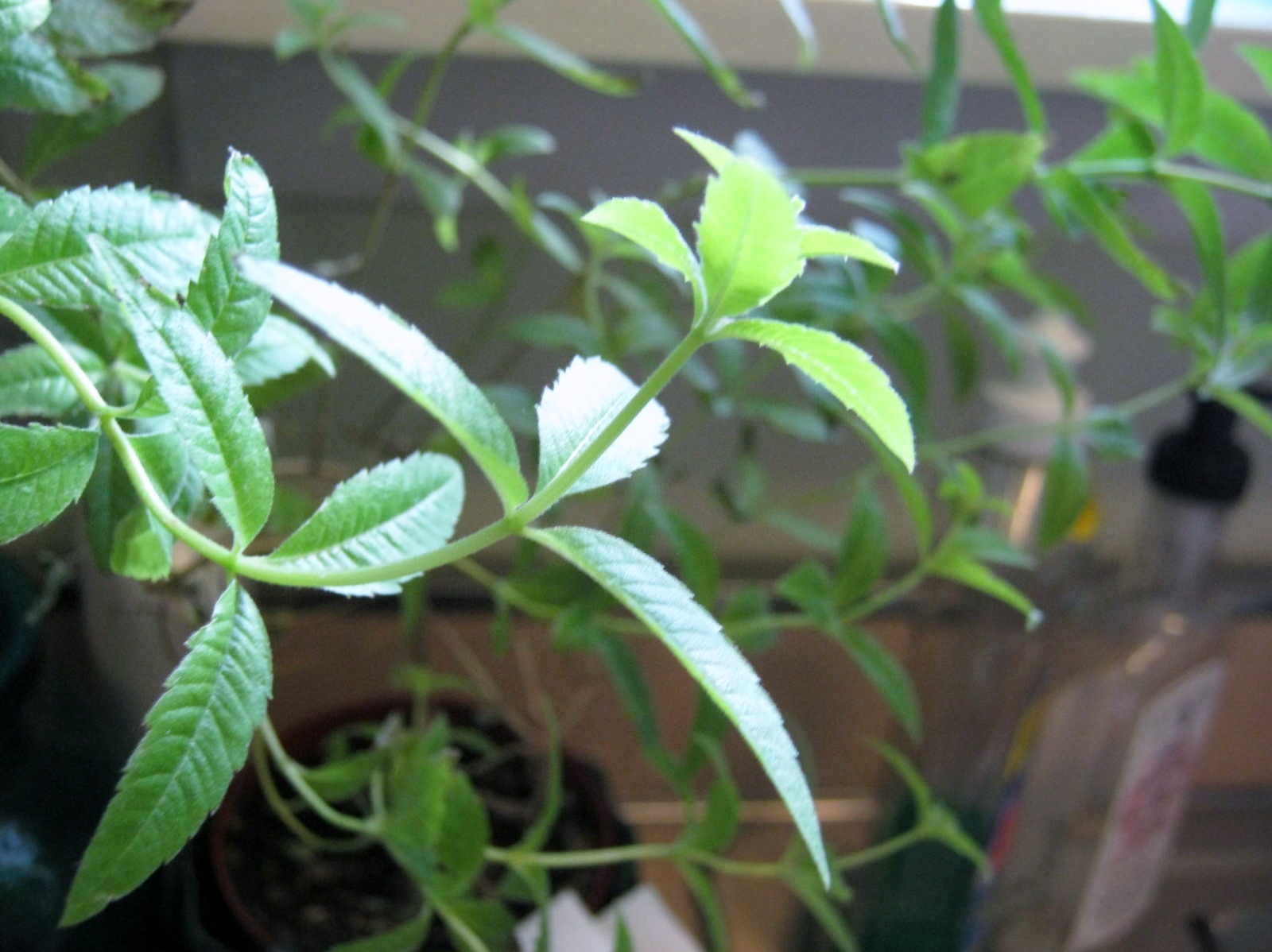
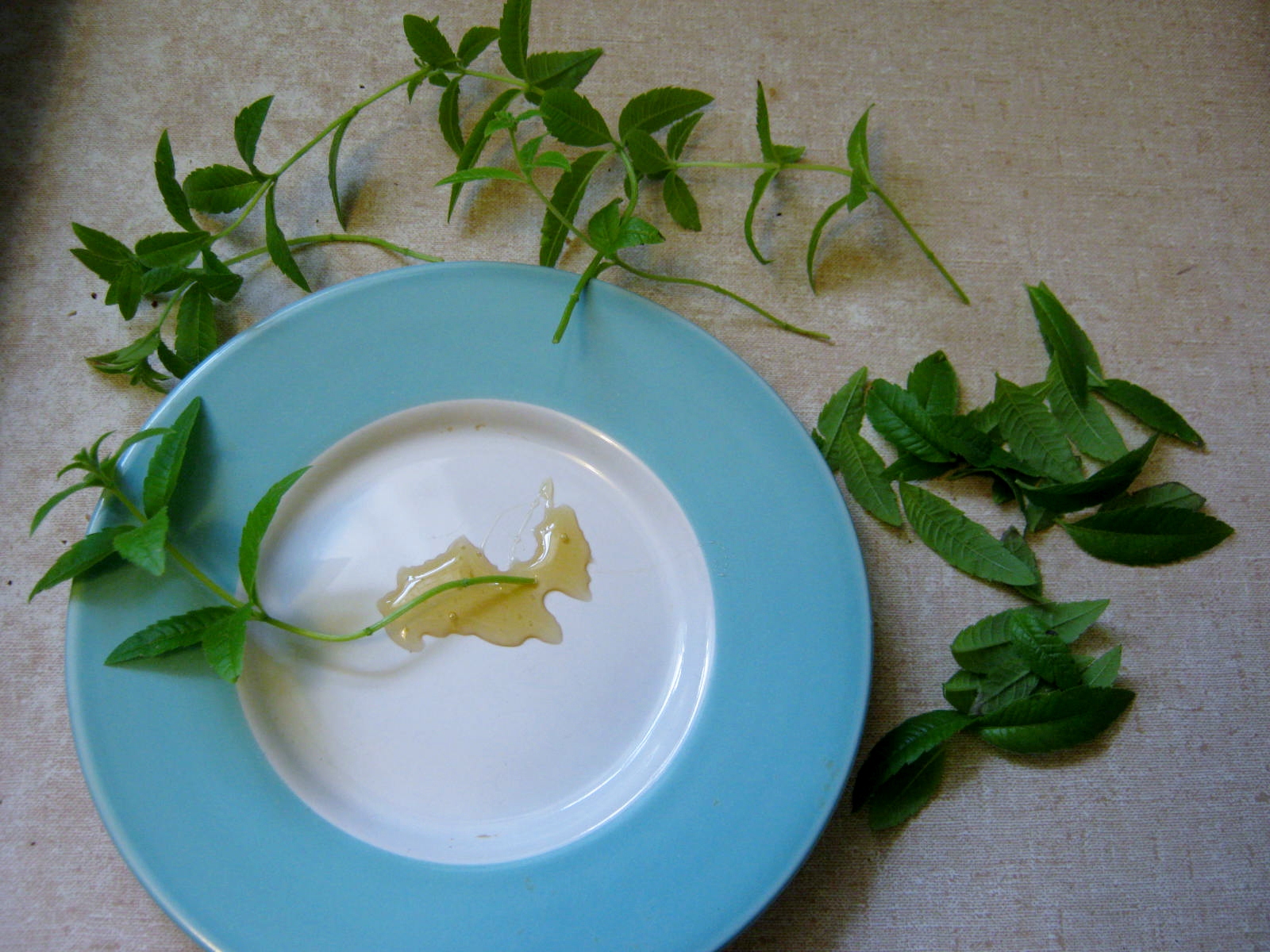
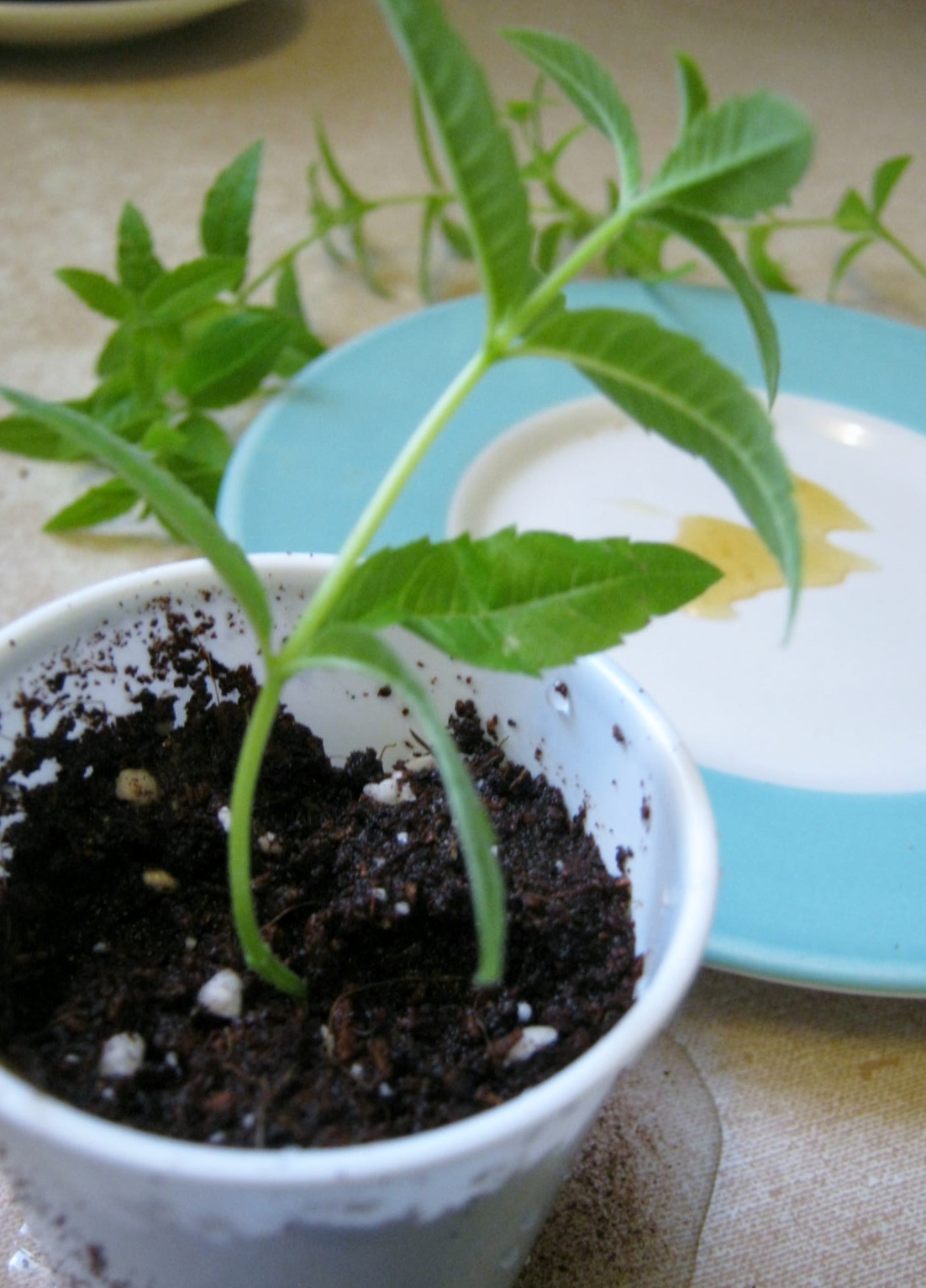
My Lemon Verbena plant is thriving, but it is in definite need of a trim. I want to grow several lemon verbena plants in my herb garden this year so today was the perfect day to take cuttings. In the past I have used rooting hormone on the stem ends of the cuttings, but this year I am aiming to go as natural and organic as possible. I have heard in the past that Honey is a natural rooting compound. I always have honey in my pantry so I pulled it out and gave it a try.

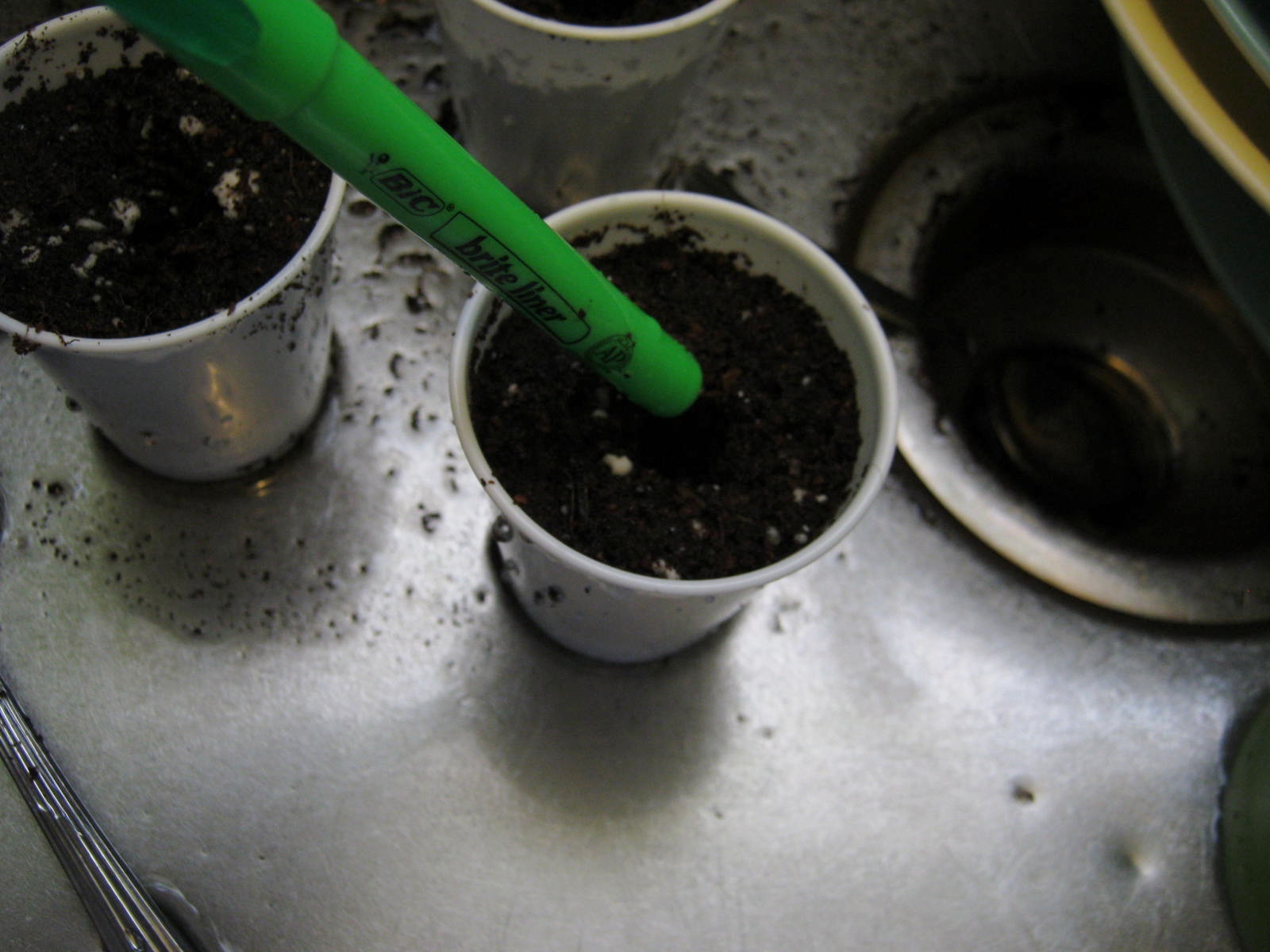
I followed the same protocol I use with rooting hormone. I punched out a drainage hole in 3 oz plastic cups and filled these with sterile soil. I watered the potting medium and created a hole with a plastic highlighter.

I dipped the lower inch and a half of the verbena cuttings into the honey and inserted them into the soil. I avoided brushing the sides of the planting hole to keep the honey intact on the stem end.

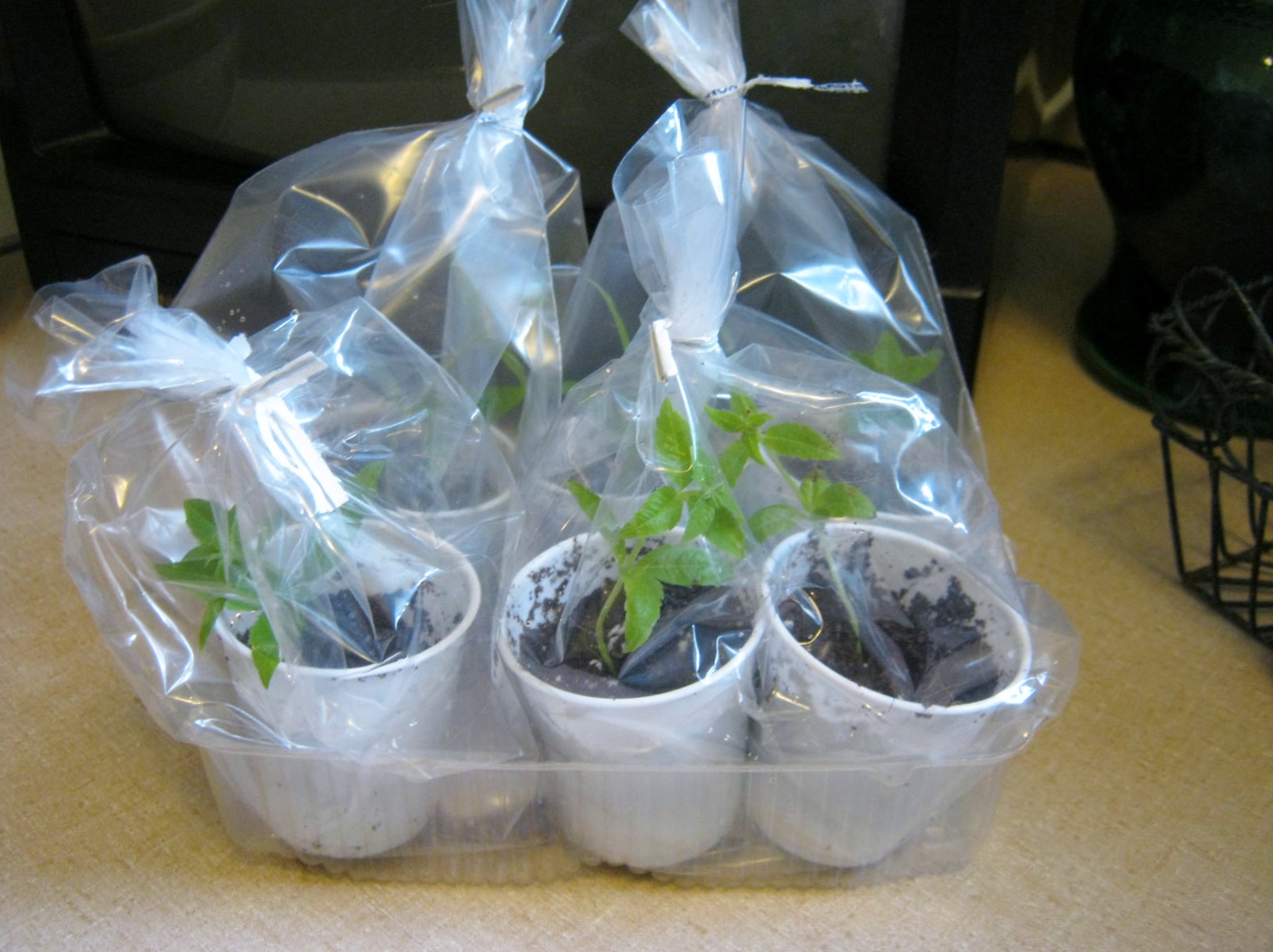
I gently firmed up the soil around the stem and then inserted the cup in a plastic bag and sealed it. The honey is anti-fungal and will create a seal on the cut end of the cutting and help retain moisture.

When I was finished I had six small pots. I used a recycled cookie tray to hold the six cuttings steady, and placed them under lights in my basement.

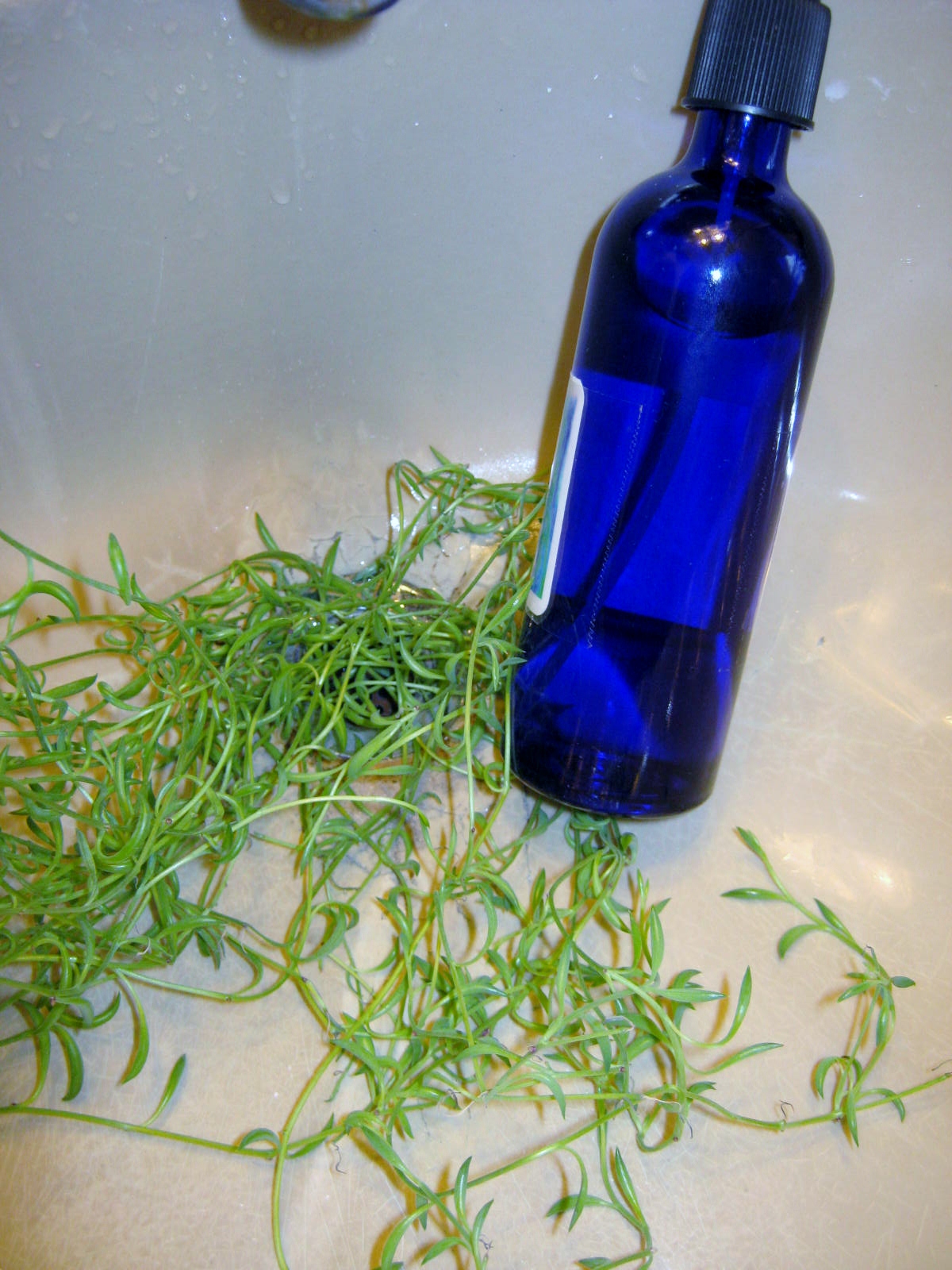
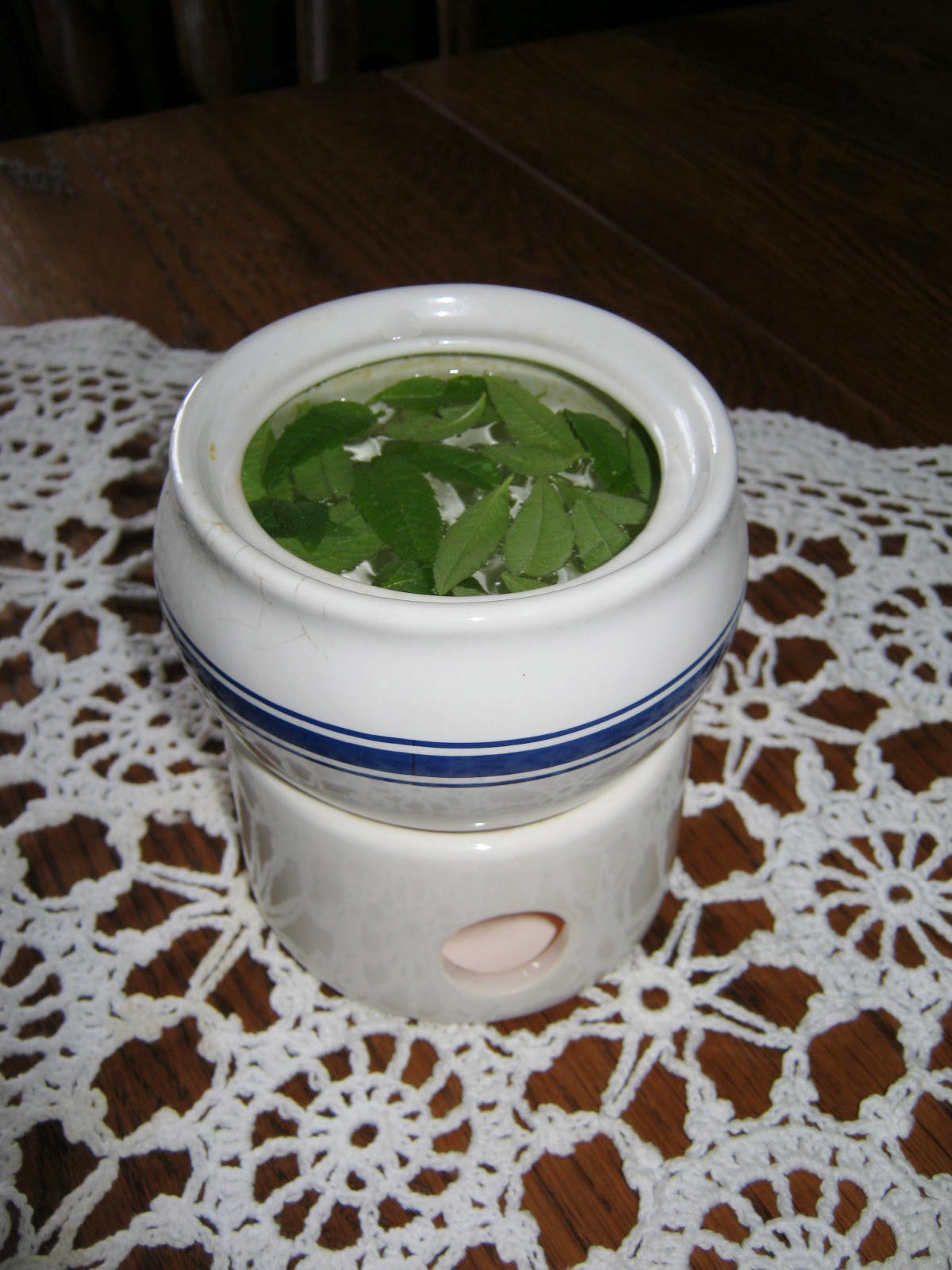
The lovely smelling leaves I stripped away were also put to good  use. I simmered them in a pot of water and freshened up the house with a little extra moisture and lemon scent in the air.

Plantings – Update Winter Sowing Progress

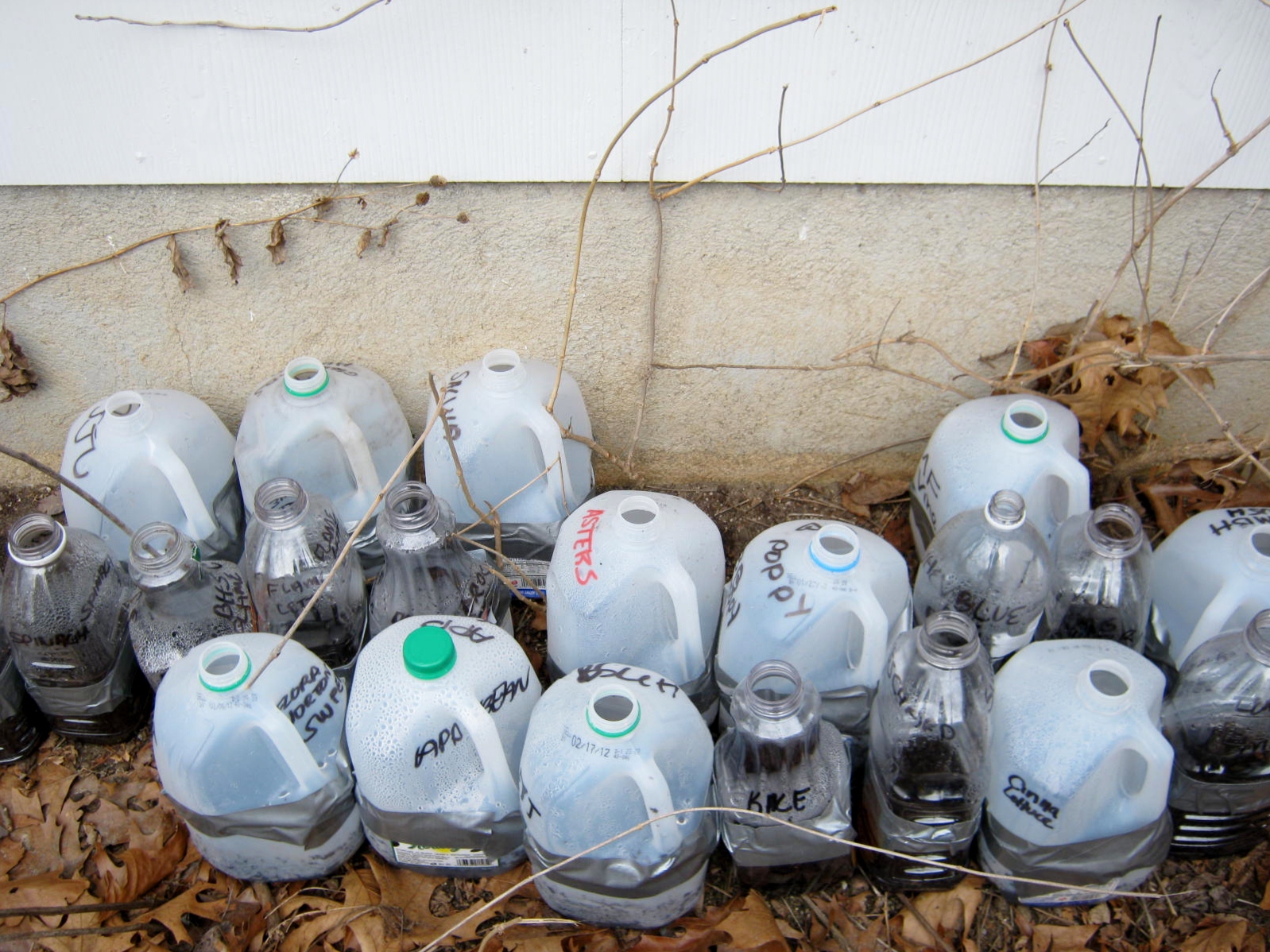
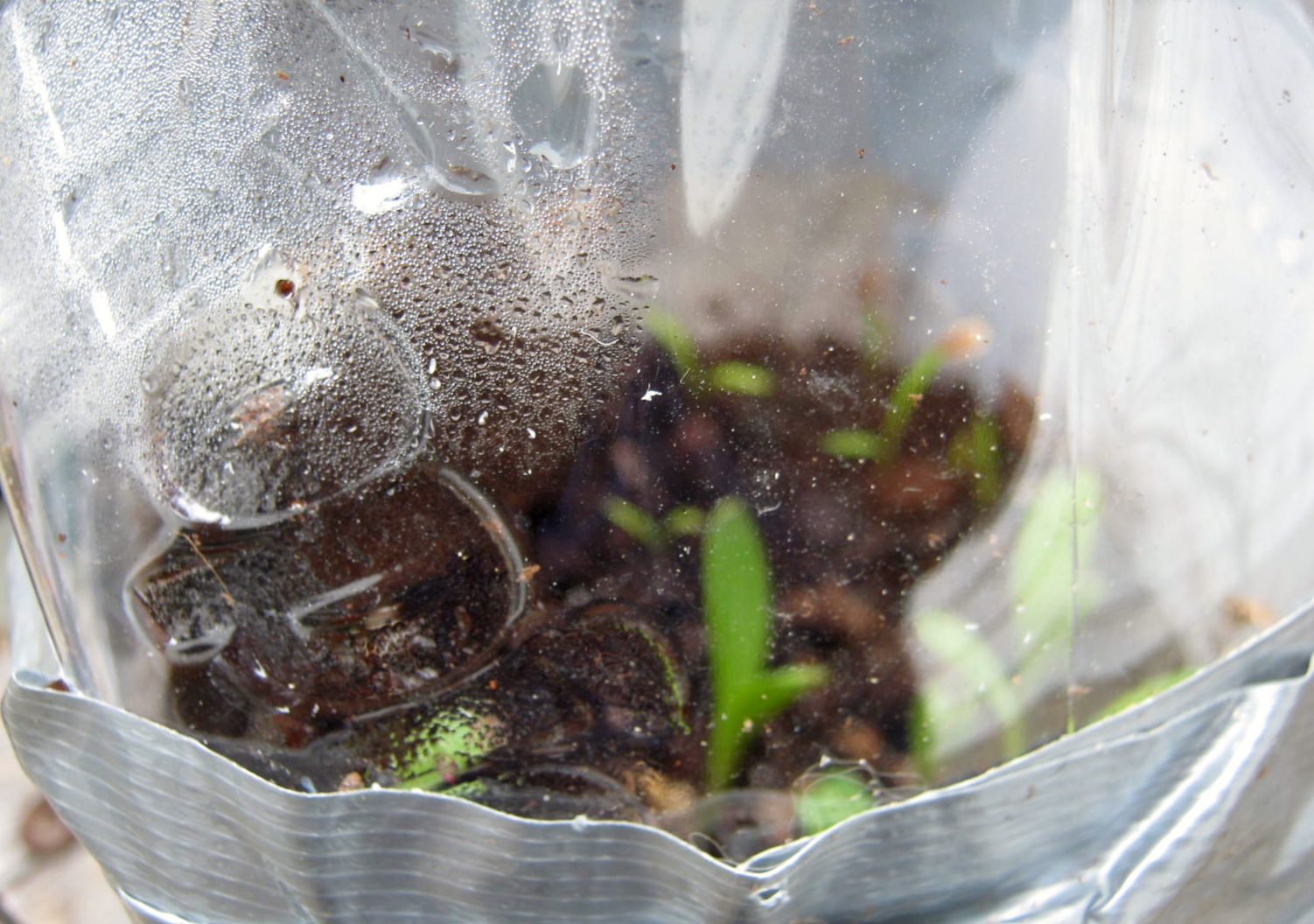
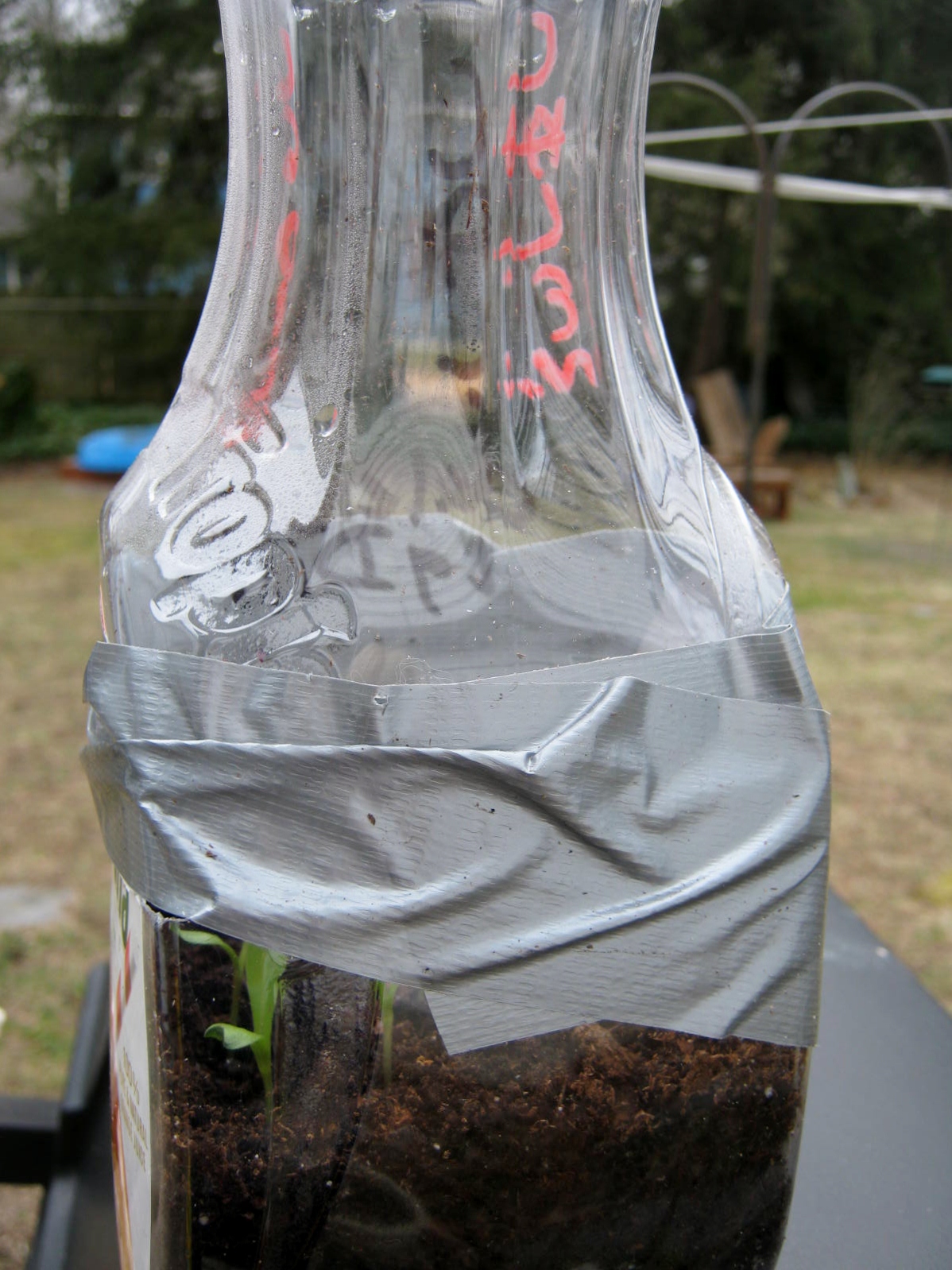
I’ve been steadily adding to my cache of winter sown containers. The warm springlike weather of the past weeks has helped many to sprout. As they are HHA (Half Hardy Annuals) and cold tolerant vegetables, I have no worries about the possible onset of colder temperatures through the next weeks. The plastic containers work as mini-greenhouses and protect the seedlings from frost. The cold will only strengthen them and keep them from becoming leggy and outgrowing their containers. I’ve had a lot of fun with this project. I also have set aside a portion of each type of seed so that in the event that some of the containers fail I will have a backup.

A view of some of the sprouts inside their containers. The above photos show my recycled orange juice bottles. These mini-greenhouses are light in weight. To windproof them I wedge them in amongst the heavier milk jugs.

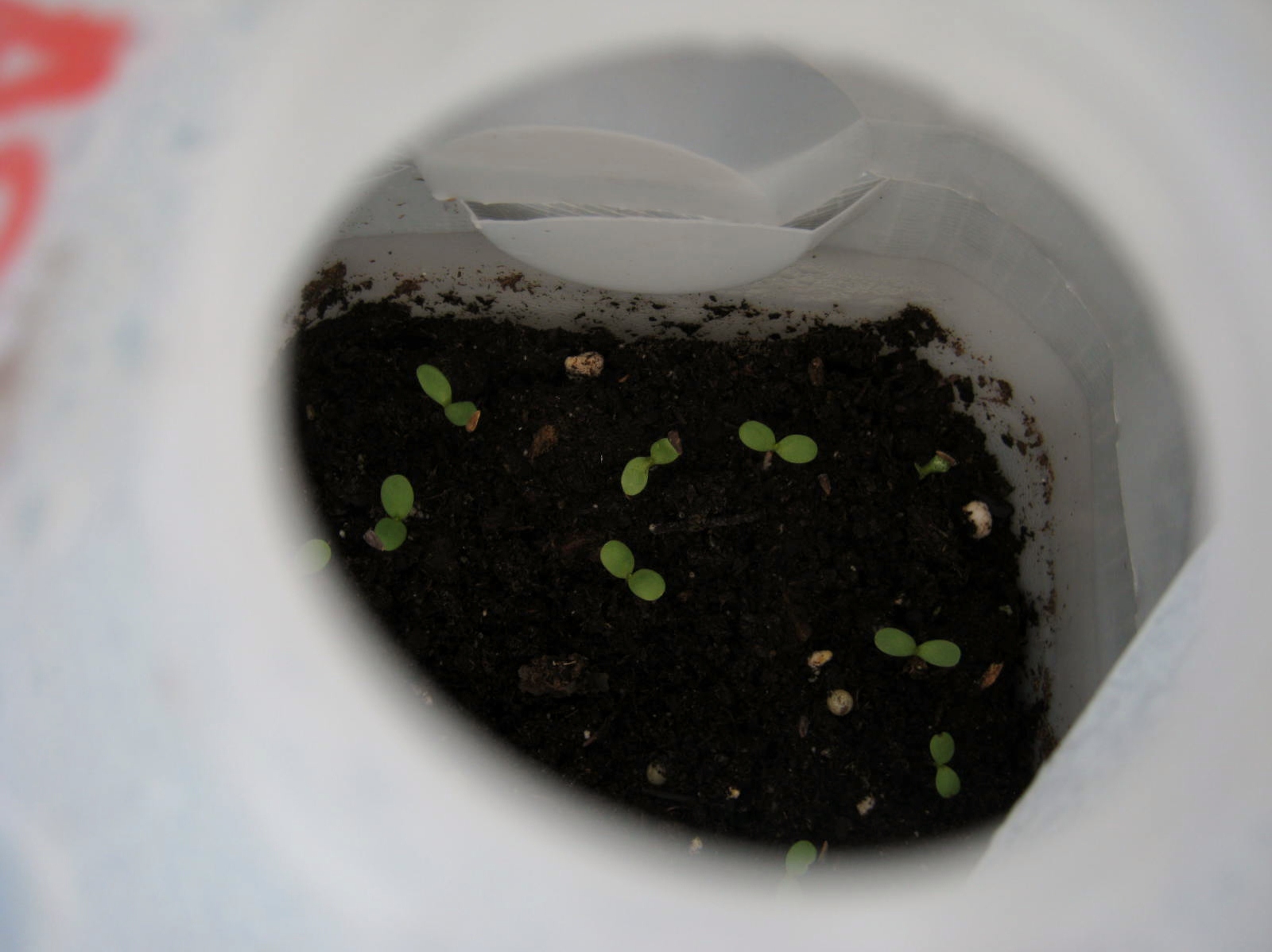
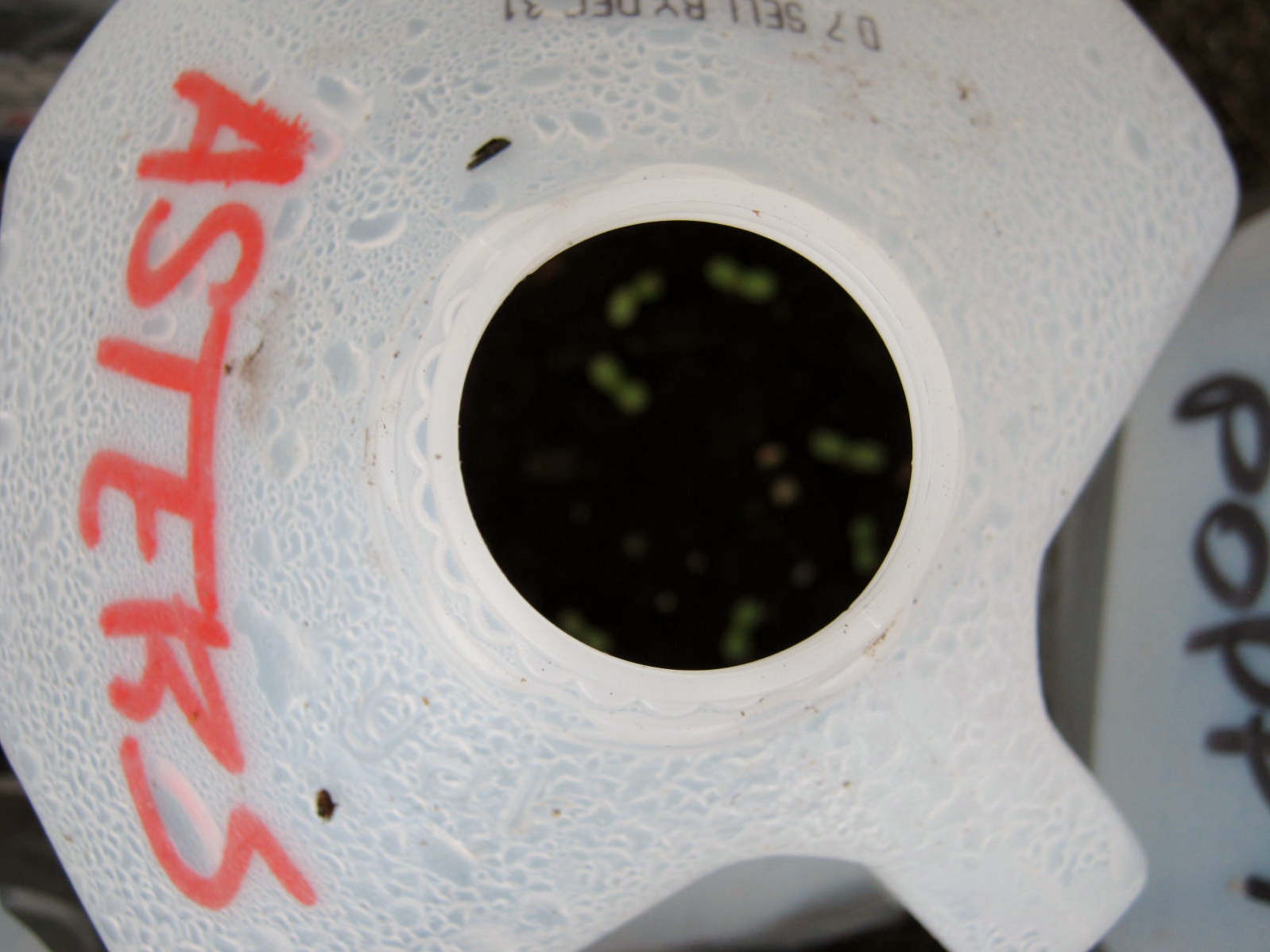
A bird’s eye view through the top of a milk jug. The seedlings inside are asters.

I noticed two of my mini-greenhouses had indications of the dirt drying out. I placed these inside a plastic shoebox filled with water, a perfect fit, and let them soak up a little moisture through the drainage holes in the bottom. This worked perfectly and within a half hour they were thoroughly watered.

Pots and Pans – Quaker Oats Oatmeal Cookies

I’ve loved Quaker Oats oatmeal all my life. I often stir up a batch of it in the morning, dollop it with butter, brown sugar and a teaspoon of Polaner All Fruit Jelly, and enjoy.

I also love Oatmeal Raisin Cookies. The recipe for these delicious treats can be found on the bottom of the box lid. They are very easy to make.

If you want to make the cookies and don’t have the box lid you can find the recipe here. Quaker Oats Vanishing Oatmeal Raisin Cookies

Proverbs – Painted Pebbles

“In everything, do to others what you would have them do to you, for this sums up the law and the prophets.” Matthew 7:12

My sister Amy and my nephew Abel painted these pebbles for me. They remind me of Faberge Eggs. I love what Amy does with her painted pebbles. When she hikes in the mountains of North Carolina she leaves the pebbles along the trail to be found by other hikers. I enjoy picturing her placing her painted gems amid the tangled roots of trees or within a clump of grass or fern.  I also enjoy imagining the happiness of those who find these sweet gems.

Pots and Pans – Make Your Own Brown Sugar

Nothing is worse than running out of an essential ingredient when you are in the middle of baking or cooking. Last week I was whipping up a batch of oatmeal cookies and realized I was out of brown sugar. No problem. I mixed up my own.

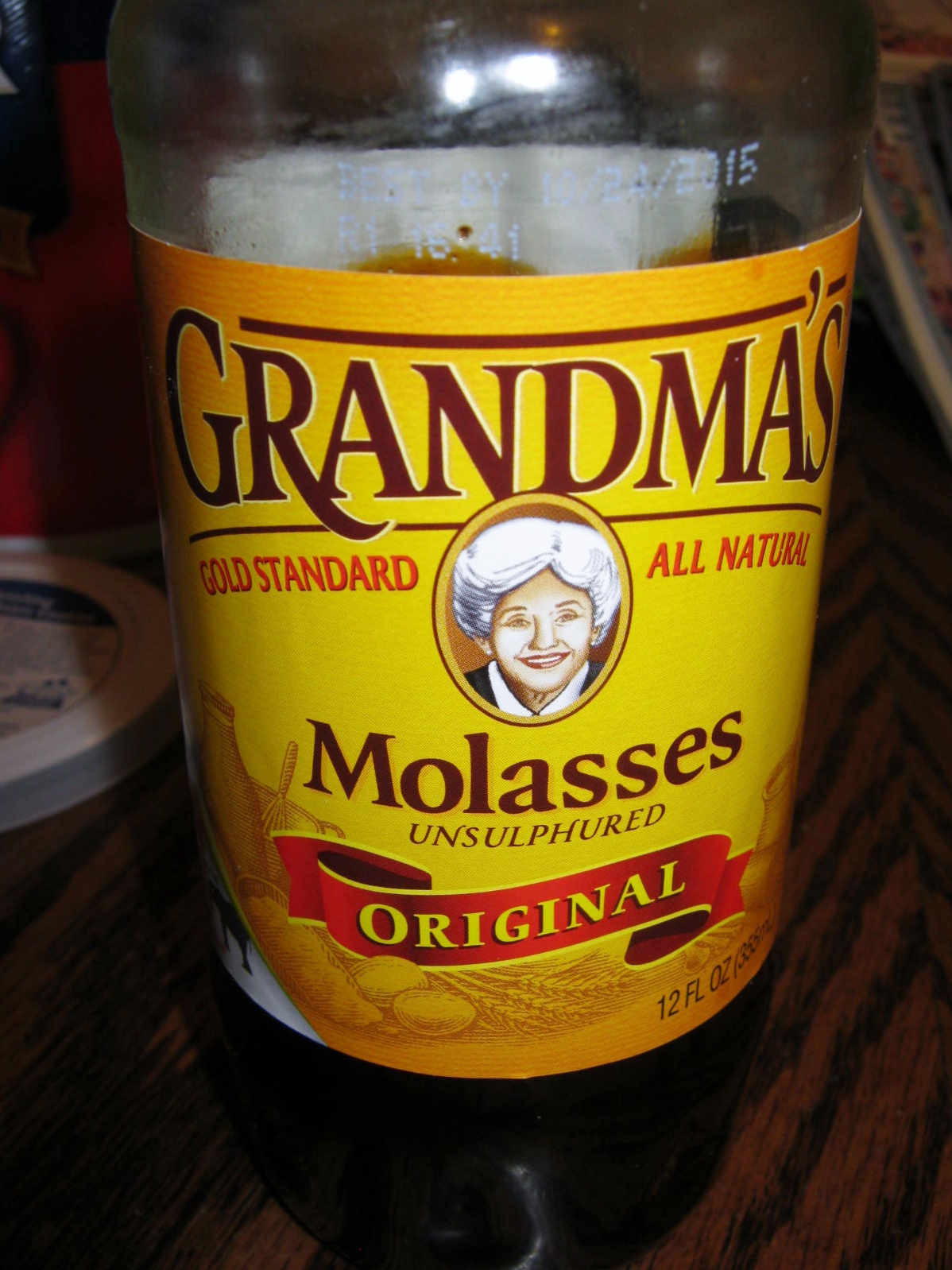
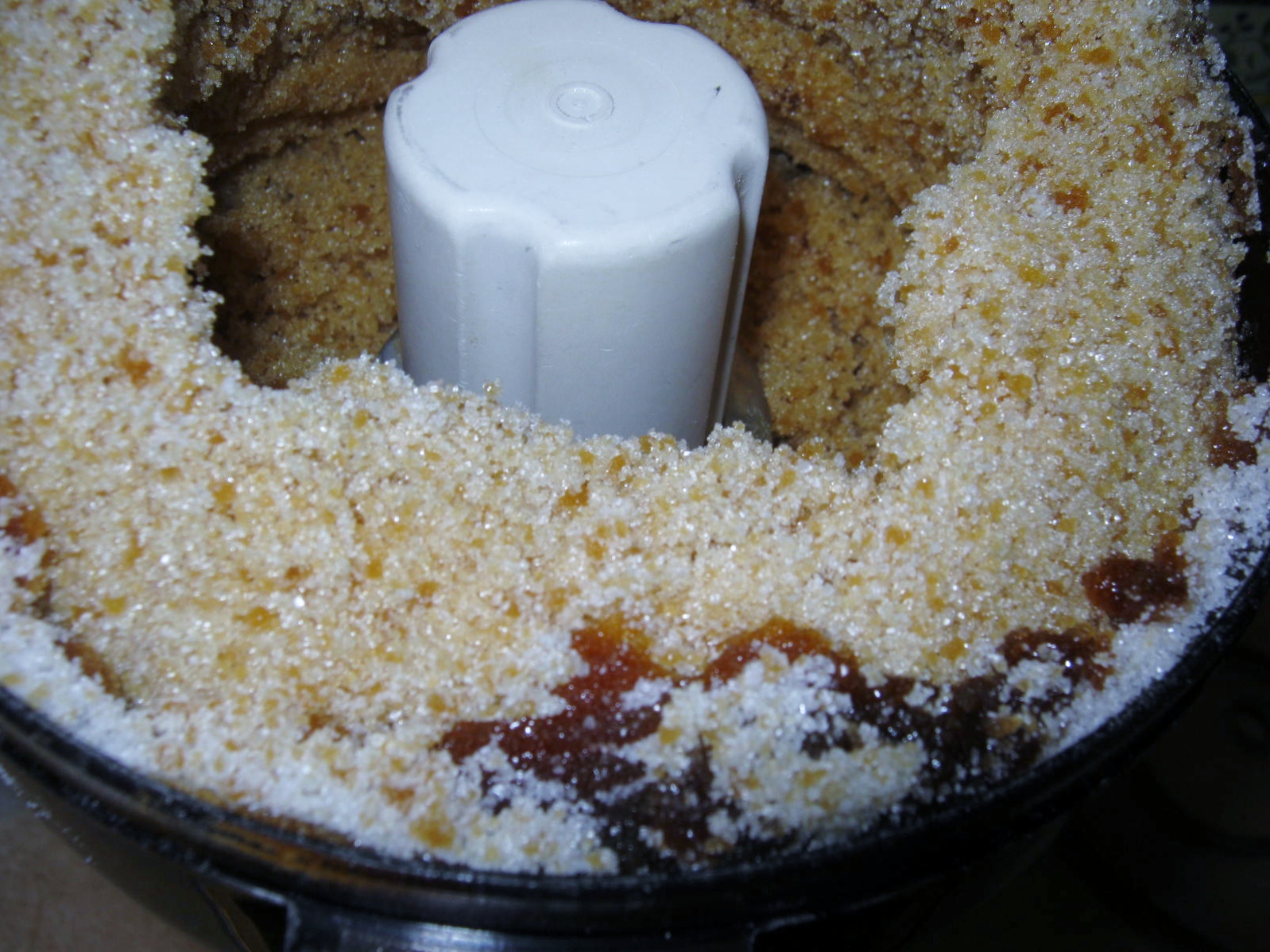
Add 1 tablespoon molasses to 1 cup of white sugar. Stir together…you have light brown sugar. Do you need dark brown sugar instead? Add 2 tablespoons of molasses to the sugar and mix.

After I tried this I realized I found the taste is heartier and much better than the store bought brown sugar. I’m hooked on making my own now.

Tip: Use your food processor for even faster results.

Projects – Crayon Chips & Wax Paper = Stained Glass Valentine Hearts

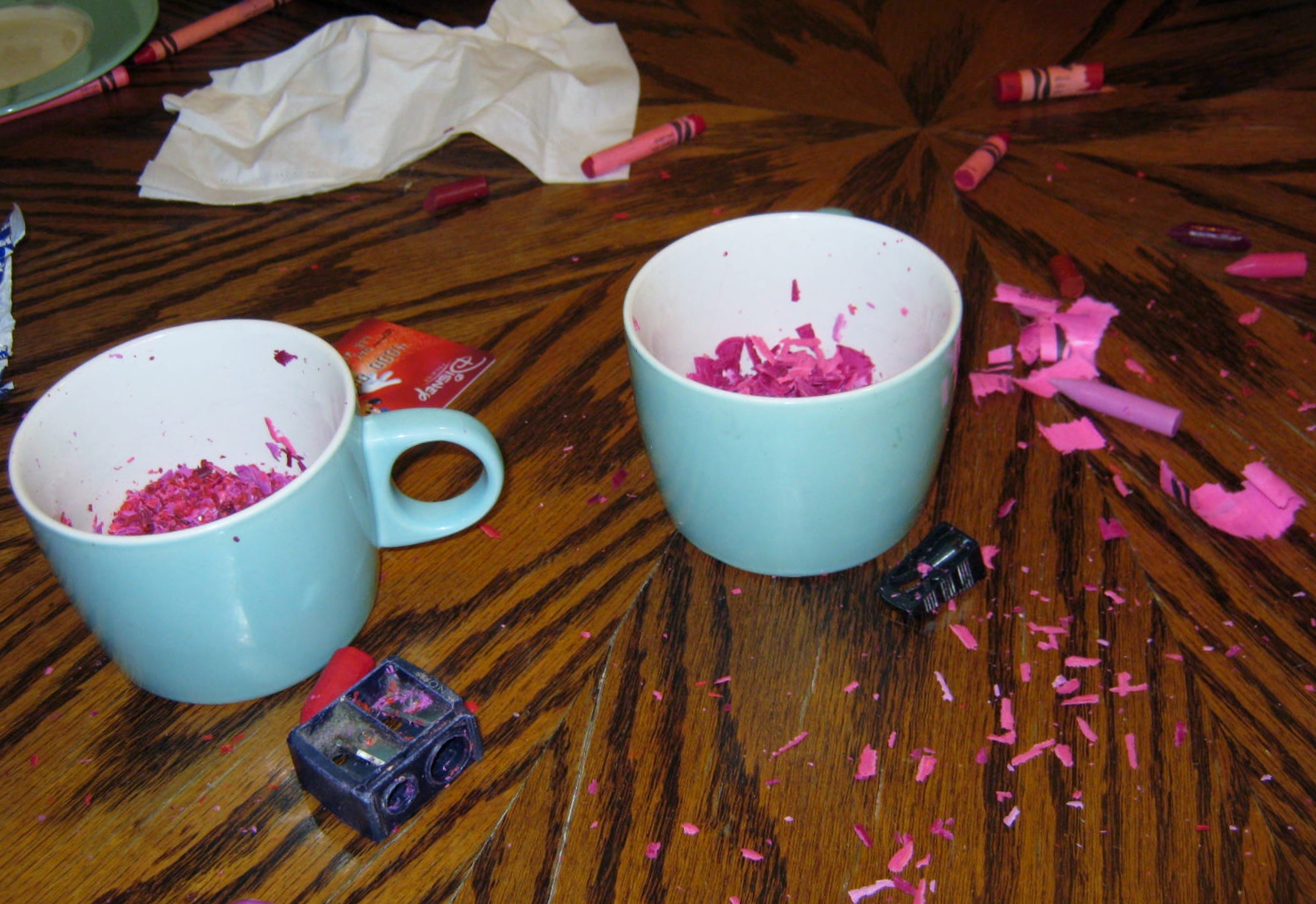
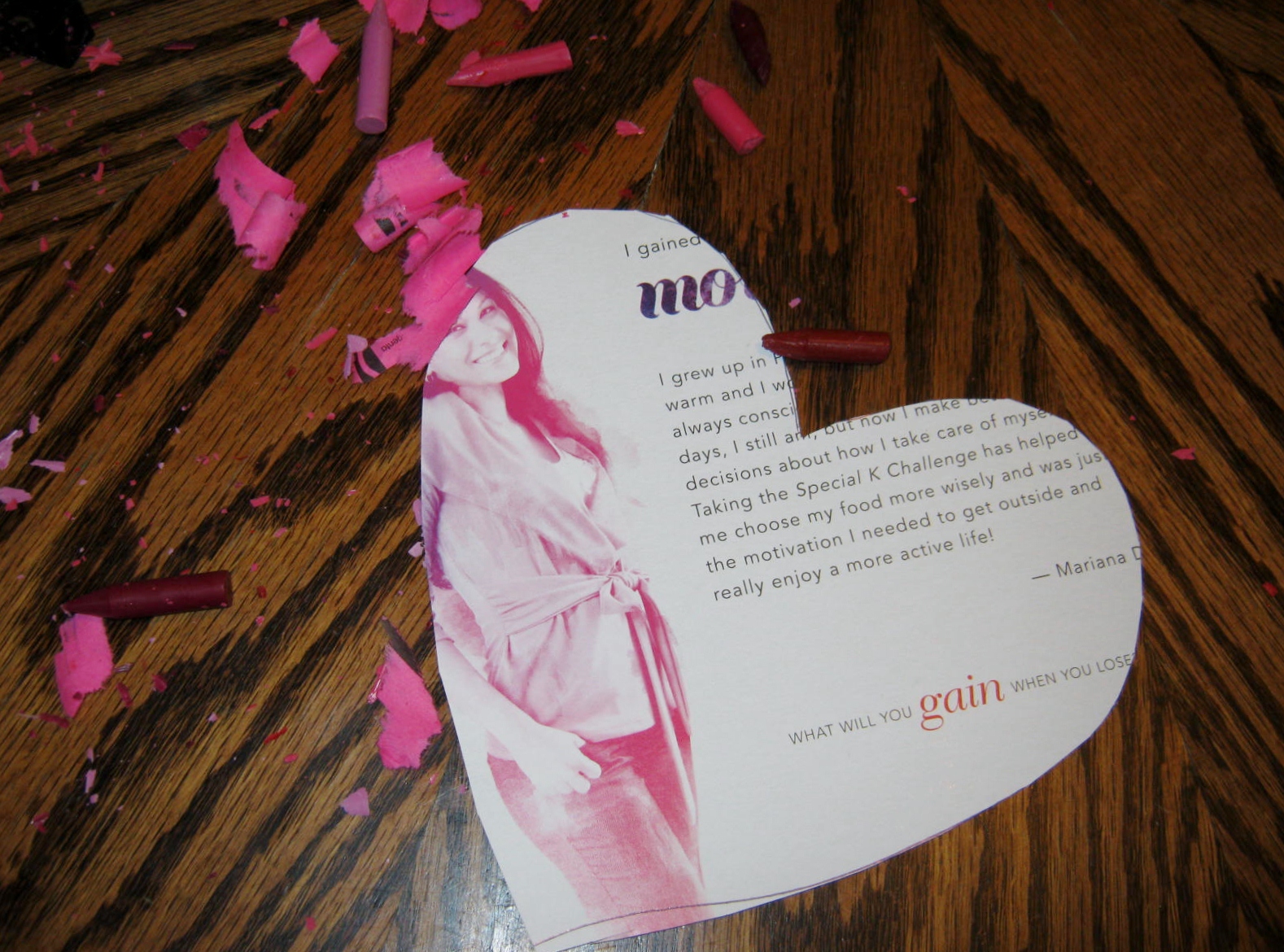
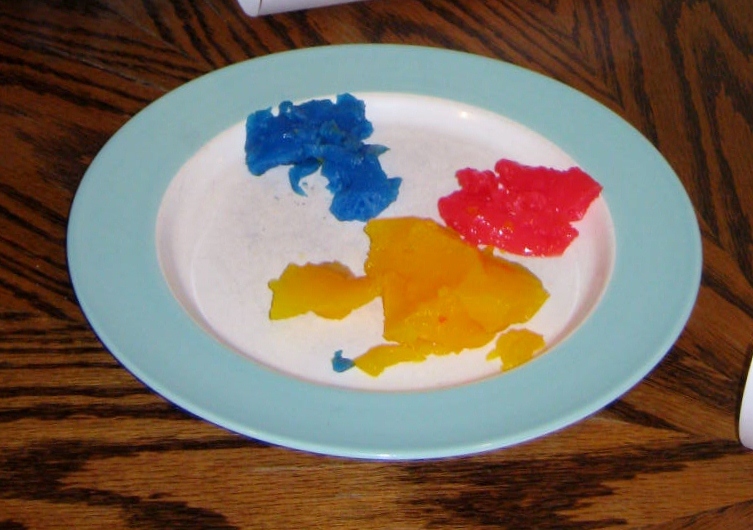
My grandsons and I created beautiful Waxed Paper Stained Glass Hearts to put on our windows. First we used pencil sharpeners and created shavings of pink, red, and violet crayola crayons. Yes, our crayon box is now depleted of these colors…must buy more.

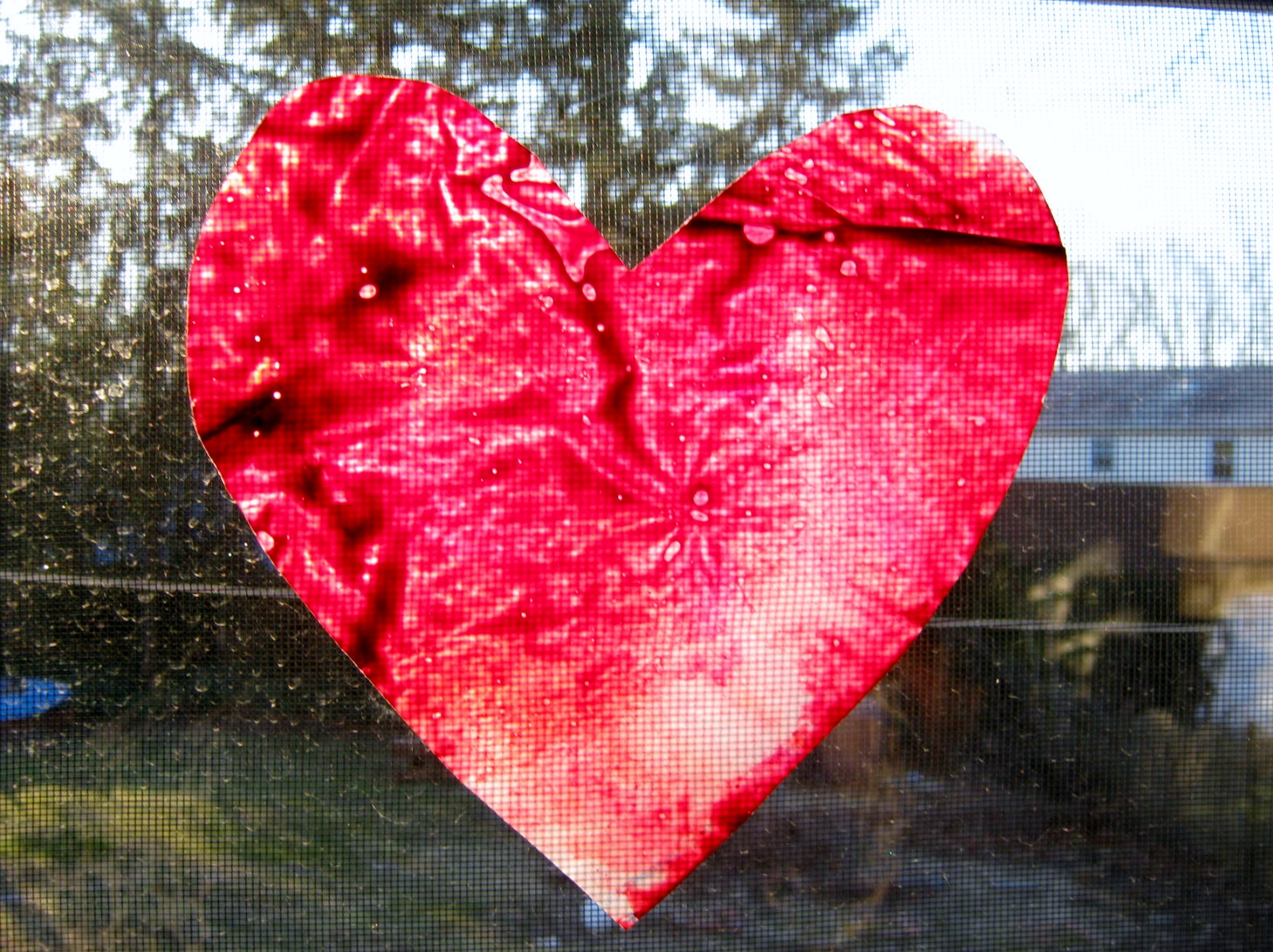
I used the back of a cereal box and cut out a heart shaped pattern. We traced this onto waxed paper with a Sharpie, and then dribbled bits of the shaved crayons into the outline.  We covered the shavings and paper with another sheet of waxed paper, and I ran a hot iron over them very briefly. This melted the crayons into a beautiful pool of swirled and translucent colors. I carefully picked it up and laid it on the garage floor to dry. When they had hardened we cut them out and hung them on our window with double sided tape. (I have since realized a glue stick is a much better choice!) I would give this project an A++.

The Valentine hearts glow when sunshine steams through them. I wish we had more waxed paper and crayons, I would have made dozens.

Planting and Pleasures – Microgreens Part III

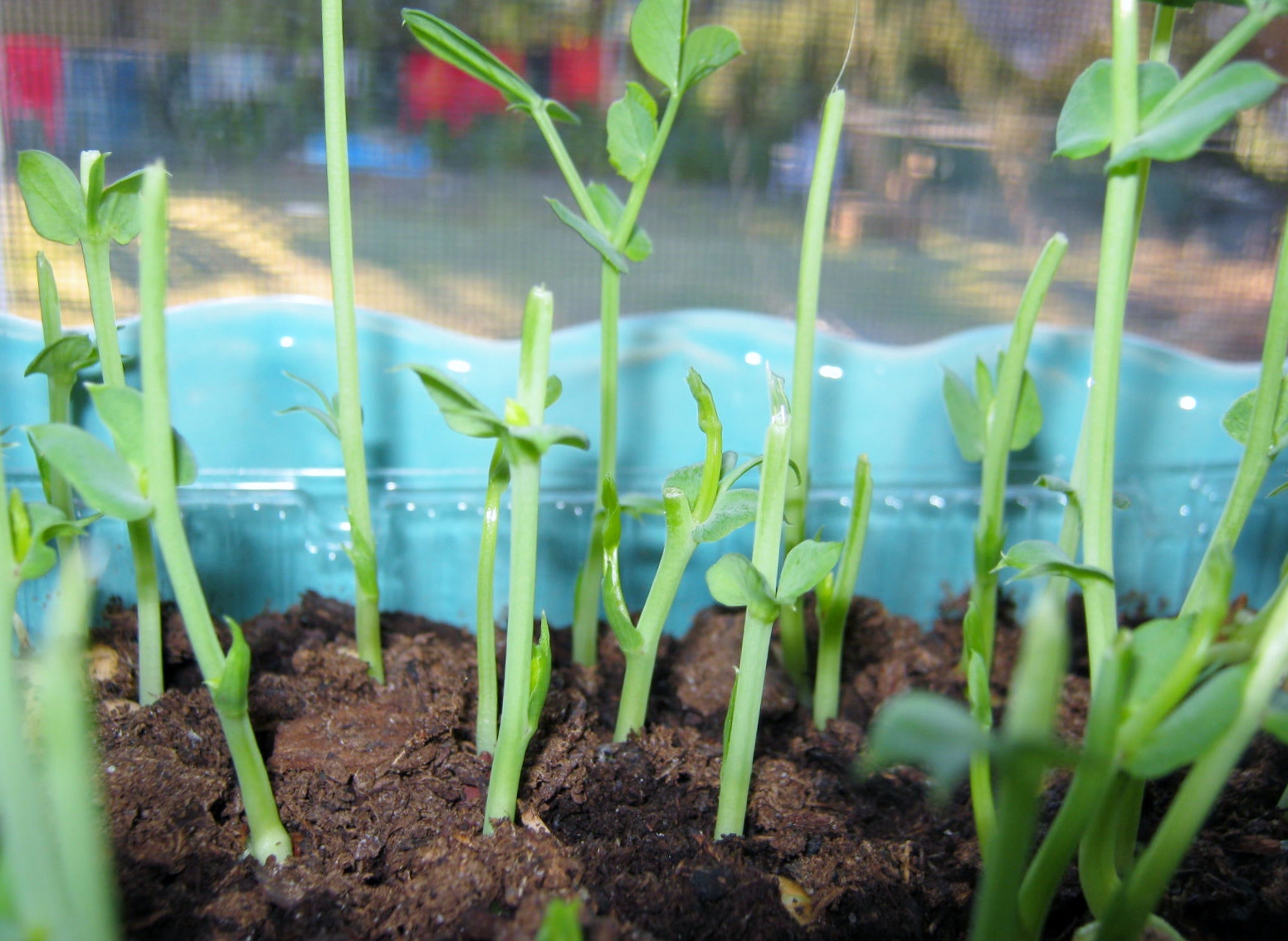
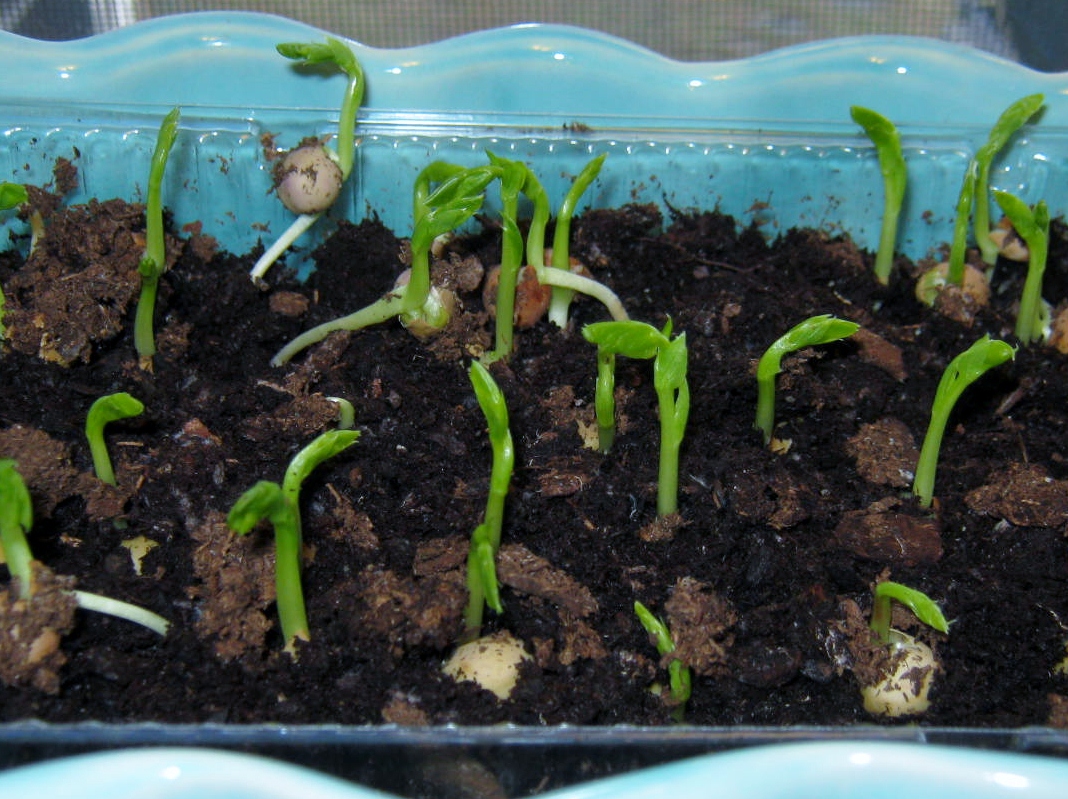
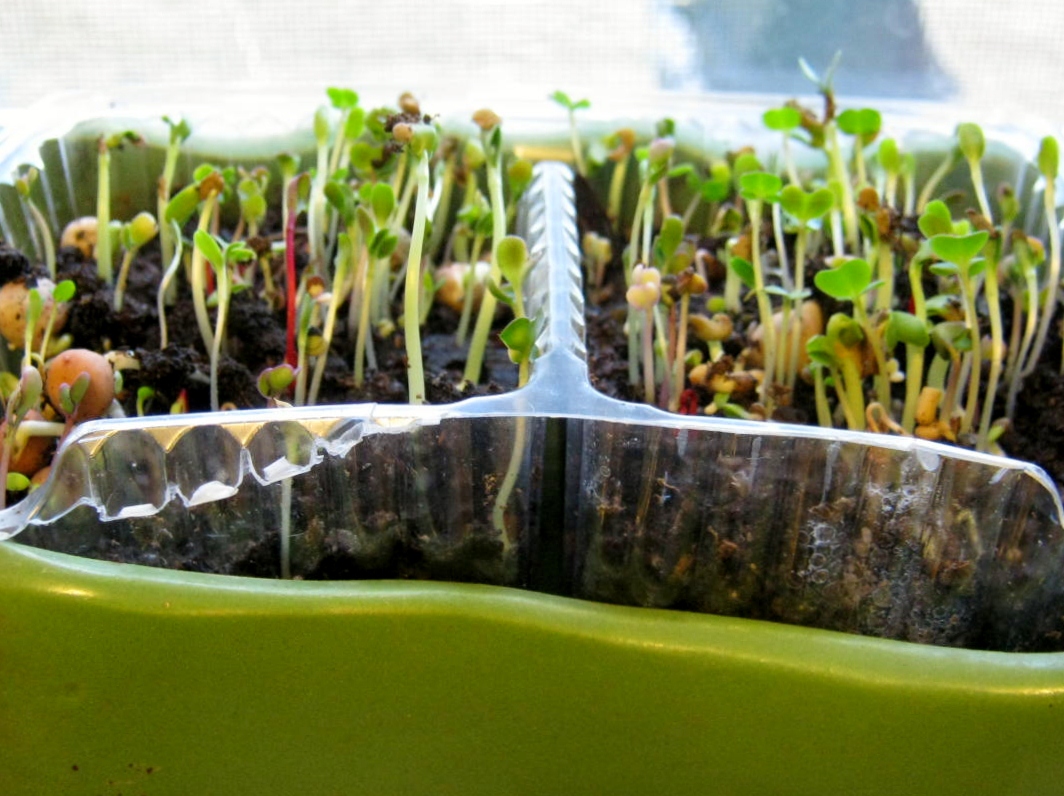
Oh My! The Microgreens are a bit ragged in appearance…what happened to my lush crop? I’m afraid to say I have already eaten most of the young greens. I pop the tops off the pea sprouts and eat them like candy. This is reminiscent of the peas I grow outdoors in the Spring. They never seem to arrive on my kitchen table as a side dish. Warm afternoons usually find me standing in the midst of the pea patch, eating the fresh peas out of the pods. Yum! In truth, the microgreens are a complete success. I enjoy growing them, and most of all eating them. The best use so far was garnishing my turkey and Swiss cheese sandwich with a row of them. Oh Happy Day!

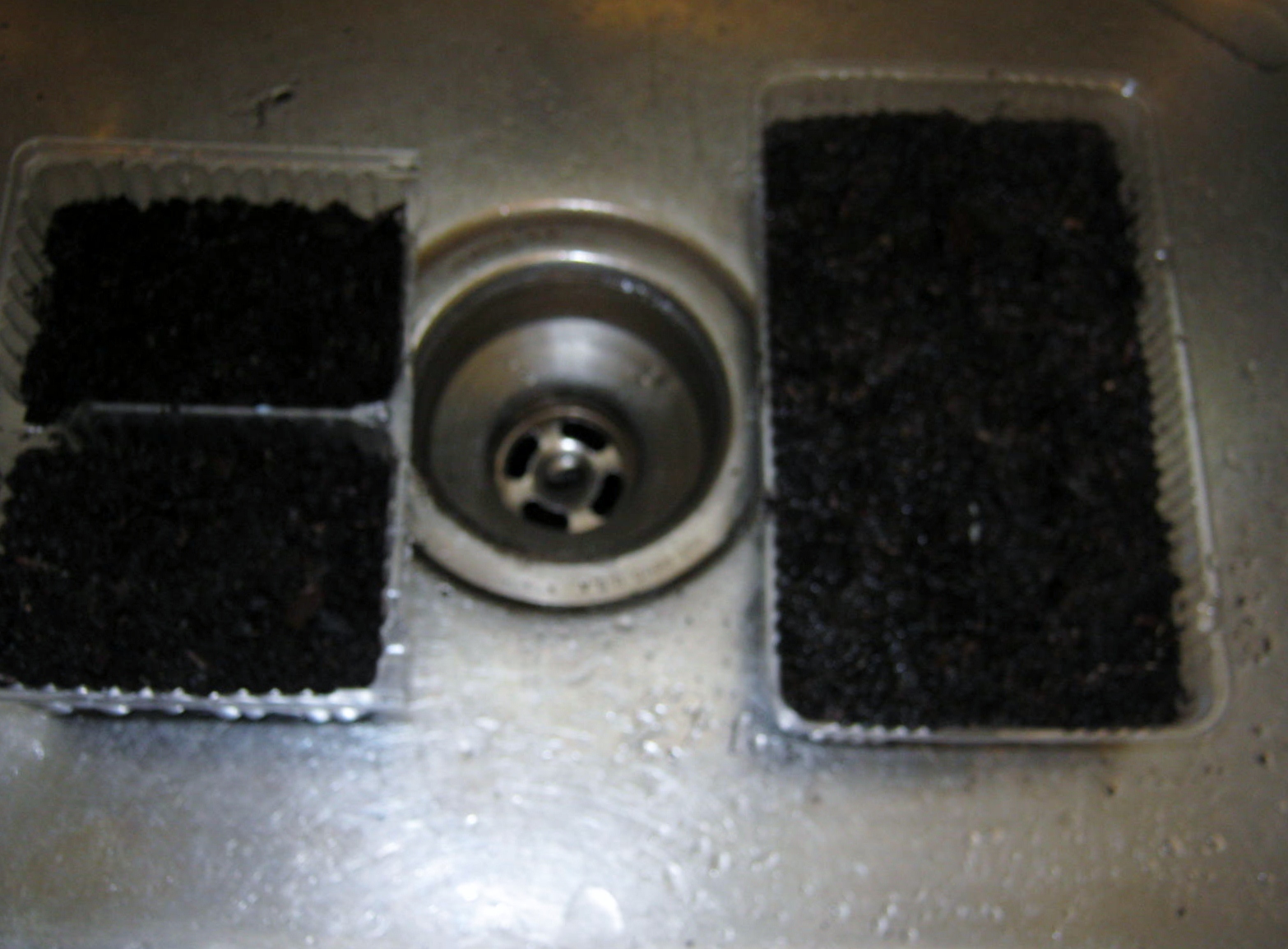
The kitchen sink variety is also thriving, and perhaps today I will start grazing on them also. Moo!

Pleasures and Promise – Cobalt Blue

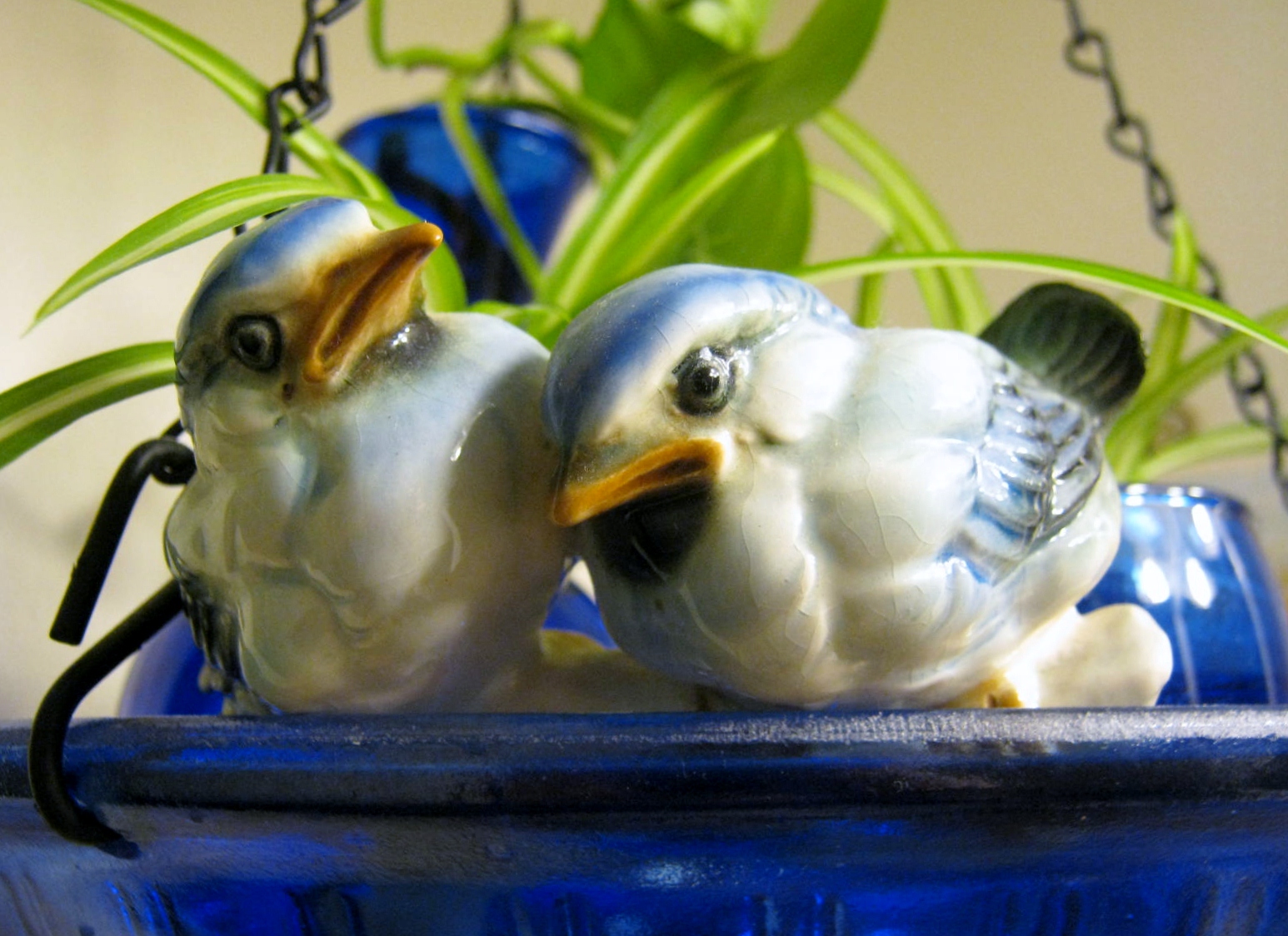
I enjoy this cobalt blue dish hanging from my ceiling. It holds five cobalt blue vases of various sizes in which I root cuttings from my houseplants. Vintage ceramic bluebirds peer out at me from the rim of the dish…reminding me of my Grandmother Broadwell who loved little glass birds…especially bluebirds.

The cobalt blue color also reminds me of my Heavenly Home. The place where I will dwell with the Lord forever. I love color, deep rich color of all kinds, especially the blue and green tones. I feel such a sense of joy when I read the description of heaven promised in Revelation. There are some scary and hard to understand sequences in Revelation, but there are also many promises. God will bring his believers through the storms of life, whatever they may be, and into his promise.

“Like the appearance of a rainbow in the clouds on a rainy day, so was

the radiance around him. This was the appearance of the likeness of the

glory of the LORD. When I saw it, I fell facedown,

 and I heard the voice of one speaking.”

 Ezekiel 1:28

“The foundations of the city walls were decorated with every kind of

precious stone. The first foundation was jasper, the second sapphire,

the third agate, the fourth emerald, 20 the fifth onyx, the sixth ruby,

the seventh chrysolite, the eighth beryl, the ninth topaz, the tenth

turquoise, the eleventh jacinth, and the twelfth amethyst.”

Revelation 21:19-20

“And the one who sat there had the appearance of jasper and carnelian. A

rainbow, resembling an emerald, encircled the throne.”

Revelation 4:3

Planting – Microgreens Part I

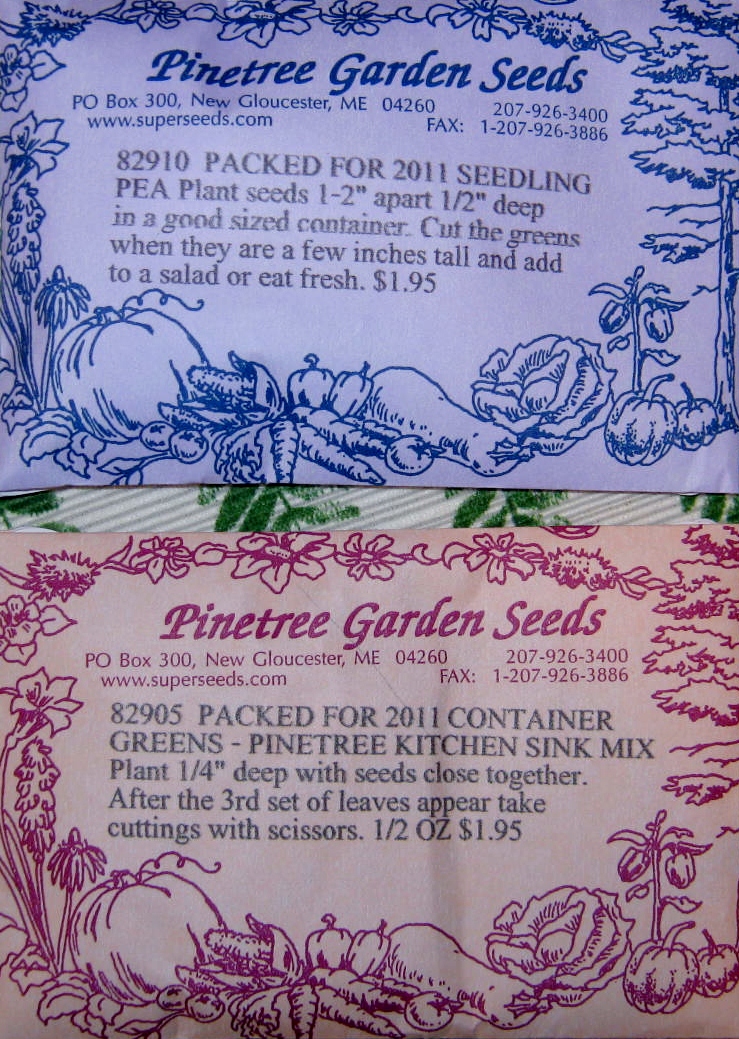
Sowing seeds and indoor gardening seem to be dominating my January blog posts. I am starved right now for green, tired of the bare branches of trees silhouetted against the sky. I have been sowing seeds in hopes of harvesting Microgreens. Microgreens are harvested from seeds sprouted through the early leafing-out stage. I am using seeds from Pinetree Garden Seeds. This is my first attempt at this type of gardening.

I am growing the Microgreens on my windowsill in plastic throwaway containers from cookies and other snacks. To see how I went about the process, check out the photos below.

I gathered my supplies: antique pots to look pretty, throwaway plastic from cookie containers, corn holder for poking holes in the plastic.

I made sure the containers would fit inside my chosen pots before I added the dirt.

I poked holes for drainage in the plastic with the corn holder.

I filled the containers with organic soil.

I watered containers of soil and let them drain.

I spaced the pea seeds out in rows.

I sowed the Kitchen Sink Mix en masse.

I covered with one of my favorite kitchen tools, Glad’s Press ‘n Seal.

The seeds are already up…they sprouted in less than two days. I will post a Microgreens Part II later this week.

Planting – Winter Sowing Seeds

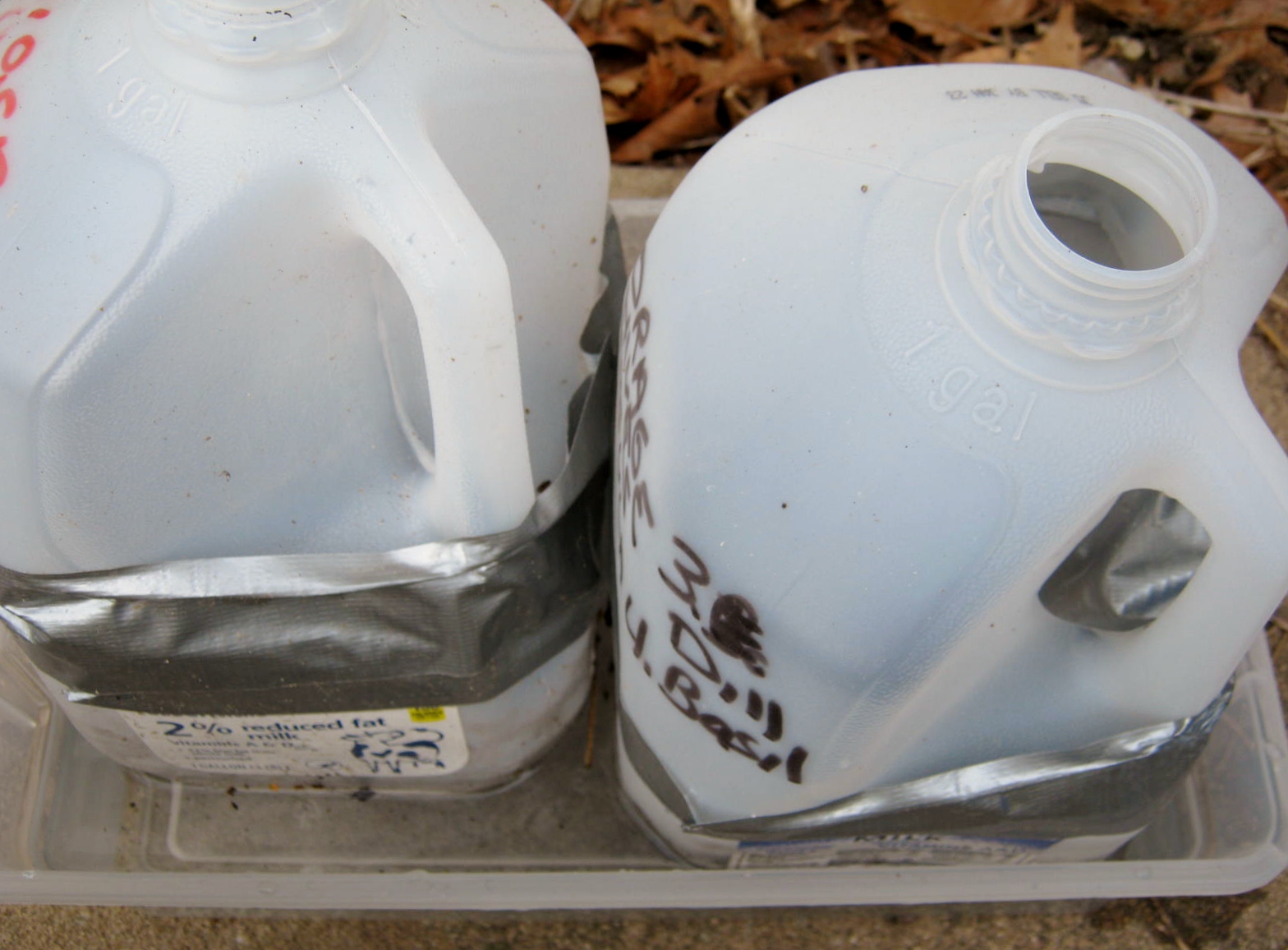
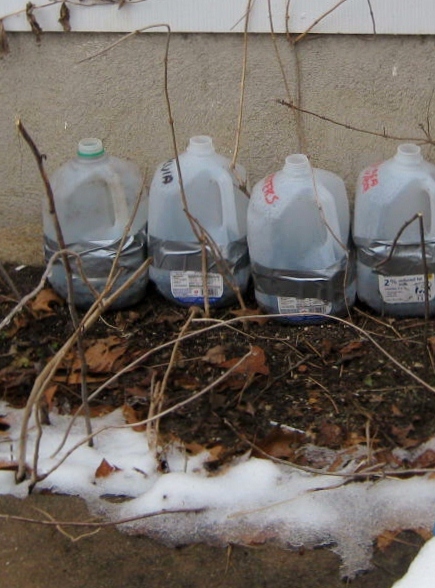
Winter Sowing is the process of planting hardy and half-hardy seeds in clear or transluscent containers (milk cartons, 2 liter soda bottles, juice containers.) The containers are then sealed with duct tape and placed outdoors in the winter weather. This method of sowing seeds has been attributed to Trudi Davidoff.

The above photograph is a record of my first attempts at this process. Over the next week or two I hope to Winter Sow more of my perennial seeds, and later in the season some of my vegetables, annuals and herbs.

A good source of information and discussion about Winter Sowing can be found on the Gardenweb Winter Sowing Forum.

I’ll update my success with this method as the season progresses.

Planting – Coleus Part II

The coleus seed plantings are emerging. At this point I am very glad I took the time to space them out rather than mass sowing. If one seedling develops any sign of damp-off or unexplained wilting I will be able to remove it before it contaminates its sister sprouts. The coleus seeds will continue to sprout for a few more weeks, maybe even another month. They now begin what I call “The Pouting Period.” The new plantlets seem to stand still. There is little growth and they usually take a few weeks to begin to leaf out. I am going to try and hasten the leafing out this year by applying bottom heat, but that is a whole other post.

Close-up view of a newly emerged sprout still holding onto it’s parent seed. The coleus plants below are two of last year’s crop. I really liked these coleus and actually named them and kept them going through the winter months by rooting cuttings taken in the Autumn. Some of the newly sprouted coleus could be their offspring.

Lemon-Lime Swizzle Stick

  Pink Lemonade with a Twist

Promise – John 14:3

This message, written temporally in the sandy earth of a walking path, might wash away in the next rain, but the promises of Jesus, Our Lord and Savior will endure for all eternity.

“And if I go and prepare a place for you, I will come back and take you to be with me that you also may be where I am.” John 14:3 (NIV)

Pots and Pans – Pumpkin Cookies

My Grandmother Broadwell always baked these amazing pumpkin cookies for family and friends. I can’t bite into one without thinking of her. Every year, especially around the holidays, I bake up a batch or two. They are scrumptious, and best of all pumpkin is loaded with vitamins.

Pumpkin Cookies

Sift together:

2 Cups flour

1 teaspoon baking powder

1 teaspoon baking soda

1 teaspoon cinnamon

1/2 teaspoon salt

Cream together:

1 Cup shortening (I use butter)

1 Cup sugar

1 Cup pumpkin (canned)

1 egg

1 teaspoon vanilla

Optional:

1/2 Cup nuts, and/or 1/2 Cup raisins

Mix together. Add nuts or raisins if desired. Bake in a preheated oven at 350 degrees for 10 – 12 minutes.

While the cookies are baking make up your frosting.

3 Tablespoons butter

4 Tablespoons milk (2% is okay)

1/2 Cup brown sugar

Heat this and bring to a boil. Stirring constantly, cook for 2 minutes taking care not to burn. Cool. Add 1 Cup powdered sugar (add more if needed, icing should not be thick, but rather runny) Add 3/4 teaspoon of vanilla and spoon over cookies.

Follow Me on Pinterest

Pots and Pans – The Perfect Bite, Rollo Pretzel Bites

Rollo Pretzel Bites are a great recipe for the absolute perfect bite. There are only three ingredients involved: Square waffle type pretzels called “Snaps.”

Rollo candies, a bag or a roll. A bonus with the roll type is you do not have to unwrap each piece of candy.

The third ingredient is pecan halves.

I used my toaster oven set on a very low temperature, around 275. I arranged the pretzels on the pan.

A Rollo candy is placed on top of each pretzel…

Then I put the pan in the toaster oven and watched until the bottom of the Rollo began to spread out and melt. It only took a few minutes.

To finish them off I laid one pecan half on the top, smooshed it down gently, and there I had it…in just a few minutes…the perfect bite. Yum!

They are a bit pricey to make since pecans are so expensive right now, but definitely worth it.