Pressed Flower – Tissue Paper Easter Egg Card

I blogged on February 24th of this year about pressing an early season crocus. This week I created an Easter greeting card with the flower and leaves, and also created a few cards with buttercups and a four leaf clover. The cards were quick and easy and turned out very pretty.
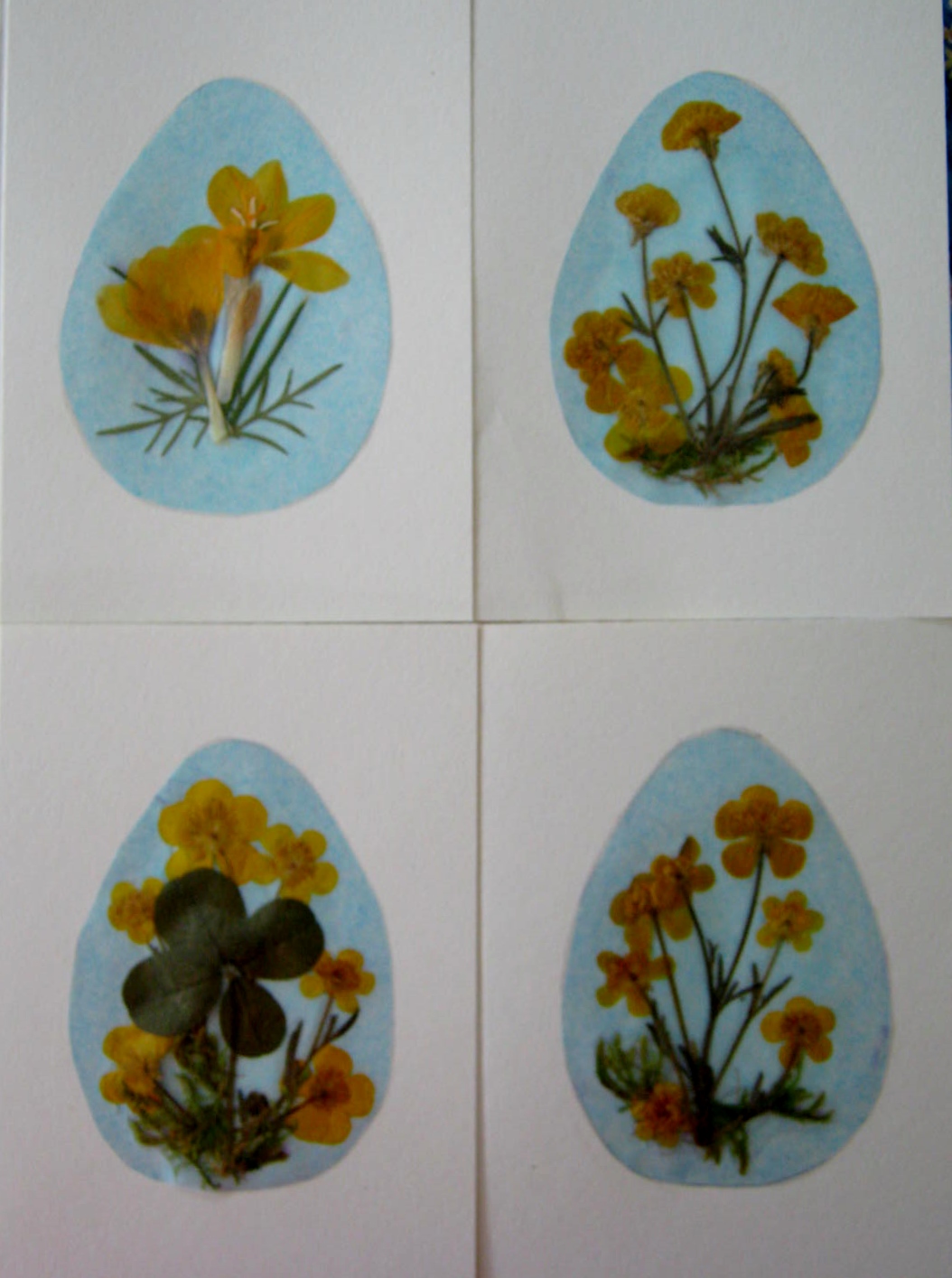
IMG_0501

* Tip for finding four leaf clovers at bottom of post.

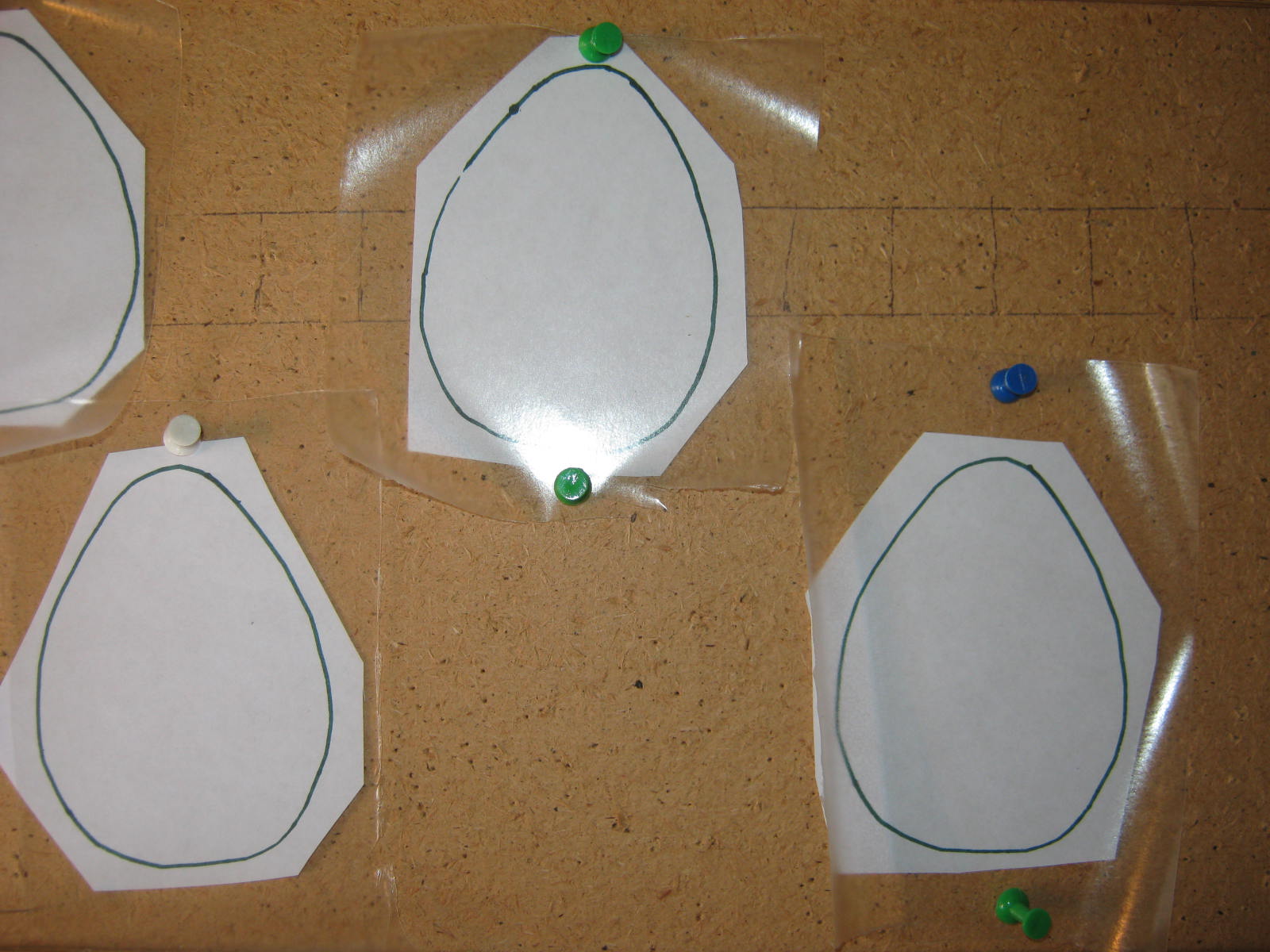
To begin, I found an egg-shape on the web in Google Images and traced it with tracing paper. An egg-shape seems easy to draw free-hand until you attempt to have both sides perfectly even…not easy! After I found and traced an egg-shape, I cut it out and then traced the shape onto cardboard. I traced the shape onto a piece of Coverseal, a very clear type of contact paper, made four outlines on plain white computer paper, and then traced yet again onto robin’s egg blue tissue paper. I cut the tissue paper eggs out around the outline.

I removed the backing from the Coverseal and placed it, tacky side up over the computer paper outline. I placed each of these onto a cork bulletin board and tacked the outer edges down with push pins to hold it steady.
IMG_0494

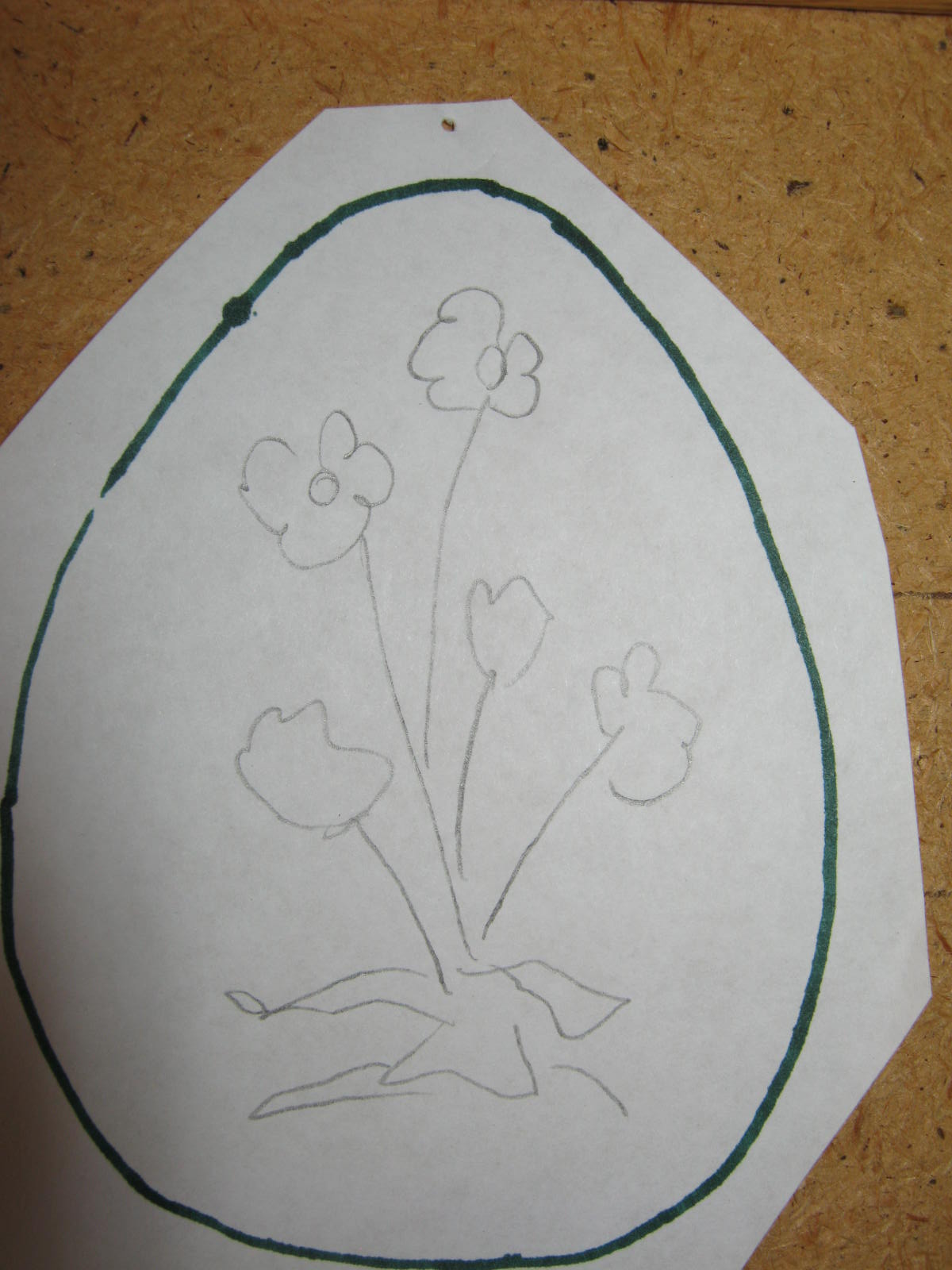
Now you can wing it and compose your card without a pattern, or you can sketch out a quick little design to follow. Be aware, your finished design will reverse itself when you place the Coverseal onto the card.
IMG_0500

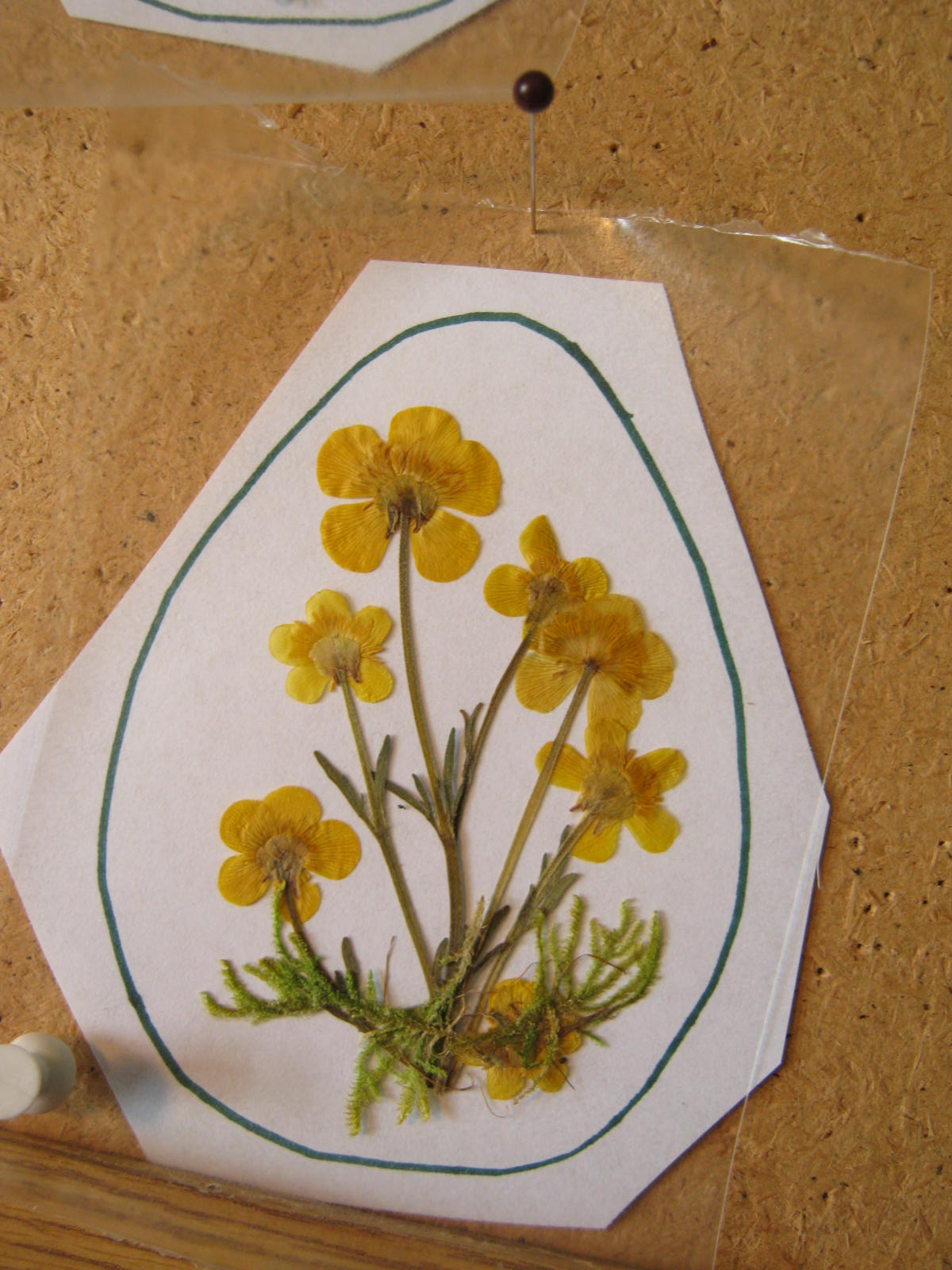
Place the flowers  onto the Coverseal within the egg shape. BE VERY CAREFUL TO PLACE THEM FRONT SIDE DOWN. Start with the flowers first, the foliage second, unless your foliage takes center stage as the four leaf clover does in one of the card designs.

IMG_0495

IMG_0497

When you are finished designing, place the tissue paper egg over the design, and cut out the excess Coverseal directly around the outer edges of the tissue paper. You will now have a beautiful pressed flower egg in your hand.

IMG_0498

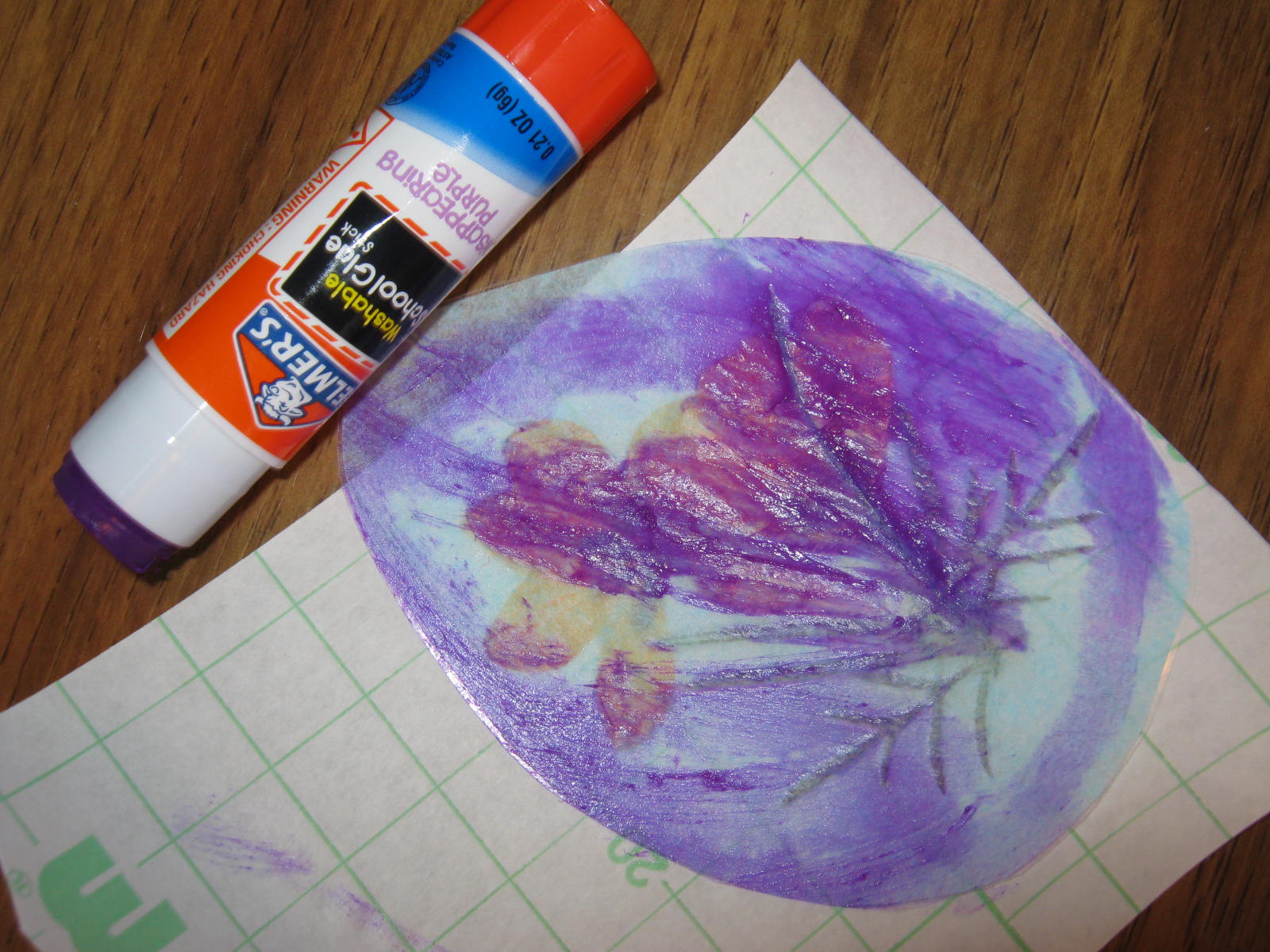
Turn the egg over and cover most of it, especially the edges, with glue stick. I use a glue stick that goes on purple and turns clear. The purple makes it very easy to make sure you have all the edges covered. Place egg on waiting greeting card and let dry. Voila`…a beautiful handcrafted Easter greeting card.
IMG_0499

I was very happy with my finished eggs. Happy crafting!

*Pressed Flower Tip – Finding four leaf clovers. It is easier to find a four leaf clover if you stand and scan a patch of clover with your eyes. The human eye will spot differences in patterns. If you see something that looks different in the patch, take a closer look and perhaps you will spot a four leaf clover. If you find one four leaf clover look for more. The mutation that caused one will most likely have created a whole patch of four leaf clovers. Here’s a terrific article on how to find four leaf clovers: How to find a Four Leaf Clover

Prose and Pressed Flowers – A Passion For Flowers by Penny Black

IMG_9905

In 1992 a classic floral arranging book was published. It has always been one of my favorites on the subject of pressed & dried flowers. Written by Penny Black, this terrific how-to book is a timeless account of how to use flowers for your home and giving to others.

The book is filled with gorgeous pictures, perfect directions and recipes. I also found a list of additional books authored by Penny Black. The list can be found on Goodreads: Books by Penny Black

A Passion for Flowers can be ordered through Amazon: A Passion For Flowers by Penny Black

Pressed Flowers – Fairy Dress

dress of leaves

In January I walked the woods and searched my yard for anything leafy or green to press. I found an assortment of items, you can read the post about my search and what I found here: January Pressings

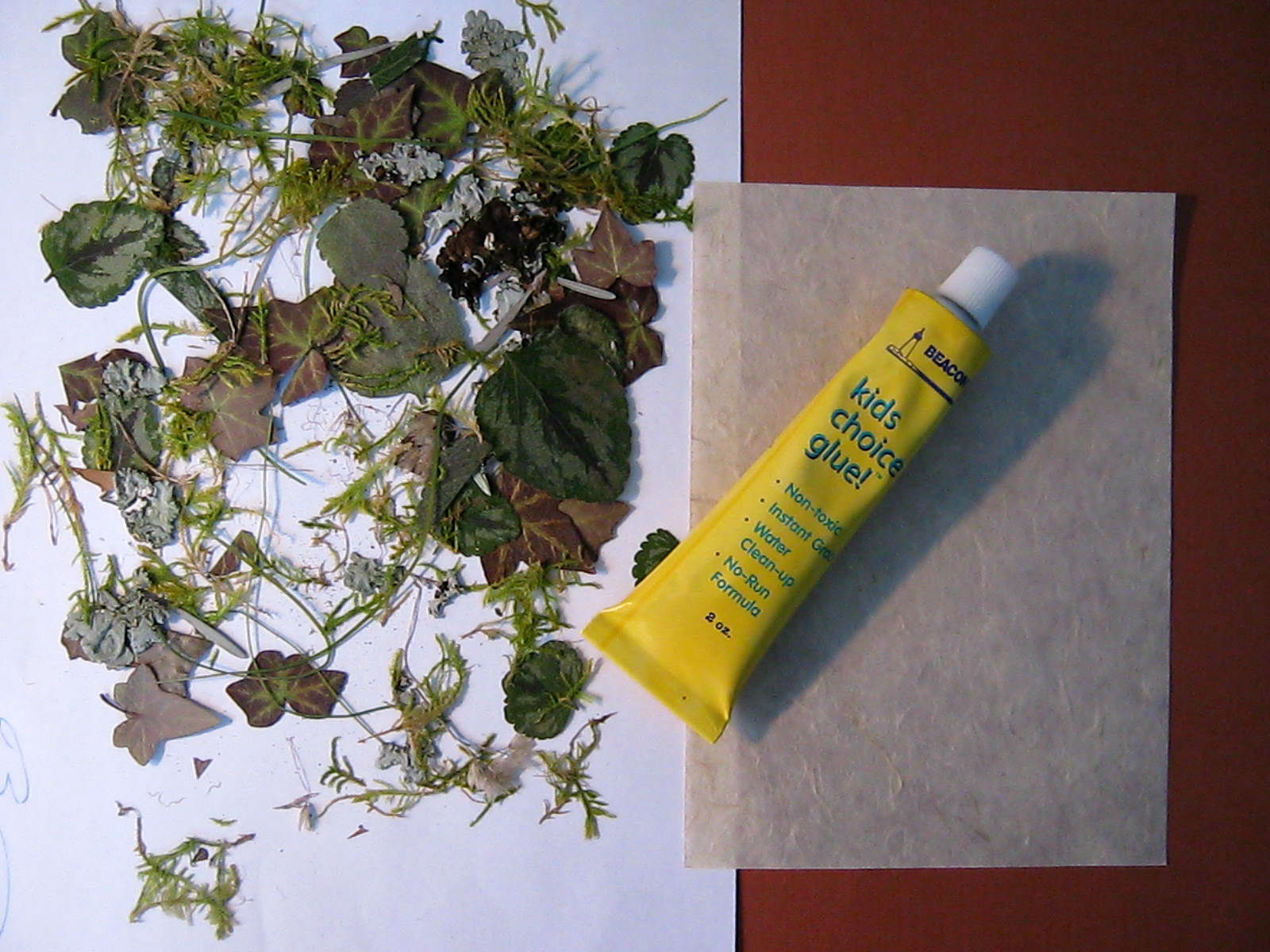
This week I used my pressings to create a sweet fairy dress. The whimsical side of my nature was quite pleased with the result. The picture measures 5 x 7, and is bordered with words cut from a children’s paperback. I used an old book that was yellowed  with age. This enabled the words to blend into the mulberry paper and create an aged look.

material

The materials I used to create my fairy dress were a piece of 5 x 7 beige mulberry paper and an instant grab glue.

floral pin tool

Two additional tools I use for pressed flower work are a paintbrush, good for lifting fragile flowers, and a pearl floral pin, perfect for running a small amount of glue beneath an errant edge.

I began my designing by cutting a bodice top and waist into an ash leaf. Remembering that most fairy dresses have the look of the ethereal about them, I cut a slit up the front of the skirt in order to take away the impression of heaviness and formality.

bodice

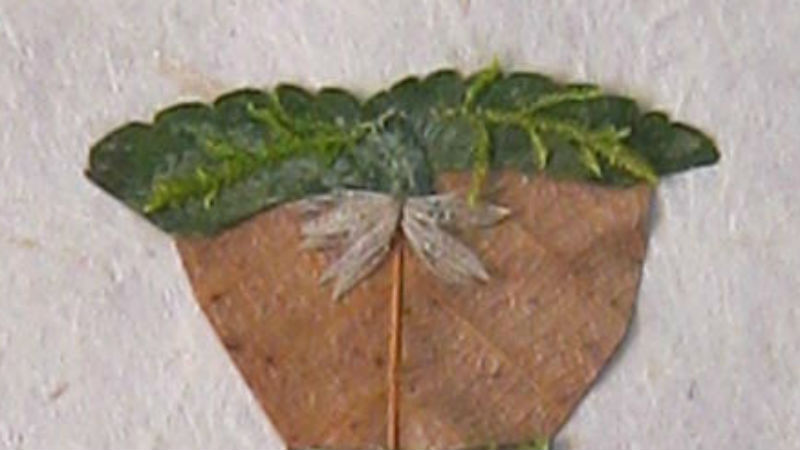
I added a decorative edge of trimmed lamium leaves, a sprig of moss, and the lace-like petals of a spent sage flower.

belt and peplum

To give the dress an airy look I created a peplum ruffle out of moss sprigs and a belt out of a cut ivy leaf.

hat

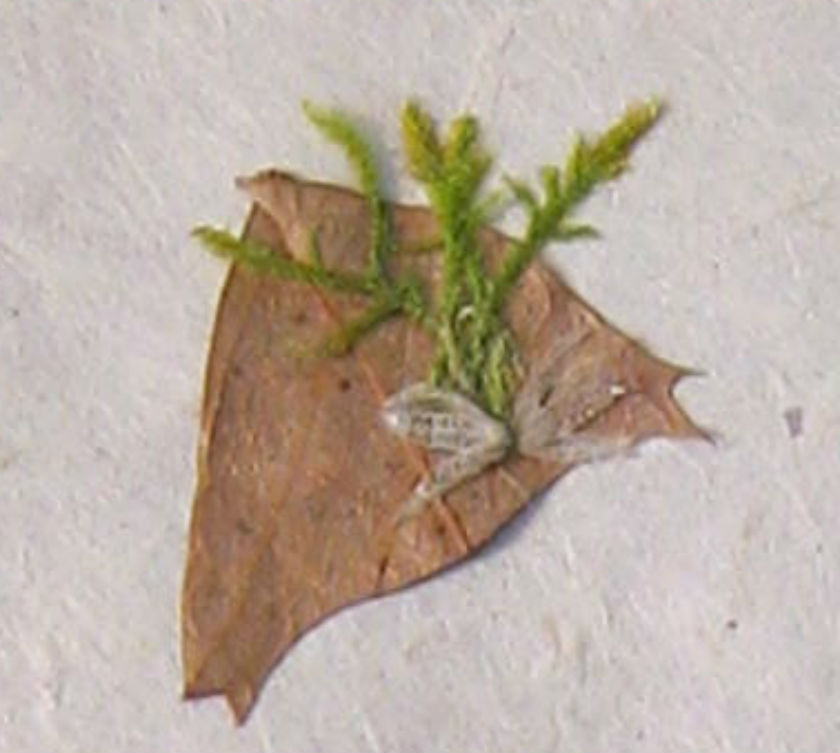
I crafted a hat out of the top of the ash leaf, adding a jaunty sprig of moss and flower petals.

shoes

I adore the shoes. They are cobbled out of one ivy leaf and sport some lacy sage flower petals.

purse

The handbag is composed of an ivy leaf and sage petals. A moss sprig handle adds a touch of greenery. I used the backside of the ivy for the top of the bag, and the front of the same leaf, pointed edge cut away, for the bottom.

So much fun…yesterday I went out to collect for February’s fairy dress, alas, there is very little out there. The snow and frigid temperatures of winter haven’t left much for pressing. I plan to go out again soon and make a more thorough search…updates will follow.

Follow Me on Pinterest

Pressed Flowers – First Flowers of 2014/Crocus

IMG_9799

Oh Happy Day! Crocus are blooming in my side garden. How exciting to have something to press with a little bit of color to it.

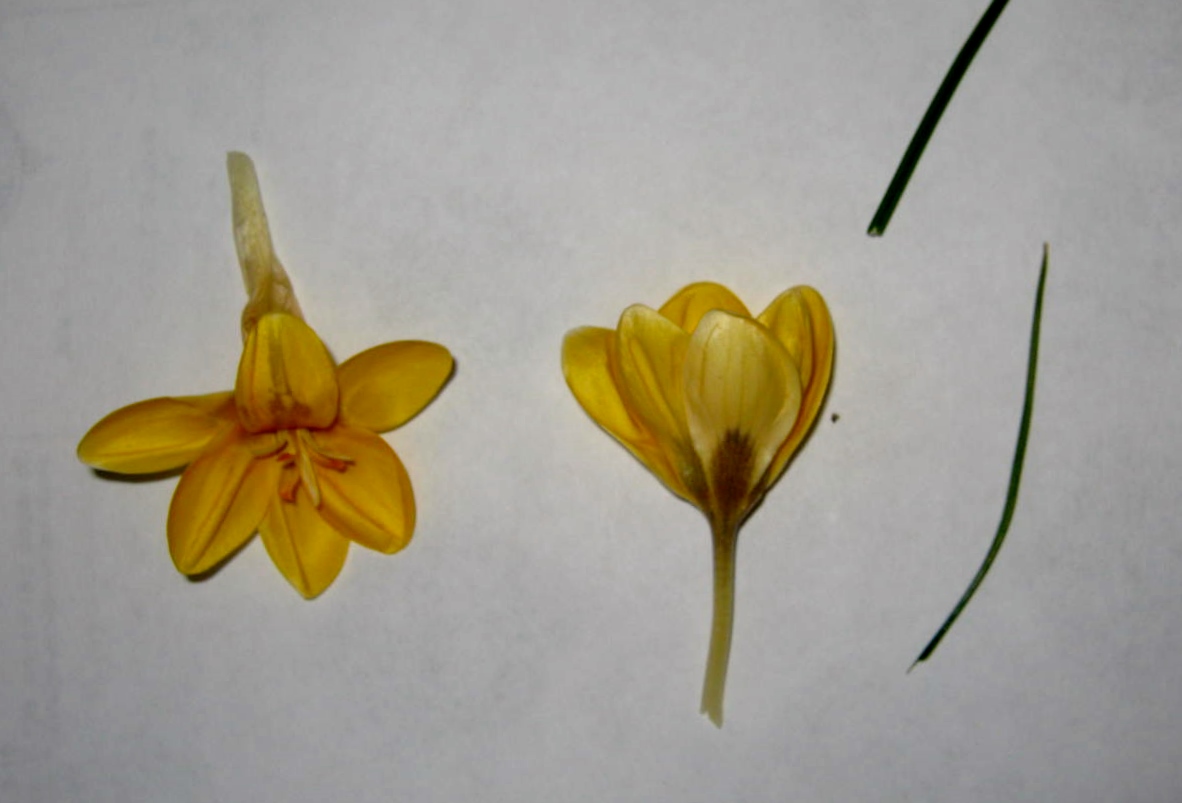
I press crocus in two ways, open and cup-shaped. To press a crocus in an open position gently press the petals flat to reveal the pollen stems. I pressed these flowers between the pages of acid-free paper in a weighted down book.

Pressed Flowers – January Pressings/Part One

IMG_9405

Last week I had a few spare hours and the perfect winter day to take a long walk. The sun warmed me, but the wind behaved like a naughty boy, throwing the tasseled ends of my scarf into my face, tangling strands of my hair around the frames of my sunglasses. No matter though, a sense of the glorious filled my spirit. God’s blue sky, the outdoors, paths to walk, a “pressing” mission to fulfill; even in the midst of January’s desolation I knew I would find something to put between the pages of my pressed flower books

I jumped a ditch of standing water, only to realize as I leapt over, the breadth was wider than my stride. My right foot mired in the muck, covering my favorite mesh slip-ons with mud. I shrugged away aggravation as the cold water squished into my sock with each step.

IMG_9388

Slung on my shoulder lay an old crocheted bag for my finds. Inside I had added several plastic bags for items small enough to fall through the mesh. A pair of scissors, always a good idea in brambly woods, was another good addition.

IMG_9390

A coppery notched leaf was the first good find.

IMG_9392

Nearby I spotted a patch of wild onions. They gleamed bright green and lush against the backdrop of muted browns and beiges.

IMG_9393

I picked out a few bits of sheet moss growing amid the grass.

IMG_9397

Jackpot! Several fallen branches adorned with delicate green lichen lay in my path. Usually the lichen is impossible to remove without damaging the ruffles, but the recently melted snow kept the lichen moist enough to easily peel away from the bark. The gathering of these frilly, ribbon-like lichens filled me with immense satisfaction.

IMG_9413

My walk led me back home where I picked a few pieces of ivy from the trunk of a tree. Winter painted the immature leaves bronze with chartreuse veining. I hope this gorgeous color combination holds true as the leaves dry in the book-press.

IMG_9428

Laid out before me, the gleanings from the wintry forest and meadows filled me with pleasure. As always, I was surprised by how much I had in my bag. I realized I had gathered at least five pages of flower pressing material.

IMG_9431

The winter has been a damp one. I made sure every piece of foliage was placed on the paper with plenty of space around it. When I finished arranging the pieces I covered the pressings with another piece of computer paper and placed all the layers between the pages of a large, heavy book.

IMG_9432

Pressing Tip: Moss roots should be cut away before pressing. Separate each strand to press. Most thick mosses will not press well. Those with sprigs are the only type that will work.

IMG_9433

Pressing Tip: When you press thin stems, such as onions or grass, always try to keep a natural curve along their length. There are not many straight lines in nature, curves and twists will add interest to your pressed flower compositions.

IMG_9434

Pressed Flowers – Creating a Flower Farm

If you are a pressed flower lover, and garden with posies intended to become subjects for your flower presses, consider creating a flower farm in an out of the way spot in your yard. A repeat blog post of a good idea.

I love my gardens, and I love pressing flowers, within that statement lies my dilemma. If I pick from my gardens too extensively, I lose the appeal of their mass of colors. I’ve learned over the years to grow the flowers I press in separate containers in an out-of-the-way place. When I grow my pressed flowers this way I can lift the containers onto my potting bench for easy picking, and my gardens don’t begin to look like lush foliage without bloom. The flowers planted in containers also gather less soil on their petals in rainstorms or heavy winds. I buy most of my containers at the dollar store and fill them with inexpensive soil. They do great and having them all in one area saves time too.

Follow Me on Pinterest

Pressed Flowers – Pressing with a Heated Book

I love pressing flowers, and I hope some readers will give pressing flowers with a heated book a try. This is definitely a how-to that needed to be reposted. I also am implementing plans to offer month-by-month flower pressing E-pamphlets next year. More information will be on the way soon.

In the northeast we have had a very mild winter. Many of the area wildflowers are beginning to bloom. In my pile of foliage and flowers are blossoms of Birds-eye Speedwell, Vinca, and Celandine. It’s time to begin restocking my pressed flower supply. I love using wildflowers, they are often small and airy, perfect for pressed flower compositions. One caution though when using wildflowers, be sure that you are not using a plant that is protected as threatened and endangered in your state. To see a listing of your State’s Protected Wildflowers check out this site: US Government list of Threatened and Endangered Plants.

I have found that the best way to retain the colors of most flowers and foliage is to flash press them in a microwave. I don’t use the expensive microwave presses; I have found the best way is to use an old book. The book must have very porous paper, it must not have gold or silver leafing on the spine or page edges, and a smaller book works better. Most of the books I use are from the 1930’s and 1940’s. You can find books of this age at yard sales and thrift stores. They are usually very inexpensive.

1. Separate your flowers into thinner petaled flowers and foliage, and thicker varieties.

3. Lay the blossoms and foliage on the page. These vincas have a thick stem that will not press well behind the open faced blooms. After I lay them out on the page I cut off that stem. For the side pressed blossoms, I leave the stem intact. I also include several buds of the flower.

4. Shut the book and rubber band the edges. For thin varieties of flowers and foliage I microwave between 15 and 30 seconds. This provides the heat that speeds up the drying process. The book should not be hot, only gently warm to the touch. For thicker varieties of flowers and foliage I heat for 30 – 60 seconds. As with anything microwave temperatures vary, you will have to experiment to see what works best for you. After pressing, clean out any residue left behind in your microwave by heating a cup of water with lemon or citrus peel, and then wiping away the moisture from the sides.

5. Don’t open the book, leave the rubber bands in place and put your book under a heavy weight.

6. Your flowers should be dried and ready to use within 3 – 7 days. To remove them from the pages of the book, gently slide a soft paint brush beneath the edges.

I use large books to store my pressed flowers. I place them on acid free paper and label the sides, leaving the edges hanging over the book pages about 1/2 inch. This helps me find exactly the type of flower I want when I am composing a picture.

The flowers and foliage are ready to use. In coming days and weeks I’ll give more tips on how I compose, glue and use my pressed flower projects.

Plantings and Pressed Flowers – Growing Snow Peas

IMG_8925

This beautiful blossom is not a Sweet Pea blooming in Springtime, it is instead the bloom of a Snow Pea blooming in my Square Foot Garden in mid-November. I planted the peas near the end of August and they are still producing pea pods for me. I love the fact that anything at all is still growing in the rapidly falling temperatures. The flower of the Snow Pea is quite attractive, a beautiful lavender and deep purple combination.

IMG_8933

What a bonus that the flower develops quickly into a tender, delicious peapod. They are such a welcome addition to my salad greens.

IMG_8934

Another bonus: the twirling fronds the snow pea uses for climbing are a perfect foil for my pressed flower compositions. They press within three days inside the pages of a book. They add the perfect delicate touch to a Victorian Pressed Flower Card.

IMG_8932

Follow Me On Pinterest

Quirkiness & Pressed Flowers – Mailings

IMG_8879

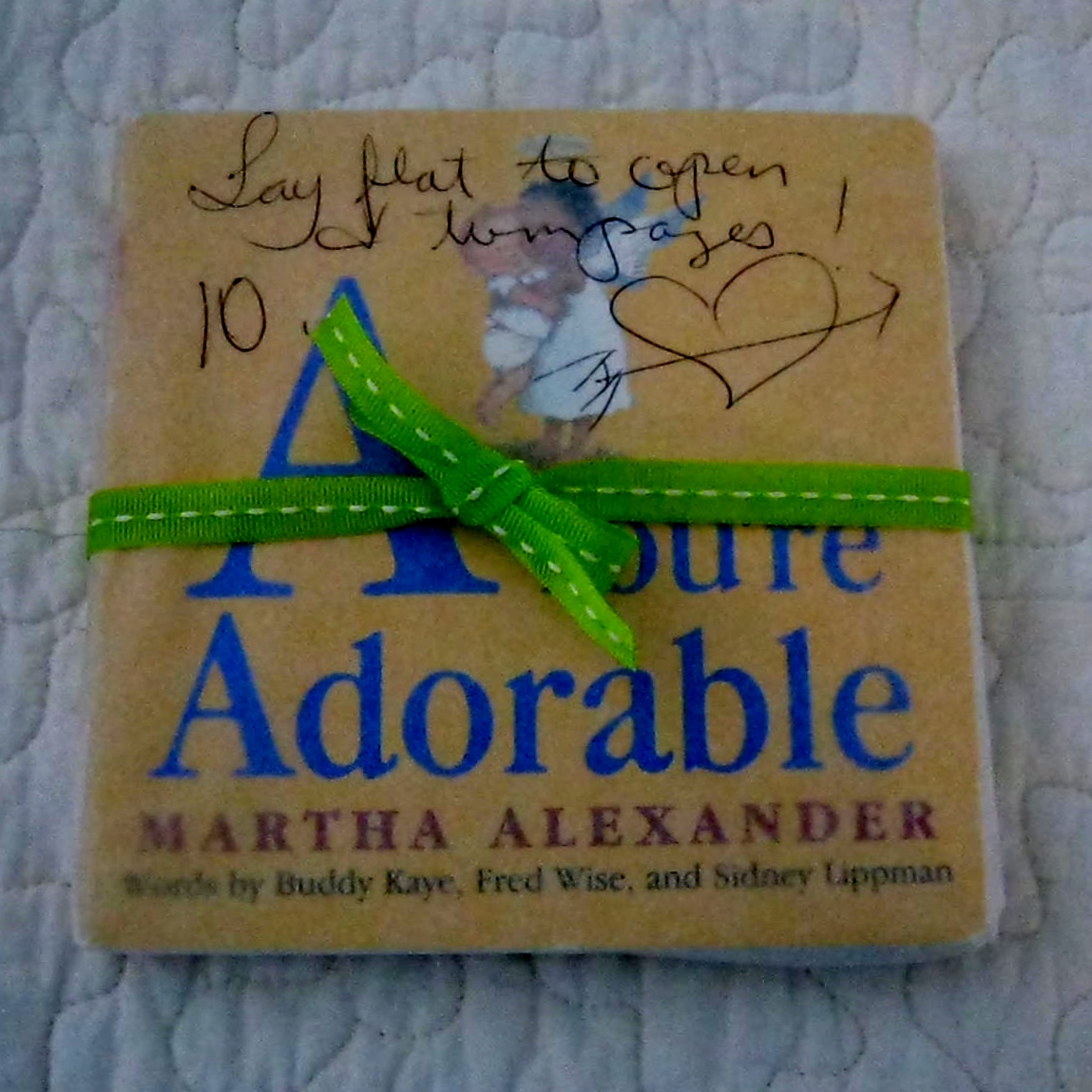
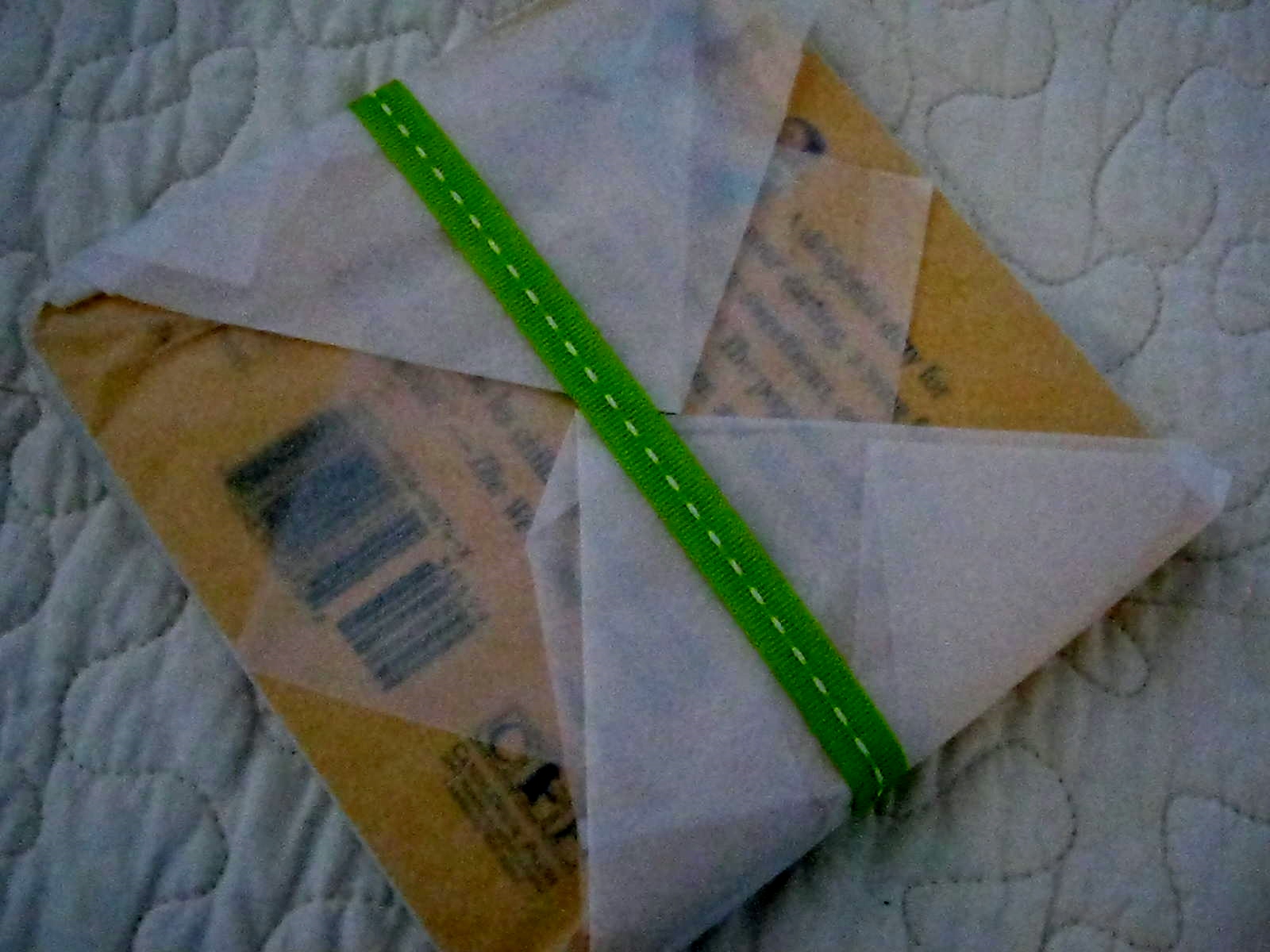
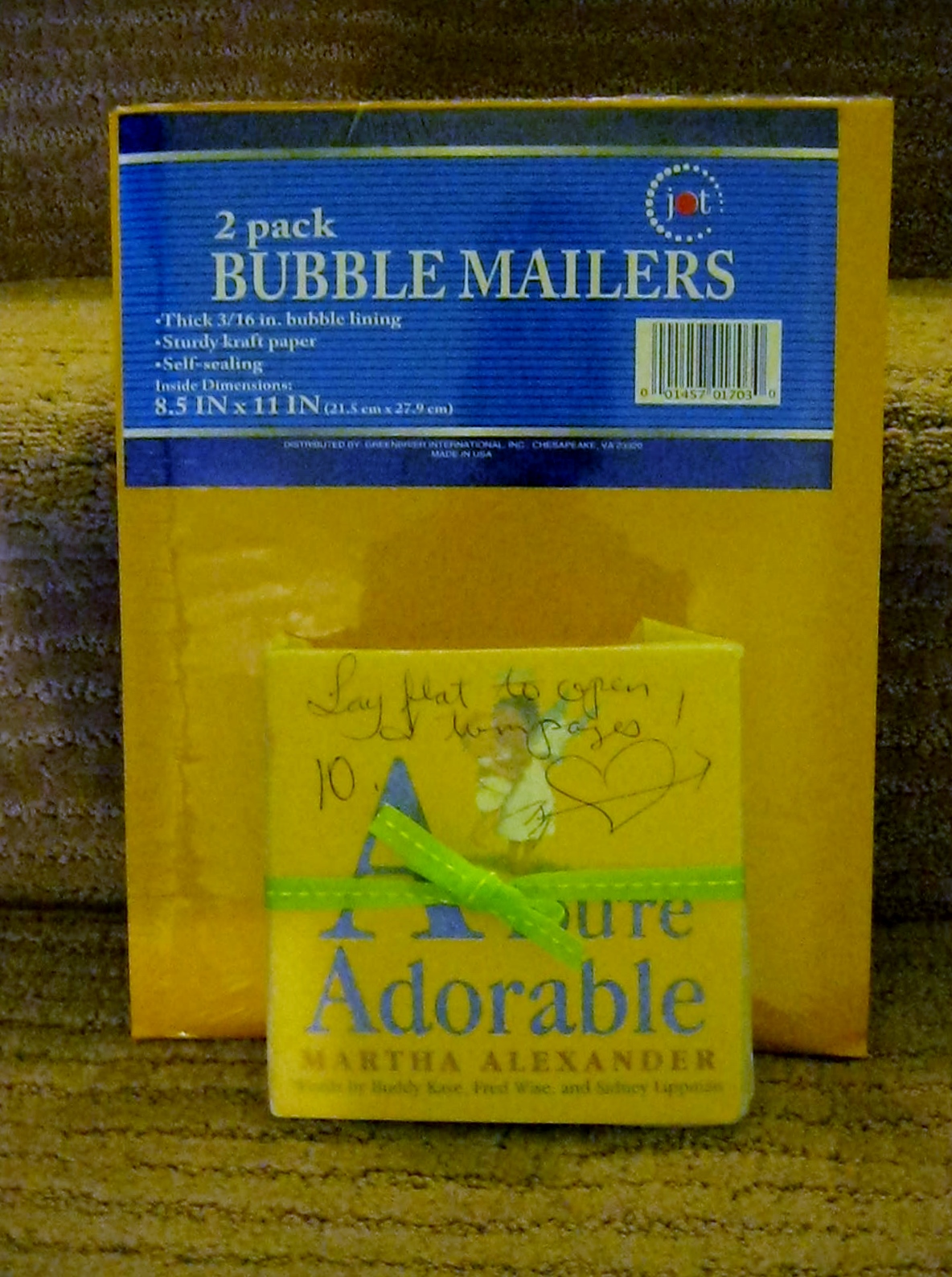
An interesting and very secure way to mail pressed flowers or pressed leaves through the mail is in a children’s board book. I usually can pick them up for a quarter or less at the public library donation table. A paperback novel or hardback book will also work, but will usually weigh a bit more. I enclose the leaves or foliage within the book, wrap in some type of paper to hold it flat and taut, slide package into a padded envelope, and mail. One of the perils of pressed flowers traveling through the mail is careless handlers. When I send flowers or leaves in a book I can be assured that no amount of bending will break or shatter what is inside. The bonus: pressed flowers store best inside a book.

IMG_8880

Happy mailing!

IMG_8881

Plants & Pressed Flowers – Angelonia

038

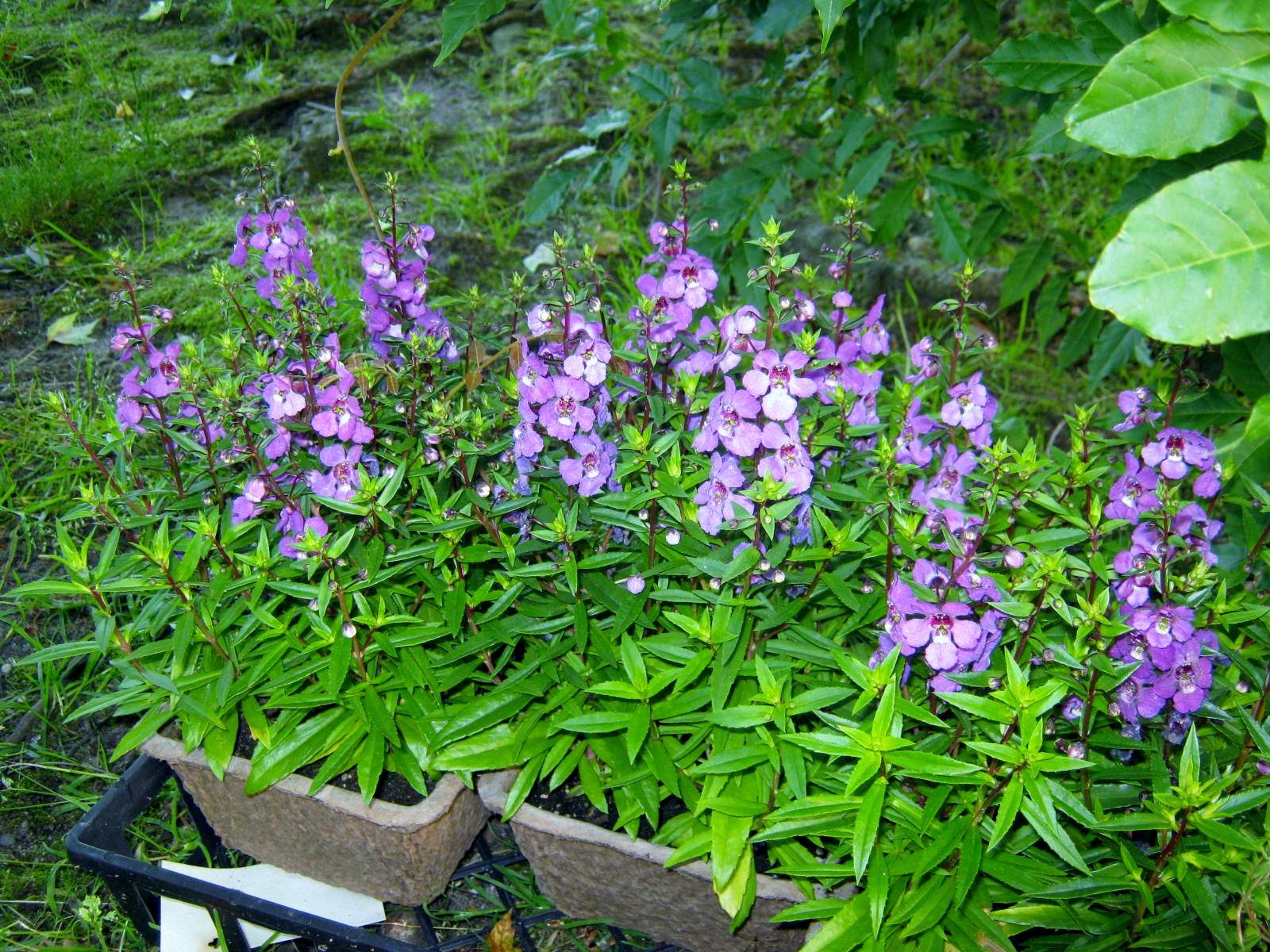
A few years ago I bought my first Angelonia plant at a local nursery. It was expensive, a Proven Winner, but I was quite taken with it’s shape, the array of colors, and hoped it would also do double duty as a pressed flower. I wasn’t disappointed. The angelonia plant thrived and did press well for me.

Every year since my first purchase I have grown at least one angelonia plant. I was excited this year when I found angelonias being sold in peat packs. Now instead of just one plant, I have several lining my front walkway. O Happy Day!

037

You can read more about angelonias here: Angelonia

Pressed flower tip: Press double or triple the amount of angelonia blossoms you intend to use. Some of the edges will brown. Also, the pressed flower is very fragile and thin and easily tears. The flower is still well worth taking the time to press since it is quite unique and interesting in appearance in pressed flower art.

Pressed Flowers – Miniature Leaves

pressed flowers 002

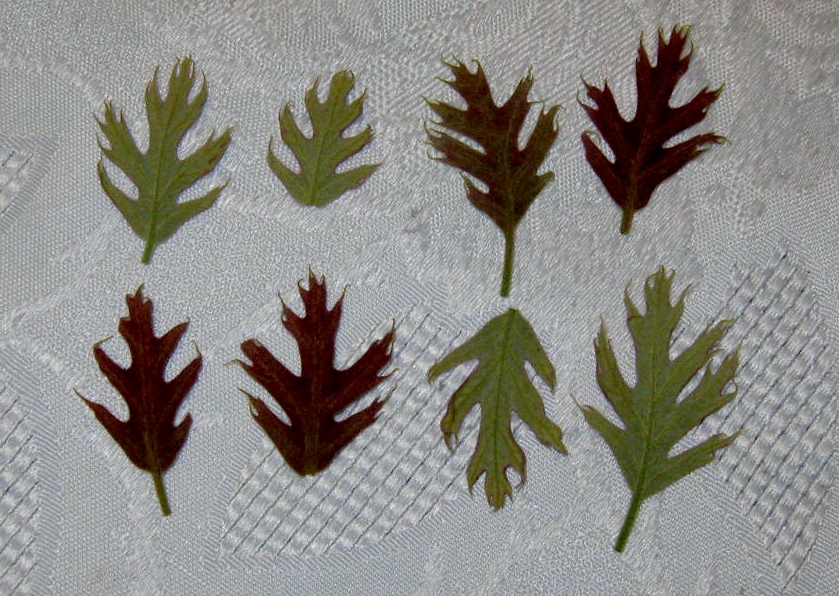
A gift of newly forming oak leaves fell into my front yard Sunday morning. The beautiful velvety pinks and greens of these small leaves demanded pressing.

Almost all deciduous trees have leaves that will press. The emerging leaflets are born wearing colors that shimmer and gleam. They are clothed in an ephemeral glistening that will disappear as the leaves begin to thicken. If you don’t begin to press these beautiful miniatures now, you will lose the window of time they are available.

Miniature leaves press well between the pages of non-glossy paged books. Using the microwave book method often destroys and browns their beautiful colors. Because the small leaves are thin-bodied, they will be ready in 7 -10 days for pressed flower crafting.

pressed flowers 005

Pressed Flowers – Time to Begin

pressed flowers 003

Although the greens in this pressed flower composition have faded into brown, it is still a good example of how well the actual flowers and leaves hold up over time. This pressed flower picture was an entry in the Philadelphia Flower Show in the early    1990’s. The Category was “City of Brotherly Love,” and the piece was supposed to portray a quilt. Considering the span of time, near twenty years, I think it has held up very well.

Most foliage and greens will age to a tan or brown over time. Many flowers, however, will retain a good bit of color. The flowers above are: delphiniums (dark blue), verbena (maroon) and lobelia (light blue.) Many other flowers will hold onto their hues. A few of these that come to mind are buttercups, purple verbena and larkspur. I’ve also had good luck with spring bulbs, although their moisture content can be a problem and they do best using a microwaved book. Many of the techniques and tips I’ve learned can be found here:

Pressed Flower Tips and Techniques

It’s time to begin pressing emerging miniature pieces of foliage and tendrils. Wildflowers will soon be blooming too. Buttercups are one of the earliest and press very well. (Pinch out the hard center first) Happy Pressing!

Pressed Flowers – Cutting Pressed Autumn Leaves Part II

blog Jan 005

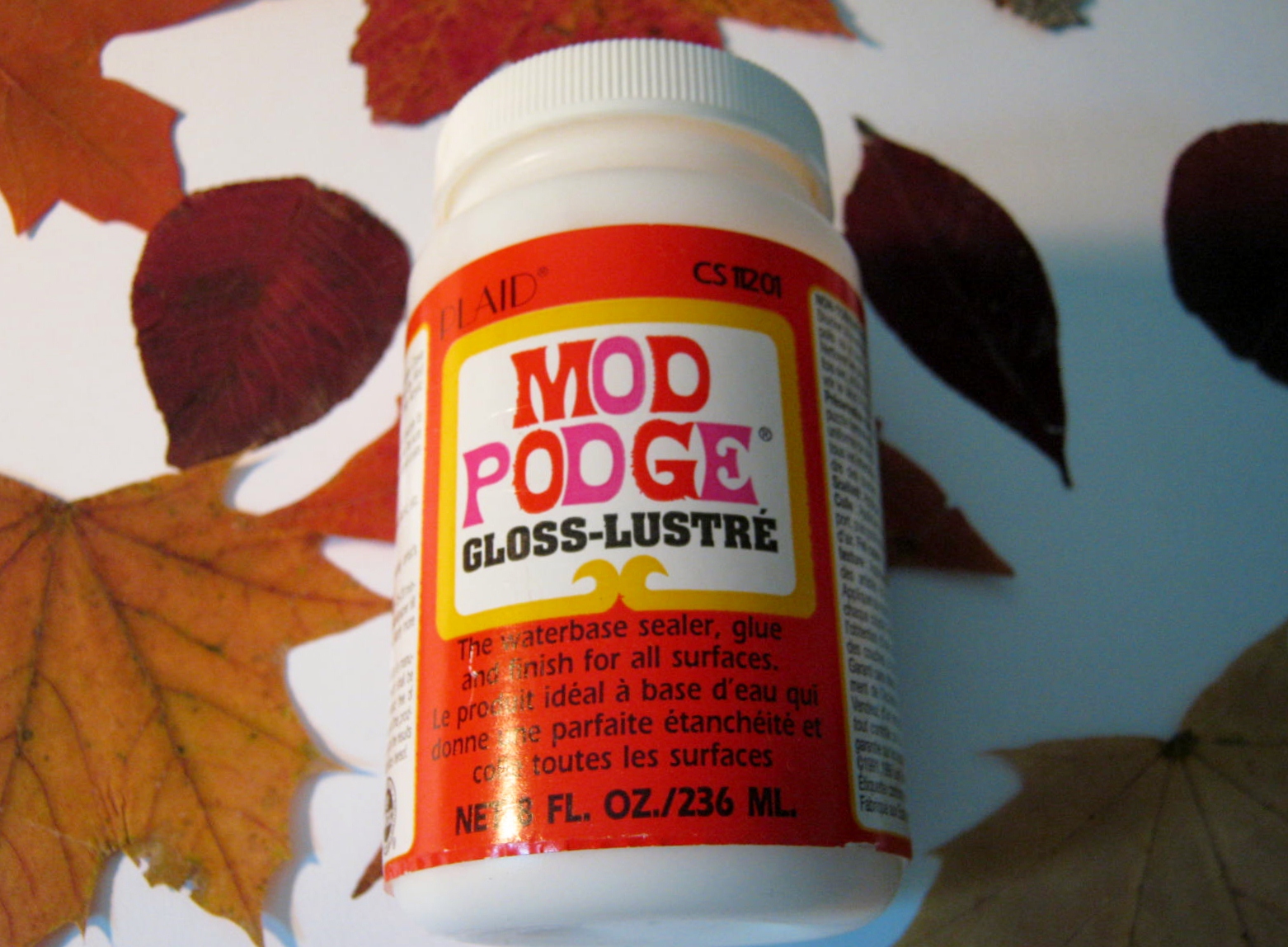
A few months ago I promised a Part 2 to my Pressed Flower Post on how to cut Autumn leaves without shattering them. Mod-Podge works great to add a layer of stabilization to the leaves, watered down Elmer’s Glue will also work in a pinch. Brush the Mod-Podge onto the back of the leaf, let dry, and cut out your shape. You can find the full post here:  Cutting Autumn Leaves

Another way to cut Autumn leaves is to use Wonder Under. Wonder Under is a fusible web made by Pellon. Wonder Under can be purchased in any fabric store. Craft and hobby outlets also carry fusible web, but you usually have to buy a full package, a waste of money if you need only a quarter yard or less.

blog Jan 007

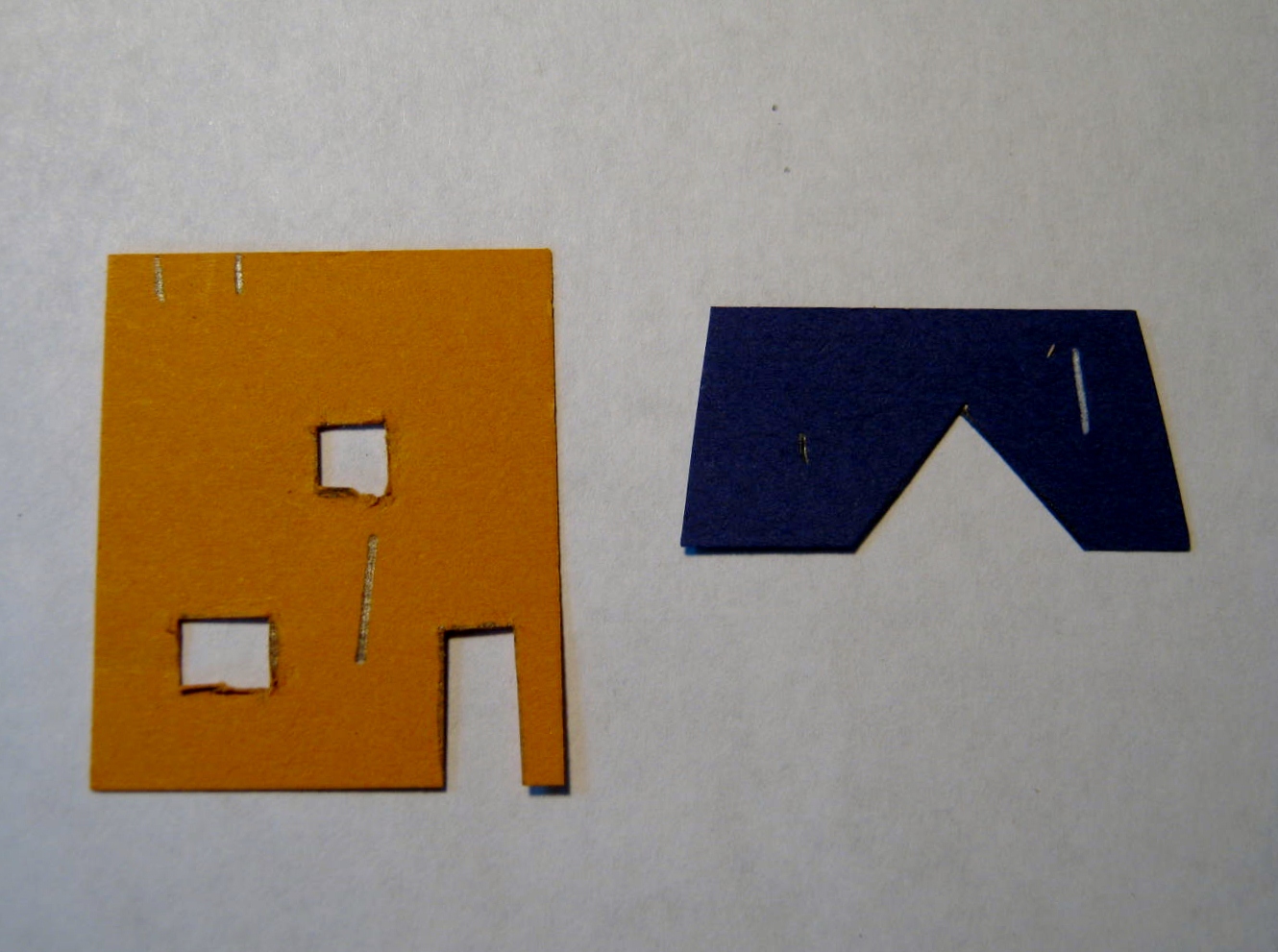
Create a pattern. I am working with a bird house shape.

blog Jan 009

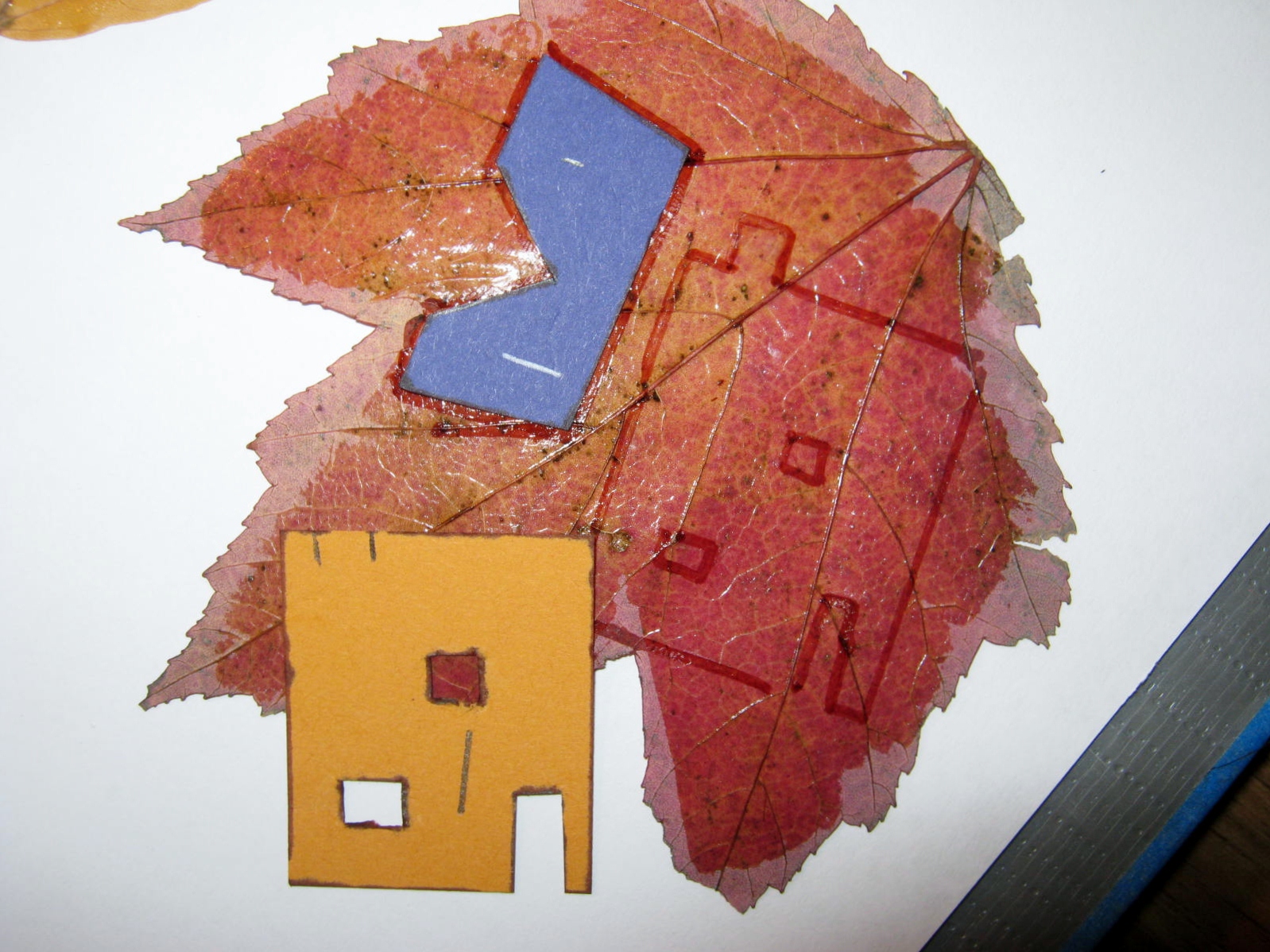
Trace pattern onto Wonder Under and fuse with an iron onto the back of the leaf or bark. Remember, whatever pattern you choose will reverse itself in direction when fused to the back.

blog Jan 014

Another technique is to fuse the Wonder Under directly to the back of the leaf, and then after tracing the pattern, cut out the shape you desire from the leaf.

blog Jan 011

I am sometimes tempted to remove the Wonder Under backing and fuse the cut leaves to the card stock. This is not a good idea for two reasons, the removal of the backing often destroys the leaf, and the heat of the iron will usually warp the card stock to some degree. It’s a better idea to leave the Wonder Under in place permanently and glue the leaf to the card with the fusible web intact.

blog Jan 015

It’s fun to create different shapes for your pressed flower work using the beauty of Autumn leaves and the thin bark of a birch tree. Have fun.

Plant, Pressed Flowers and Preparedness – Wild Cress

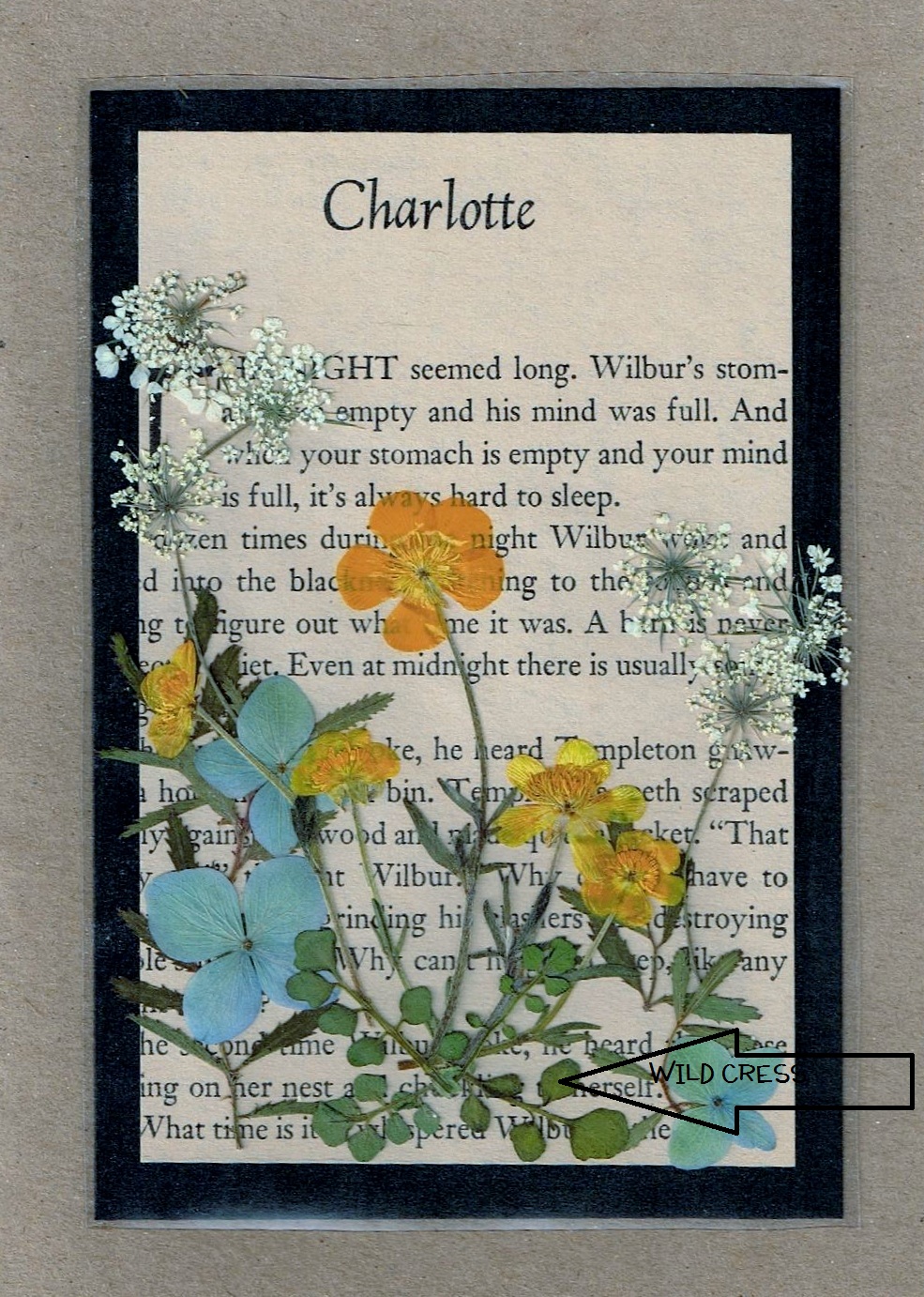
I have pressed flowers for years. I usually begin pressing in late winter or very early spring. One of the first pieces of foliage I press is a feathery little weed, which for years I have called, “My favorite weed.” Imagine my surprise and delight when it suddenly began to grow in the terrarium I created months ago. Recently my happiness was doubled when I found “my favorite weed” on a preparedness site and learned its proper name, Wild Cress. It turns out this little gem of a plant is not only perfect for pressing, but also is a wild edible, full of vitamins and nutrients.

Here are a few examples of my pressed flower cards using “My favorite weed,” Wild Cress

Wild Cress was eaten by early settlers to ward off scurvy in the winter. It has a peppery taste and makes a great salad green.

Wild Cress is a natural home remedy for many ailments. You can read more about it’s medicinal properties here: Wild Cress in Home Remedies

Wild Cress gone to seed will pop into your eye. I’ve pulled it out of my flower beds and closed my eyes while I’ve done so many a time. Read about this fact along with how to feed wild cress to rabbits here: Wild Cress/Popping Seeds

Wild Cress is easy to identify and is one of the most edible weeds. I doubt I would ever mistake anything else for Wild Cress after handling it for over twenty years. Great caution must be taken when eating anything growing wild. Some wild plants are deadly poison. Don’t eat anything wild unless you are absolutely sure  it is edible. Here are a few other edible weeds: Edible Weeds

Problem-Solving, Plant and Pressed Flowers – Jewelweed

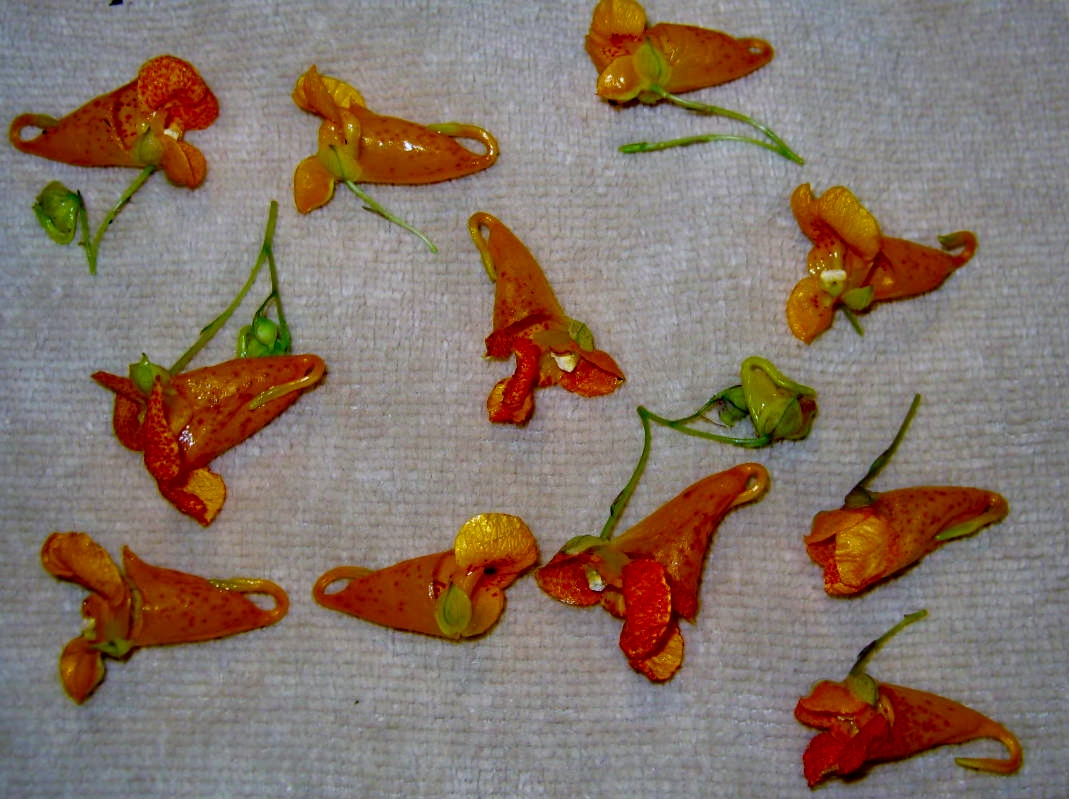
While on a recent bike ride, I spotted the trumpet-like orange flowers of Jewelweed. This wildflower grows in moist, wet places and blooms later in the summertime. For those of you who react to the urishol oil in poison ivy, crushed jewelweed foliage applied to your exposed skin can save you from breaking out in a rash.

For a look at the foliage of this plant and more information take a look at this link: Jewelweed

Jewelweed also makes a decent pressed flower, but it needs a bit of drying out before it can be used. I usually lay the blossoms on a towel and press them flat with my fingers. This removes a bit of inner liquid in the flower. Because of their moist nature, not every jewelweed flower will retain it’s color. I will keep trying though, it’s unique shape, intense color and plentiful growth along streams makes it a good candidate for pressing.

Pressed Flowers – Cutting Autumn Leaves

Autumn leaves are one of the easiest pieces of foliage to press. Collect them when dry, put each between the pages of a book, and usually in less than a week they are ready to use. The colors dull and fade a bit, but they still retain their resiliency and good looks. I use quite a few Autumn leaves in my pressed flower compositions. They are great for cutting into different shapes. I create many things with the pressed leaves: birdhouses, wagons, baskets, flowerpots and even small houses.

One problem that arises when cutting the leaves is their brittle nature when dried and pressed. To cut without treating them in some way usually results in shattered pieces or raggedy edges. I’ve found a few fixes for combating this problem by stabilizing the leaves with an added layer. Today I’ll share Fix #1.

Fix #1 – Mod Podge the back side of the leaves

Brush the Mod Podge on the back of the leaves with a soft brush. Let it dry completely. While it dries create a pattern out of cardboard for the shape you want to use. In my case it was a tiny house greeting card I call “Home Sweet Home.”

When the Mod-Podge is completely dry, I use a Sharpie marker to trace the house pattern onto the mod-podged side of the leaves. Use a marker that is as close to the color of the leaf as possible or it might show through to the front side. Make sure you remember that when you cut out the traced pattern it will reverse itself. For instance, in the finished card, if I use side one of my pattern to trace, on the finished house the door will be on the left of the house, not on the right.

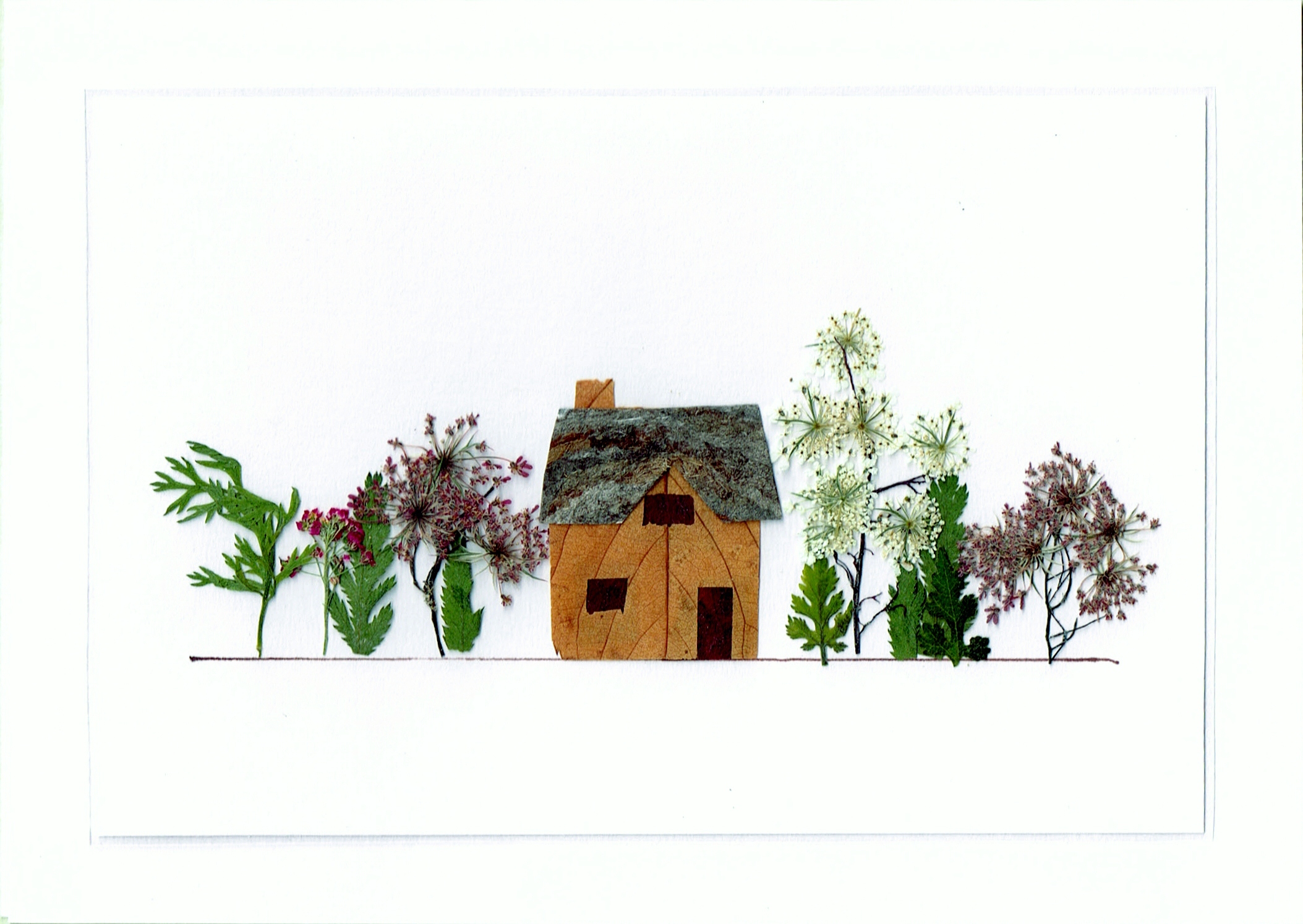
To finish this card I choose small pieces of foliage and very tiny flower bunches to create the trees. I set these aside at the ready.

For everyone who wondered why I press seaweed….here is the answer: Pressed seaweed is perfect to make small trees. When dried and pressed the thick fronds of this type of seaweed shrink to delicate branches.

Small ferns, leaves and pieces of Queen Anne’s lace foliage, all look like small trees.

Small florets of flowers look like Crape Myrtle trees in bloom.

Here are a few of the finished cards. Four seasons of pressed flower houses.

SPRING

For those who wondered why in the world I would press pieces of an abandoned hornet’s nest, the answer is above: hornet’s nest paper, pressed and mod-podged, is easy to cut into shapes for unique additions to my pressed flower creations.

SUMMER

AUTUMN

WINTER

Pressed Flowers – The Unpressables

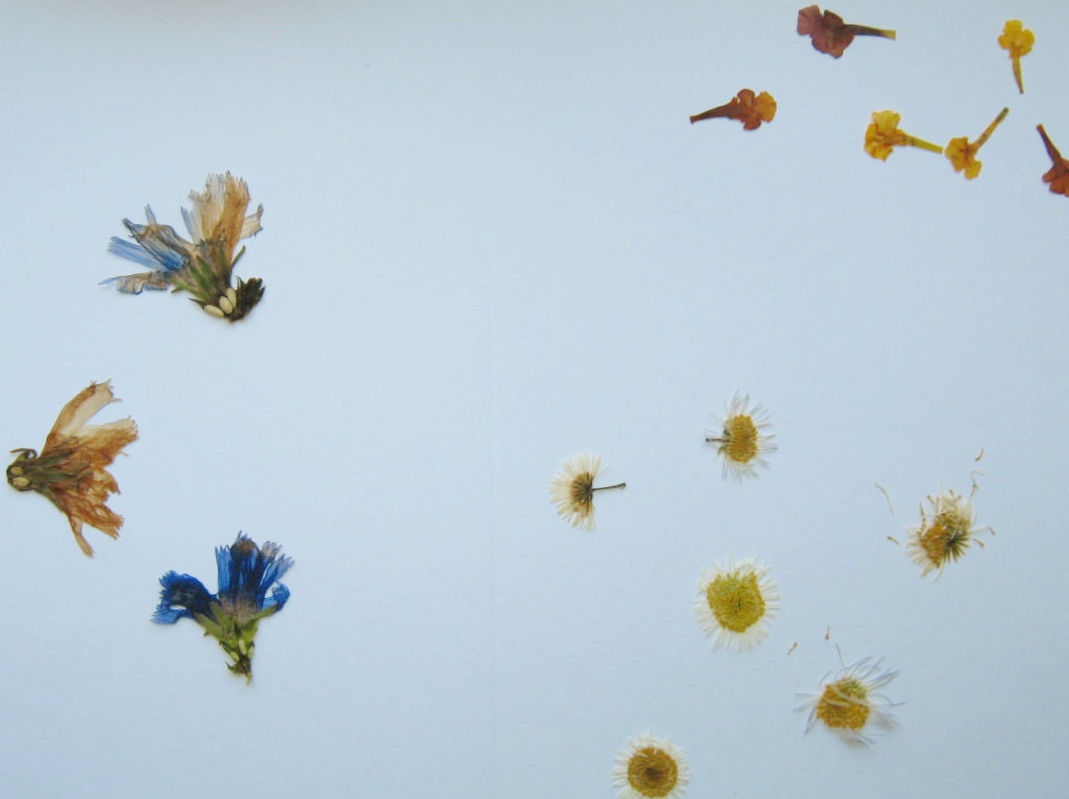
Wildflowers are abundant, even invasive sometimes. To see all this plenty makes my fingers always itch to press, but I have had little luck with many of them. Tops on that list of unpressables are chicory and white aster daisies. Chicory has a very thick calyx, and by the time you get it home, the petals are limp and shriveled. The asters have super thin, thread-like petals with a large, hard center. I managed to press a few recently, and had a bit of luck. I crushed the calyx of the chicory before I placed it in the pressing book. I did the same with the center of the aster daisies. In the top corner are a few petals of lantana, a whole other story I won’t get into today. I gave these wildflowers about 15 to 30 seconds of heat. The amount of time depends on how hot your microwave gets. I wanted the book to be gently warmed, not hot.

The bottom line on these two wildflowers is you must press three to five times the amount of flowers you want to use. As you can see from the chicory on the left, only one out of three worked out at all. The blue was retained, but there is also a little browning I will need to try to pull or cut away. Still, true-blue flowers are not abundant in the garden, and the daisies are unique and delicate. I will keep trying and press more than I think I need.

Pressed Flowers – Pressed Flowers 101

If you are new to pressing flowers you might be inclined to use your own books for pressing. You will find that the flower petals and foliage will ruin some of the pages, and others could become warped by moisture inside the stems. Thick flowers also will cause dents and some flower colors will stain the pages.

To avoid ruining your own books go to thrift stores for old books, or do as I do and check out the public library. Large outdated periodicals or how-to books work best for pressing.

One thing to beware of is the ink on the pages. The moisture in the flowers sometimes reactivates it, and it can stain your petals. I’ve even had words imprint backwards onto my flowers. To remedy this, when first used, rub the page briskly with a paper towel and hard pressure and any excess ink will be removed.

For more pressed flower tips click on the catergory link at the bottom of this page. Thanks.

Place and Pressed Flowers – Pressing the Odd Item/Block Island Day 4

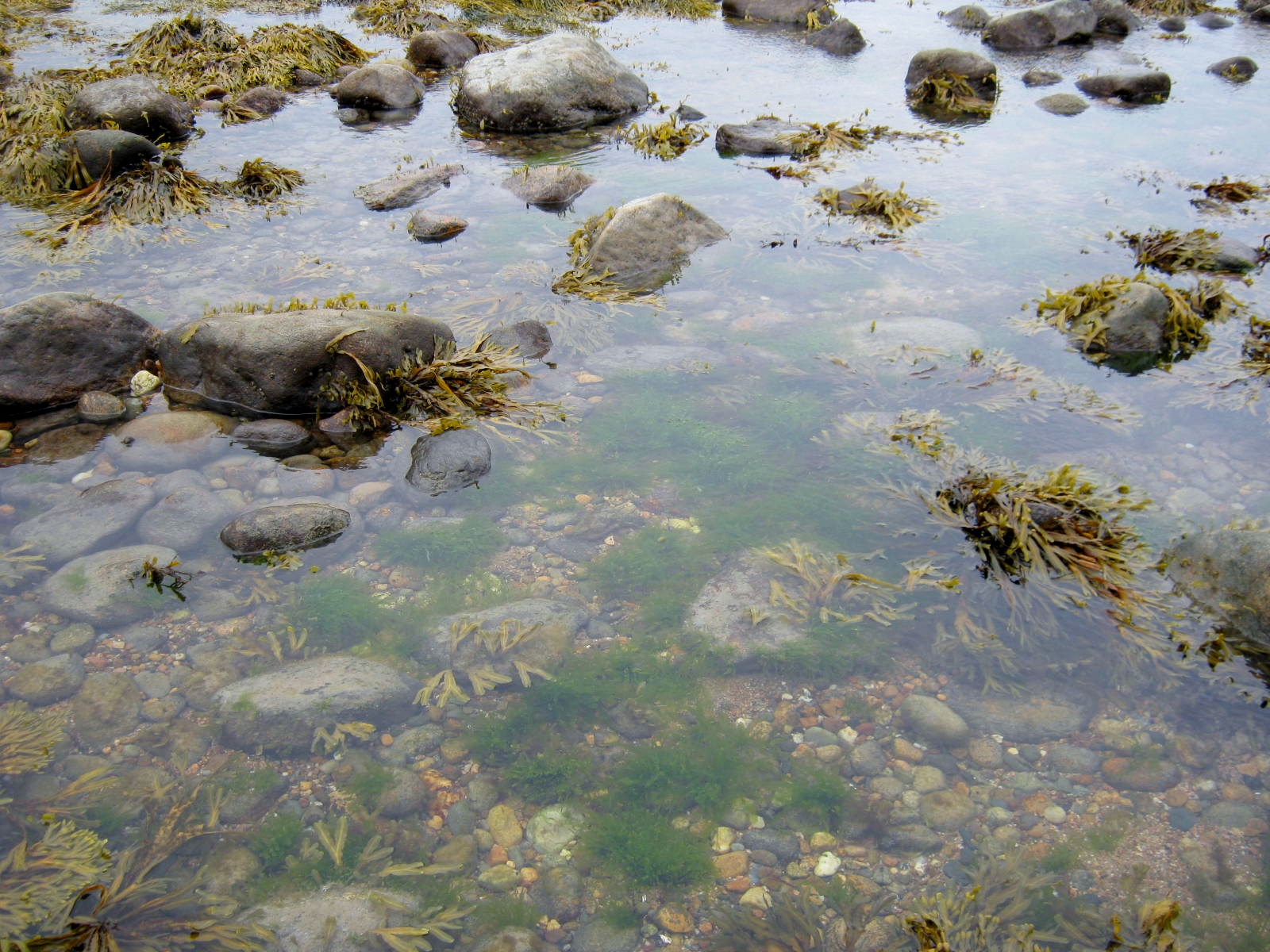
Clayhead Beach on Block Island is probably my favorite beach. This past winter, storms and currents deposited extra sand on the shoreline. The stretch of sand along Clayhead has always been sensational, and now is better than ever. The large rocks just off the beach create amazing tidal pools. These pools capture hermit crabs, periwinkles, starfish, and this year I even saw a sea urchin for the first time. The pools are a big draw for beachcombers, young and old.

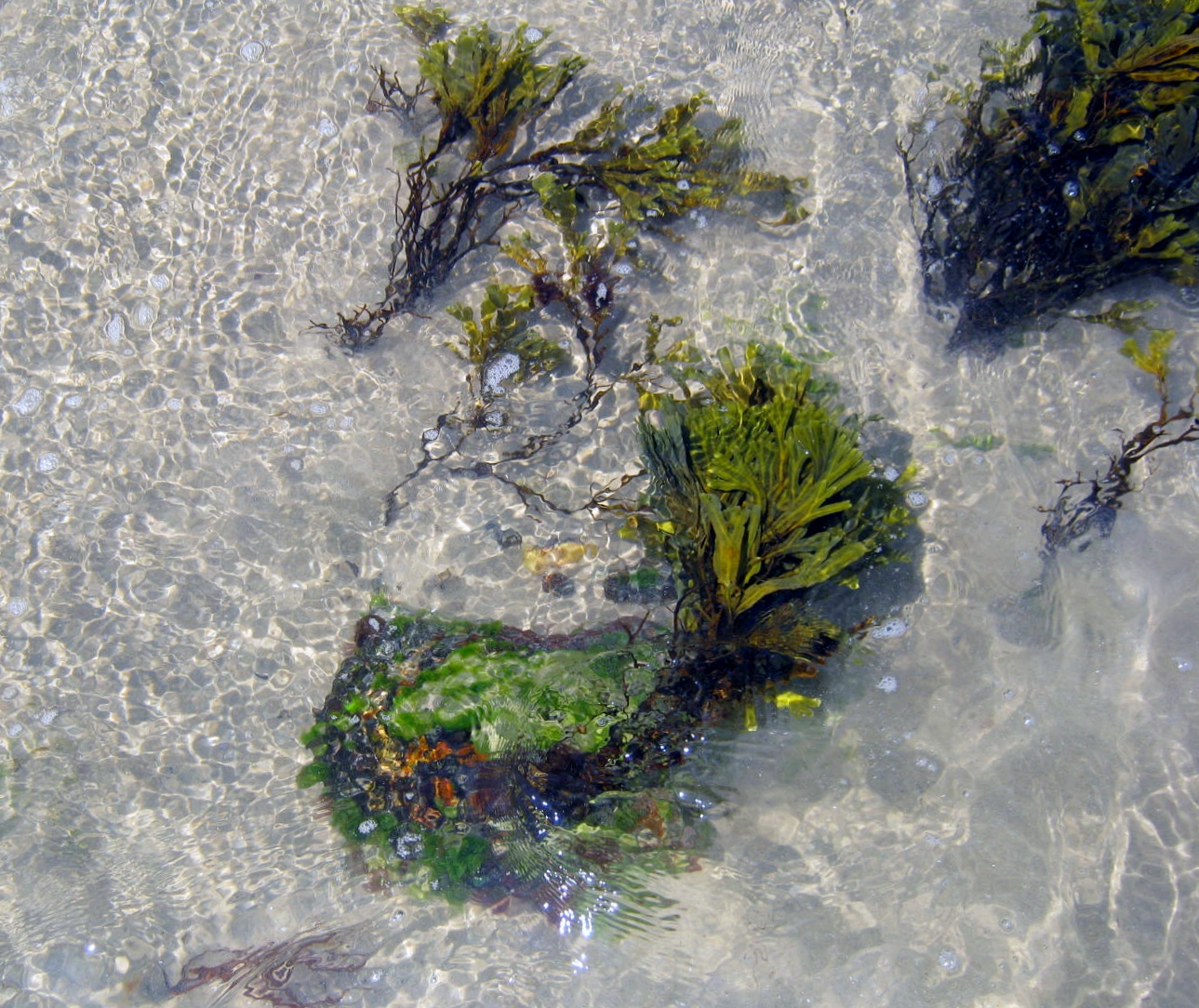
Seaweed is abundant on Block Island and grows in these pools. In the past it was farmed and sold. While I was researching the seaweed, I found this article about a present day forager of seaweed. You can read the article here: Seaweed Forager – Jen Lighty

Here are some photographs of the seaweed on the island.

I especially loved the look of the frondy seaweed in the picture above and decided to try to press it. Luckily, I had thought ahead and brought a few books for pressing along with me. I gathered up a cupful of the seaweed then soaked it in fresh water, changing the water several times. I then spread the clean seaweed on several layers of newspaper and left it in the sun. Within a matter of hours the seaweed had lost all moisture, but unfortunately was also rock hard. To press it in this brittle condition would have shattered it. I decided it was an impossible task. Happily, I didn’t throw it out right away, but forgot and left the hardened seaweed on the balcony overnight.

Hooray! Thank goodness for my occasional absent-mindedness. During the night the seaweed reabsorbed a bit of moisture from the dew and fog. It was not wet, but only sticky and damp, and a bit pliable. I put it between the pages of my book and in a few days it was hardened again, but now perfectly flat.

The dried and pressed seaweed held on to a bit of its pink color, but all the greens and whites faded out or darkened into browns and tan. The pieces, even though pressed, are still fairly thick. I don’t think I can use it in my usual greeting card artwork. One idea I have thought of is to use it as a stencil in my painting. I also could apply paint with a brush and use the pressed seaweed as a stamp. Any ideas for me? Please leave a comment. I’d love to get some input on how to use it.

Pressed Flowers – Bible Verses

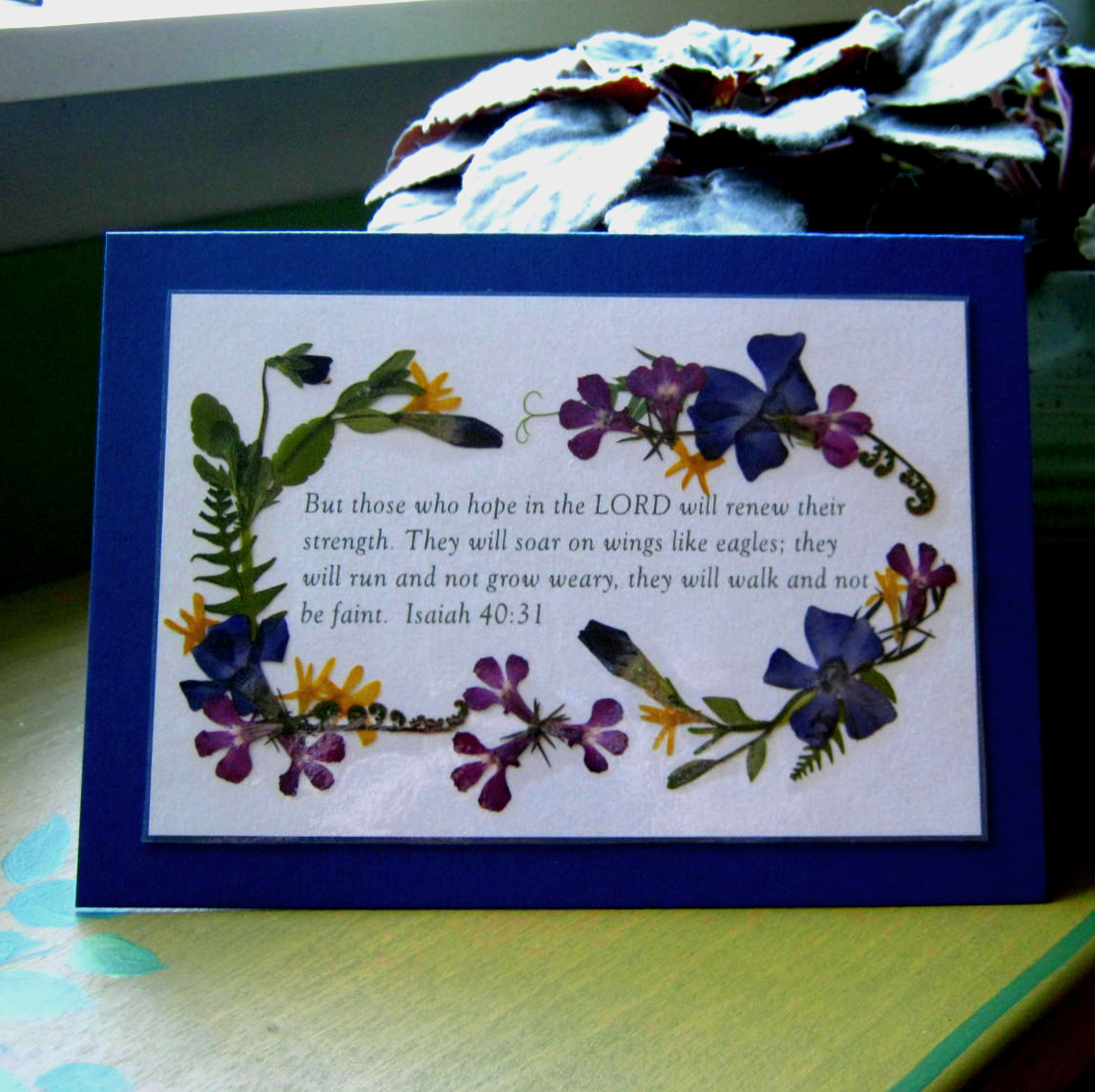
I’ve been creating pressed flower greeting cards using some of my stored pressed flowers combined with favorite Bible Verses. I think the two go together well. The flowers on the card front are: florets from the top of a marigold bloom, magenta lobelia, vinca, ferns and other wildflower foliage.

 “But those who hope in the LORD will renew their strength. They will soar on wings like eagles; they will run and not grow weary, they will walk and not be faint.”  Isaiah 40:31