Pressed Flowers – Queen Anne’s Lace

Although they appear to be the ideal subject for pressing, Queen Anne’s Lace can be tricky to press.  Because they radiate in smaller blossoms from a center stem, pressing the flower as a whole means the center stem will need to stay intact. I cut as close to the last floret petal stem as possible and then place the whole flower into a hard back book. I press under extremely heavy weights to crush the remaining 1/4 inch of stem flat. This usually works, and since the Queen Anne’s Lace is relatively dry, the flower presses well. I have also cut individual florets apart and these work great in smaller compositions.

You will find that Queen Anne’s Lace is loaded with bugs. There are microscopic bugs and then there are larger shiny black beetles. Be careful of squishing or handling the black beetles in any way…they put out a powerful and repulsive scent when scared or harmed. I usually work above newspaper and gently dump these bugs back outdoors.

A great article about Queen Anne’s Lace can be found here: Queen Anne’s Lace

Pressed Flowers – Using the Heat at Hand

We are having quite a heat wave here in the Mid-Atlantic states. I decided to take advantage of the heat at hand.

I picked quite a few of my hydrangea flowers last night. They are beginning to show streaks of contrasting colors as they mature. I have always had a hard time getting the hydrangea blossoms to dry without brown spots appearing. I have tried the traditional method of pressing in between pages of a book. I have experimented with the microwave. I have had no luck with either method. This time I am trying something new.

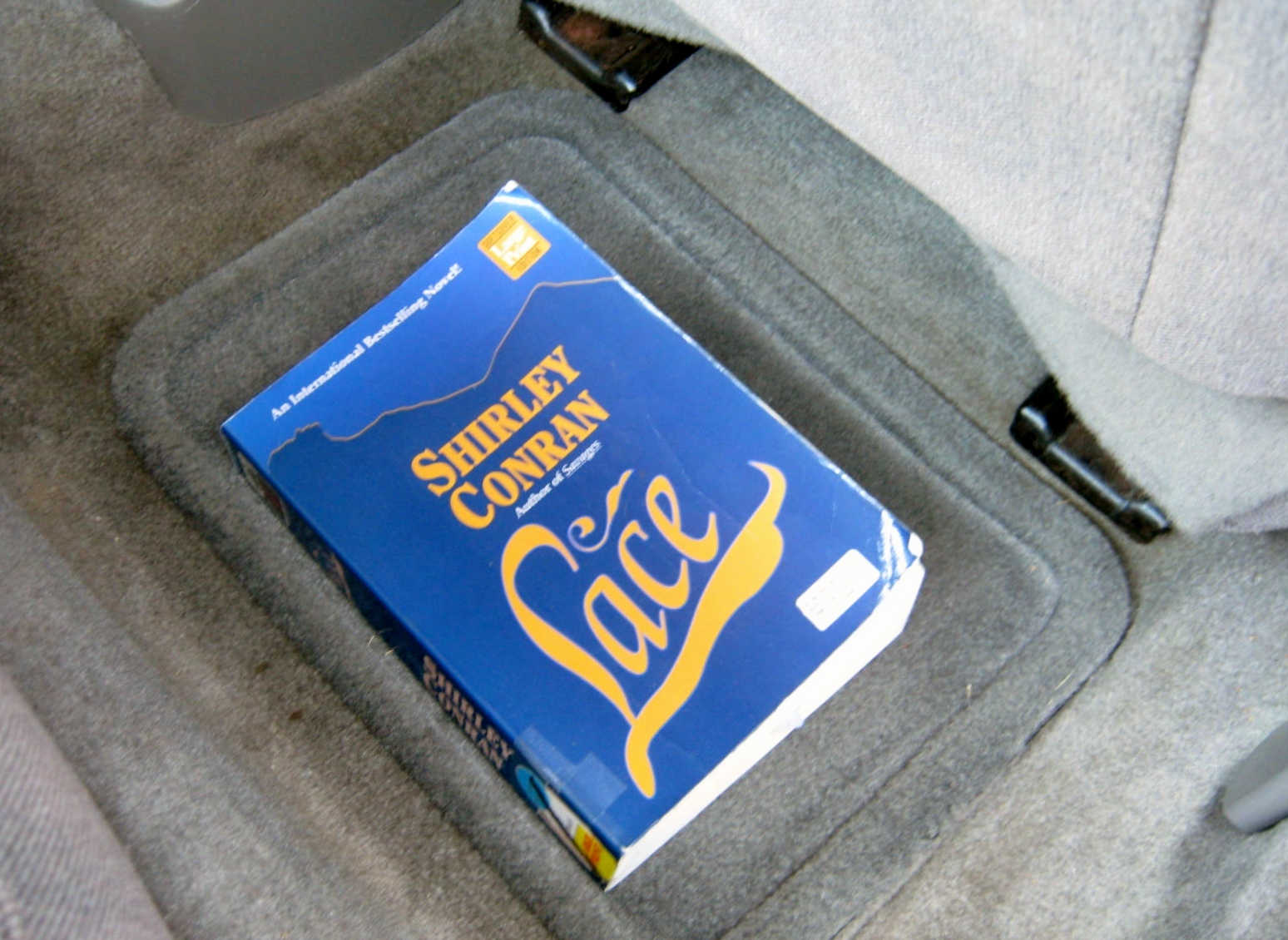
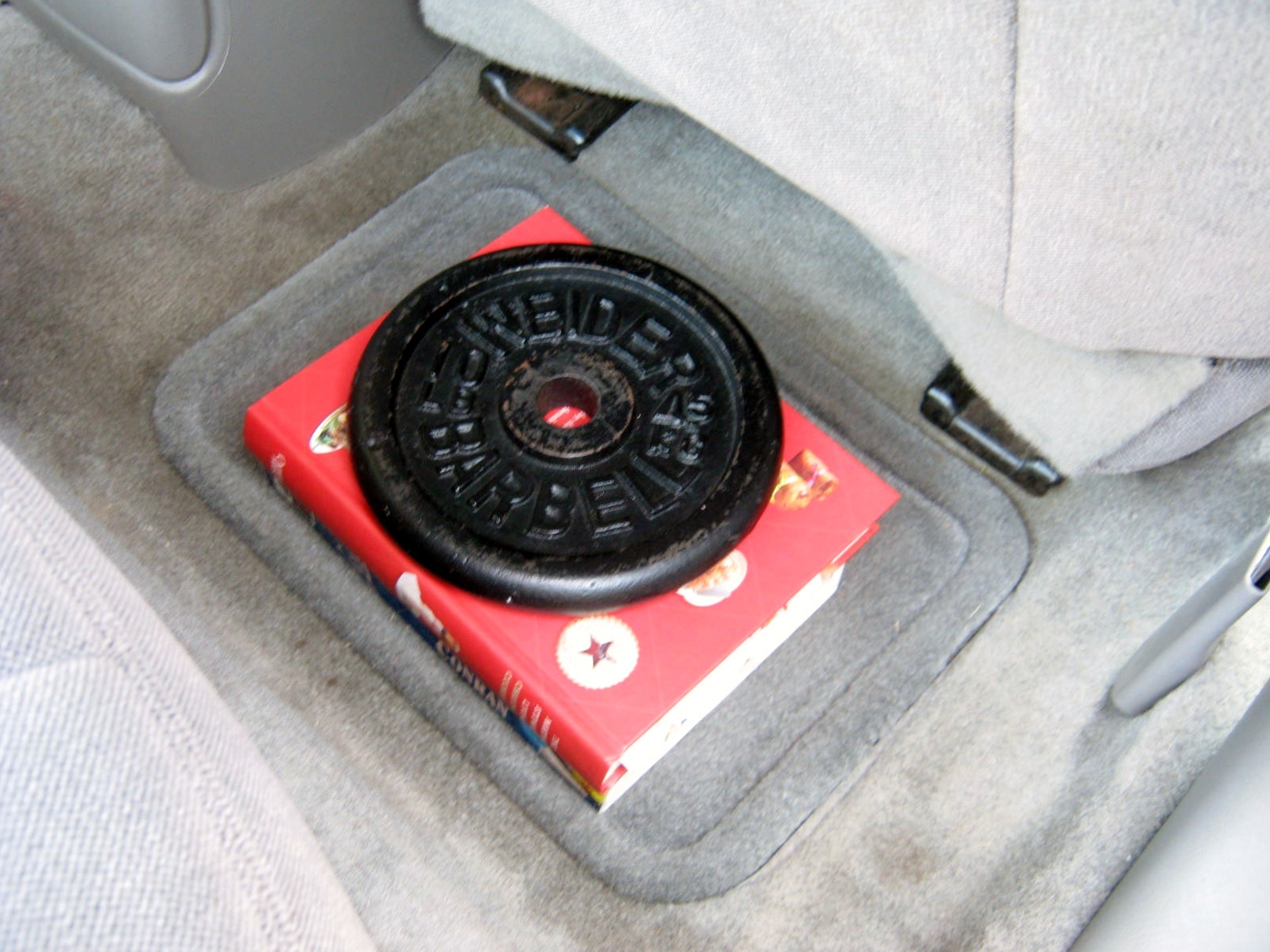
I pressed the hydrangea petals in between the pages of a book, and then I put that book in the back seat of my car, covered with another book and a weight, and backed up the car into the hottest part of the driveway. I’ll update the results in a day or two.

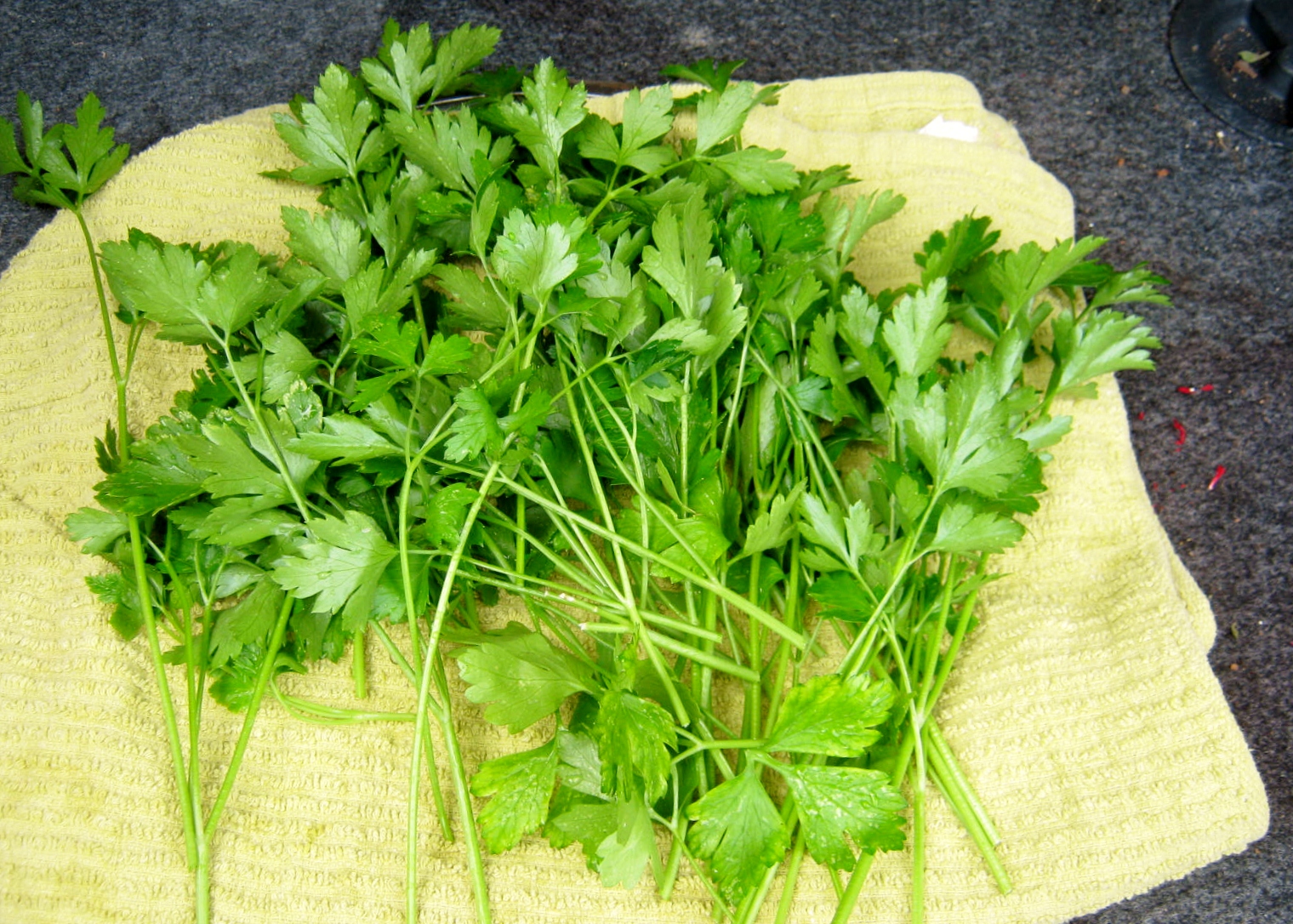
I also decided to use the heat to flash dry some parsley that is on the verge of going to seed. I lightly rinsed it and laid it upon a towel draped pizza sheet and put it in my trunk. The heat inside will quickly dry the herb, and the darkness will help retain the color…I hope.

I’ll update the progress in a day or two.

Follow Me on Pinterest

Pressed Flowers – Pressing the Odd Item Part V

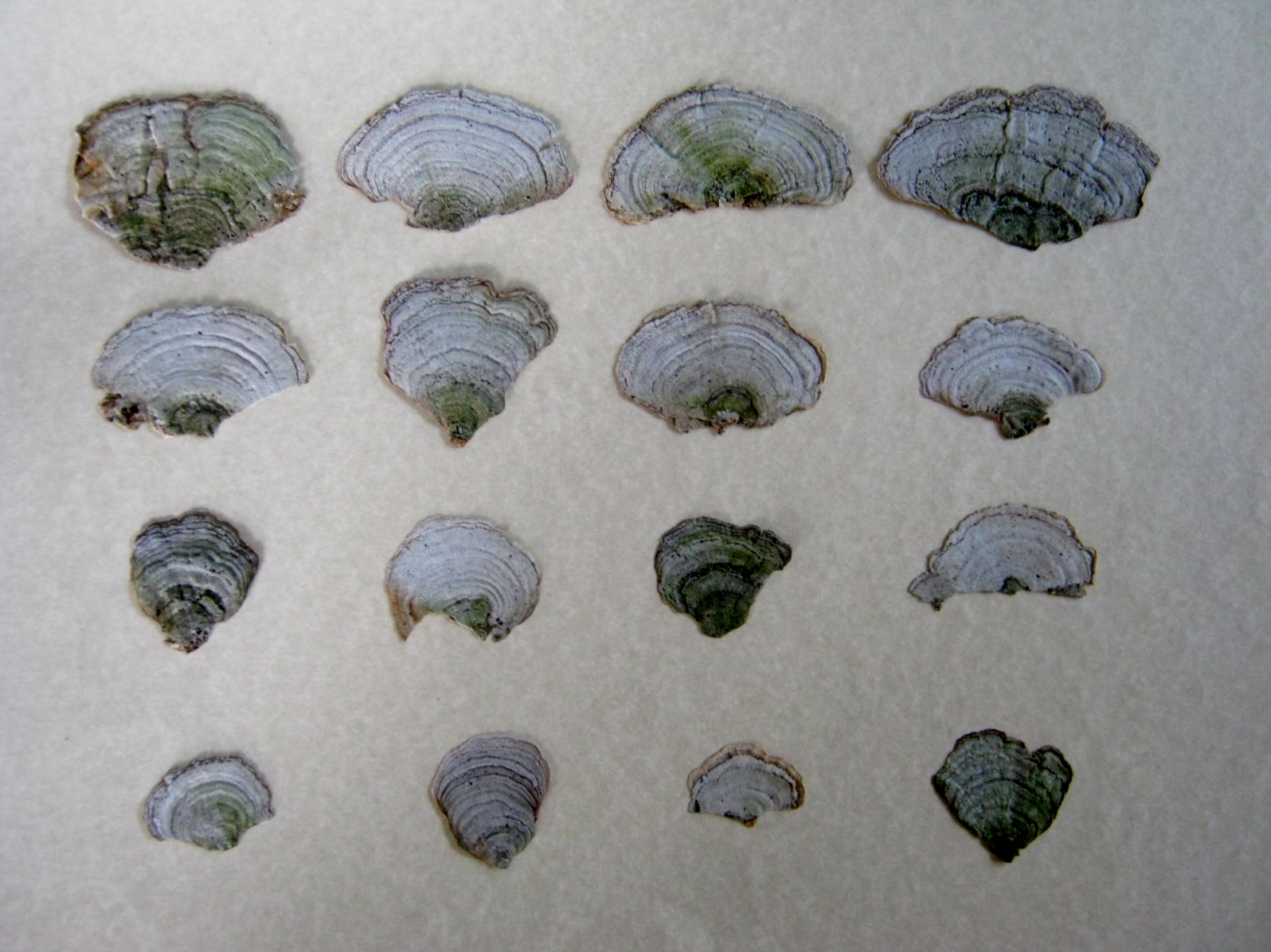
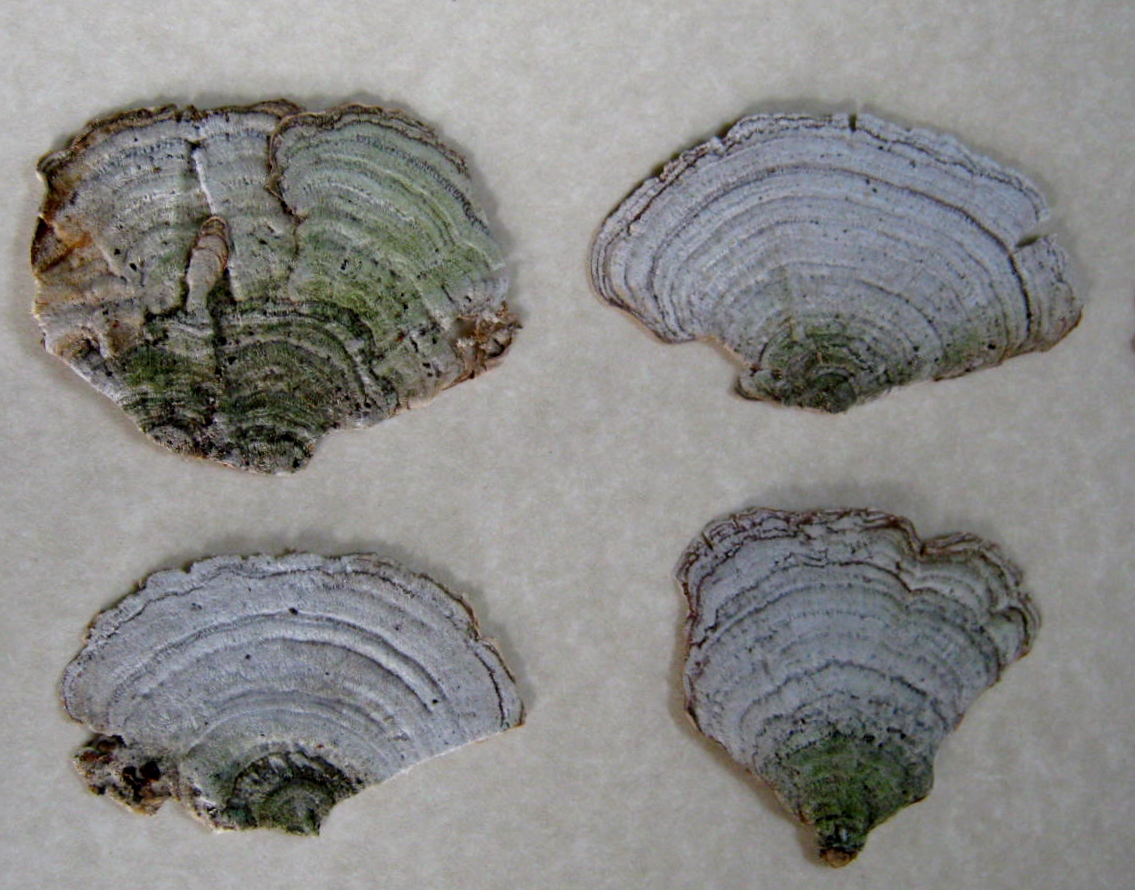
Another item I press throughout the year are lichen. Lichen grow on the bark of dead and decaying trees. They are varied in color and markings and press well in heavy books. They will leave deep indentations within the book, so be sure it is one you don’t mind losing for pressing. I also have used heated books to press the lichen, but don’t necessarily enjoy the smell that ensues from the microwave when I open the door. The lichens will retain a bit of thickness, so they are not necessarily good for greeting cards, but they can be used to make fairy furniture and other natural arrangements.

A good site to visit for more information of lichens can be found here: Lichens. Happy Pressing!

Projects and Pressed Flowers – Greeting Card Stockpile

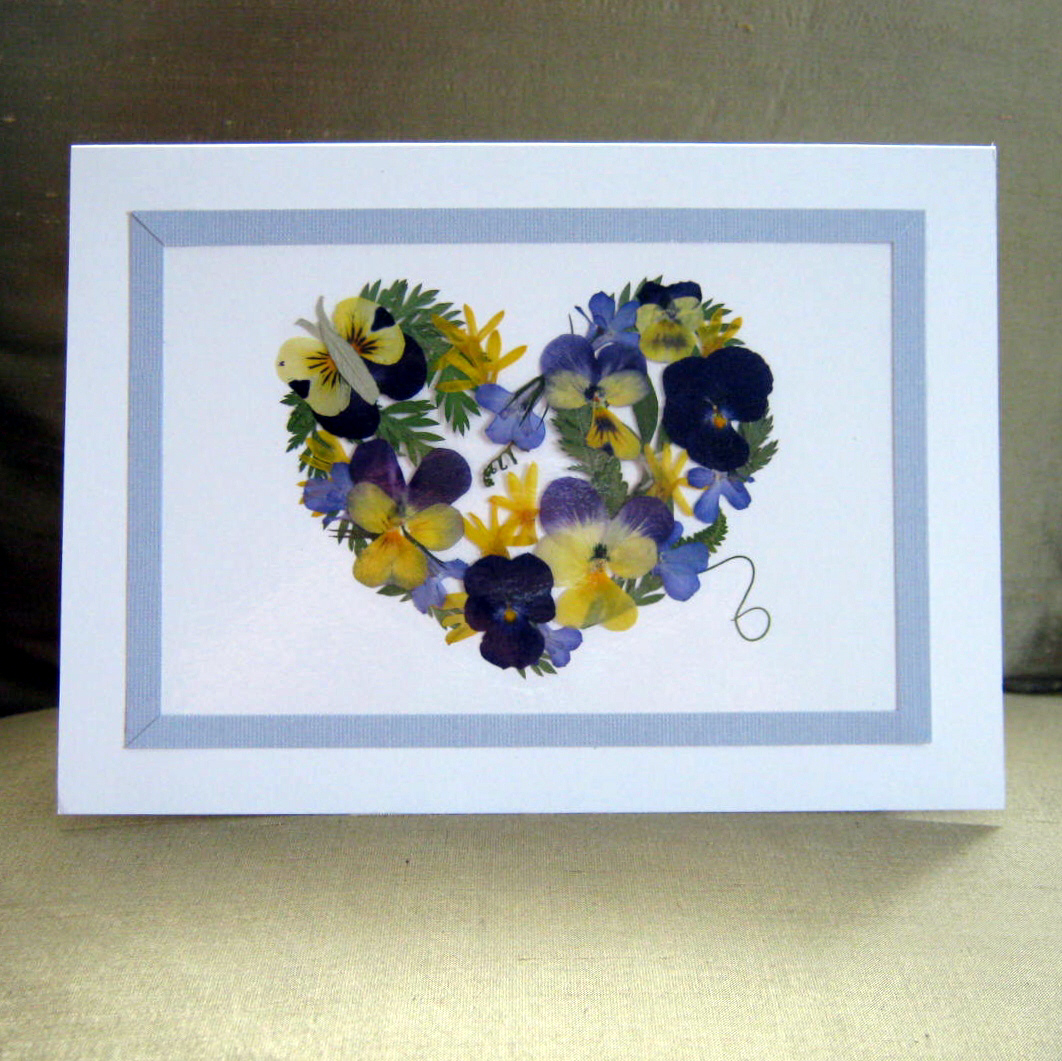
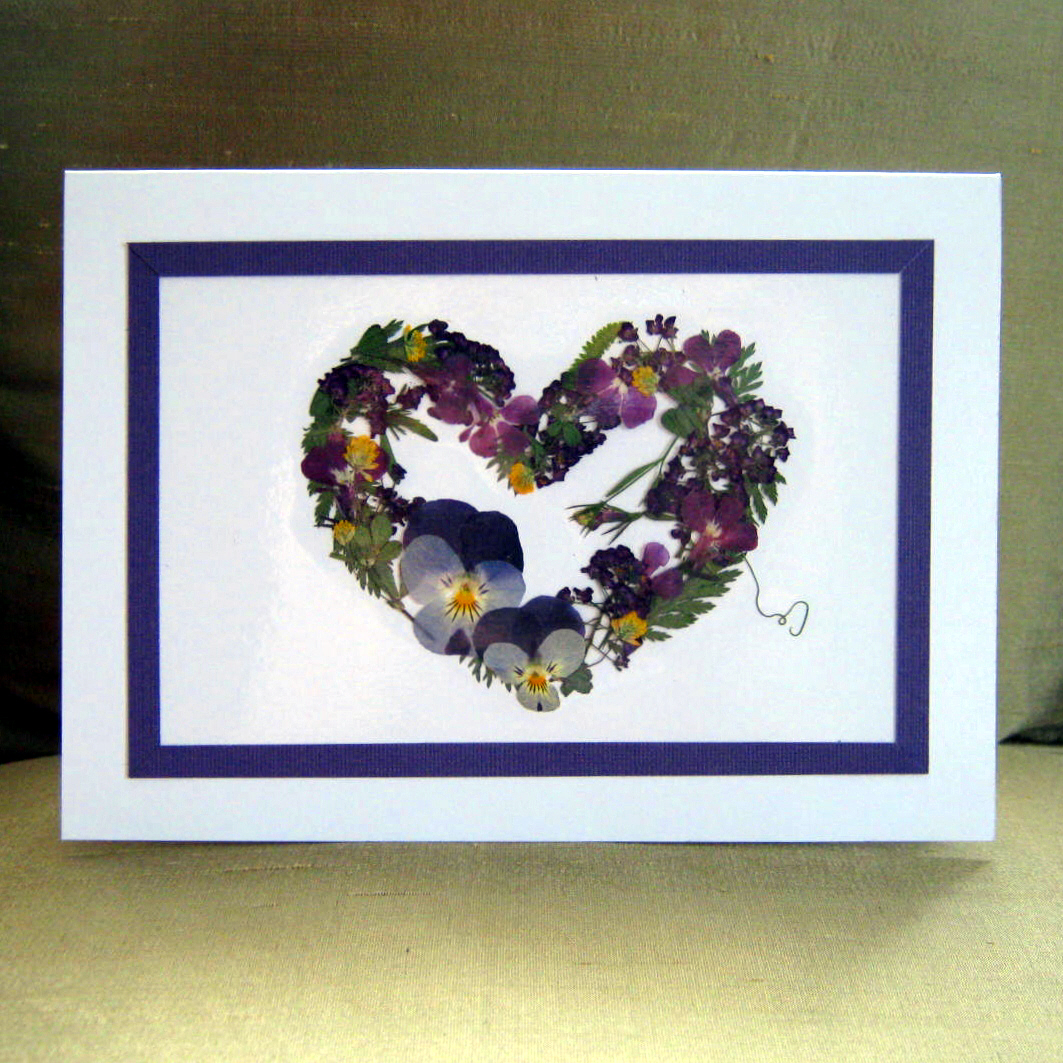
I have quite a stockpile of pressed flowers ready to use for greeting cards and other projects. I love creating these unique cards. The heart in the photograph above has a small butterfly in the top left hand corner. I was pleased with the way it fit into the theme of the card.

I have several birthdays, some graduations and other events in the next few weeks that will need a card. I haven’t found a way to make these card appear masculine, so I bought two male-themed graduation cards instead. (Cringe…they are so overpriced and not unique in any way whatsoever…big sigh) If someone has ideas for masculine themes with foliage and flowers, please comment. I almost feel the card pictured below fits the bill, but not quite. Created with birch bark, ferns and subtle wildflowers, it is almost rustic, but is still a little flowery.

Flowery hearts are one of my favorite cards to make. They are also easy to create. Lightly sketch a heart shape, add foliage, and space flowers around the edges.

Every now and then I create a composition that disappoints me. I am not too thrilled with the card below, and I will probably peel off the layers and try again. I think it is the static placement of the dark flower, and the loss of the curving edges of the heart. This composition appears boxy and without grace. I should have been more careful to keep the edges of the petals inside the shape of the heart. Feathery, small pieces of foliage and twirly sprigs look fine escaping the confines of the heart, but large petals jutting out too far detract. I’m sure if you study the one I am unhappy with, you will agree.

Plants and Pressed Flowers – Buttercups

In the Mid-Atlantic States it is the season of the buttercup. I love these sweet yellow blooms. I thought the clump I photographed recently in a public park was a perfect specimen. I hope to paint it one day as a botanical watercolor. There is one problem with the photograph though. Buttercups reflect light so intensely off their petals, the details of the flower are a bit obscured in the brilliance. I found a great article that explains why buttercups reflect light. You can read it here: Why Buttercups Reflect Light.

Buttercups are one of the best pressed flowers for color retention. I have found I need to pinch away the hard green center before I press them in books. You can gently heat the book or just place it under weight for a few days.  I have many flowers to use throughout the year if I am diligent in picking and pressing them in the few weeks they are in bloom. I like to press most with their stems intact. If I chose to use only the flower it is easy enough to snip the stem away. Buttercups combine well with blue lobelia and ferns.

Pressed Flowers and Projects – Vintage and Classic Books

I treasure my classic books: Little Women, Heidi, The Secret Garden, Grimm’s Fairy Tales and many others. Often, at yard sales, I will find copies of these tales, battered and dog-eared, but still holding promise. I can’t resist these old books. I buy them and take them home to use in craft projects. Recently, I bought a paperback copy of “Little Women.”  A page describing Jo and Meg’s outing to a ball was the perfect background for a pressed flower arrangement of Verbena and Forget-Me-Nots.

Pressed Flowers – Greeting Cards

 Johnny Jump Ups, moss, Vinca leaves, barberry leaf, violets & wild onion curls

I have several books of this seasons pressed flowers dried and ready to use. The batch of cards in this post is composed with spring-flowering pansies and wildflowers. I glue pressed flowers to white or eggshell cardstock with rubber cement. After they are dry I press the finished art inside a book with a weight for several hours or preferably overnight. I then check for any loose spots. If I find one or more I touch these up with rubber cement on the tip of a long floral pin, and after they are dry re-press in a weighted book. When they are completely dry I position them on a complementary piece of colorful cardstock cut into a standard greeting card size. Below each pressed flower photo I’ve listed the plant material I used.

Common celandine, johnny-jump-ups, honeysuckle leaves & wild onion curls

Butterfly: pansy petals, nandina leaf, maple bud, seaweed stems & unknown weed foliage

Wild rose leaflets, wild onion curl, wild mustard sprigs & johnny-jump-ups

Buttercups

Johnny-jump-ups, common celandine, honeysuckle leaves & wild onion curl

Wild onion curl, maple keys (seed pods) fern with fiddlehead, Vinca springs & unknown weed sprig

I thought this card has a definite heart shape, but my husband didn’t see it. He thought the maple keys looked more like wings. I guess it’s proof of that old cliché: “It’s all in the eyes of the beholder.” I like it though, it’s unique. I am going to try to make some dragonflies with the maple keys next. I’ll post the results soon. Here’s another maple key composition below.

Wild violet, fiddlehead fern, unknown weed foliage, common celandine bud maple keys & wild onion sprig


Pressed Flowers and Preparedness – The Maple Tree

I have been pressing hundreds of Maple seeds each day. The trees are at peak production at this time of year, although some varieties produce seed in the Autumn. The proper name for Maple seeds is Samara. They are also known as whirlybirds, helicopters and keys. I press Maple keys by cutting away the seed, and gently heating them in a book with porous pages.

Maple keys come in a large variety of sizes and colors. I pull some of the keys from the trees to capture their bright green, pink or apricot colors. The seeds quickly fade in color after their whirling flight from the mother tree, but these muted colors also have great uses in pressed flower compositions. Pictured below are a few ideas for using Maple Keys.

Two halves make a pretty heart shape.

Combined with other flowers and leaves, the keys create interesting effects as butterflies and dragonflies.

Maple keys make great fairy wings.

Maples are amazing trees. They provide us with many products. Maple is used for fine furniture, the sap makes amazing syrup, and new to me was the fact that you can actually eat the fruit of the tree. Remove the husks from the seeds and they can be boiled, roasted and even pounded into a flour. Amazing! God has given us so many beneficial trees in our world, and I am very grateful for the beauty and resource of the common Maple tree.

Preparedness Tip: How to use Maple seeds as a food source.

Pressed Flowers – The Flower Farm

I love my gardens, and I love pressing flowers, within that statement lies my dilemma. If I pick from my gardens too extensively, I lose the appeal of their mass of colors. I’ve learned over the years to grow the flowers I press in separate containers in an out-of-the-way place. When I grow my pressed flowers this way I can lift the containers onto my potting bench for easy picking, and my gardens don’t begin to look like lush foliage without bloom. The flowers planted in containers also gather less soil on their petals in rainstorms or heavy winds.  I buy most of my containers at the dollar store and fill them with inexpensive soil. They do great and having them all in one area saves time too.

Pressed Flowers – Tips for Pressed Flower Success Part III

Pressed Flower Tip #9 Wonder Under (fusible web) works great to cut out shapes from pressed autumn leaves and other flowers and foliage. Draw your shape, remember it will reverse itself after ironing, iron the Wonder Under onto the leaf and then cut out along your drawing lines. The fusible web gives stability to the brittle leaf allowing you to cut it without it crumbling. After cutting the shape out, pull off the backing paper leaving the webbing intact on your leaf or flower. You can now iron the shape to your card or project, or as I prefer to do, glue the piece to your composition. (Ironing can sometimes cause wrinkles and discoloration on your pressed flowers and leaves)

Pressed Flower Tip #10 Before working with pressed flowers be sure your hands are completely free of any cream or oils. Excess oil and handcreams will mar the delicate petals.

Pressed Flower Tip #11 A small round paintbrush works great for moving flowers from storage to project. Tweezers are another good option. To remove pressed flowers that are stuck fast to blotting paper or the page of a book, use a flat brush and gently tease the petal edges away from the page.

Pressed Flower Tip #12 Some flowers brown or lose their vivid color when pressed in the traditional way. In that case, I press my foliage and flowers between the pages of old books and microwave. Make sure the book you choose has no gold edges or gold leafing on the title imprint or spine. Rubber band the book and microwave between 15 to 45 seconds. Let the book sit overnight, or better yet 24-48 hours. Check the flowers. If they feel reasonably dry transfer them to a storage book between pieces of acid free paper. If you leave the flowers in the heating book too long they will bind to the pages.

Pressed Flowers – Pressed Flower Tips Part II

In my twenty-plus years of pressing flowers I’ve gathered some good techniques and tips. Here is Part II of my list.

Pressed Flower Tip #5 Pressed Flowers are a natural product and will fade in the sunshine. Keep your displays and supplies out of direct sunlight unless enhanced with UV resistant spray or paint.

Pressed Flower Tip #6 For glueless work, create a composition, then reverse order and drop the pressed flowers and foliage backwards onto the tacky side of contact paper. Work front to back. It’s difficult, and easy to make a mistake, but it is great not to have to use glue.

Pressed Flower Tip #7 Some flowers can take a spray of clear acrylic protection, but very thin petals will disappear into nothingness, so save the acrylic sprays for thicker bodied flowers.

Pressed Flower Tip #8 Lace, tulle, and natural papers mix well with pressed flower compositions.

Pressed Johnny-Jump Ups

Pressed Flowers – Tips for Pressing and Using Pressed Flowers, Part I

I’ve been pressing flowers almost every day. Spring is prime time to collect smaller leaves and flowers. I will be sharing a few of my pressed flower tips in my blog over the next few days. Here are my first four tips:

Pressed Flower Tip #1 – Make sure all your plant material is completely dry before pressing. Arrange flowers and foliage between pages of blotting paper and place inside a large book. Weigh the book down with something heavy. Use acid free paper if possible. Wait 1 – 3 weeks and your flowers and foliage will be ready to use.

Pressed Flower Tip #2: Use your pressed flowers to create:

Greeting Cards

Scrapbooking Pages

Bookmarks

Decoupage

Stationery

Candles

Magnets

Jewelry

Resin Paperweights

Windchimes

Pressed Flower Tip #3 Gluing your pressed flowers can be a bit tedious. It pays to start with a reliable glue. These are a few I have found to work well. Rubber cement – This is one of my personal favorites but the fumes can be irritating. If you go beyond the edges sometimes the glue will show in your finished composition. Egg white – Whip it up a bit until frothy and use a thin paintbrush to brush on the glue. White glue – Not one of my favorites, but it does work.

Pressed Flower Tip #4 Sometimes after you glue your project down you will find some of the ends of overlapping petals are still not completely flat. These edges need to be glued down.  To apply a small dab of glue beneath the errant petals I use a long floral corsage pin with a drop of glue on the end. The pearl bead on the end makes the pin easy to handle. To find ends of petals that need a dab of glue, lightly blow on the composition and the ends that need a bit of glue will raise up just a fraction, this alerts you to where you need a bit more adhesive.

Pressed Flowers – Pressing With Heated Books

In the northeast we have had a very mild winter. Many of the area wildflowers are beginning to bloom. In my pile of foliage and flowers are blossoms of Birds-eye Speedwell, Vinca, and Celandine. It’s time to begin restocking my pressed flower supply. I love using wildflowers, they are often small and airy, perfect for pressed flower compositions. One caution though when using wildflowers, be sure that you are not using a plant that is protected as threatened and endangered in your state. To see a listing of your State’s Protected Wildflowers check out this site: US Government list of Threatened and Endangered Plants.

I have found that the best way to retain the colors of most flowers and foliage is to flash press them in a microwave. I don’t use the expensive microwave presses; I have found the best way is to use an old book. The book must have very porous paper, it must not have gold or silver leafing on the spine or page edges, and a smaller book works better. Most of the books I use are from the 1930’s and 1940’s. You can find books of this age at yard sales and thrift stores. They are usually very inexpensive.

1. Separate your flowers into thinner petaled flowers and foliage, and thicker varieties.

3. Lay the blossoms and foliage on the page. These vincas have a thick stem that will not press well behind the open faced blooms. After I lay them out on the page I cut off that stem. For the side pressed blossoms, I leave the stem intact. I also include several buds of the flower.

4. Shut the book and rubber band the edges. For thin varieties of flowers and foliage I microwave between 15 and 30 seconds. This provides the heat that speeds up the drying process. The book should not be hot, only gently warm to the touch. For thicker varieties of flowers and foliage I heat for 30 – 60 seconds. As with anything microwave temperatures vary, you will have to experiment to see what works best for you. After pressing, clean out any residue left behind in your microwave by heating a cup of water with lemon or citrus peel, and then wiping away the moisture from the sides.

5. Don’t open the book, leave the rubber bands in place and put your book under a heavy weight.

6. Your flowers should be dried and ready to use within 3 – 7 days. To remove them from the pages of the book, gently slide a soft paint brush beneath the edges.

I use large books to store my pressed flowers. I place them on acid free paper and label the sides, leaving the edges hanging over the book pages about 1/2 inch. This helps me find exactly the type of flower I want when I am composing a picture.

The flowers and foliage are ready to use. In coming days and weeks I’ll give more tips on how I compose, glue and use my pressed flower projects.