I wonder how I have never before noticed this beautiful plant in my local nursery. Perhaps this is the first year they have offered it, or maybe the quantities are limited and they are quickly bought by those who, like me, adore finding a unique specimen. I know I would have walked right by it if it had no bloom. The leaves are typical of so many common flowering plants, and on their own not that attractive.
I potted the plant instead of planting in a garden bed. I want to bring it indoors and keep it growing through the winter months. One annoying problem is the plant came with a load of mealy bugs. Yikes. I have been painting them with rubbing alcohol, but they are still winning the battle. I might have to resort to systemic insectide, always a last choice for me. I don’t want to lose this beautiful flowering plant.
Teeny-tiny Monarch Butterfly Caterpillar on Milkweed
Sunday afternoon, I spotted five Monarch caterpillars on my milkweed plants. If I let nature take its course most likely they will become victims of insect predators. The Monarch Butterfly Garden posted a list of bugs that dine on butterflies, their eggs, and caterpillars. A large portion of these insects are important pollinators too, essential to home gardens and crops. My small contribution towards a solution is to raise as many Monarch butterflies on my porch as possible.
Milkweed Leaves
An additional problem to solve is cannibalism. Yes, Monarch caterpillars are voracious and eat smaller caterpillars and eggs. A quick fix is to keep them well-fed and provide one whole leaf for each caterpillar at all times. I grew quite a bit of milkweed this year, I can keep the caterpillars supplied with plenty of food, and also make sure they are in containers with same-sized companions.
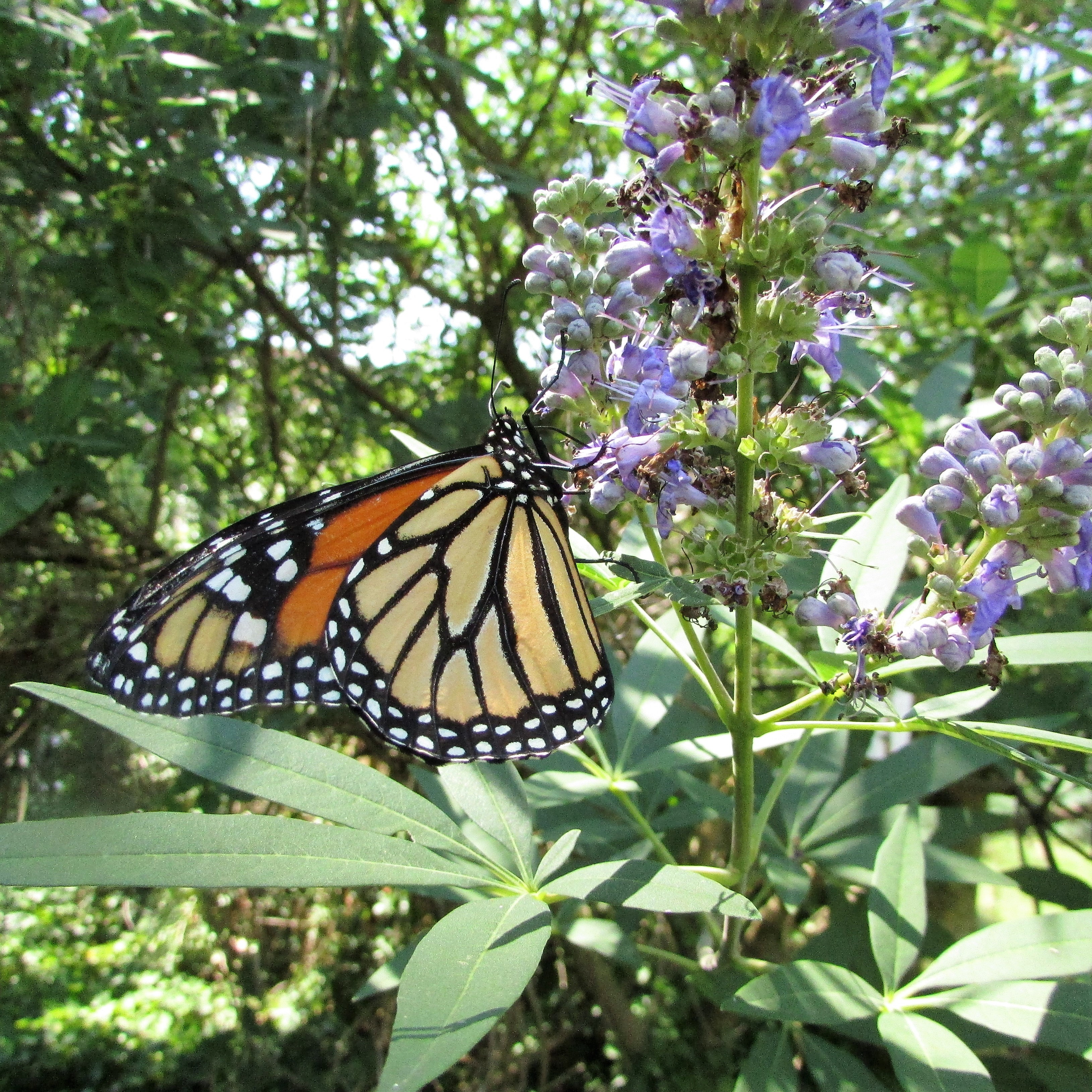
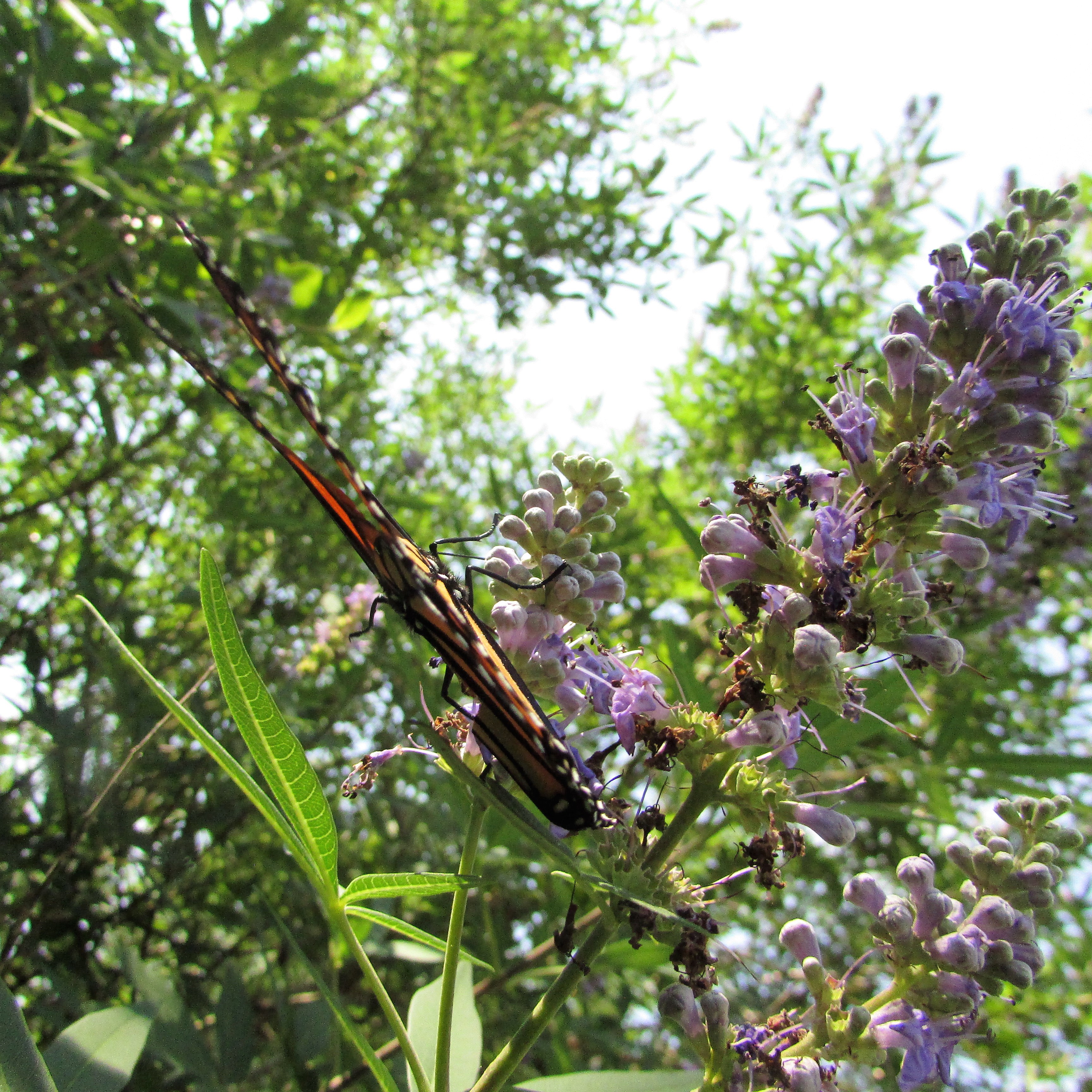
Monarch on Vitex Blossoms
Is it worth spending valuable time to boost the Monarch population by a few butterflies? Oh yes, the flash of glowing orange wings alighting on my garden flowers and plants fills me with joy. I want to do all I can to increase the numbers of these beautiful butterflies.
Gardening in buckets, square-foot style, has been successful. My favorite harvests were: tomatoes, Swiss chard, Tuscan Kale, Russian Kale, and bush green beans. In the past, I have had good luck with cucumbers, this year not so much, I will try again in the early Autumn or Spring, but will choose a different variety.
The million dollar question: Will I continue to plant this way in the future?
I walked along a local roadside this morning and picked several stems of Queen Anne’s Lace. I chose silver dollar-sized flowers for my two-fold purpose. One is to press the flower as a whole, and also press a few of the smaller florets. I love the floral details captured in the upper left corner of the photograph. I pressed several of the flowers and placed them for a few hours inside the car under a weight. The heat of the car will flash press them, and they will be ready to use within three days by ‘Using the Heat at Hand‘.
I bring Swallowtail Caterpillars to maturity on the back porch. If I leave them in the garden they soon disappear. My second purpose is to pick enough Queen Anne’s Lace to also feed the caterpillars. I have good luck raising them, and fifty-plus Black Swallowtail butterflies started life on the porch this summer. This year, since the fennel is becoming quickly depleted, I added Queen Anne’s Lace as a host plant. Along with rue, dill, and a few sprigs of carrot foliage, I’ve had the largest and strongest ‘flutter‘ of caterpillars/butterflies ever.
Caterpillars taking a nap beneath an umbrella of Queen Anne’s Lace – Priceless. The beautiful off-white flowers of Queen Anne’s Lace are part of Cee’s Midweek Madness Challenge/Color.
Lilies, yes, they are colossal. A perfect fit for the Monday Ragtag Community Challenge. The flowers are eye level to me, and I am of average height. The petals are a blazing yellow-gold with beautiful rust speckles and pretty anthers. They seemed perfect for Cee’s Flower of the Day challenge. My lilies also fit right in with City Sonnet’s Colors and Letters challenge for June 20th, which is the letter L.
I love taking part in challenges, though at times, try as I might I come up dry. Today the creative juices were flowing and the challenges fit what is blooming in my garden. A big thank you to the Ragtag Community, Cee, and CitySonnet for their daily challenges.
Early Spring Planting in the Square Foot Container Garden
Square Foot Gardens are a terrific choice for gardening in small spaces. After planting square-foot plots for several years, I gave them up to grow a beautiful rose garden. With food shortages looming and prices skyrocketing this Spring, I decided the time was right to grow a few vegetables again. I didn’t want to dig another garden into the yard, and wanted to try something temporary. I’ve combined Square Foot with container gardening, and it is growing well in the first days of June.e.
The Square Foot Container Garden at Present
The garden needed a border; the largest expense was the fencing. This keeps the area neat and helps lay out the proper measurements. Dollar-store buckets, two-and-a-half gallons, were an inexpensive choice for the containers. I created drainage holes by thrusting my spading fork once into the buckets as they sat on the grass. The holes were perfectly spaced, and my lawn aerated a bit too. Garden fabric cut large enough to cover the area keeps the grass from growing up between the pots. Filling the buckets with a mixture of organic container soil and vermiculite was easy using the wheelbarrow.
Twelve Tomato Plants Along Back/Trellis supportedSwiss Chard
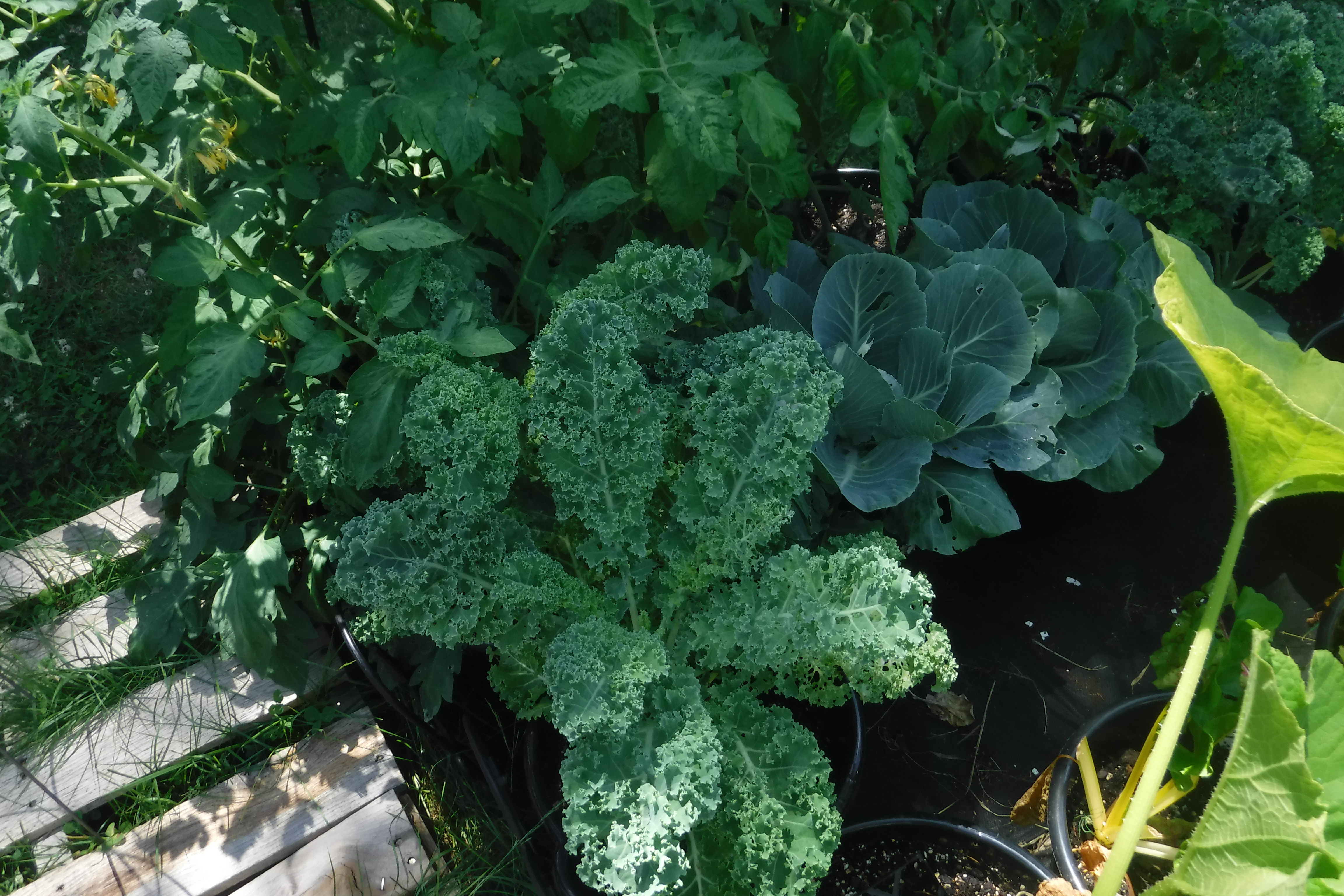
Swiss Chard, Kale, and Bok Choy have been very plentiful. Steamed with carrots, mixed with a little butter, and ladled over Jasmine Rice, oh my, so delicious.
Kale
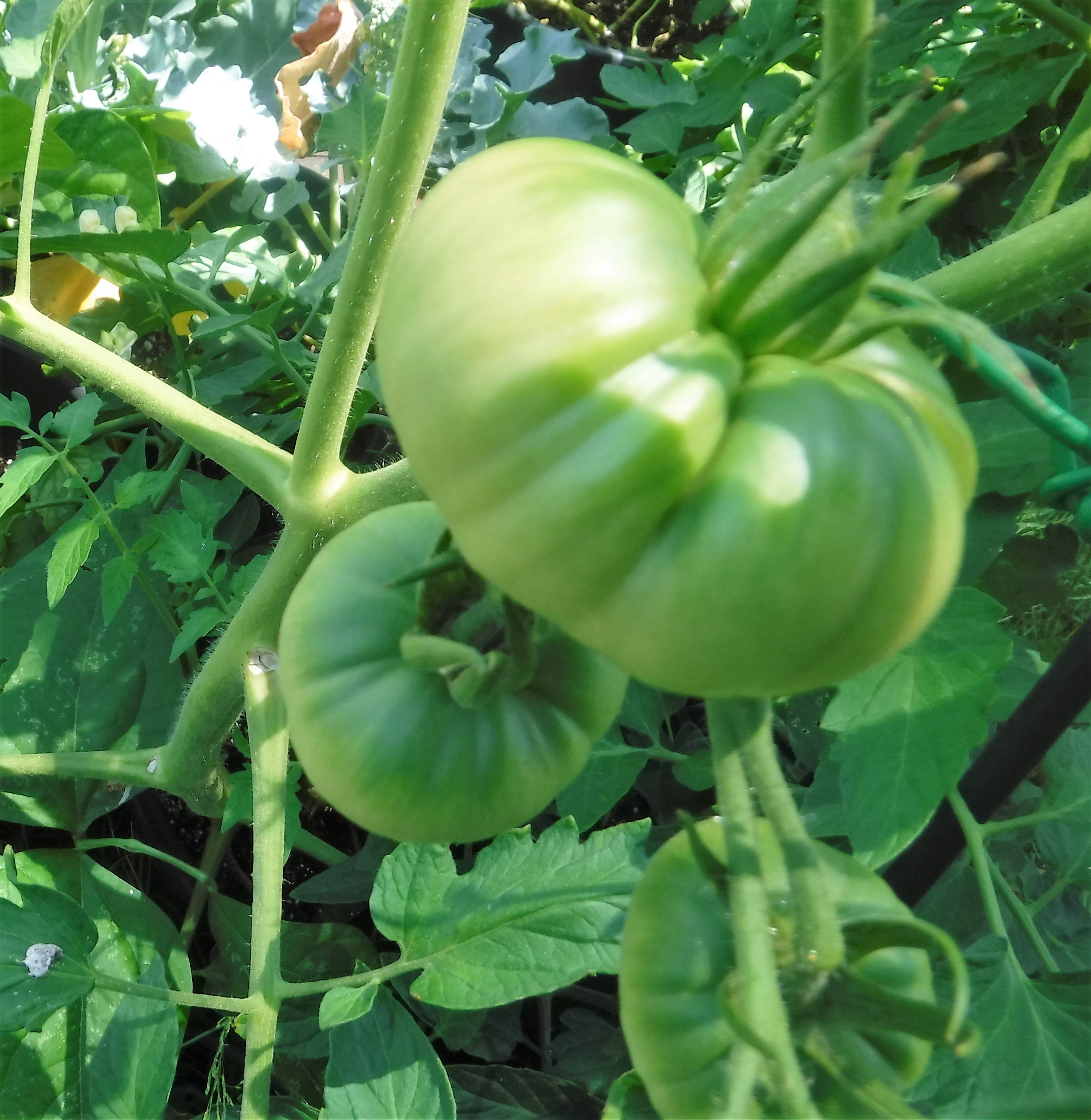
The tomatoes already need watering every day; their stems appear more like small tree trunks than normal-sized garden plants. I have them in the back of the gardens, braced against trellises for support. Small palettes between the plots keep the grass down also. I’m growing a wide variety of vegetables to note how each plant performs. Too early to know what will succeed as of now, but the green beans, four plants to a bucket, are getting small beans after flowering. I’ll update as the summer progresses.
White Squash
So far, the only antagonist to my garden joy is the yellow squash. There have been many flowers, and several small squash, but all developed blossom rot. I’ll read up on this problem and apply what might help. If I find a solution that works, I will post the results. Here’s a photo of another squash, a white squash. I am hoping it will perform better.
PS Between the time of writing the first draft of this post and now, the small green beans grew large enough for a first tasting. Delicious! Food grown in a dollar store bucket: an achievement that might come in handy if the world keeps spinning toward higher inflation and food shortages in the future.
One topic I really like to talk about, and participate in, is beachcombing. When I am on a beach I can’t seem to sit under an umbrella for very long. You can usually find me walking along the edge of the water, head down, attempting to find ocean treasures. I search for seashells and other drift brought up by the waves, I also scan the sand for sea beans. A former post on this activity can be found here: Sea Beans.
Sanibel Island, Florida, yielded quite a few sea beans this year. I threw out any I thought might be Castor beans since they are poisonous. The others I sorted, soaked a few, and planted. The small sprouts in the terracotta pots are the results.
You can search for sea beans along any coast. Most times, you will find local seeds that have washed into the waterways, but you might get lucky and find a sea bean that has crossed the ocean. The first sea bean you find will perhaps inspire you to start a collection, string it as a pendant, or do as I do and try to grow them for houseplants. Enjoy yourself as you search for sea beans. Finding them is free and brings happiness that can’t be bought.
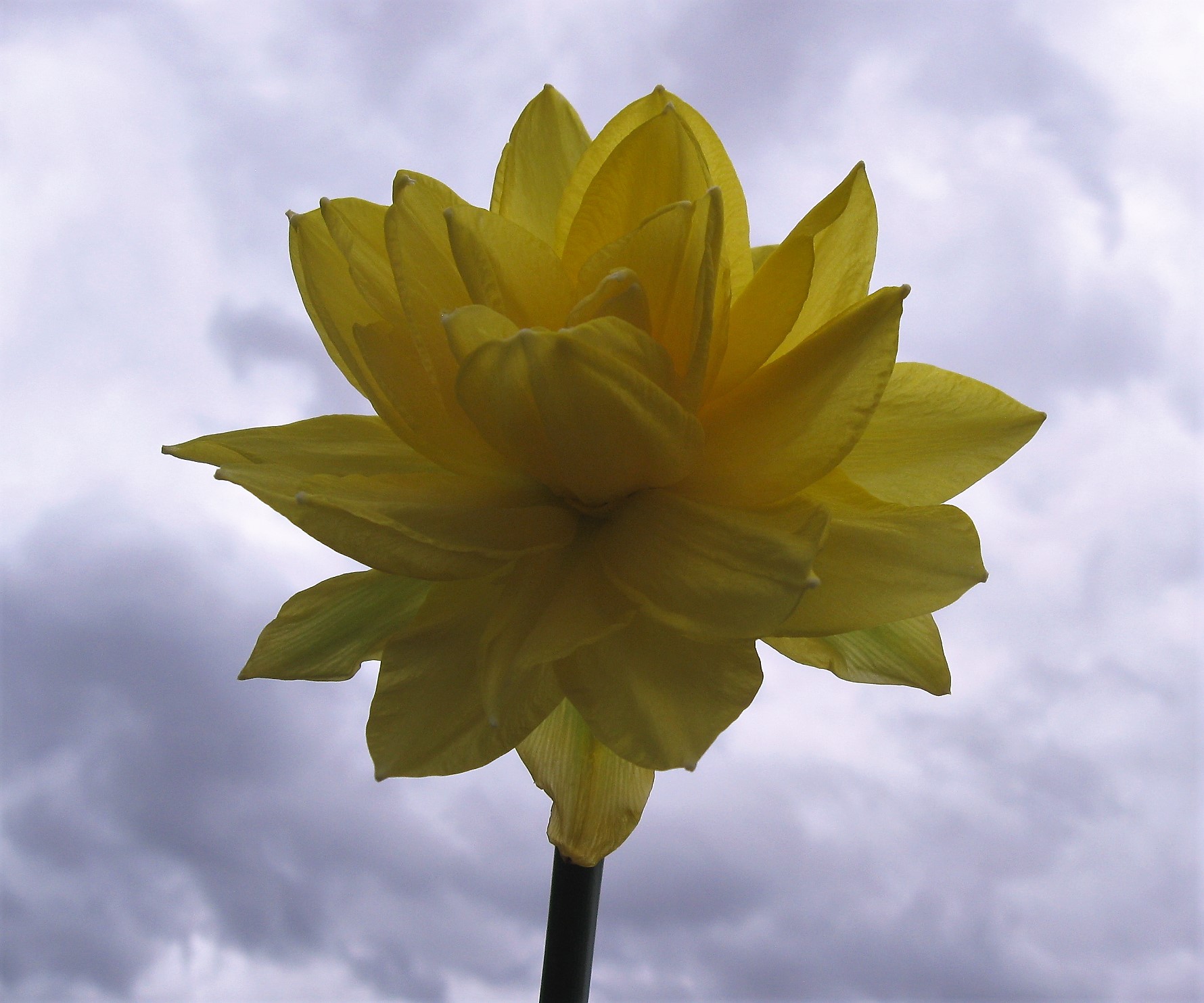
The forsythia seemed to be the only sunshine as I watched the sky on this day of April showers.
Creeping Jenny
I find a sense of security in the burst of color from garden perennials. I rely on the plants that green up and blossom with the warmth of the springtime sun. They give me hope that winter is truly behind us.
Double Daffodil
I planted dozens of daffodils in the Autumn. Even against an angry sky they glow.
Hyacinth
This pale yellow hyacinth might not have strong color, but it still has the same glorious scent as the varieties that sport brighter hues. This hyacinth is my choice for Flower of the Day.
Johnny-Jump-Up Violas
Rounding out my collection of yellow flowers are these sweet Johnny-Jump-Ups.
An update on the Mother-of-Thousands sprouts: Both types of propagation techniques worked well for rooting the tiny succulent plantlets.
Flower of the Day Challenge: Hyacinth blossoms in their last days. Still beautiful and very fragrant. The flower bloomed so well the stem couldn’t handle the weight, and the flowers are now right-side down.
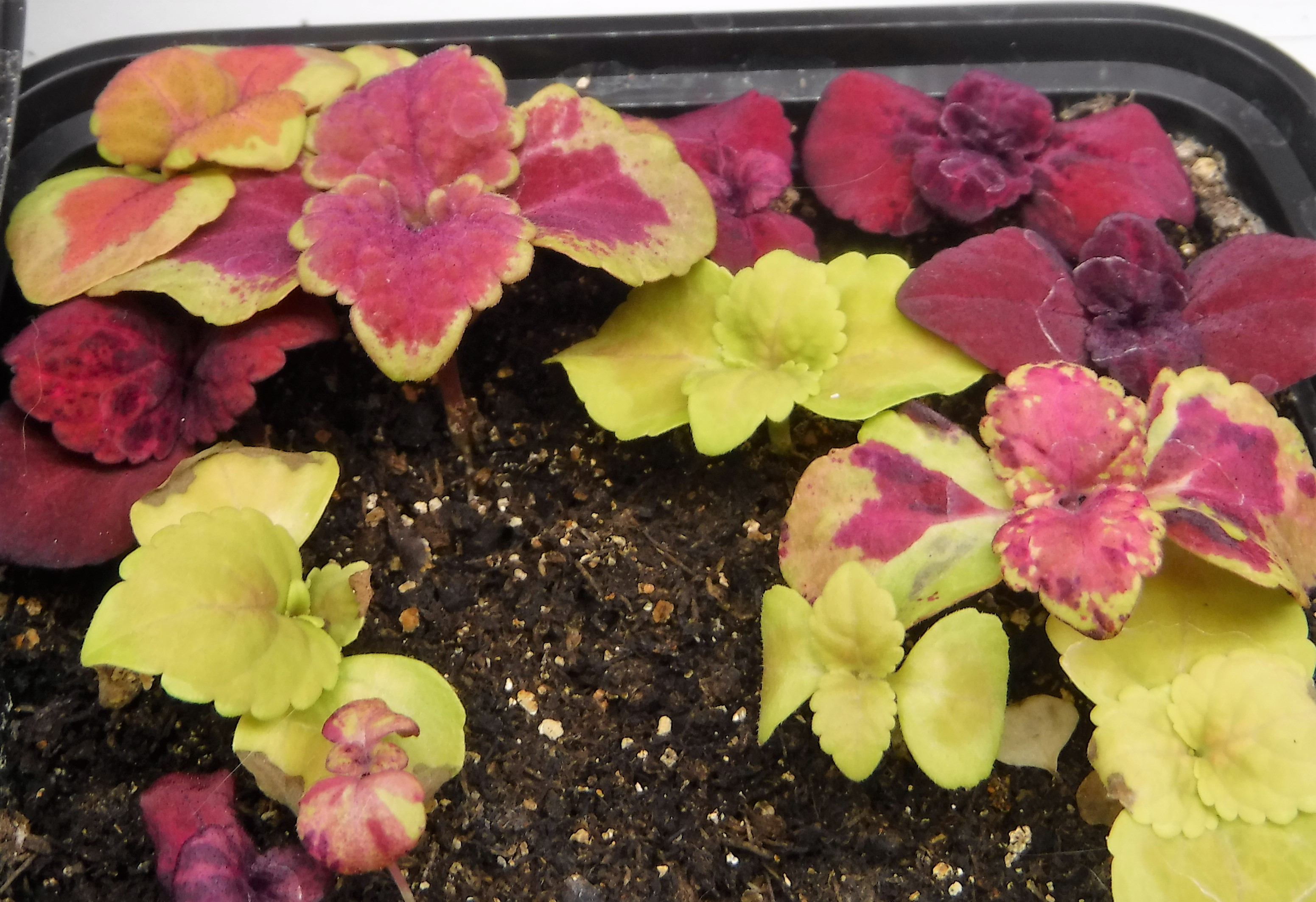
My coleus sprouts are small, growing steadily but slow, and beginning to develop nice color.
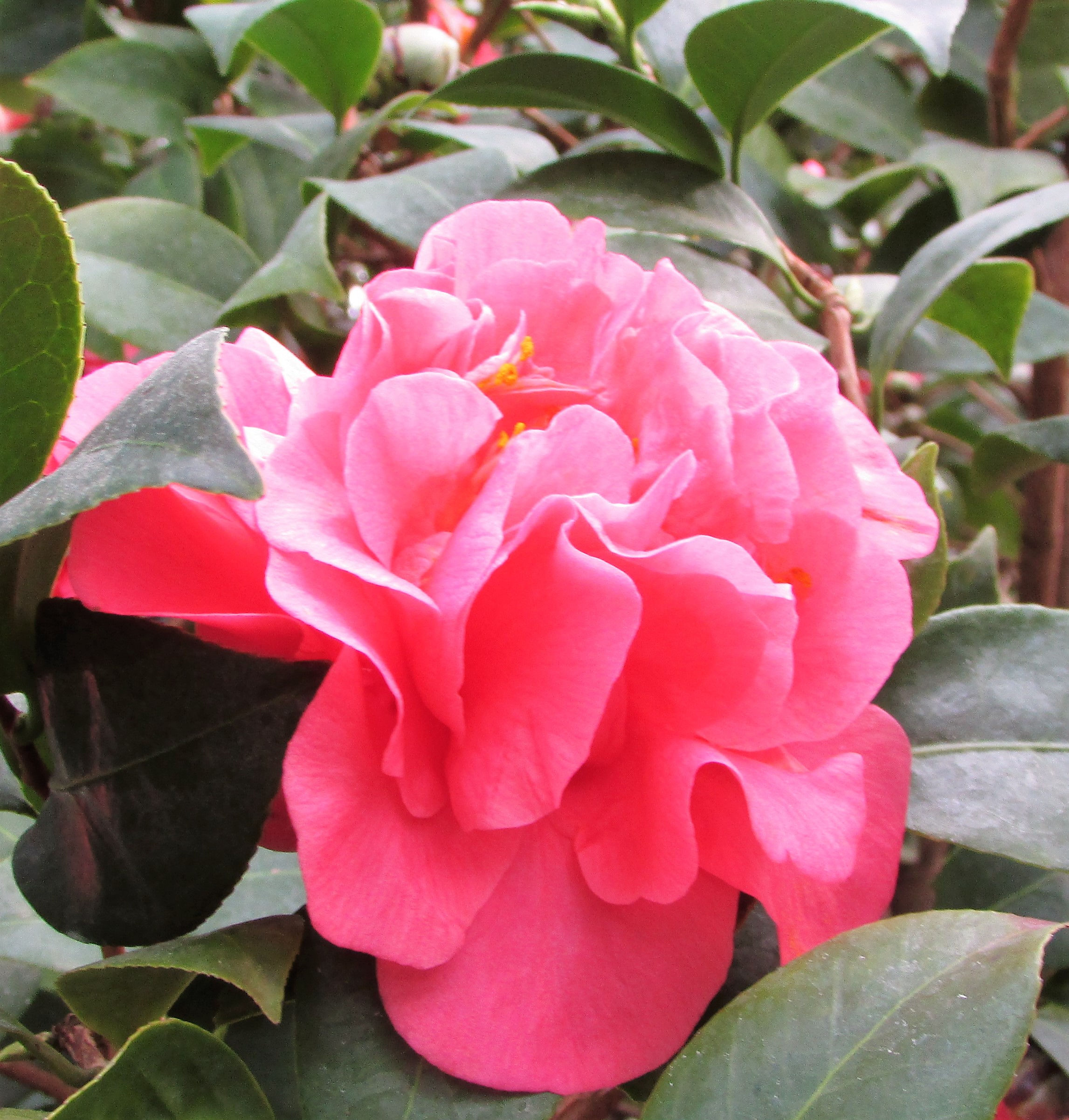
Camellia flowers – what a perfect way to start the week. Cee, host of Cee’s Flower of the Day Challenge, posted a beautiful camellia today. Inspired by her photograph, I looked through my flower files and found a few vibrant Camellia photos taken in the Longwood Gardens Conservatory. Nothing banishes winter blues quite as well as the indelible hope and beauty of flowers in bloom.
Even the buds are beautiful.
What’s better than a perfect Camellia blossom? Why, two of course.
One of my favorites…I watch with a goofy smile pasted on my face for most of it. Sweet, clean, wonderful characters and stories…and much of it true. Based on the recollections of James Alfred “Alf” Wight, writing under the pen name James Herriot, Veterinarian. Season 1, aired in 2021, and Season 2, is airing now in the U.S. on PBS, and is available on Acorn TV. All Creatures Great and Small is definitely a binge-worthy television show.
When I purchased this succulent, I had no idea it was a kalanchoe, or that it was one of a variety called Mother of Thousands, and sometimes the Chandelier Plant. It has thrived in a terracotta pot in my sunny kitchen window. The plant is about eight inches in height at this time. Since it is growing so tall I will transplant it to a bigger pot soon to avoid top-heaviness.
When I first noticed a new plantlet near the base I assumed it was growing from the main plant root. Now, after seeing small plantlets clinging to the uppermost leaves, I realize the new growth developed from one of these small sprouts.
Of course, I couldn’t resist planting a few of the larger sprouts. I am attempting to get good results from two different mediums to see which works best. On the left is a mixture of vermiculite and seed starter, on the right a peat pellet. I’ll update in the future.
My baby chandelier plants are in the inchoate stage of life. I love it when challenges make me stretch a bit. When I saw the Ragtag Daily Prompt today, the word inchoate was a unknown to me. Now I know the meaning – will I ever use it in a sentence, well, first I better learn how to pronounce it.
Inchoate – (ĭn-kō′ĭt, -āt) Being in a beginning or early stage; incipient. Imperfectly formed or developed; disordered or incoherent. Recently, or just, begun; beginning; partially but not fully in existence or operation; existing in its elements; incomplete.
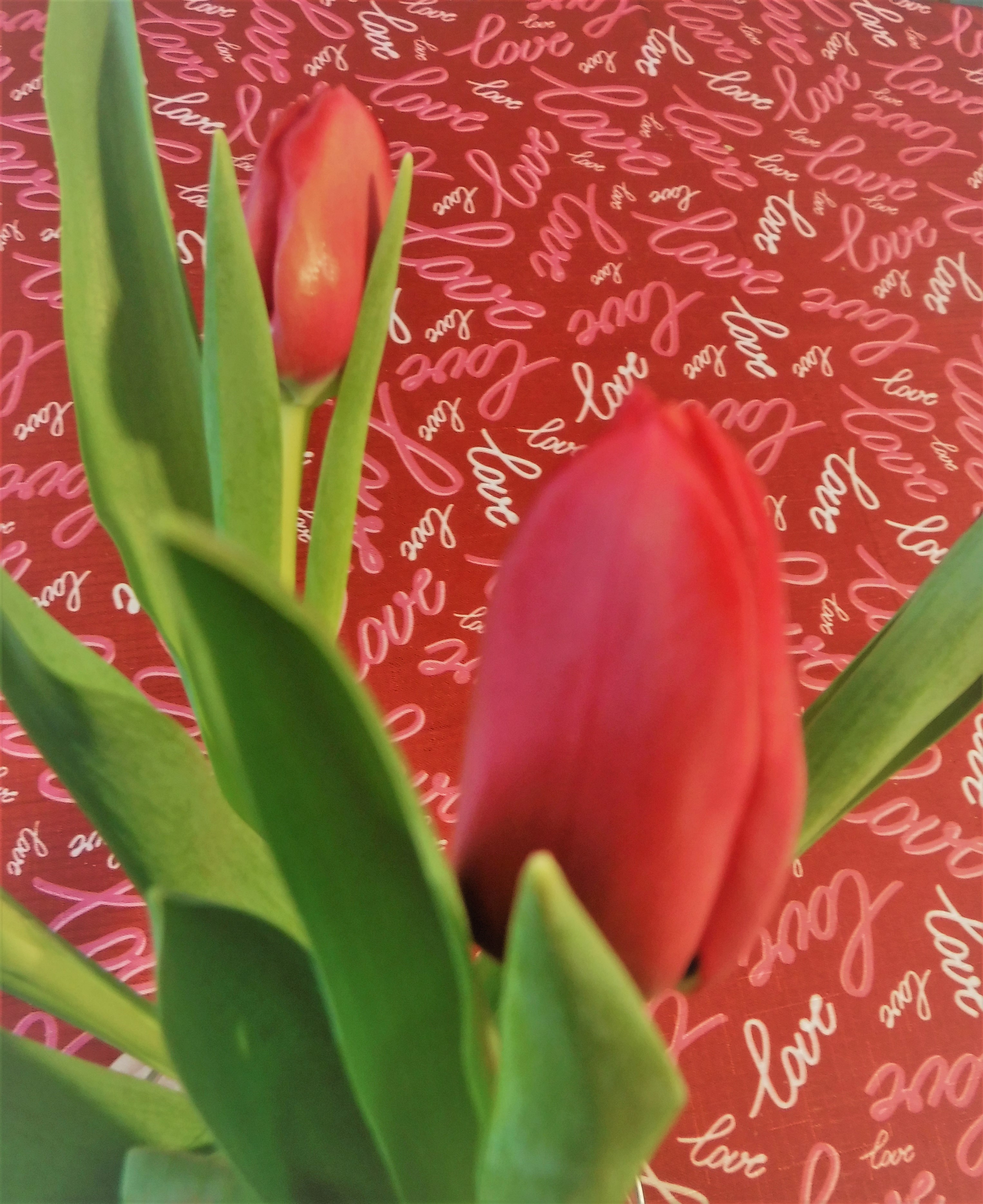
Beautiful ovals, egg-shaped, the flowers open above the slender green stems into a gorgeous blossom with interesting centers. I like tulip flowers in all their stages. Even as they begin to dry and become papery, they have subtle beauty. Their vase life is well over a week in my cold winter house, and as a bonus, they grow taller as they age. I sure wish I was growing taller as I aged. 🤔
Twenty-five years ago, on hot summer days, I took my pre-teen sons to a beautiful swimming pond called Washington Lake. The place closed, was vacant for years, but recently was repurposed into a walking park. The day was warm, but there was plenty of ice on the water to remind us it was still February. It was a perfect opportunity to visit a beloved place I hadn’t seen in decades.
The beach, once dotted with lawn chairs and umbrellas, is still wide and inviting. New docks now stand where once my boys jumped from diving boards and slid down slides.
The water is so clear it reminded us of the Caribbean. It is pristine, almost like looking through glass.
We walked all the way around, something you couldn’t do years ago, now the walking trails give you a 360 degree view.
This little knoll seemed a perfect place to picnic.
The white pine in the surrounding woodland is beautiful. I saw a lot of milkweed pods too, a good place for monarch butterflies to thrive. In about six weeks or so the trees might begin to bud. We will try to visit often in the next few months.