Quick Tip – Soap Scum Removal Made Easy

IMG_8527

I prefer not to use chemical-laden spray cleaners to remove soap scum. After I spray these products, I “taste” or “smell” the chemicals for days. Breathing in harsh cleansers is hard on your lungs. I’ve found a good tip for cleaning shower scum. Mix together equal parts Dawn Dishwashing Liquid and hot white vinegar.

IMG_8528

Whisk the two ingredients together, very gently so you don’t create suds, and place in a dish scrubber. To use, take a hot shower and before you turn off the water, quickly wipe down the walls. Let the shower run a bit longer to rinse the solution off the walls. I experimented with this technique and the whole process only took a minute or two and was SO easy. Give it a try!

IMG_8529

I’ve blogged this technique in the past and used a spray bottle to apply the solution. The dish scrubber makes the whole technique so much easier and convenient. I also think the steamy, hot shower stall facilitates the removal of the soap scum.

Quick Tip & Plants – Over-wintering Geraniums

IMG_8531

I am overwintering my geraniums in cardboard boxes this year. If you have room in your garage or basement, consider saving your geranium plants too. I lift my plants from the ground with a spading fork and brush away as much soil as possible. After they are stored in boxes, I will check the plants each week to remove dead leaves. It’s also a good idea to inspect the geraniums every few weeks for the development of mold or mildew.

Susan’s in the Garden,”video tutorial demonstrates two techniques for over-wintering your geraniums.

Pheathers – The Junco

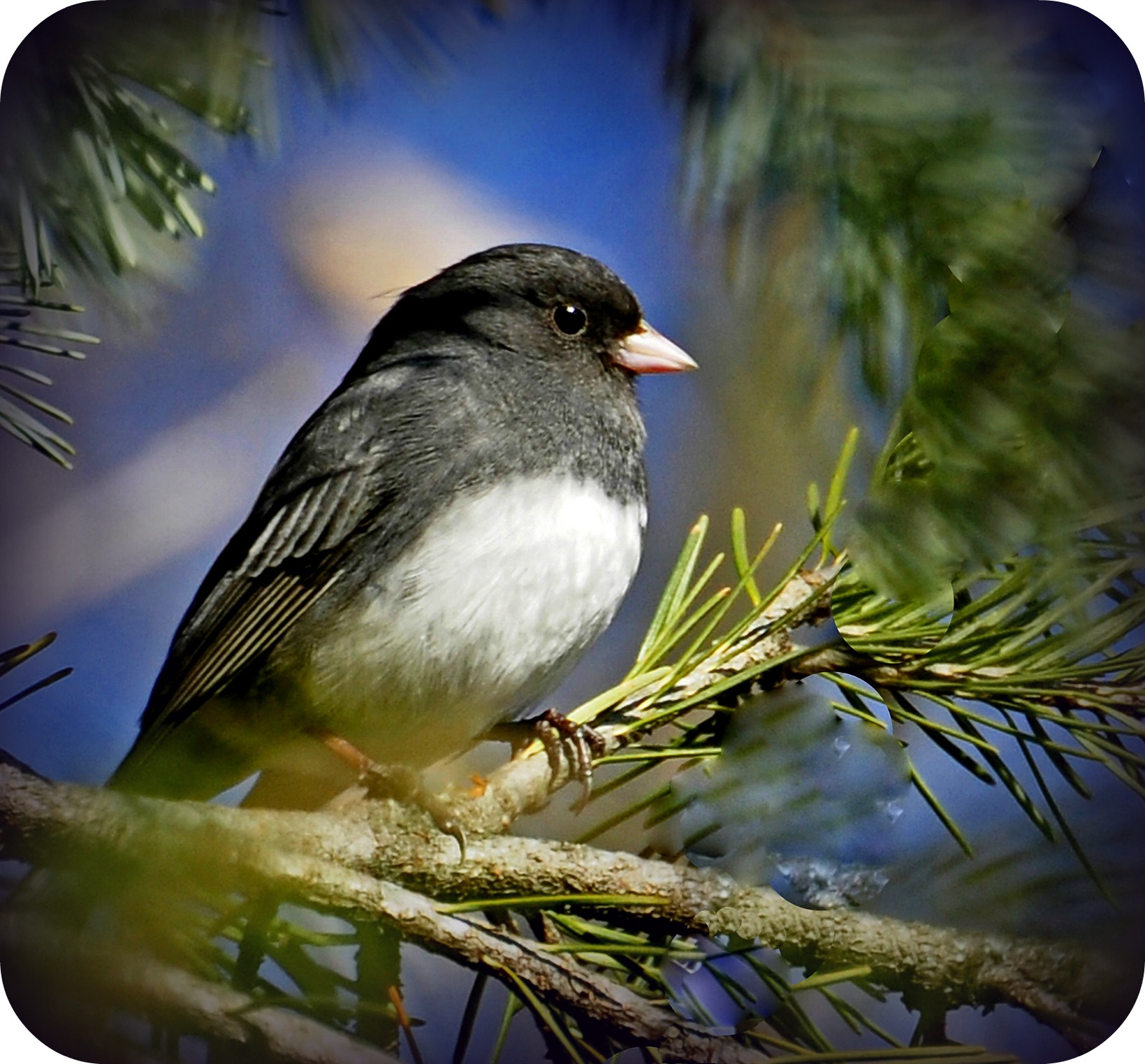
Photograph courtesy of Acrylic Artist on Morgue File

I know winter is approaching when the Juncos arrive at my bird feeder.

Dark-eyed Juncos are neat, even flashy little sparrows that flit about forest floors of the western mountains and Canada, then flood the rest of North America for winter. They’re easy to recognize by their crisp (though extremely variable) markings and the bright white tail feathers they habitually flash in flight. One of the most abundant forest birds of North America, you’ll see juncos on woodland walks as well as in flocks at your feeders or on the ground beneath them.
~ Cornell Lab of Ornithology

Phavorites – November Reruns

This is my fifth year creating content for “Minding My P’s with Q.” Some good ideas and posts from past years are buried deep in the archives. I’ve unearthed a few November “phavorites” from 2011 to the present to share once again.

Sweet Potato Vine

Growing a Sweet Potato Vine is easy and a fun way to continue gardening indoors.

the stowaway

When you bring in your houseplants from the porch and yard be sure to check for Stowaways.

pumpkin cookies

Pumpkin Cookies, nutritious and delicious, are a perfect November snack.

pressed flower house

You can use Pressed Autumn Leaves to create structures within pressed flower cards.

milk carton cloche

A Milk Carton Cloche is an easy way to extend your growing season.

Amaryllis

Amaryllis are available now as bulbs or potted plants for Thanksgiving and Christmas holiday cheer.

Paper Snowflakes on my windows are one of my favorite Christmas decorations. To have enough by December 1st, I will begin cutting at least five every day.

Last, but certainly not least, enjoy the beautiful “A Song of Thanksgiving” by U2.

Painting – WetCanvas November Painting Challenges

It’s been awhile since I’ve included a painting challenge in a blog post. These two challenges are posted on the WetCanvas Website. If you love art of any type, take a look at the many forums on this site.

1046-Baddesley_ClintonNov15

The first challenge I might attempt is in the Watercolor Studio. The reference photograph, posted by Yorky, is of Baddesly Clinton Manor, in Warwickshire, UK. This challenge is limited to the medium of watercolor. If you have a set of watercolors gathering dust, break them out and attempt this challenge. Follow along, or comment in the forum. The Wetcanvas website is free. Register to post art or comment in the threads. When you finish your painting, post it in the forum for others to see. There is not a set date for posting or a deadline for this challenge.

Lily by Stalksthedawn

The second challenge is offered through the Floral/Botanicals forum on Wetcanvas. This month’s WetCanvas Plant Parade/November 2015 Challenge is the beautiful Lily. There are many reference photographs included, or you can use a reference of your own. All art mediums are permitted. This challenge has a posting/reveal date of November 25th.

Hopefully, I will get my brushes busy and be able to show a step-by-step example of how I attempt these challenges.

Projects – Apple Gourds

IMG_8522

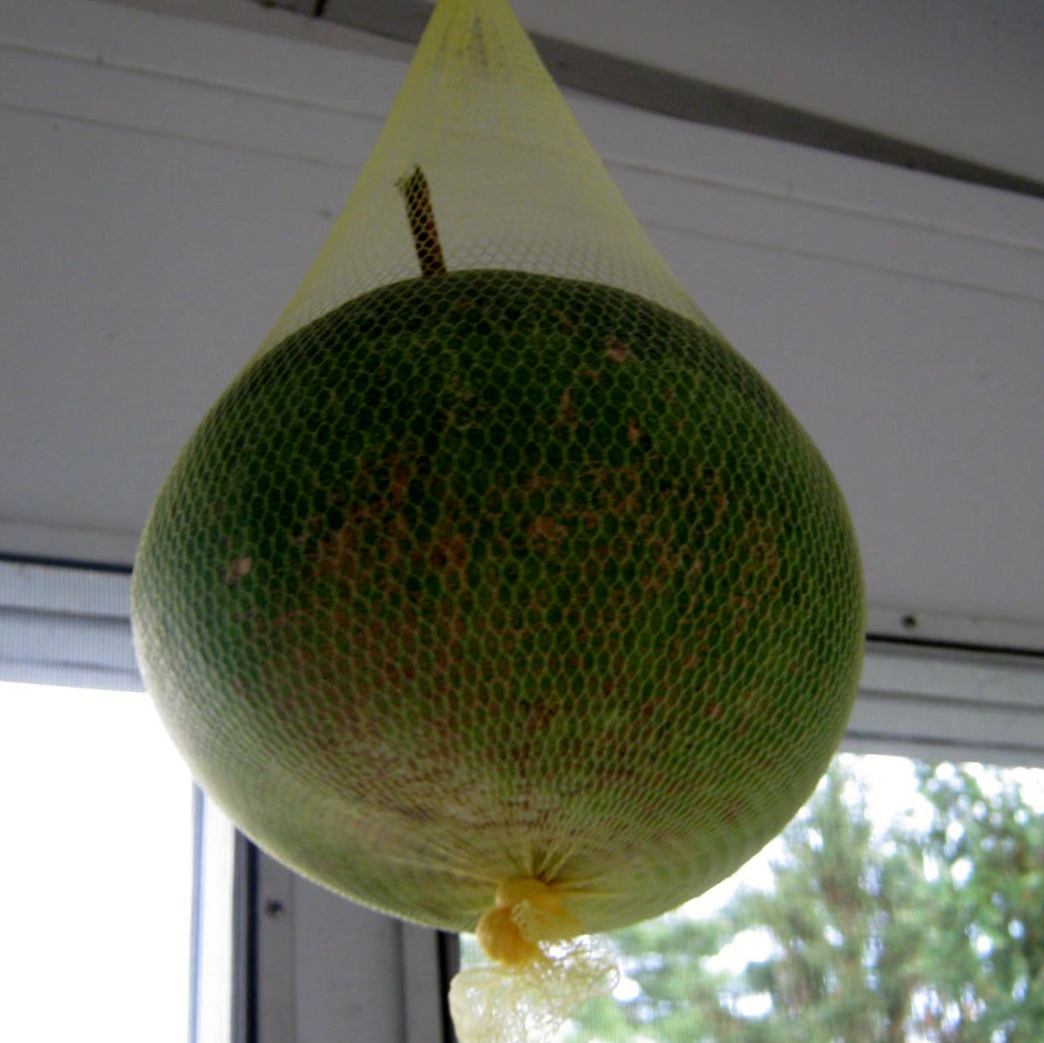
I recently bought an apple gourd at a farm stand. In the Spring, I hope to make a new bird house out of it for smaller songbirds. The penny in the photograph will give you a sense of scale as to how large an apple gourd grows.

I found good information on How to Dry Large Gourds, but instead of drying for a week on newspapers, I am using a piece of bath scrunchy. (Bath scrunchies are made up of a tube of nylon netting.) I knotted the bottom of the tube, slipped the gourd inside, tied  a knotted loop at the top, and hung the gourd on a porch hook. The weather is supposed to be warm next week, suspending the gourd will give the entire skin a chance to dry out.

IMG_8523

When the first drying time is complete, I will bring the gourd indoors, wash in disinfectant, and hang it once again, this time in the dark basement. Hopefully, near Springtime, the gourd will be completely dry and ready to craft into a bird house. Large gourds of all types are widely available at this time of year in farmer’s markets and produce stands.

IMG_8525

Prompt – Throwback Thursday – I Should Be Dancing!

I read today, that on this date in 1923, the Charleston Dance was widely introduced in a Broadway show called “Runnin’ Wild.” The dance had been around since 1903. The music that accompanies the dance is a form of syncopated ragtime jazz.

Childlike Daily Prompt
Childlike
Explain your biggest regret — as though to a small child.

I always wished I was a better dancer. When I was a child, poring over books laden with photographs of ballerinas, I was sure I would grow up to be wear their beribboned shoes and frilly costumes. I still tap my toes when I hear disco, but have forgotten all the fancy moves I once knew except the self-explanatory, “The Bump.”

I challenge everybody who still regrets they are not a better dancer to kick up your heels and cut a few “Charleston” moves today…if nothing else…the dance is great exercise! “You Should Be Dancing!”

Pots & Pans – Winter Squash Soup

IMG_8436

I love cream soups. Creating them is definitely an exercise in self-nurturing. This week I was pleased to come upon a display of winter squash in a bin at the grocers. At only ninety-nine cents each, how could I go wrong in experimenting with a new variety? I chose a brightly-hued orange squash. The shape and size reminded me of a small pumpkin.

To prepare the squash for soup, I sliced it in half. Be very careful cutting through winter squash. It is extremely hard-skinned, and the knife could easily slip out and cause you harm. I usually pierce the squash with a paring knife and gently, but firmly wiggle my way around. An alternate method is to cut off the ends, and with a larger knife, cut the squash directly in half.

Place the squash in an ovenproof glass dish, mine has a matching lid. Add about a 1/4 to 1/2 inch of water in the bottom. Place your onion and other spices alongside the squash. Cook in a 350 degree oven for 50 to 60 minutes. The squash is ready to use when a skewer easily pierces the skin and interior. Take care when removing the lid, the steam can give you a nasty burn.

IMG_8438

Flip the squash over. I cool the squash, uncovered, for about an hour. Using a metal spoon with a hard, thin edge, I scoop out the interior close to the skin. Discard the outer shells.

IMG_8440

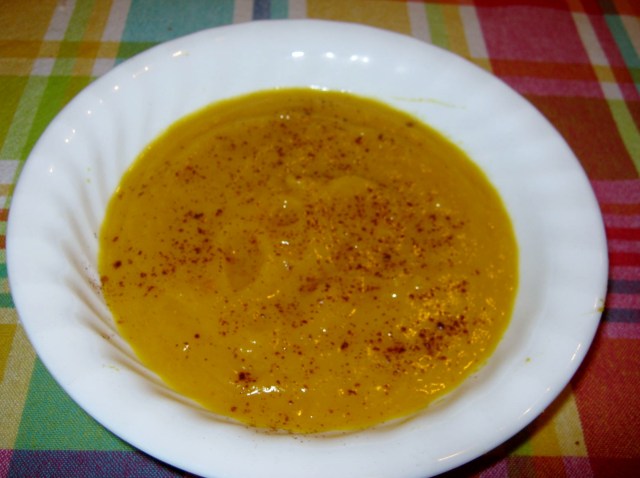
Place squash and onion in a blender or food processor. Add 2/3 – 1 cup of milk, cream or broth. I used 1/3 cup of buttermilk and 1/3 cup of milk. I also added a teaspoon of brown sugar for sweetness. You could use maple syrup, sugar, other natural sweeteners, or nothing at all. A squeeze of lemon and a dash of garlic powder were also added to the blender. Puree all the ingredients together. Pour into a saucepan and heat. Do not bring to a boil. Salt and pepper to taste. A dash of cinnamon adds even more appeal. Enjoy!
IMG_8442

Here are the ingredients I used. I recommend using an onion in place of the shallot. The shallot has a nice flavor, but did not blend easily and left little bits of purple skin in the finished soup.

Winter Squash Soup (makes 1 serving, ingredients easily doubled)
1 Small Winter Squash
fresh or dried herbs
1 small onion or shallot

Cut Squash in half, half or quarter an onion. Place in glass pan with 1/4 to 1/2 inch of water in bottom. Strew fresh or dried herbs over ingredients. (I used thyme and parsley with a dash of oregano.) Cover. Bake in 350 degree oven for 50 to 60 minutes. Cool completely.

Place ingredients in blender or food processor. Add additional spices. I used some garlic powder, salt and pepper. I also added a teaspoon of brown sugar and a squeeze of lemon.

Add 2/3 – 1 cup of liquid. (Milk, buttermilk, cream or broth) Broth will create a thinner soup. Heat in saucepan and serve. (Do not boil)

It’s easy to experiment with cream soups. They are good base for combining flavors you enjoy. Add little bits of herbs and spices as you blend. You never know what kind of heavenly concoction you might create.

Plants – Autumn Volunteers

IMG_8445

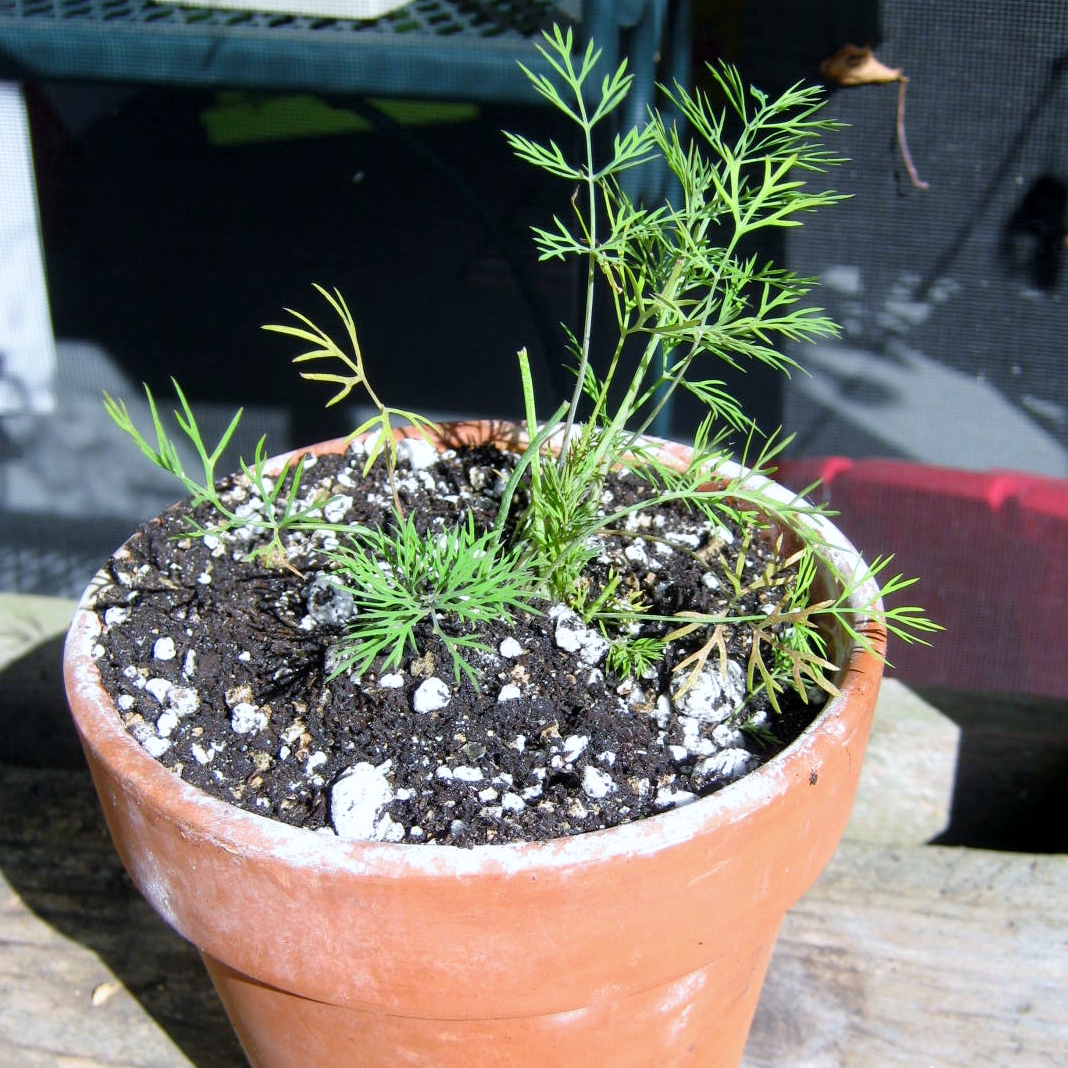
While cleaning out garden beds today I noticed some volunteer dill seedlings. When I harvested the dill seed this summer some must have fallen to the ground and sprouted. I love volunteer plants.

IMG_8449

I placed a few of the sprouts in a pot, watered them, and in a day or two will bring them in to grow through the winter on my kitchen windowsill. Check your garden beds to see which of your plants might have a squadron of volunteers growing there.

Praise & Prompt – Praise God Always

Stand Alone 1

“Seven Wonders.” If I had to reduce my language to seven words…what would my seven words be?

PRAISE GOD ALWAYS…REJOICE IN HIS LOVE.

Sometimes living your life as a praise offering to God means not fitting in, or in cliche`d terms, “Standing out from the crowd.

Stand Alone 2

Yesterday we visited National Park, New Jersey, and I was able to find through the eye of my camera several instances of nature standing out in a crowd.

“Let your light shine before men in such a way that they may see your good works, and glorify your Father who is in heaven” ~ Matthew 5:16

Stand Alone 3

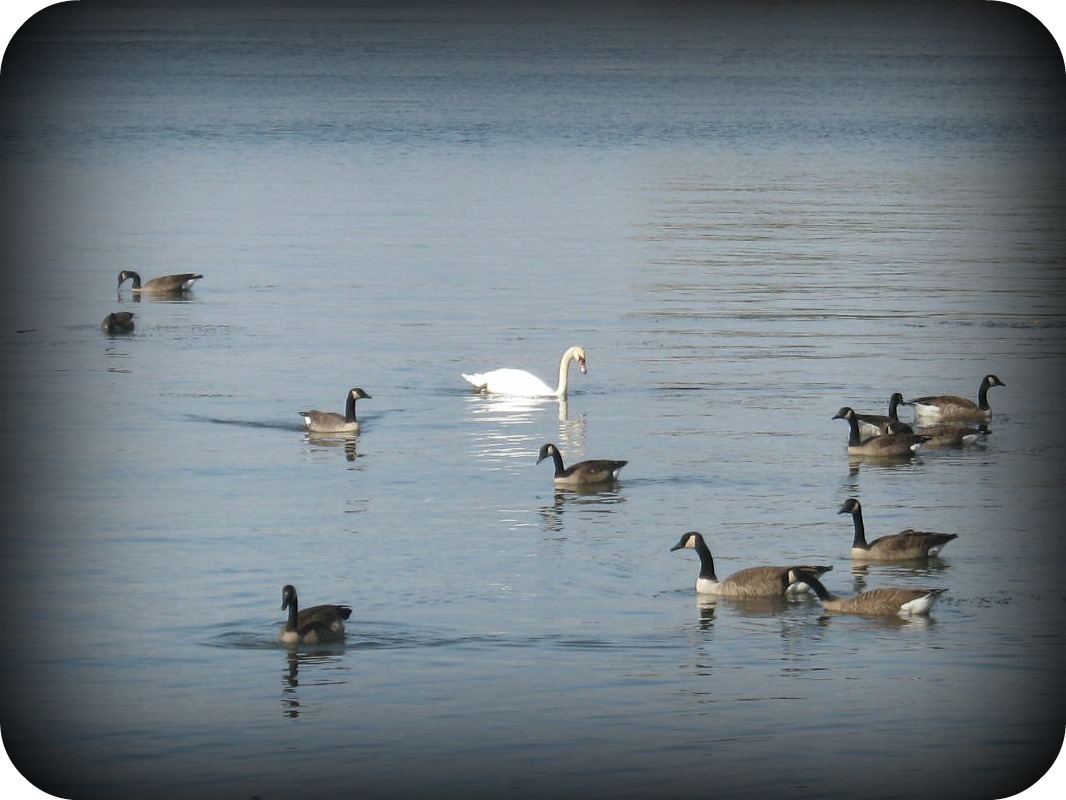
While we walked the path along the Delaware River, flocks of geese landed on the water. In their midst swam just one beautiful swan. Different, yet holding his ground alongside the hundreds of geese; he dared to be unique. We all should have that same bold attitude as we serve God and be “different” than those who serve their own self and the values of this fallen world. “Dare to be Different!” ~ Joyce Meyer

People & Praise – Katrice Cornett – Concert in the Park

Katrice Cornett 001

Today, my husband and I visited Red Bank Battlefield in National Park, New Jersey. We parked the truck beneath the bluest of Autumn skies. Airplanes climbed into the air before our eyes; National Park is across from the Philadelphia International Airport. Barges, tugboats and ships parted the waters of the Delaware, traveling up and down the river.

I was thrilled when a musical group began taping a music video just yards away from where we sat. Their gospel song soon added an extra blessing to our day. I was able to purchase a CD and find out the name of the lead singer. Katrice Cornett’s voice has the honeyed tones of someone blessed by the Lord Jesus with the gift of song.

You can read more about Ms. Cornett here:
Katrice Cornett Website.

Photographs – Hidden Treasure

“(Extra) ordinary Mundane and meaningful objects. Beautiful everyday things. This week, surprise us with something or someone (extra)ordinary.”

IMG_8335

Block Island, Rhode Island beaches are part sand, part rocky pebbles. The larger stones have been used since the early centuries of our country as cobblestones for New England roadways. I am fascinated by the beauty of these rocks. The amazing array of colors and the wave-tumbled smooth surfaces mesmerize me. Much like Sanibel Island, Florida, known for the famous “Sanibel Stoop,” (a title describing beachcombers searching for shells on the beaches,) Block Island turns beachcombers into rockhounds, creating a posture that could be named, “The Block Island Bend.”

The interesting stone in today’s photograph is a cabbage-sized rock I found on Block Island. I brought it home as a doorstop, and often pick it up to gaze at what seems to be treasure inside. The exterior of the stone is a quite ordinary, but within a zig-zagging crack on the surface, the facets of polished quartz are visible, transforming the ordinary stone, into an extraordinary keepsake.

IMG_8336

Project – Easy Glue Recipe

I love doing art projects with my grandchildren. This week, the kiddies were on their way over, and I had plenty of paper for a project, but no school glue on hand. I decided to try and make my own rather than run out to the store and waste time and money.

There are quite a few recipes on the Internet. The most popular paste/glue to use with small children involves only two ingredients: cornstarch and water. I read several of the recipes and decided on my own quantities: 1 part cornstarch to 4 parts water. I used tablespoons as my measurement, but this glue can be made in larger or smaller quantities as needed. For an even better sensory experience add a drop or two of spearmint oil.

IMG_8323

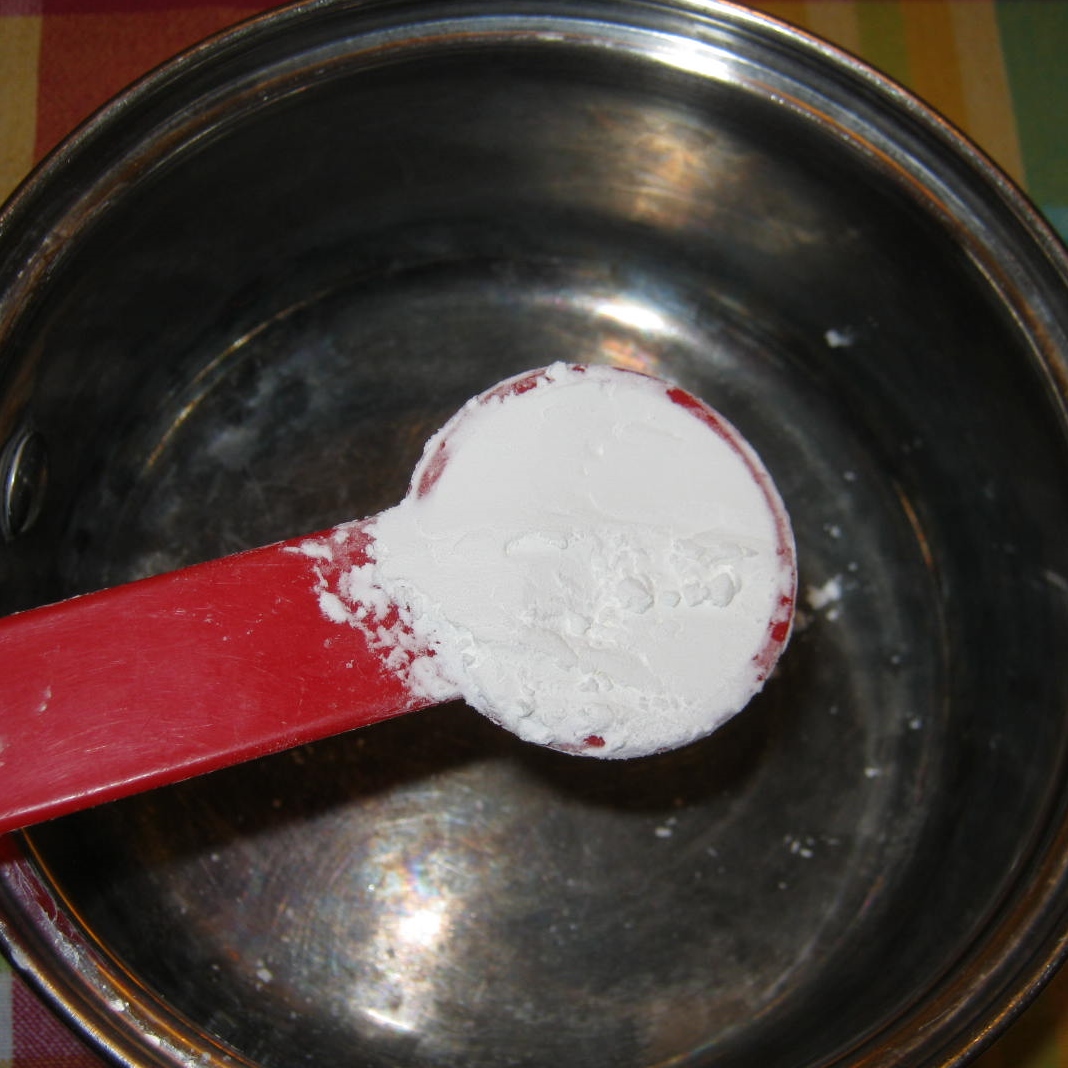
Add cornstarch and water to a small saucepan.

IMG_8325

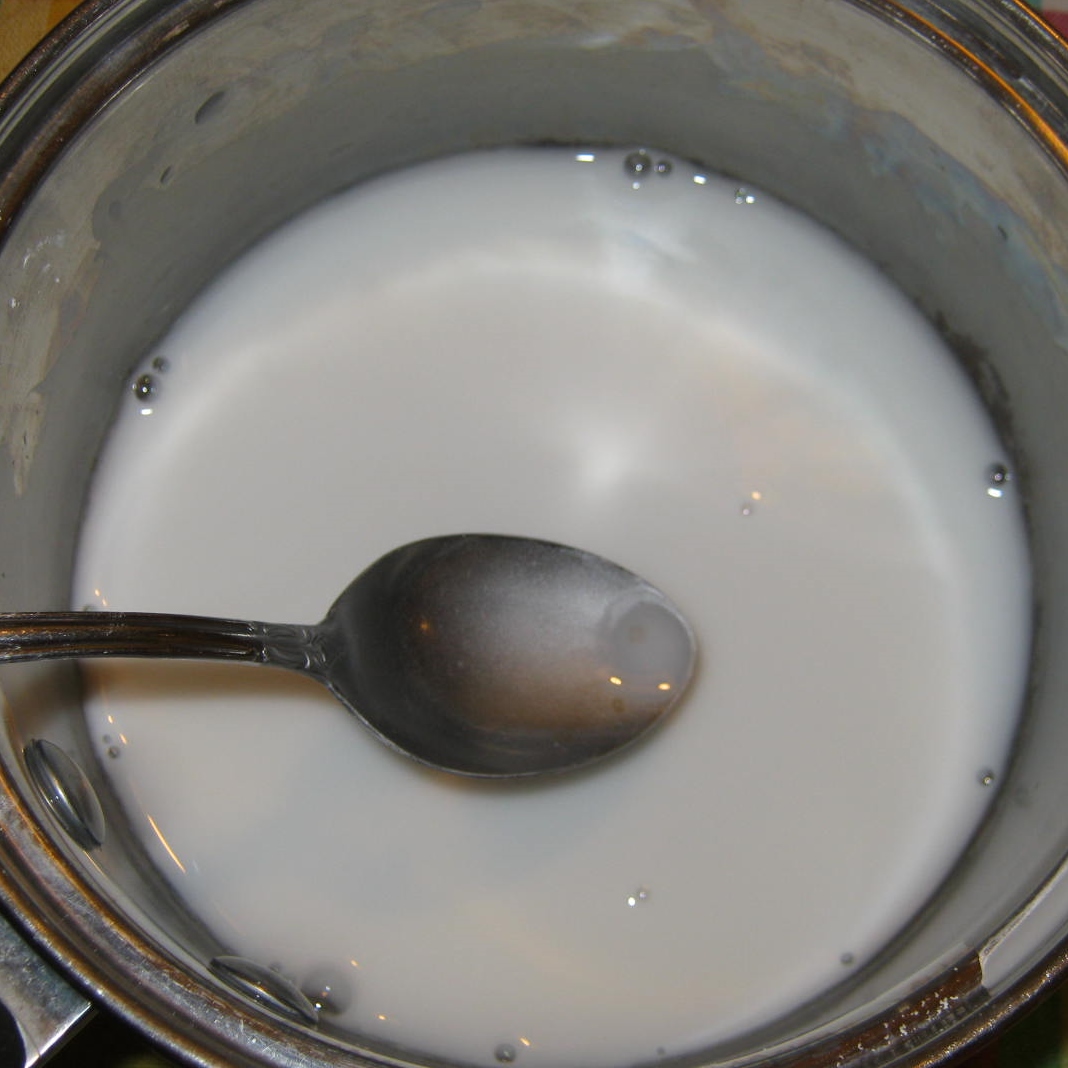
Stir together with a spoon. (A whisk would also work at this point, but is not recommended for the heating stage. The glue/paste will glob on the wire and be hard to remove.)

IMG_8326

My two and three year old grandchildren helped me up to this point. They enjoyed the idea of making their own glue/paste.

IMG_8328

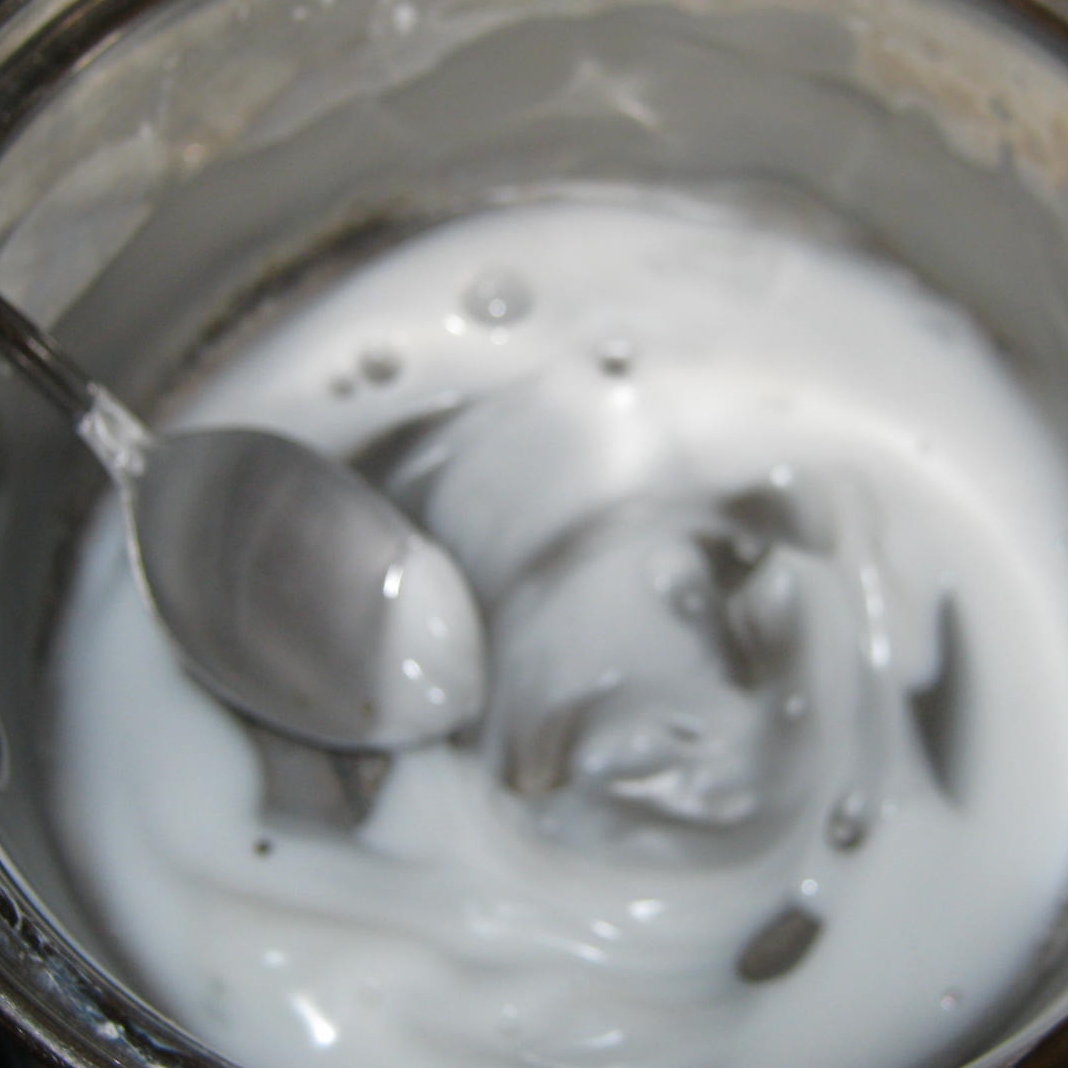
Heat mixture over low heat. Stir constantly. The glue will quickly thicken.

IMG_8329

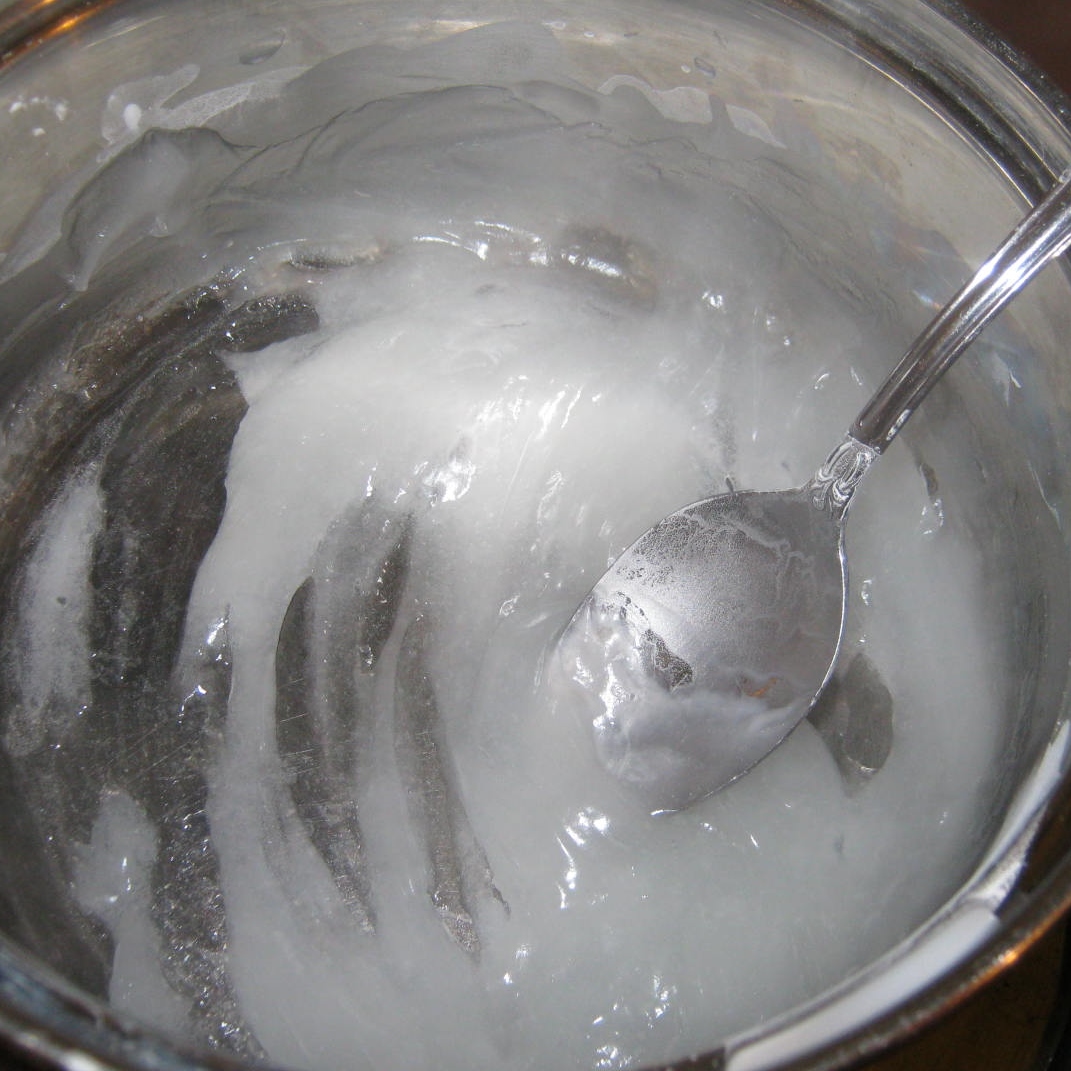
Within moments the glue takes on the sheen of Vaseline. Remove from heat.

IMG_8330

Immediately remove glue from pan and allow to cool. It will ready to use within a few minutes.

IMG_8331

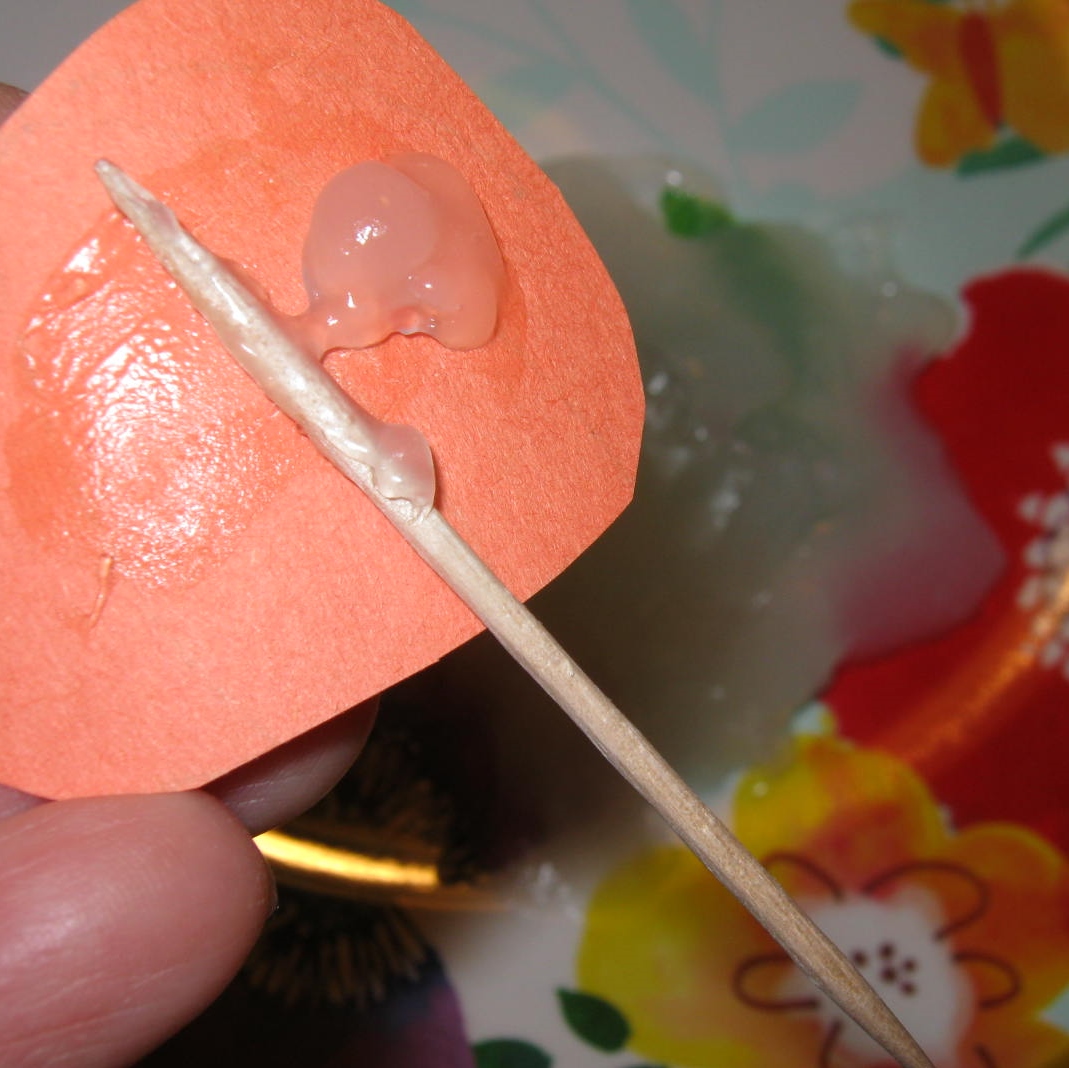
A toothpick or popsicle stick is the perfect applicator. My grandchildren used their fingers.

IMG_8332

Cornstarch glue is perfect for paper projects.

IMG_8333

The glue will keep for quite a while placed in an airtight container and stored in the refrigerator.

IMG_8334

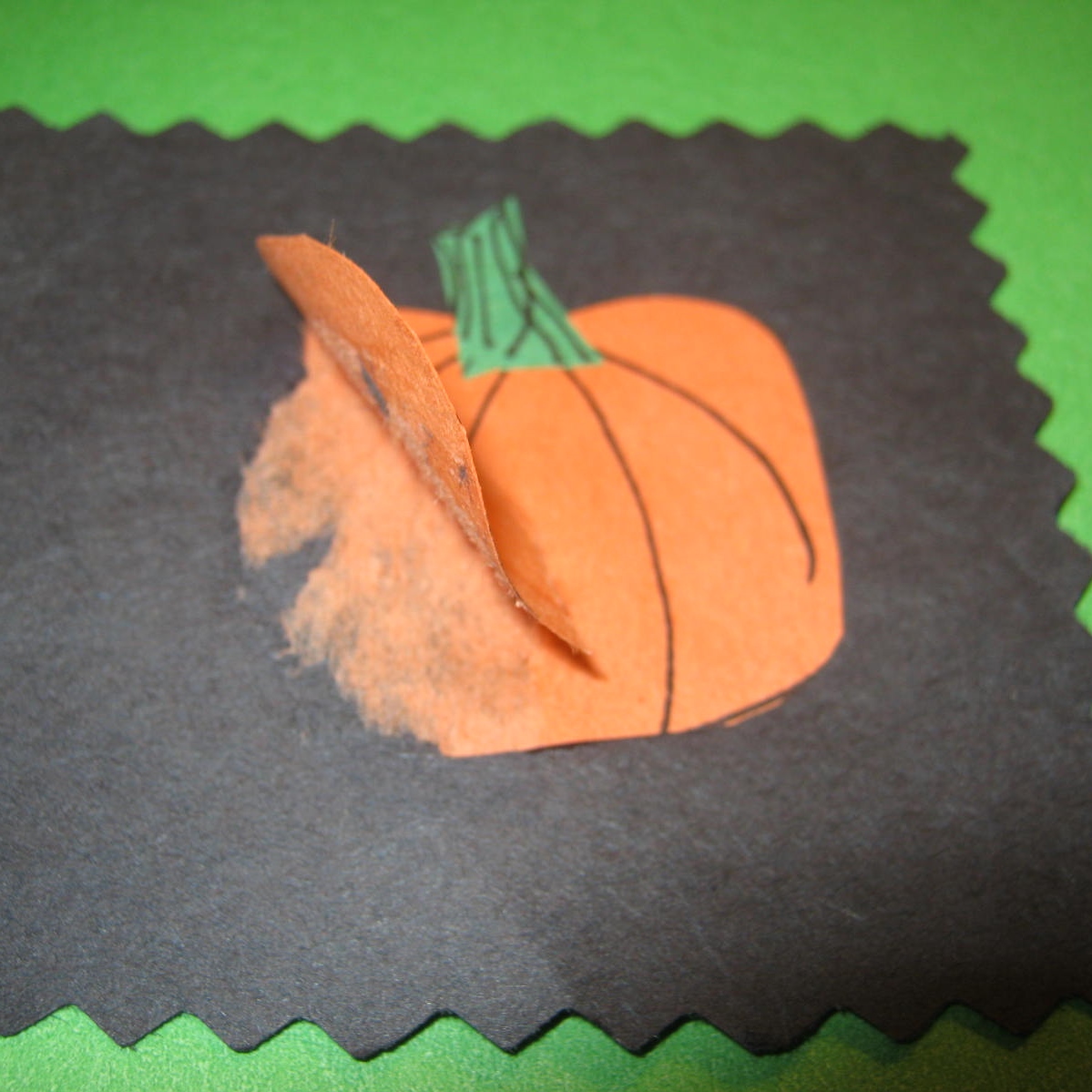
A final note: After a half hour of drying time, the glued paper held fast. I tried to remove the layers and the result was encouraging, the paper held firm enough to tear. I was also pleased to see that the layers dried without bubbling. Small children will create “lumpier” projects that might bubble a bit, but they will hold together after they are dry. Drying time for a small child’s thicker application of glue will be a few hours.

Quick Tip – Substitute Heating Pad

IMG_8321

Preparing for our recent trip to Jamaica, I ran around like a madwoman packing, cleaning, watering plants, doing laundry, preparing pet meals. At 2 a.m. on our departure morning, as we left the house, I said to my husband, “My hip feels funny.” Uh-oh, little did I know much more than our destination was on my horizon.

We arrived in Treasure Beach, Jamaica, after a very bumpy, winding two hour trek over the mountains. No worries man…we were soon in the beautiful ocean. Wouldn’t you know it, a wave took us both down, and of course, you guessed it…down I went on the hip that was already feeling “odd.” Within twenty-four hours I was in extreme pain and could hardly move. I took over-the-counter pain relievers, and in the place of a heating pad we used the hottest hot water our room put out, wet a washcloth and placed it in a plastic bag. It worked wonders when placed on the injured area. The heat lasted quite a while and definitely soothed the pain.

We are at home now, and I am still feeling an occasional twinge. I’ve continued using the plastic bag and wet washcloth, but now I heat it with my microwave for about forty seconds. Be aware the washcloth becomes extremely  hot, and cannot be placed on bare skin. Long story shortened: a hot washcloth in plastic is a good stand-in for a heating pad.

Plant – Croton

IMG_8320

Crotons are a perfect Autumn houseplant. I purchased mine a few years ago at the local grocer. The croton has grown steadily, and after spending summers outdoors in bright sunshine, is near twenty-four inches tall, eighteen inches in diameter. The leaves of the croton are definitely the star of the show. The brighter the light, the more variegation they exhibit. Giving a croton a vacation in summer sunshine will bring out gorgeous colors in the leaves.

IMG_8319

This week, due to a forecasted heavy frost,  I brought my croton indoors. I will have to check the plant diligently over the next few weeks to make sure it does not develop spider mites. I do this by spraying a light mist of water around the new growth near the top. If the plant has a mite problem the webs will catch the water droplets. I can eradicate a light infestation of mites with a daily dose of heavy water spray. If the infestation involves the entire plant I will need a systemic insecticide to battle the problem.

HOW TO GROW A CROTON
Light: Strongest Sunlight Possible
Temperature: Day – 70 degrees (minimum)
Night – 60 degrees (minimum)
Moisture: Evenly Moist – Do not overwater or allow to become too dry.
Common Pests: Spider Mites