Painting – Isolating Colors

Hmmmmmm….this post reminds me I have yet to get around to painting these bubbles and my grandsons. One of these days.

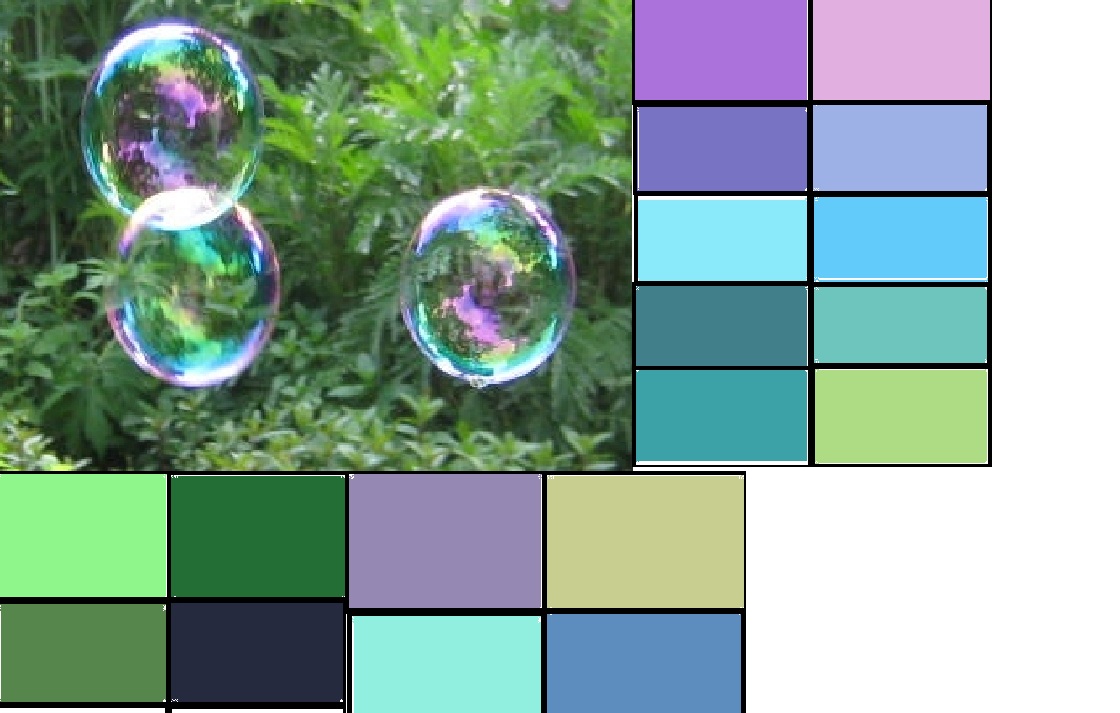
I love the look of bubbles, and I am hoping to paint a portrait of my two older grandsons blowing bubbles in my backyard. Where to begin when painting bubbles is the question? There are so many colors within the translucent and delicate orbs. I decided to isolate the colors in the “PAINT” program on my computer. I pasted the bubble picture onto a new document and using the eye-dropper tool experimented with a few of the colors. Oh my! Countless shades and colors make up a bubble. It will be quite a challenge to paint them, but I am hoping to give it a try. Here are the sample color charts I made up using my paint program.

Here’s a closer look at the color charts.

Wish me luck! I’ll be trying to do this in acrylics. I have painted with watercolor for years, but suddenly am tired of the time it takes to carry out a good watercolor painting, and bottom line…I am tired of fiddling around with them trying to get everything perfect. Acrylics are a little more forgiving of mistakes. I suppose now I have to stop all my chart-making and planning and actually begin painting a picture. SMILE!

Quotes – Rick Warren

Rick Warren Quote

 Today it seemed appropriate for me to post this quote by Rick Warren. With all the brouhaha being bounced around in the media over Phil Robertson of Duck Dynasty exercising his freedom of speech and following his own beliefs, I decided to post this quote and also a few of my own thoughts about the Duck Dynasty dilemma. I am thankful Mr. Robertson was truthful about his beliefs. I wish more people were willing to speak out and stand up for what they believe in. Everyone so carefully pads their words with political correct phrases nowadays; it’s impossible to sift through all the fluff to the truth. No one wants to be reminded, or wants to remind others, that sin does have consequences.

Much of what is accepted today by the world, and pushed down our throats by the liberal media, is wrong. The Bible DOES say that physical love between those who are of the same sex is wrong. It’s plain…it’s simple…it is sin. Yet what we must remember is that we are all sinners…we are saved only by God’s Grace to us through the sacrifice of his son, Jesus Christ. We can have the free gift of salvation by believing in him and asking him to be our Lord and Savior.

For many years I attended a good Bible-based church where the pastor often reminded us that we should…“Hate the sin…but love the sinner.” I think that is a perfect way to look upon this situation. It puts things in the proper perspective.

Pots and Pans – Frozen Banana Bites

These are surprisingly good and very easy to make…a perfect candidate for re-blogging.

Oh my…oh my…oh my! Once in awhile I come upon a perfect recipe. I found a recipe for Frozen Banana Bites on Pinterest, pinned there from the blog of “(Never Home) Maker.” The recipe on her blog post was for Vegan Frozen Banana Bites. Since I’m not a vegan I adapted my banana bites in my own way. Here is my adaptation:
Frozen Banana Bites

2 whole ripe bananas

1/3 C peanut butter

1/3 cup chocolate chips (I used Ghiardelli 60% cocoa)

Pecans for garnish chopped fine

The recipe is so EASY!!! Cut ripe banana into about 8 – 9 pieces. Set aside in a bowl. Melt the peanut butter and chocolate chips 20 seconds at a time in the microwave. It only took me 40 seconds in all to melt the chocolate. Don’t heat the chocolate too much or it will seize up on you and turn into a big lumpy ball of useless junk. Stir the peanut butter and chocolate until they are mixed and smooth. Place parchment paper on cookie sheet, dab a bit of chocolate on parchment, top with a banana slice. Spoon chocolate over each banana slice until they are coated. Don’t worry if the chocolate puddles out a bit…this makes an interesting shape and delicious chocolate bite. Top with chopped pecans or leave plain. You can also use coconut or rainbow jimmies. Freeze for several hours. Take off of parchment paper and eat or put in a bowl and pop back in the freezer for a later date.
Don’t feel guilty as you enjoy this treat. The bananas are loaded with potassium and other good things. The chocolate is full of antioxidants and facilitates good moods, the peanut butter is loaded with protein, and the nuts are full of vitamin E and protein too.

I have a grandson who has a peanut allergy. I am going to try and make these with marshmallow fluff in place of the peanut butter and use jimmies as the topper. I hope they work. I’ll update with a blog post when I try them out. Check out Pinterest on the internet, so many good ideas!

Here is (Never Home) Maker’s Vegan Recipe:

FROZEN BANANA BITES

What you’ll need . . .
•2 large bananas
•1/4 to 1/3 cup vegan chocolate chips
•1/4 to 1/3 cup natural peanut butter
•Unsweetened coconut flakes

Here is a link to her outstanding blog: (Never Home) Maker

Follow Me on Pinterest

Painting – Acrylics Equipment

A repost of a good idea for keeping acrylic paint moist. One caution, don’t keep too long or the paint/sponges will mildew.

I have not painted extensively with acrylics, but I have enough experience with them to know that they will dry out and become unusable faster than you can brush them on a craft project or canvas. A good way to counteract this problem is to use a moisture retaining palette. These work great, but as with all art supplies, they can be expensive. The solution: They are very easy to make with inexpensive household and yard sale items.

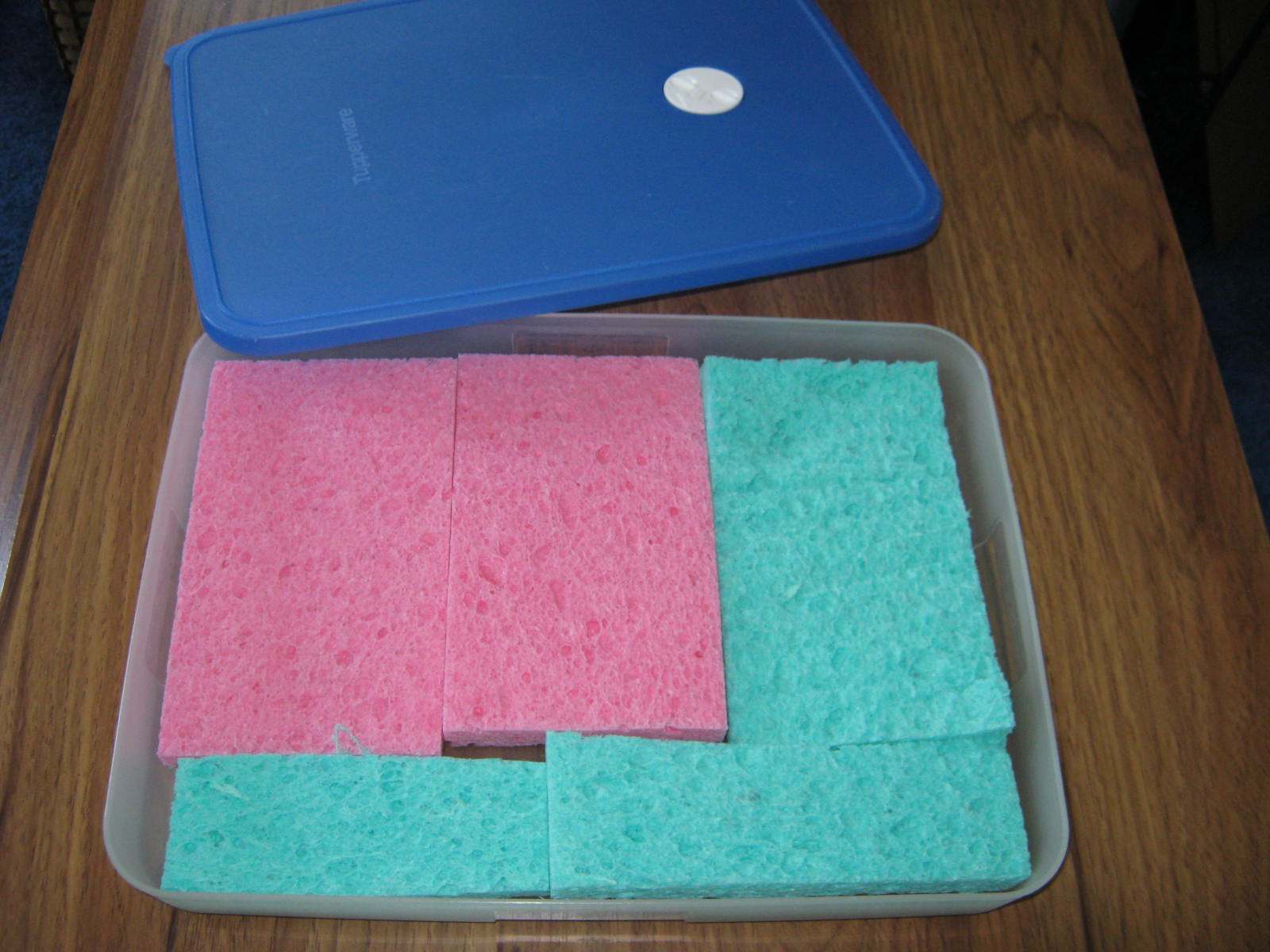
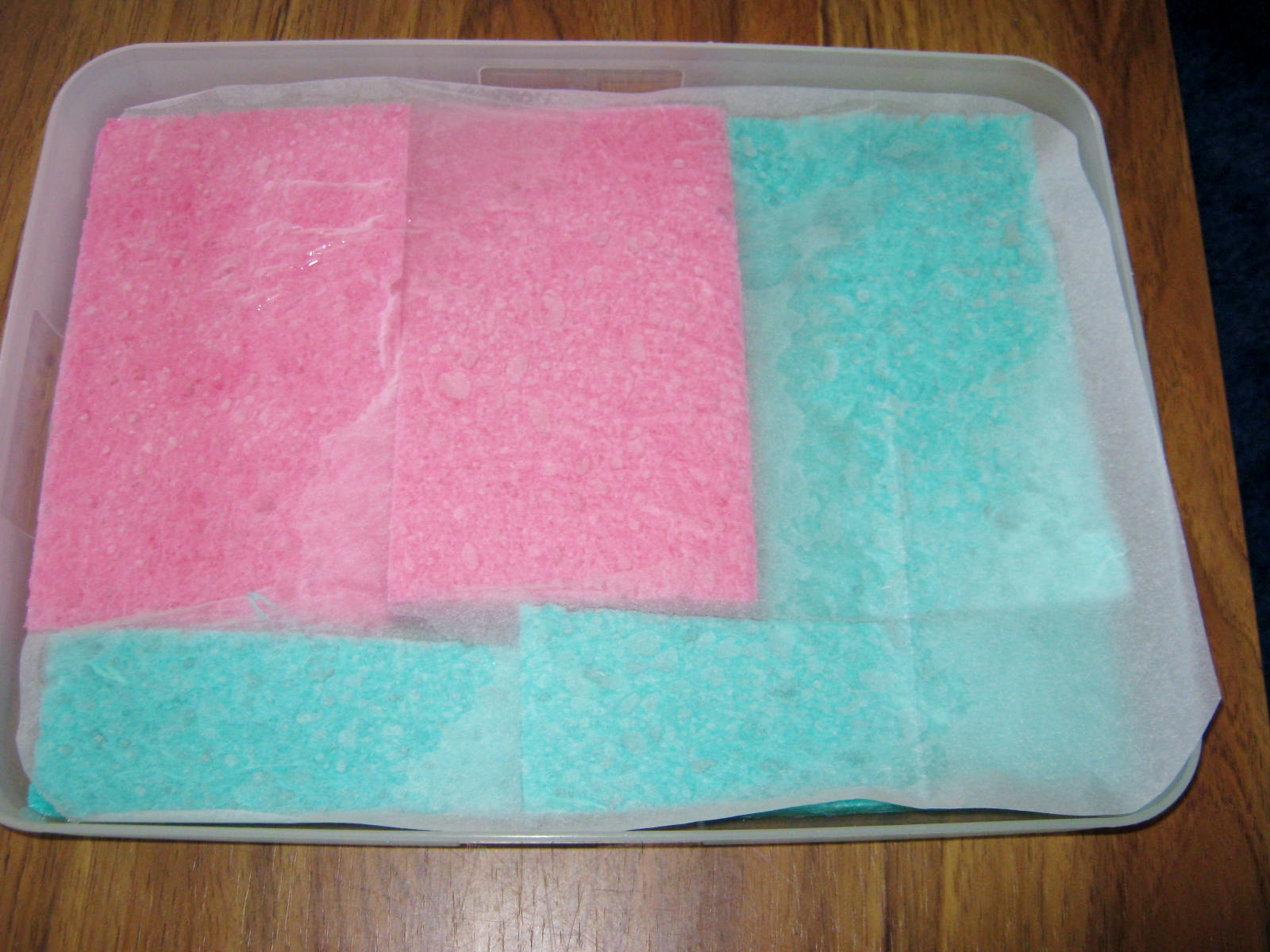
I found a Tupperware lunch meat tray for twenty-five cents at a yard sale. I bought a packet of large-sized sponges at the supermarket. As soon as I opened them, and while they still retained their slight moistness, I cut them in half lengthwise, and then into smaller pieces and fitted them to the tray. I filled the bottom of the tray with a small amount of water and then cut pieces of tracing paper to size using the lid as a template. Along with tracing paper I have used wax paper. I have read other artists and crafters use freezer paper with good results

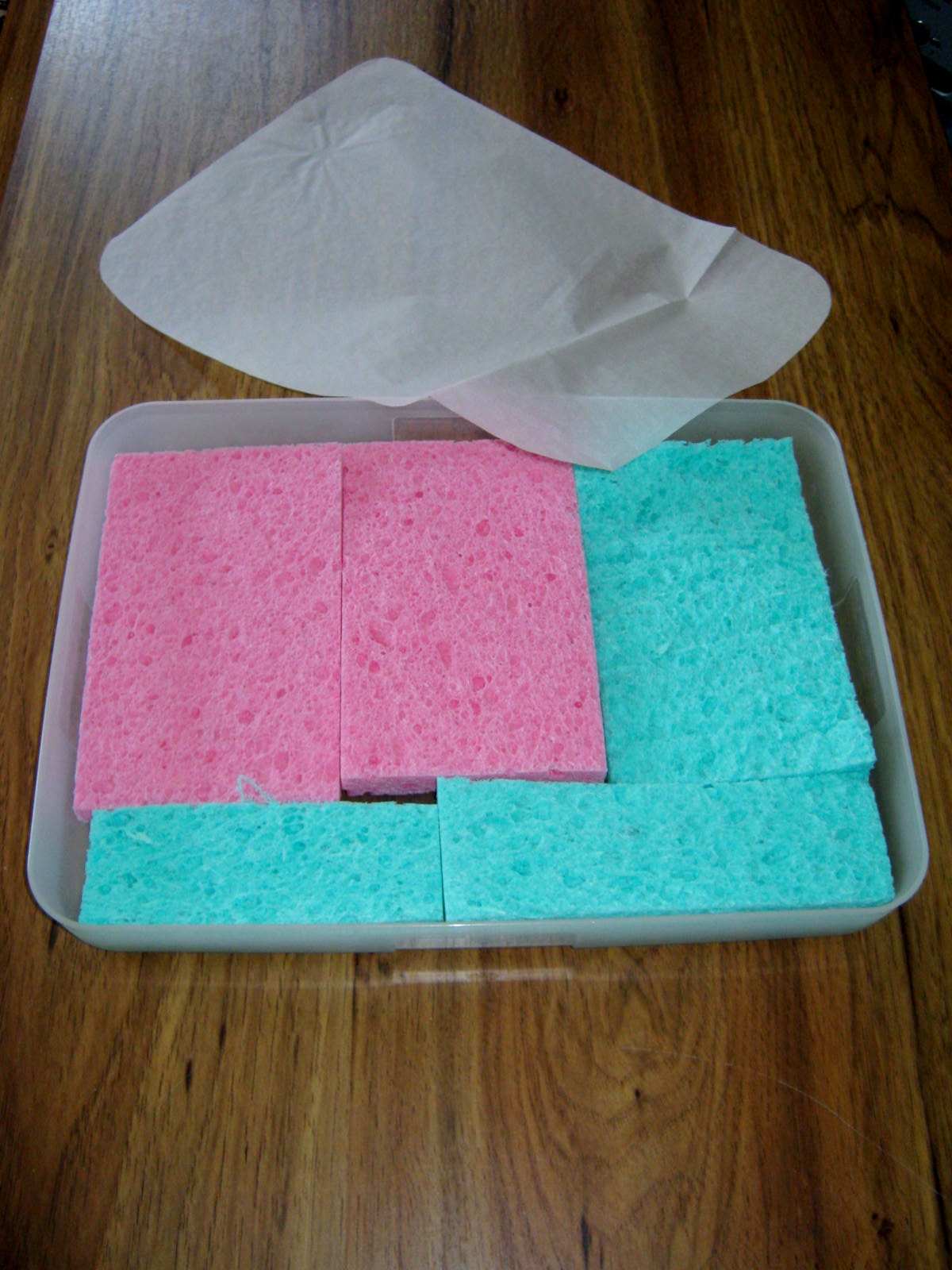
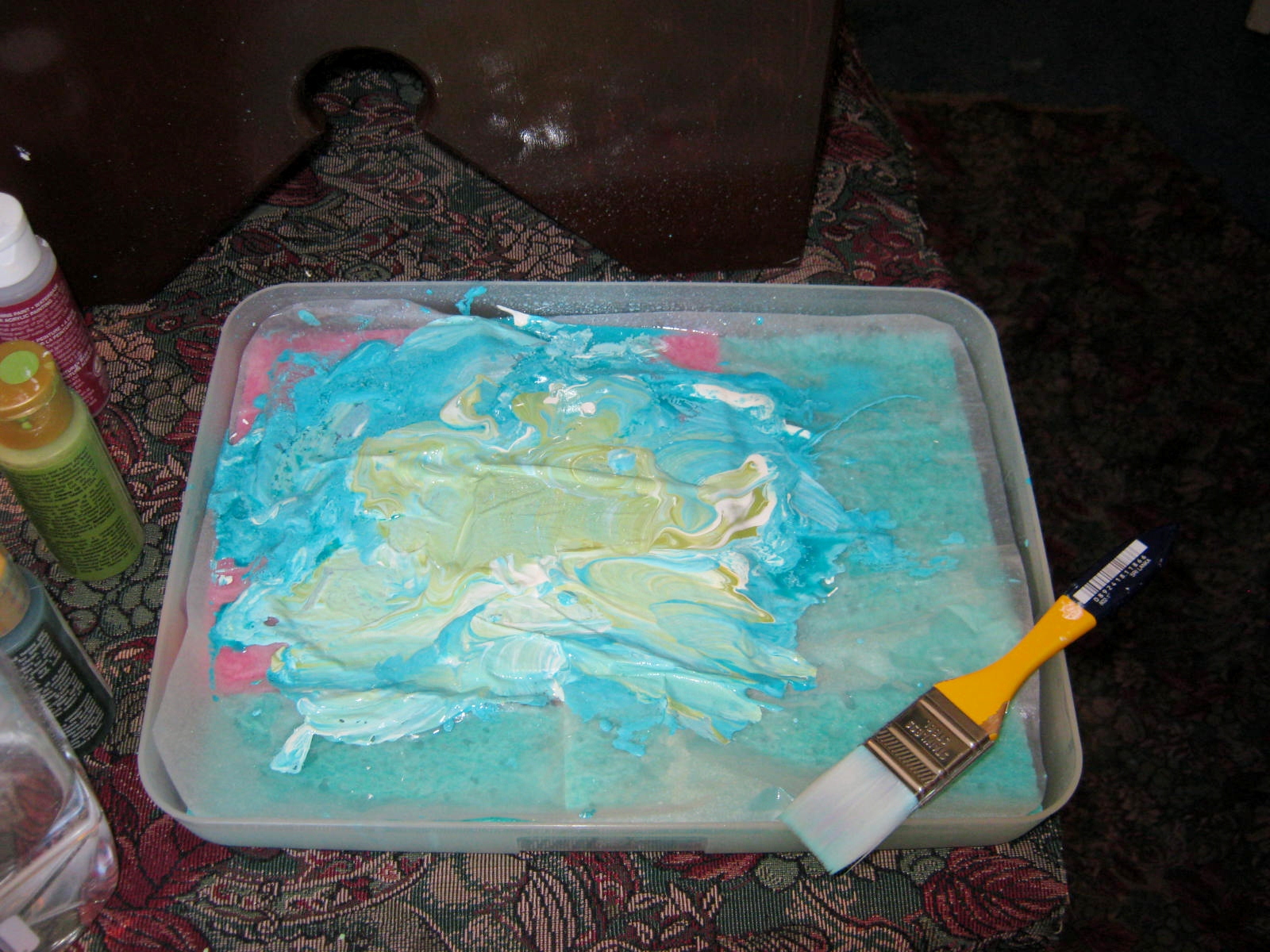
At this point I placed the tracing paper on top of the sponges and lightly sprayed it with a coating of water. The tracing paper, or other suitable papers, acts like a wick and keeps the acrylics moist. To give myself even more time to work I also added a touch of acrylic extender to the paint before I began to stroke it onto the canvas.

This technique worked perfectly for me. The paint stayed moist, and when I was finished, I placed the lid on tightly and the next morning the paint was ready to be used once again.

For more information on how to set up your own moisture retaining palette for painting and crafting click here:

Moisture Retaining Palette

Painting and Projects – Big Huge Labs Color Generator

This is a great site and worth re-blogging for those who might not have seen what Big Huge Labs Color Generator can do for you.

This amazing photograph was taken by my nephew. What a great eye he has for color and composition. I hope to paint this one day. When I do I will use the newest tool I have found to come up with the proper colors to use in my artwork. Big Huge Labs Color Generator is a free site well worth joining. Creating a free account allows you to download photographs, push their easy to read “create” button, and immediately see a detailed color chart with html symbols included too. This is an invaluable tool for painters and crafters alike. Listed below are the names and html symbols for all the colors in the photograph above. What I couldn’t show is the color chart that was also included. Take a look. I’m sure you will enjoy experimenting with your own photographs.

These are the html colors Big Huge Labs gave me for the photograph above: #351b32 plum, #63825f axolotl, #8b8c9b amethyst smoke, #493145 loulou, #2c1229 blackcurrant, #3e6525 green house, #a0a8a8 hit grey, #91a595 pewter, #9dab9e robins egg blue, #506933 green leaf, #c8d2c5 sea mist, #627c58 axolotl, #625776 comet, #c2d0be paris white, #5e7c34 dingley

This is also a perfect site to use to compare the colors of an online purchase with what you already have in your house or closet.

Click here to visit the Big Huge Labs Color Generator.

Plants – Arugula

Another rerun post, but worth blogging and reading again. Arugula is very easy to sprout. Seed packets usually contain hundreds, if not thousands, of seeds. Arugula will grow in a sunny windowsill or under lights.

Arugula is one of my favorite salad greens. It is also very easy to grow from seed. Sow close to the surface of your seed starting medium, water, cover with plastic, and in a few short days you will have arugula seedlings. When you thin overcrowded sprouts, the plantlets you clip away can be used in a salad or atop a sandwich as microgreens.

Arugula has very few calories and is full of good vitamins and minerals, being especially high in vitamin A and C. I harvested the arugula seen in the above photo yesterday. It has grown very productively under lights, and the small leaves made a great addition to my tuna fish sandwich. The peppery blast of the arugula added just the right touch of spice to the bland tuna.

Arugula also grows well in outdoor gardens during the cooler spring and autumn months. This terrific and healthy salad green is widely available in almost all supermarket produce sections. Enjoy.

Pressed Flowers – Creating a Flower Farm

If you are a pressed flower lover, and garden with posies intended to become subjects for your flower presses, consider creating a flower farm in an out of the way spot in your yard. A repeat blog post of a good idea.

I love my gardens, and I love pressing flowers, within that statement lies my dilemma. If I pick from my gardens too extensively, I lose the appeal of their mass of colors. I’ve learned over the years to grow the flowers I press in separate containers in an out-of-the-way place. When I grow my pressed flowers this way I can lift the containers onto my potting bench for easy picking, and my gardens don’t begin to look like lush foliage without bloom. The flowers planted in containers also gather less soil on their petals in rainstorms or heavy winds. I buy most of my containers at the dollar store and fill them with inexpensive soil. They do great and having them all in one area saves time too.

Follow Me on Pinterest

Pleasures – Spearmint Tea

I love Spearmint…the fragrance, the taste of the tea. What seems a bane to some gardeners: the invasive spreading of the plant, is to me a blessing. Here is a repeat of some of the reasons why I feel this way.

It’s true, if you don’t contain spearmint in some way it will spread everywhere. The fact is though, I am very happy mine has taken over portions of my yard andgarden. I love spearmint tea. Pick off a bit  of the stem with a few leaves intact, cover with boiling water, add a dab of honey, and you have a soothing, fragrant, delightful and vitamin packed cup of tea. I’m a cheerleader for spearmint in the garden: “Go, spearmint, go. Rah! Rah! Rah!”

Follow Me on Pinterest

Problem-Solving – A Cure for Damping-Off Disease

A repost of a terrific hint: How to Cure Damping-Off Disease

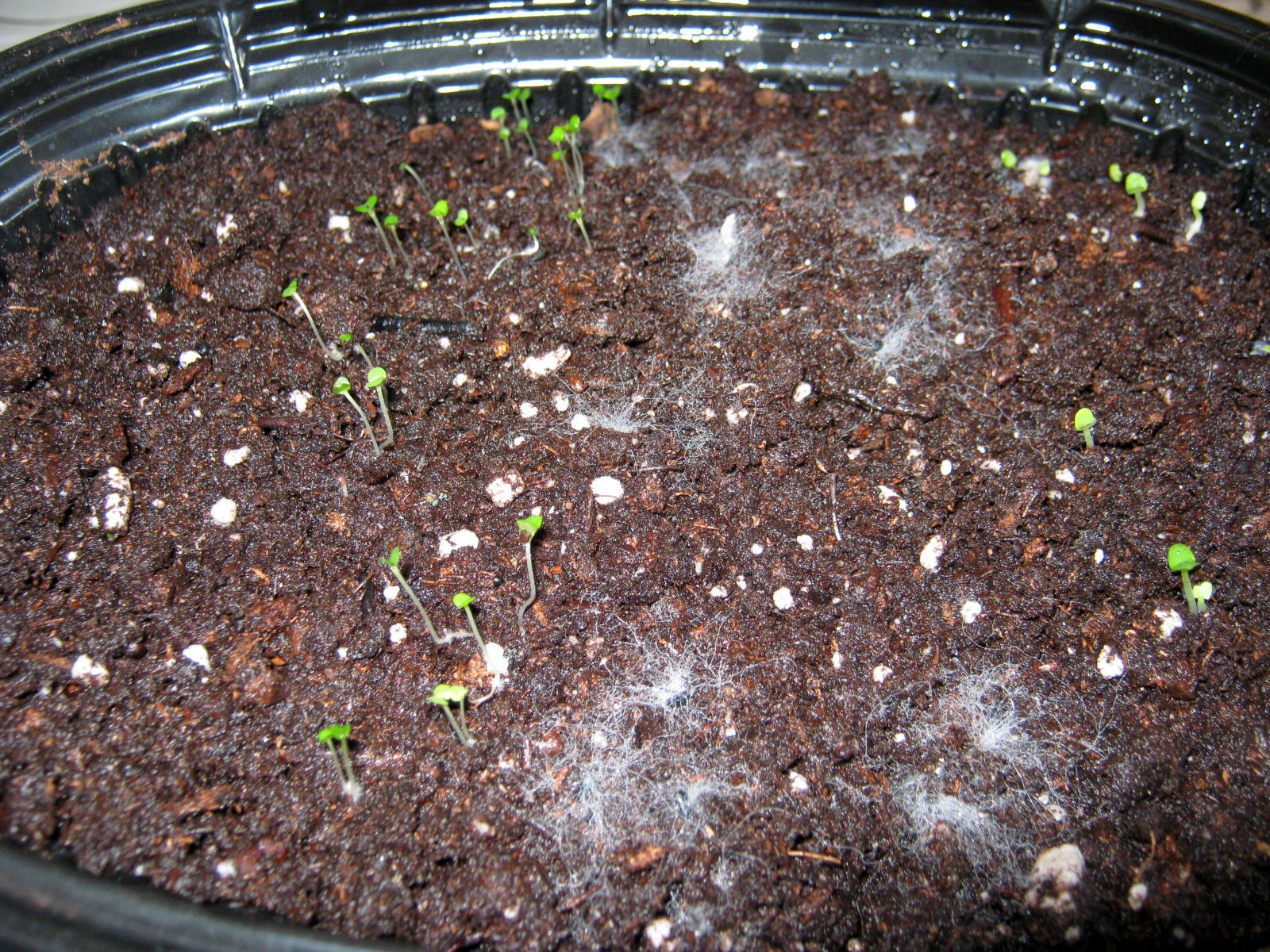
The fluffy white substance on the surface of the potting soil is a seed sprouter’s nightmare. Damping Off is lethal to newly sprouted seedlings. Since I am trying to be as organic as possible this year, I wanted a remedy that would not break my resolve so early in the season. I searched the web and found some odd fixes: lemon jello, ground up moss sprinkled on soil, cinnamon & sand. There were also two remedies I decided were the most logical for me to use. One idea was weak mixture of hydrogen peroxide and water, and the other was a weak solution of chamomile tea. I opted for the chamomile tea.

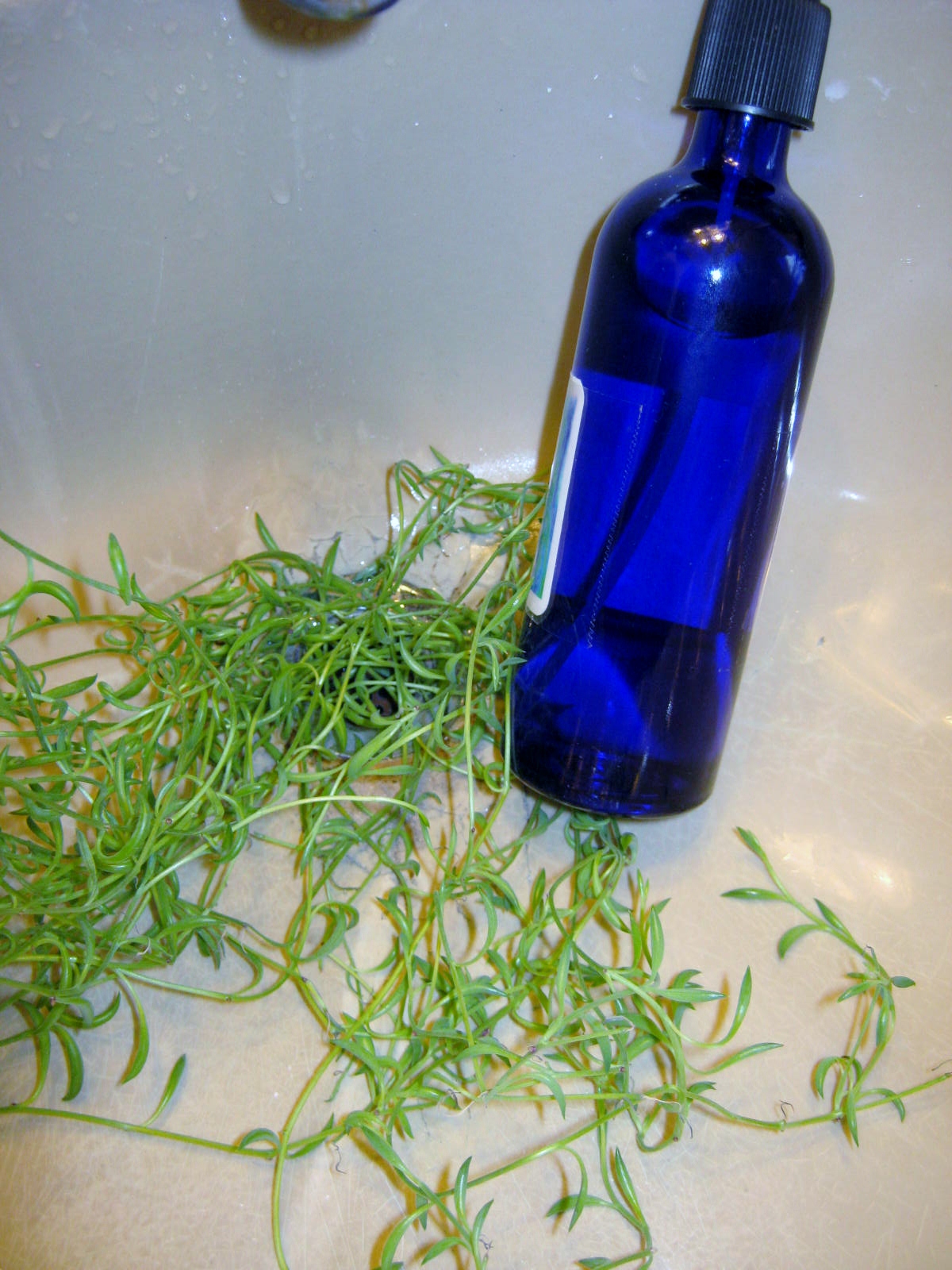
I went to my local grocery store and picked up a box of tea with ingredients of chamomile alone. There were many other mixes, some with lemon, which probably would also work, but I was taking no chances. When I arrived home I boiled water, steeped one bag in two cups, and let it cool down. I used an old hair spray bottle to treat the affected area. These bottles produce small droplets. A bottle with a heavier spray might beat the small seedlings into the soil, killing them even quicker than the damp-off disease.

Twelve hours later there is no sign of the damp off disease on the soil. To read more check out this forum on Gardenweb. Gardenweb Damping-Off Forum Responses.

Follow Me on Pinterest

Projects and Planting – Rooting Plant Cuttings With Honey

This really works! I have TOO MANY plants in every nook and cranny because of it. Happy Rooting! A repost of one of my most popular posts on Pinterest.

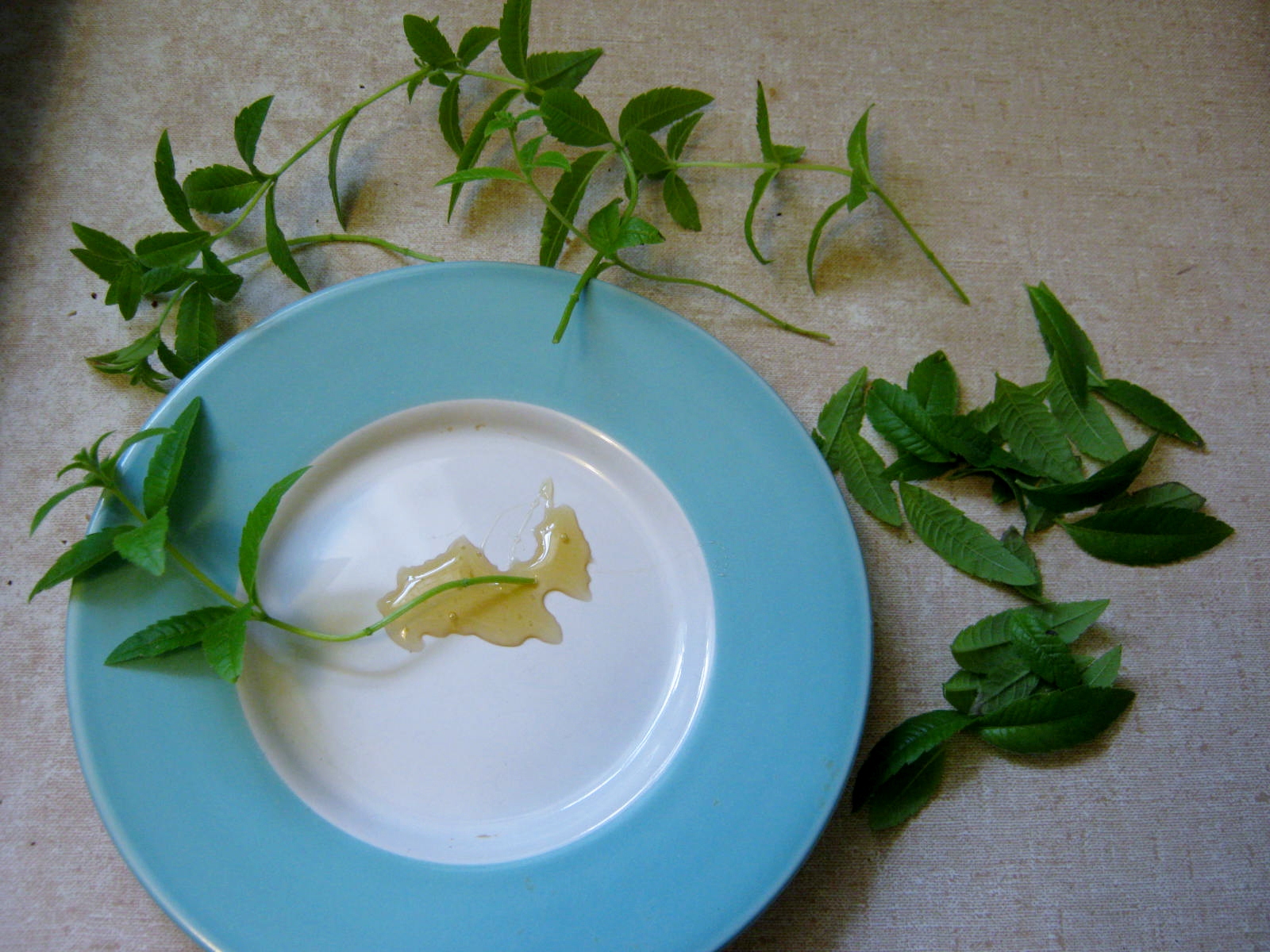
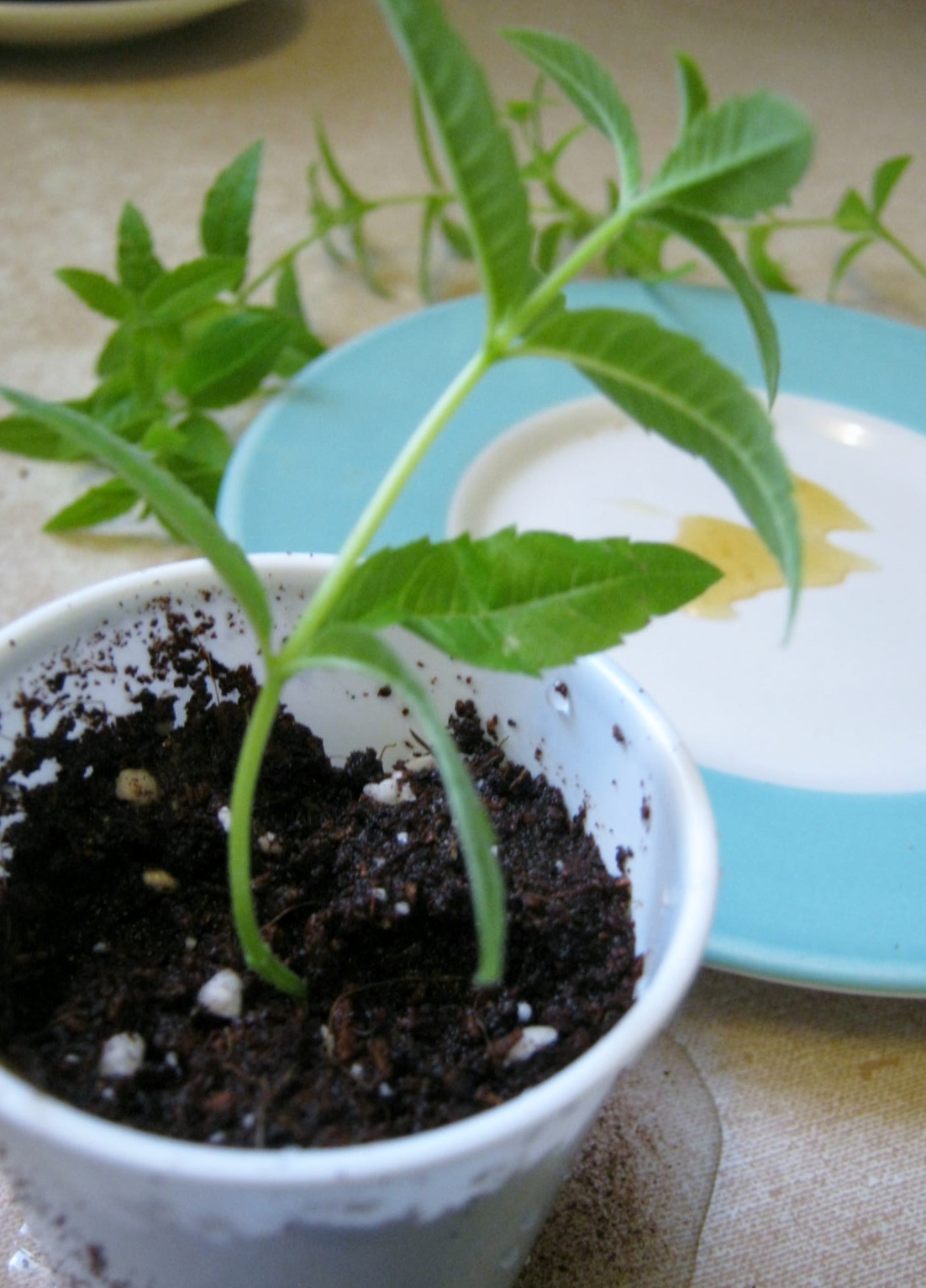
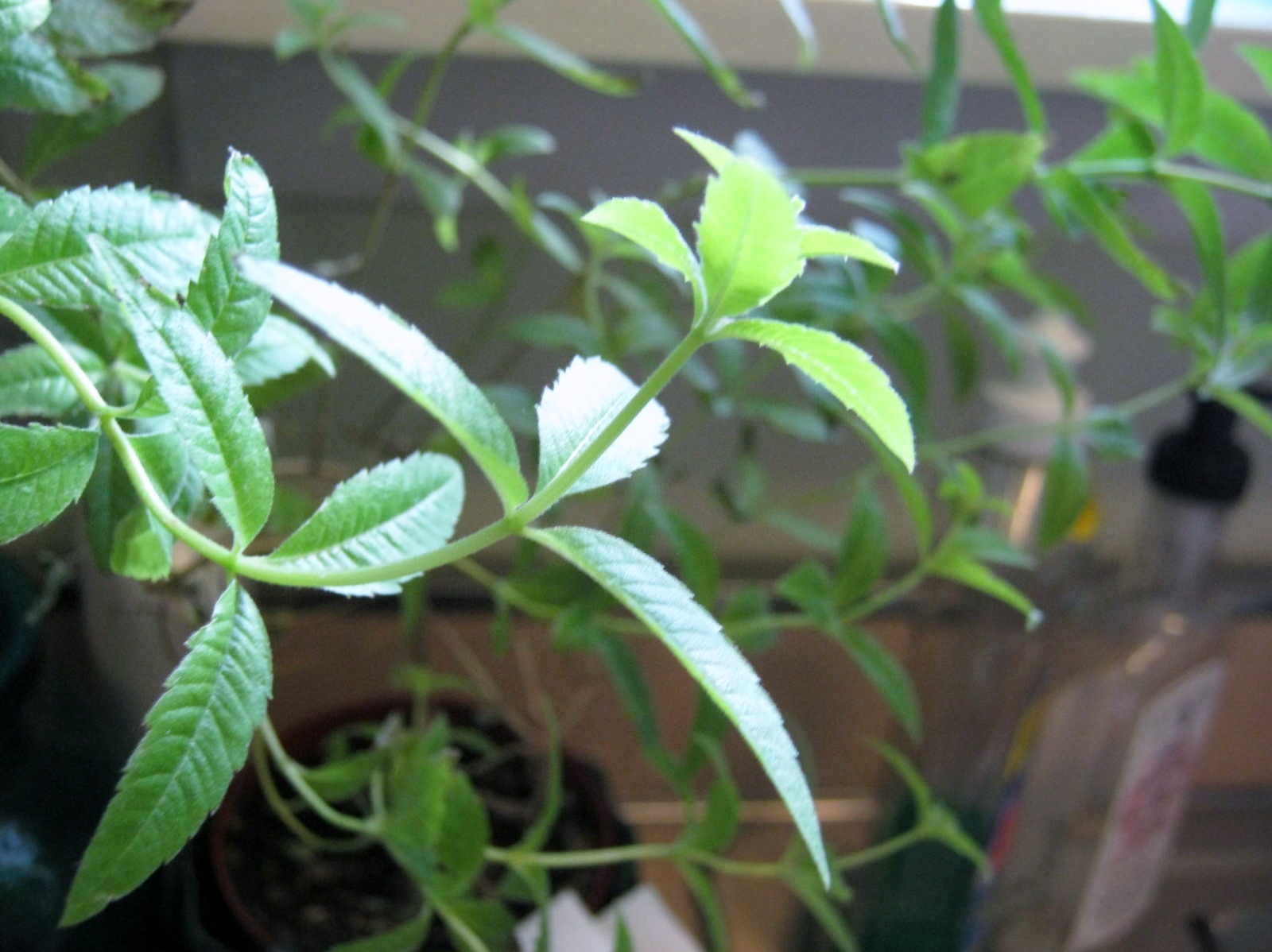
My Lemon Verbena plant is thriving, but it is in definite need of a trim. I want to grow several lemon verbena plants in my herb garden this year so today was the perfect day to take cuttings. In the past I have used rooting hormone on the stem ends of the cuttings, but this year I am aiming to go as natural and organic as possible. I have heard in the past that Honey is a natural rooting compound. I always have honey in my pantry so I pulled it out and gave it a try.

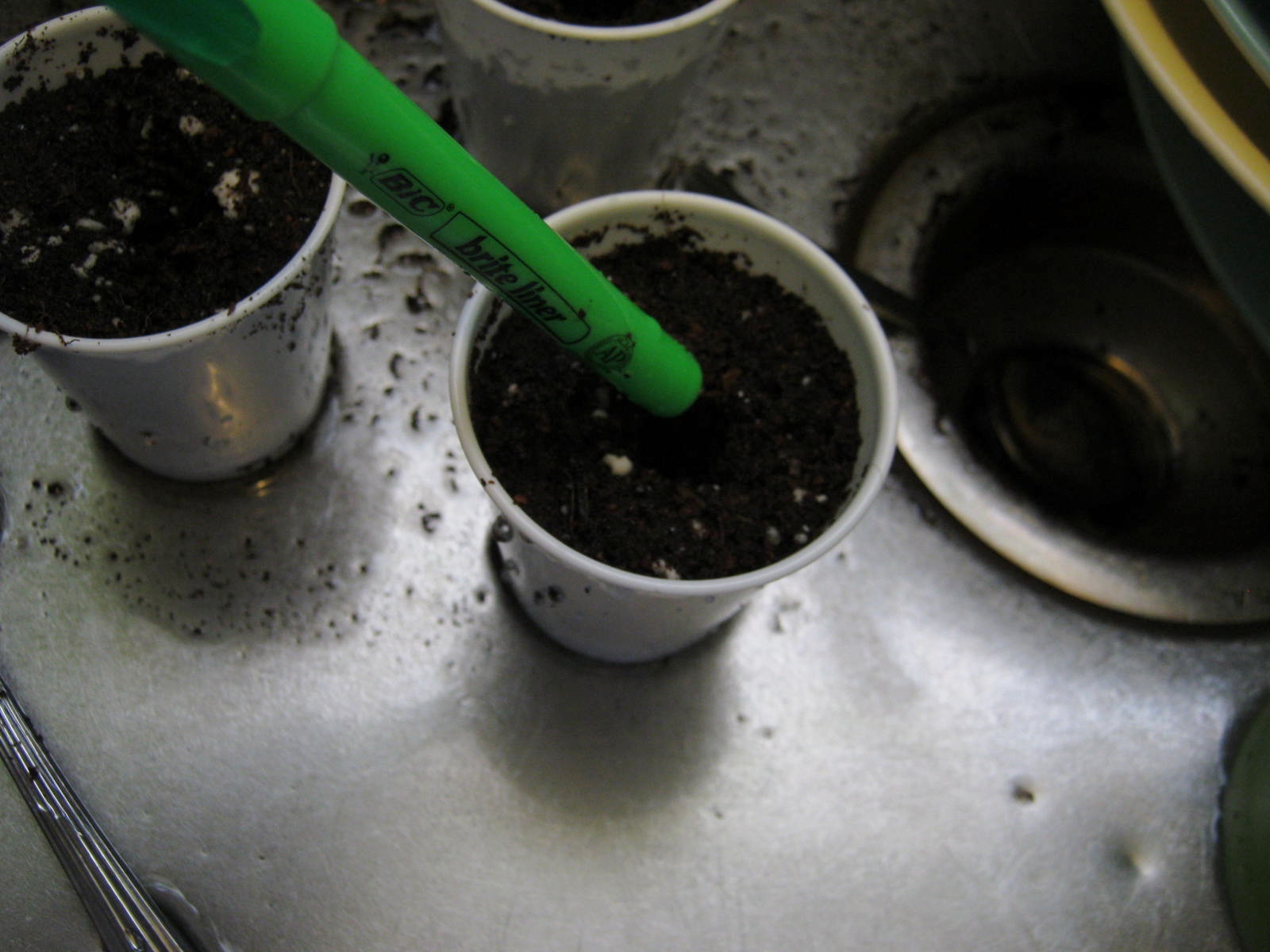
I followed the same protocol I use with rooting hormone. I punched out a drainage hole in 3 oz plastic cups and filled these with sterile soil. I watered the potting medium and created a hole with a plastic highlighter.

I dipped the lower inch and a half of the verbena cuttings into the honey and inserted them into the soil. I avoided brushing the sides of the planting hole to keep the honey intact on the stem end.

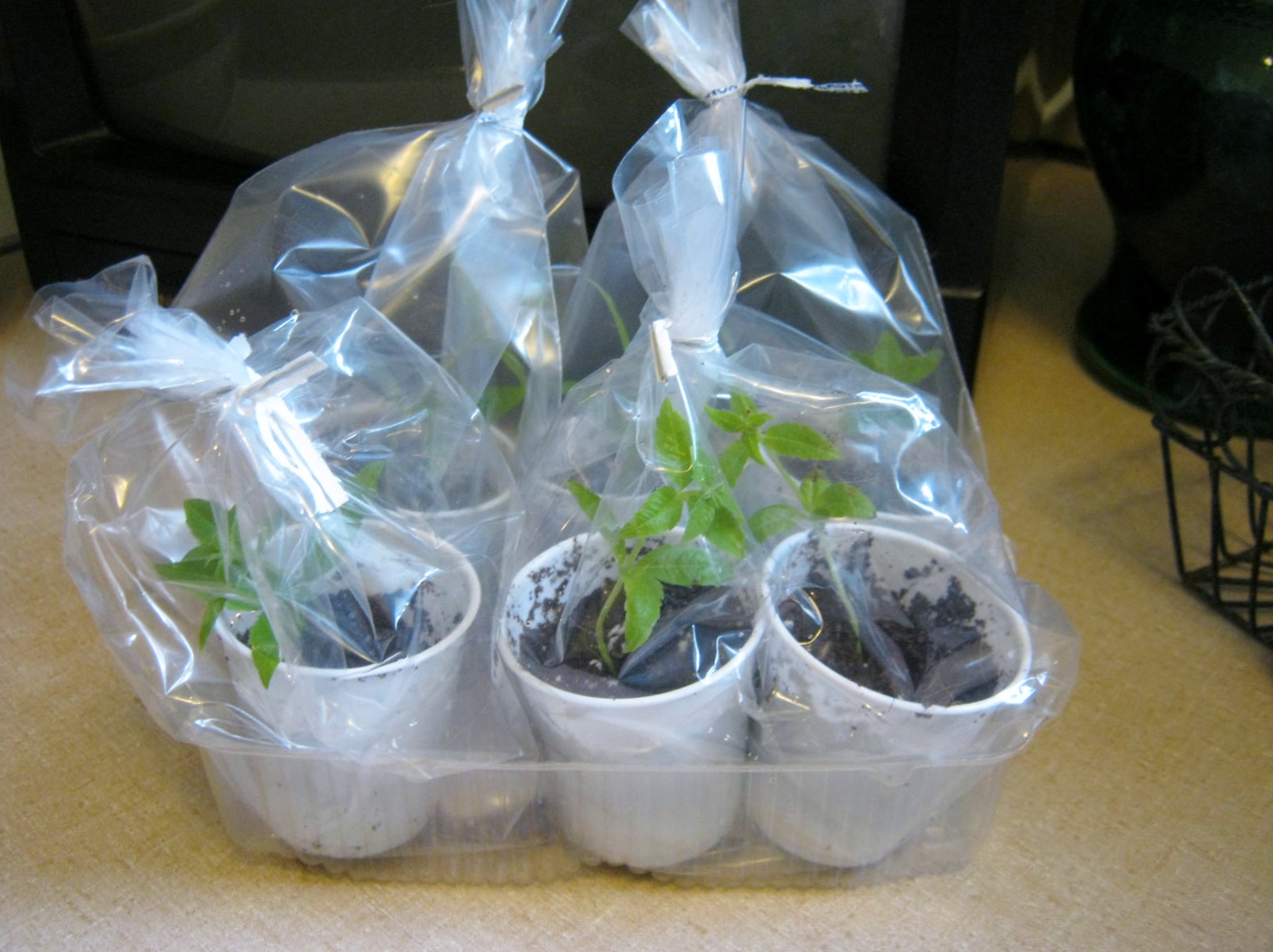
I gently firmed up the soil around the stem and then inserted the cup in a plastic bag and sealed it. The honey is anti-fungal and will create a seal on the cut end of the cutting and help retain moisture.

When I was finished I had six small pots. I used a recycled cookie tray to hold the six cuttings steady, and placed them under lights in my basement.

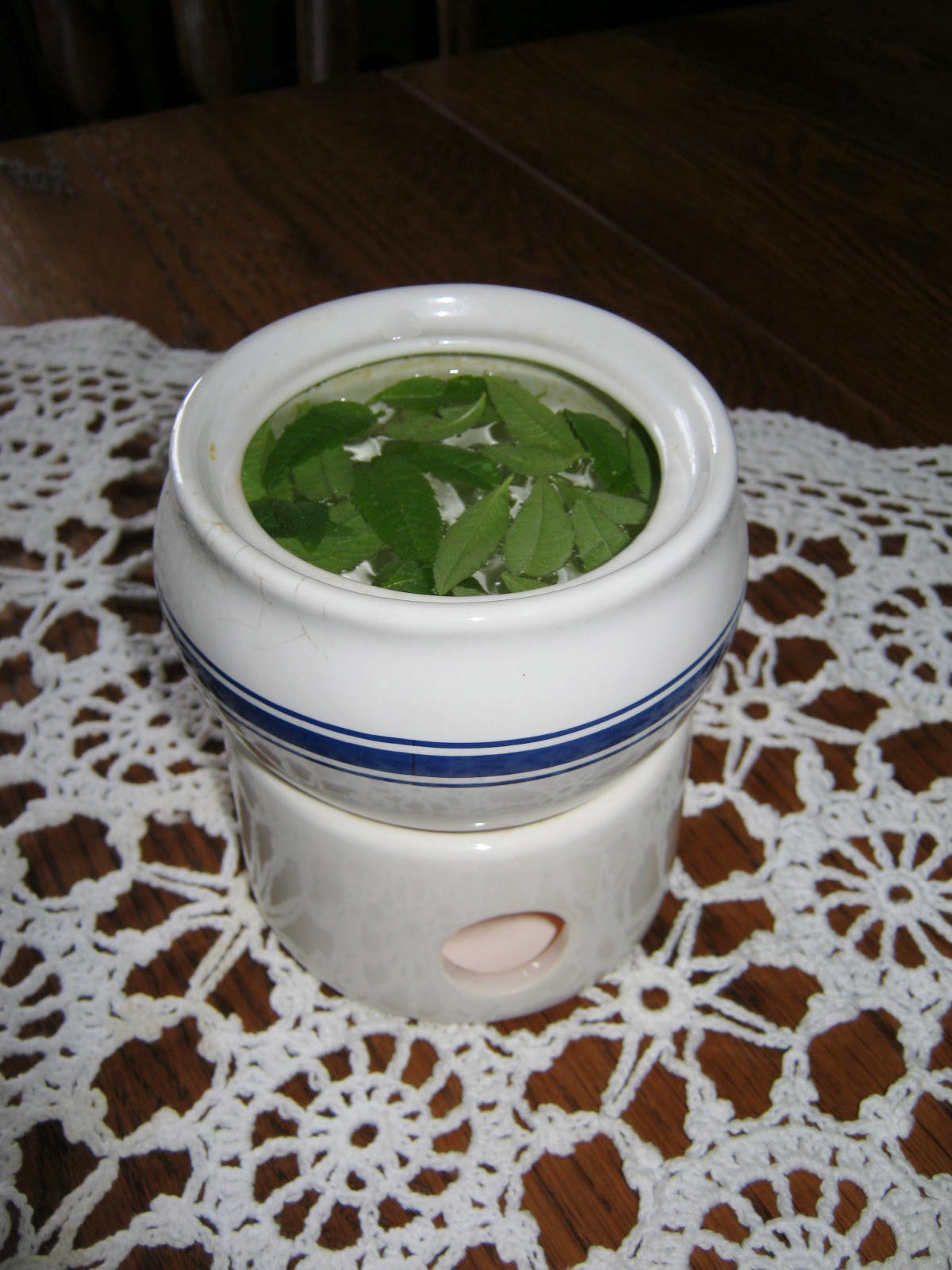
The lovely smelling leaves I stripped away were also put to good use. I simmered them in a pot of water and freshened up the house with a little extra moisture and lemon scent in the air.

Follow Me on Pinterest

Pots & Pans – Banana Bread

Did I mention in my first posting of this recipe that banana bread smells heavenly while baking? Yes, I see that I did…but it bears repeating, just as this recipe deserves a second time around on the blog.

Hmmm…What to do with overripe bananas?

Delicious. The aroma as it bakes is mouthwatering. An added bonus…it’s good for you.


Banana Nut Bread


3 Bananas, pureed or well mashed

2 eggs, lightly beaten

3/4 C sugar

2 C flour

1 tsp salt

1 tsp baking soda

1/2 C walnuts, chopped (optional)


Puree the bananas, add two lightly beaten eggs. Stir in sugar.

Sift flour with salt and baking soda.

Add to banana mixture. Mix until all ingredients are moistened. Do not over mix.

Pour into greased and floured bread pan.

Bake in a preheated 350 degree oven for 50 -60 minutes

Remove from pan after 15 minutes.

Cool…or if you can’t wait…eat it hot!!!


Pots & Pans – Quaker Oats Oatmeal Cookies

I’ll be making these for my Christmas Cookie Tray.

I’ve loved Quaker Oats oatmeal all my life. I often stir up a batch of it in the morning, dollop it with butter, brown sugar and a teaspoon of Polaner All Fruit Jelly, and enjoy.

I also love Oatmeal Raisin Cookies. The recipe for these delicious treats can be found on the bottom of the box lid. They are very easy to make.

If you want to make the cookies and don’t have the box lid you can find the recipe here. Quaker Oats Vanishing Oatmeal Raisin Cookies

Pressed Flowers – Pressing with a Heated Book

I love pressing flowers, and I hope some readers will give pressing flowers with a heated book a try. This is definitely a how-to that needed to be reposted. I also am implementing plans to offer month-by-month flower pressing E-pamphlets next year. More information will be on the way soon.

In the northeast we have had a very mild winter. Many of the area wildflowers are beginning to bloom. In my pile of foliage and flowers are blossoms of Birds-eye Speedwell, Vinca, and Celandine. It’s time to begin restocking my pressed flower supply. I love using wildflowers, they are often small and airy, perfect for pressed flower compositions. One caution though when using wildflowers, be sure that you are not using a plant that is protected as threatened and endangered in your state. To see a listing of your State’s Protected Wildflowers check out this site: US Government list of Threatened and Endangered Plants.

I have found that the best way to retain the colors of most flowers and foliage is to flash press them in a microwave. I don’t use the expensive microwave presses; I have found the best way is to use an old book. The book must have very porous paper, it must not have gold or silver leafing on the spine or page edges, and a smaller book works better. Most of the books I use are from the 1930’s and 1940’s. You can find books of this age at yard sales and thrift stores. They are usually very inexpensive.

1. Separate your flowers into thinner petaled flowers and foliage, and thicker varieties.

3. Lay the blossoms and foliage on the page. These vincas have a thick stem that will not press well behind the open faced blooms. After I lay them out on the page I cut off that stem. For the side pressed blossoms, I leave the stem intact. I also include several buds of the flower.

4. Shut the book and rubber band the edges. For thin varieties of flowers and foliage I microwave between 15 and 30 seconds. This provides the heat that speeds up the drying process. The book should not be hot, only gently warm to the touch. For thicker varieties of flowers and foliage I heat for 30 – 60 seconds. As with anything microwave temperatures vary, you will have to experiment to see what works best for you. After pressing, clean out any residue left behind in your microwave by heating a cup of water with lemon or citrus peel, and then wiping away the moisture from the sides.

5. Don’t open the book, leave the rubber bands in place and put your book under a heavy weight.

6. Your flowers should be dried and ready to use within 3 – 7 days. To remove them from the pages of the book, gently slide a soft paint brush beneath the edges.

I use large books to store my pressed flowers. I place them on acid free paper and label the sides, leaving the edges hanging over the book pages about 1/2 inch. This helps me find exactly the type of flower I want when I am composing a picture.

The flowers and foliage are ready to use. In coming days and weeks I’ll give more tips on how I compose, glue and use my pressed flower projects.

Plants – Himalayan Blue Poppy

poppy

Every year, usually during the first week of March, Longwood Gardens in Kennett Square, Pennsylvania, displays collections of Himalayan Blue Poppies. (Meconopsis betonicifolia ) These poppies are difficult to grow, but some instructions can be found here: How to grow Himalayan Blue Poppy . I love these flowers. They are truly sky blue with delicate and fragile petals. If you see them once they will be forever in your heart.

Problem-Solving – Mealy Bugs

I have also treated scale using this method.

While watering my succulents I noticed the dreaded white fluff of a Mealy Bug. Oh no. I have had experience with these pests in the past and know they can become a full-blown infestation. I wasted no time in treating the infested plant.

I like to use organic products and things I already have around the house. For Organic Mealy Bug Treatment Isopropyl Rubbing Alcohol is a good choice. Using a Q-tip I touched the saturated tip to the back of the mealy bug. As I checked the plant I saw a few more of his family residing along the stems and treated them too. Further down there were more, oh no, it was beginning to look like an infestation, time for more drastic measures. I filled an atomizer with some of the alcohol and sprayed the entire plant. I left it on for a few moments and then washed all the foliage in tepid water. Most organic pest control sites recommend watering the alcohol down first, but for a hardy succulent, straight out the bottle did no harm. If I was treating one of my african violets I would definitely water the solution down before using.

I knew I had to check all the plants that were in the same room with the infested succulent, and sure enough, on one coleus I found the beginnings of more mealy bugs. Hopefully the intervention with rubbing alcohol has eradicated the problem.

Plantings – Microgreens

In winter I love sprouting microgreens. The seed companies listed in this post are very reliable. The seeds I bought from them a year or two ago are still near 100 % viable. I have flats of microgreens growing in my sunniest windows at this time.

Sowing seeds and indoor gardening seem to be dominating my blog posts. I am starved right now for green, tired of the bare branches of trees silhouetted against the sky. I have been sowing seeds in hopes of harvesting Microgreens. Microgreens are harvested from seeds sprouted through the early leafing out stage. I am using seeds from Pinetree Garden Seeds. This is my first attempt at this type of gardening.

I am growing the Microgreens on my windowsill in plastic throwaway containers from cookies and other snacks. To see how I went about the process, check out the photos below this paragraph.

I gathered my supplies: antique pots to look pretty, throwaway plastic from cookie containers, corn holder for poking holes in the plastic.

I made sure the containers would fit inside my chosen pots before I added the dirt.

I poked holes for drainage in the plastic with the corn holder.

I filled the containers with organic soil.

I watered containers of soil and let them drain.

I spaced the pea seeds out in rows.

I sowed the Kitchen Sink Mix en masse.

I covered with one of my favorite kitchen tools, Glad’s Press ‘n Seal.

The seeds are already up…they sprouted in less than two days. I will post a Microgreens Part II later this week.


My Microgreens are up and growing fast. I can’t wait to try them in a salad.

Oh My! The Microgreens look terrible…what happened to my lush crop? I’m afraid to say I have already eaten most of it. I pop off the tops of the pea sprouts and eat them like candy. This is reminiscent of the peas I grow outdoors in the Spring. They never make it to my table. Warm afternoons usually find me standing in the midst of the pea patch eating the fresh peas out of the pods. Actually, the microgreens are a complete success. I am really enjoying growing them and most of all eating them. The best use for them so far was garnishing my turkey and swiss cheese sandwich with a row of them. Oh Happy Day!

The kitchen sink variety is also thriving and perhaps today I will start grazing on them too. Moo!

Pots & Pans – Homemade Brown Sugar

This is still one of my favorite posts, and also one of the tips I use most in my cooking. Just this week I mixed up some brown sugar for a batch of Chocolate Chip Cookies. One way we use homemade brown sugar is on baked sweet potatoes. A little dab of butter, a sprinkling of brown sugar, maybe a touch of cinnamon…oh goodness…heavenly!

Nothing is worse than running out of an essential ingredient when you are in the middle of baking or cooking. Last week I was whipping up a batch of oatmeal cookies and realized I was out of brown sugar. No problem. I mixed up my own.

Add 1 tablespoon molasses to 1 cup of white sugar. Stir together…you have light brown sugar. Do you need dark brown sugar instead? Add 2 tablespoons of molasses to the sugar and mix.

After I tried this I realized I found the taste is heartier and much better than the store bought brown sugar. I’m hooked on making my own now.

Tip: Use your food processor for even faster results.

Plantings – Sowing Small Seeds

This method of planting small seeds might seem tedious, but I have tried many ways of sowing tiny seeds and feel this is the very best. So…here is a re-blogging of my small seed sowing method. I wish I could remember where I first heard of the process so I could give the proper source credit for the idea.

I have collected seeds from my coleus plants for well over ten years. Each year I plant the offspring of the previous year, the seedlings grow, are cross-pollinated by the bees, and new seeds are harvested in the late Autumn. I start my coleus very early, the seeds are small, quick to sprout, but slow to grow. I don’t sow them thickly into the flats. Seedlings sown too close together tend to get damp-off disease.

I found these great lidded containers made by Solo this year. They are the perfect coleus incubator/flat.

I sow the seeds sparingly using the sharpened point of a pencil. I dip the pencil point into water and touch it to one seed. The dampness grabs hold of the seed. I then touch the seed to the wet seed starter mix in the flat, and the seed adheres to the wet soil. I repeat this process between sixty and seventy times per flat.

I use wire garbage bag ties, marked in segments with magic marker, to guide me in the placement of the seeds.

After I sow a row of seeds I remove the wire guide so I don’t double sow a row.

The next step is a gentle, all-over spray of water to seal the seeds to the wet soil.

I then cover the flat with the lid. It is gratifying to see it instantly steam up with warmth and humidity.

I have good luck with the sprouting by placing the planted flat of coleus seed on top of my refrigerator or near, but not on, a heating vent. I’ll update the progress as the seeds sprout and grow.


Follow Me on Pinterest

Proverbs – Painted Pebbles

I am once again posting these pebbles my sister Amy and nephew Abel painted for me. I love the story connected to them, and even better: there are more chapters to the story. In fact, the pebbles cause me to dream and hopefully the dreams will bear fruit soon in the future.

“In everything, do to others what you would have them do to you, for this sums up the law and the prophets.” Matthew 7:12

My sister Amy and my nephew Abel painted these pebbles for me. They remind me of Faberge Eggs. I love what Amy does with her painted pebbles. When she hikes in the mountains of North Carolina she leaves the pebbles along the trail to be found by other hikers. I enjoy picturing her placing her painted gems amid the tangled roots of trees or within a clump of grass or fern. I also enjoy imagining the happiness of those who find these sweet gems.

Potions – Amazing Dry Skin Cream

I have chosen to repost this recipe for a homemade hand/skin cream. It’s quick and easy to mix and the finished product makes a wonderful Christmas present.

As Sandra Lee says, “Semi-Homemade.”

1. Gather Supplies: Big Mixing Bowl, Mixer, 8 oz Baby Lotion, 4 oz Vitamin E Cream, 4 oz Vaseline. (As you can see if you check out the blog recipe at bottom of post, I halved the ingredients they suggested)

2. Scoop out Vitamin E Cream and Vaseline into mixing bowl. Measure out 8 oz of baby lotion.

3. Beat until the mixture resembles light whipped cream. (This step took less than a minute)

4. Scoop into jars.

5. Slather on dry heels and hands. Even Joe thought it felt great. I love it. Next time I will make the full batch. The hardest part of it all was gathering up the jars and getting it into the ones with the narrow mouth.

Here is the original blog recipe in case you want to check out this one too. Enjoy!

Blog Site For Homemade Handcream

This cream would make a TERRIFIC handmade Christmas gift.