Anyone who has read my blog over a period of time knows that I love the garden plants that spring up as volunteers. I found a few volunteer tomato sprouts amongst my roses and blue lobelia this week. (The sprout in this post stands to the left of the larger plant in the photograph) My best guess as to the original location of the seed was soil I used this year in my winter sowing .
Happily for me, an empty spot in my Square Foot Garden was the perfect fit for my volunteer. I dug up the sprout, transported it on my trowel, and planted. It’s a mystery as to the variety, and that makes it all the more fun. Oh the gardening life…what a joy!
Lance-leaved coreopsis is blooming this week in my wildflower garden. The plants are loaded with dozens of flowers, providing the perfect opportunity for creating a tabletop bouquet.
The stems of Coreopsis lanceolata (Lance-leaved Coreopsis) are gangly, and quickly droop upon cutting. To use them for an indoor bouquet requires breaking the traditional rules of floral arranging. Instead of placing foliage sprigs beneath the flowers, place the blooms around the rim of your vase, allowing the foliage to take center stage. The vase supports the weight of the flowers forming a circle of gold around the bright green foliage. Beautiful! A lovely informal bouquet for your kitchen table.
One morning this week, the sun shone warm and bright; a perfect day to go to the park and feed the birds. The ducks, a few adults and several ducklings, were appreciative of the bread and stale cereal we fed them. Afterwards, we walked the few hundred feet to the playground. As my grandchildren climbed aboard the ladders and slides I spied something odd in the scene.
At first glance I thought it was a snapping turtle, but noticed the smooth shell and markings of its head and underbelly, the turtle was the painted variety, not the dangerous snapper.
The turtle was about the length of half a football field from the lake. She lay in a depression in the dirt digging with her hind feet. I zoomed in with my camera and spotted an egg being laid.
She seemed quite oblivious to the close proximity and commotion created by the children, and lay several eggs while the children played. I was thrilled to be able to see her laying eggs in person. Usually that type of an experience is only available through wildlife channels on television.
“The painted turtle (Chrysemys picta) is the most widespread native turtle of North America. It lives in slow-moving fresh waters, from southern Canada to Louisiana and northern Mexico, and from the Atlantic to the Pacific. The turtle is the only species of the genus Chrysemys, which is part of the pond turtle family Emydidae. Fossils show that the painted turtle existed 15 million years ago. Four regionally based subspecies (the eastern, midland, southern, and western) evolved during the last ice age.” ~ Wikipedia
WordPress Photo Challenge -This week, get inspired by the many connotations of the word “Spare”
The carnivorous plants in the Longwood Garden Conservatory always have a spare appearance to me, but looks matter little in trapping their prey. Many carnivorous plants depend on sweet mucilaginous glands to lure insects in.
Moral of the Story: Sweetness is often more alluring than glamour.
Remember when your best adventures were as simple as climbing, or defending, a large pile of sand?
Throwback Thursday – Do you remember playing “King of the Hill?”
“King of the Hill (also known as King of the Mountain or King of the Castle) is a children’s game, the object of which is to stay on top of a large hill or pile (or any other designated area) as the “King of the Hill”. Other players attempt to knock the current King off the pile and take their place, thus becoming the new King of the Hill.”
~ Wikipedia
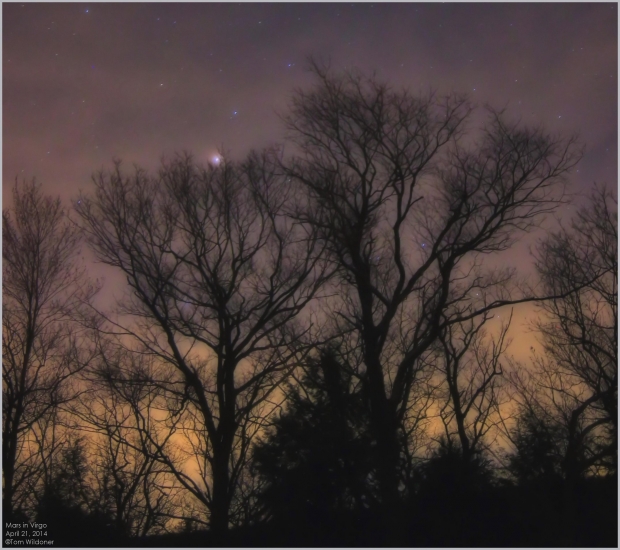
The planet Mars is close to earth in June of 2016. This week will provide you with a good opportunity for viewing the red planet. Nasa’s website provides good information on how to best view Mars. Nasa – Mars in Our Night Sky.
“In 2016, the planet Mars will appear brightest from May 18 to June 3.” ~ Nasa Website
Morguefile photograph courtesy of TomWildoner
Since I don’t have a photograph of Mars for this post, I searched one of my favorite royalty-free sites for a good example. I found this interesting atmospheric photograph, taken of Mars in 2014, on the Morguefile site courtesy of Tom Wildoner.
JUBILANT – The emotion I felt upon finding a robin’s nest within my wisteria bush.
Birds visiting my yard and feeders is one of my chief joys, I was delighted to discover a beautiful robin’s nest this week. Now, I must tiptoe around it, and hope the mother does not abandon her roost when lawn mowers and other noisy machines create a racket.
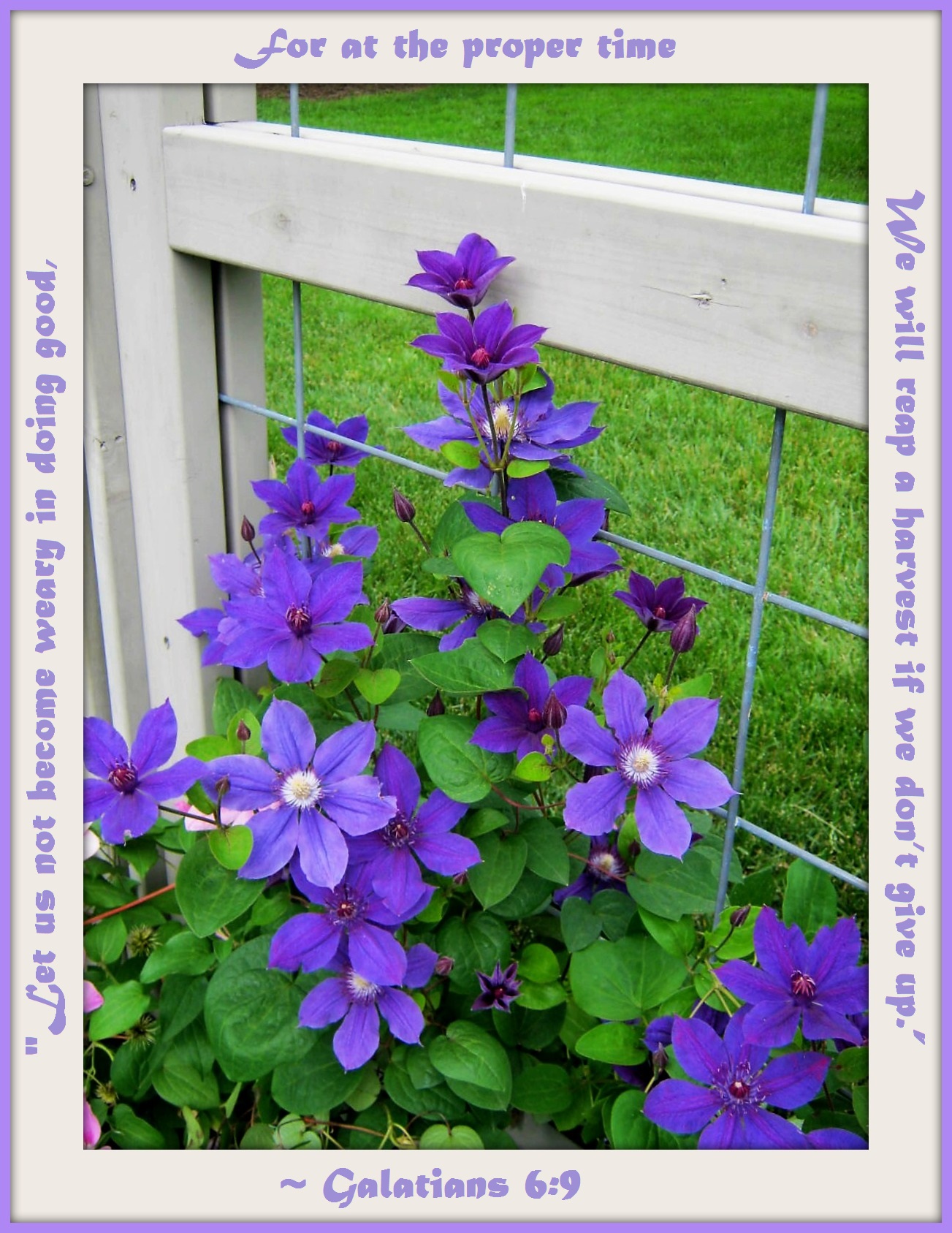
The weather in my area, in what should be glorious Springtime, has been grey, cold and dismal. The greyness is getting into people’s moods and outlook for the future. In the midst of another weekend of rain and gloom, I must look forward and seek out God’s Word to remind me that I need to keep on making small steps and not let myself become weary in spirit. The clematis vine is a good illustration of that point, at Winter’s end it is completely buried under the ground, but by small increments, and moving forward (and up) each day, it will soon cover its support with blossoms and leaves. I need to do the same in every aspect of my life. “FORWARD ALL!” Blessings on your day.
Pareidolia – “The word is derived from the Greek words para, meaning something faulty, wrong, instead of, and the noun eidōlon, meaning image, form or shape. Pareidolia is a type of apophenia, which is a more generalized term for seeing patterns in random data.” ~ Live Science – Pareidolia
The Daily Post Photo Challenge for this week is Faces, a perfect match for the driftwood I found lying on the beach of the Delaware River in National Park, NJ this past weekend.
Do you see the faces of two birds? I do. I couldn’t leave these pieces of river-drift just lying on the beach to wash back out with the next tide. I don’t know exactly what I will do with them, but I’ve seen some stunning examples of driftwood painted for display. I am wondering if these birds need a bit of paint, or perhaps some feathers. Hmmm…what do you think? Paint, feathers or left au natural???
The flip side of moths is the damage many can cause if they get into your cupboards or drawers. I once found a cherished wool sweater ruined by moths. A few years later my pantry became infested with moths, and I ended up throwing all dry goods and pasta away.
Three herbs I grow in my garden are good moth repellents. Bundled with a rubber band, rosemary, lavender and sage, hung inside a cupboard or laid in a drawer, will work as a moth repellent.
For in him all things were created: things in heaven and on earth, visible and invisible, whether thrones or powers or rulers or authorities; all things have been created through him and for him.
~ Colossians 1:16
Yesterday, after a Saturday outing, we opened our front door and almost stepped on a beautiful moth in the entryway of our home.
I didn’t want to damage the delicate creature by picking it up with my hands, so I coaxed it onto a piece of paper. Before it flew away I couldn’t resist taking a few photographs with my camera. I’m so glad I did. My eyes, even with magnifying glasses, couldn’t make out the wonderful detail of the moth’s features. Examples of God’s handiwork, such as this beautiful moth, with its ‘feathers,’ and sweet face, never fail to fill me with praise. Hallelujah!
As I worked toward identifying the moth I came across the terrific site of Discover Life. By filling in a questionnaire on various characteristics of my moth, I was able to narrow the search down to two types of moths: Lomographa vestaliata and Spilosoma congrea. On further Google searches, I was able to rule out the Lomographa vestaliata, and say with surety my moth was a Spilosoma congrea, better known as an Agreeable Tiger Moth.
Earth is the subject of this week’s Word Press Photo Challenge. I’ve chosen two photographs that also illustrate endurance: a patch of Irish moss thriving in a small bit of earth between two bricks in my front garden, and an ant hill built deep within the earth.
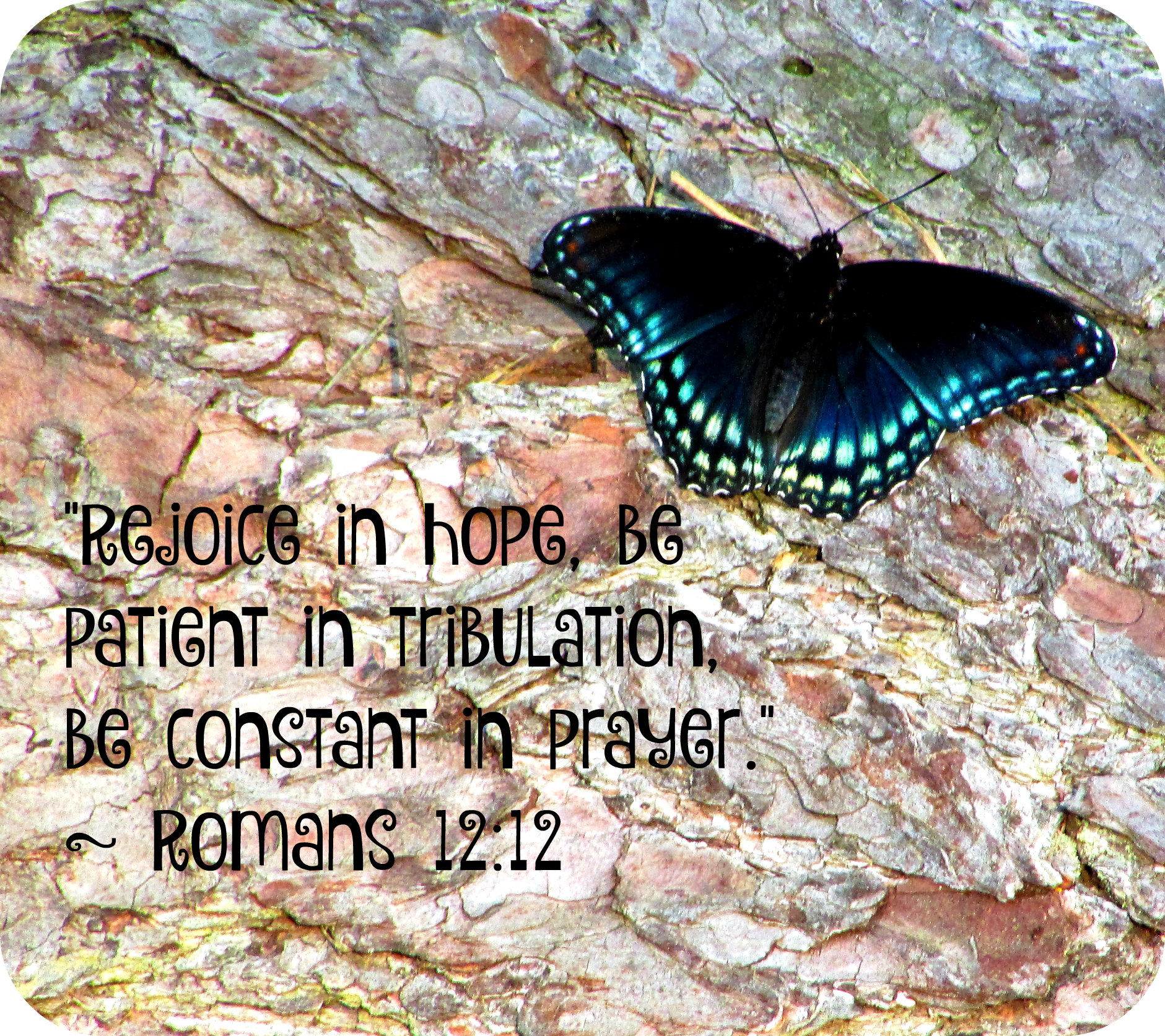
“And let us not grow weary of doing good, for in due season we will reap, if we do not give up.” ~ Galatians 6:9
The Brown Farm is located in Heislerville, on the way to the Delaware Bay. The owner sells the ‘odd’ plants I enjoy finding. I was excited to find penstemon, a tall perennial that attracts hummingbirds, and a new variety of purple bee balm. I also bought some butter lettuce, the rosettes so perfect, my husband thought they might be flowers themselves.
I try to buy from small businesses as often as possible. Plants and farm roadside stands always draw me in. I am a true believer in the Health Benefits of Eating Local.
Searching out new places to stop and chat with the owners is one of the joys of our weekends.