
Praise God, from whom all blessings flow;
Praise Him, all creatures here below;
Praise Him above, ye heav’nly host;
Praise Father, Son, and Holy Ghost.
Amen.
God bless you, and yours, on this Thanksgiving Day.
Praise God, from whom all blessings flow;
Praise Him, all creatures here below;
Praise Him above, ye heav’nly host;
Praise Father, Son, and Holy Ghost.
Amen.
God bless you, and yours, on this Thanksgiving Day.


Sometimes recommendations are annoying, sometimes very welcome. Last week I had a recommendation pop up in my Amazon account, growing trays with an LED light attachment. It looked too good to be true, but it was a decent price, and so intriguing, I decided, ‘Why not?’

Kennedich Plant Seed Tray Kit arrived in just a few days. I was hoping I wouldn’t be disappointed by the trays, and I wasn’t, they are AMAZING! Hard, durable plastic, with a disk LED light that fits in an indentation in the top of the dome. The dome itself is double, maybe triple, the height of most other trays on the market. The cord needs a power block to plug into, not included with the product, but since we have several of these floating around the house it was no problem.

I use a lot of fresh herbs in cooking, and even though they are readily available from my local supermarket, growing my own will be fun and save costs in the long run. Placed on top of my heating mats, these seed trays should become one of my favored seed starting methods.
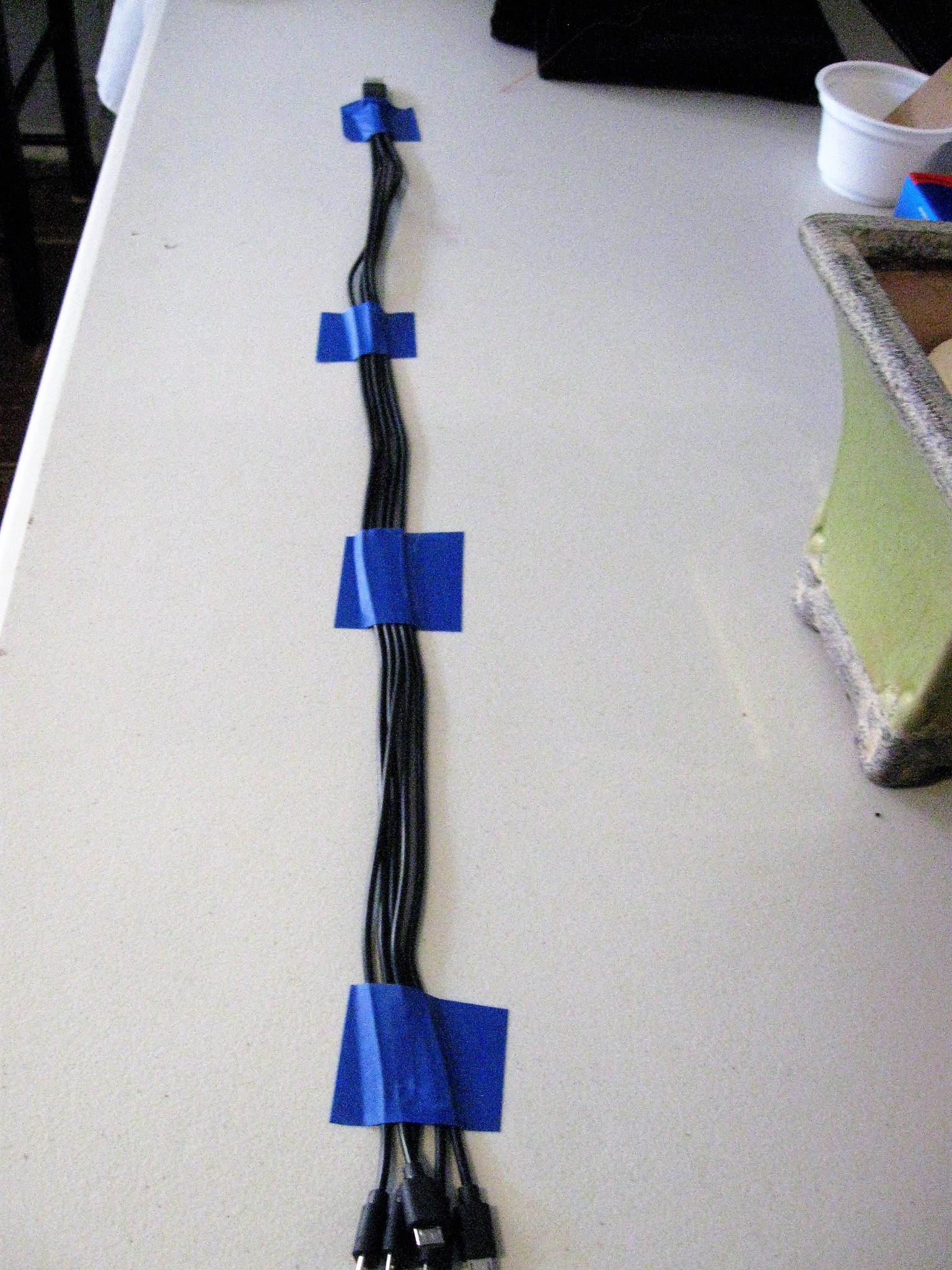
A few tips – I had to open up the middle hole a bit with a pencil so that the light fixture would lay flat. Also, the cord had kinks from being wound for mailing in a box. I laid it on the table and taped it down for a few days to straighten it out. One drawback, it would have been better if the cord was longer. I will have to use an extension cord to give me more length.


We revisited Cedar Lake over the weekend. I posted about this place in February 2022, and meant to showcase it again on the blog in its Springtime glory and spectacular Summer abundance, but somehow, missed my window of time and once again am writing a piece when all the growth has fallen away. Whatever the season, it is a perfect place to revisit and blog on Jo’s Monday Walk and Skywatch.
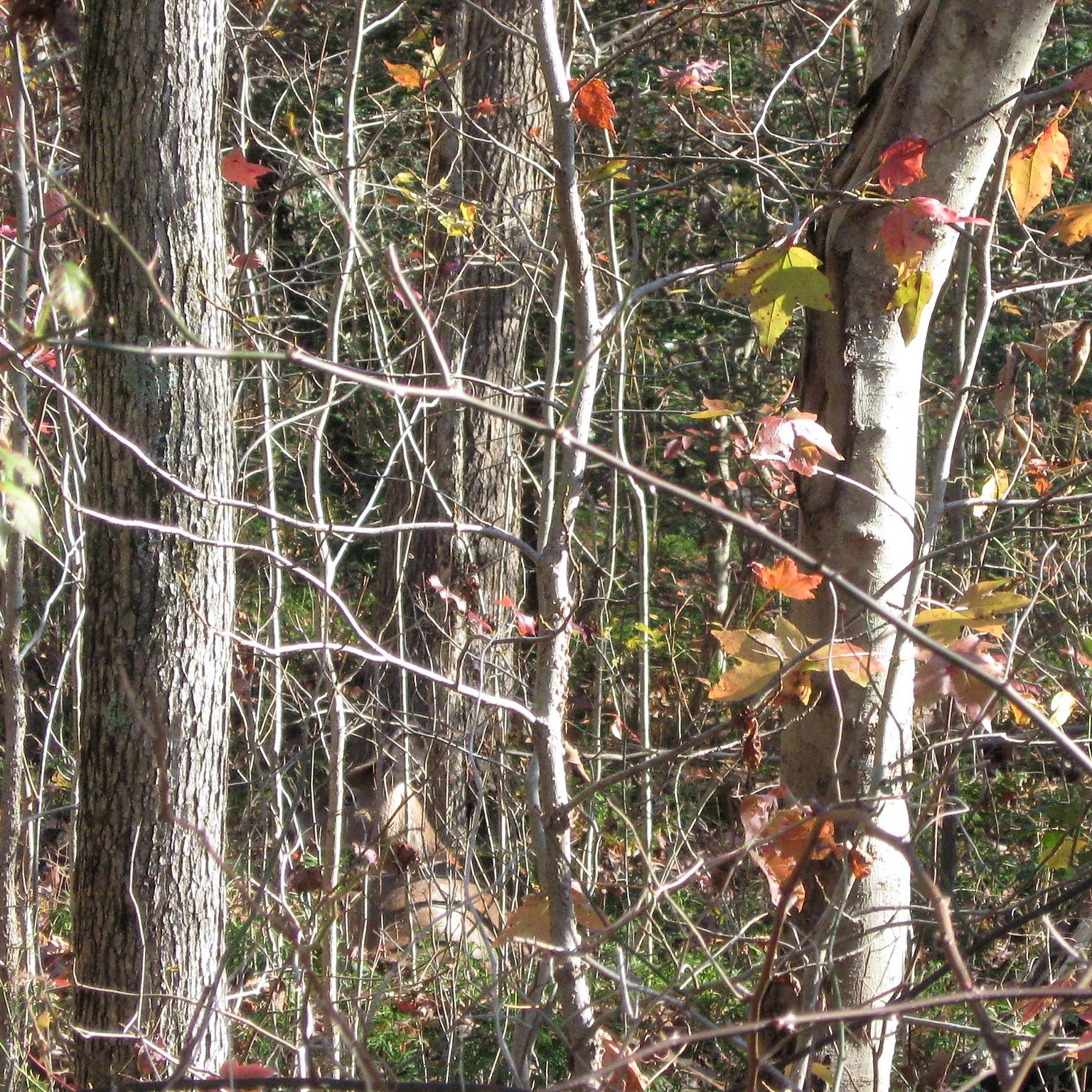
If I had visited when undergrowth was growing wild and lush, I would have missed this sight. “Look, through these trees,” my husband said, pointing the way. I didn’t see much at first, but then saw the gleam of sun on a living creature.

I zoomed in with my camera, and since the doe was resting, and unafraid, I was able to take a good photograph through the twiggy protection around her. She must live in the park, accustomed no doubt to many people walking by her on the criss-crossing paths. Can you see her eye?
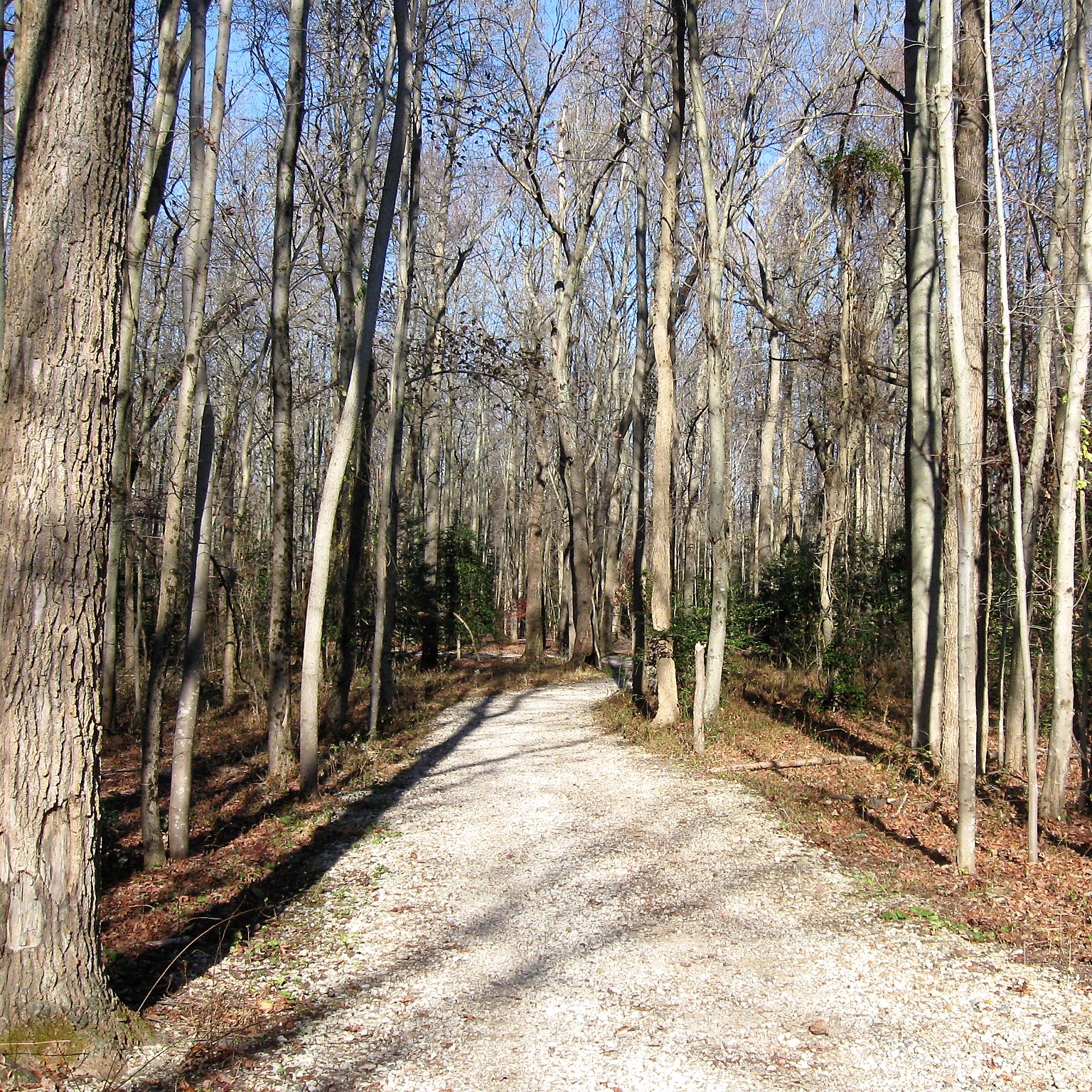
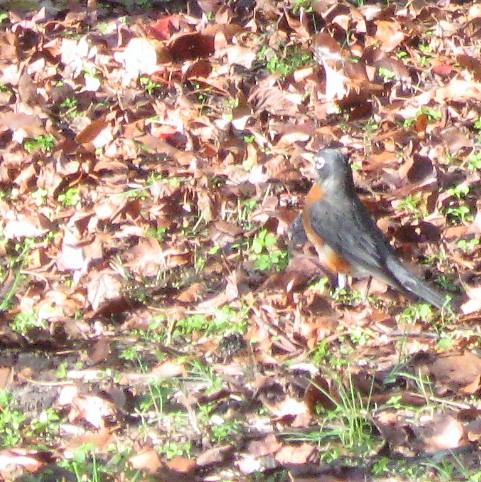
Further along the path we saw some robins, hanging around long after the first frosts. They never leave our area to fly south; they Winter over here, finding berries and other fruits. I need to remember to place a bit of fruit on the platform birdfeeder and maybe draw them in.
A few mallards swam within a small pond hidden in the woods. There are creeks, small ponds, and larger bodies of water every hundred feet or so in the park surrounding the lake. A perfect spot for a ‘Water, Water, Everywhere‘ post.

Cedar Lake and Washington Lake Park, Sewell, NJ, is the setting for this post.


I found a packet of Butterfly friendly Spring bulbs this year. Since I am all about attracting butterflies to my gardens, I couldn’t resist. Of course, just one wasn’t enough, and I bought two. I had an instant dilemma when I opened the packages, the bulbs were all mixed up. I had no idea what was which, or which was what, and there were dozens of them. I gave up trying to identify variety and sorted them by sizes. Larger bulbs in the back of my pot, smaller sizes up front, and a row of a tulip I like in the middle.

They are planted way too close, but since they are a one season planting in garden pots, I will decide after they bloom if I am going to save and replant another year. The biggest problem I must solve is keeping the critters that munch on bulbs out of the pots. In soft dirt they will be easy pickings for rodents that dig.
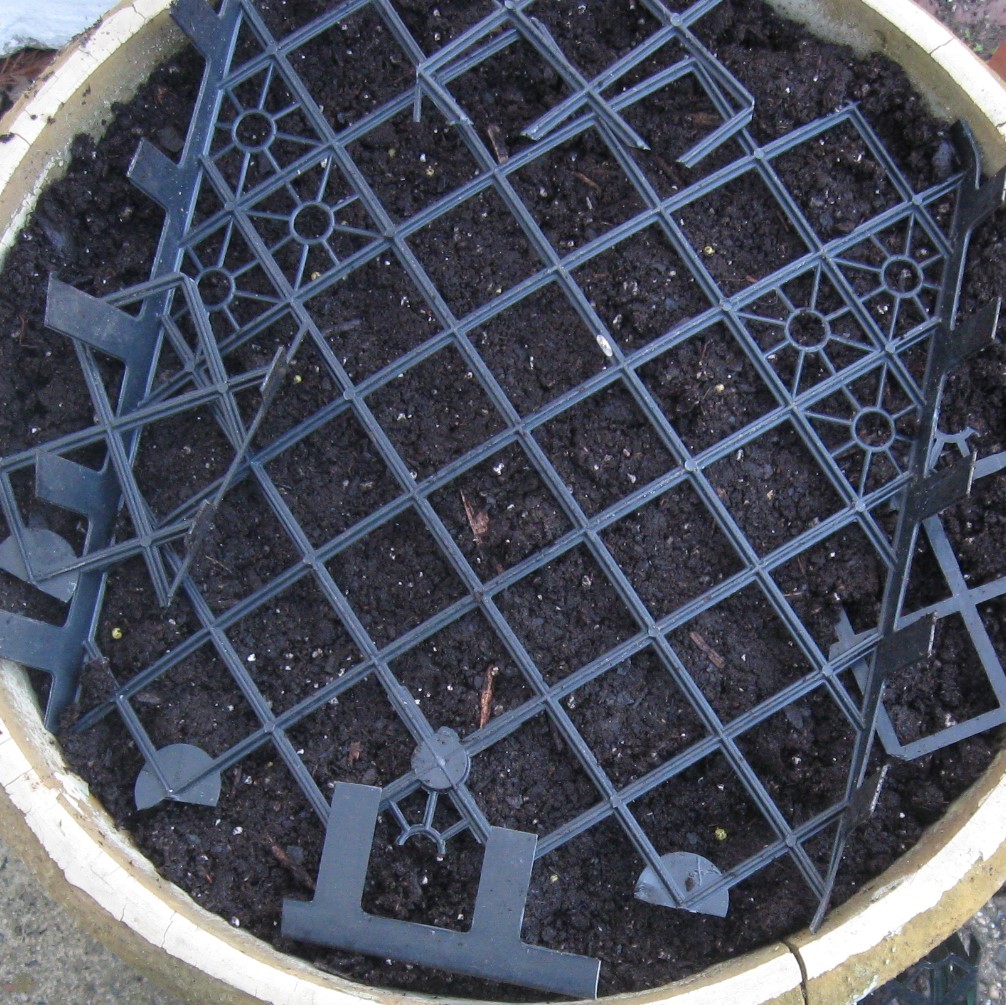
I came up with a solution I hope will work for me. I used this tactic in my spring garden buckets and will try it with the bulb plantings. I cut the grates out of flat trays and secure them with large six inch anchor pins. When the bulbs begin to sprout I will remove the plastic grids and drape some netting over them. It gives me joy to think ahead to Springtime and butterflies.

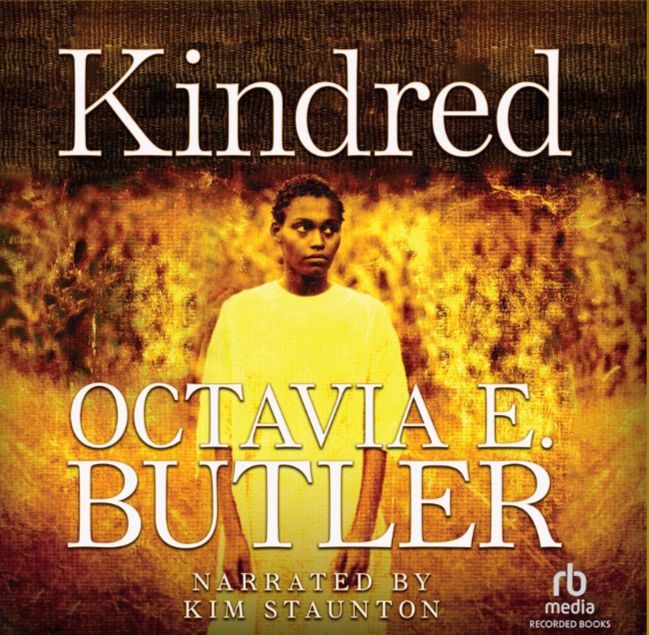
I read Kindred for the first time in 1979/80. Written by Octavia Butler, the story is about time travel, a setting I love. Flash forward to 2022, and I am utilizing my Hoopla app, reading/listening to Kindred once more as an audiobook. It still entrances me. My interest was renewed when I recently heard that the book was going to become a mini-series. I hope it is true, and most of all I hope they faithfully follow Ms. Butler’s excellent writing.


There are several herbs and greens that will grow indoors under lights or on a sunny windowsill. Water cress is one of these amazing plants. I learned a bit about water cress as I composed this post. This green is one of the oldest known leafy green vegetables consumed by humans. Water Cress is related to mustard, radish and wasabi; that explains its peppery punch. It’s best to only eat water cress if grown by yourself or cultivated, in the wild it can be infected by parasites such as giardia.
The new tips, microgreens, or sprouts can be eaten raw. More mature leaves can be steamed. Care must be taken when mixed with certain pharmaceuticals such as Chlorzoxazone. Water cress is a low-calorie food and is high in vitamin K, vitamin A, vitamin C, riboflavin, vitamin B6, calcium, and manganese. Beyond eating, I love the lush appearance of my Water Cress growing in a sunny windowsill.

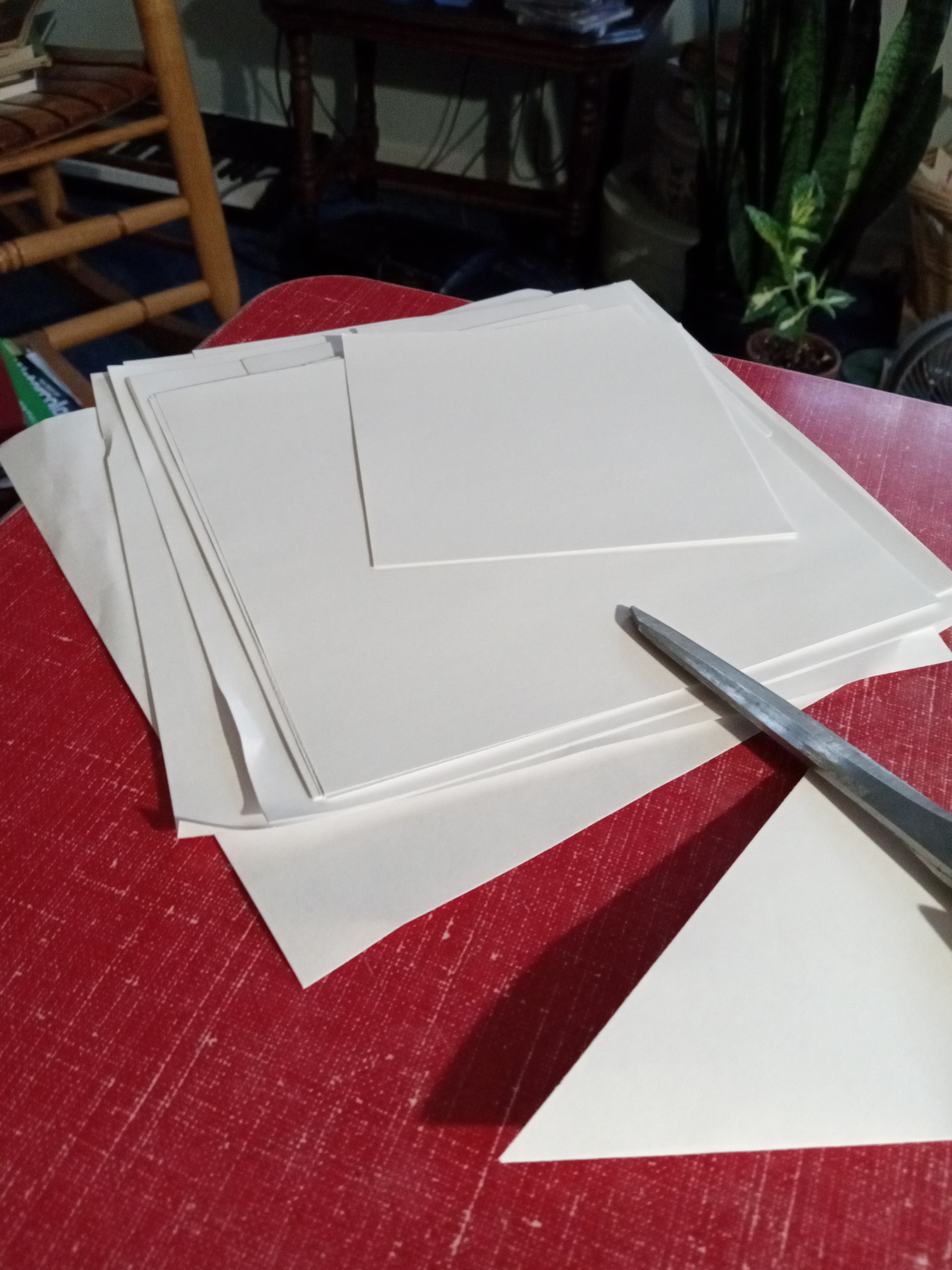
This is a throwback post, and also a craft that’s been around for countless years. Since the time of paper and scissors, adults and children alike have been cutting paper snowflakes for windows and gift packages.
I cut over a hundred every year for my windows. I’ve included a how-to video with this post, but I have tweaked my snowflakes over the years, and want to share a new tip or two.
The most important tip I want to share is to cut many different sized snowflakes. The snowflakes on my windows look more interesting if they are not uniform in size. I use squares of computer paper cut into a variety of sizes, four inches to eight, and everything in between. As long as you have a square and do the folding correctly, your snowflakes will be a success.
As always, the best way to store paper snowflakes is inside a book until you are ready to use them. Here is a true story and a tip too. Write down what book you place them in and where that book is kept. I lost dozens and dozens of finished snowflakes a year or two ago. I found them months later in the “safe” place I had stashed them.
To finish off the snowflakes, press them between sheets of wax paper with an old iron you reserve for crafts, or to preserve your iron and board, encase them in several layers of newspaper and press them in wax paper. When you pull the wax paper away, your snowflakes will have a protective layer of wax to keep off the condensation winter windows often form.


The In A Vase on Monday challenge for this week had a twist for the ninth anniversary. The host, Cathy, asked us to create a handheld posy bouquet. I wasn’t able to attend the Zoom meeting, but I’m happy I took part in the challenge. I love the bouquet the pink-hued flowers in my garden enabled me to create. I was surprised by how unblemished these blossoms were considering the cold, rain, and wind we have experienced in the last few days. The bouquet turned out pretty. My husband complimented me on the flowers as the bouquet sat on the kitchen counter for its photo shoot.

I worked in floral shops for years and created many hand-held bouquets for proms, weddings, etc. As I design handheld bouquets, I twist the gathered stems slightly in my hand each time I add a new bloom. This allows the stems to face outwards, and keeps each flower airy, surrounded by a bit of space, creating interest and dimension. I always have a chenille stem (pipe cleaner) handy and bent into a hairpin shape before I start putting the bouquet together. When every stem is in place, I twist the chenille tightly around the upper portion of the stems, an inch or two below the first flowers.
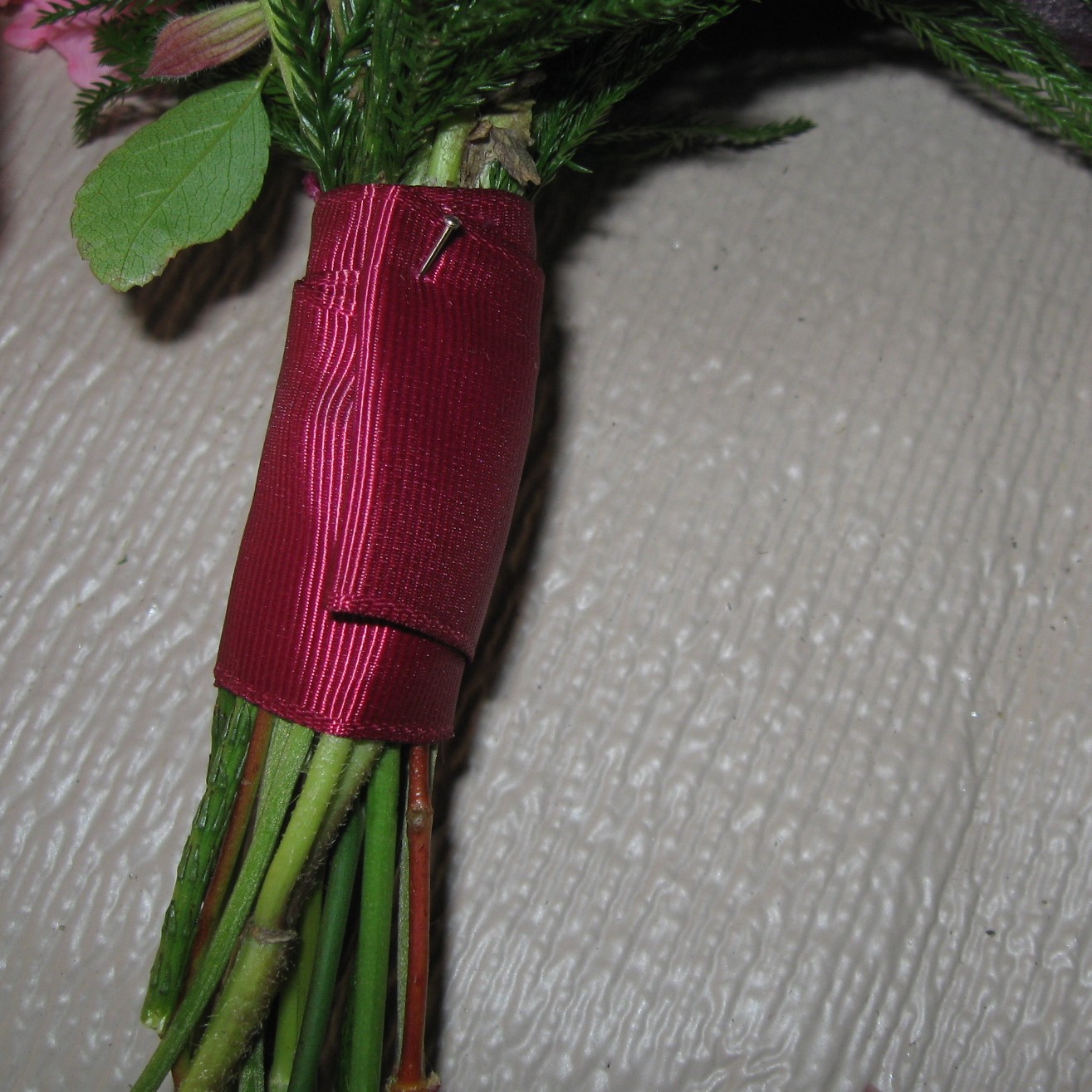
I cover the chenille with a bit of broad ribbon. A long pin in the ribbon, pushed straight down in the direction of the stems, will hold it in place. The pin will not prick the person holding the bouquet as the point is encased within a barrier of closely bunched stems.
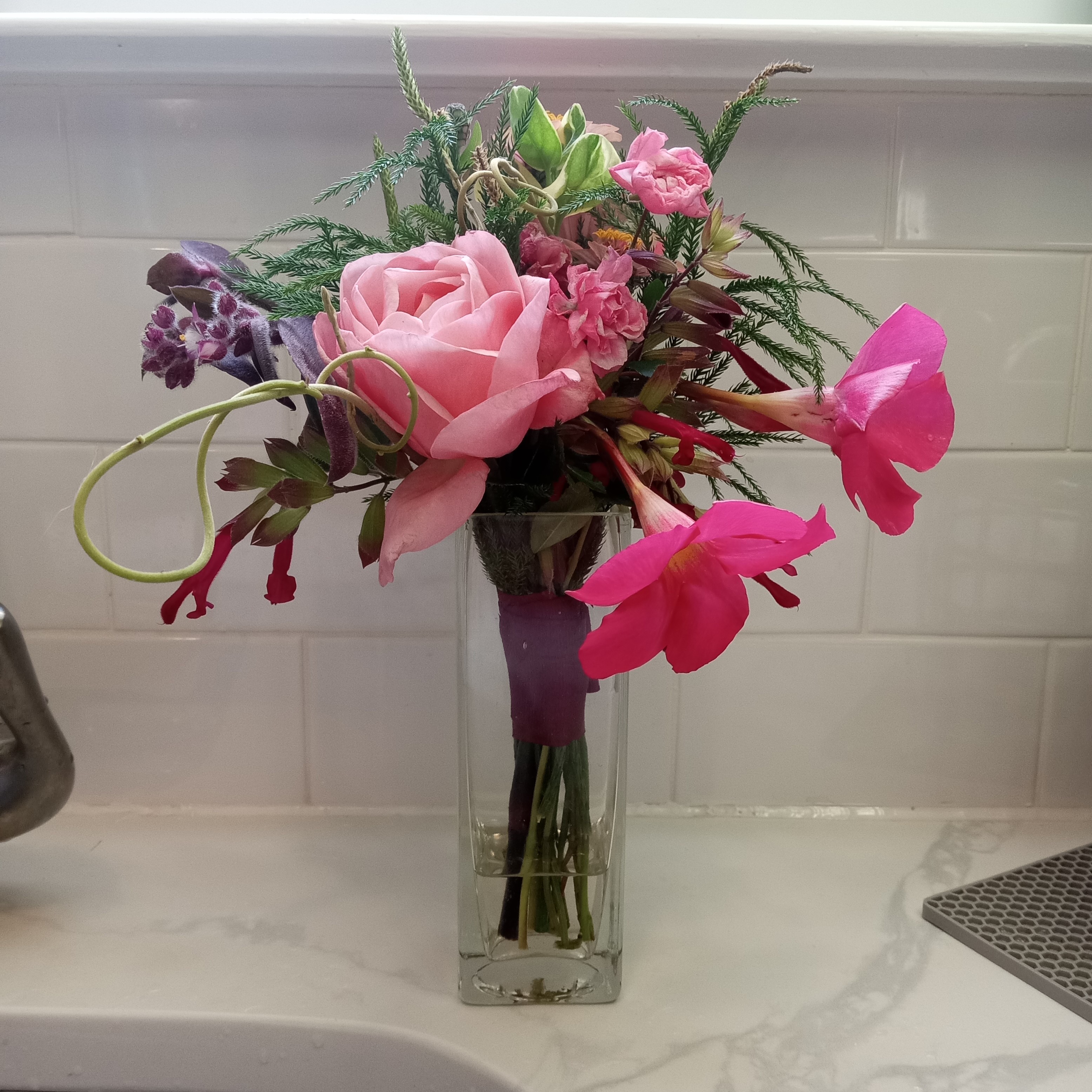
A good tip to keep the flowers fresh until ready to use is to cut the bottom stems to all one length and let an inch or two of the stems stay in water until ready to wrap or use. The flowers I used in this handheld post are Queen Elizabeth rose, Fairy roses, cyanotis, magenta salvia, wisteria tendrils, Mandeville blooms, and ground pine gathered on a weekend walk in the woods.


These gorgeous Mr Lincoln roses were blooming in the mid-November sun this Sunday morning. Somehow, their petals stayed intact through rather heavy rain Friday and overnight. They began to emit their compelling fragrance as they warmed up in the house. Not many roses can surpass Mr Lincoln blooms for scent and beauty.

I usually don’t expect such a perfect rose in November. These blooms are part of Cee’s Flower of the Day.

The small hymnal in the first photo, The Gospel Hymn Book, is signed and dated 1890. Surprisingly, I found it in a local library, shelved in the Books for Sale section, available for purchase for only fifty cents. Oh my! I am blessed to have it. It is very fragile, dog-eared and spotted, bound with aged string, but the wisdom within is full of strength, power, and timeless. Under a title of Sweetness of Prayer is printed the following verse:
Come, Holy Comforter, Presence Divine,
Now in our longing hearts graciously shine;
O for Thy mighty power,
O for a blessed shower,
Filling this hallowed hour with joy divine.
Here from the World We Turn
Words: Frances Jane Crosby
Music: Tryst | William Howard Doane


I love birdwatching of all types, seabirds, raptors, backyard birds, all fascinate me. We live in an area where I can seek out all three. Years ago, I had a secondhand platform feeder I enjoyed filling and watching. This year, my husband bought me a new one for my birthday. I love this view of the inner roof with the Sapphire blue sky above it. Somehow, it reminds me of the ceiling in my grandmother’s church, the memory is decades old, but still so sweet. I hope the birds feel a sense of ‘sanctuary’ here too.

It took a day or two, but the birds have found the feeder. Typical of brash birdy personalities, the first to hover and land were the blue jays. Yesterday, I saw a couple small birds, a redpoll finch, and a junco. The same afternoon, a curious squirrel dug beneath the feeder, but thankfully didn’t climb up.

We are so pleased with this beautiful hand-crafted birdfeeder. You can read the link on the tag if you want to visit the builder: great product, prompt delivery, wrapped/shipped safely.
This post is part of Skywatch.

“Many eyes go through the meadow, but few see the flowers in it.” ~Ralph Waldo Emerson
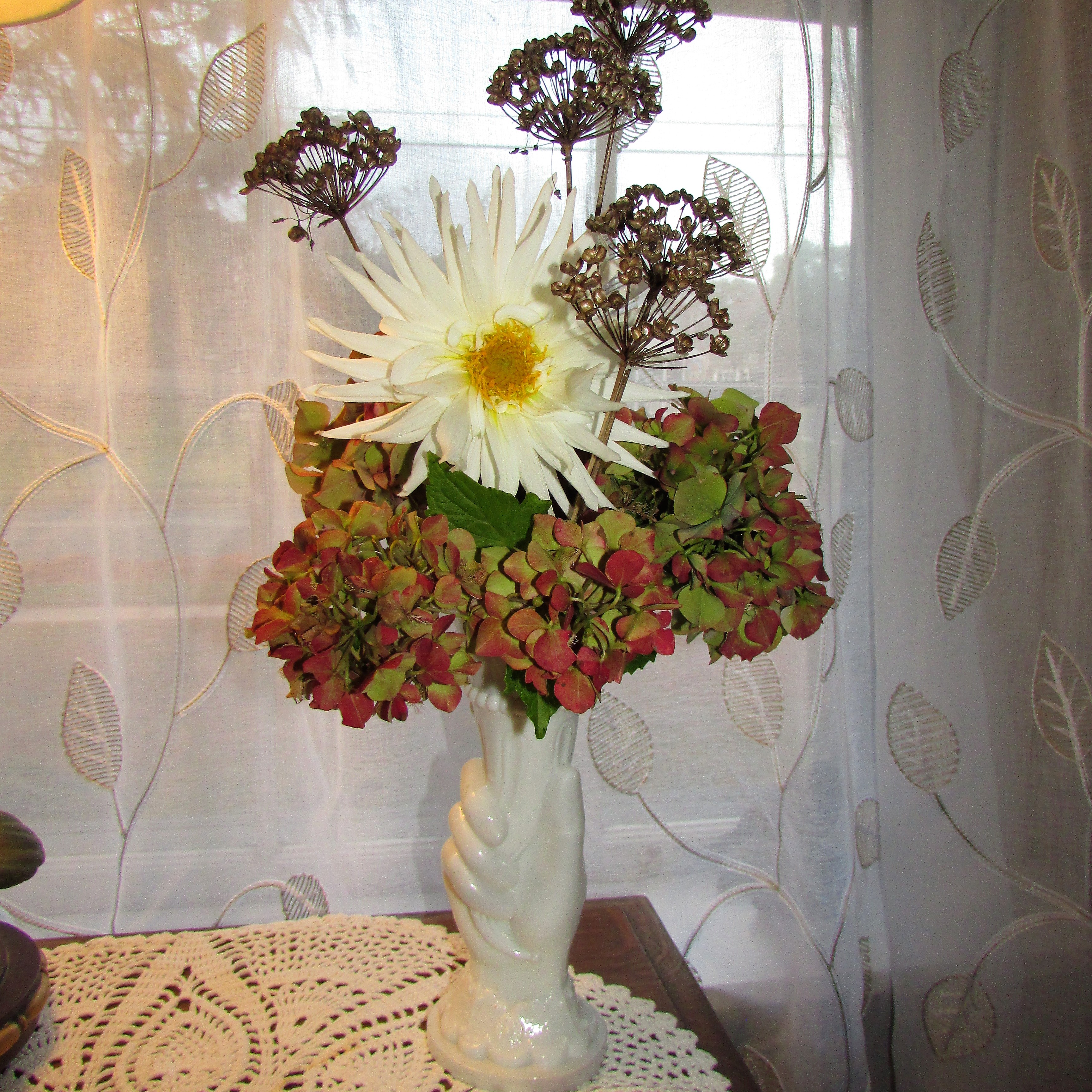
Monday Morning Blues are non-existent when flowers start my day. The last dahlia bud of the year has opened into a spectacular disk that for some reason makes me think of ferris wheels. The pristine white of the petals is set off by the aged blooms of magenta hydrangeas, matured now into a lovely mix of chartreuse and deep maroon. Dried garlic chive umbels/branches sprayed metallic bronze give added interest. The milk glass vase, a Victorian posy holder, seems a good match for the dahlia bloom. This arrangement is part of In A Vase Monday, hosted by Rambling in the Garden.
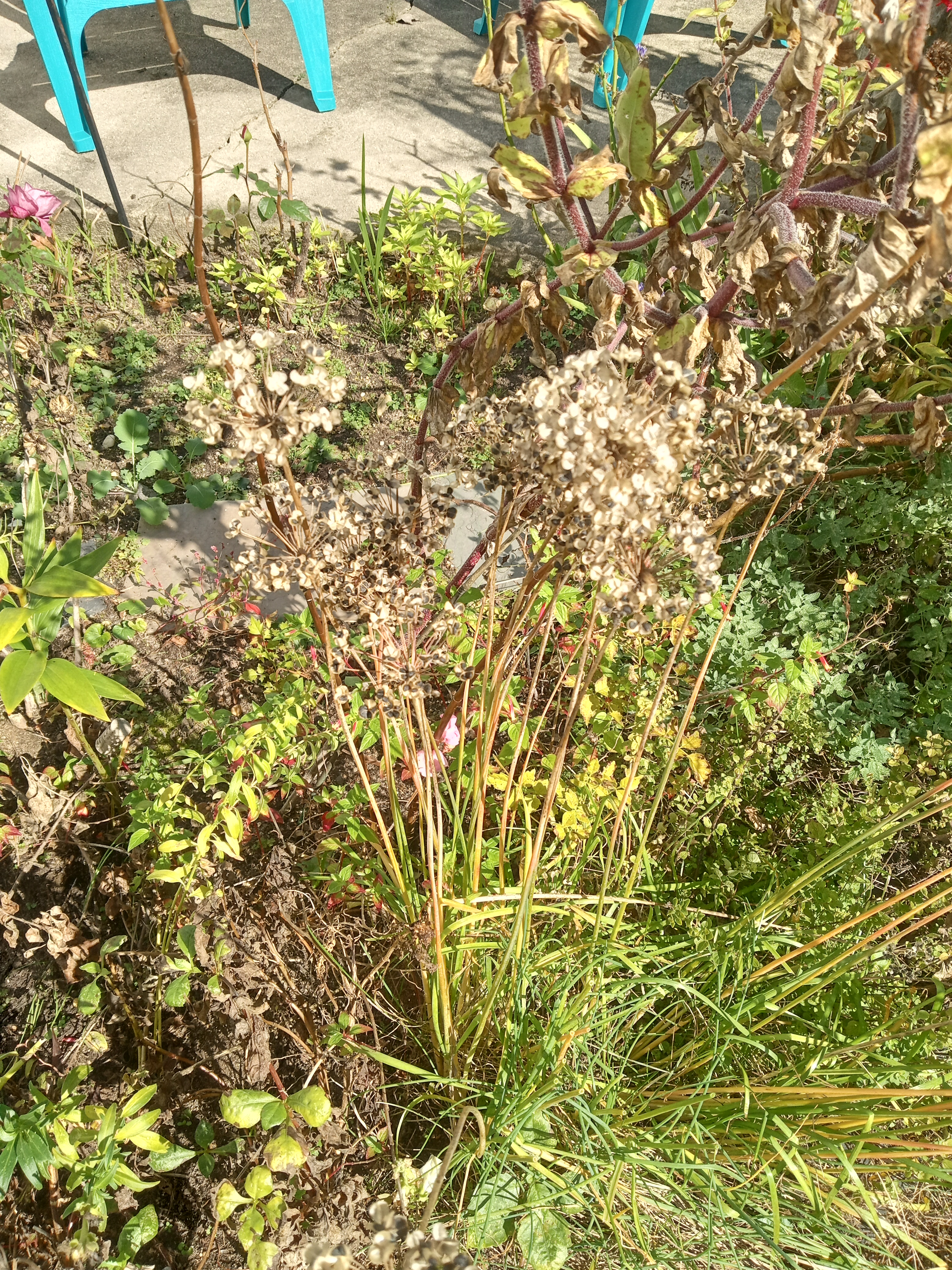
Garlic Chive Umbels, dried perfectly on the plant.
Garlic Chives – This is a strong recommendation, a definite 10 out of 10, for this wonderful plant. The leaves are great as a garnish and taste delicious snipped into soups and salads. Even better, the starry-white flowering stalks are stunning in late summer. Left alone, they dry into strong, dried flowers. After shaking out the seeds, which I will save for next year, I sprayed the dried umbels with paint in a metallic shade. I have another project in mind for these, but that will have to wait until later in the month. If you have a chance to cultivate this plant in your garden, you won’t be disappointed.

“Do not watch the petals fall from the rose with sadness, know that, like life, things sometimes must fade, before they can bloom again.” – Anonymous

The best rose of the year is blooming today in my Autumn garden. Winter Sun was a great performer all summer, covered in flowers, abundant leaves, and strong canes. Blossoms at this time of year are scarce, but this beauty is perfect and as large as the span of my hand. Winter Sun is my Flower of the Day?


This Autumn Bouquet arranged for ‘In a Vase Monday,’ was created using flowers from my garden and hedgerows surrounding a park near my home. Flowers featured: Sedum, Celosia, Mexican Sage, Zinnias, Honeysuckle, Milkweed pods, and Dandelion Poufs. The harmony of colors ranges from the Espresso Brown of the Sedum to the bright orange tones of the zinnia. Purple seems to be a popular Halloween shade and was a good addition to the bouquet.
“Already the dandelions are changed into vanishing ghosts.”- Celia Thaxter
The spooky quote by Celia Thaxter seemed doubly appropriate for Halloween and the bedraggled appearance of one of my Dandelion poufs.

The other was still in good shape when I came upon it. Both are included in my bouquet, their weak stems supported within the twisted rows of the Celosia.

I was surprised to find a stem of honeysuckle in bloom, out of season, but very welcome in the cooler days of Autumn.

“There is a child in every one of us who is still a trick-or-treater looking for a brightly-lit front porch.” —Robert Brault


Salvias, sometimes referred to as sage, are the champions of my Autumnal garden beds.
In truth, all SAGES are SALVIAS. Over time, though, the term sage has been closely aligned with cooking or medicinal use and the term salvia has been given to the more ornamental members of this genus. Nevertheless, Salvia is the Latin name, or Genus, given to all these plants. ~Mountain Valley Growers

The colors of my salvias have stayed vibrant through several frosty mornings.

Pineapple Sage, Salvia elegans, is my Flower of the Day, part of Cee’s Flower of the Day Challenge

The flowers of Mexican Sage are fuzzy and remind me of purple bumblebees and velvet.

The salvias are so blossom-loaded; I felt the hummingbirds stayed too long this year, sipping their nectar through early October. I hope they have made their journey now to warmer climates.

I held a piece of this salvia up against the bluest of Autumn skies; the camera captured the velvet texture of the blossoms and the detail of the leaves. What I didn’t see when I took the photo was the small flying insect resting beneath one of the buds. This photo is part of Friday Skywatch.

Six on Saturday Collage


I think the ‘extraordinaire’ in my title fits this lovely vase of lilies. The bouquet is still going strong 10 days after the purchase of the flower stems. Most of the buds were closed when I brought them home, but a diagonal cut along the bottom, a bit of flower food in warmish water, and several lilies unfurled within 24 hours. Arranging each stem opposite another, giving the vase a turn before continuing on, creates an intricate design aspect through the glass vase rather than a bunched-up mass. Today, I cut away the first of the faded blossoms. There are still many flowers left in bloom, and a couple of promising buds still ready to burst. The fragrance is strong and distinctive of lilies.

You might be wondering why the open blossom is missing the dark anthers that are within the bud beside it. I learned this tip while taking classes on floral design: lily anthers are staining. If the pollen dust on them touches clothing, table coverings, or upholstery, the stain is usually impossible to remove. As the lilies open, I remove the anthers and dispose of them. I love the way they look, but I know from experience, remove them.

If you like the ‘freckled’ appearance the pollen gives the petals, gently tap the anthers over the petals before removing. Be aware though, even this small amount of pollen can cause a big stain.
My vase of lilies is part of Cees Flower of the Day Challenge.

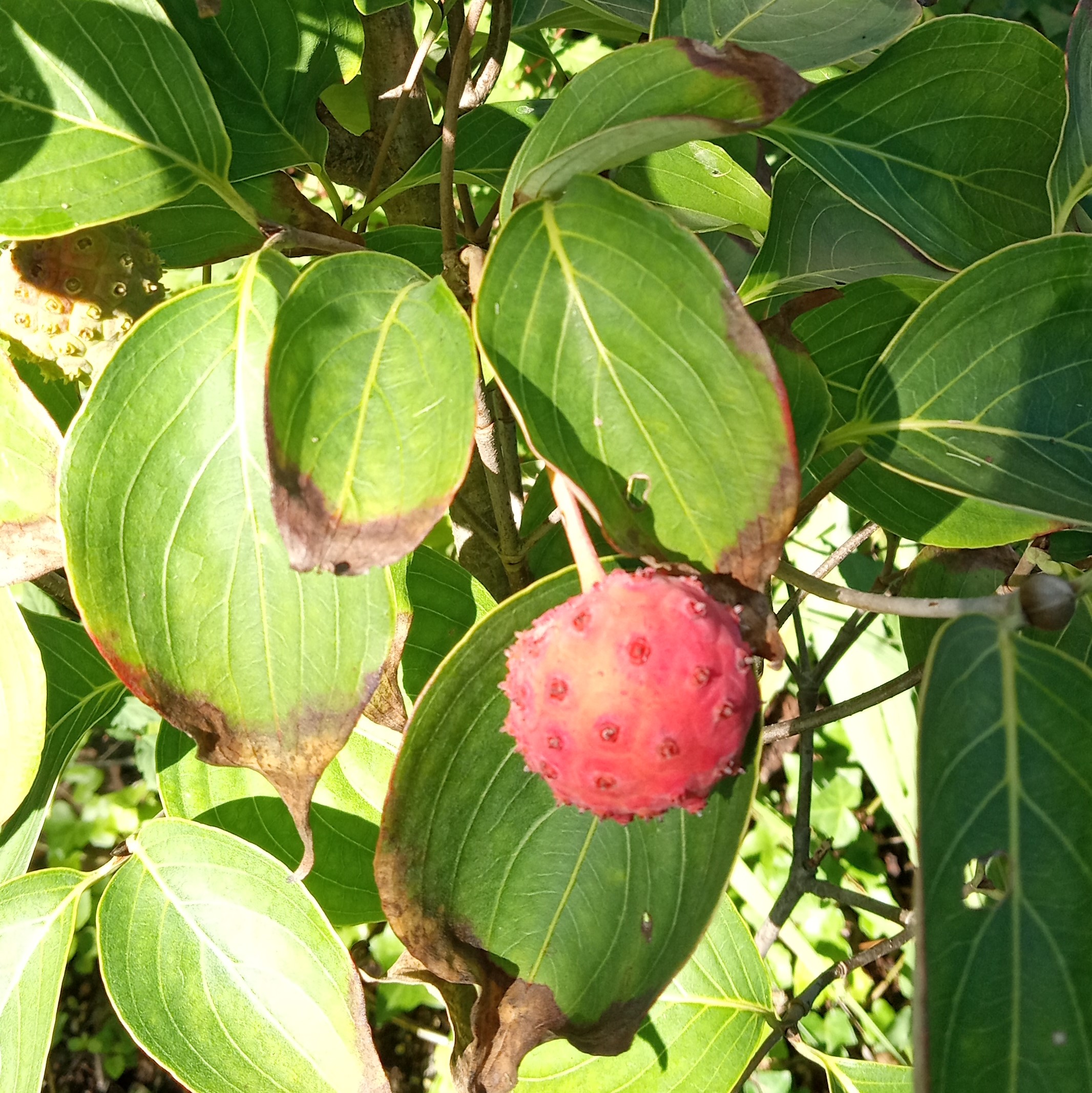
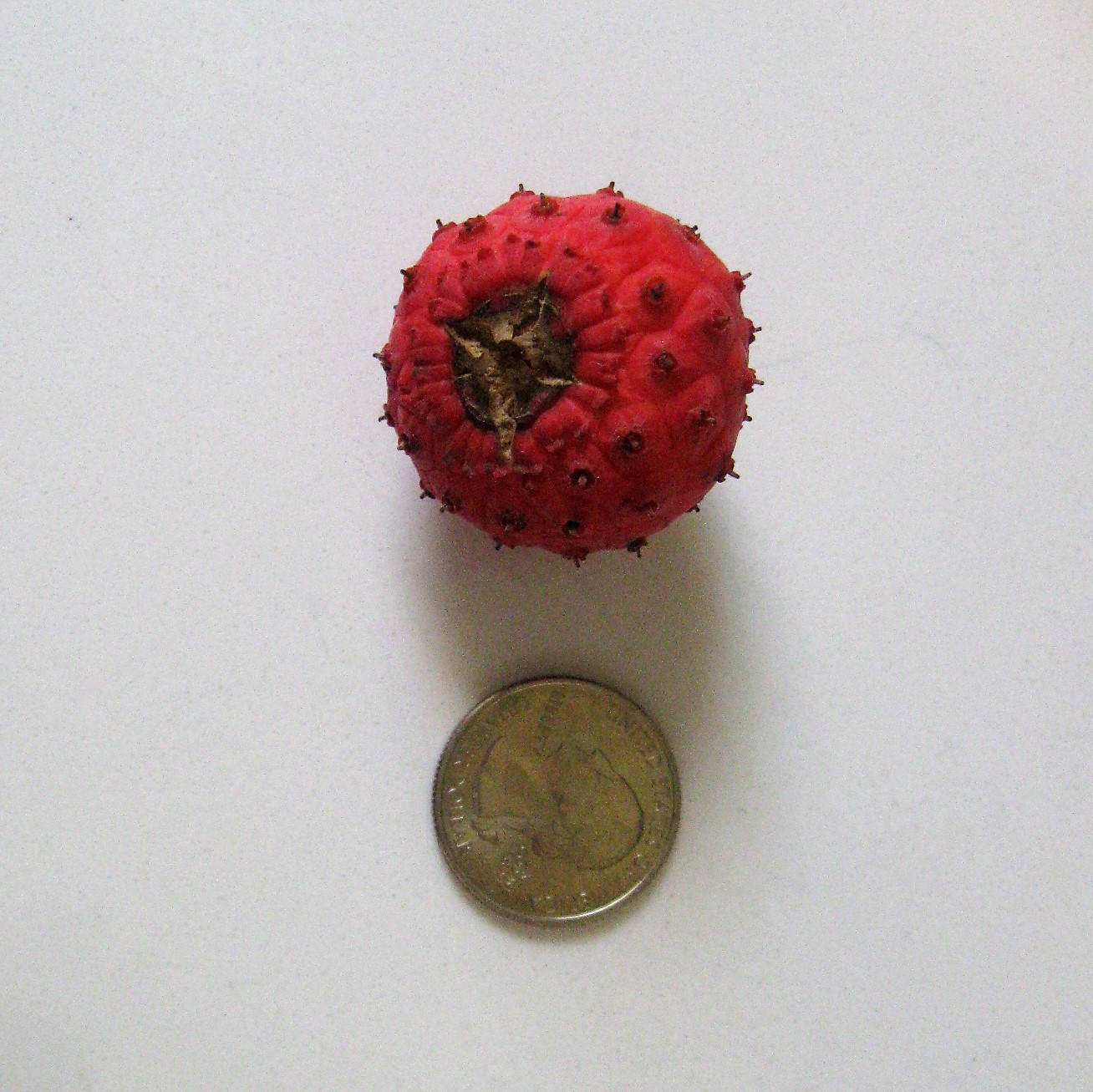
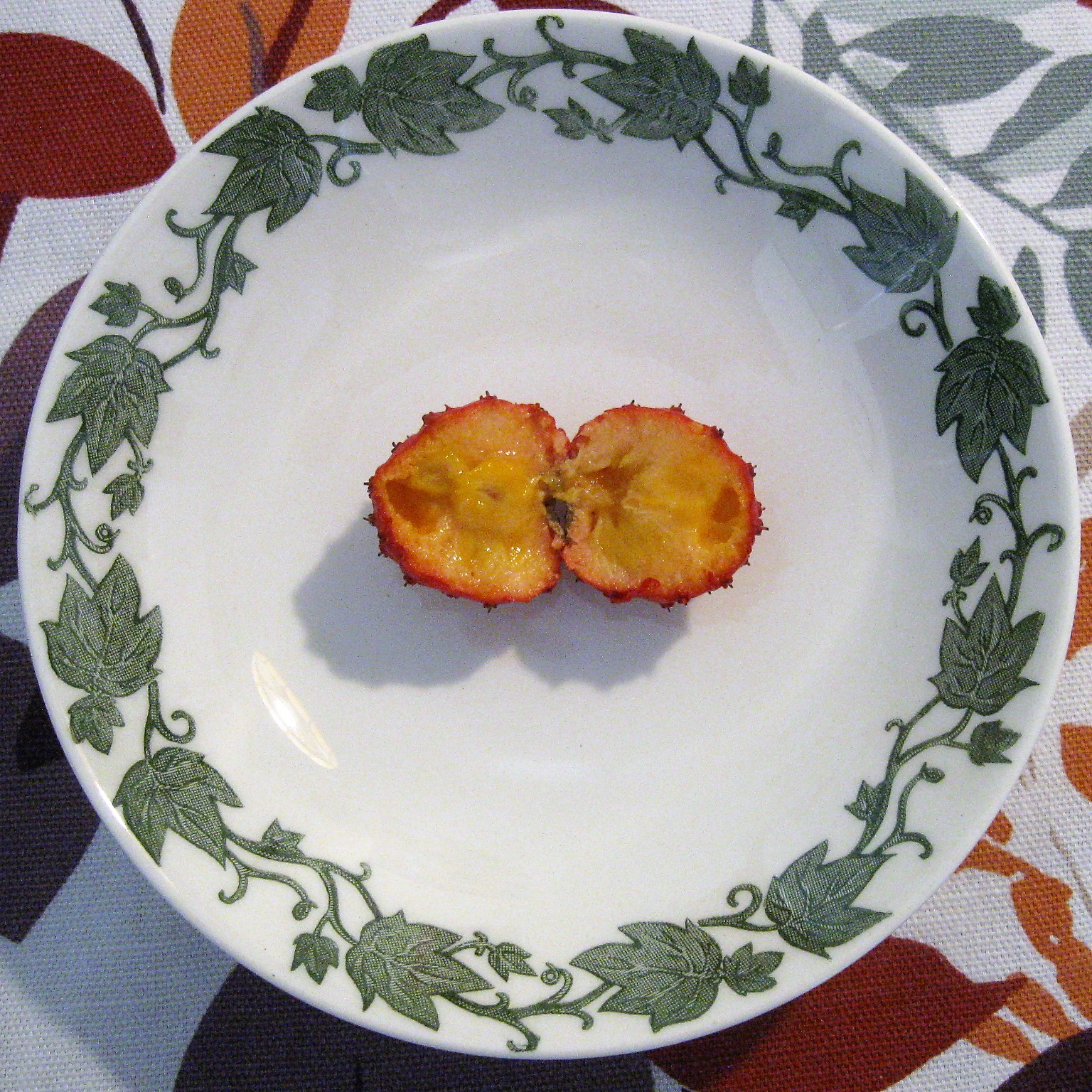
Surprise! This lovely Kousa fruit developed on my dogwood. After the flowers, tiny buds resembling drumsticks appeared in their place. I forgot about them until I spotted the fruit/drupes in early Autumn, much larger, the size of a shooter marble, and cardinal red in color. Beautiful! The fruit is edible, although there are so few on my small tree, I will just admire them this year.

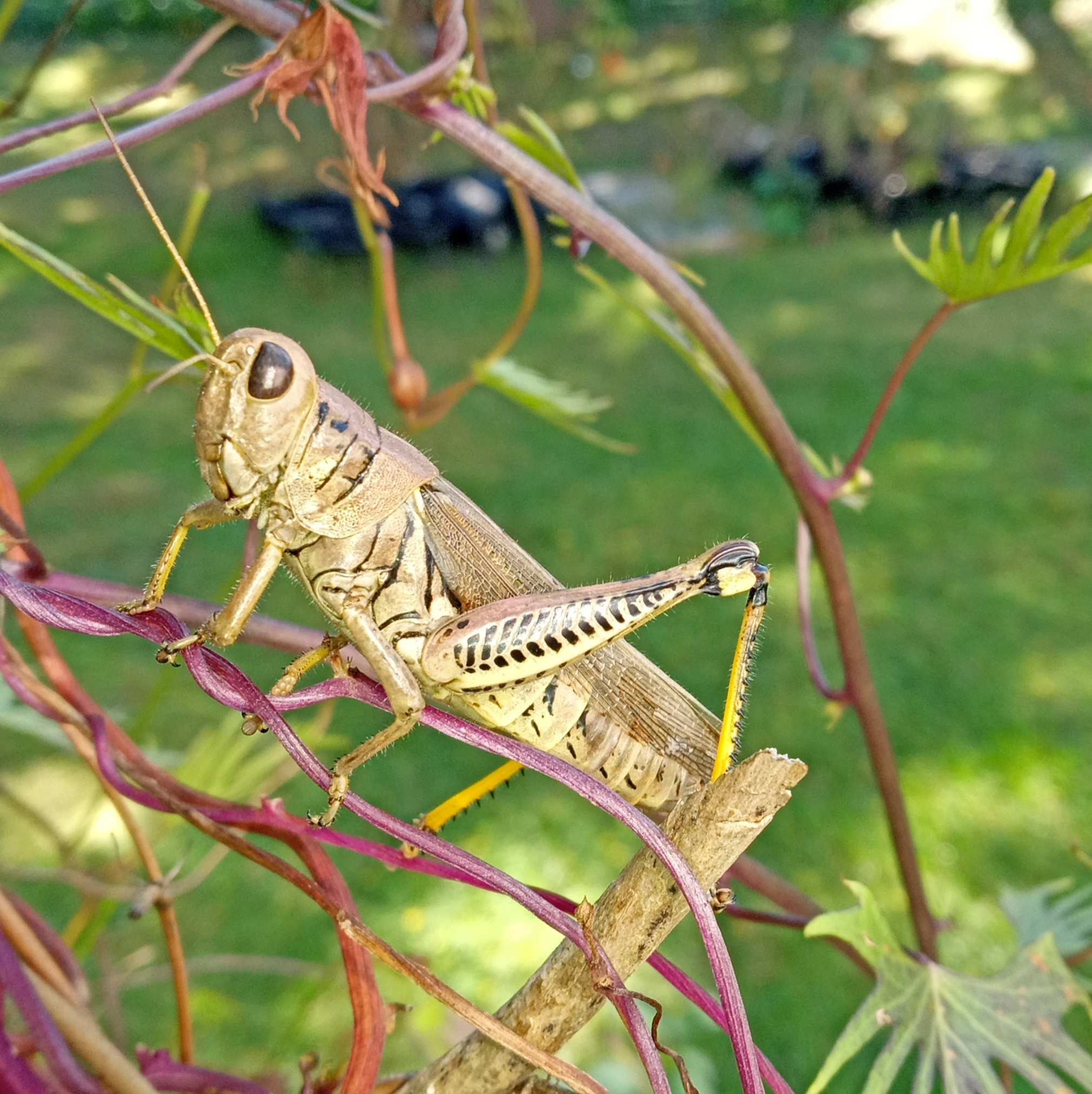
Cool Autumn has arrived in the Mid-Atlantic states. While collecting seeds from my Cardinal Flower Vine, I found myself face to face with a beautiful grasshopper.
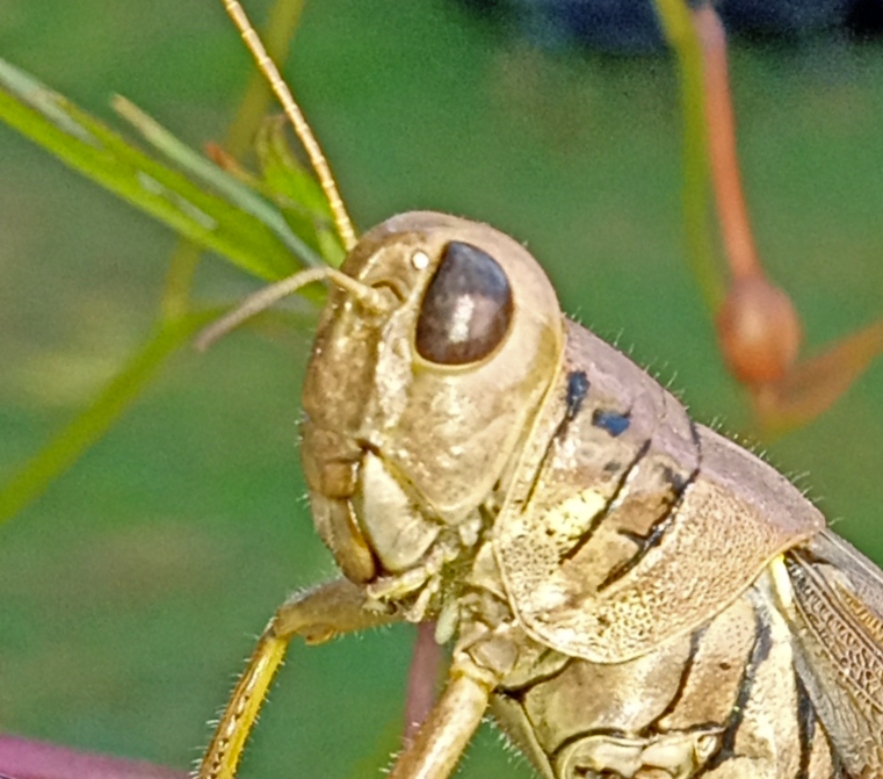
I’m not blessed with many close-up moments with grasshoppers. When the temperature is warm, they are fast to spring away.
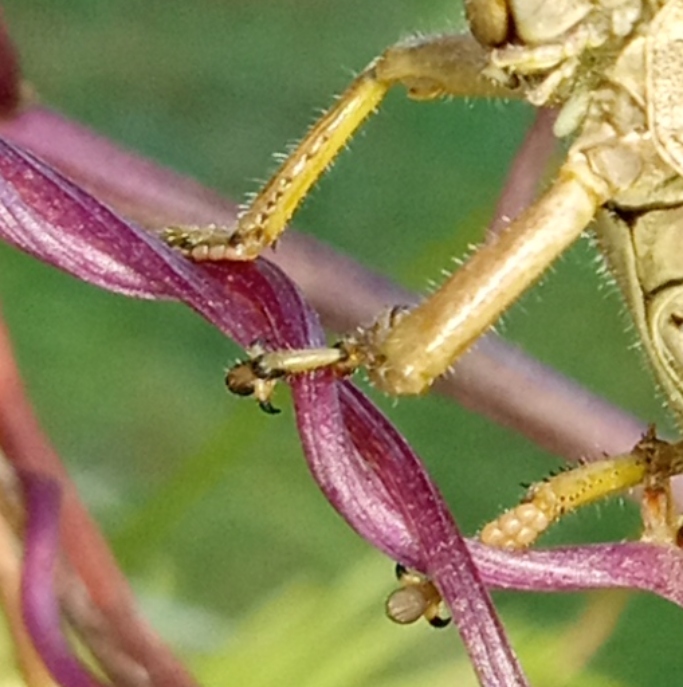
I was fascinated by the beautiful details, the face and large eyes, tiny hairs and hooked feet, the sporty lines resembling the stripes on a race car along the sides of his legs. I know grasshoppers can be destructive in large numbers, but I enjoyed my encounter with this fellow as we both basked in the Autumn sunshine. The beautiful creatures in God’s world bring me joy.
LAPC #220 One Subject Three Ways


As I related in Cladonia cristatella Part I, I searched for British Soldiers in hopes of creating a gift for my friend Sherry. I planned to encase the British Soldiers I collected, along with pressed Queen Anne’s Lace, in resin.

Instead of the two-step pour and mix variety, I chose the softer, one-step product. I purchased Blue Moon Studio charm molds, UV resin, and a small UV light from a local craft store. The products were expensive, but I was lucky and found them on sale.

The directions in the package were simple. When followed, they yielded perfect results. The resin, as indicated, dried in two minutes under the UV light. One plus was the ‘on’ button on the UV light; when pushed the light stayed lit for only a minute. This helped me avoid over-drying the resin.

The charms popped right out of their molds. Beautiful! I couldn’t believe I crafted something so tiny.


I gave the charms a bit more time in UV light and placed them in natural sunlight for a few hours. One final thought on finishing the charms. After I placed jump rings in the hole created by the mold, I strung the charms on a polyester necklace.

The polyester retained wrinkles from the packaging. I dampened the strand and hung it on the clothesline with a large weight. This straightened the necklace out in a few hours.
My tips after using Blue Moon Resin Products:
When I first tried to pour the resin from the bottle into the molds, I could not get the product to flow.

Why didn’t I remember most liquid in bottles come with an inner seal? After a bit of frustration, unnecessary squeezing, and muttering to myself, I took the cap off, felt sheepish when I saw the seal, peeled it away, and of course, no problem at all afterwards.
I did wipe the interior of the molds with a bit of rubbing alcohol before using them.
Tweezers are a definite must for placing the Cladonia and Queen Anne’s Lace in the poured resin.
I would never use the resin indoors as it dries under the UV light. Even on the porch, the smell in the air became noxious. Next time, I will be aware of the strong odor beforehand and move away.
I wish I remembered to thoroughly examine the poured resin before curing. After drying, I discovered a few trapped air bubbles. The directions state you can pop air bubbles with a straight pin before curing. When cured, they are a permanent part of your project. I plan to have a magnifying glass at the ready when I create my next project, and of course a sharp pin at the ready to pop those bubbles.


September brings an end to many of my garden flowers. If they have not gone to seed, they are falling victim to browning blossoms and leaves. I still have an outlet of admiration blooming in a side garden, a lovely pink Balsam I have named Leona’s Pink. My grandmother loved this shade, and so the name is perfect; she cultivated gentle colors in the garden, nothing brash was allowed in her flower beds.
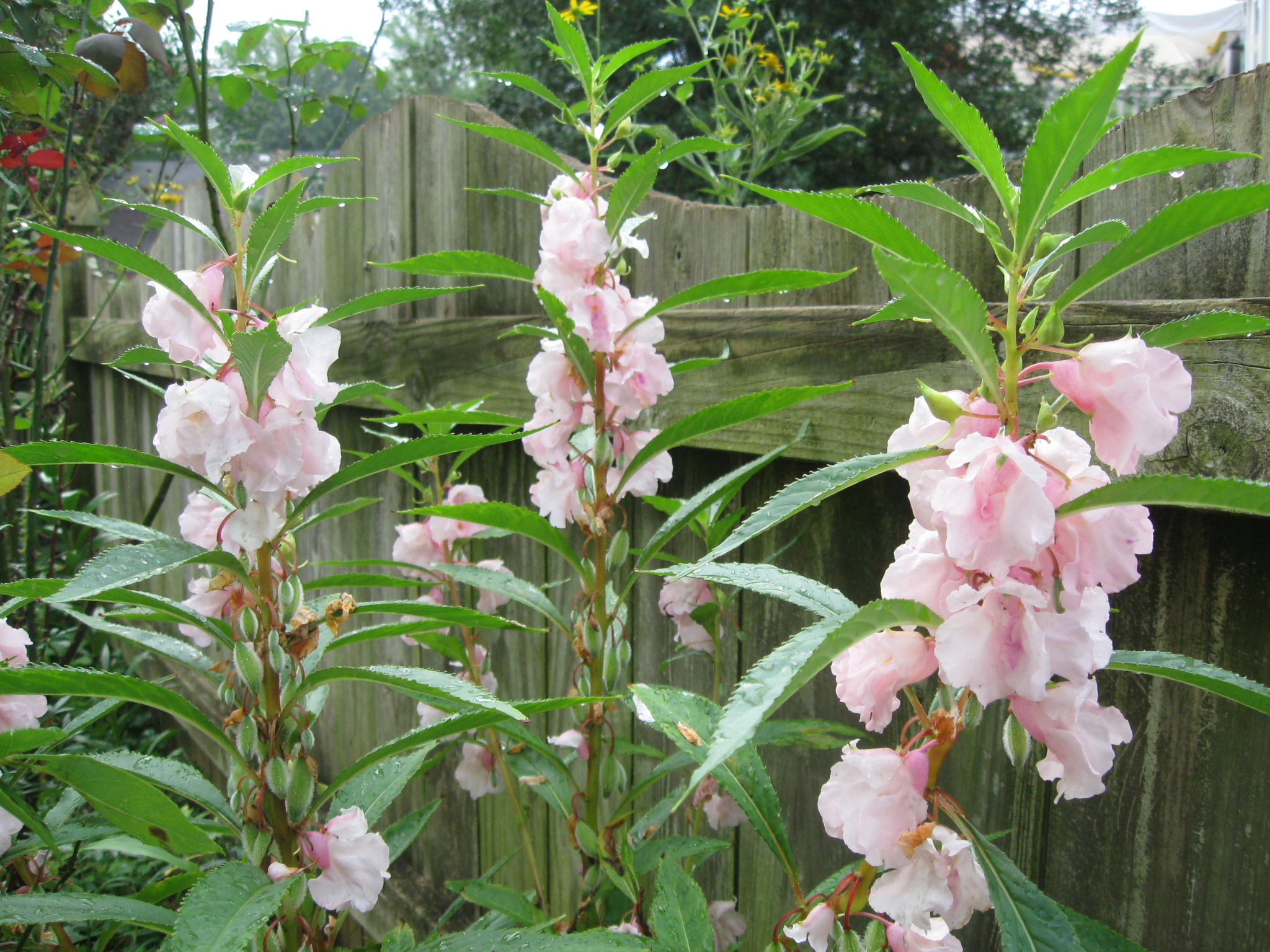
The lovely flowers leave behind large seedpods. I’m hoping to collect many seeds in the next few days to plant next year. The seeds are large, easy to harvest and store for next year’s garden beds. The seedpods are self-scattering, and if care is not taken, can become invasive. Since the small plants have shallow roots and are easily removed, this has never been much of a problem for me. I often transplant the volunteers to new locations in early Spring.
Pink Balsam is posted in Cee’s Flower of the Day Challenge.


