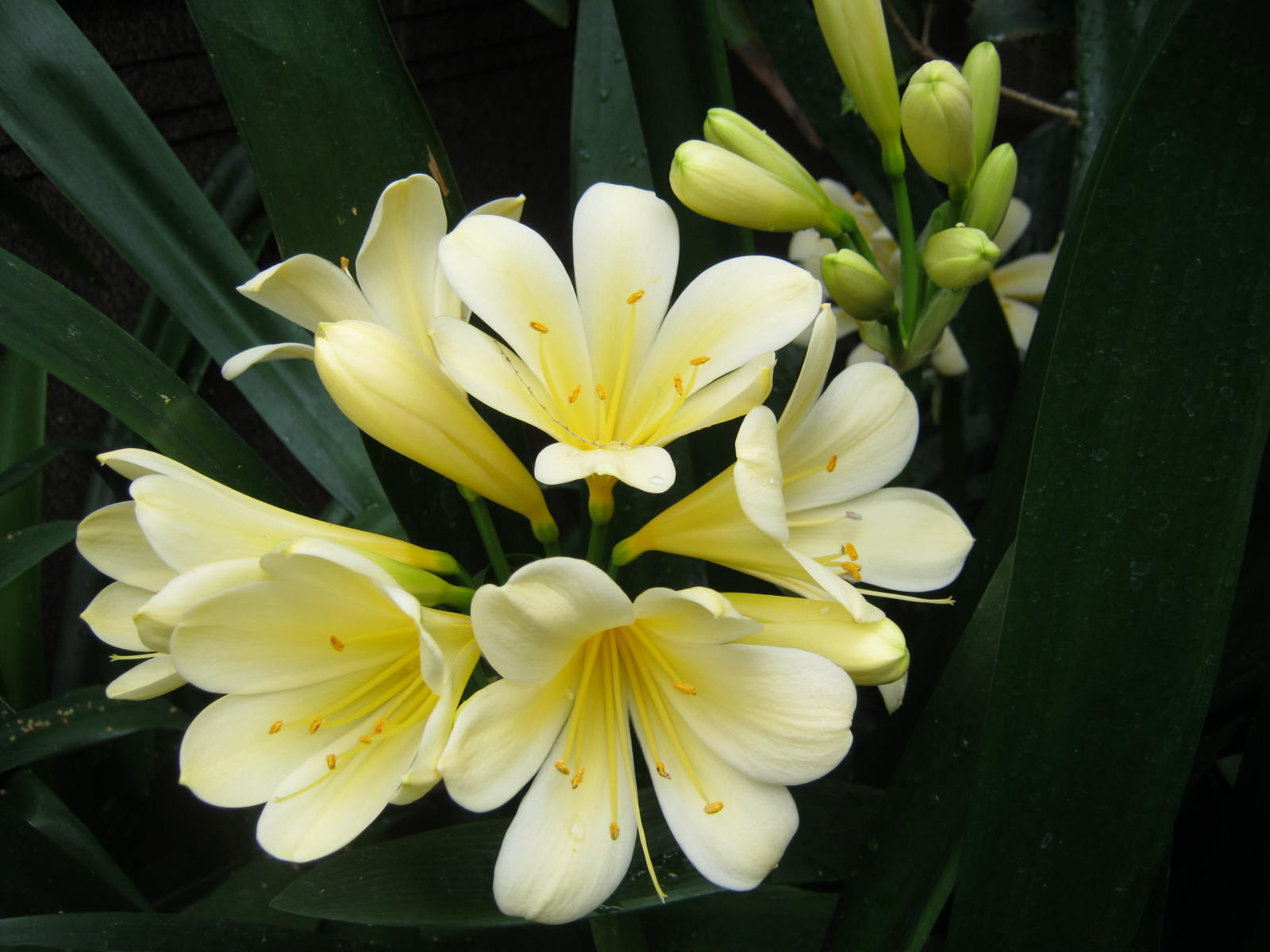
Plants – Wordless Wednesday/Clivia
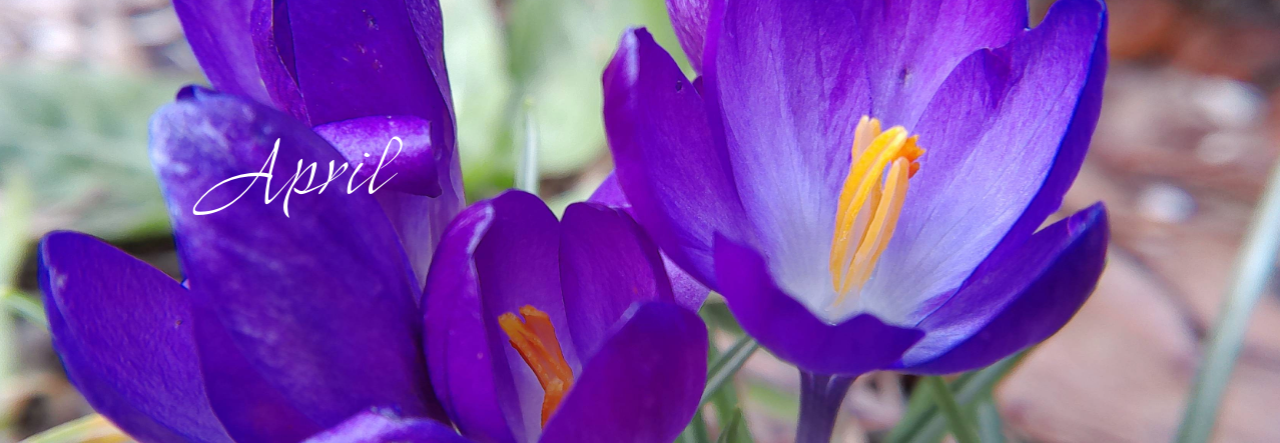

“Christ beside me, Christ before me,
Christ behind me, Christ within me,
Christ beneath me, Christ above me.”
~ St. Patrick
“If I have any worth, it is to live my life for God so as to teach these peoples; even though some of them still look down on me.” ~ St. Patrick
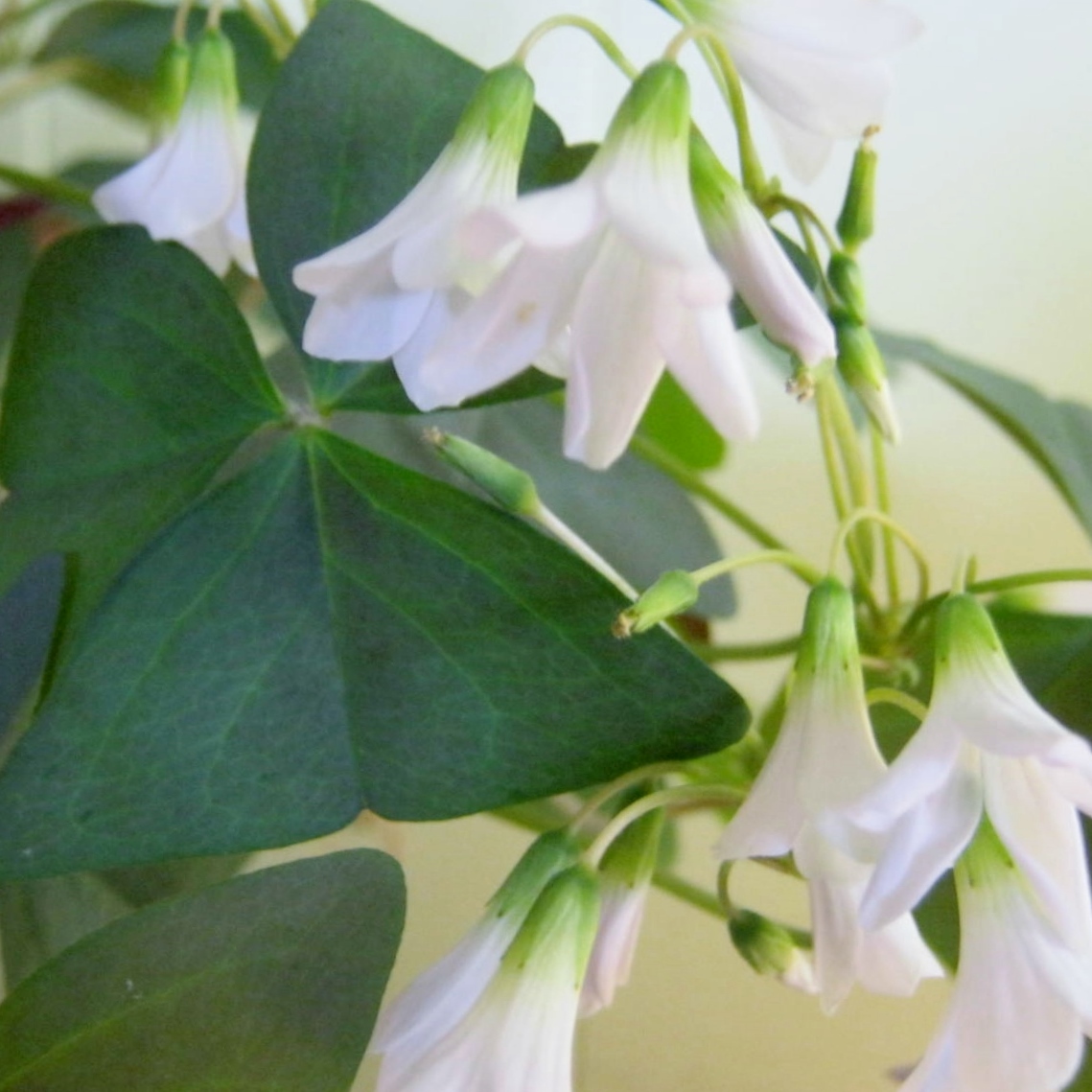
I am quite fond of my Wood Sorrel Oxalis/Shamrock plant. I purchased it last Spring as a “Proven Winner.” I planted the oxalis in a medium-sized pot and grew it beneath the shady branches of a crab apple tree. The dappled sunlight it received allowed the plant to thrive. In the Autumn, I brought the oxalis into the house and placed it in a shady basement window. The plant thrived all winter with minimal attention. In a few weeks I will place it outside beneath the crab apple tree once more. A terrific plant, but might not be easy to find. It is available online.
“This is a sweet plant with lots of delicate small white flowers. Its leaves resemble shamrocks so it is a perfect St. Patrick’s Day gift. It will grow happily in a window of your home in a cold climate, as did my first plants. It also grew happily outside in my garden in the Caribbean isle of Montserrat. That’s not bad for flexibility which automatically makes it one of my favorites.” ~Green Garden Online Plant Source


My houseplants are showing signs of shedding their winter slump. It’s time to top them up with an inch or two of new potting soil or repot them into a bigger pot. I’ve been adding a little time release fertilizer as I make my rounds watering this week. I’m also trimming dead leaves and leggy branching.

The only place available to store my fuschia over the winter was a basement window well. The fuschia ia alive, but the growth it has put out is spindly and weak. I am going to cut away these thin branches and keep a few to root in potting soil. In eight weeks time, if they develop a root system, they will be able to be planted into outdoor garden pots.

The coleus sprouts are beginning to show colors. I’m going to separate them and plant into small pots within the next week.

I did right in cutting my vining morning glories back. The vines have sent out double and triple the shoots. Hooray! I can just imagine the lush blue flowers opening up around my windows.
I’m still winter-sowing half-hardy annuals. In Mid-march I will begin sowing some of the vegetable seeds (tomatoes, eggplant, etc.) that need more warmth. As always, I wish you Happy Gardening!
PS: Did I remember to tell you that my hoop house blew right off its moorings in the terrible winter storms we’ve had? Oh well…nothing lost but a bit of plastic. We saved the pvc pipe and will use it for another project.


A few weeks ago I was blogging on finding and using Meyer Lemons. I mentioned that I was going to save some seeds to sprout and grow.

I followed through on my goal and planted eighteen or more Meyer Lemon seeds in a tray of regular potting soil. I covered the tray with a lid and placed the container near a heating vent. Within a few weeks six of the seeds sprouted. Success! I know in the cool temperatures of a winter house they will grow slowly, but hey, they are growing…step one toward growing a Meyer Lemon tree complete.
Updates will follow in the coming weeks.


Minerva, the Amaryllis bulb I purchased in November, finally grew and bloomed.

In November, I blogged about finding the bulb dressed up in a pretty gauzy bag.

Minerva has lived up to her packaging and beautiful name. She is a medium-sized Amaryllis with gorgeous stripes running the length of her petals. Minerva was worth the two months it took her to grow and blossom.

I grew three Amaryllis plants this year and hope to bring them back into bloom next December. I found information on how to do this at the United States National Arboretum website: How to bring an Amaryllis back into bloom.

The United States National Arboretum is a great site to browse. I’m hoping to visit there within the next year or two.

My Orange Sovereign Amaryllis unexpectedly formed seed pods. I checked a few sites to see if an Amaryllis is Self-Pollinating, but found the answer was no. Somehow, either by a gnat or other insect, or by moving the plant from room to room, the amaryllis was pollinated. I found some good information to follow on Youtube from the Amaryllis Man on how to grow the seed. We’ll see if I have any luck growing one of these beauties start to finish.


My Christmas Poinsettia is still looking rather fine. The plant is large with several blooming flowers, or more correctly said, “Bracts.”
It’s time to decide whether I keep the plant and try to bring it back into bloom or toss it. Need I say, I have never heard of any home gardener who has managed to coax one of these beauties to rebloom? If a reader has ever had success with bringing a poinsettia back into flowering stage, please tell us how in the comment section, and I will add it to this post.
According to Bachman’s Garden Care here are some tips to keep your poinsettia in bloom as long as possible:
“Keep the plant in your sunniest window
Keep the soil barely moist/don’t allow it to become soggy
Feed with a good fertilizer every two weeks.”
If you decide to keep the plant, rather than tossing when the colorful bracts fall away from the plant, follow these tips:
“Cut plant back to 3 – 5 inches.
Repot in a slightly larger container.
Place outdoors in 6-8 hours of light daily.
Fertilize weekly.”
For information on how to bring your Poinsettia plant back into bloom visit Bachman’s Garden Care

Broccoli sprouts are a superfood. Part of the cruciferous family of vegetables, broccoli packs quite a nutritional punch as a cancer prevention, respiratory health enhancer, and decreaser of triglyceride levels. “Sulfaraphane-rich broccoli sprouts may be the key to lowering your risk for heart disease,” says an article at Healthy Eating. “Young broccoli sprouts contain up to 50 times more of the antioxidant sulforaphane than broccoli.
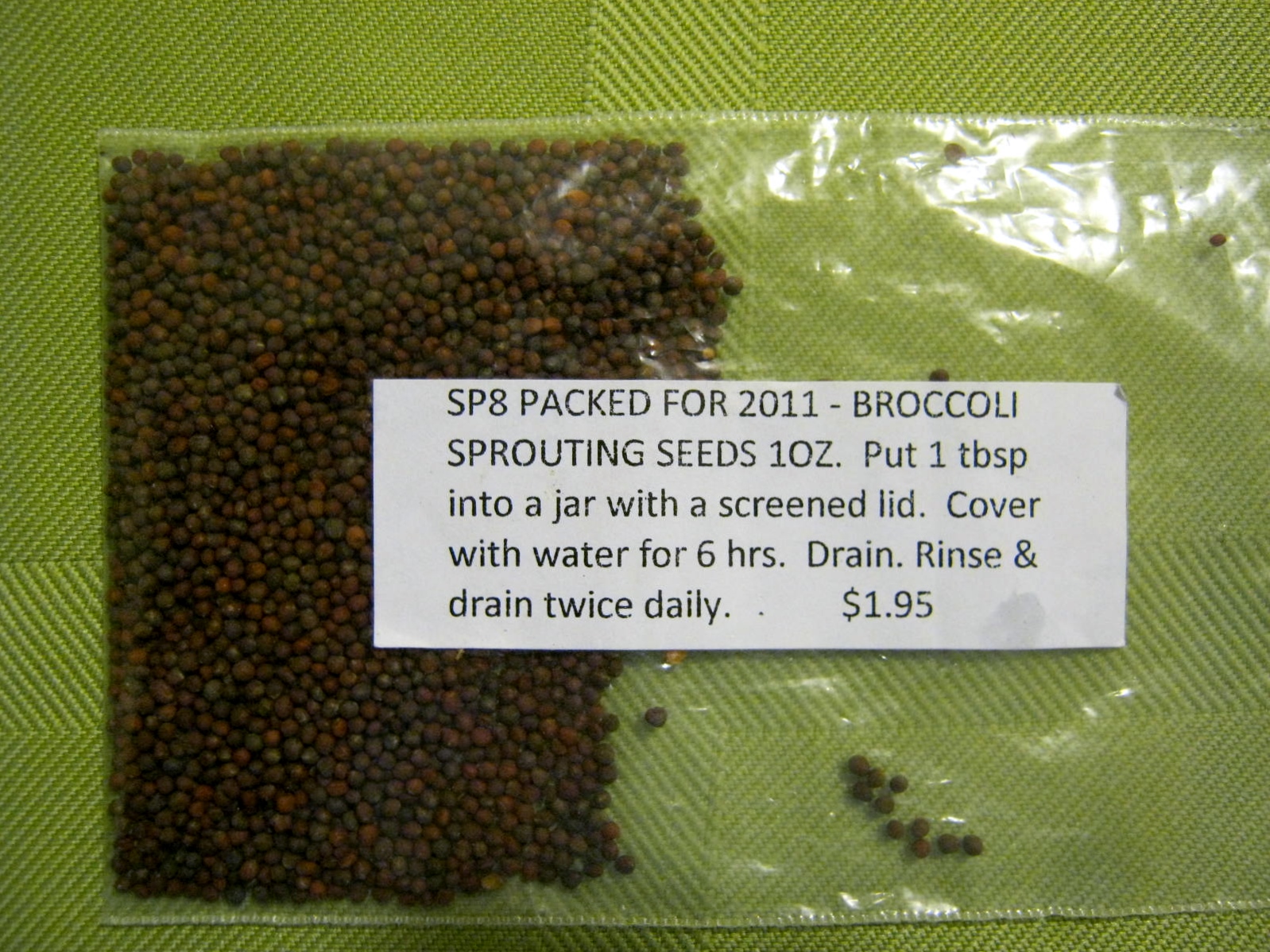
Five to seven days ago I found an old packet of broccoli sprouting seeds that I’ve had since 2011. I wasn’t sure if the seeds were still viable, but rather than waste them, I put them in water to soak for 24 hours. When the time came to drain the water, I covered the glass with a sprouting lid and drained the water away. For the next few days I rinsed the seeds with water twice a day and let the glass drain upside down at an angle. Even though the seeds were not fresh, most sprouted for me.

If you don’t have a sprouting lid, there are many other alternatives: cheesecloth, netting, I’ve even used old pieces of lace rubber-banded around the top of a glass or jar.

To remove the spent seed hulls I soak the sprouts in a bowl of water. The seed hulls float and gather at the sides of the container. I remove these by running a finger around the edge, depositing the hulls in the sink to wash down the drain. Any seeds that don’t sprout usually drop to the bottom of the bowl, making for easy removal.
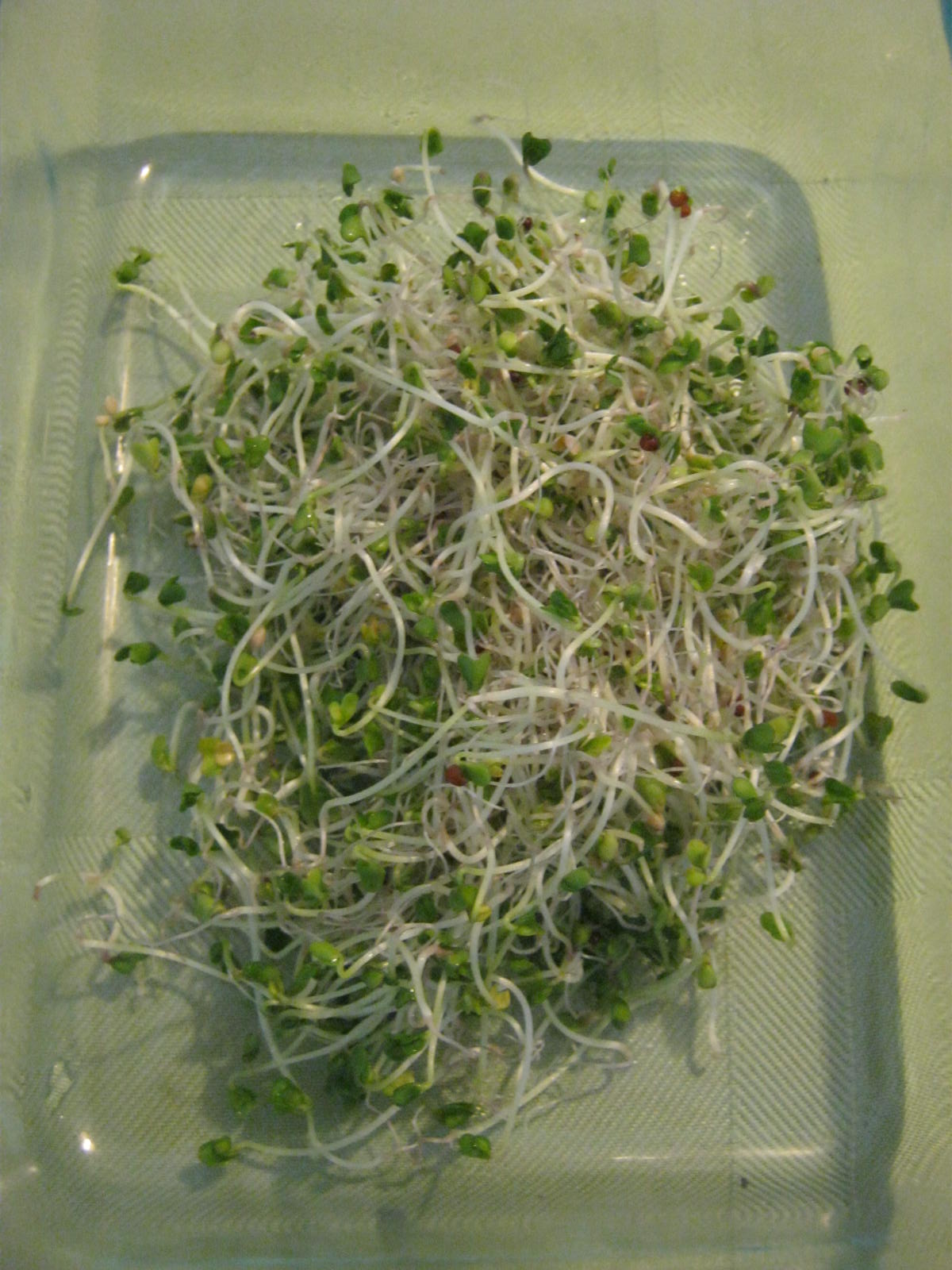
If you don’t eat your sprouts immediately please refrigerate them. They will stay fresh for several days stored in a chilly environment. I use my sprouts on sandwiches, in salads…once I even used alfalfa sprouts in a meatloaf, trying to sneak in extra nutrition for my family…problem was the small plantlets stayed a brilliant green…well, you know the story about some people and eating “GREEN FOOD!”
My favorite source of sprouting seeds and microgreens is Pinetree Garden Seeds and Accessories. I find them very reliable, the seeds they sell stay fresh for me for years if stored in a cool, dry place. Give sprouts a try…your immune system will thank you.


I am always entranced by branches covered with lichen. The frilly growth, the lovely greens…the possibilities…oh my. This type of lichen forms on decaying wood. I usually find them scattered on the ground after a drenching storm. The heavy winds and rain carry them to the ground. These lichen are known as foliose lichen
One problem I needed to deal with before I used the lichen branches was the bits of dirt and insects embedded in the wood. Some nature craft books recommend baking pine cones, branches, and other naturals in the oven to kill insects and/or their eggs. I didn’t want to destroy the beautiful softness or green color of the lichens, and the branches were larger than the dimensions of my oven; the solution: I soaked them in my laundry tub. This seemed to work for flushing out any stowaway insects. I weighted the branches down with plates, because of course…they float. Now I must come up with a project worthy of their beauty.

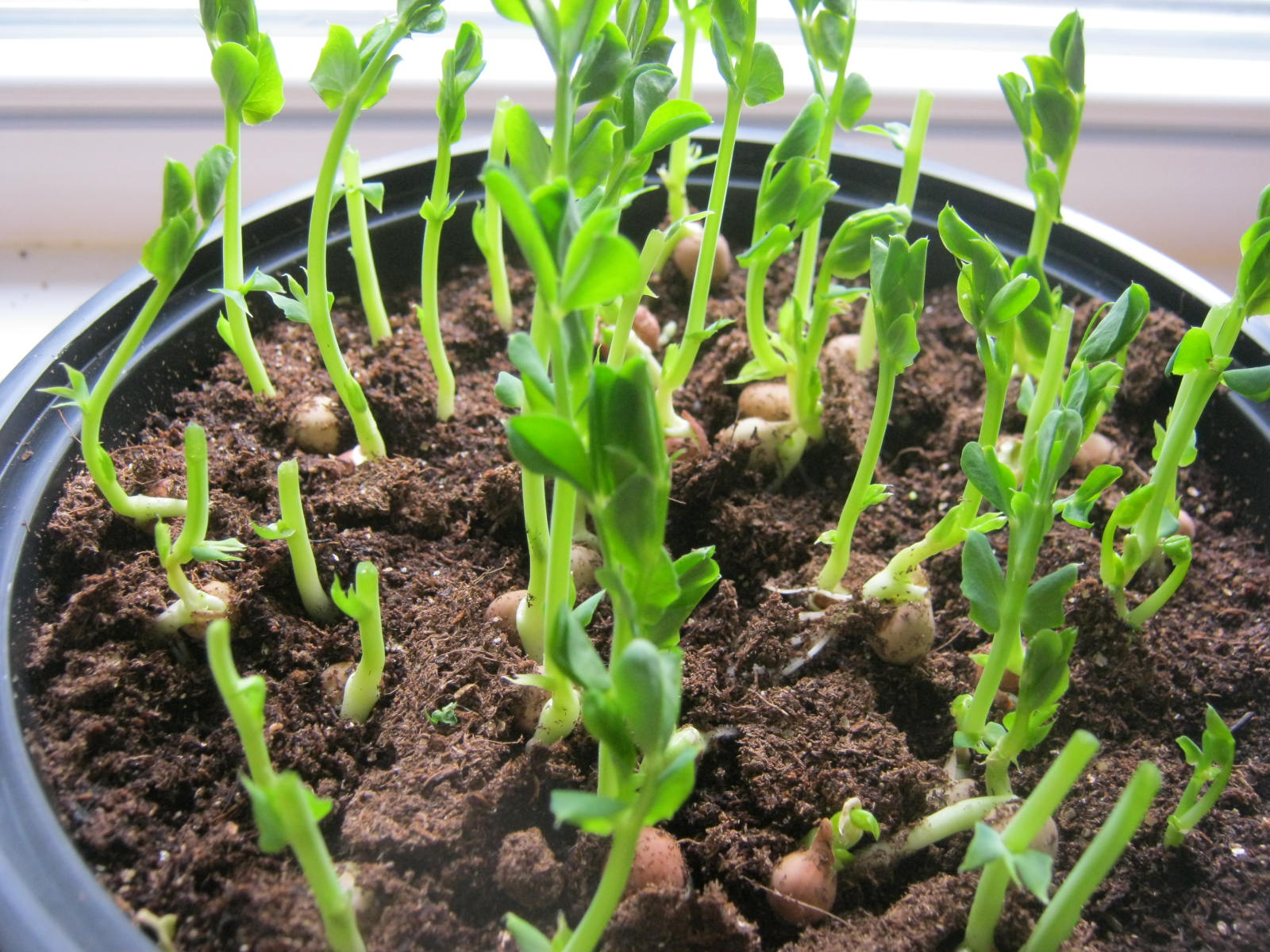
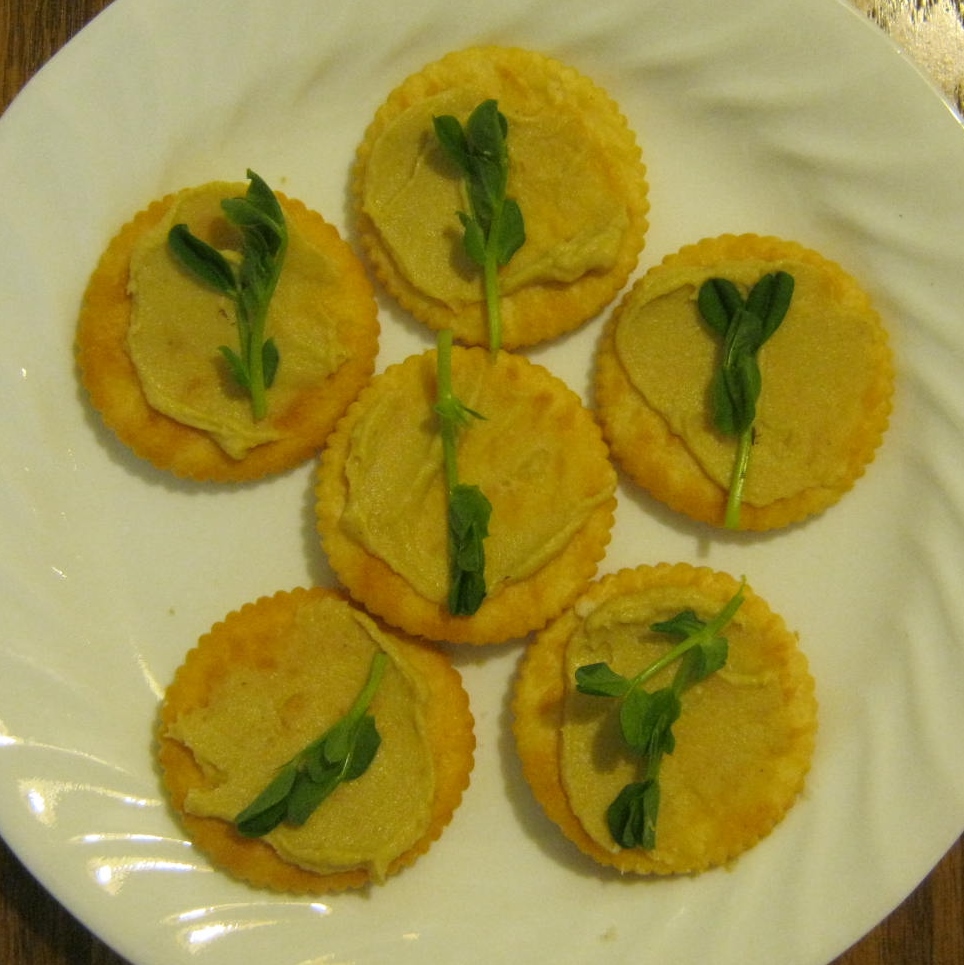
My microgreen pea seedlings are up and growing. I’ve already nipped several down and used them on my lunchtime hummus and crackers. Oh the joy of it. Even after I cut the sprouts way back they seem to regenerate another branch and continue growing.
I’ve visited the Pinetree Garden Seeds Microgreen Seeds Website and begun to dream about what microgreen seeds I want to try next. While browsing the category I noticed several varieties of seeds I already have that can be used as microgreens.
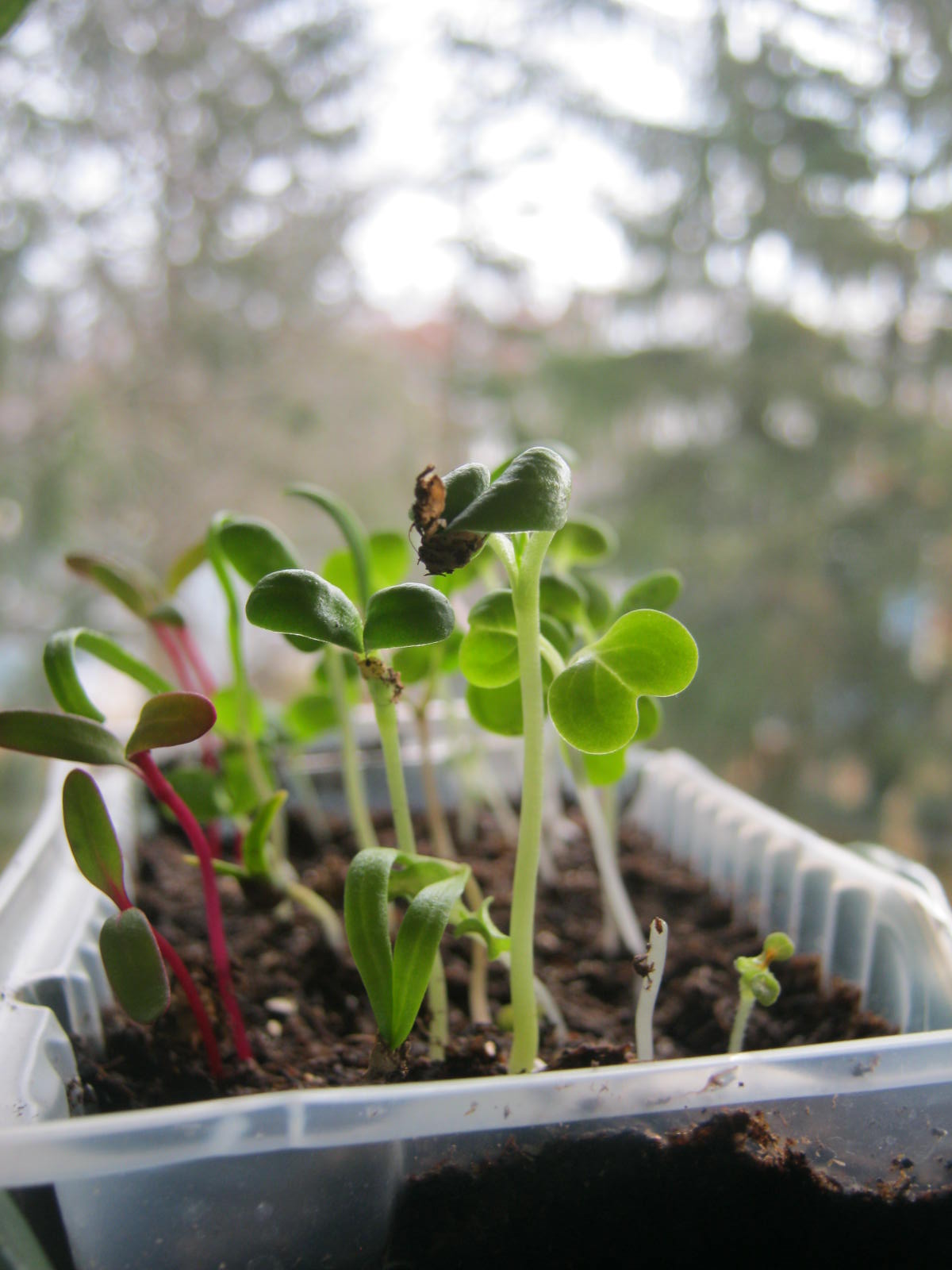
Happy Microgreening!


I live in the Northeast portion of the US. At this time of year the Sumac trees turn a brilliant red and their berries deepen to magenta. There are many uses for sumac trees. The articles I’ve linked to share some history and some ways to use sumac. Eat the Weeds – Edible Sumacs

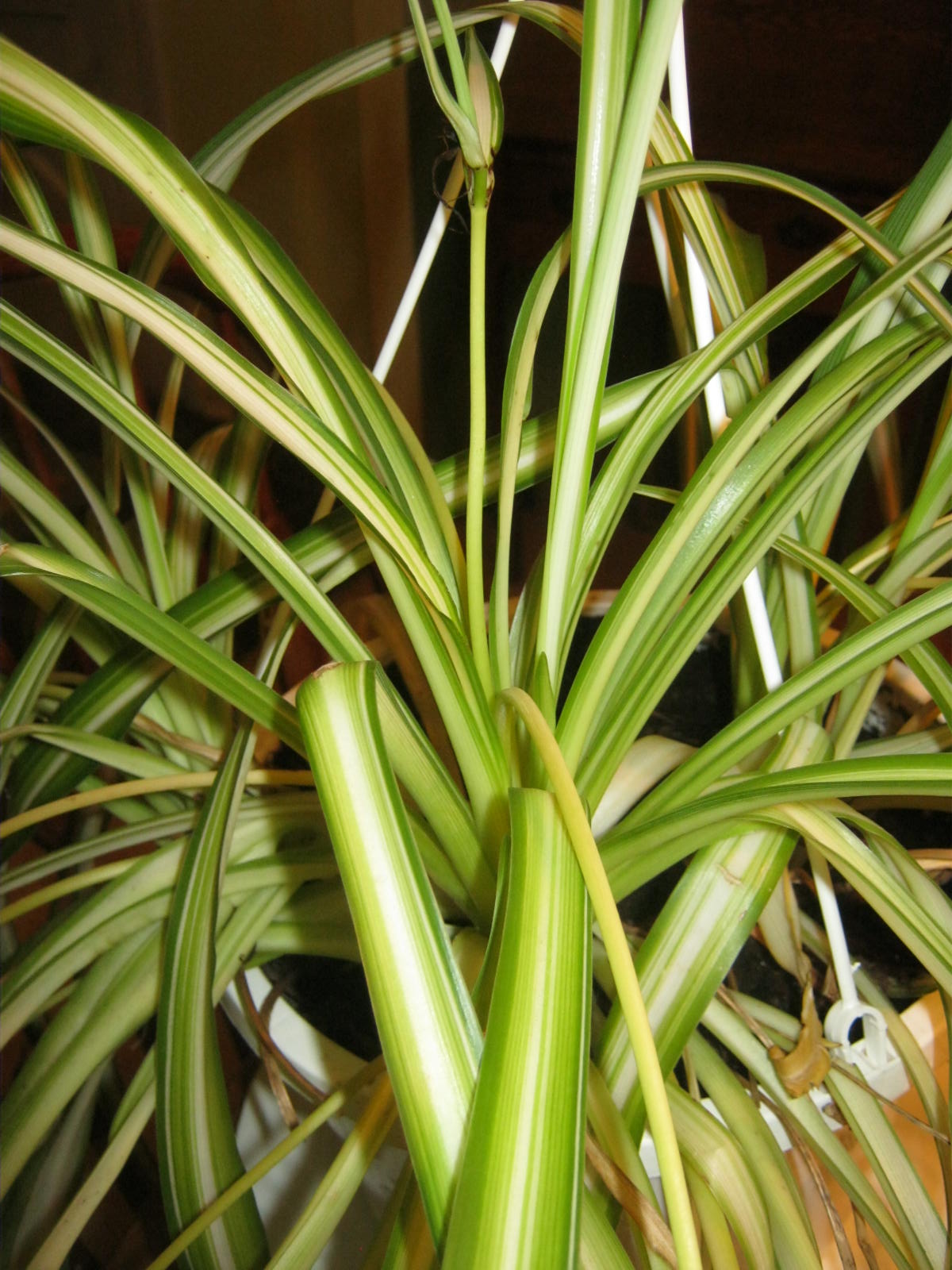
I have many spider plants. They are a favorite for hanging on my porch in the summertime. In the colder months of the year, according to Nasa’s Clean Air Study, they are one of the plants you can grow to remove toxins from indoor air.
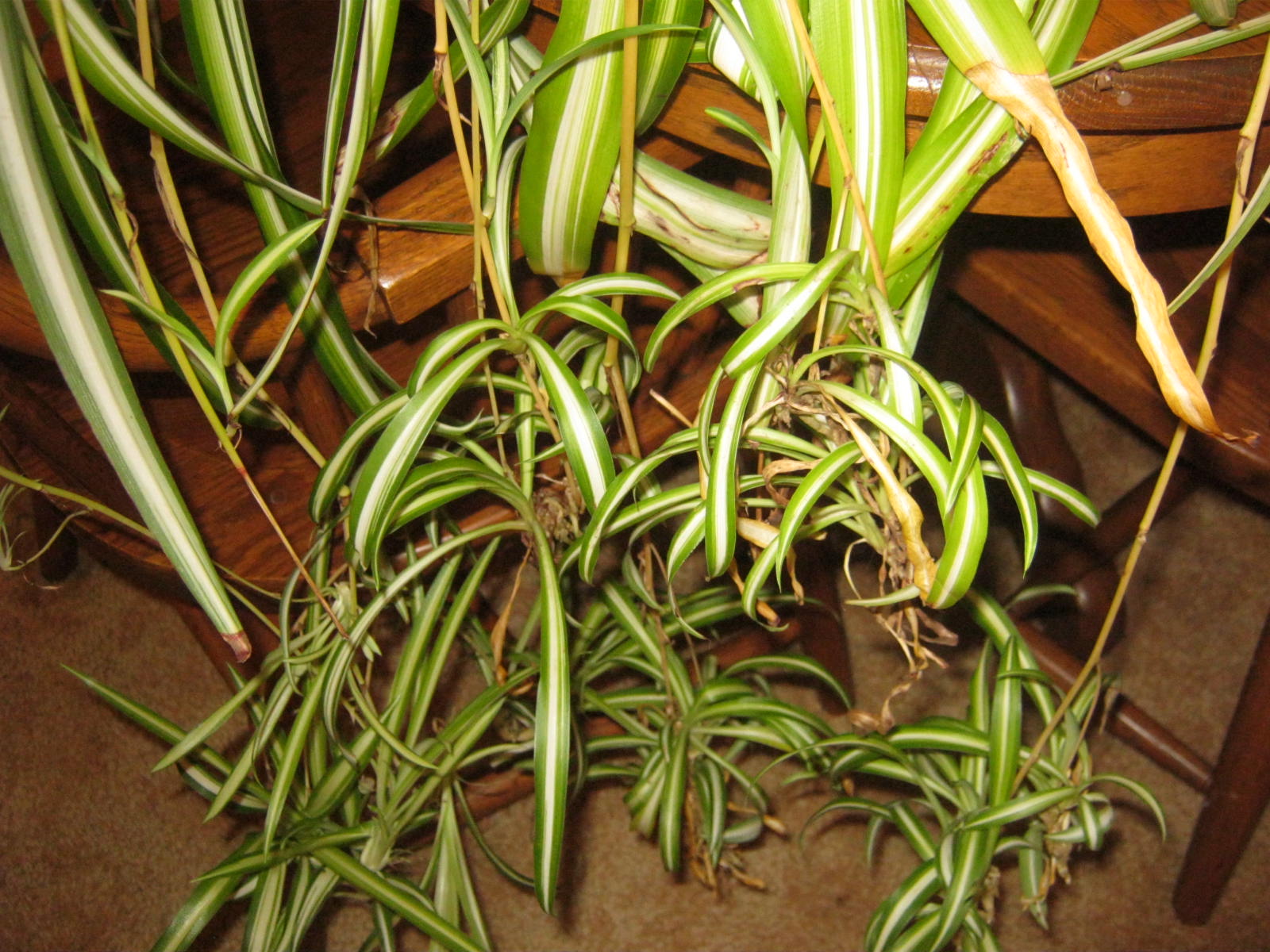
I have always been entranced by the babies spider plants produce on the end of bouncy offshoots. Each one of these babies can become a new plant. Two of my large spiders are children of the original plant I purchased.

Over the course of the summer, I lost a portion of one of my spider plants. This loss left an empty space in the pot. No worries…I can easily fill in the plant with one of the babies. Because the plant is potbound with roots, I don’t want to dig into the soil and possibly cause damage. Instead I will bend one of the shoots upward and “peg in” a baby with a unbent paper clip.

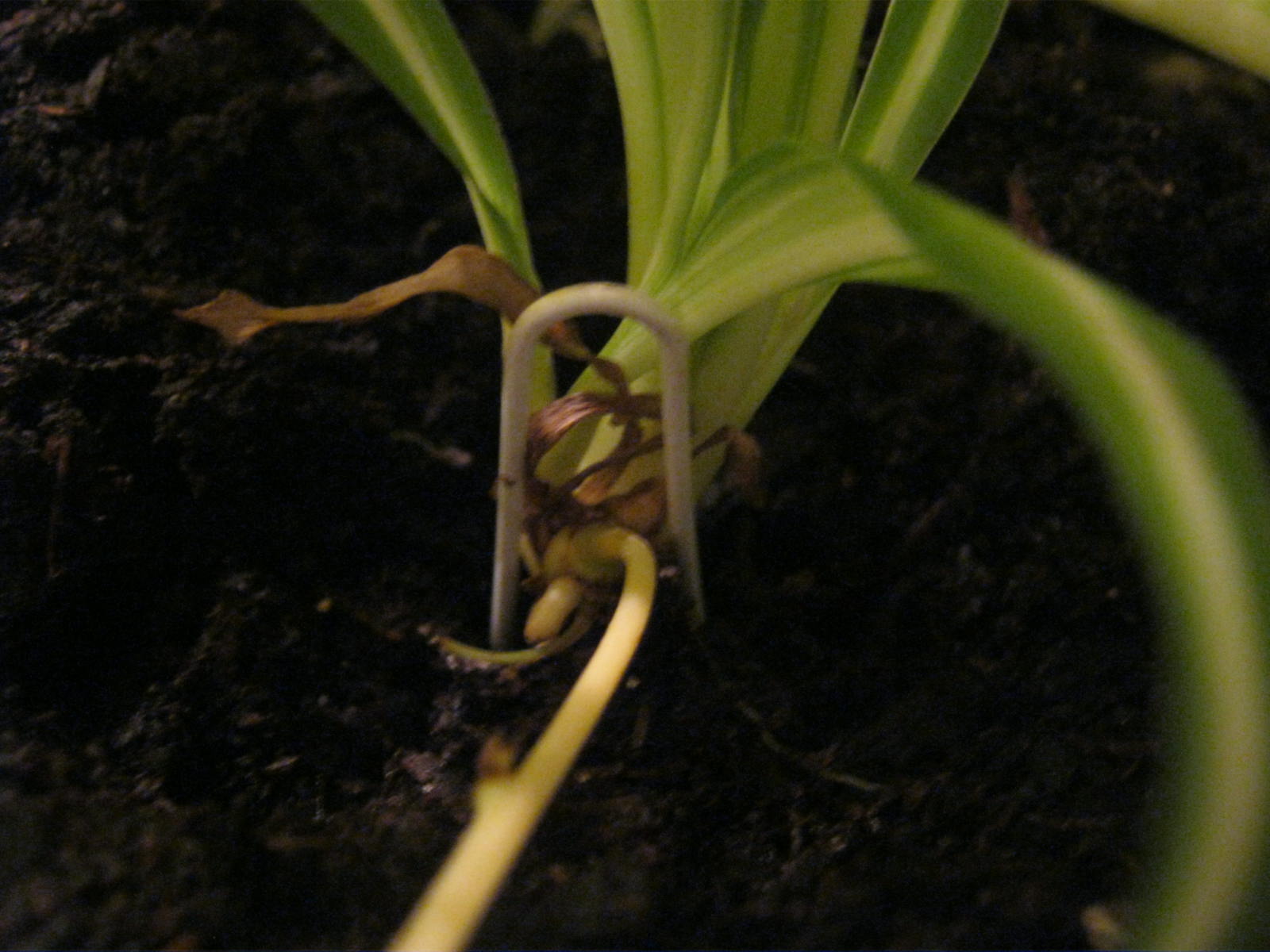
In about six weeks, roots will have developed and anchored the young plant into the pot. I will be able to remove the paper clip and cut away the offshoot. Filling in the pot in this way will save the remaining plants from possible trauma.
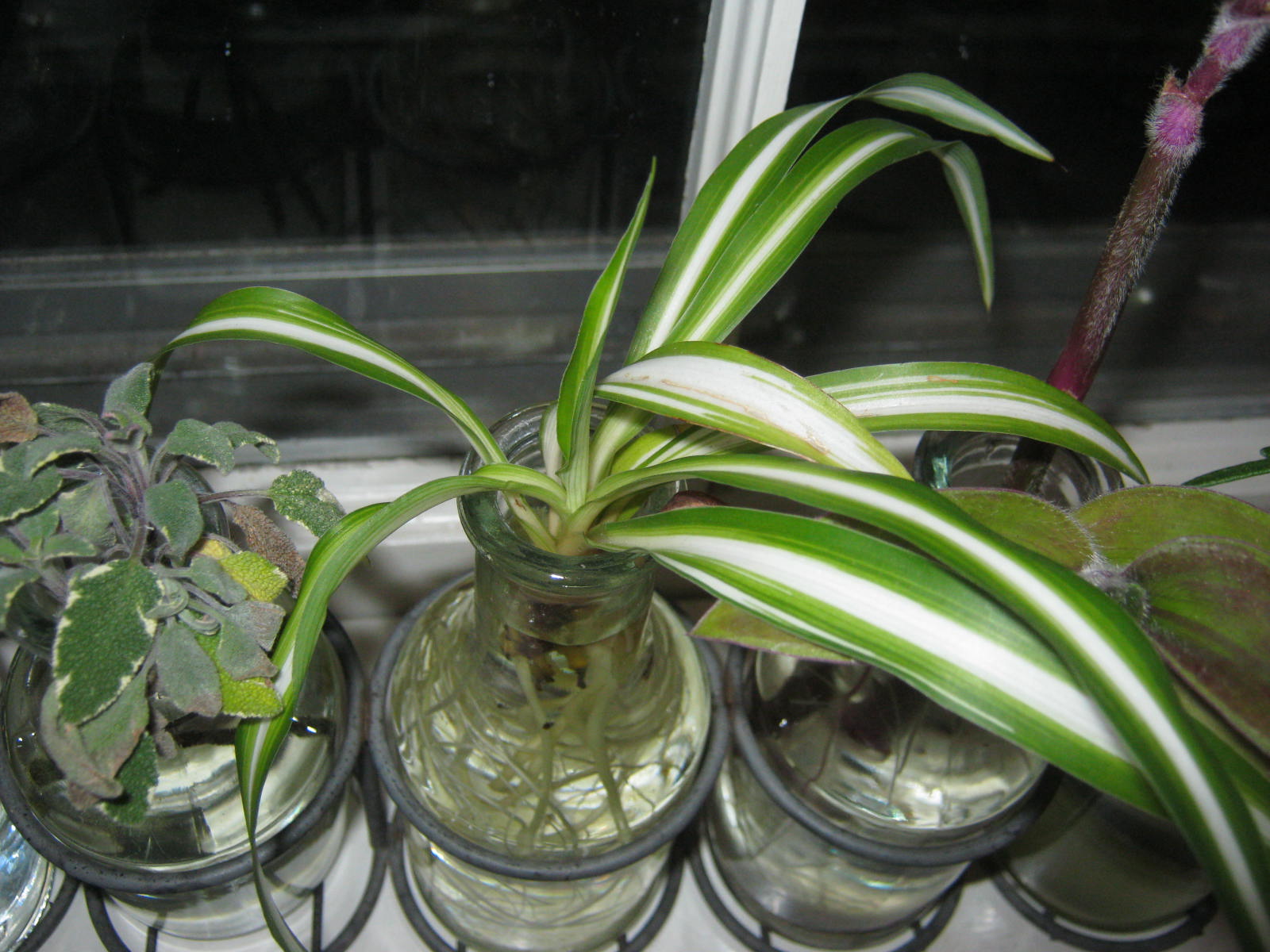
Spider plants also propagate very easily in water. This is the best way to start a whole new pot of plants. Spider plants produce their classic cascade of baby offshoots when the plant is crowded and potbound. In the case of spider plants, you want to crowd them in. Happy planting! 🙂


I have long admired the anthurium plants displayed each year in the Longwood Garden Conservatory in Kennett Square, Pennsylvania. I have a small anthurium with red heart-shaped flowers, although in reality, according to horticulture experts, what we call a flower is a spathe.

I’ve always hoped to run across a pink and green Anthurium, and recently I was lucky enough to find one to purchase. The plant is lovely and growing well in my living room. It receives strong morning sunlight and seems to be adapting well to life in my home.
Give Anthuriums a try for a bit of tropical beauty indoors.


Blue Cardinal Flower (Lobelia siphilitica) is a perennial lobelia. The flowers bloom in late summer. I love this plant, and if you saw my gardens at the moment you would not need an explanation as to why; the plant is growing EVERYWHERE! I started out with one plant over twenty years ago. Blue cardinal flower produces large amounts of seed, microscopic, they make up for their size by plenitude, hundreds upon hundreds of seeds in each pod. Each blossom develops a seed pod. You can imagine the millions of progeny that have been distributed in my garden beds over the years. I have also helped them out and broken pods over each and every flower bed on my property.

Yesterday I spotted a hummingbird sipping nectar from a blue cardinal flower growing in the front garden. I was ecstatic, I thought the small winged creatures had already left for warmer climates. Blue cardinal flower is an excellent hummingbird plant.

Excuse the quality of the goldfinch photograph. The moment was captured through my window screen. Goldfinches are feasting on the seedpods of my echinacea plants. They quickly flutter away anytime I try to approach them with camera in tow. Echinacea is the workhorse of my garden.

Beautiful, and full of goodness also, Echinacea is a tried and true herbal remedy. The maturing seedpods draw Goldfinches. Attracting Goldfinches is always a desire of those who watch birds.

Cockscomb (Celosia cristata), what a beautiful plant, is a perfect choice for an Autumn ornamental. I purchased this plant from a farm market this week. It is a perfect disguise for plants that are beginning to wane and fade away.

Happy Gardening!


I have a pond filled with a late summer carpet of Water Lettuce. Water Lettuce, or Pistia, is an aquatic plant that can be grown in aquariums or in outdoor ponds through the summer. Water Lettuce was first discovered in Africa. The rosette-like leaves float on the surface of the water with the roots growing from the center of the plant.

Water Lettuce outcompetes algae for nutrients and thus helps control excessive algae bloom.

The mother plant is connected to her offspring by a stolon. The plants reproduce so quickly I have had to weed out half a dozen or more several times this summer. My plant came from the productive water lettuce plants in my sister’s pond.
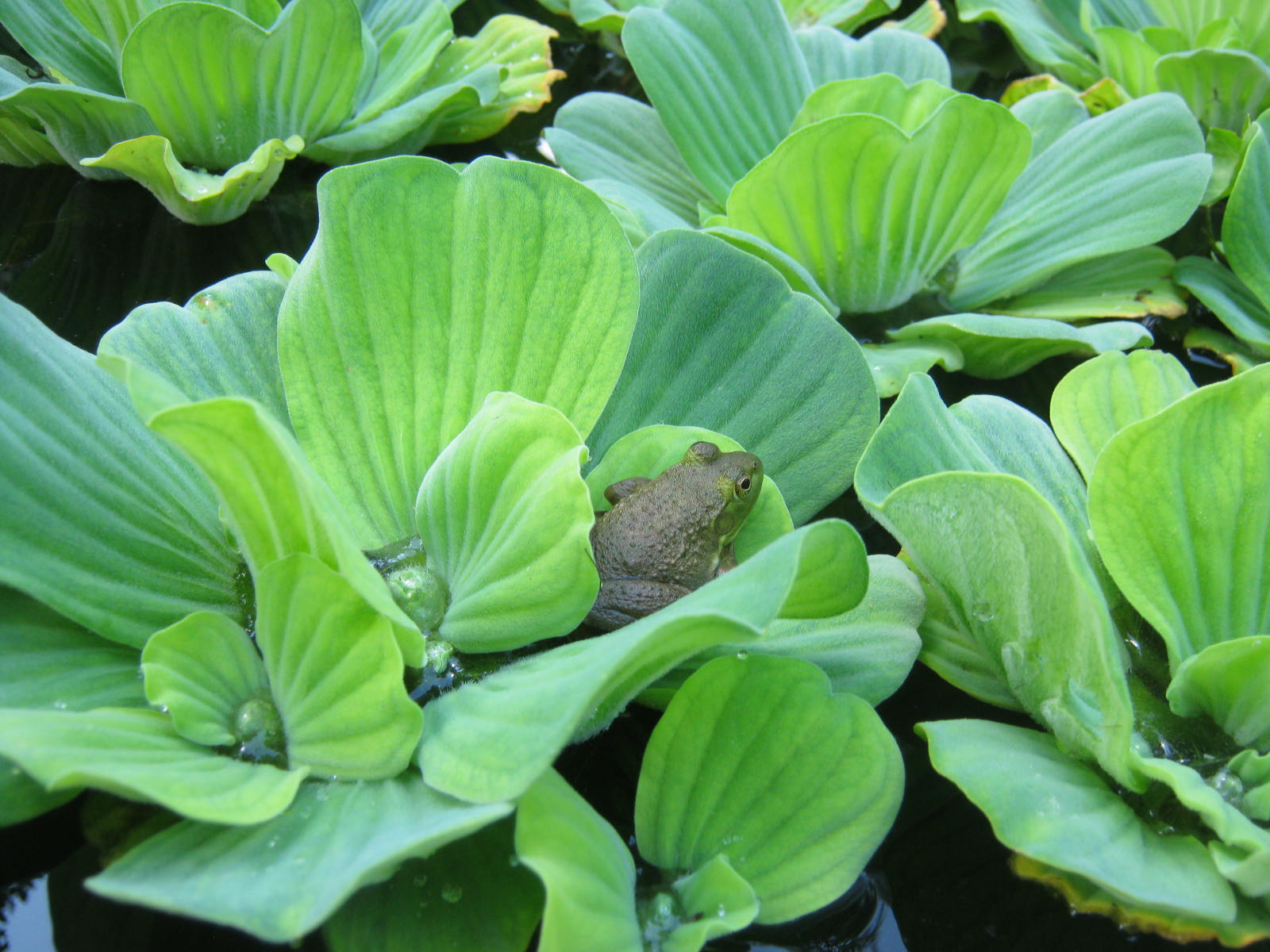
As I was surveying the water lettuce yesterday, wondering if it was time to weed out a half dozen again, I noticed a small frog. Grown from a tadpole we captured in a local lake this year, he quietly watched me, deciding if he needed to jump for safety. He stayed quite still as I took a few photographs, but when I brought the camera a bit too close, he jumped beneath the cover of the water lettuce leaves.

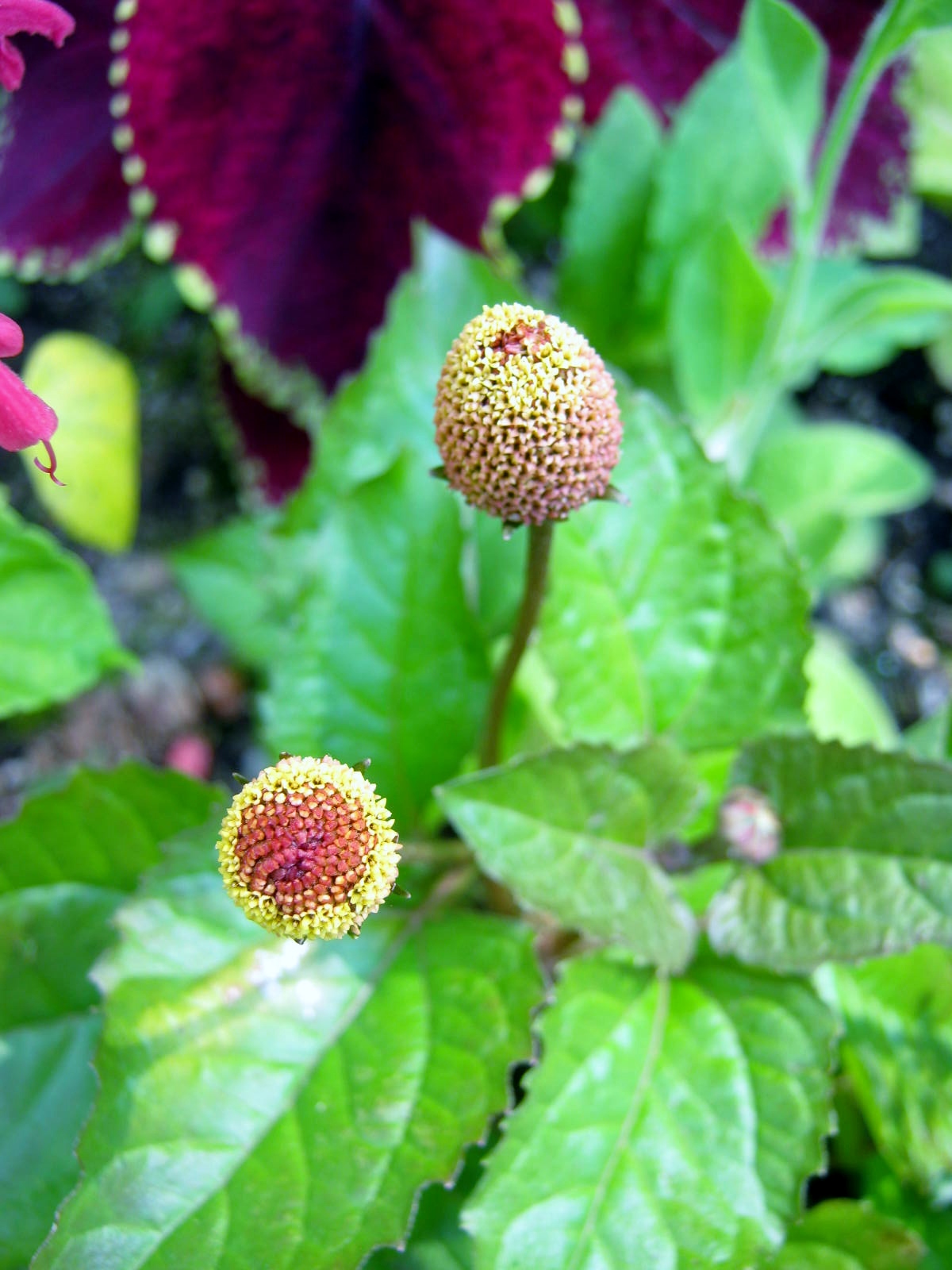
This is an odd and little known herb called Spilanthes, or as it is also known “The Toothache Plant.” If you chew on the buds of spilanthes you will experience an increase in saliva. The chewing will also release substances in the bud that will numb your mouth, hence the nickname of toothache plant.
I have never tried spilanthes as a remedy. I grow it more as an oddity and ornamental in my garden. I planted it once several years ago, and it has reseeded reliably for me every year since. I gave the plant a nickname of my own, “The eyeball plant.” It always seems to look back at me from the lower regions of the garden.
My spilanthes never grow very tall. They do spread a bit, but are never unruly and out of bounds. This is a fun plant to grow in your garden, and if you are experiencing toothache pain, might be the relief you need until you can get to a dentist.
More information about Spilanthes can be found here: Spilanthes – Acmella oleracea

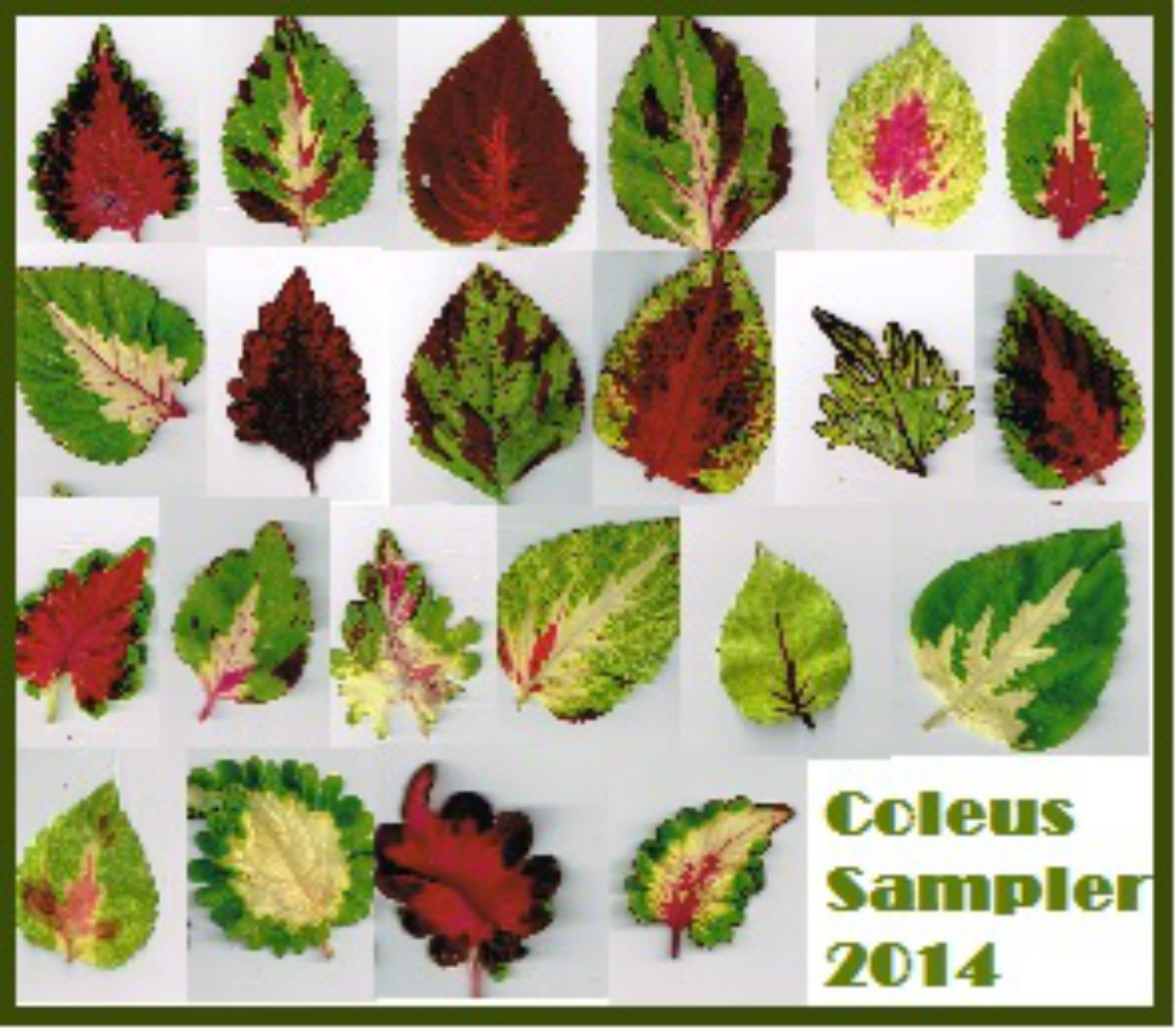
Here’s a sampling of my coleus this summer of 2014. The weather in my area has been unseasonably cool, and the coleus have never reached their full potential. They are half the height and breadth of past coleus grown in Southern New Jersey. Not to worry though…they are beginning to put out flower spikes and next year’s coleus seeds will soon be developing.

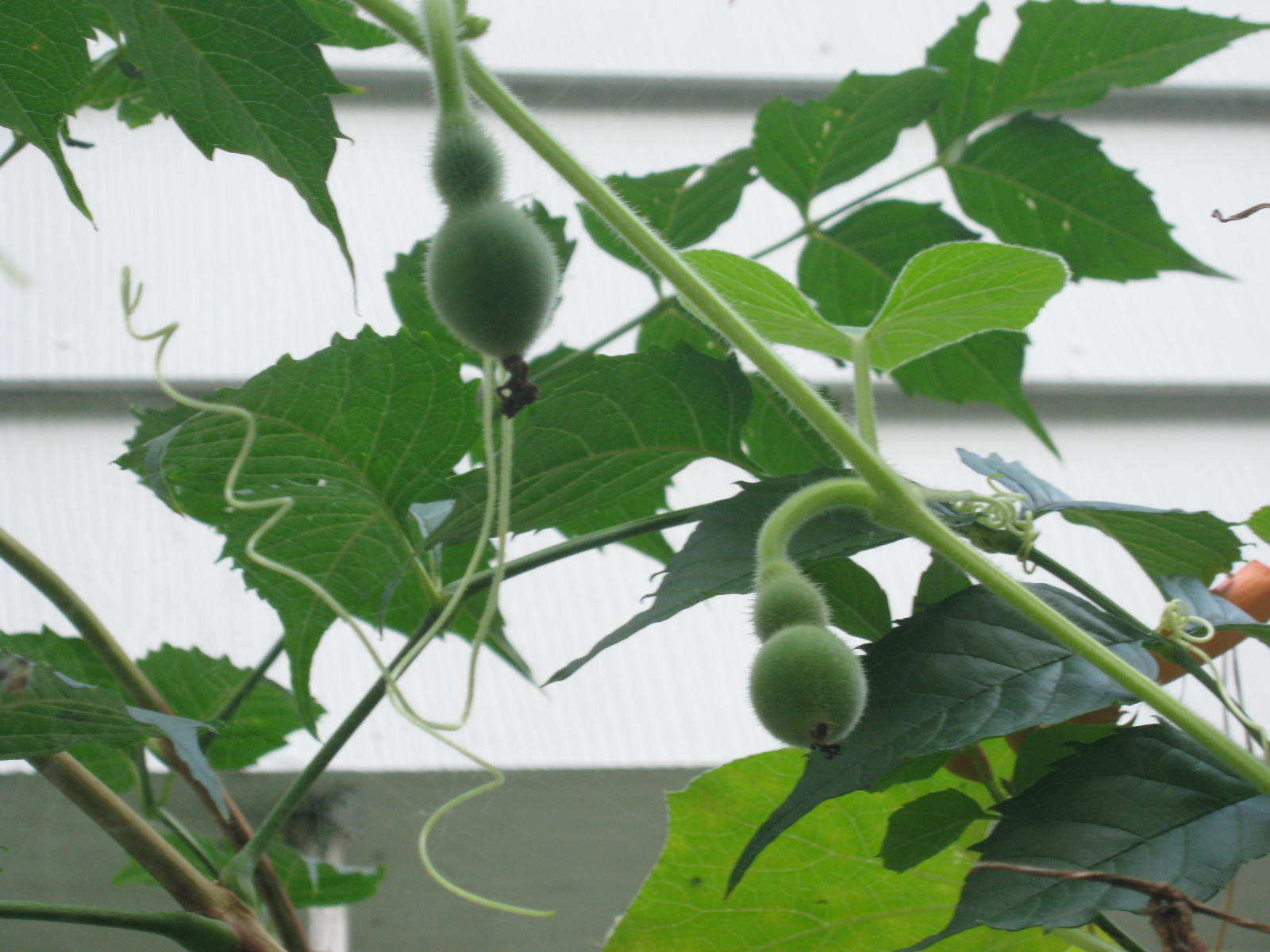
I’ve tried to grow birdhouse gourds many times over the years. Unfortunately, my efforts usually produce small or mid-sized fruit. Often the developing gourds have rotted on the vine. This year I was determined to try again. I sowed the seeds indoors for an earlier start, and instead of planting them in the ground, I placed the plantlets in pots of very rich soil.
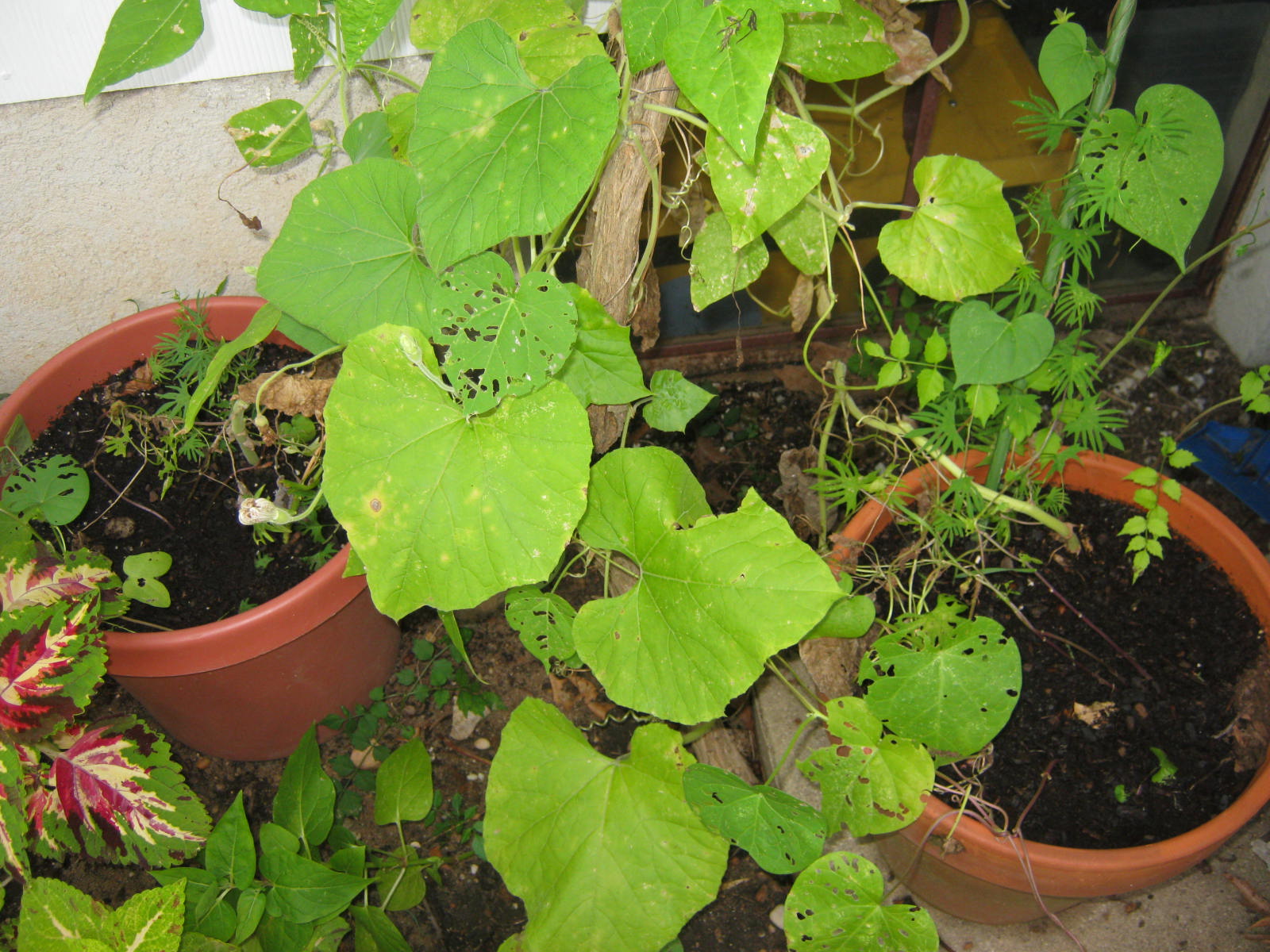
The pots rest beneath the trumpet vine outside my kitchen window. The sturdy trunk of the trumpet vine provides natural support for the upward climb of the gourd plants. The vine has reached the top of my garage roof now. I am hoping that the heat of the roof will help the gourds grow big, bigger, biggest. Even if my strategy doesn’t work…it does my spirit good when I see the small fruits adorning the vine. I’ll update their progress, or hopefully not…their demise. 🙂 Happy Gardening!

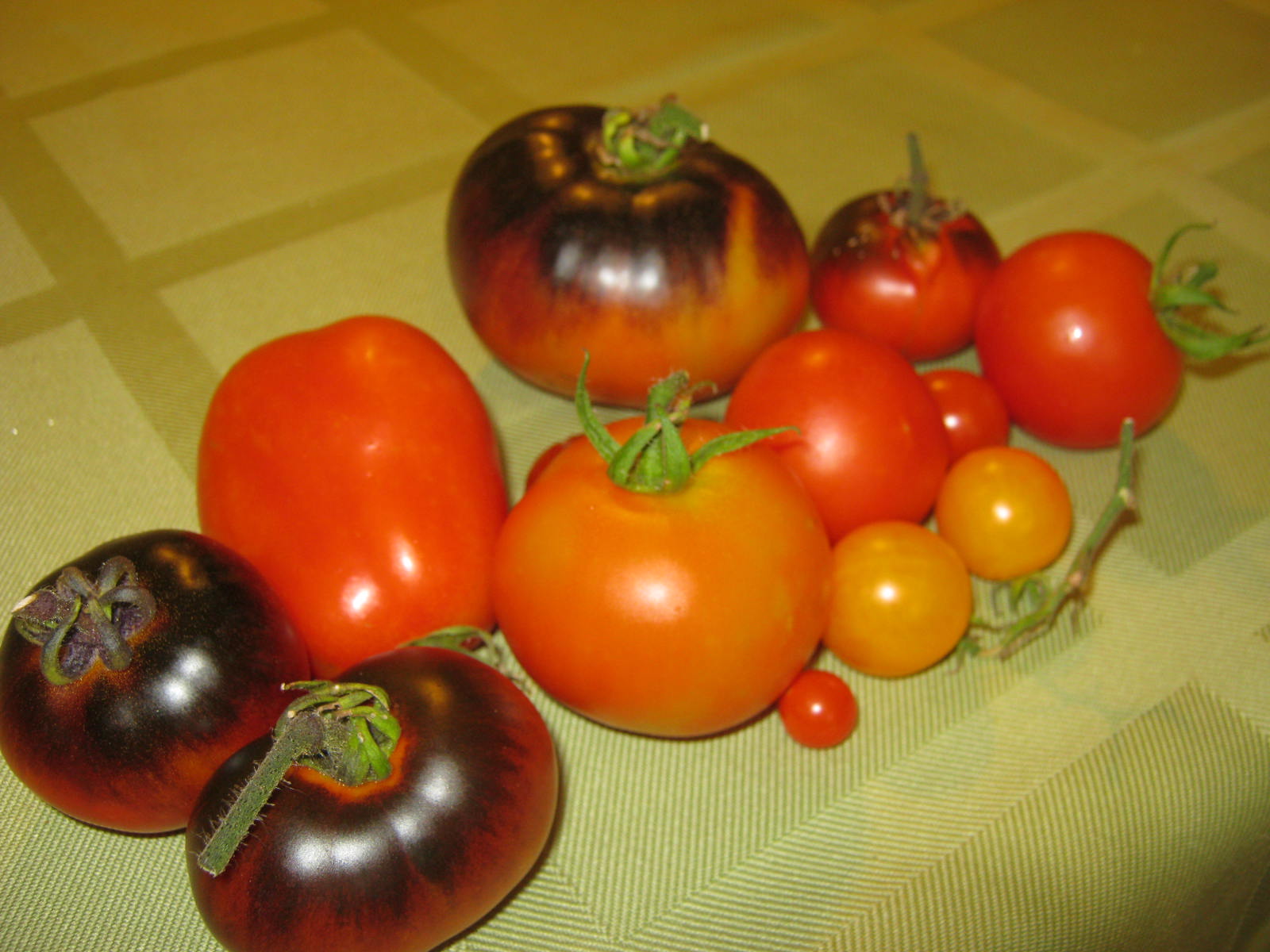
My tomato plants have thrived this year. I have been diligent in removing suckers on the indeterminate plants, and now I am reaping the rewards of the time spent caring for them. I am pleased with the heirloom varieties and also the varieties I planted that are said to contain high amounts of the antioxidant anthocyanin. Indigo Apple, along with Gypsy (another dark tomato) have been welcome additions to the garden.
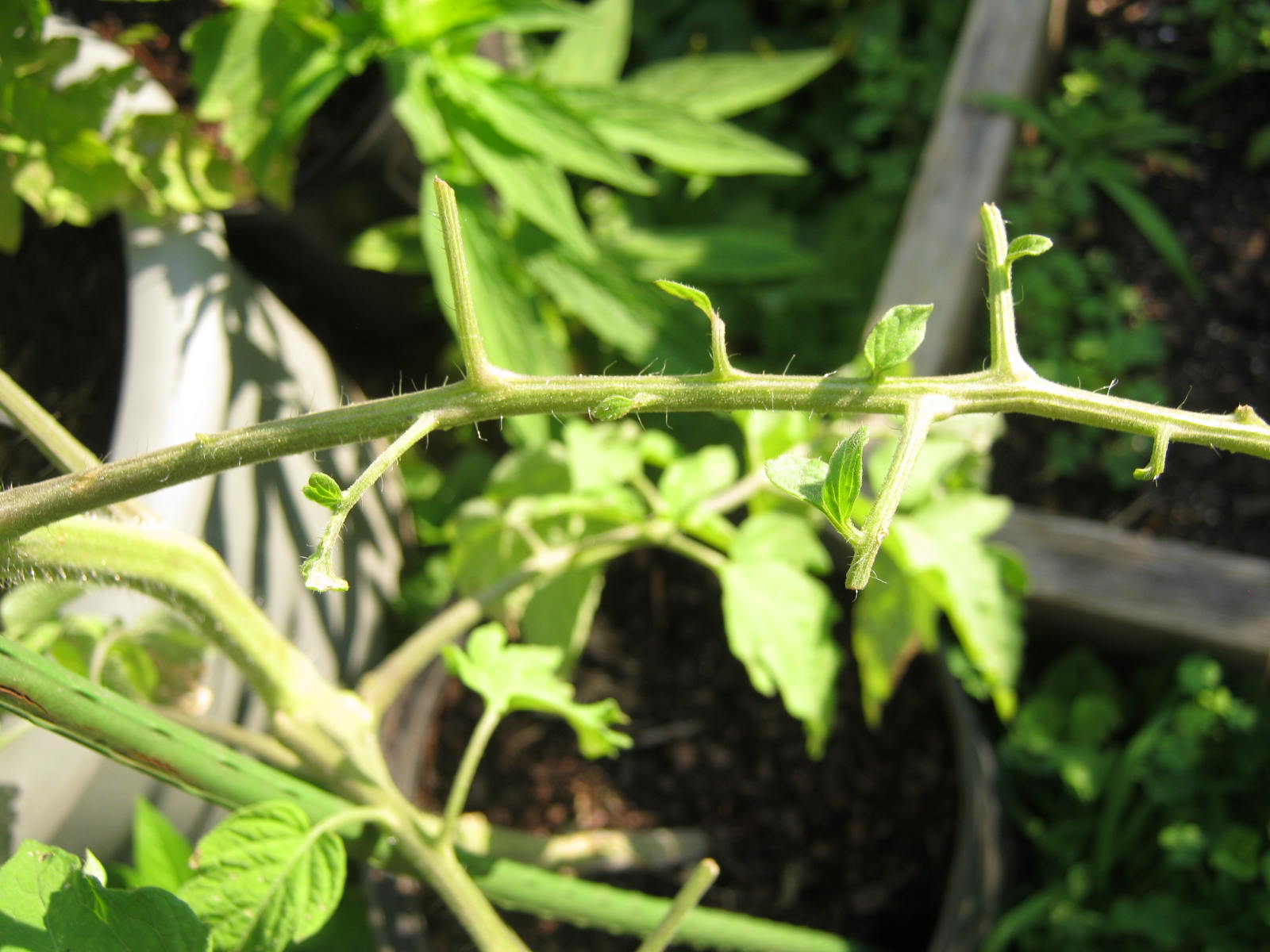
I’ve had a few problems, this stem at one point in time had several leaves, now it is bare. I never found the culprit, but I am pretty sure it was a tomato hornworm. I am crossing my fingers that he fell victim to a predatory wasp. Hopefully, he is the only one of his kind to visit my plants this summer, and I won’t feel compelled to whip up an organic spray. I’d much rather hand-pick the pests away or let nature’s predators help me out.

This is the largest tomato I have ever grown. To protect if from squirrels eager to sample its lushness I surrounded it with hair from my cats. I know it looks ugly, but it worked. Here is the harvested tomato, finishing its ripening process in my kitchen. Success!

If you don’t have cats or dogs, I’ve read that human hair will also repel critters. Happy Gardening!


I am growing coriander, also known as cilantro, in my herb garden this year. Coriander leaves can be used in the place of parsley, in fact, one of the names for this plant is Chinese parsley. I would love to include a beautiful photograph of the plant, but alas, it has already bolted to seed. No worries though, the seed is also a valuable aid to cooking. The seeds are crushed when used in cooking and give a light lemony flavor to the food they season. The seeds lose their flavor when ground, so store them whole until ready to use. They can be roasted to enhance their taste. It is also possible to grow coriander on a windowsill.

I’m drying my coriander seeds, along with some radish seed pods, for a few days before I store them. I want to make sure they are completely dry to ensure they do not develop any sort of spoilage.
More information on coriander/cilantro can be found here:
Coriander/Cilantro


This outstanding display of the “weed” plantain is clustered around the bird bath in my Square Foot Garden. I thought it especially appropriate that the plant grew in the garden beds. I have let several patches of plantain grow each year into large sized plants. I don’t consider it a weed at all. Plantain is an edible weed. It is also medicinal and can alleviate the itch of poison ivy or the pain of a bee sting. To use plantain for stings and rashes, chew it for a bit and apply to the sore or itchy spot.

Plantain can also be eaten raw, in a salad, when the leaves are young and small. It can also be cooked. For more information check out this terrific site on “Eat the Weeds” blog by Green Deane: Eat the Weeds/Plantain
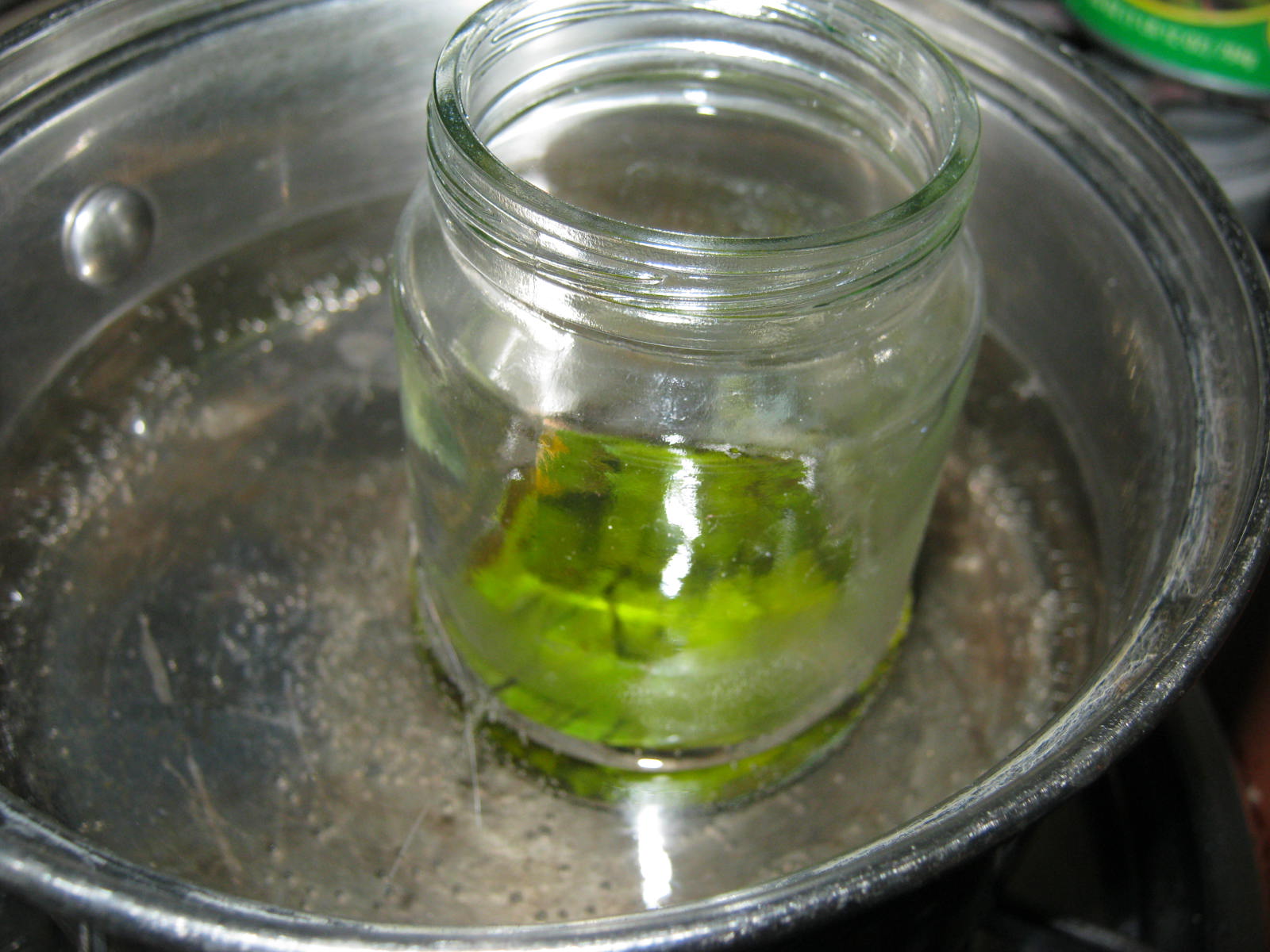
I also make a salve for the skin using plantain. It is very easy. I lightly simmer water and heat olive oil and plantain leaves in a baby food jar. I don’t have a specific measurement, just a half inch of oil or so, and some chopped plantain leaves. I heat for about an hour or ninety minutes, and let the leaves sit in the oil for about 24 hours before straining out. This can also be stored in the fridge for a longer lasting salve. Even if it hardens, as soon as it touches your skin it melts right in.
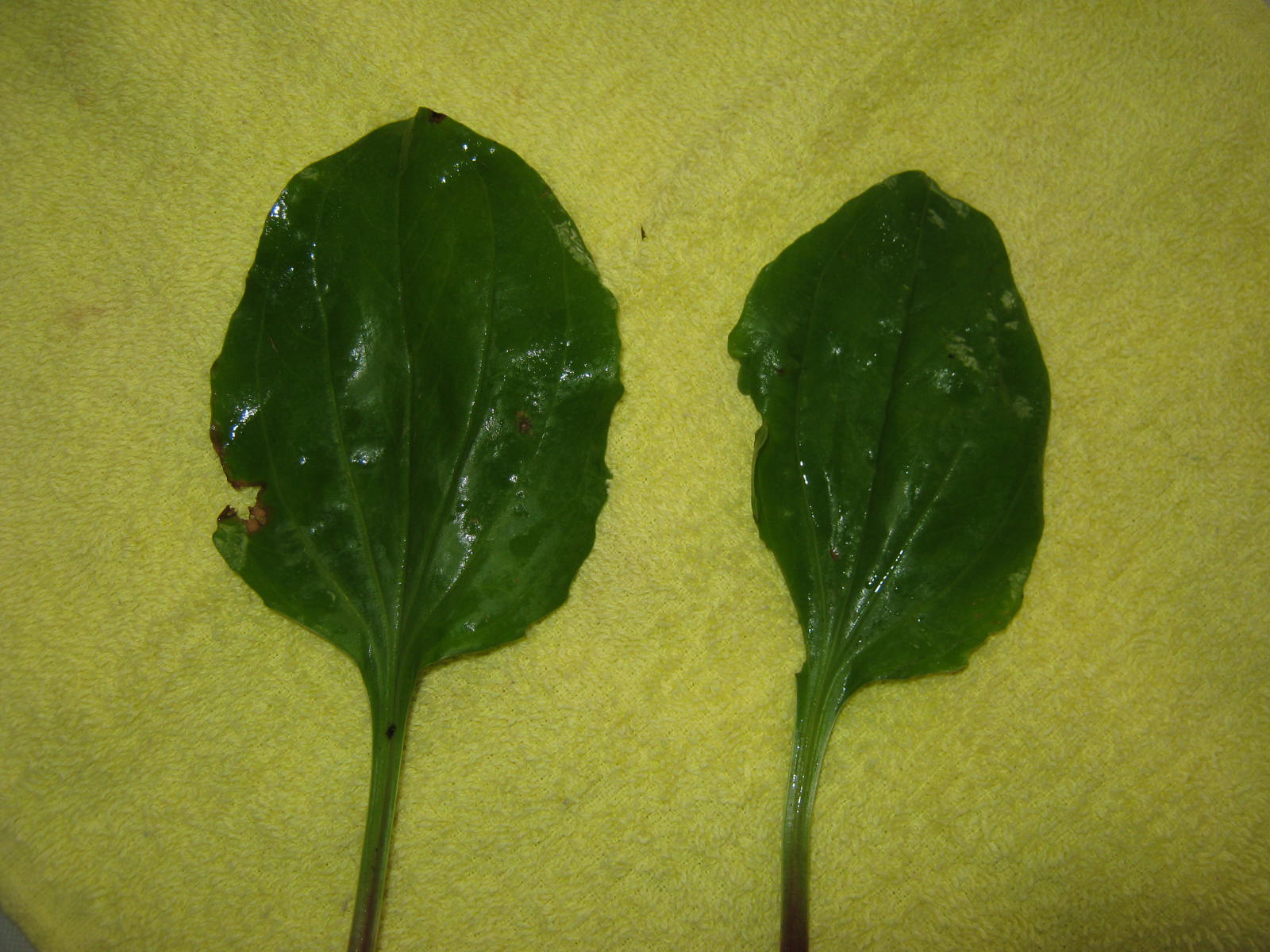
I recently read to get the best oil out of herbs and other plants pick them and let them set for about twenty-four hours. This gives you maximum essential oils on the surface of the leaves or flowers.
I have blogged about using plantain in the past, but a good tip is always worthwhile to bring to the “surface” of the blog again. Oftentimes the best ideas get buried in the archives.

