I am re-blogging this amazing recipe. Now is the time of the year we really need a hand cream with extra softening power.
As Sandra Lee says, “Semi-Homemade.”
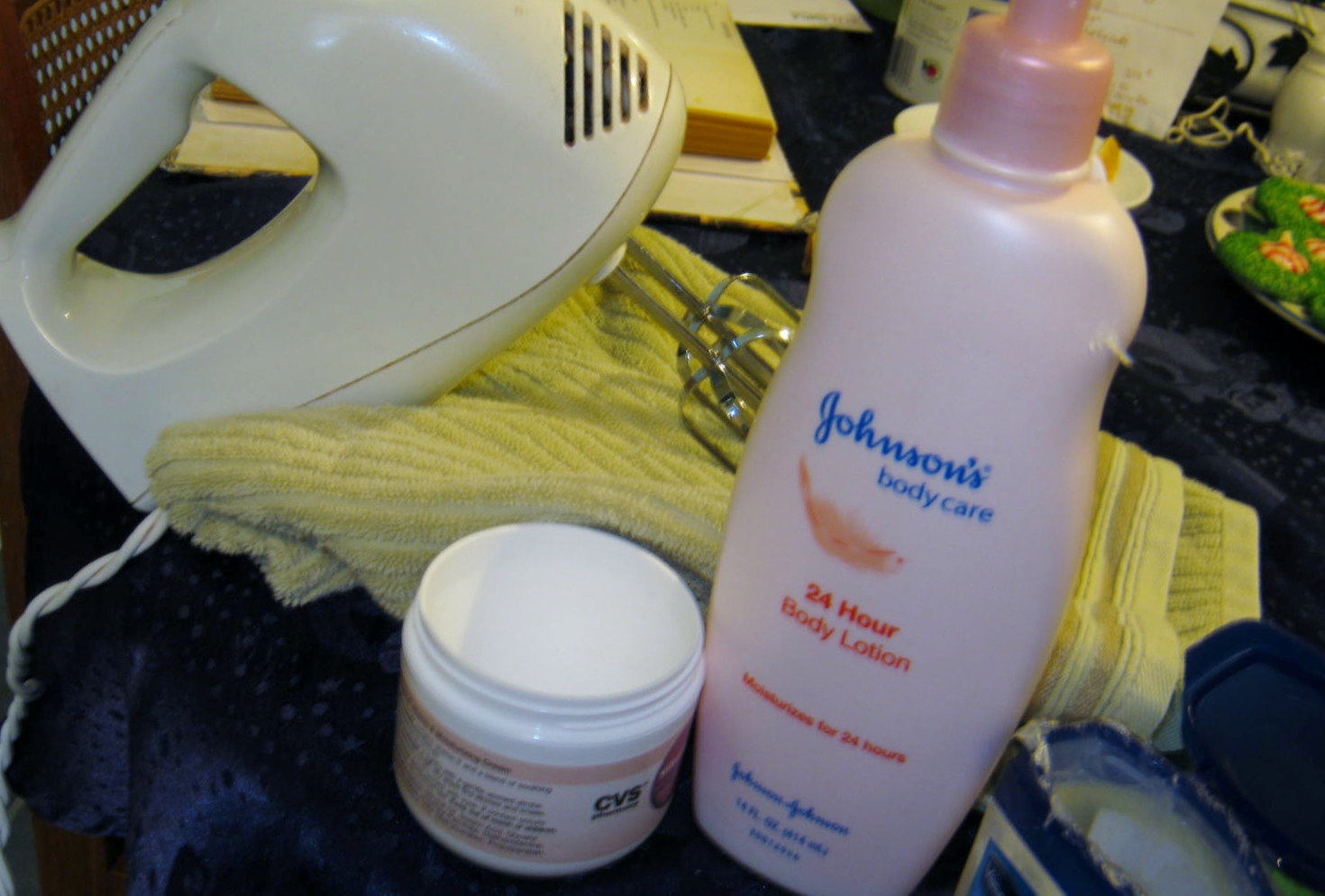
1. Gather Supplies: Big Mixing Bowl, Mixer, 8 oz Baby Lotion, 4 oz Vitamin E Cream, 4 oz Vaseline. (As you can see if you check out the blog recipe at bottom of post, I halved the ingredients they suggested)
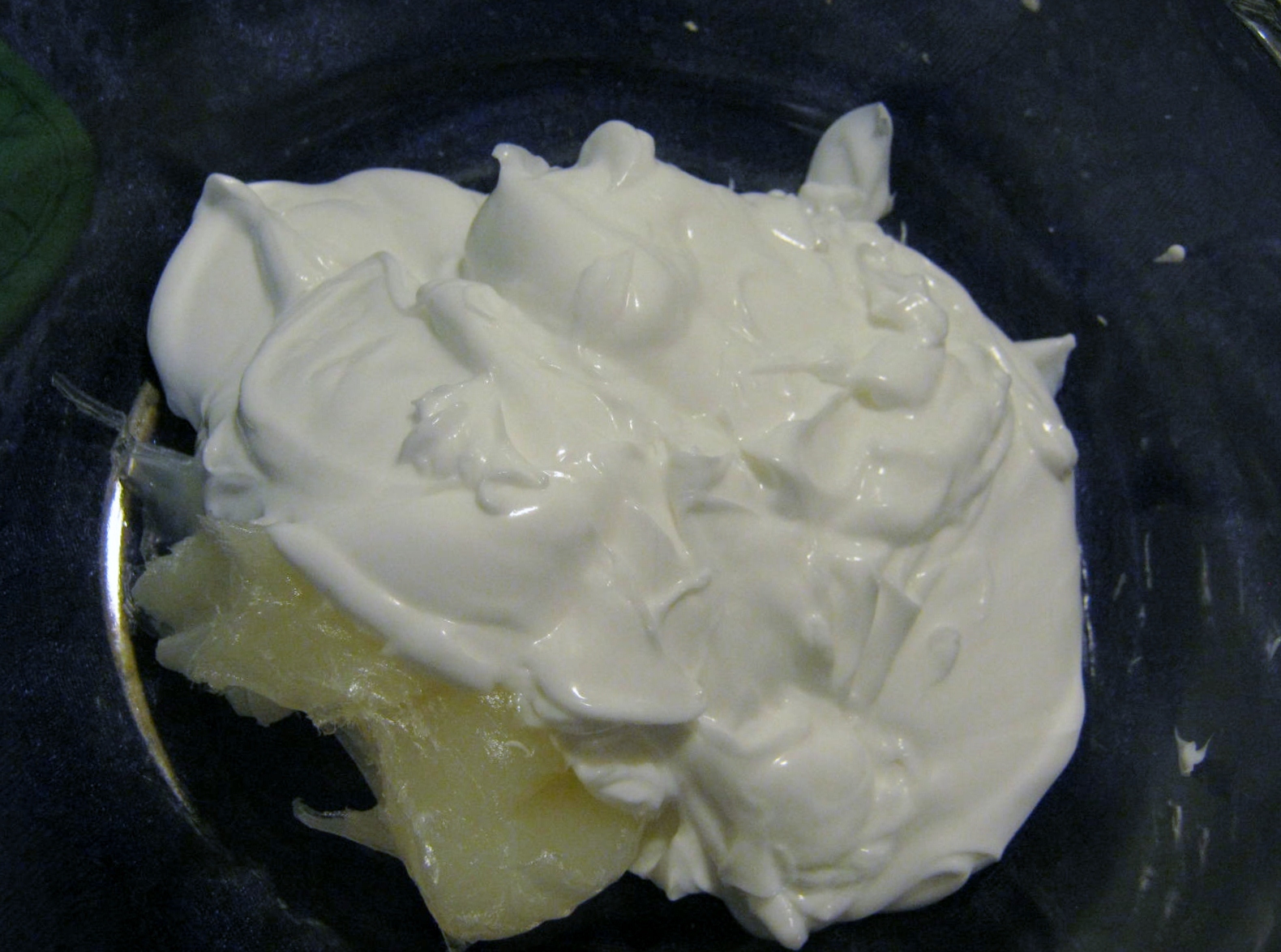
2. Scoop out Vitamin E Cream and Vaseline into mixing bowl. Measure out 8 oz of baby lotion.
3. Beat until the mixture resembles light whipped cream. (This step took less than a minute)
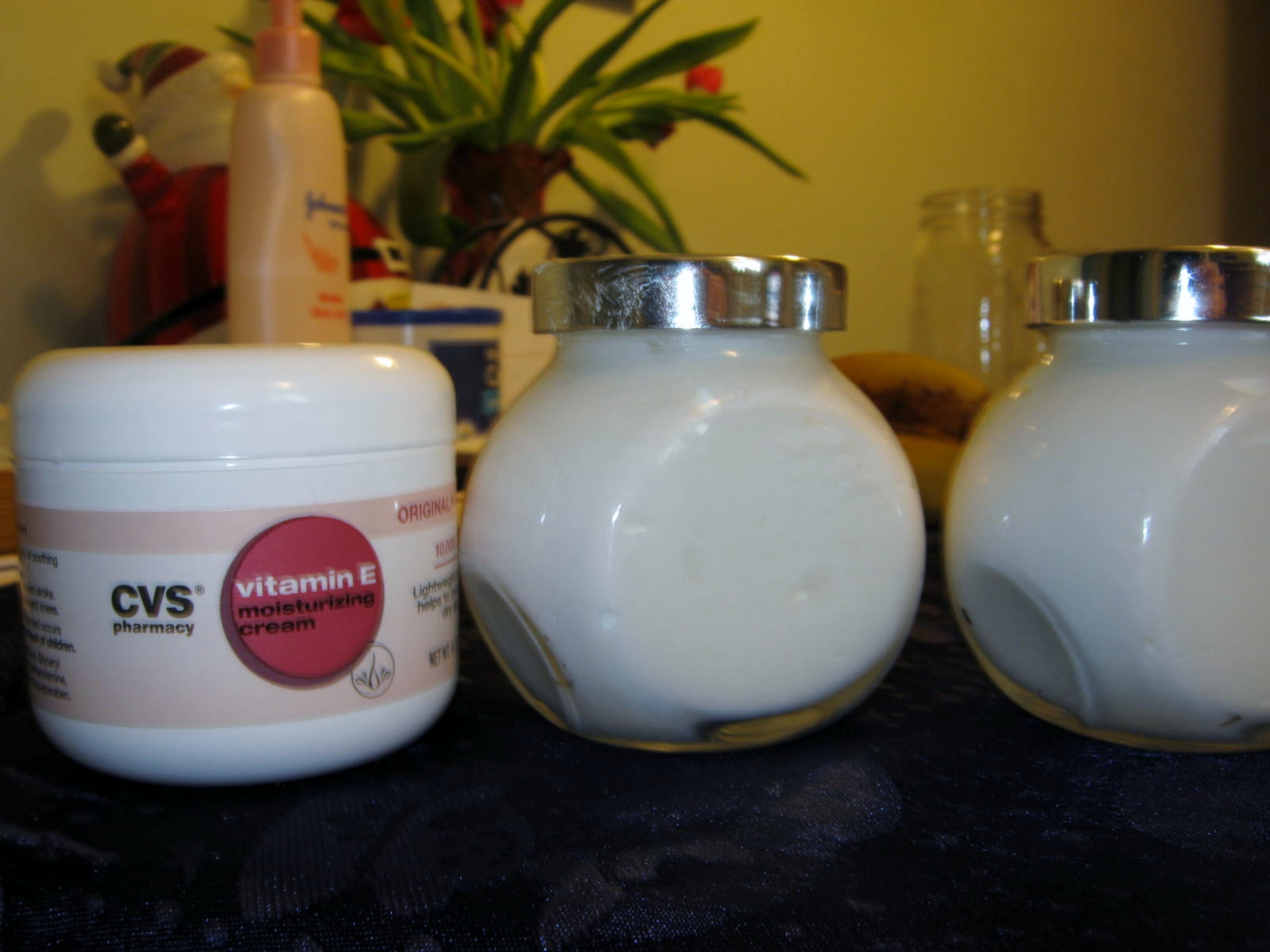
4. Scoop into jars.
5. Slather on dry heels and hands. Even my husband liked it. I love it! Next time I will make the full batch. The hardest part was gathering up the jars and getting the cream into the narrow mouths.
Here is the original blog recipe in case you want to check out this one too. Enjoy!
In the Springtime you can often find me, along with my grandsons, in the backyard, standing beside the Square Foot Garden, popping sweet peas in my mouth right out of the pod. I don’t know what it is about the taste that is addictive, but it seems to be genetic in our family.
You can imagine how elated I was this weekend to find a new snack, actual pea pods, seasoned, baked, and beautifully packaged. If you love peas right off the vine, try to find this delicious and nutritious snack. You won’t be disappointed.
Ask most people what comes to mind when they hear the word, “February,” and they will answer, “Valentine’s Day, Love and Flowers.” I’ve combined these three themes into one, and created a Valentine Tag Tree. This project was very economical. The only item I purchased was the pack of tags. I had pressed flowers on hand, and the twigs were free, gathered during a Winter walk.
I created the hearts out of maple keys. A few years ago I collected hundreds, small and large, in colors of green, beige, pink and red. I cut away the seed and pressed them within the pages of books. I love finding new ways to use the keys.
I chose Winsor & Newton’s Iridescent Medium to add a bit of sparkle to the keys.
The medium didn’t cover evenly, but I liked the rivulets and blots it created…they added more interest and sassiness.
The maple keys were easily trimmed into half a heart shape, and glued together, creating beautiful and unique Valentine hearts.
I glued on a few pressed flowers. Hydrangeas, while not as vivid as the day they were picked and pressed, still added a hint of blue or a green hue.
I used a fine-tipped permanent marker in brown and added words of love and a few swirls on each tag.
I enjoyed creating a Valentine Sampler with the finished tags. I was tempted to glue these down and frame them, but decided to stick with my original idea…a Valentine Tag Tree.
The base was easily constructed, a piece of floral foam, a bit of hot glue, and a ceramic urn. Spanish moss hid the mechanics of the container. A substitution for floral foam would be a grid of tape across the top of the container. Aluminum foil could also be used to wedge the twigs securely in place.
If you don’t have pressed flowers you can use bits and pieces of magazines, seashells, twigs, moss, heart shapes…there are so many choices for these tags. Most of all enjoy yourself.
After a N’or Easter blew by us, thankfully depositing minimal snowfall, we were left in a deep freeze. The moisture left behind grasped the ground and everything lying upon it in it’s icy fingers.
The many depths of this frozen art is fascinating. Some of the leaves seem to thrust themselves upward trying to escape the frozen surface.
Others float gracefully in the mid-levels, the sun illuminating their edges.
Others lie deep and silent, dark and already half-consumed by the appetite of a hungry earth.
In my continuing quest to try new produce, both vegetable and fruit, this week I chose the Carambola or Starfruit.
What I loved about star fruit: The fragrance was amazing. I had a hard time bringing myself to slice and eat the fruit; I didn’t want to give up smelling the soft, flowery scent. The preparation was minimal. I washed the outer skin, sliced and ate. They are unique in appearance when sliced and live up to their name. Oh my! The taste…so unique, very tropical…absolutely delicious. I have a very picky husband, and even he liked the starfruit. A bonus: The seeds can be planted and grown. Hooray!
What I disliked: NOTHING, absolutely nothing.
Will I buy one again? I can’t wait to go to the supermarket today and buy one…or maybe two!
I have probably eaten starfruit in restaurant fruit salads, and I have possibly bought one, way, way in the past…but it is new to me now. I’m thrilled with the taste and only wish I had made it a habit to eat starfruit decades ago.
“Carambola, also known as starfruit, is the fruit of Averrhoa carambola, a species of tree native to the Philippines, Indonesia, Malaysia, India, Bangladesh and Sri Lanka. The fruit is popular throughout Southeast Asia, the South Pacific and parts of East Asia. The tree is also cultivated throughout non-indigenous tropical areas, such as in Latin America, the Caribbean, and the southern United States.
The fruit has distinctive ridges running down its sides (usually five but can sometimes vary); in cross-section, it resembles a star, hence its name. The entire fruit is edible and is usually eaten out of hand. They may also be used in cooking and can be made into relishes, preserves, and juice drinks.
Carambola is rich in antioxidants, potassium, and vitamin C; and low in sugar, sodium, and acid. It is also a potent source of both primary and secondary polyphenolic antioxidants” ~ Wikipedia
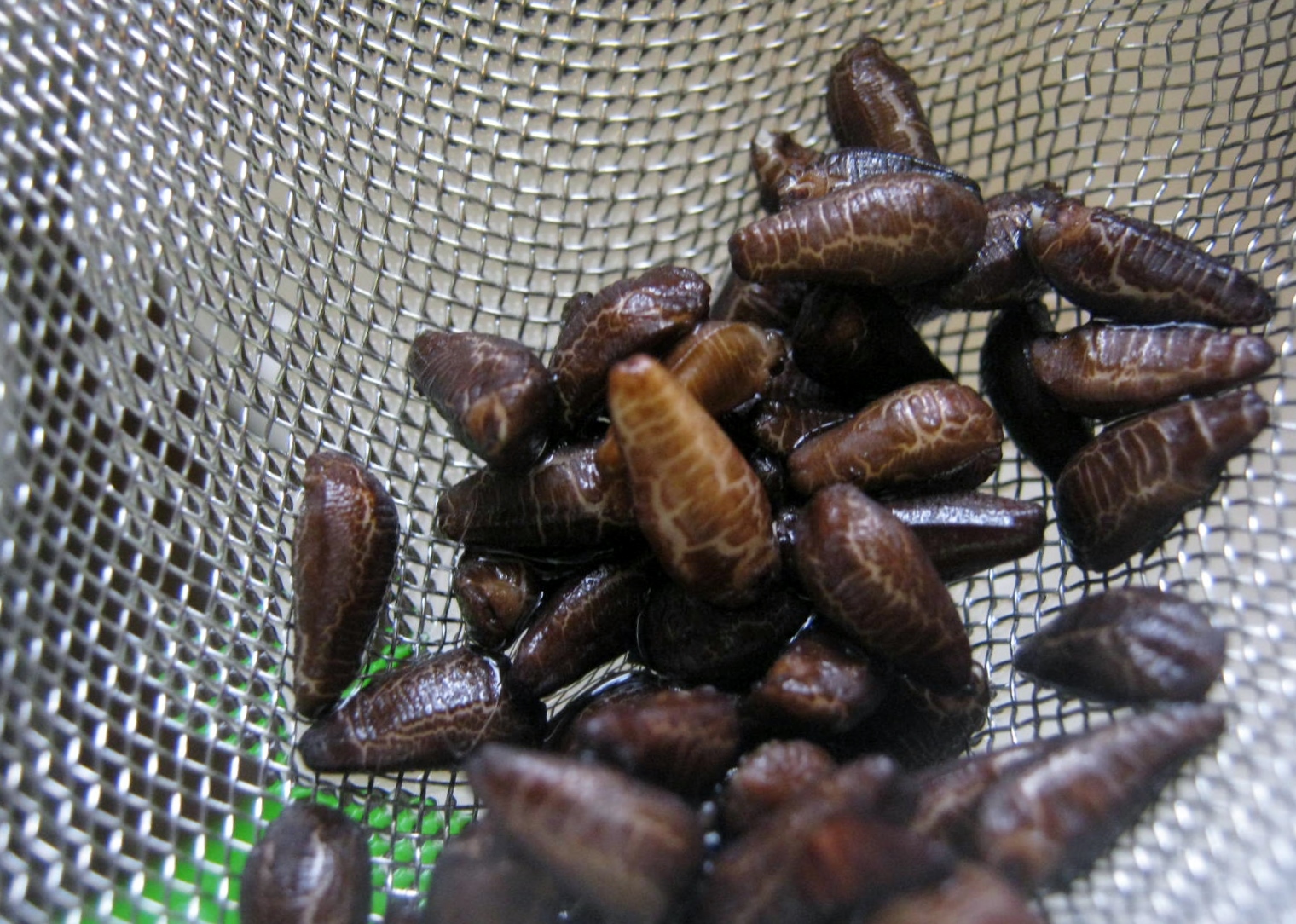
Star fruit seeds soaking in lime juice.
I came upon a good tip to follow when planting seeds collected from fruits. Often, in nature, the fruit is eaten and the seeds pass through the system of the animal ingesting it. This helps remove the hard, outer coat of the seed. To duplicate this process soak the fruit seeds in the juice of a lemon or lime overnight. What a great idea!
I am re-blogging a few of my “Winter-Sowing” posts. If you live in an area where winters are cold, winter sowing is for you. If you plant viable seeds and follow the directions, you will find success!
Winter Sowing is an easy way to start your own transplants.
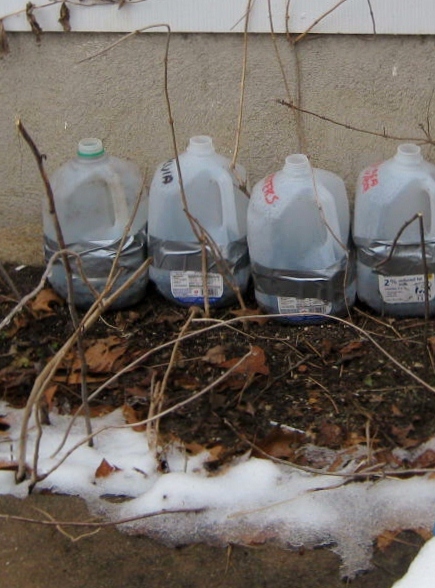
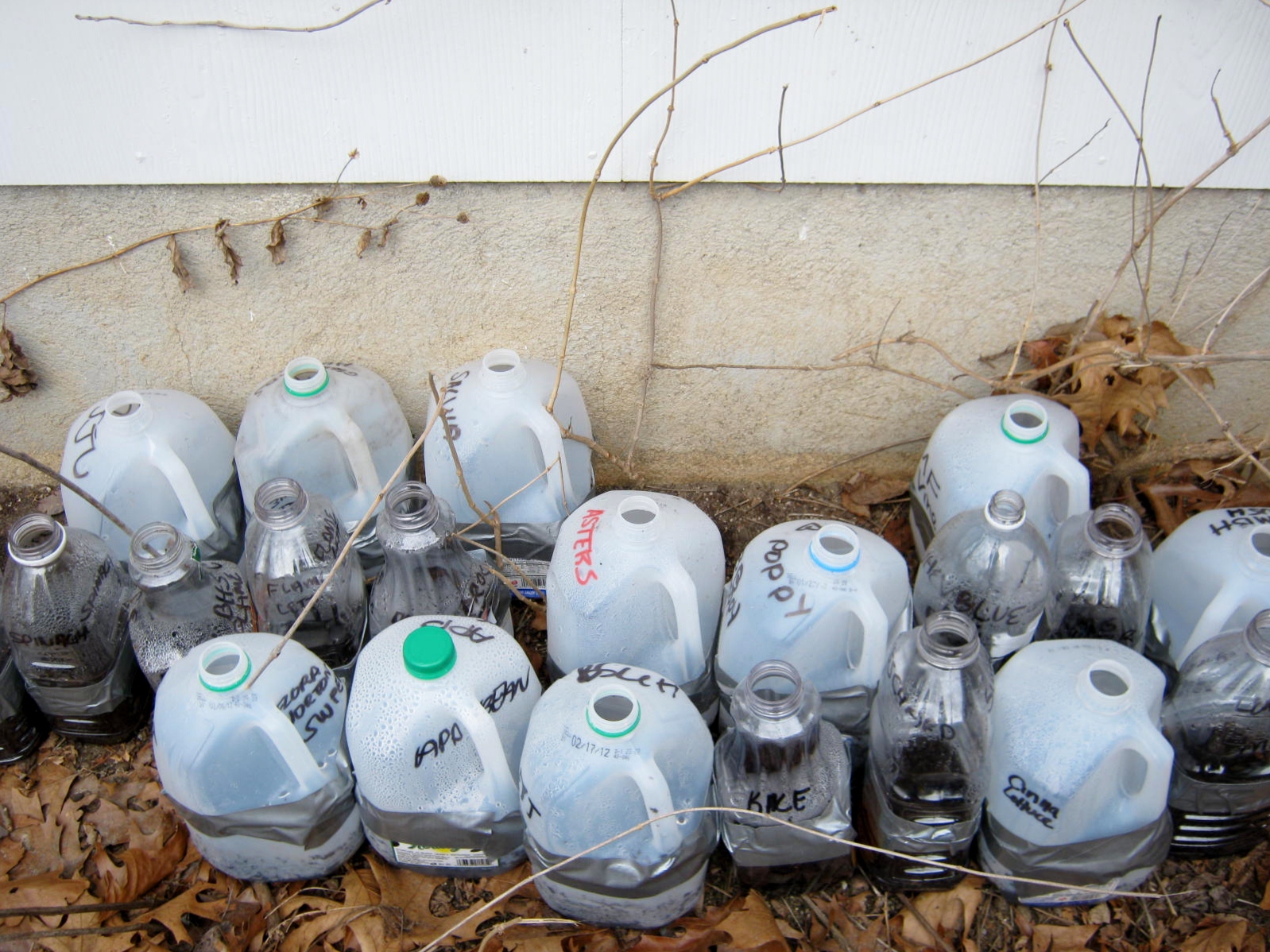
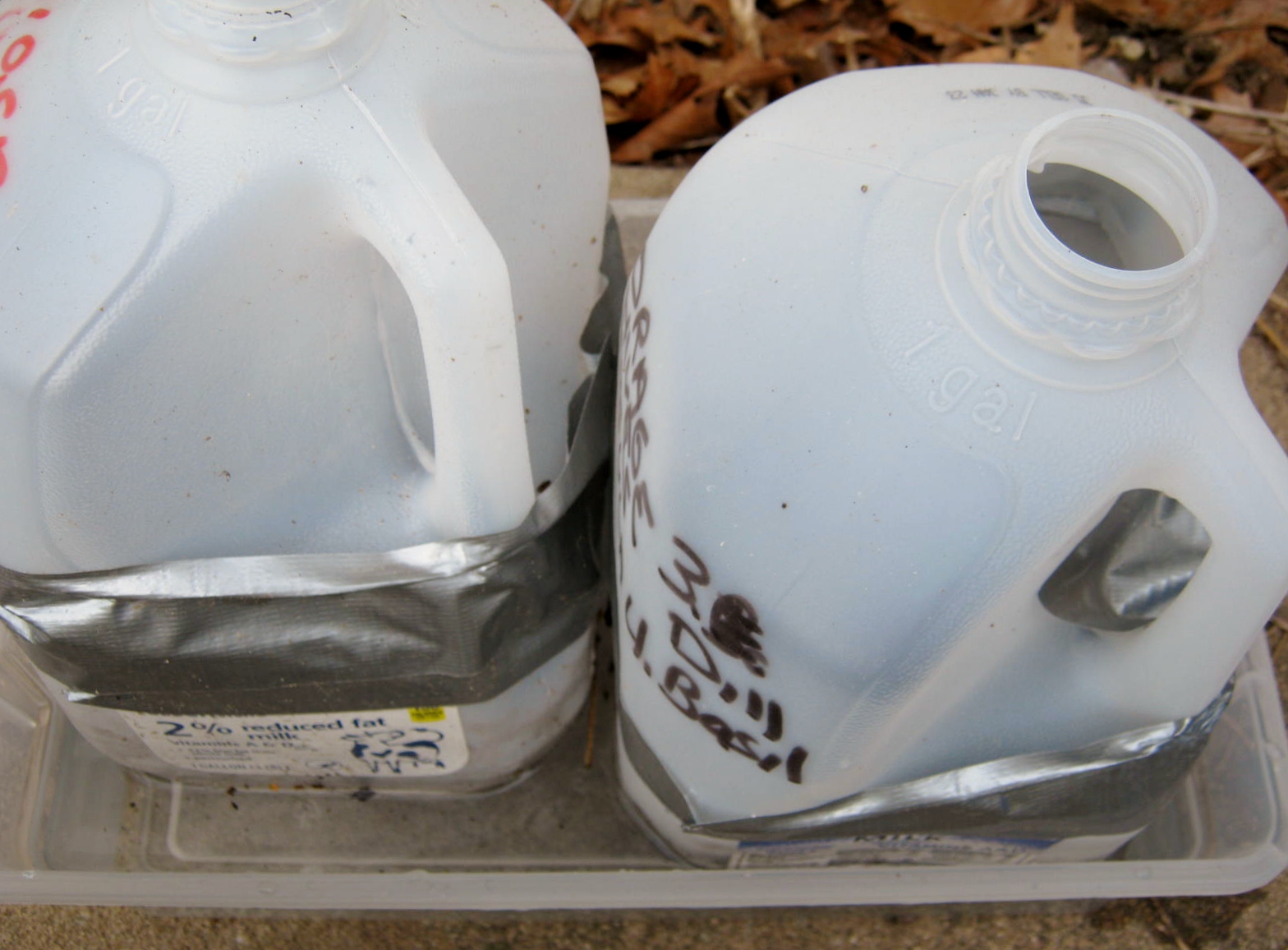
Winter Sowing is the process of planting hardy and half-hardy seeds in clear or translucent containers (milk cartons or kitty litter jugs) The containers are sealed with duct tape and placed outdoors in the winter weather. This method of sowing seeds has been attributed to Trudi Davidoff.
Over the next week or two I hope to Winter Sow more of my perennial seeds, and later in the season some of my vegetables, annuals and herbs. A good source of information and discussion about Winter Sowing can be found on the Gardenweb Winter Sowing Forum.
STEPS FOR WINTER SOWING (My own technique, might differ slightly from how others winter sow.)
1. Poke holes in the bottom of your container with a sharp tool or a hot screw driver. A soldering iron works too, but most folks don’t have one.
2. Cut the container in half, leaving a small tab to keep the two halves connected.
3. Add an inch of potting soil, add about two inches of seed starting mixture to top of soil. Moisten all, let water run out the bottom. Plant seeds. Label the outside of the container with permanent marker. You might need to go back over the labeling before planting time. Even a permanent marker fades in the sunshine.
4. Tape two halves together with duct tape.
5. Place outdoors in a sunny spot. DO NOT KEEP CAP ON TOP. The top needs to be left open for moisture.
6. Check periodically for sufficient moisture.
7. When temperatures warm up, open container in the daytime. Be very careful to check daily that the soil is moist after opening. Soil and seedlings dry out quickly.
PART II
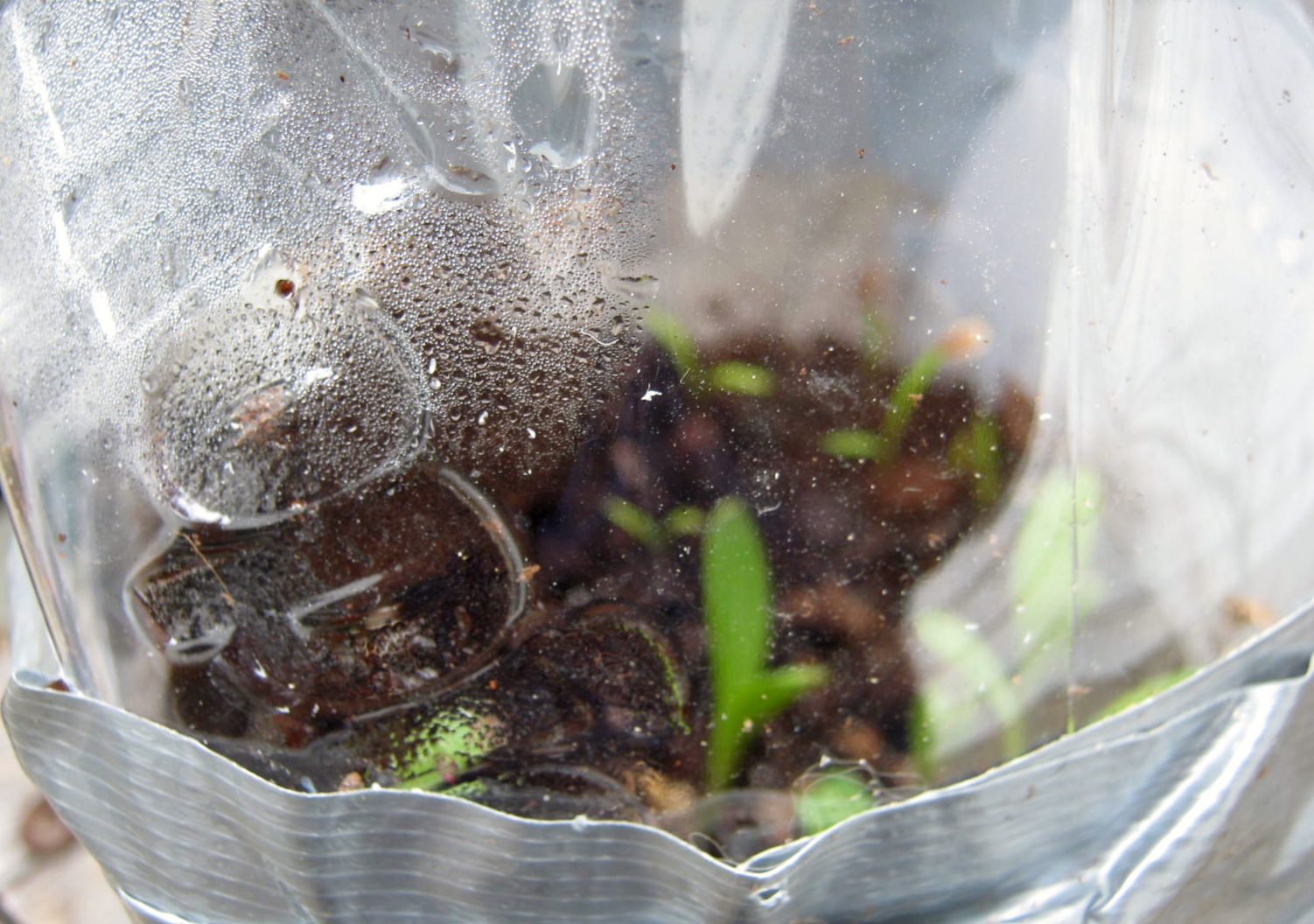
I’ve added to my cache of winter sown containers. The warm springlike weather of the past weeks helped many seeds sprout. As they are HHA (Half Hardy Annuals) and cold tolerant vegetables, I’m not worried about the possible onset of colder temperatures through the next weeks. The plastic containers work as mini-greenhouses and protect the seedlings from frost. The cold will strengthen them and keep them from becoming leggy and outgrowing their containers. I’ve had a lot of fun with this project. I also set aside a portion of each type of seed so that in the event that some of the containers fail I will have a back-up.
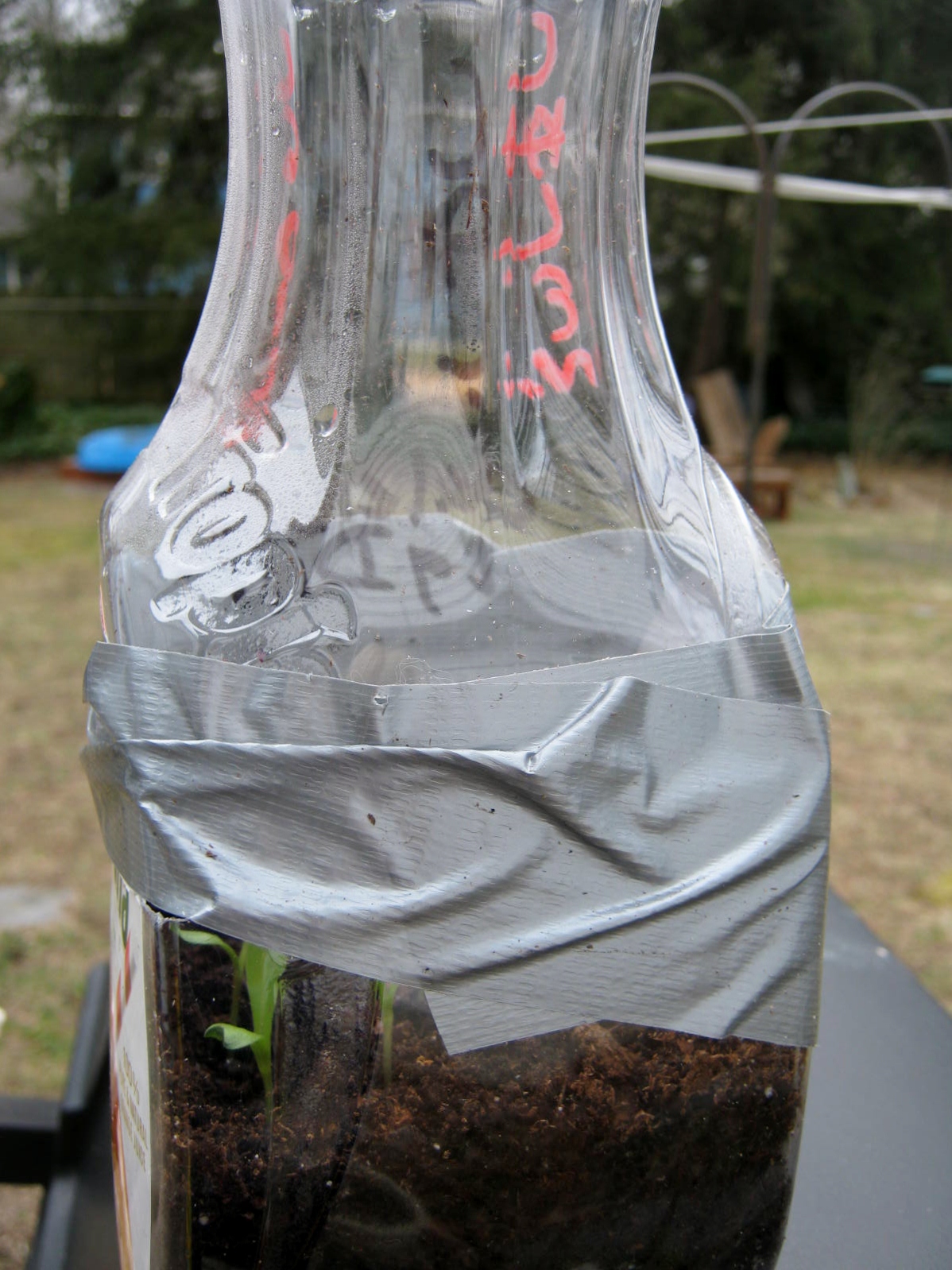
A view of some of the sprouts inside their containers. The above photos show my recycled orange juice bottles. These mini-greenhouses are light in weight. To windproof them I wedge them in amongst the heavier milk jugs. (I don’t use small containers anymore, they dry out too quickly. I try to use gallon-sized or larger containers.)
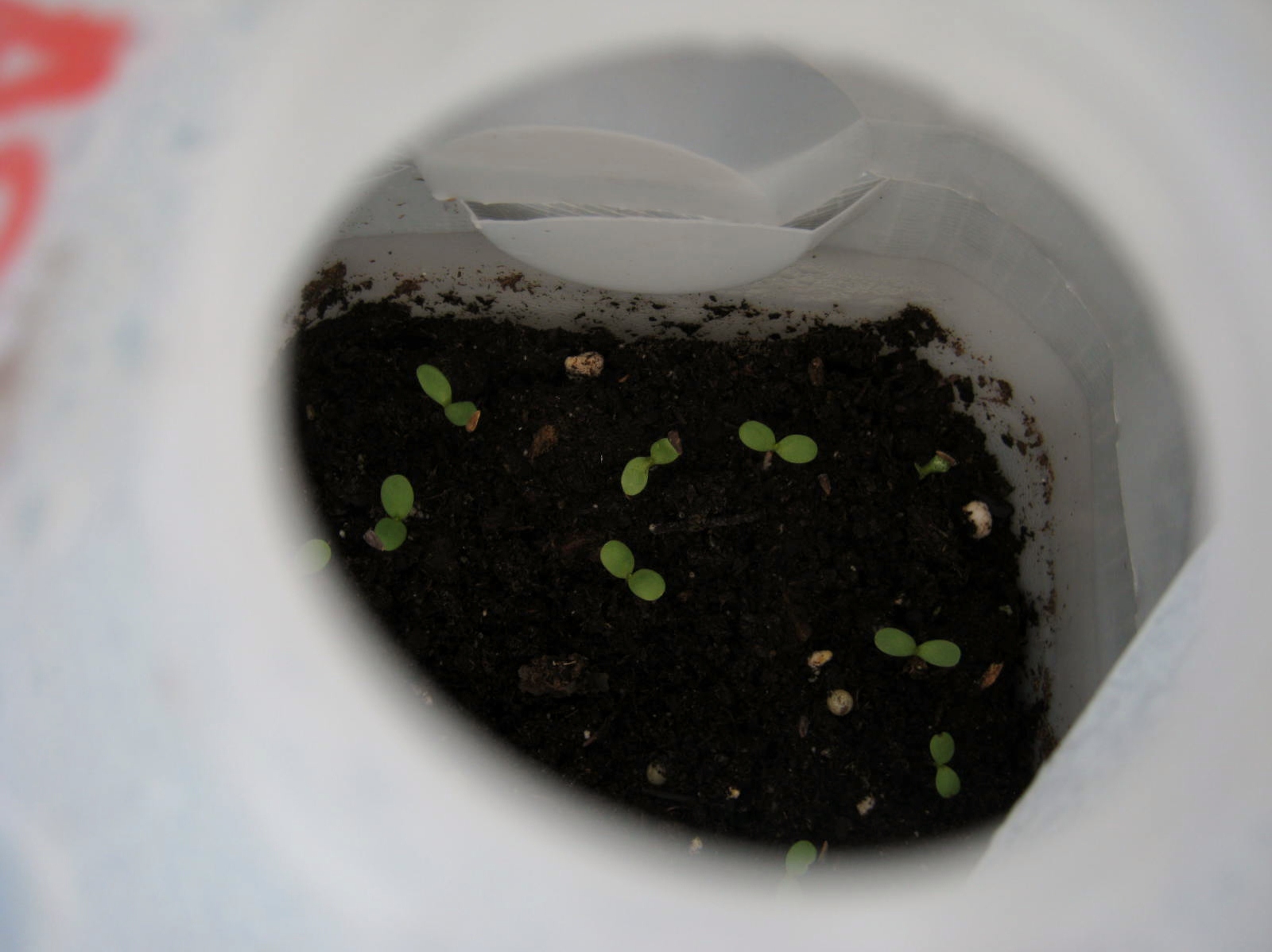
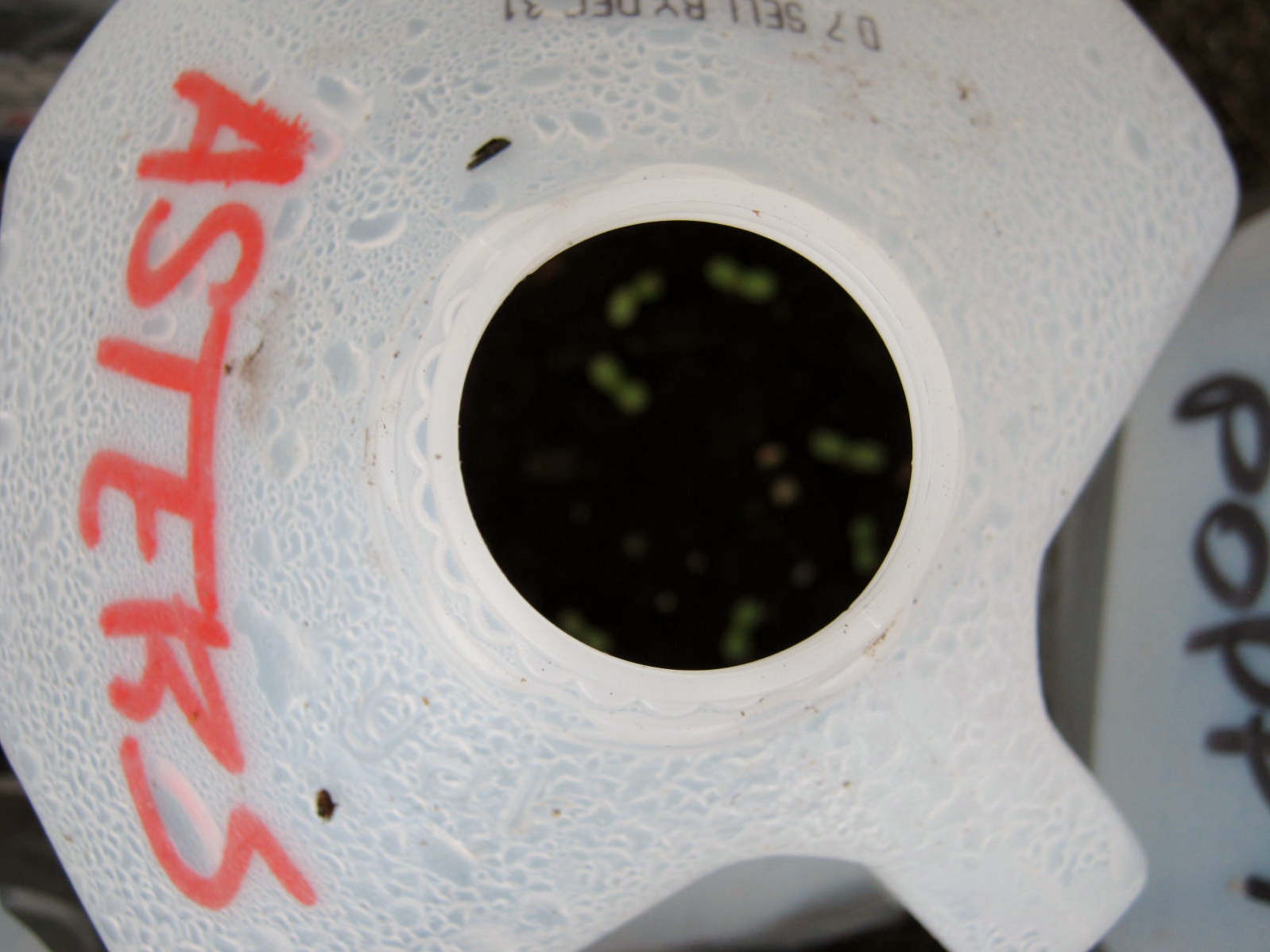
A bird’s-eye-view through the top of a milk jug. The seedlings inside are asters.
Two of my mini-greenhouses had indications of the dirt drying out. I placed these inside a plastic shoebox filled with water, a perfect fit, and let them soak up a little moisture through the drainage holes in the bottom. This worked and within a half hour they were watered.
PART III
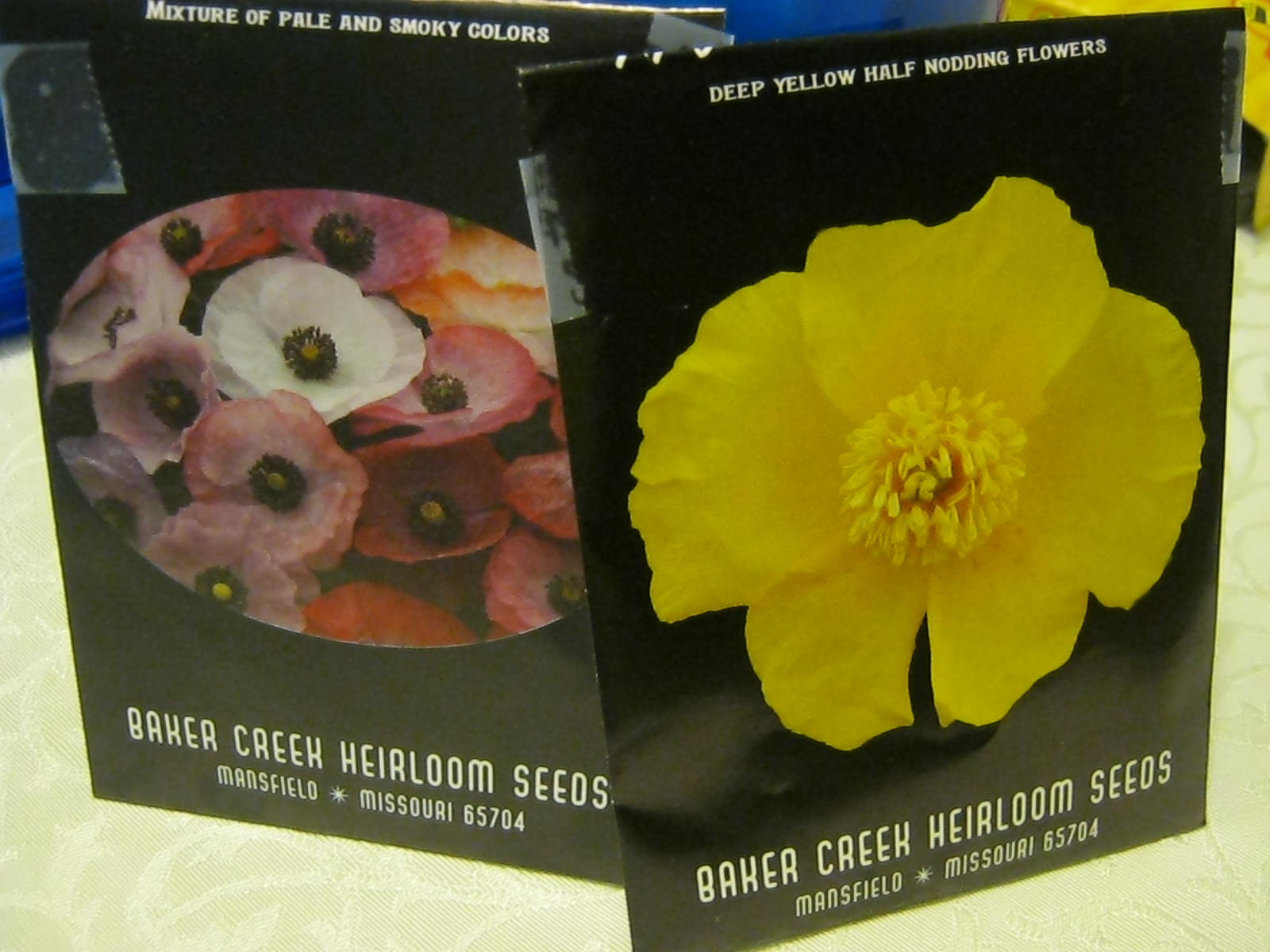
Poppies! I LOVE poppies, but I have some problems with poppies too. Number one on my list of loves is the way poppies develop big, luscious looking pods. When the pods begin to widen and split to reveal the color of the flower inside, honestly, I must admit I run out into the yard several times a day to see if the silken petals have opened. There is something magical in the wispy crown in the center of each flower too. Often there will be a splotch or two of contrasting color at the base of each petal. The foliage of many poppy plants glows in beautiful bluish green tones. Yes…I LOVE poppies.
One of the major drawbacks of poppies, at least in my opinion, is how hard it is to grow them from seed. For years I followed the advice on the back of the packets and on the pages of reliable gardening books and sowed them directly in the ground. This NEVER worked for me. Heavy spring rains ALWAYS washed my poppy seeds away before they could sprout. If they did grow, the delicate small seedlings would be beat into the ground by that same rain. The “experts” say poppies don’t transplant well. I agree if they are grown in the house, but I have found a way to get a head start on poppies and that method is winter sowing.
I am also including a post that shows the results of my winter sown poppies: Poppies
If you want to grow poppies this year, and have a milk carton or two on hand, give winter-sowing a try. It only takes a few minutes to create a miniature greenhouse to place outside in the sunshine. Happy Gardening!
This past weekend my two older grandsons had two nights of sleepover at our house. What fun we had watching movies, blowing up the air mattress, painting amazing artwork and shopping for snacks. It was fun to be a part of their hours here, but these two moments were heart-touchingly sweet, and worth sharing.
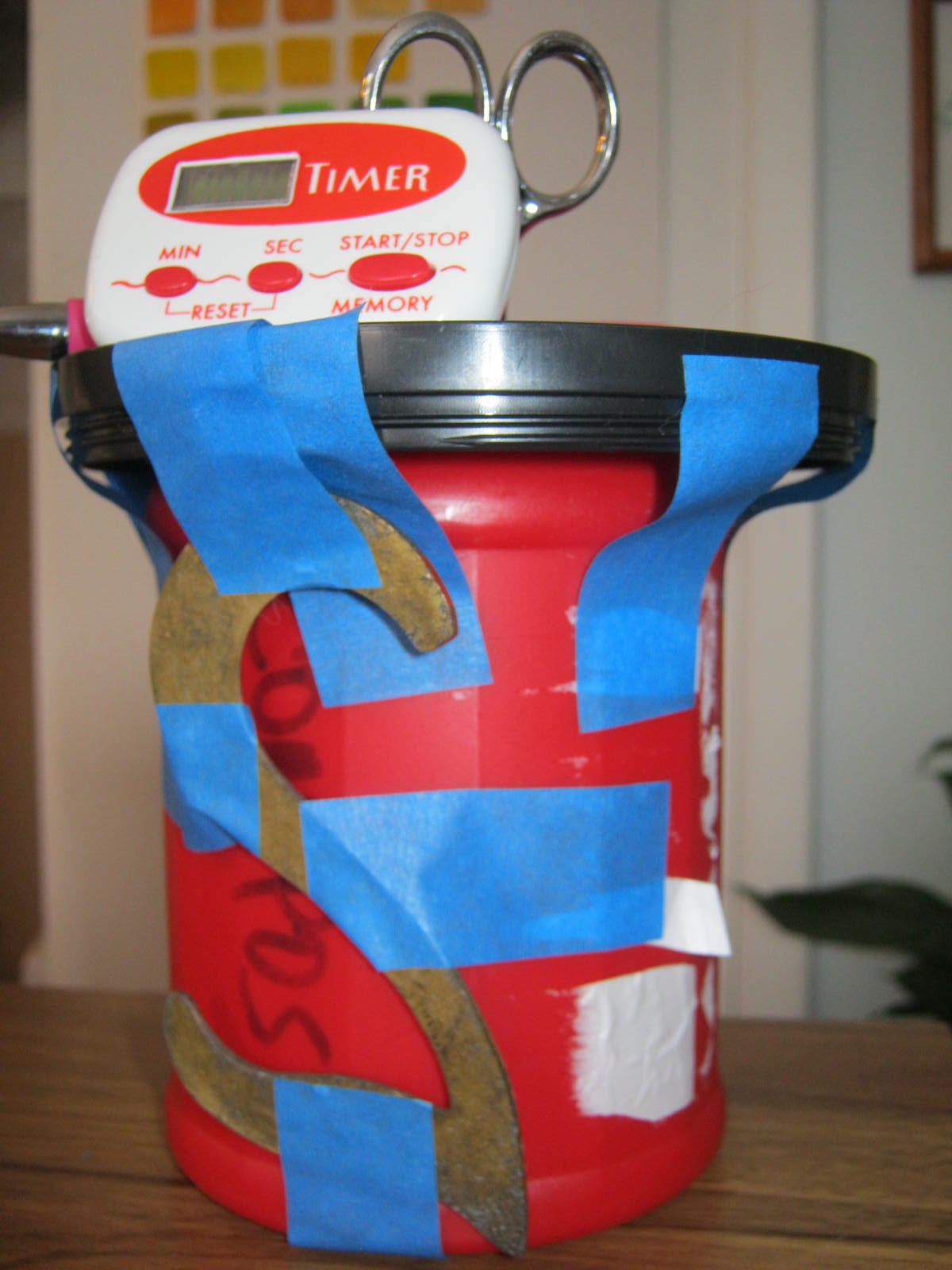
The boys love the bin of craft supplies in the basement. The bin is nothing more than a big container filled with recyclables I think hold creative promise. The younger grandson, in kindergarten, learning how to “create” and understand what a treasure is, put together a desk caddy for me from items in the bin. He presented his creation to me as I sat at my desk, his eyes shining with pride, and said, “Nanny, I know you will keep this forever.” Of course I will! Created out of an old coffee can and a CD holder, with loads of tape and an old brass number, it is a perfect receptacle for my pens and scissors.
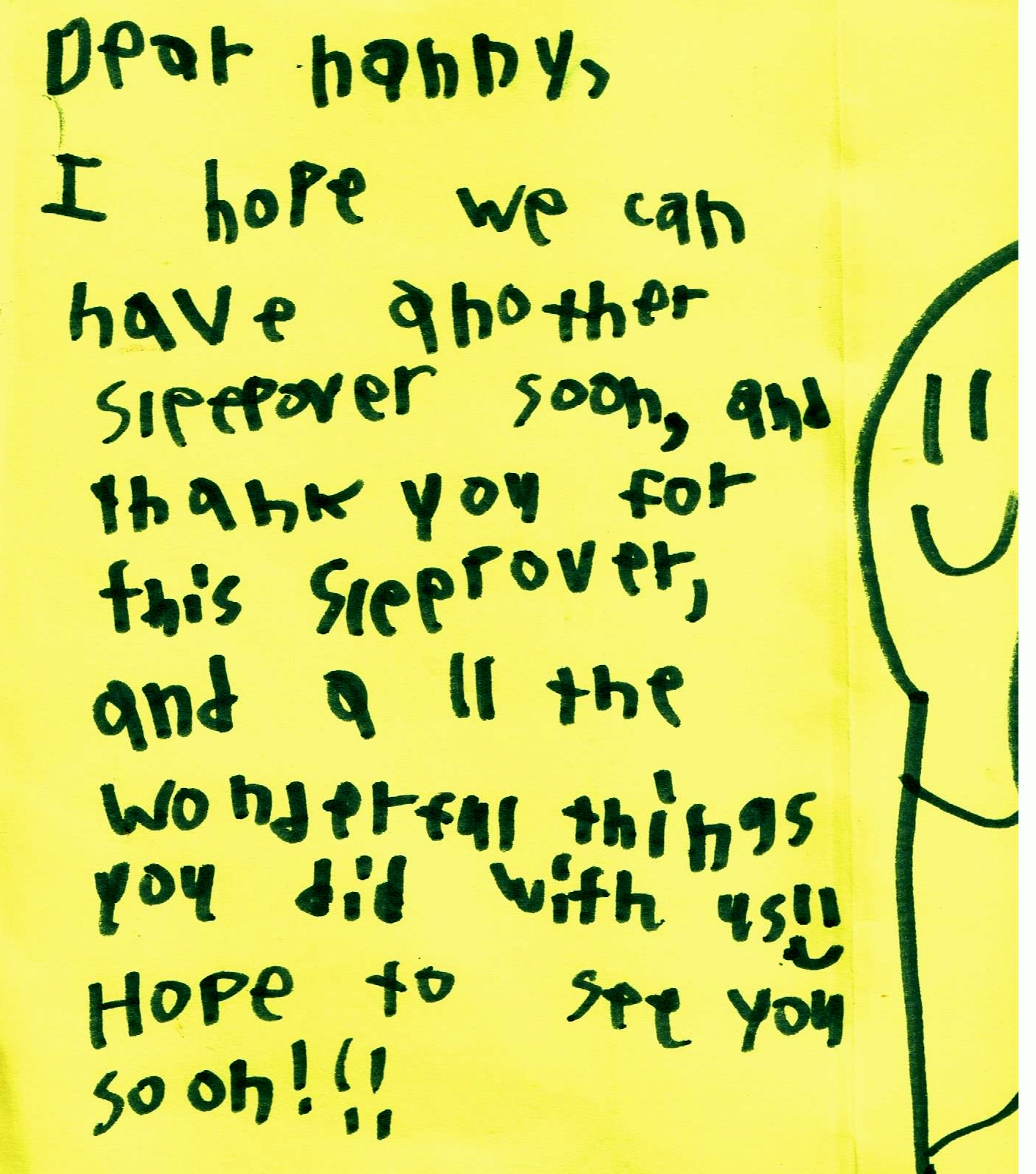
Later, nearing the time for the boys to go back home, my older grandson disappeared. He came back bearing his gift to me, the thank you card in the photo above. I am blessed!
My grandmother, pictured here with my mother, uncle and grandfather, has been away in heaven for ten years this January. I will never stop missing her until I join her again one day. My mother recently remarked on this anniversary in an email to me. The email I sent her back is “Scene One” in my weekend of “Precious Moments.”
“Hi Mom, I miss Granny. I can’t believe it has been ten years. I miss all the grandparents all the time.
I was filling her shoes today with my older grandsons. They are precious. We had a conversation about God. They are both very spirit-filled. It astounds me. We talked about how God can forgive anything anyone does…past, present and future. **** said when he sees light he feels like it pulls him to it, I told him God is like light and pulls you to him. He liked that! We talked about Jesus being in your heart always and that he will NEVER leave you. They believe so strongly. ***** cried, he said he was so happy he cried. That is the Holy Spirit!”
My friends, that same precious Spirit our sweet boys experienced and cried with joy over is beckoning to you too. Christ Jesus stands before you, arms open wide, to invite you to dwell with Him for all eternity. If you aren’t His already, say yes to Him today. You will never regret it. Blessings on your day!
“So keep these commandments carefully in mind. Tie them to your hand to remind you to obey them, and tie them to your forehead between your eyes! Teach them to your children. Talk about them when you are sitting at home, when you are out walking, at bedtime, and before breakfast!” Deuteronomy 11:18-19
One of the benefits of my “Song of the Day” on the blog sidebar has been finding new and exciting music to listen to each day. Recently, I’ve found several groups of sisters who excel at singing. They also have websites to explore. Take a listen and a look at the sites of these three terrific sister groups.
This post is definitely a bit later than most. I have a good excuse. I live in New Jersey and already the snowflakes are falling, only the beginning of what they are saying could be a record-breaking snowfall. Hopefully, we will get only about a foot of the white stuff. Are you gasping in disbelief? Only a foot! Am I crazy? No, I’m just glad I don’t live further north where they are forecasting near thirty inches will fall before the blizzard is over. When you compare twelve inches to thirty, twelve certainly seems better!
I was one of those crazy people who drove to the Supermarket at 8:00 this morning. I have a gallon of milk, I have bread in the freezer, but wouldn’t you know it, I needed cat food and the orange juice bottle was empty. I ventured out. In the rush of the crowds, comparable to the eve of a major holiday, wouldn’t you know it, I forgot eggs. Grrrrr….
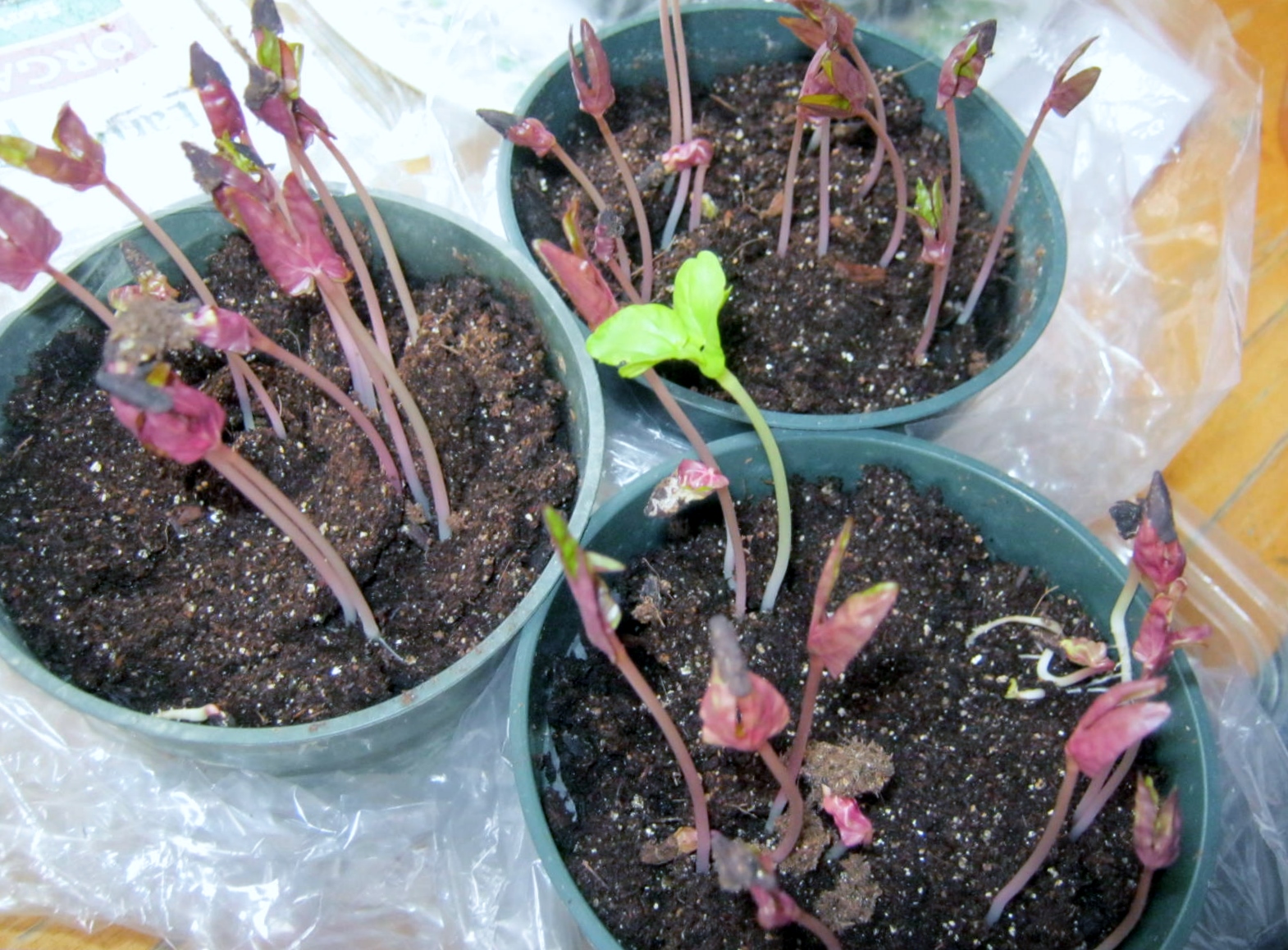
Anyway, it’s a good day for a quick update on my recent plantings. All are doing exceptionally well. The Heavenly Blue Morning Glories sprouted in less than a week. Hooray! If you look closely at the picture you can see I have a “sport.” One sprout a little different than the others. I will definitely keep this one growing. Who knows? It might turn out to the best morning glory ever grown. I can hope!
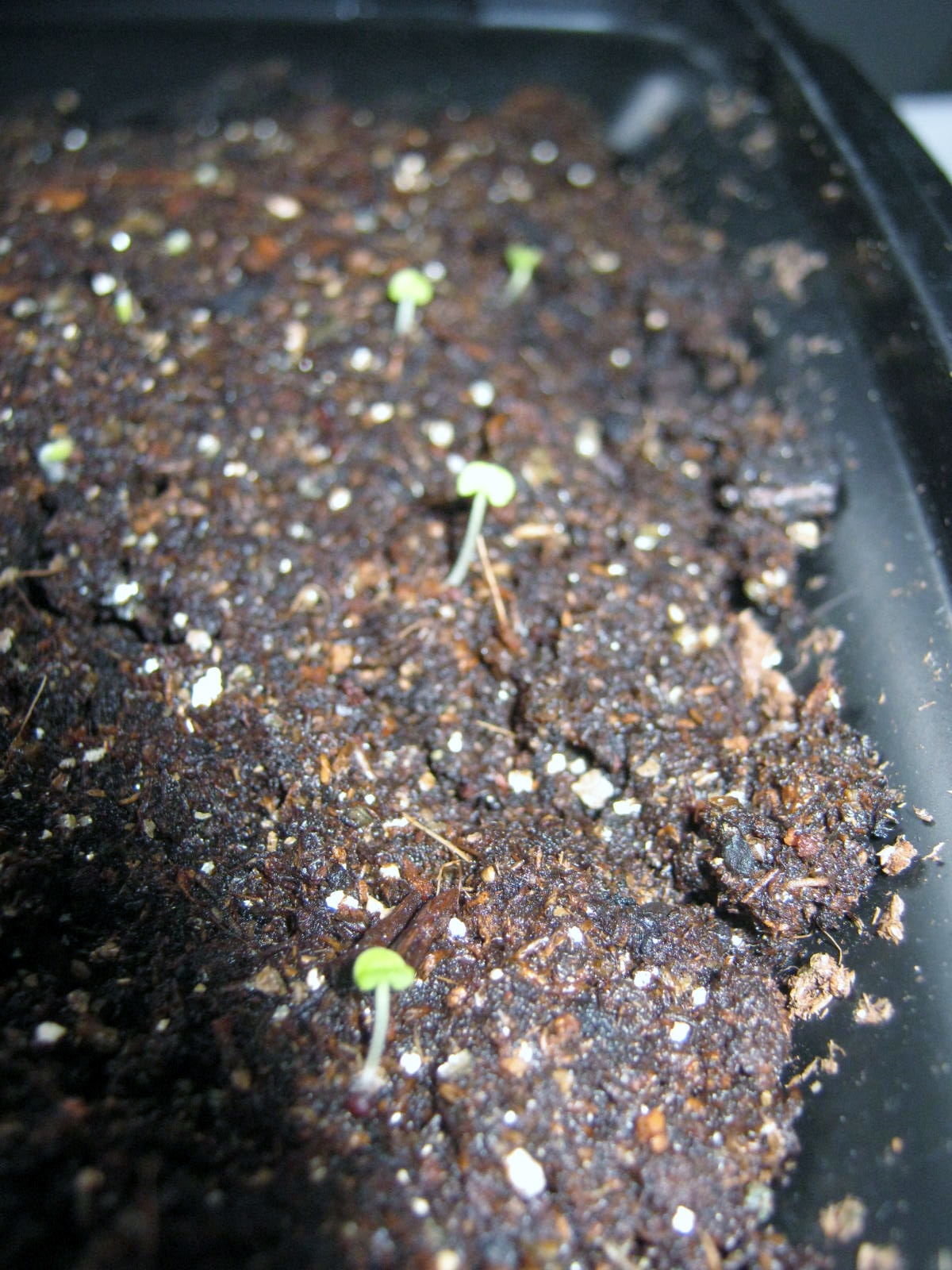
Some of the coleus seeds have sprouted too. They grow slowly. It will be weeks before there is a hint of color in the leaves.
The Meyer Lemon Sprouts are still erupting from the soil. As of now, I have eleven sprouts, but there are a least two more seeds ready to burst into leaf. O Happy Day!
The 2015 seed displays are in place in many garden centers and box stores. The first packet I purchased was Heavenly Blue Morning Glory. I love morning glories; I have grown them every year for as long as I have gardened.
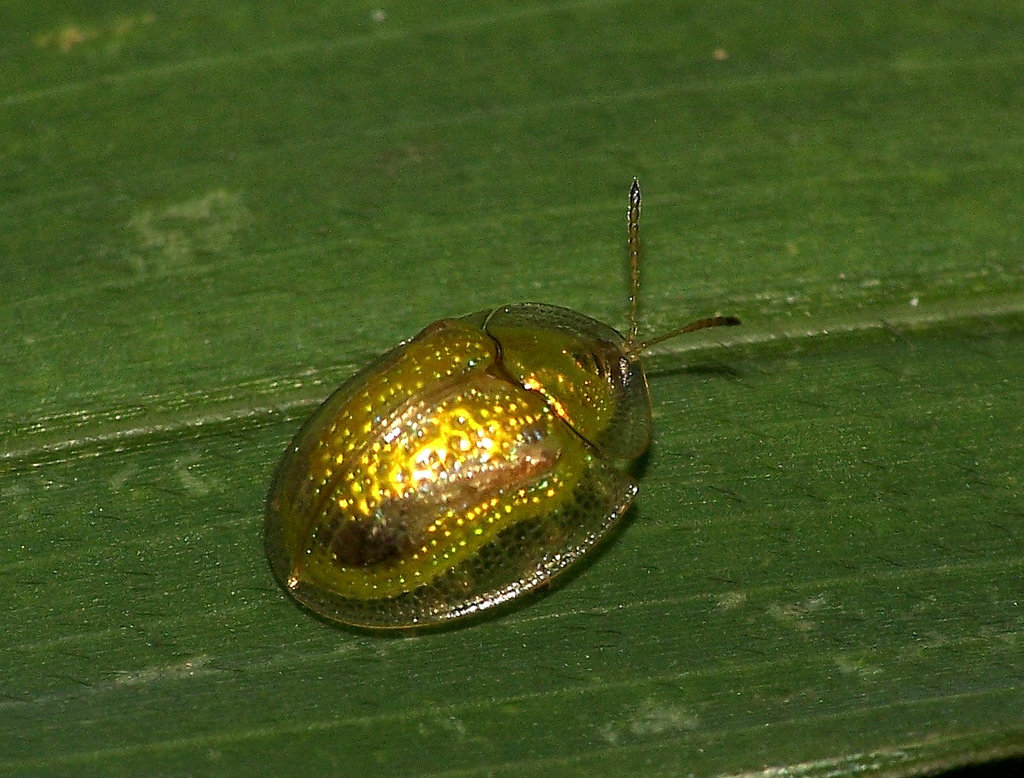
I plant dozens of morning glory seeds around my front porch. Each year they start off great, develop oodles of buds, and DO burst into bloom, but…they also draw Golden Tortoise Beetles that decimate the leaves, turning all the foliage into shreds. I use only natural pesticides, and since this pest dines on the underside of the hundreds of leaves, it is impossible to handpick them.
Some people think the golden tortoise beetle so beautiful; they don’t mind the bug eating their plants. That might be fine if my main morning glory display was in the back yard, but the vines twine around my front porch. This year, I don’t want to cultivate the swiss cheese effect again. Instead, I’ve decided to grow my beautiful Heavenly Blue Morning Glories in the house this year, and allow them to twine themselves around my sunniest window frames.
The first step in growing morning glories is to soak the seeds in water for 24 hours. The next day, drain the water away. You will notice their hard shell has split and they are double in size.
I prepared the plastic pots for planting by placing a coffee filter in the bottom to keep the dirt from spilling out.
In the bottom 3/4 of the pot place regular potting soil, for the top 1/4 use seed starting soil. This technique gives the seed a good medium for starting, but also provides more nourishment when the roots extend into the soil. This enables the seeds to grow for several weeks without the need to repot several times.
When the seeds are sown cover them with a plastic bag. The bag acts as a small greenhouse. Place the pots near a heating vent or on the top of your fridge. I will update the progress of mine as they grow.
When I shop in my local grocery store or farmer’s market, I often notice interesting produce I haven’t bought, or, to my knowledge, experienced. I am committed to changing my shopping and eating habits. My goal is to sample every strange and exotic fruit and vegetable I can find for sale in the coming year.
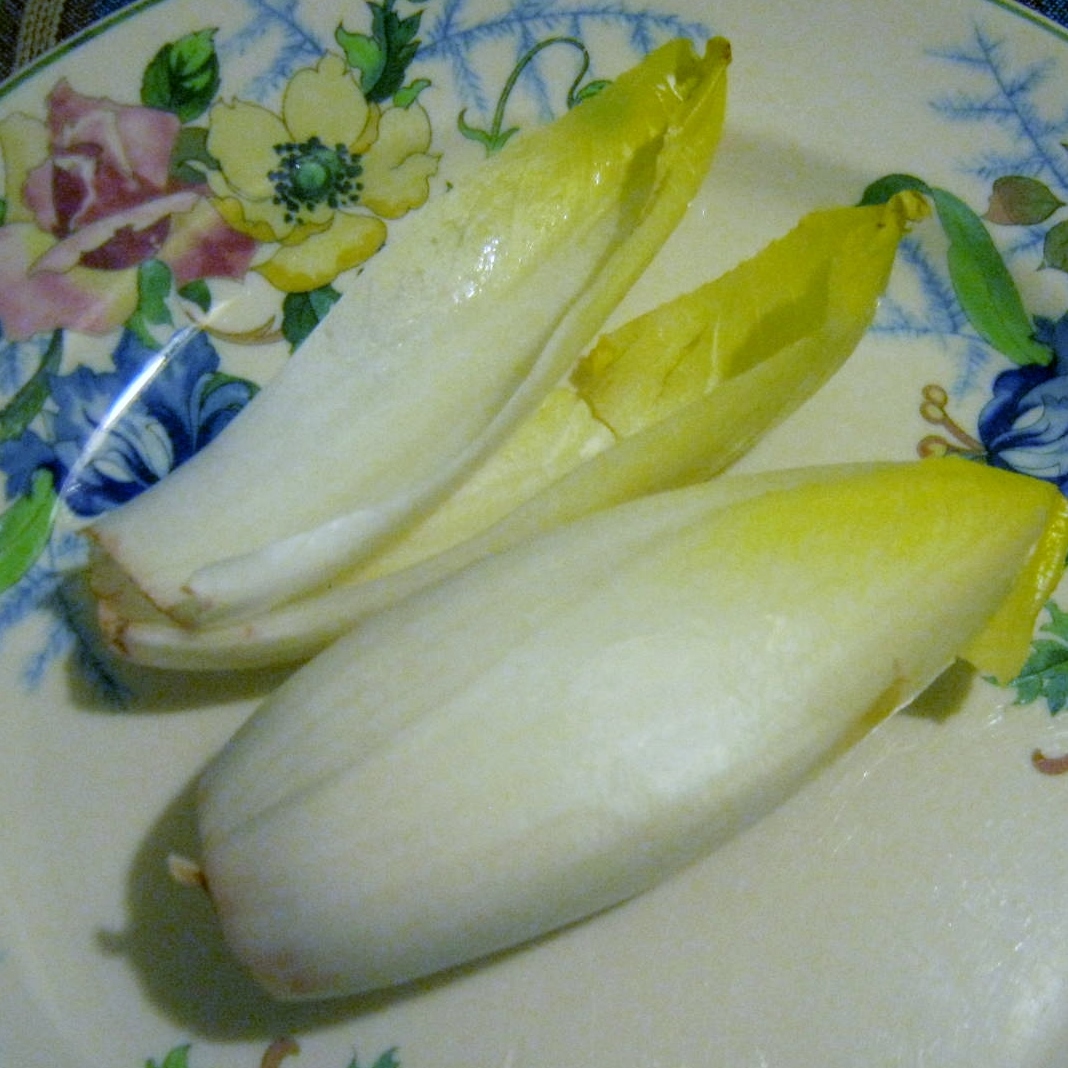
I started my quest with Belgian Endives. I’m pretty sure that at one time or another, in a restaurant or someone’s home, I have probably eaten a Belgian Endive, but I am also sure I have never purchased one. I remedied the situation this week and bought one.
I “Googled” Belgian endive and found plenty of information on the vegetable. One of my favorite articles was the Top Ten Ways to Use a Belgian Endive. I chose the easy way out with the endive and cut it into strips to add to my turkey and arugula sandwich. I also tasted it alone and unadorned, and found it has a delicious appeal. I will definitely be buying more Belgian endive in the future.
“Lourdes has been a place for pilgrimage since 1858. Today over five million people per year visit the town. HCPT founder Dr Michael Strode first visited in 1951 and saw the potential to organise a pilgrimage for disabled children at the school where he was working.
HCPT itself was founded in 1956 and now helps 1,000 disabled and disadvantaged children and young people visit every Easter, and hundreds of disabled and disadvantaged people of all ages to enjoy a week at Hosanna House near the town each Summer.”
Yesterday I posted a video of “Rise and Shine” being sung by those taking part in an HCPT Pilgrimage to Lourdes. Prior to finding this video I had never heard of this wonderful charity. The group in the video is based in the UK. You can find out more at HCPT Vision and Mission of HCPT.
“O Lord our God, the majesty and glory of your name fills all the earth and overflows the heavens. You have taught the little children to praise you perfectly. May their example shame and silence your enemies!” ~ Psalm 8:1-2
SPREAD THE MESSAGE OF GOD’S GREATNESS ALL AROUND THE WORLD!
There are days in life when we are blessed by stumbling upon something great and inspiring. This Youtube video was an unexpected blessing for me yesterday. Please take a moment to watch, sing along, and PRAISE!
“As long as we live there is never enough singing.” ~ Martin Luther