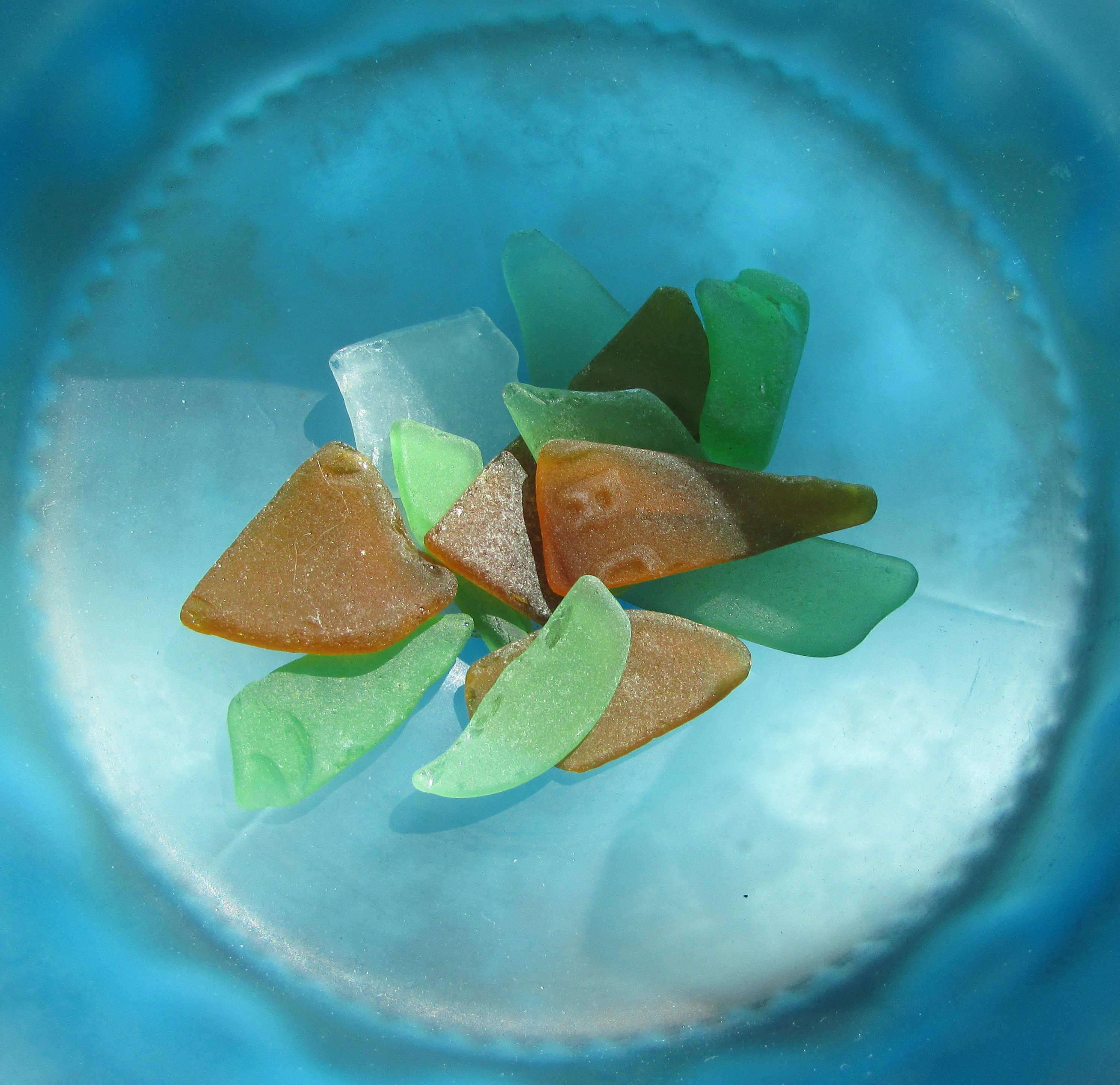
“Glass from inland waterways such as the Chesapeake Bay and the Great Lakes is known as beach glass. It is similar to sea Glass , but in the absence of wave rigor and oceanic saline, content is typically less weathered.” Wikipedia Sea Glass/Beach Glass
After years of collecting sea glass/beach glass from the Atlantic Ocean, Chesapeake and Delaware Bays, I’ve decided to create a project and make use of a few pieces of my collection. Most of my glass would be considered Beach Glass. I have had some spectacular finds on the beaches of the Atlantic, but the bulk of what I have has been collected on bay beaches.
I came upon the idea while fishing this past weekend in Fortescue. Inside the café at Higbee’s Bait and Tackle, where by the way you can get the best coffee ever for just a dollar, I spied a piece of driftwood hanging in the window with strings of sea glass attached. I’ve always wanted to string my sea glass, but was daunted by the thought of prepping it first with wrapped wire. Oh my! The easy way the creator of this mobile/wind chime attached the glass is a priceless idea, but that is part II of my post and hopefully, will be published one day this week.
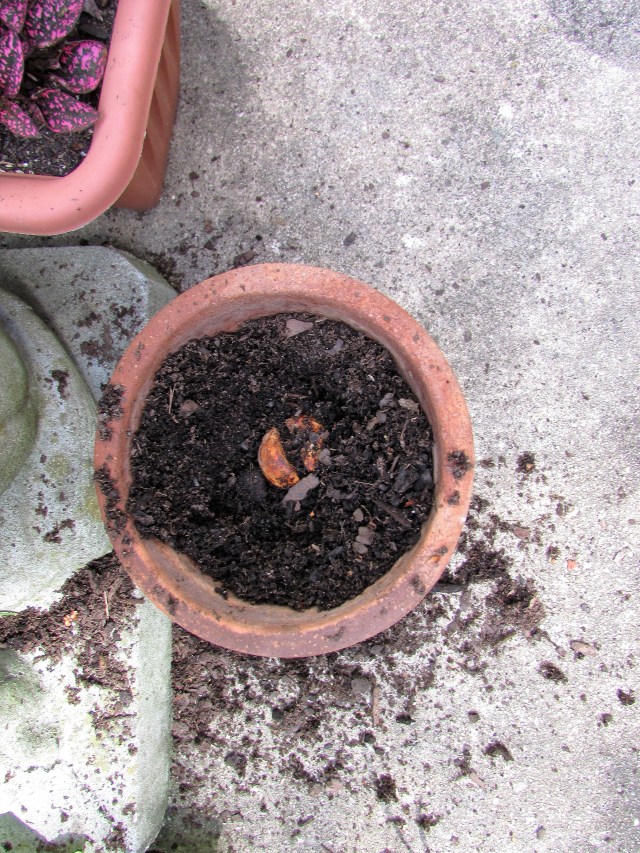
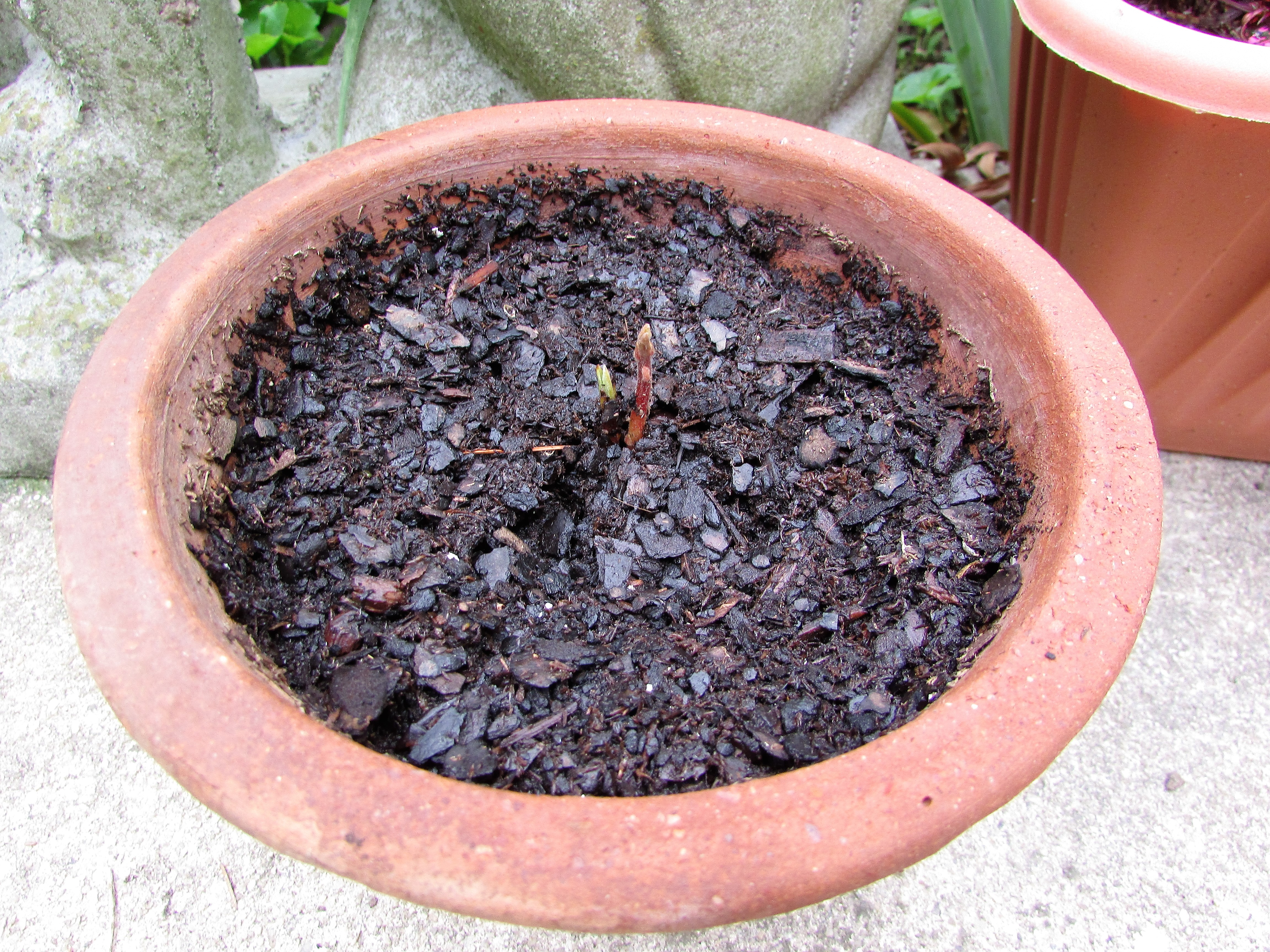
I had no idea when I said I’d update that I’d be posting so soon on the state of my avocado tree. I’m back to first steps again. A dastardly chipmunk decided to bite off the sprouts and unearth the pit. Again, I was inclined to toss out the whole project, but I am going to try again. Perhaps I will have three or four sprouts this time. I’m hoping the avocado pit still has a little life in it.
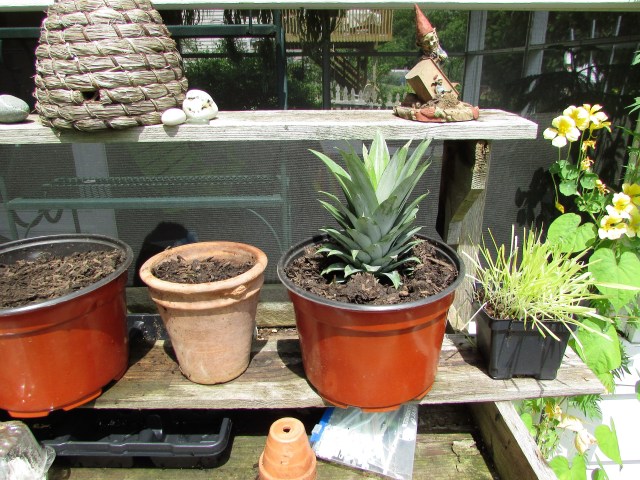
I added more soil, and while I was at it, I also potted up the top of a pineapple and some ginger bulbs. My grandsons helped me with this part of the project and enjoyed talking about the prospect of the fruit and bulb re-growing.
In late February I posted on planting an AVOCADO pit yet again. Several times I have been tempted to throw the dirt away and grow something else in the pot, but I’ve stopped myself. Now I’m glad to say the pit has sprouted into not just one, but two small stalks. I’ll continue to update as it grows.
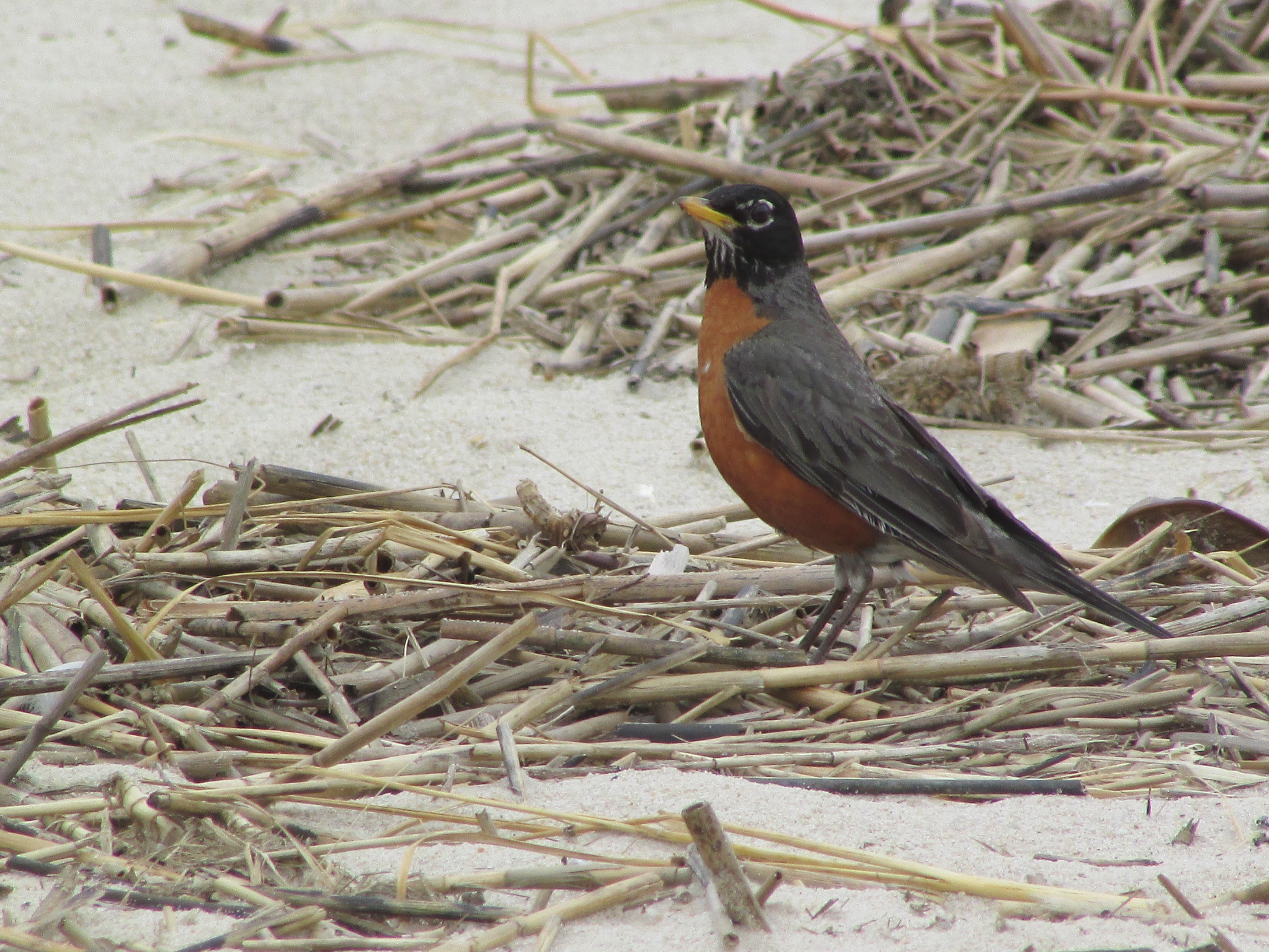
I love feeding the birds. I have suet and seed feeders spaced out across my back yard. Standing at the kitchen window, or sitting on the porch, watching the feeding birds brings me joy…until this past month. Within a matter of a week my yard was overtaken with “bully” birds. Large grackles, still feeding their adult-sized babies, descended upon my feeders. Now at times, I must admit, I did enjoy the exuberant cackling chatter of the grackles, but as the days progressed, more grackles arrived, and soon my beautiful songbirds moved on to areas less consumed by the flocks of big birds.
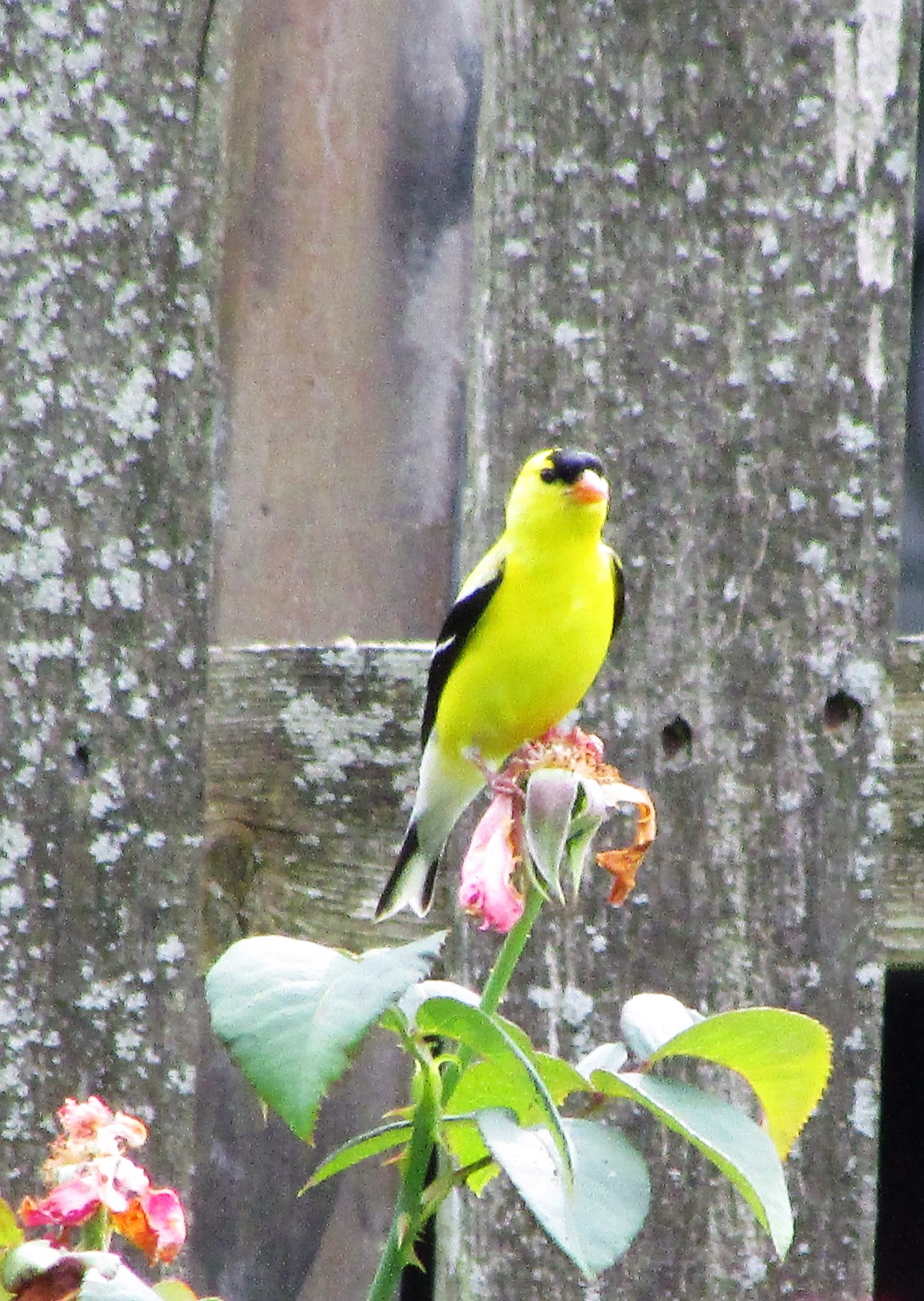
I remedied the situation by removing all feeders for a few days. I’ve recently put up a very small, squirrel proof feeder again, and it has been visited by the birds I desire. Yesterday, I once again saw a goldfinch, and even a hummingbird felt safe to visit my gardens. Grackles can be fun for a few moments, a bit like a wild and raucous party, but for my yard, I choose the soft soothing sounds of the songbirds.
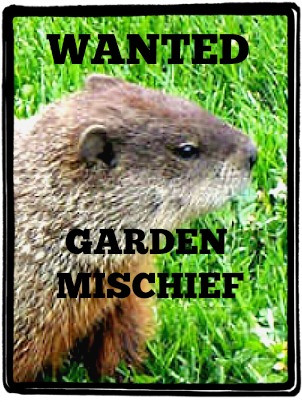
Years ago, it was a rare day I saw a groundhog. Now, they seem to be thriving everywhere I go. These animals are beautiful, but very destructive to gardens. The groundhog who tears mine apart has a penchant for devouring my cruciferous vegetables.
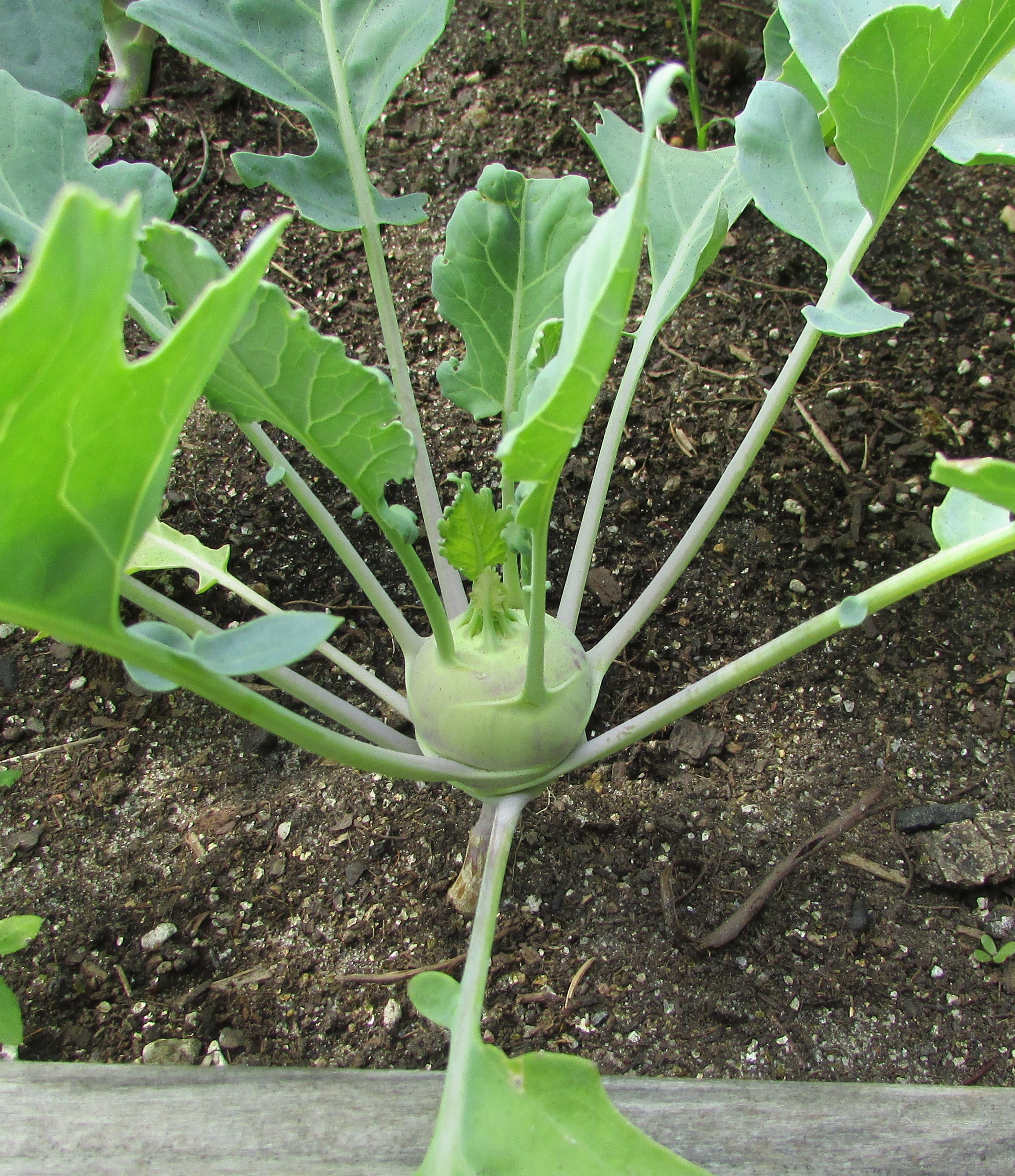
This is the kohlrabi I posted about on June 27th. It has been ravaged by the front incisors of our local groundhog. The kohlrabi itself is still intact, but I am having a few qualms over eating it after the obvious close encounter with a wild animal’s mouth and saliva. Hmmm…washing thoroughly works, but will I be able to eat it and enjoy it?
I know it is almost impossible to protect some vegetables from this hungry groundhog, but today I’ve put a few barriers in place I hope will help. As a start, I’ve unwound a dollar store bath puff. Did you know these are a long tube of nylon gathered together? Unwound, they have many uses.
I snipped the tube into small lengths and placed these over my ripening tomatoes for protection. The elasticity will keep it in place, and the leftover scent from soap will also be a good deterrent. Squirrels are very fond of taking one bite of my tomatoes and moving along to the next one, and to the next one, and then to the next. Argghhhh!
Another idea for newly emerging bean sprouts is a few branches of vitex laid across the ground. The sprouts make their way through the twigs, but the strong scent of the vitex, and the sharp edges, will hopefully keep hungry critters away until the beans are big enough to set fruit. At that time I will have to find another solution, but at least for now the branches give me a little time for planning. I love gardening, but sometimes it can be frustrating!
In the comment section Alli Farkus added such a great idea for keeping groundhogs out of the garden, I knew I must add it to the original post. Thanks Alli!
There’s only one (labor intensive) way to stop groundhogs. Their digging abilities make rabbits look like pikers, and they also have pretty good climbing ability. My guy and I spent three summers (working intermittently) putting up a 5′ high barrier of 4 x 4 posts and horse fence. Along the bottom of it I dug a trench and put rabbit fence from about 1 1/2 feet above ground to 1 1/2 feet below ground and then bent it into an L shape at the bottom to extend away about a foot from the fenceline and thwart digging. Along the top rail of the fence I installed wire and an electric fence charger. The critters still dig burrows all over the place, but I have never had one get into the garden since the fence was completed. Along the top of each of the five raised beds I also run the electric wire. It teaches the squirrels to stay out, and by the time the plants get so big they ground out the wire the invaders have already been “trained” to stay away. Lots of initial work, but pretty much zero frustration. Now if only I could solve the destruction of the cruciferous crops…
~ Alli Farkus
Two islands that I love are opposite to each other, located in the North and South of the western hemisphere. Jamaica and Block Island, Rhode Island are two of my favorite islands in the world. Neither of these islands can be reached by car. Jamaica requires air travel, and Block Island requires a ferry ride, or a quick flight in a small plane.
I’d say the most obvious differences between these islands is the heat or lack of it. Block Island might become hot and sunny in the summer, but the water always feels a bit cold to me. Jamaica’s blue-green waters maintain their warmth, and are always inviting. Block Island is a place of bustling activity, Jamaica’s atmosphere is laid-back and more relaxed. I love both these islands, and enjoy the unique aspects of each.
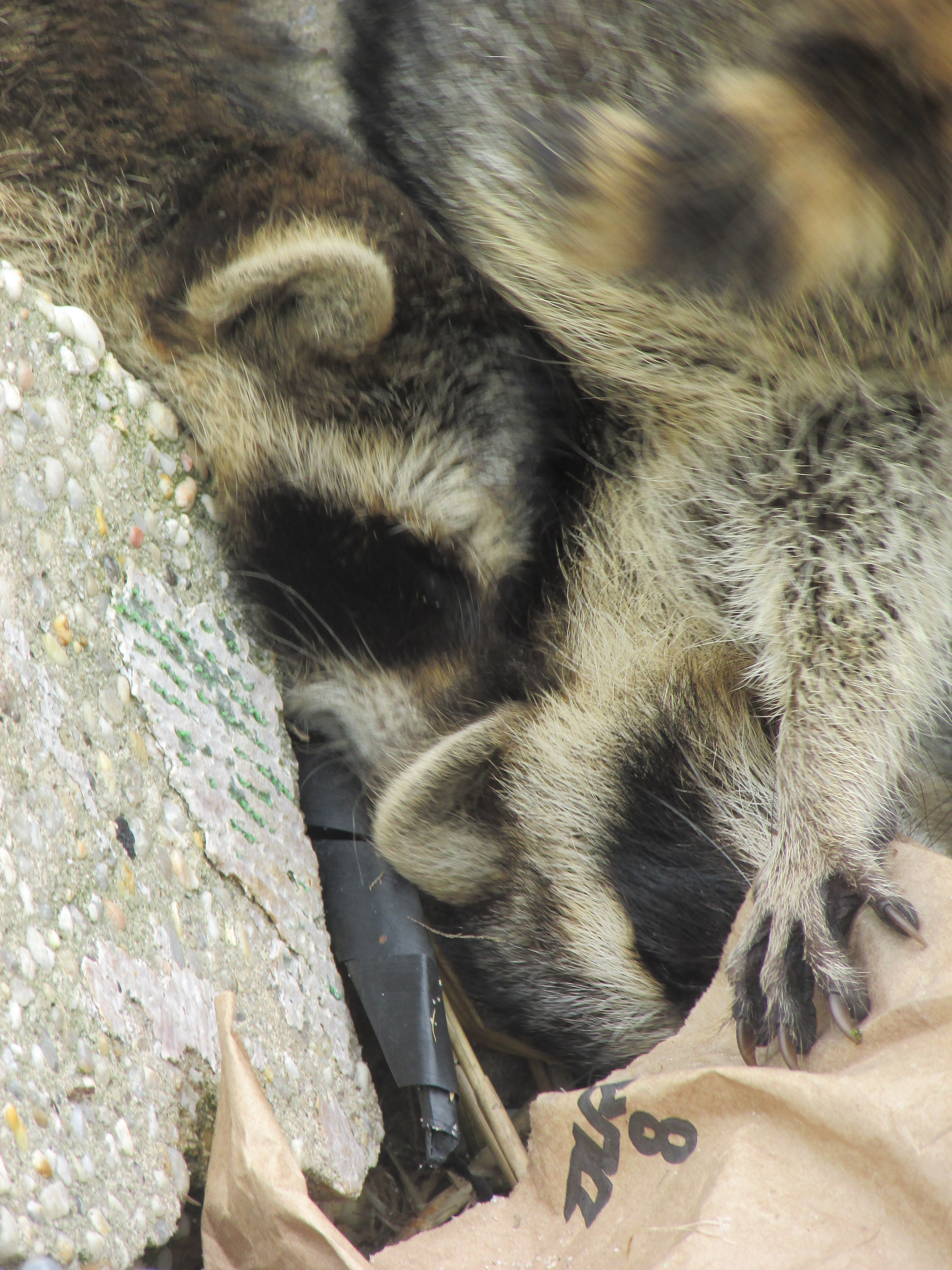
Heavy storms washed away the camouflage of trash and brush a mother raccoon had used for hiding her baby kits. She was nowhere to be seen today when someone pointed out these babies to us. Raccoons are nocturnal and these little babes were trying their best to continue napping beneath a bulkhead on the Delaware Bay. Hopefully, the mother raccoon can repair, or move her nest, before the busy weekend arrives. Wild baby animals are cute, but should never be touched.
Kohlrabi! Who knew it was so easy to grow? I’ve seen it on seed racks year after year and never tried it. This year I remedied that by planting a free packet someone gave me. I’m excited by the plants that are growing now. I’ve read kohlrabi tastes like a mix of cabbage and broccoli, and can be eaten cooked or raw. It is also recommended as a good addition to soup puree. Kohlrabi leaves can be cooked like mustard greens.
My cucumbers are doing well in the June heat. They have reached the point where they need support to keep growing upwards. I like to use what I have on hand. A dollar store fish net tied around the firewood was the perfect combination to create a unique trellis.
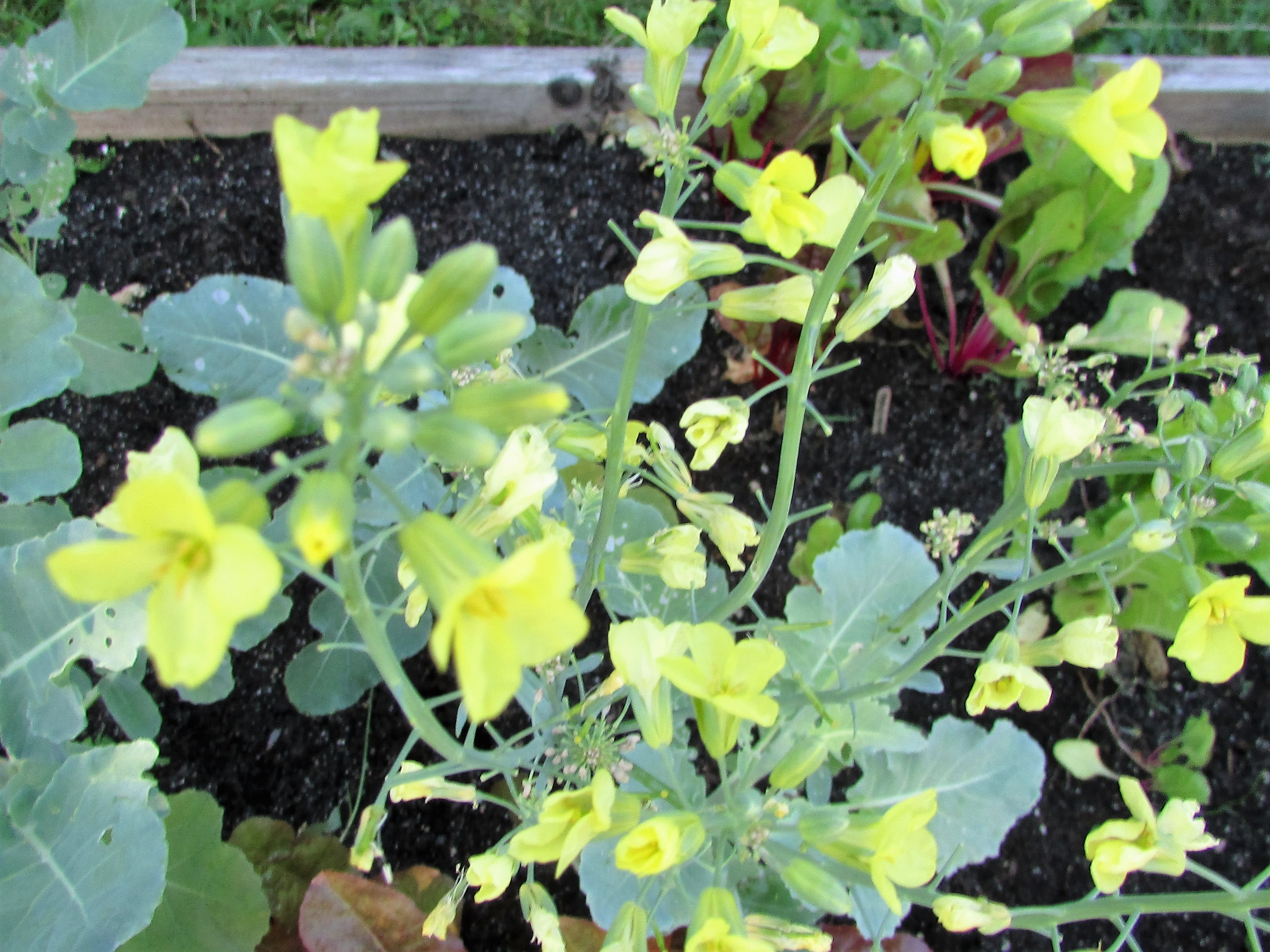
My four broccoli plants are going to seed. They never produced heads of broccoli, and were destined for the compost bin. Before I got around to pulling them the buds bloomed into interesting and colorful flowers. Hmmmm? Would it be possible to press these beautiful florets? I have tried to press lettuce flowers gone to seed in the past, and they were too delicate and thin? I am always on the lookout for yellows; would the broccoli work in book or microwave?
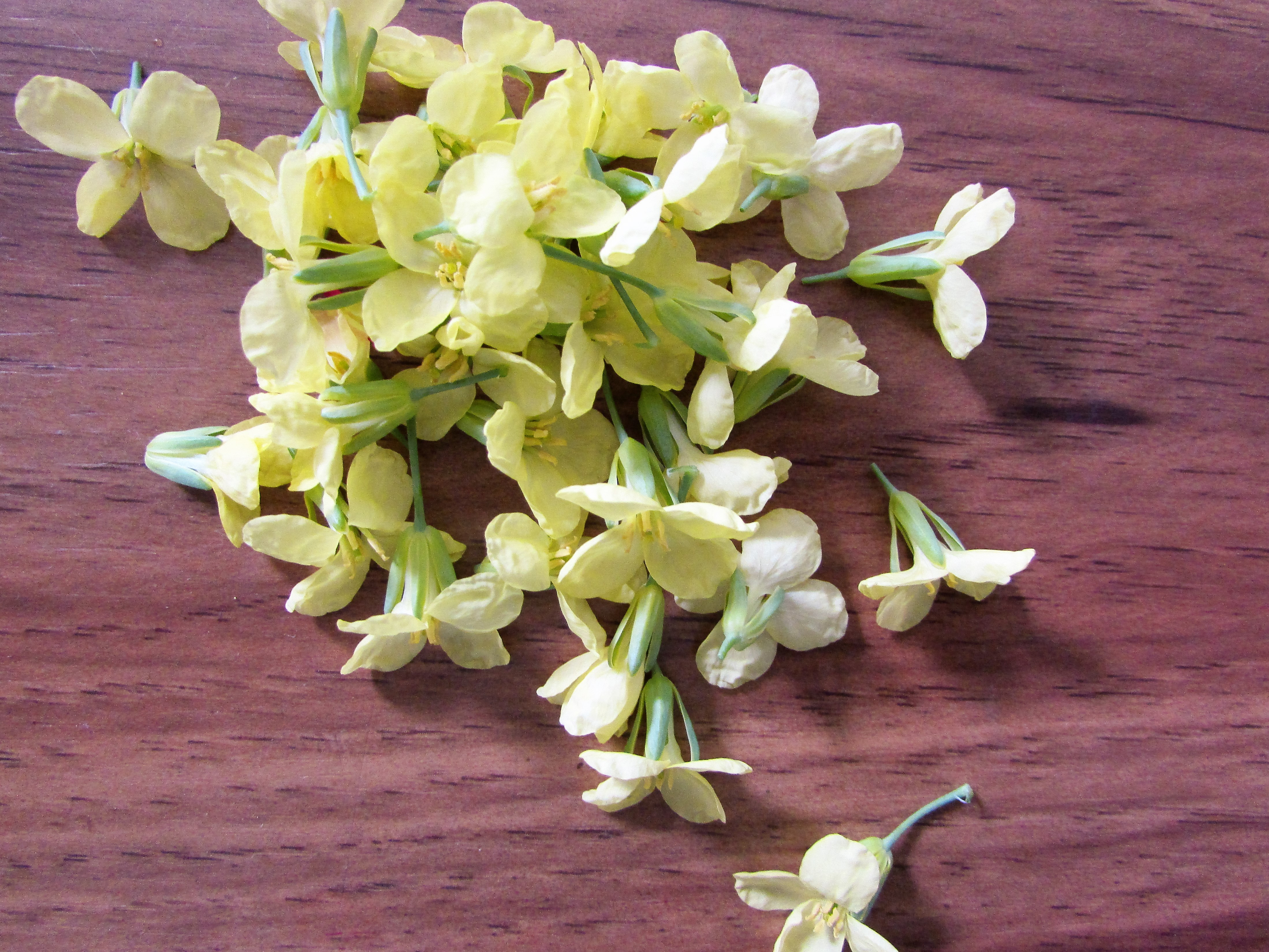
Oh YES! I picked several florets and pressed them both ways. The microwave and book pressing both worked perfectly. The florets greatly resemble wallflowers after being pressed, but instead of fluorescent orange, they turn a brilliant yellow. I can’t wait until the rest of my broccoli plants go to seed, in fact, I might plant a few more mid-summer just for the blooms. Go figure!!! Aren’t the unhappy surprises that turn into blessings one of the things that makes life grand? YES!
Broccoli florets, lower right, with wallflowers and pansies.
“Browallia earns its nicknames of amethyst flower and sapphire flower for the richness of its small blue flowers, which pop out like jewels against the bright green of its foliage. A tidy mounding plant, it’s great in containers or planted as edging in a neat row at the front of the border.” ~ Better Homes and Gardens
I planted a beautiful browallia plant in a rustic pot this year. It’s thriving in a spot that receives strong morning sunlight. I love the beautiful amethyst shade of its petals.
I’ve also experimented with pressing browallia flowers and have found the best way to process them is to use the standard method of pressing in an older book. Place the flowers between the pages, weight the book down, let it sit for about a week, then remove the flowers and store between acid free paper. When I attempted to flash-dry the petals in the microwave, which works perfectly for the Johnny-Jump-Up Violas in the photograph with them, the flowers lost all their color and dried to an unusable tan shade.
Here’s a combination of color you don’t often see in gardens or arrangements…crimson and coral, beautiful in the morning sunlight. The flowers in the photo are Tuberous Begonias and Impatiens.